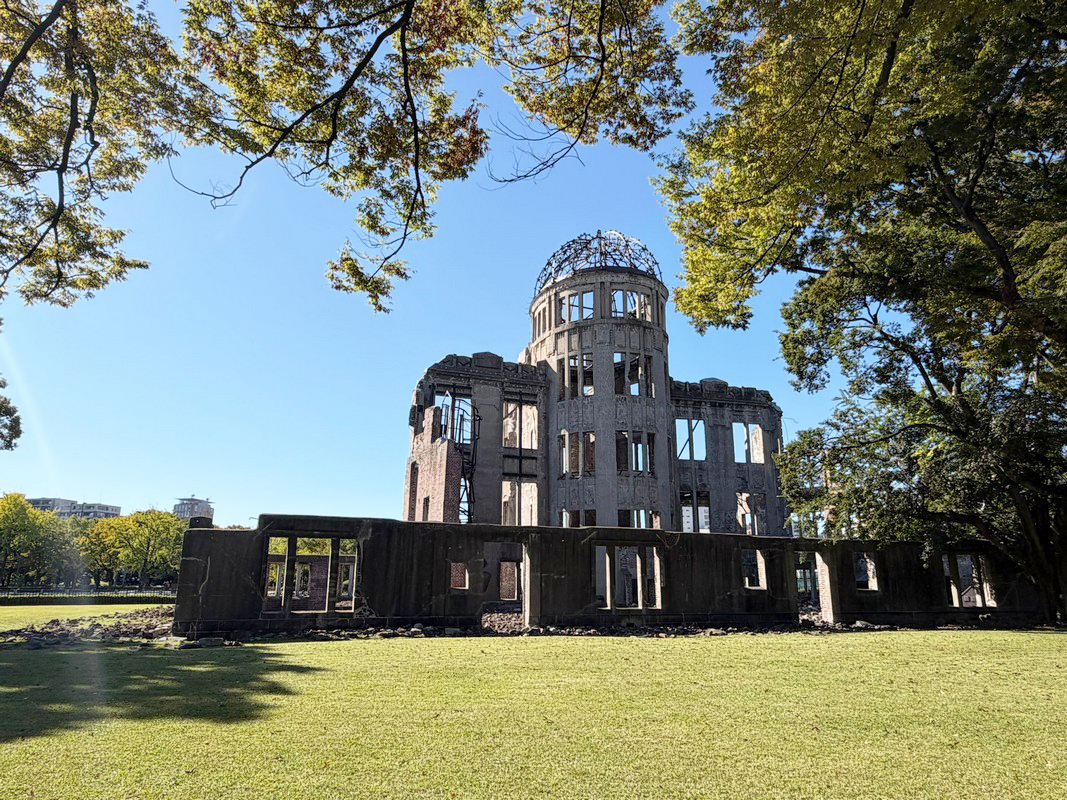
Hiroshima Japan and World War II
Hiroshima, a city located in western Japan, became one of the most significant places in modern world history due to the events of August 6, 1945. On that day, near the end of World War II, the United States dropped the world’s first atomic bomb used in warfare on Hiroshima. The bombing not only brought immense devastation to the city but also marked the beginning of the nuclear age, changing global politics, warfare, and humanity’s perception of power and destruction.
During World War II, Japan had become one of the major Axis powers, alongside Germany and Italy. After years of fierce fighting across the Pacific, Japan continued to resist surrender even as its military situation worsened in 1945. The United States sought a way to bring the war to a quick end without a costly invasion of the Japanese mainland. The Manhattan Project, a secret American research program, had developed two types of atomic bombs—one using uranium and another using plutonium. President Harry S. Truman decided to use these new weapons to force Japan’s surrender and demonstrate the overwhelming power of the United States.
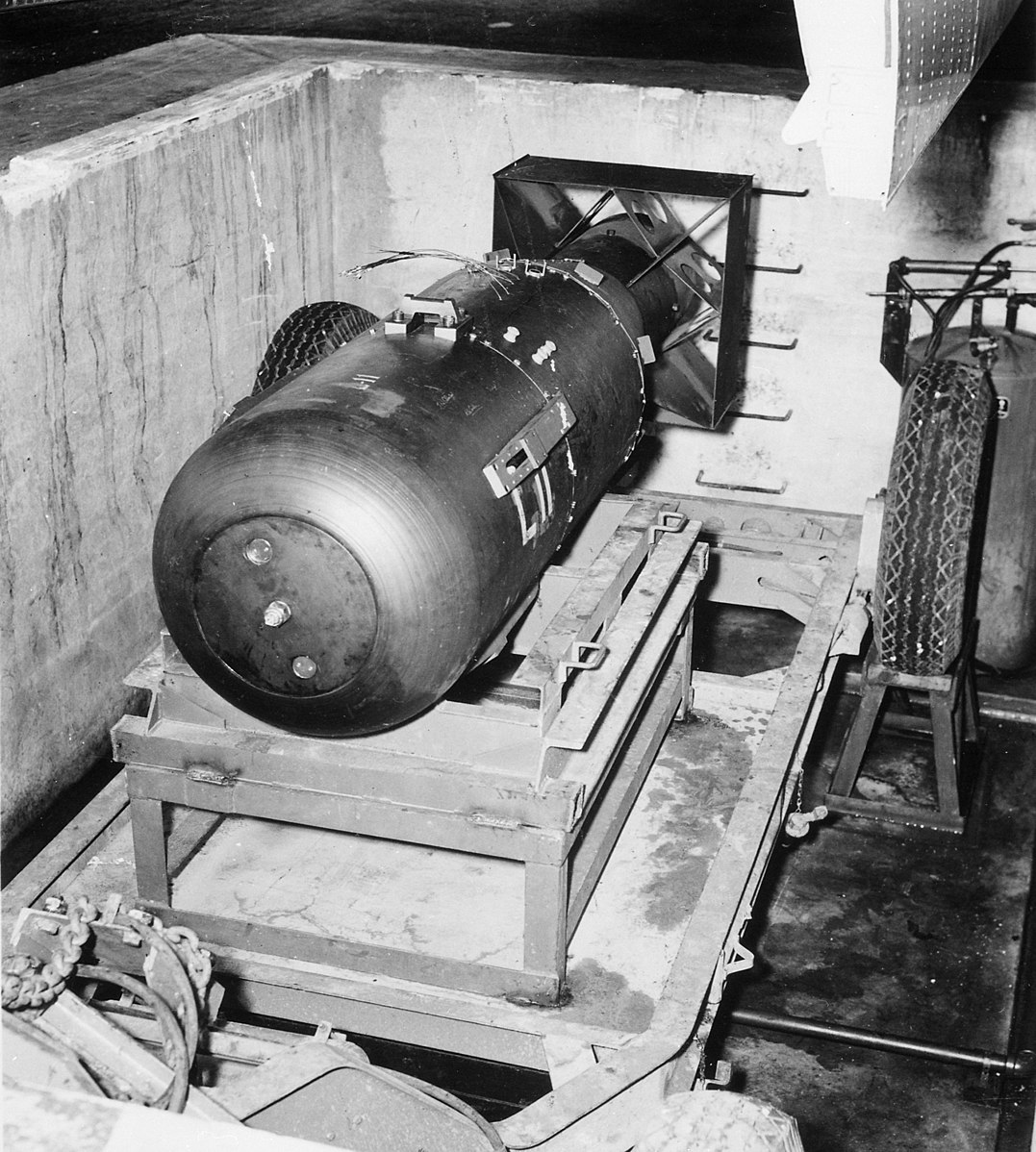
Little Boy, the first Atomic Bomb – Hiroshima
At 8:15 a.m. on August 6, 1945, an American B-29 bomber named Enola Gay dropped the atomic bomb, nicknamed Little Boy, on Hiroshima. The bomb exploded about 600 meters above the city center, releasing energy equivalent to around 15,000 tons of TNT. In an instant, the explosion destroyed most of Hiroshima. Temperatures near the center of the blast exceeded several thousand degrees Celsius, igniting fires throughout the city. Approximately 70,000 to 80,000 people were killed immediately, and by the end of the year, the total death toll reached around 140,000 due to radiation sickness, burns, and other injuries (growing even further in the years to come).
The devastation was unprecedented. Buildings were flattened within a two-kilometer radius, and survivors, known as hibakusha, suffered severe injuries and long-term effects from radiation exposure. Many lost their families, homes, and livelihoods. In the days and months that followed, hospitals were overwhelmed, and medical professionals struggled to treat radiation-related illnesses that were poorly understood at the time. The horror of the bombing deeply shocked the world.
Fat Man, the Second Atomic Bomb – Nagasaki
Three days later, on August 9, 1945, the United States dropped a second atomic bomb, Fat Man, on the city of Nagasaki. Together, the bombings of Hiroshima and Nagasaki led to Japan’s surrender on August 15, 1945, officially ending World War II. Emperor Hirohito’s announcement of surrender marked the first time most Japanese citizens had ever heard his voice. The use of atomic bombs remains one of the most controversial decisions in history. Supporters argue that the bombings were necessary to end the war quickly and save lives that would have been lost in a prolonged invasion. Critics maintain that Japan was already near defeat and that the attacks caused immense suffering to civilians.
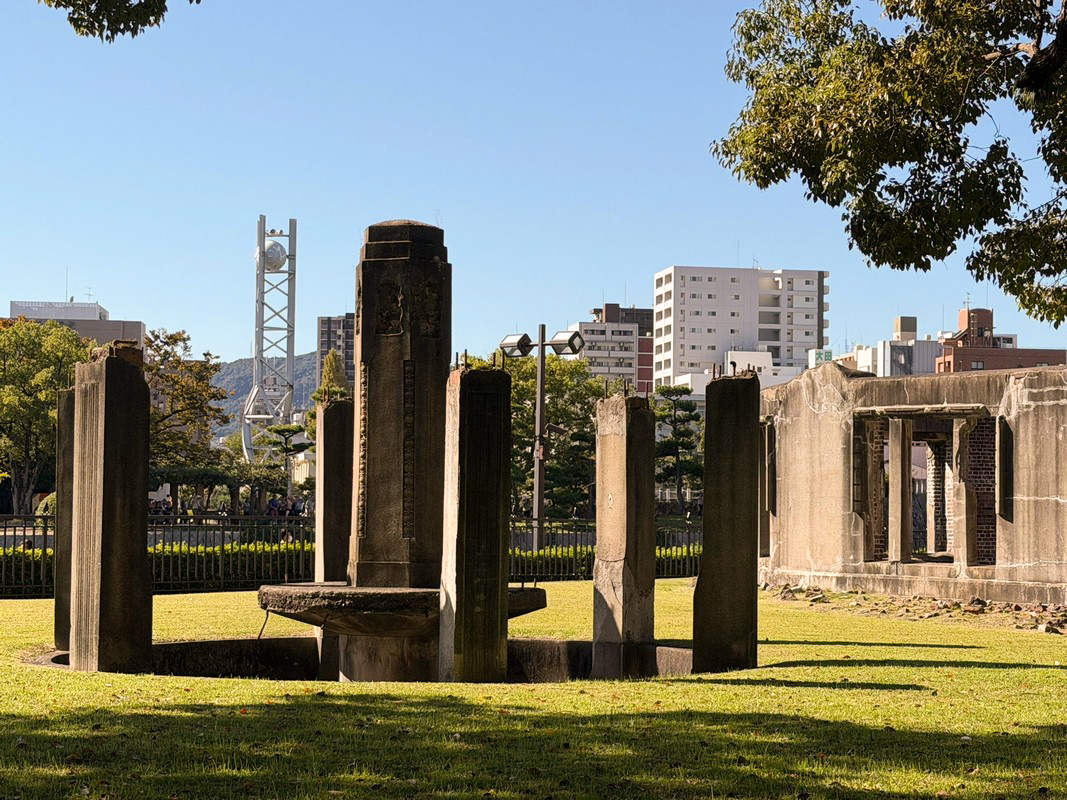
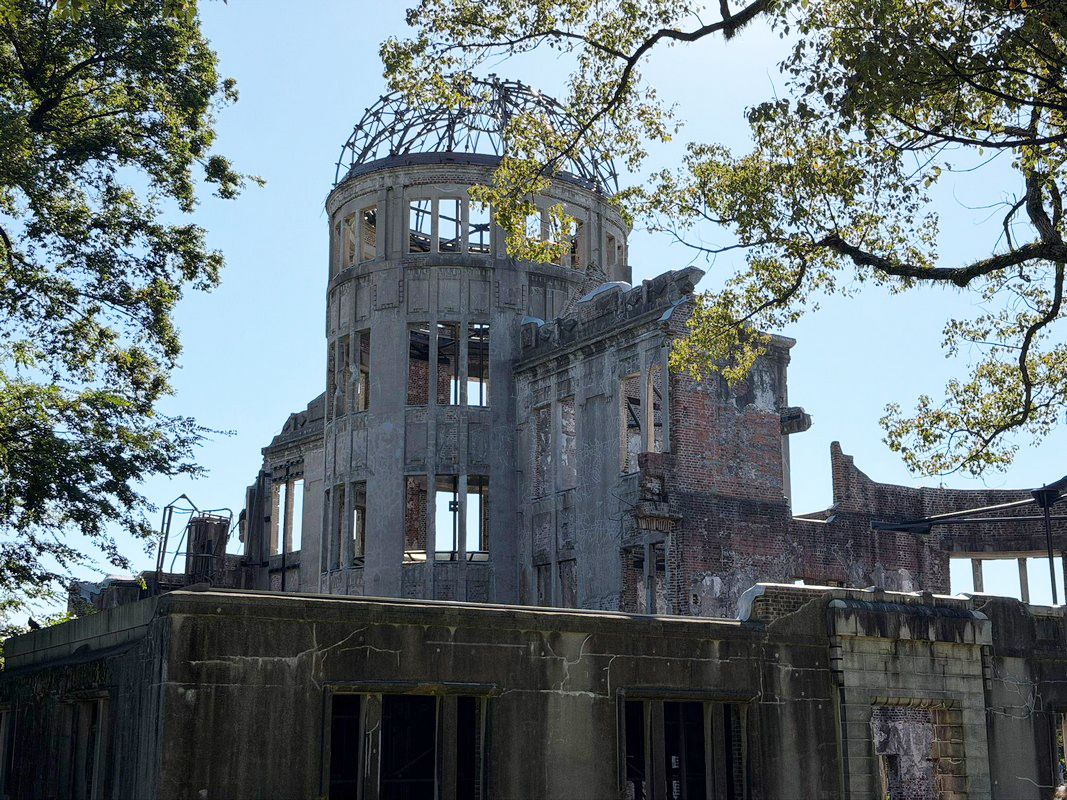
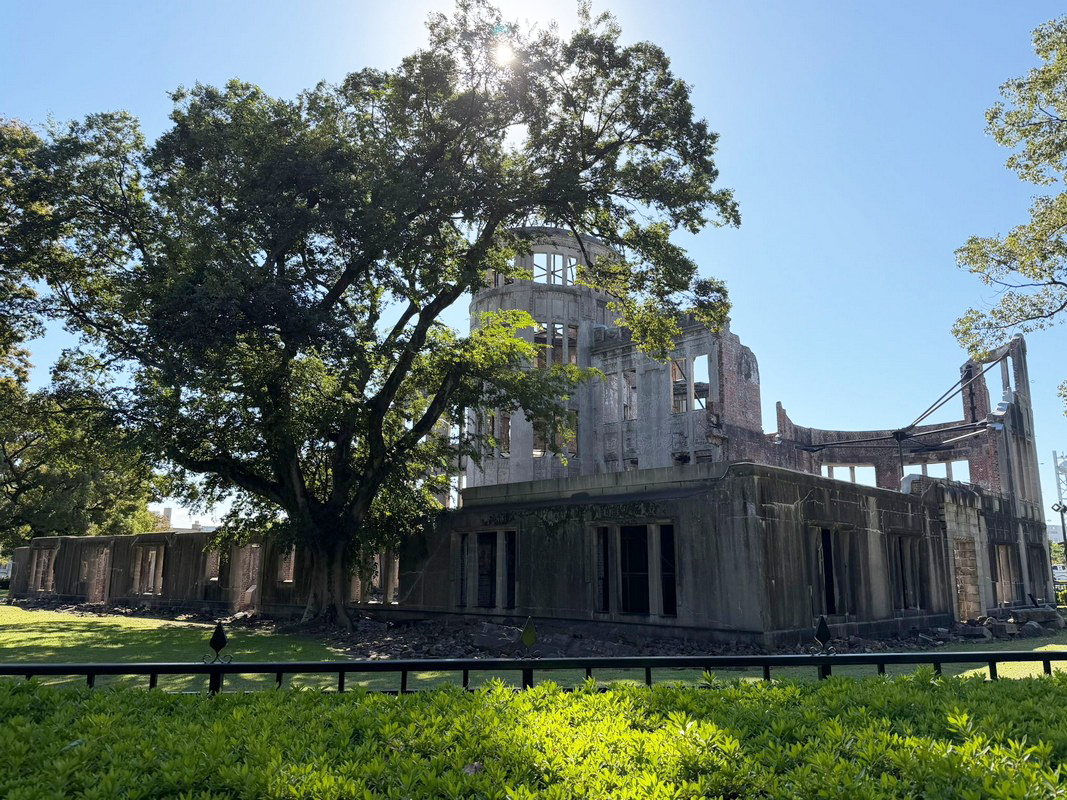
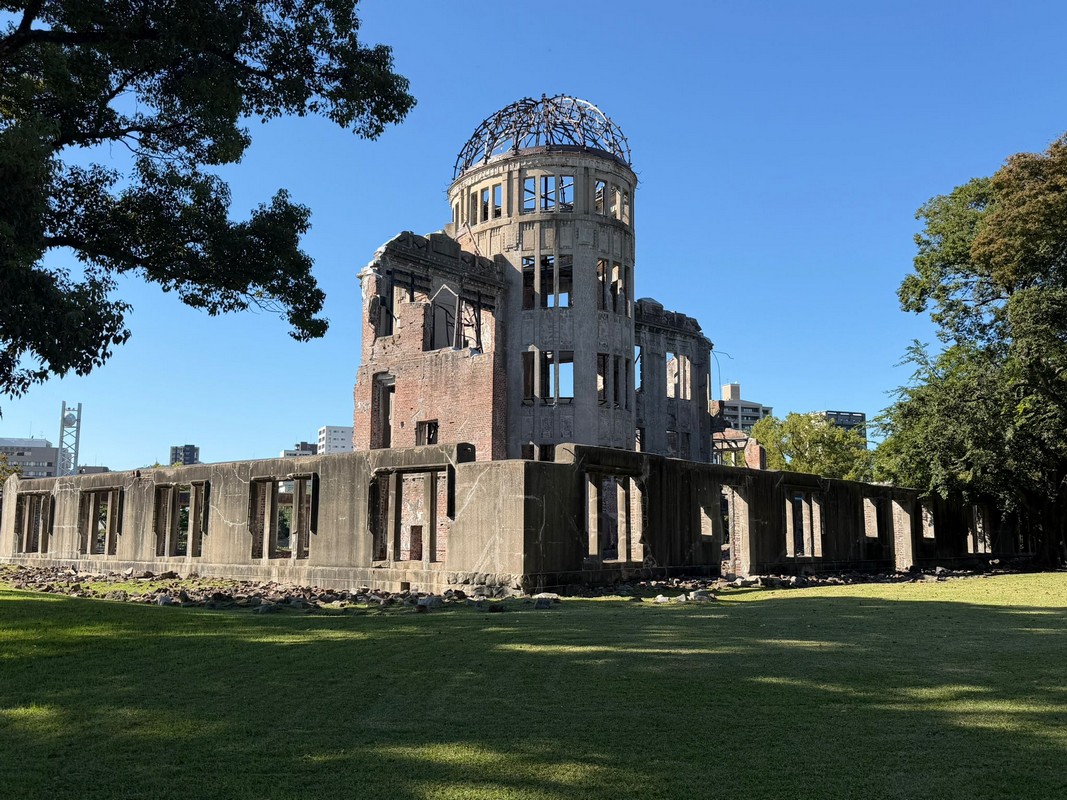
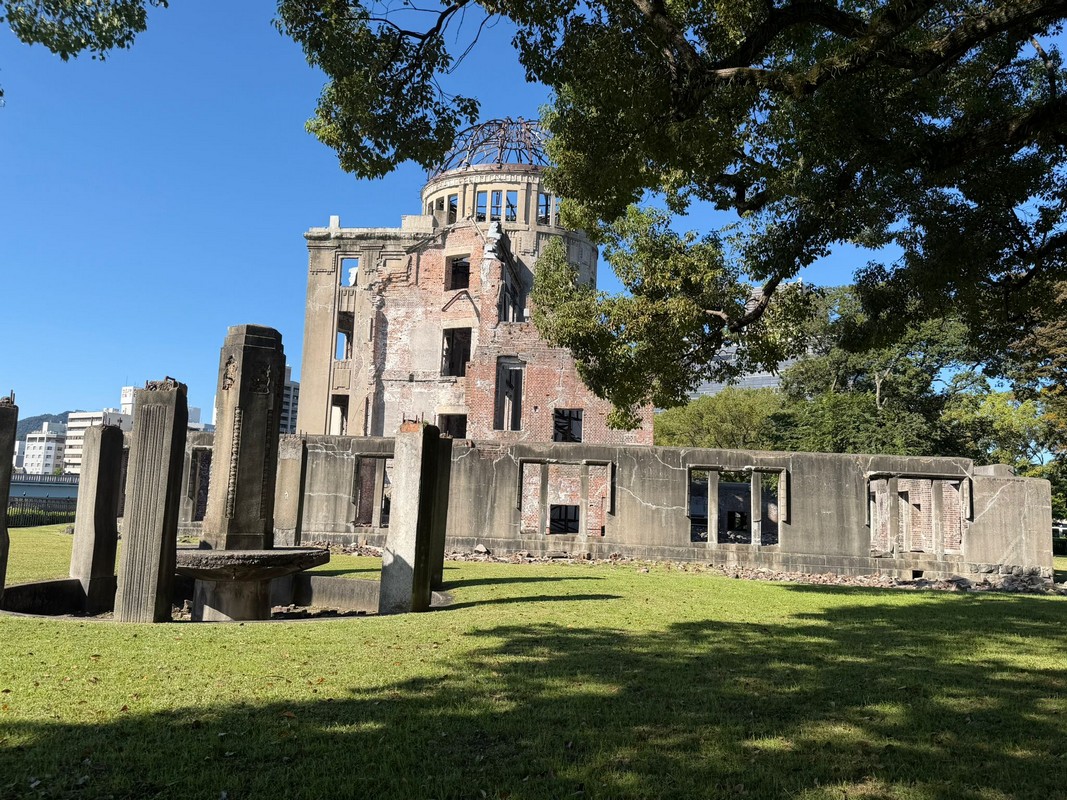
Hiroshima Prefect Commercial Exhibition Hall
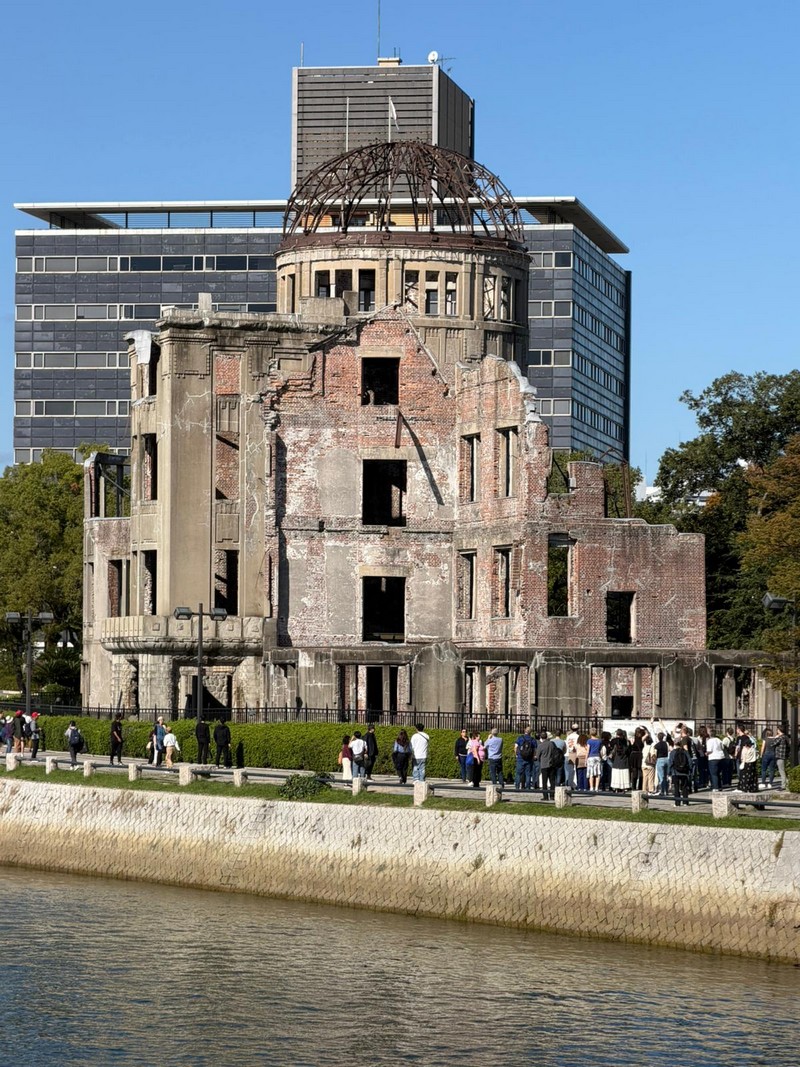
The building was designed by the Czech architect Jan Letzel and completed in 1915. Hiroshima Prefect Commercial Exhibition Hall had a distinctive green dome, It’s business function was commercial research and consulting services, the sale of prefectural products and art exhibitions, fairs and cultural events.
Over the years after completion it was renamed to Hiroshima Prefectural Products Exhibition hall. During the war it was taken over by the Chugoku-Shikoku Public Works Office of the Interior Ministry, the Hiroshima District Lumber Control Corporation and other government agencies
Hiroshima’S lEGACY
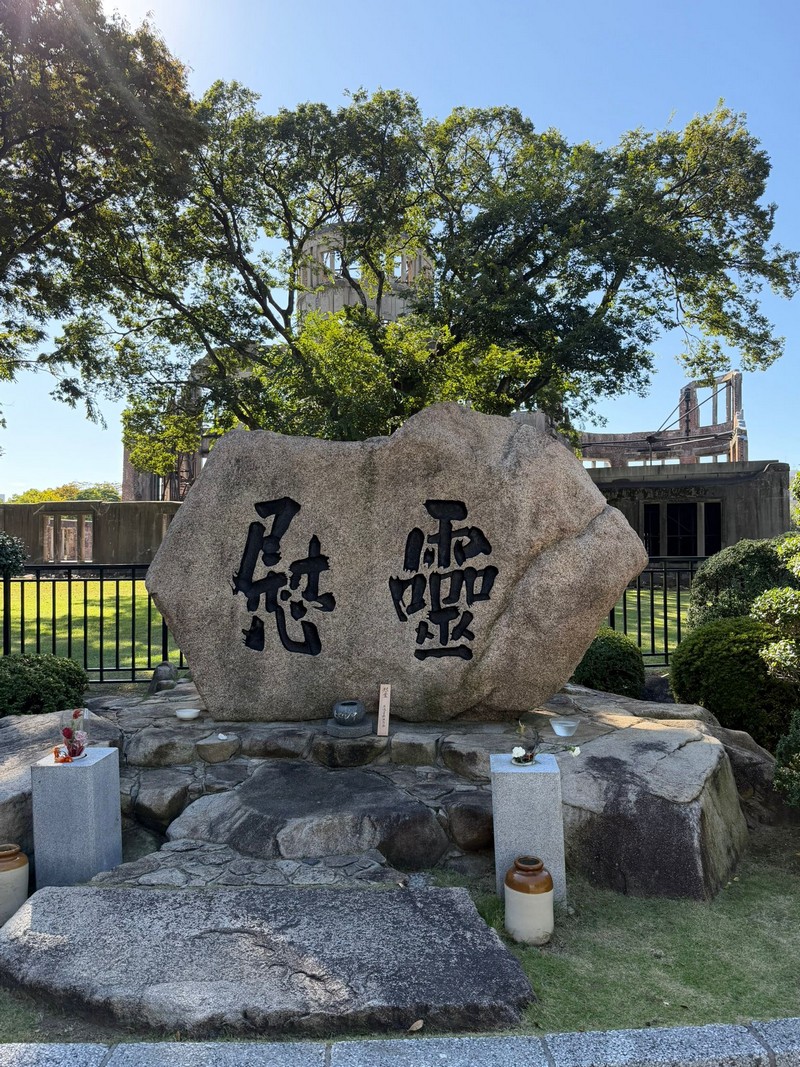
After the war, Hiroshima became a symbol of peace and nuclear disarmament. The city was rebuilt from the ashes and transformed into a center for peace education. In 1949, Hiroshima was designated a “City of Peace” by the Japanese government. The Hiroshima Peace Memorial Park, which includes the Atomic Bomb Dome—a structure that survived the blast—serves as a reminder of the tragedy and a call for the abolition of nuclear weapons. Each year, on August 6, people from around the world gather in Hiroshima to remember the victims and renew their commitment to peace.
The bombing of Hiroshima forever changed the course of history. It demonstrated the terrifying power of nuclear weapons and raised profound ethical questions about warfare, science, and humanity. The lessons of Hiroshima continue to resonate today, reminding the world of the urgent need to prevent the use of nuclear weapons and to pursue lasting global peace.
Visit
Check out the website for opening times.

Excellent report as always, I would like to go there myself. Perhaps the russian president should also pay a visit to the Peace Park, he might learn something.
Thank you very much