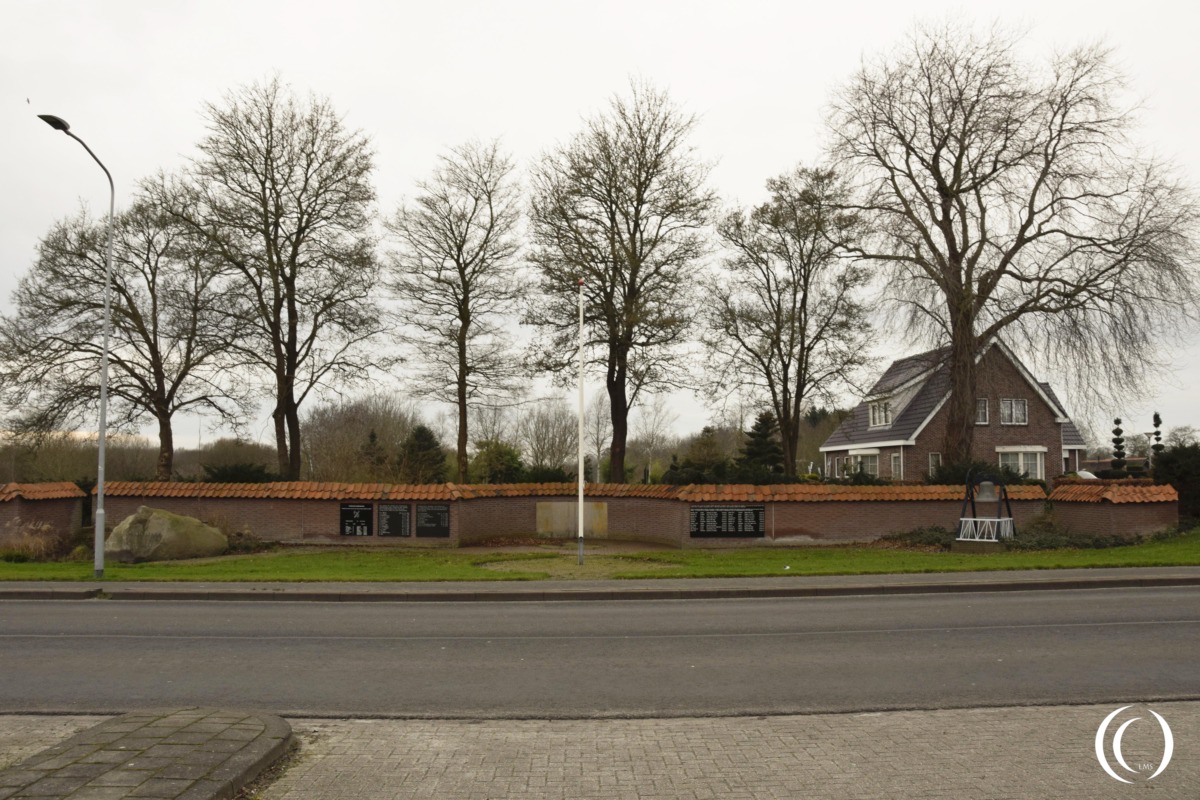
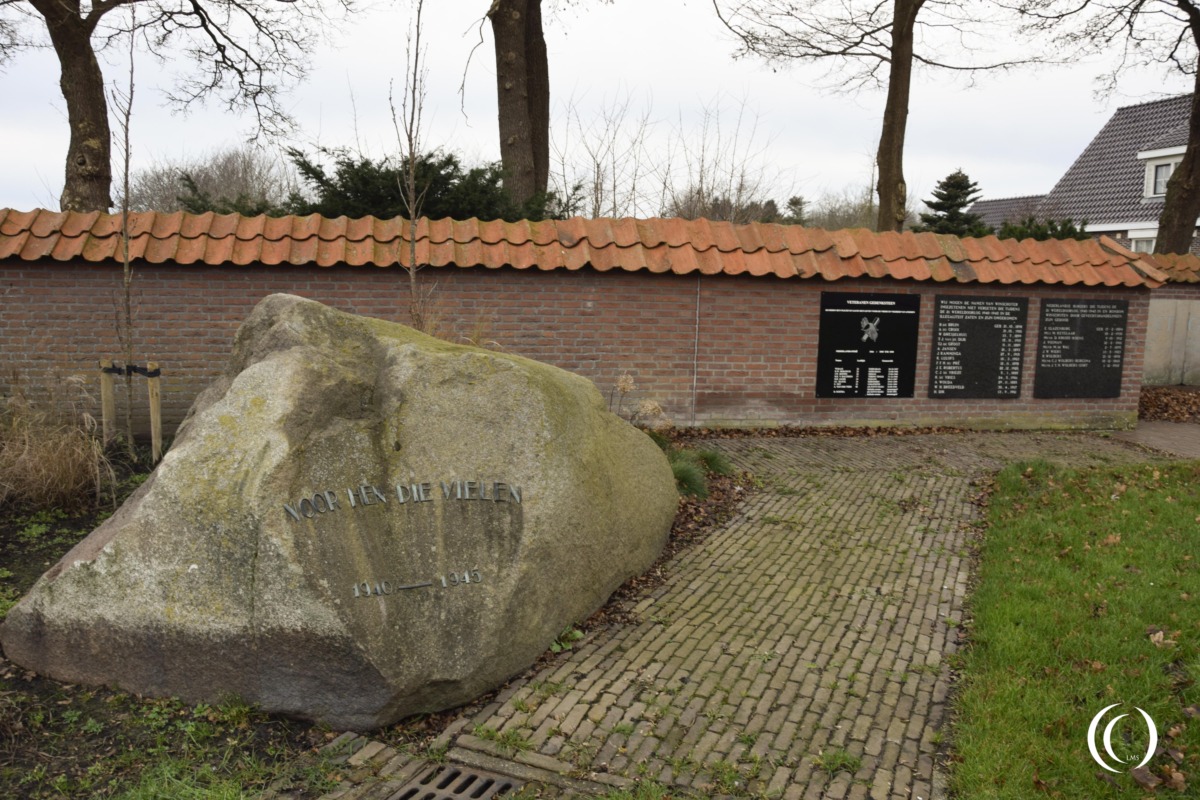
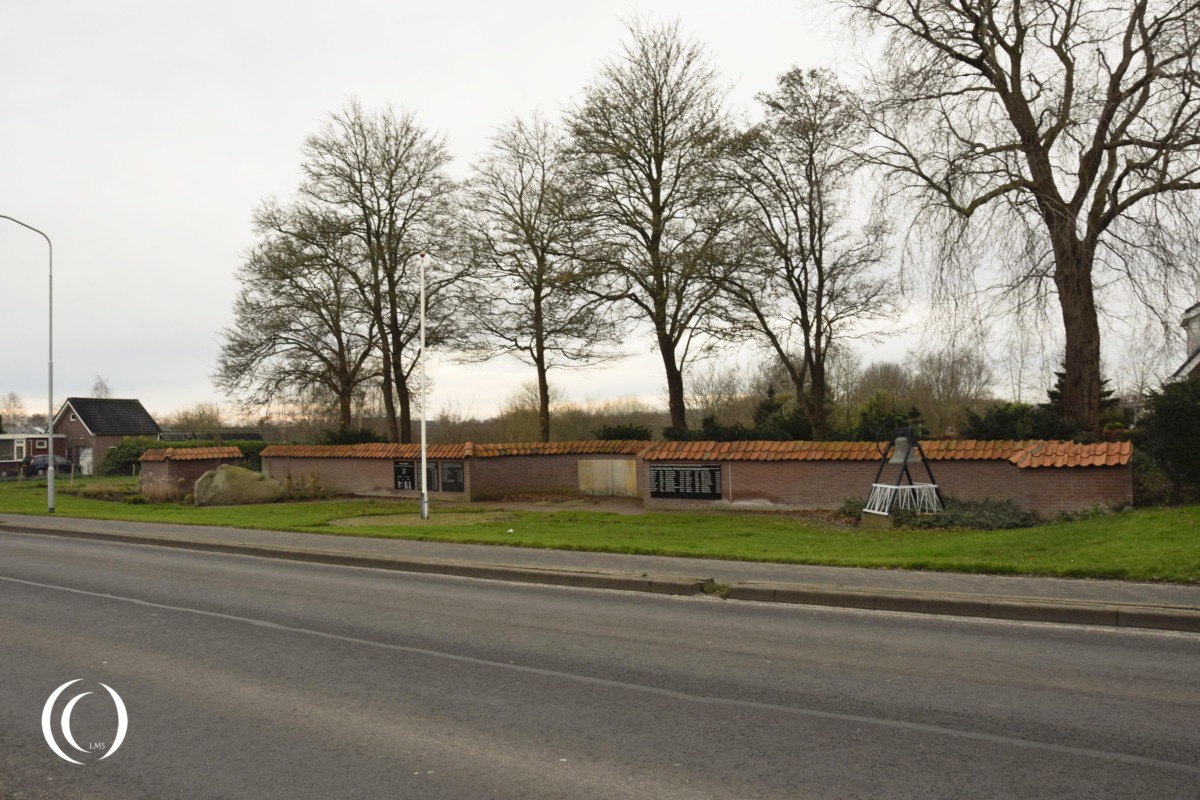
A monument to remember the Canadian soldiers of WW2 who fell during the fighting in the Delfzijl pocket can be found in Winschoten. Twenty-two Canadian soldiers found their temporary resting place in Winschoten during the heavy fighting in this area during the last days of the Second World War, April – May 1945. After the war they were relocated to the Canadian War Cemetery in Holten, the Netherlands.
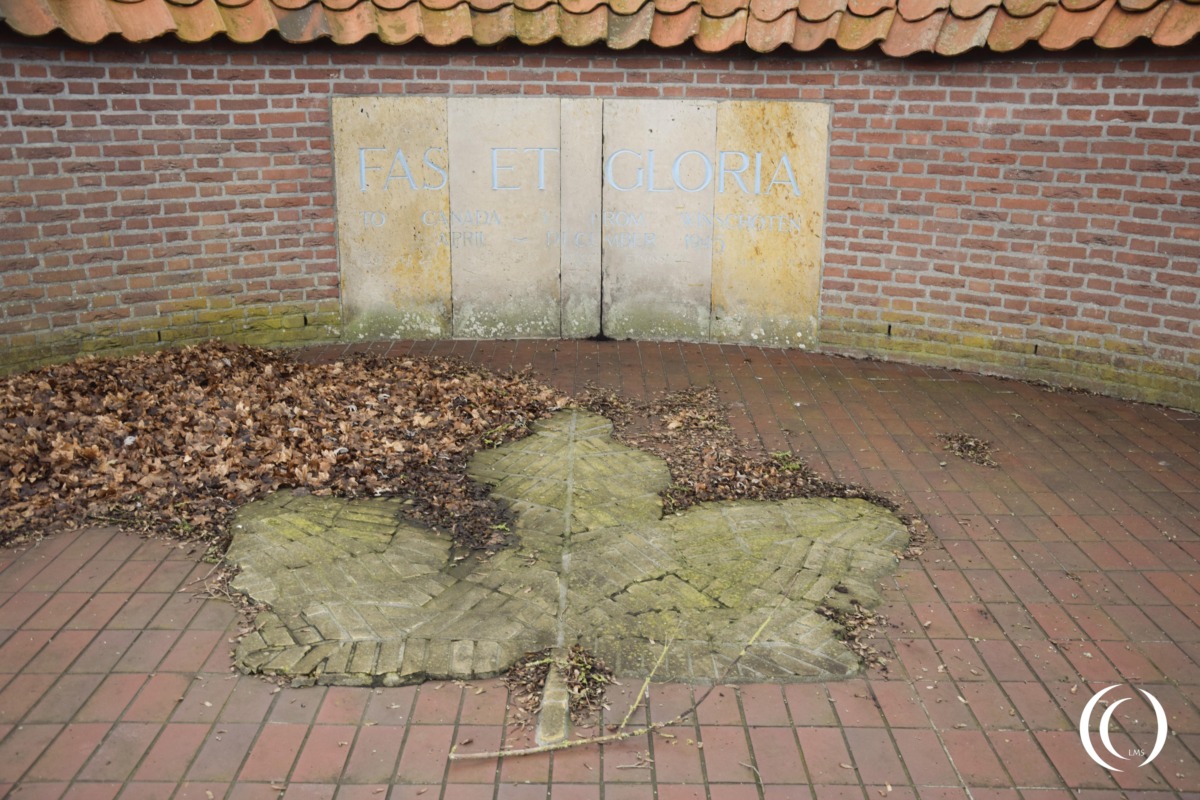
The Delfzijl Pocket – World War II (April–May 1945)
The Delfzijl Pocket refers to the final German defensive enclave around Delfzijl (a city in the northern tip of the Netherlands on the German border) in the closing weeks of World War II. After the liberation of Groningen on 16 April 1945, retreating German forces regrouped northeast along the Ems estuary. Canadian troops advanced through the northern Netherlands encircling them, creating what became known as the “pocket.”
The operation to eliminate the pocket was carried out mainly by the 5th Canadian Armored Division. German defenses were set up Wehrmacht soldiers together with the German (Kriegs) Marine Flak Abteilung 256 as part of the 6th Marineflakregiment, responsible for manning the German anti-aircraft batteries in and around Delfzijl.Although the war in Europe was clearly nearing its end, the fighting around Delfzijl was intense. The flat, open polder landscape offered little cover for attacking troops, and German defenders had fortified villages, dikes, and coastal batteries. Strongpoints included artillery positions near the Ems estuary and defensive works around small settlements such as Wagenborgen and Holwierde.
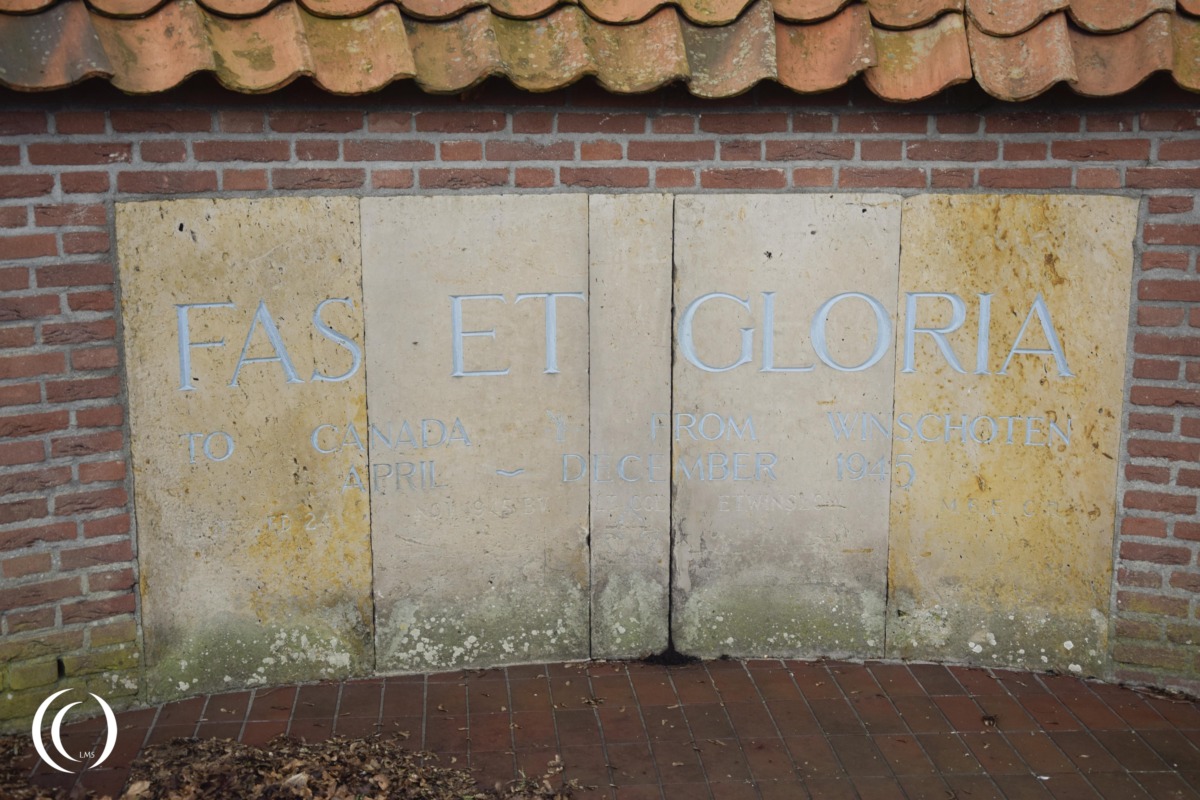
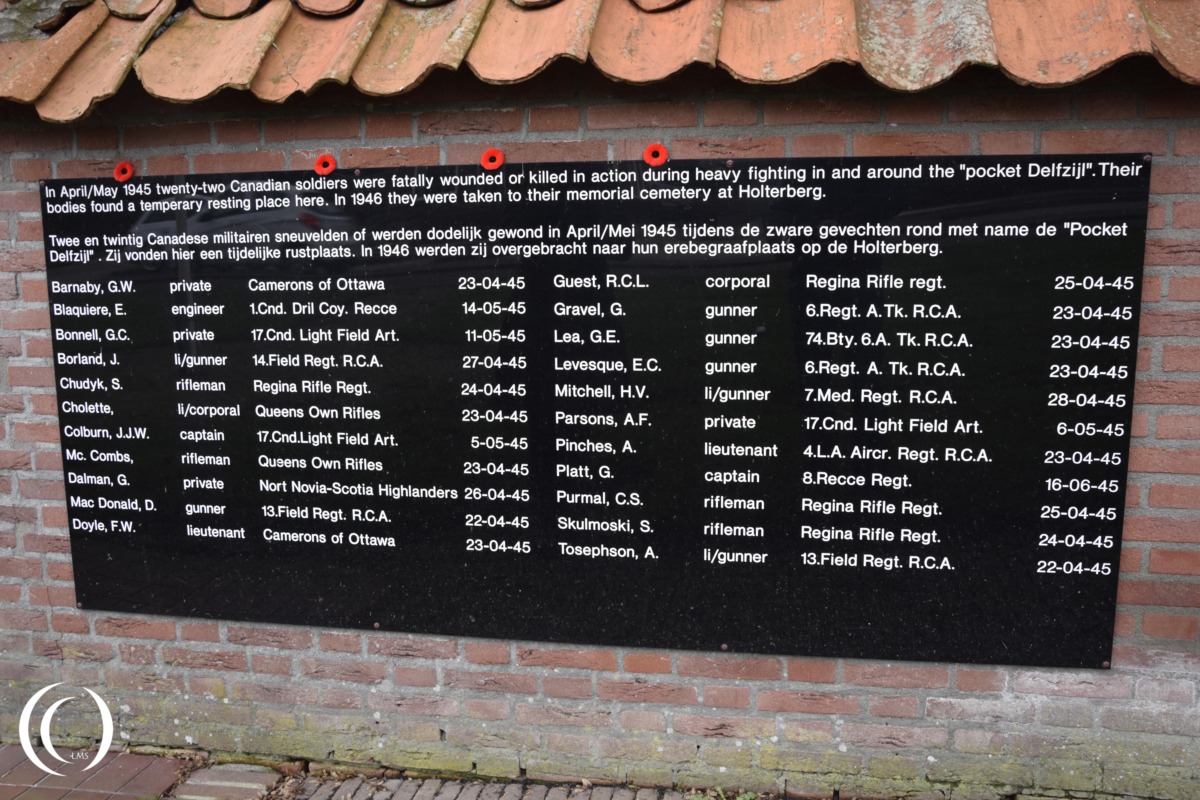
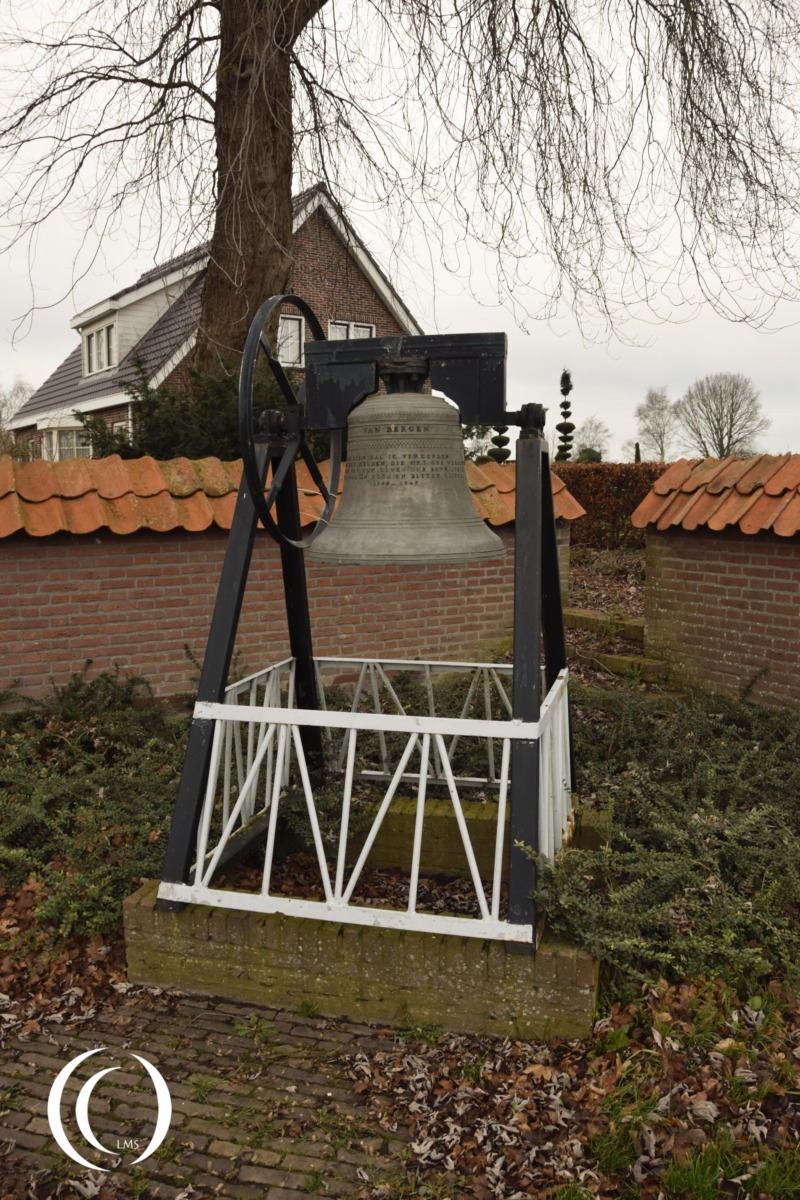
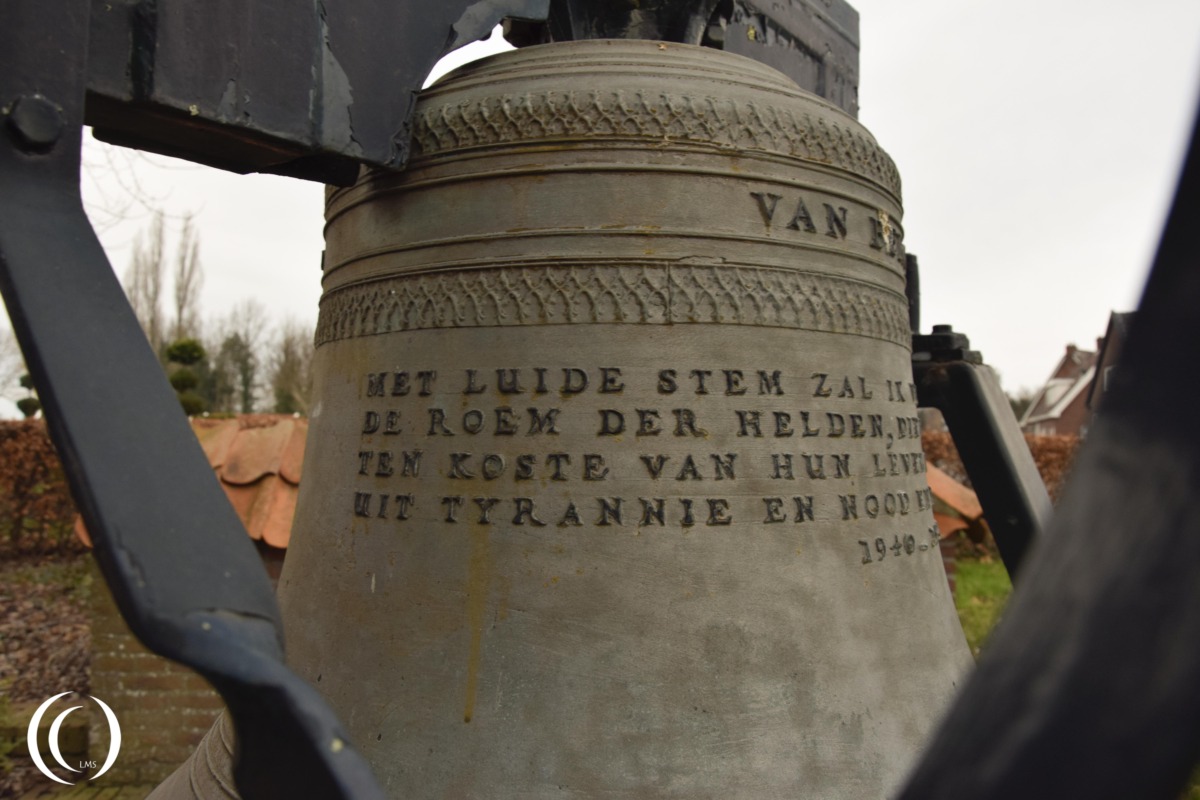
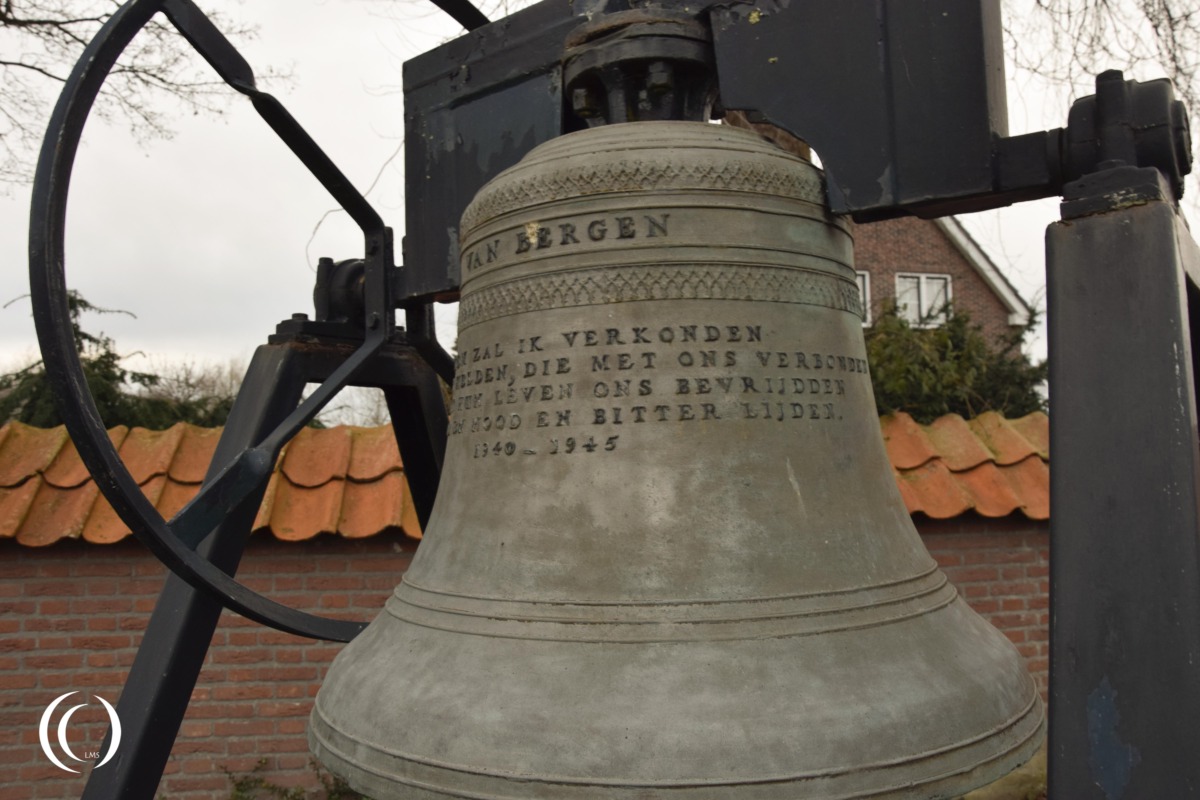
From 21 April onward, Canadian units advanced village by village under heavy resistance. German forces used bunkers, anti-aircraft guns in ground roles, and well-prepared trench systems. Civilian areas suffered damage, and both soldiers and local residents were killed or wounded during the fighting.
By 1 May 1945, Canadian troops entered Delfzijl itself. Remaining German forces in surrounding areas surrendered shortly afterward, just days before Germany’s overall capitulation on 5 May in the Netherlands. The fall of the Delfzijl Pocket marked the final liberation of the province of Groningen.
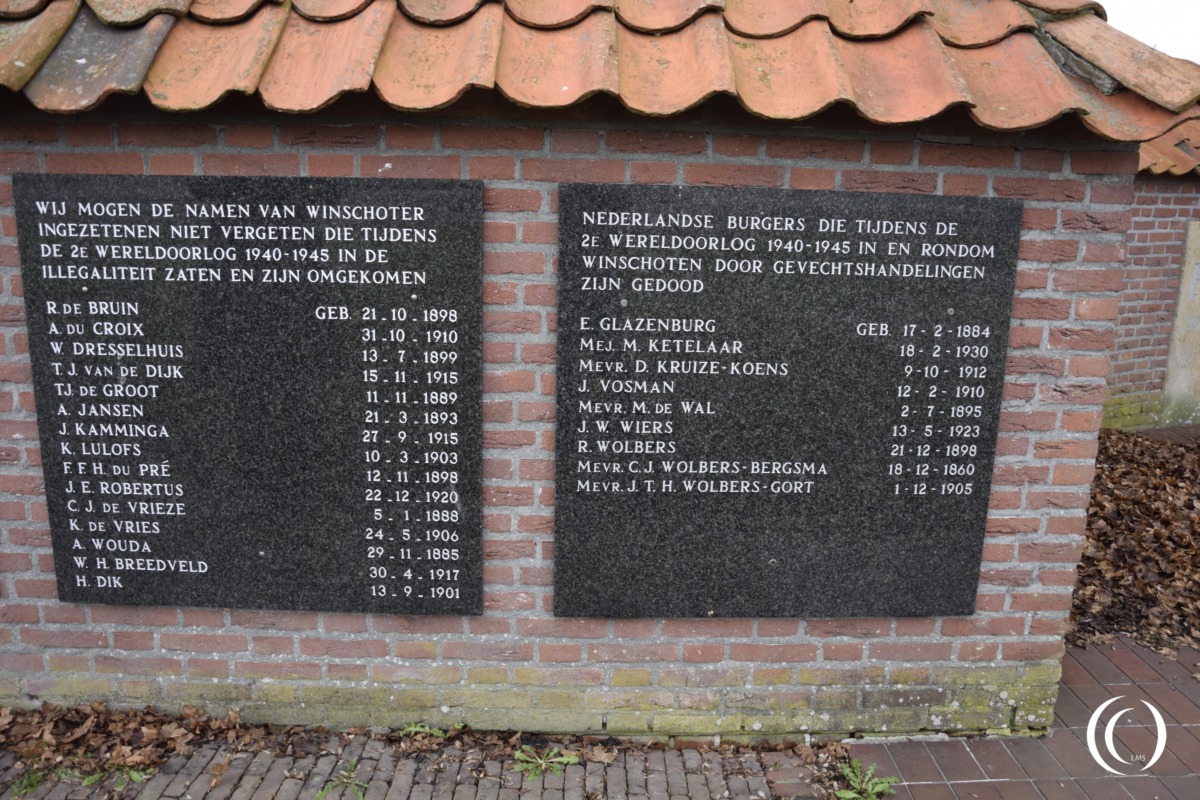
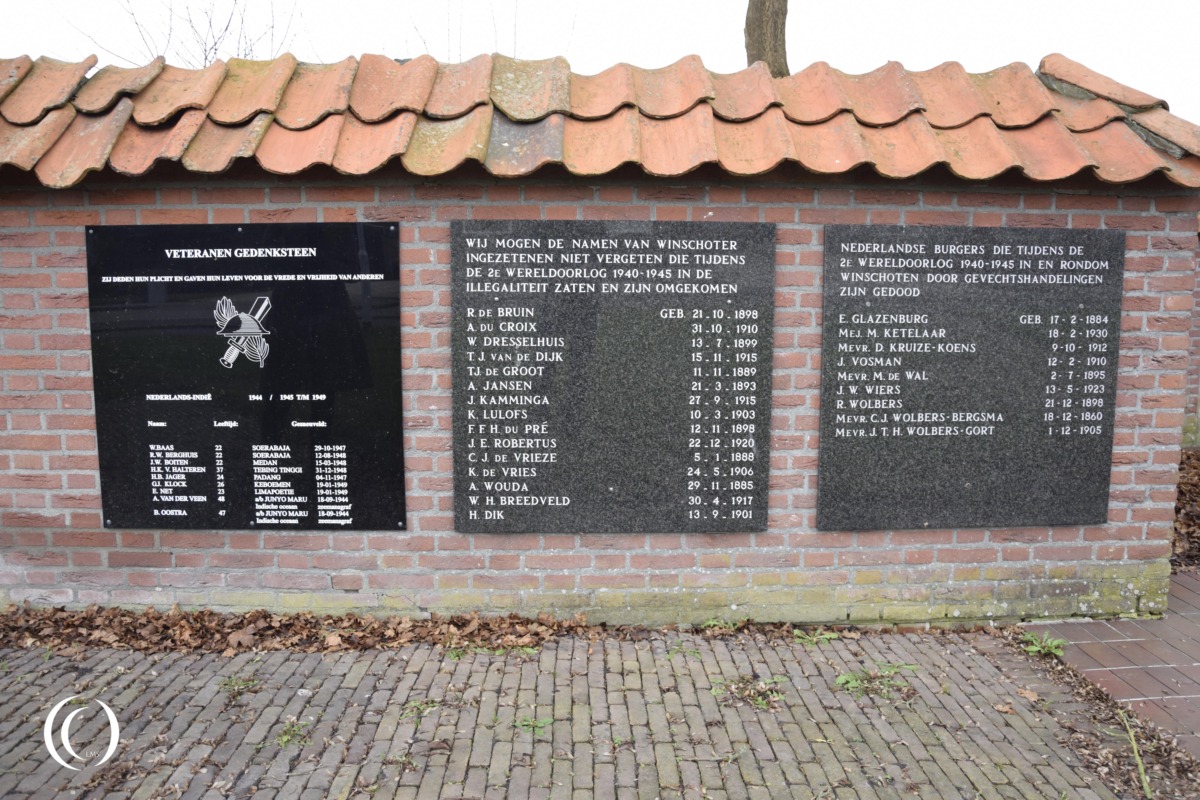
Besides the names of the Canadian soldiers, there are three additional plaques with the names of civilians, resistance fighters, and Dutch people who died in the Dutch East Indies, during the Second World War, or during the Indonesian National Revolution immediately after the war.
Visit
The monument is situated on the road side and is open 24 hours a day. It is a nice stop in a battlefield tour between musea and coastal defenses in the northern provinces of the Netherlands.
The Victory Museum in Grootegast (Netherlands) focuses on the Canadian and Polish troops who liberated the Dutch northern provinces. These troops were responsible for a large part of the Dutch liberation during the Second World War.
