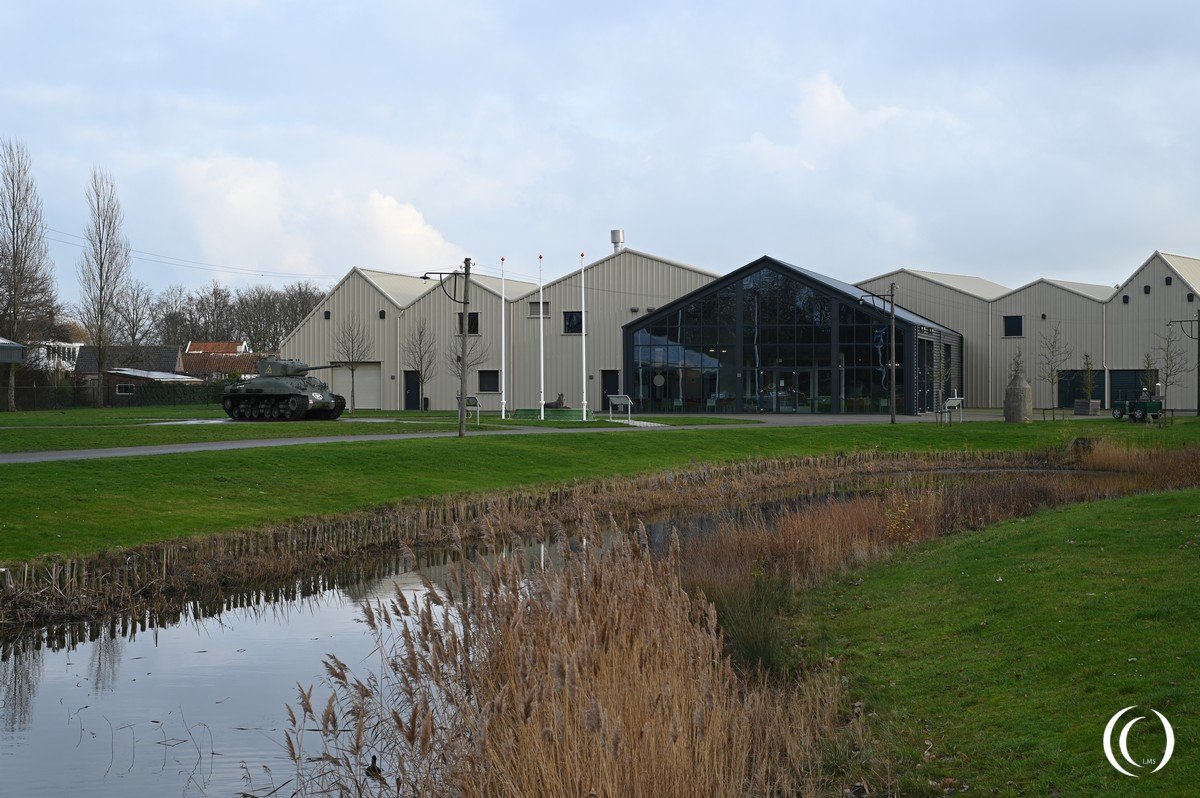
The Liberation Museum Zeeland (Bevrijdingsmuseum Zeeland) is located in Nieuwdorp, the Netherlands, and focuses on the Battle of the Scheldt (1944) and the liberation of Zeeland during World War II. The museum explains why Zeeland was strategically vital for opening the port of Antwerp, which was crucial for the Allied advance.
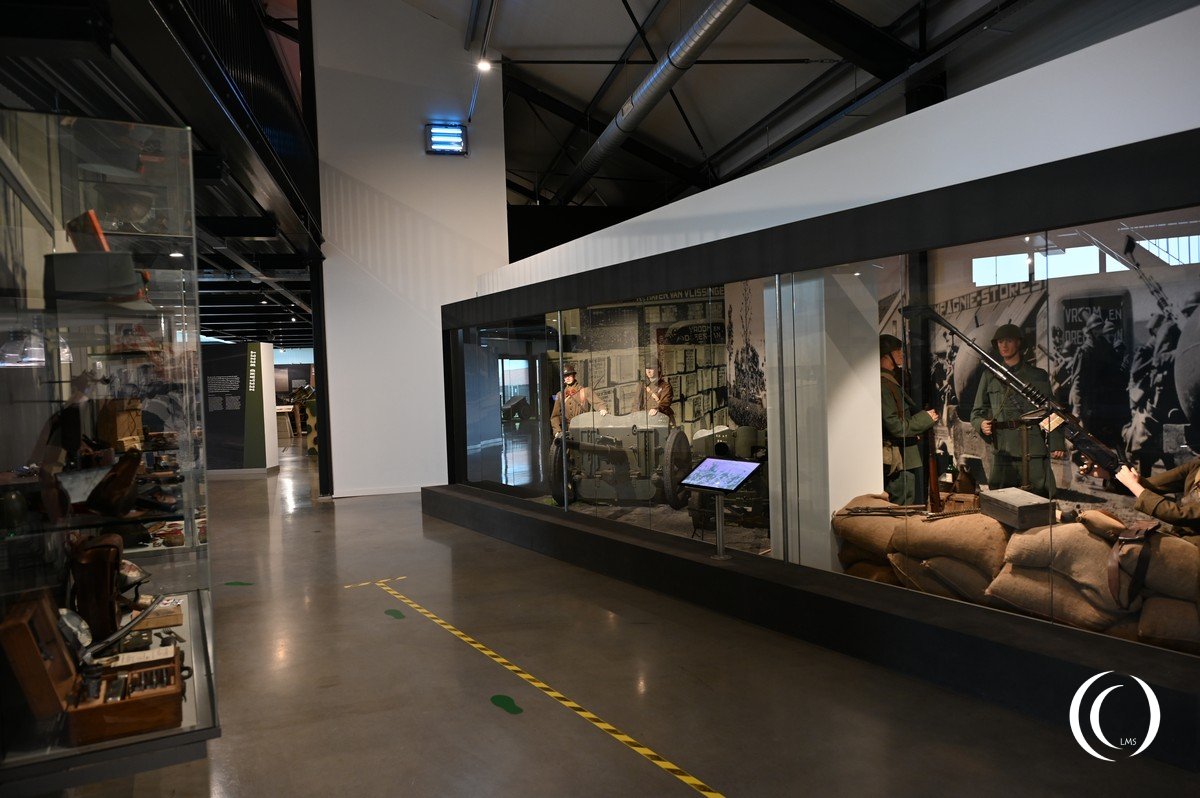
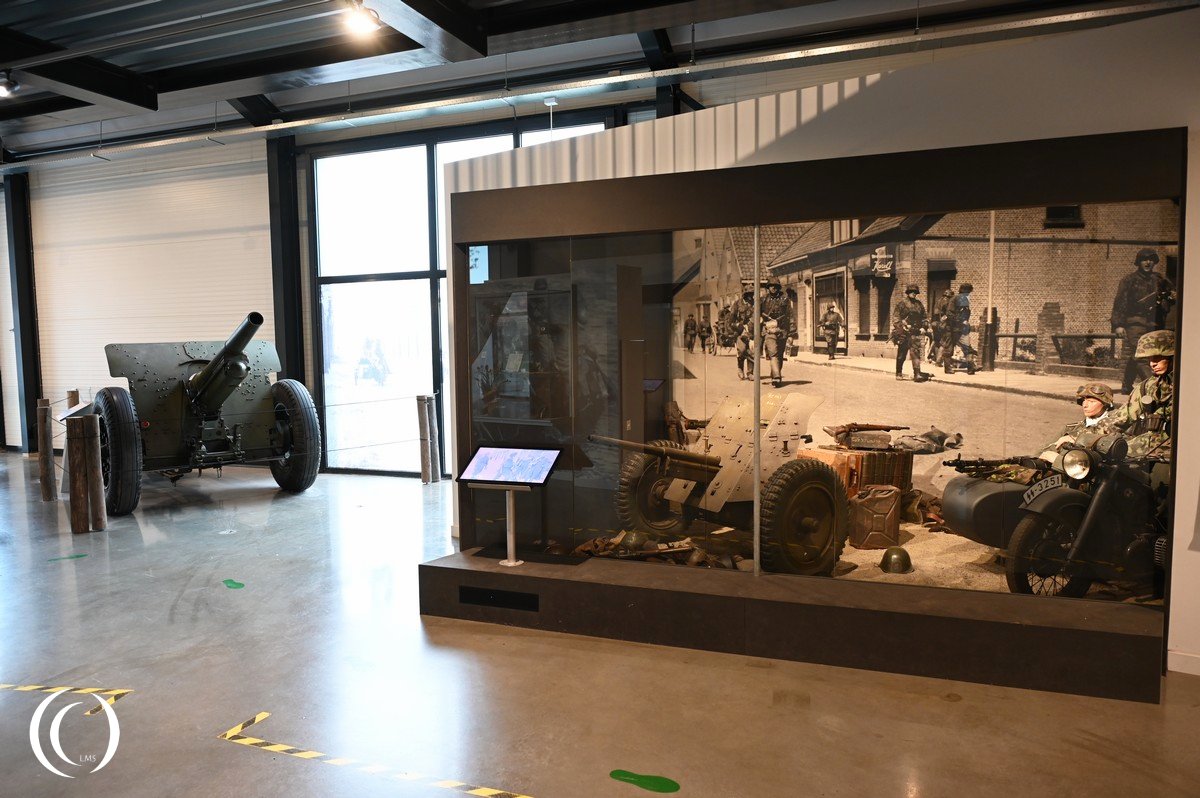
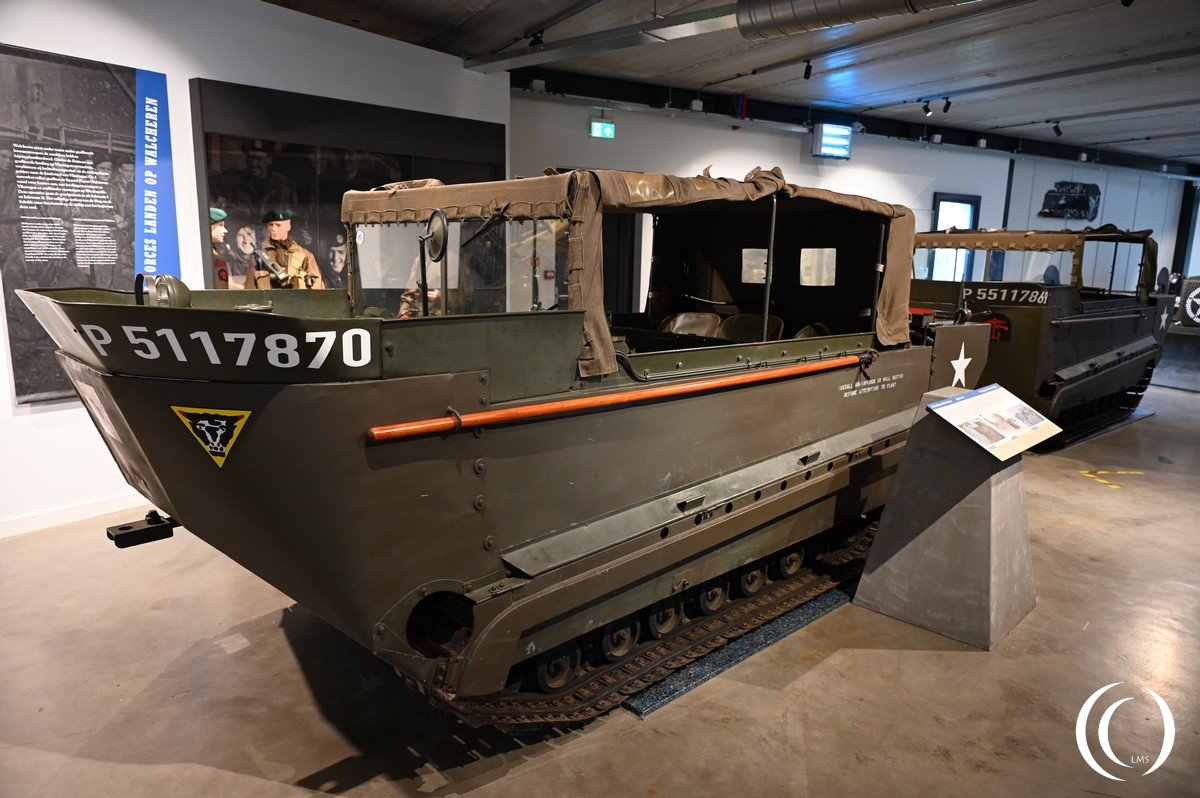
Exhibitions cover military operations, civilian life under occupation, flooding caused by bombardments of dikes, and the impact of war on daily life. The museum displays uniforms, weapons, vehicles, photographs, and personal stories from soldiers and civilians. It also addresses themes of freedom, democracy, and reconstruction after the war.
Battle for the Scheldt
The Battle for the Scheldt was a crucial Allied campaign fought between September and November 1944 in the southwest Netherlands and northern Belgium during World War II. Its main objective was to open the Scheldt Estuary, allowing Allied ships to reach the vital port of Antwerp, which had been captured intact but was unusable while German forces controlled the surrounding waterways.
The fighting involved Canadian, British, and Polish forces against well-entrenched German units. Operations took place in extremely difficult conditions, including flooded polders, narrow dikes, mud, and heavy fortifications. Key battles occurred in areas such as South Beveland, Walcheren, and along the Breskens Pocket. The deliberate flooding of Walcheren Island, caused by Allied bombing of dikes, further complicated combat and civilian life.
Despite being overshadowed at the time by other operations, the Battle for the Scheldt was strategically vital. Its successful conclusion in November 1944 allowed Antwerp to become the Allies’ main supply port, significantly supporting the final advance into Germany and contributing to the eventual Allied victory in Europe.
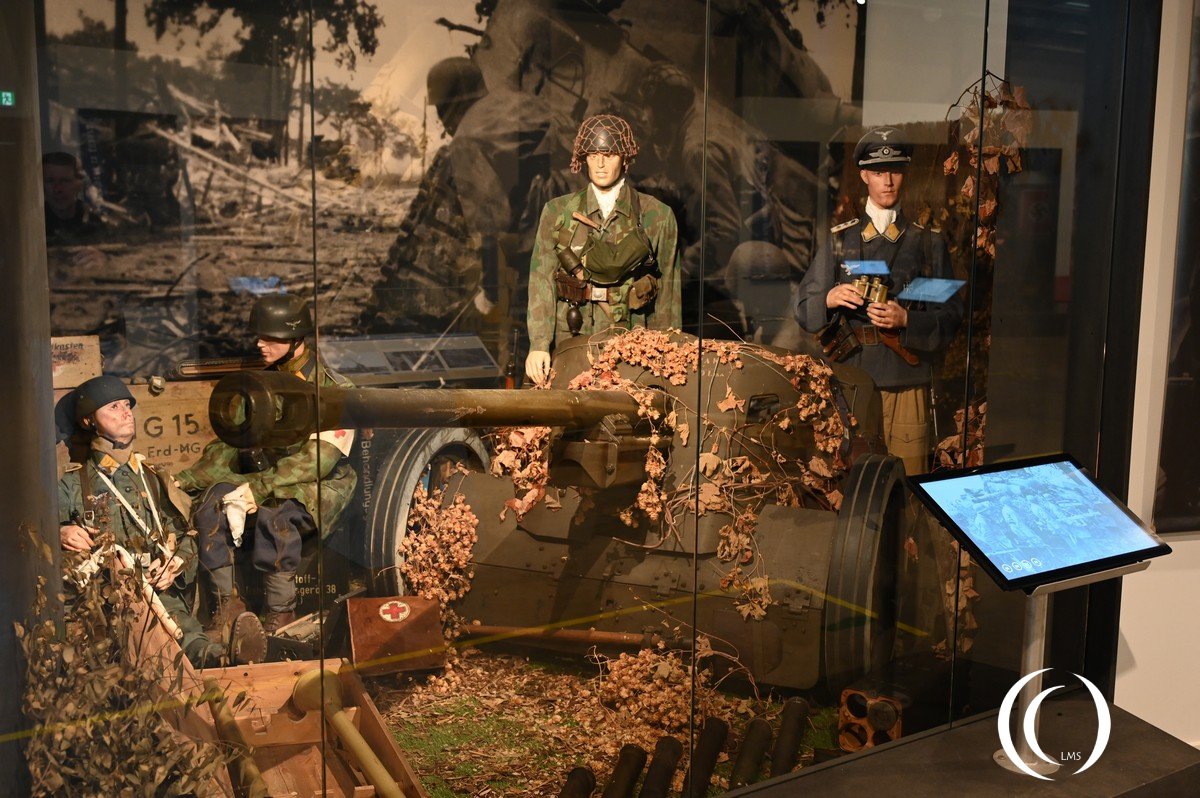
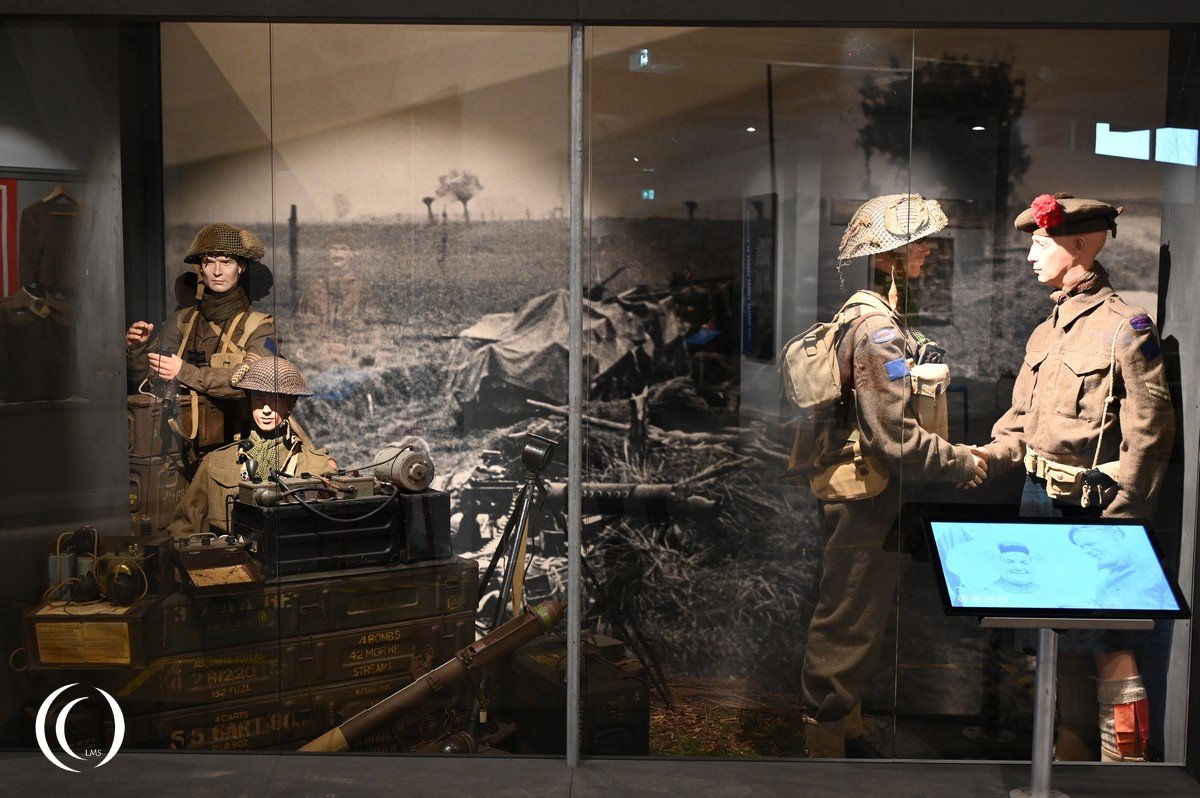
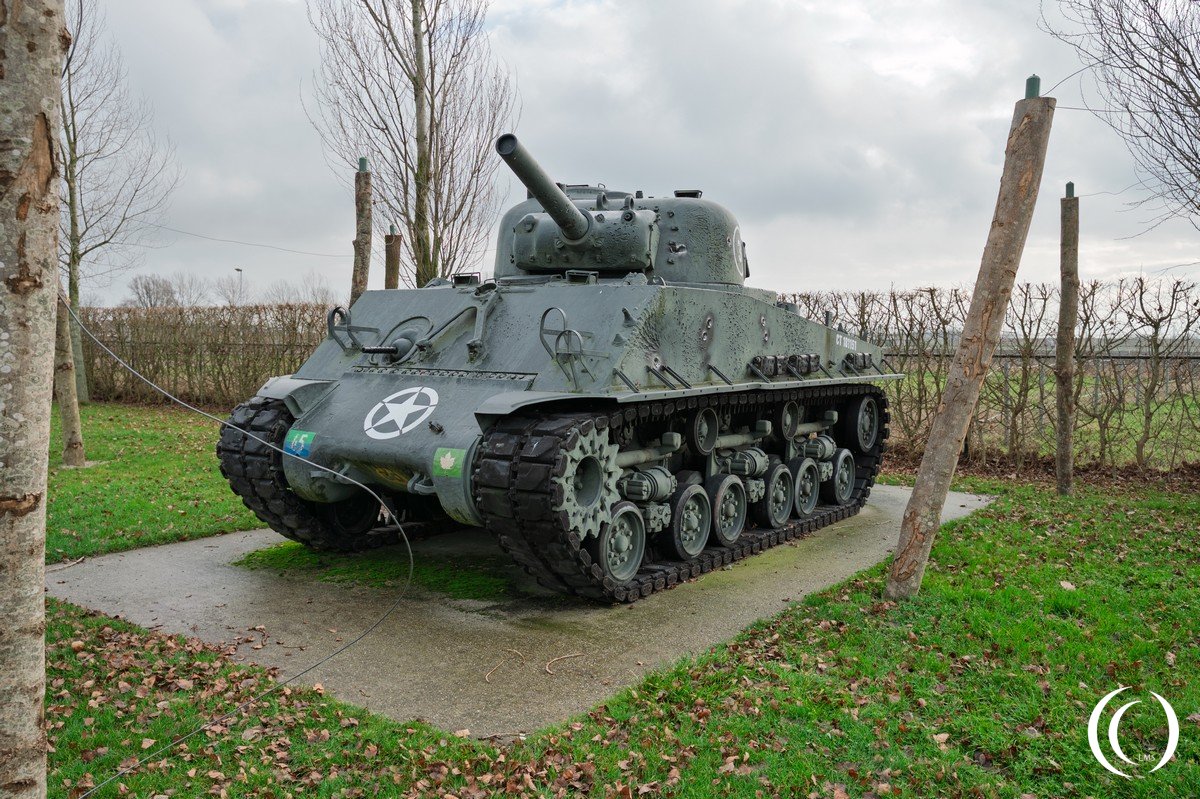
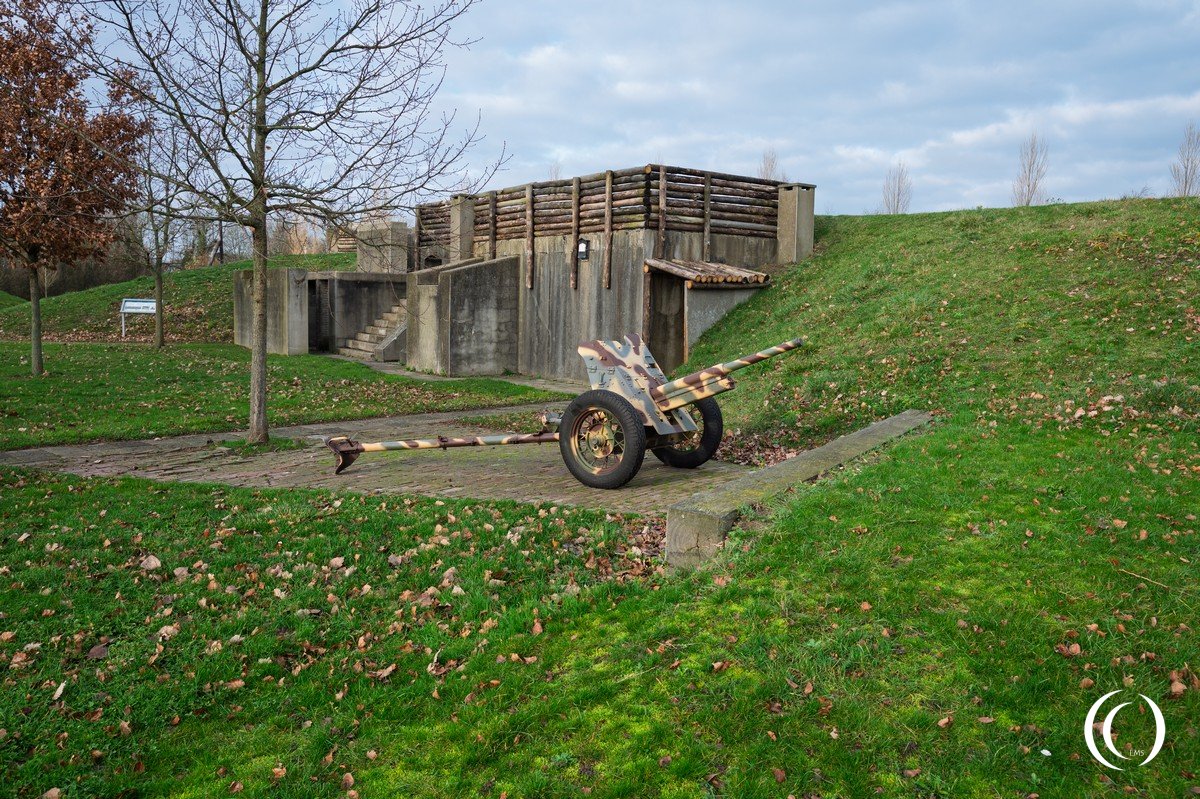
Today, the museum serves as an important educational center, helping visitors understand both the local and international significance of Zeeland’s liberation.
Visit
A visit will take you between 2 and 4 hours, a free parking lot is next to the museum. Check out the website for opening times.
