Crete in World War II
In May 1941, Nazi Germany launched Operation Mercury (Unternehmen Merkur), the first large-scale airborne invasion in history, aiming to seize the island of Crete. Control of Crete was strategically vital for dominance over the eastern Mediterranean. Unlike most other invasions, German paratroopers on Crete faced not only Allied and Greek troops, but also widespread civilian resistance. Villagers—often unarmed or using hunting rifles, knives, and farming tools—attacked German soldiers immediately after they landed. This civilian resistance deeply shocked German command and was later used to justify brutal reprisals.
The Executions at Rethymno (Missiria)
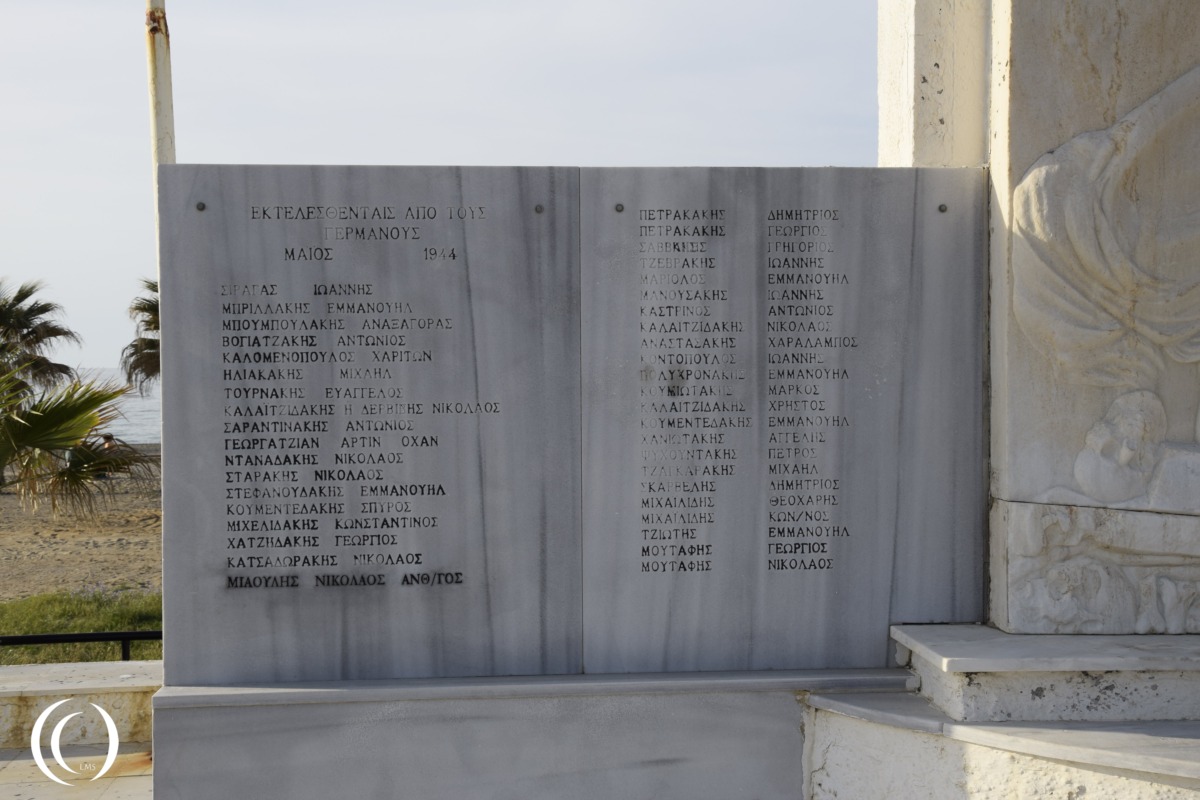
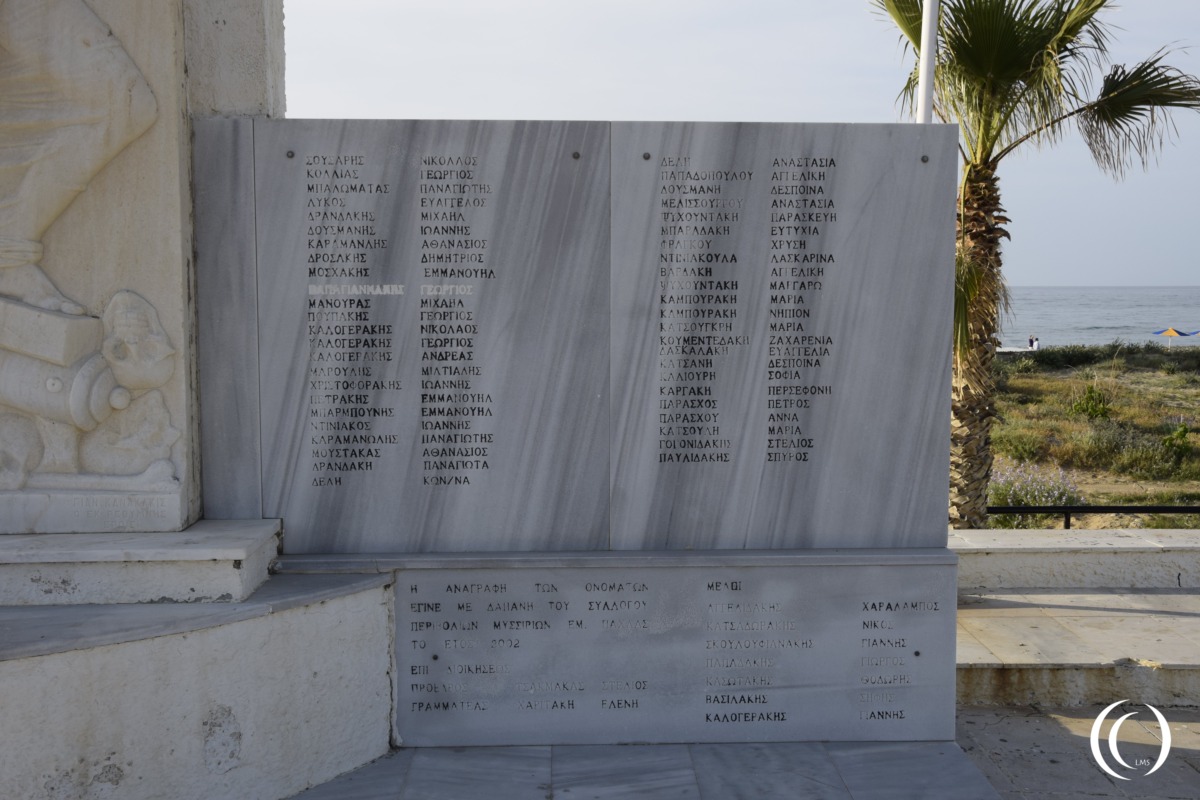
Following the German capture of the Rethymno area at the end of May 1941, occupation forces began arresting civilians suspected of taking part in resistance activities. Between 29 May and 2 June 1941, German troops carried out mass executions in the area of Missiria, just east of Rethymno. A total of 110 civilians—men of various ages, and according to some accounts including at least one woman—were executed without trial.
The victims were locals, not soldiers, many had no proven involvement in fighting. The executions were intended as collective punishment and intimidation.
Some historical sources record the number as 111 victims, but the memorial officially commemorates 110 martyrs.
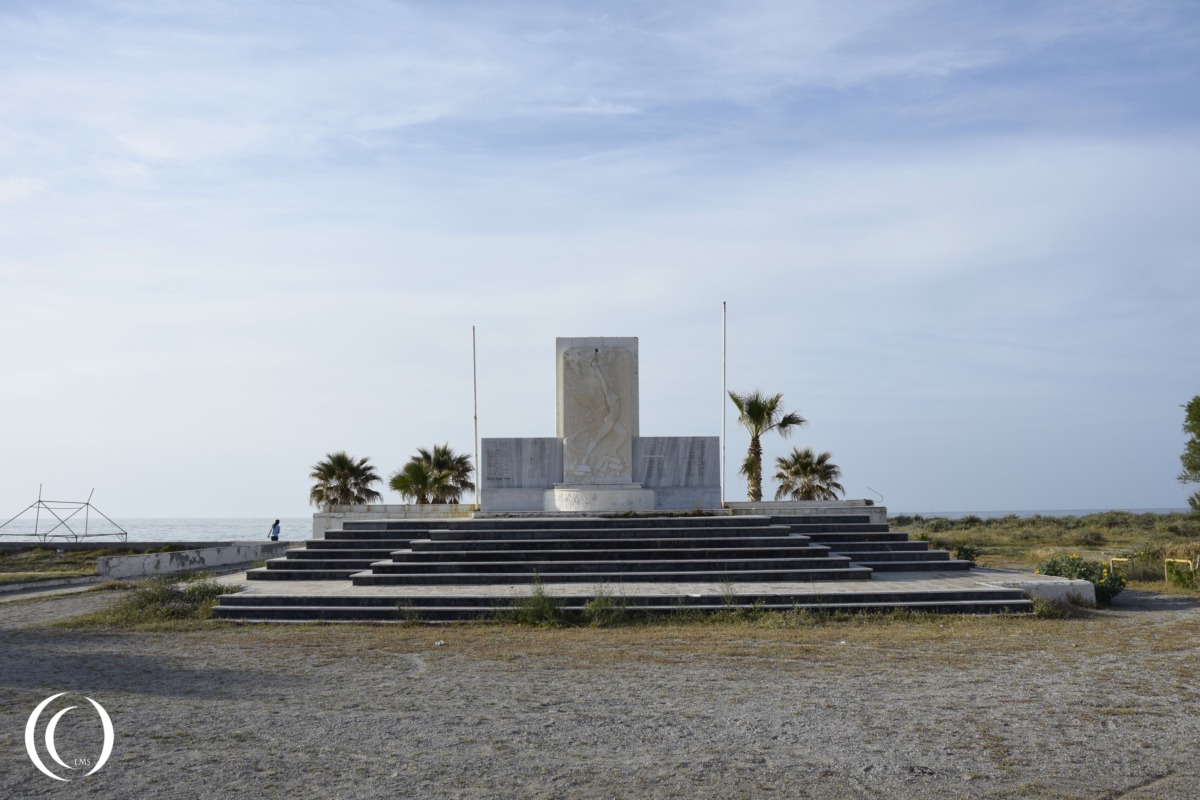
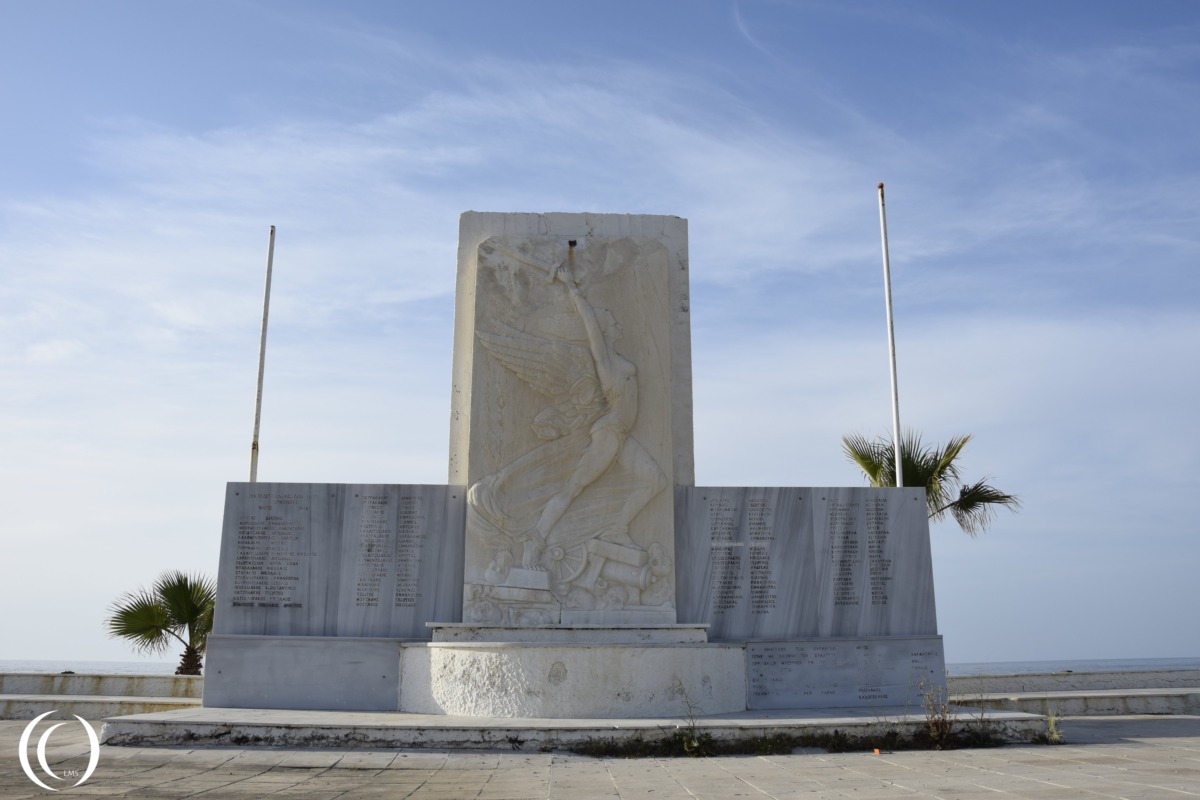
Monument of the 110 Martyrs
The executions at Missiria were among the earliest war crimes committed by German forces in occupied Crete and set the pattern for later atrocities at places such as Kandanos, Viannos, and Anogia. During the occupation of Crete (1941–1944), public remembrance was impossible. Families preserved the memory privately, passing the story on through oral tradition. After the war, local efforts grew to formally commemorate the victims. The memorial was eventually erected in 1982.
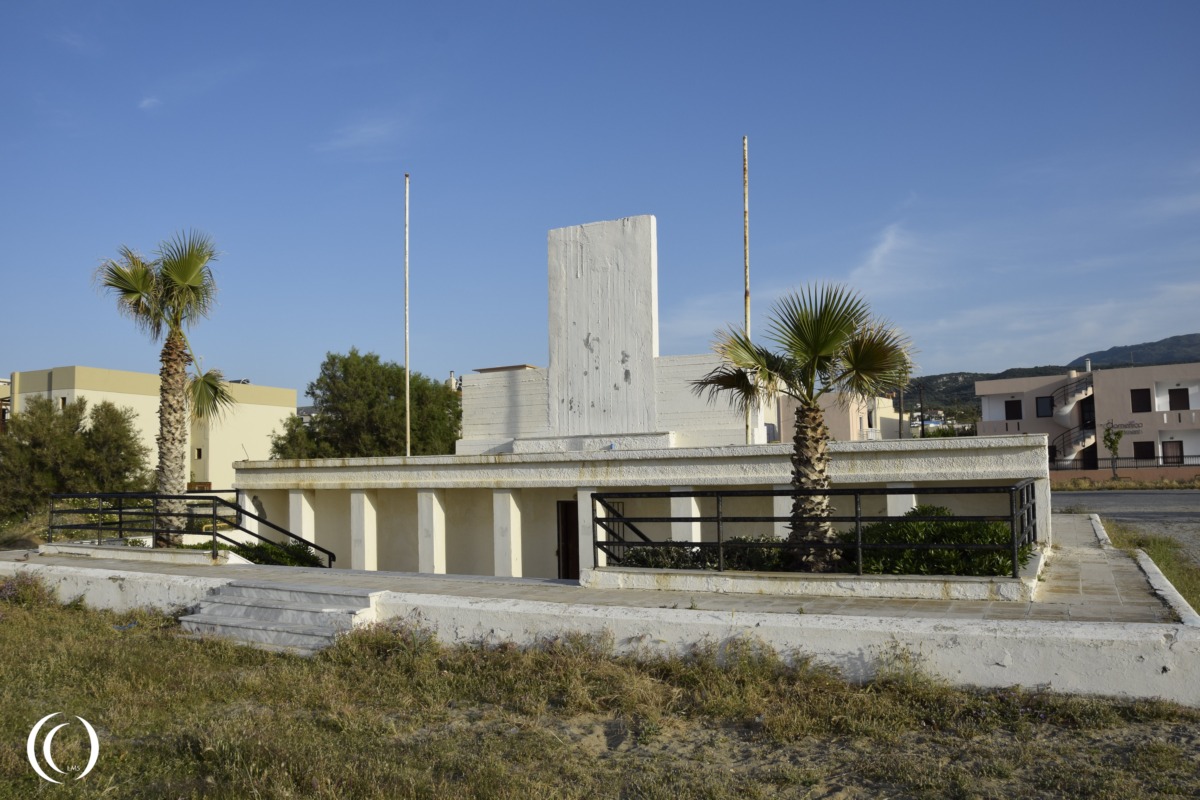
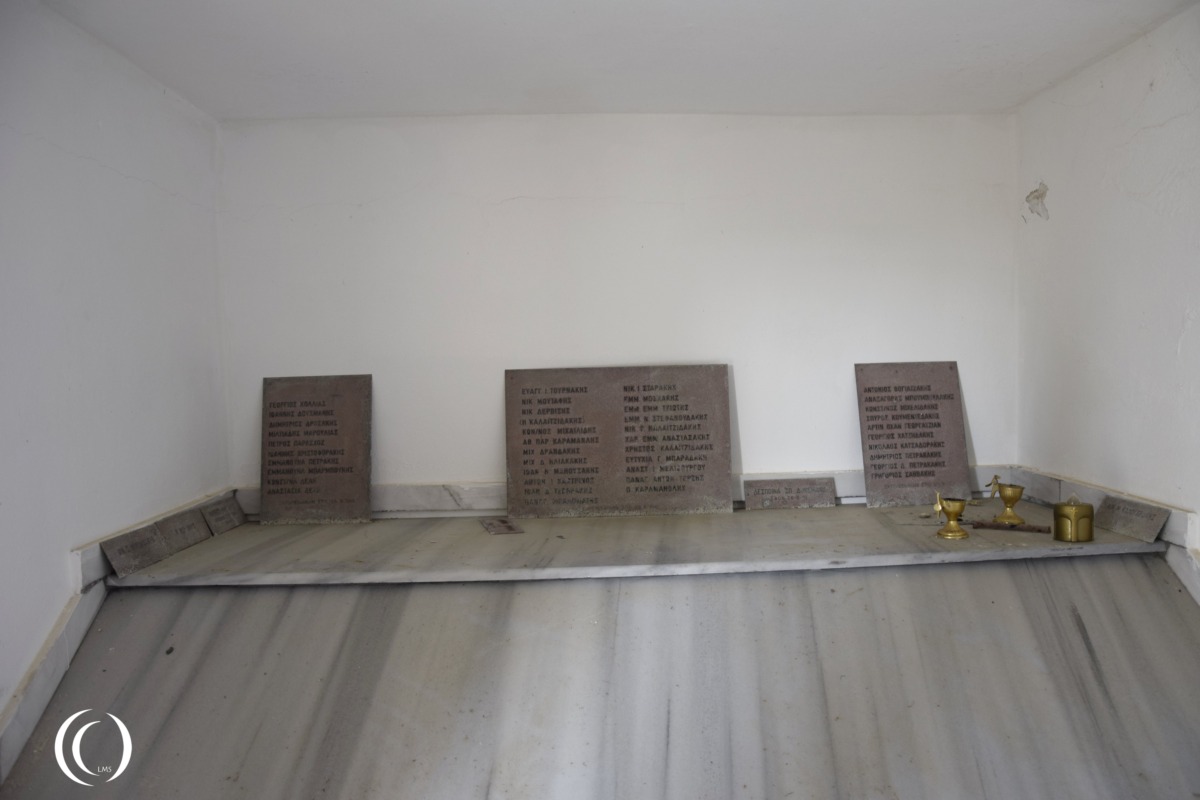
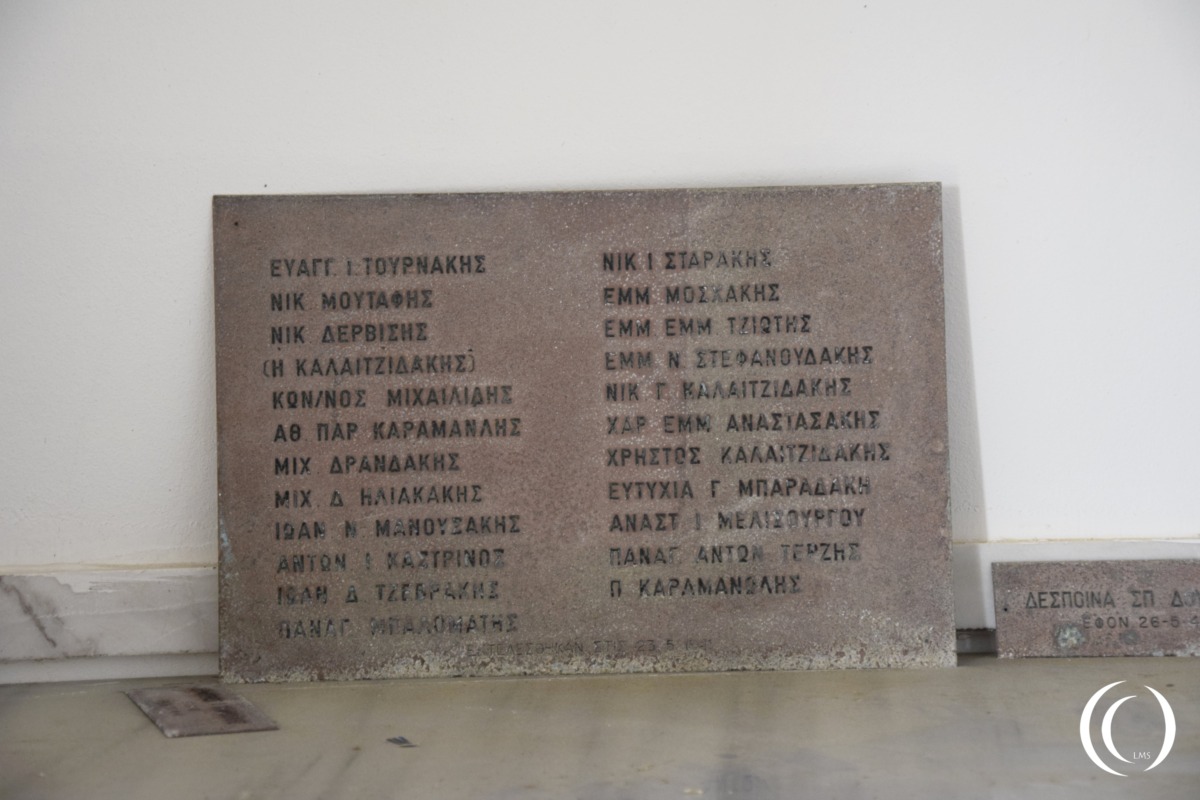
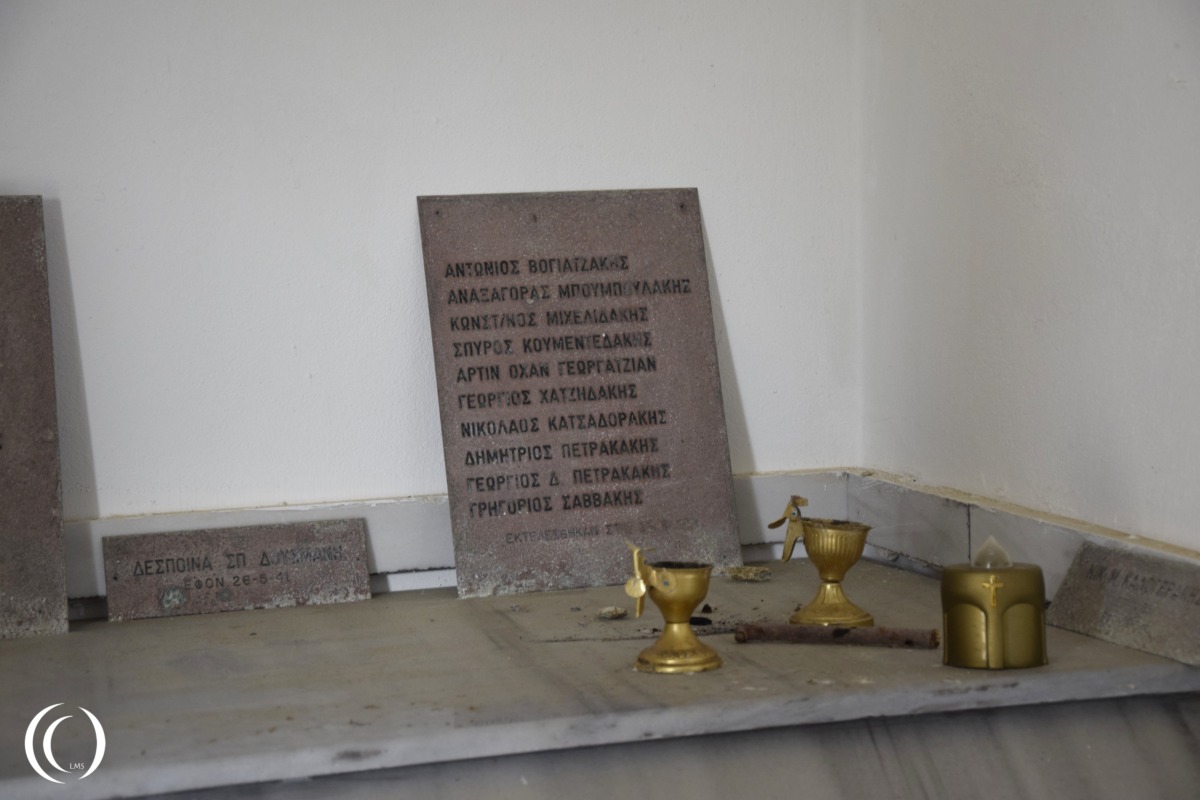
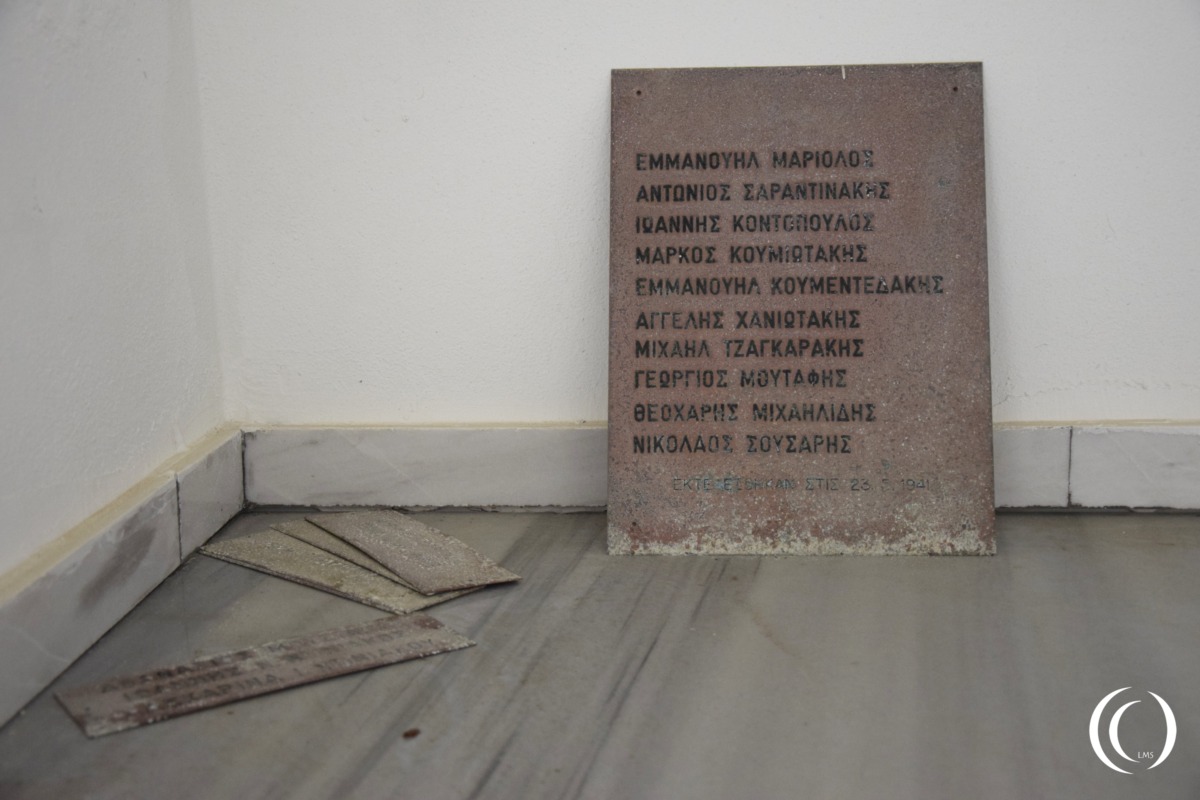
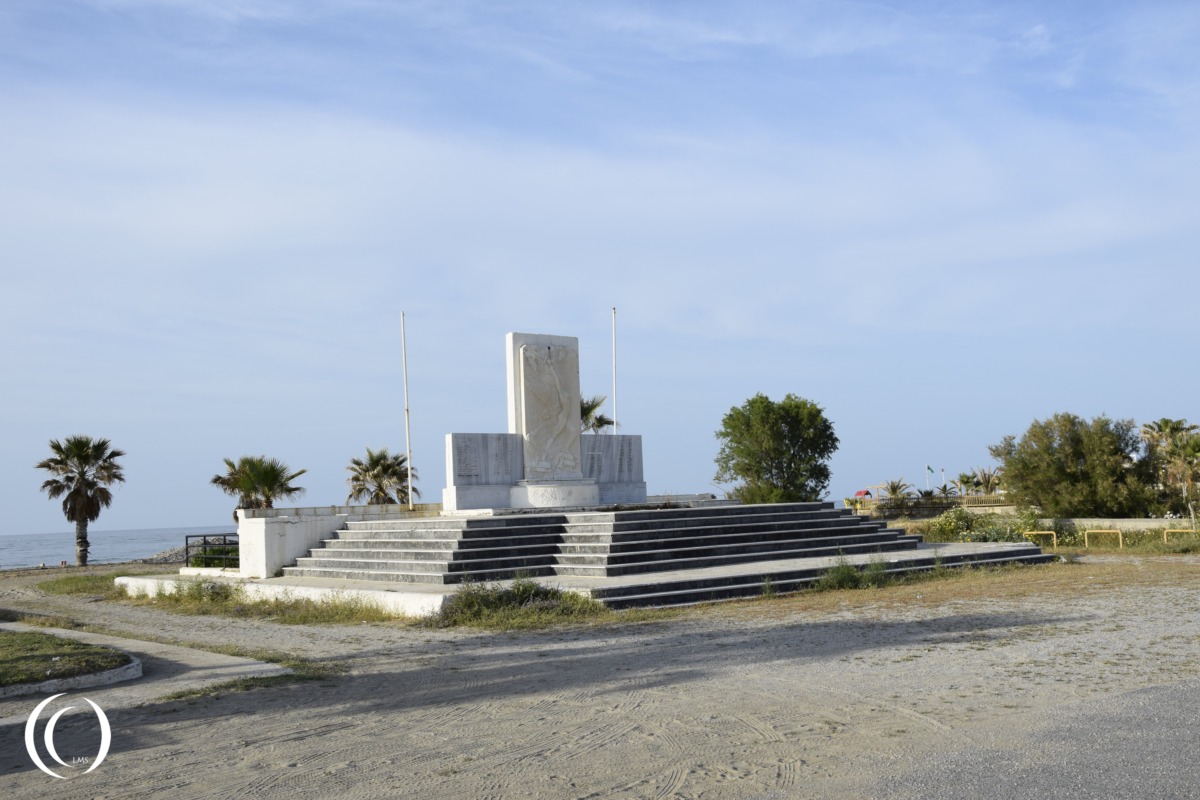
A tall sculptural column with an allegorical figure representing Freedom and Sacrifice. The monument, created by Cretan sculptor Giannis Kanakakis, features a marble column depicting Eleftheria (the personification of freedom) as a winged figure with a sword. There are four marble plaques bearing the names of the executed civilians
The memorial was deliberately placed near the execution site, reinforcing its authenticity and emotional weight. Today, the 110 Martyrs Memorial is one of the most important WWII remembrance sites in Rethymno and hosts annual memorial ceremonies, especially in May.
The history of the 110 Martyrs Memorial illustratest the unique civilian involvement in the Battle of Crete and the immediate shift from invasion to occupation terror. Crete remains one of the few places in WWII where civilian resistance directly influenced German occupation policy, making sites like this especially significant.
Visit
The memorial is located at 110 Martiron 110, 741 33 Rethymno, Greece (Missiria district) and is open year-round as a public historical site.
It’s often visited by those interested in WWII history and the Battle of Crete. The setting provides a quiet, reflective space to honour those who lost their lives.
The photos were taken in 2014.
