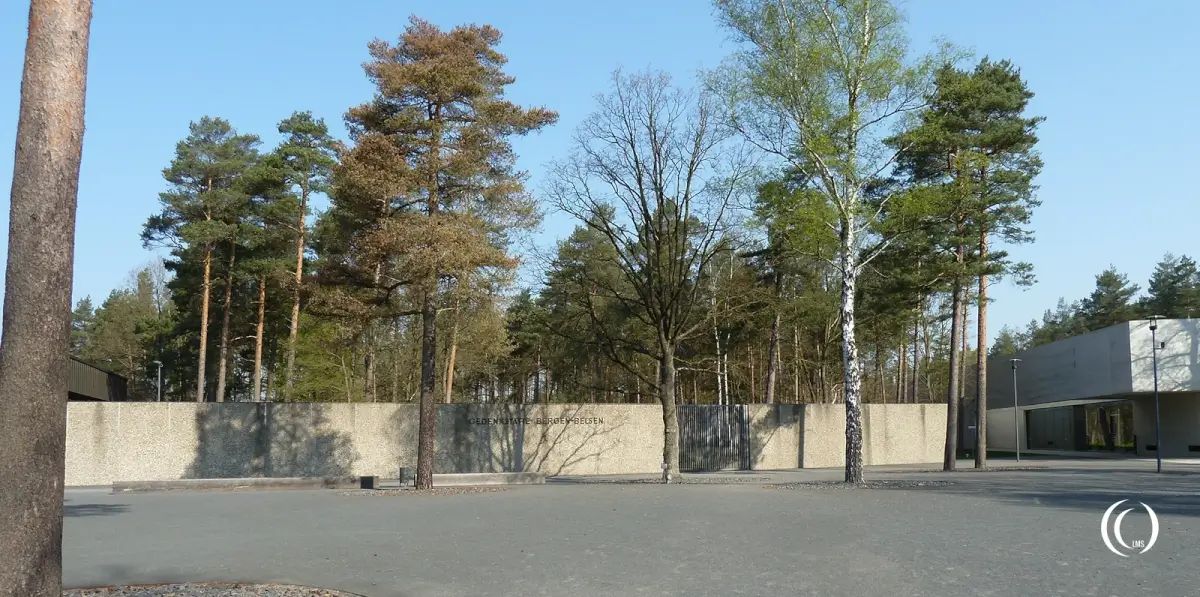
Concentration Camp Bergen Belsen
Bergen-Belsen was a Nazi concentration camp located in Lower Saxony, Germany, and is remembered as one of the most notorious camps of the Second World War, not because of gas chambers, but because of the immense suffering, starvation, and disease that caused tens of thousands of deaths.
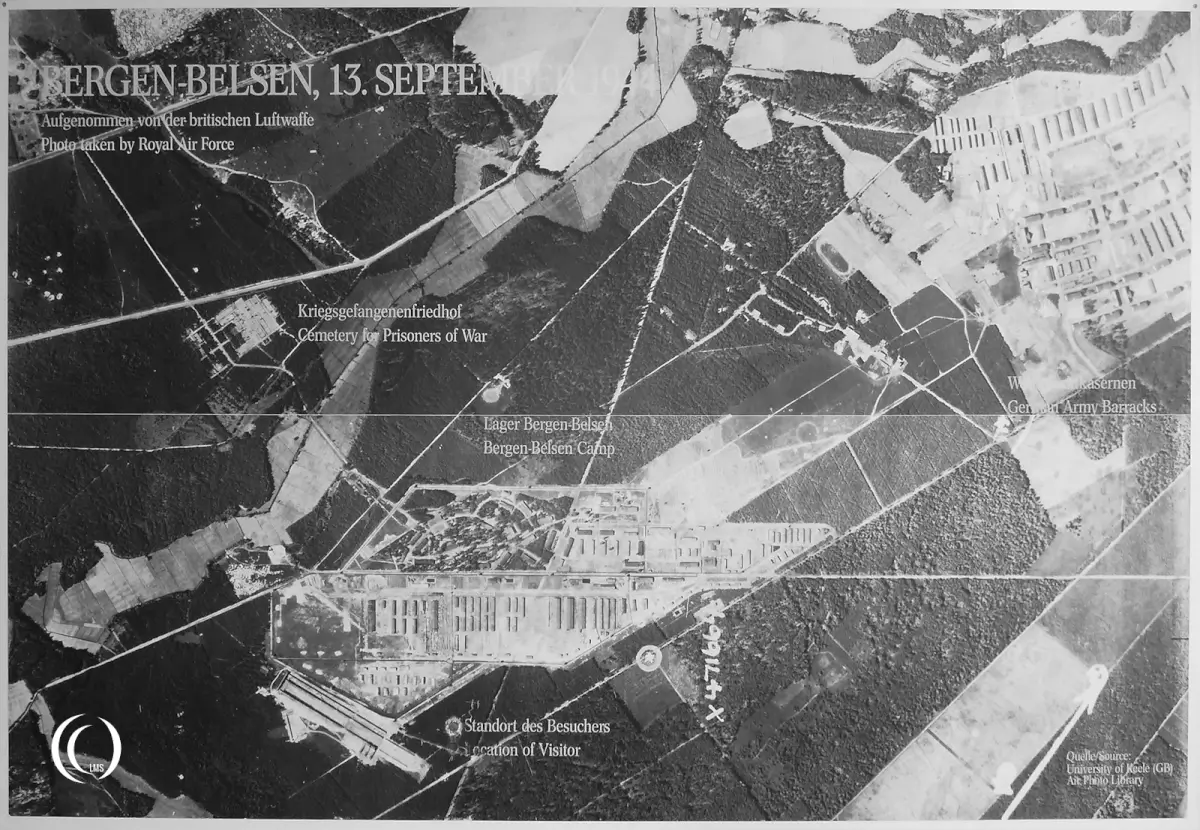
The camp was originally established in 1940 as a prisoner-of-war camp for captured soldiers. In 1943, part of Bergen-Belsen was converted into a concentration camp under the control of the SS. Unlike extermination camps such as Auschwitz, Bergen-Belsen was initially intended as a detention and exchange camp, where Jewish prisoners might be traded for Germans held abroad. Over time, however, it became a place of mass death.
As the war progressed, large numbers of prisoners were transferred to Bergen-Belsen from other camps as the Nazis evacuated facilities closer to the advancing Allied forces. This led to extreme overcrowding. By late 1944 and early 1945, conditions collapsed completely. Prisoners suffered from severe food shortages, lack of clean water, inadequate shelter, and almost no medical care. Epidemics of typhus, dysentery, and tuberculosis spread rapidly.
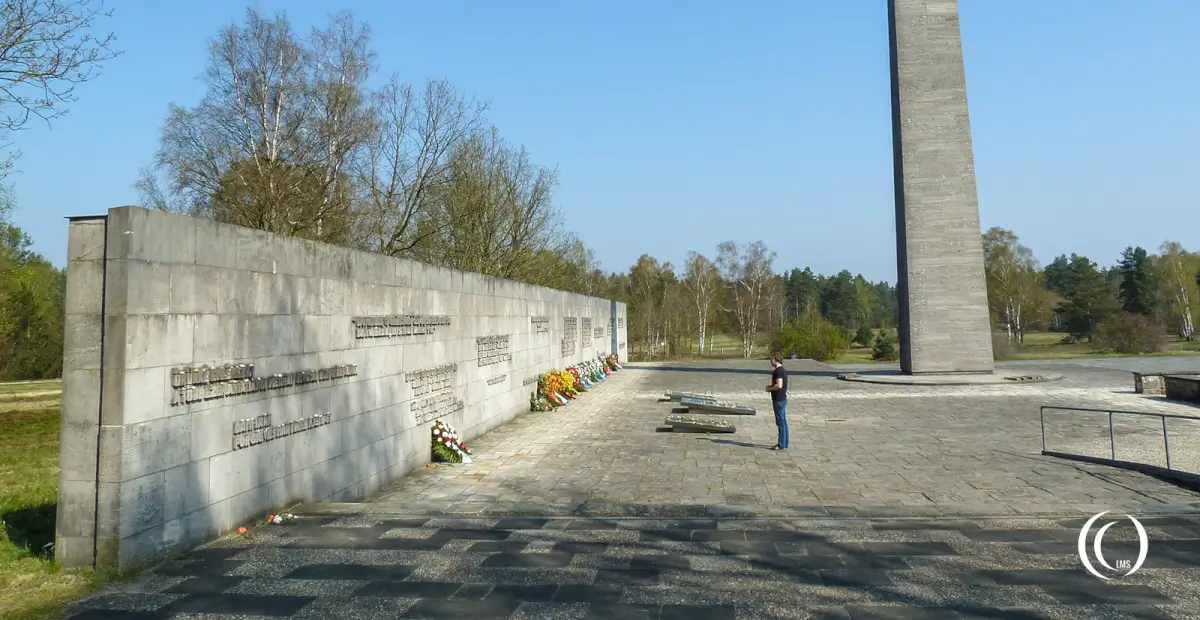
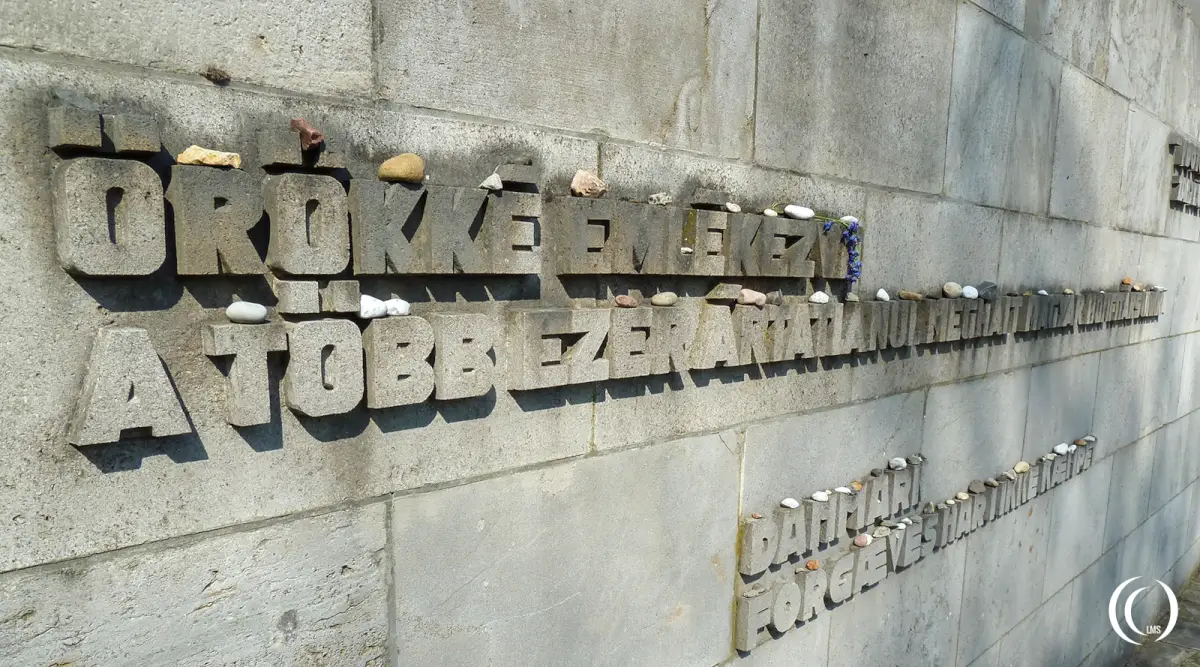
The camp guards provided little assistance, and administrative control largely broke down. Thousands of prisoners died from starvation and disease, their bodies often left unburied for long periods. Bergen-Belsen became a symbol of the consequences of neglect, cruelty, and dehumanization within the Nazi camp system.
Among those imprisoned at Bergen-Belsen were Anne Frank and her sister Margot, who died there in early 1945 after being transferred from Auschwitz. Their deaths, shortly before liberation, later became emblematic of the countless young lives lost during the Holocaust.
On 15 April 1945, Bergen-Belsen was liberated by British forces. What the soldiers found shocked the world: tens of thousands of emaciated survivors and thousands of unburied bodies throughout the camp. Despite immediate relief efforts, many former prisoners died in the weeks following liberation due to the long-term effects of starvation and illness.
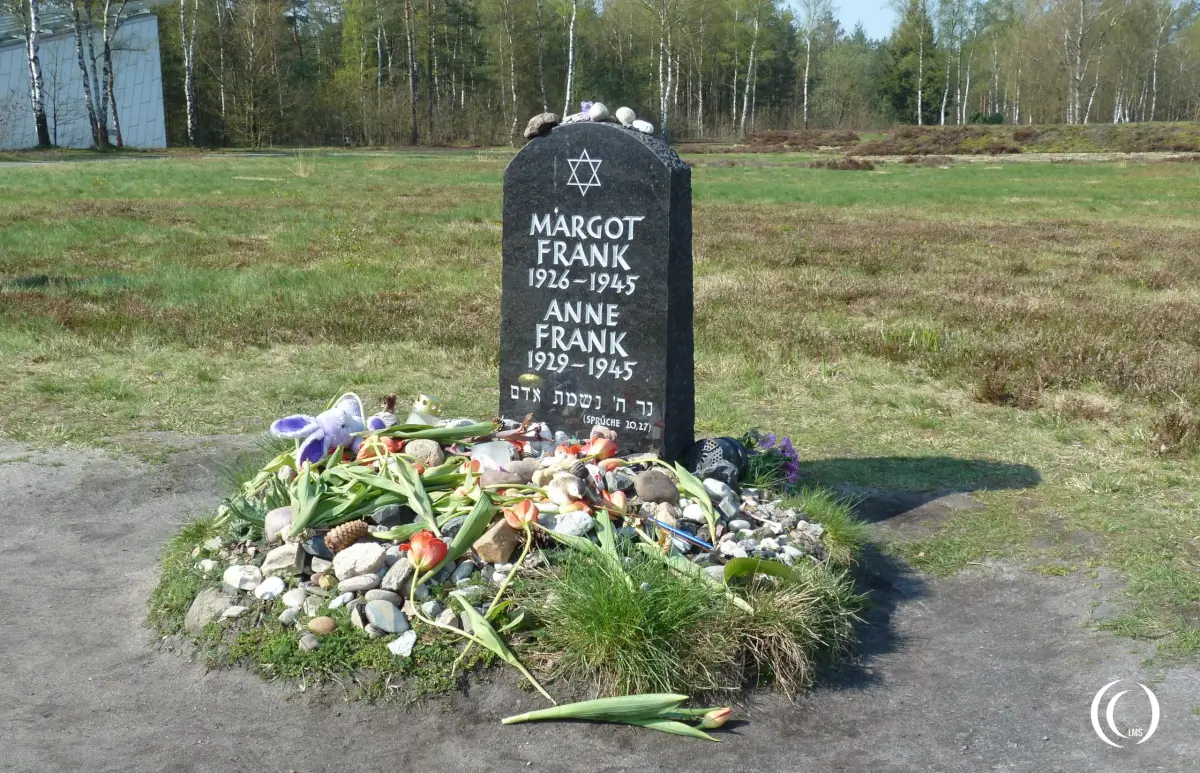
After the war, the camp was burned down to stop the spread of disease. The site later became the Bergen-Belsen Memorial (Gedenkstätte Bergen-Belsen). Today, it includes mass graves, memorial stones, a documentation center, and exhibitions that explain the history of the camp and honor its victims.
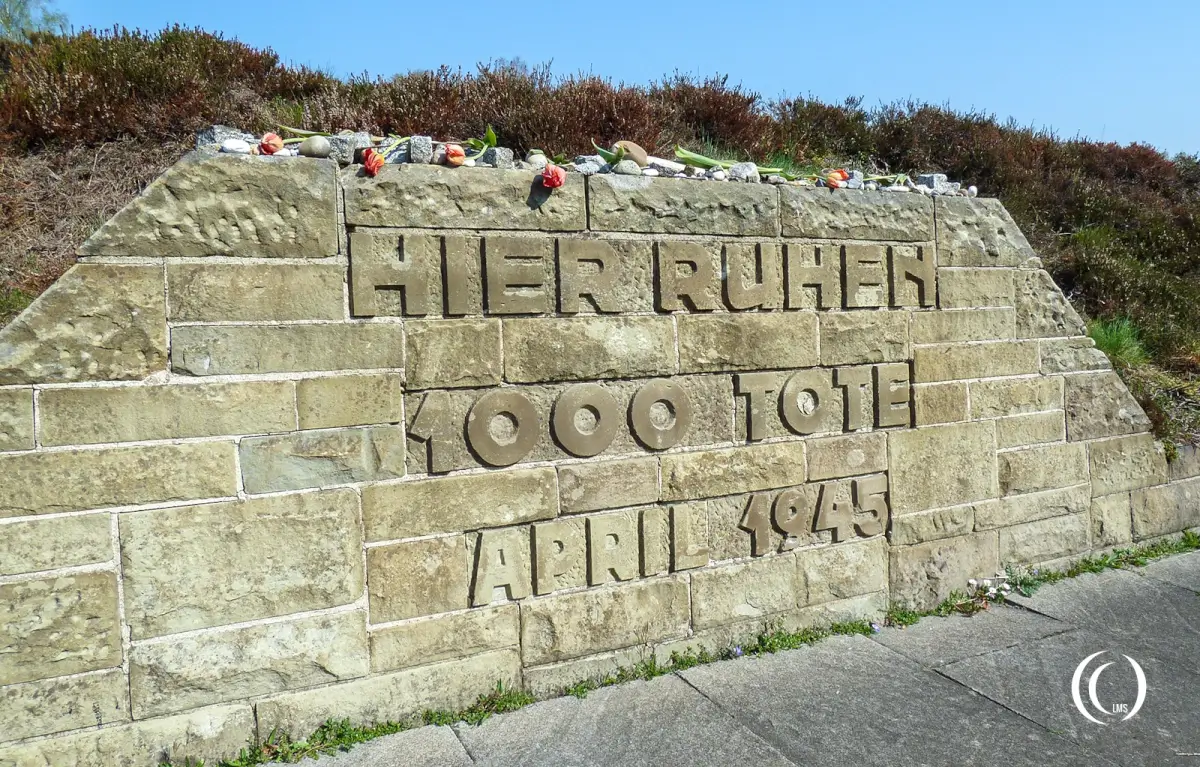
In Bergen Belsen.after 1941 designated to Stalag XI C/311, an estimated 52 to over 70 thousand people were killed or perished under the dreadful circumstances. Knowing that, you’ll expect to find a dreadful place. But instead what you’ll find is a beautiful and serene forest meadow, with square shaped green hills. These are easy to underestimate, but the green hills are all mass graves, covered on one side by a stone wall with the number of victims on each hill.
Documentation Center
To witness the terrible facts of what happened here, you will have to visit the extensive documentation centre. It has an impressive exhibition and tells a detailed story with lots of background information about the people that worked, died or somehow survived here.

Visit
For more information about Gedenkstätte Bergen-Belsen and the opening hours, visit the website: bergen-belsen.stiftung-ng.de
