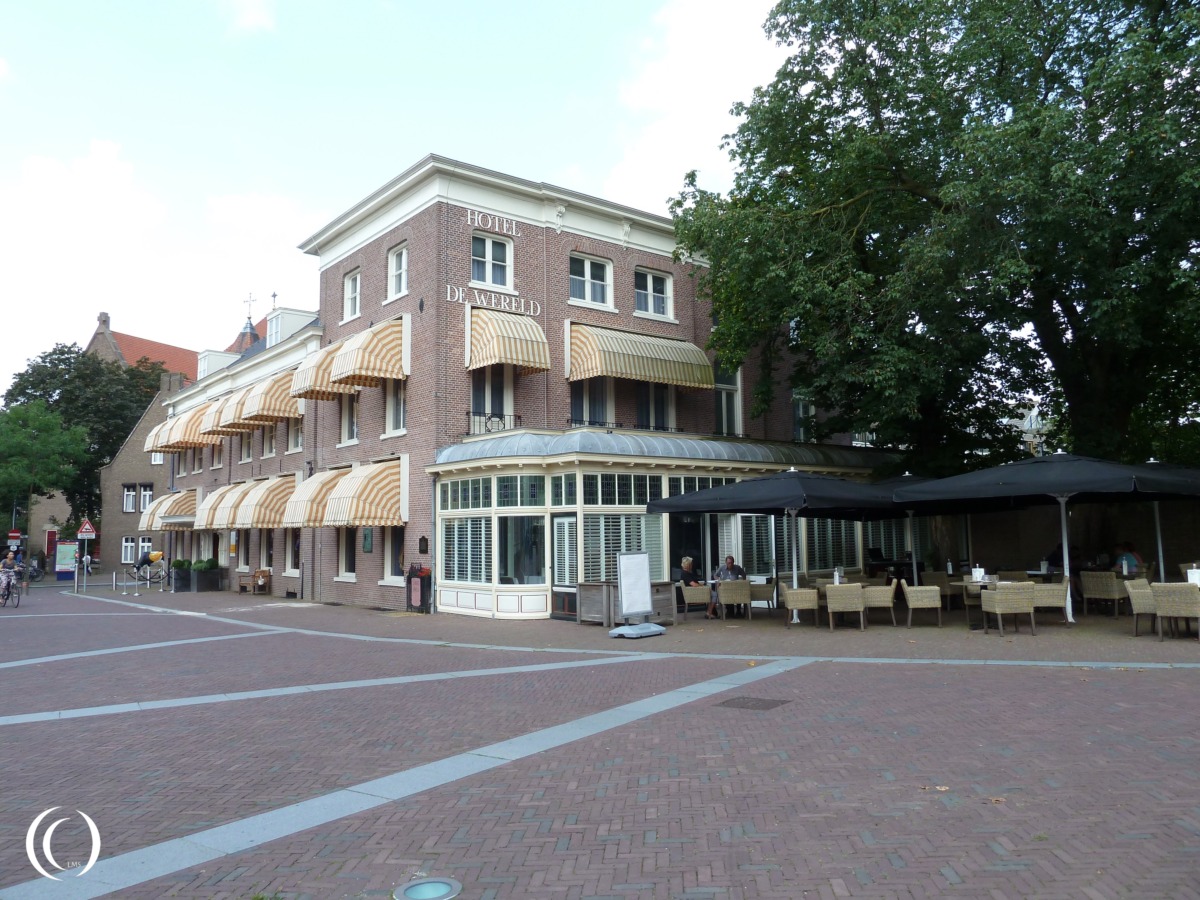
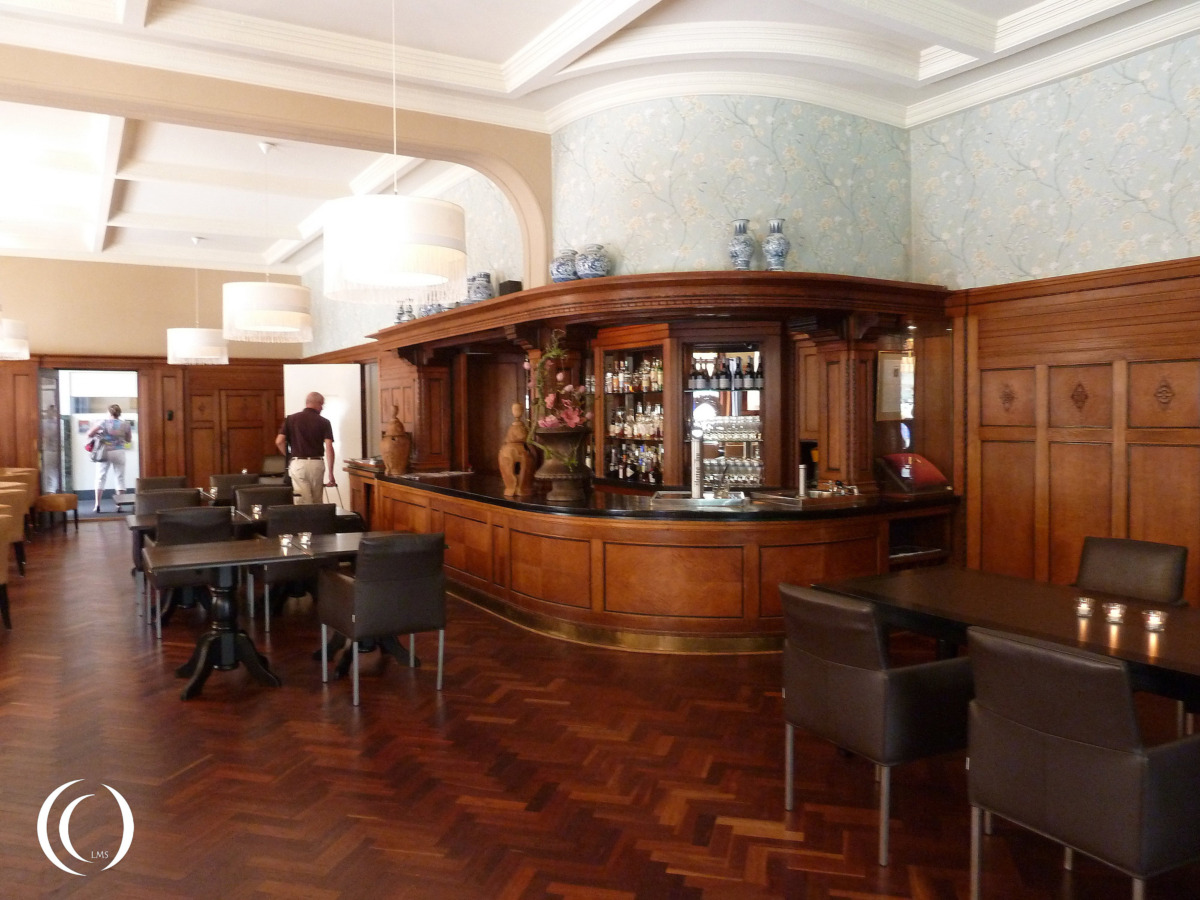
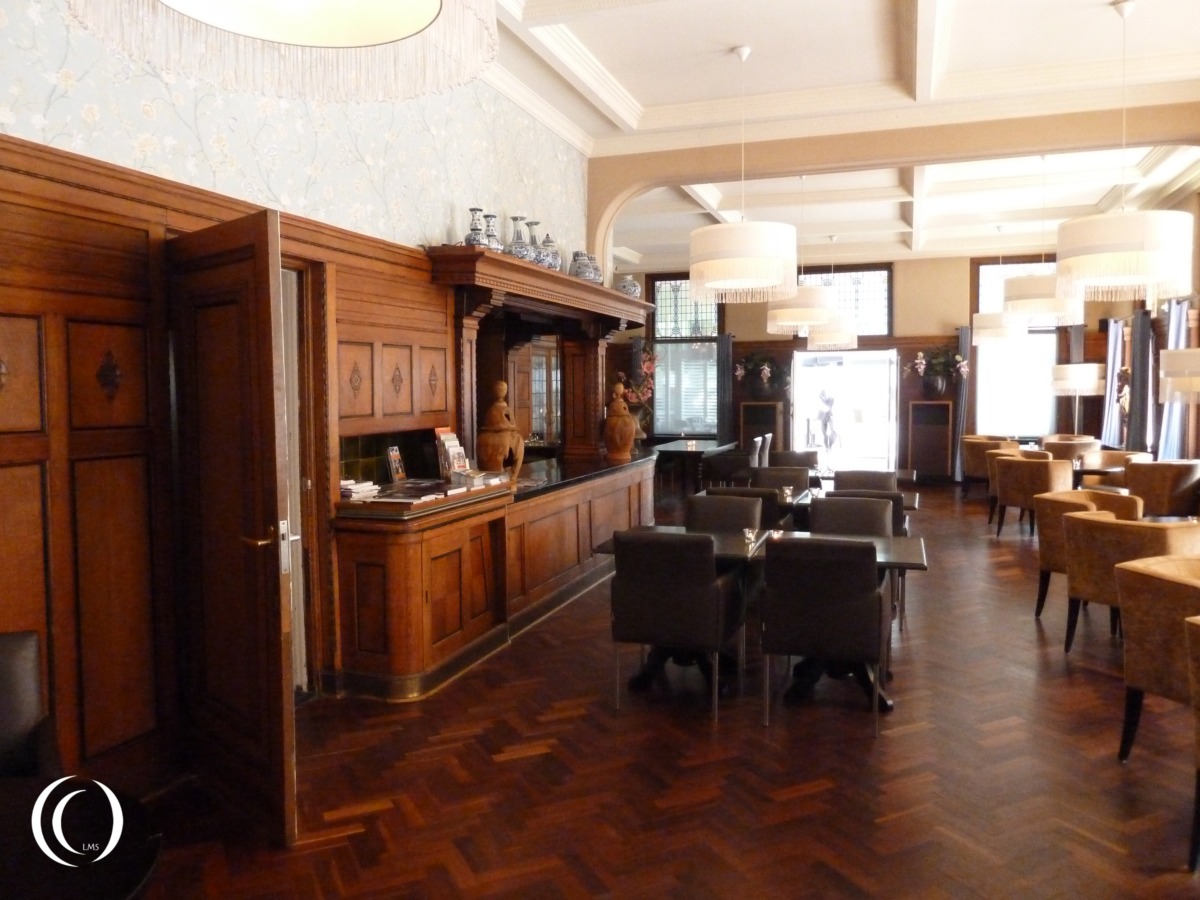
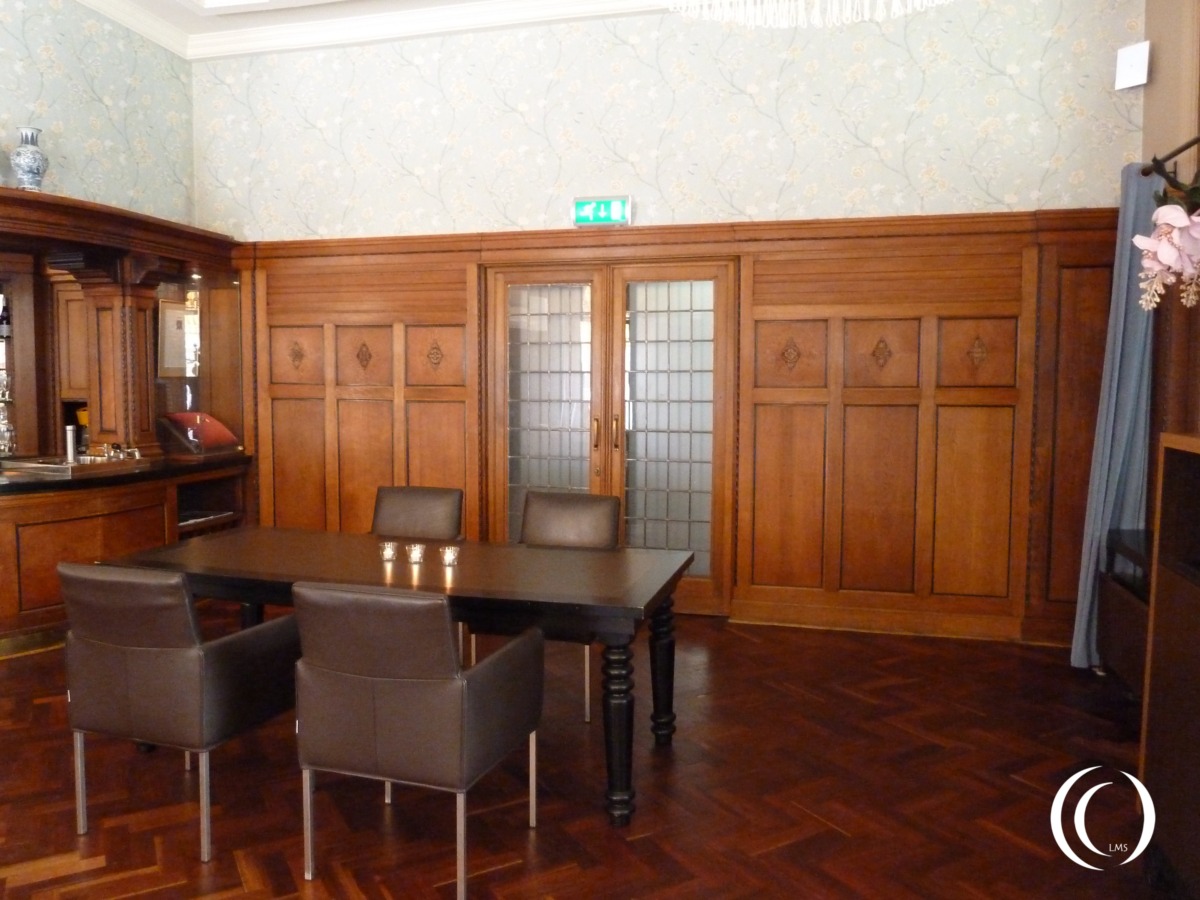
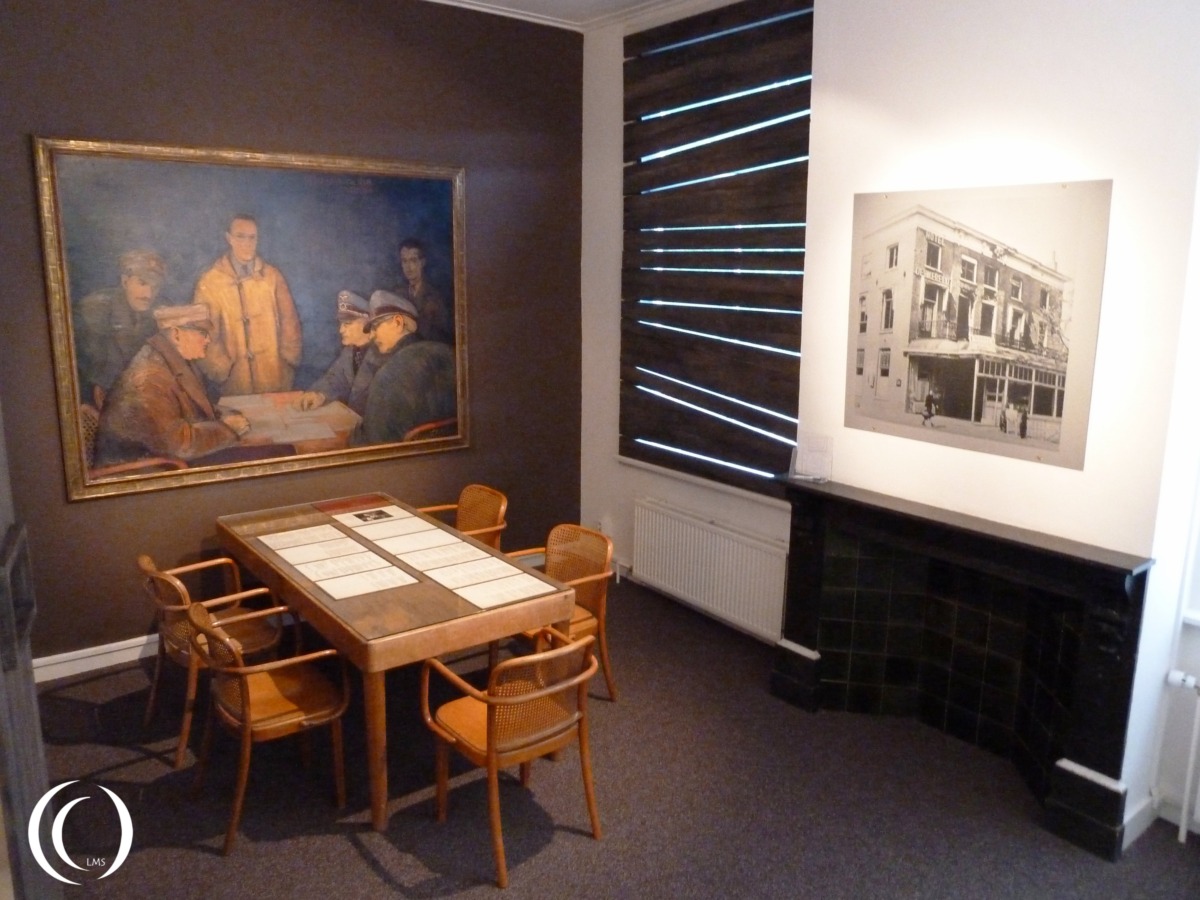
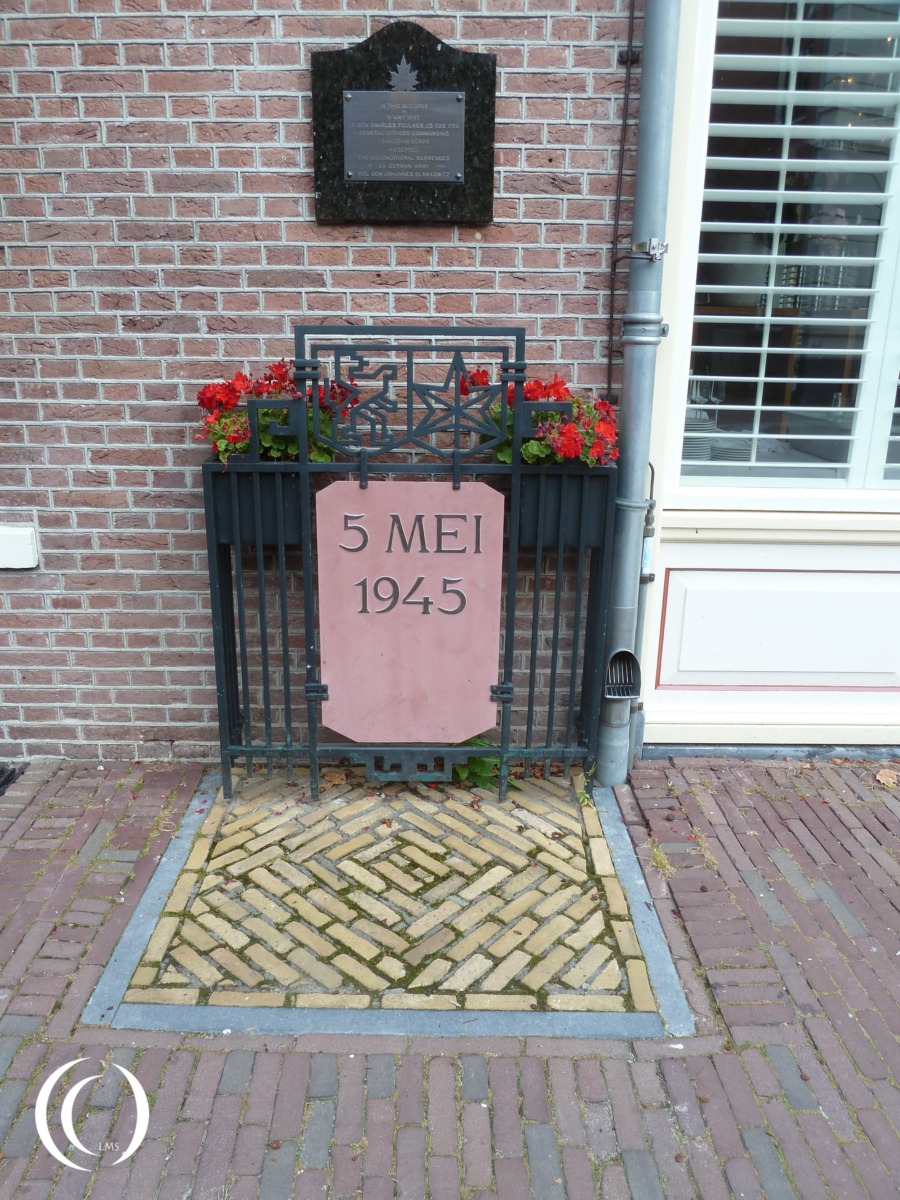
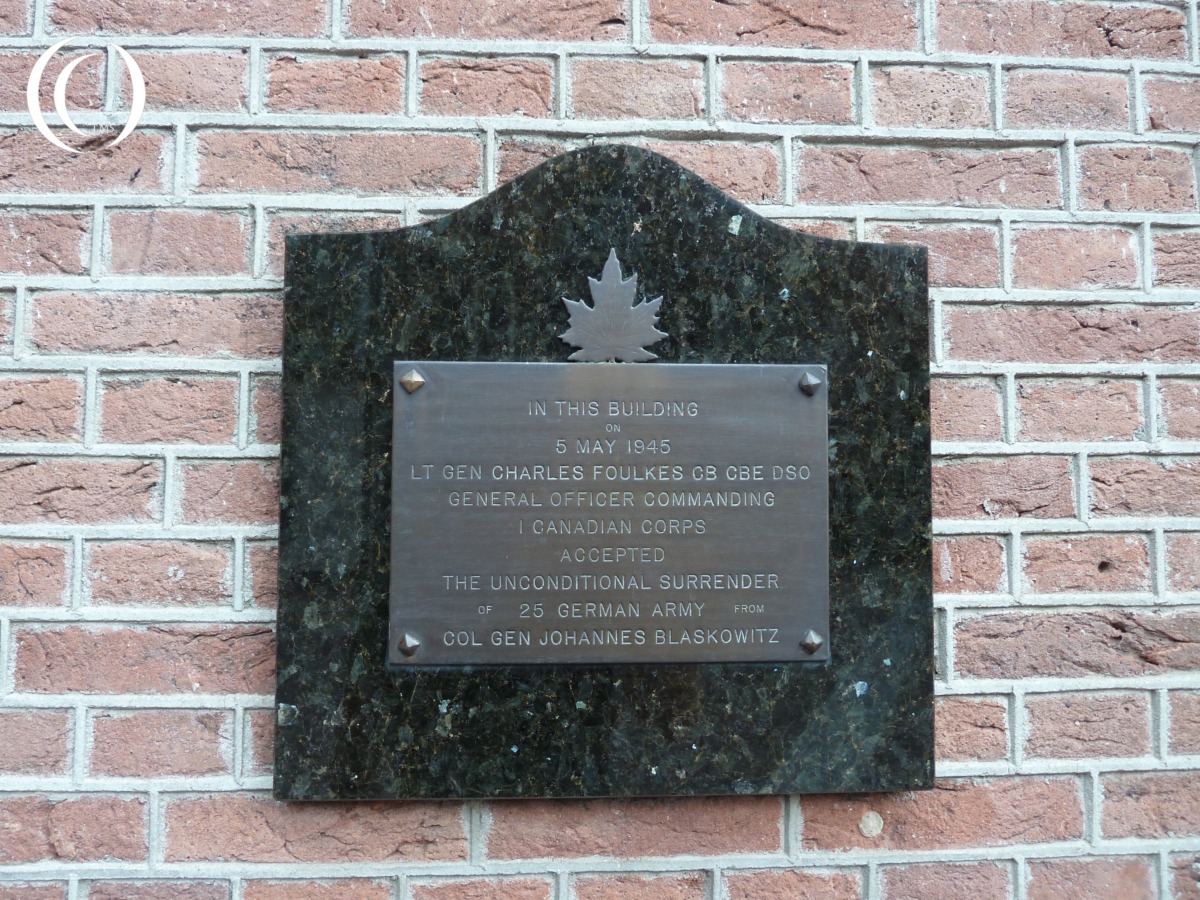
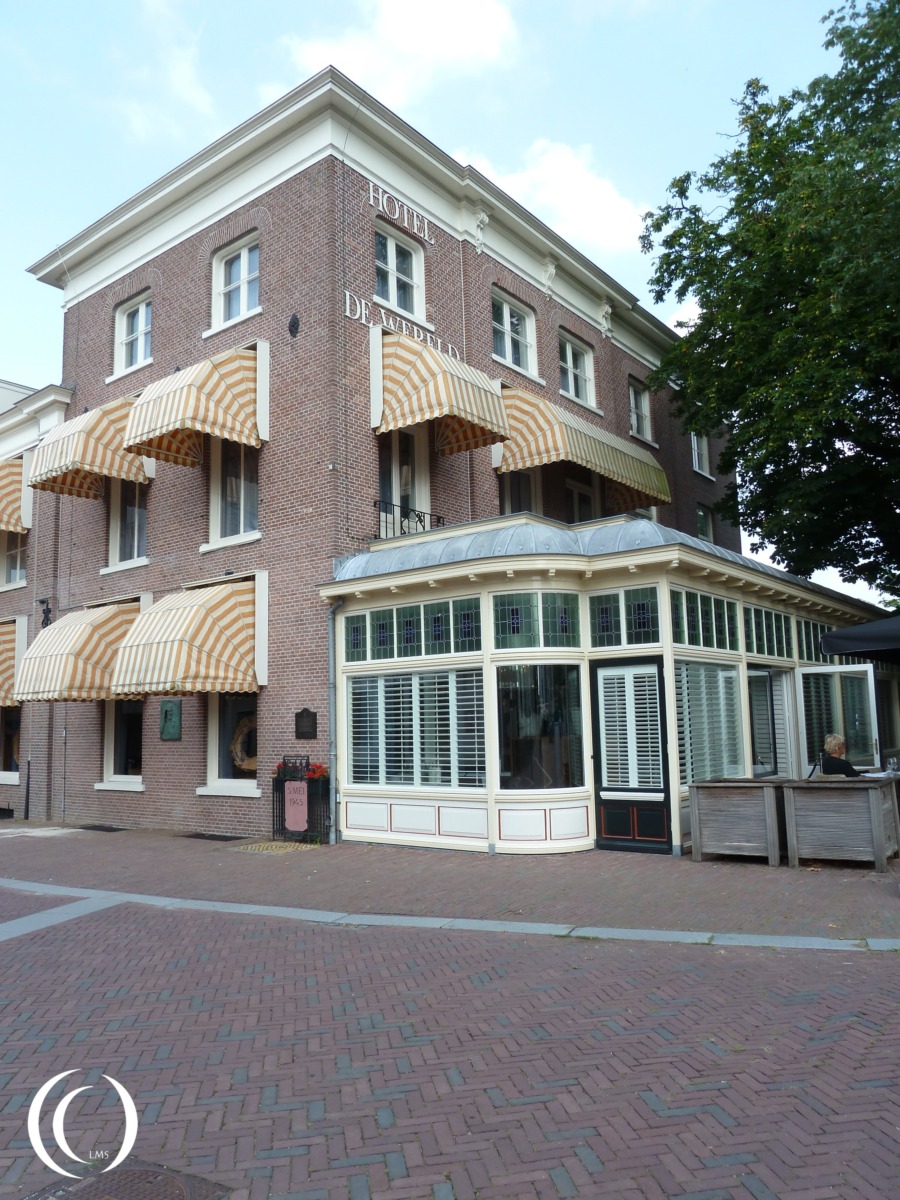
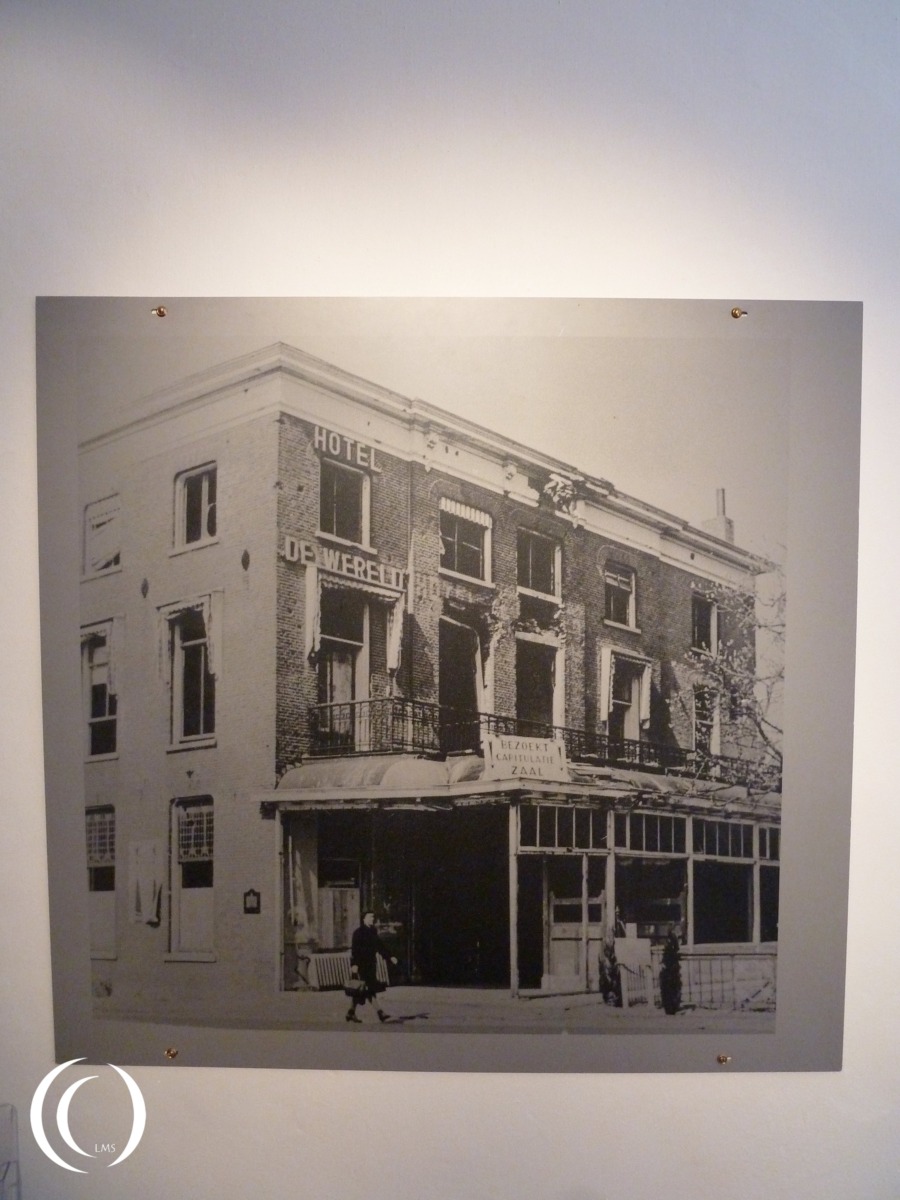
Hotel de Wereld in Wageningen is one of the most historically significant locations in the Netherlands. In May 1945, it became the setting for the meetings between Allied and German commanders that marked the end of the German occupation. On 5 May, Canadian General Charles Foulkes and German commander Johannes Blaskowitz met there to discuss the implementation of Germany’s surrender in the Netherlands. Although the unconditional surrender had already been signed in Germany, the orders issued at Hotel de Wereld organized the practical end of hostilities. Today, the hotel is a national monument symbolizing liberation, peace, and the transition from war to freedom.
Here’s a clear timeline of the key orders on surrender and capitulation involving the German forces in the Netherlands and Northwest Europe on 4, 5 and 6 May 1945:
4 May 1945 — Unconditional Surrender on Lüneburger Heide
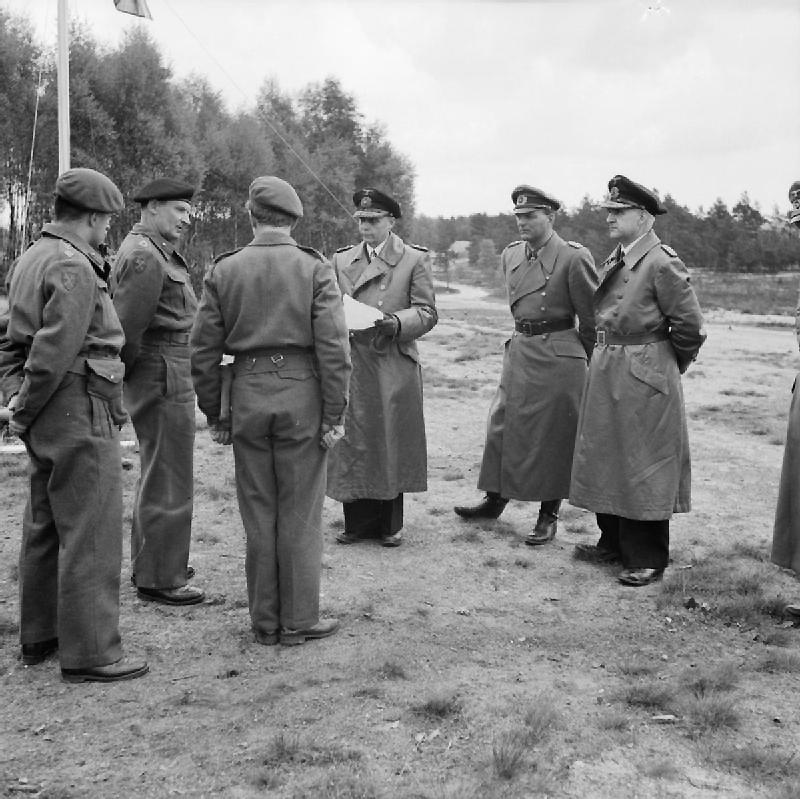
On the evening of 4 May 1945, German military leaders signed an unconditional surrender document (Instrument of Surrender) on Lüneburger Heide in northern Germany. The signing took place on behalf of the Allies under Field Marshal Bernard Montgomery, commanding the British 21st Army Group. German signatories included Admiral Hans-Georg von Friedeburg (the last Grossadmiral of the Kriegsmarine and veteran of the Battle of Jutland) and other senior officers. The agreement covered all German armed forces in the Netherlands, Northwest Germany (including the Frisian Islands, Heligoland and Schleswig-Holstein) and Denmark. It stipulated that those forces must lay down their arms unconditionally and stop all hostilities.
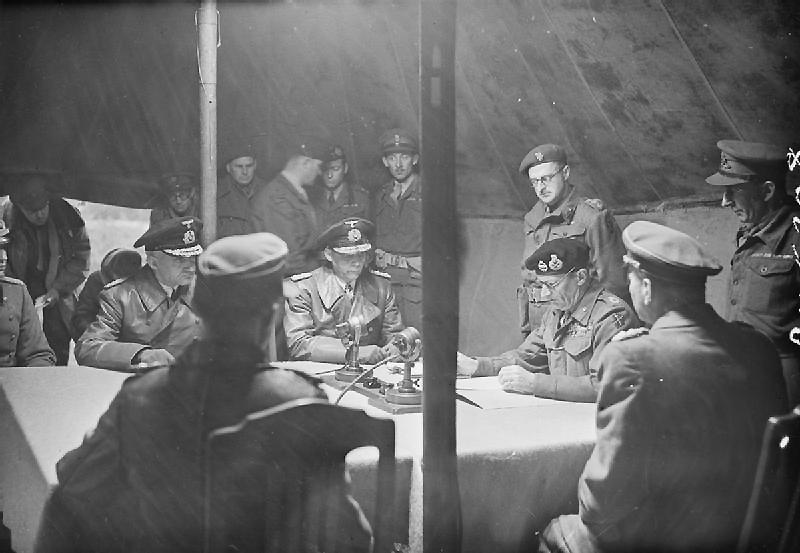
German forces in the specified regions would surrender unconditionally to the Allied armies. All hostilities were to cease at 08:00 on 5 May 1945 (British Double Summer Time). German commands were required to implement any further orders from Allied Powers immediately, without dispute. Disobedience would be treated as a breach of the surrender terms under the laws of war. This instrument’s terms effectively brought a formal end to active fighting for German troops in these areas as of 08:00 on 5 May 1945.
5 May 1945 — Orders on the Surrender Presented in Wageningen
On 5 May 1945, in Hotel de Wereld in Wageningen, Canadian Lieutenant-General Charles Foulkes (commander of I Canadian Corps) presented a set of Orders on the Surrender to Generaloberst Johannes Blaskowitz (four-star general), commander of the German forces in the Netherlands. These orders did not constitute a new capitulation but were meant to translate the previously signed unconditional surrender (from Lüneburger Heide) into detailed instructions for German units in the Netherlands how to cease operations, maintain order, and prepare for disarmament.
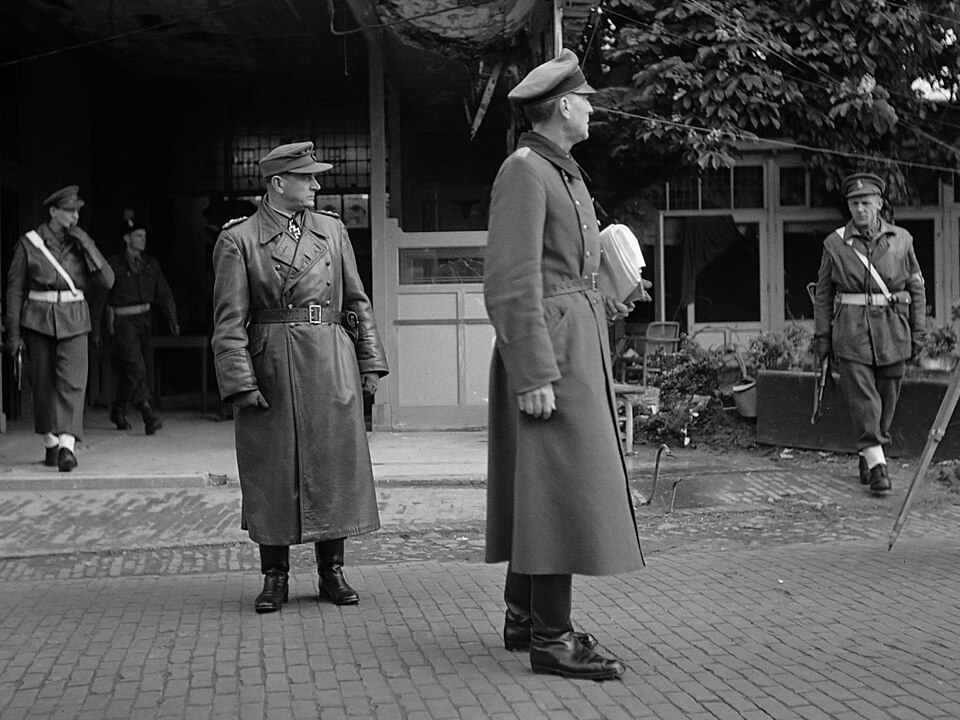
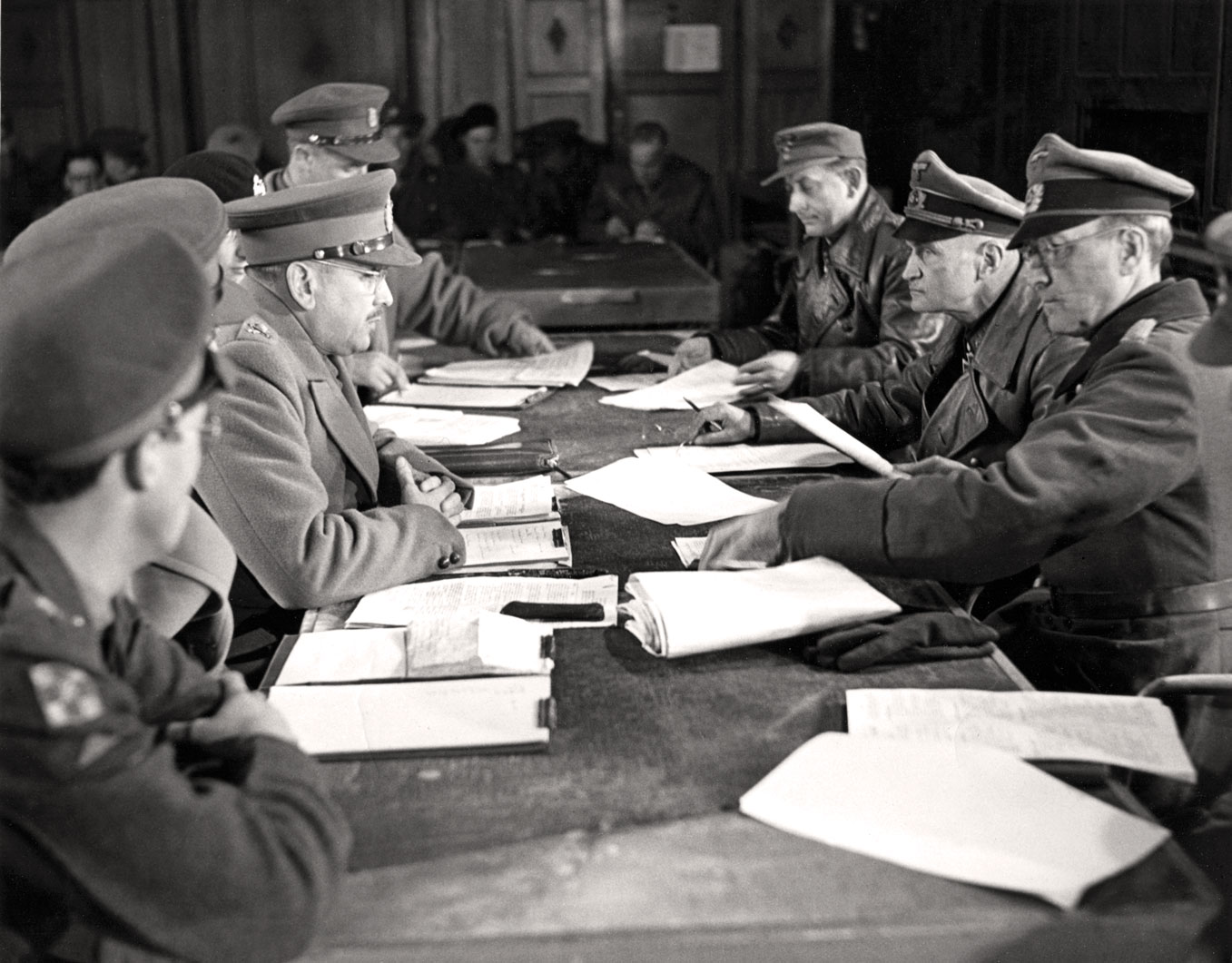
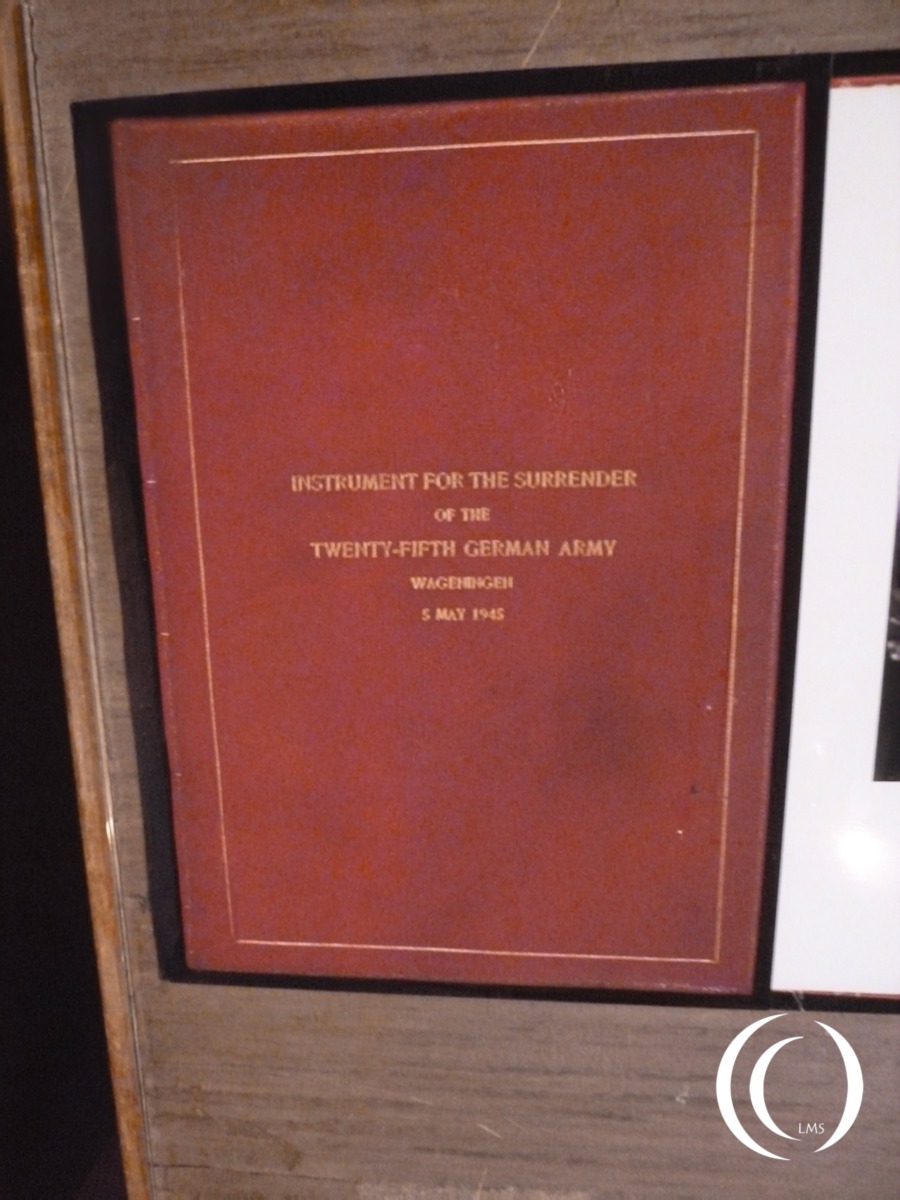
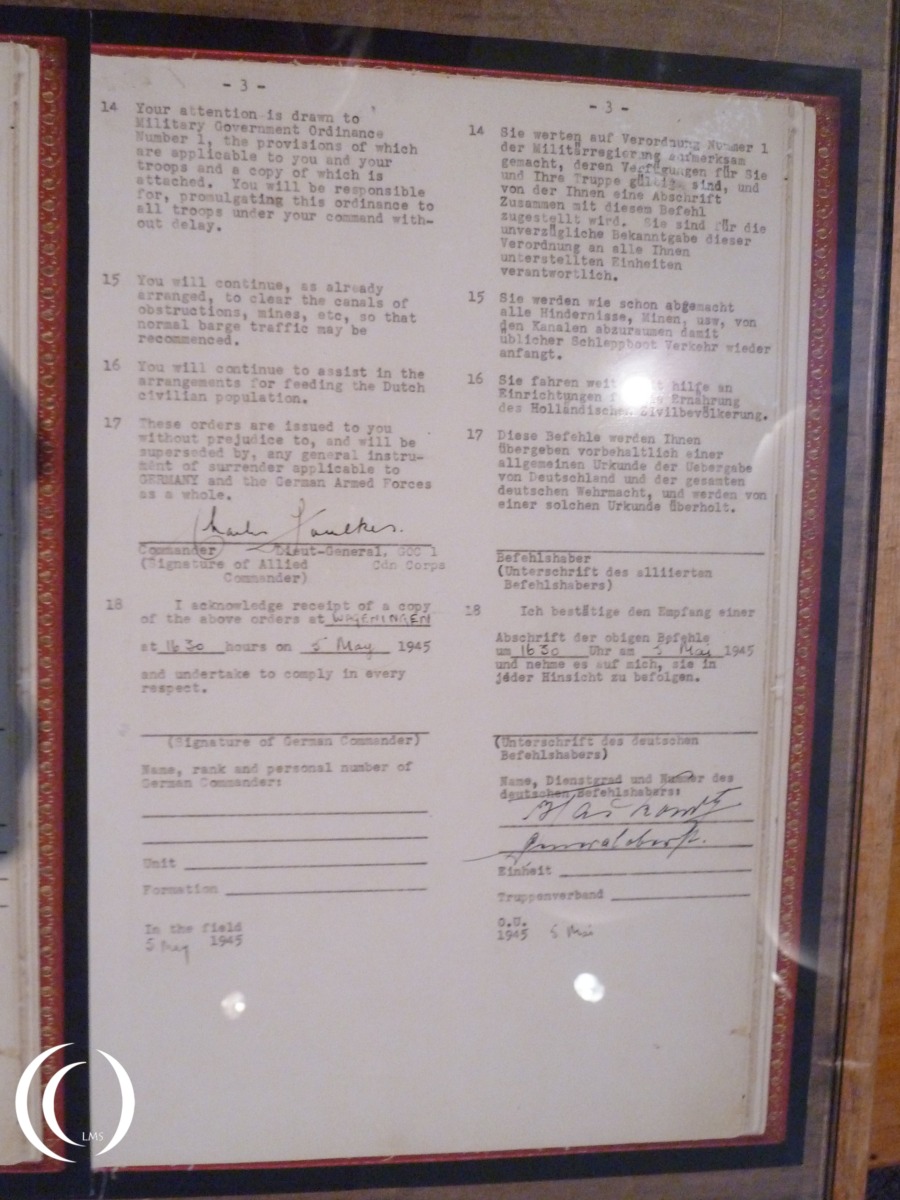
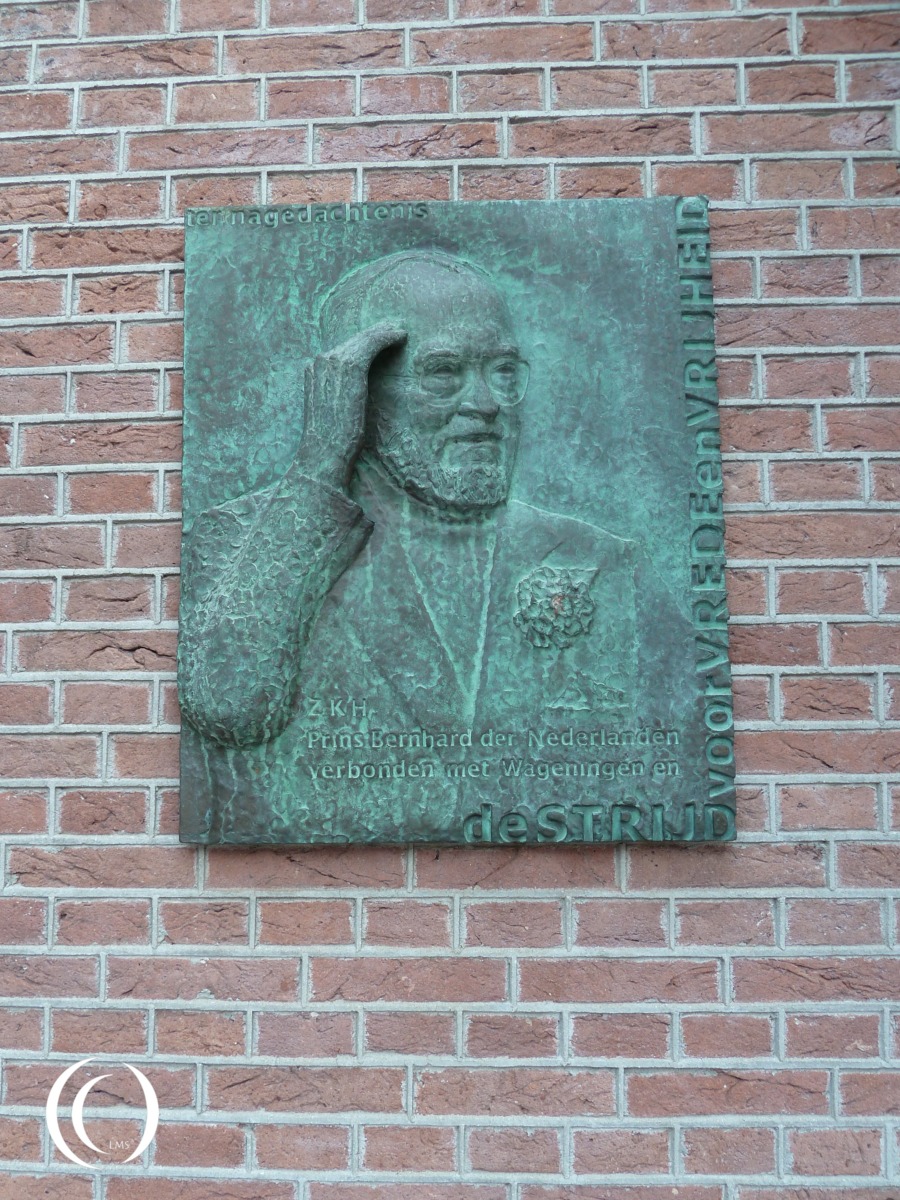
Generaloberst Blaskowitz initially sent his chief of staff but was required to appear personally. He was given the text of the orders, which outlined responsibilities and procedures for the German command in the Netherlands. Blaskowitz requested 24 hours’ delay to gather necessary information about his troops’ strength, armaments, munitions and other particulars before signing. These orders reflected implementing the surrender already in place rather than negotiating separate terms. Prince Bernhard of the Netherlands, Commander in Chief of the Dutch Home Forces, was present at this signing in Wageningen.
6 May 1945 — Signing of the Orders on Surrender
The Orders on the Surrender were formally signed on 6 May 1945 (although the document often bears the 5 May 1945 date). The signing took place not in Hotel de Wereld but in the auditorium (aula) of the Landbouwhogeschool (Agricultural College) next to the hotel in Wageningen.
The signing by Blaskowitz finalized the detailed implementation of the surrender terms for the German forces in the Netherlands, specifying how they were to comply with Allied directives under the previously signed instrument from 4 May.
After this, Allied forces could more confidently begin organized occupation duties, disarmament, distribution of supplies, and restoration of civil order.
After the German surrender General Johannes Albrecht Blaskowitz was detained in the concentrationcamp Dachau, in Stadtallendorf, and finally in Nuremberg, where he was to stand trial before the war tribunal. Even before his trial began, he committed suicide in early 1948 at the age of 64 by jumping from a gallery in Nuremberg Prison.
Summary of the Sequence
4 May 1945 — German forces in Northwest Europe (including Netherlands) signed the Instrument of Surrender on Lüneburger Heide; effective 08:00 on 5 May.
5 May 1945 — Canadian General Foulkes presented Orders on the Surrender to German commander Blaskowitz in Wageningen to translate the unconditional surrender into operational orders for German troops.
6 May 1945 — The Orders on the Surrender were formally signed, allowing the implementation of Allied directives and the practical end of German armed resistance in the Netherlands.
montg
Visit Hotel de Wereld
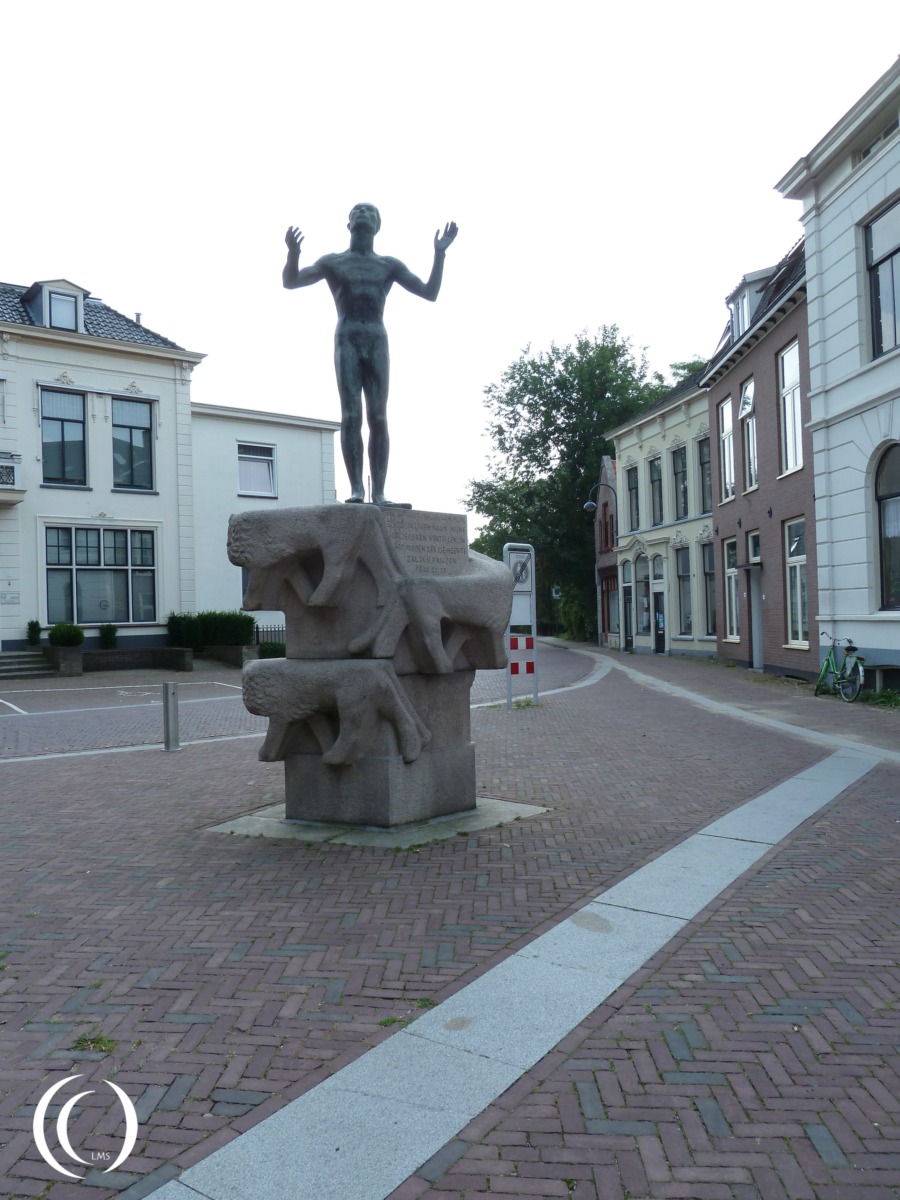
Today, Hotel de Wereld has returned to its original function as a hotel. You can drink, eat, and sleep there. Several plaques and a statue commemorate that historic moment, the adjacent street is named after the Canadian General Foulkes. Not too far away in Wageningen, there’s a museum that provides more insight into the event, with copies of original signed documents and photographs. The museum “De Casteelse Poort” is dedicated to the history of the Dutch city of Wageningen.
