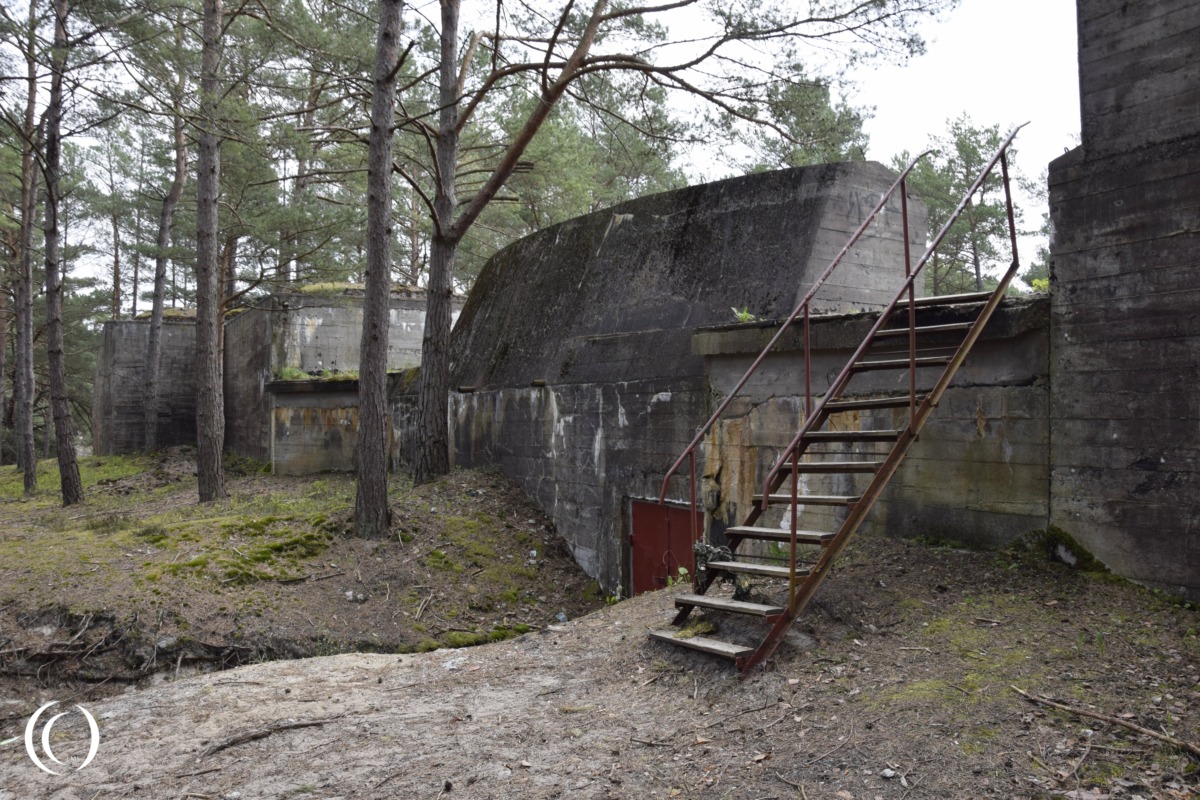
The B3 gun emplacement at the Kriegsmarine Gun Battery “Schleswig-Holstein” is the third gun position for a huge 406 mm naval gun and part of the Hel Fortified Area, a large network of coastal defences.
Historical Overview
Battery “Schleswig-Holstein” was constructed by Nazi Germany during World War II as part of its coastal defence network to control the Gdańsk Bay (Danziger Bucht) and support Kriegsmarine naval operations.
It was named after the German battleship SMS Schleswig-Holstein, which had bombarded Polish positions at the start of the war in 1939.
The battery included three massive 406 mm naval guns (SK C/34), among the largest coastal artillery pieces ever built, capable of firing huge shells over distances up to 56 km. This gun installation was designated a Marine Küsten Batterie (MKB 2/MAA 119).
After initial test firings in 1941, the guns were removed in 1942 and transferred to the French Atlantic coast (Battery Lindemann) to bolster coastal defences against Allied invasion.
Surviving Structures Today
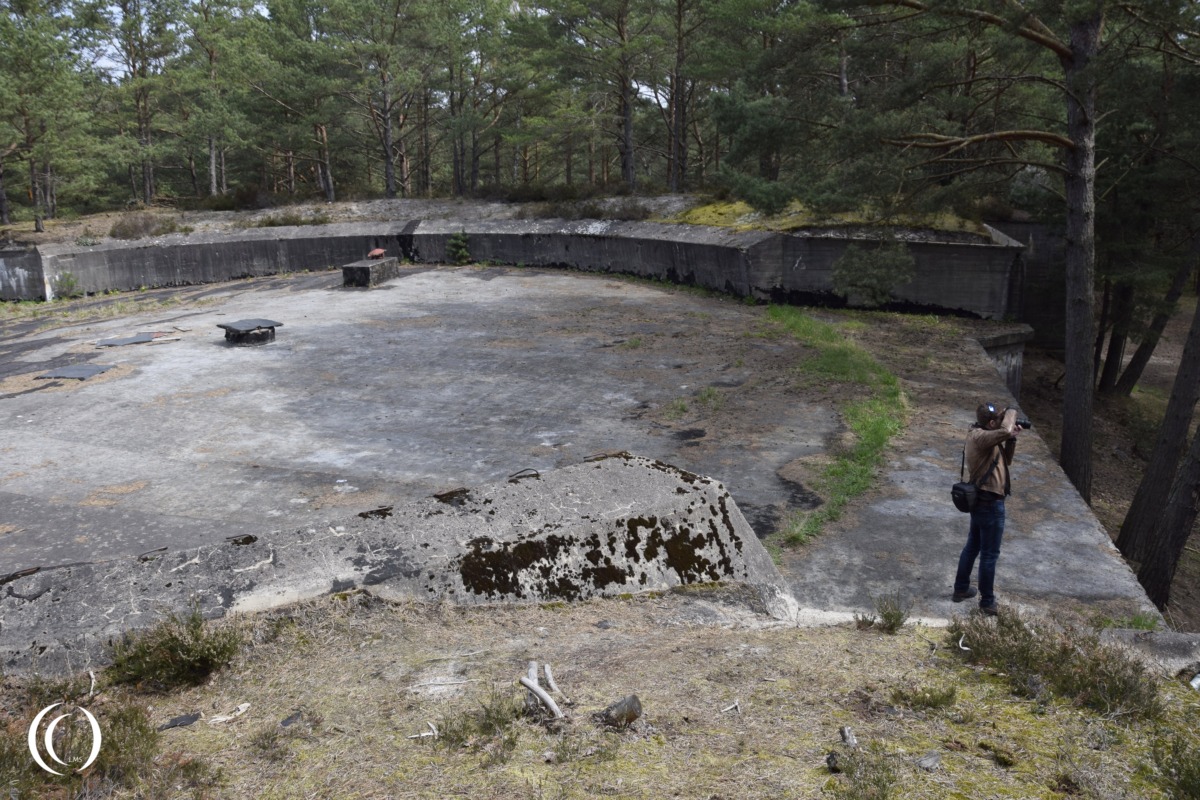
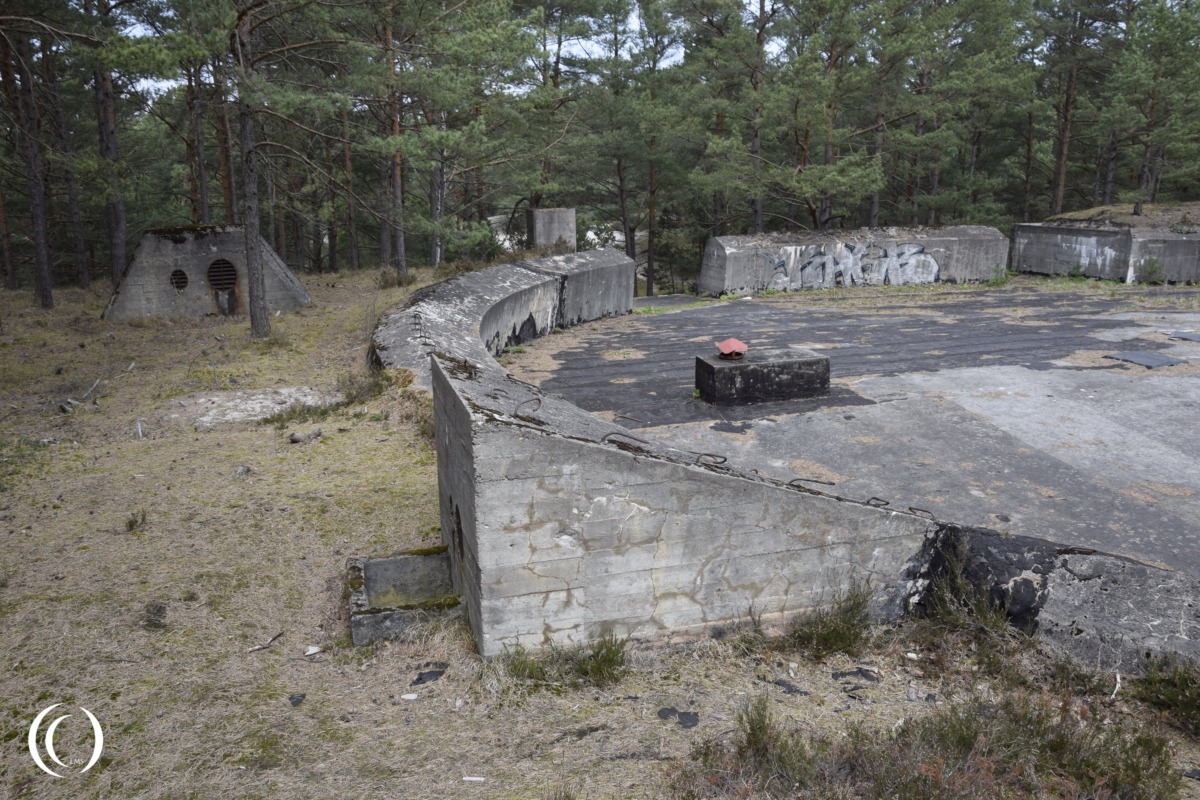
Although the big naval guns themselves were removed, several reinforced concrete structures remain and are open to the public:
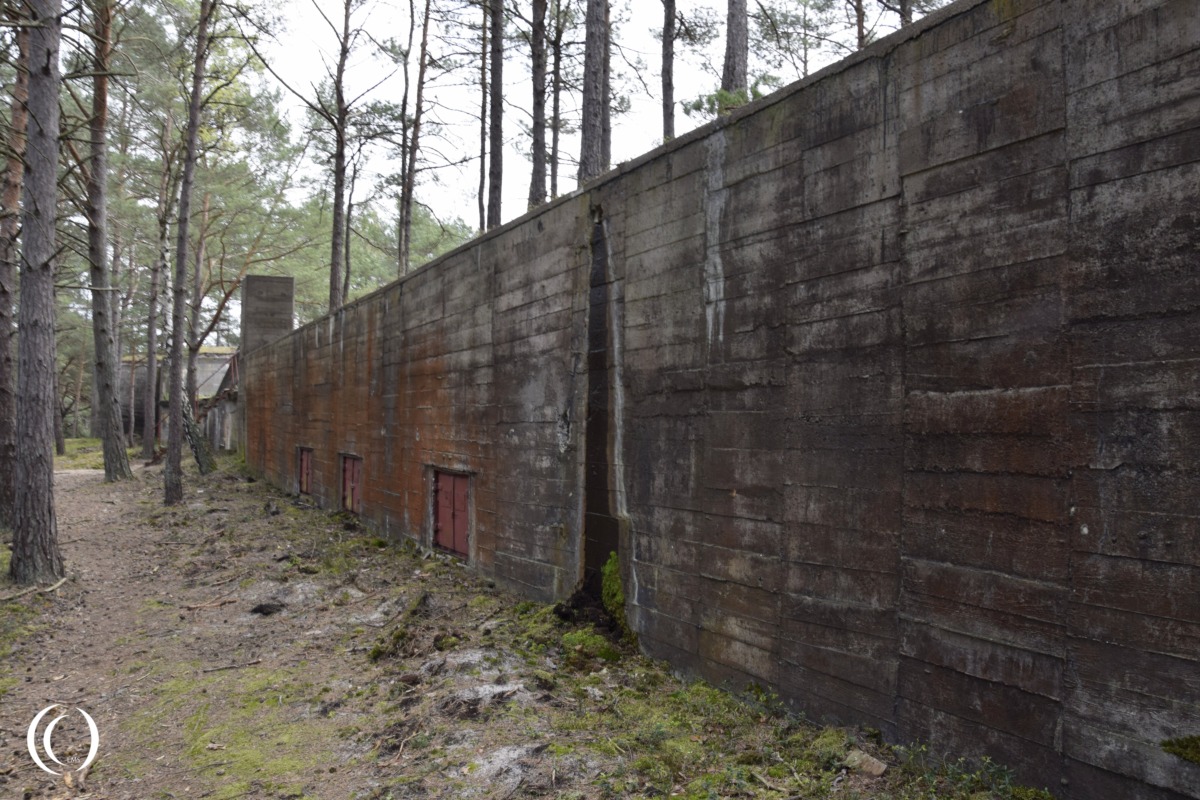
Three Gun Emplacement Concrete Bunkers, two musea and one Paintball location. There were the crew, ammunition and service bunkers for the 406 mm guns. Today they form part of the Muzeum Obrony Wybrzeża (Coastal Defence Museum).
There is the original Fire Control Tower (Rangefinder Tower), built by the Germans during WWII to direct and calculate fire for the giant guns.
It’s a tall reinforced concrete tower with an internal rangefinder and observation platforms. The tower now operates as part of the museum and offers exhibits about heavy artillery and WWII coastal defences, plus panoramic views from the top.
There are ammunition magazines and support bunkers, additional concrete shelters and storage bunkers close to the main emplacements survive and house other exhibits and displays of military equipment. These structures, while not part of an active fortified front today, give a good picture of German coastal artillery infrastructure outside of major command centres like Wolfsschanze.
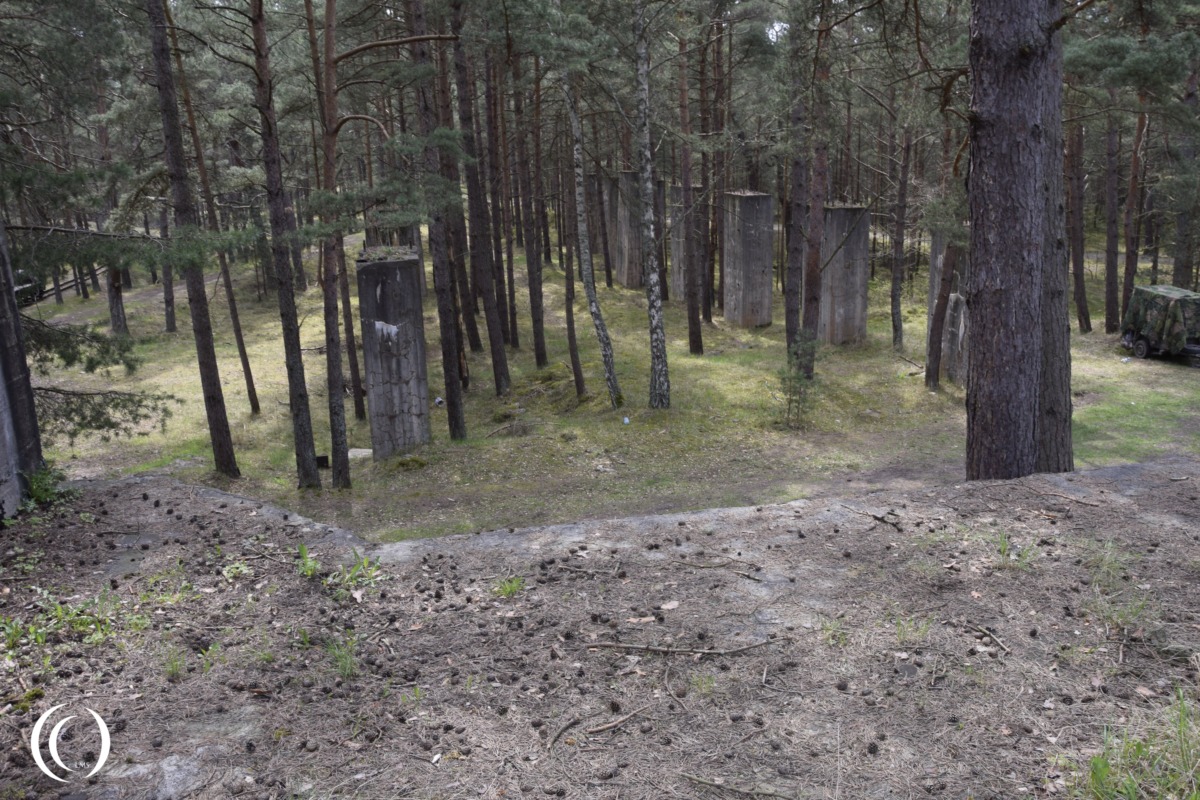
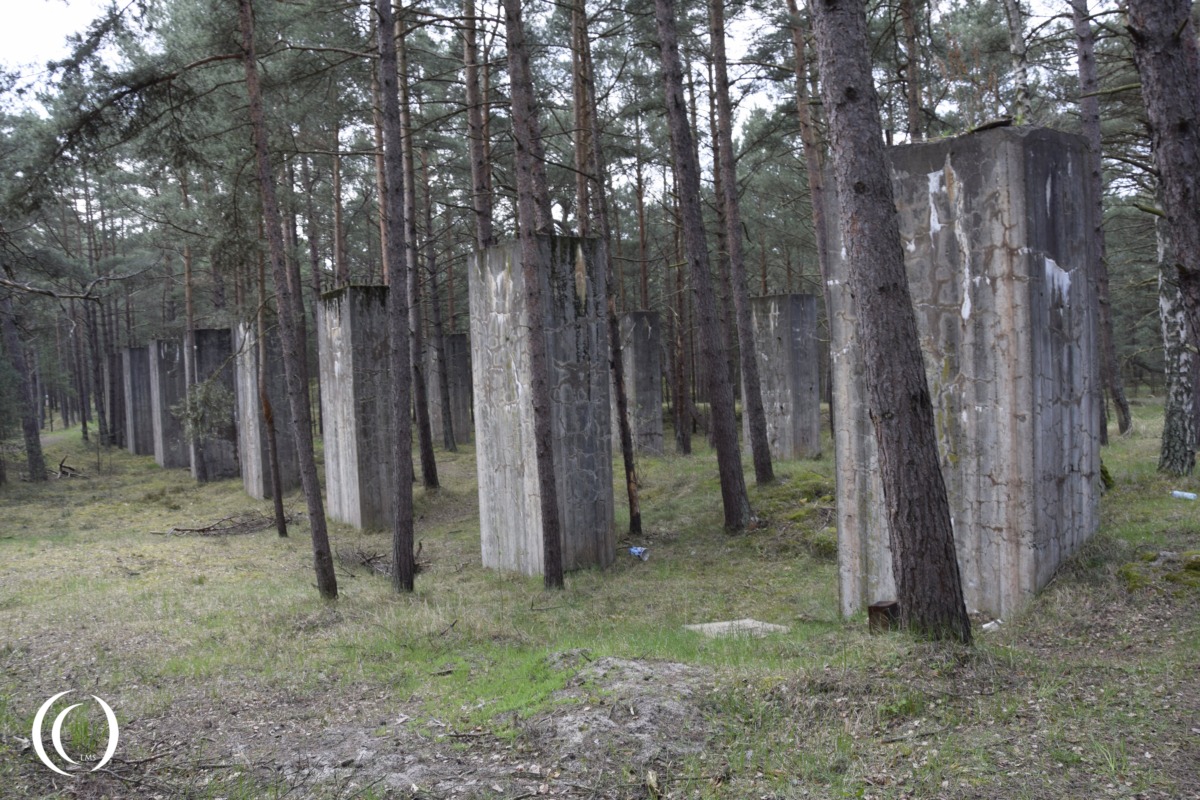
Today the surviving bunkers and tower at Hel are preserved as a military history museum. They are hosted in the remaining concrete emplacements of the Schleswig-Holstein battery and control tower. Gun position B2 has a museum with a large amount of coastal artillery, naval weapons, communications gear, and the defence of Hel in 1939.
The fire control tower has multiple floors with displays and views over the Gulf of Gdańsk. The museum’s displays span both German WWII coastal fortifications and Polish coastal defence history.
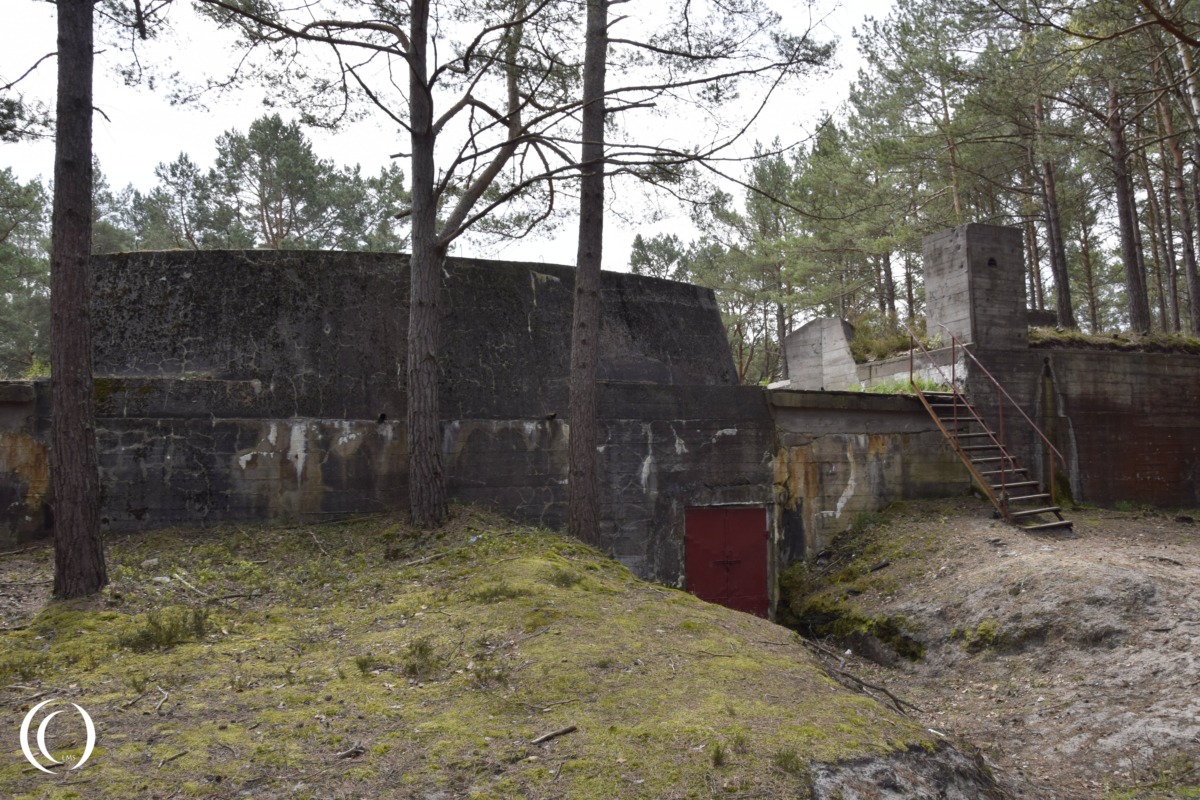
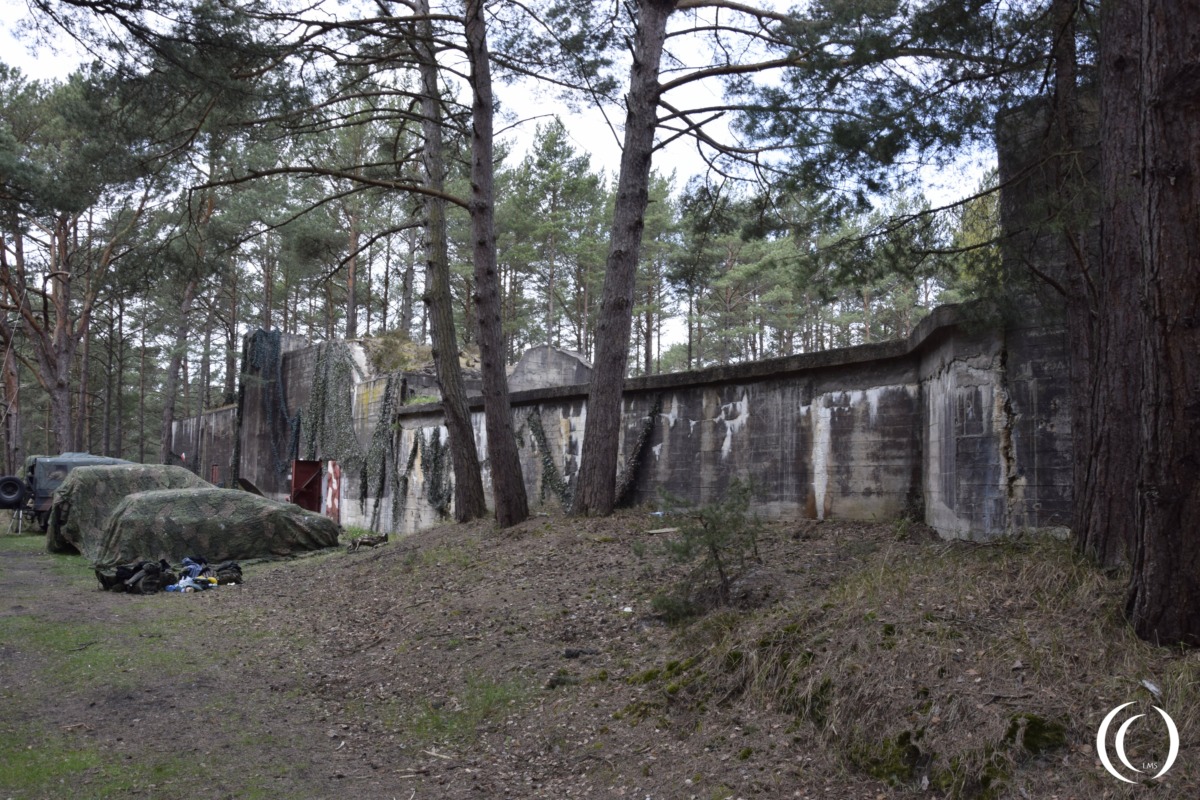
Visit the B3 Gun emplacement
We walked from the cannon site B2 (museum) to B3 through the woods. Arriving at B3, we discovered that this bunker no longer has an open gun emplacement; a roof has been placed on it. The bunker was used by a paintball club and was not open to the public in 2018.
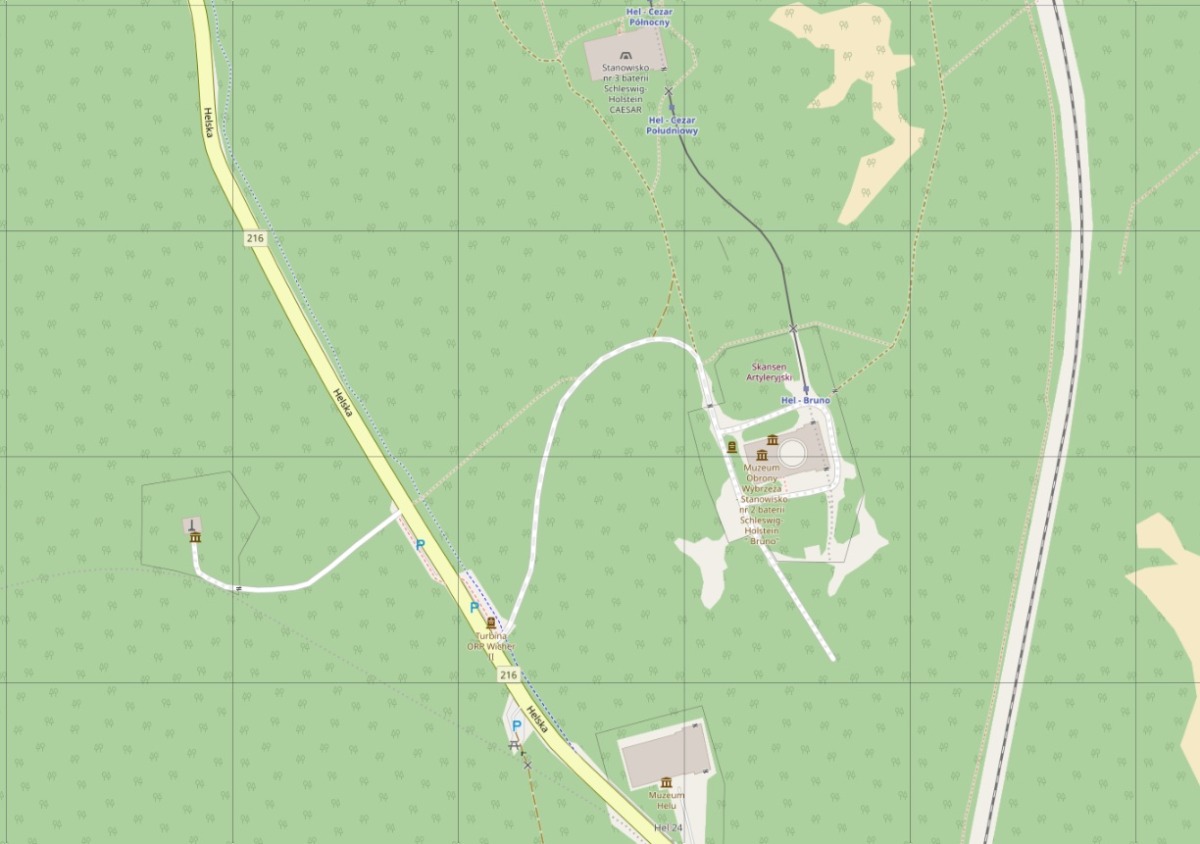
Gun emplacements location on the Schleswig-Holstein battery, gun emplacement B3 occupied by a paintball club on top, B2 with the gun battery museum in the middle and gun emplacement B1 with the Hel Museum at the bottom.
