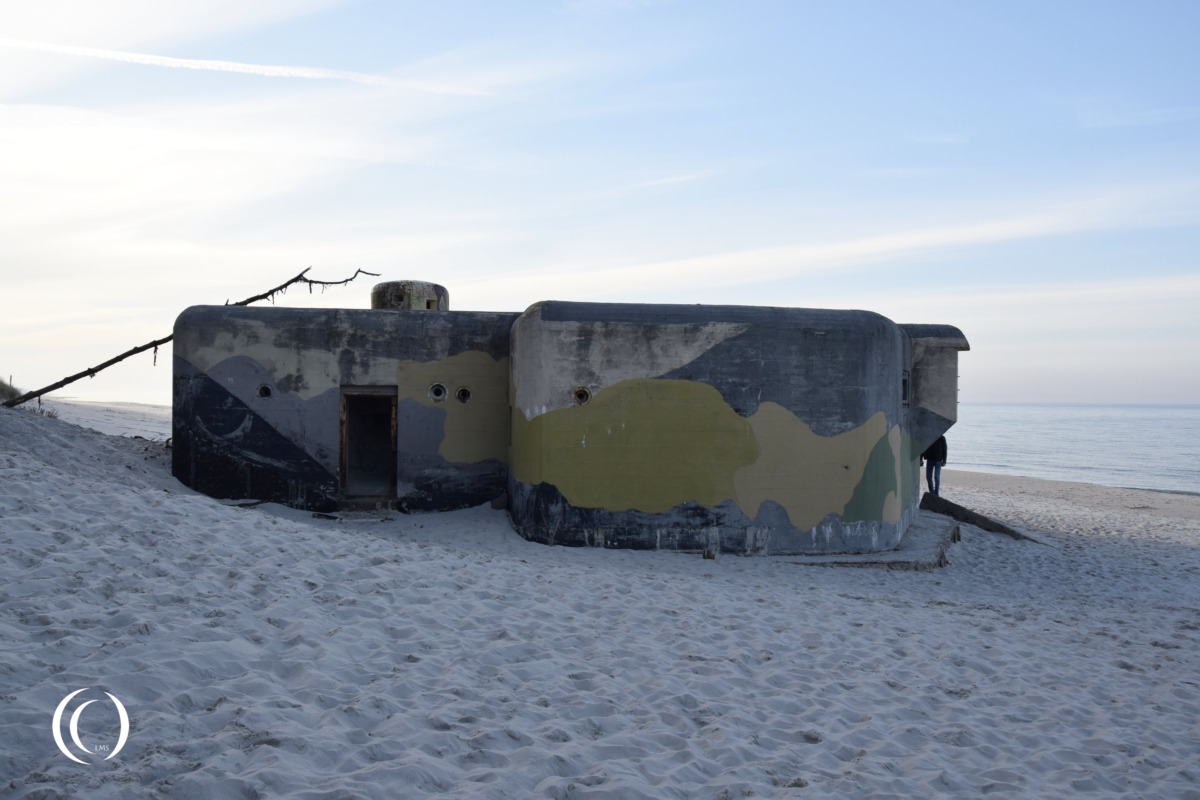
Jastarnia Defensive Line
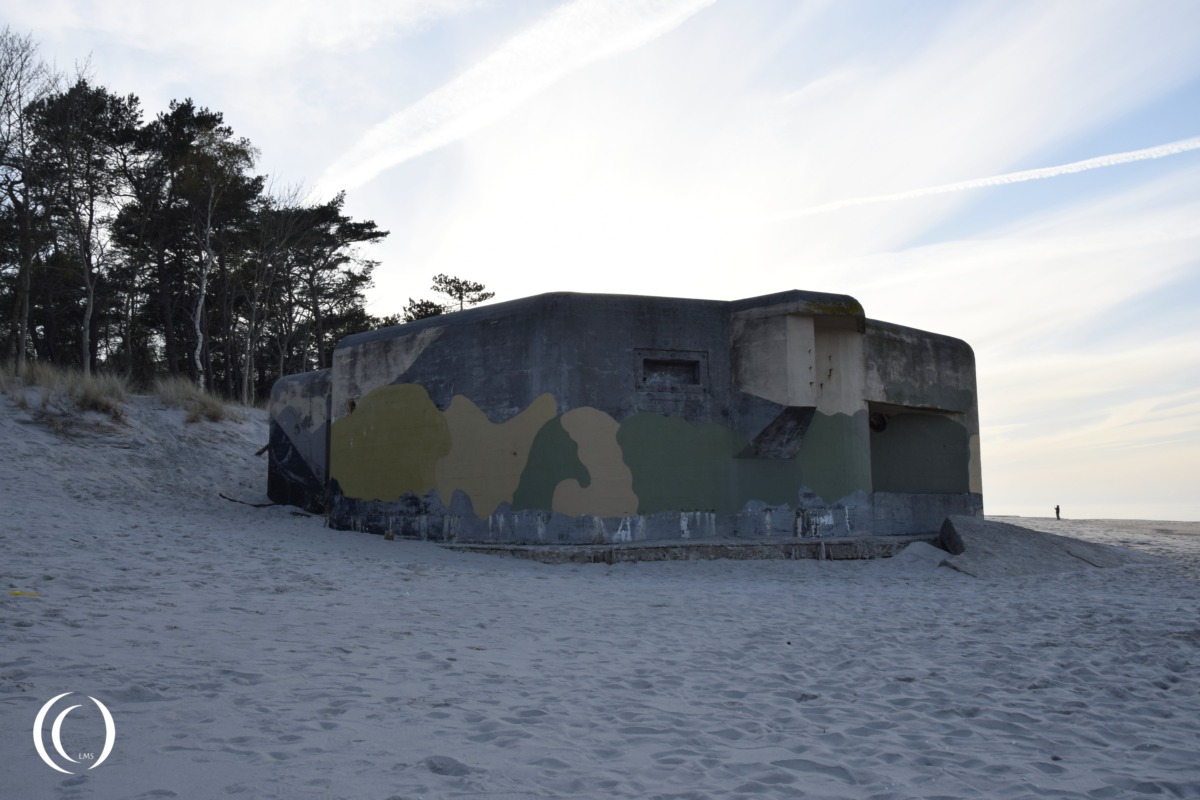
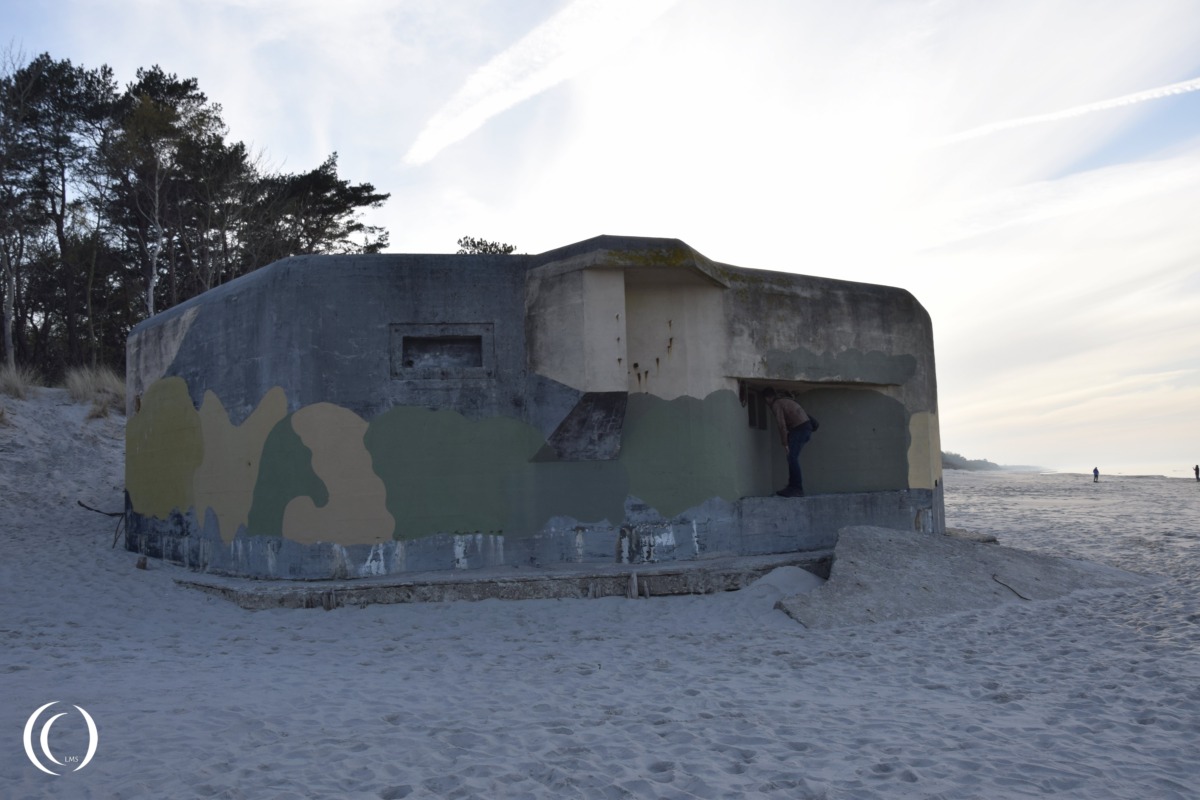
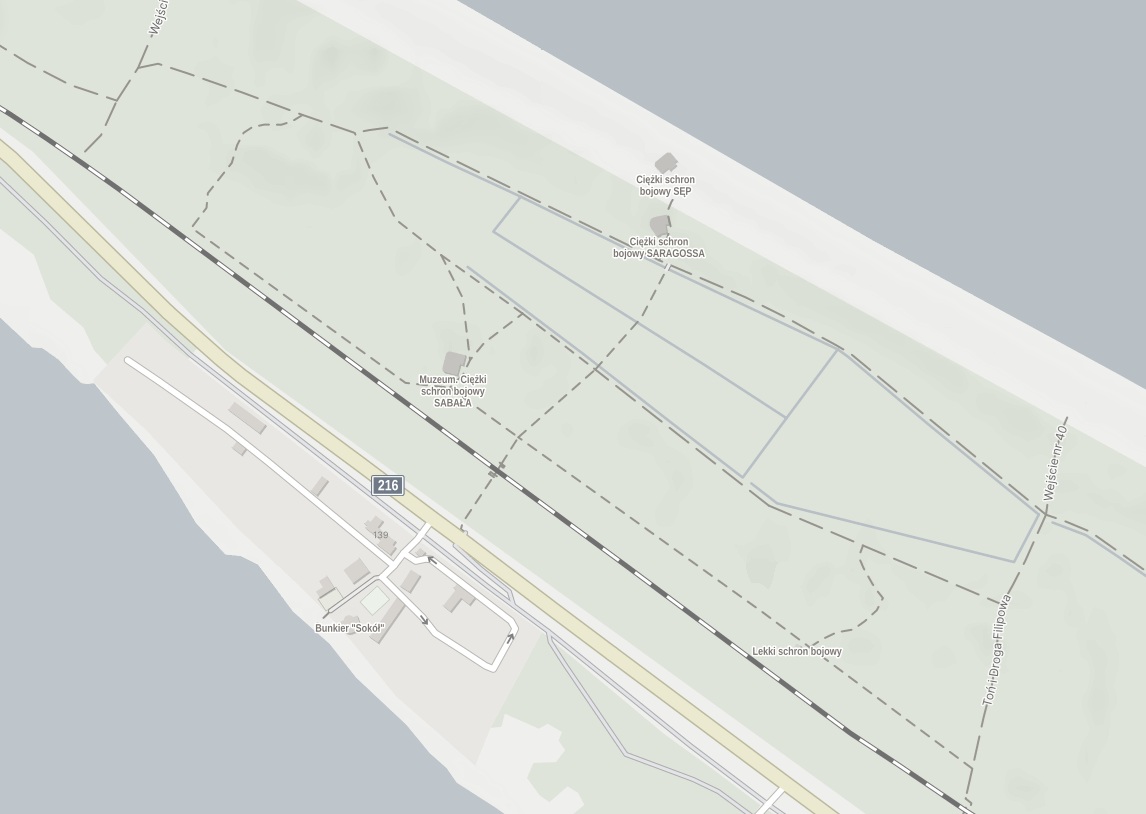
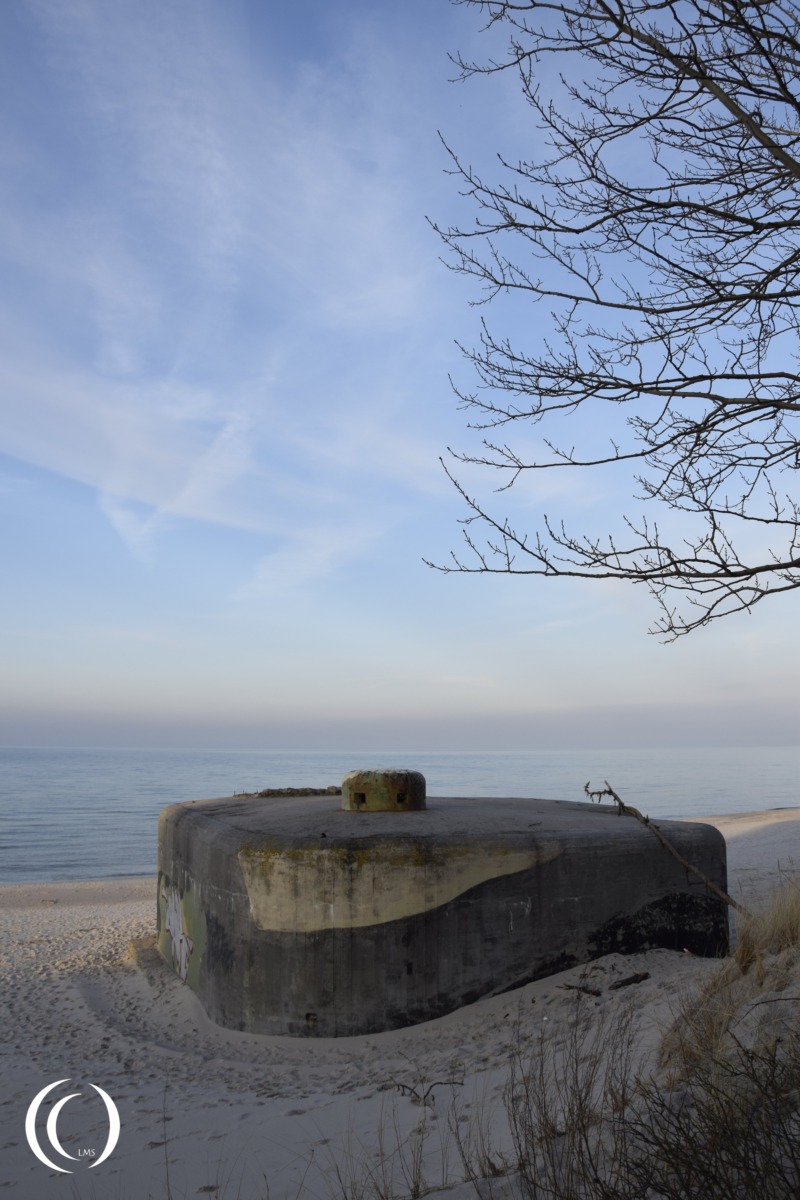
The defensive line near Jastarnia has four large heavy Polish bunkers and a few smaller with anti-tank defenses. Probably in 1939 there was barbed wire and mine fields to stop enemy infantry and armor. Trenches should have given the Polish defenders cover and means of transportation throughout the defensive line. The defensive line was built on a narrow part of the peninsula which made a concentrated defense very effective. The width of this section of the peninsula is just 450 meters. These bunkers were built shortly before World War Two which commenced on the 1st September 1939 for Poland.
During the Invasion of Poland the Hel Peninsula was one of the longest-defended pockets of Polish Army resistance. Approximately 3,000 soldiers of the Coastal Defence Group(Grupa Obrony Wybrzeża) units under Kmdr Włodzimierz Steyer defended the area against overwhelming odds until October 2, 1939. Shortly before capitulation, Polish military engineers detonated a number of torpedo warheads, which separated the peninsula from the mainland transforming it into an island.
After the Battle the German army took over the bunkers and other defensive positions. Gun emplacements were added and updated if needed.During World War II the Kriegsmarine used the Hel naval base to train U-Boat crews.
At the end of the war the village was the last part of Polish soil to be liberated: the German units encircled there surrendered on May 10, 1945, two days after Germany capitulated.
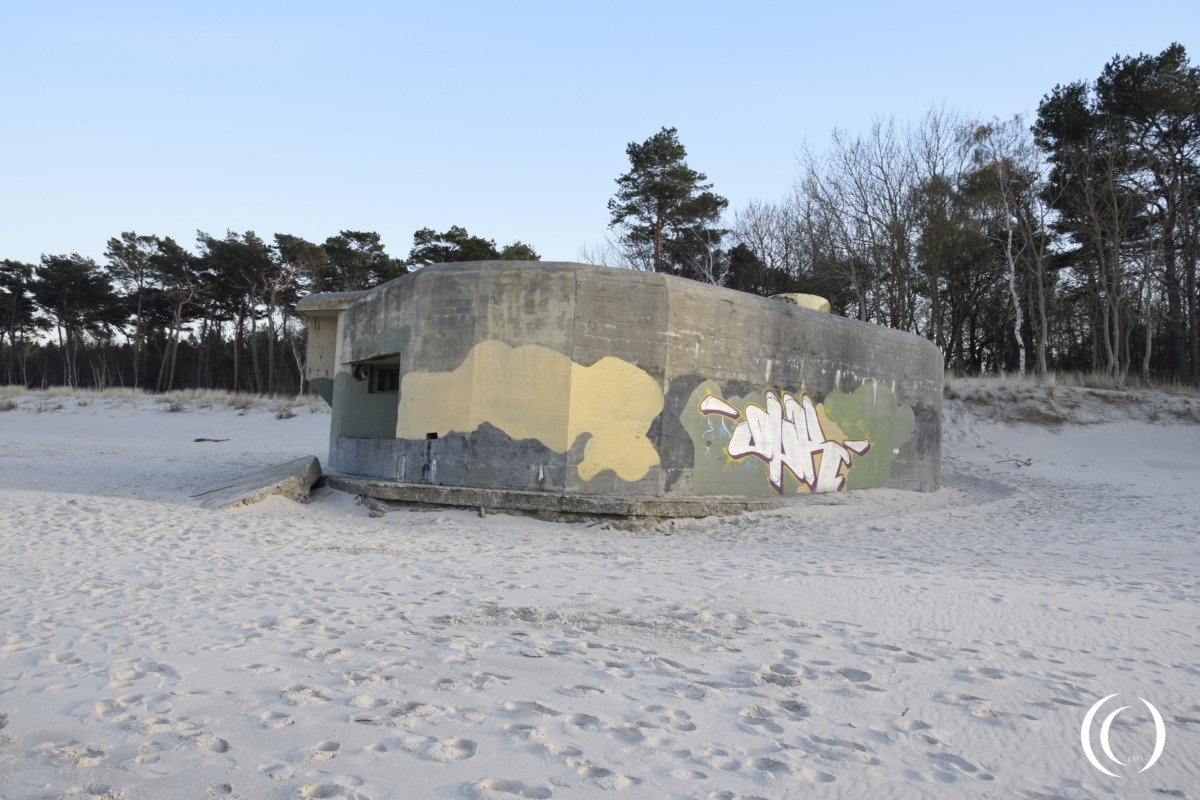
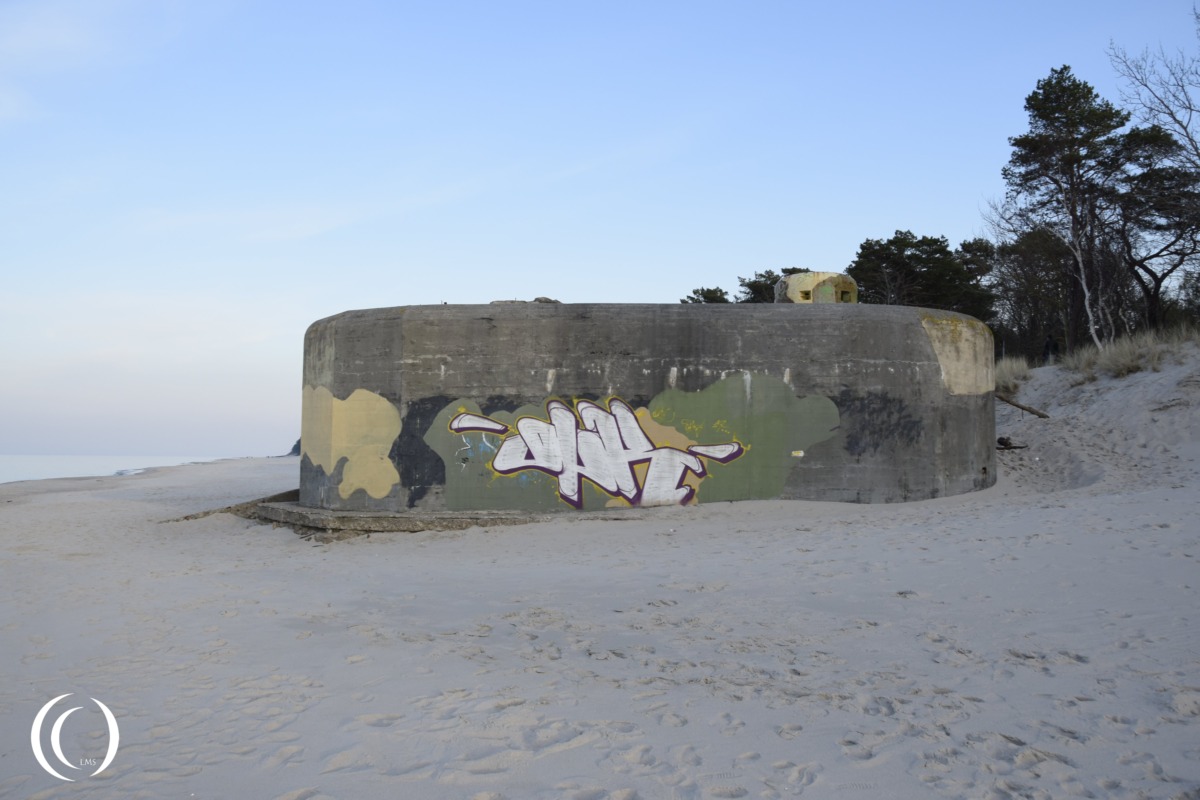
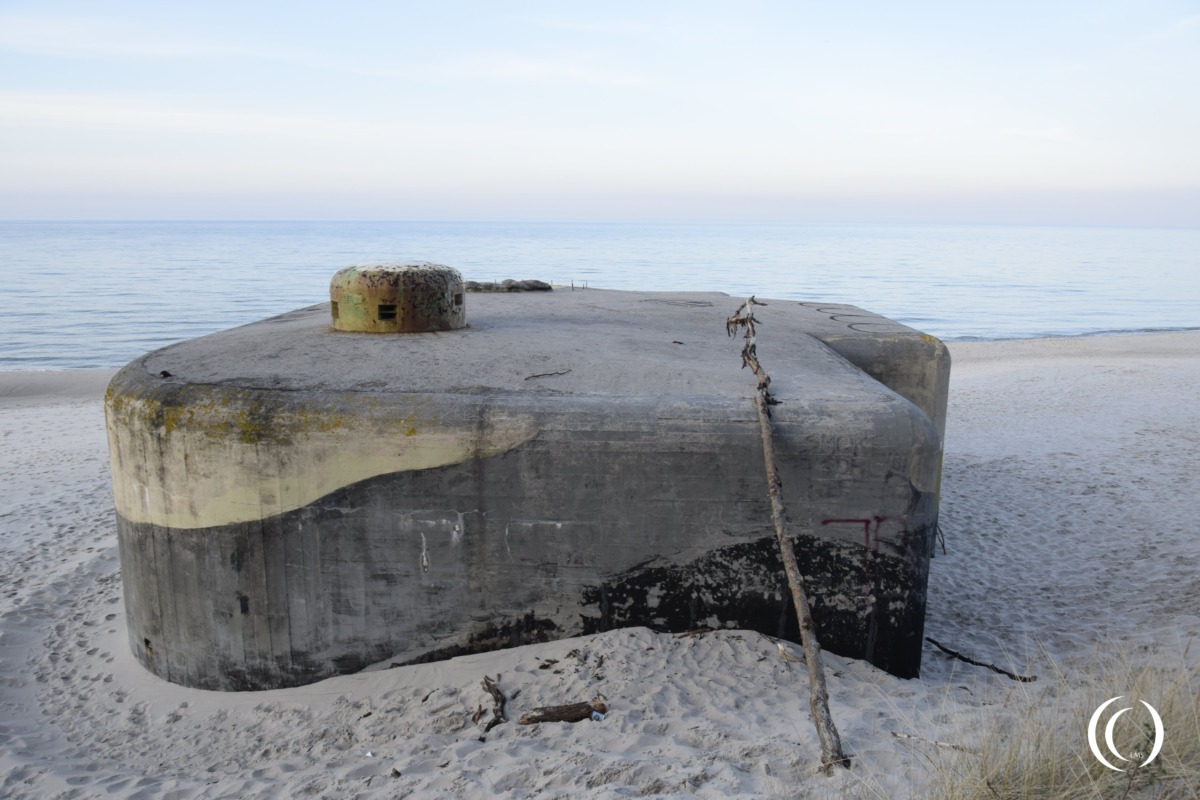
Heavy Polish Bunkers
The four heavy bunkers have Polish names, these are:
Sęp (Eng. Vulture): An infantry bunker.
Saragossa: An infantry bunker.
Sabała: An infantry bunker.
Sokół (Eng. Falcon): An infantry bunker located near the Jastarnia-Chłapowo hiking trail.
The fourth bunker, Sokół (not visible in the photos), is located on a camping site on the coast and is visible from the road.
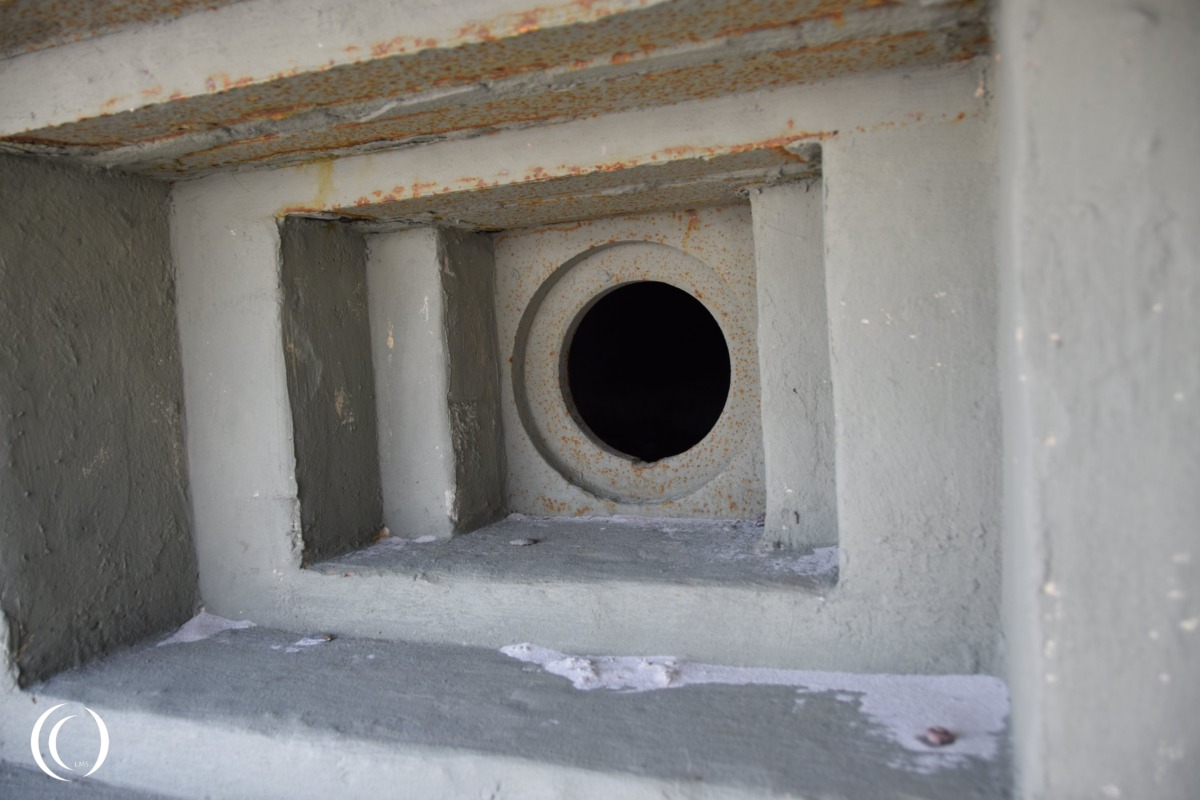
The bunkers were protected by walls 100-180 cm thick and a roof 140 cm thick. Each bunker was equipped with several machine guns firing from openings in the walls and from the covered dome on top. In addition to the machine guns, each bunker had a 37 mm anti-tank gun.
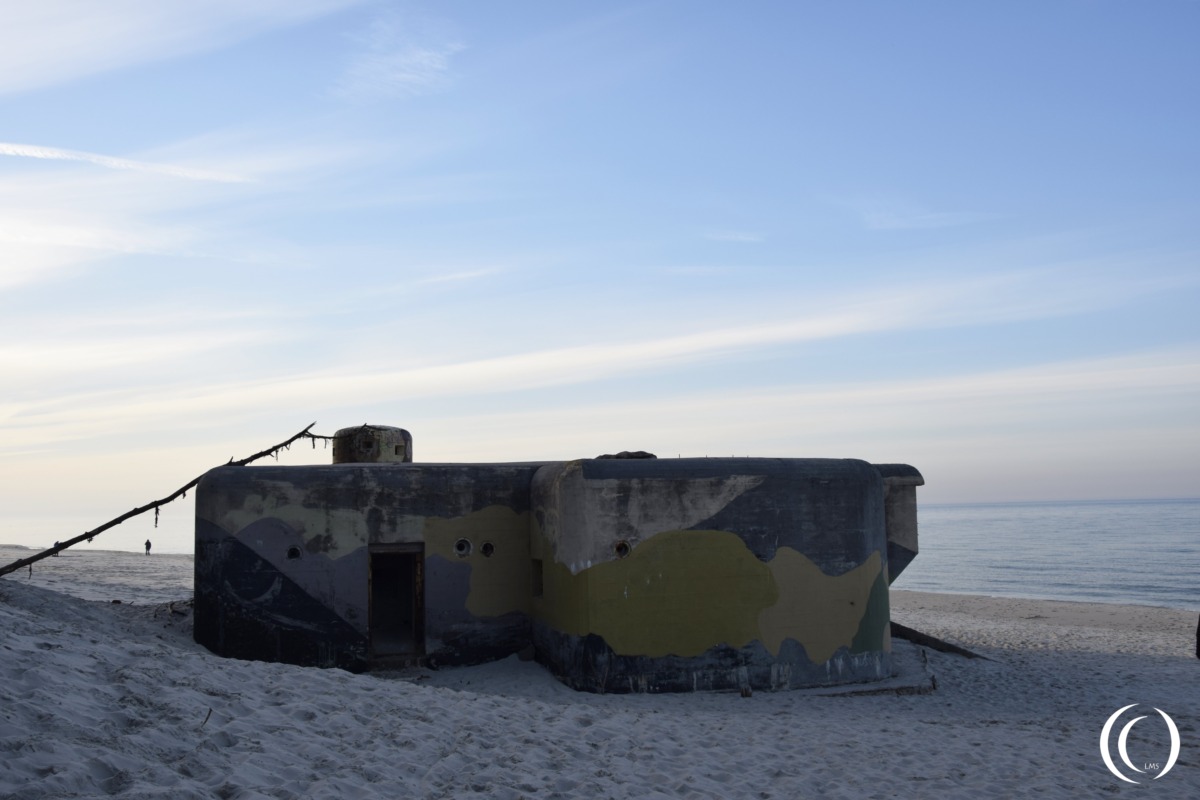
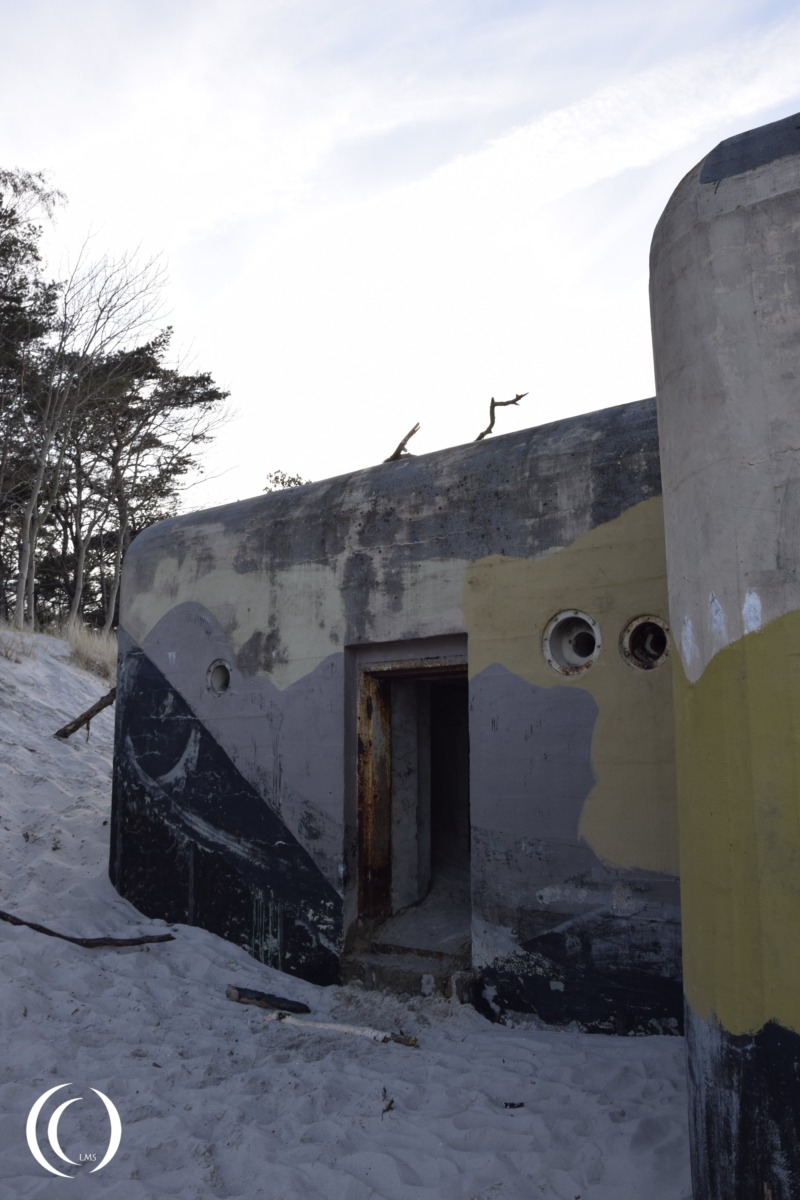
Inside the cupola of the Sęp bunker are markings, from top to bottom it reads: Z0 – 1938 – 159 – N1090. This number Z0/1938/159/N1090 refers to the type designation and registration of the Sęp gun turret on top of the bunker, built in 1938. These bunkers were built shortly before World War Two which commenced on the 1st September 1939 for Poland.
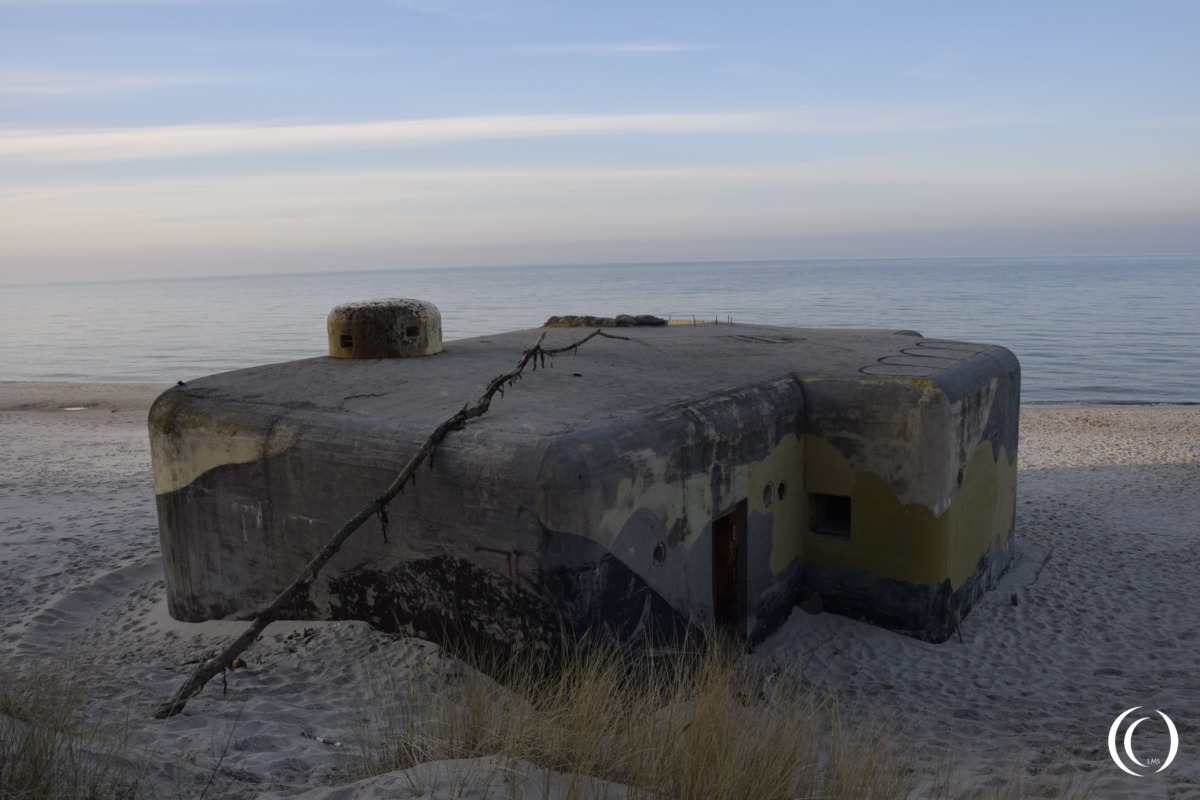
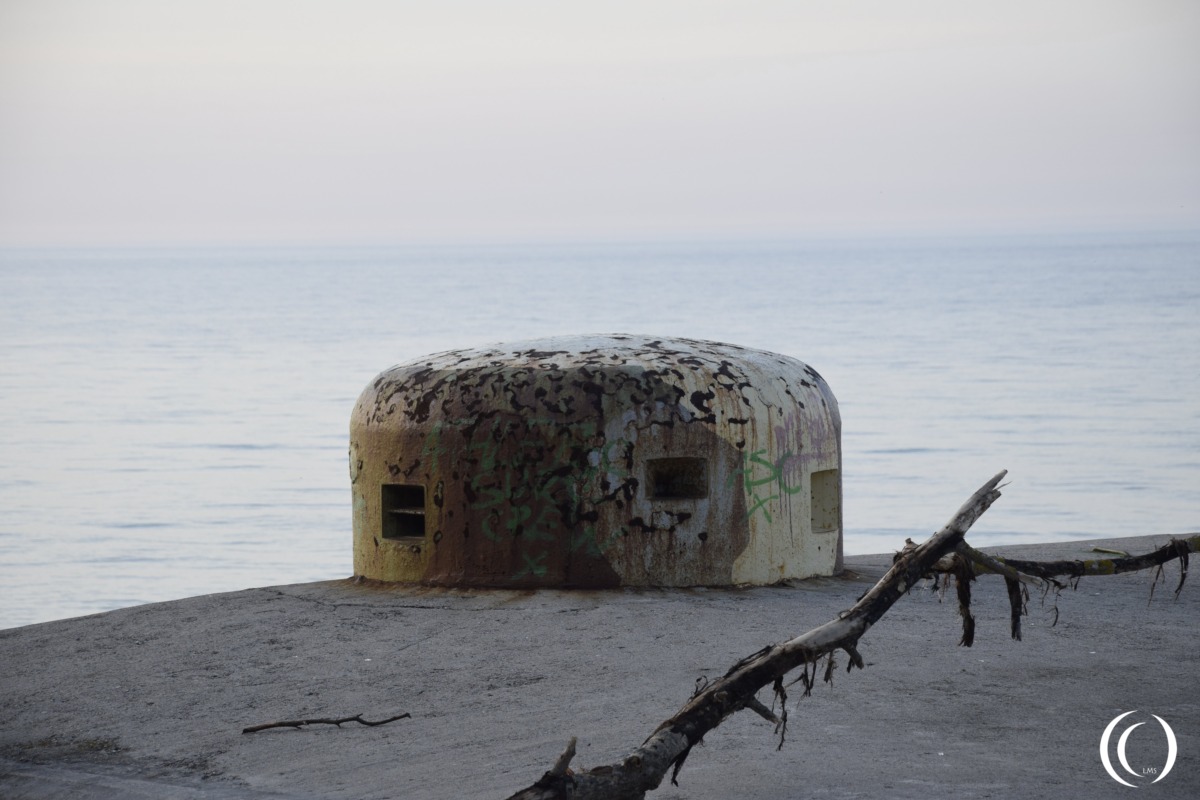
Visit
The bunkers are free to visit, situated in the natural surroundings, forest, and on the beach. They are not always accessible. The Sabala bunker is also a museum. Check the opening hours if you want to visit the interior.
