Construction
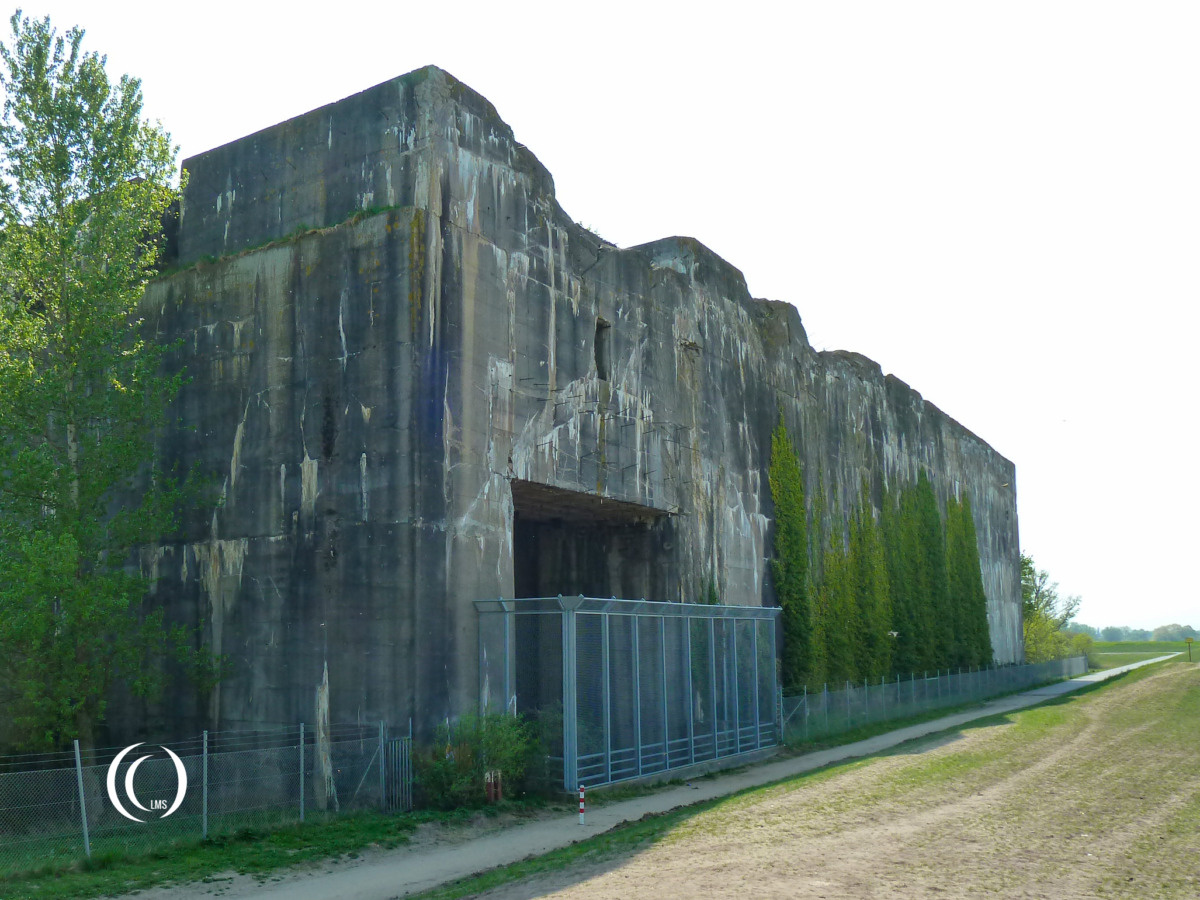
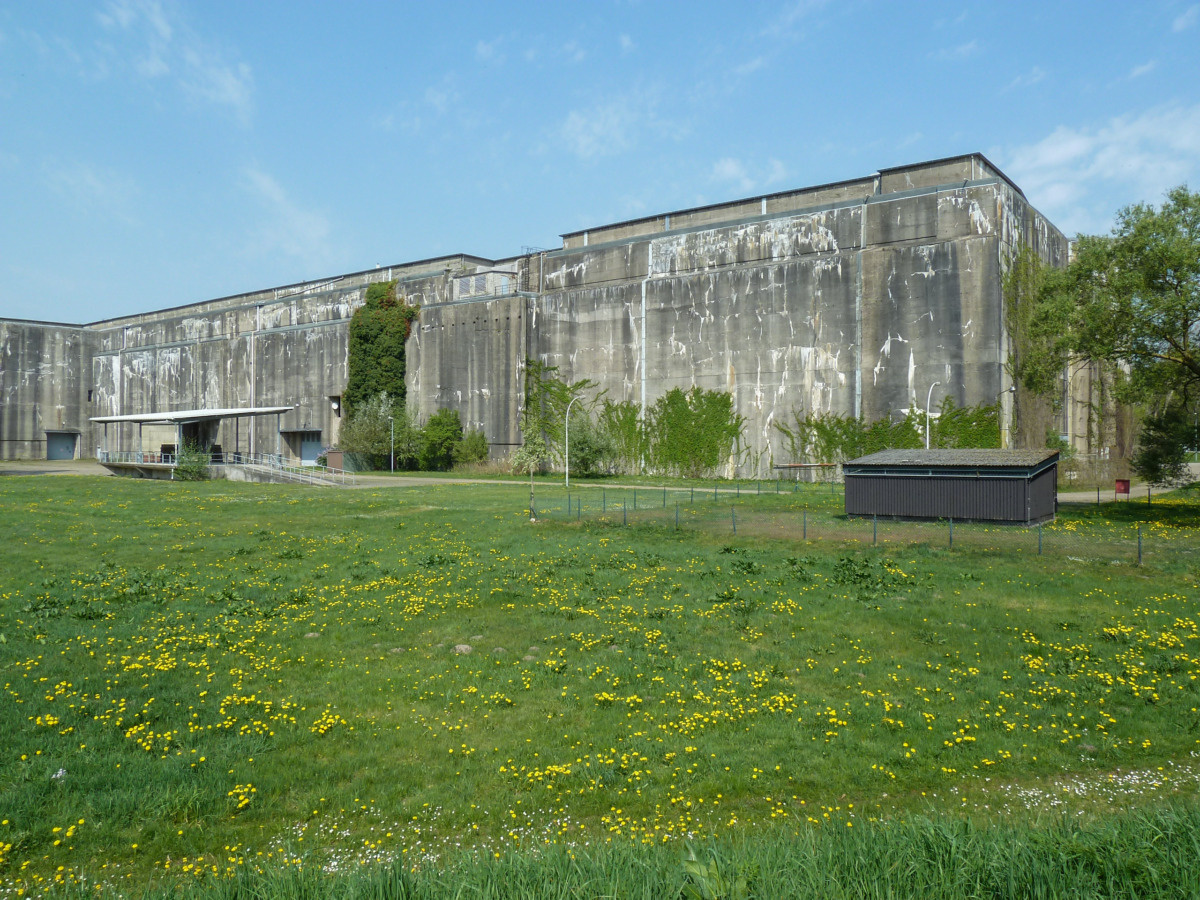
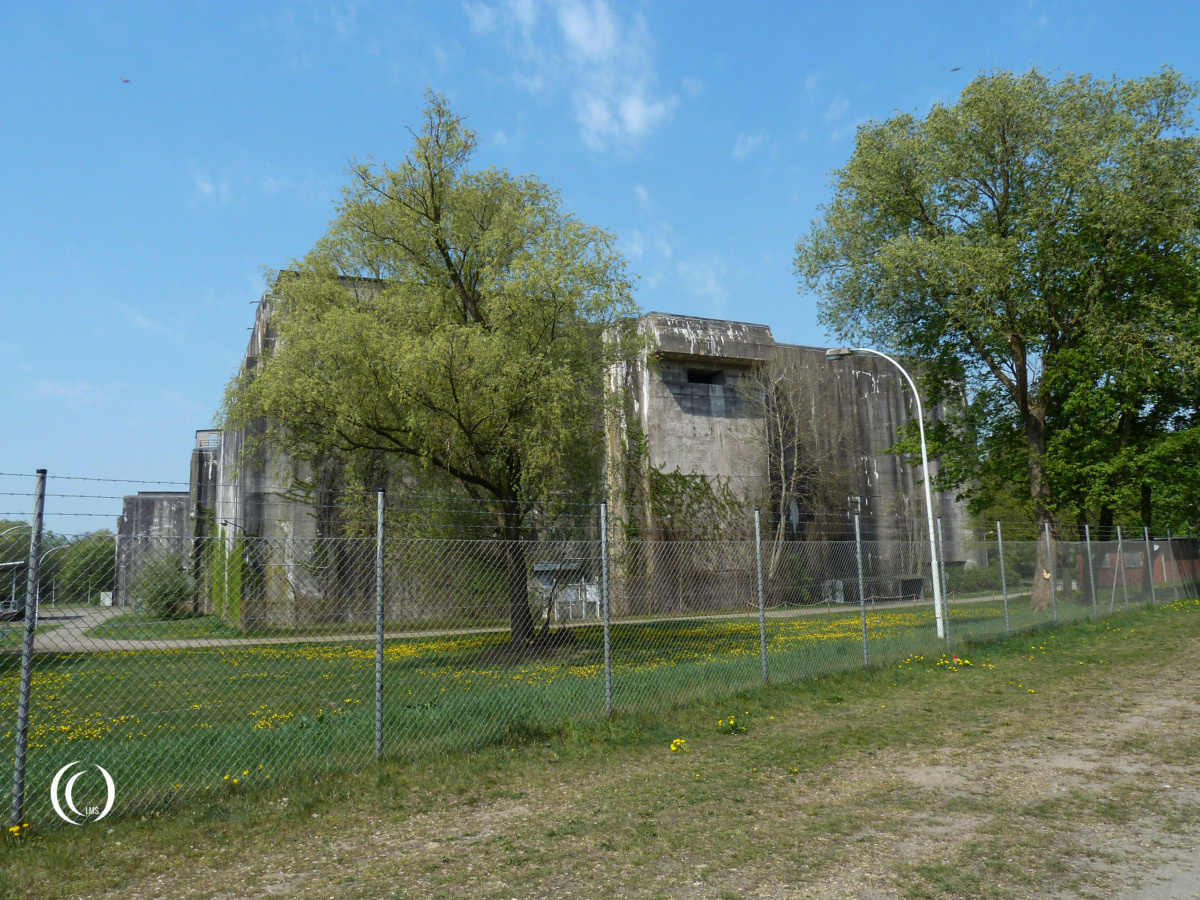
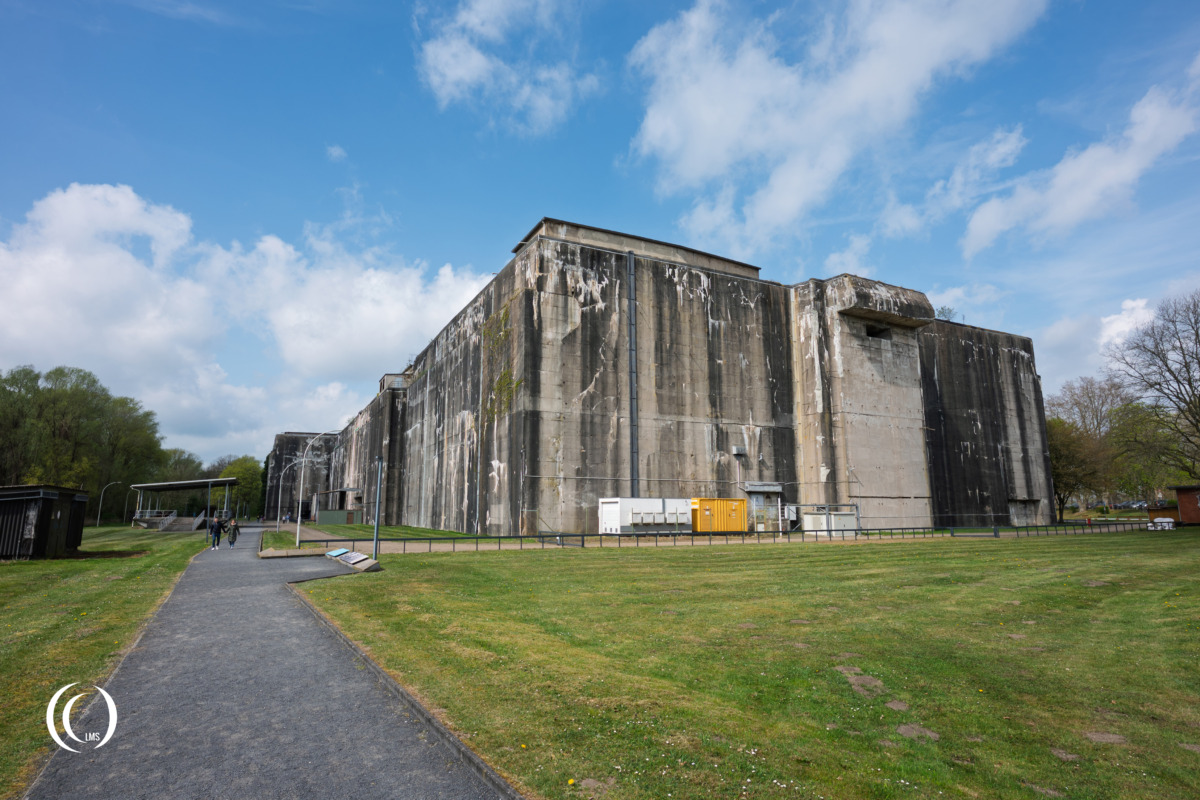
The construction of U-Boot Bunker Valentin was one of the largest projects of Organization Todt between 1943 and the end of March 1945. With a surface of more than 35 thousand square meters, the structure is the largest free-standing bunker in Germany. As the bunker was heavily targeted by Allied air-raids, the building was never finished and eventually abandoned in March 1945.
Forced Labor

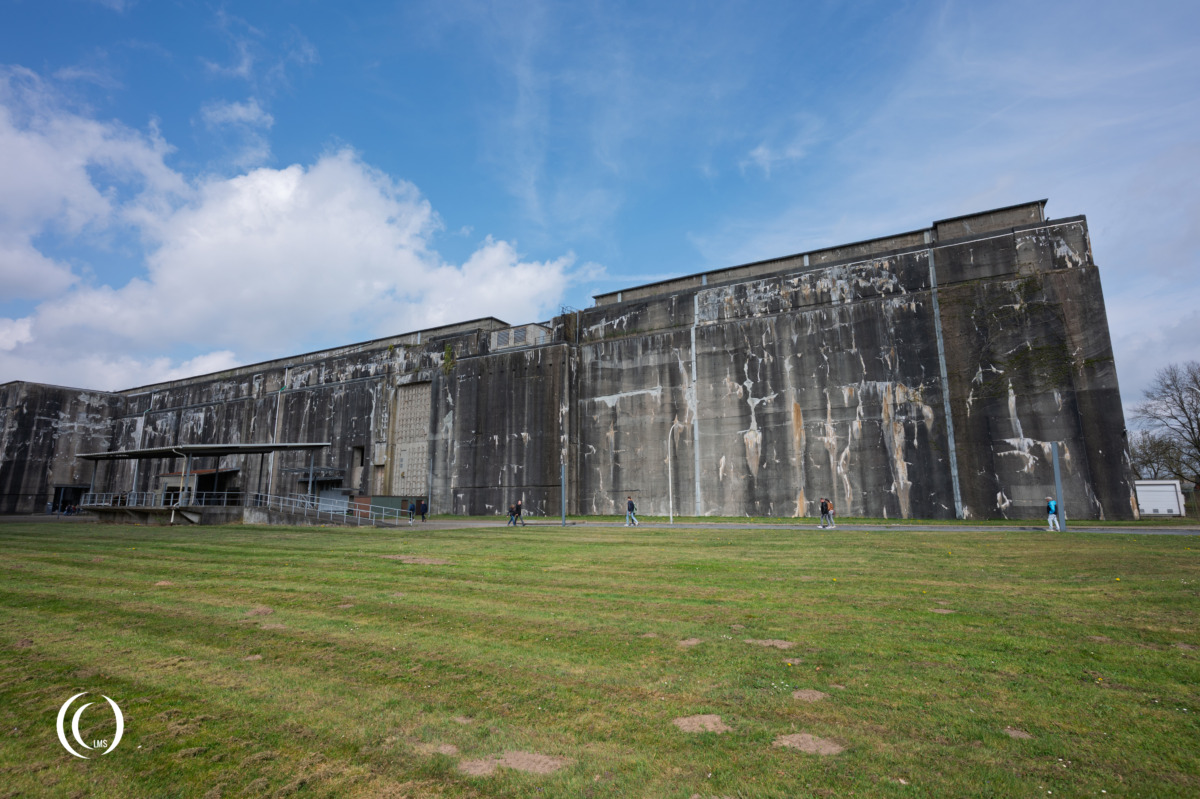
Thousands of forced labourers from different nationalities were put to work on the bunker’s construction: civilians, prisoners-of-war and concentration camp inmates of whom more than 1,600 people died from starvation, disease, exhaustion and arbitrary killings.
Submarine Assembly
Unlike the massive German submarine pens of World War Two like “Keroman III” in Lorient, France, which were meant to house and service operational U-boats, Bunker Valentin was designed as a submarine shipyard for the final assembly of Type XXI submarines, starting in April 1945 with three boats and from August 1945 a monthly delivery of a minimum of 14 boats. A second bunker called Valentin II was planned as well.

The U-boats would be assembled from eight pre-fabricated sections manufactured in other shipyards, like “Hornisse” of AG Weser, and shipped to Valentin on barges. Within bunker Valentin 13 assembly bays (Ger: Taktplatz or Takt) would each carry out a stage of the assembly process:
- Bays 1 to 3 – Mounting of keel and straightening of sections
- Bays 1 to 8 – Main welding works of joint-seams of pressure body and of exterior skin
- Bays 9 to 10 – Mounting of batteries, periscope and air-tube
- Bays 11 to 12 – Finishing works at periscope, air-tube, antenna, etc. Charging of batteries, equipment test and finishing work to prepare launching
- Bay 13 – After damming up the water level in the lock, lateral moving of the boat, diving test, engine test and start of it’s maiden voyage.
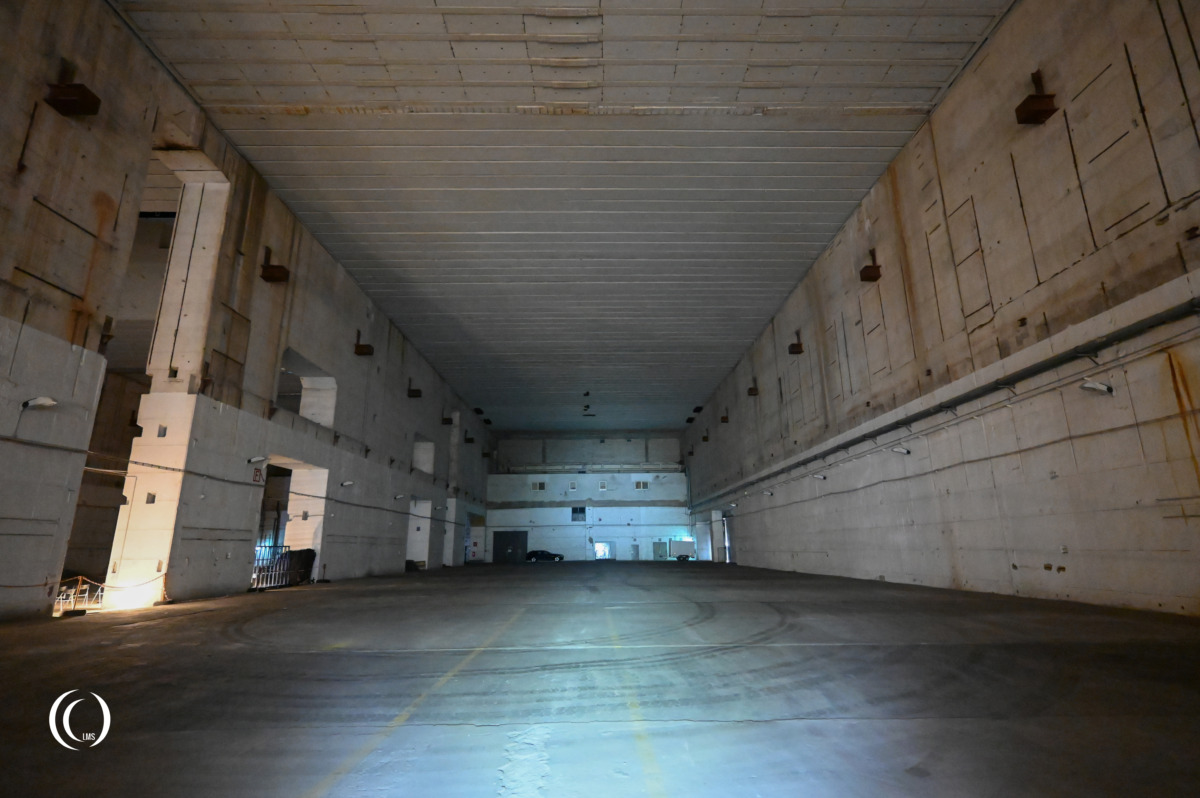
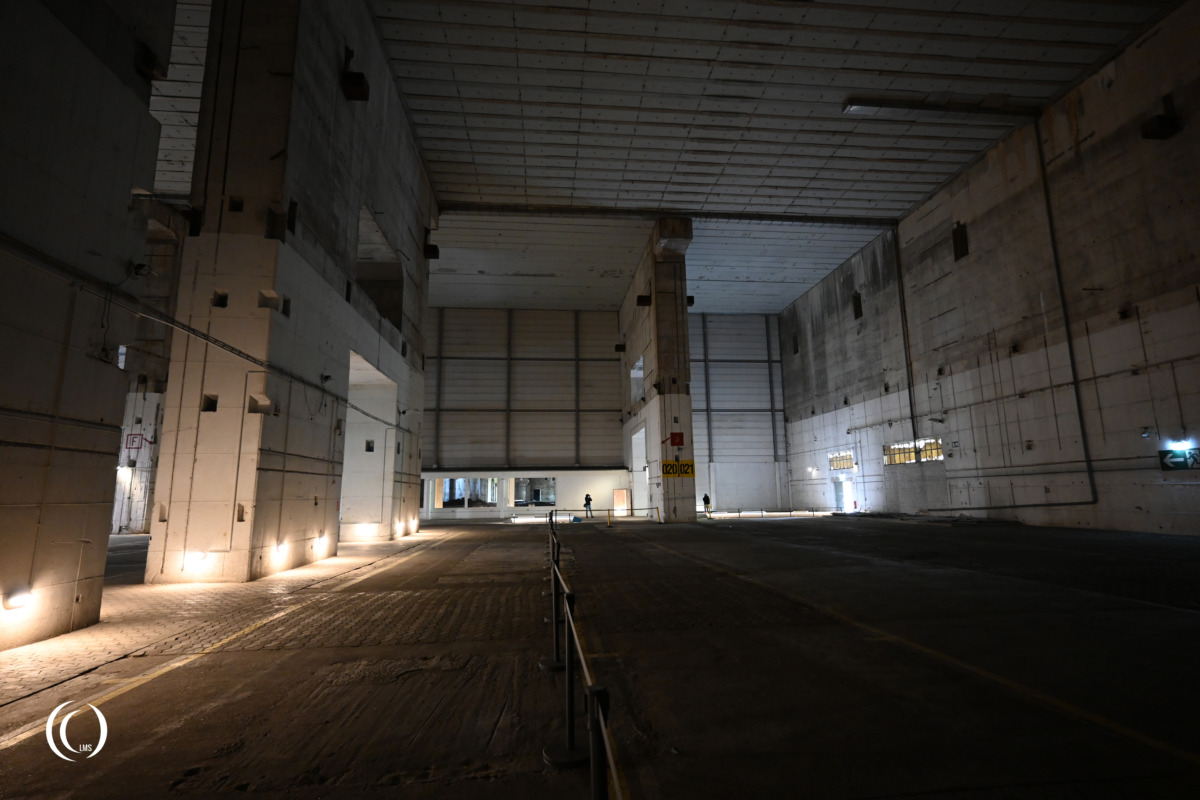
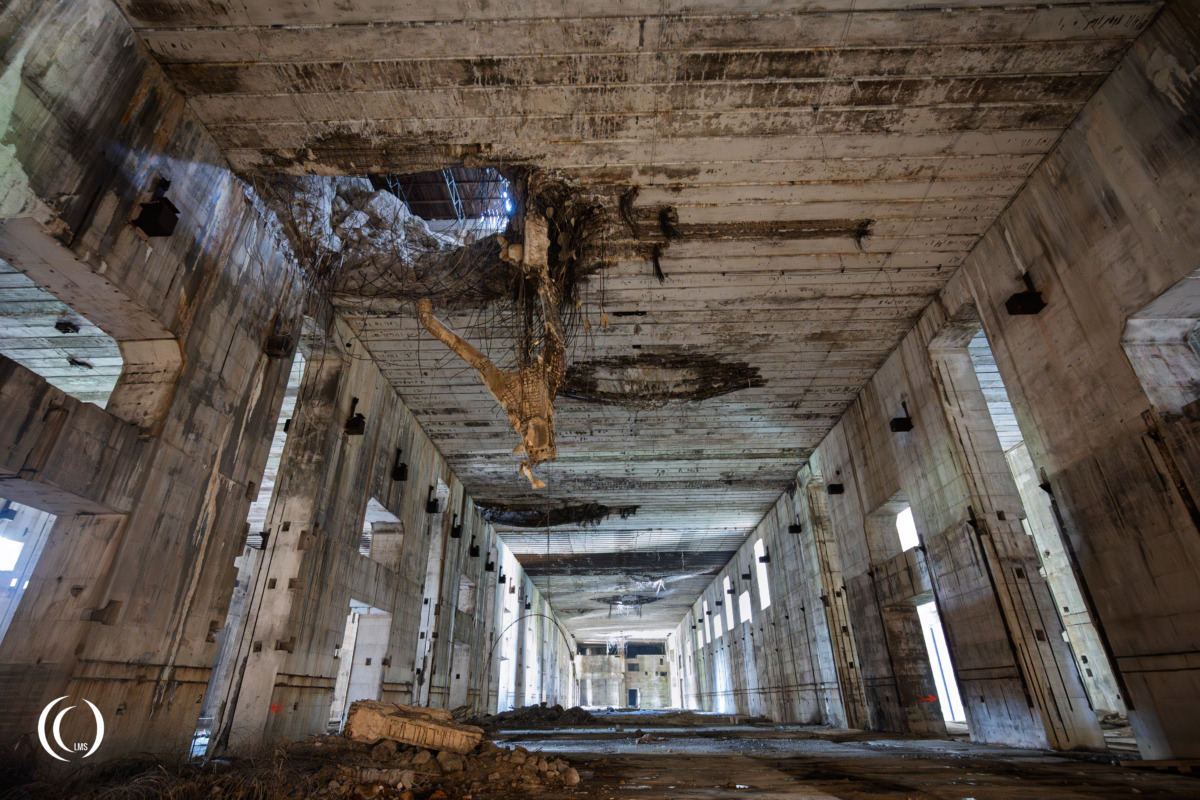
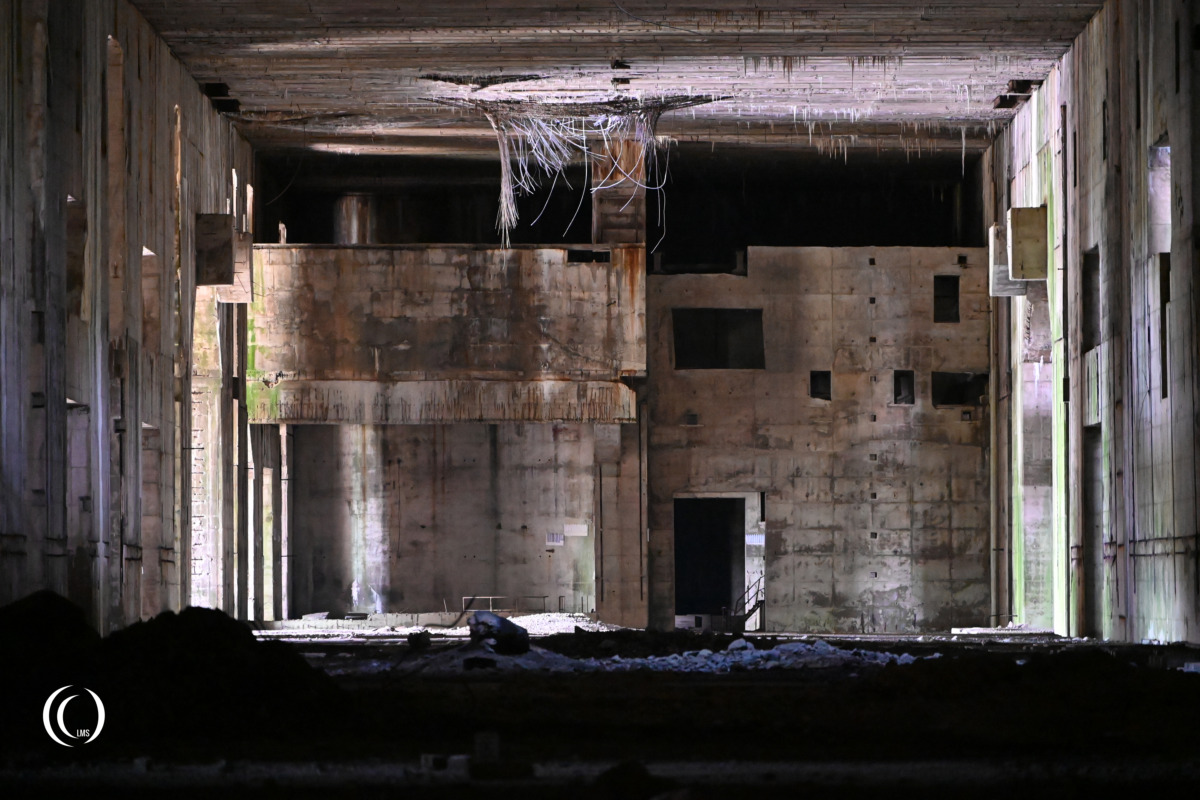
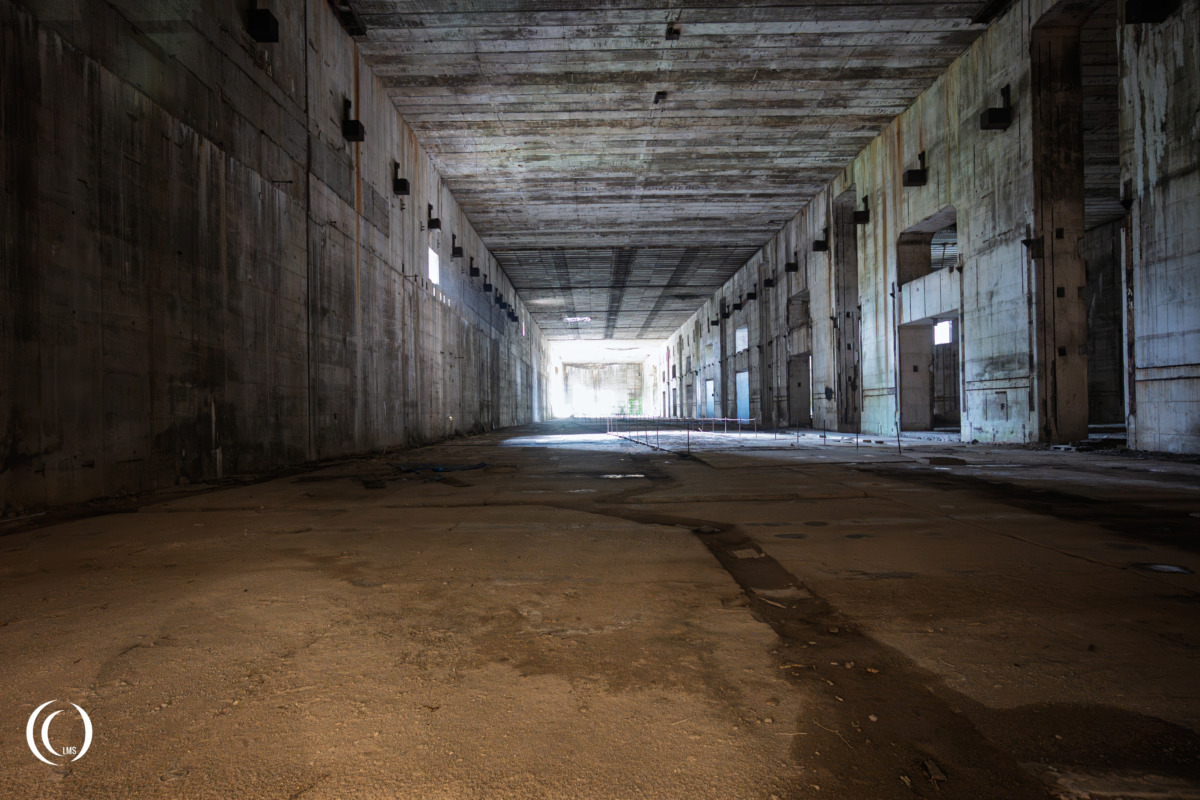
In addition to the 13 assembly bays, the bunker housed workshops and store-rooms for the prefabricated sections, diesel-engines and batteries, and storage tanks for fuel and lubricants.
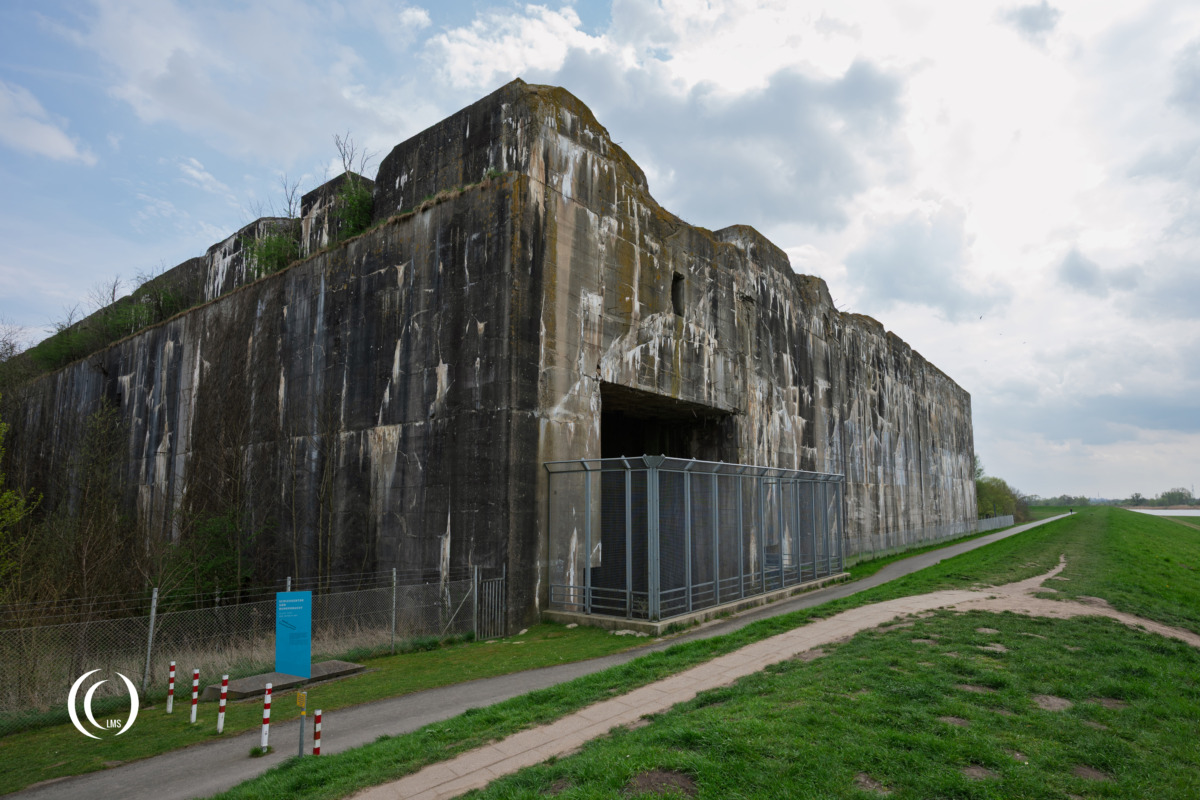
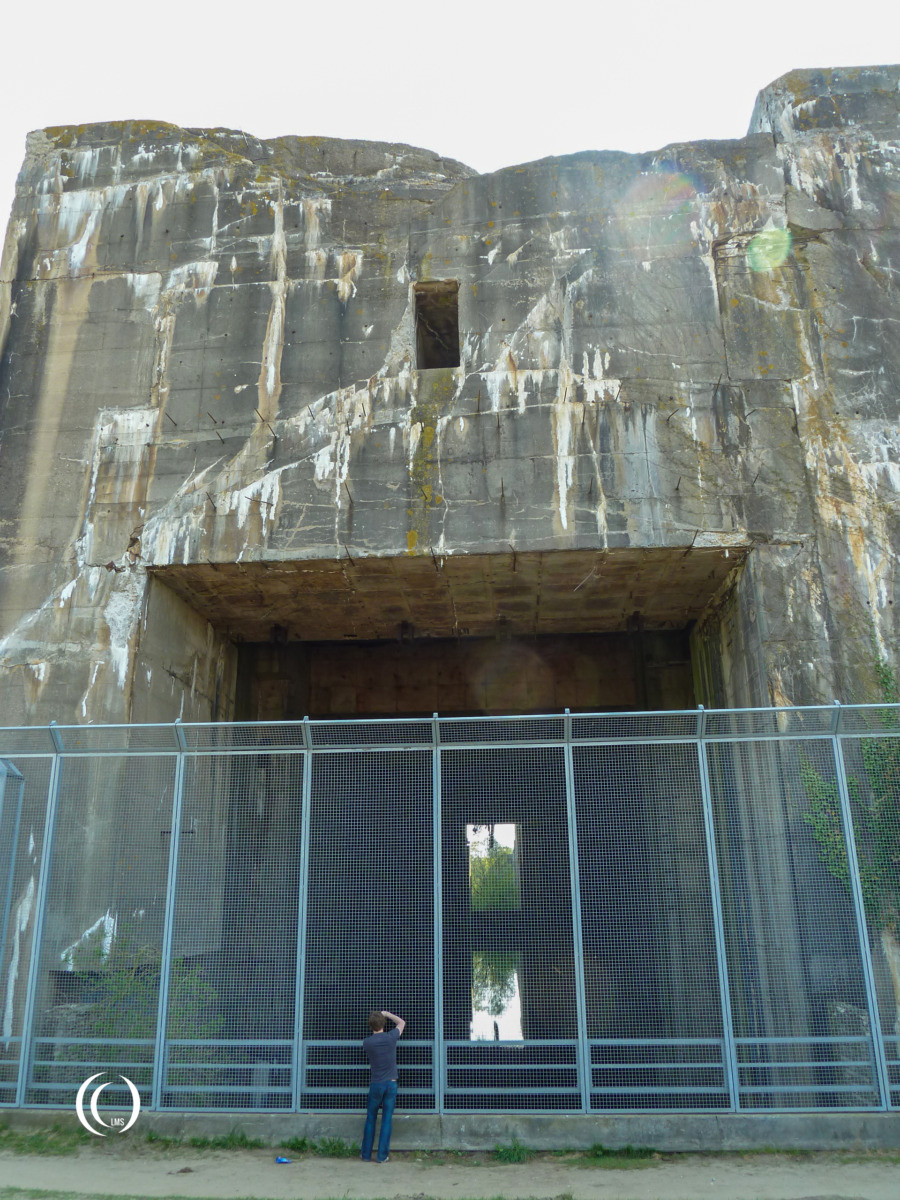
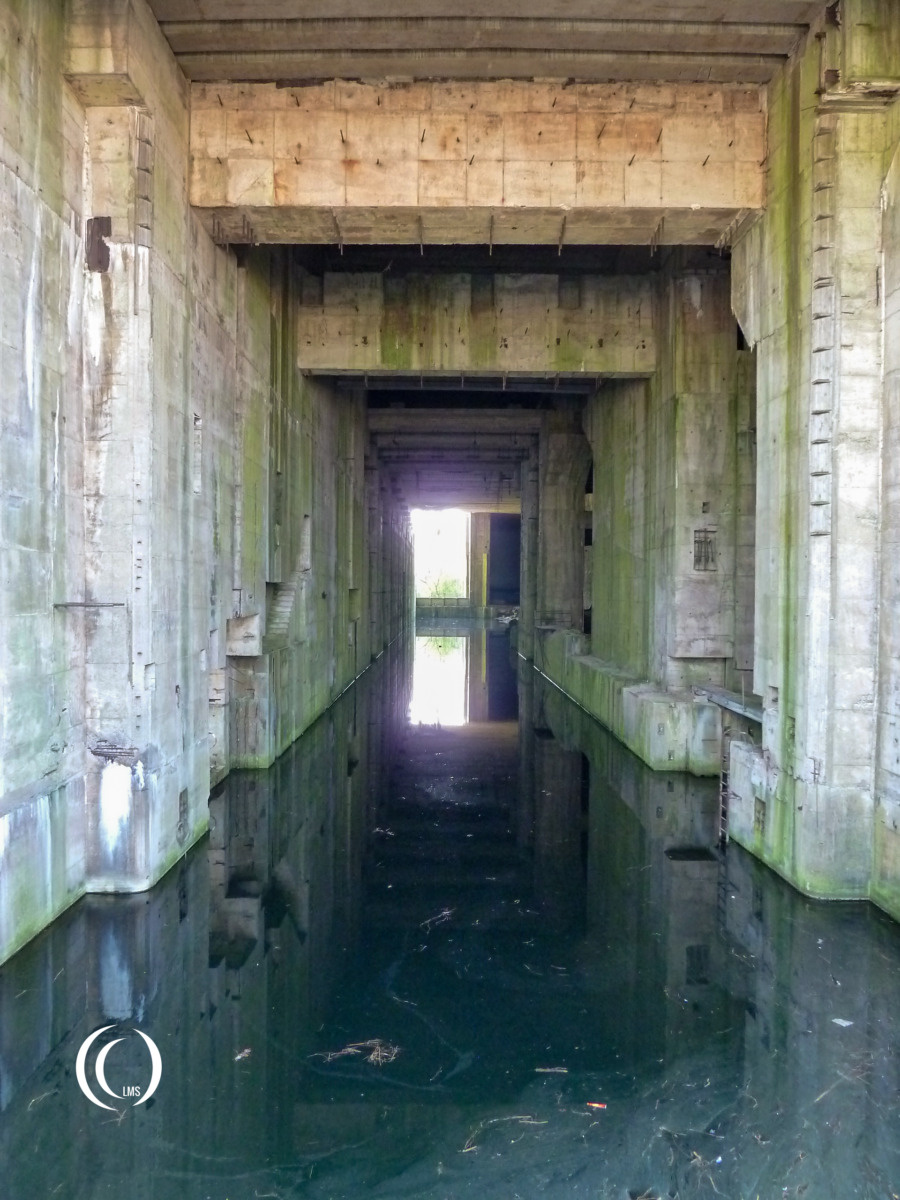
This is the gateway of Bay 13 which was connected to the Weser river through a small canal. The pre-fabricated submarine sections would be delivered by barges through this opening and completed submarines could leave Valentin. The opening could be closed by a sliding bomb-proof door.
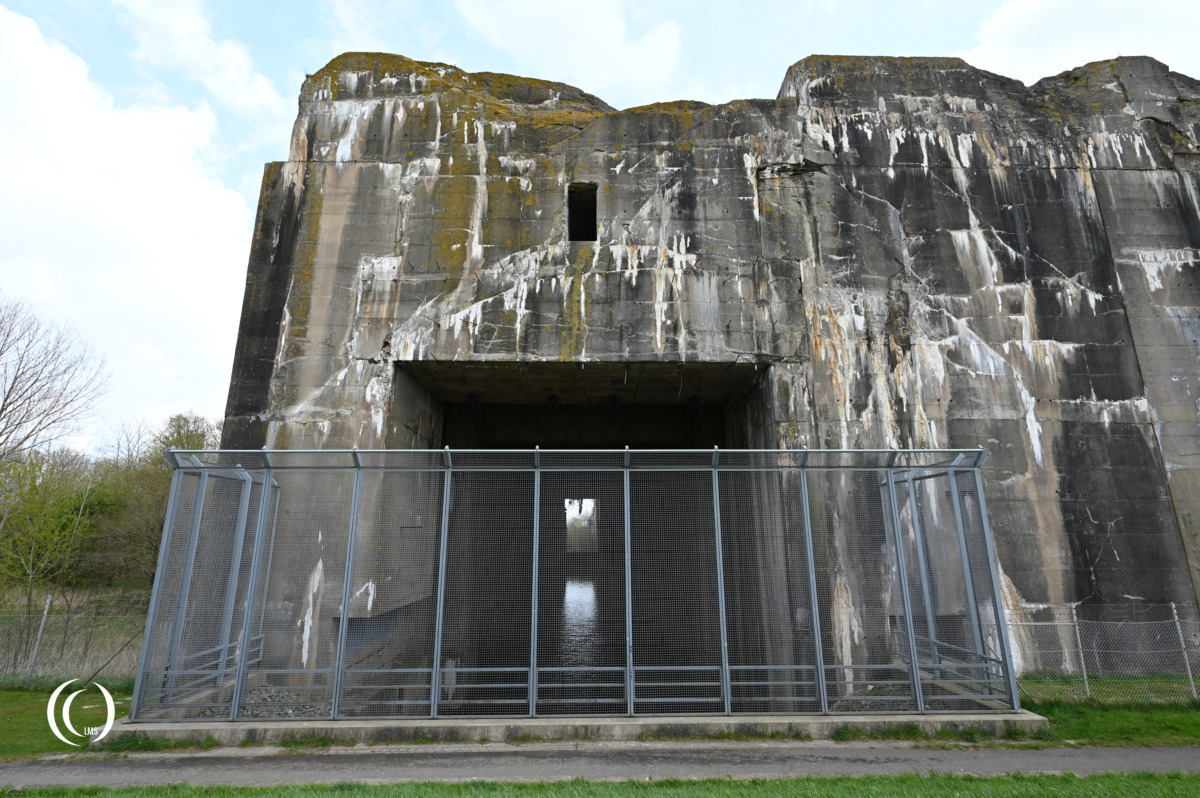
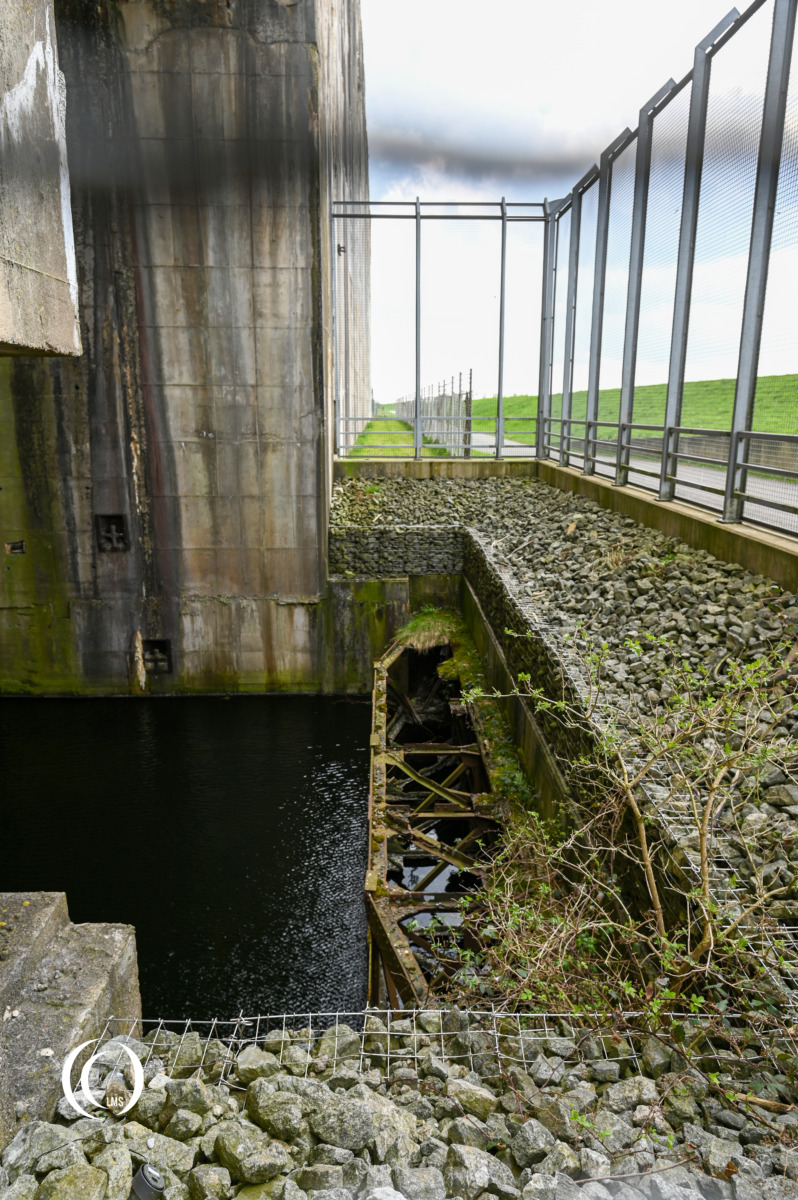
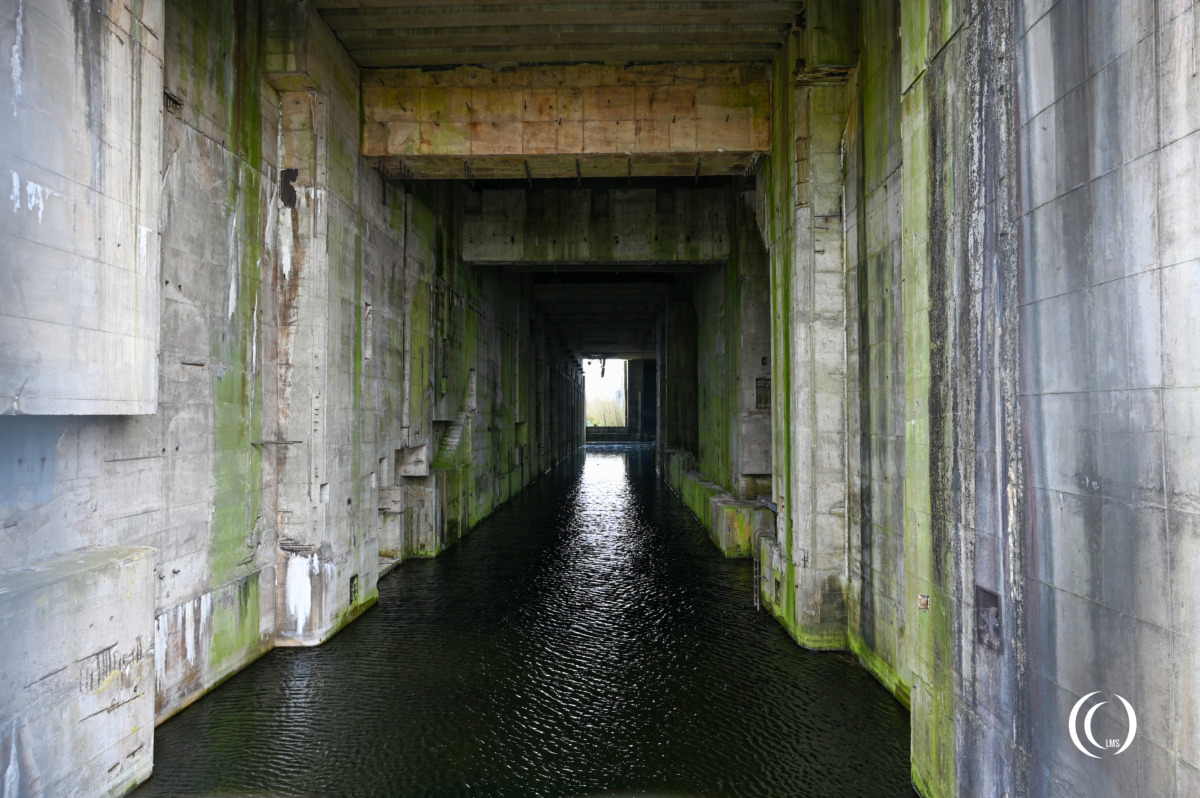
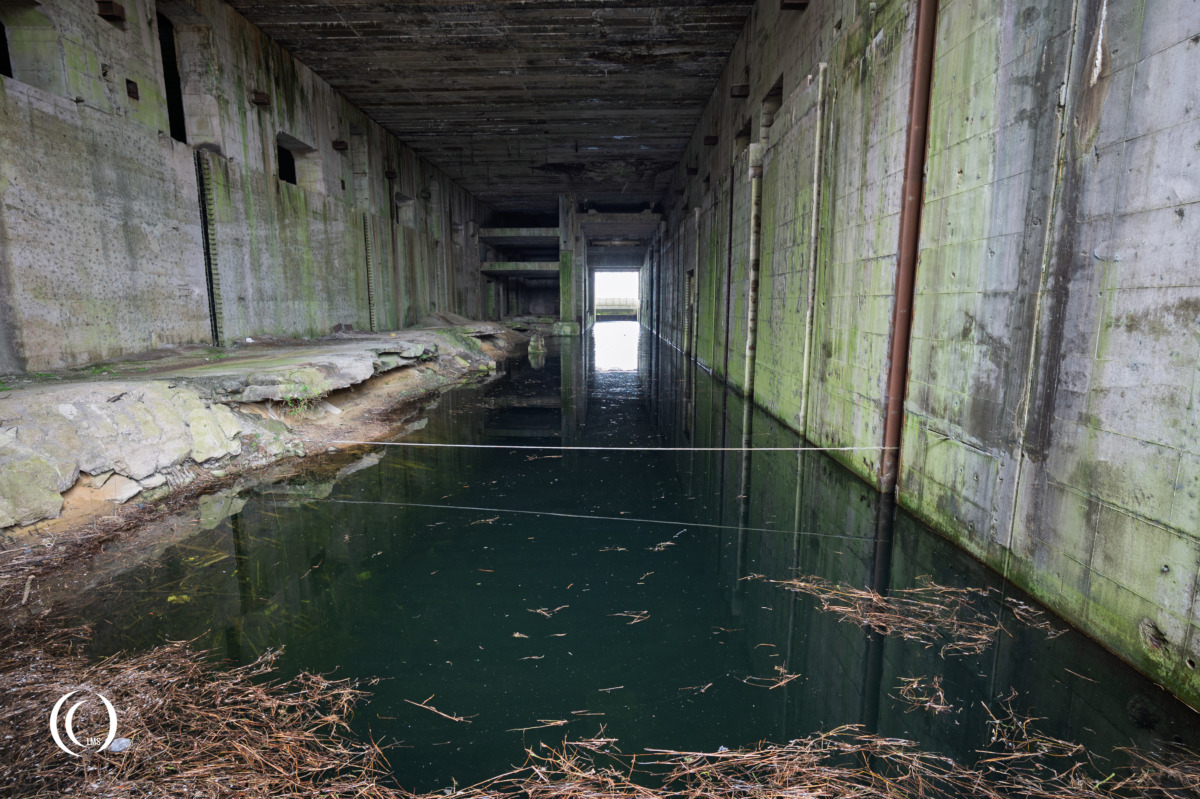
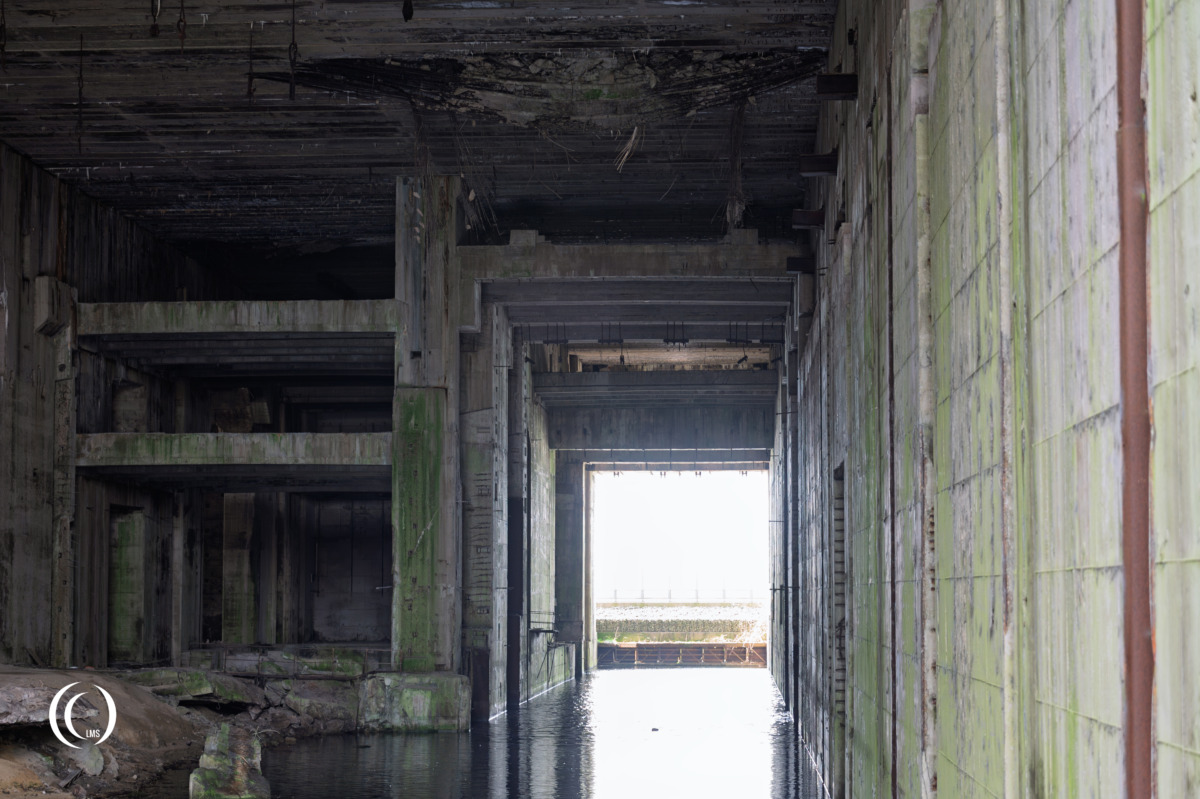
Bays 12 and 13, were separated compartments from the rest of the building and could be sealed by water-tight floodgates and flooded to give a total water depth of about 20 meters from the bottom of Bay 13’s dry dock to the building’s roof-level. Here the last tests of the U-boat were performed.
Allied air raids
Starting from 1943, the Allies began to target Bremen and its shipyards Deschimag AG Weser and Bremer Vulkan, which produced warships and submarines for the Kriegsmarine, with air raids. But even though the construction activity in Bremen-Farge had been noticed, it took until the beginning of 1945 to target Valentin specifically, when the bunker was about ninety percent completed. The Allies performed three air raids; on February 9th and March 27th and 30th.
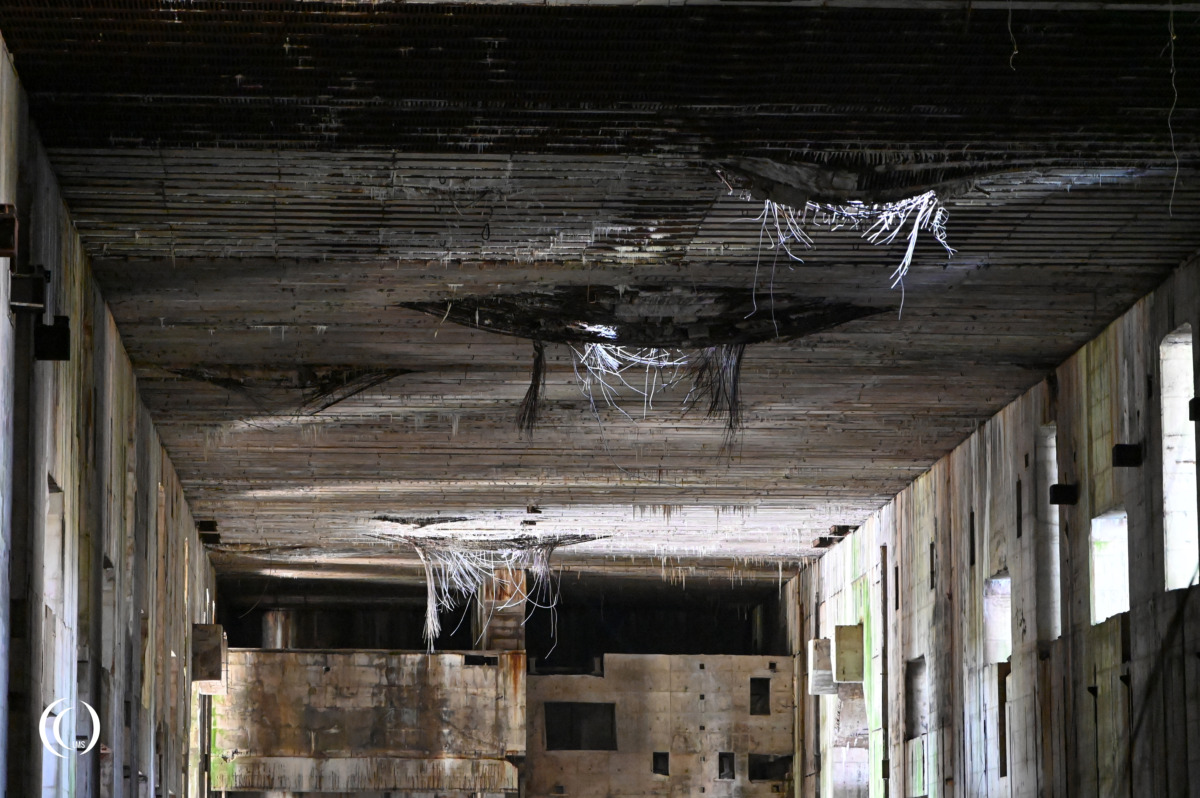
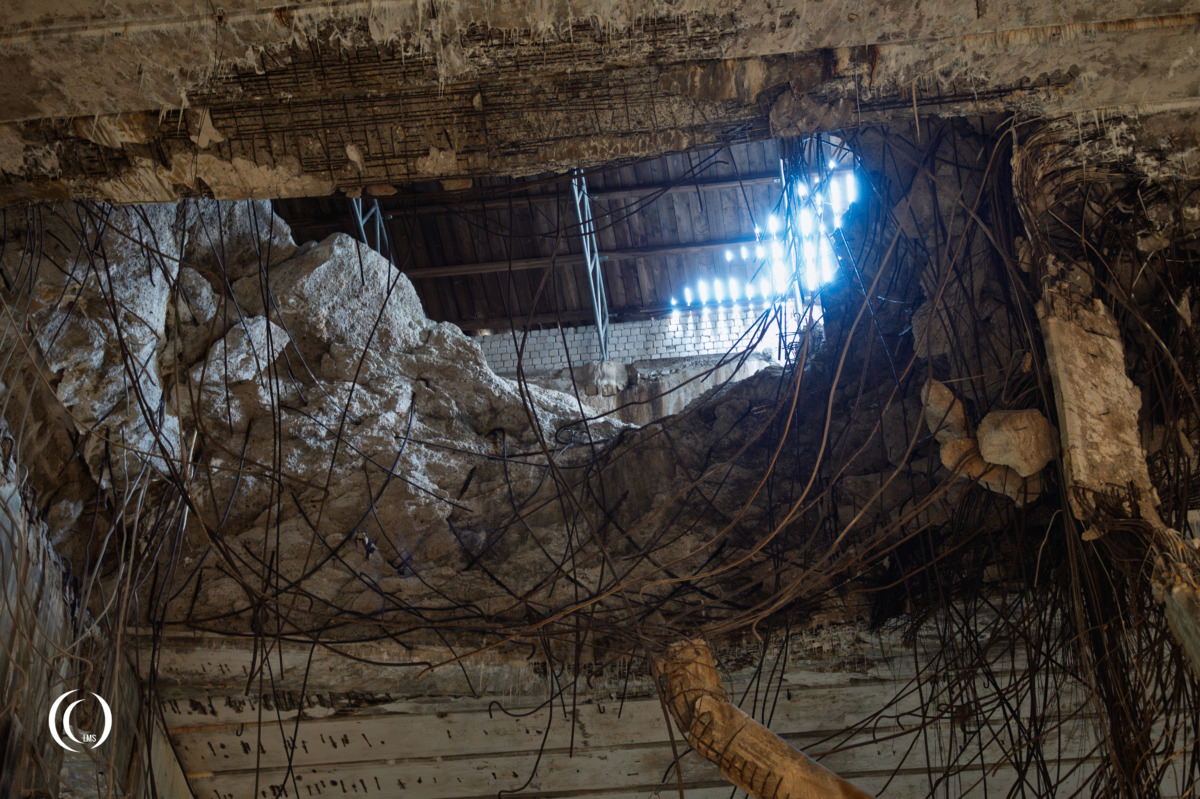
The most destructive of these was the raid on the 27th, when specially equipped Lancaster B Mk.I bombers of the RAF dropped 10 ton “Grand Slam” and 5.4 ton “Tallboy” bombs on the bunker. The mission scored two direct hits on the bunker of which one fully penetrated the 4.5 meter thick roof.
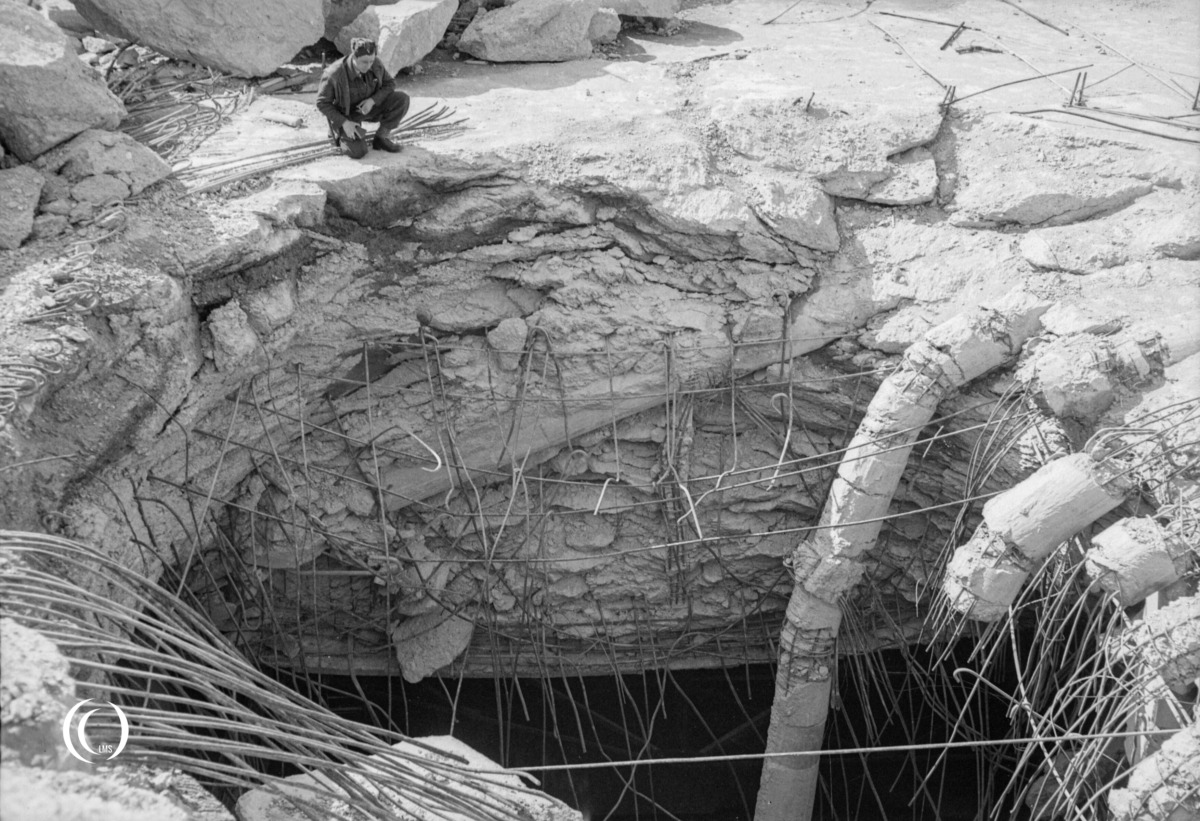
The attack by the USAAF on the surrounding infrastructure of the Valentin construction site on the 30th performed the coup-de-grace. The work was abandoned in the beginning of April.
Visit
You can visit U-Boot Bunker Valentin in the suburb Rekum North of Bremen. Since November 2015 it has become a memorial site opened to the public, with a visitors centre, information trail and an exhibition about the history of the bunker. It is also possible to get a guided tour.
Picture archive of 2011
The following pictures are from a visit to the Valentin bunker in 2011, when it was still partly in use by the Army as a storage facility.