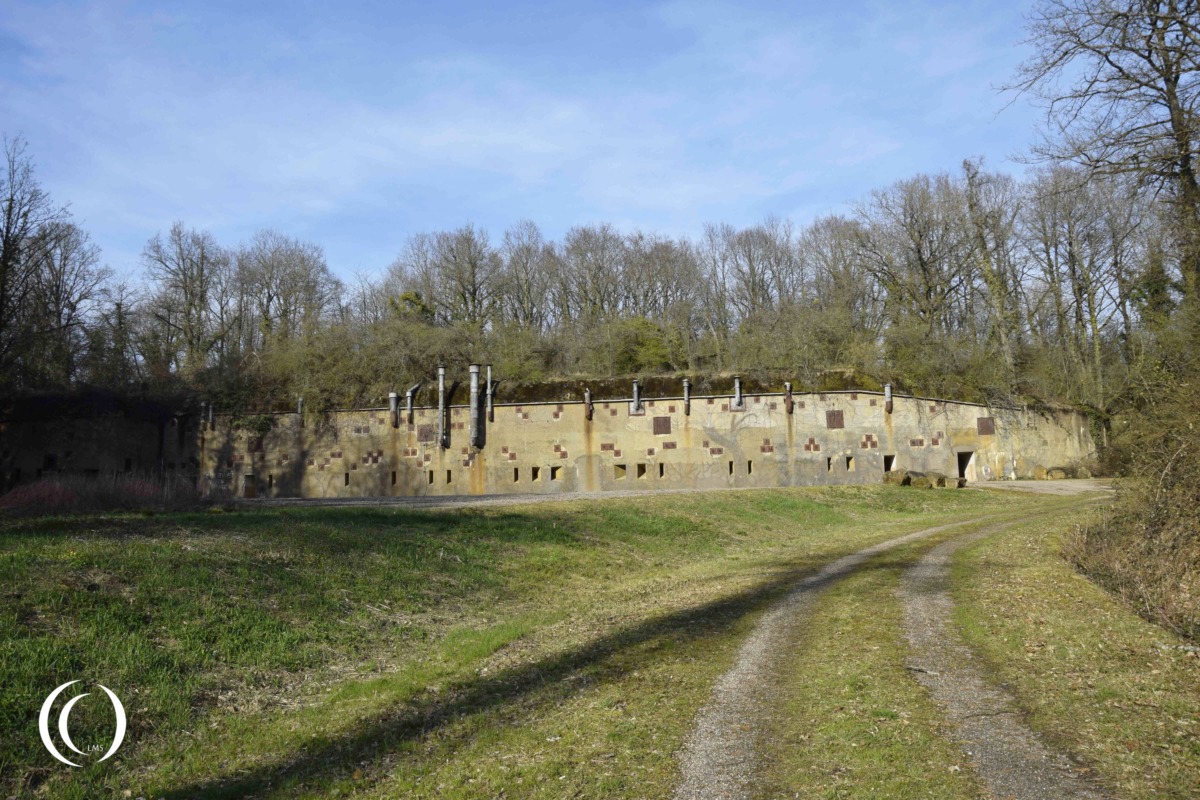
A German Fortress in France
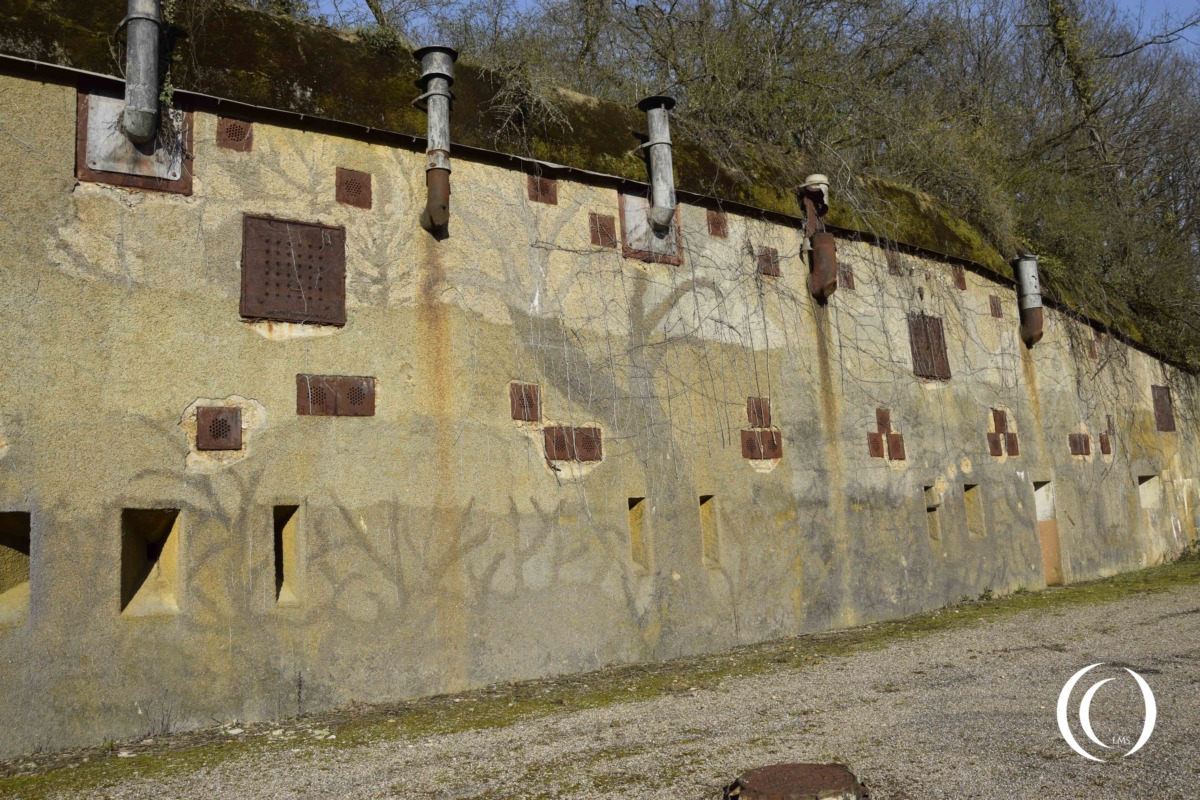
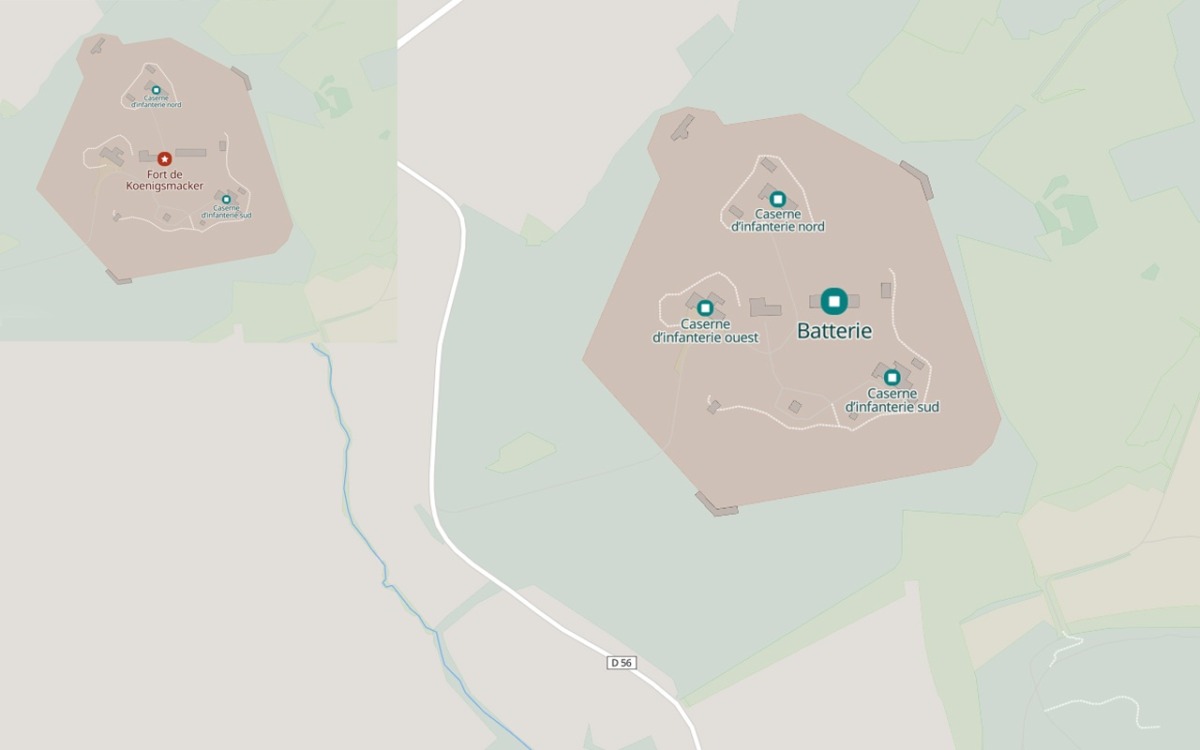
Fort de Koenigsmacker is a large fortress and although in France it originates from the German Moselstellung, not the Maginot Line which adopted the fortress. The German name for the fortress was Feste Königsmachern, named after the nearby town. Back in the day the region was German and after the Franco-Prussian war 1870-1871 the Germans built 11 fortresses around Thionville and Metz to guard a French attack. Construction started in 1908 and lasted until 1914.
Feste Koenigsmacker, the Germans name for a fortress, was part of a fortification program called Moselstellung, which included forts in the Moselle Valley between Thionville and Metz. During World War One the fortress was well within friendly lines and did not see action. But when the great war ended the French regained control over the region and Feste Königsmachern was integrated in the Maginot Line as gros ouvrage.
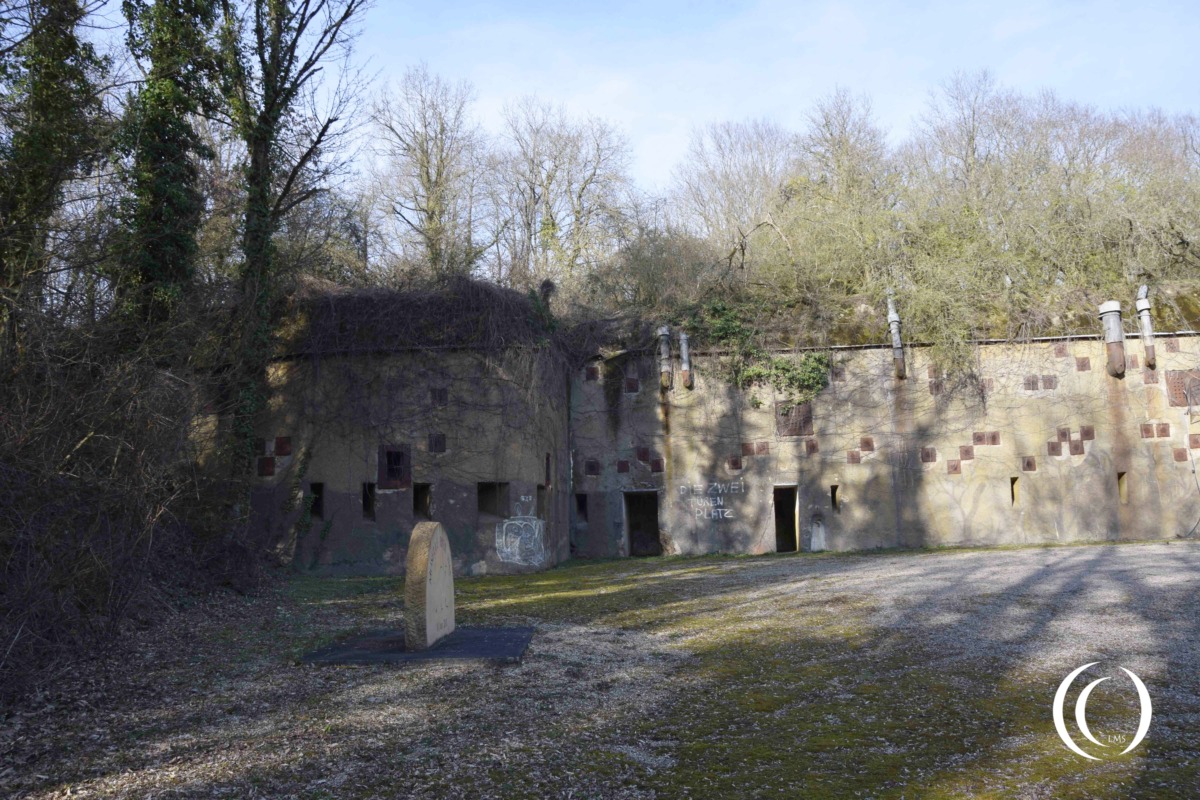
The fortress became one of the major ouvrages of the Maginot Line, located near Thionville in the Moselle region of northeastern France, close to the Luxembourg border. It formed part of the fortified sector of Thionville, whose mission was to block any German advance through the Moselle valley, one of the most likely invasion routes into France. As a gros ouvrage (large fort), Koenigsmacker was designed to be a self-contained underground fortress capable of withstanding prolonged siege and heavy artillery fire.
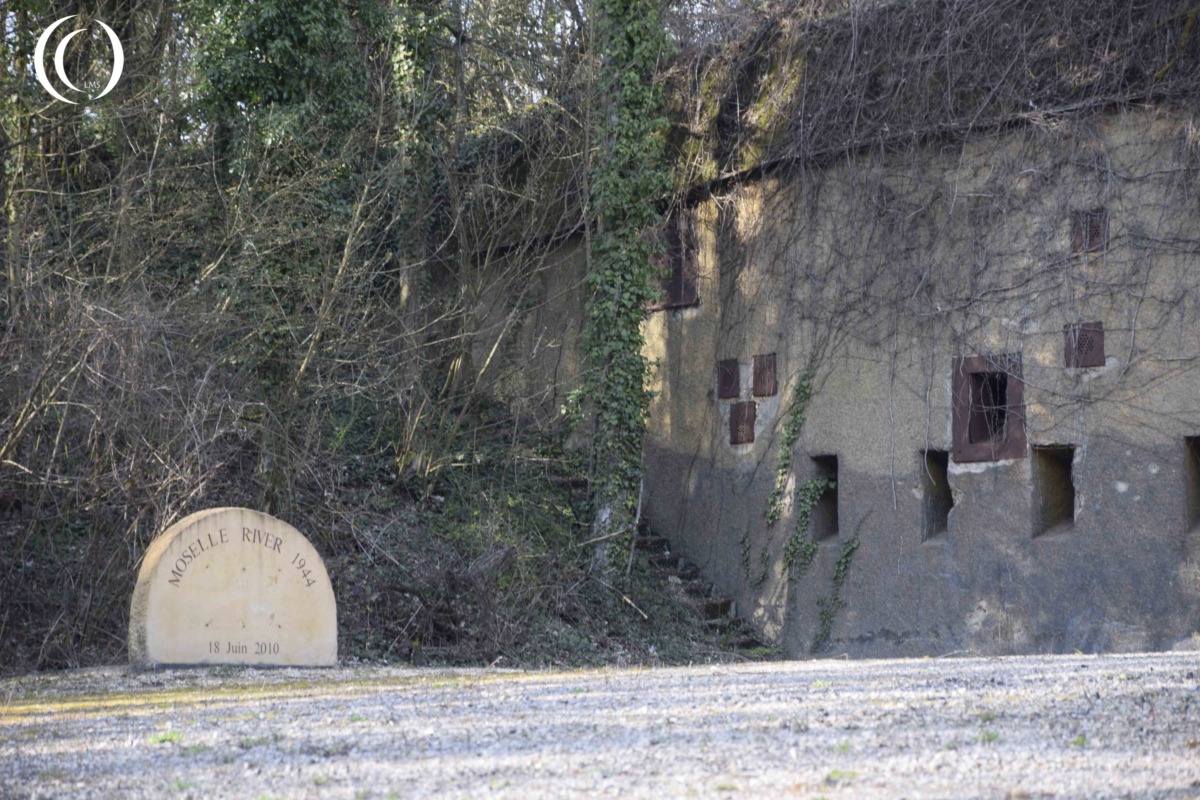
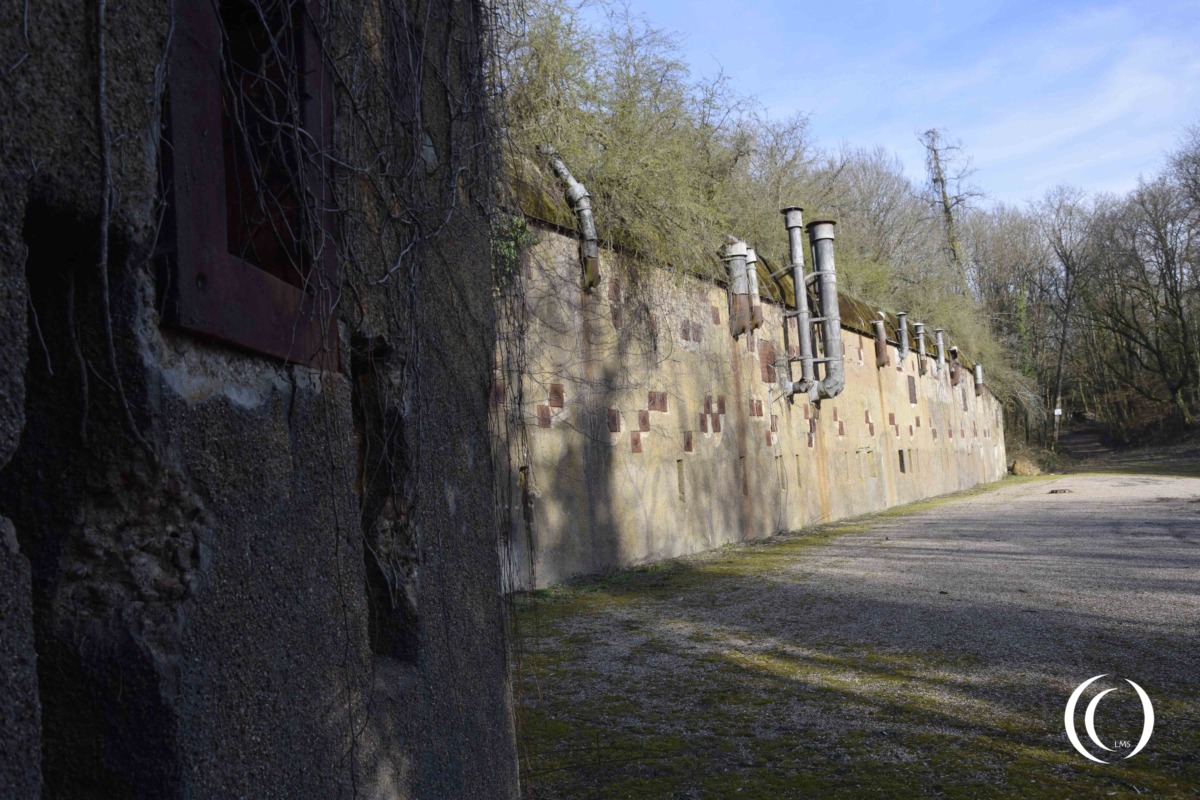
Feste Königsmachern – Fort de Koenigsmacker, Moselstellung – Kœnigsmacker, France
Development and layout
Hans Alexis von Biehler, a Prussian general (1818-1886) designed fortresses for the German Army and his work and design continued at Fort) Koenigsmacker. The fort was a highly sophisticated military installation for its time. Most of its structure lay deep underground, connected by several kilometers of tunnels, 2,600 meters (8,500 ft) long. These galleries linked combat blocks, barracks, ammunition storage rooms, a power plant, ventilation systems, and command posts. Electric narrow-gauge railways transported shells and supplies within the complex. The underground sections were built to withstand heavy bombardment, with thick reinforced concrete and steel armor protecting the exposed fighting positions.
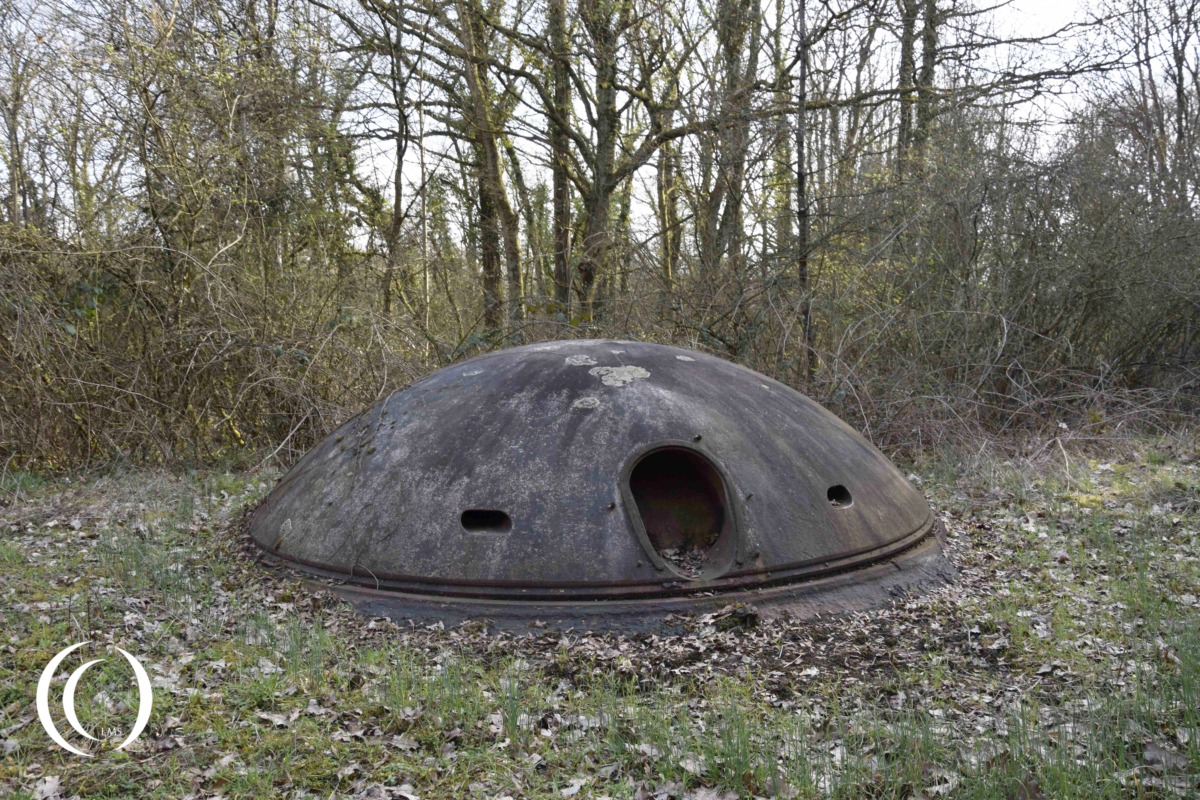
Koenigsmacker consisted of multiple combat blocks equipped with a combination of artillery and infantry weapons. Its armament included 100 mm guns housed in armored, retractable turrets, machine-gun embrasures, anti-tank guns, and armored observation cloches (cupolas). These features allowed defenders to deliver interlocking fields of fire while minimizing exposure. The retractable turrets could rise to fire and then withdraw into protective concrete casemates, making them difficult targets for enemy artillery. The French upgraded the short 100 mm PT guns with a reach of 9,700 meters – 6.0 miles to 105 mm long guns with a reach of 12,700 meters – 7.9 miles. The guns came from other German fortifications around Metz. (PT gun refers to PanzerTurm gun).
Fort Koenigsmacker in WW2
During the German invasion of France in 1940, Fort Koenigsmacker did not experience a major assault. Instead, like many Maginot Line positions, it was bypassed as German forces advanced through Belgium and around the fortified line. After the French armistice in June 1940, the fort was taken over by German troops, who incorporated it into their own defensive system along the Moselle.
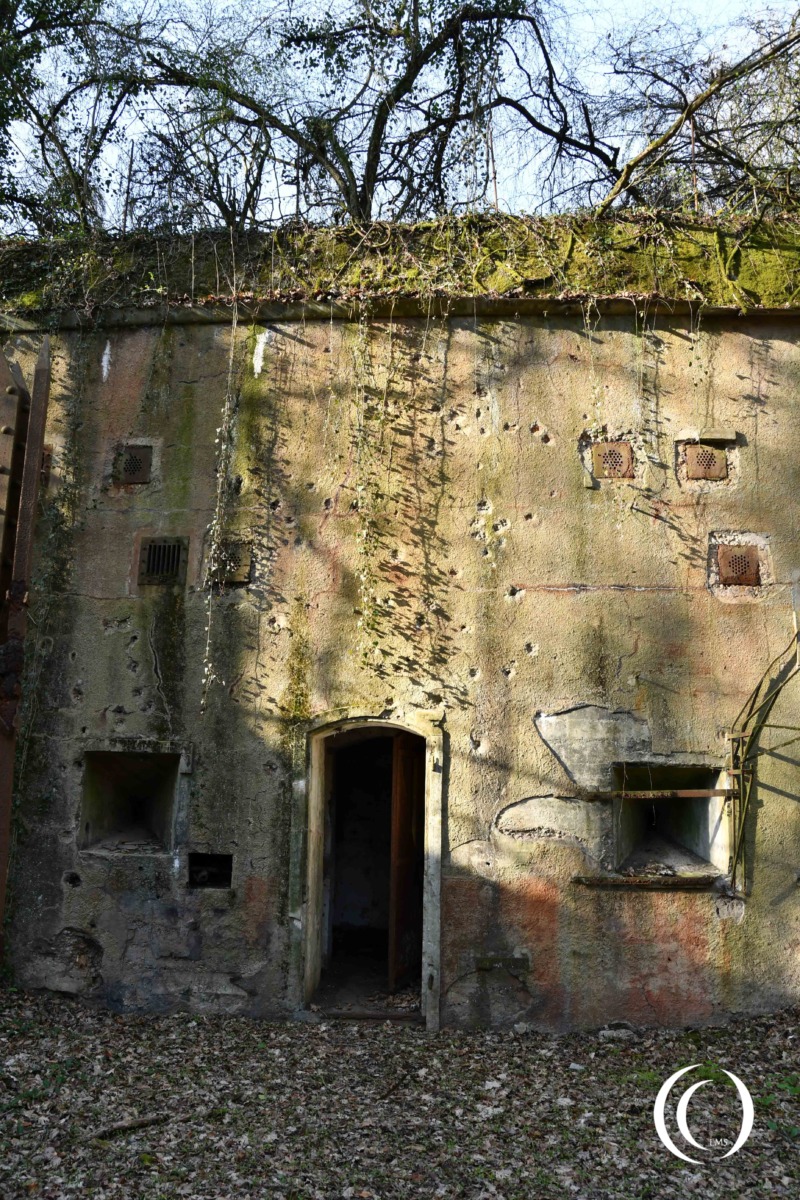
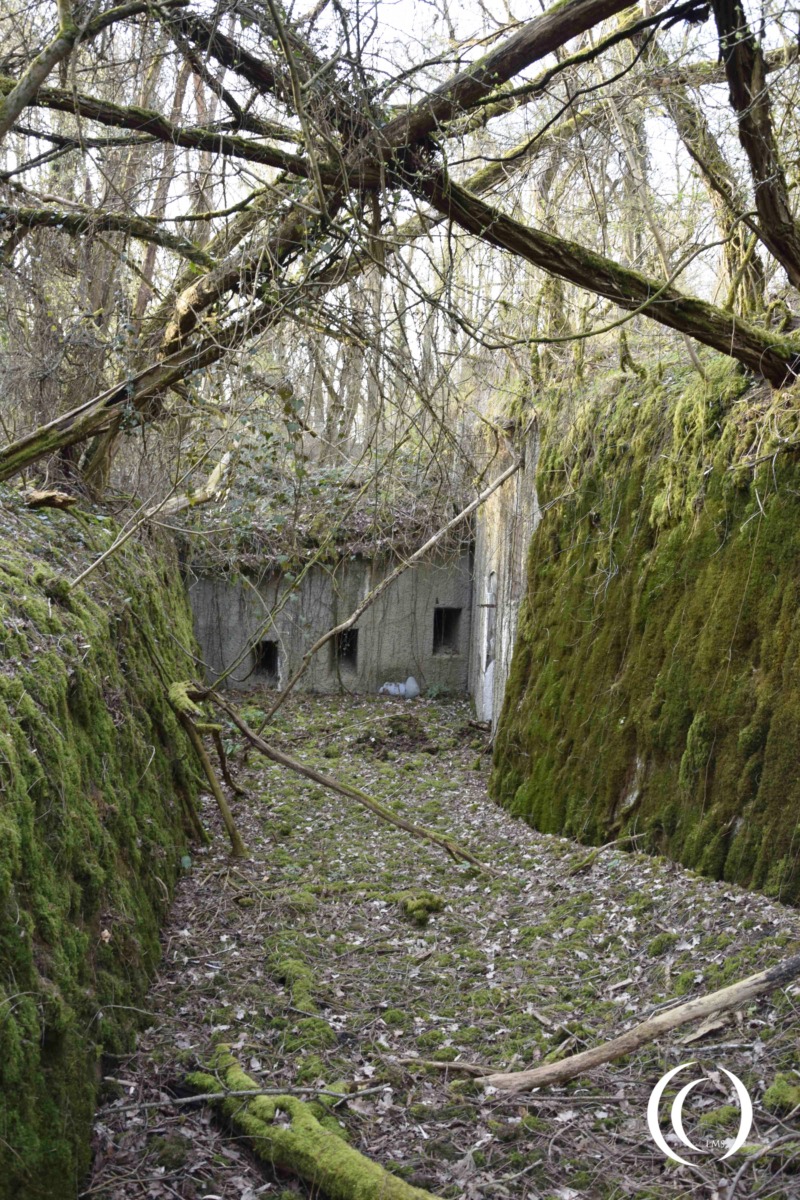
Koenigsmacker saw significant combat in late 1944 during the U.S. Third Army’s campaign in Lorraine. Under General George S. Patton, American forces sought to capture the heavily fortified Metz–Thionville region. In November 1944, elements of the U.S. 90th Infantry Division attacked the fort, which was manned by German defenders. Unlike in 1940, Koenigsmacker was directly assaulted. The Americans used heavy artillery bombardment, tank destroyers firing at close range, and coordinated infantry attacks to isolate and reduce the fort’s combat blocks. On the first day of the battle on 9 November 1944 a battalion of the 358th Regiment of the 90th Infantry Division overtook one of the fortified positions but they did not venture into the underground passages, a lesson learned from combat in Feste Kronprinz (Fort/Ouvrage Driant). Instead they blew up ventilation shafts and poured gasoline into the ventilation shafts trying to smoke out the1180 men from the 74th Infantry Regiment of the 19th Volksgrenadier Division.
Despite its formidable construction, sustained bombardment and encirclement forced the German garrison to surrender after three days. Its capture helped secure the northern approaches to Metz and facilitated further Allied advances into Germany. 300 German soldiers lost their lives during the battle and 111 United States Soldiers.
Visit
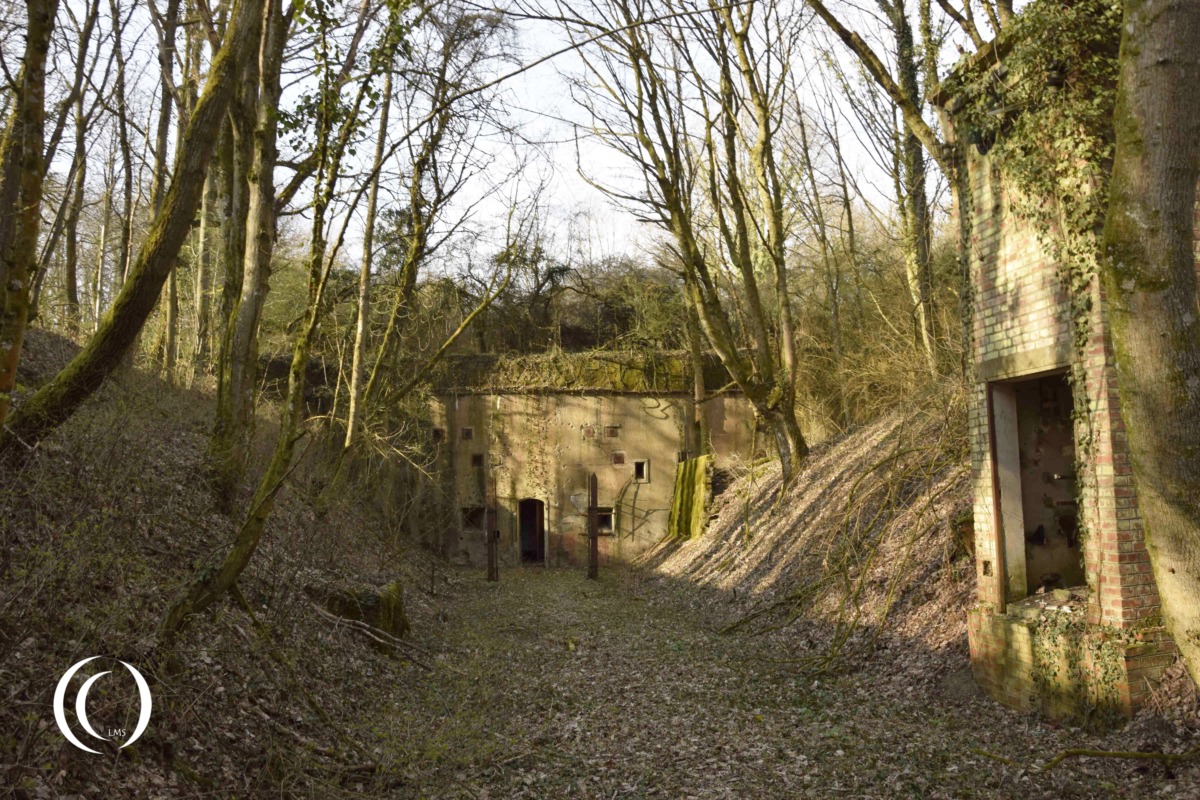
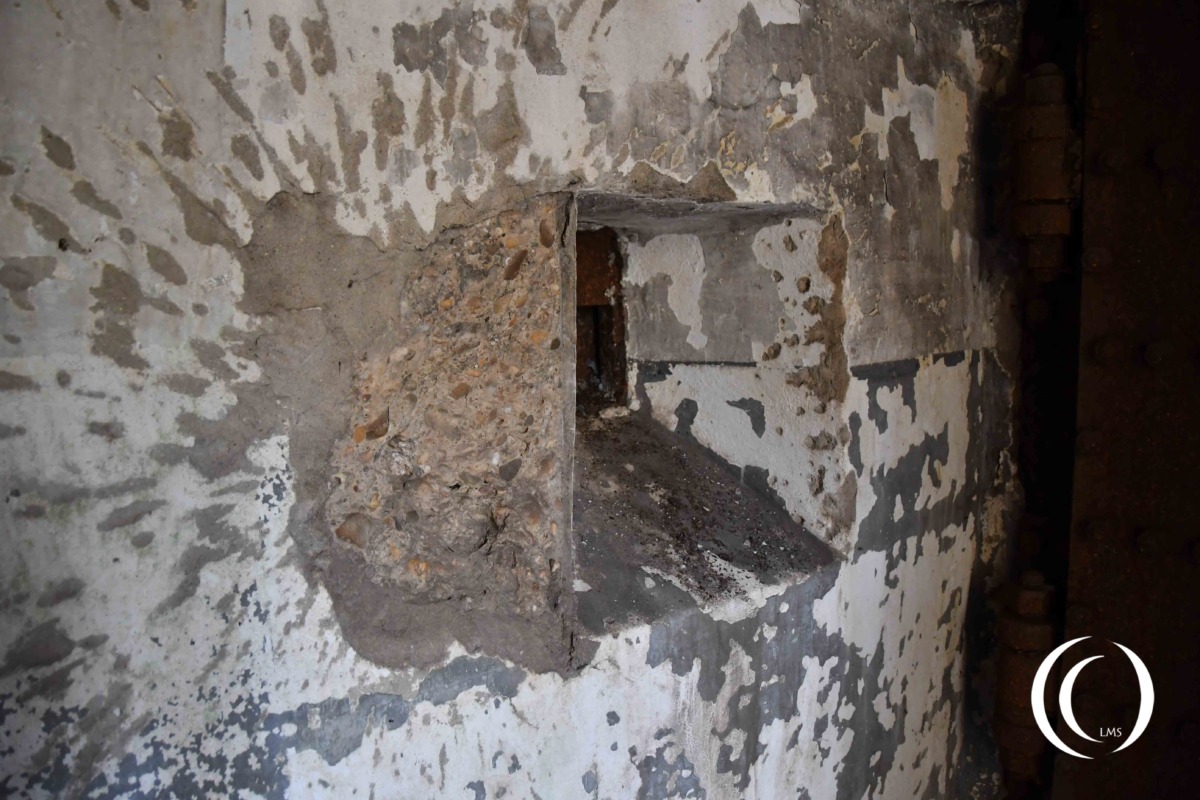
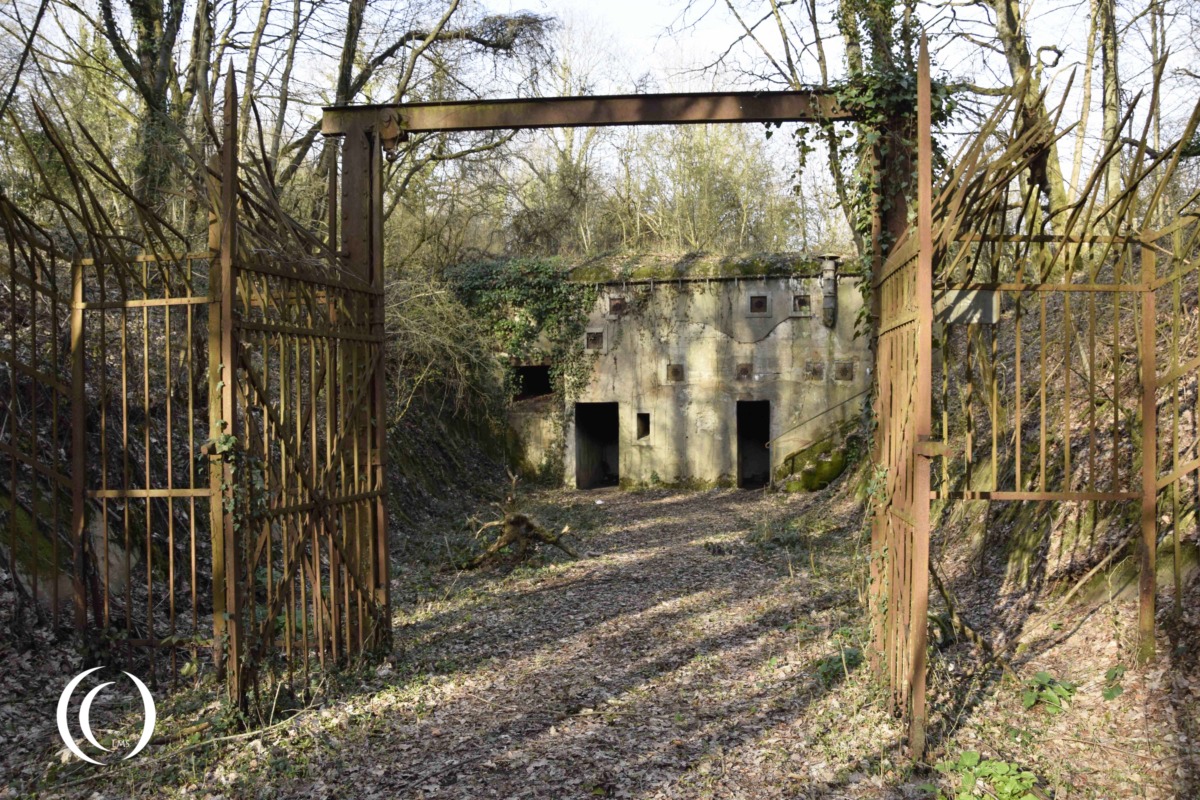
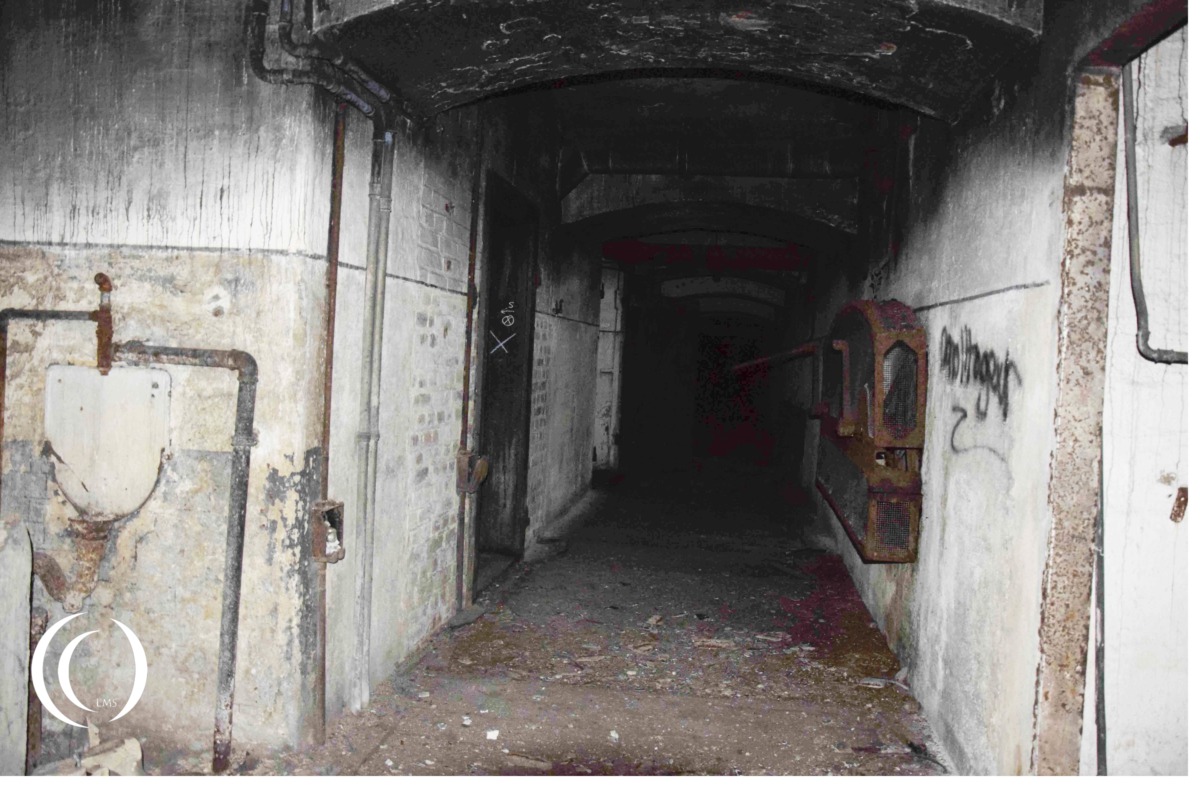
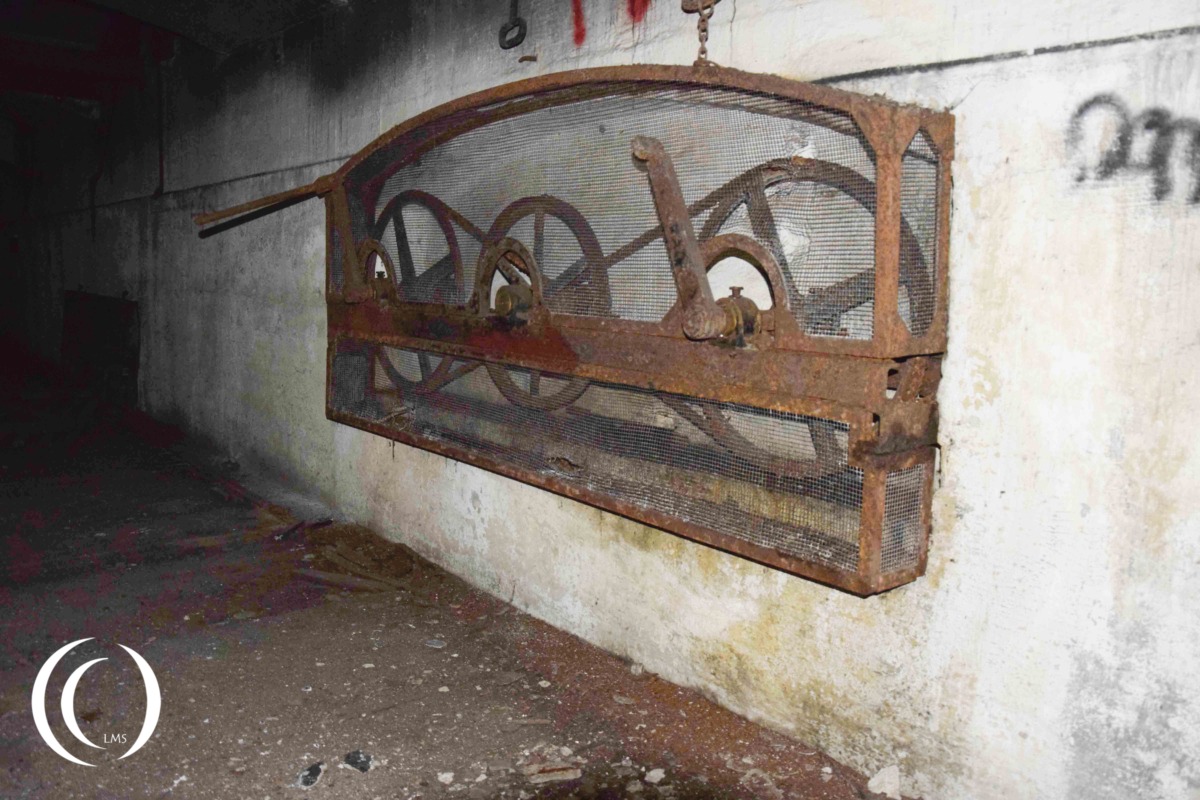
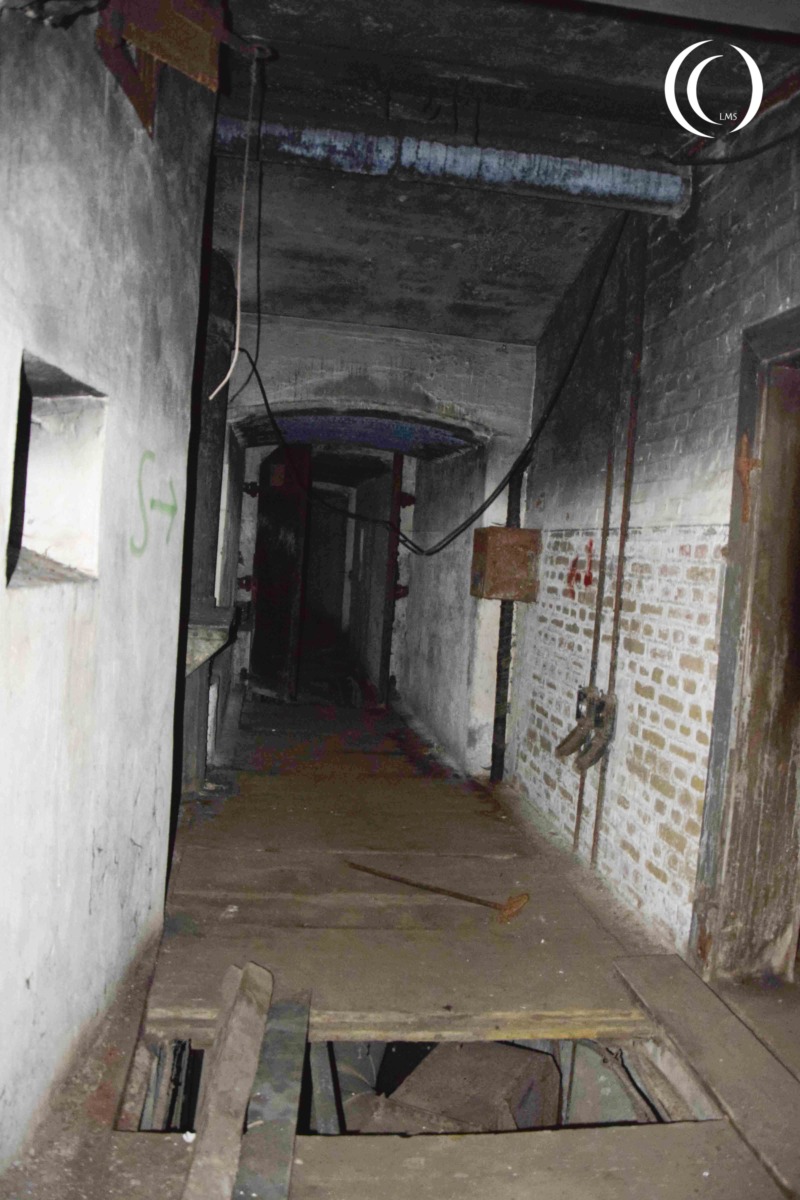
Fort de Koenigsmacker lies in a wooded environment which is under control of the French Military during our visit in 2019. There is no museum, tour or anyone to guide you safely on the premises. It is, though, very dangerous. Floorboards are made of wood and are easily decades to a century old. A wrong step and you will fall. The protection measures are still there, iron spikes protrude from the ground, there is barbed wire and more. Think twice before you venture into the underground.
Note: Sources differ on the caliber of the guns. One source indicates 10 cm, while another indicates 10.5 cm or 11 cm.
Sources:
Rudi Rolf: The Development of the German Fortification System since 1870. – 2000.
Kaufmann, J. E.; Jurga, Robert M.: Fortress Europe : European Fortifications of World War II – 1999
Lignemaginot.com
