M.K.B 1./118, Marine Küstenbatterie Hanstholm I – 17cm German Coastal Battery – Hanstholm, Denmark


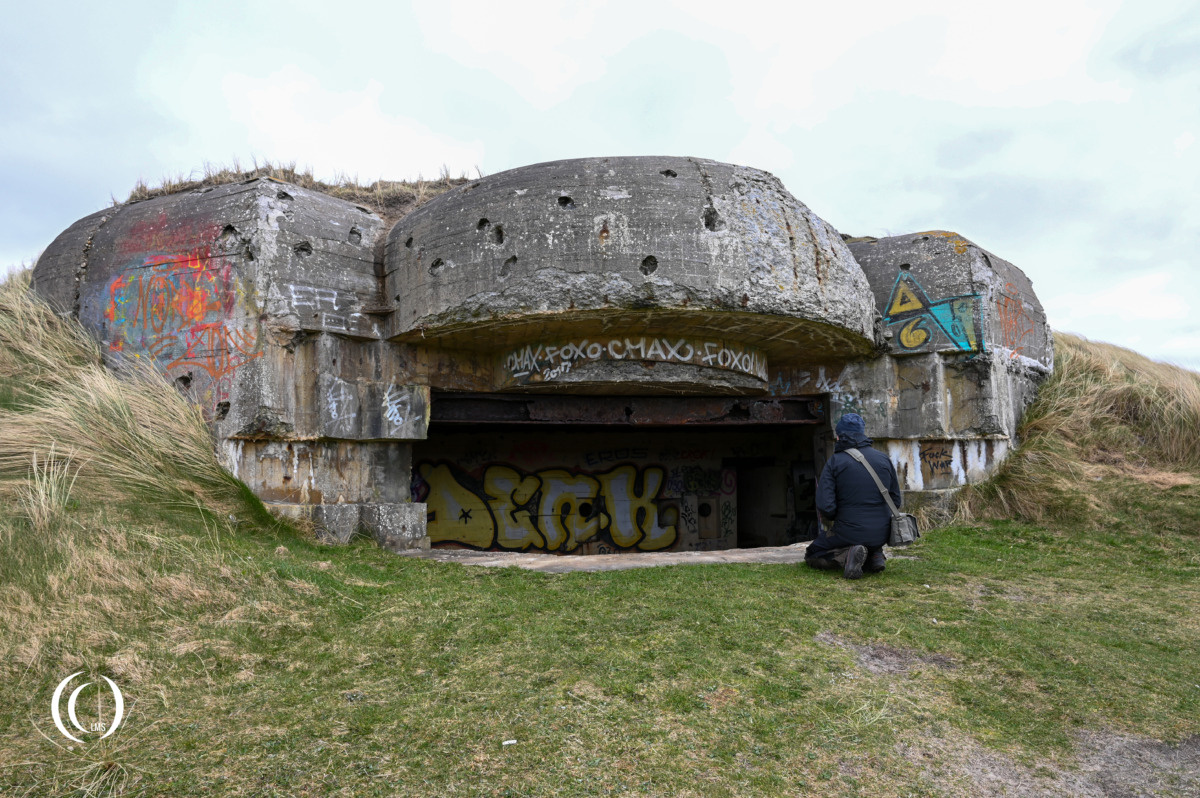
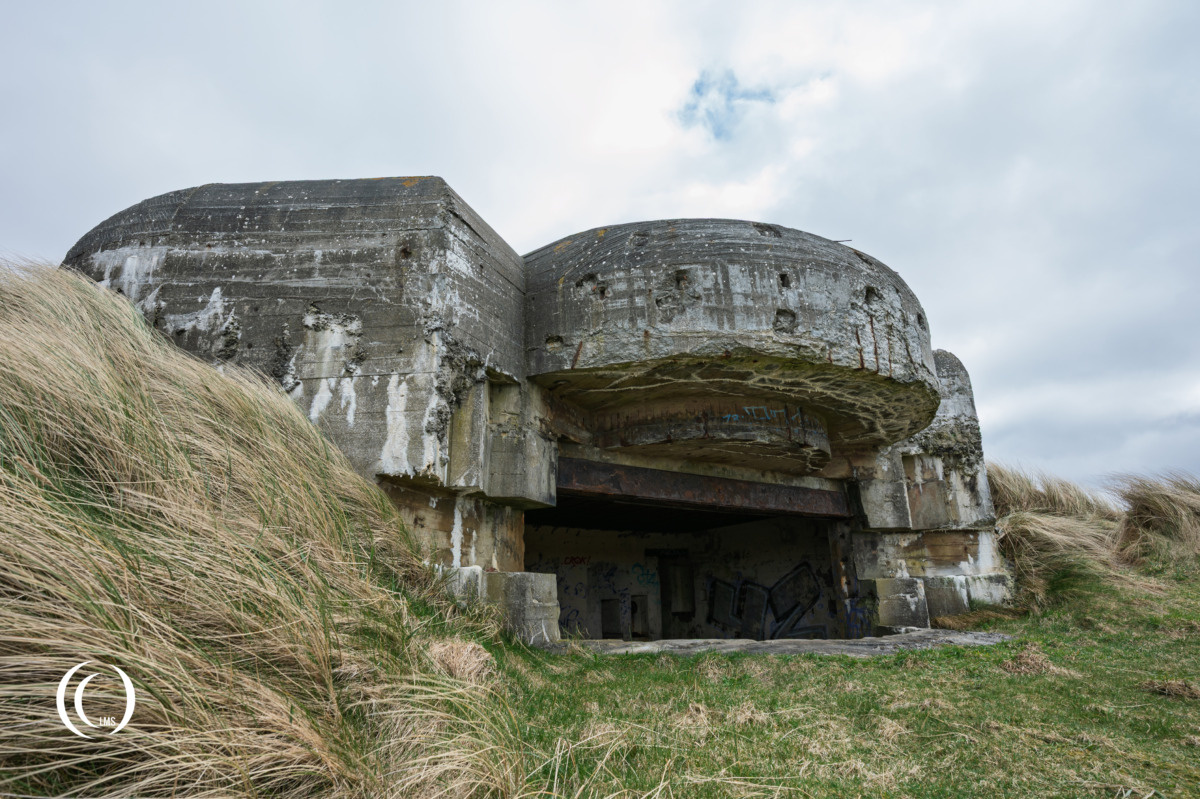
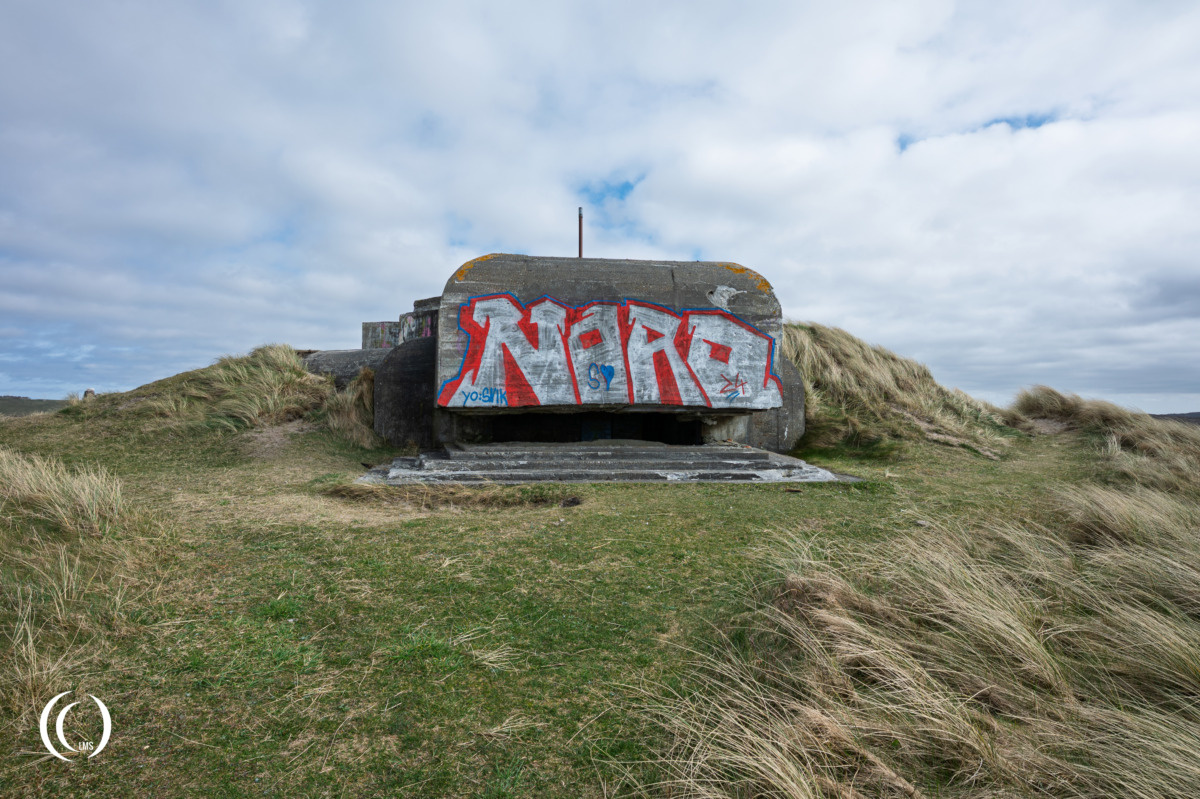
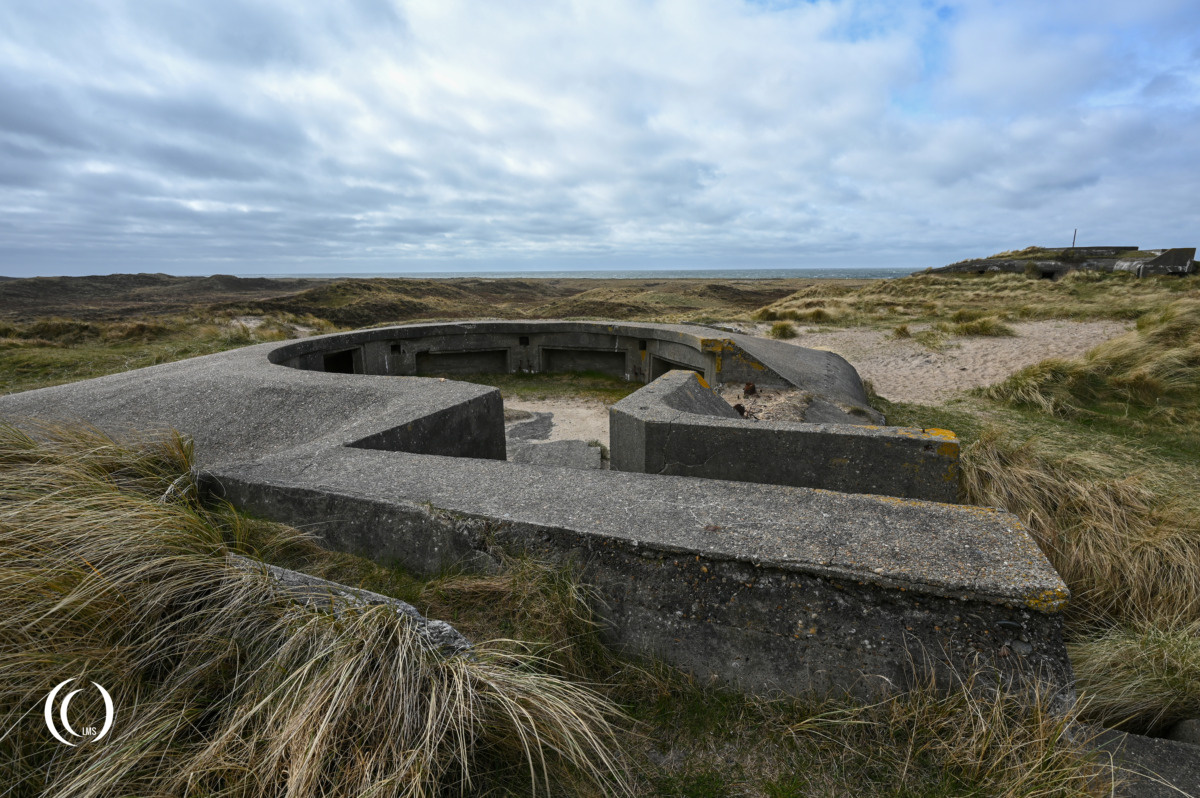
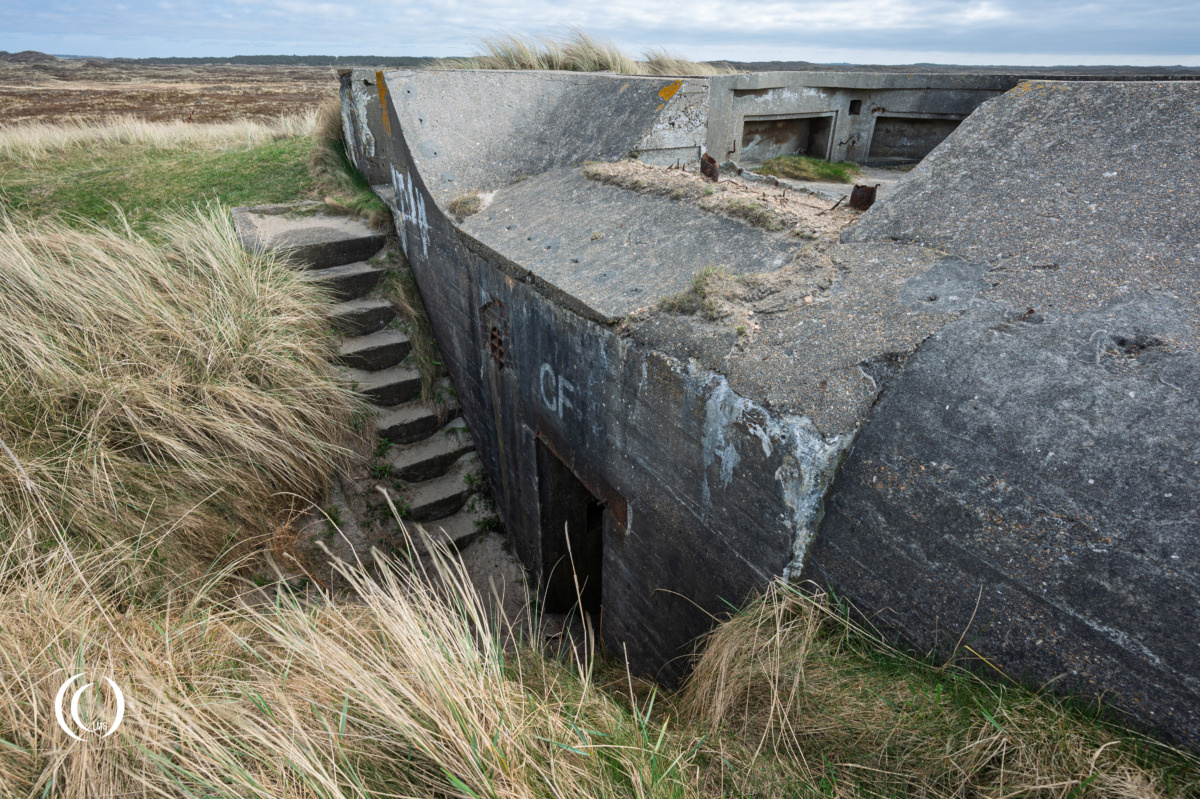
M 270 gun casemates of Marine Küstenbatterie Hanstholm I in Denmark

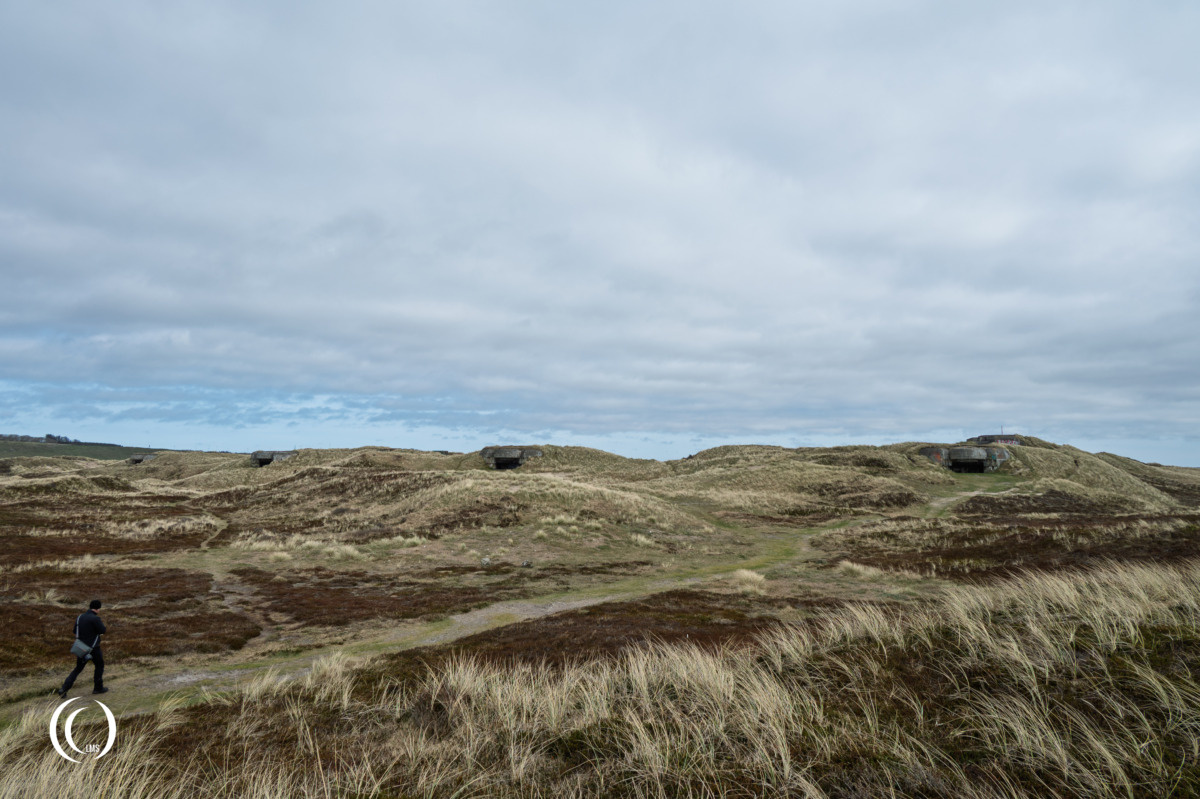
Located at the west-entrance of the Skagerrak strait and providing the only passage to the Kattegat and the Baltic Sea, the Danish town of Hanstholm (Hansted) became one of the most heavily fortified areas of the German Atlantic Wall during World War Two. The area, designated by the German High Command (O.K.H) as “Verteidigungsbereich Hansted”, would count hundreds of bunkers and fortifications at the end of the war, concentrated over a coastal front of 7 kilometers.
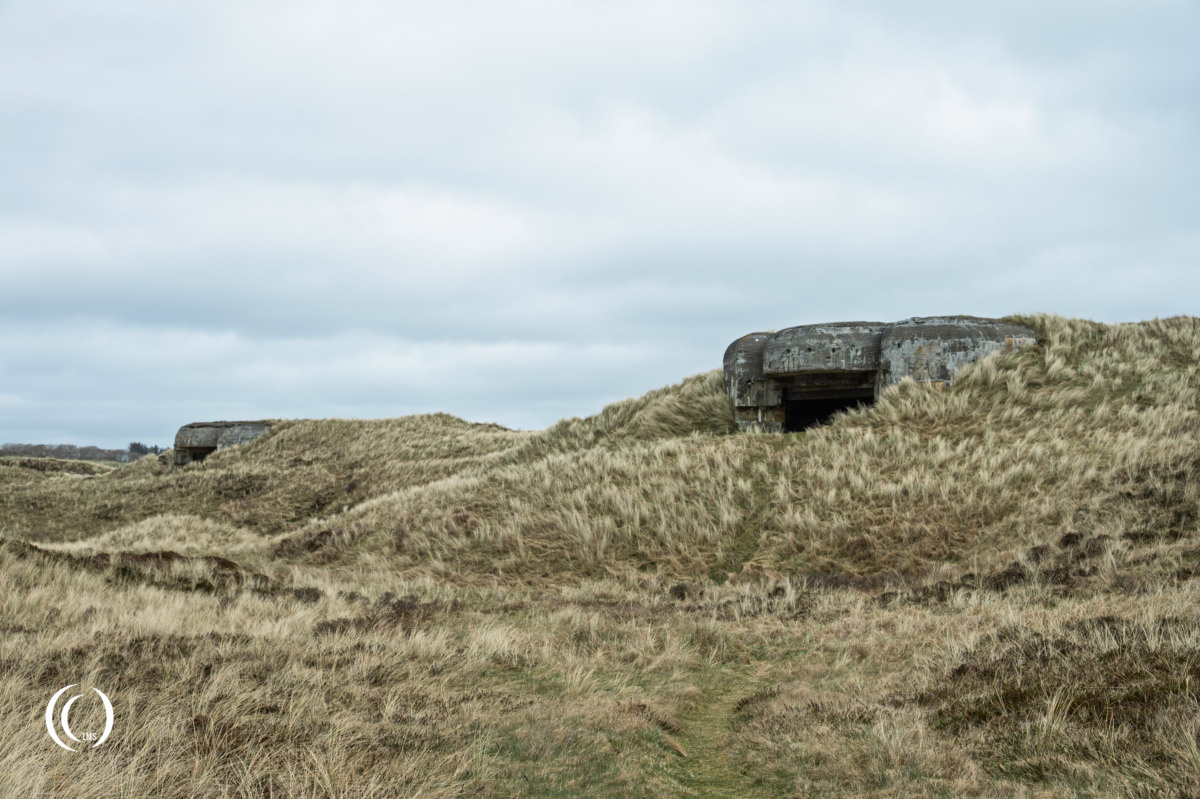
Marine Küstenbatterie Hanstholm I in Denmark
M 270 Schartenstand bunkers at Marine Küstenbatterie Hanstholm I in Denmark

Controlling the Baltic Sea

Immediately after the occupation of Denmark in April 1940, the German Kriegsmarine placed a mobile battery here, to cover the gap off the coast in the sea-mine barrage at the entrance of the Skagerrak coming from the North-Sea. In May 1940 the position became the permanent “Hanstholm I” Naval battery (Stz.P. 1./M.A.A. 118), armed with four 17 cm (M1901) guns on open concrete emplacements. The garrison was housed in wooden barracks a few hundred meters to the northeast of the position.

In the autumn of that same year the construction of another battery “Hanstholm II” (Stz.P. 2./M.A.A. 118) was started a little further to the northeast, armed with four much heavier 38 cm guns, to strengthen the control of the Skagerrak entrance from Denmark even further. Both batteries fell under the Marineartillerieabteilung (M.A.A.) 118, or naval artillery section 118.
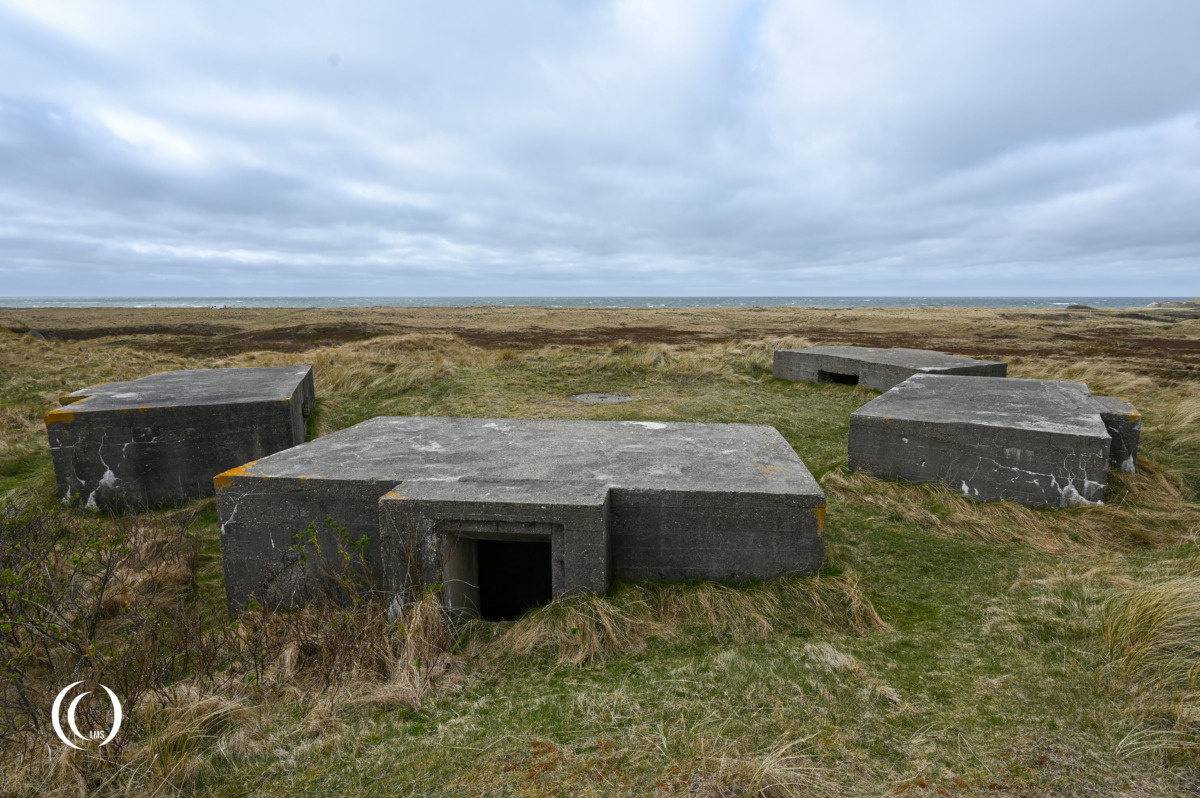
Open 17 cm gun emplacement at Marine Küstenbatterie Hanstholm I in Denmark

Upgrades

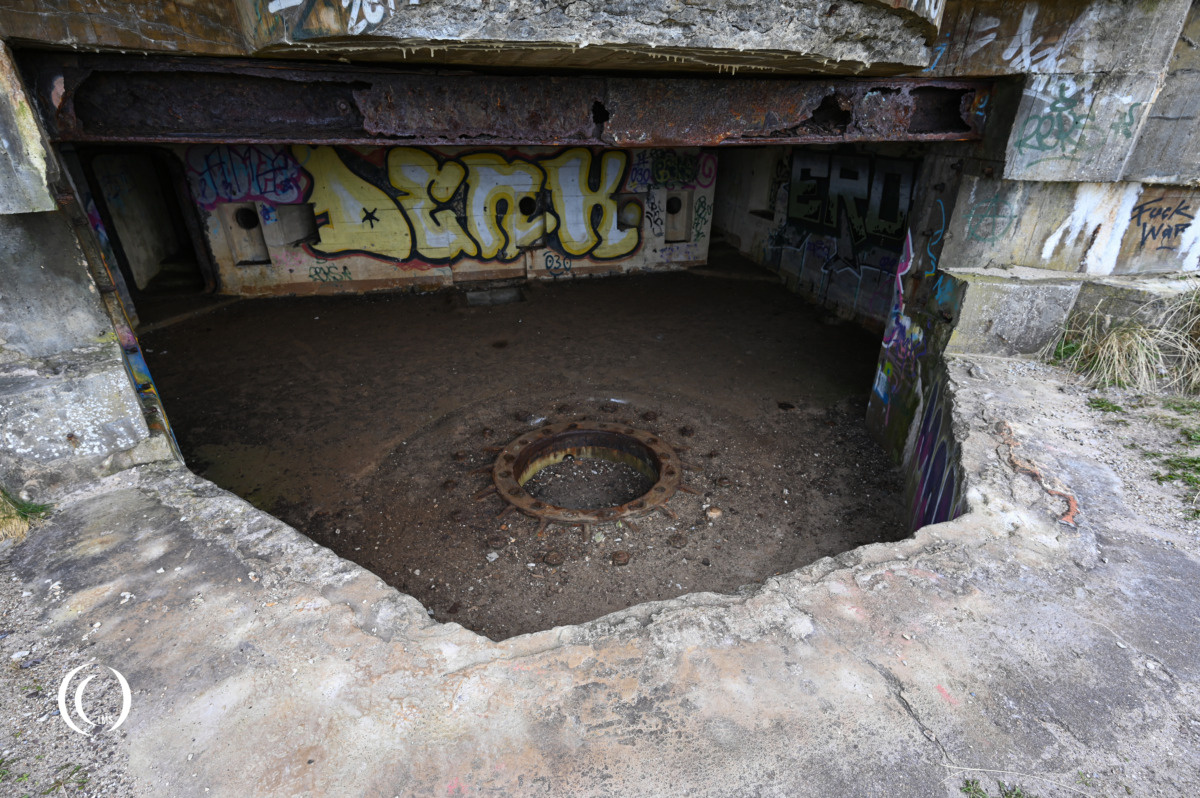
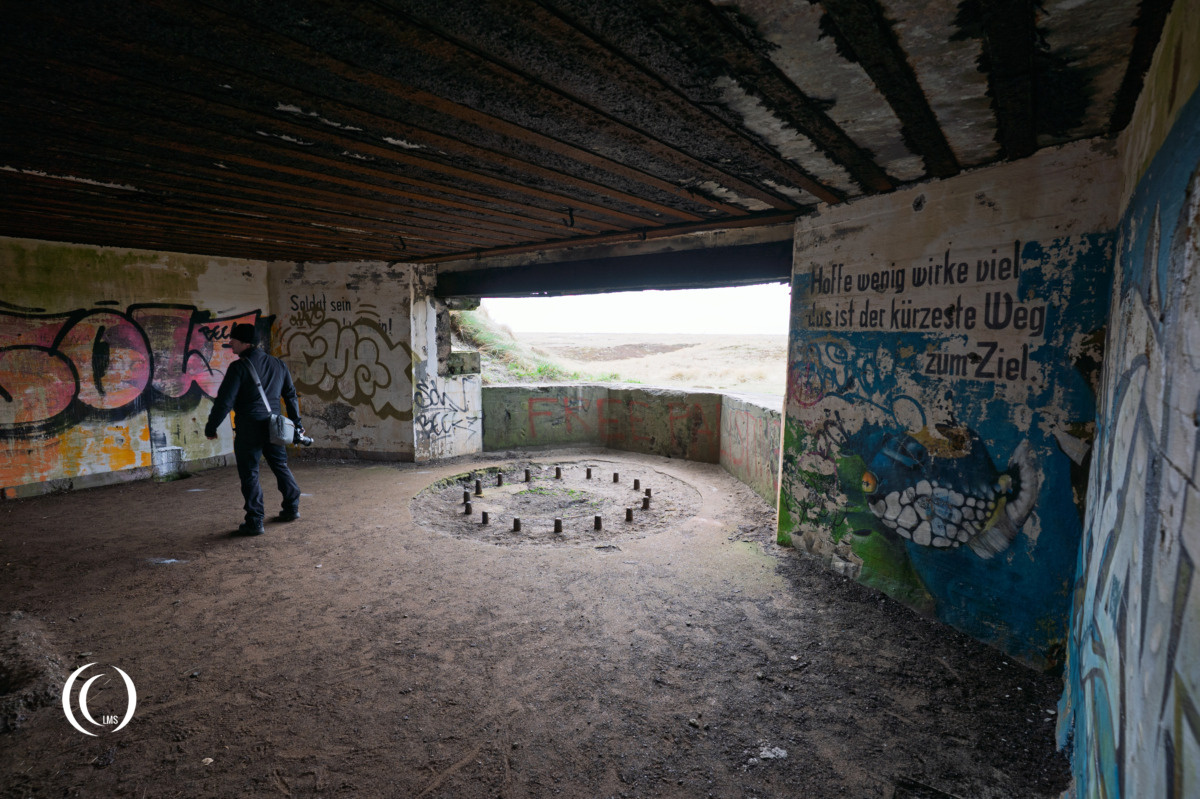
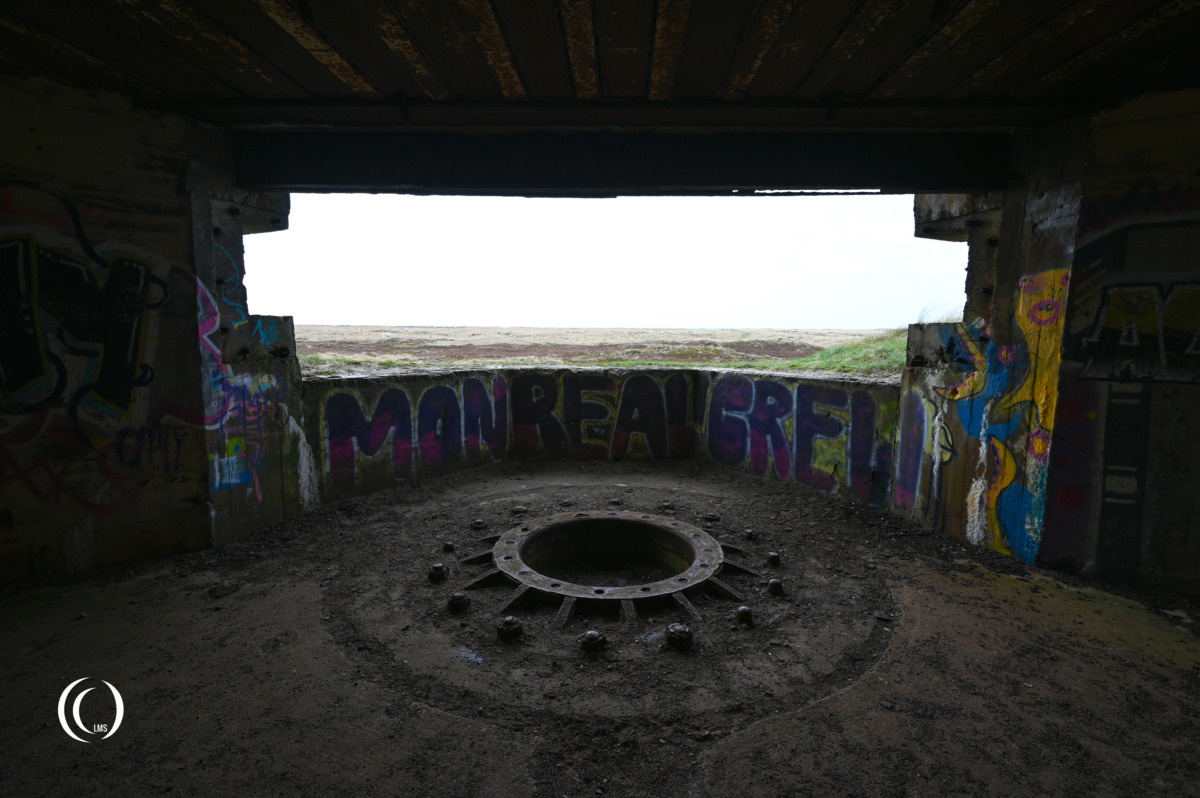
As part of a program to revise and further strengthen the German defences on the Danish coast in 1942, the Hanstholm I battery received a large upgrade, with the 17 cm guns being placed in closed concrete M 270 gun casemates, an M 162a fire control post, two M 145 ammunition storage bunkers and multiple personnel bunkers (regelbau 501, 502, 622). To protect the position of a possible Allied landing it was protected by mine fields, MG positions, 8 cm grenade launchers and a 8.7 cm field gun for close quarters defence.
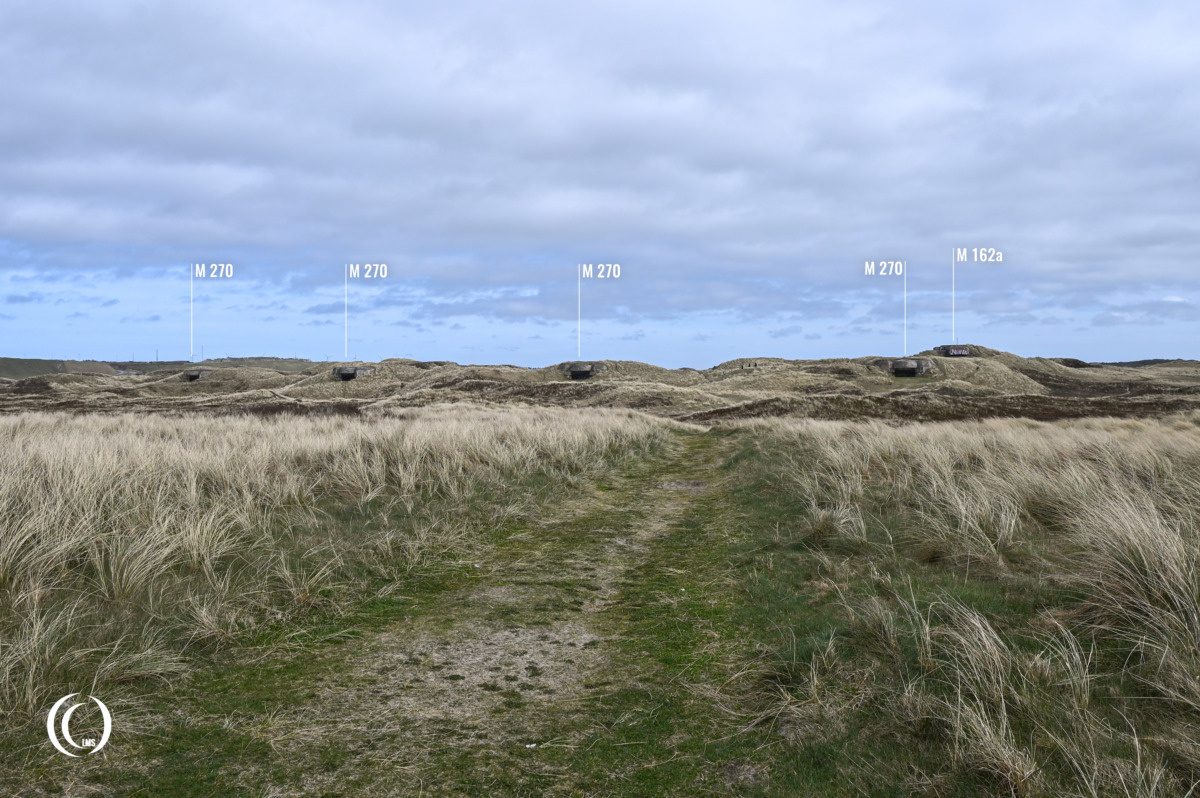
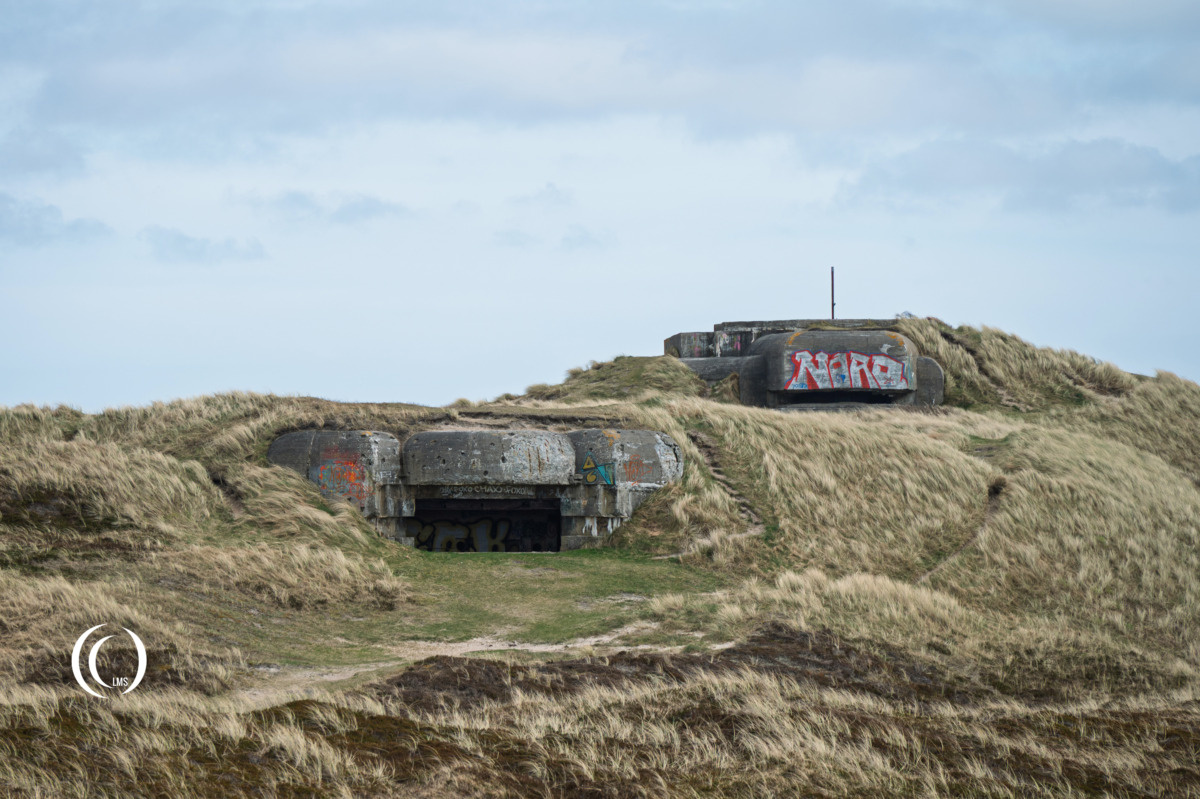
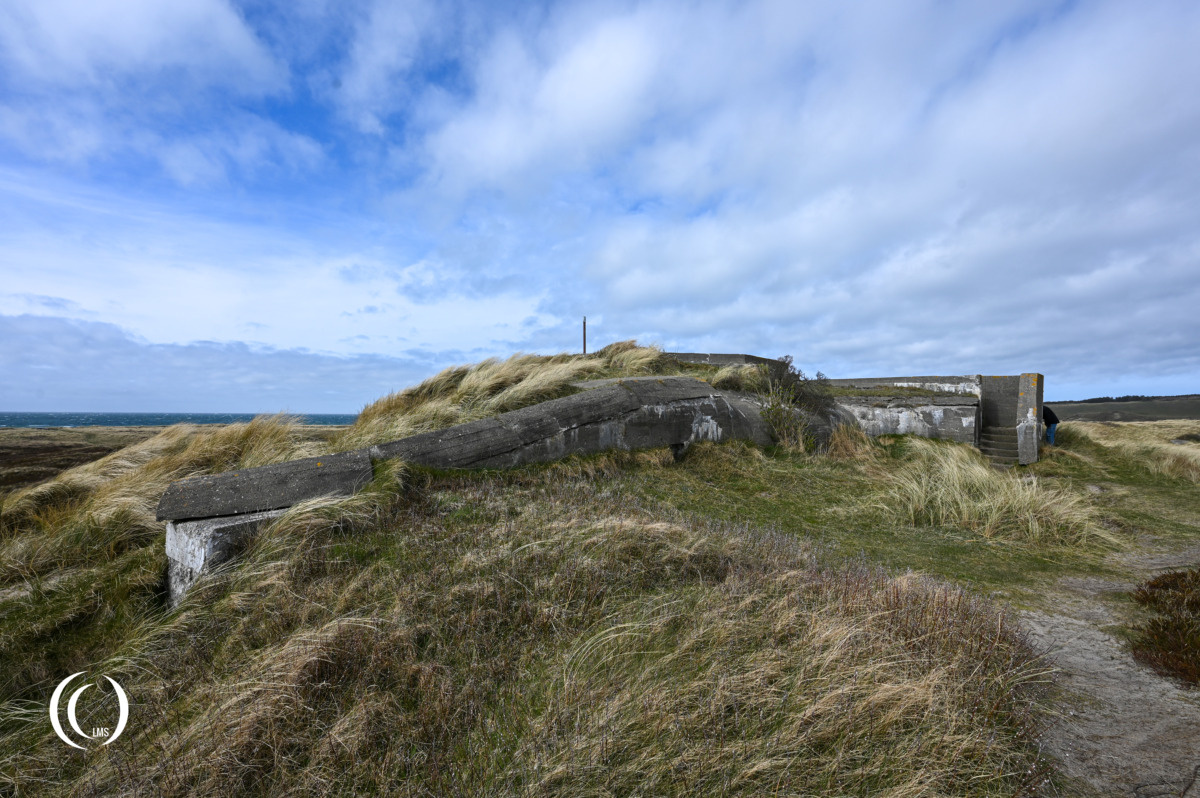
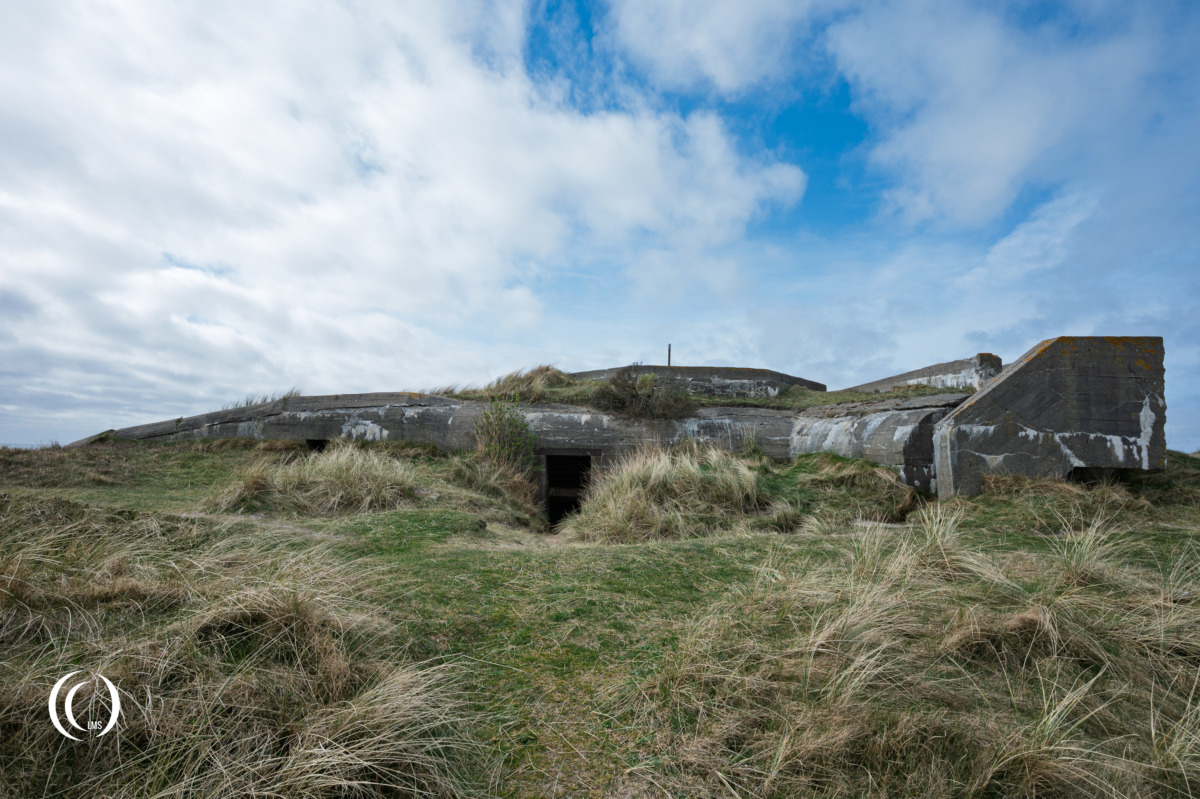
M 270 gun casemates and M 162a Leitstand of Marine Küstenbatterie Hanstholm I in Denmark
M 270 gun casemate and M 162a fire control of Marine Küstenbatterie Hanstholm I in Denmark

M 270 Geschützschartenstand

M 270 gun casemate for one of the 17 cm guns of Marine Küstenbatterie Hanstholm I in Denmark
Inside M 270 gun casemate for one of the 17 cm guns of Marine Küstenbatterie Hanstholm I in Denmark
Inside M 270 gun casemate of Marine Küstenbatterie Hanstholm I in Denmark
M 270 gun casemate of Marine Küstenbatterie Hanstholm I in Denmark
A better preserved M 270 gun casemate of Marine Küstenbatterie Hanstholm I in Denmark

M 162a Leitstand für leichte Seezielbatterien
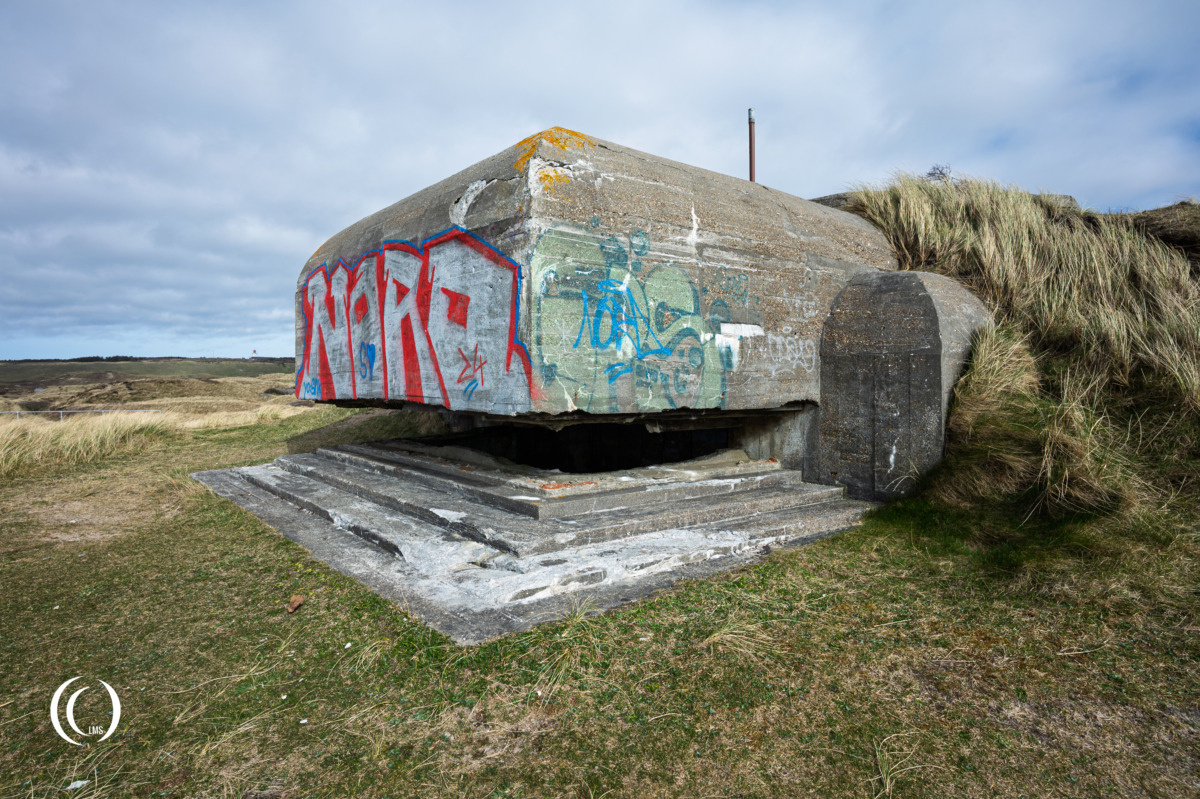
M 162a fire control of Marine Küstenbatterie Hanstholm I in Denmark

The fire control post is a modified version of the standard regelbau M 162a Leitstand. Instead of an observation post on top of the bunker with a concrete roof cover, this bunker has what seems to be a searchlight or rangefinder stand on top.
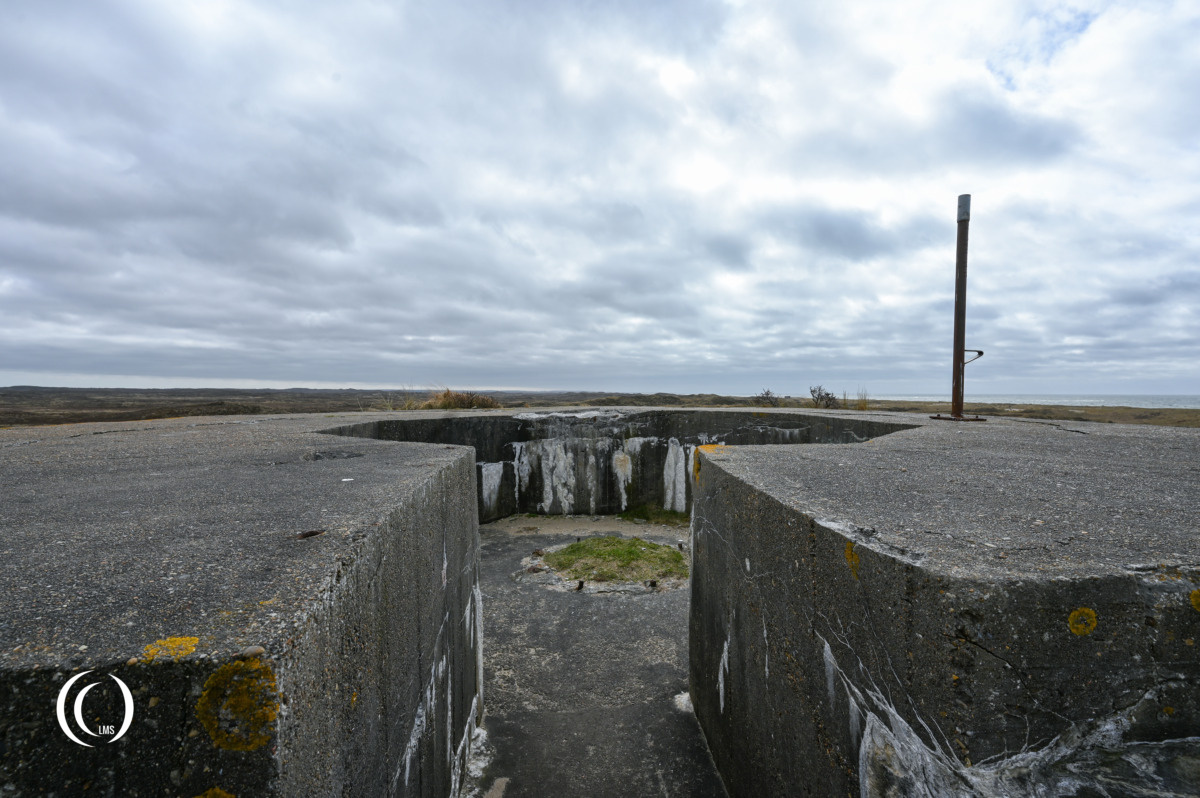
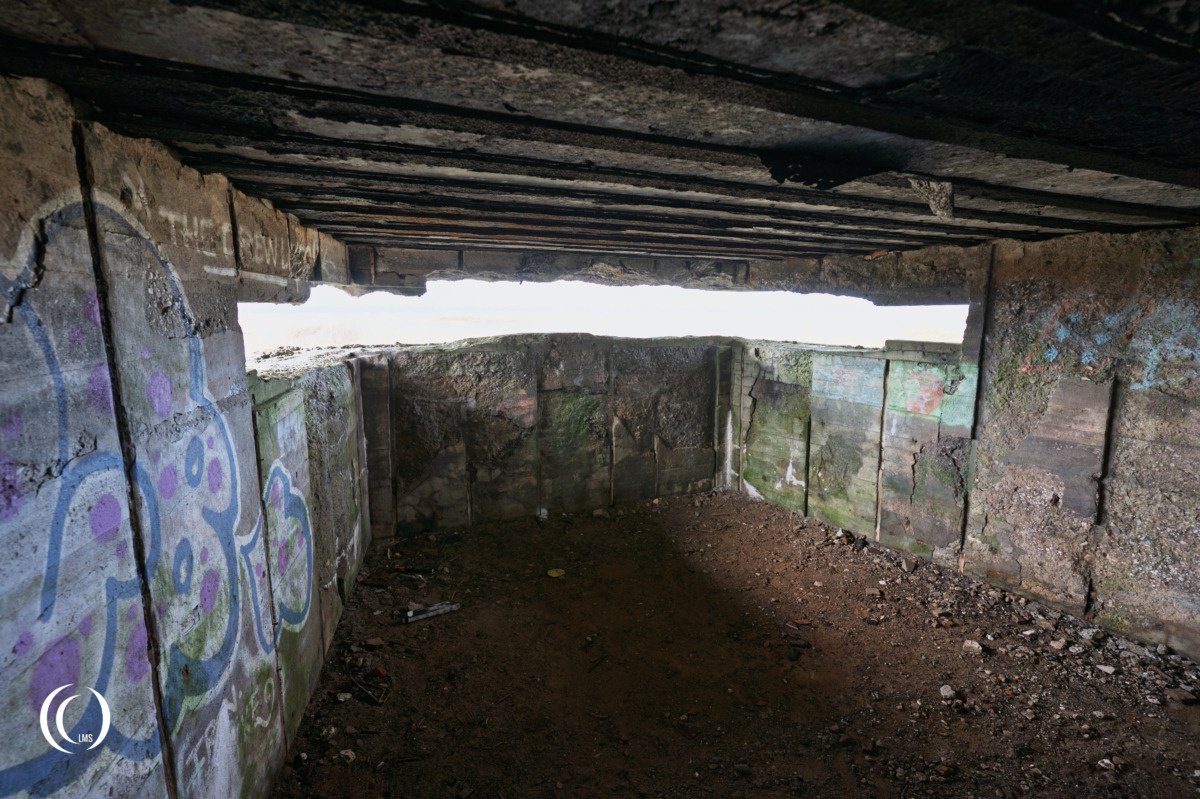
M 162a fire control of Marine Küstenbatterie Hanstholm I in Denmark
View of the stand on top of the M 162a fire control post of Marine Küstenbatterie Hanstholm I in Denmark
Inside the M 162a fire control post of Marine Küstenbatterie Hanstholm I in Denmark

(Doppel) Gruppenunterstand

Behind the line of M 270 bunkers you can find many personnel bunkers hidden in the dune landscape.
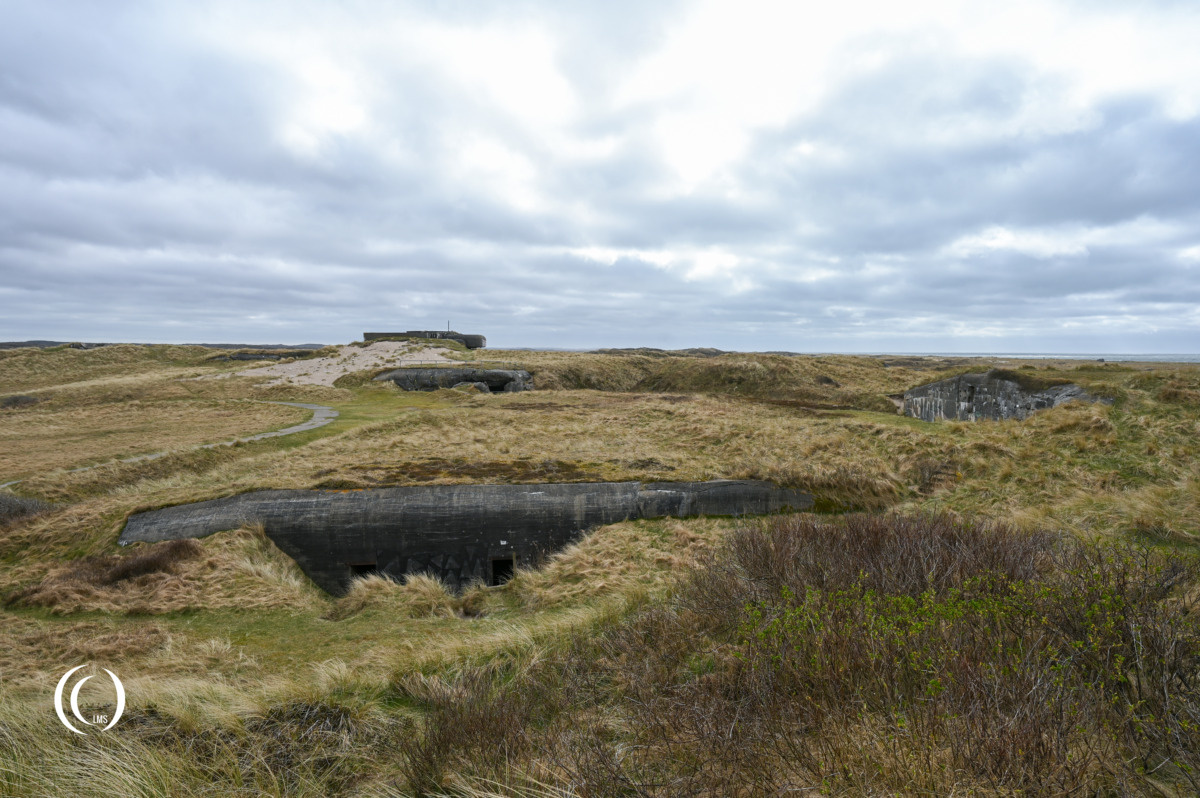
Regelbau 502 Doppelgruppenunterstand of Marine Küstenbatterie Hanstholm I in Denmark
A Regelbau 502 Doppelgruppenunterstand (foreground) and a 501Gruppenunterstand (center) of Marine Küstenbatterie Hanstholm I in Denmark

Anti-aircraft protection

While Allied air attacks further intensified as the war progressed, the German positions endured a growing number of air-raids. Two concrete Fl 242 open FlaK positions together with two Fl 277 FlaK 150 cm searchlight bunkers were added to protect the Hanstholm I battery against Allied air attacks.

Fl 242 Flakeinheitstand
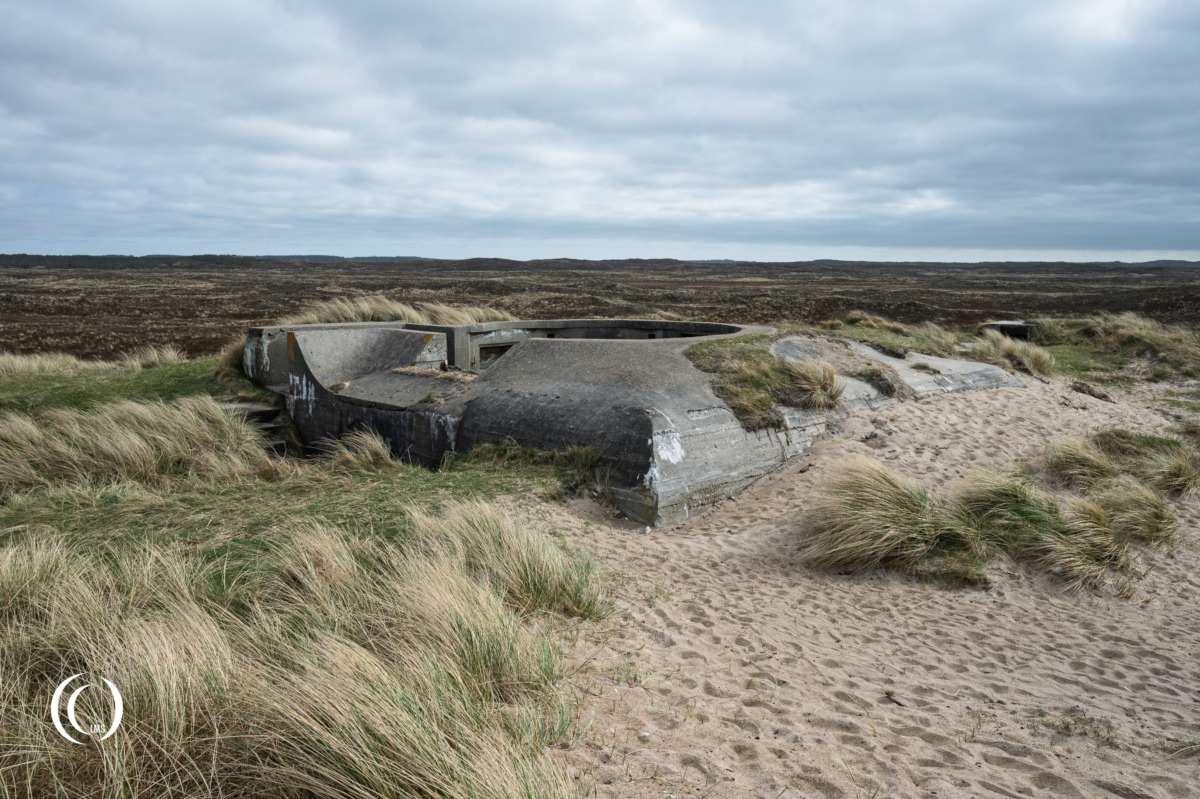
Fl 242 FlaK anti-aircraft emplacement at Marine Küstenbatterie Hanstholm I in Denmark

Visit

You can visit the battery along the Kystvejen road (181) between Hanstholm and Klitmøller. The grounds are part of the Hanstholm nature reserve and can be visited freely.

references

  • https://atlantvolden.dk/
  • https://en.wikipedia.org/
  • German bunkers in Denmark | Jens Andersen & Rudi Rolf (PRAK Publishing 2006)
  • Atlantic Wall Typology | Rudi Rolf


Leave a Reply

Your email address will not be published. Required fields are marked *

Name *