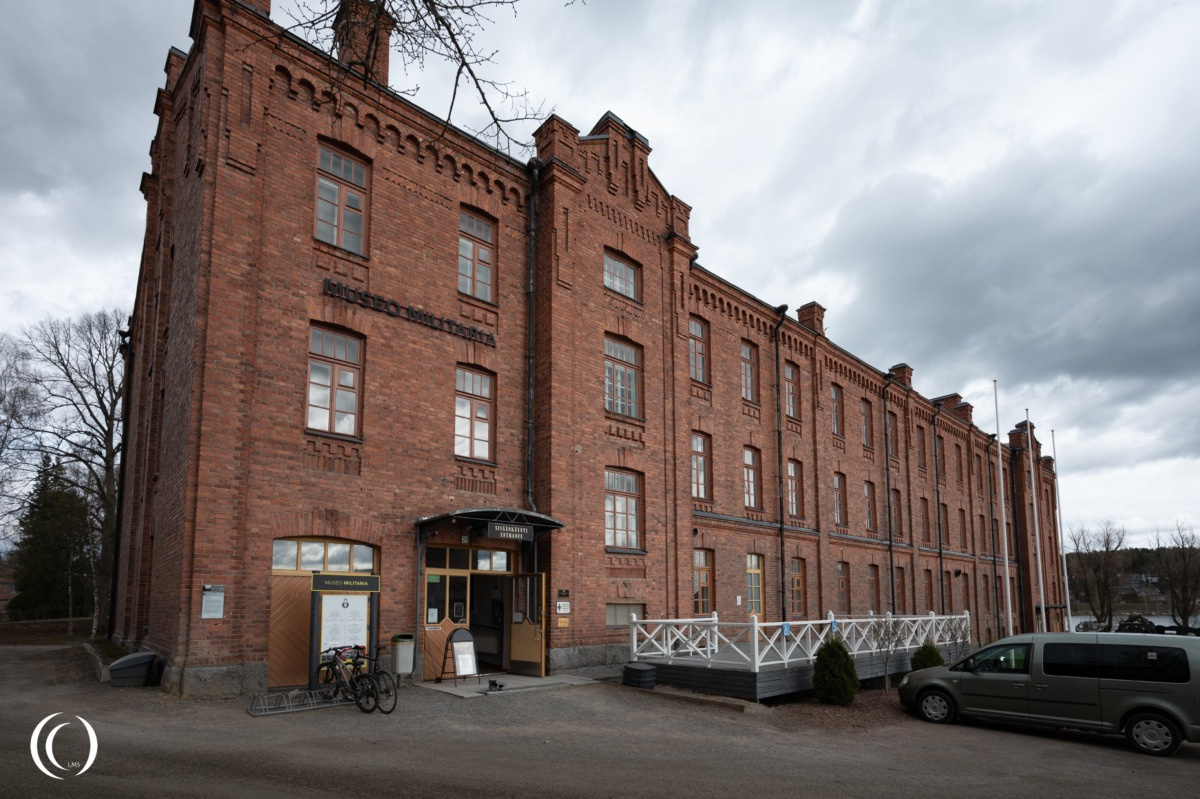
The Finnish Artillery Museum was one of Finland’s most important military museums, dedicated to the history of artillery and the Finnish Army’s fire support forces. Originally located in Hämeenlinna, the museum preserved artillery pieces, ammunition, uniforms, field equipment, and wartime documents covering Finnish military history from the nineteenth century through the Cold War.
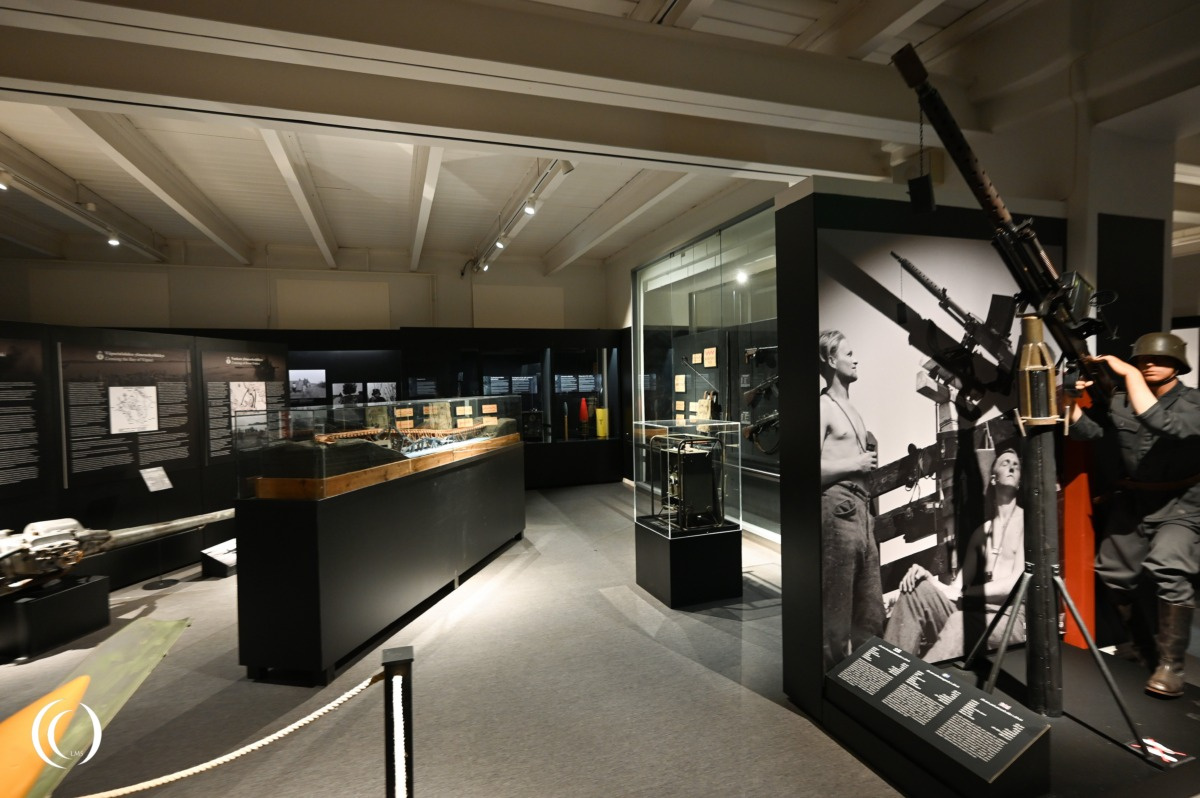
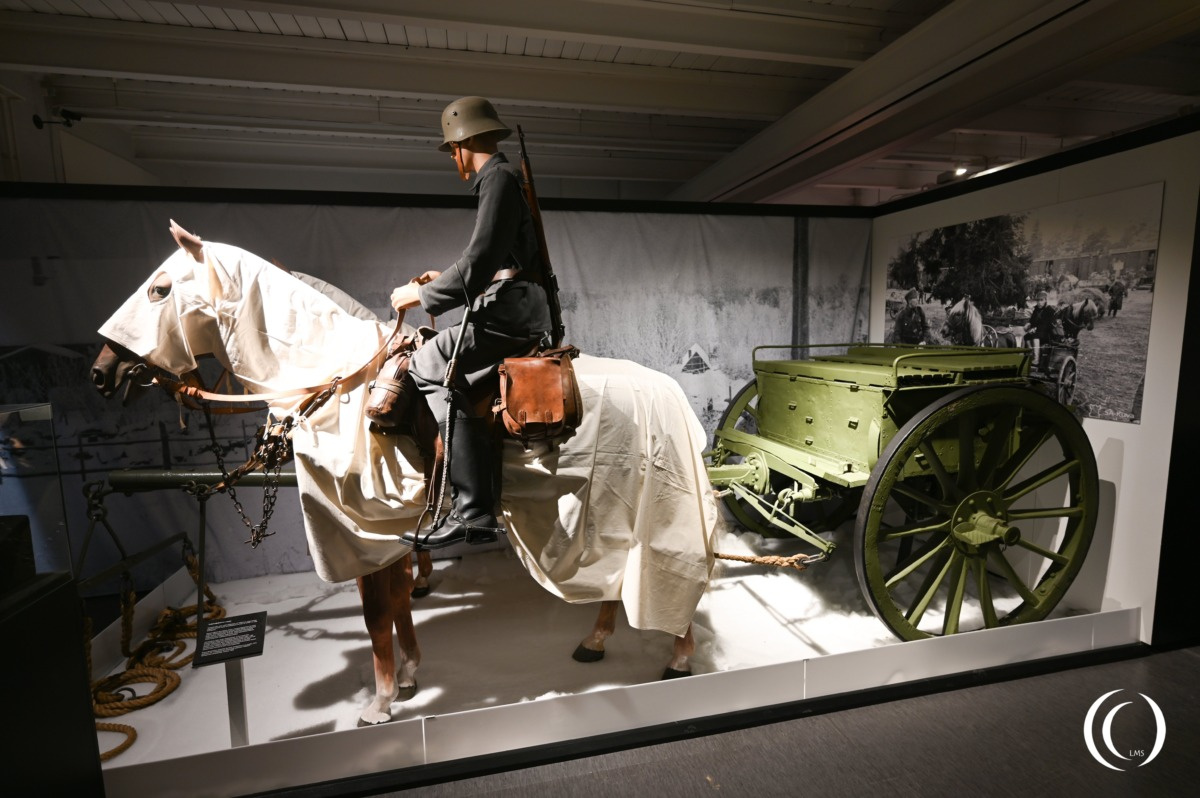
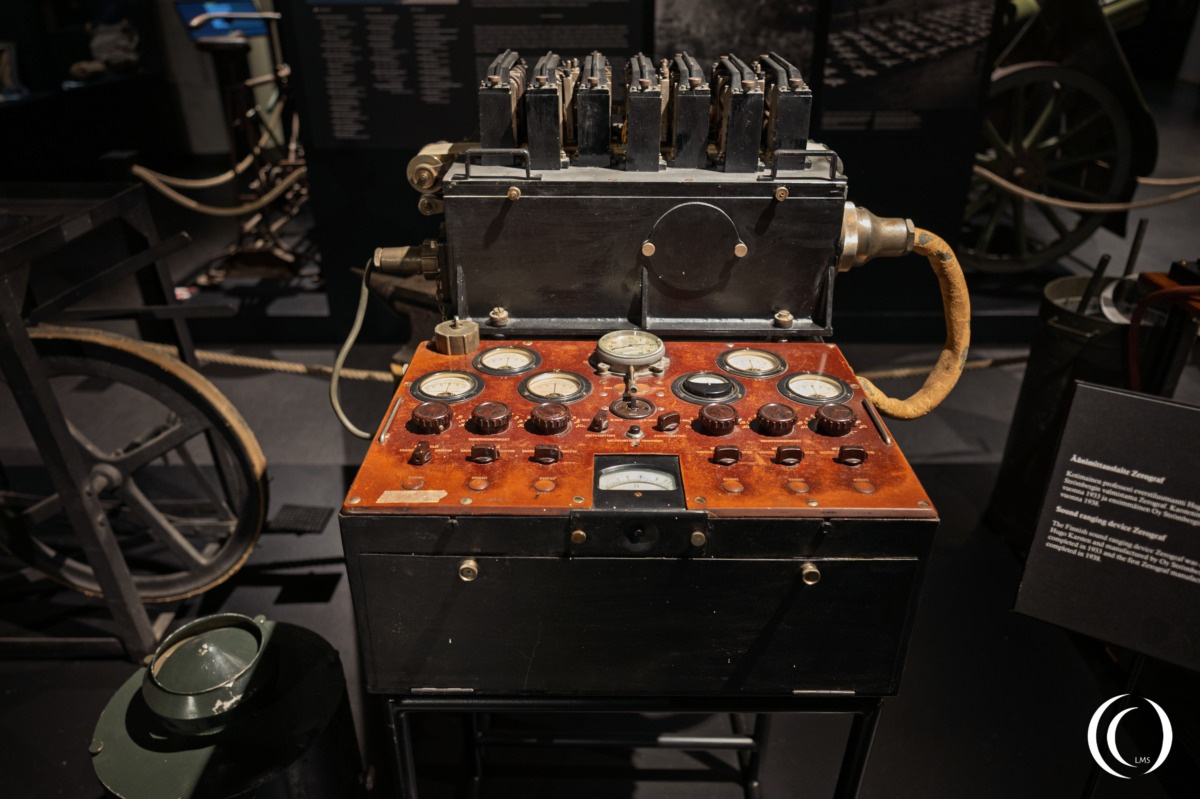
The museum became especially well known for its exhibits about the Winter War and Continuation War against the Soviet Union during World War II. Finnish artillery played a decisive role in these conflicts, using highly coordinated fire control methods that allowed smaller Finnish forces to resist larger Soviet armies. Displays explained artillery tactics, battlefield communications, targeting systems, and the daily life of artillery crews in harsh northern conditions.
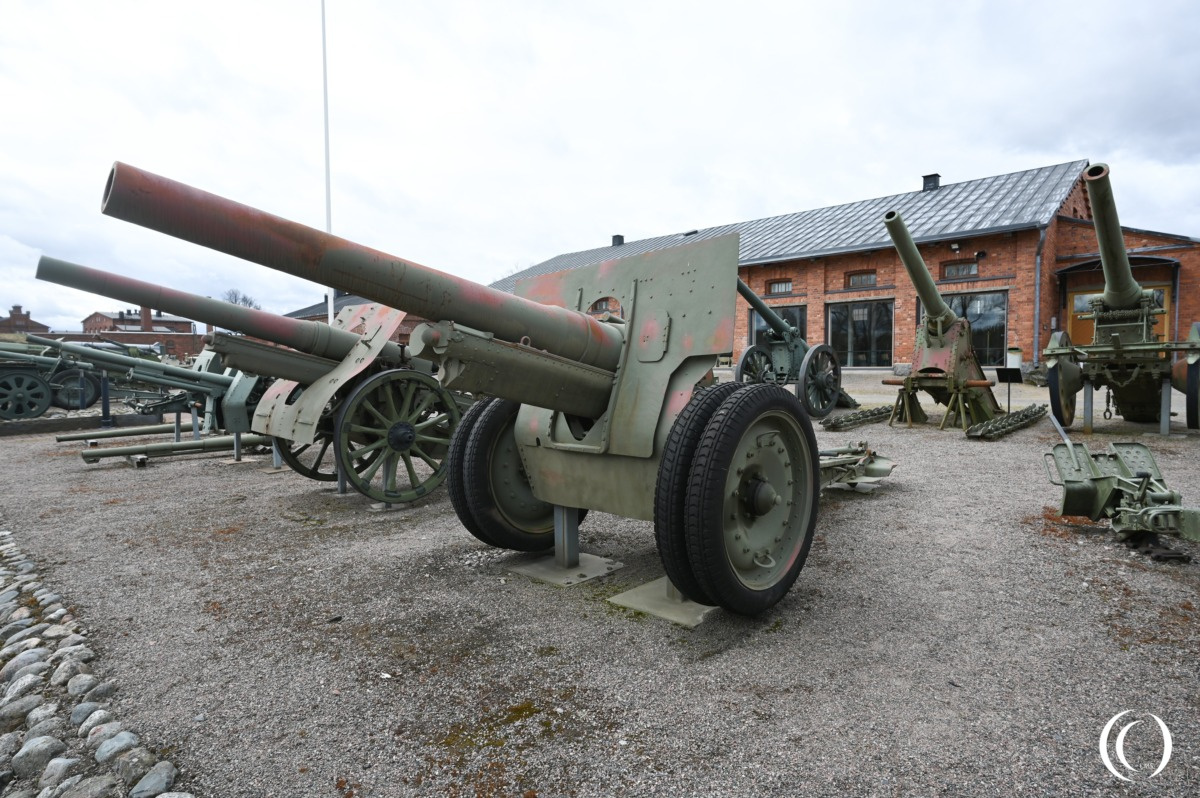
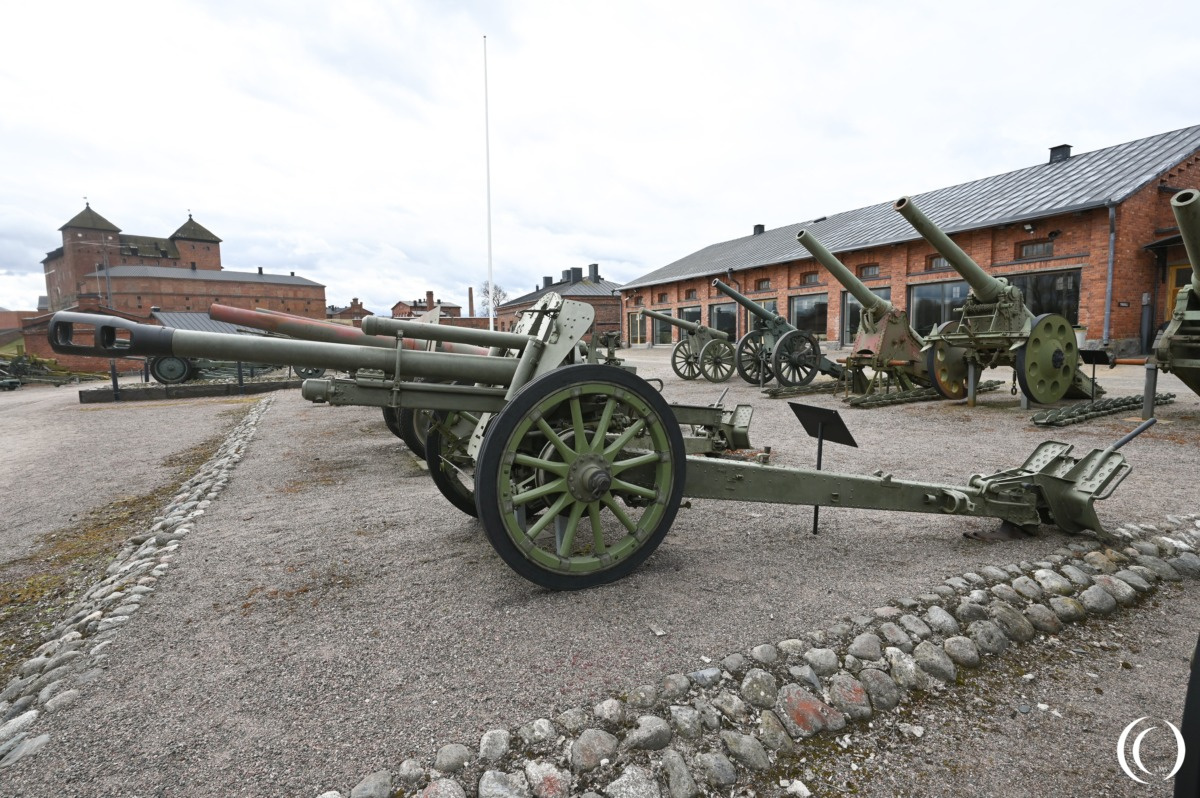
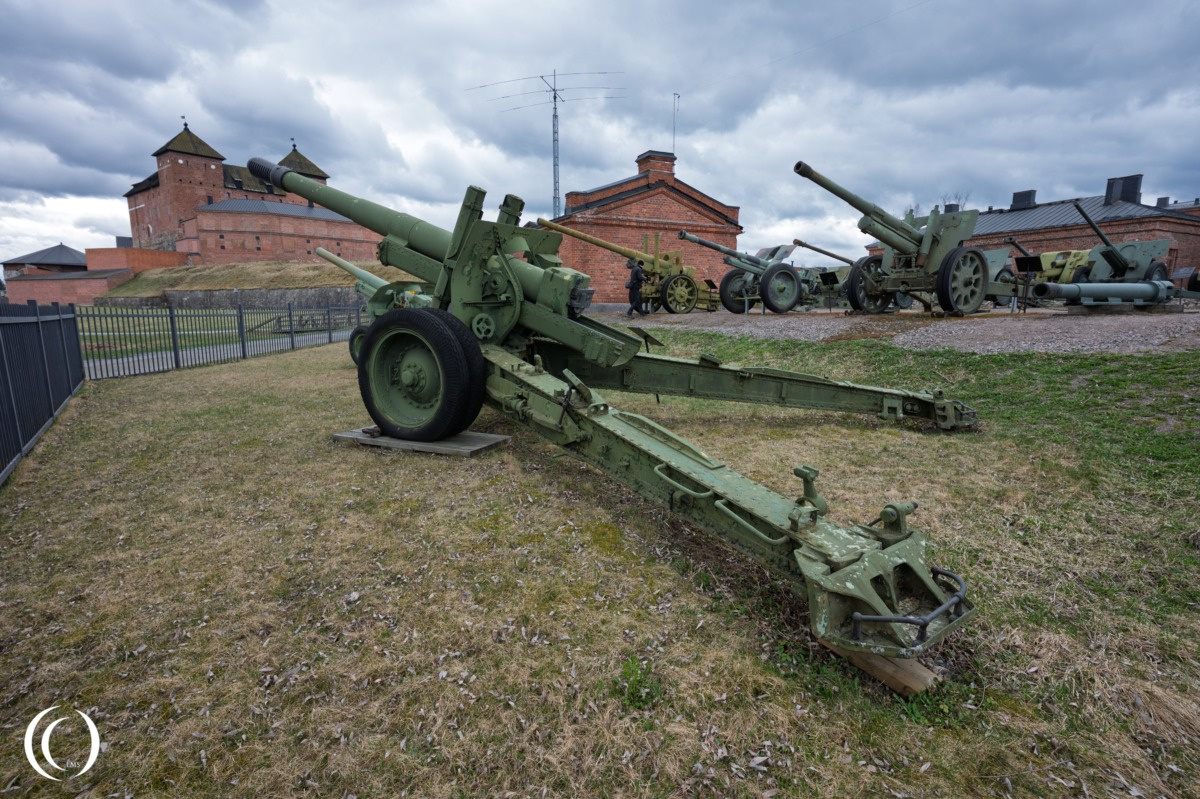
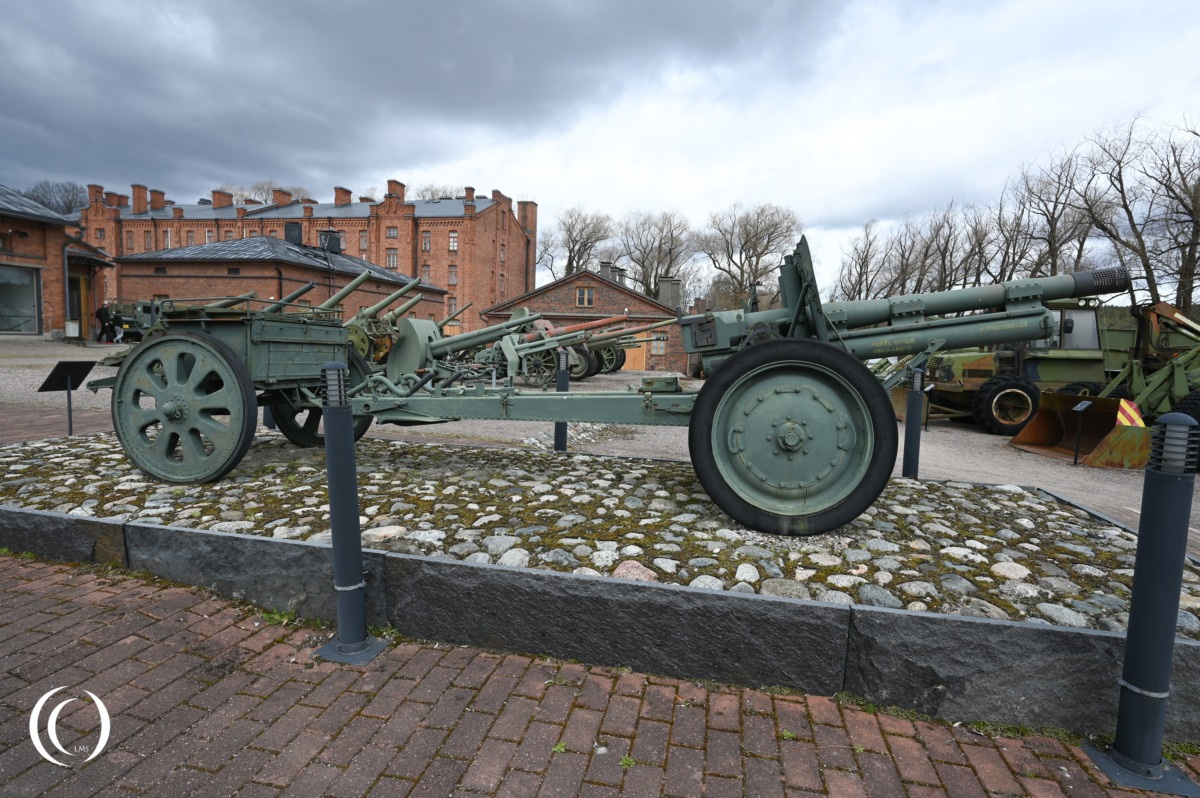
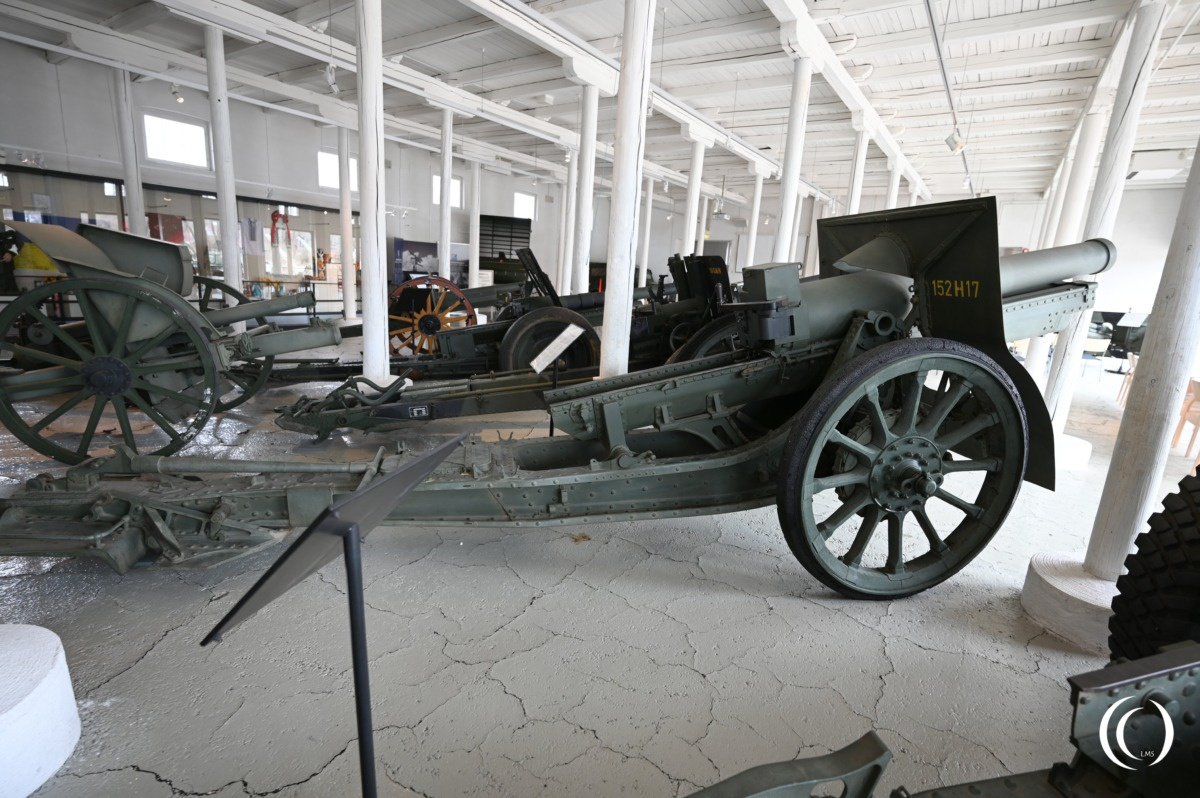
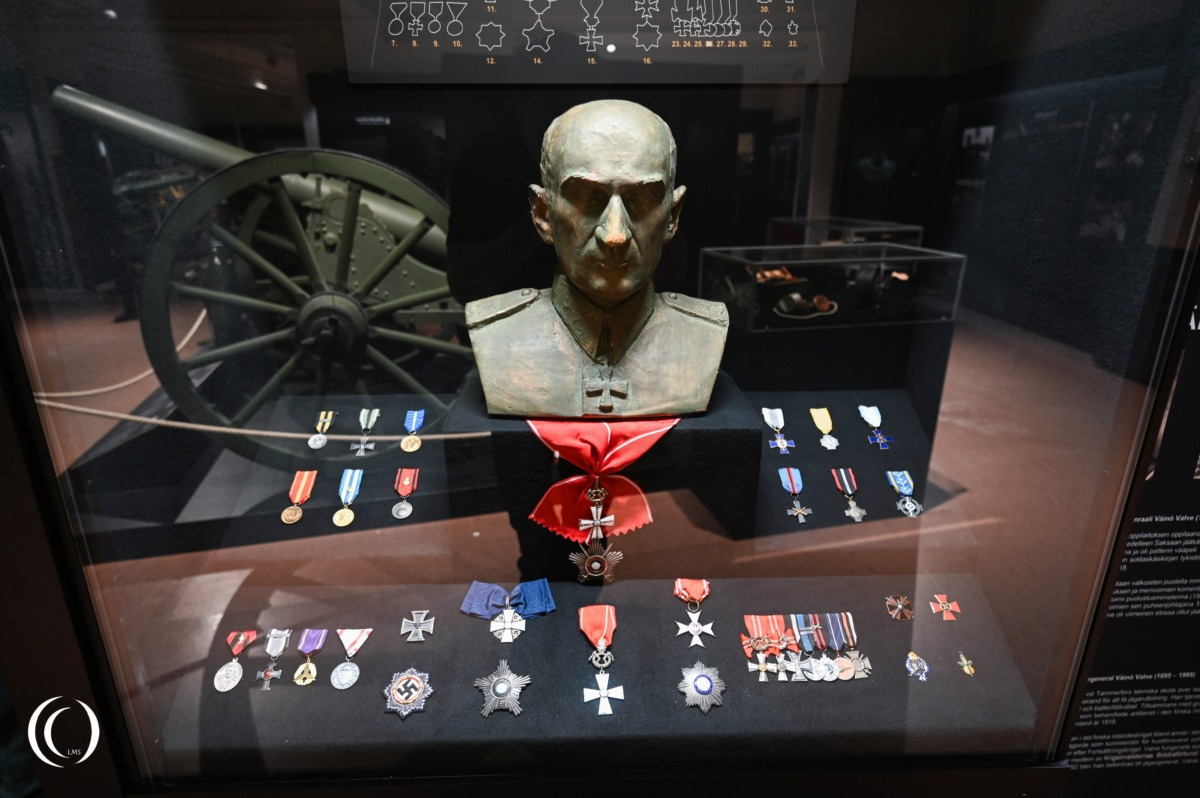
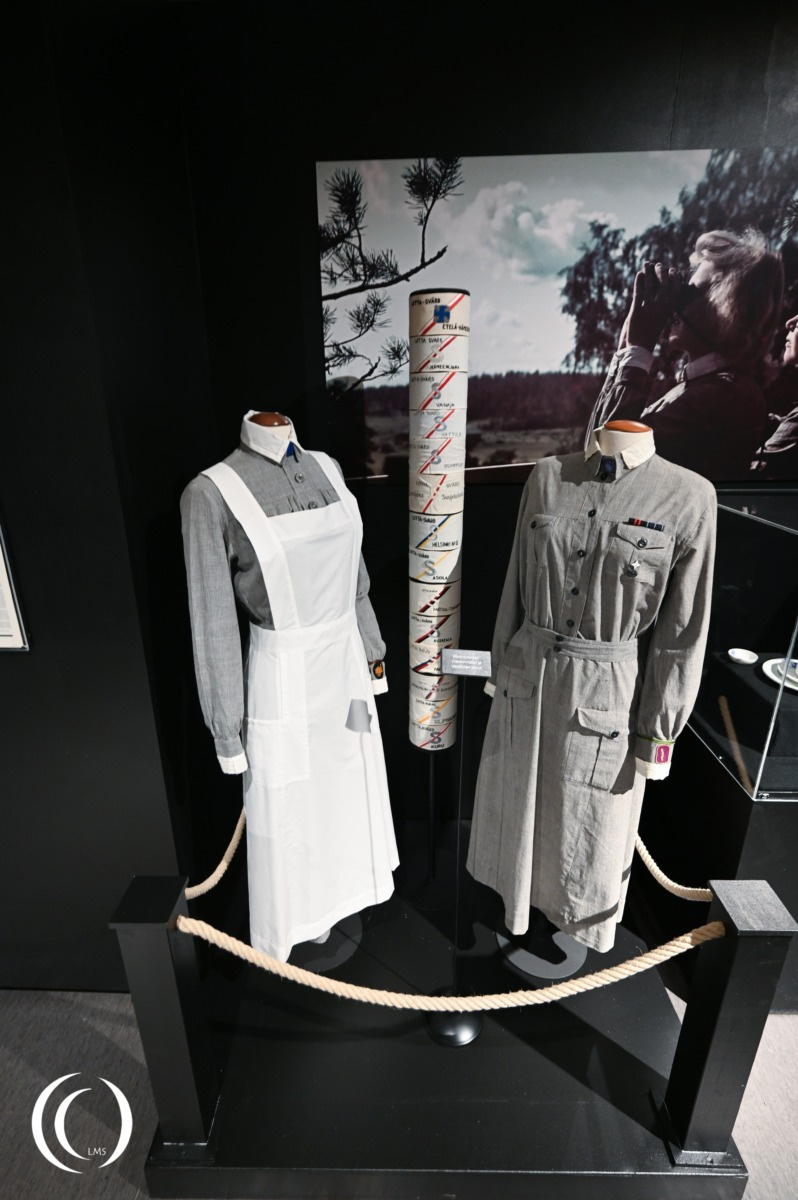
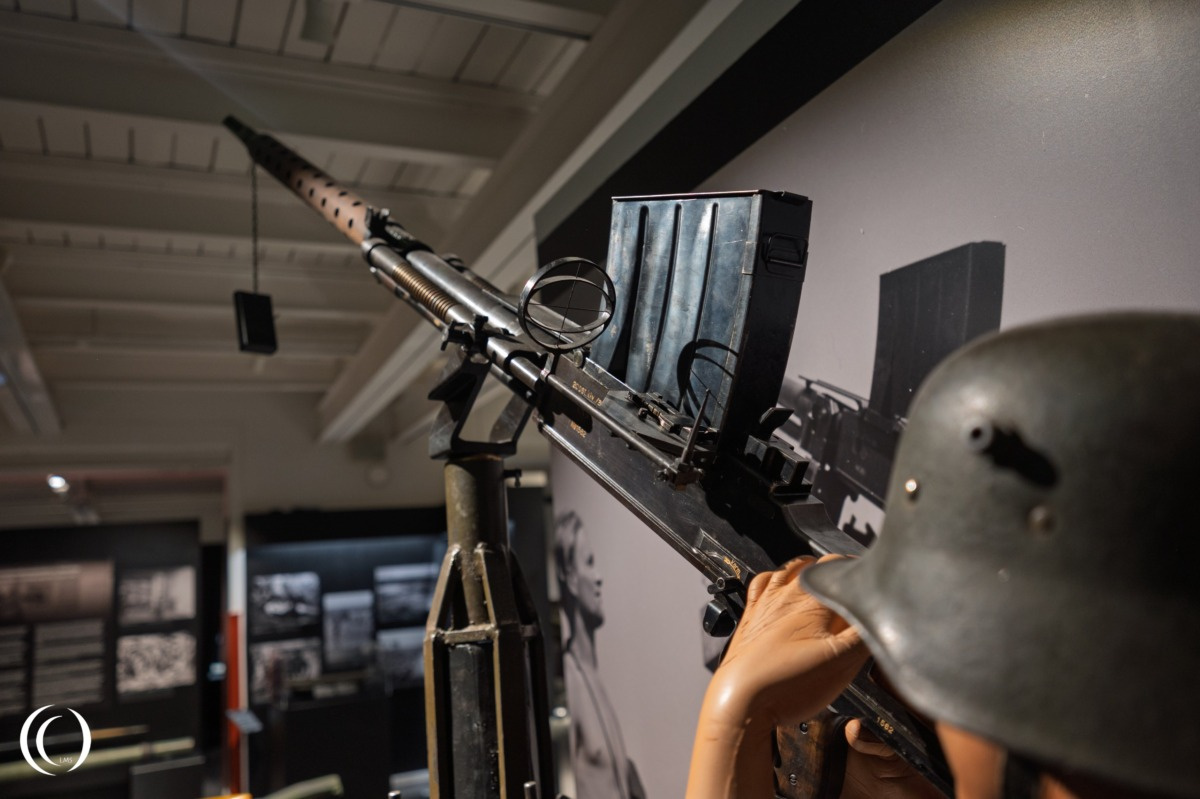
Outdoor areas displayed heavy field guns, coastal artillery, anti-tank weapons, mortars, and self-propelled artillery vehicles from Finnish, Soviet, German, and Western origins. Indoor exhibitions included maps, uniforms, medals, command equipment, and historical photographs documenting Finnish military operations.
In recent years, parts of the museum’s collections were reorganised and integrated with other military heritage sites, particularly the nearby Parola Tank Museum. Today, many artillery exhibits continue to be preserved and displayed within Finland’s broader network of military museums and defence history collections.
Hämeenlinna finland during world war two
Hämeenlinna was an important military and administrative center in Finland during World War II. Although the city was not a frontline battlefield, it played a significant role in training, logistics, and military support during both the Winter War and the Continuation War.
The city was home to military garrisons, training facilities, and supply depots that supported Finnish forces fighting against the Soviet Union. Nearby Parola served as a major armored training center, making the Hämeenlinna area an important hub for tank and artillery units. Soldiers were trained, equipped, and transported through the region before deployment to the front.
Because of its military significance and railway connections, Hämeenlinna experienced occasional Soviet air raids. Bombing attacks targeted transport infrastructure and military-related facilities, although the city avoided the extensive destruction seen in some larger Finnish cities. Air-raid shelters, blackout regulations, and civil defence measures became part of everyday life for local residents.
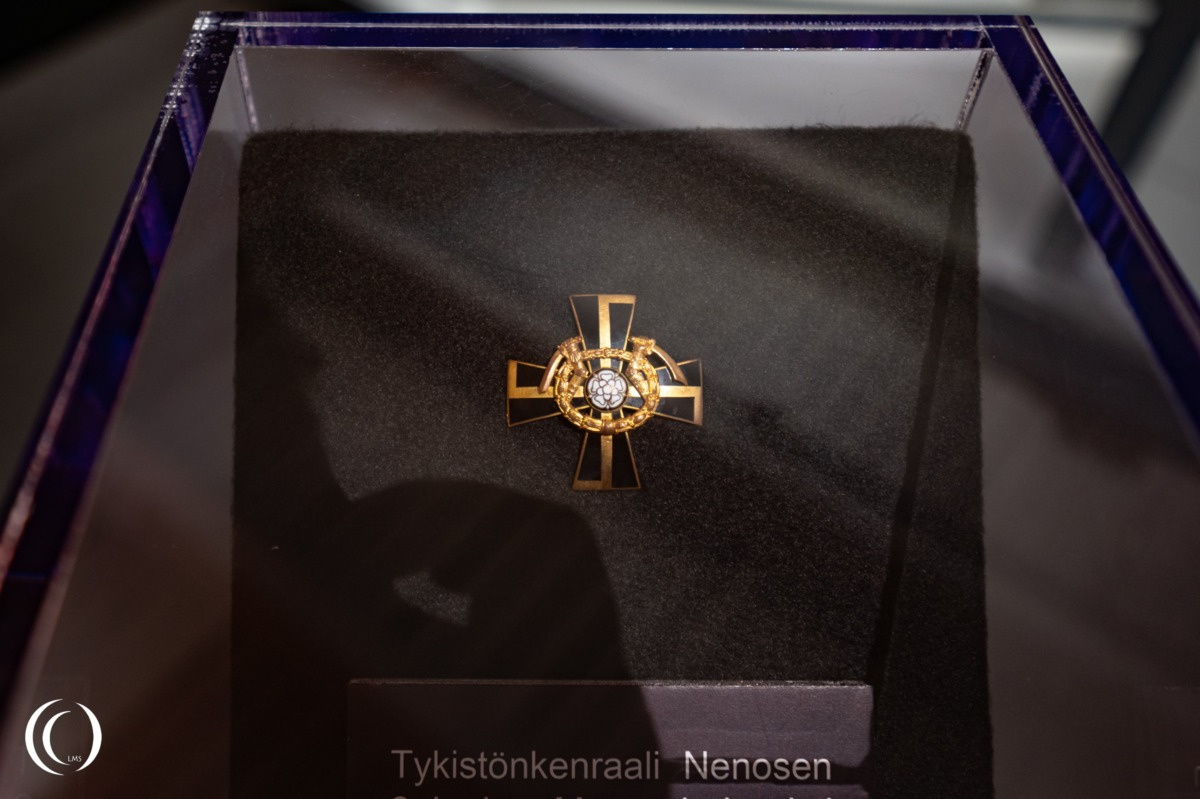
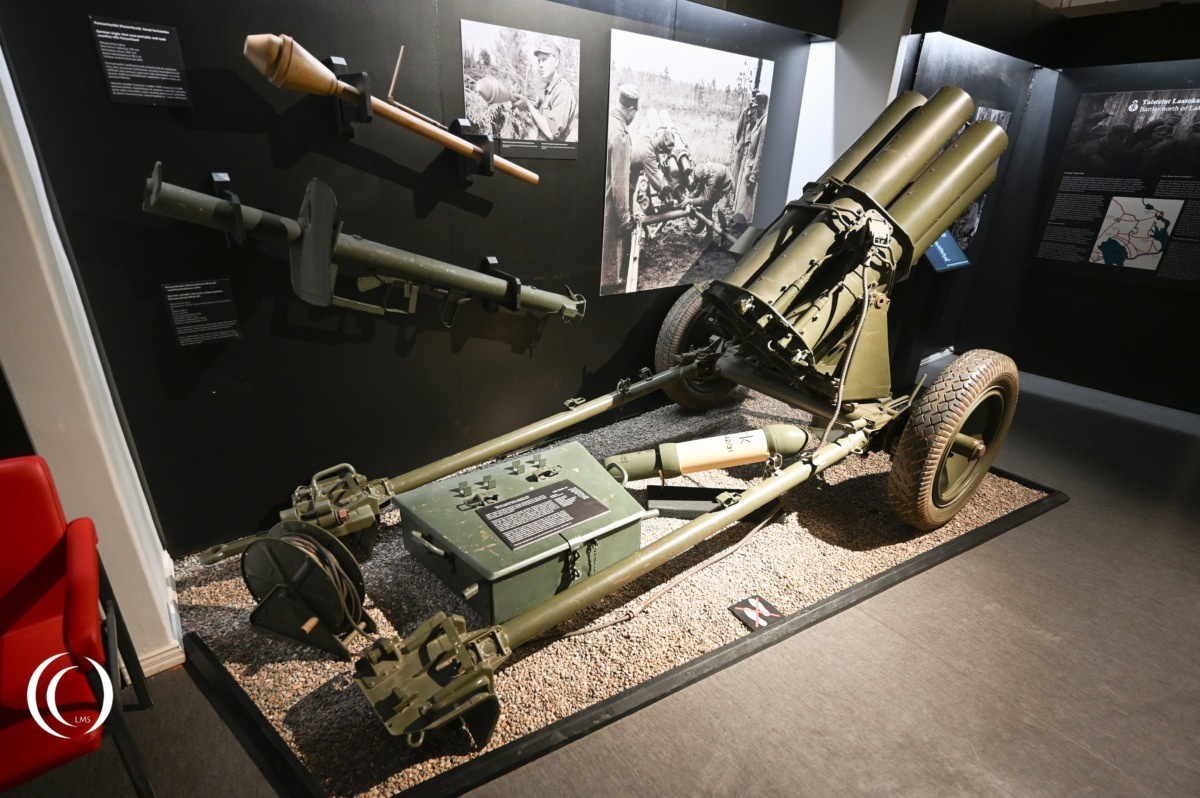
The city also contributed to Finland’s wartime economy through manufacturing, maintenance work, and logistical support. Hospitals in the area treated wounded soldiers returning from the front, while local communities participated in national wartime efforts through food production, volunteer organizations, and civil defence activities.
Today, several museums and historic military sites around Hämeenlinna and Parola preserve the region’s World War II heritage and its contribution to Finland’s defence.
visit
The museum is open all year round on designated days, with the exception of certain public holidays. Parking is free and there is a small cafeteria where you can get something to eat and drink. Check the website before your visit.

Impressive, even the building itself is a museumpiece. Really like to visit it one day.
Thank you Alex, you should visit Finland, we recommend it.