Because of its strategic location at the west-entrance of the Skagerrak strait, the only passage to the Kattegat and the Baltic Sea, Hanstholm (Hansted) in Northern Denmark became one of the most heavily fortified areas of the German Atlantic Wall during World War Two. From here the German Kriegsmarine covered an opening on the southern side of the sea mine barrage between Hanstholm and Kristiansand (Norway), sealing the 120 kilometers wide strait off for Allied shipping.
Guarding the Skagerrak
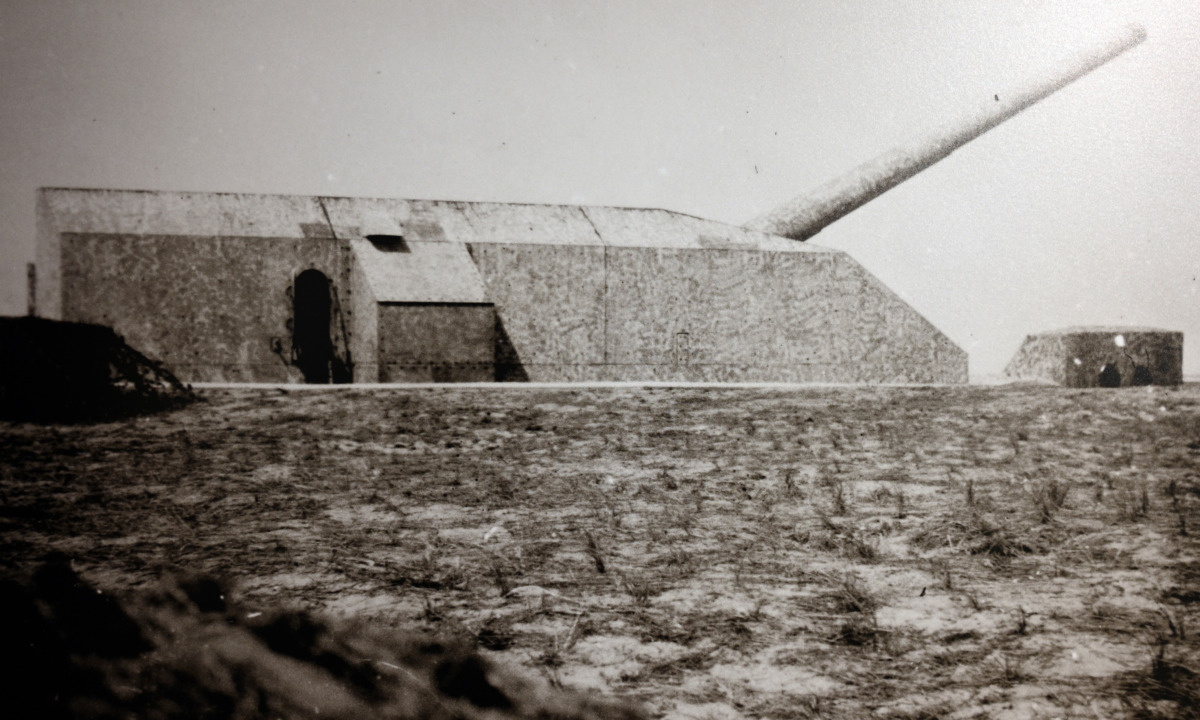
Although at first the Skagerrak opening was guarded by a mobile battery, it was soon relieved by a permanent 17 cm naval-battery called Hanstholm I in May 1940. To strengthen its control further, a heavy coastal battery Hanstholm II was constructed starting from November 1940, armed with four 38 cm SK C/34 naval guns. The guns had a range of 56 kilometers, almost covering half the distance of the strait towards Norway. Together with the corresponding German 38 cm heavy naval battery Kroodden (Vara) on the northern side of the strait in Kristiansand, the guns posed a serious threat as they were strong enough to sink warships and had enough range to protect the mine barrage from minesweepers.
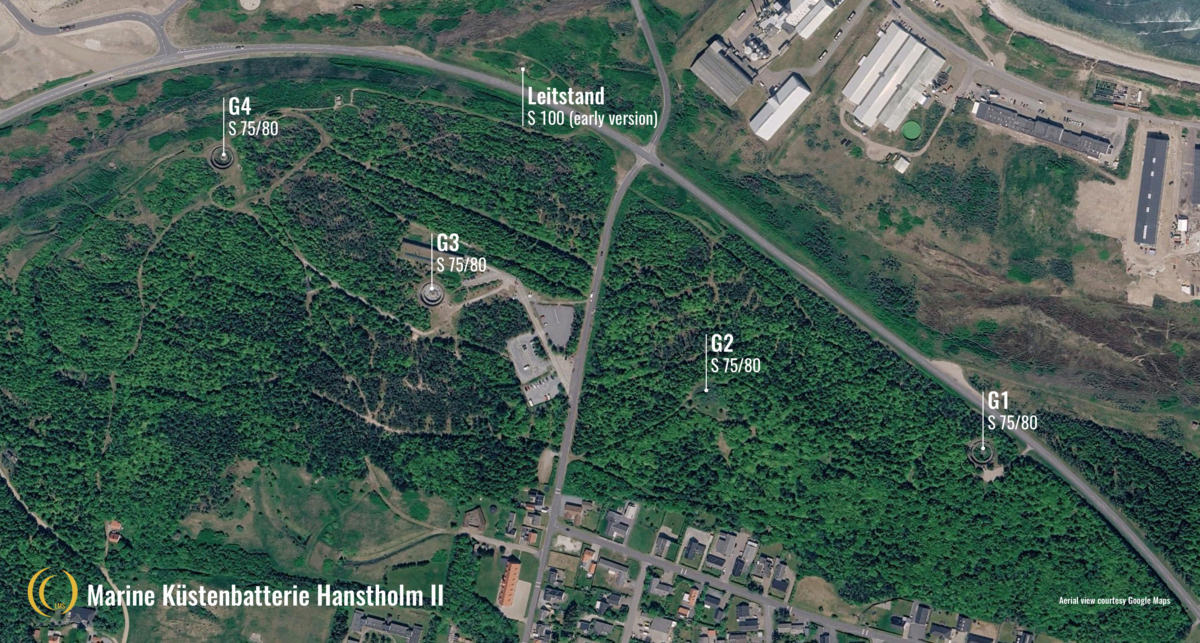
Type S 75/80
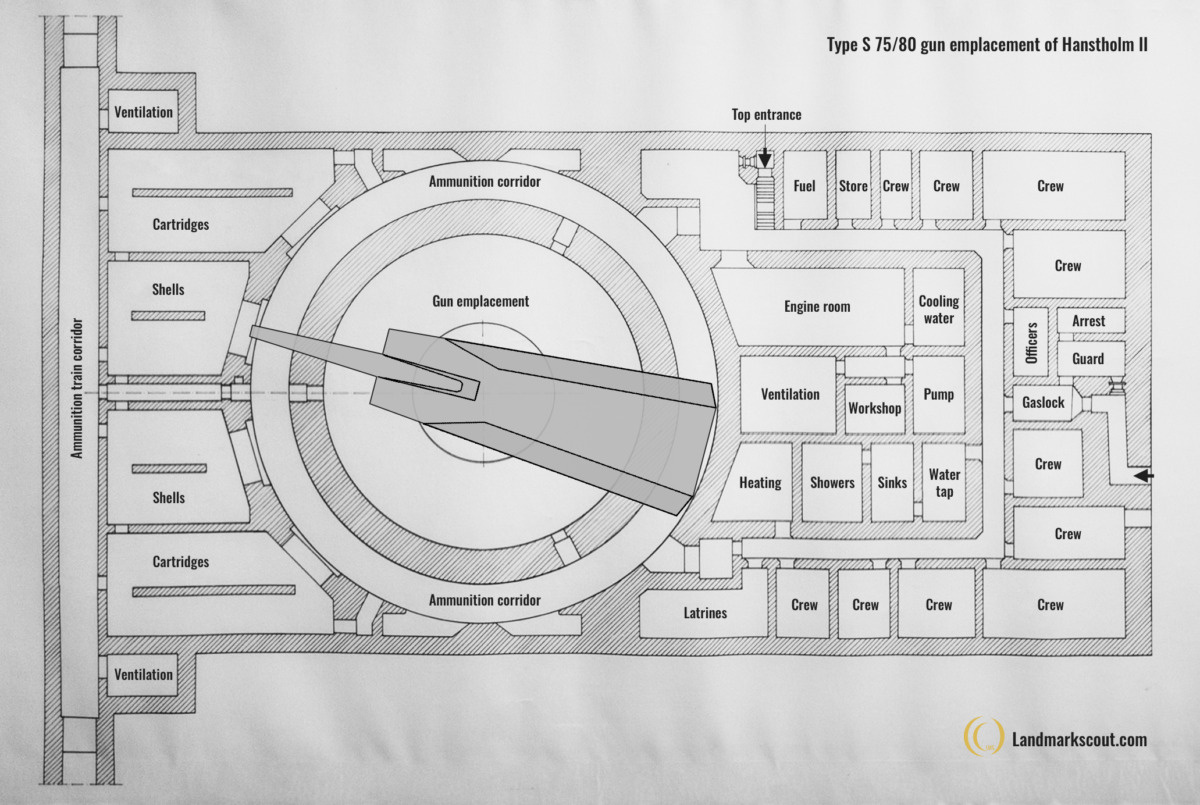
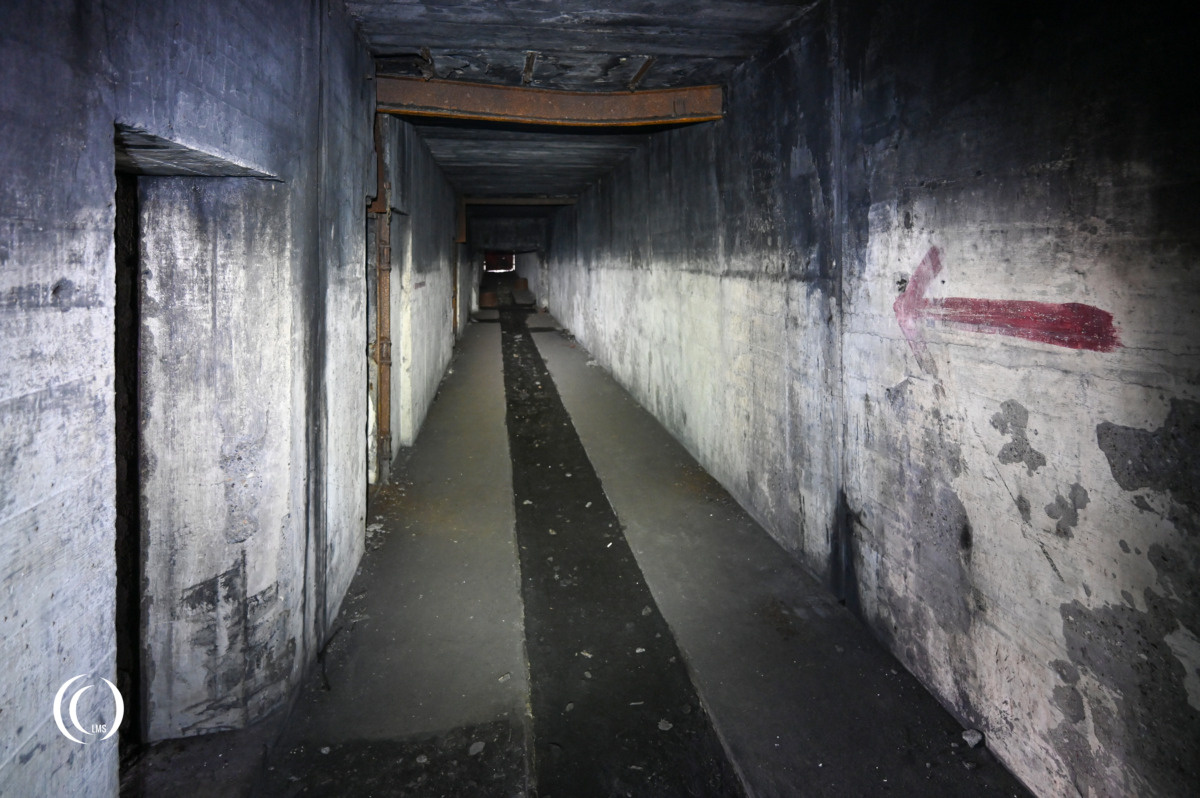
The four gun emplacements of Hanstholm II were designated “Geschütz 1”, or short G1, to 4, with G1 starting at the most eastern side of the battery. The guns were placed in open concrete emplacements, which were derivates of the S 75 and S 80 regelbau types and especially designed for Hanstholm II in 1940. The type S 75/80 open emplacement allowed the gun to rotate 360 degrees, while a bunker system underneath housed ammunition stores for up to a hundred shells, machinery rooms, a workshop and crew quarters for the 90-men crew, complete with latrines, washing rooms and showers. A corridor at the front of the bunker with a narrow-gauge railway allowed a small train to access the bunker to supply shells to the ammunition stores.
Geschütz 1 (G1)
This gun emplacement of Hanstholm II is located at the most eastern side of the former battery. It lies just beside the N26 road and can be visited freely.
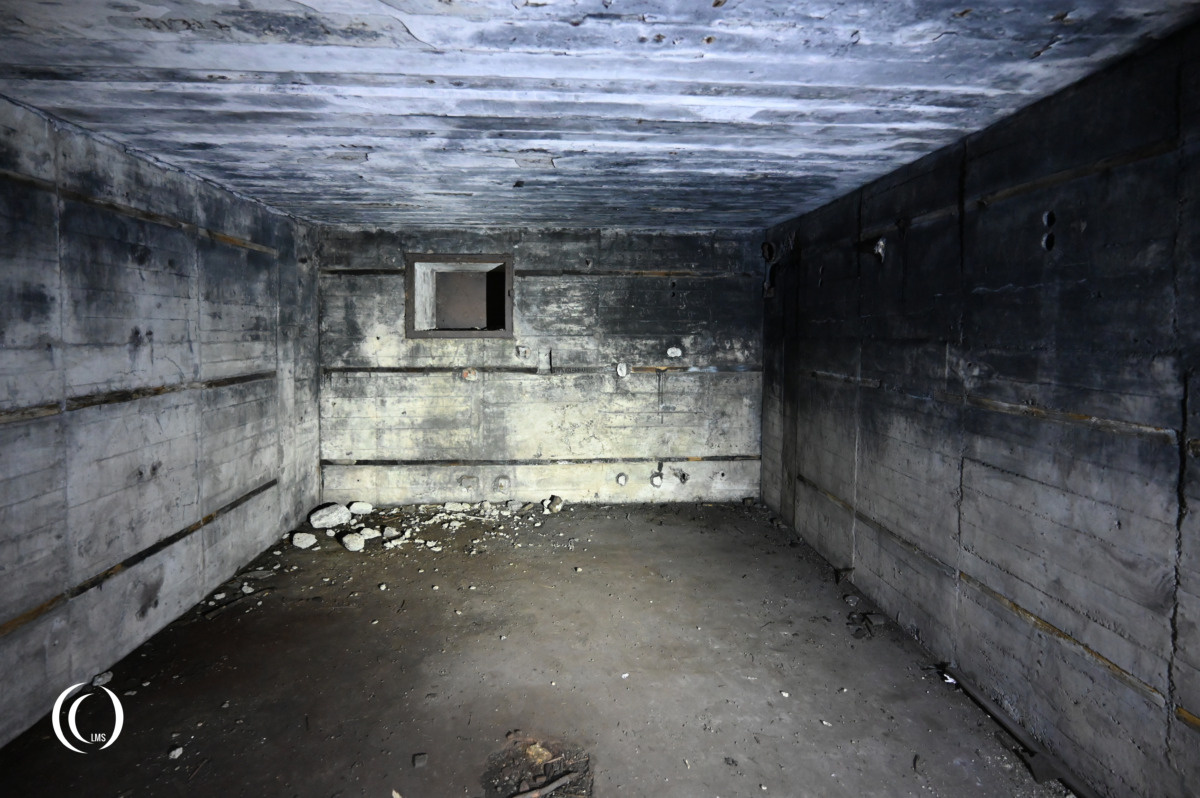
The bunker is in a deteriorated state and much of its interior is missing or in heavy decay, but is still very interesting to visit. If you would like to see a restored version of the S 75/80 gun emplacement, then we recommend visiting Geschütz 3 or G3 of Bunkermuseum Hanstholm a little further west along the N26.
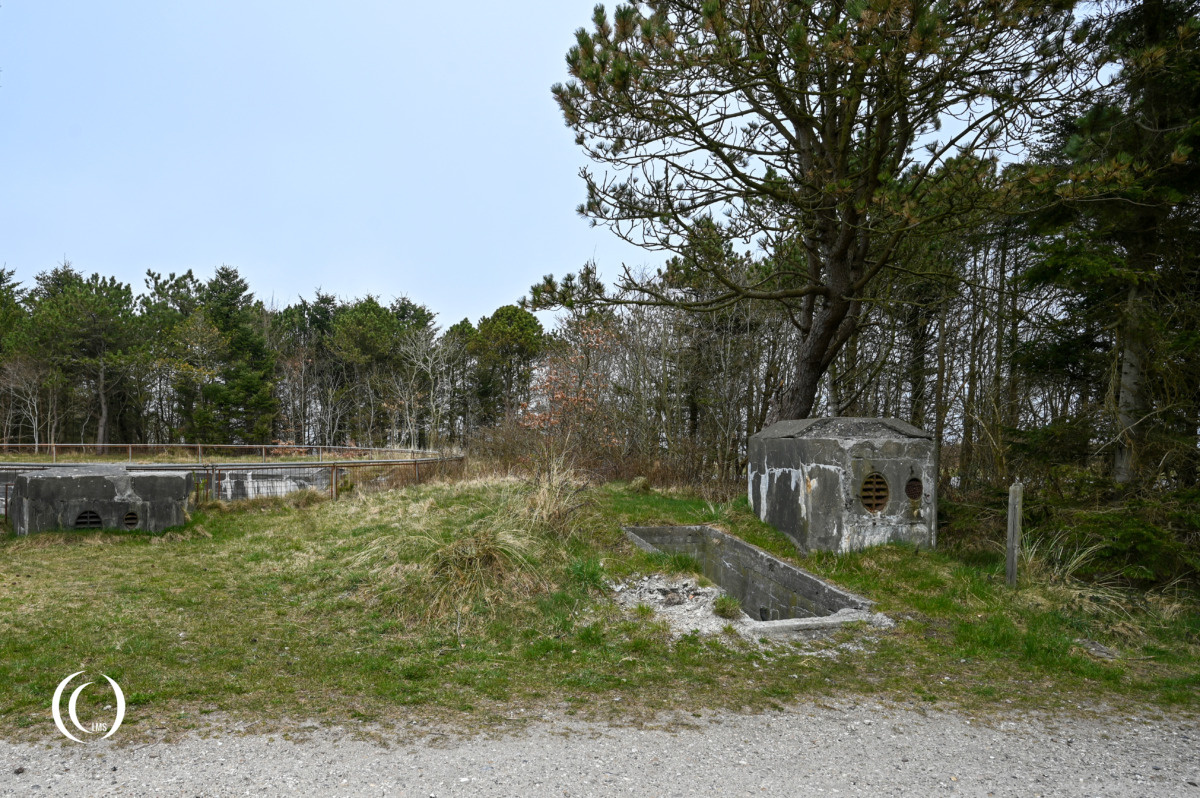
Gun emplacement
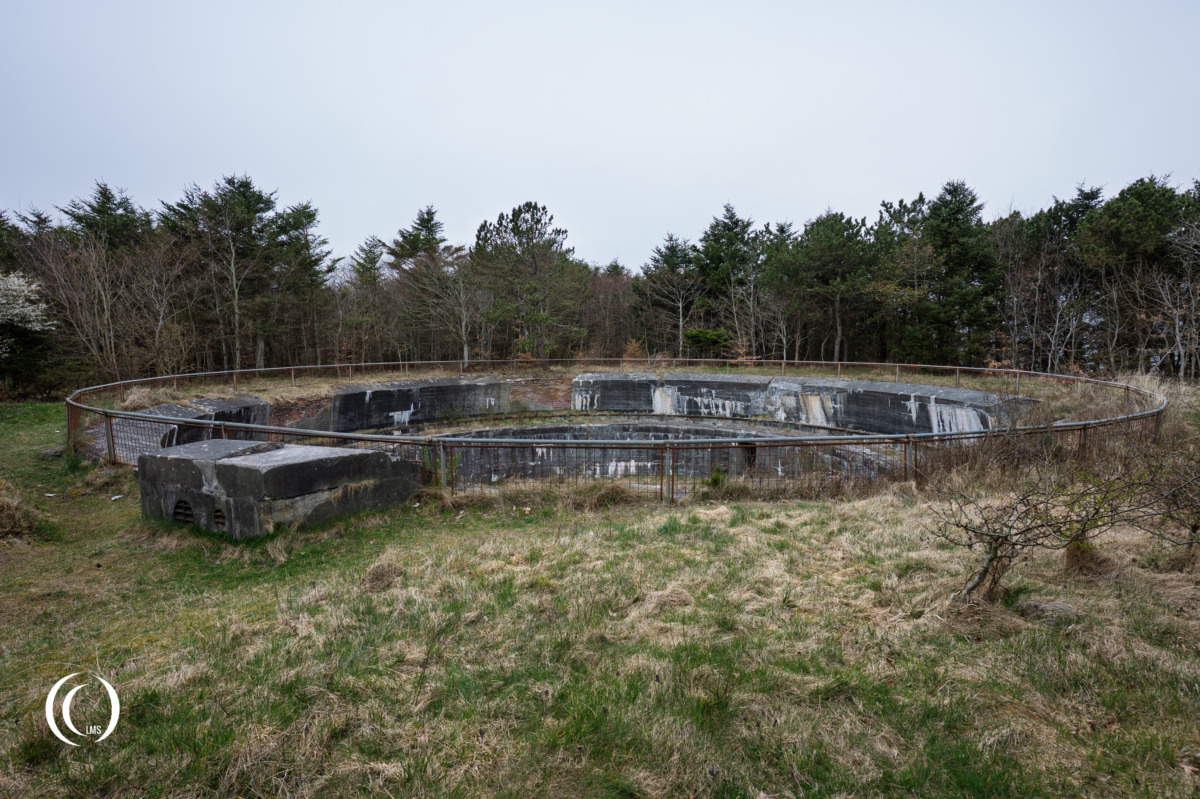
Although it has been left largely to its fate, the emplacement still gives a great insight into the enormous size of the 38 cm gun turret that once stood here.
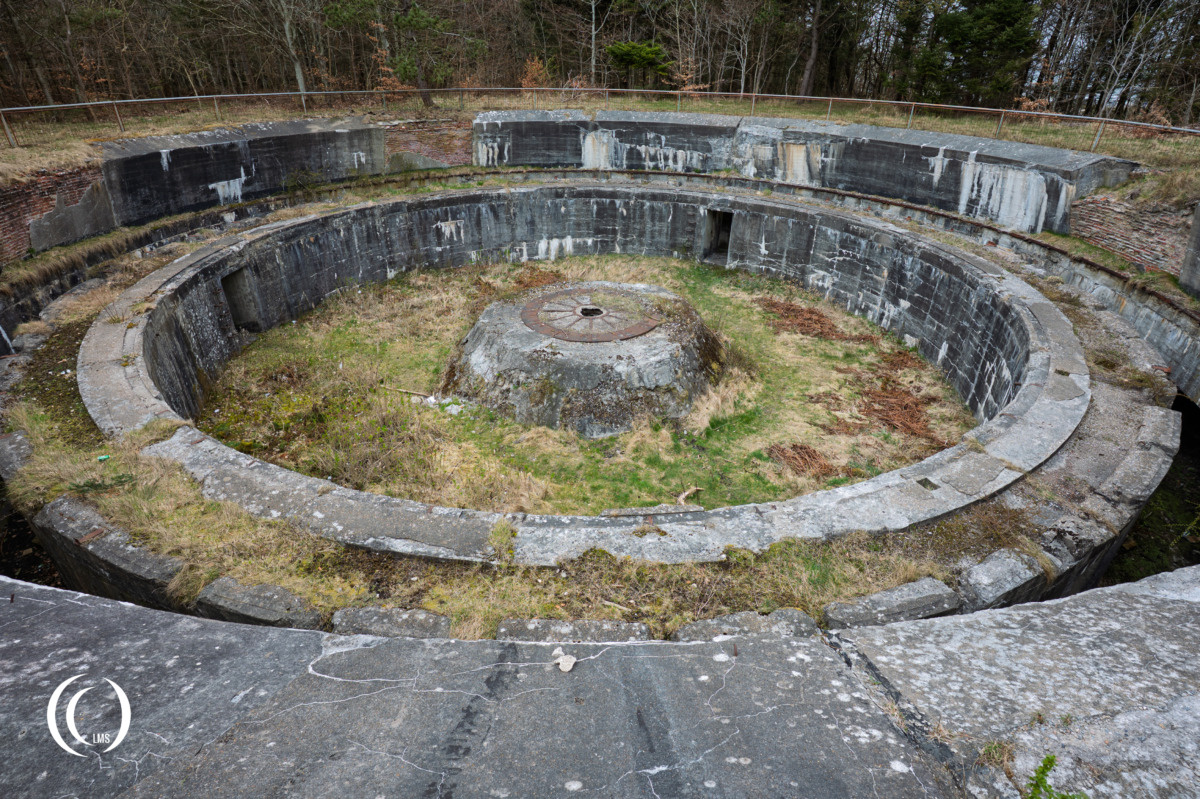
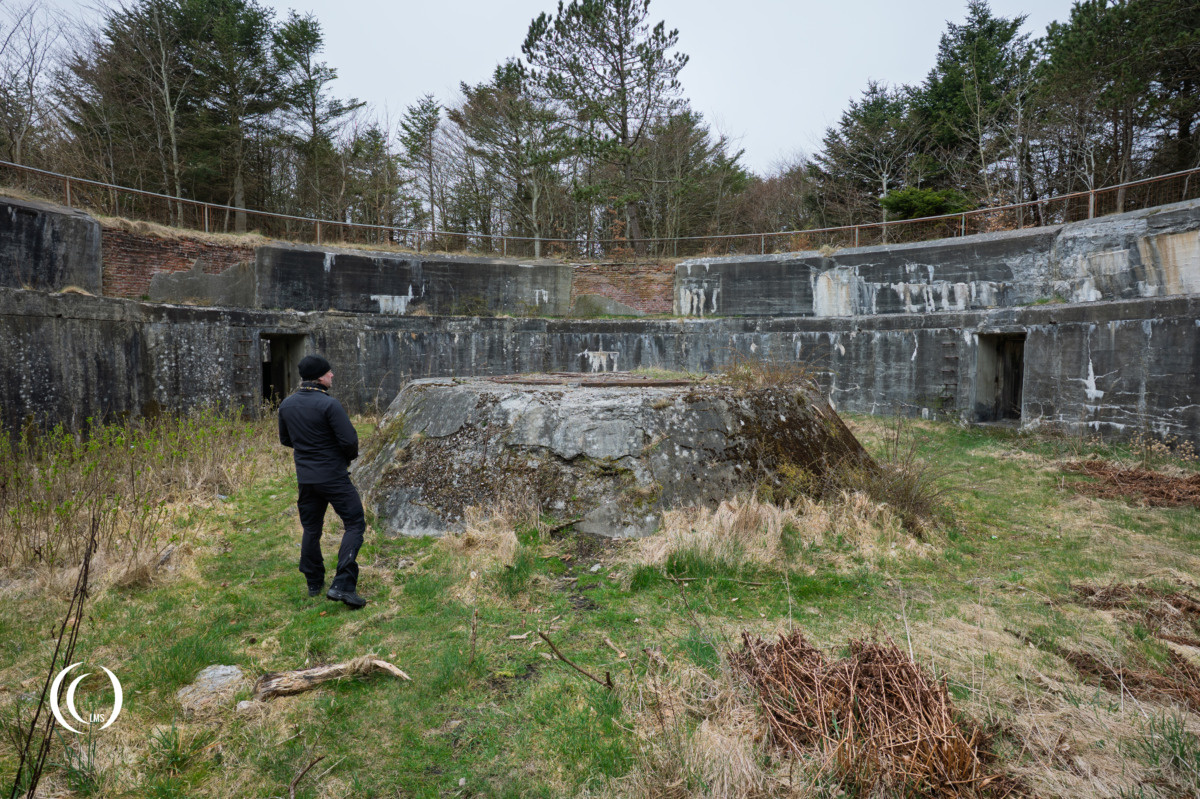
Ammunition corridor
This corridor forms the outer ring of the gun emplacement and was used to transport the cartridges and shells to the turret. Rails were installed on the floor of the corridor to carry ammunition trolleys that were pushed by a two men crew.
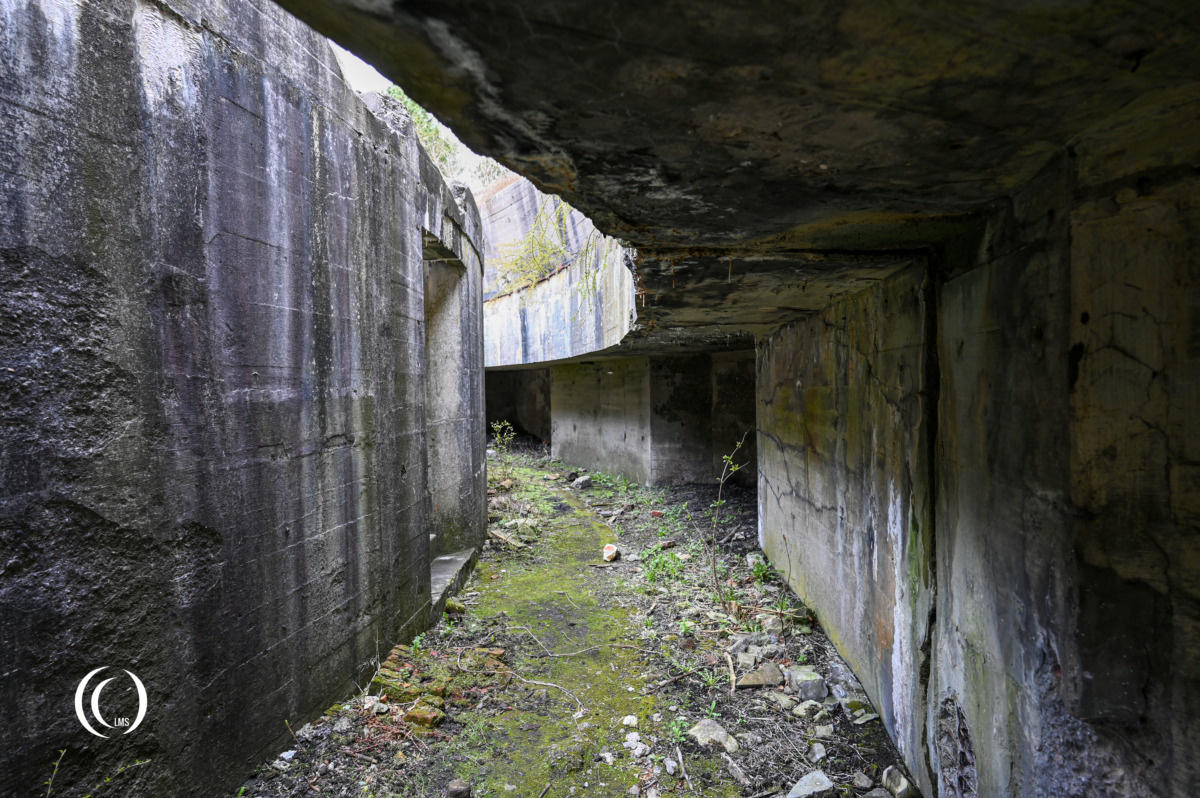
When G1 was operational, the opening in the roof of the ammunition corridor was covered by 5 cm thick steel hatches. These hatches were lifted and closed again by a smart mechanical hook at the back of the turret when it moved. The hatches protected the men and ammunition in the corridor from shrapnel and the shockwave from the barrel when the gun was fired.
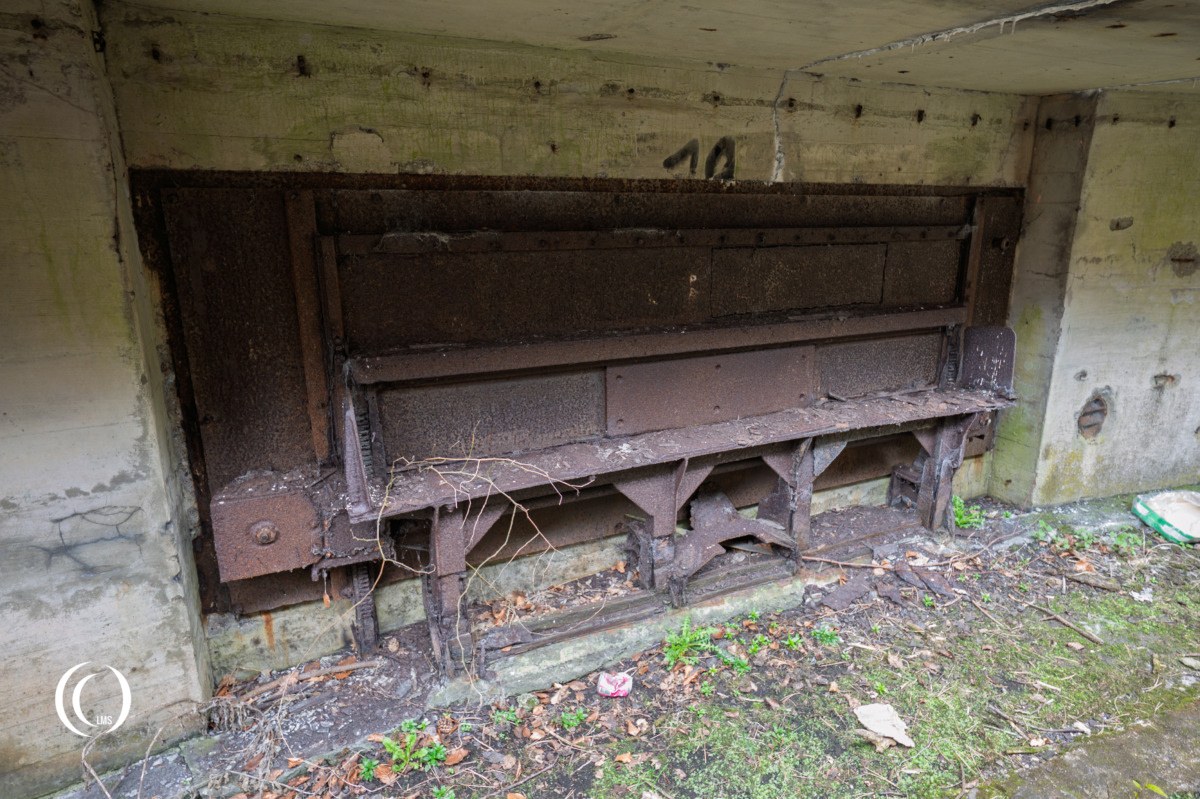
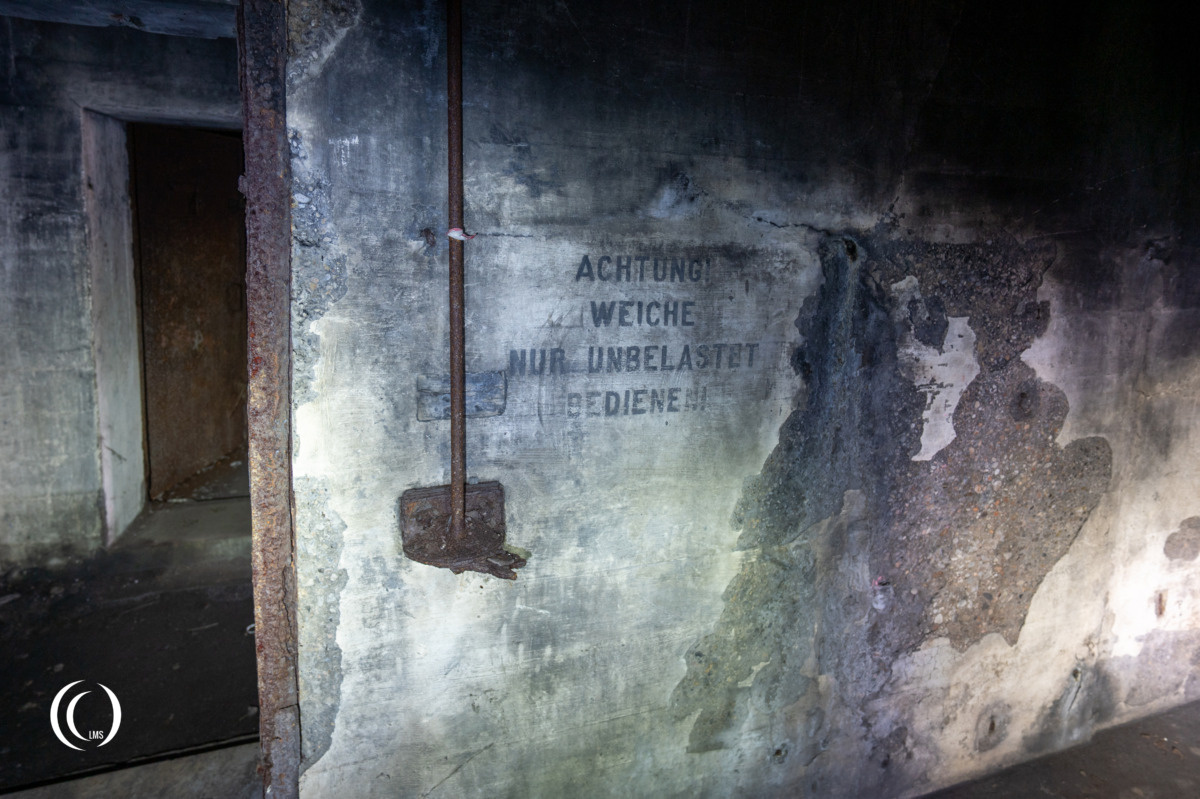
In the picture above we can see one of the four locks that served to pass the ammunition from the storage chambers to the corridor, whereafter they were loaded on trolleys. The trolleys were then pushed to the rear of the gun turret and its load was hoisted up. The shells for the 38 cm guns of Hanstholm II weighed between 800 kilograms (standard ammo) and 495 kilograms (high-explosive).
Ammunition stores
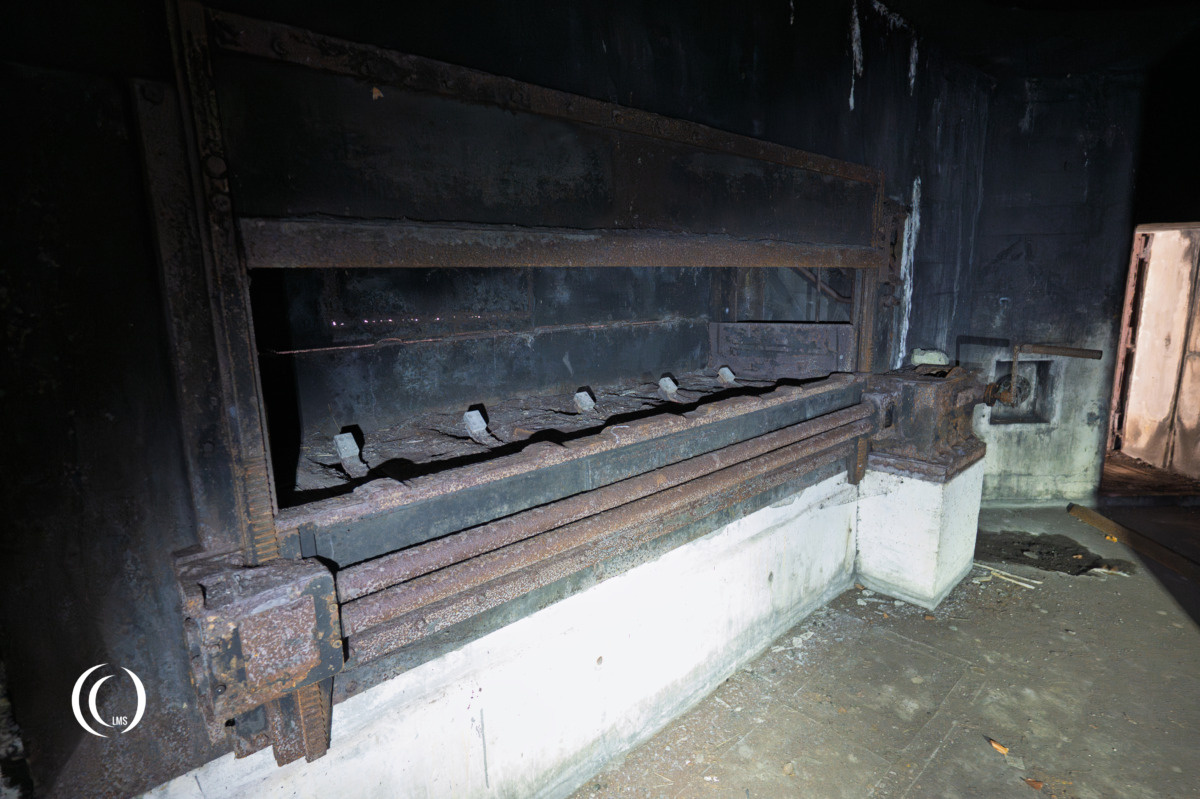
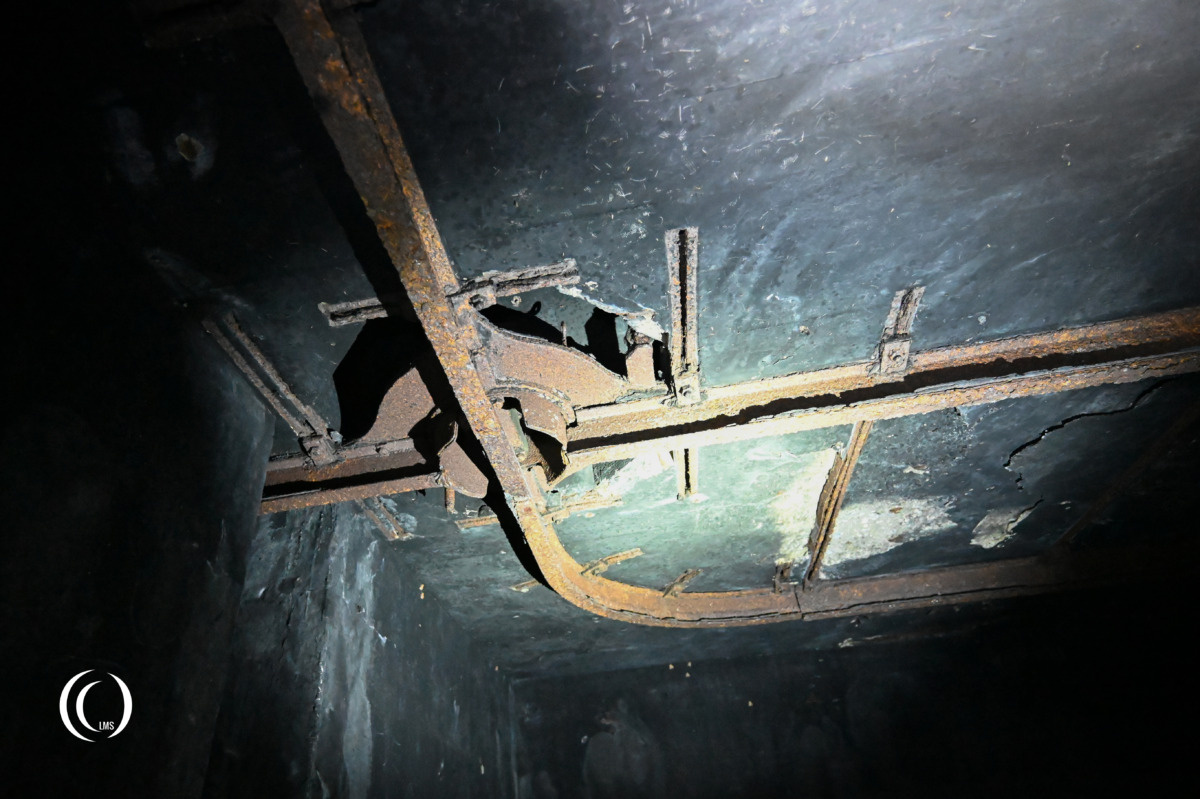
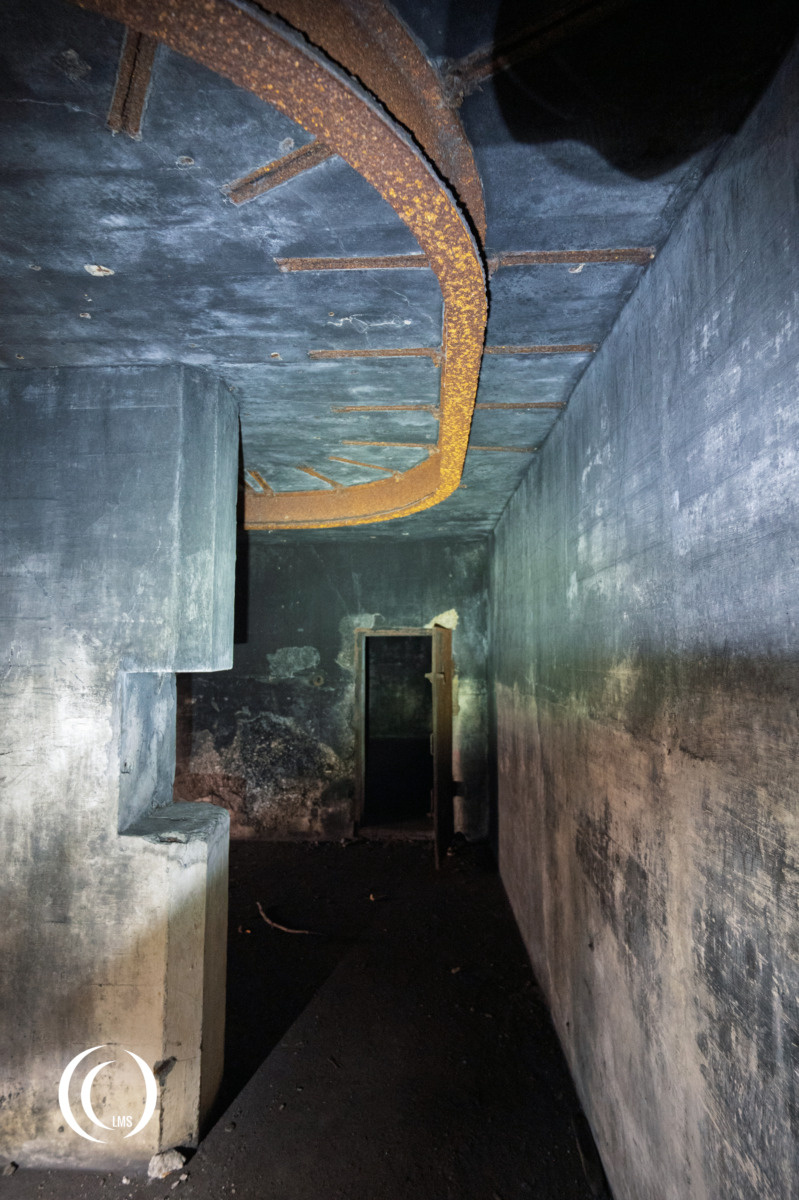
The bunker had four large ammunition storage rooms of which the two outermost rooms for storing cartridges and the innermost rooms for shells. Of the latter each had a capacity of around 50 shells.
An elaborate rail system installed on the ceiling of the ammunition storage rooms was used to transport the cartridges and shells.
Ammunition train
At the front of the bunker a straight corridor with a railway track installed provided access for a small transport train to supply new ammunition to the gun emplacements from ammunition magazine bunkers nearby. These ammunition bunkers (2 x type S 174 and 4 x type S 468) were constructed separately from the gun emplacements on the battery grounds and were all interconnected by a small-gauge rail system.
Crew section
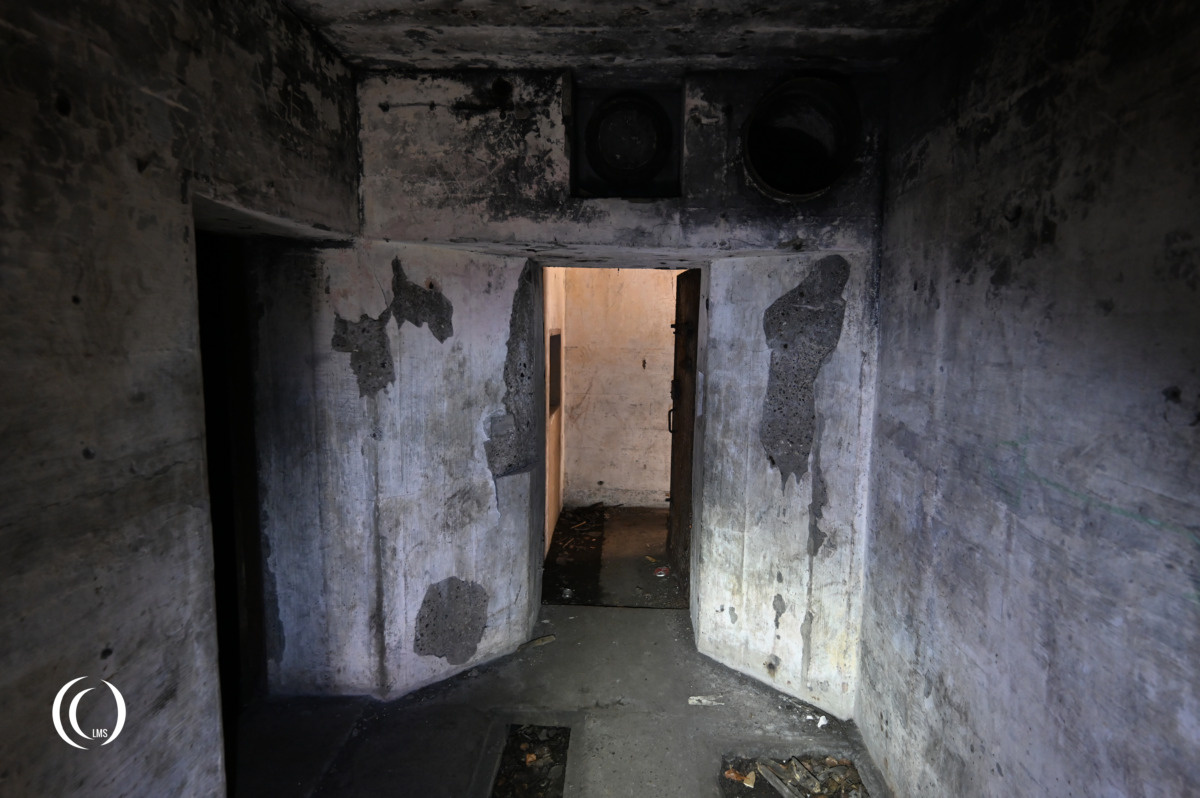
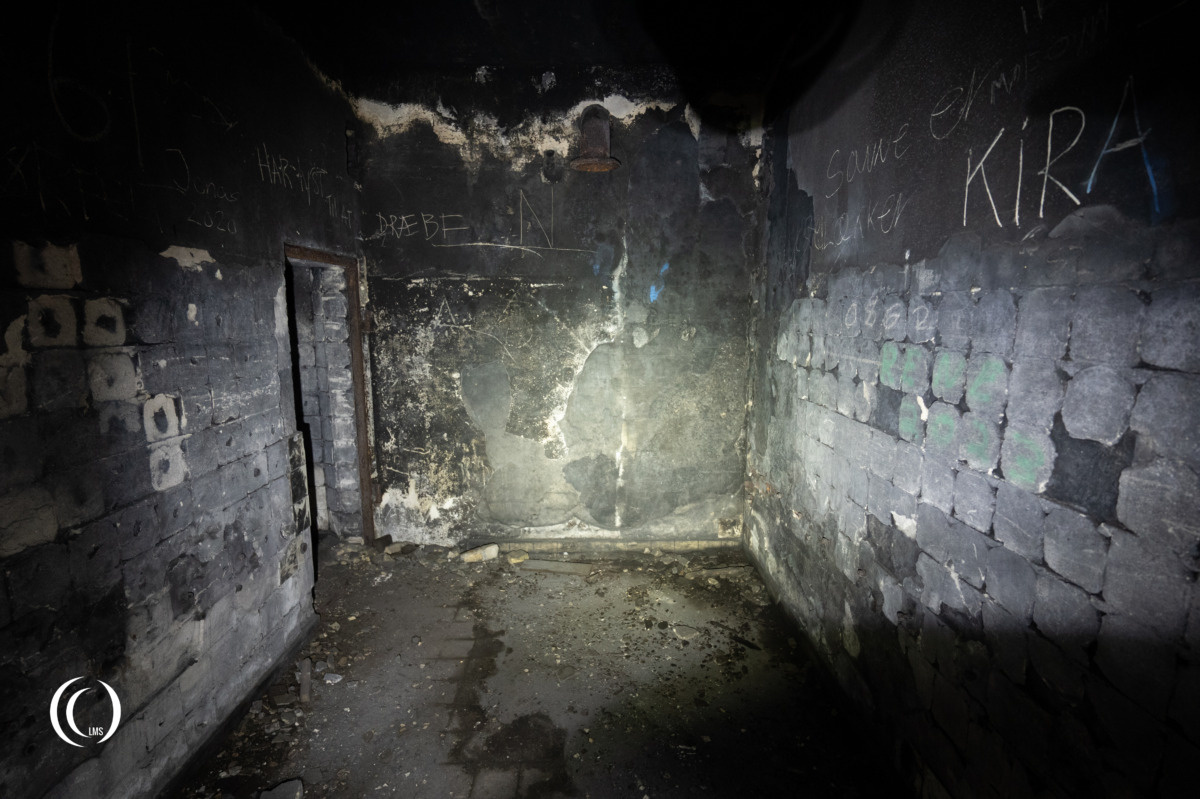
The ammunition storage and crew section were separated by the gun emplacement for obvious reasons. This section housed the machinery, sleeping quarters and other facilities for the 90-man crew.
Visit
As stated earlier in the article, Geschütz 1 of the Hanstholm II battery lies just beside the N26 road and can be visited freely.
References
- https://atlantvolden.dk/
- https://en.wikipedia.org/
- German bunkers in Denmark | Jens Andersen & Rudi Rolf (PRAK Publishing 2006)
- Atlantic Wall Typology | Rudi Rolf
- https://www.hanstholmregistreringen.dk
