History
Stützpunkt Flakbatterie Nord or Flakbatterie Frederikshavn Nord was a German anti-aircraft battery constructed during the Second World War as part of the defensive system protecting the strategically important port of Frederikshavn, located in northern Jutland, Denmark. Its primary role was to defend the harbor, naval installations, and nearby sea routes against Allied air attacks, especially during the later years of the war when air power became decisive.
Following Germany’s occupation of Denmark in April 1940, the country was integrated into the German defensive network for Northern Europe. Frederikshavn quickly gained military importance due to its excellent harbor facilities and its position controlling sea lanes between the Kattegat and Skagerrak, vital routes for German naval traffic to Norway and access to the Baltic Sea made it crucial for German naval and air operations. Frederikshavn, with its deep-water harbor and ferry connections, served as a key logistical hub for transport between Germany, Denmark, and occupied Norway. As Allied air activity increased during the war, especially from 1942 onward, the Germans expanded air-defense installations around such critical locations. Flakbatterie Frederikshavn Nord was constructed as part of this expansion. The battery was designed to defend against Allied bomber and reconnaissance aircraft approaching from the North Sea targeting the harbor, rail lines, and naval facilities. It was typically equipped with heavy and medium Flak guns. The battery had 10,5 cm FlaK and 3,7 cm FlaK guns, supported by a rangefinder, predictors, searchlights, and fire-control positions. These weapons were capable of engaging high-altitude bombers and were among the most effective anti-aircraft systems of the war.
The town became a key logistics and naval support hub, requiring strong air defenses. Flakbatterie Frederikshavn Nord was established north of the town to provide overlapping coverage with other flak positions around the harbor and coastline.
The battery was manned by personnel of the Luftwaffe, often supported by auxiliaries, including older soldiers or, later in the war, foreign or conscripted labor. Daily life at the site involved constant readiness, equipment maintenance, drills, and long periods of waiting punctuated by air-raid alarms. Although Denmark did not experience the level of aerial bombardment seen in Germany, the presence of Flak batteries reflects German concerns over Allied air superiority and the protection of vital supply routes to Norway.
Flakbatterie Frederikshavn Nord was also part of a wider defensive system. It worked in coordination with other Flak positions, coastal batteries, radar installations, and observation posts along the Danish coast. Together these defenses formed a layered system intended to detect, track, and engage enemy aircraft before they could reach their targets. While the battery may not have seen extensive combat, its role was deterrence, surveillance, and readiness.
As the war drew to a close in 1945, German forces in Denmark surrendered following Germany’s capitulation with its northern forces and the Netherlands on 5 May 1945. Flakbatterie Frederikshavn Nord was abandoned, dismantled and repurposed in the postwar years. Some structures were demolished over time, while others remained as traces in the landscape, later becoming objects of historical interest.
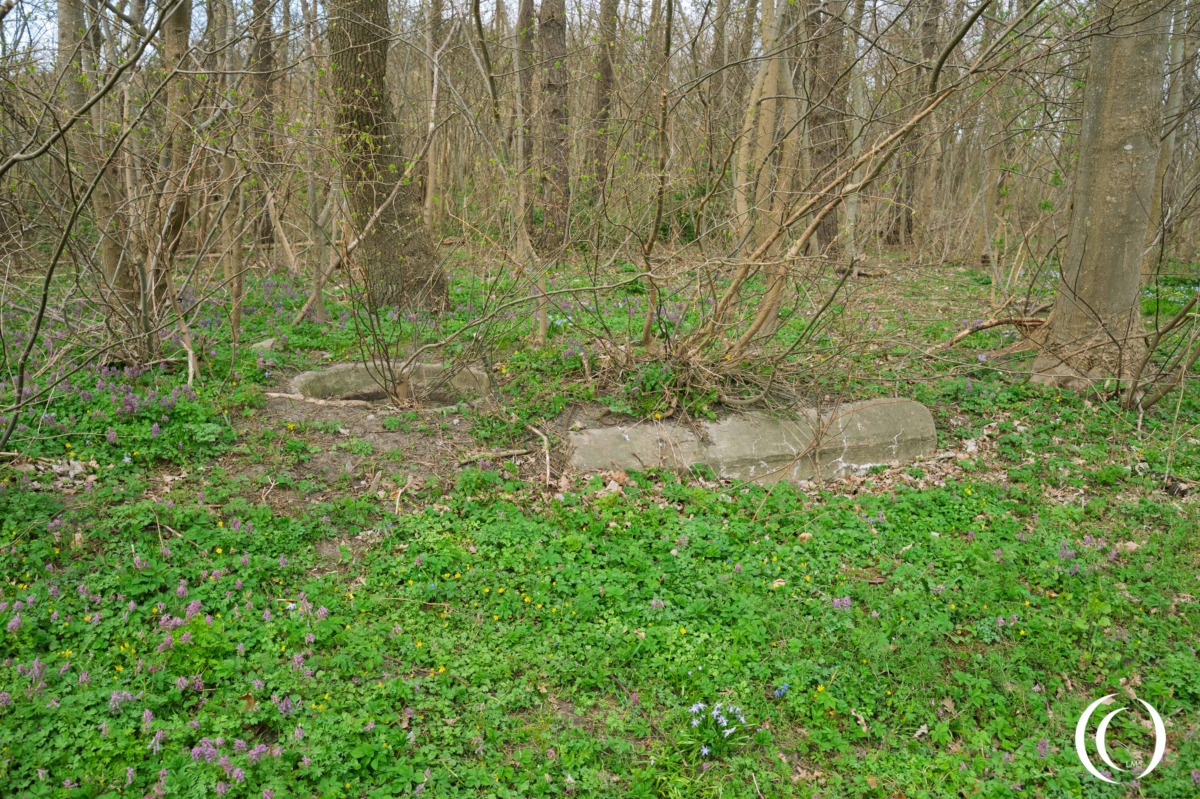
Stützpunkt Flakbatterie Nord
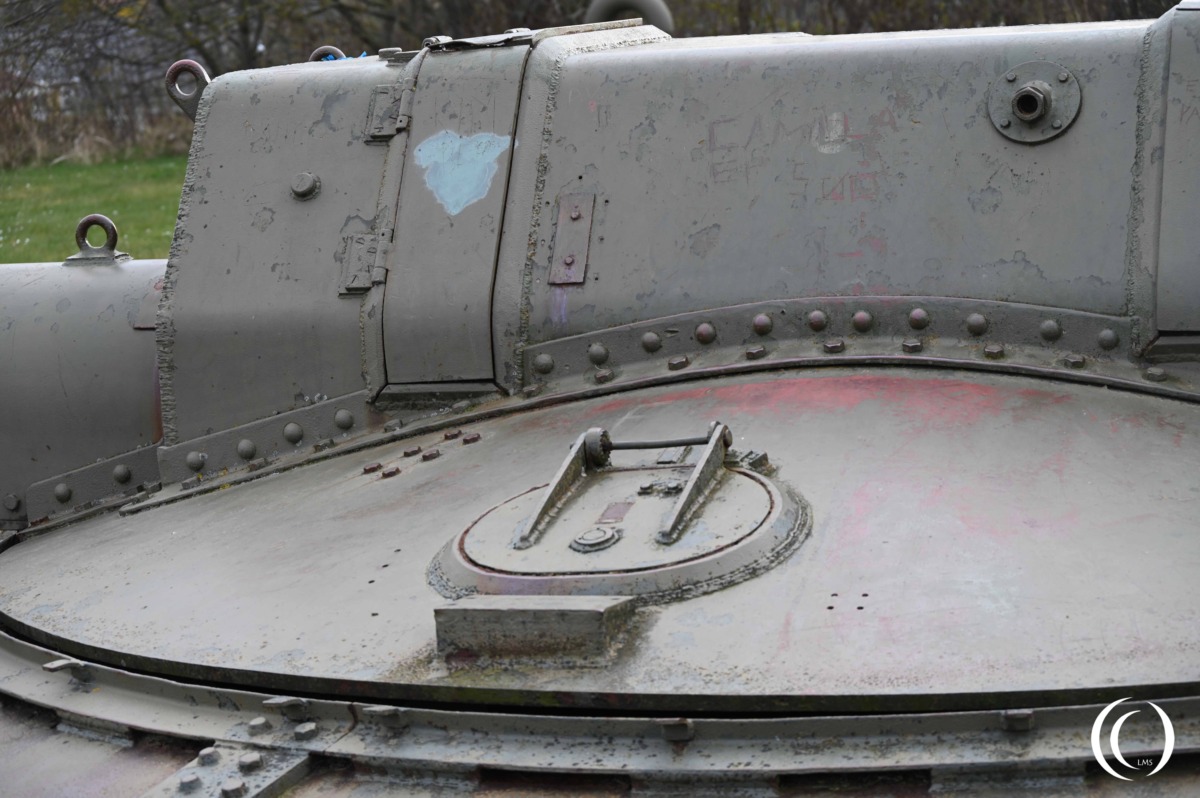
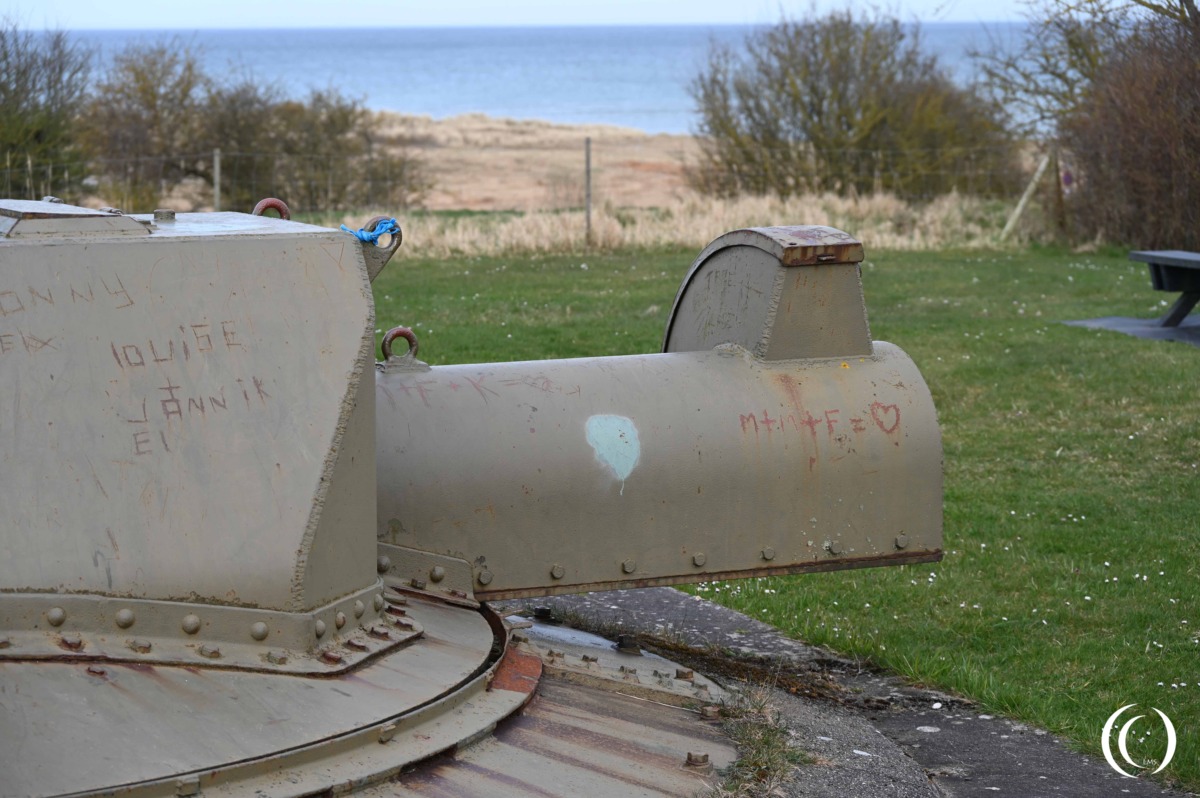
The Flakbatterie was part of StpGr. Frederikshavn-Nord. This Stützpunktgruppe Frederikshavn was made up of multiple defensive positions, Flak Batteries and Coastal guns, supported by radar. The Stützpunkt Flakbatterie Nord was manned by 2./M.Fl.A 716 or M.Fl.B. 2./716 (2. Kompanie / Marineflakabteilung 716). It was equipped with four heavy guns, these 10,5 cm SK C/32 SK had a reach of 15 to 17 kilometers with a ceiling of 10,300 meters. They were supported by a 6 meter long rangefinder on an armored dome. The Flakbatterie changed guns three times during the war, at one time there were three 8.8 cm guns, eventually they were replaced by the heavy 10,5 cm guns. They were installed until the war ended. The Stützpunkt Flakbatterie Nord started out in open gun emplacements and wooded buildings which were replaced over time by concrete buildings. After the war several bunkers were demolished or removed.
(SK – Schiffskanone is a Shipboard cannon, C – Construktionsjahr is the year of design).
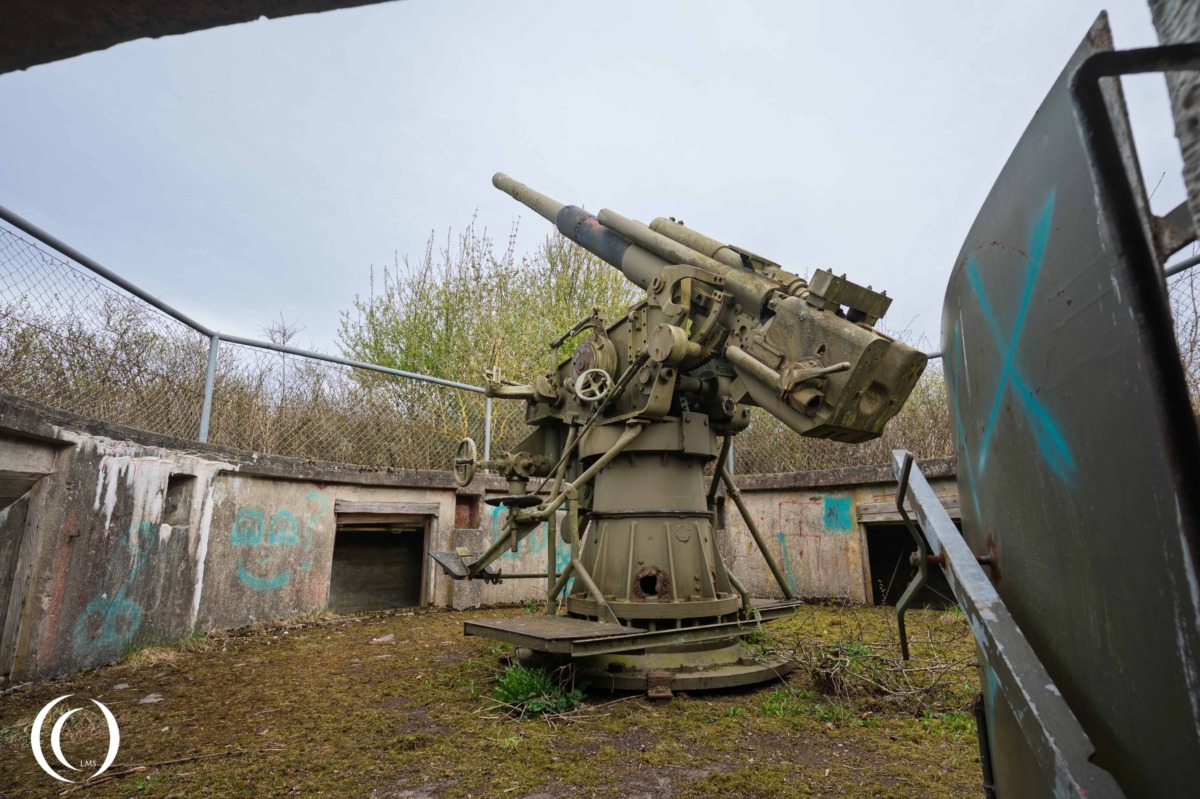
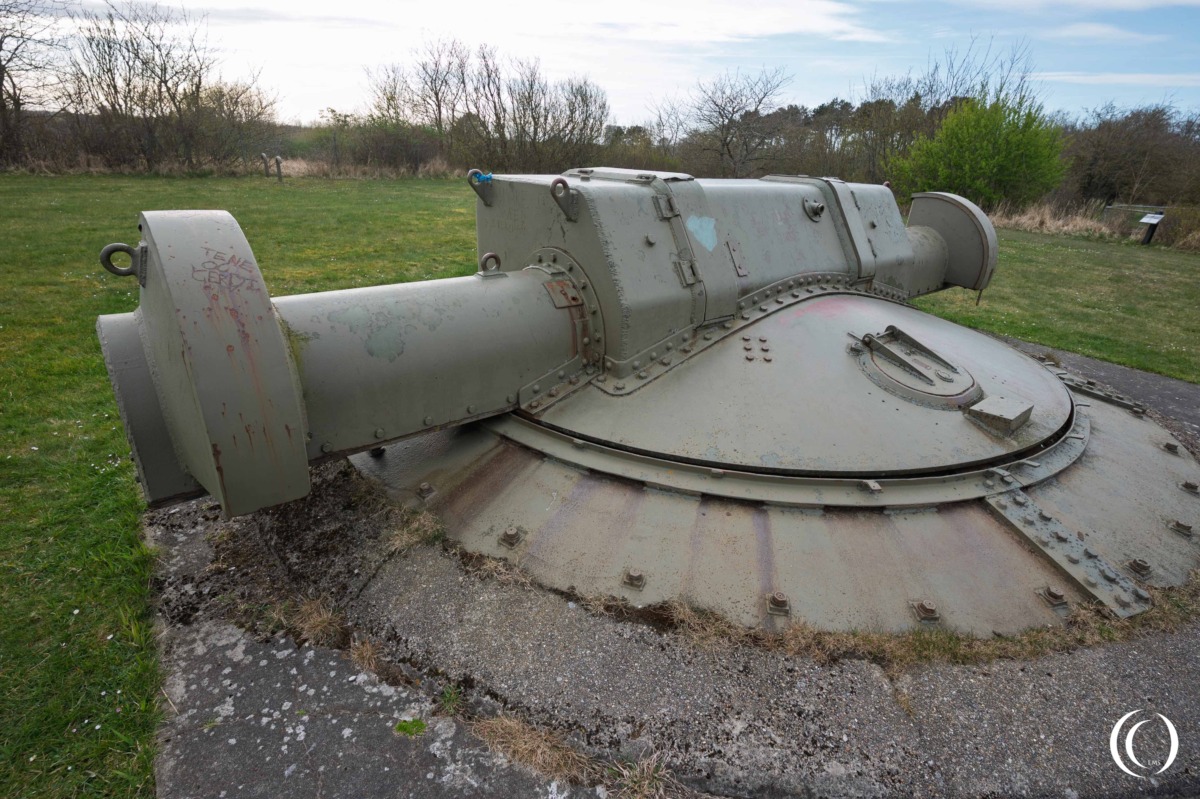
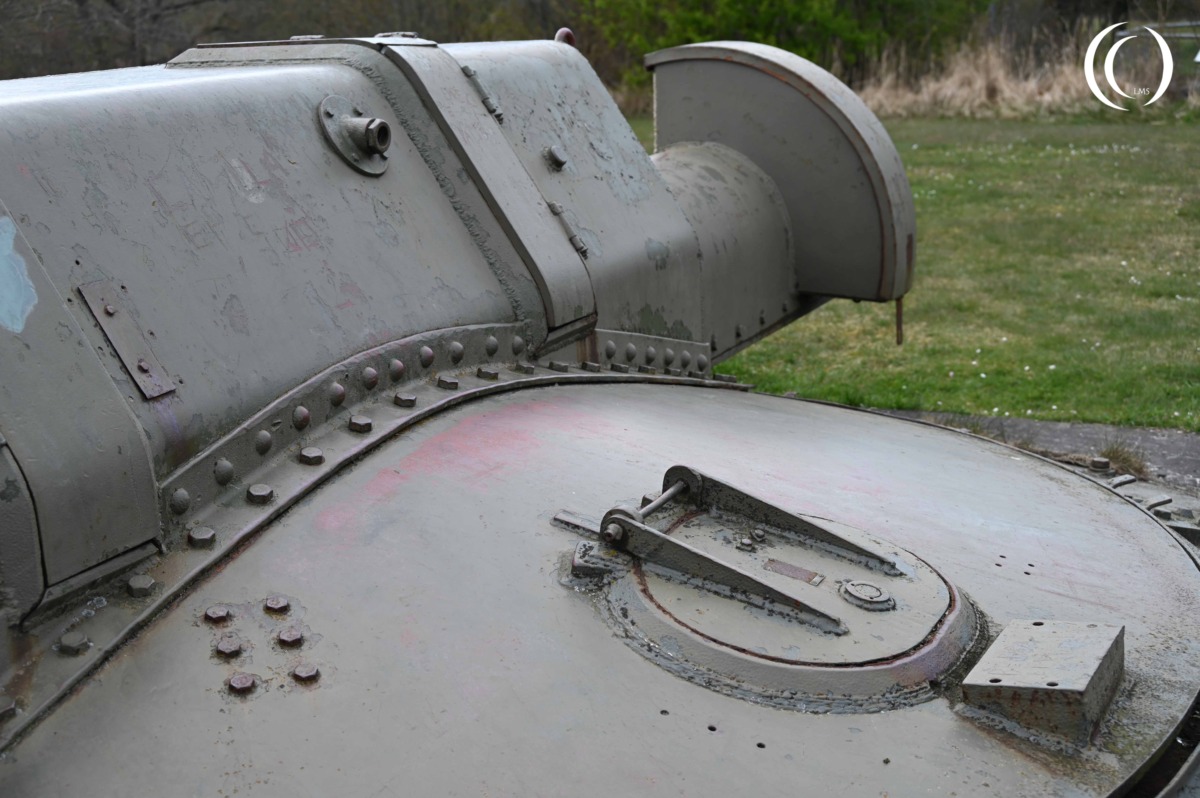
The Bunkers in StpGr. Frederikshavn-Nord
Originally the Flakbatterie Frederikshavn Nord was made up by:
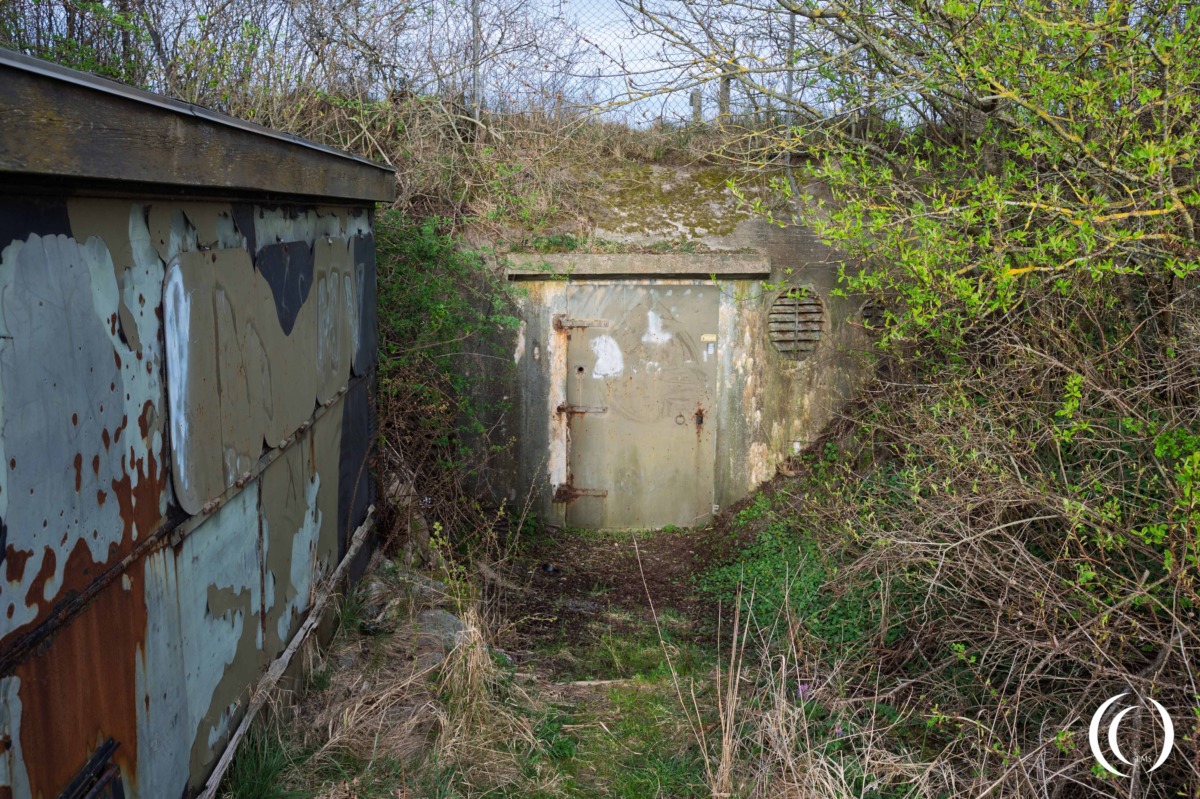
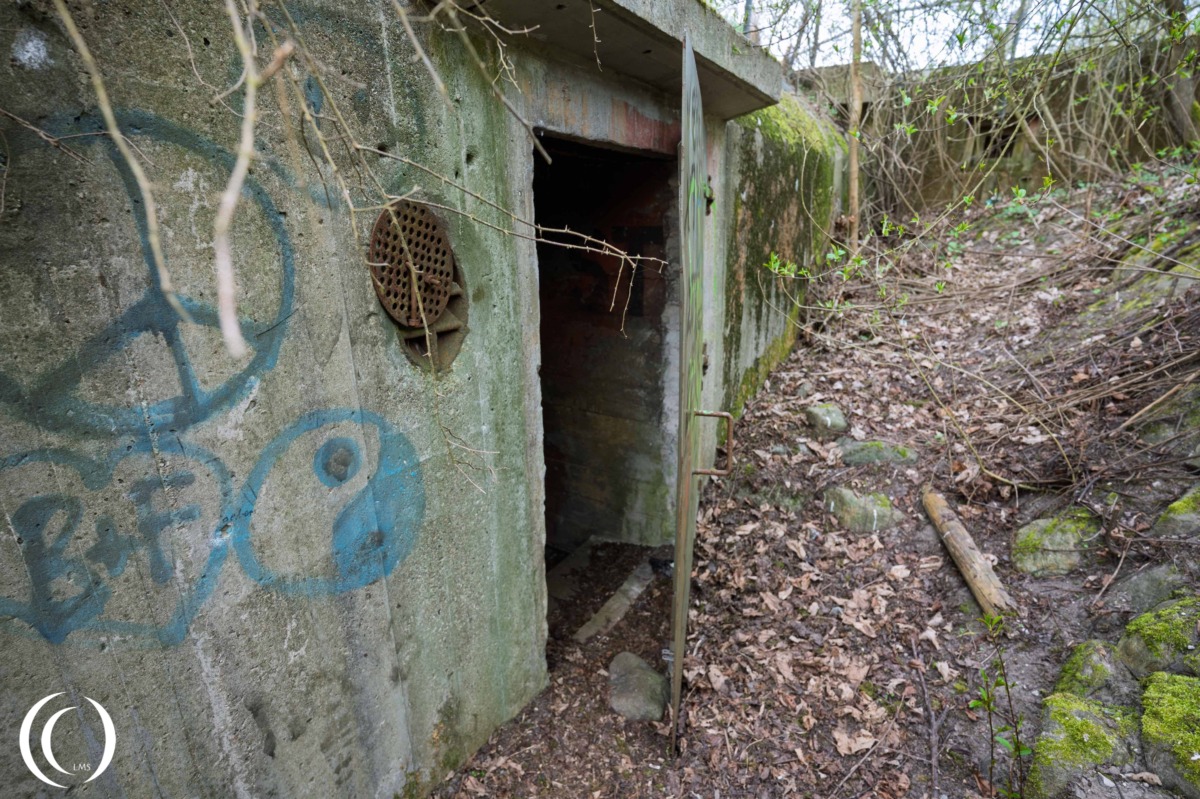
4 x Fl 243 Geschützstand für 8,8/ 10,5cm Flak (Eng. gun emplacement for 8.8/ 10.5cm guns)
1 x L 409A Geschützstand für 3,7cm Flak (Eng. gun emplacement fot 3.7cm gun)
1 x Fl 244 Schwere FlaK I und II Leitstand (Eng. heavy Flak I and II command post)
2 x Fl 246 Munitionsauffüllraum für schwere Flakbatterie (Eng. ammunition replenishment rooms for heavy Flak batteries)
3 x M 151 Mannschaftsunterstand für 1/3/24 (Eng. crew shelters)
1 x Fl 245 Machinenzentrale für Flak (Eng. machine control center for Flak guns)
1 x 621 Gruppenunterstand für 10 Mann (Eng. group shelter for 10 men)
multiple x Tobruk machinegun stands
In 2025 you can see the remains of:
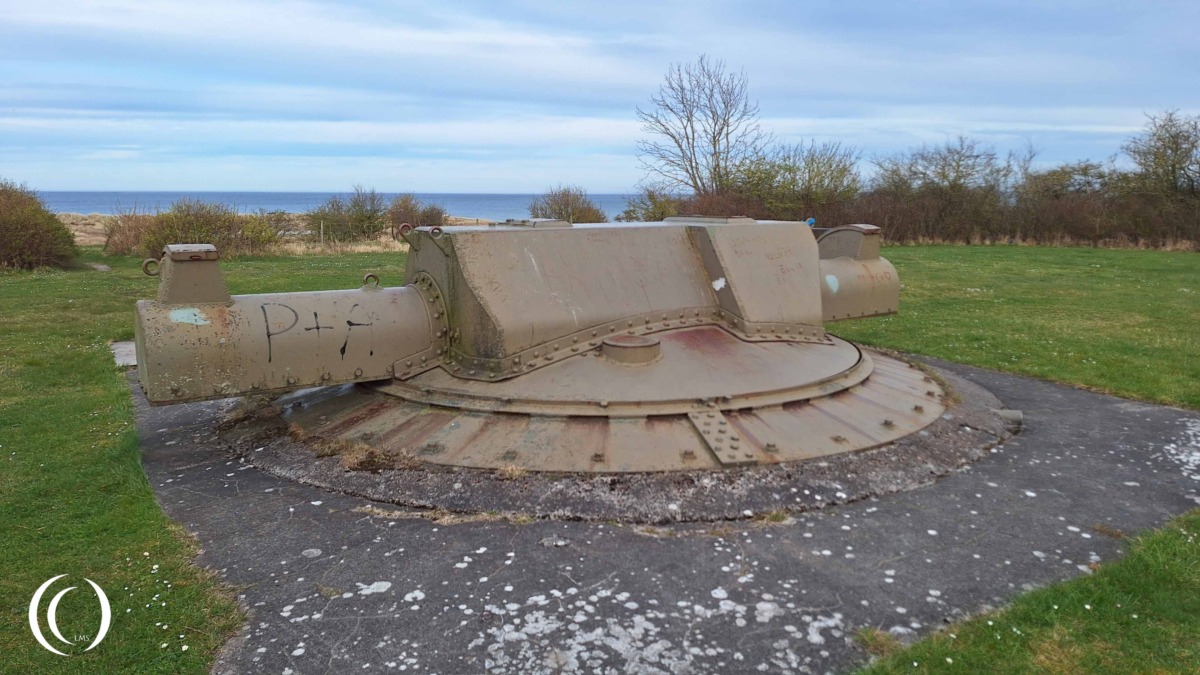
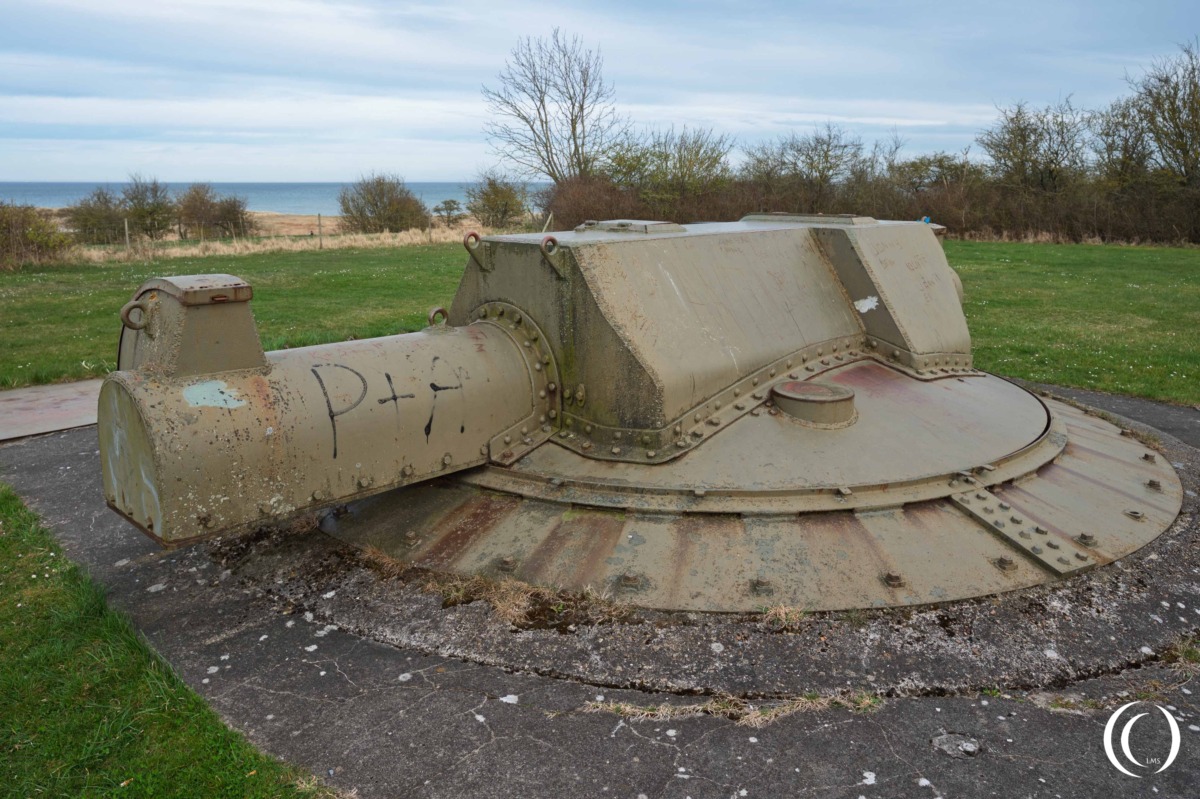
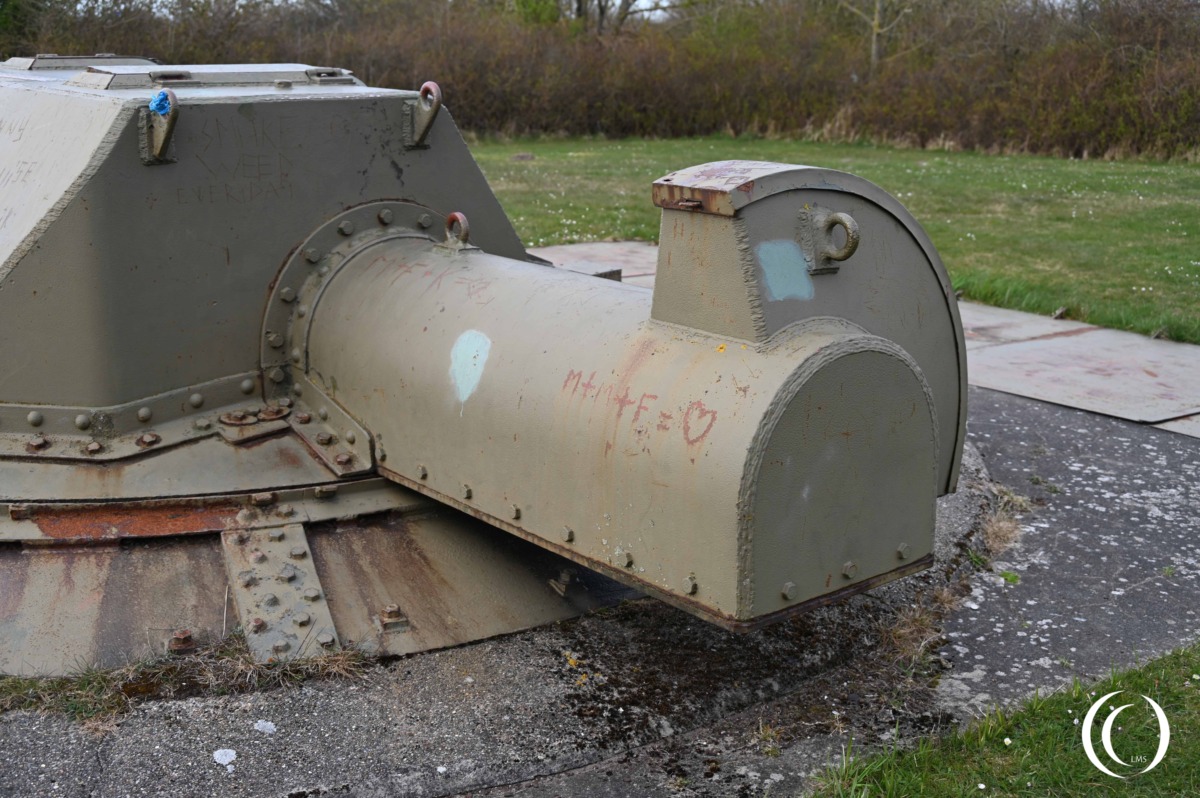
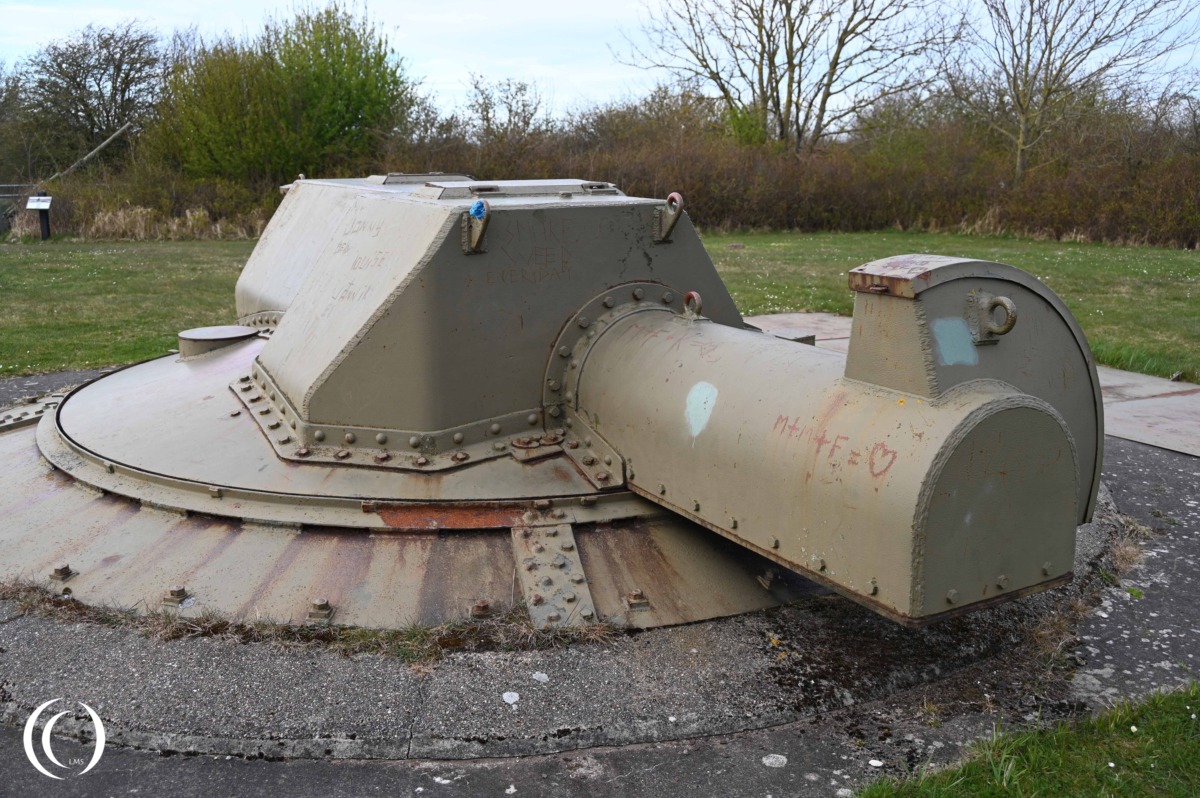
4x FL243 Heavy AA emplacement for 4 x 10,5 cm SK C/32 FlaK guns – one gun is on its pedestal.
1x FL244 Fire control post for heavy anti-aircraft battery.
1x FL245 Machinery bunker for AA.
1x FL246 Ammunition depot.
FL=FlaK, L= Luftwaffe, M=(Kriegs) Marine
Visit
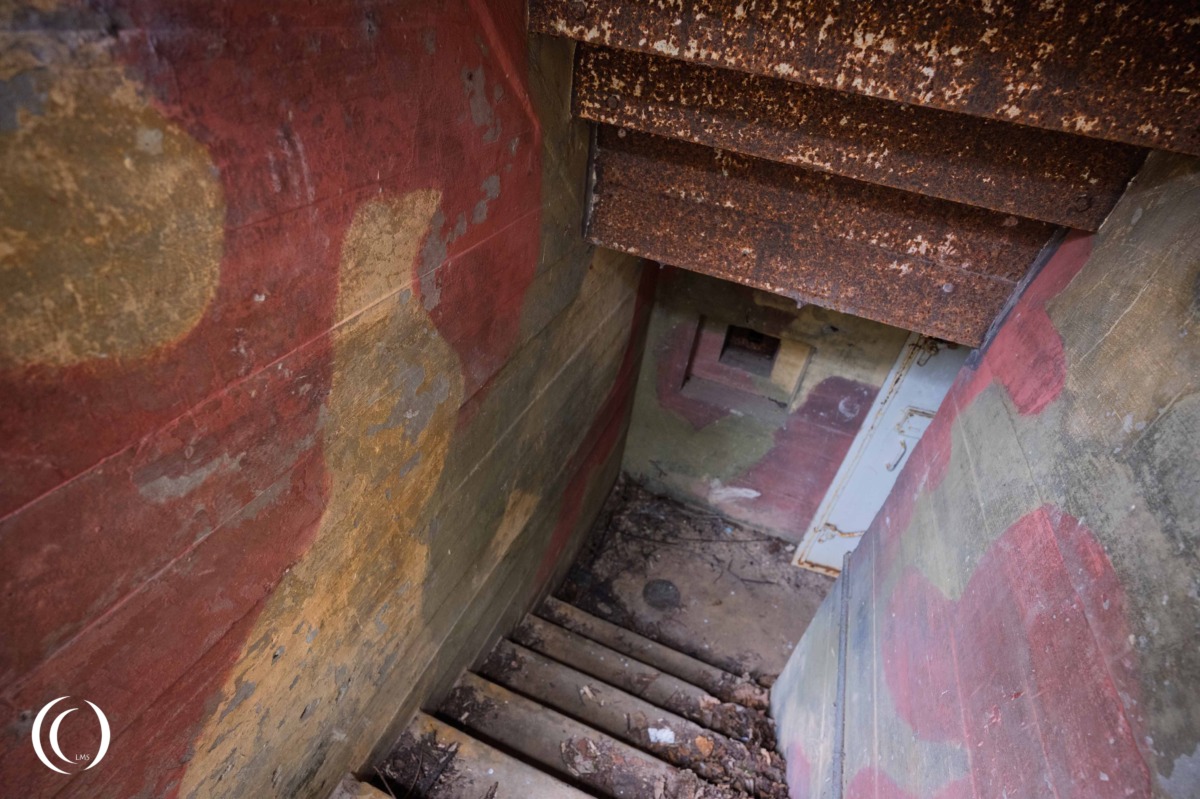
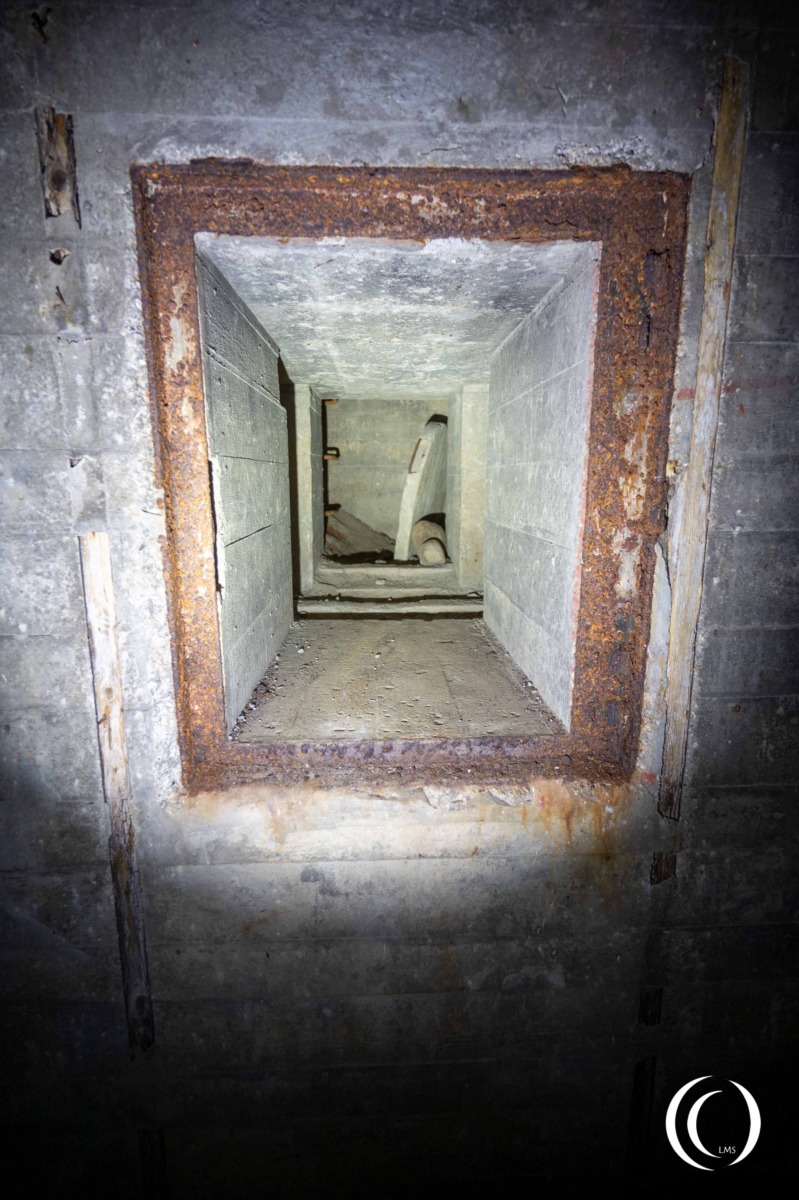
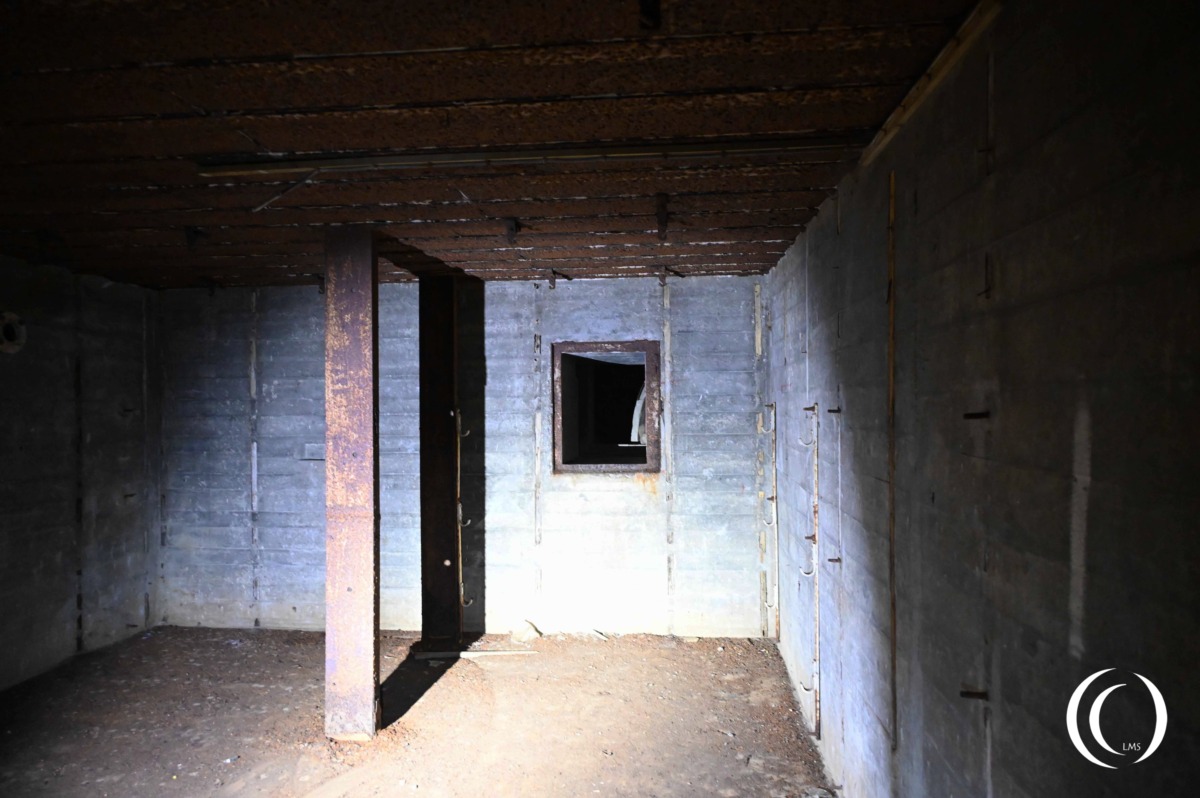
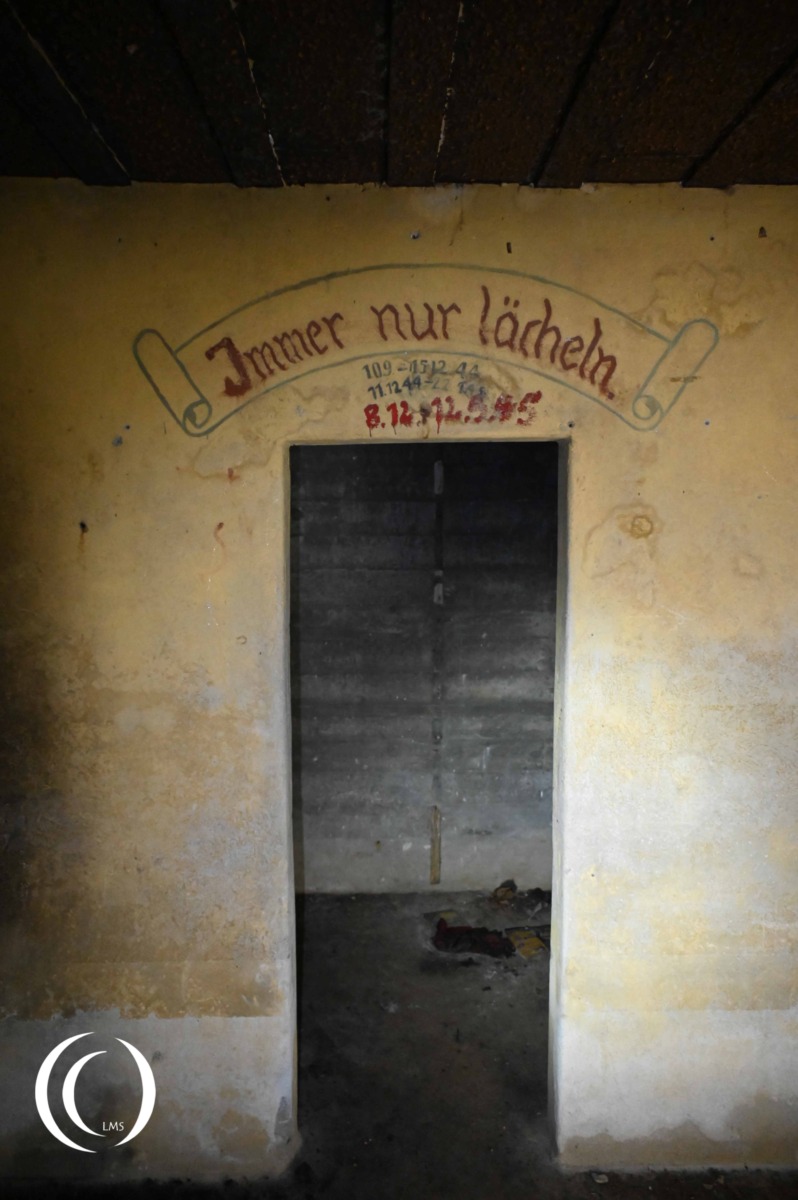
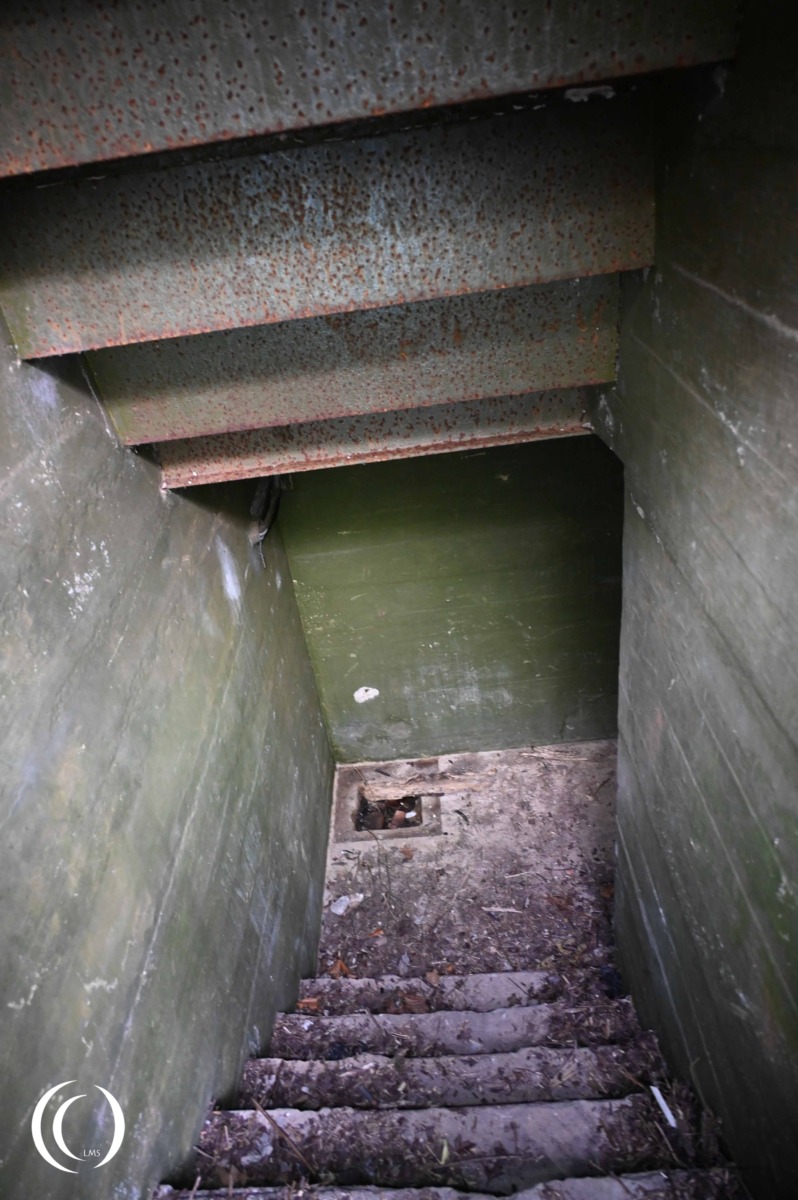
The Frederikshavn North Flak Battery is open to visitors, and there are free parking spaces at Palmenstrand. Walking paths have been laid out to the four gun positions and the rangefinder turret. One 10.5 cm gun stands in its position, looking up at the lonely sky. The bunkers are officially closed, but in 2025, one of the FL 243 bunkers was accessible.
A visit takes about an hour and can easily be combined with a visit to the Bangso Fort coastal battery and the accompanying museum.
Literature:
Jens Andersen & Rudi Rolf – German Bunkers in Denmark
Rudi Rolf – Regelbauten – Atlantic Wall Typology
J.E. Kaufmann – Fortress Europe: European Fortifications Of World War II
Website: atlantvolden.dk
