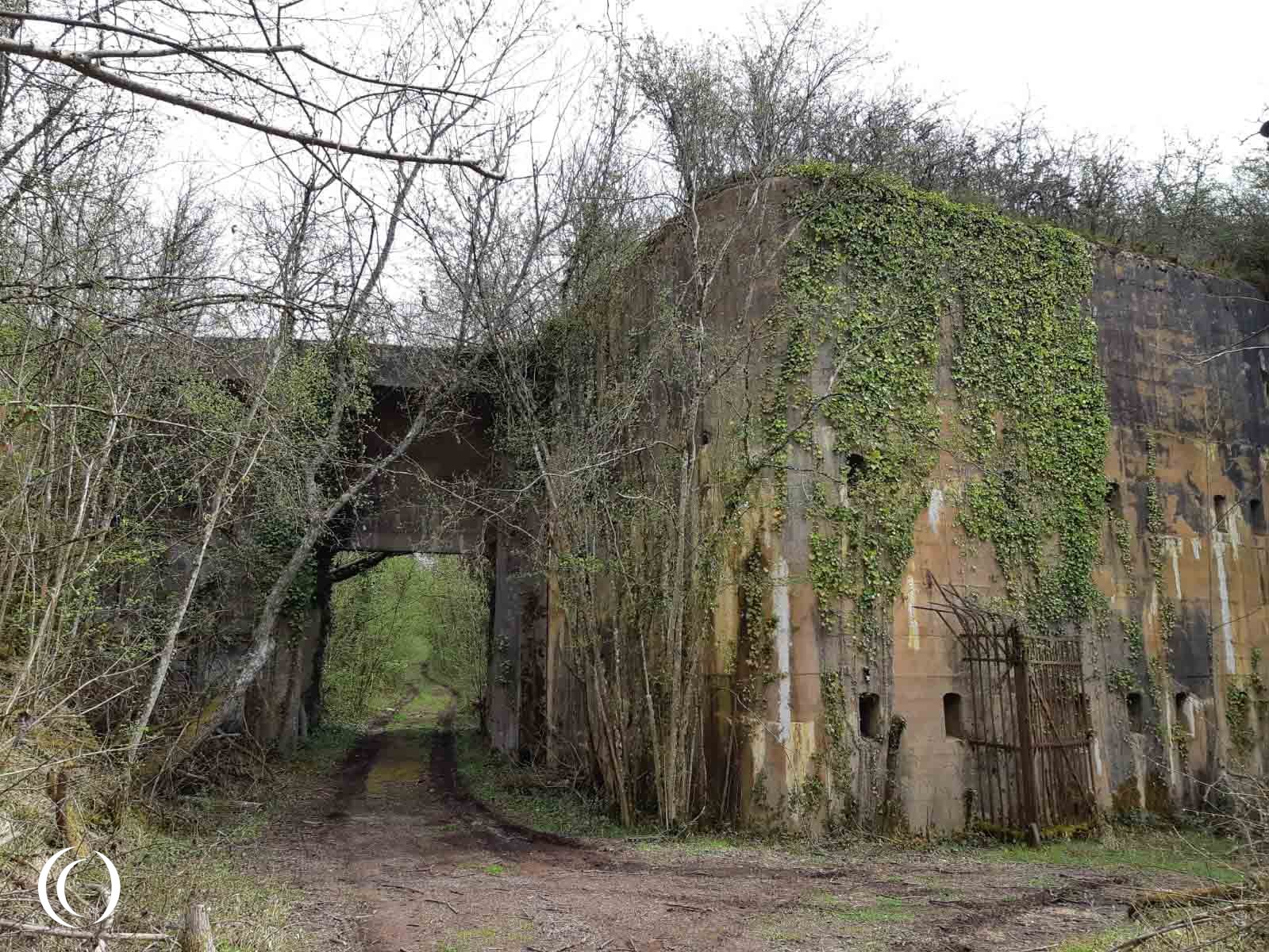
History
Feste Prinz Regent Luitpold was named after Prince Regent Luitpold of Bavaria (Karl Joseph Wilhelm Ludwig 12 March 1821 – 12 December 1912). The fortress (German Feste) was a major German fortress built between 1907 and 1914 as part of the fortified belt around Metz, the second fortified belt of Metz, then part of the German Empire. It formed a key element of the Moselstellung, the defensive system designed to protect the Moselle valley against a French offensive after the Franco-Prussian War.
The fort was constructed according to modern pre–World War I principles. Instead of a single large citadel, it consisted of dispersed concrete bunkers, armored artillery turrets, infantry shelters, underground galleries, and ammunition depots spread across a wide area. This “grouped fort” concept made it harder to destroy with heavy artillery.

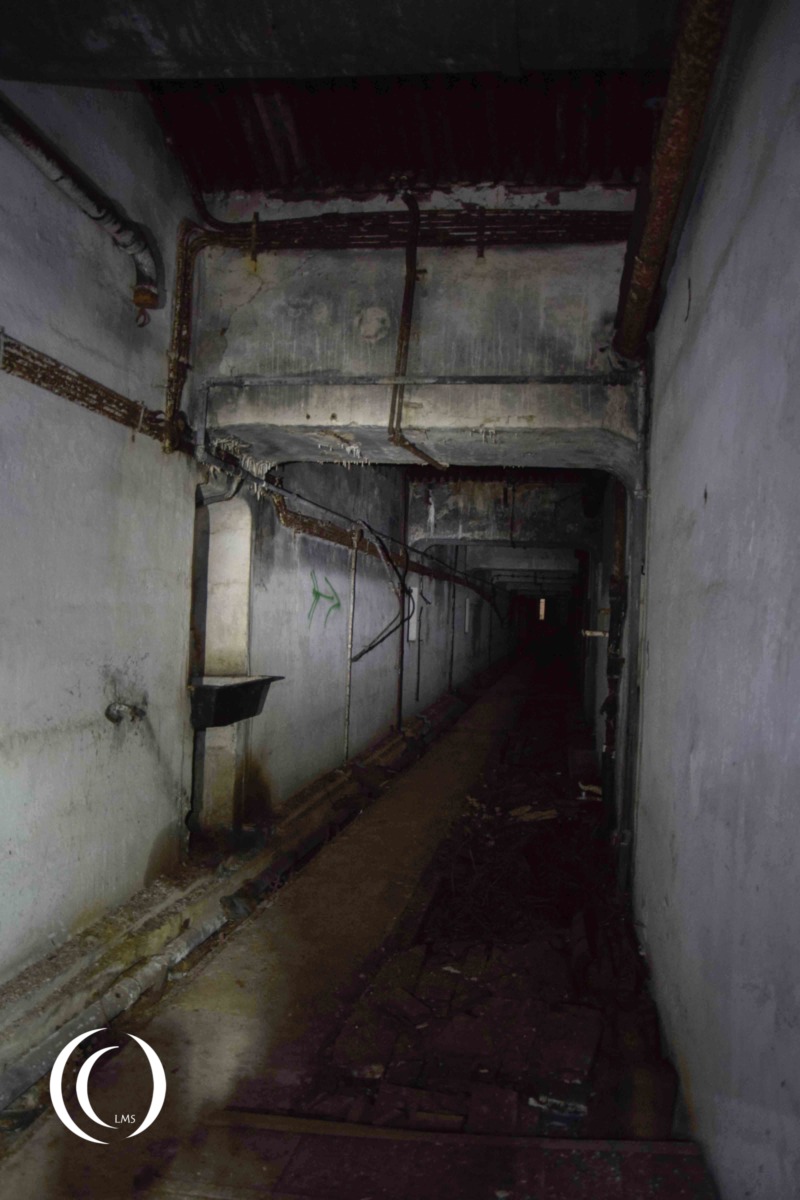
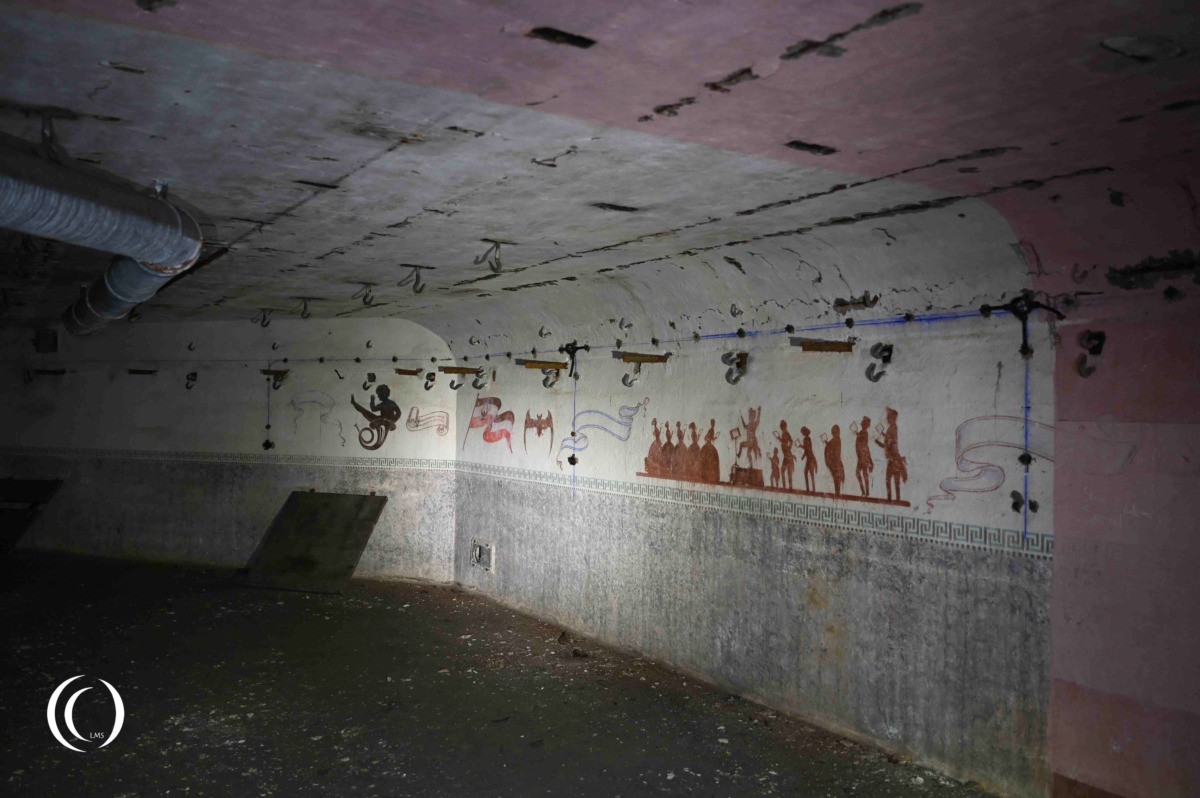
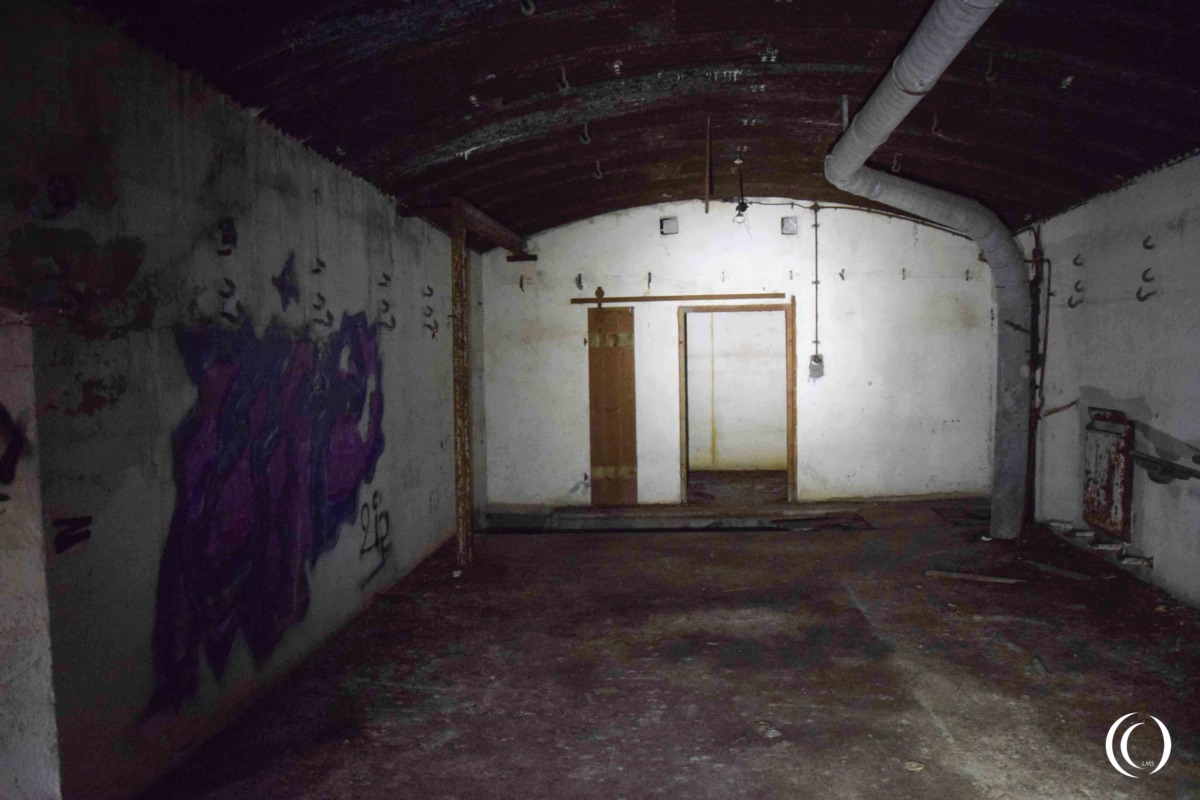
Groupe Fortifié Yser
After World War I, Metz returned to France, and the fort was renamed Groupe Fortifié L’Yser. Group Fortification Yser (English) controlled several major forts northwest of Metz, including positions between Thionville (Diedenhofen when it was under German control) adn Metz in the mosel valley. And it incorporated heavy concrete fortifications, designed to withstand siege artillery and were repurposed in 1944 to delay U.S. forces.
During the Battle of Metz, Group Fortification Yser played a defensive role by anchoring German resistance along the Moselle River. Although many of the forts were outdated compared to modern mobile warfare, their thick reinforced concrete and commanding positions forced American troops to conduct costly, methodical assaults.
Ultimately, despite determined resistance, the group’s defenses were overcome as U.S. forces encircled and reduced the forts individually in late 1944. The fighting demonstrated how pre–World War I fortress systems could still influence modern operations when integrated into a broader defensive strategy.

Feste Prinzregent Luitpold
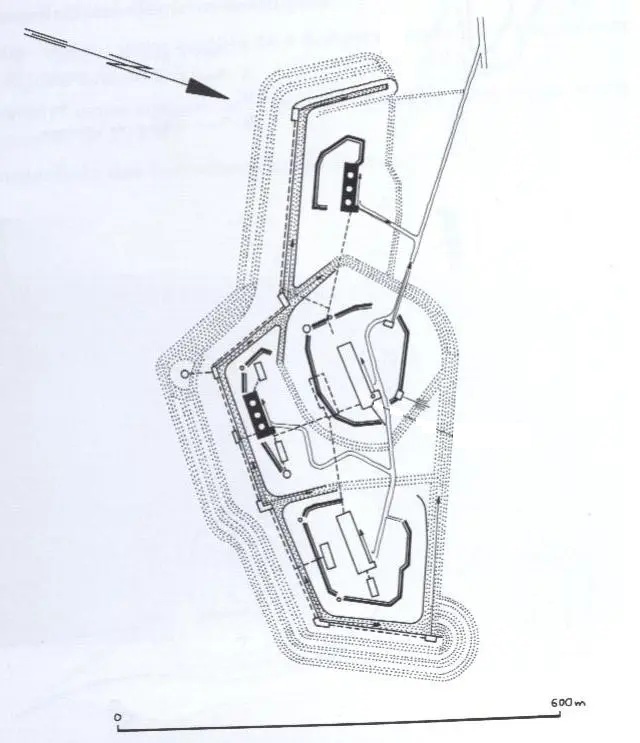
Prince Regent Luitpold Fort is located approximately 11 kilometers southeast of the former Enceinte, near Metz. The fort covers approximately 83 hectares and is situated on the hills west of the village of Orny. Luitpold Fort forms the corner of the southern and eastern fronts. It consists of two armored batteries, * the Orny infantry fort, and a central barrack.
Unlike the other fortified groups on the eastern front, Luitpold is surrounded by 20 meter wide barbed wire entanglements on its front, sides, and along the ravine. Storm-proof fences enclose the structures, dividing them into segments. The fort is flanked by an 8-meter-wide and 5-meter-deep dry moat on its front and flanks. The moat is protected by trenches, each equipped with two 5 cm guns, searchlights, and loopholes for infantry. These trenches are anchored in the ground at each change of direction of the moat and are accessible via long galleries. The moat is guarded by eleven observation posts for sentries.
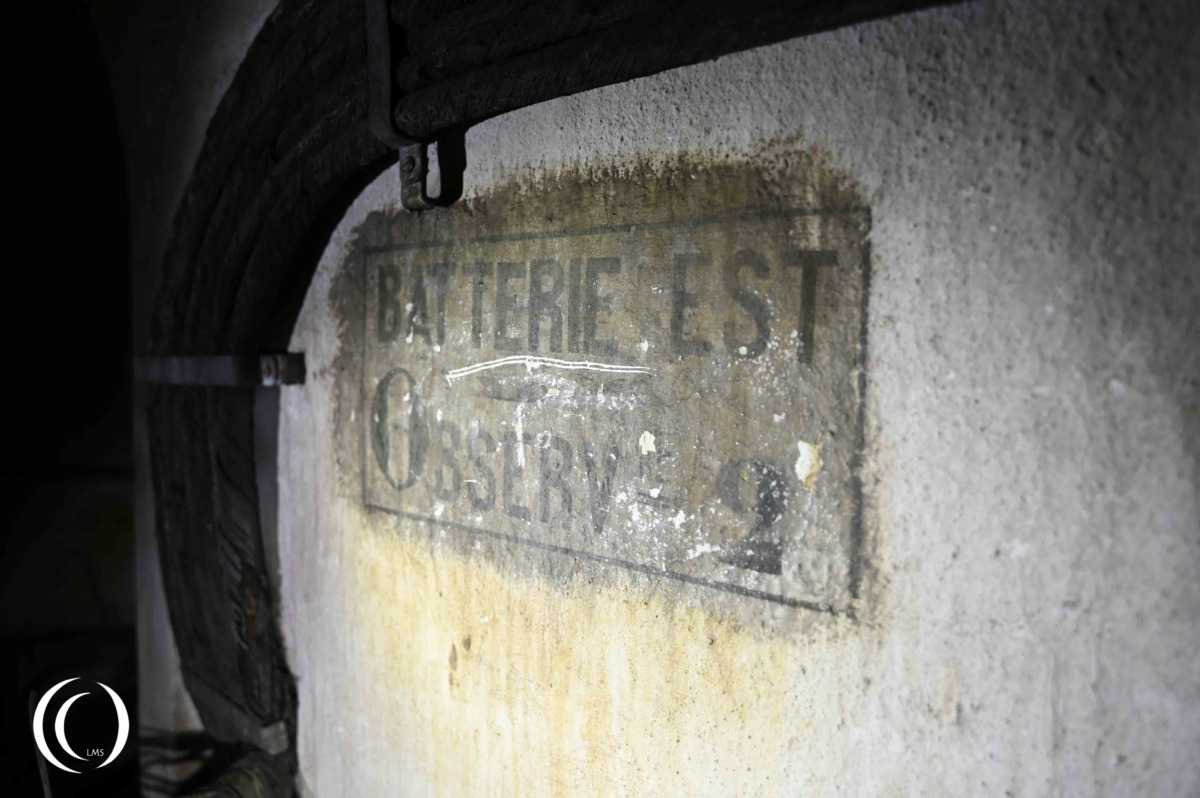
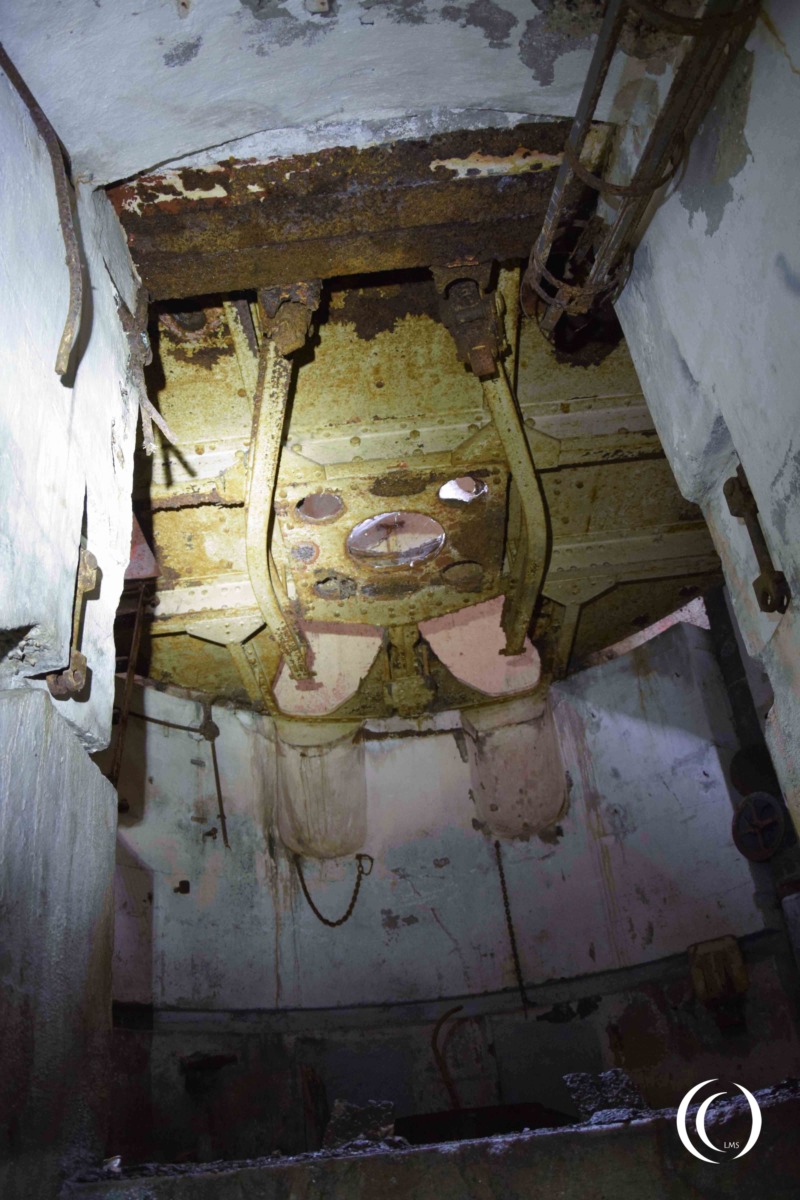
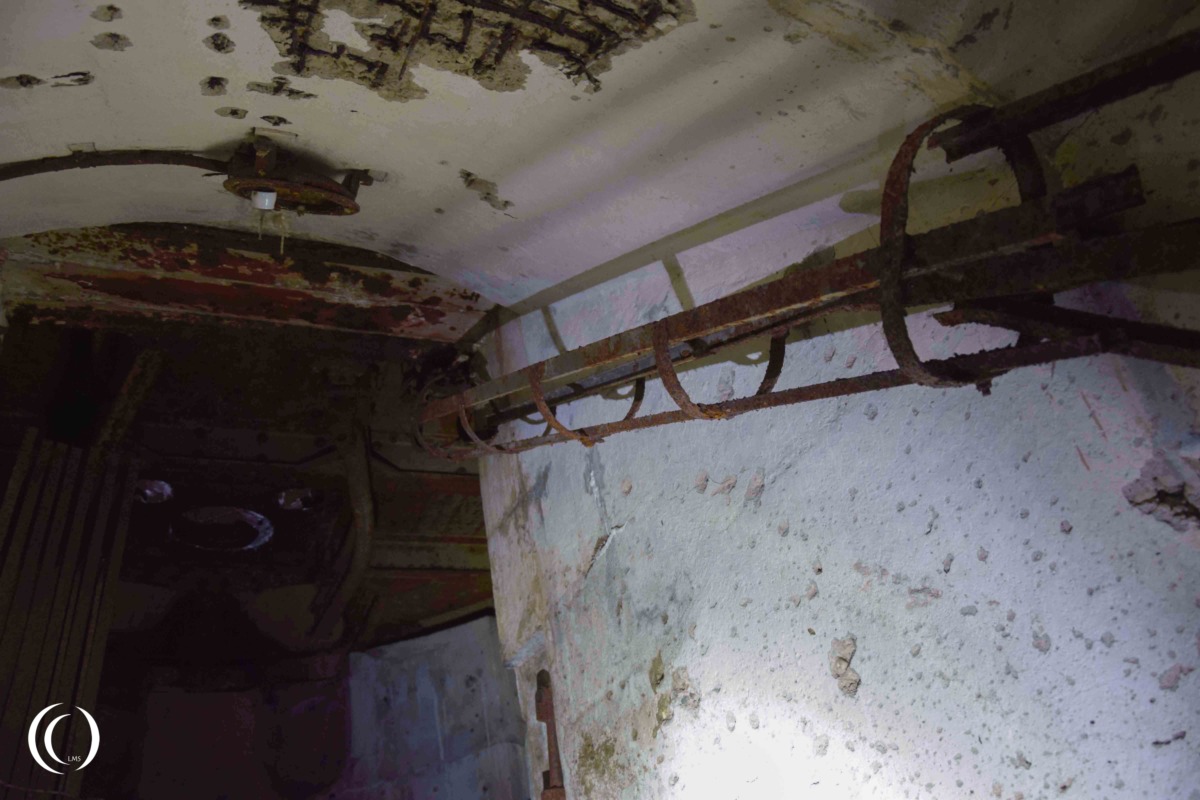
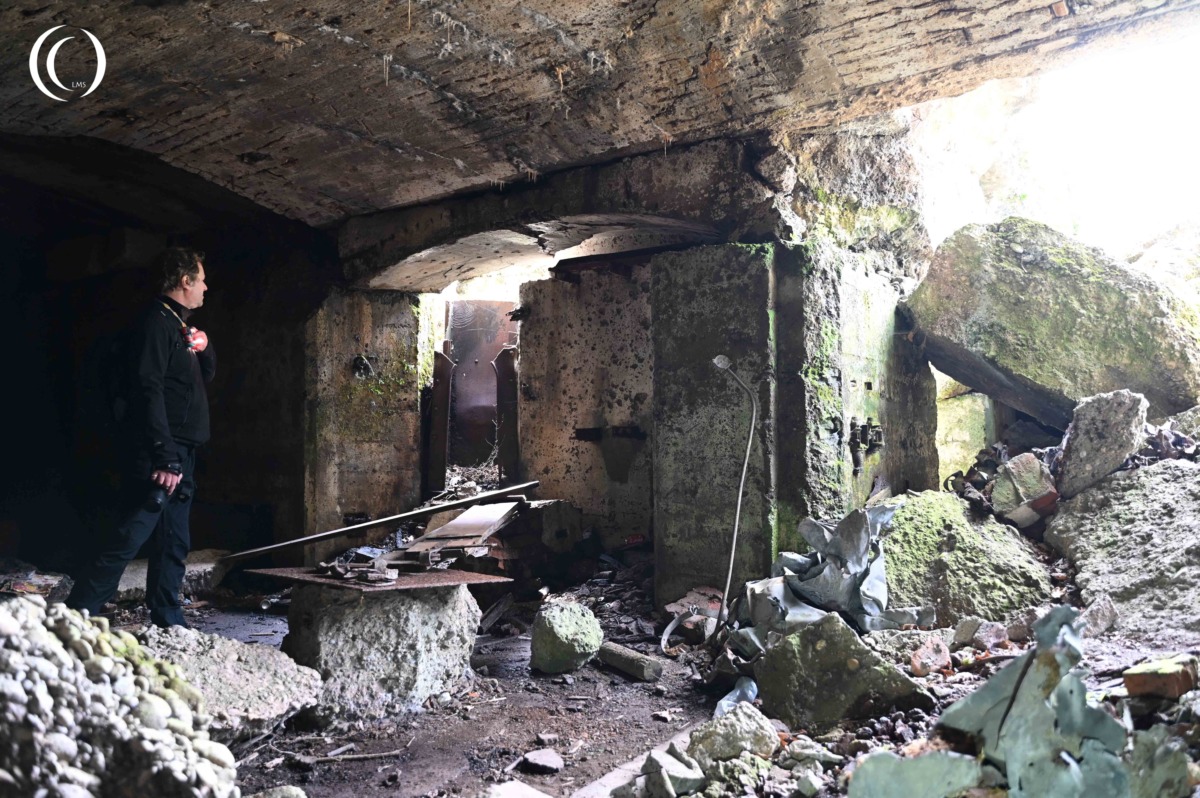
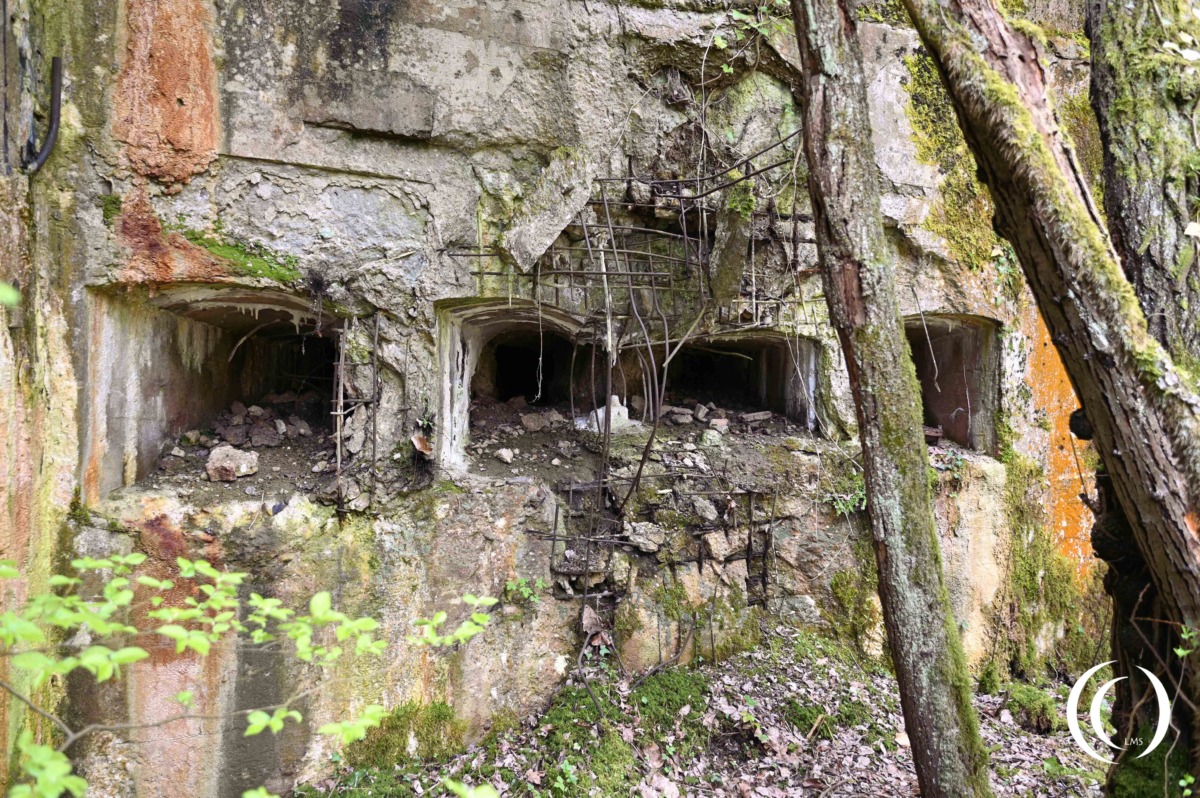
Two blockhouses for the outer guard cover the approach road. The two armored batteries are each equipped with three turrets for a 10 cm short-barreled gun. The eastern battery is located on the forward wall. One of the group’s three artillery observers is on the left side of the battery. The second is located in front of the eastern battery in the peripheral defense network, and the third is located on the right side of the infantry parapet of the central barrack.
The second armored battery is located in the western part of the fort. Originally, the fort was designed with only one armored battery.
The Orny Infantry Fort occupies the eastern corner of the fort. It consists of a two-story barrack surrounded by an infantry rampart with two small shelters, a watchtower, and two outposts. An underground tunnel under the moat provides access to the trenches in this area via galleries.
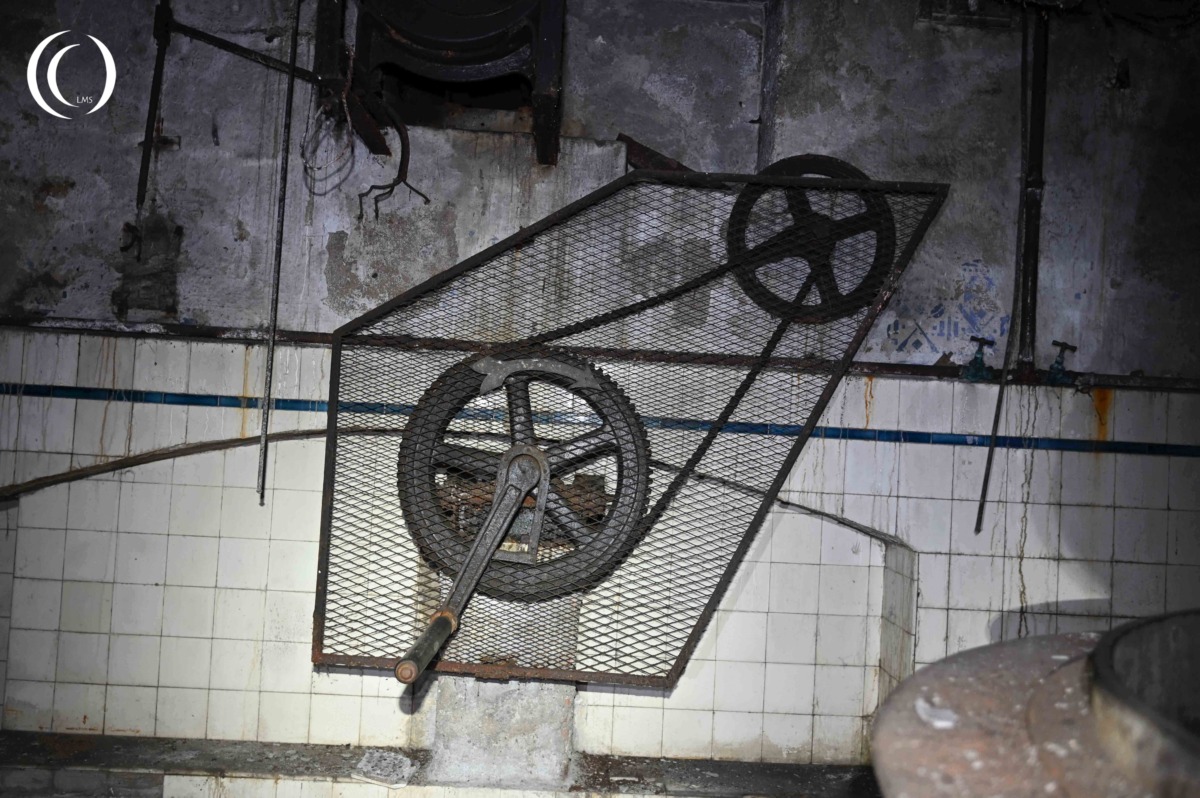
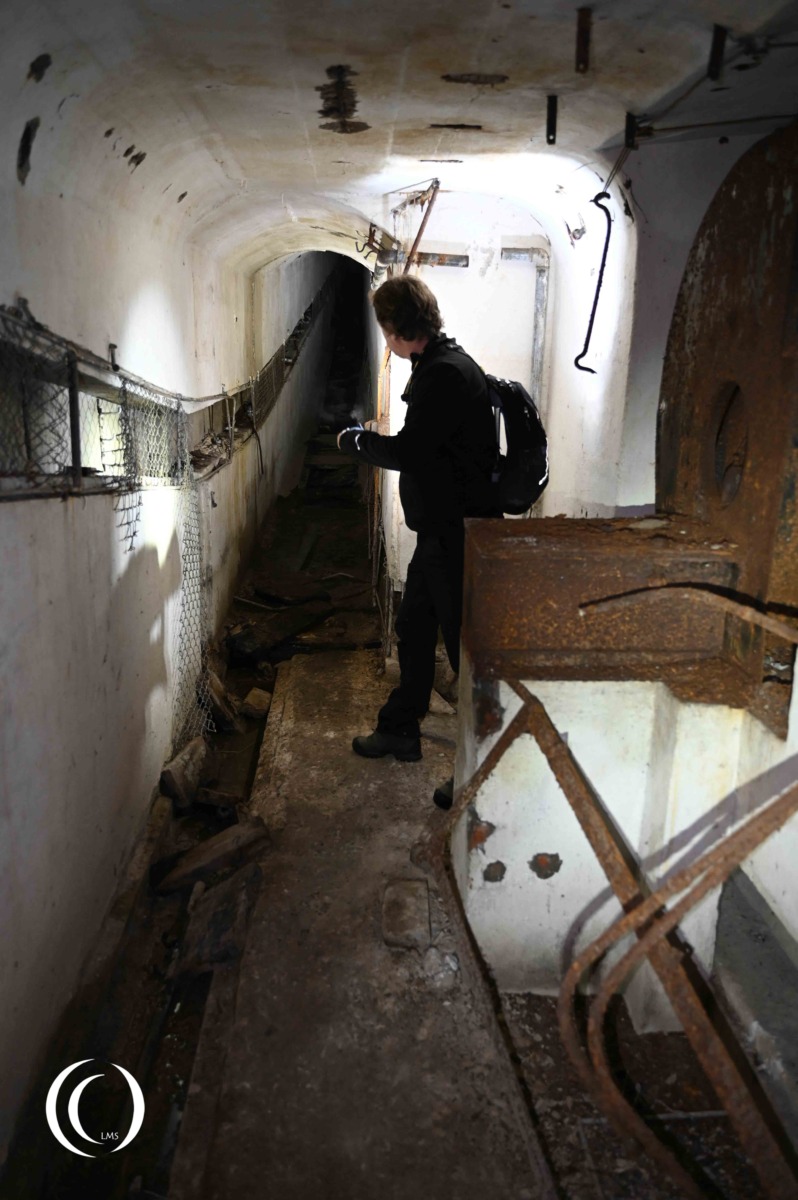
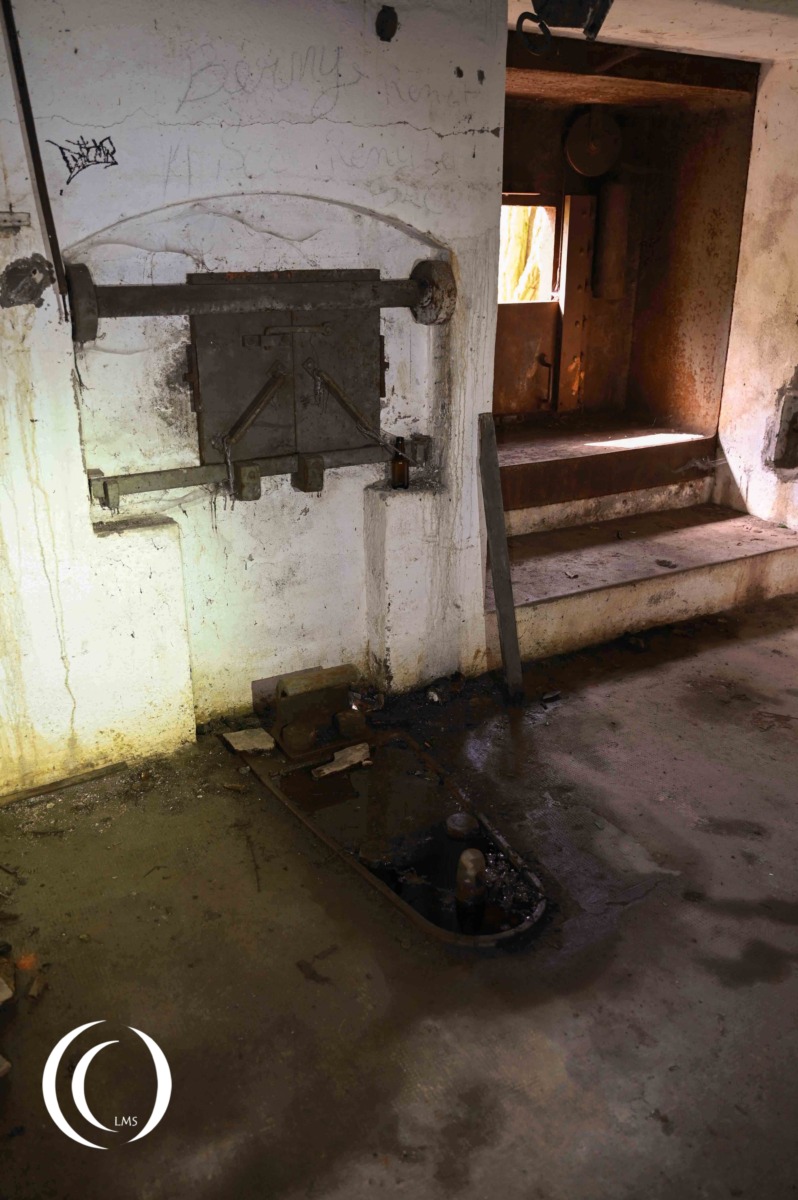
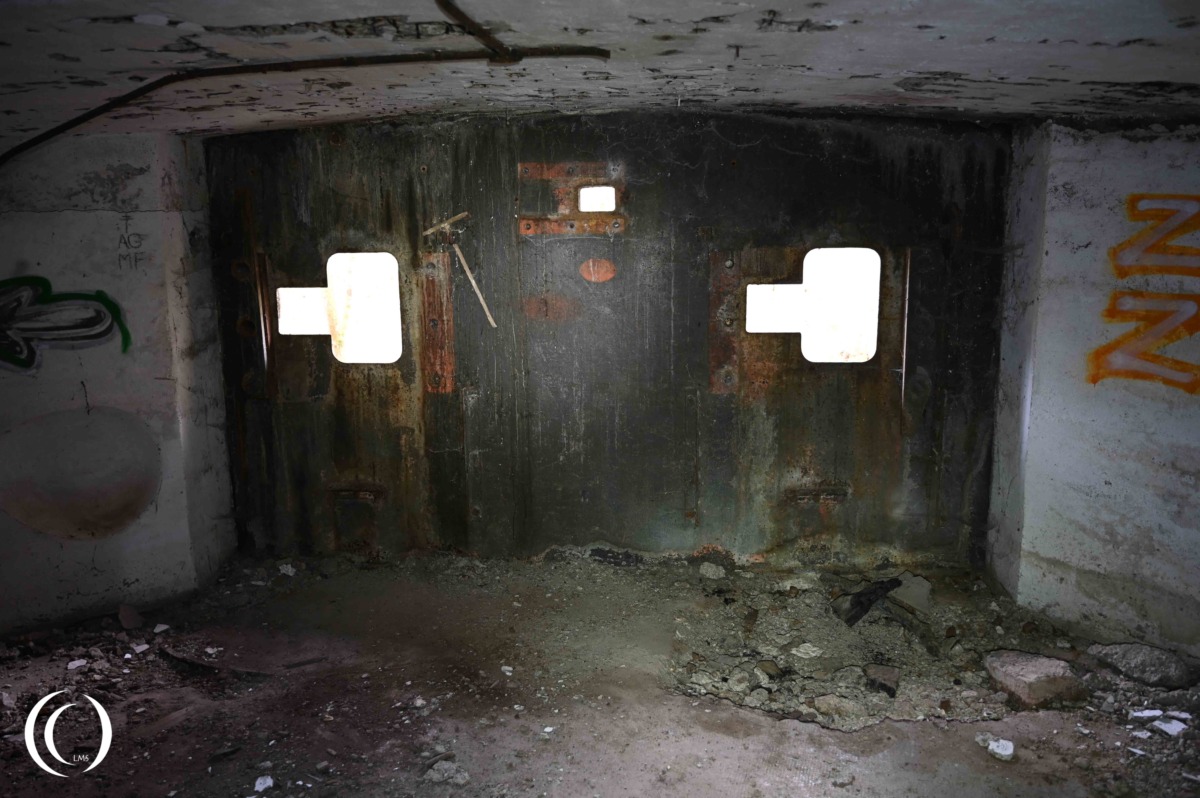
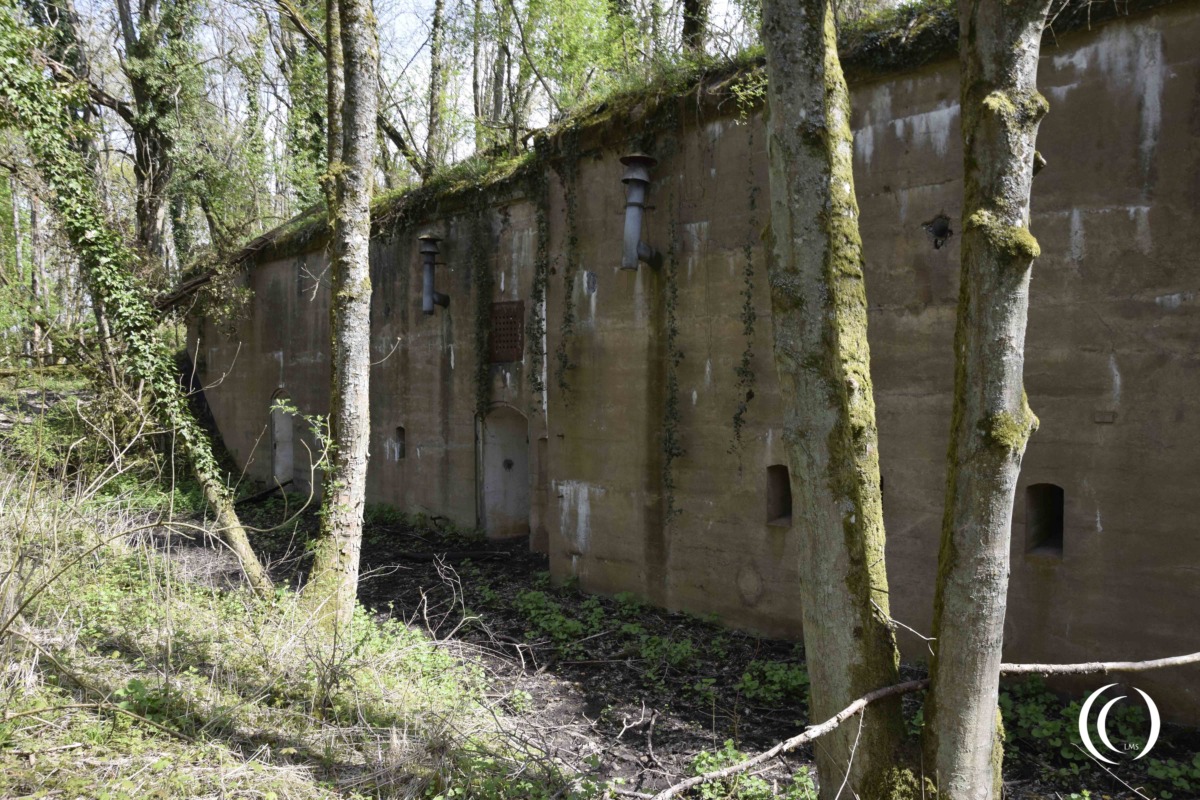
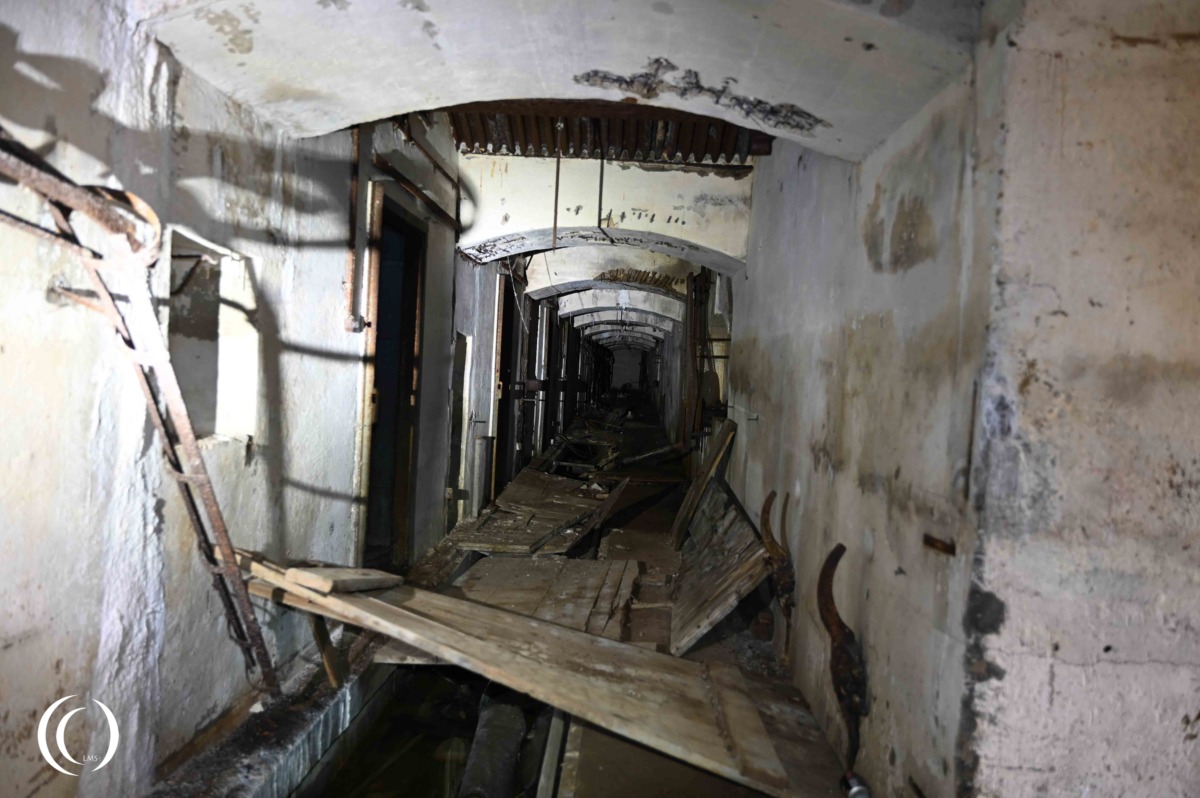
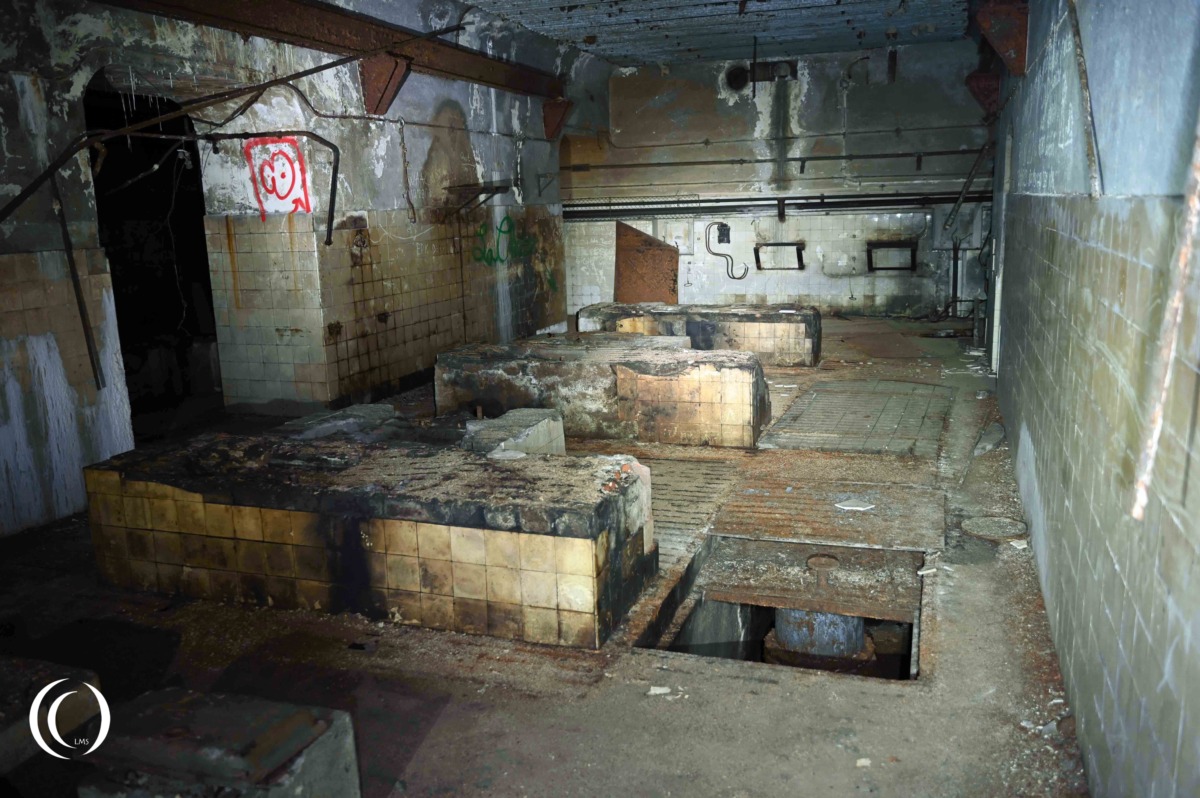
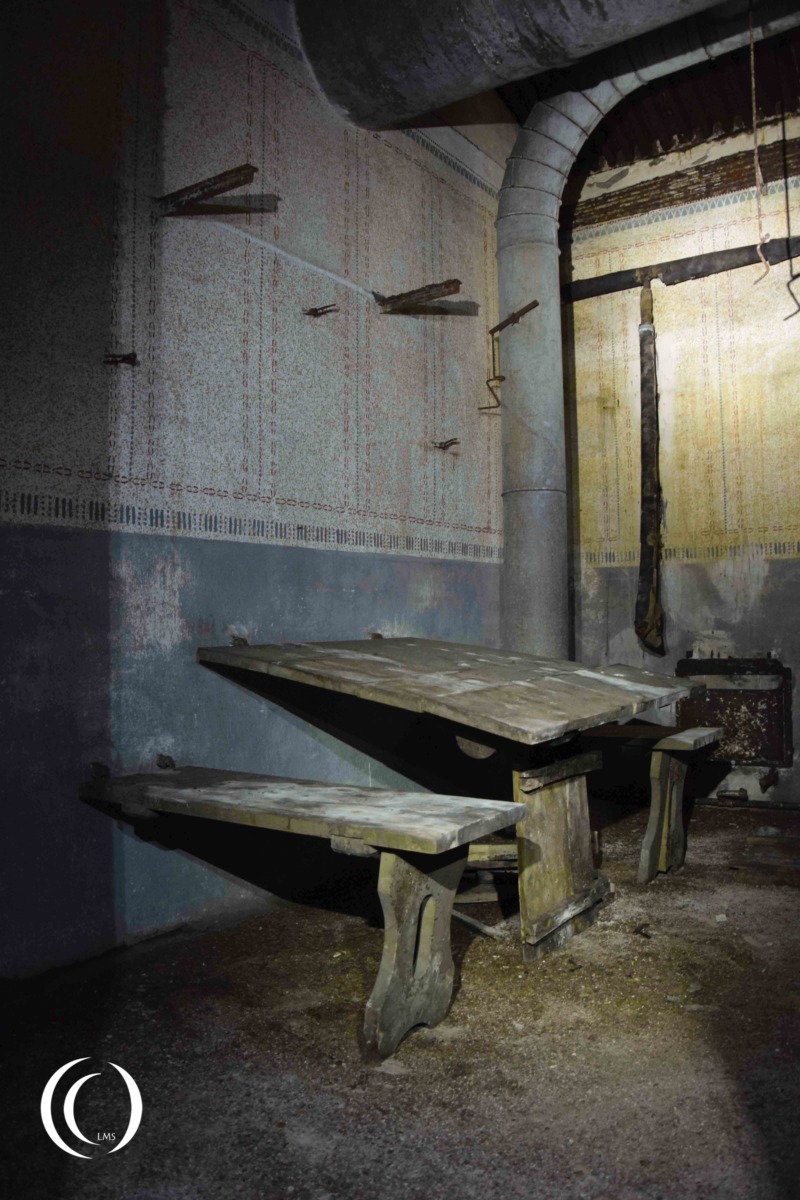
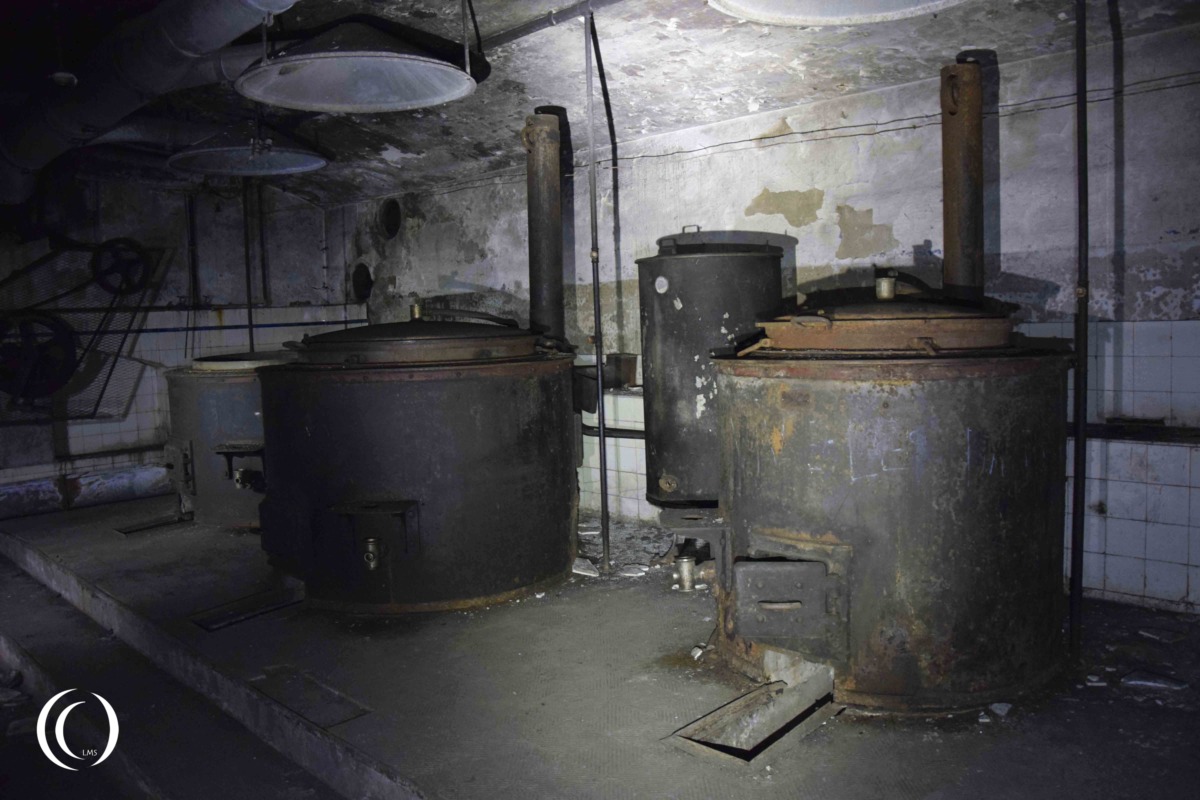
The central infantry barrack can be considered the group’s stronghold. It is surrounded by infantry ramparts, the layout of which curves around the barrack. The large infantry barrack has three floors, with the command post and telephone exchange on the underground level. A flank casemate for two 7.7cm guns is located throughout the barrack. Their fire is directed by an armored artillery observer. The flank casemate serves to cover the area between Luitpold and the Chesny-South infantry fortress. South of the infantry barrack is an underground building housing the bakery and the power station, equipped with seven diesel engines. Fort Luitpold was supplied with water from the Cuvry pumping station. The water reserves in the various buildings total 2,640 cubic meters. The buildings were heated by a coal-fired central heating system.
Visit
Fortress Prinz regent Luitpold – Group Fortification Yser lies in a wooded environment which is under control of the French Military during our visit in 2019. There is no museum, tour or anyone to guide you safely on the premises. However, it is very dangerous. Floorboards are made of wood and pose a hazard; they can easily be 50 to 100 years old.
Sources:
Rudi Rolf: The Development of the German Fortification System since 1870.
Kaufmann, J. E.; Jurga, Robert M.: Fortress Europe : European Fortifications of World War II
Lignemaginot.com
