History
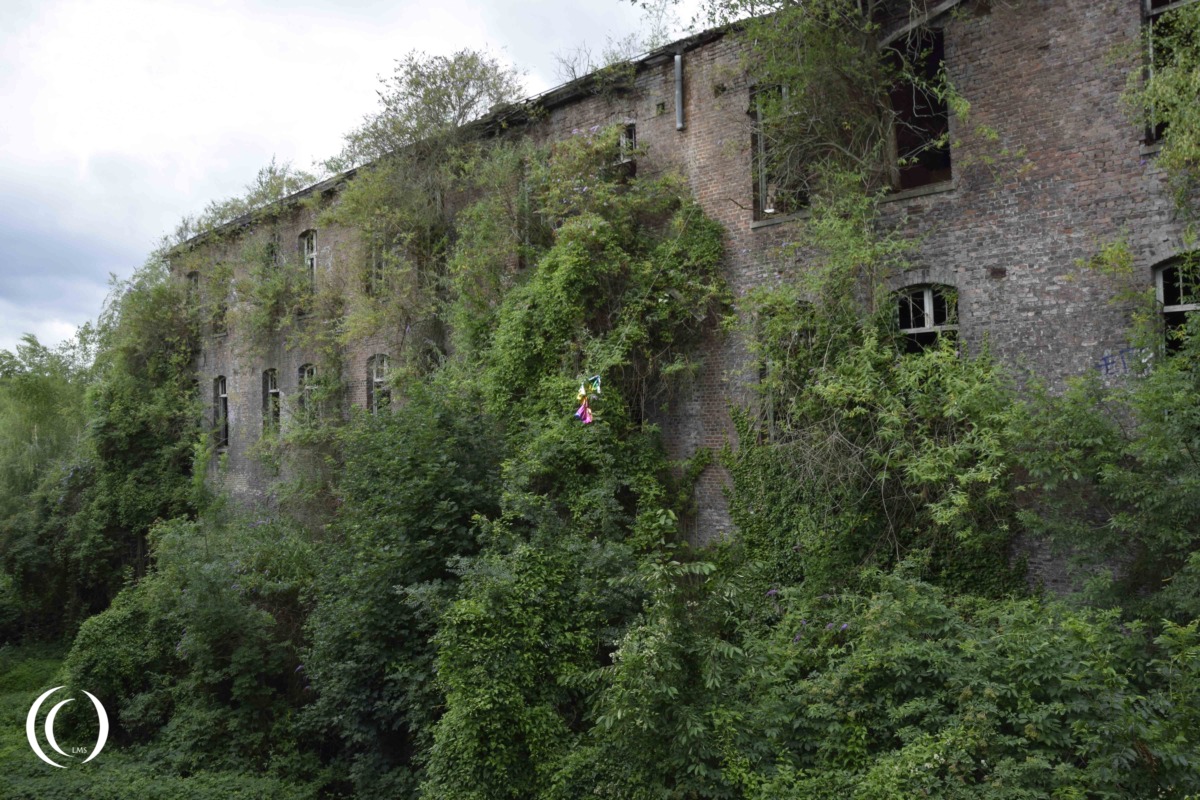
Fort de la Chartreuse is a historic fortress located on Mont Cornillon, overlooking Liège and the Meuse valley. It was built between 1817 and 1823 by the United Kingdom of the Netherlands, then administering southern Belgium, as part of efforts to defend Liège following the Congress of Vienna (1815). The site had earlier been occupied by a Carthusian monastery, which lent the fort its name.
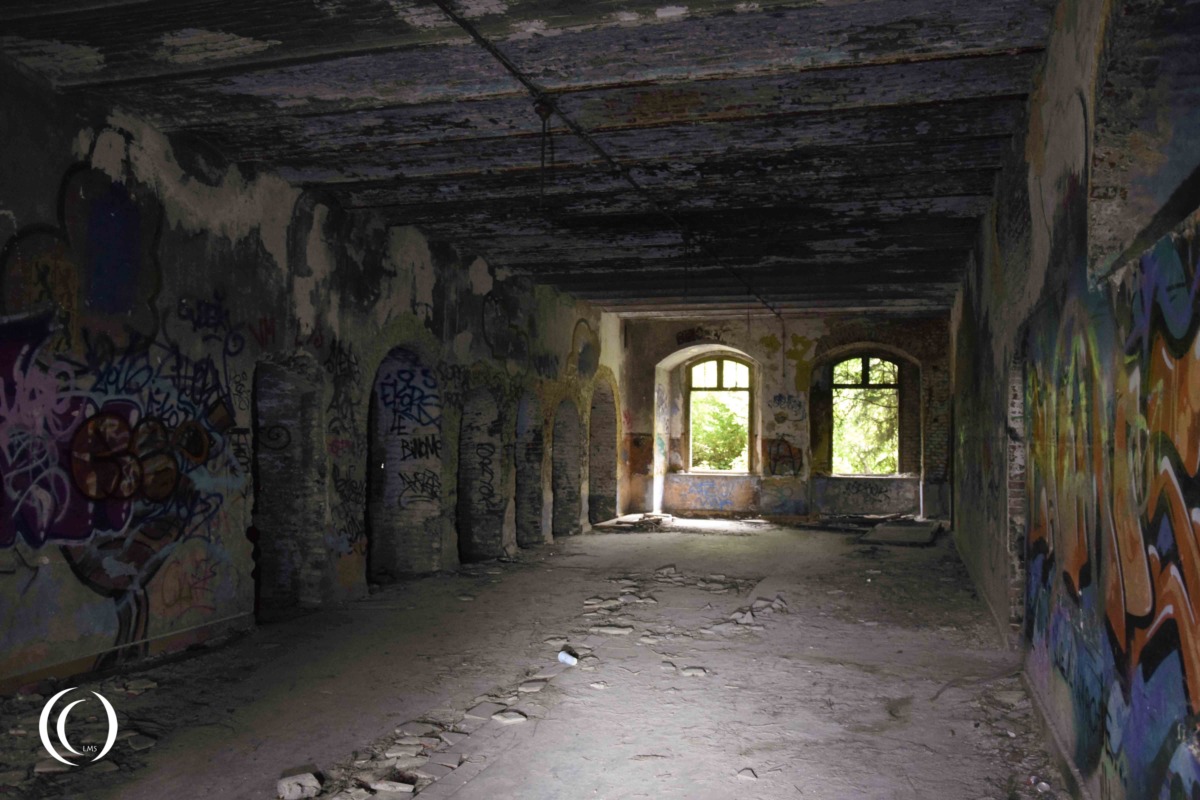
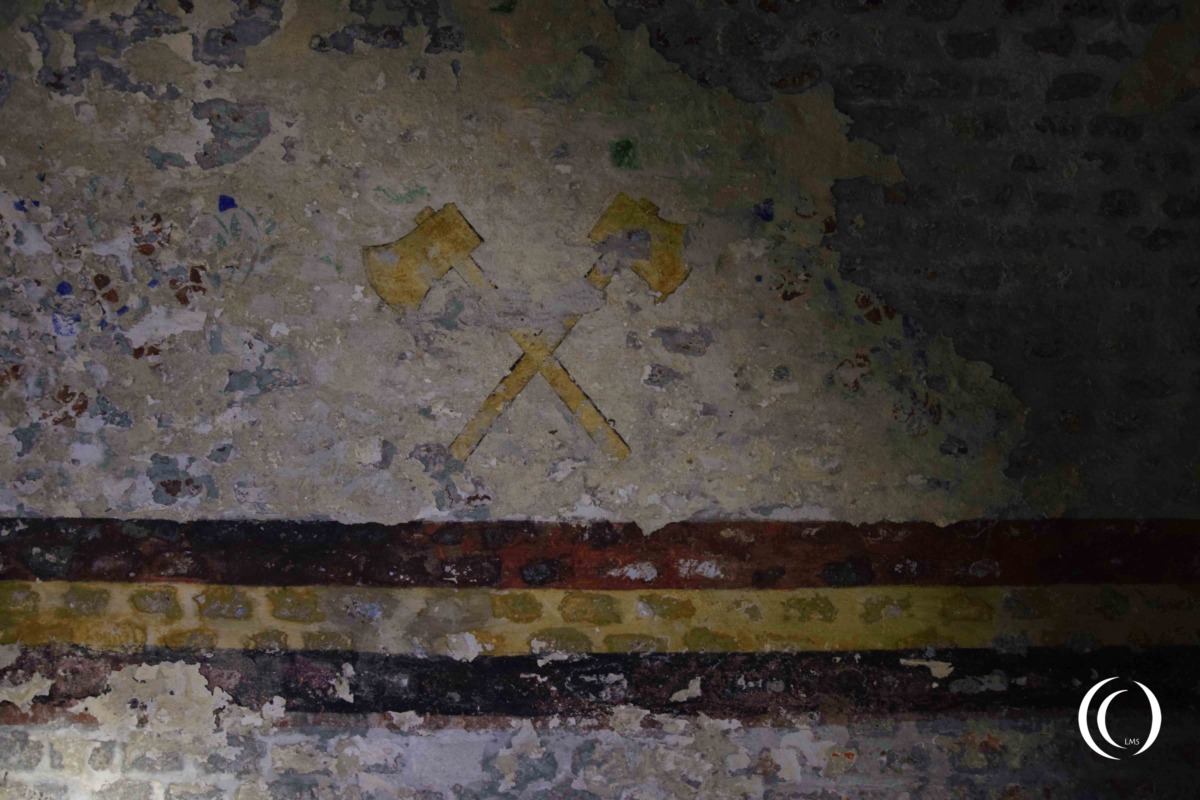
Strategically sited on high ground, the fort originally served as a major defensive work. However, rapid advances in artillery technology soon made its design less effective. By 1891, after Belgium constructed a modern ring of forts around Liège, Fort de la Chartreuse was downgraded by royal decree and converted into a barracks rather than a frontline fortress.
Use of the Fort during the wars
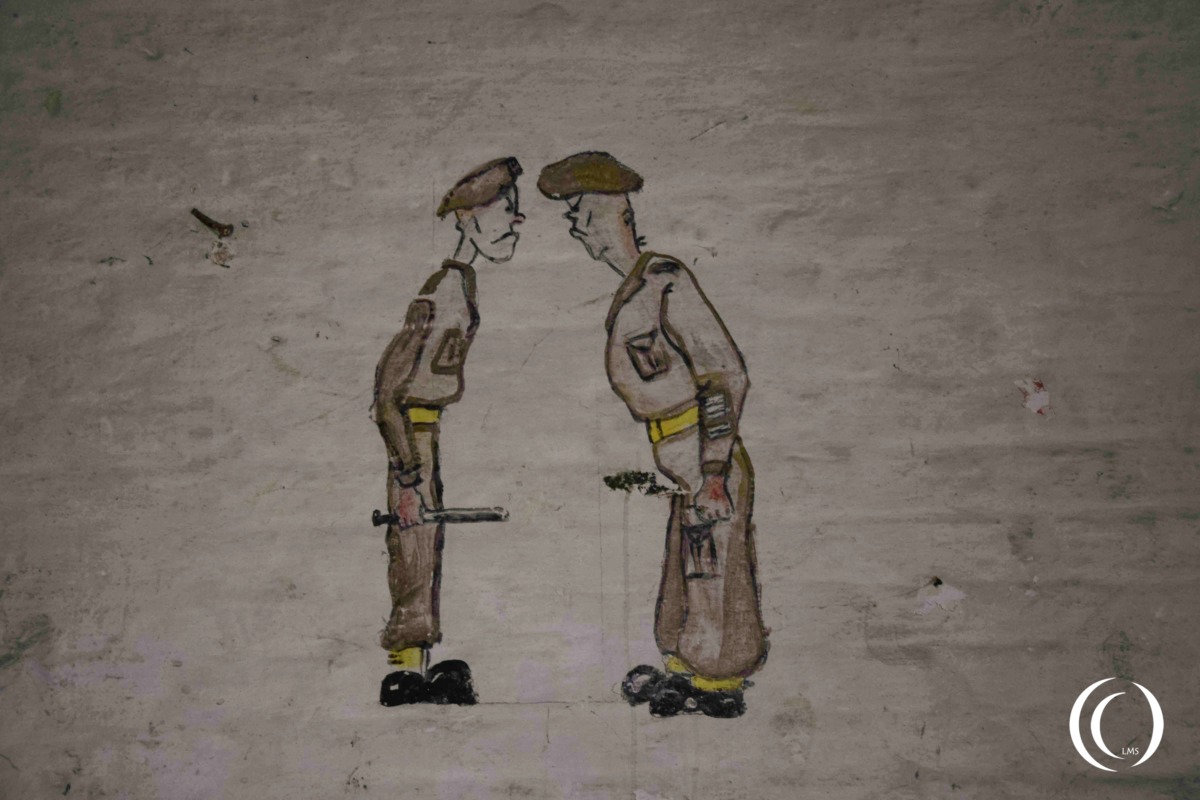
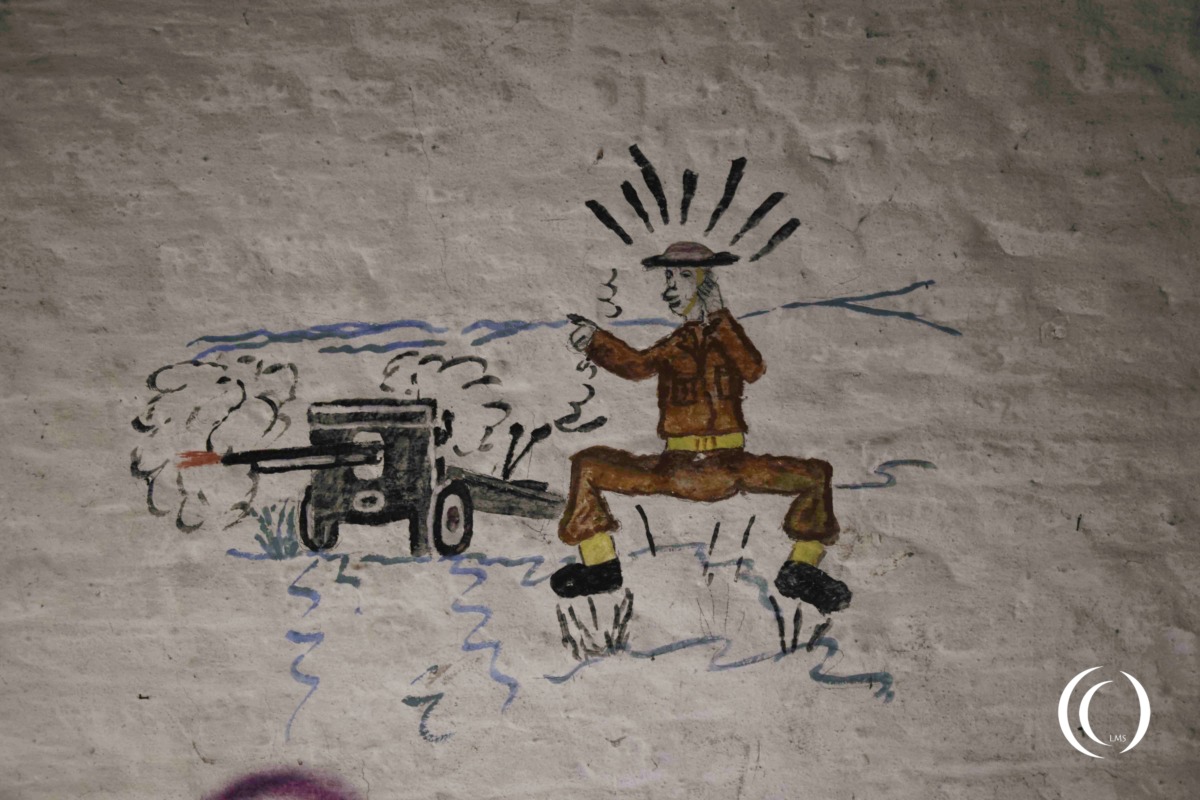
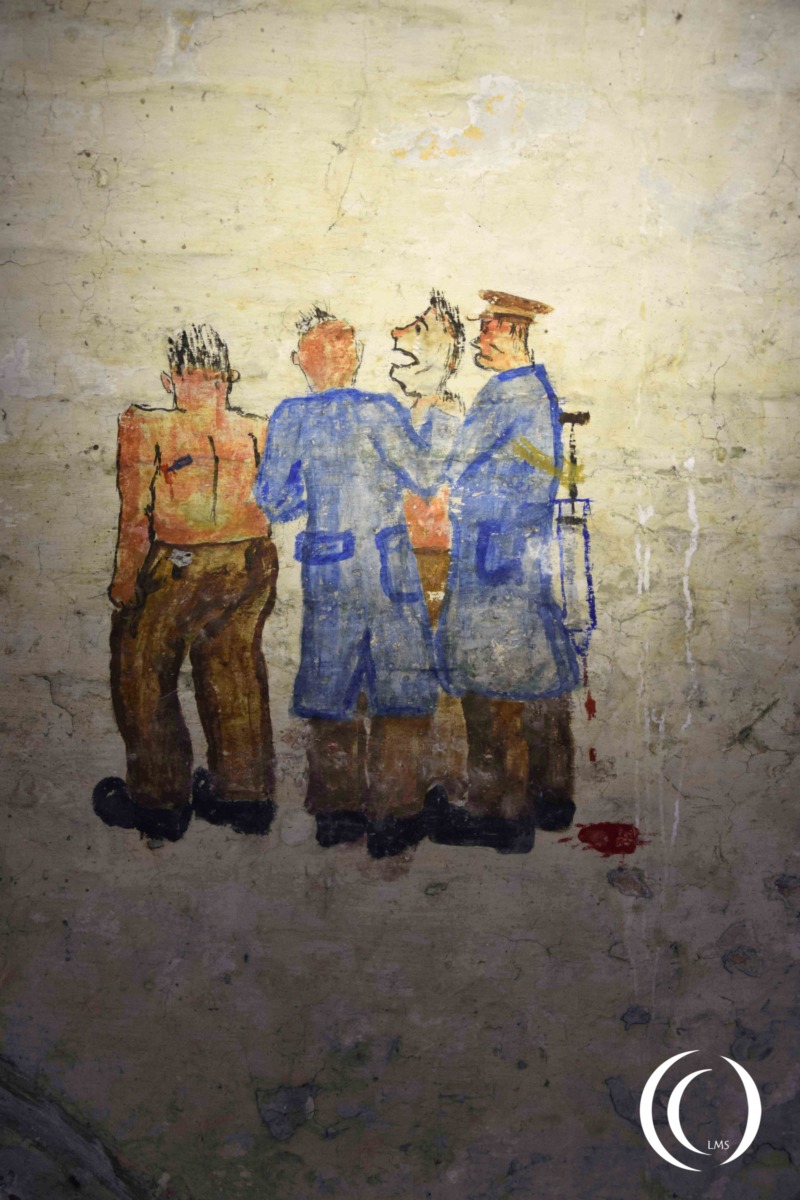
During World War I, German forces occupied the fort and used it as a prison for Belgian patriots; historical accounts record that at least 49 prisoners were executed at the site. In World War II, it again fell into German hands from 1940 to 1944, serving occupation needs, and in 1944–1945 it was used by U.S. forces as a military hospital near the end of the conflict.
After the war and into the mid-20th century, the fort continued to serve various military purposes. As its strategic importance waned, the Belgian Army finally left the site in 1988, and the fortress was formally demilitarized. Much of its land was acquired by the city of Liège and conservation groups in the 1990s, with efforts focused on preserving the historic structures and surrounding parkland.
Visit
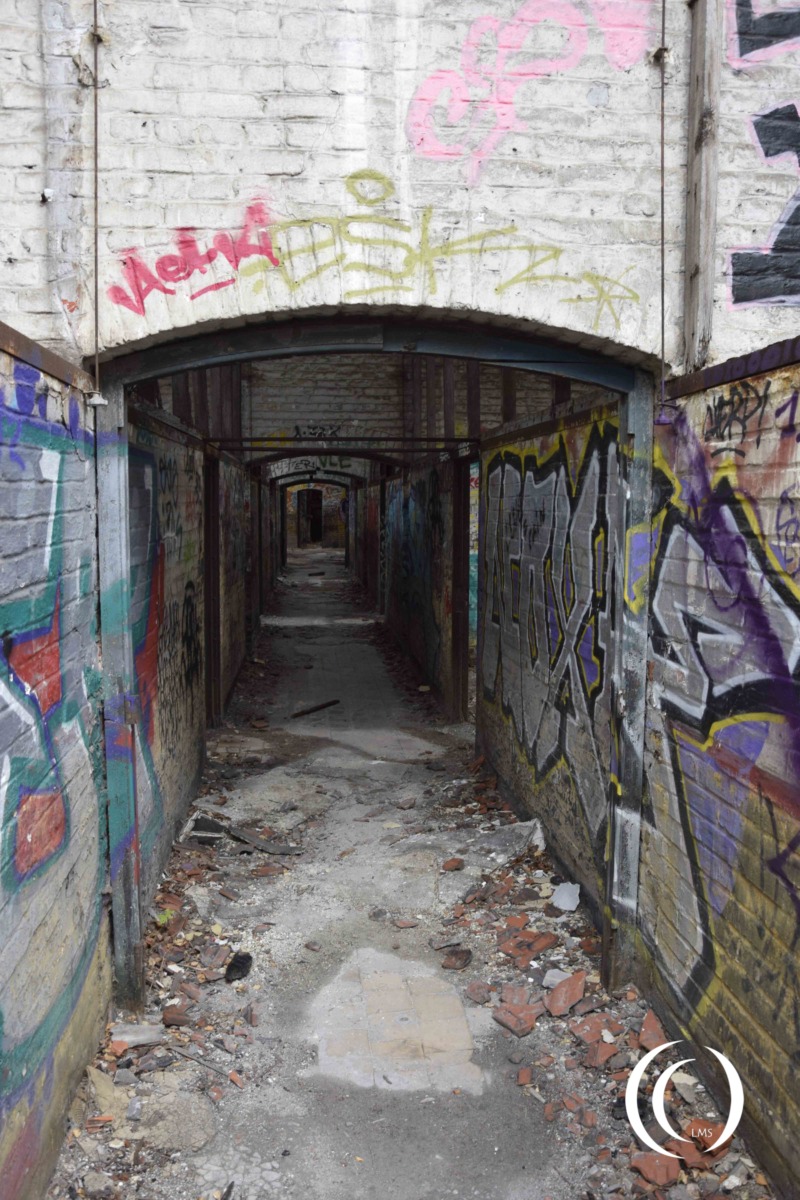
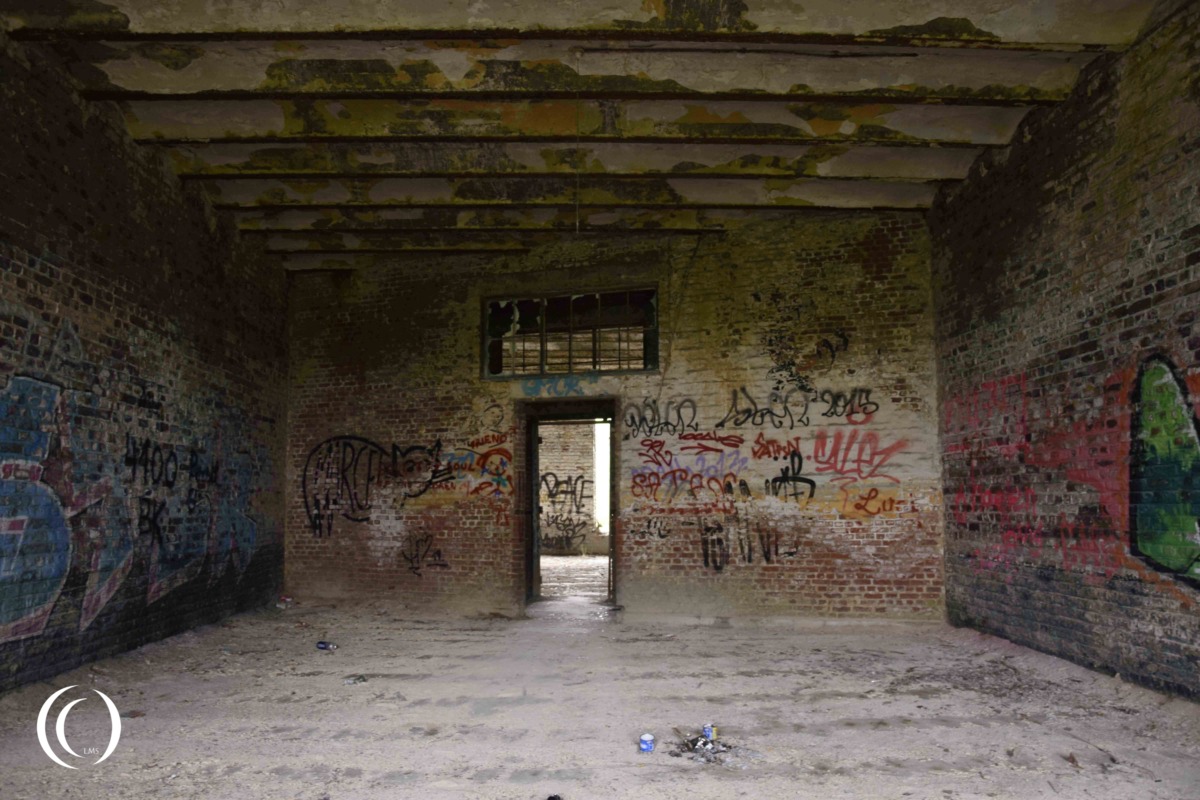
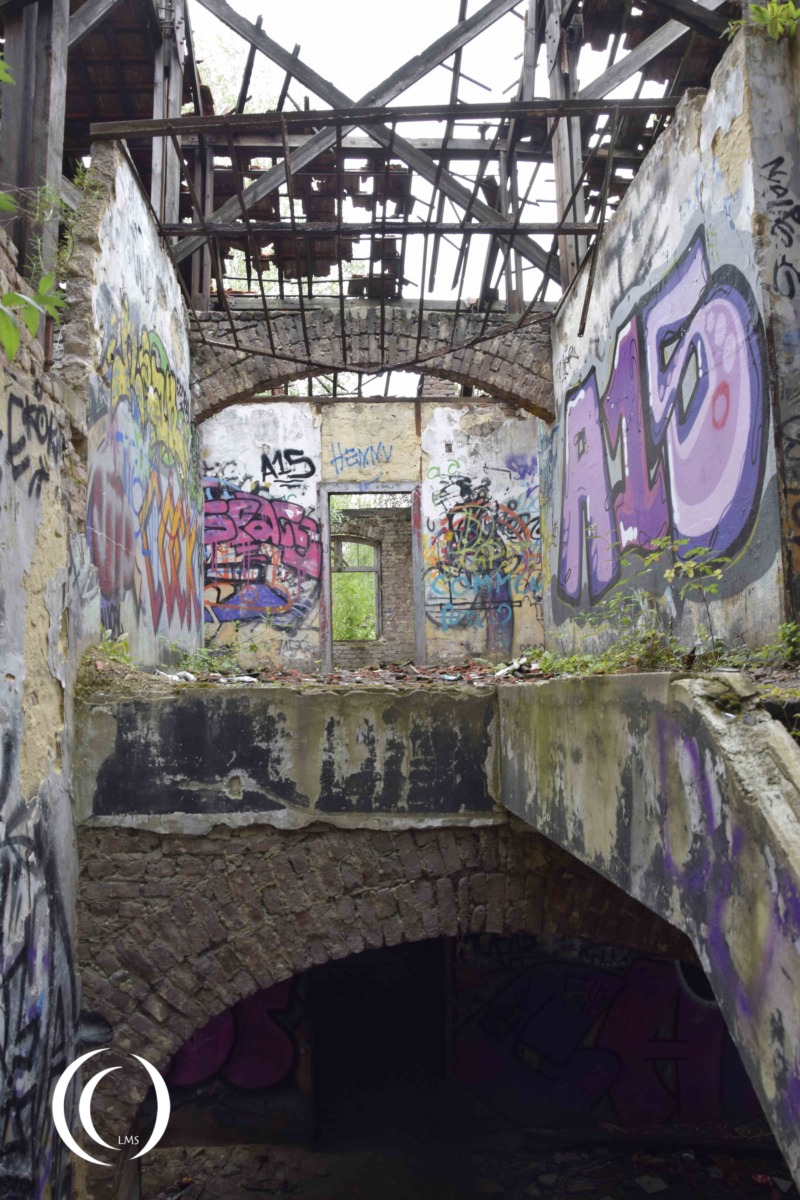
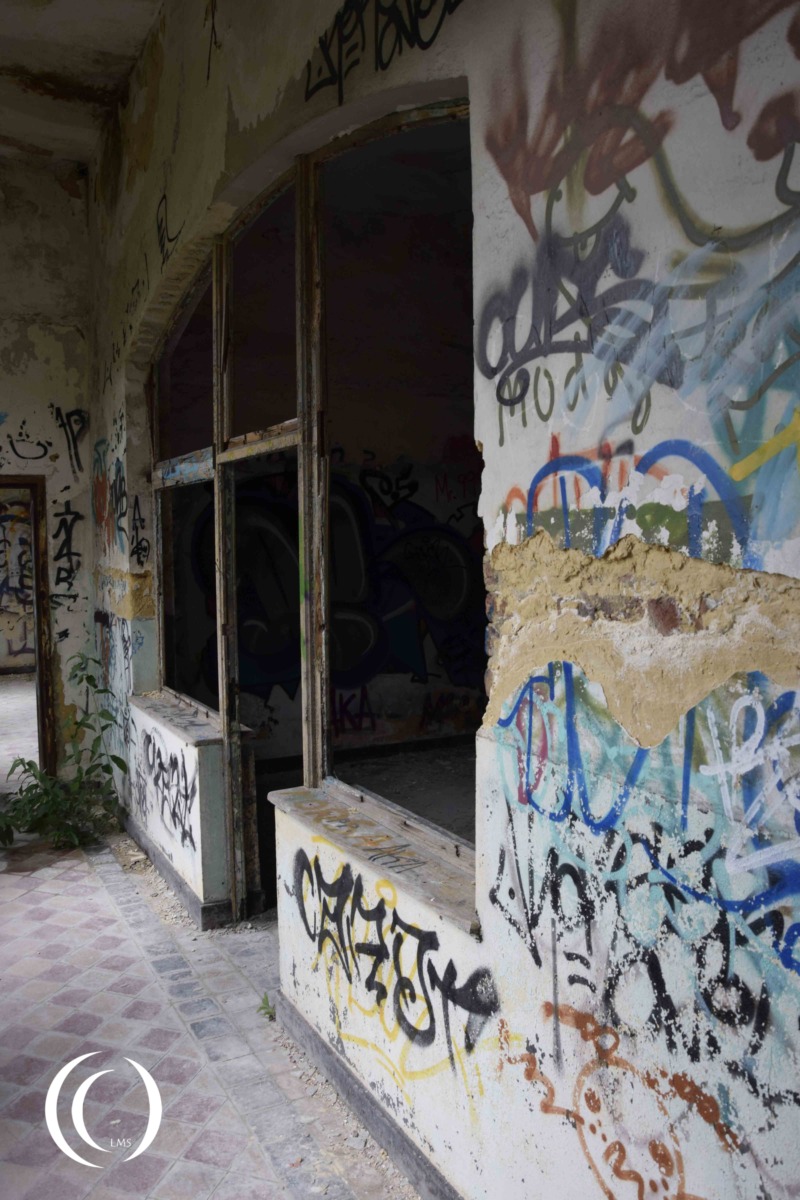
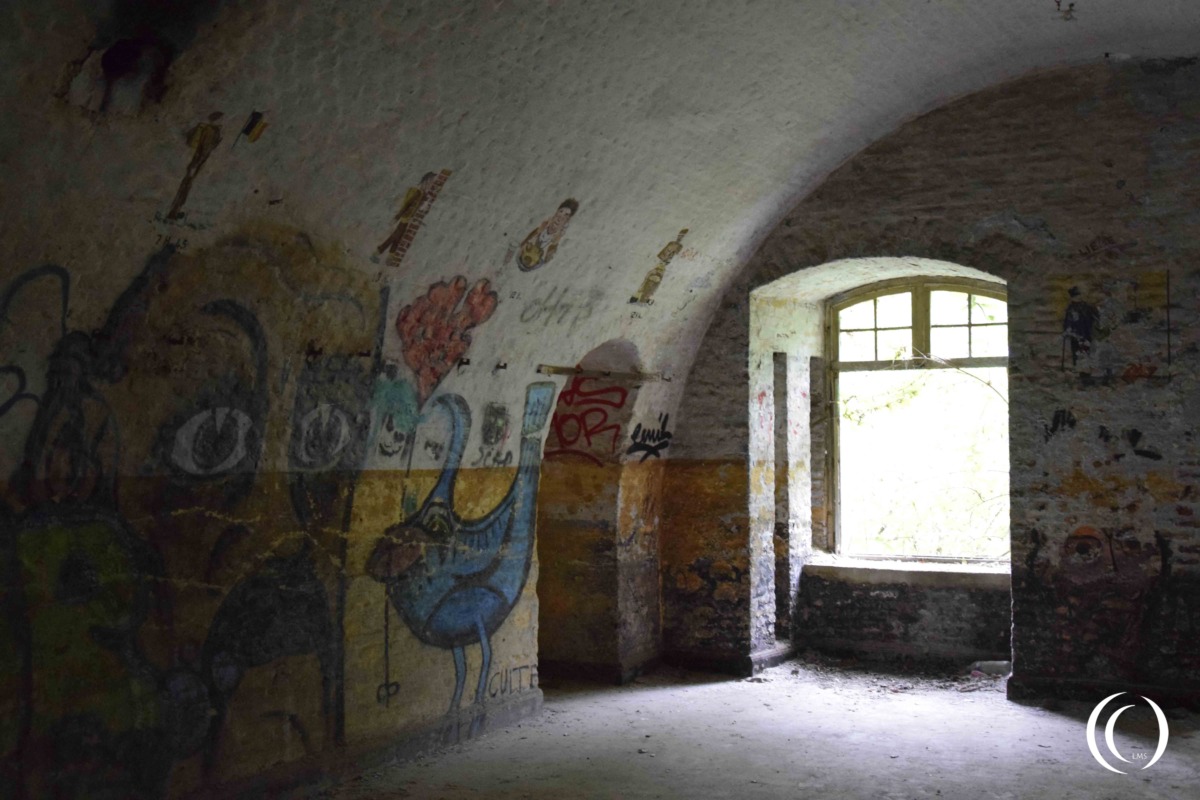
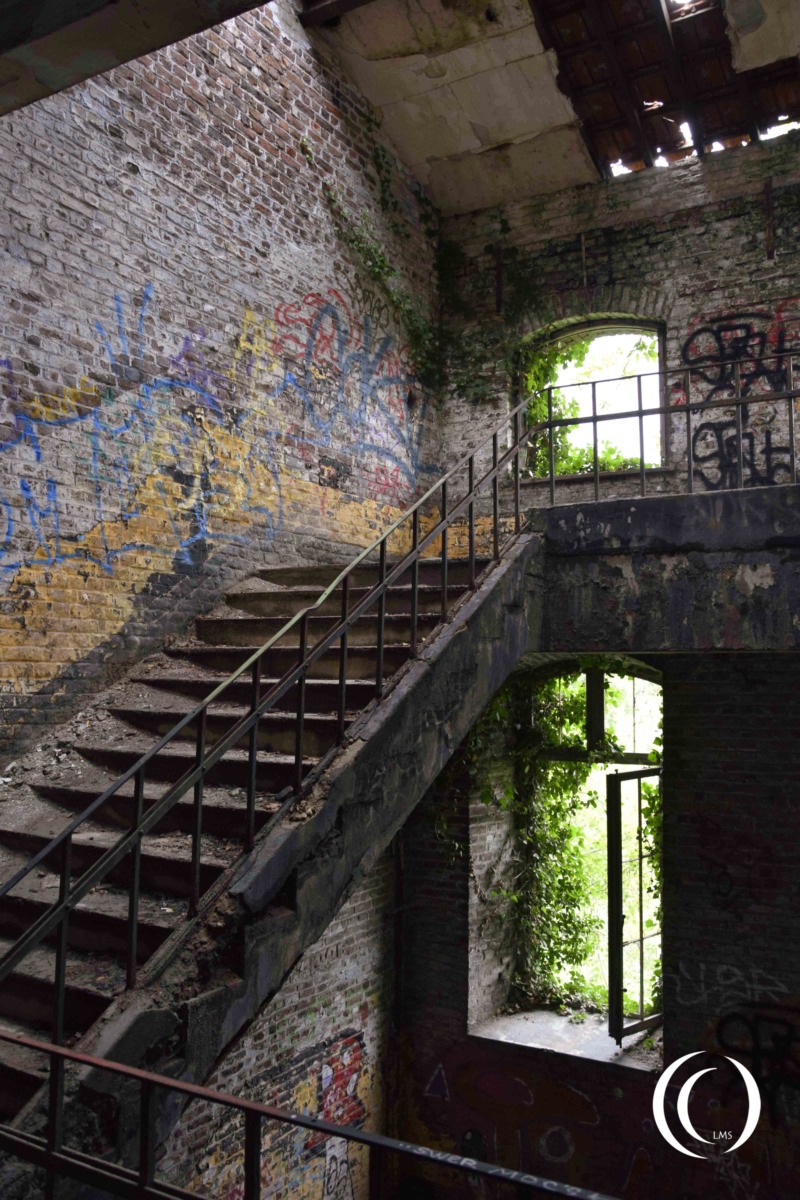
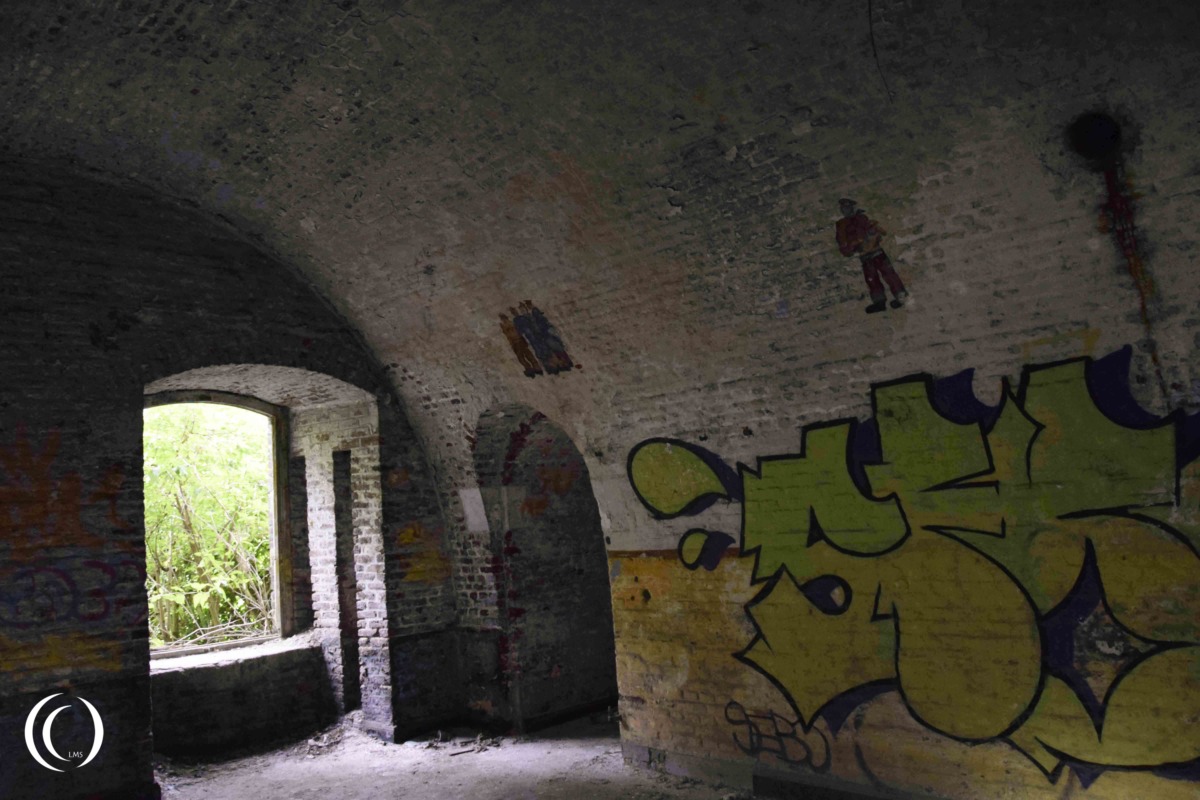
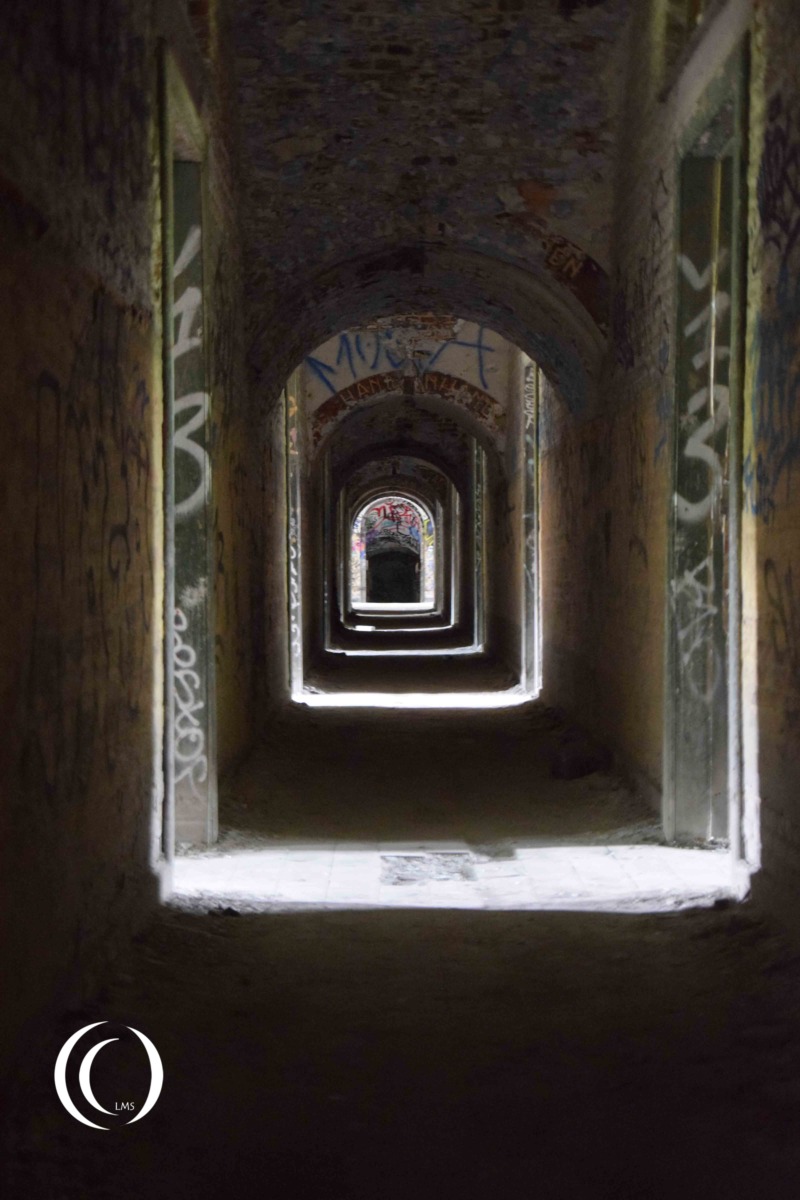
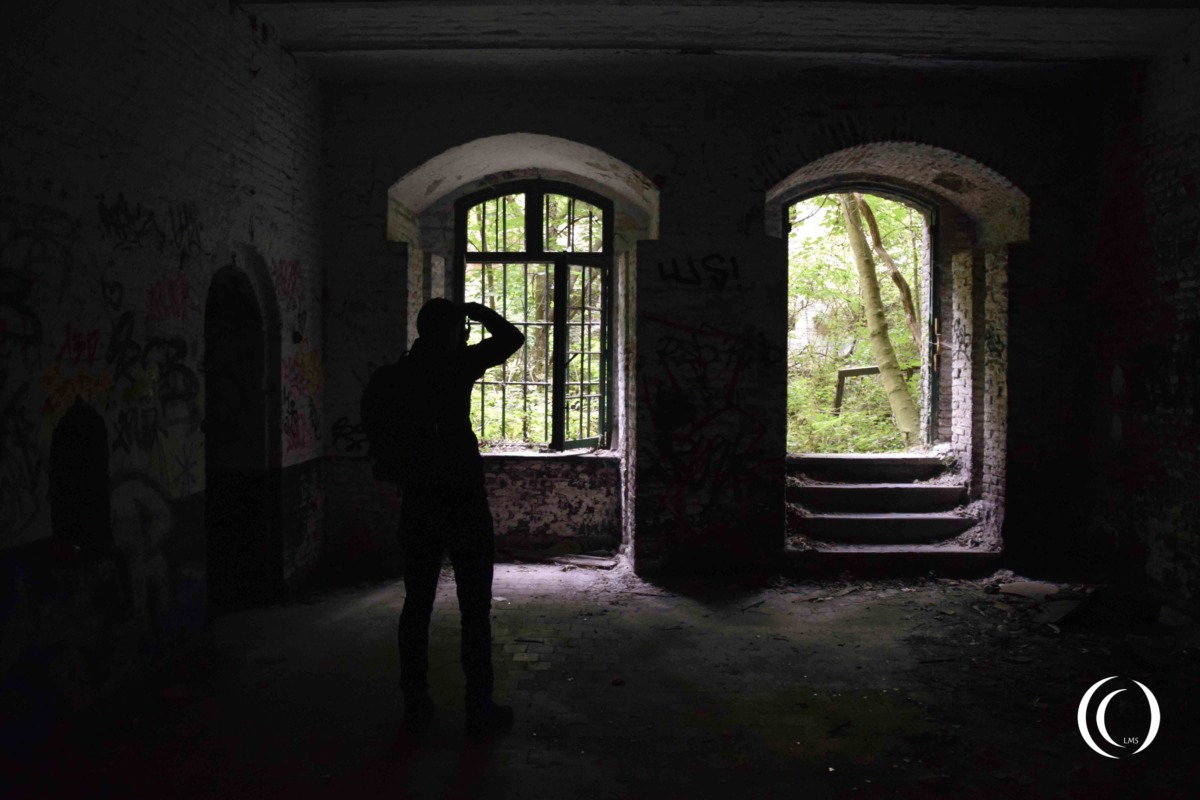
Today Fort de la Chartreuse is largely abandoned but open to the public as green space and historical ruins. Its buildings show large signs of decay, and the site has become a popular destination for urban explorers and nature enthusiasts drawn to its combination of military heritage and overgrown landscape.
