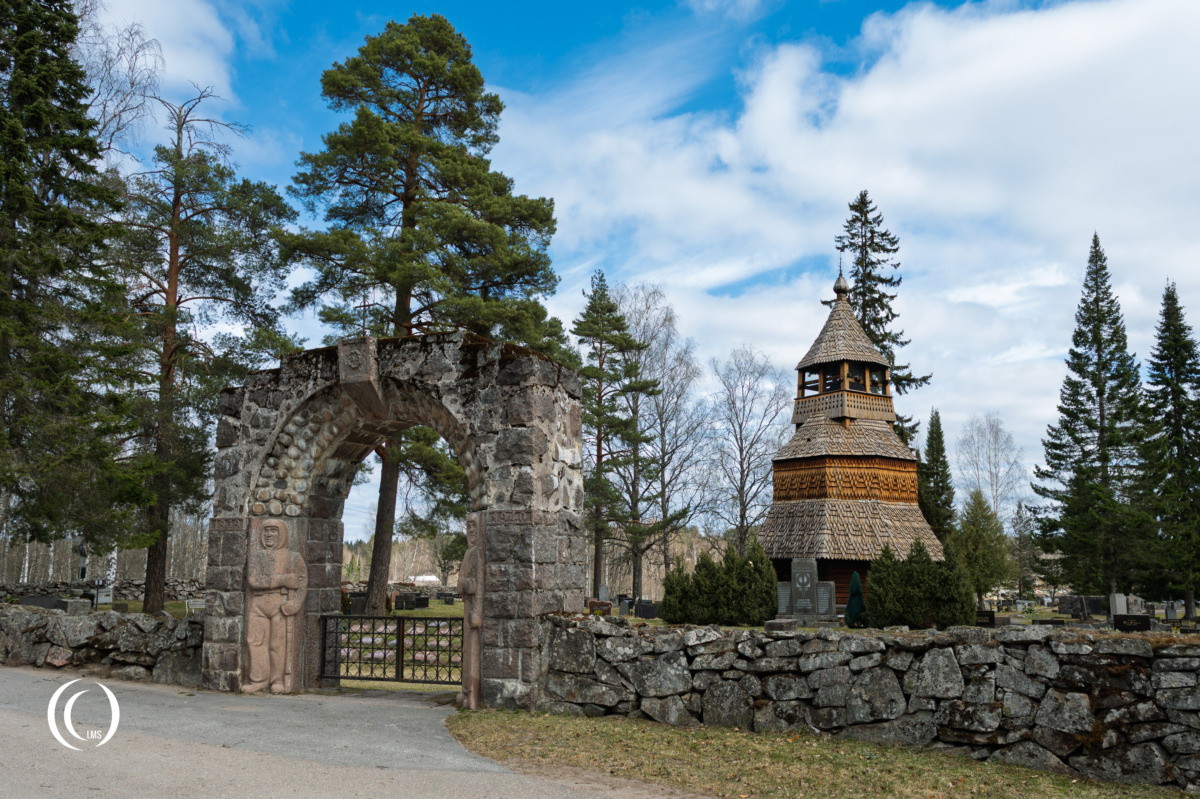
Ruokolahti Cemetery in South Karelia, Finland, is the principal burial ground of the parish of Ruokolahti. The original churchyard developed around the parish church and served the community for centuries. As the population increased during the nineteenth and early twentieth centuries, burial space became insufficient, and a new cemetery was consecrated in 1937. The older churchyard has been preserved as a historic cemetery containing memorials from different periods, including monuments to those who died in Finland’s wars.
Today, Ruokolahti Cemetery reflects both local history and national remembrance. In addition to family graves, it contains military graves and memorials connected with the Winter War¹ and Continuation War², as well as later commemorative monuments.
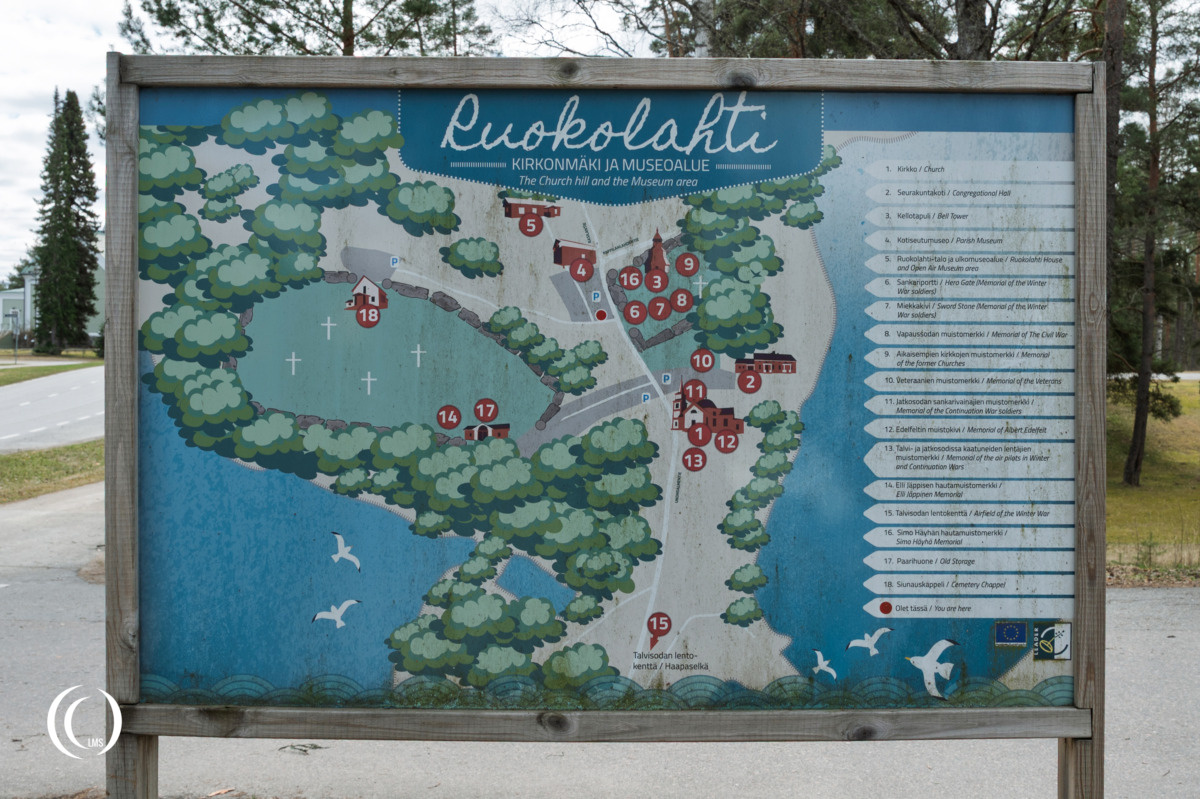
The cemetery is divided into three sections; the communal cemetery, the memorial cemetery, also known as the old cemetery, and the military cemetery.
The old cemetery
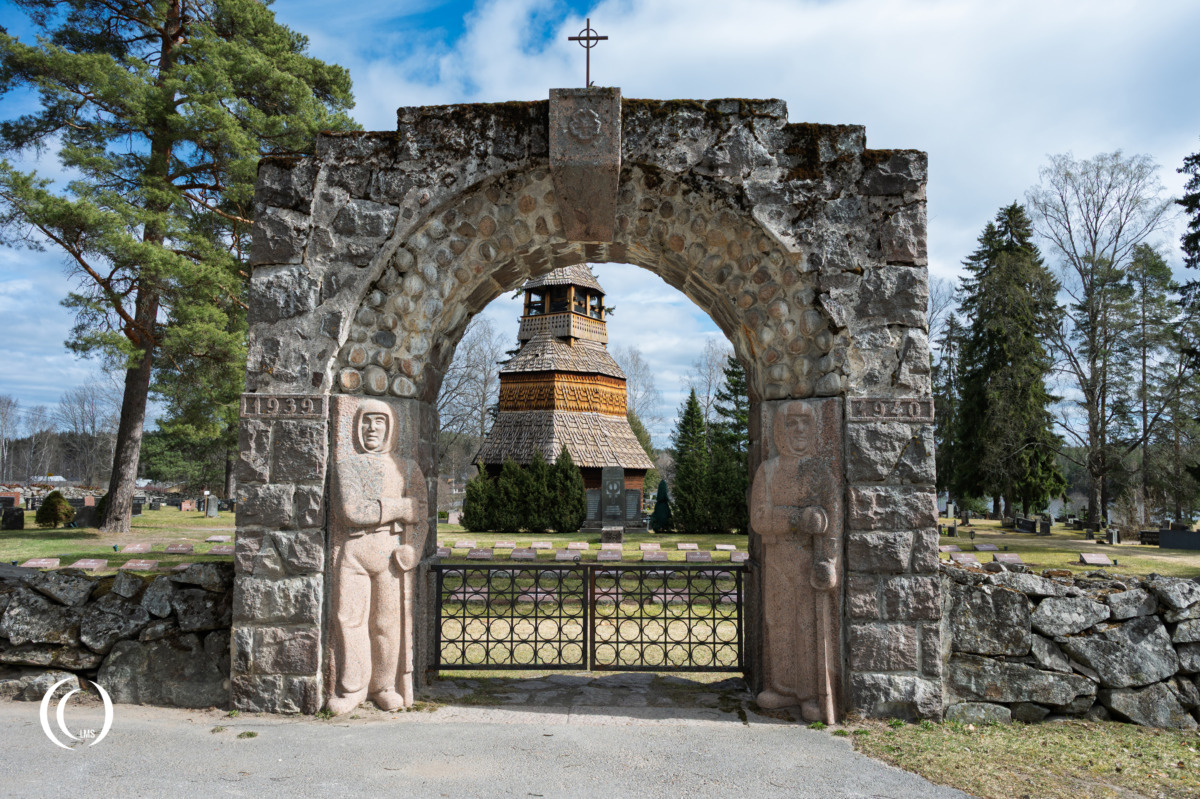
You can enter the old cemetery through the beautifully sculpted stone arched gate which commemorates the fallen of the Winter War.
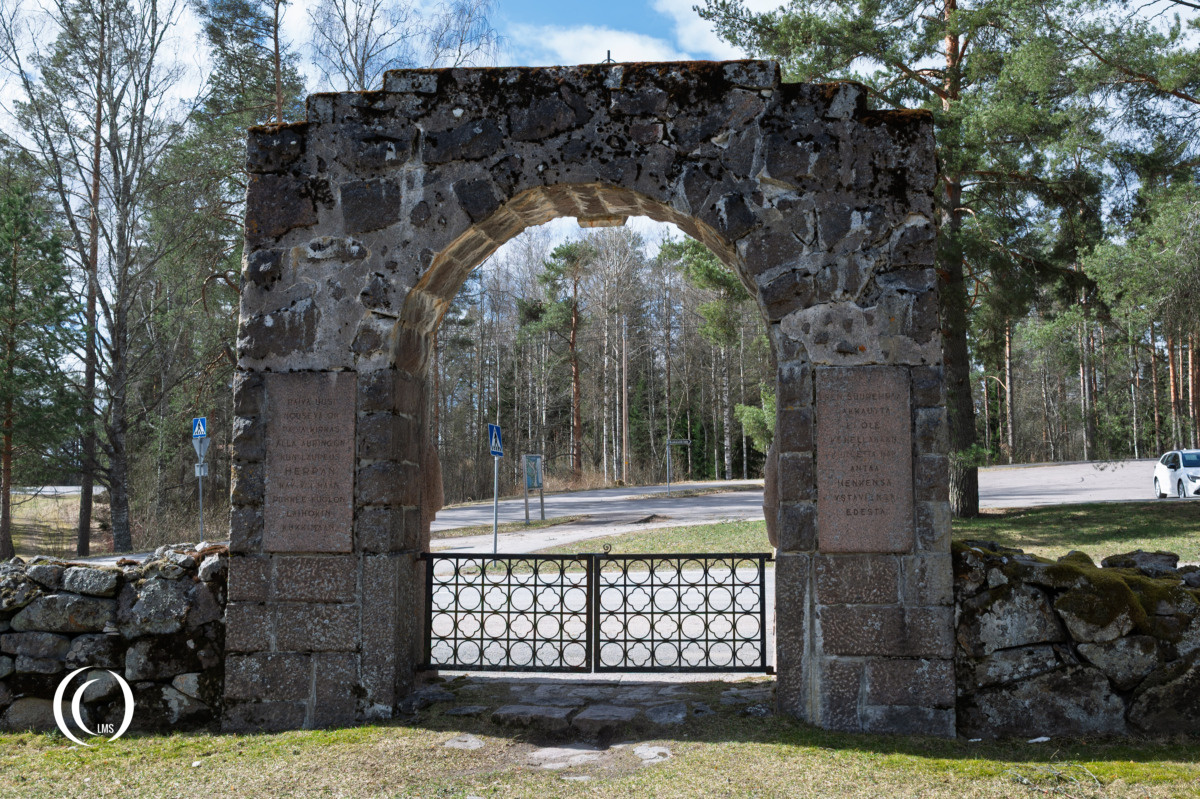
In the middle of these grounds once stood the first three churches of the Ruokolahti Parish. There are graves here that date back to the founding of the parish in 1572. The impressive wooden bell-tower is one of the oldest buildings in Ruokolahti, built by Tuomas Suikkanen, a local carpenter, in 1752. The sword stone is part of the stone gate, but was moved from the proximity of the gate to a place behind the rows of 90 graves.
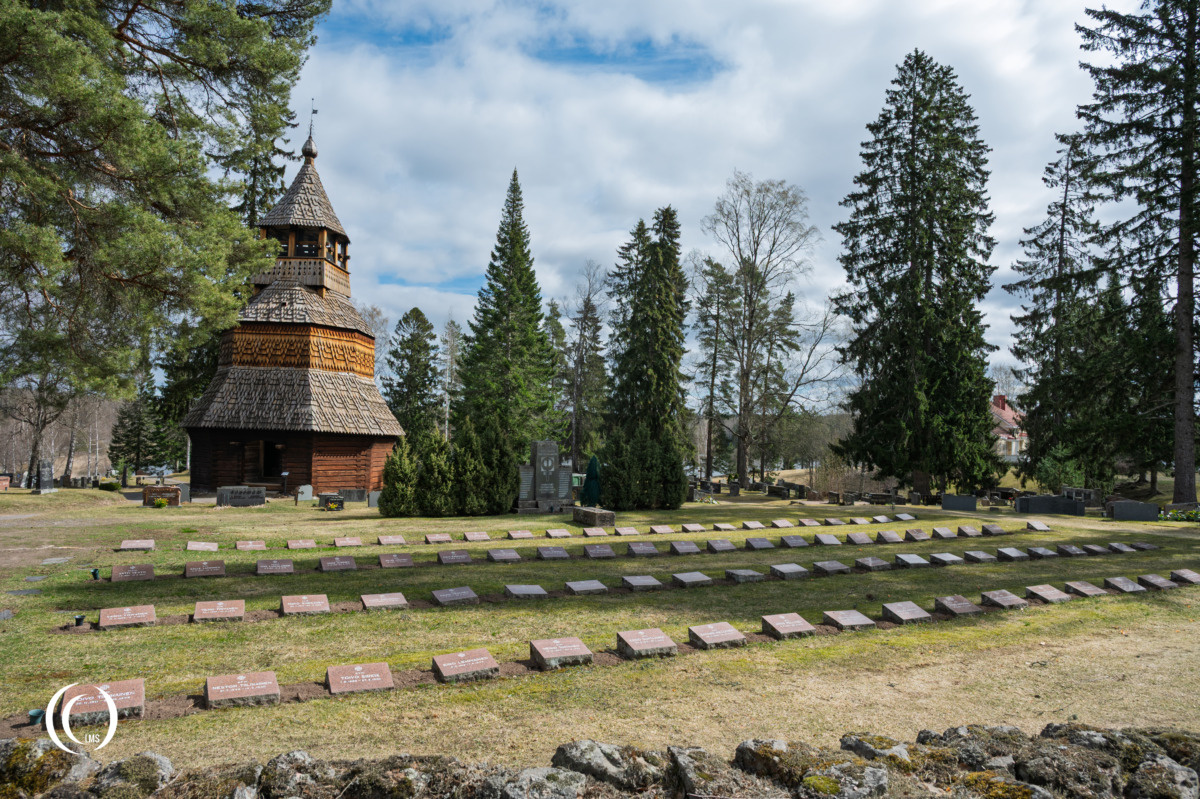
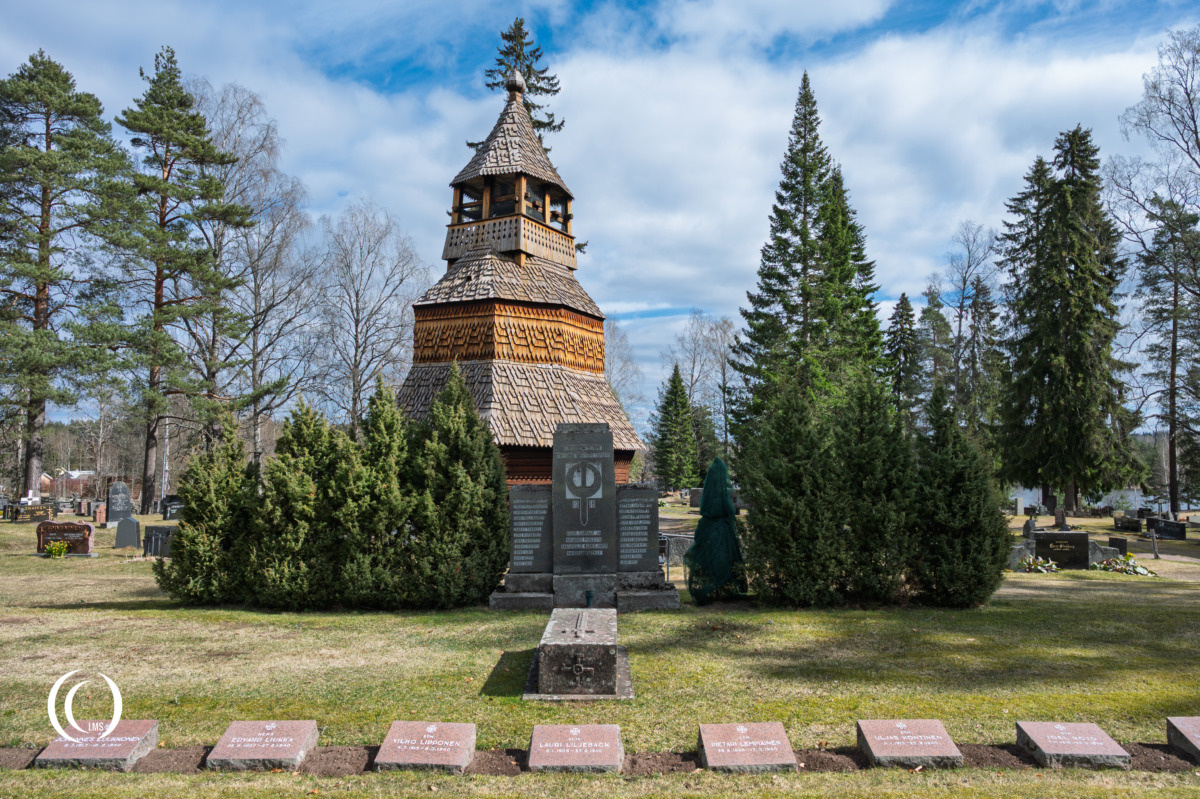
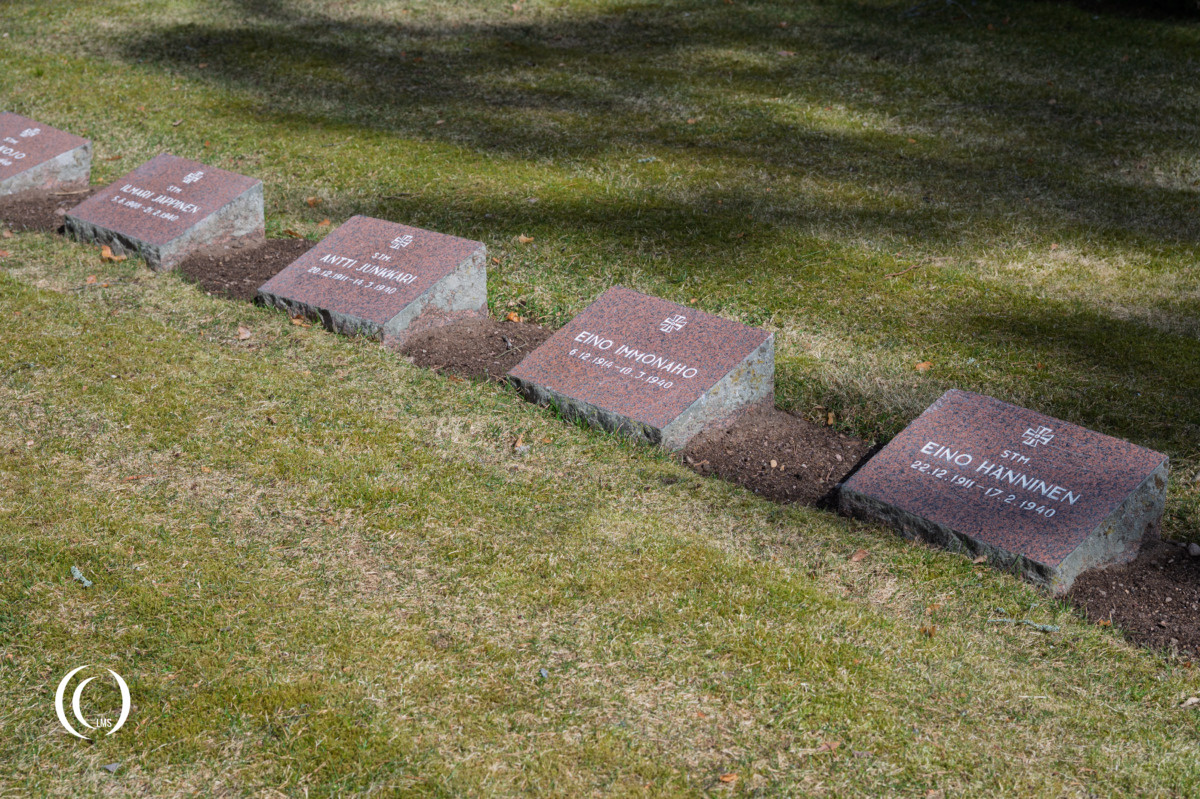
The old cemetery section holds the graves of 24 White Army heroes and a memorial stone erected for them in 1920. Right behind the arched gate are military graves for soldiers who fell during the Winter War.
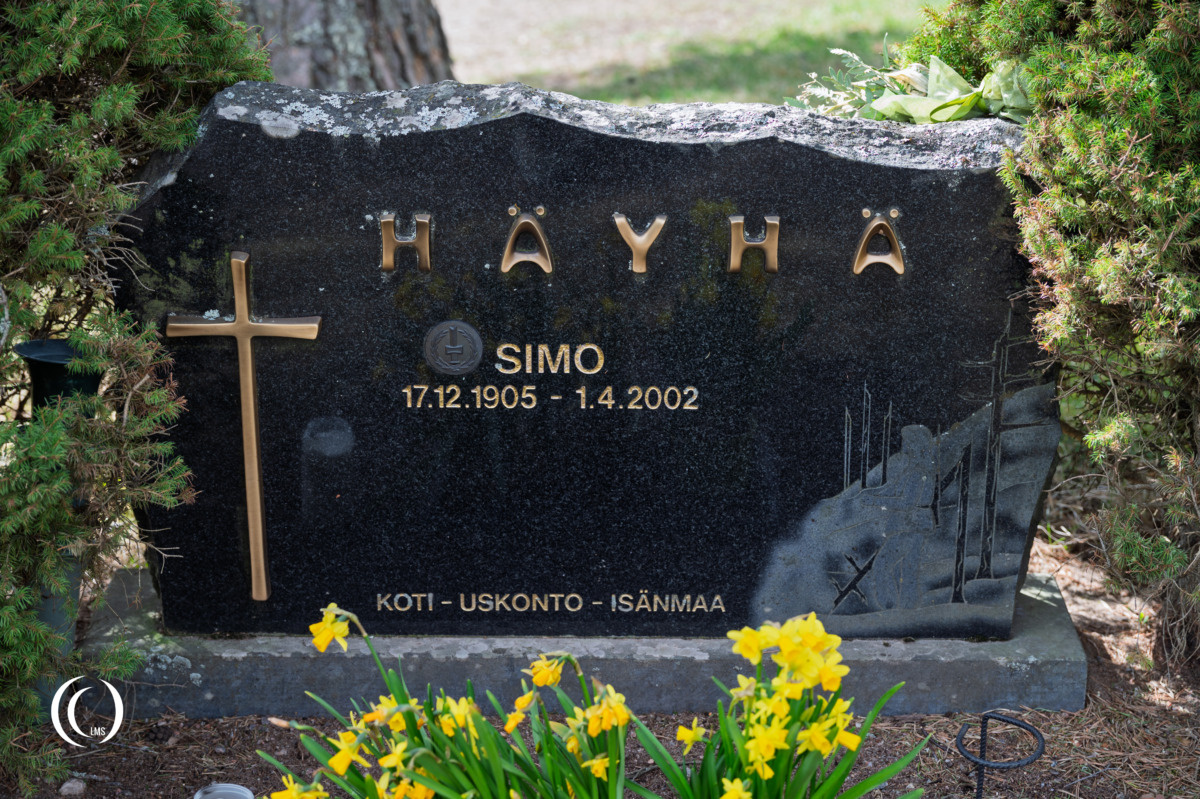
One of the most notable graves here is that of Simo Häyhä (1905- 2002), nicknamed “The White Death” by the Soviets, who was the most successful sniper of all time.
The military cemetery
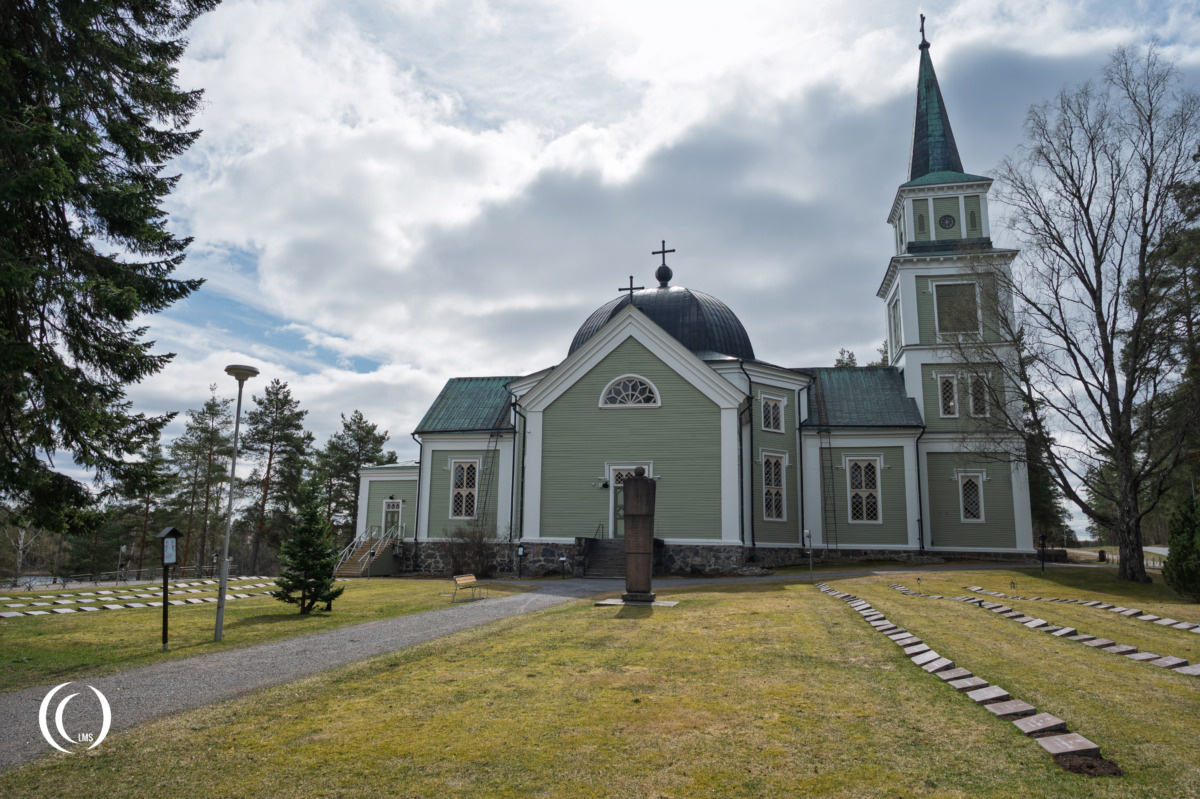
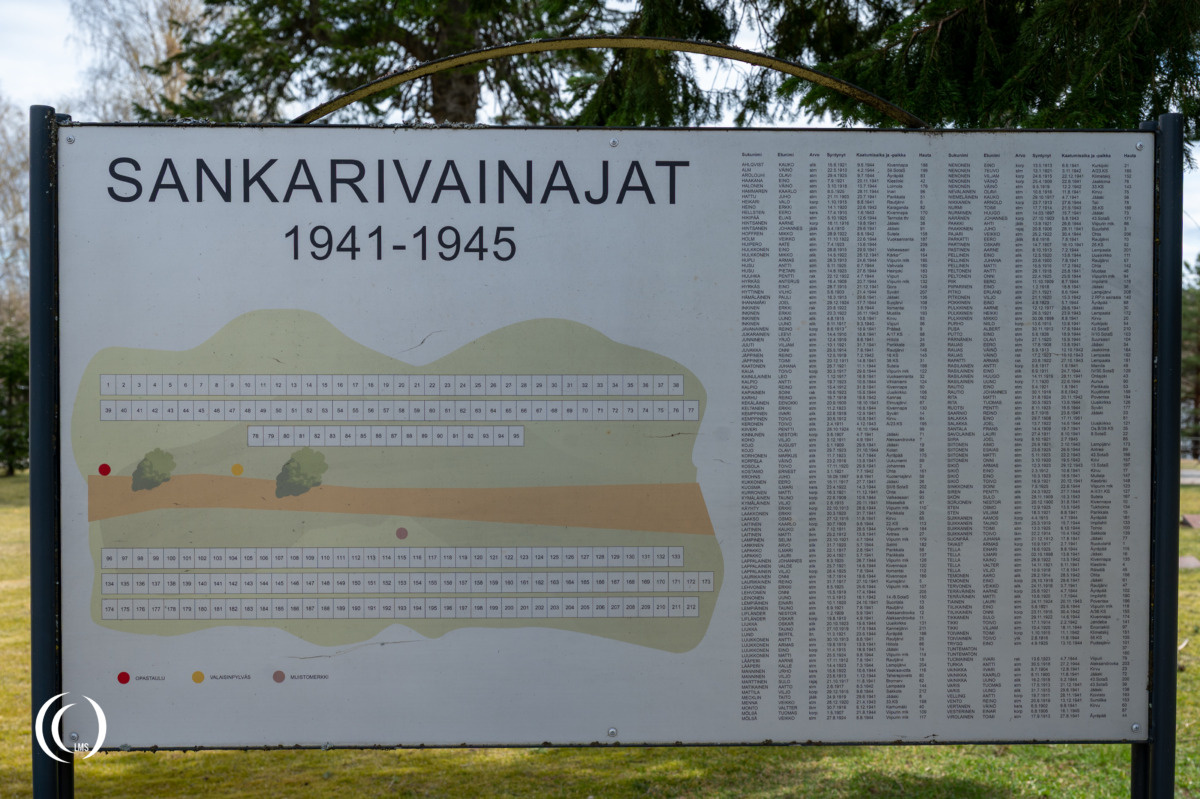
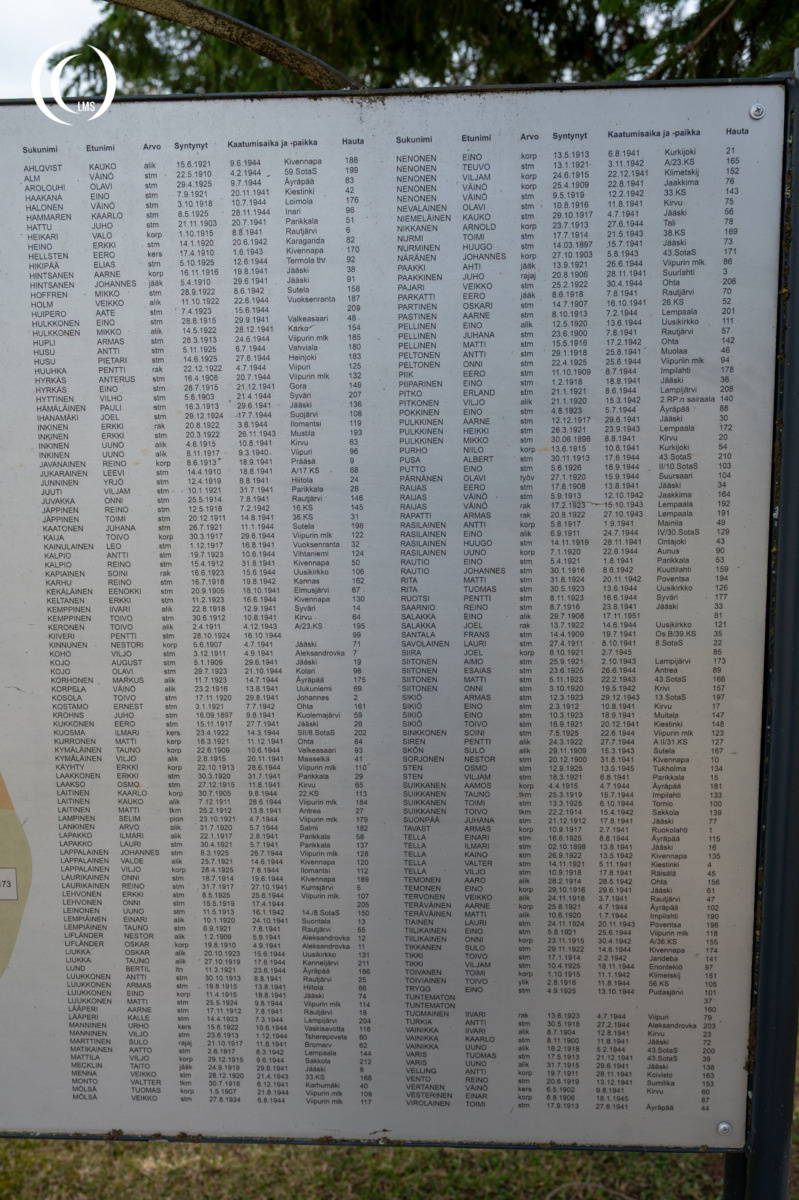
This section of the cemetery, known as the church yard, is located a stones throw to the South of the Old Cemetery and dedicated to the fallen heroes of the Continuation War.
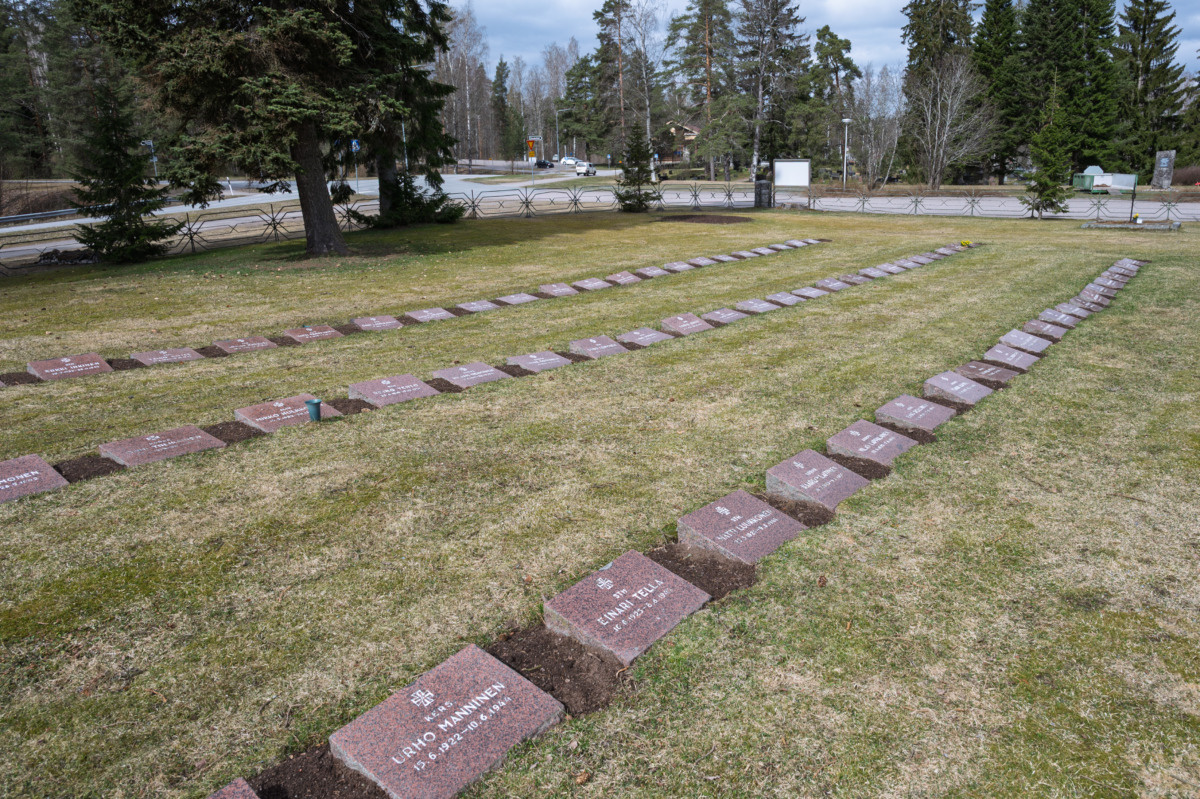
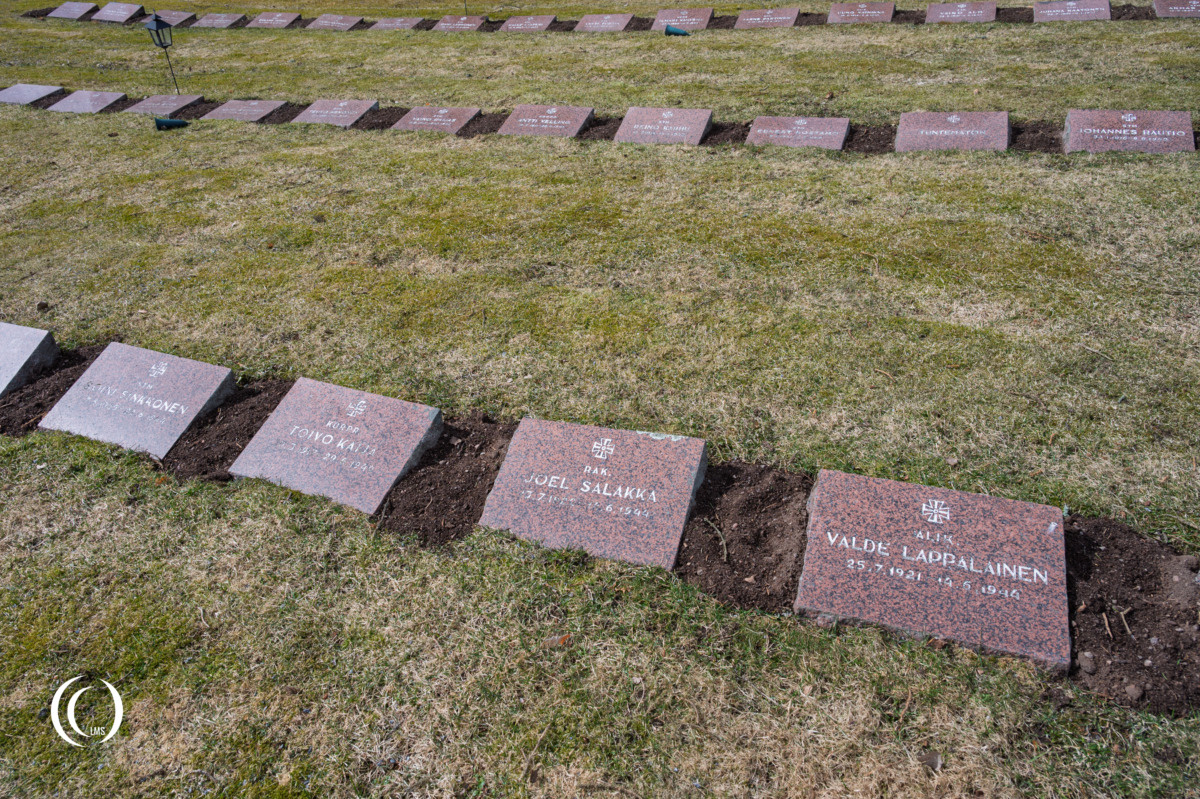
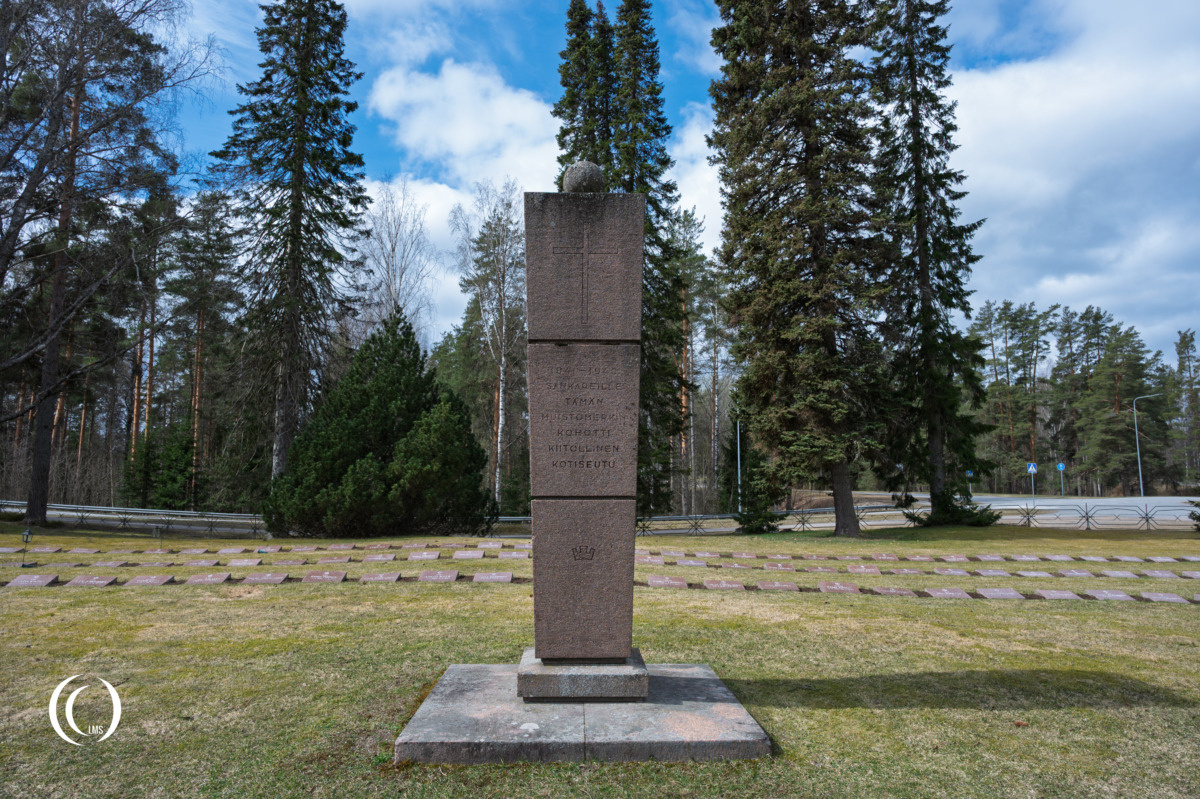
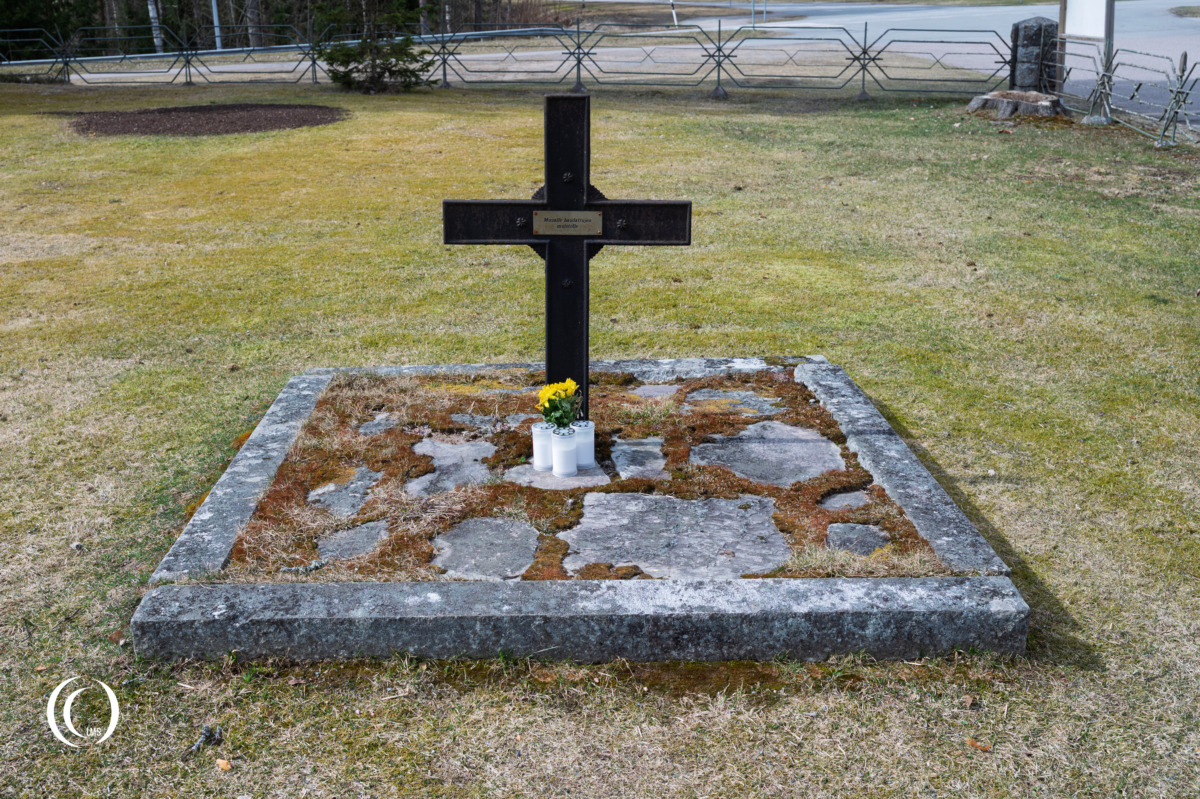
There is also a memorial stone and a remembrance site where people can light a candle for a loved one buried elsewhere.
Visit
The cemetery grounds are opened daily. You can visit the cemetery freely during the daytime.
¹ The Winter War was a conflict between the Soviet Union and Finland, which began with the Soviet invasion of Finland on 30 November 1939, three months after the outbreak of World War II. The conflict ended with the Moscow Peace Treaty on 13 March 1940.
² The Continuation War (a.k.a. the Second Soviet–Finnish War) was a conflict fought by Finland and Nazi Germany against the Soviet Union during World War II. It began with a Finnish declaration of war on 25 June 1941 and ended on 19 September 1944 with the Moscow Armistice.
