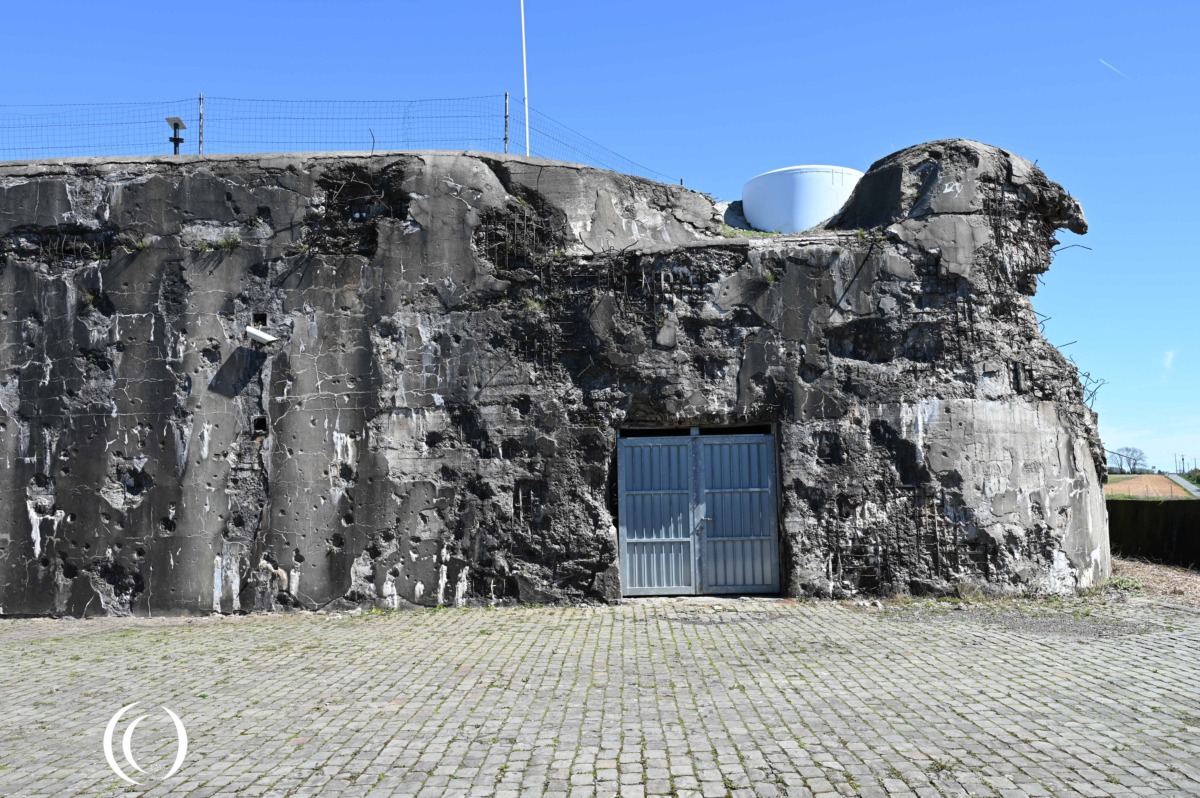
Short history of Fort d’Aubin-Neufchâteau
Fort d’Aubin-Neufchâteau is one of Belgium’s last line of forts built in the interwar period, designed to protect the eastern approaches to Liège. Constructed between 1935 and 1938, it formed part of the Fortified Position of Liège I (PFL I) and was officially inaugurated in May 1937. Unlike older 19th-century forts, it featured reinforced concrete, improved ventilation, and underground facilities designed to withstand modern artillery.
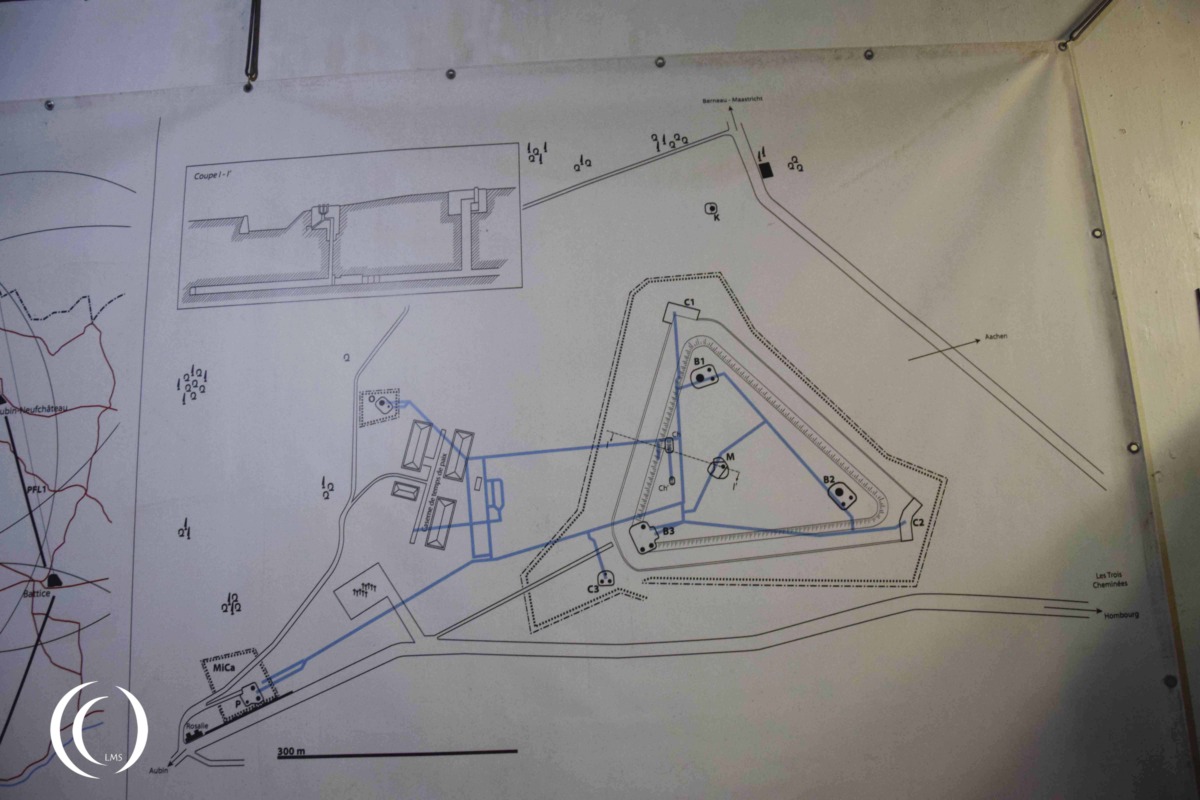
Defense structure of the Fort
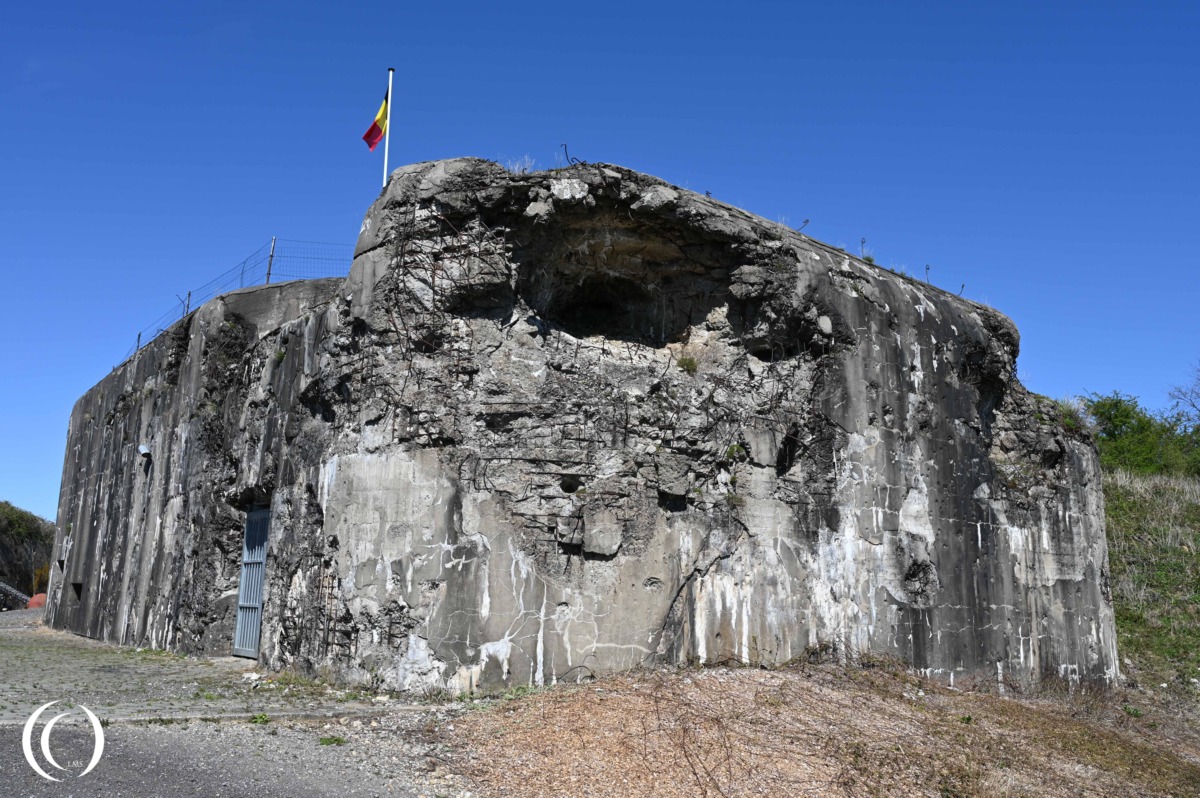
The fort had a triangular layout and was built up with forced concrete, it was surrounded by a dry moat, and was armed with:
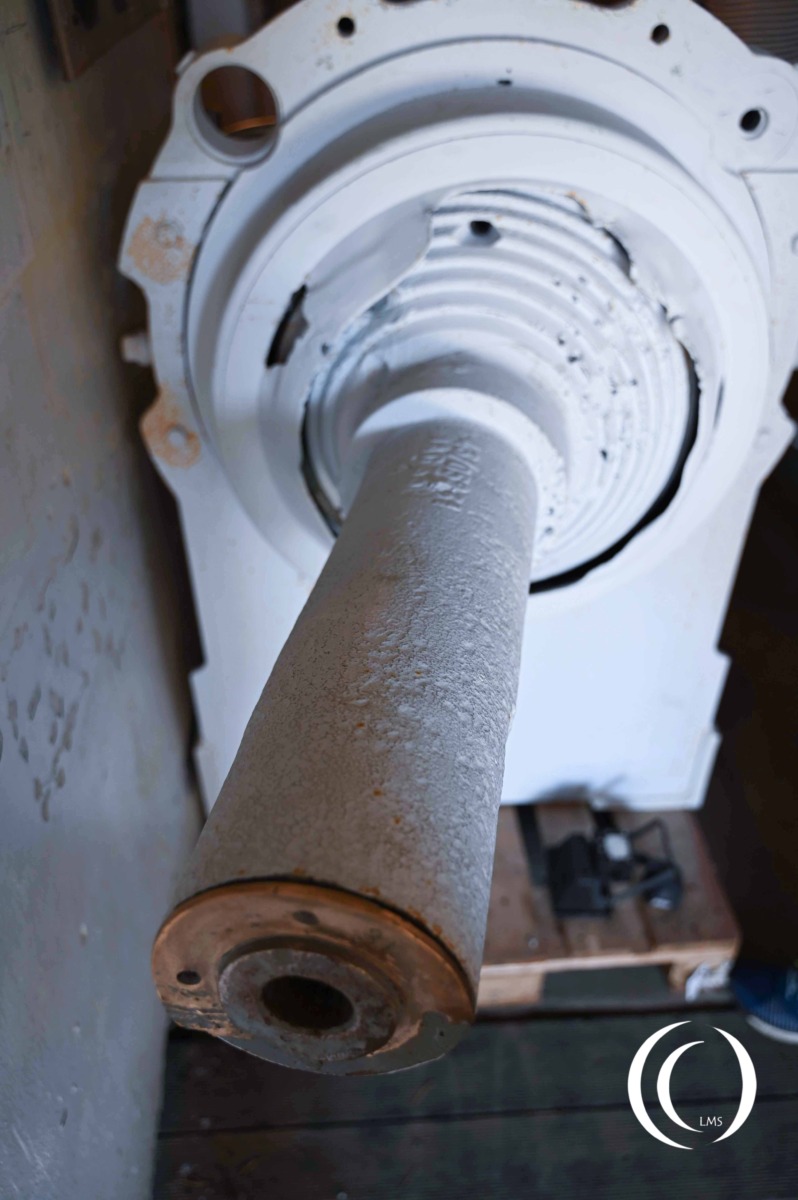
- Two 75 mm retractable gun turrets in blocks B.I and B.II
- A central mortar block with three 81 mm mortars (Block B.M.)
- Several machine gun turrets and positions and 47 mm anti-tank gun positions
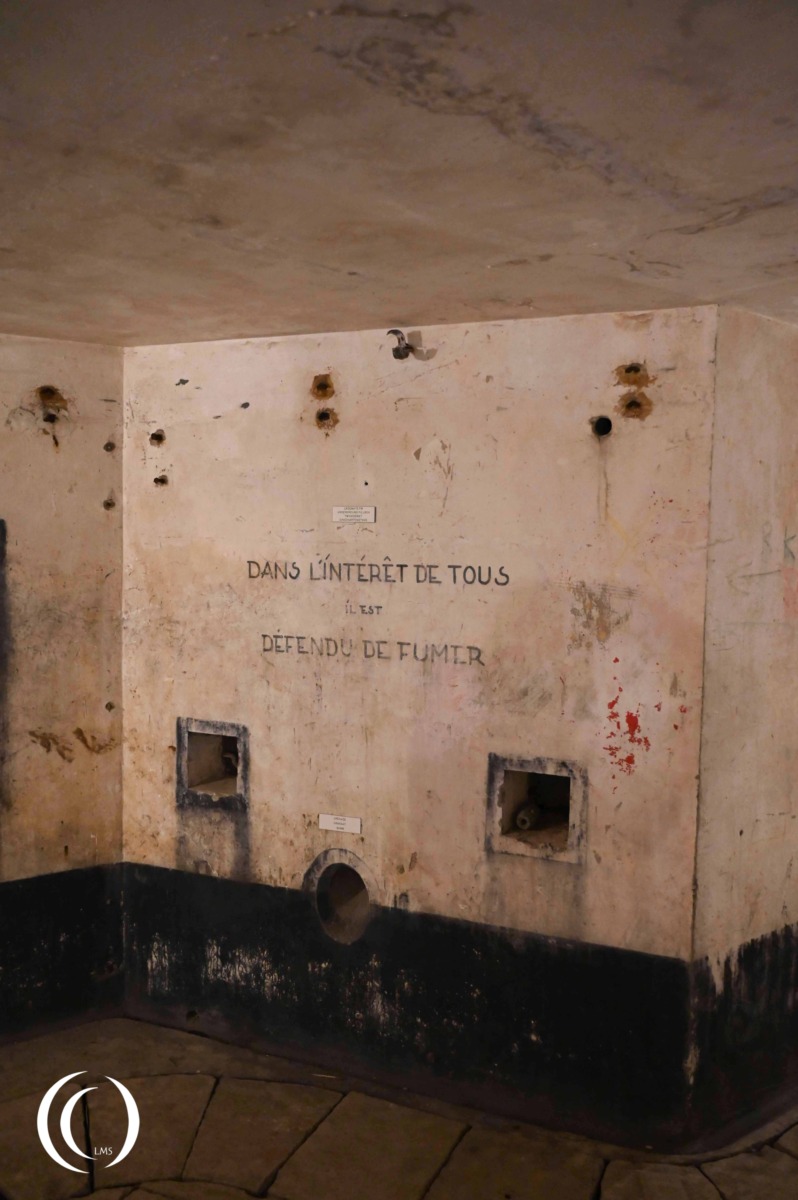
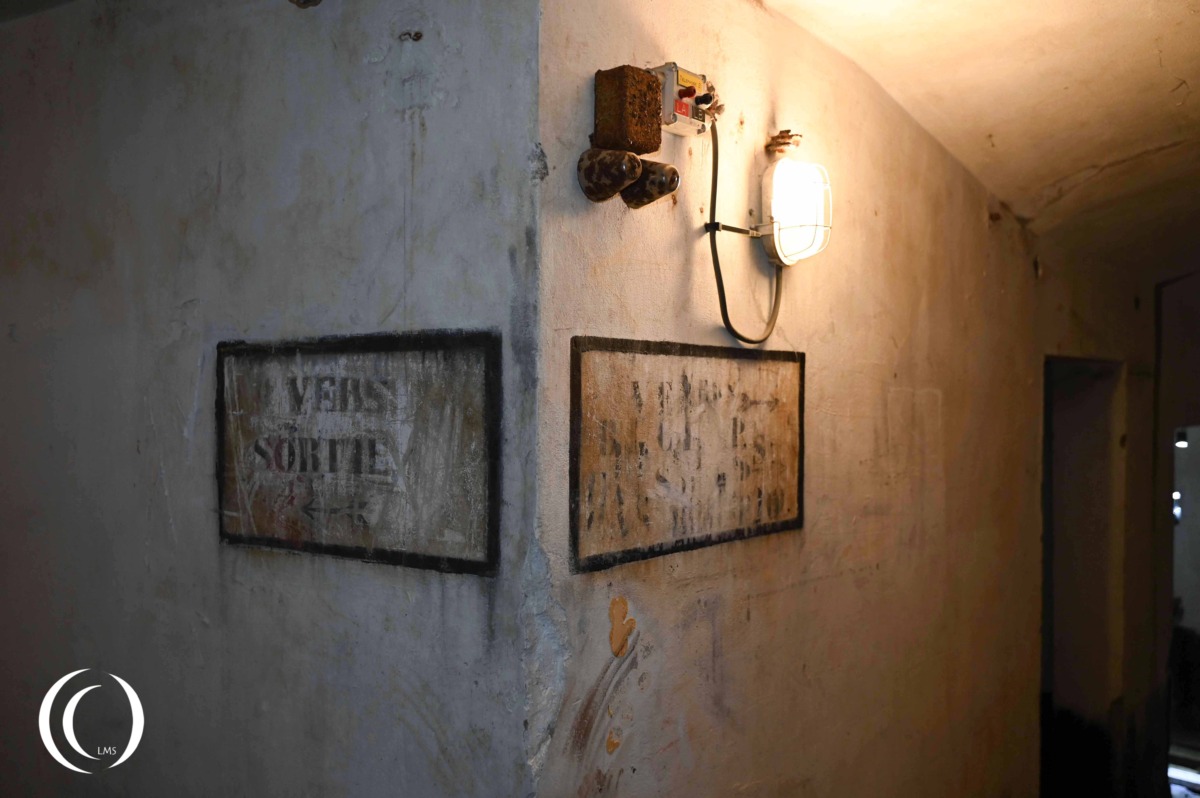
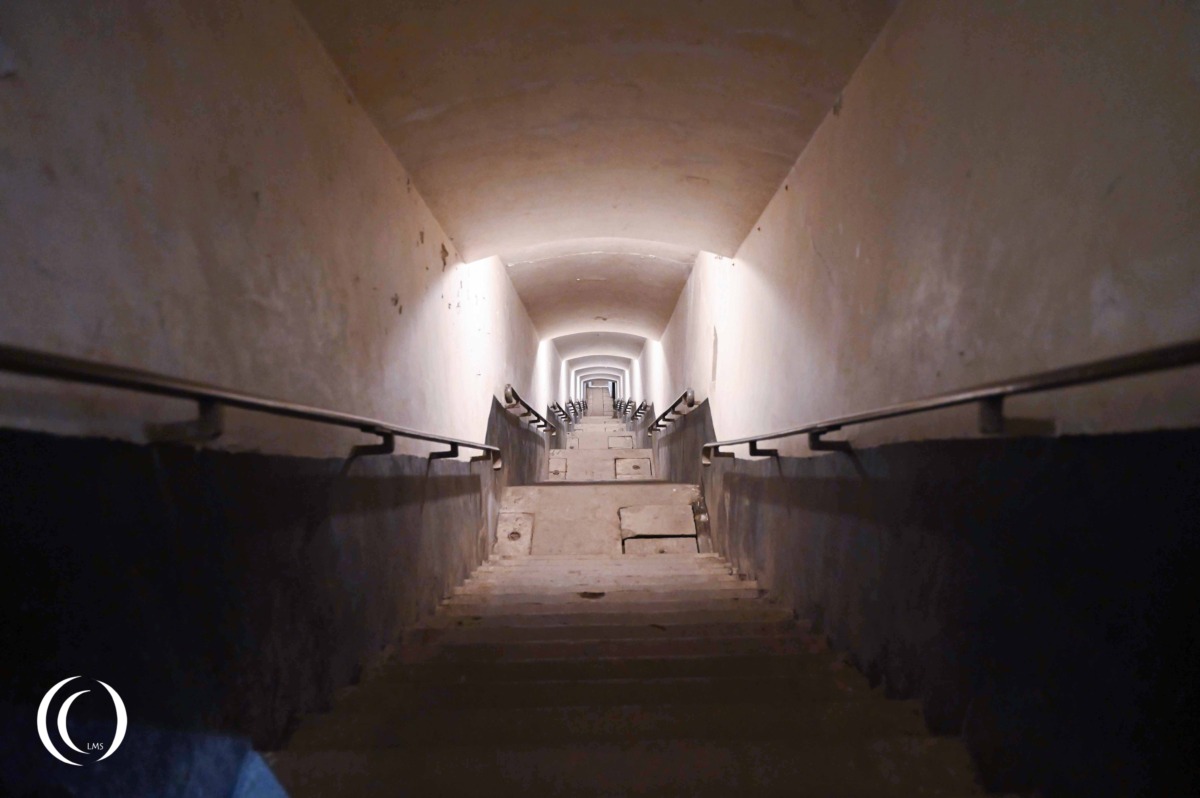
Masterful Defense of Fort d’Aubin
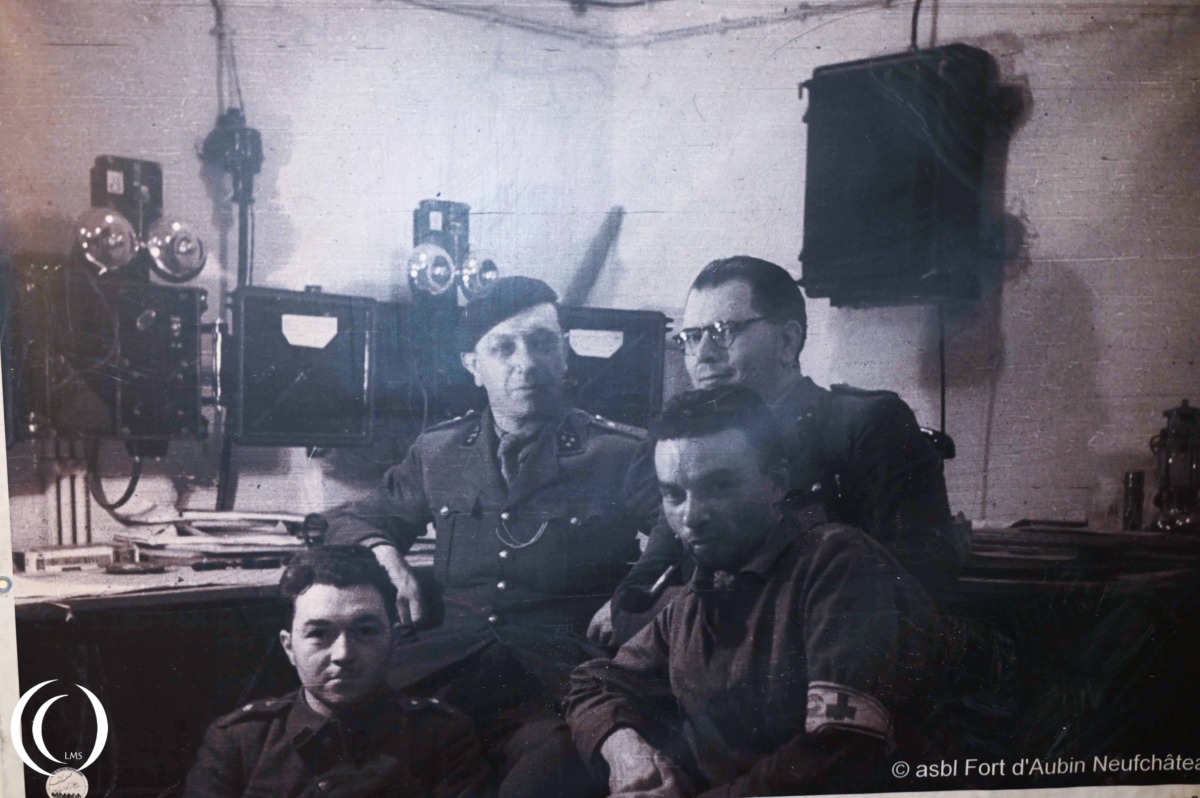
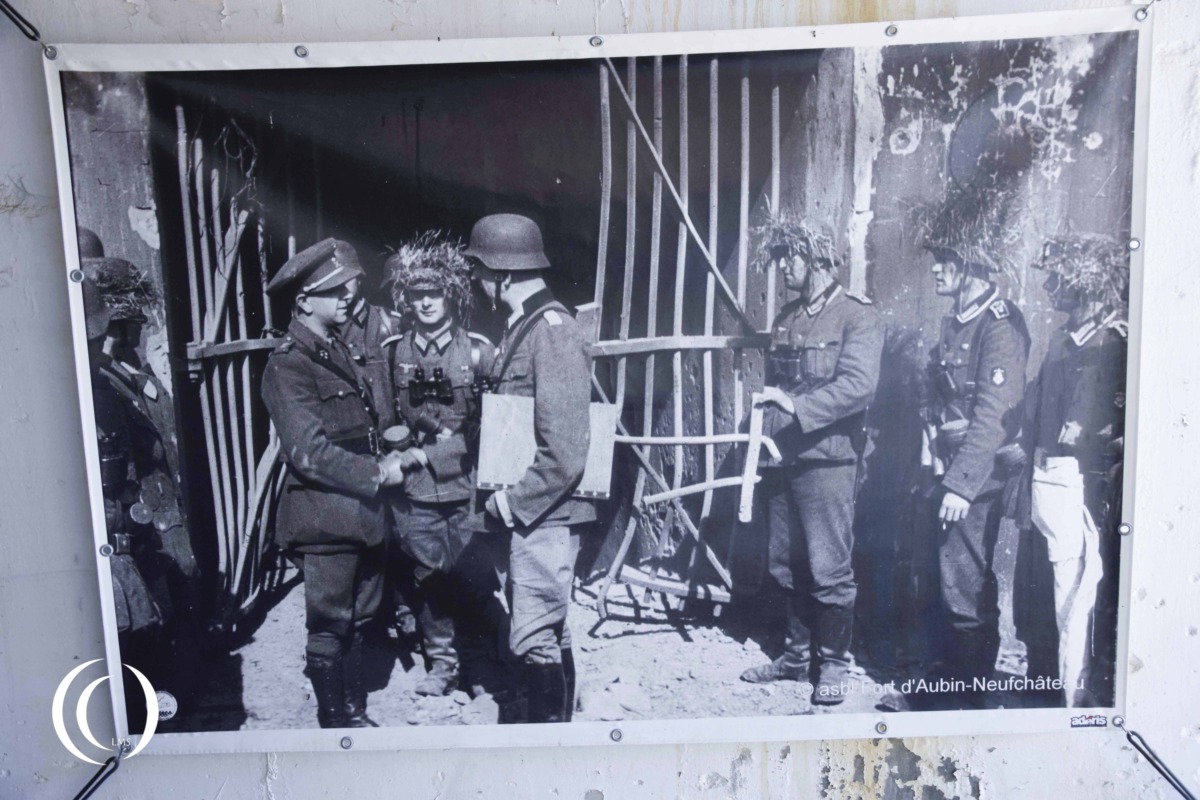
From May 10, 1940, after the German armies crossed the Belgian borders and attacked the fortresses around Liege. They started their assault on Fort d’Aubin-Neufchâteau the same day and began heavy artillery, air, and infantry attacks. The garrison of approximately 545 men repelled 23 separate attacks and suffered only seven dead and about twenty wounded. German losses before the walls have been estimated at 500 to 2,000 men. The Belgian garrison held out until May 21, only when the ammunition ran out and the artillery failed did they surrender. The surrender took place under venerable circumstances: the soldiers were allowed to rest in the field for 24 hours, after which they emerged from the gate, armed, to the acclaim of a German honor guard.
Secret weapons test location
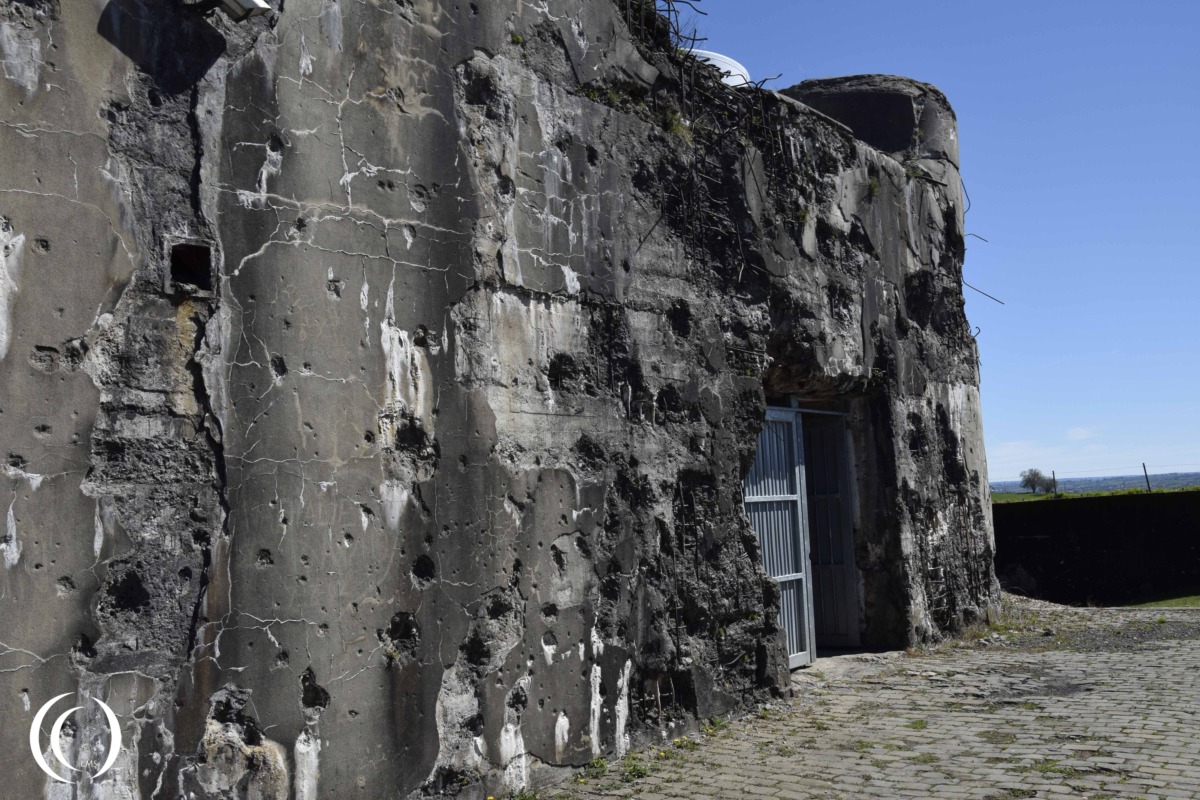
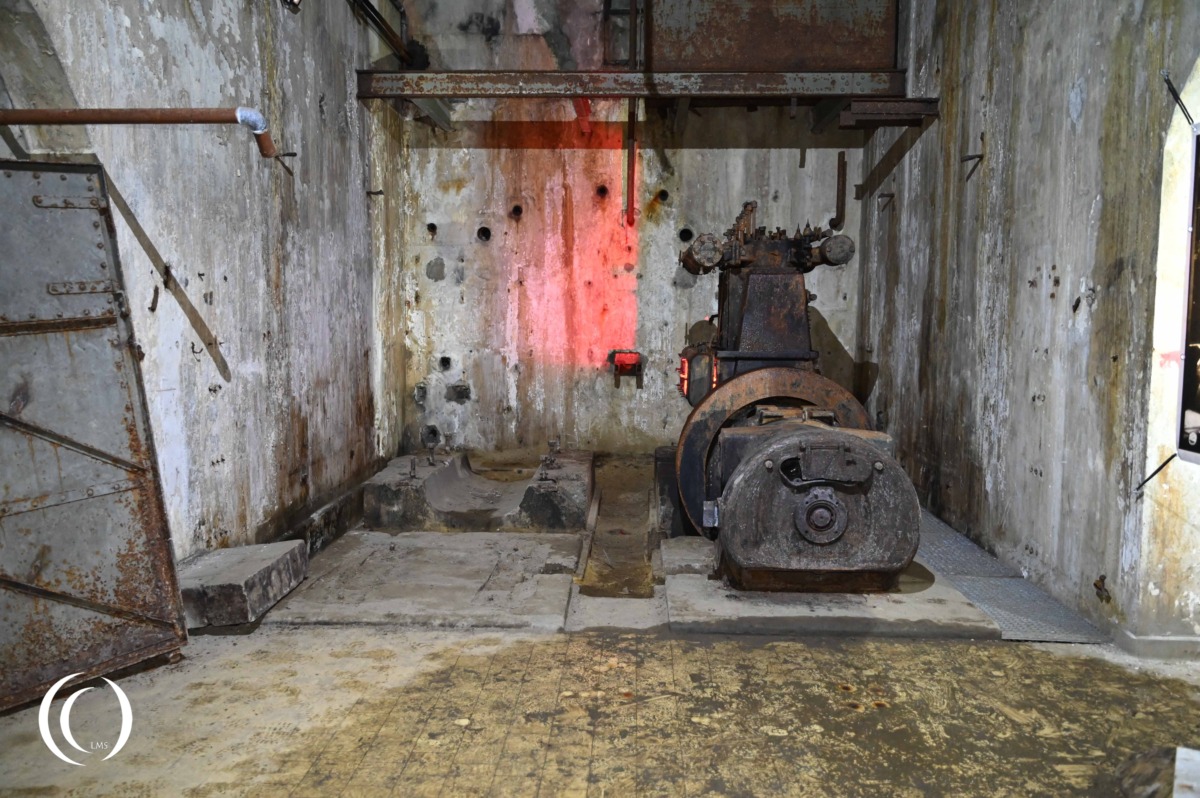
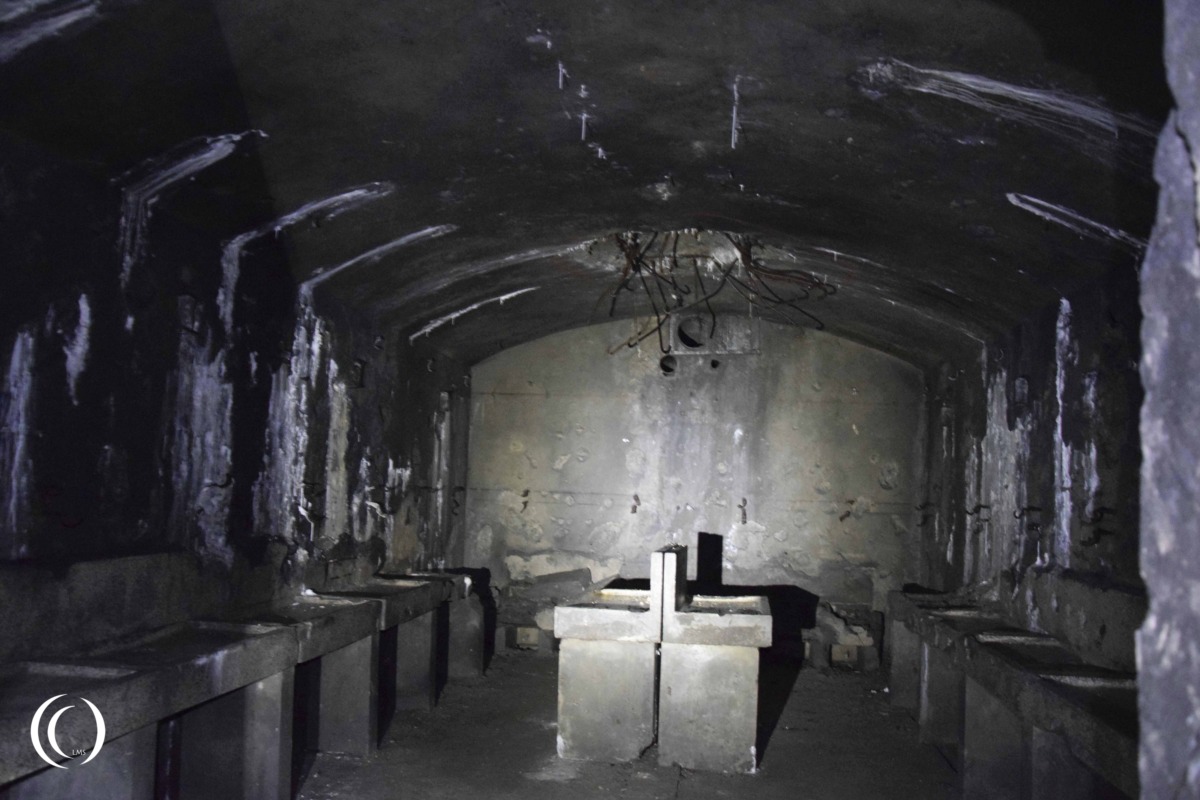
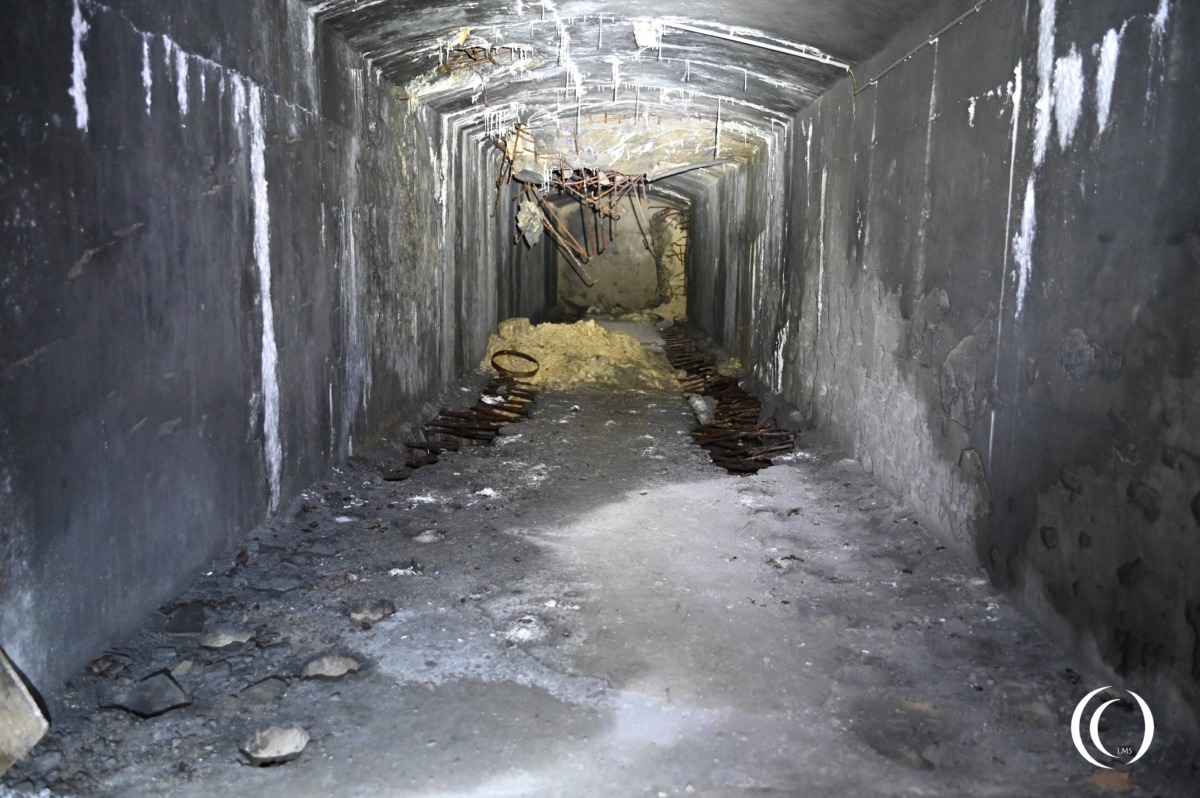
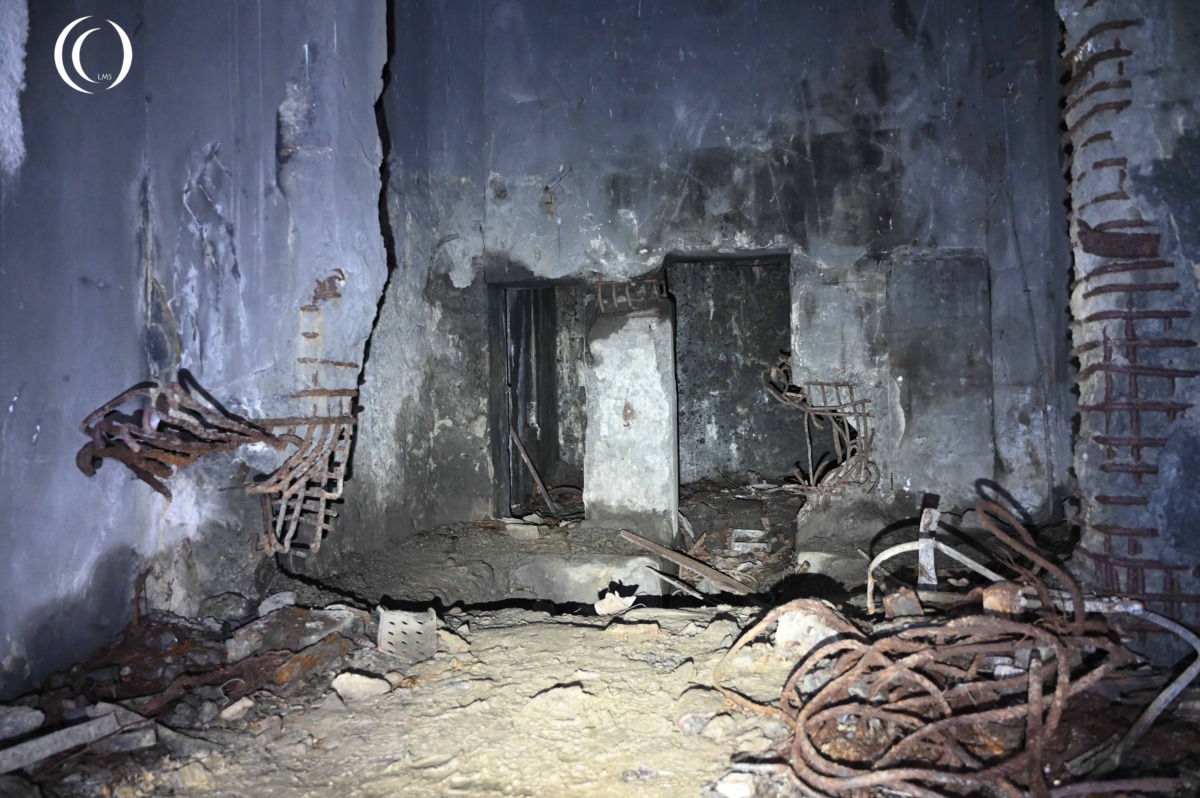
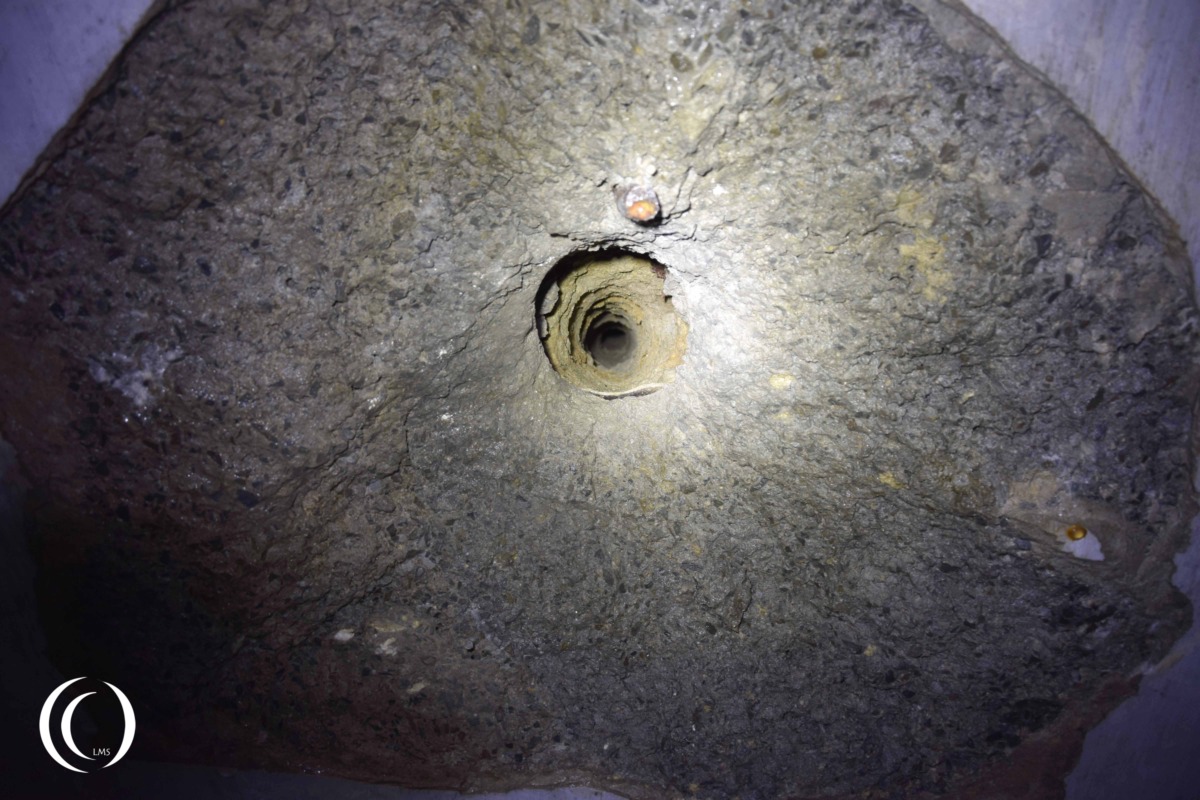
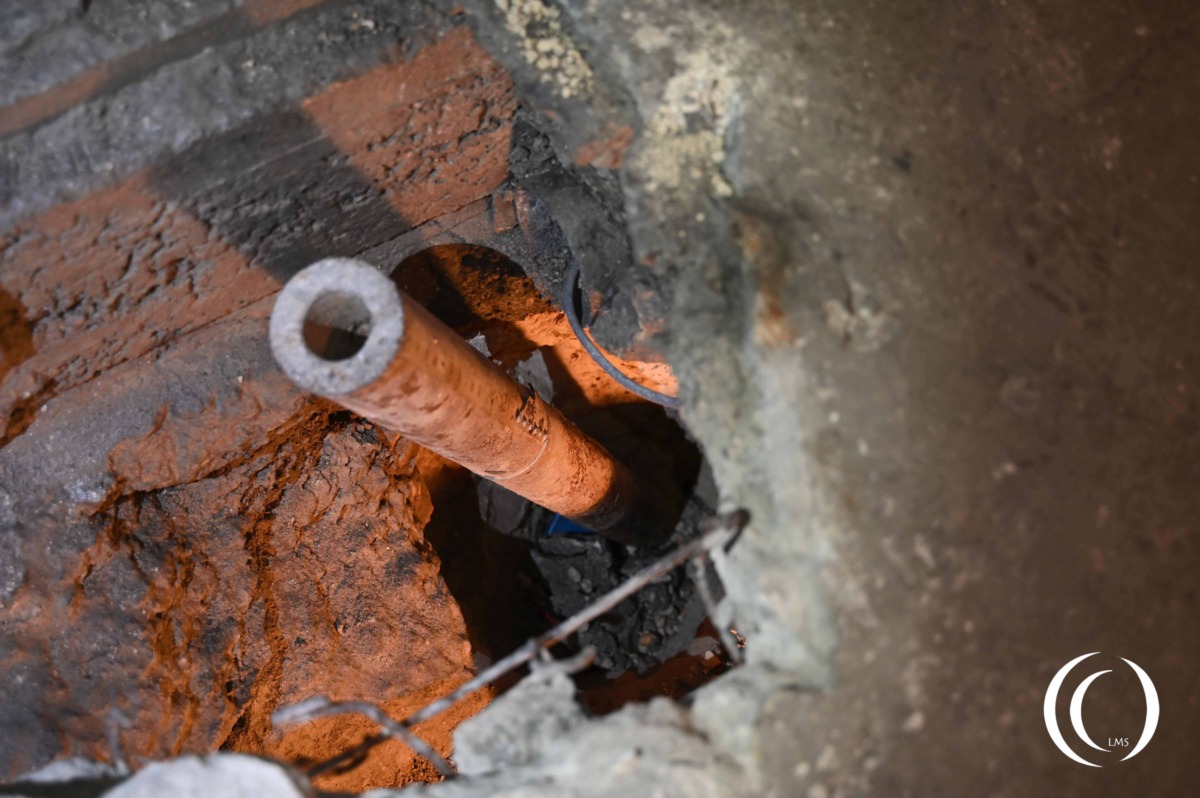
During the German occupation, the fort was used as a test site for secret weaponry, notably the massive Röchling shells, experimental concrete-piercing munitions capable of penetrating several meters of reinforced concrete. Explosives were used inside the fortress to test maximum damage on structures and men. The damage caused by these tests is still visible today.
Visit
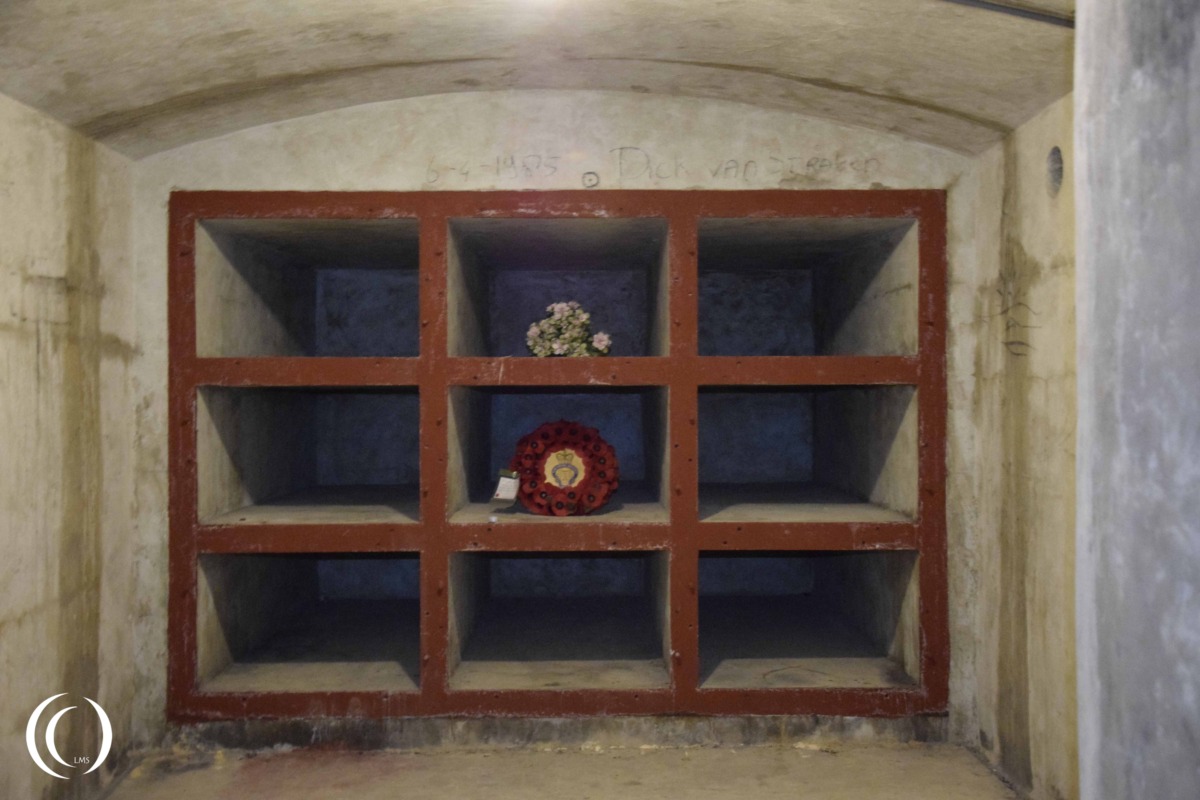
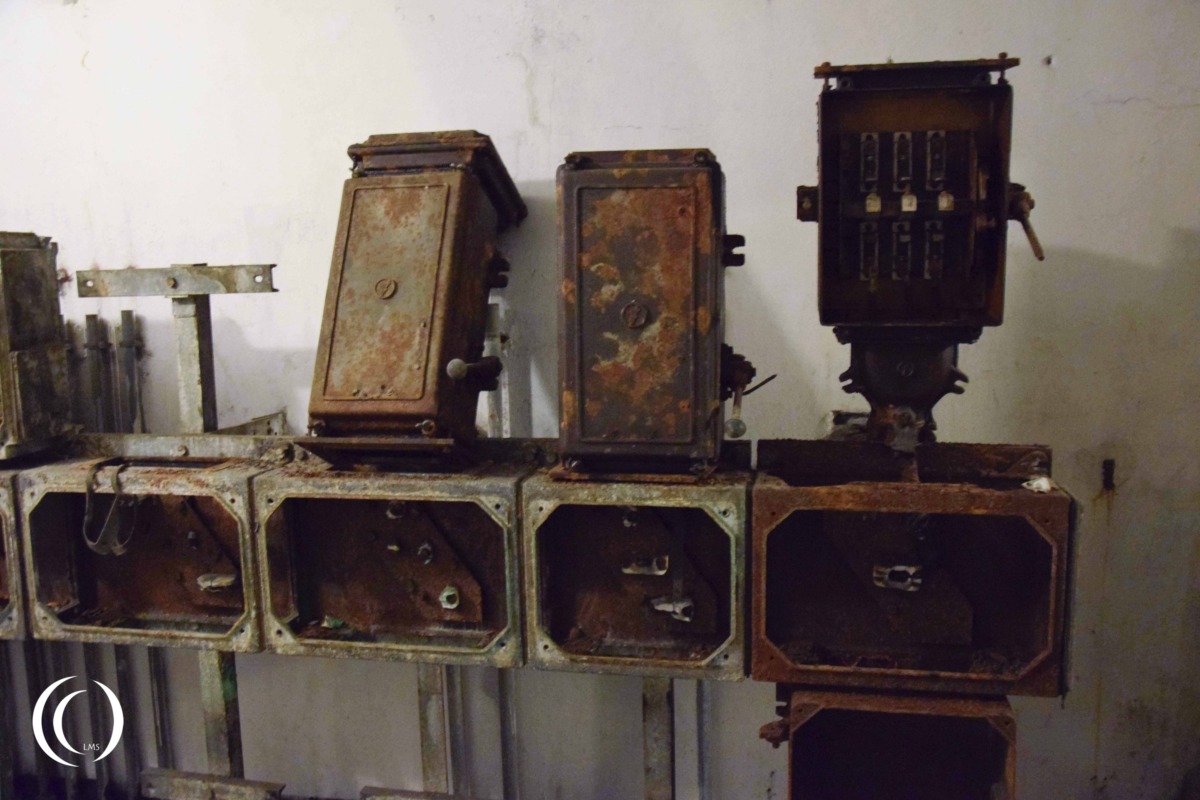
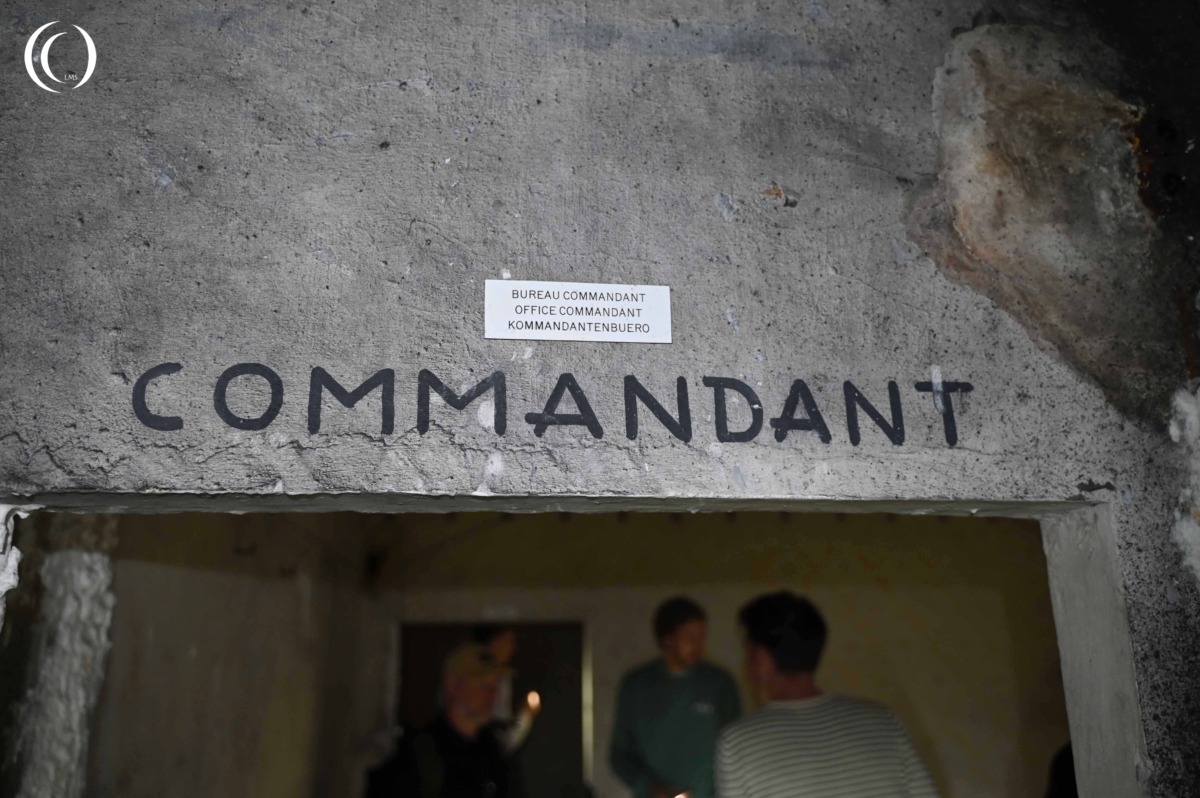
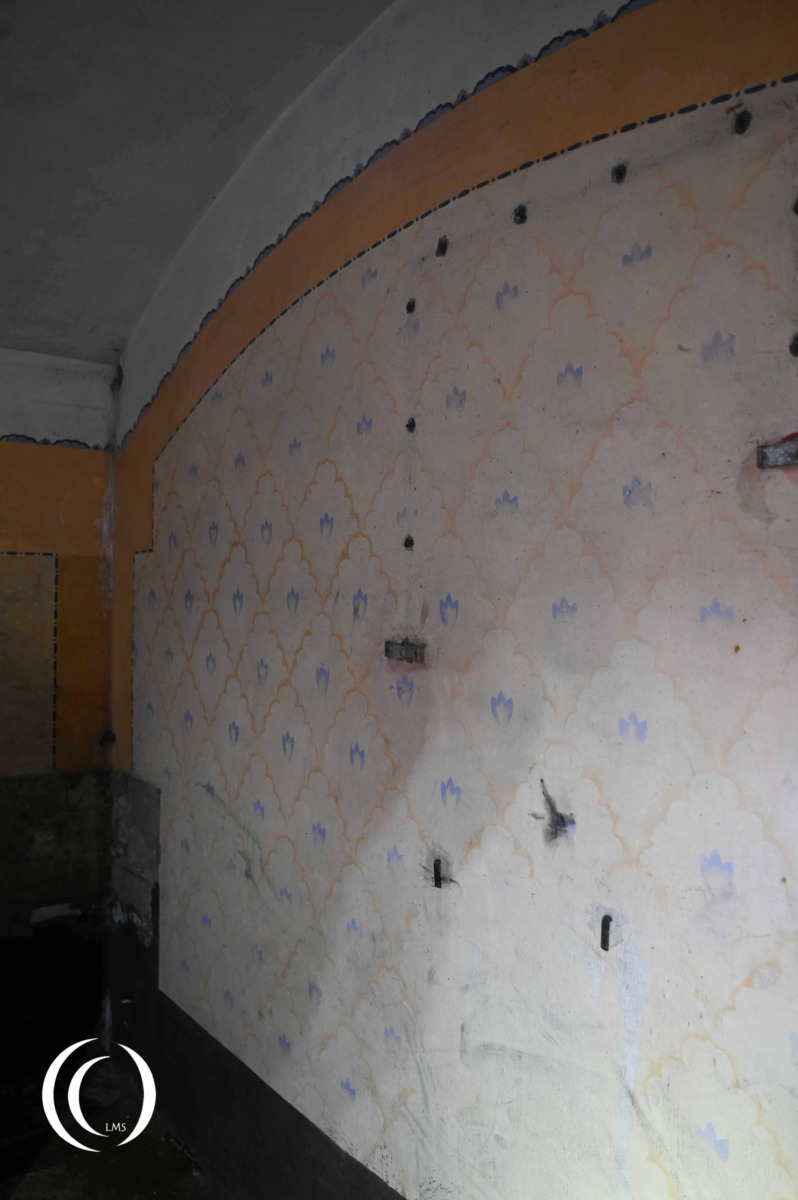
Fort d’Aubin-Neufchâteau is partially open to the public. Visitors can explore its preserved underground galleries, gun positions, and see remnants of the 1940 battle and later German experiments. A small museum on-site houses historical artifacts, documents, and exhibits dedicated to the fort’s wartime history and the lives of its defenders. Fort d’Aubin-Neufchâteau is not accessible with wheelchairs.
