Introduction
Führerhauptquartier Felsennest (“Rocky Nest”) was one of the first fixed field headquarters used by Adolf Hitler during World War II. Located near the village of Rodert (Bad Münstereifel) in the Eifel region of western Germany, it played a key role at the outset of the western campaign (Fall Gelb) in May 1940.
Location and Construction
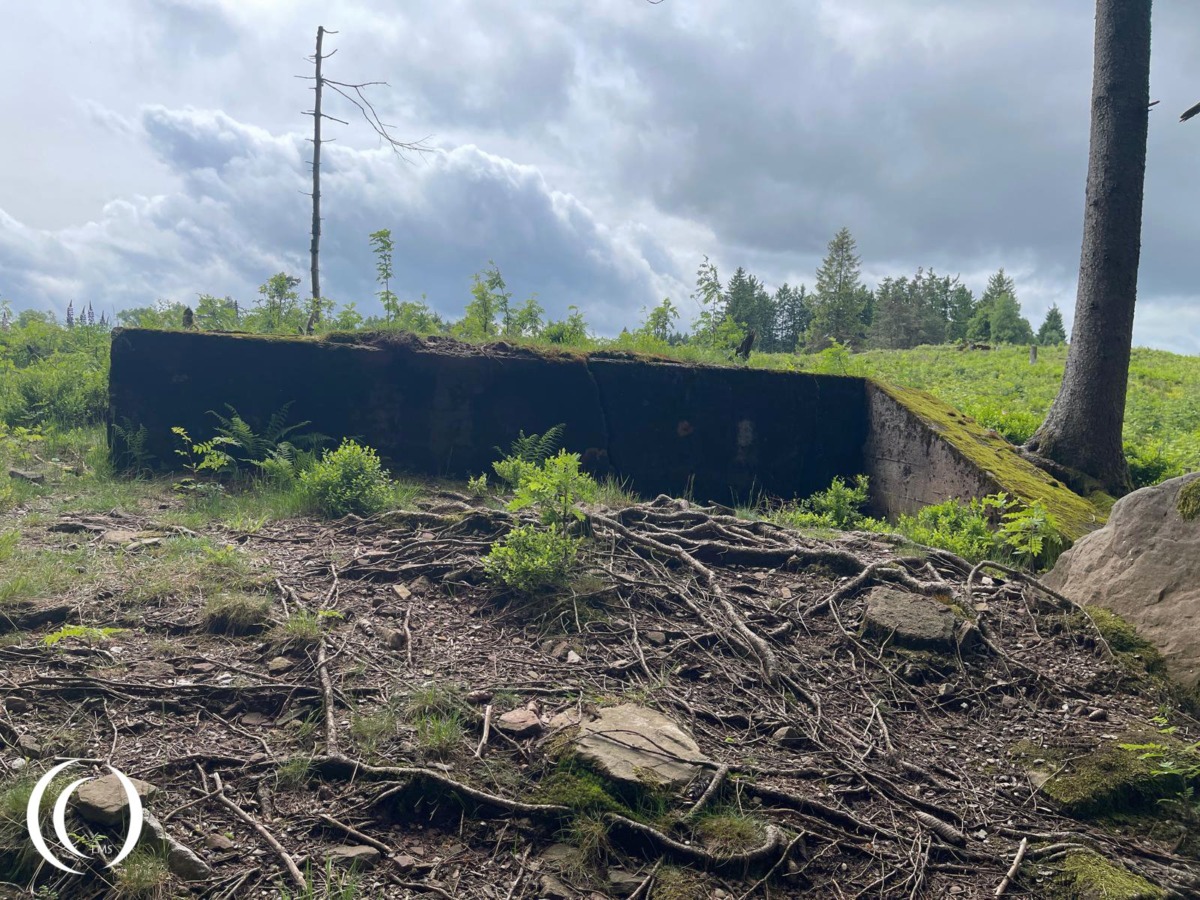
Felsennest sat atop the Eselsberg hill (approx. 409 m) just southwest of Rodert, within the Luftverteidigungszone West (air‐defence zone west) adjacent to the Westwall defensive line. Construction began in the autumn of 1939 under the oversight of the Organisation Todt. The site comprised bunkers, barracks, communication trenches, and anti-aircraft emplacements. According to sources, the core area consisted of at least two major reinforced-concrete bunkers and three barrack blocks. One such bunker (“K-Stand”) measured approximately 16 × 8 m, built with about 454 m³ of reinforced concrete.
Purpose and Use
Felsennest was selected by Hitler as his forward command centre for the invasion of France, Belgium, the Netherlands and Luxembourg (Fall Gelb), which commenced on 10 May 1940. Hitler arrived on 10 May 1940 through the early morning hours, and from there supervised operations for the campaign’s opening phase. The relatively modest size—especially compared to later headquarters such as the Wolfsschanze—reflected both strategic urgency and Hitler’s preference for a “spartan” forward base rather than spectacular architecture.
Although the headquarters was used for only a short time by Hitler, he departed around 6 June 1940 to move to FHQ Wolfsschlucht in Belgium, FHQ Brûly-de-Pesche, it remained operational during the war for other purposes. Later in the war, during the Ardennes Offensive or similar later operations, the site may have been used by German commanders such as Walter Model, though details are limited.
Layout and Features
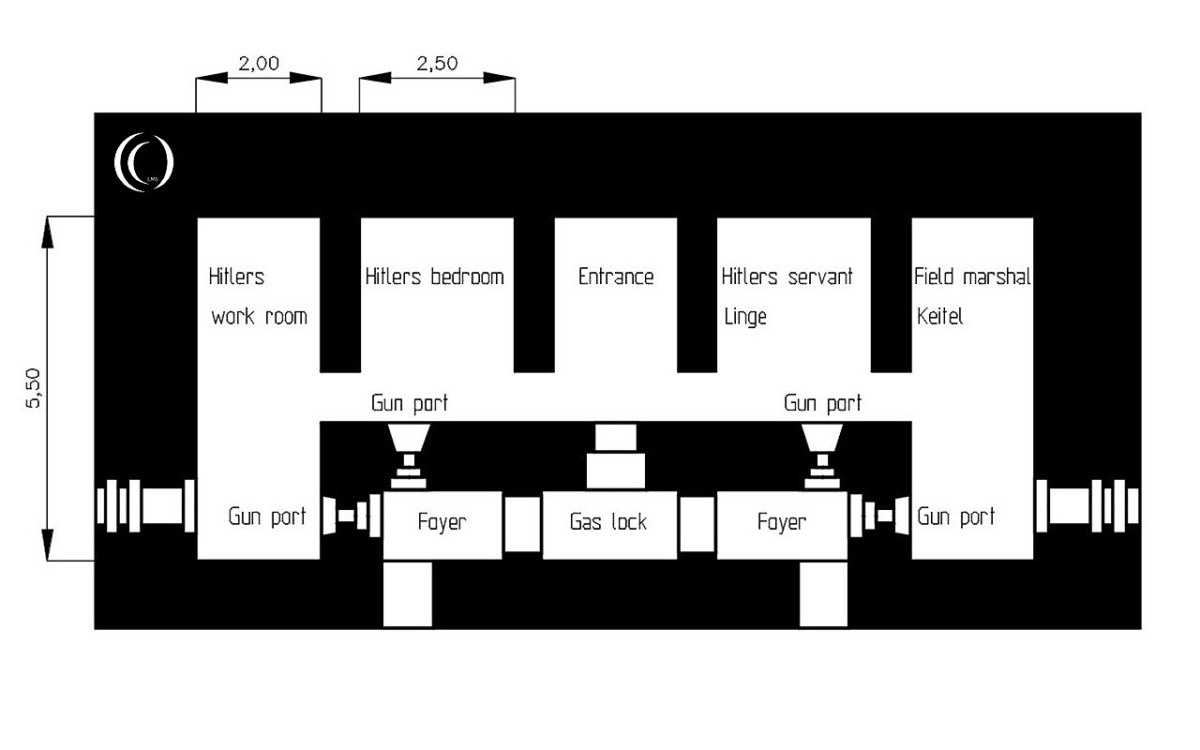
The Felsennest compound was divided into security zones (“Sperrkreis I”, etc). The main bunker complex lay within Sperrkreis I and was surrounded by fences, watch-towers, anti-aircraft positions, and communication links to the Westfront. Inside, the bunkers housed Hitler’s quarters, his study, his personal staff (e.g., valet Linge, adjutant Schaub), Generalfeldmarschall Keitel, Colonel General Jodl and their back office support. Nearby barrack blocks provided accommodation for staff officers, radio/logistics units and guard detachments. Telecommunication lines were laid deep underground to avoid interception.
Felsennest was small and compact, built into a rocky hillside, hence its name. It consisted of:
Four main bunkers (including one for Hitler – “K-Stand”)
Wooden barracks for staff and guards
Communication center and radio station
Observation posts with views toward Belgium
Anti-aircraft positions for defense
Unlike later headquarters such as the Wolfsschanze in East Prussia or Wehrwolf in Ukraine, Felsennest was not a large fortress complex. It was more of a temporary command post designed for short-term field operations.

Strategic Significance
Although often overshadowed by larger and longer-used headquarters, Felsennest has the distinction of being Hitler’s first stationary Führerhauptquartier (FHQ) during a major campaign. Its use marked a shift in German command philosophy—moving parts of the Führer’s war-planning apparatus forward to the battle zone rather than staying exclusively in Berlin. Furthermore, because it was situated near the western border, it allowed faster coordination of the opening thrust of the western campaign, the fast-moving Panzer spearheads and airborne operations.
After the war, the facilities were briefly ownerless; everyone took what they could use. Lists existed detailing who had taken what from the facilities; the items were confiscated and subsequently auctioned off. The bunkers in and around Rodert served as emergency shelters for the homeless and refugees until the late 1940s. A large cinema barracks was sold to a greengrocer from Euskirchen. The air-raid shelters for the civilian population, as well as the guest bunker at the battery supply depot, were demolished in the following years. Remnants of the battery supply depot were removed in the 1990s.
Historical and Cultural Reflection
Felsennest may not have witnessed decades of Hitler’s presence as other sites did, but it nonetheless played a key role at a crucial moment—the beginning of the western offensive that changed the course of the war. Its modest size and secrecy contrast with the grandiose propagandistic headquarters that came later. The facility also demonstrates the Nazi regime’s obsession with command mobility, security, and control.
Moreover, the fact that the local population of Rodert and the Eifel region have largely forgotten or suppressed discussion of the site is telling. A recent article described it as “Hitler’s forgotten headquarters in the Eifel” (Hitlers vergessenes Hauptquartier). For historians of the Third Reich, Felsennest stands as a symbol of both Nazi ambition and eventual collapse: a hidden concrete nest in the forest, once buzzing with high command and now reclaimed by nature.
Demise and Legacy
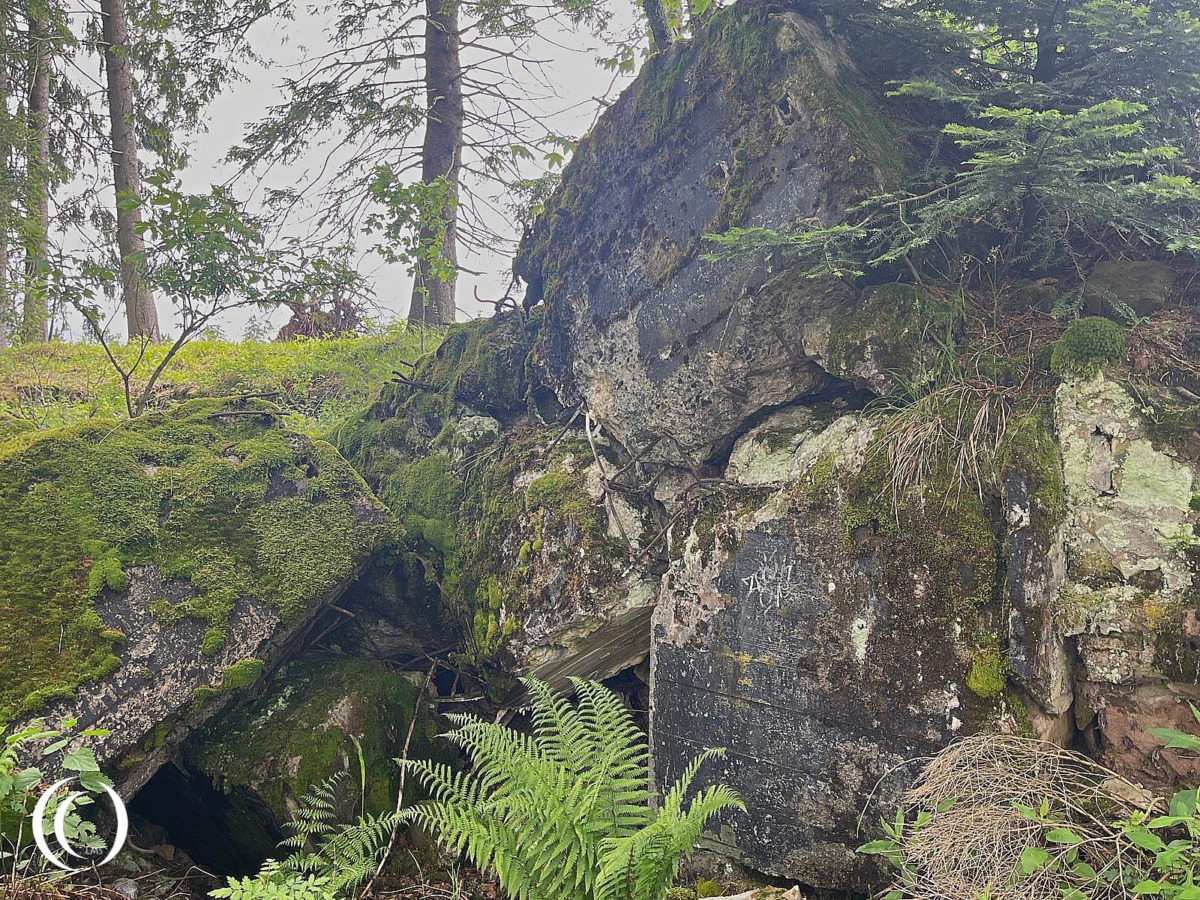
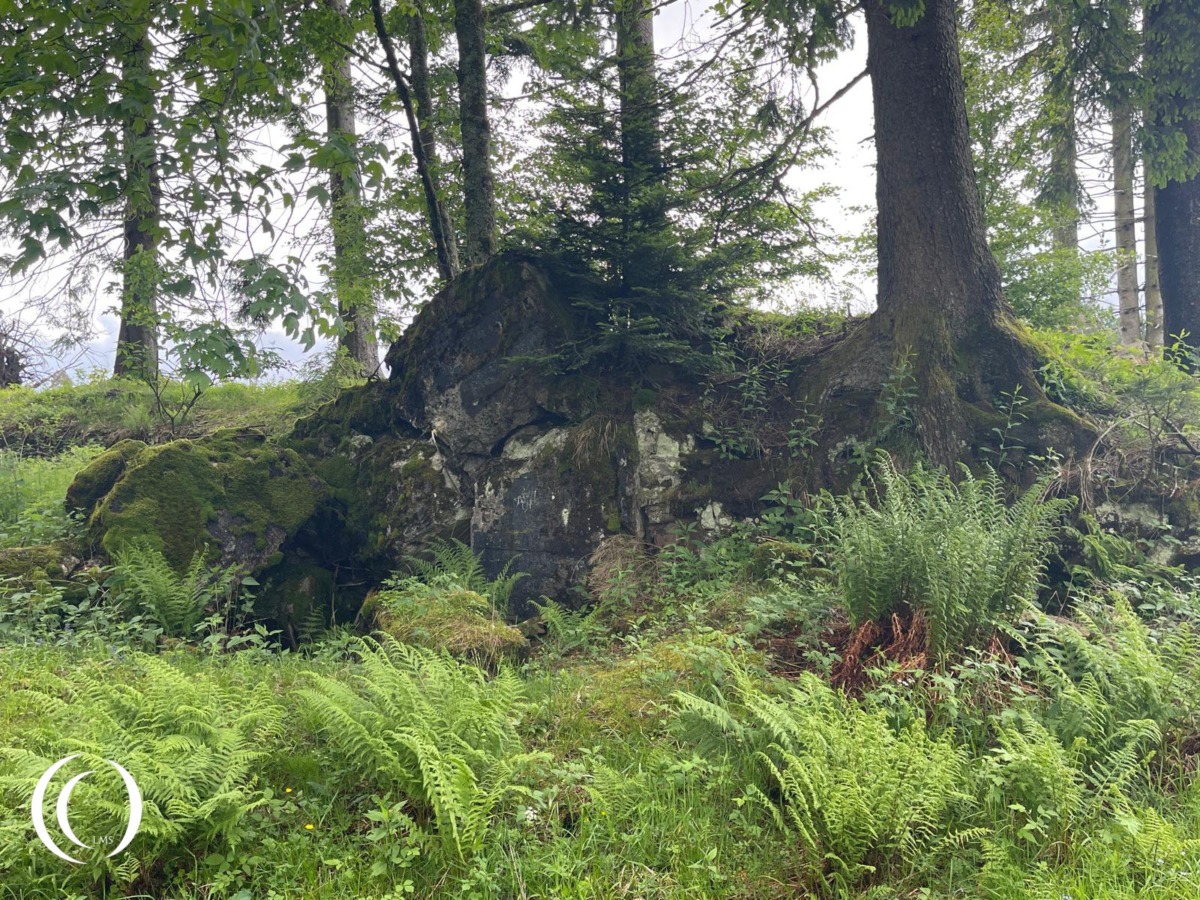
As the war turned against Germany, the strategic value of Felsennest diminished. By early 1945, German forces began to demolish the complex to avoid its capture by advancing Allied armies. Sources state that in March 1945 German sappers blew up bunkers. Allied forces reached the town on 17 March 1945.
After the war, the facilities were briefly ownerless; everyone took what they could use. Lists existed detailing who had taken what from the facilities; the items were confiscated and subsequently auctioned off. The bunkers in and around Rodert served as emergency shelters for the homeless and refugees until the late 1940s. A large cinema barracks was sold to a greengrocer from Euskirchen. The air-raid shelters for the civilian population, as well as the guest bunker at the battery supply depot, were demolished in the following years. Remnants of the battery supply depot were removed in the 1990s.
Visit
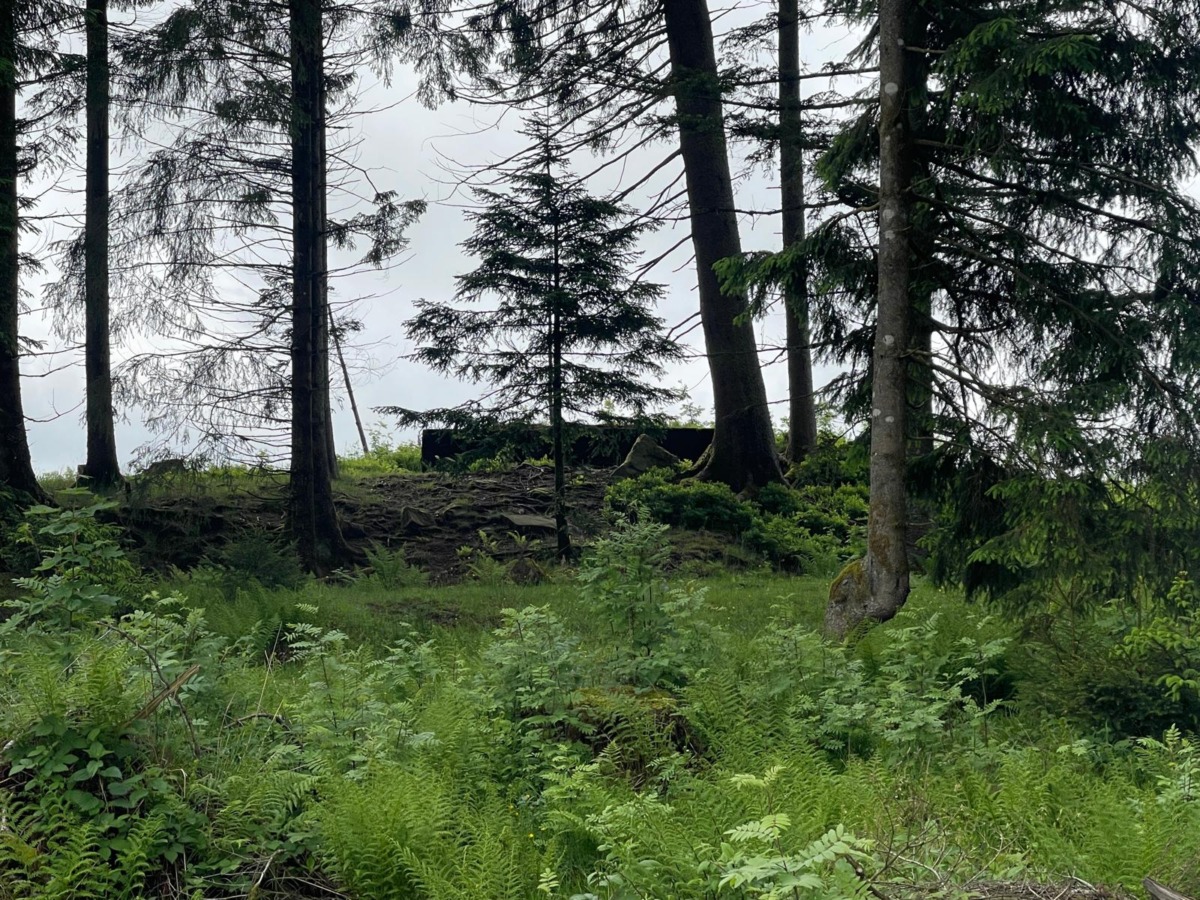
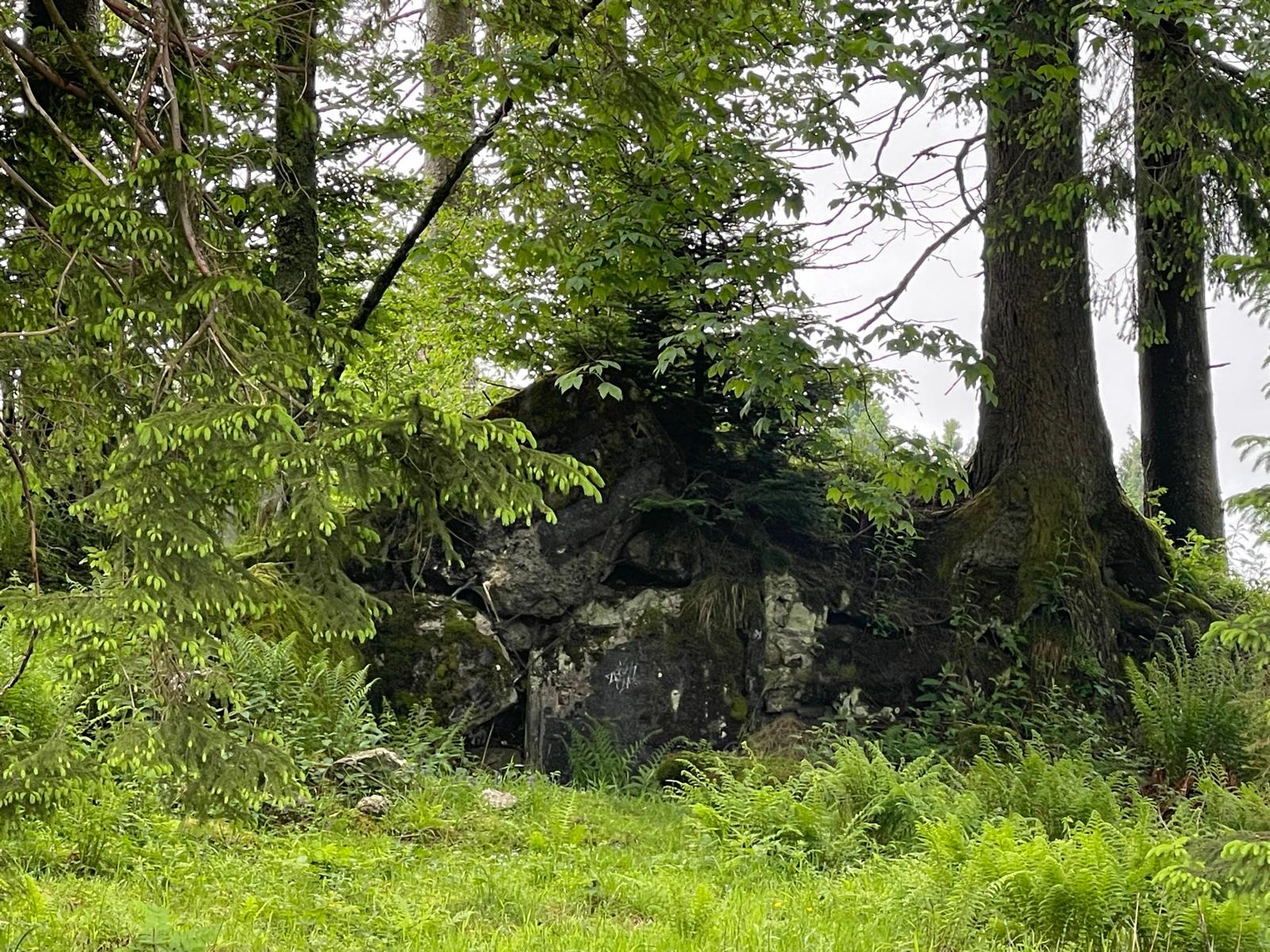
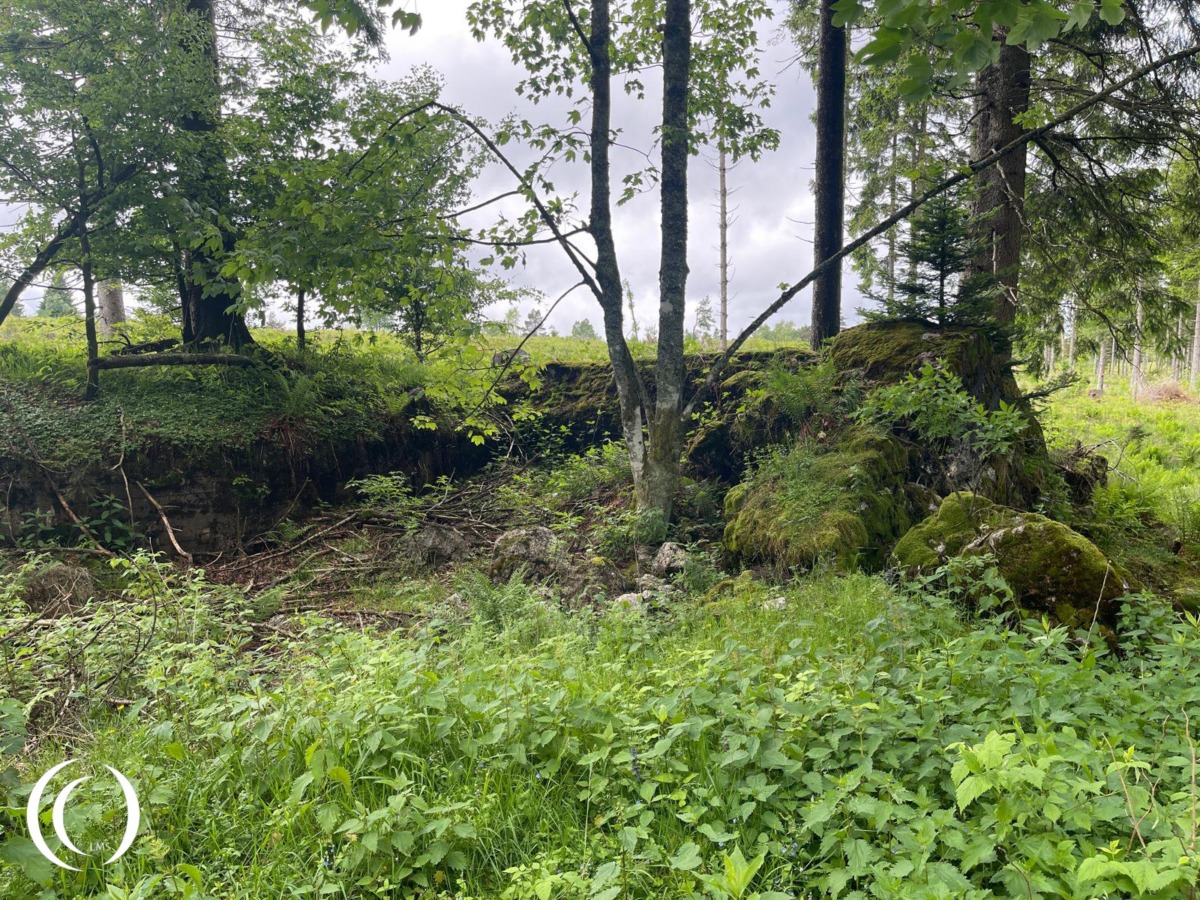
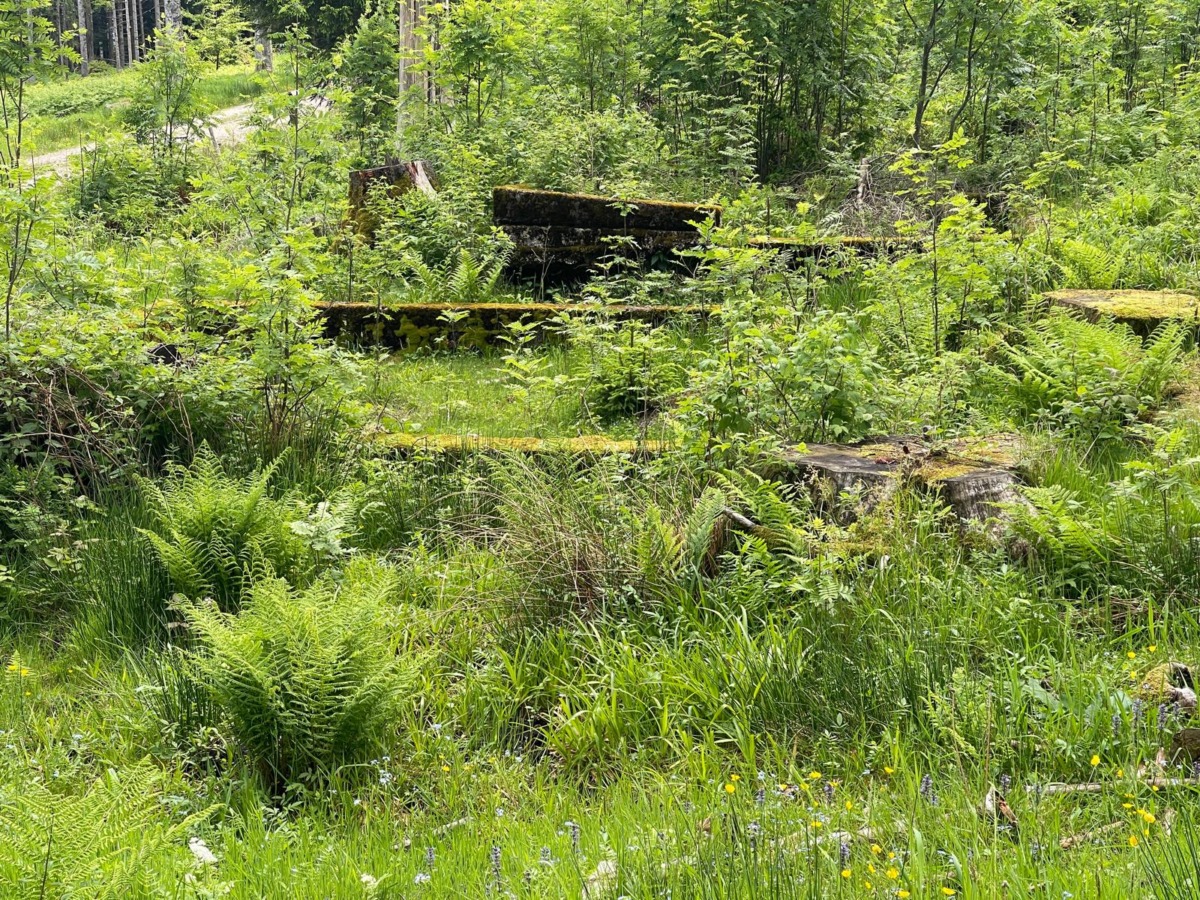
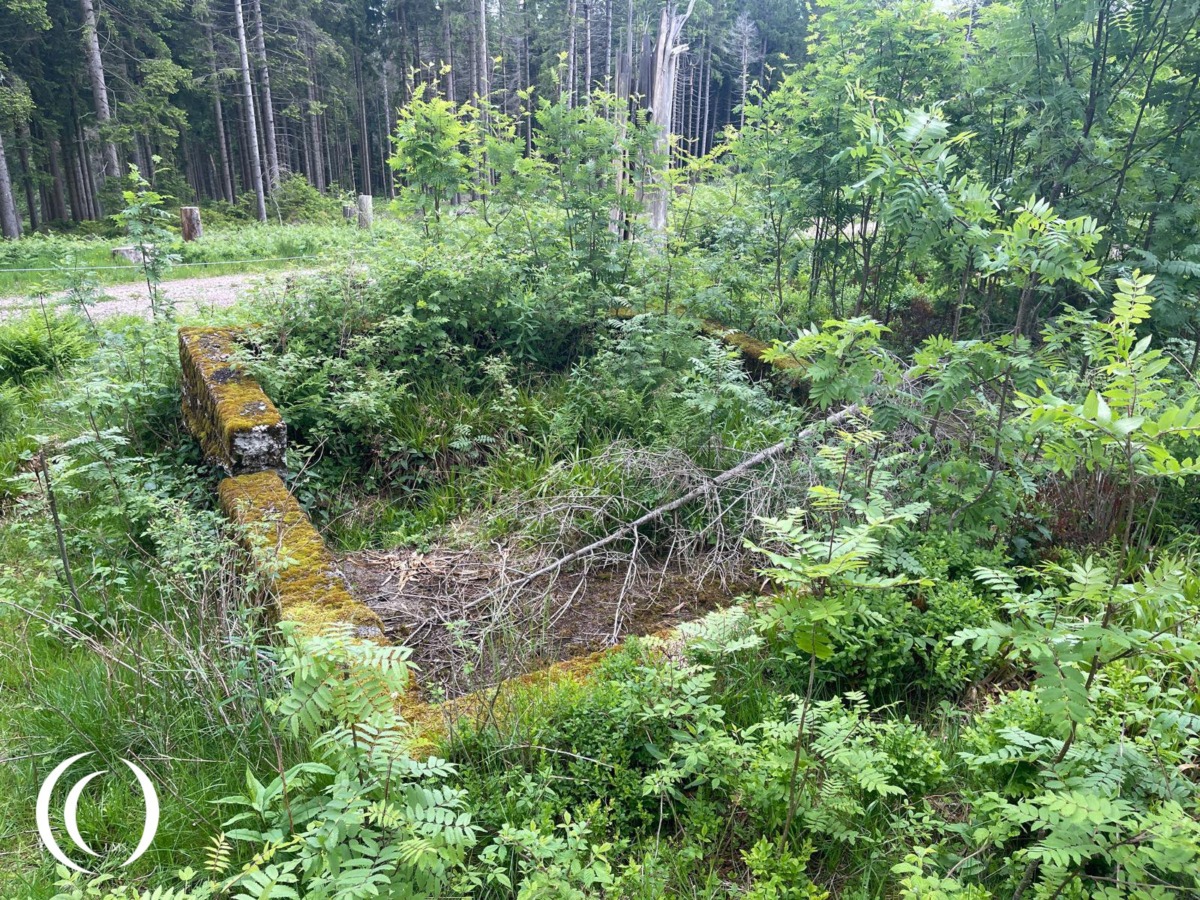
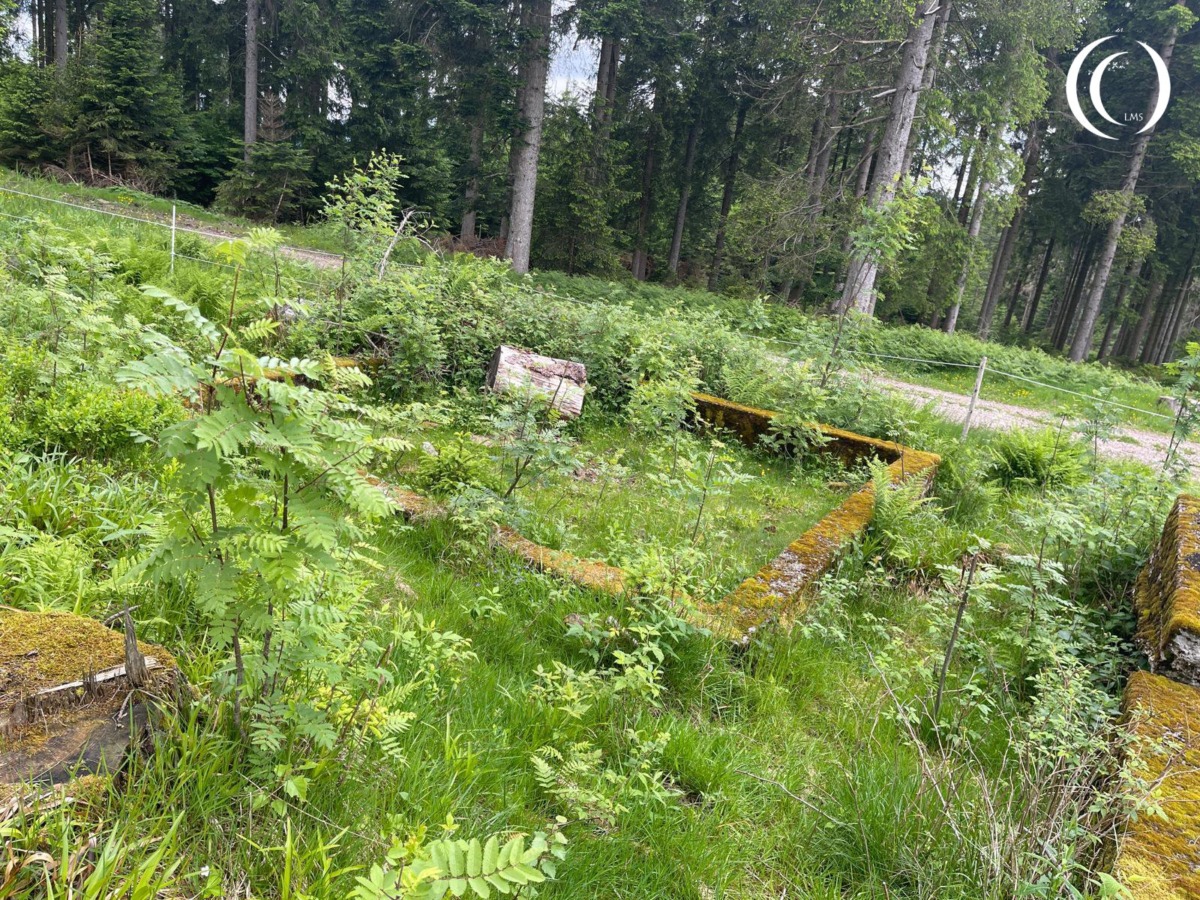
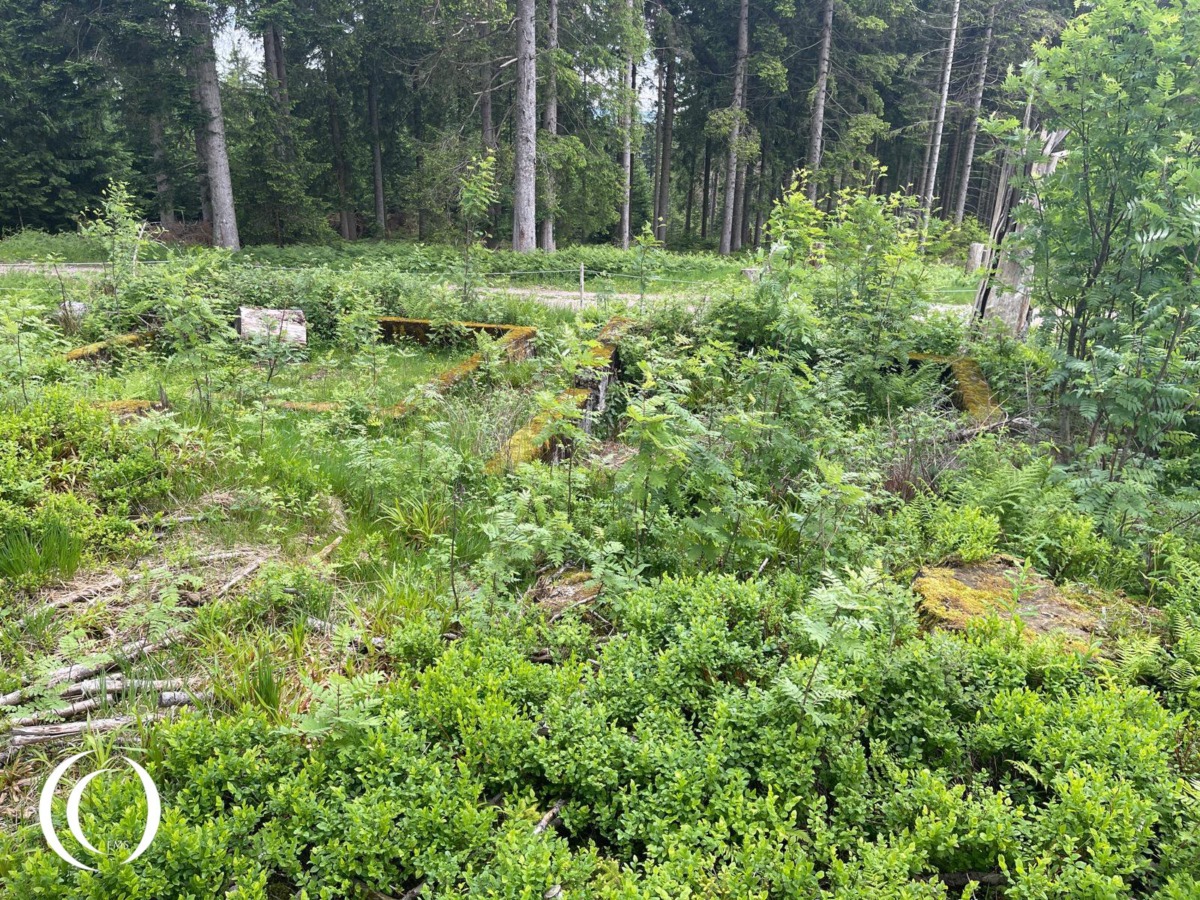
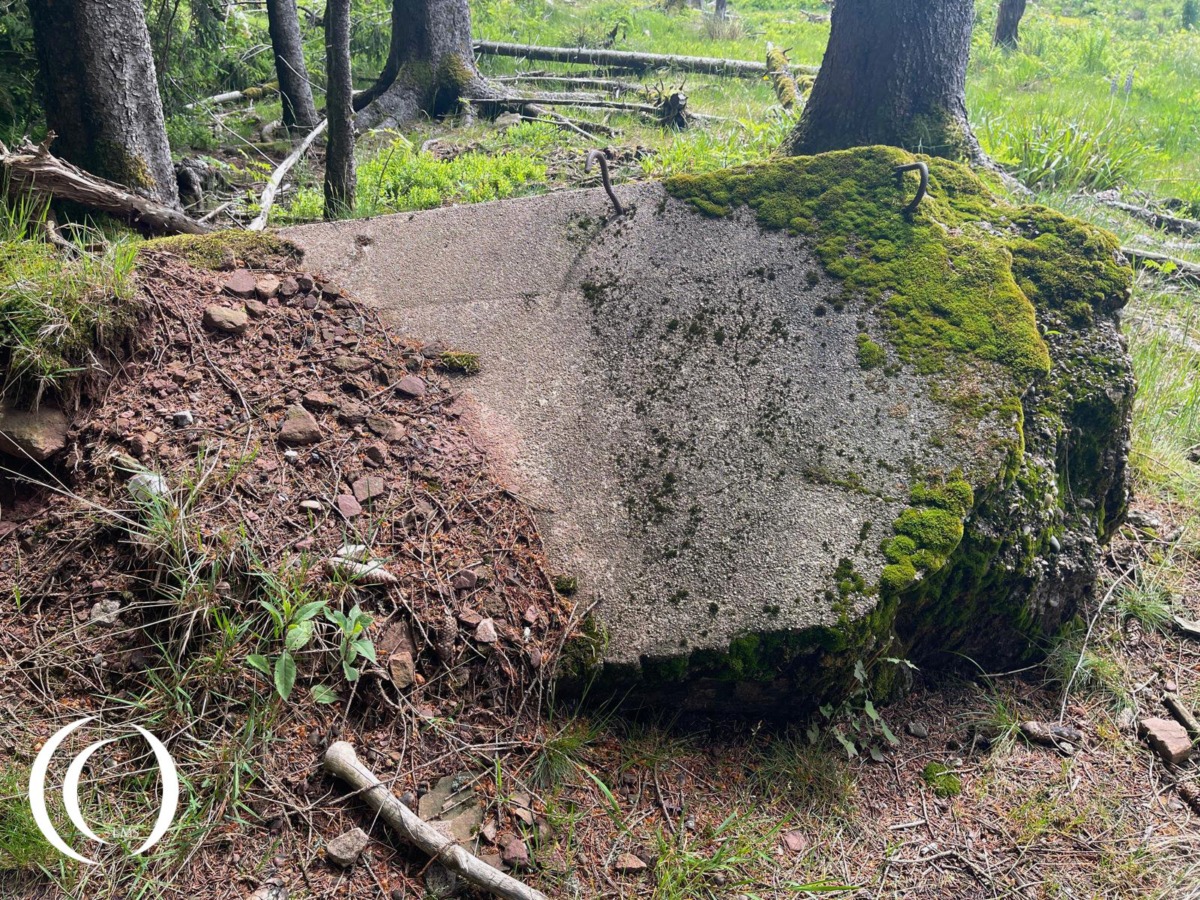
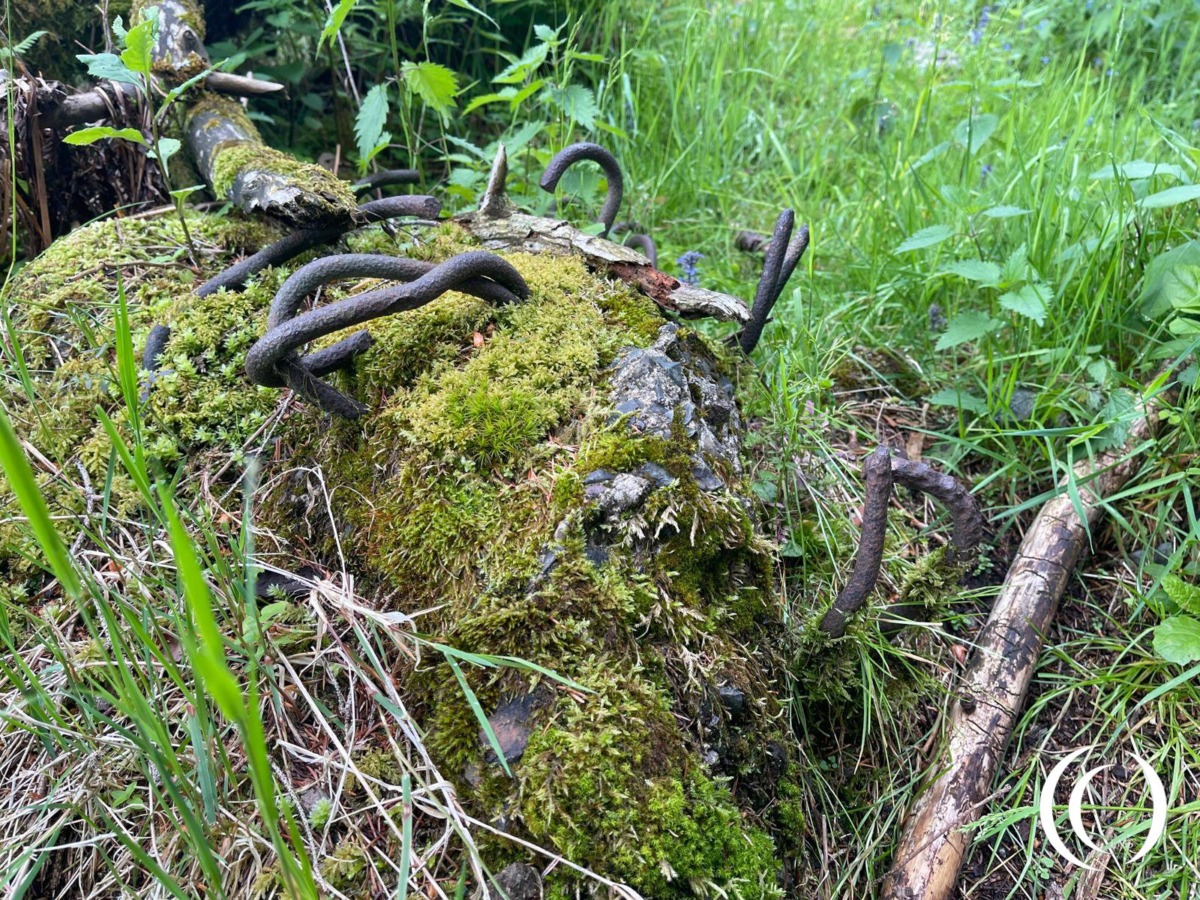
Today, very little remains of the original structures; only rubble, foundations and traces of the perimeter fences as you can see on the photographs. The site lies on private land and receives few visitors, making it one of the lesser-known pieces of Nazi command infrastructure.
