
Layout and location of fort billig
Between Gros Ouvrage Hackenberg and Fort de Koenigsmacker, originally a German fort, the French constructed Fort Billig. Although Billig is a Gross Ouvrage or large fort it lacks the usual 2nd main entrance. Gross Ouvrages have a separate entrance for personnel (des Hommes) and an entrance for ammunition. Billig has a combined entrance and its connecting tunnel from the main entrance to the blocks is 1000 meters (3300 ft) long which is a bit short for a Gros Ouvrage. Construction started in 1930 and the fortress was finished in 1935.
There are seven combat blocks and an entrance block on the surface. Underground there are barracks, a kitchen, latrines, storages, command post, generator rooms and more. All the blocks are connected with a 60 cm wide rail track and a train for transport. Ouvrage Billig had a crew of 537 men including 16 officers, they belonged to the 167TH RIF and the 151st RAP of the French Army. The underground structure is built 30 meters below the surface.

Map and bocks
The blocks and armament are divided according to:
- Mixed Entry (EM): an inclined ramp leads downward with an elevator system for materials. It was protected by oneJM/AC 47 anti-tank gun and two GFM cupolas.
- Block 1: infantry casemate in flanking position pointing north. There is an embrasure for a machine gun, two automatic rifle cloches (GFM) and one JM/AC47 anti-tank gun. This gun with a caliber of 47 mm has a penetrating capability of 77 mm armor at 500 meters – 56 mm at 1000 meters. (AC stands for Antichar – char is French for tank).
The GFM cloches are small armored cupolas. GFM means for Guetteur et Fusil-Mitrailleur (Eng. lookout and rifle-machine-gunner). An ouvrage has multiple armored cupolas for lookout and firing position for light weapons. Some had a periscope and even a 50 mm mortar.

- Block 2: infantry block with one GFM cupola and one machine gun turret.
- Block 3: JM/AC37 embrasure, one JM embrasure and two GFM cloches.
JM embrasure or JM cloche is a non-retractable non-rotating cupola of steel alloy like GFM cloche but armed with twin heavy machine guns. JM means Jumelage de Mitrailleuses (twin machine guns). They had an effective range of 1200 meters (4900 meter max) and a rate of 500 rounds per minute
- Block 4: Artillery block with two 75 mm R model 1932 guns and one 75 mm R model 1932 retractable gun turret. One grenade launcher cloche (LG) and one GFM cupola.
- Block 5: Artillery casemate flanking towards southeast with two 75 mm model 1932 gun and a GFM cupola.
- Block 6: Artillery block with an 81 mm mortar turret and a GFM cupola.
- Block 7: Observation block with a VDP bell (direct and periscopic view, identifier), and a GFM cloche and an LG grenade launcher cloche.
The German assault
During the Battle of France in May–June 1940, Ouvrage Billig saw sustained combat as part of the Maginot Line’s Thionville sector. The fort opened fire for the first time on May 12, when the 75 mm turret of Block 4 engaged German movement along the Kontz–Berg road. After French interval troops withdrew on May 13, the garrison and nearby casemate crews were left largely isolated. German infantry quickly infiltrated the surrounding Billig woods.
On May 15, around 7:00 a.m., the fort concentrated fire on the village of Lemestroff, dispersing German troops and damaging several buildings. An hour later, an 81 mm shell struck the turret of Block 6, seriously wounding two crew members. As pressure increased, neighboring case-mate troops withdrew southward, while Billig detached men to hold adjacent smaller positions.
Between May 17 and 25, the fort took part in intense supporting fire missions, coordinating with major ouvrages such as Ouvrage Hackenberg and Ouvrage de Métrich. It fired hundreds of 75 mm shells and over 1,800 mortar rounds to counter German infiltrations and support threatened positions, including Hackenberg’s supply entrance.
Despite continued resistance, the armistice took effect on June 25 at 12:30 a.m. Following surrender orders, the Billig garrison evacuated on July 4, 1940, handing the fort intact to German forces.


American Assault
In September 1944, Ouvrage Billig was attacked by elements of the U.S. 90th Infantry Division during operations in the Thionville sector. The position was reduced over two days using coordinated close-assault tactics, including direct-fire engagement of embrasures, suppression of firing positions, and engineer demolition charges to neutralize access points and combat blocks. After resistance ceased, the fort was secured and cleared.
Following its capture, Billig was used by the U.S. Army for ordnance and weapons-effects testing, taking advantage of its reinforced concrete and armored structures.
After World War II, French planners evaluated parts of the Maginot Line for potential use against a Warsaw Pact advance. Modernization proposals for Billig included replacing its 75 mm guns with 105 mm artillery to enhance defensive capability. The program was later abandoned as military doctrine shifted toward mobile and nuclear-based defense strategies. Billig was placed in inactive reserve and eventually decommissioned.


Visit
The site is abandoned from somewhere in the 1970s. The interior having been vandalized and looted, the access points were eventually filled in to prevent further intrusion. The upper sections and the remains of the exterior barracks are mostly still clearly visible today.
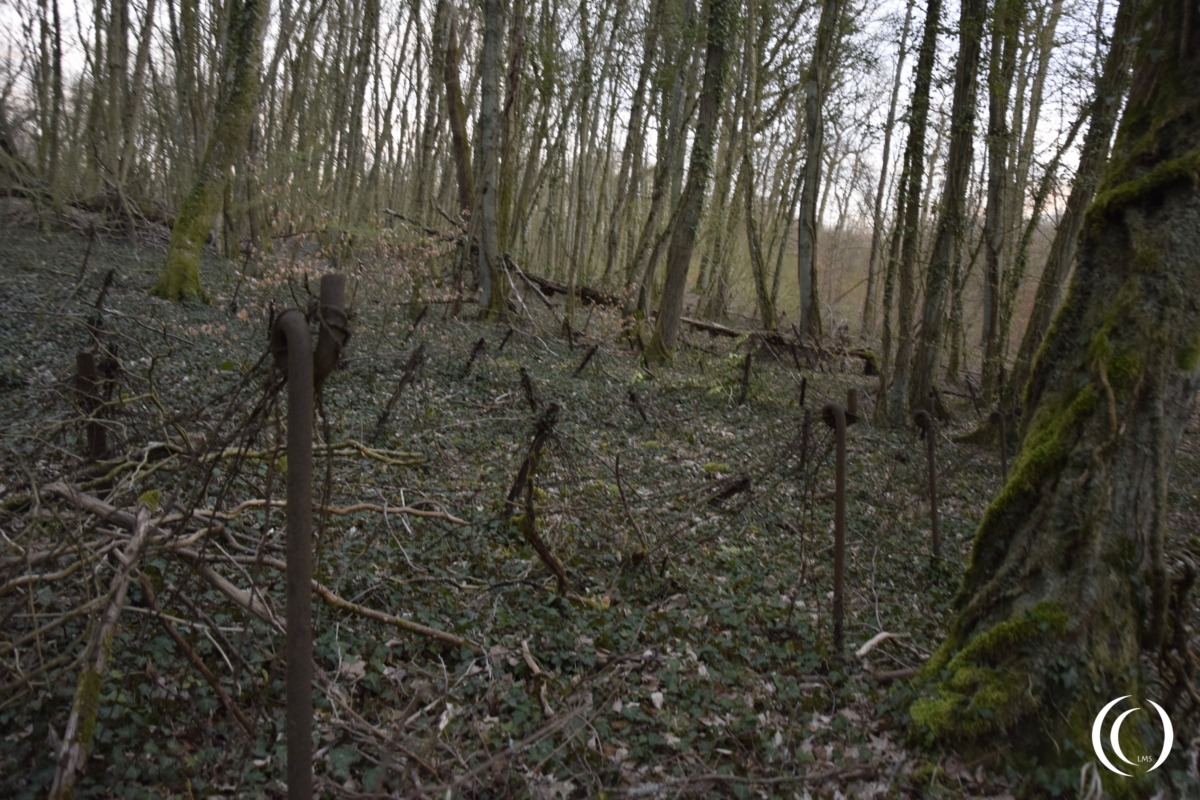
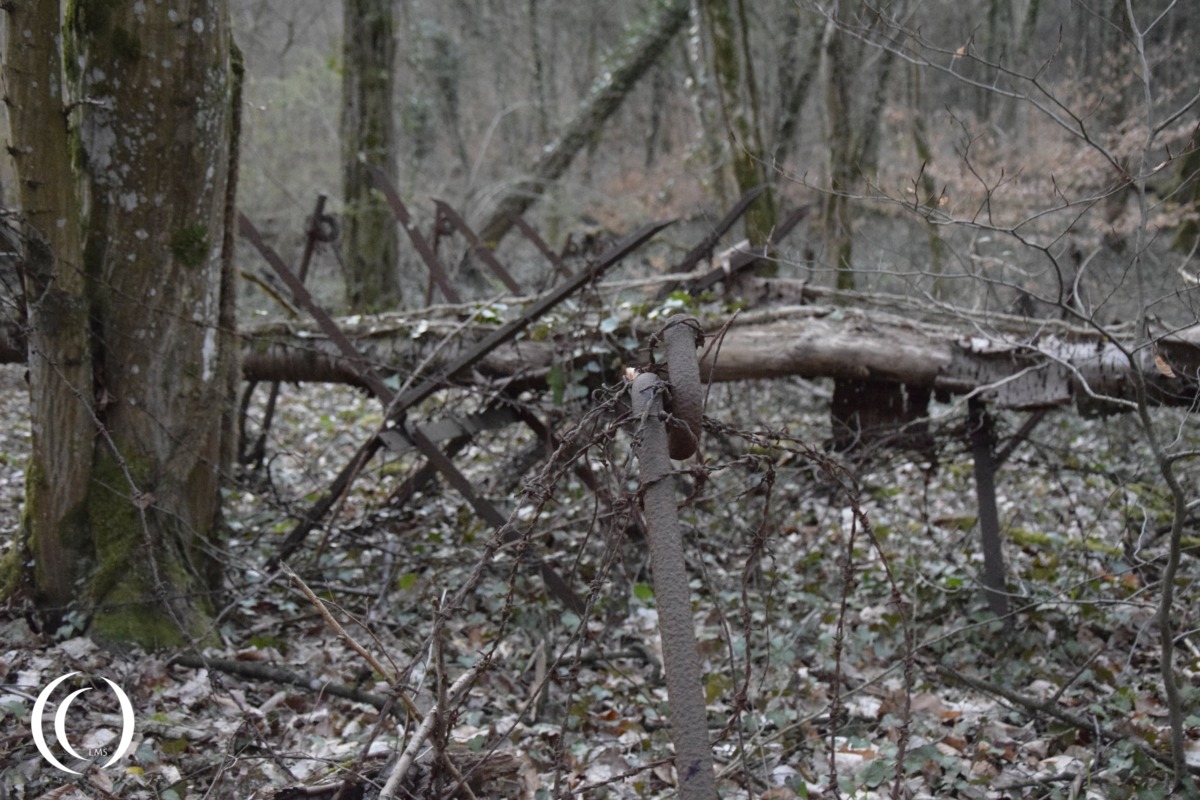
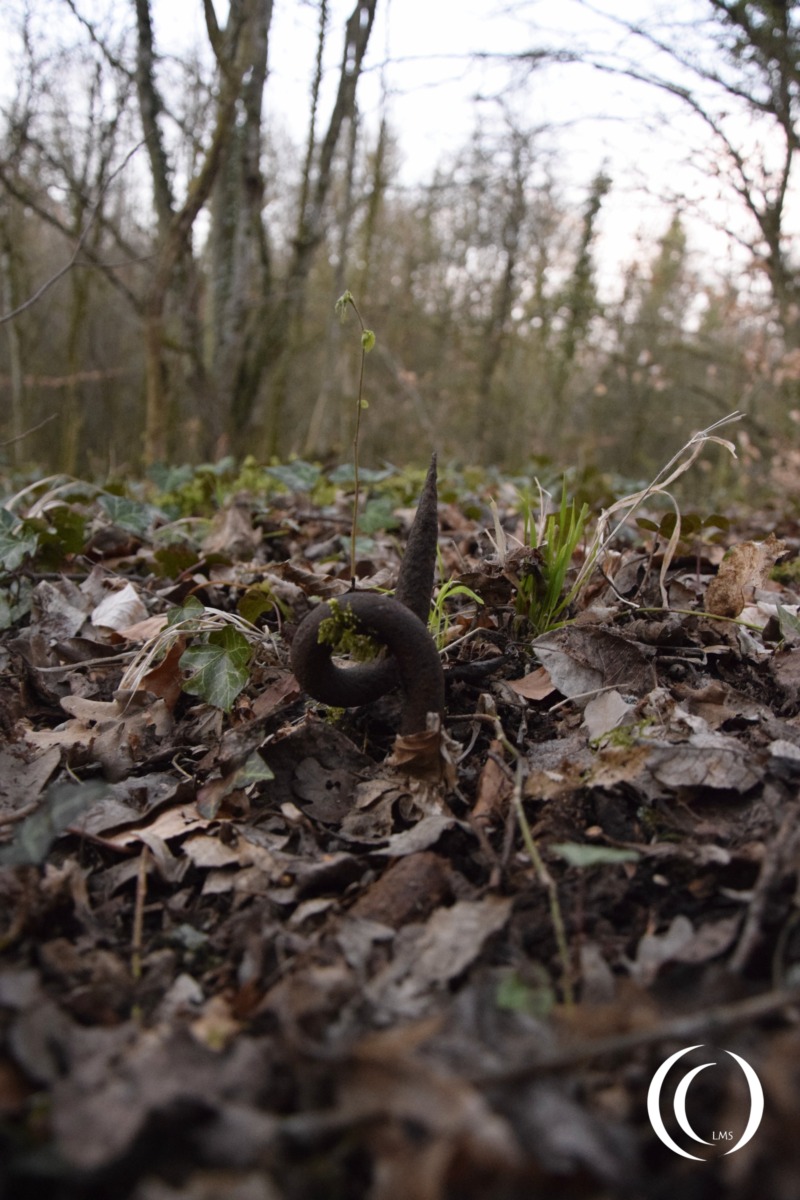
It is, though, very dangerous. WW1 barbed wired fields are still a menace and metal iron spikes traps stick out the forest floors. Be very careful if you would like to see Gros Ouvrage Billig.




