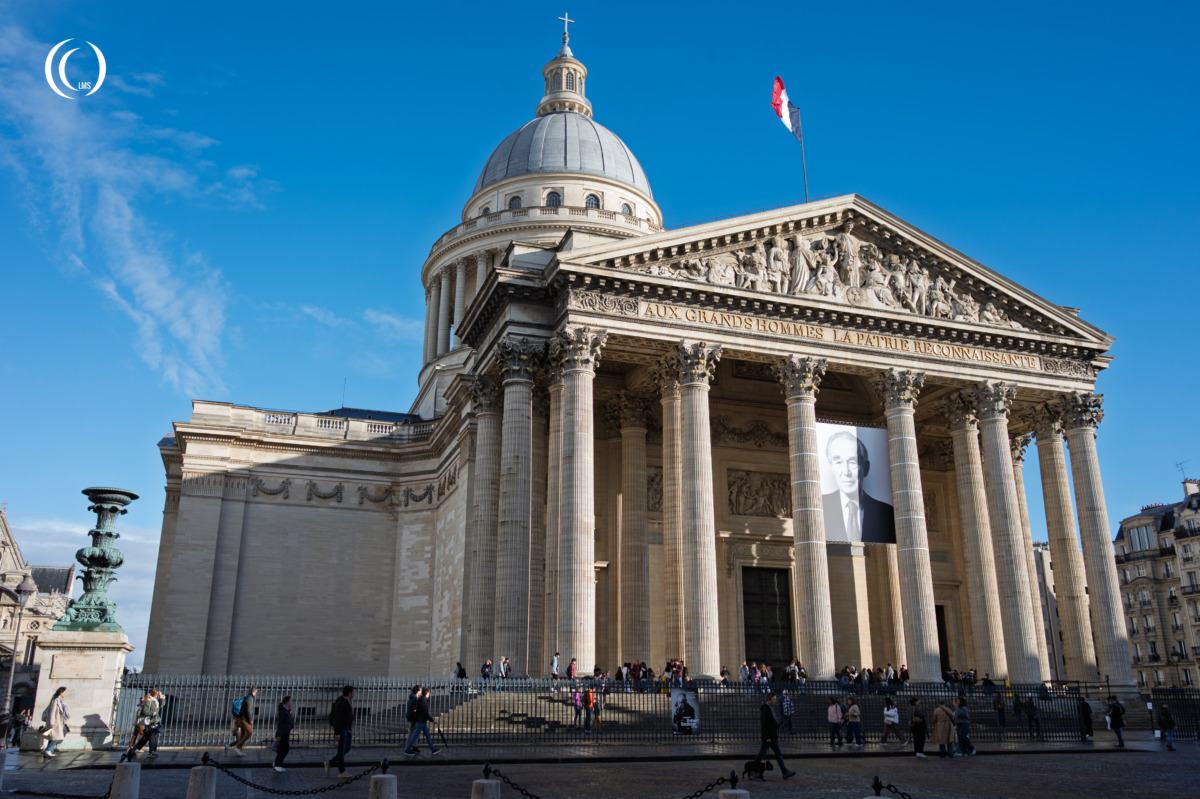
Located in the 5th Arrondissement of Paris on the Sainte-Geneviève mountain, in the heart of the Latin Quarter, the impressive Panthéon serves as a symbol of National Pride and Remembrance for France. Although it was originally intended as the church of Sainte-Geneviève after it was finished in 1790, the function of the building changed several times between church and pantheon during the 19th century, until in 1885 it finally settled in the role it has today.
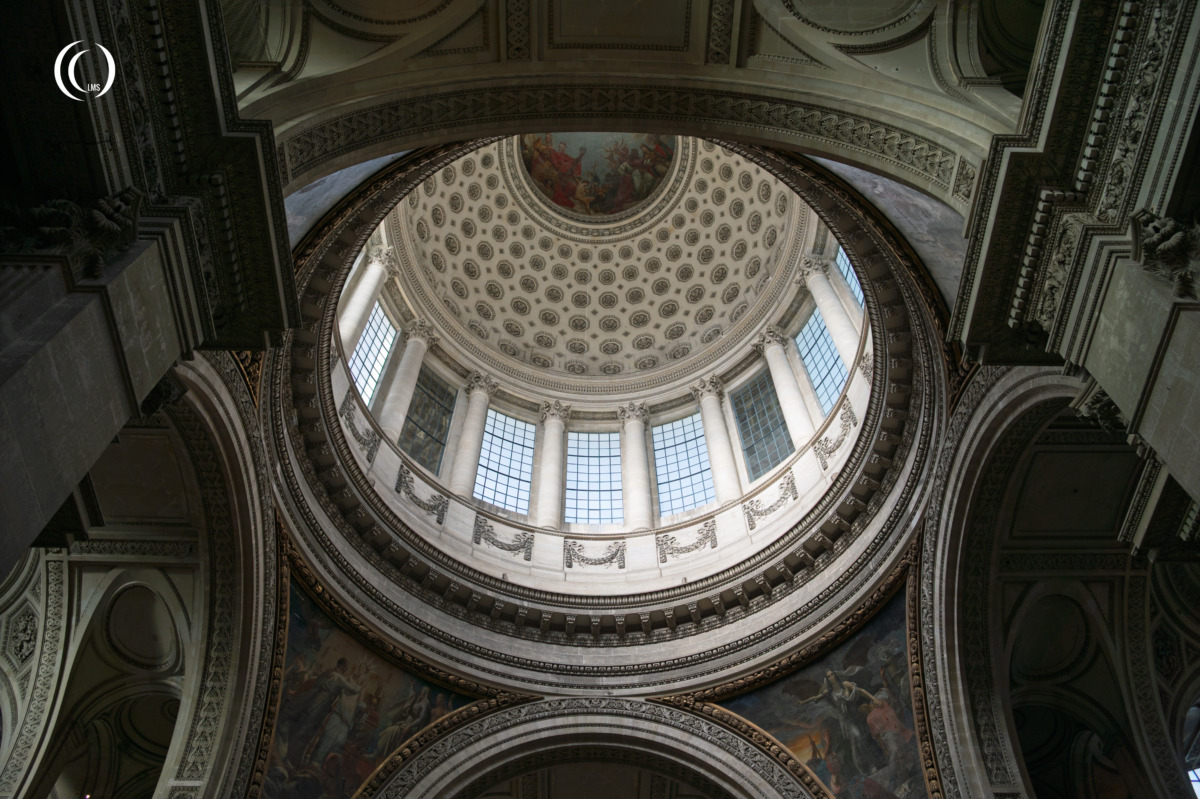
The crypt
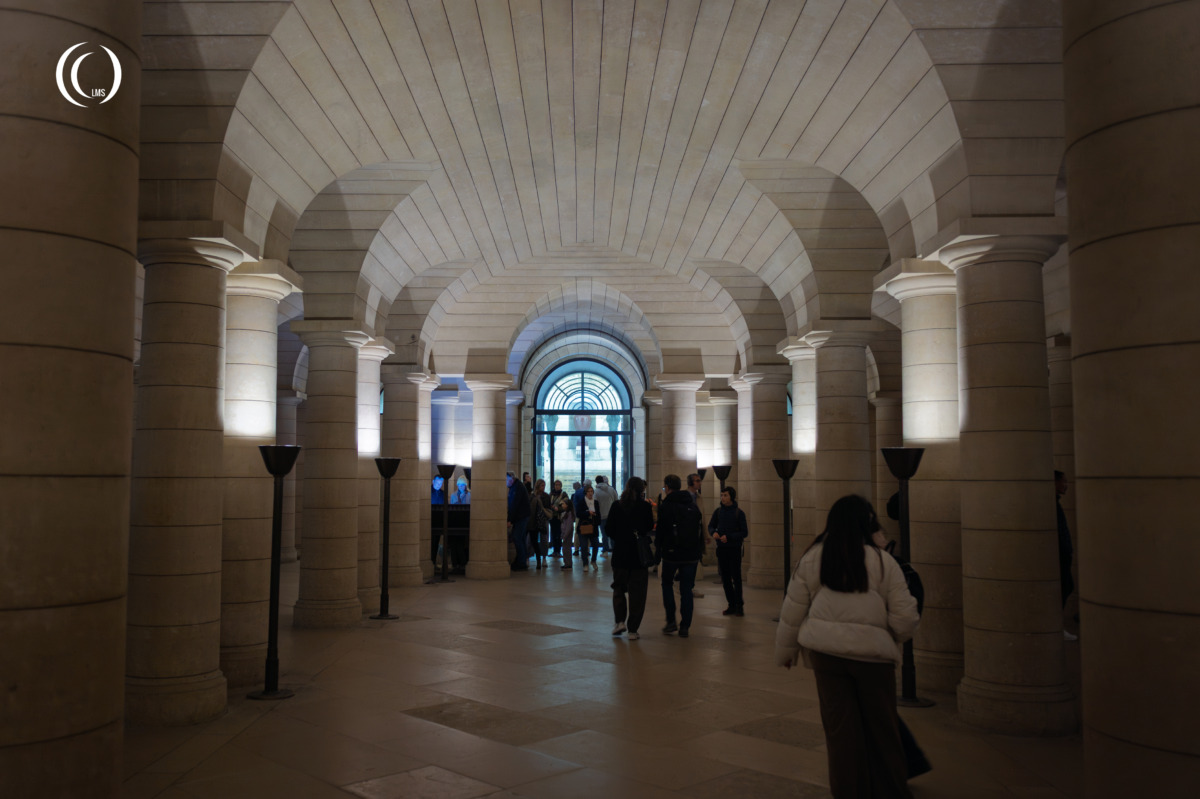
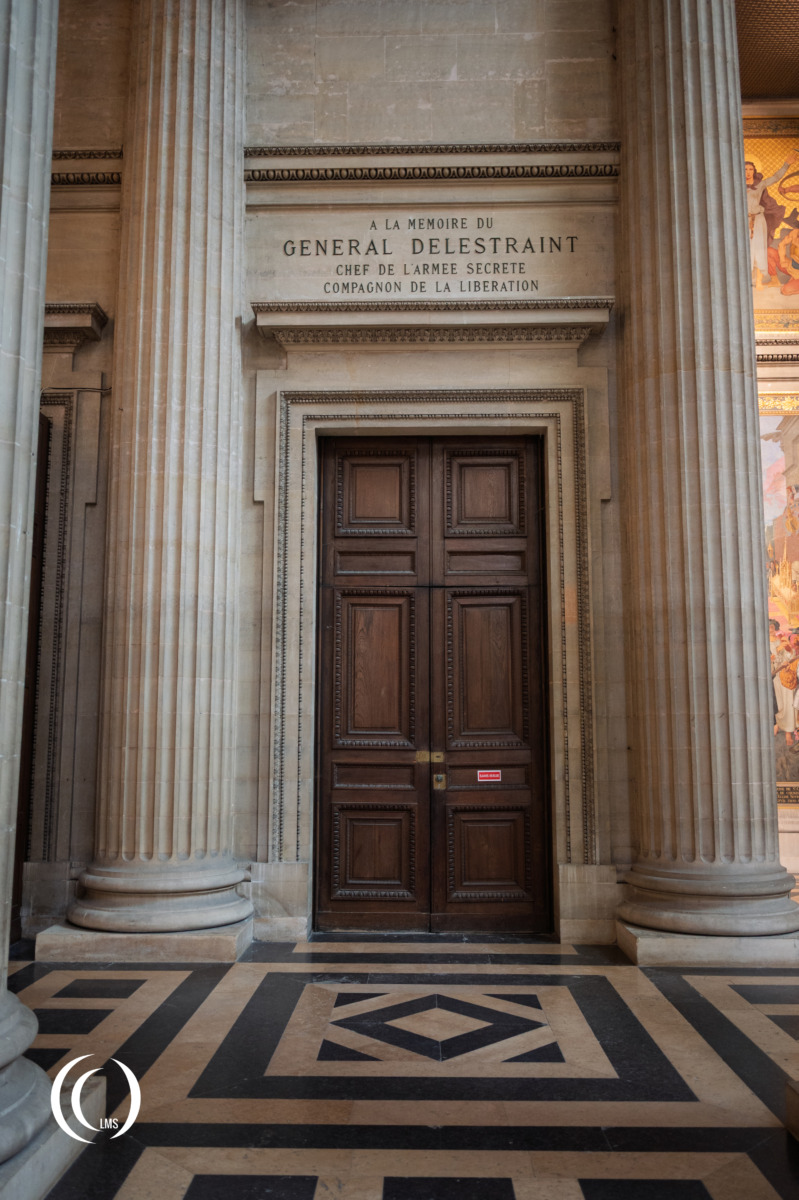
The crypt on the lower level of the Panthéon holds the remains of many of the people honoured by the nation, although tributes can also be expressed in the form of a cenotaph or an inscription.
WWII heroes honored by the nation
As World War Two is known to be one of France’s darkest periods, the Pantheon commemorates several exemplary figures of this war:
- Jean Moulin (1899–1943)
Key leader of the French Resistance, his ashes were transferred to the Panthéon in 1964. - Josephine Baker (1906–1975)
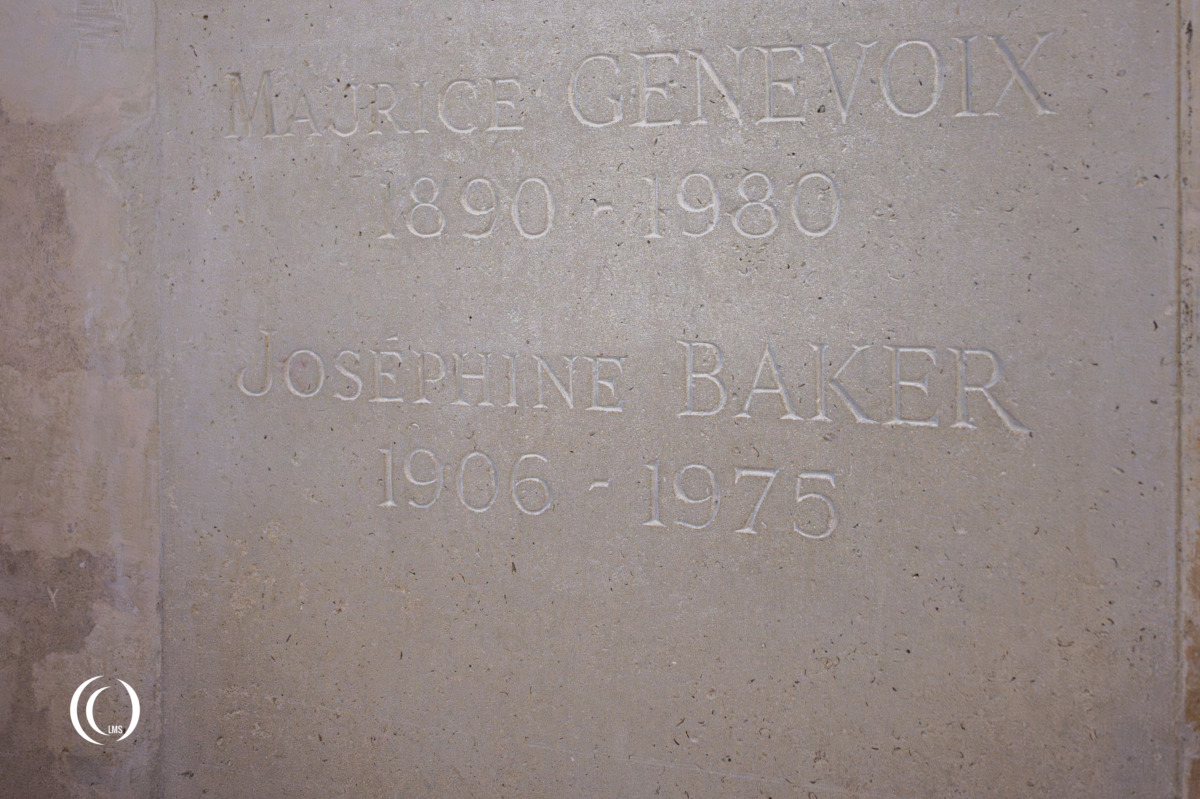
American-born French entertainer who was a WWII intelligence agent and resistance fighter. She was honored with a cenotaph in the Panthéon in 2021, becoming the first Black woman to receive this honor. - Germaine Tillion (1907–2008)
French Resistance ethnologist deported to Ravensbrück concentration camp. - Geneviève de Gaulle-Anthonioz (1920–2002)
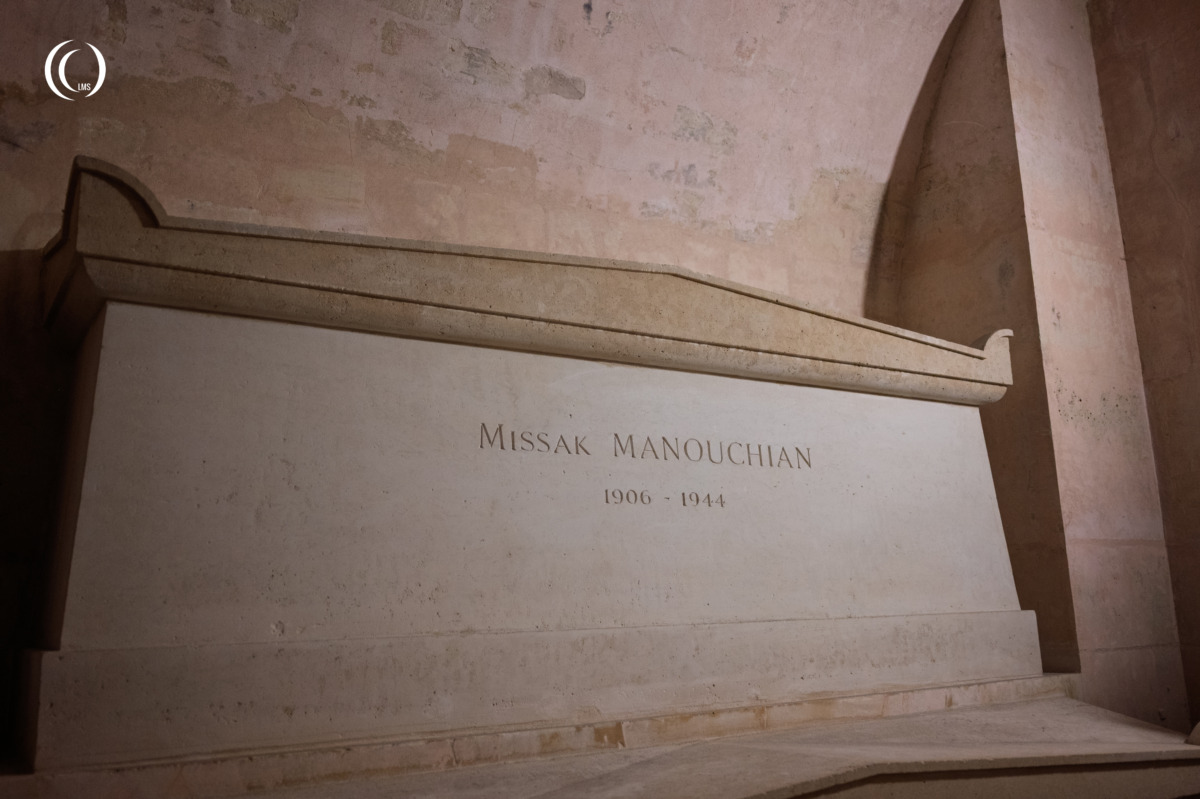
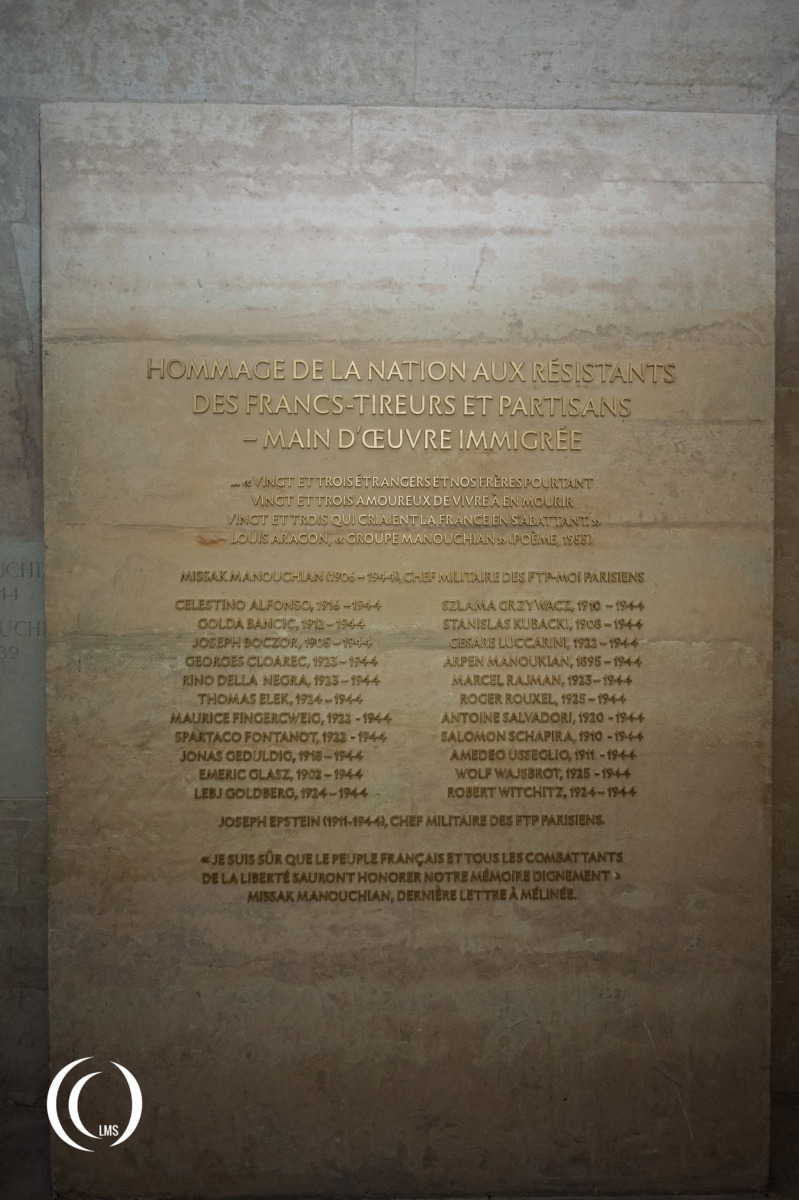
Resistance fighter and niece of Charles de Gaulle, she was also deported to Ravensbrück. - Missak Manouchian (1906–1944)
Leader of the FTP-MOI (Manouchian group) consisting of European immigrants. The group carried out assassinations and bombings of Nazi targets. - Mélinée Manouchian (Assadourian) (1913–1989)
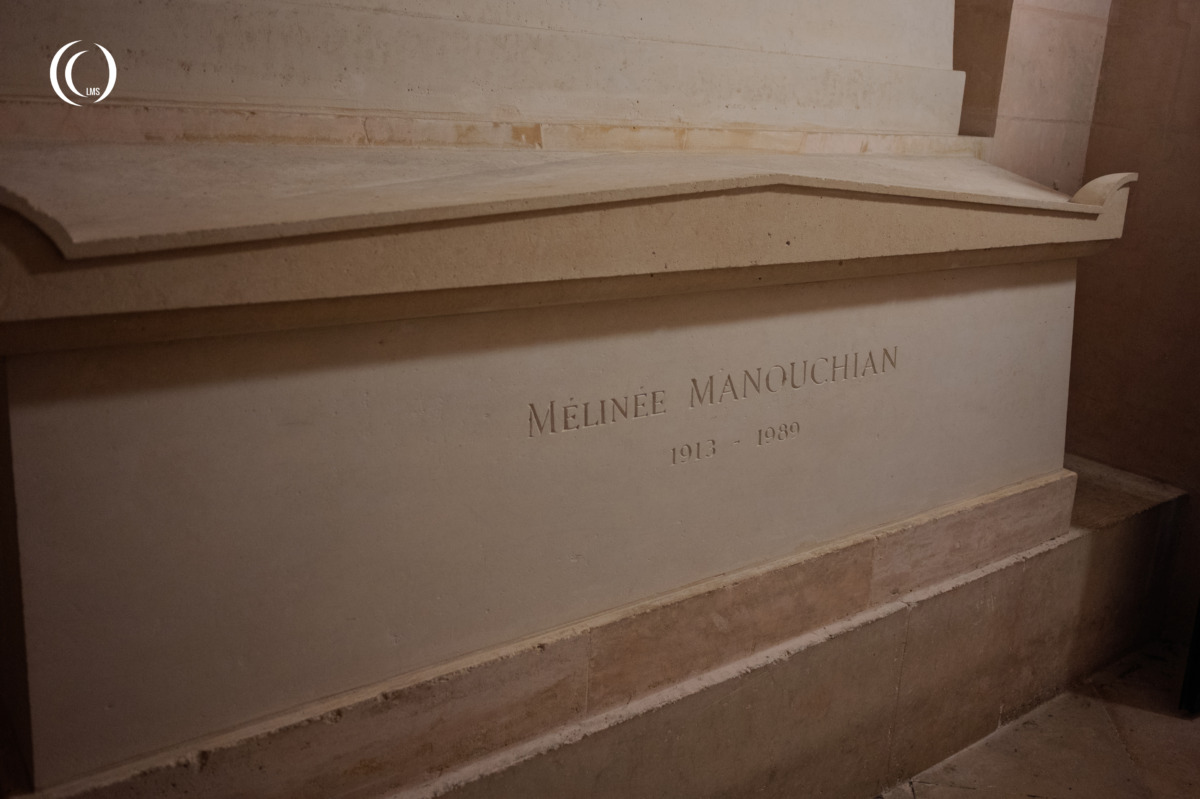
Resistance fighter and wife of Missak Manouchian. - Pierre Brossolette (1903–1944)
Journalist and leading Resistance figure who committed suicide after torture to avoid revealing secrets. - Jean Zay (1904–1944)
Minister who tried to establish a government-in-exile before being killed. - Félix Éboué (1884–1944)
High-ranking colonial administrator who was an early supporter of Free France. - Simone Veil (1927–2017)
Holocaust survivor, politician, and staunch advocate for European unity. - René Cassin (1887–1976)
Jurist who joined Free France in London.
Liberation of Paris
The Jardin du Luxembourg (Luxembourg Gardens), where one of the last battles of the Liberation of Paris took place, is a stones throw away from the Panthéon. As this area formed the last stronghold for the Germans, the fighting here was particularly fierce.
Visit
Go to the website of the Panthéon for more information about visiting hours and admission fees.
After your visit you can follow the Rue Soufflot from the Place du Panthéon towards the Jardin du Luxembourg.
