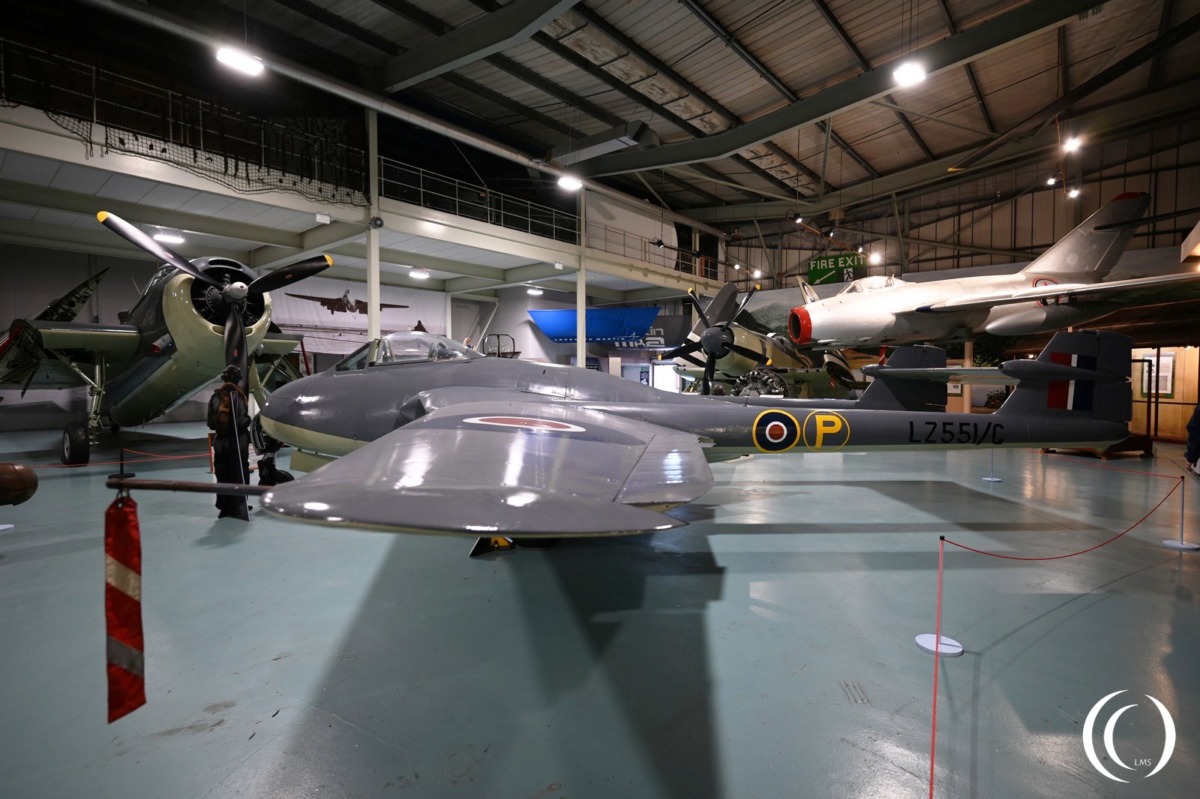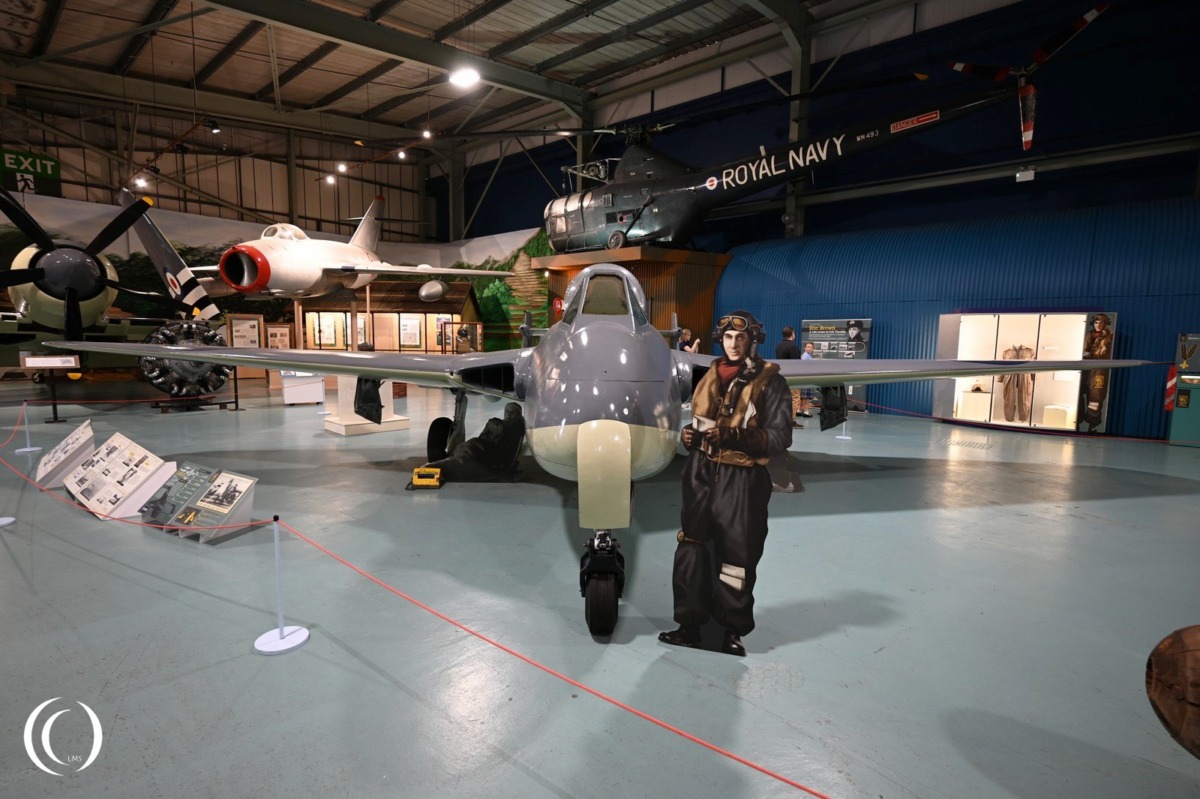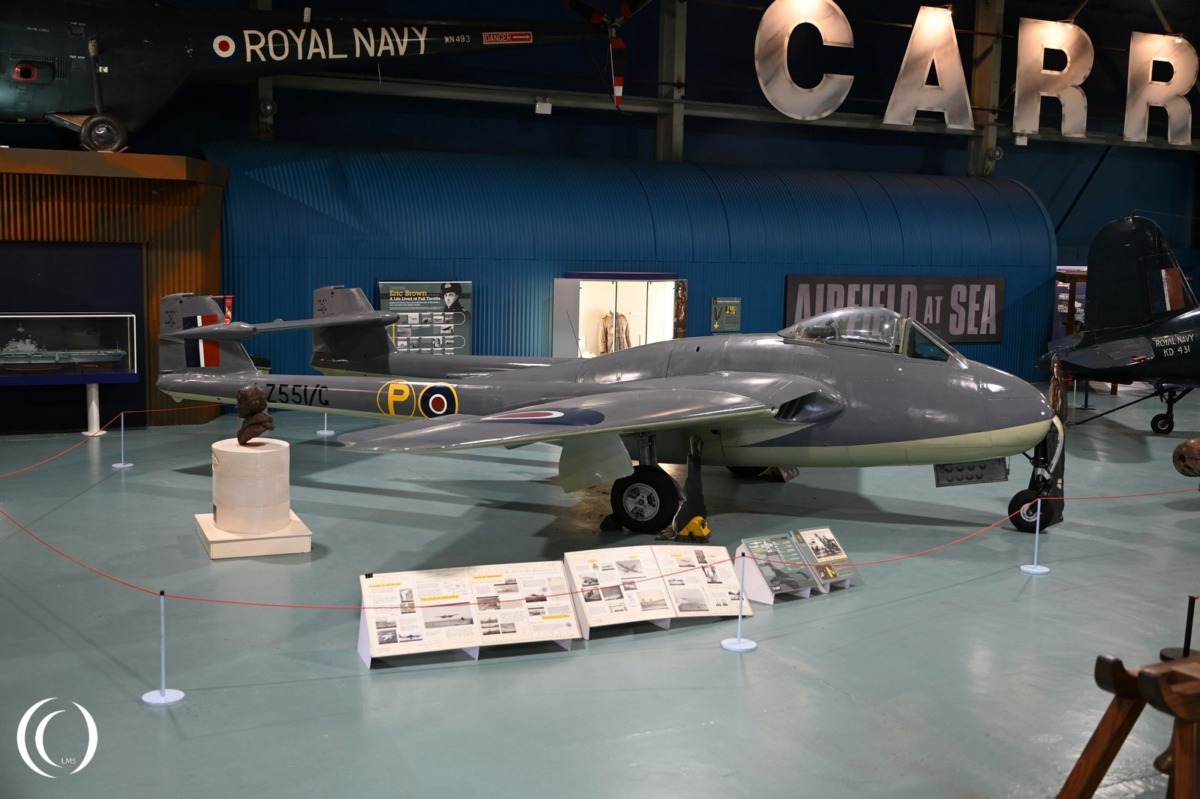
The de Havilland Sea Vampire was a pioneering British jet fighter, notable as the first jet aircraft to land and take off from an aircraft carrier. It was the naval variant of the de Havilland Vampire, one of the earliest jet fighters to enter service with the Royal Air Force. The Sea Vampire played a crucial transitional role in bringing jet technology to the Royal Navy’s Fleet Air Arm during the late 1940s.
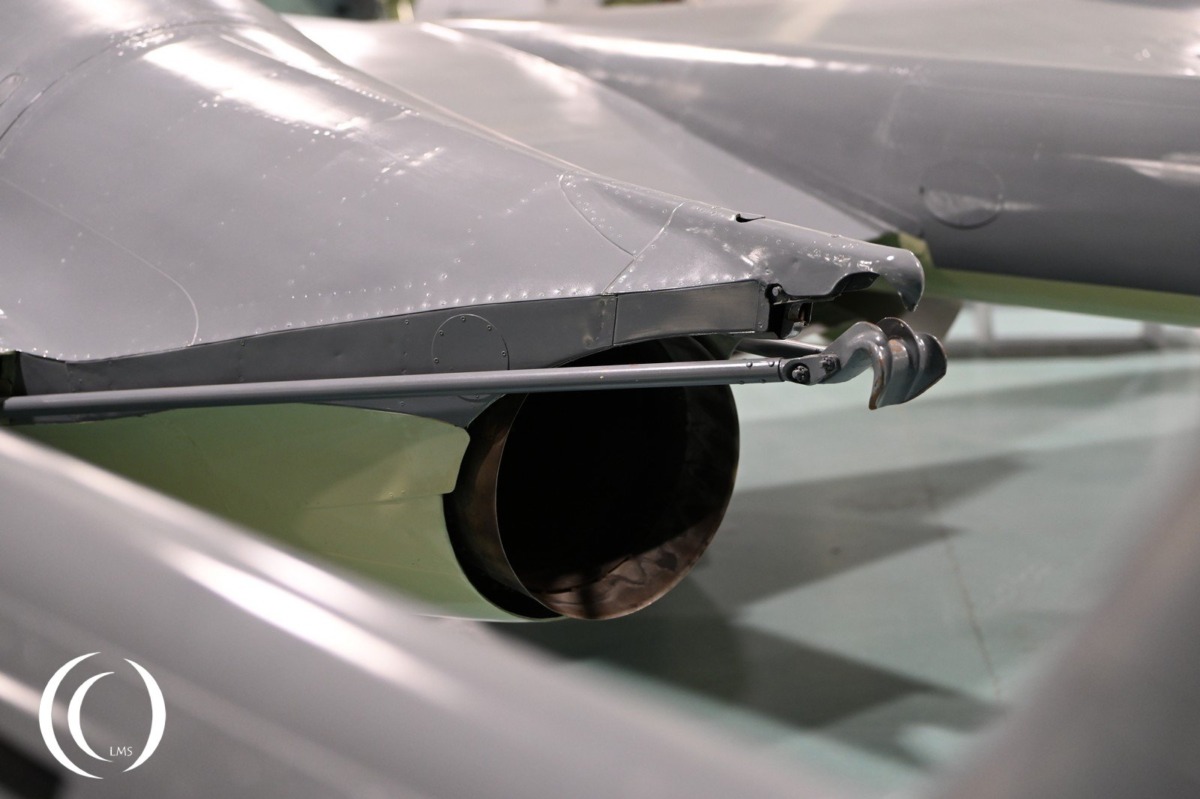
Based on the Vampire F.1 and F.3, the Sea Vampire was modified for carrier operations with several key adaptations. It was fitted with a strengthened undercarriage, arrestor hook, and catapult attachment points to allow it to operate safely from the decks of aircraft carriers. Unlike later naval aircraft, it did not have folding wings, but its relatively compact size made it manageable aboard ship.
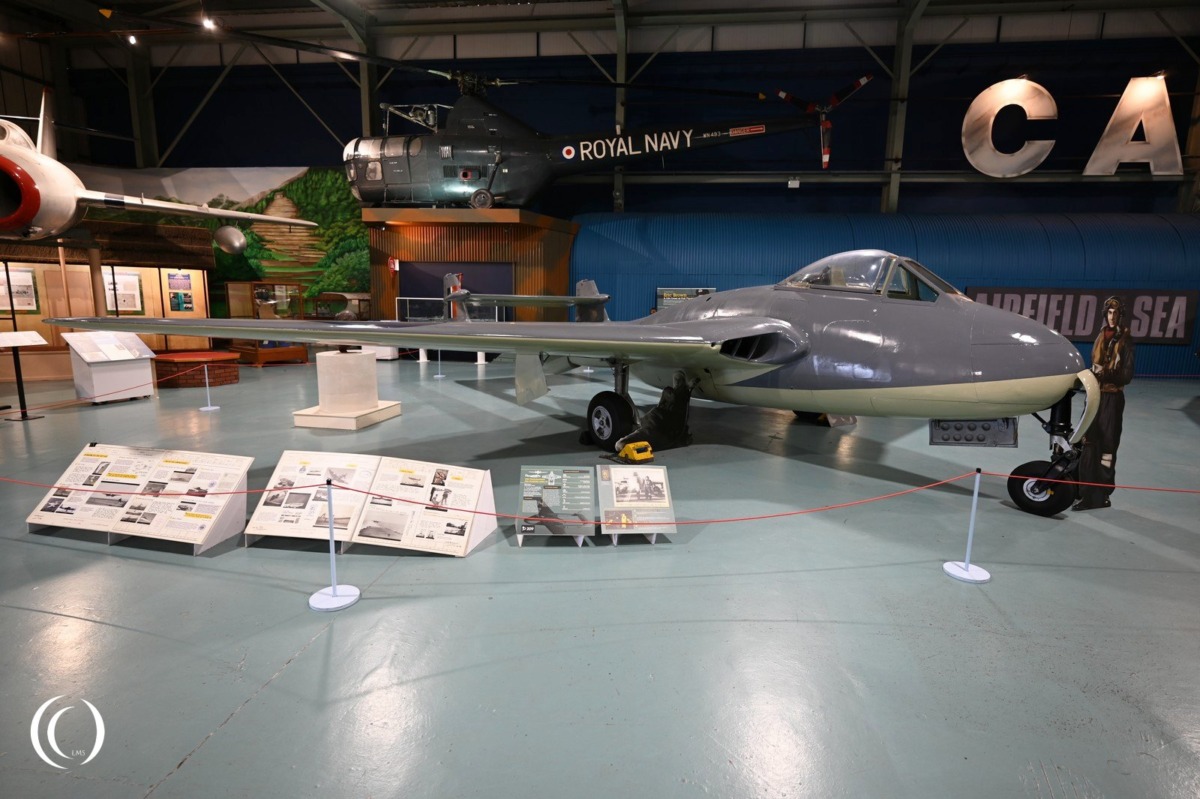
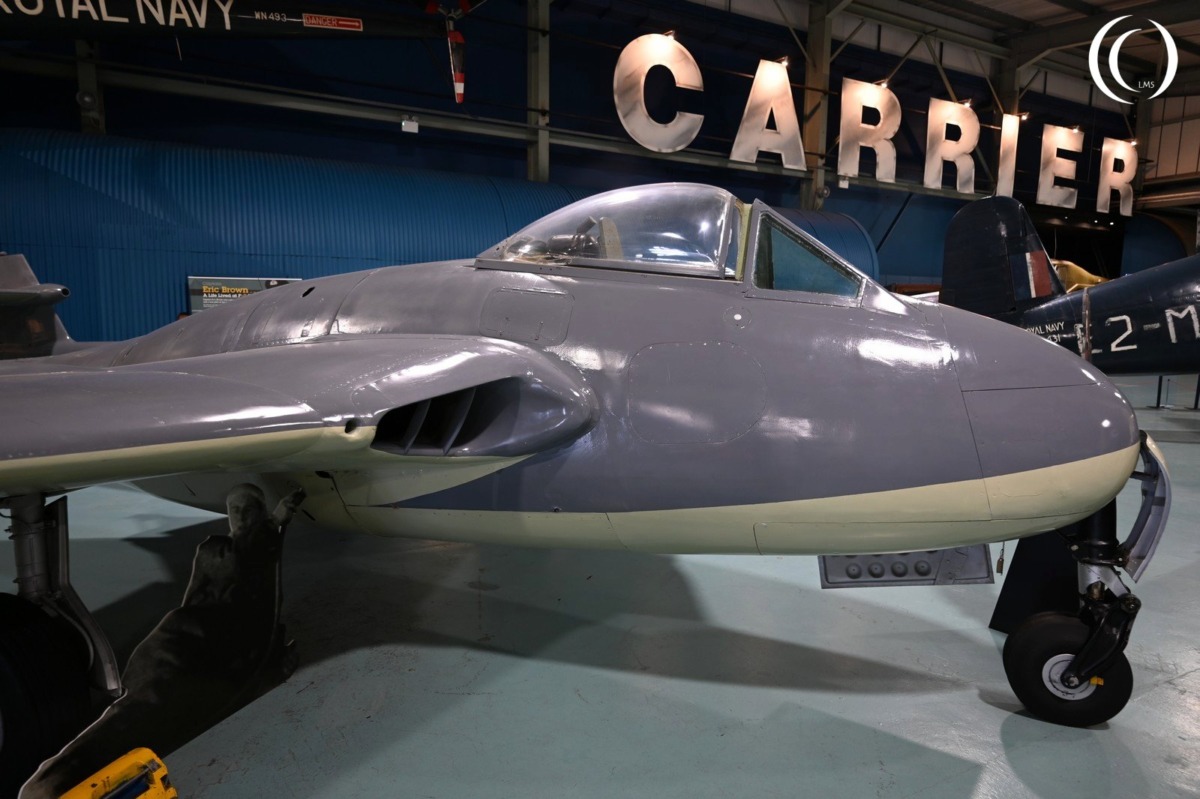
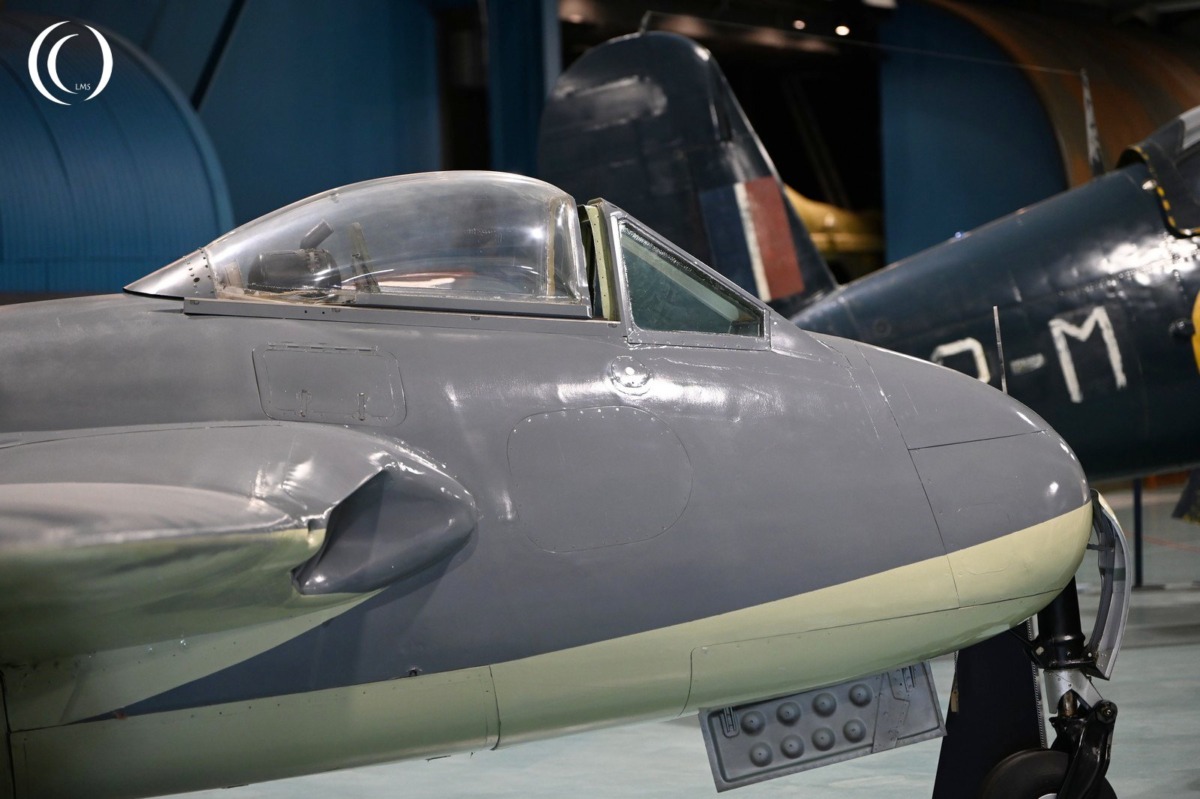
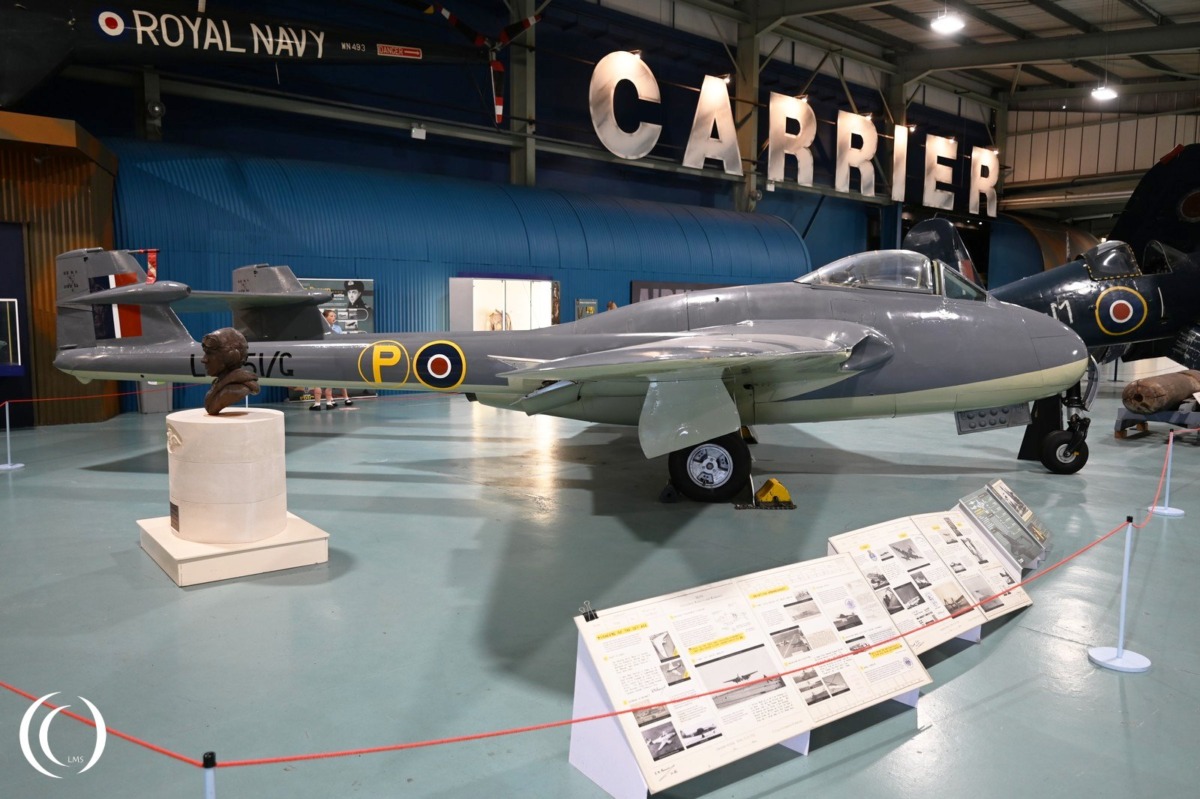
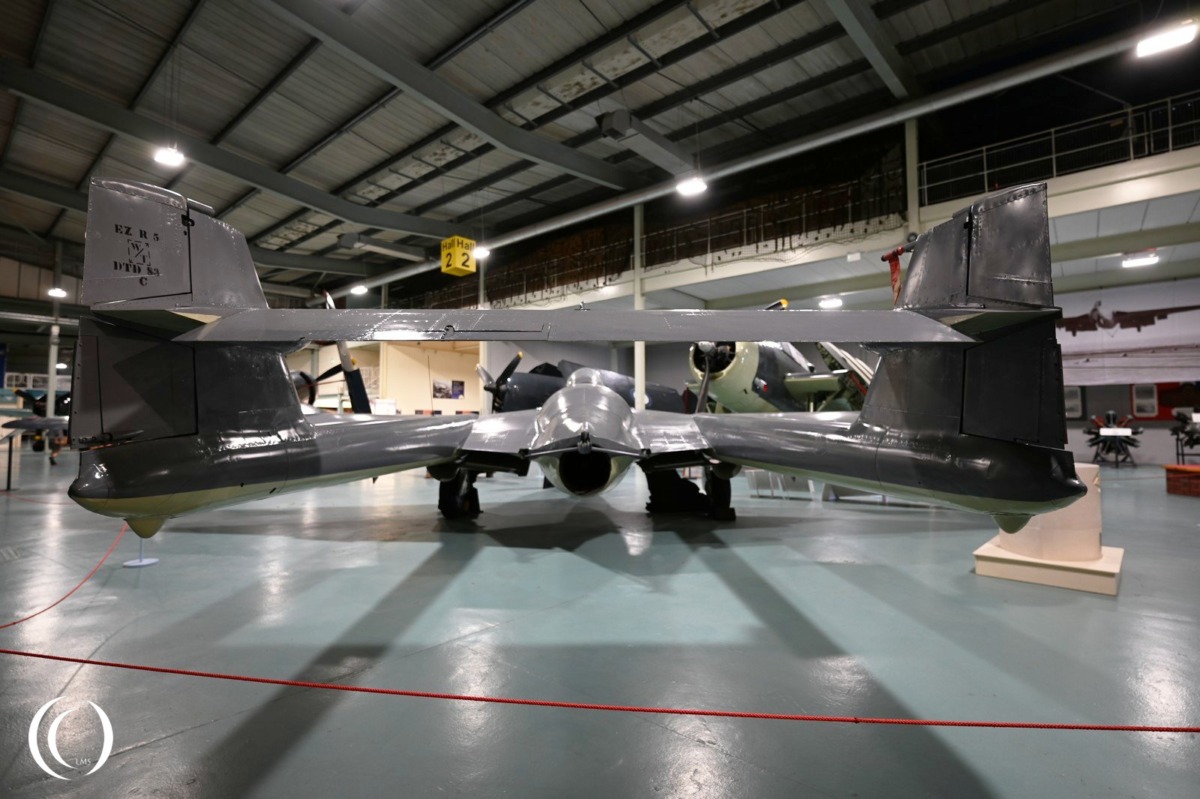
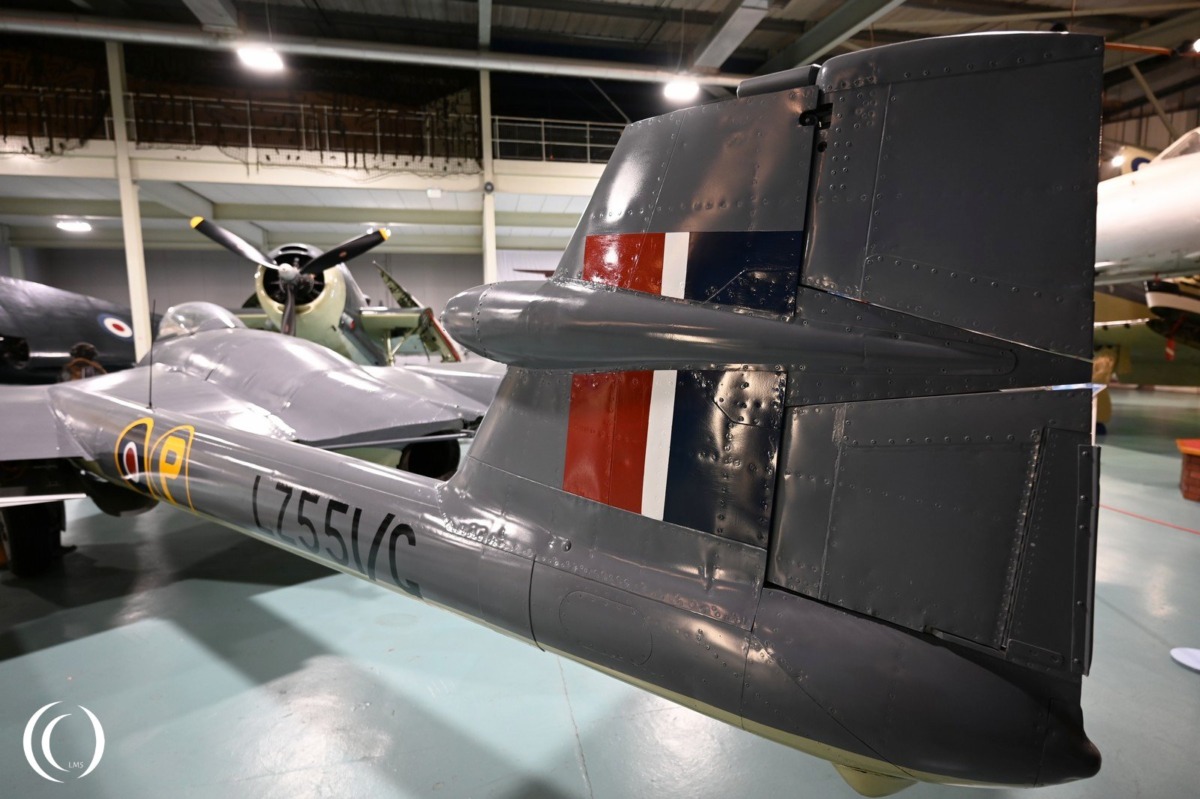
Powered by a de Havilland Goblin turbojet engine, the Sea Vampire had a top speed of around 548 mph (882 km/h) and a service ceiling of 42,000 feet. Its straight-wing design and twin-boom tail were distinctive features, inherited from the original land-based Vampire design. Armament typically consisted of four 20 mm Hispano cannons, making it a capable jet fighter for its era.
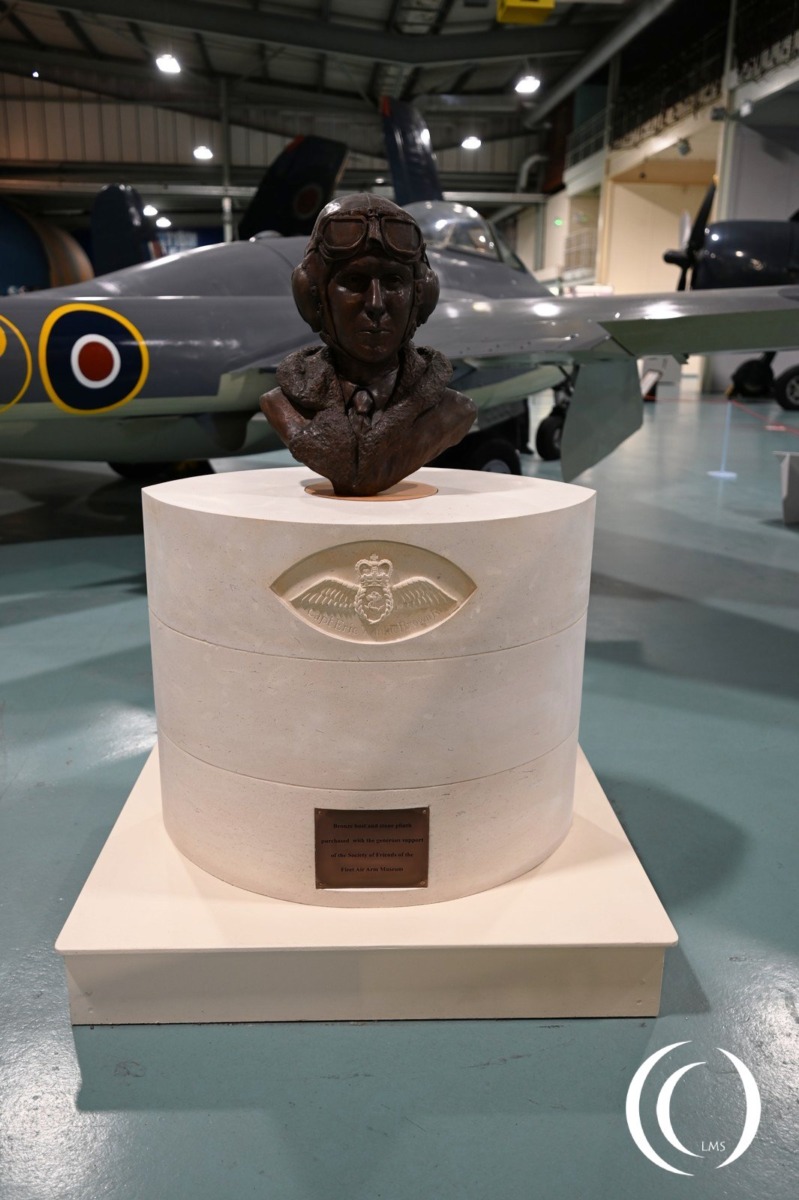
The most historically significant Sea Vampire flight occurred on 3 December 1945, when test pilot Lieutenant Commander Eric “Winkle” Brown successfully landed and took off from the deck of HMS Ocean, making the Sea Vampire the first jet to operate from a carrier at sea. This landmark event proved that jets could be effectively integrated into naval aviation, paving the way for future generations of jet-powered carrier aircraft.
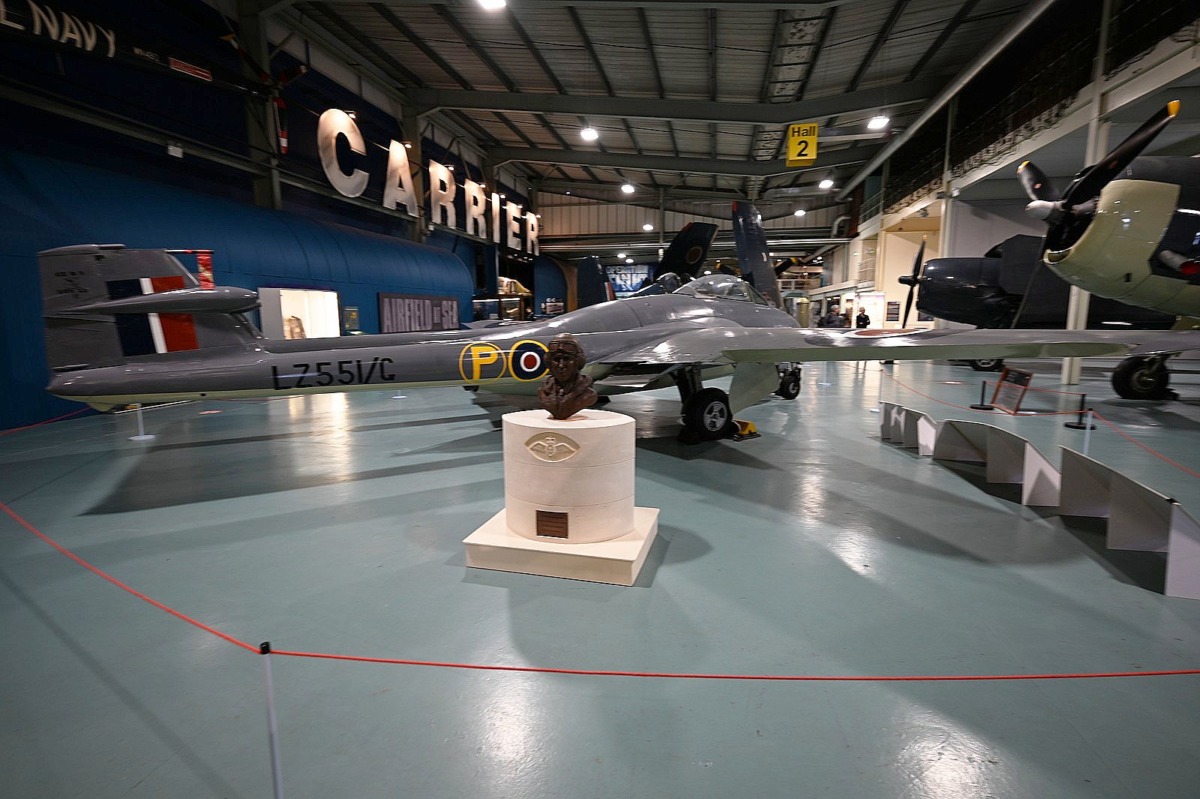
Although the Sea Vampire saw limited front-line service due to the rapid pace of jet development, it was extensively used for training and carrier trials. The two-seat T.22 variant became the Royal Navy’s first jet trainer, introducing generations of naval aviators to jet operations.
The Sea Vampire helped the Fleet Air Arm transition from piston-engine aircraft like the Seafire and Firefly to modern jet-powered fighters. It was a stepping stone to more advanced naval jets such as the Supermarine Attacker, de Havilland Sea Venom, and Hawker Sea Hawk.
Technical Specifications
The de Havilland Sea Vampire was piloted by one crewmember. It was 30 ft 9 in (9.37 m) long, 8 ft 10 in (2.69 m) high and had a wingspan of 38 ft 0 in (11.58 m). The Sea Vampire was powered by one de Havilland Goblin 3 centrifugal-flow turbojet engine with 3,350 lbf (14.9 kN) thrust. Its top speed was 548 mph (882 km/h) and a range of 1,220 mi (1,960 km). Although faster, the top speed of the first generation jet aircraft was not much faster than the propeller fighter aircraft built in the final years of the Second World War. But the popeller aircraft had slowly met its max and the jet ear was just starting, lots of improvements and upgrades lay ahead leaving the propeller aircraft far behind in maximum speed.
The Sea Vampire was armed with four 20 mm (0.79 in) Hispano Mk.V cannon with 600 rounds total with 150 rounds per gun. It had eight 3-inch “60 lb” rockets and could carry two 500 lb (225 kg) bombs or two drop-tanks.
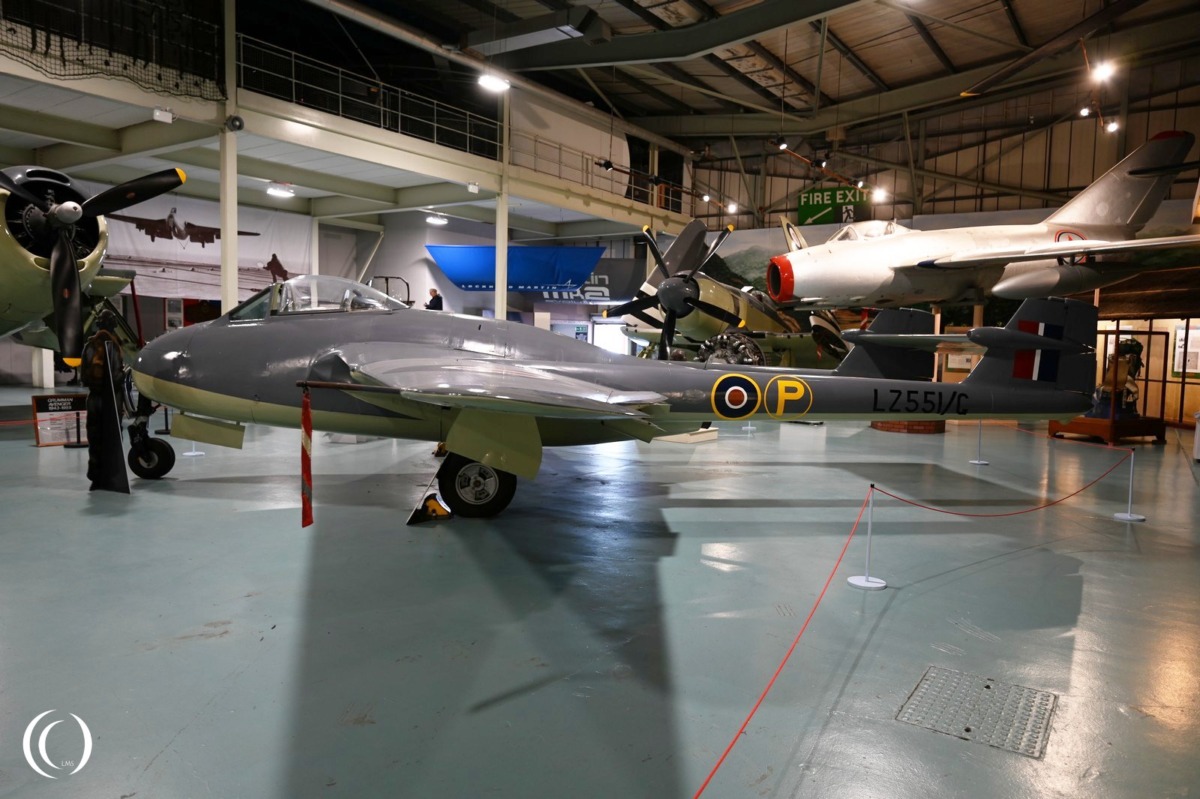
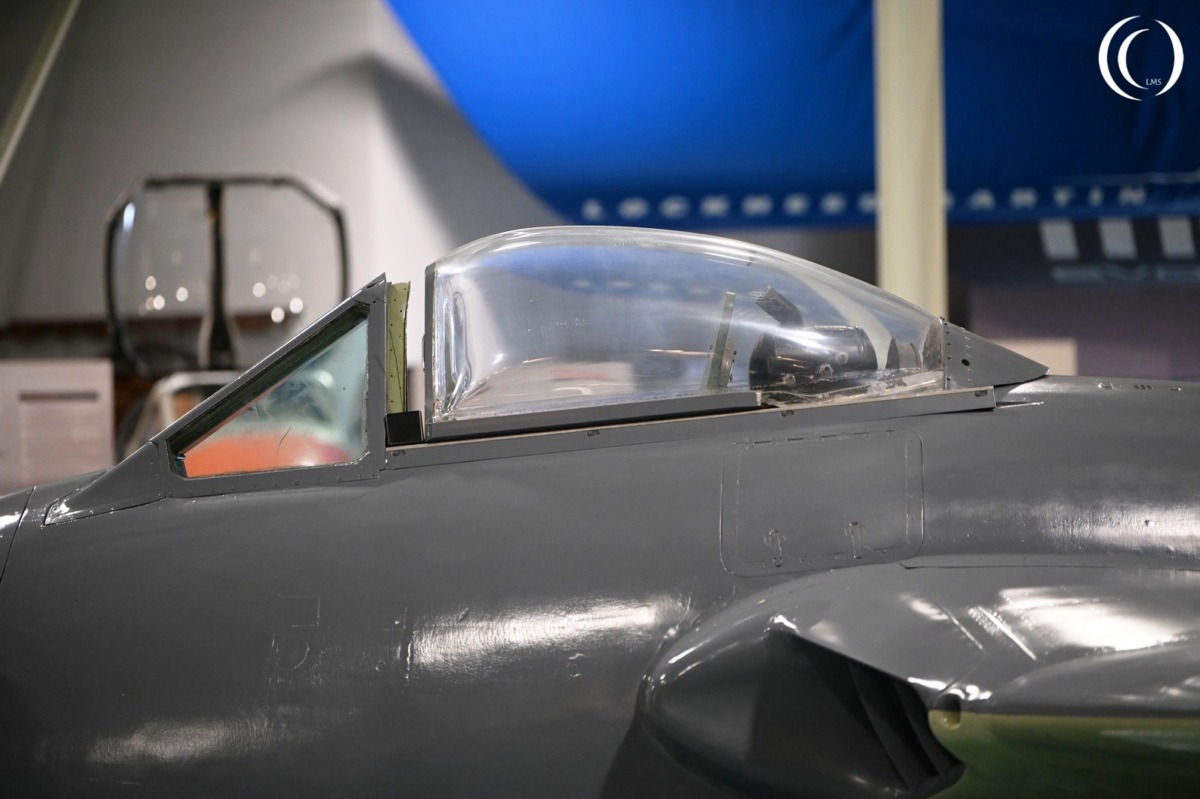
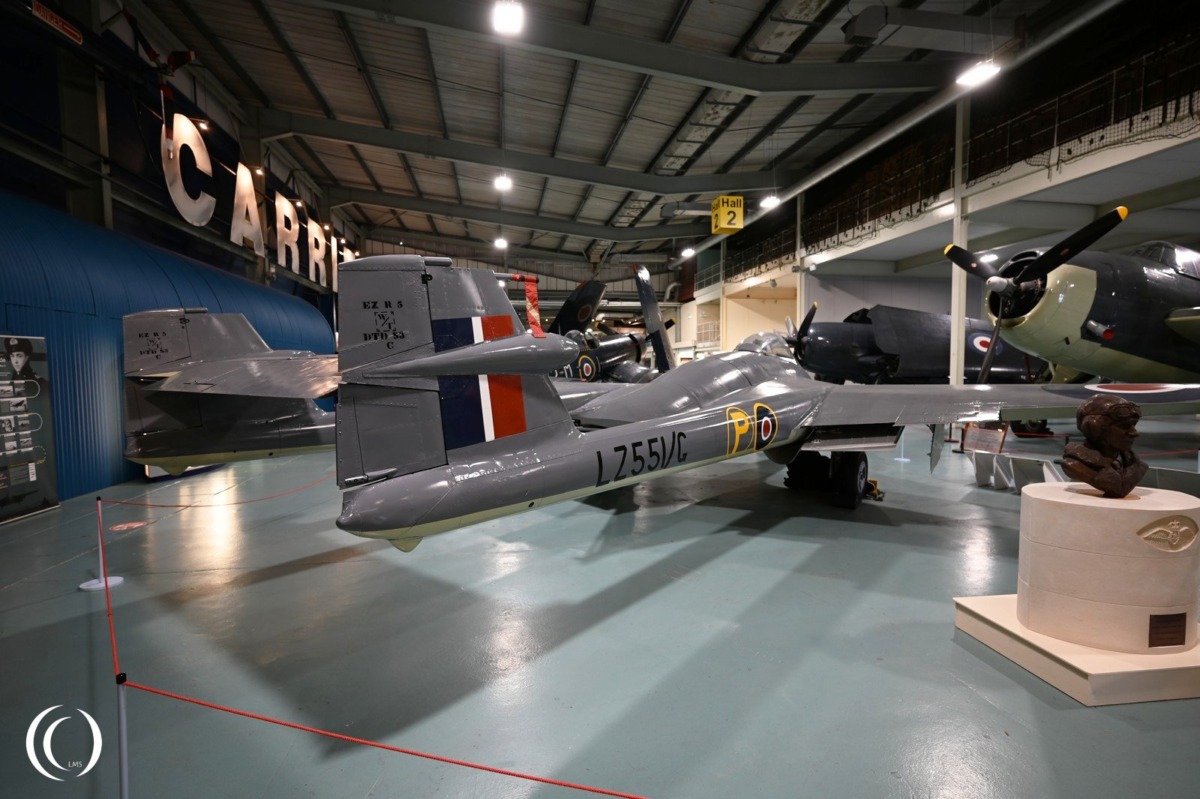
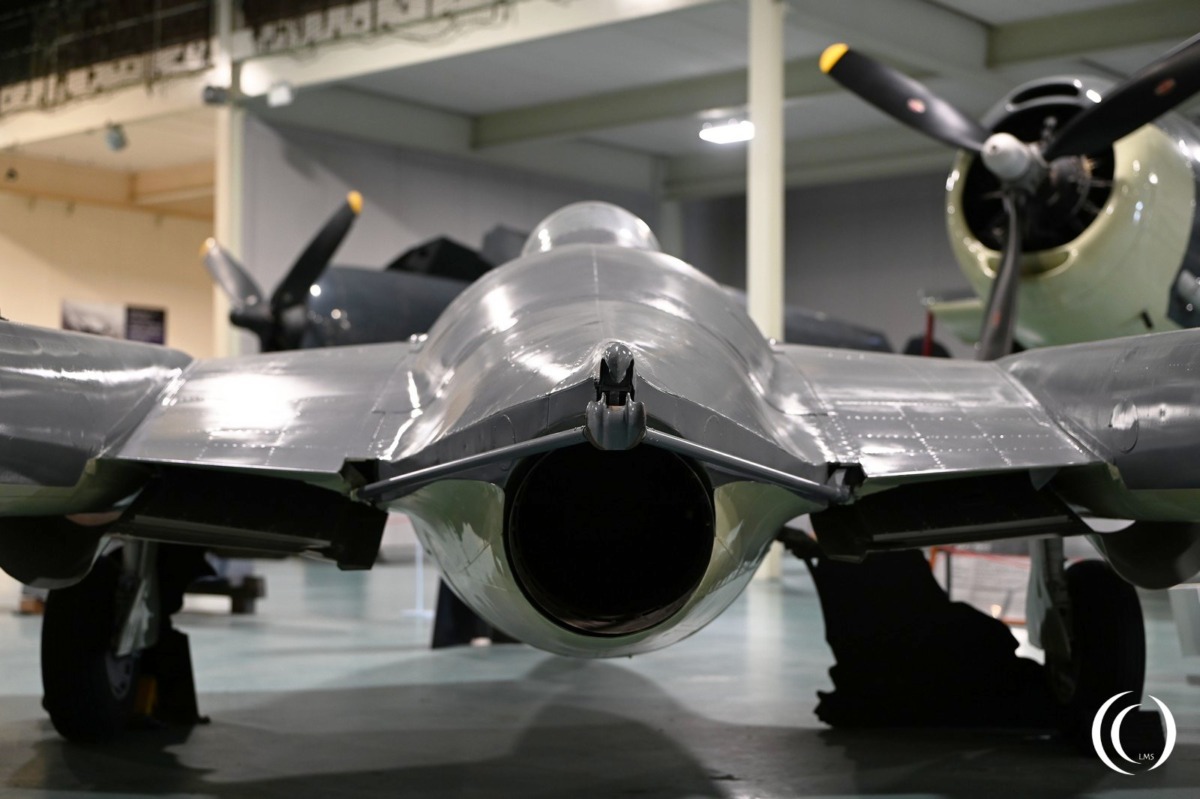
DH.100 Havilland Sea Vampire lz551
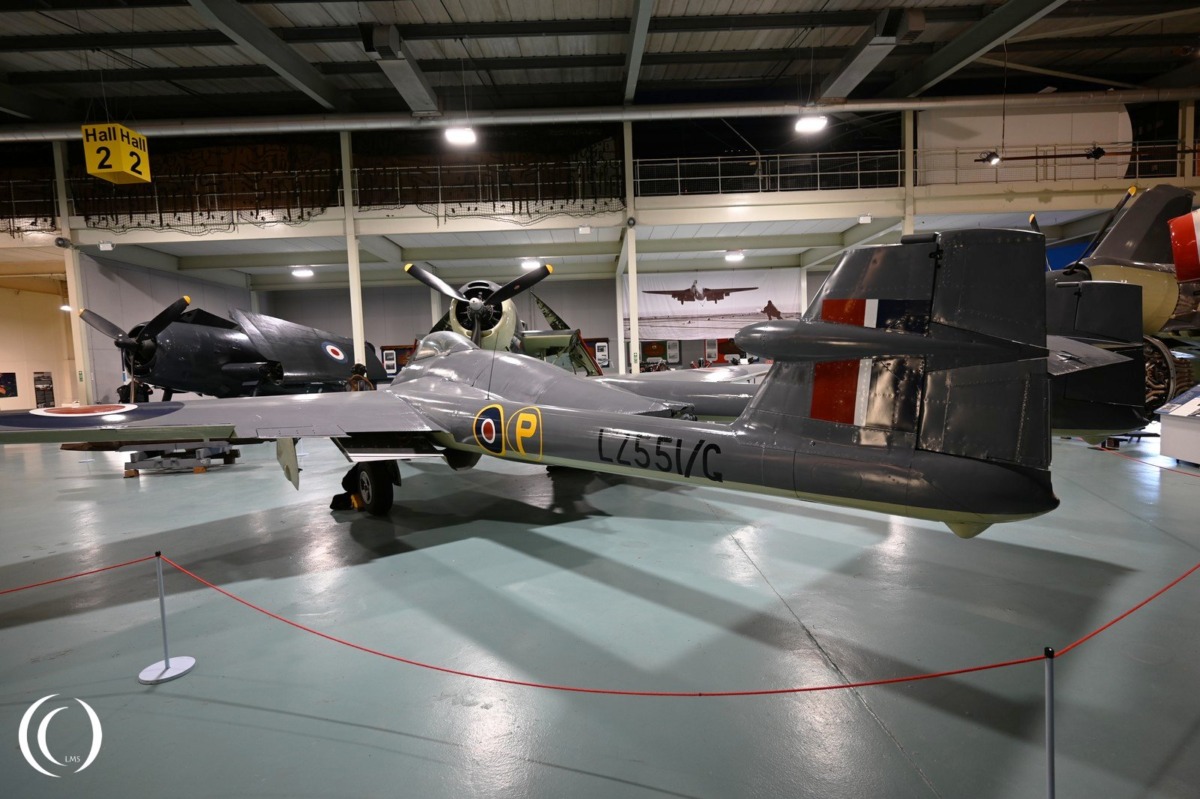
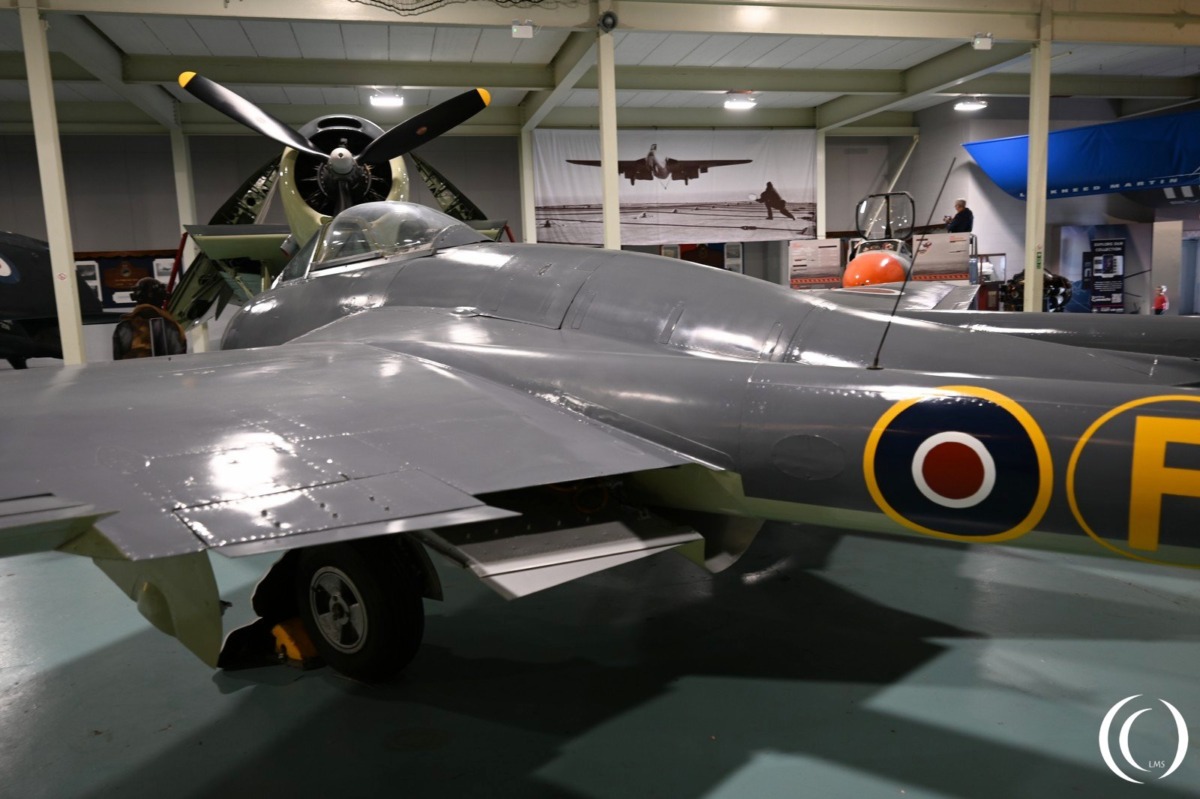
In the photos is the single seat version DH.100 Havilland Sea Vampire. Three prototypes were built named Spider Crab and 228 production aircraft, including 70 Vampires for Sweden, J 28A, were built. 30 ex RAF F.1 types were transferred to Armee de l’Air in 1948. TG431 was supplied to the Royal Australian Air Force (RAAF) as A78-1 in May 1947. The TG278 was modified with extended wings and powered with a Ghost 2 engine.
Our Sea Vampire with registration LZ551 is a DH.100 Sea Vampre F1 fitted for carrier operations. The fuselage and wing still showcase the distinctive yellow circled “P,” marking it definitively as a prototype. Sometimes it is shown as LZ551/G—the /G serial signifying its guarded status.
The Sea Vampire was introduced in 1946 but its first flight was 20 September 1943. The LZ551 participated in flexible deck arrestor barrier trials at RAE Farnborough, testing innovative carrier landing technology. It was this specific Sea Vampire flown by test pilot Lt‑Cdr Eric “Winkle” Brown to take off and land on the HMS Ocean on 3 December 1945. During its post-trial service: After trials, the aircraft served briefly with the 778 Naval Air Squadron at RNAS Ford in late 1946, before continued trials at Farnborough into the 1950s. In February 1994, LZ551 was transferred from the Science Museum to the Fleet Air Arm Museum on loan, where it remains on display today.