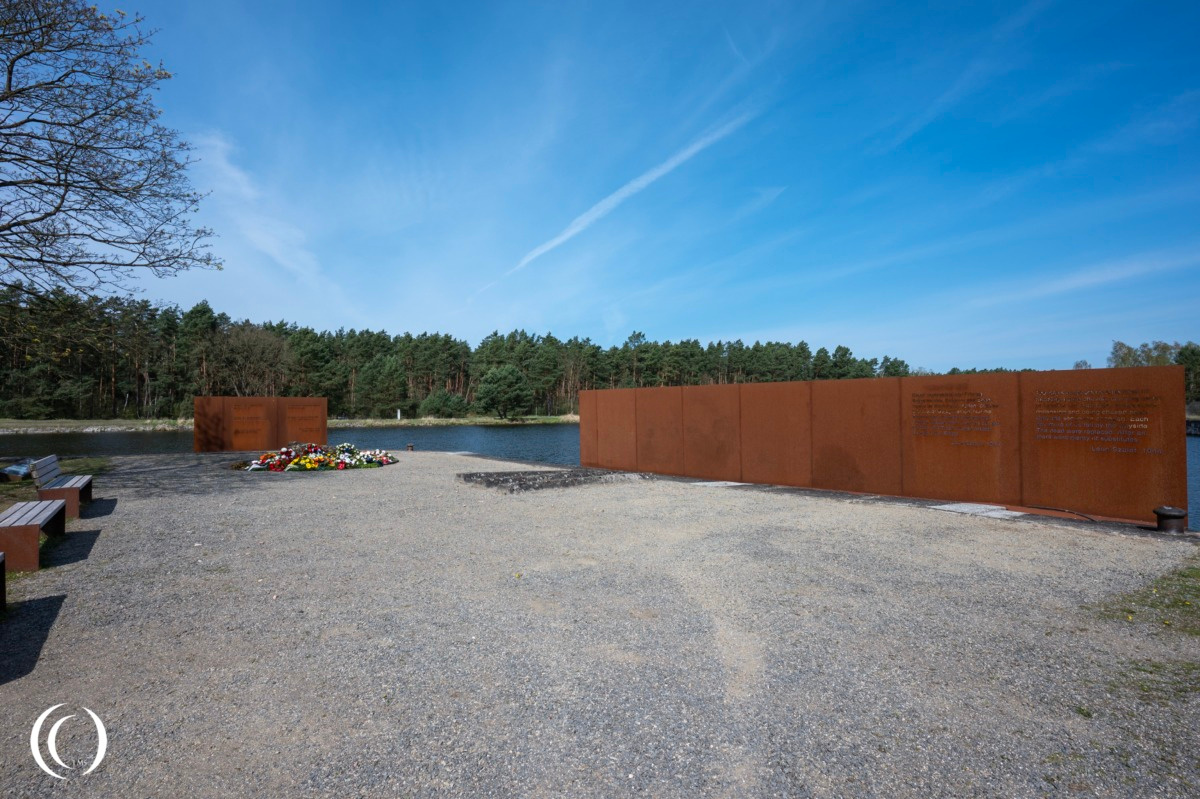
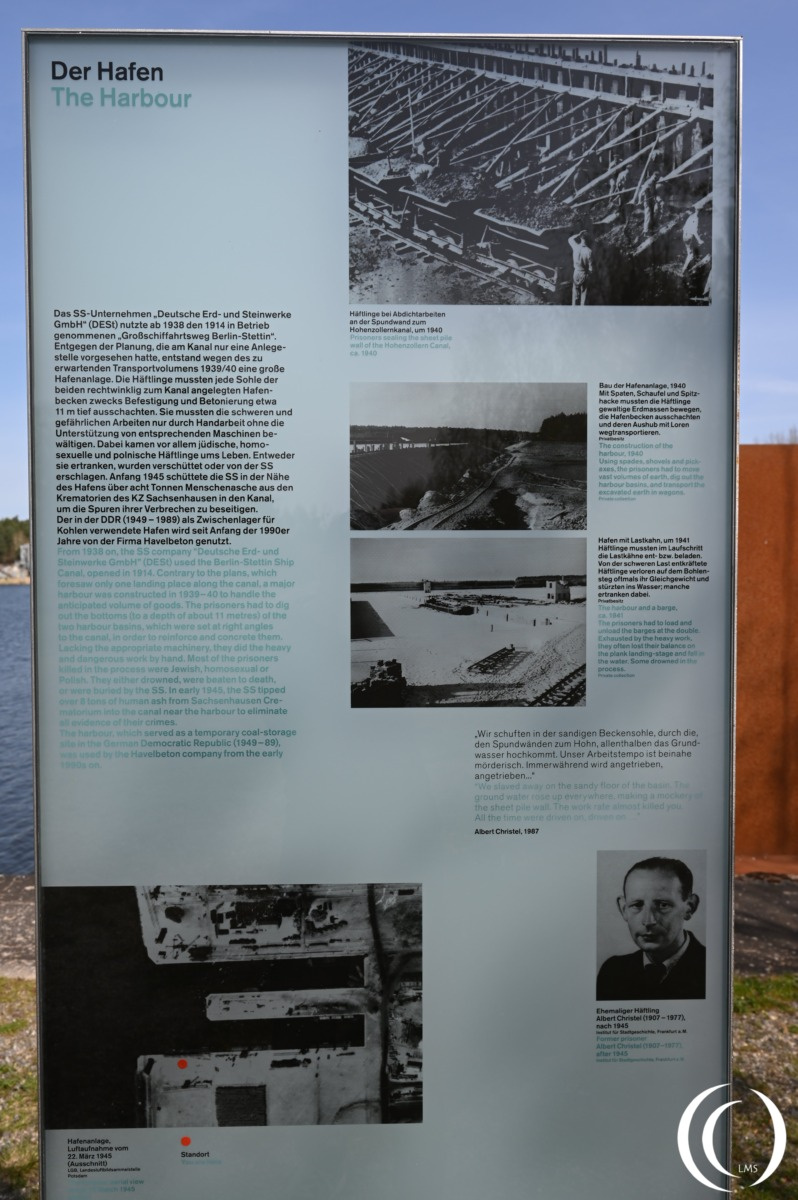
The Camp Klinkerwerk Harbour was part of the Klinkerwerk satellite camp, a subcamp of the Sachsenhausen concentration camp near Oranienburg, Germany. Built from 1938 onward, the harbour was constructed by concentration camp prisoners under SS supervision. It was located on the Oder–Havel Canal and was intended to transport bricks and other building materials produced at the nearby brickworks. These materials were planned for the Nazi regime’s ambitious construction projects, including architect Albert Speer’s vision of transforming Berlin into the monumental capital known as “Germania.”
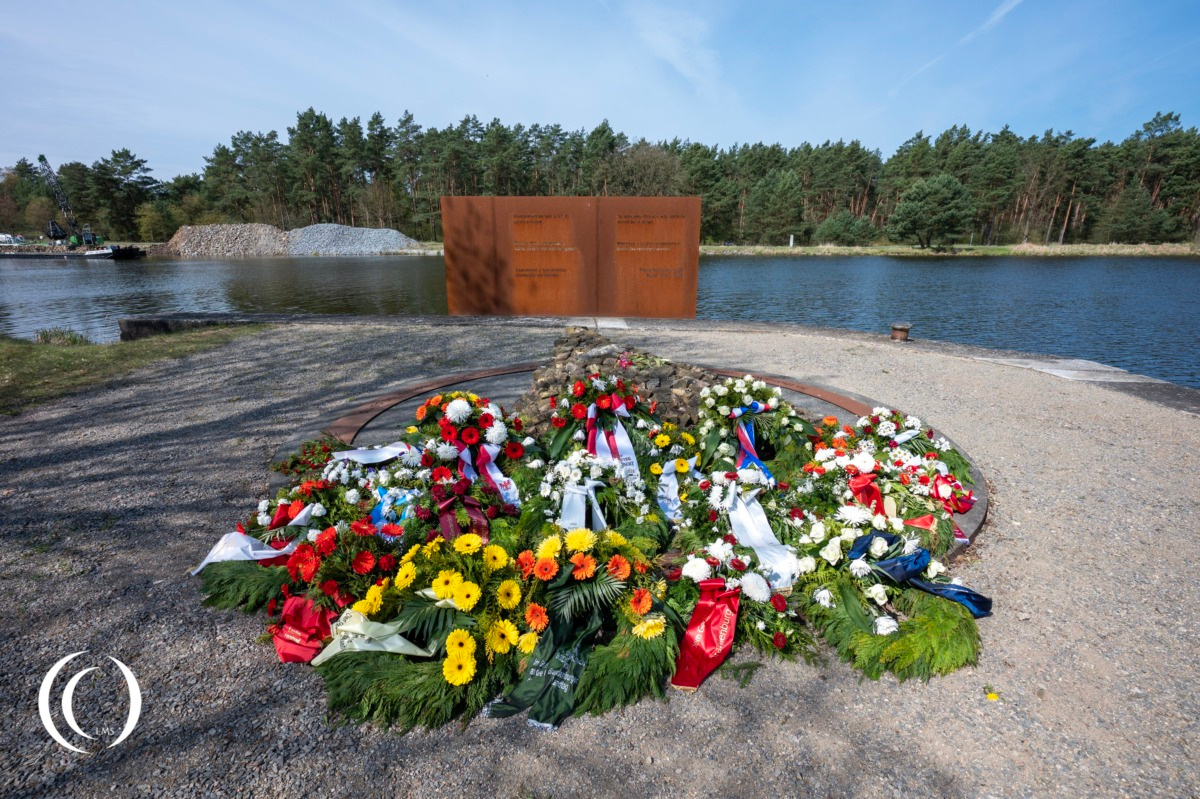
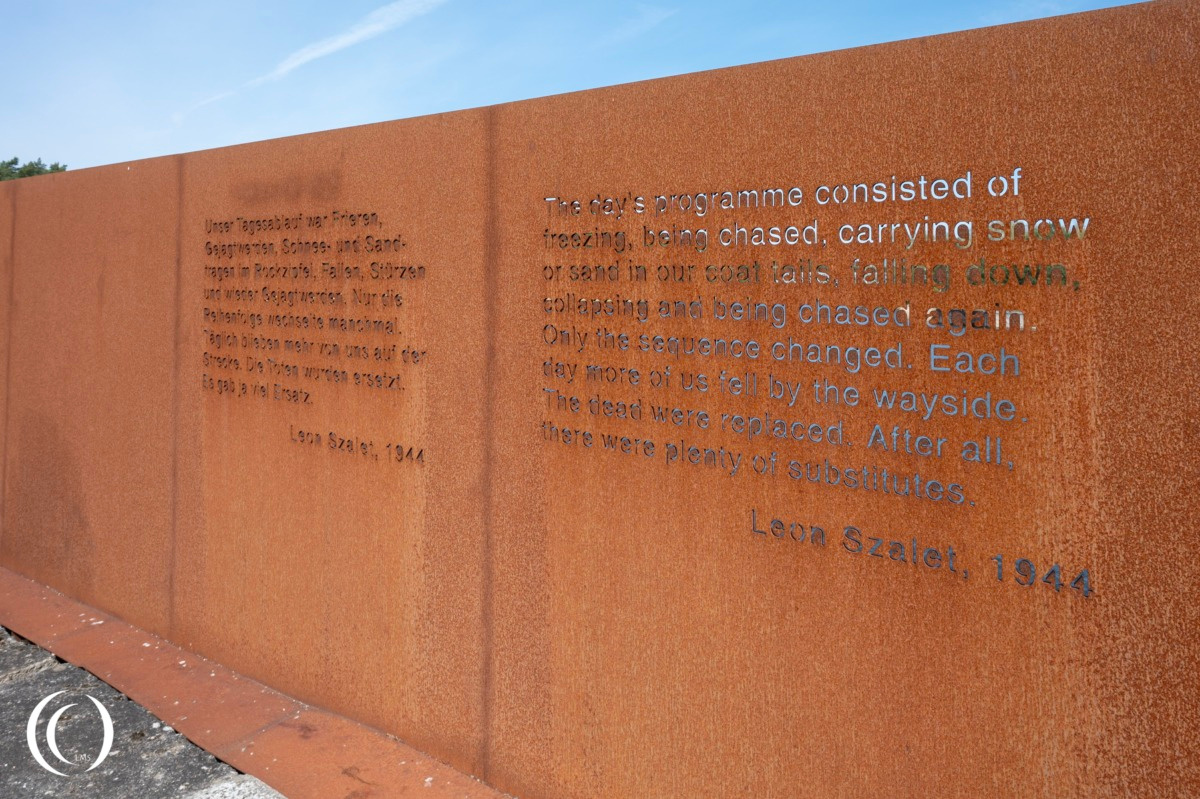
Prisoners carried out the difficult task of excavating the harbour basin, building docks, laying railway tracks, and loading barges with heavy materials. They worked long hours in all weather conditions with little food, inadequate clothing, and almost no medical care. Physical abuse by SS guards, exhaustion, disease, and starvation made the harbour one of the harshest workplaces within the Sachsenhausen camp system.
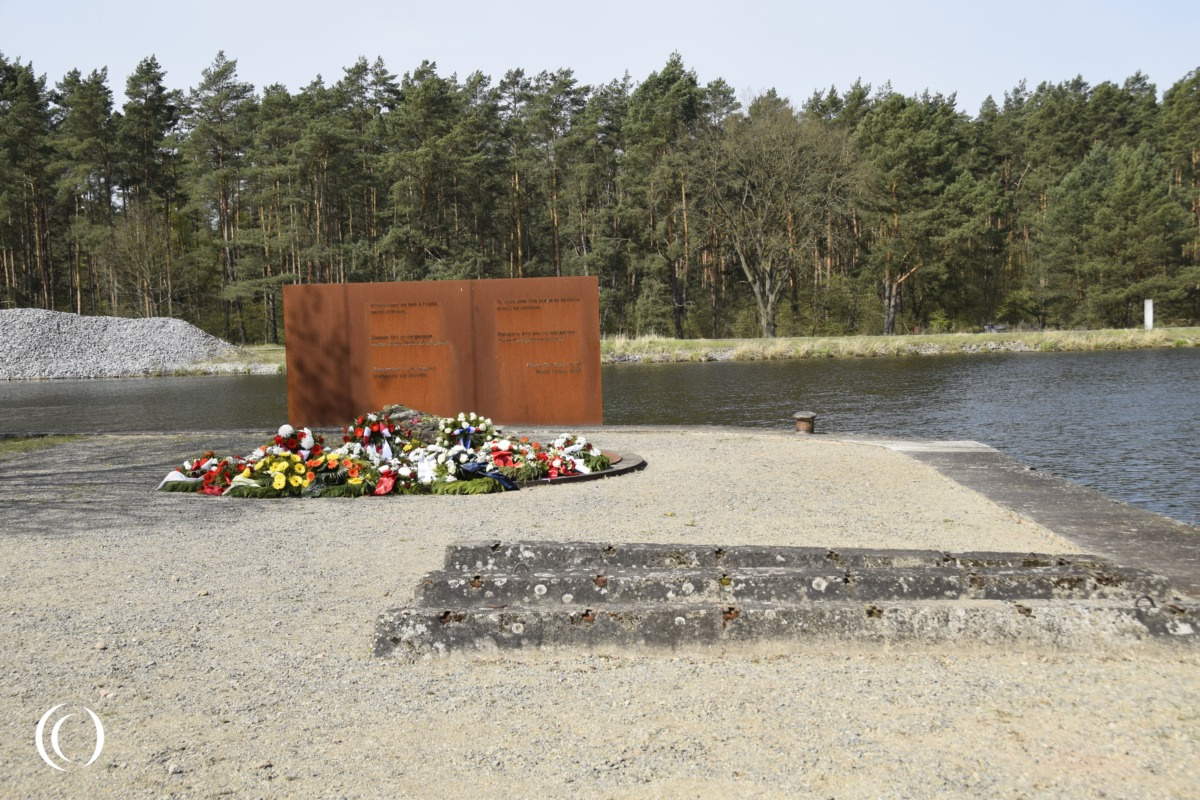
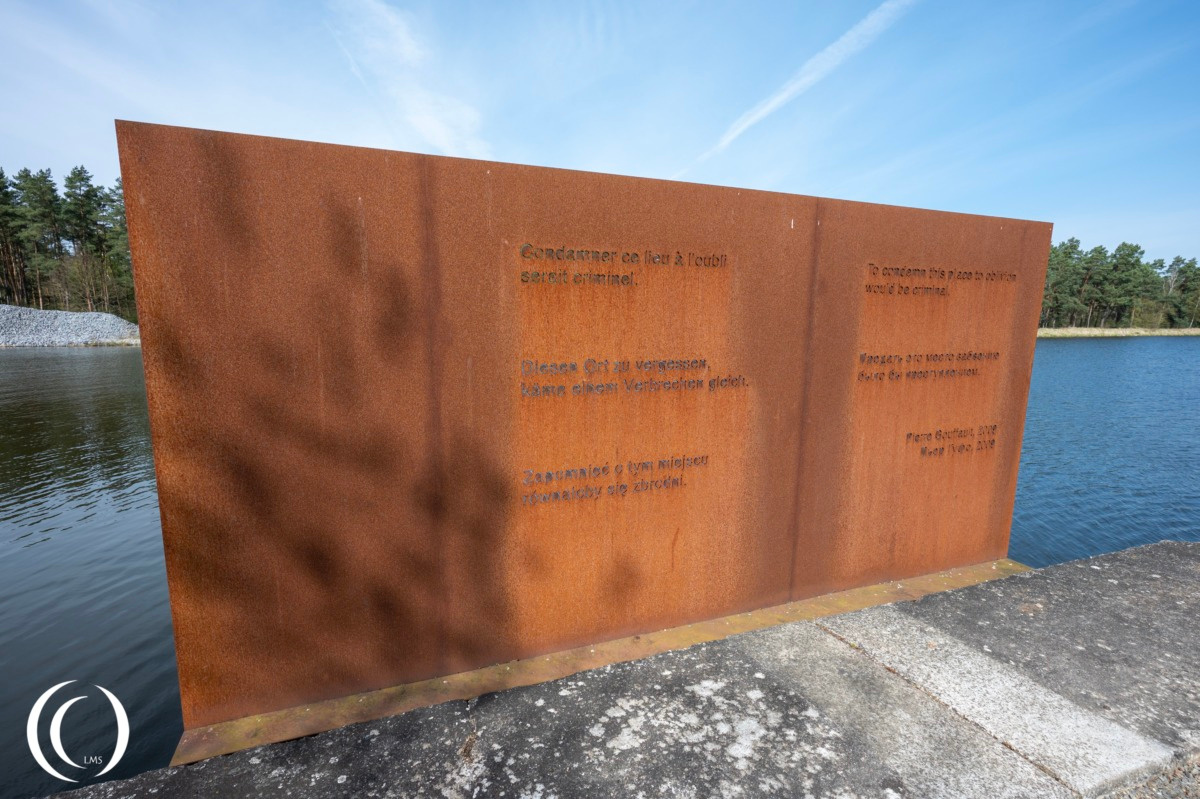
The harbour never reached its intended capacity because the brickworks failed to produce the expected volume of bricks. During the later years of World War II, the site’s role shifted toward supporting military production as the Klinkerwerk complex became involved in the German armaments industry.
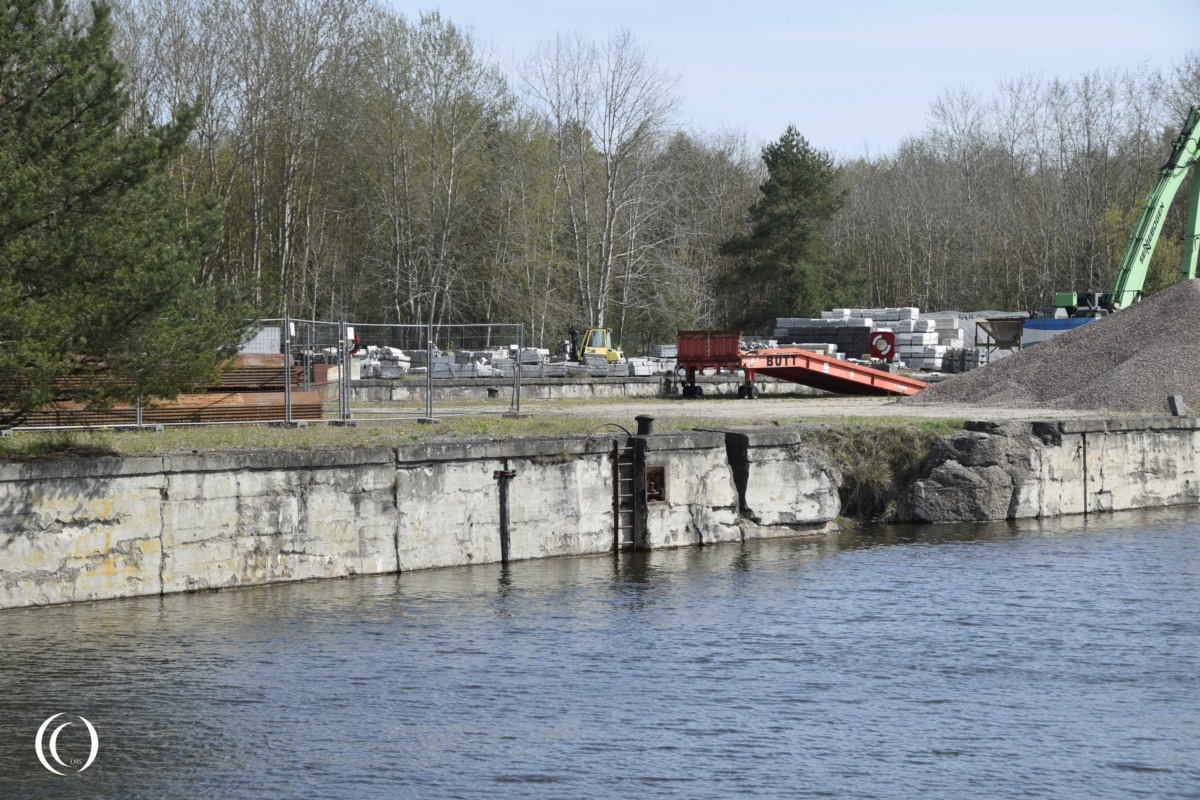
In April 1945, Allied bombing damaged the harbour and surrounding industrial facilities shortly before the collapse of Nazi Germany. Today, the remaining harbour structures form part of the Sachsenhausen Memorial and Museum, where they serve as a reminder of the forced labor system that exploited thousands of concentration camp prisoners under brutal and inhumane conditions.
Visit
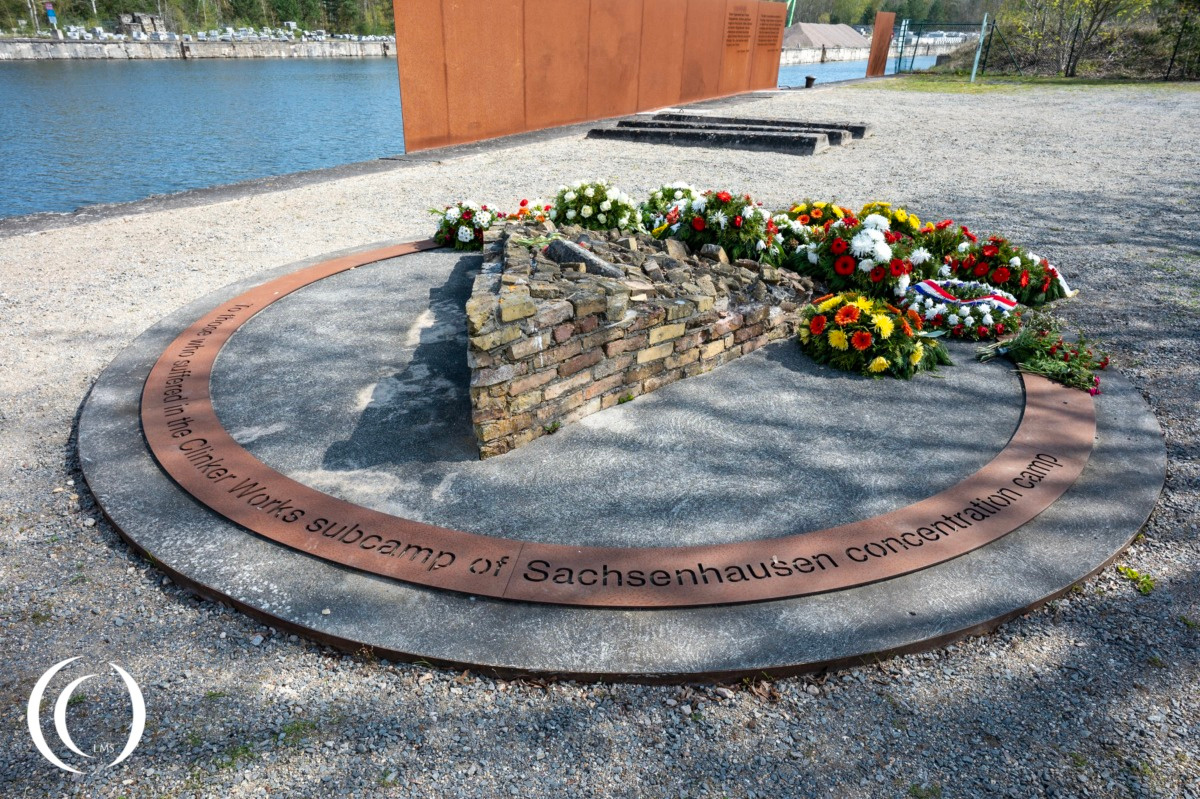
The monument is always open to visitors. It is an outdoor location by the water, where information panels tell the story of the Klinkerwerk satellite camp and the harbor.
Sources
- sachsenhausen-sbg.de
- Wikipedia
- gedenkstaettenforum.de
