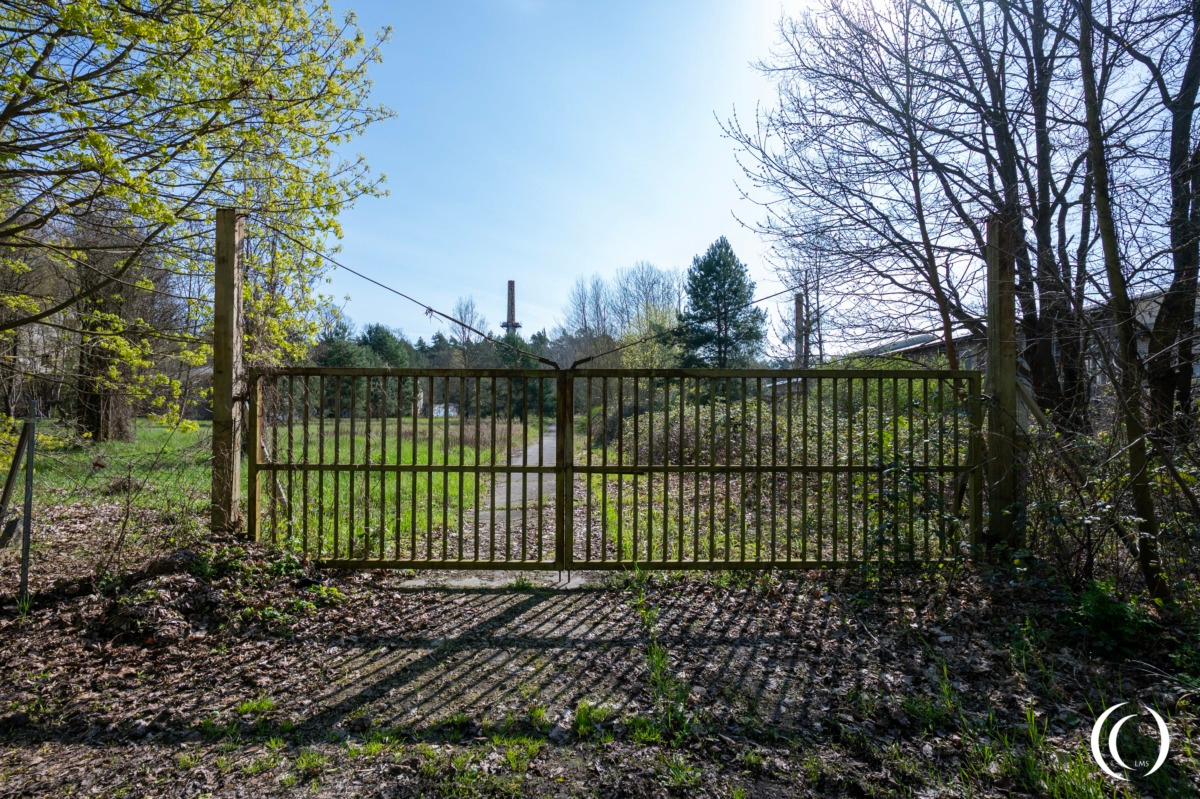
The Satellite Camp Klinkerwerk Bakery was a forced-labor facility associated with the Klinkerwerk satellite camp, which formed part of the Sachsenhausen concentration camp complex in Nazi Germany during World War II. Established in 1941, the bakery was operated by the SS to produce bread for Sachsenhausen and other concentration camps, as well as SS military units. It became an important part of the camp’s economic network, relying entirely on the labor of imprisoned men who worked under brutal and exploitative conditions.
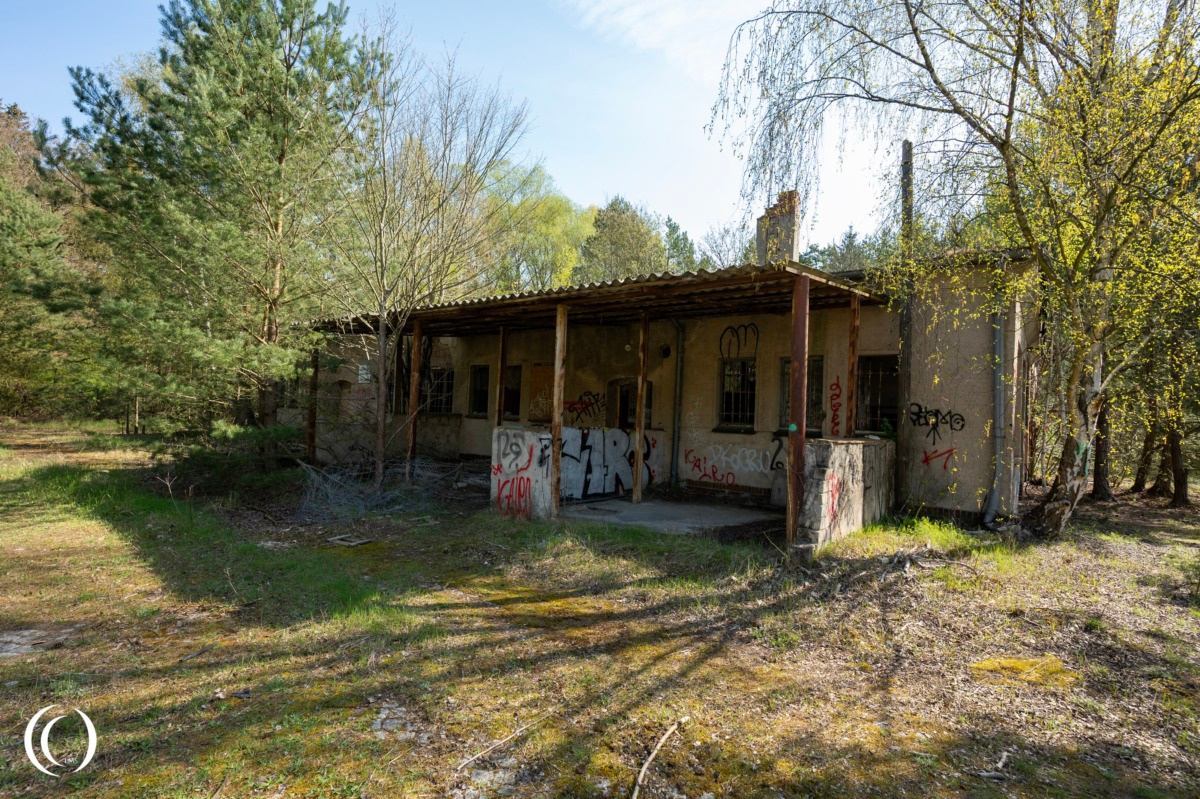
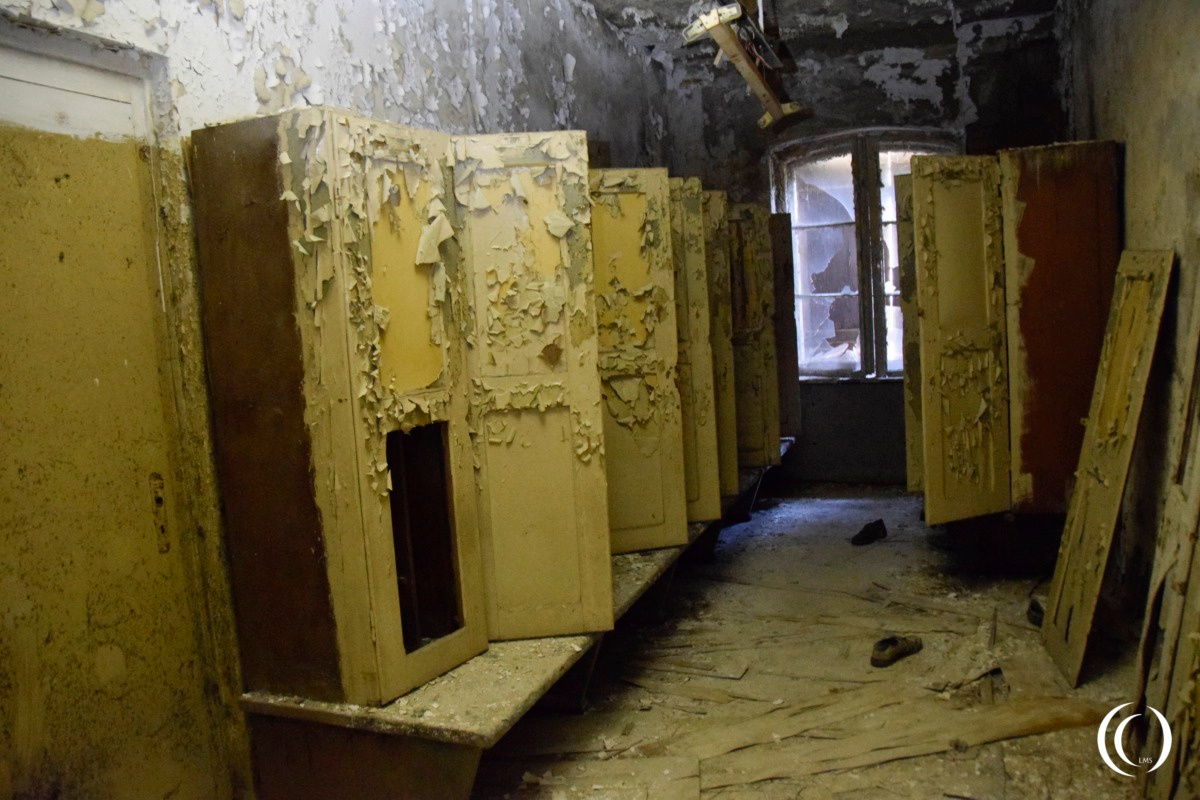
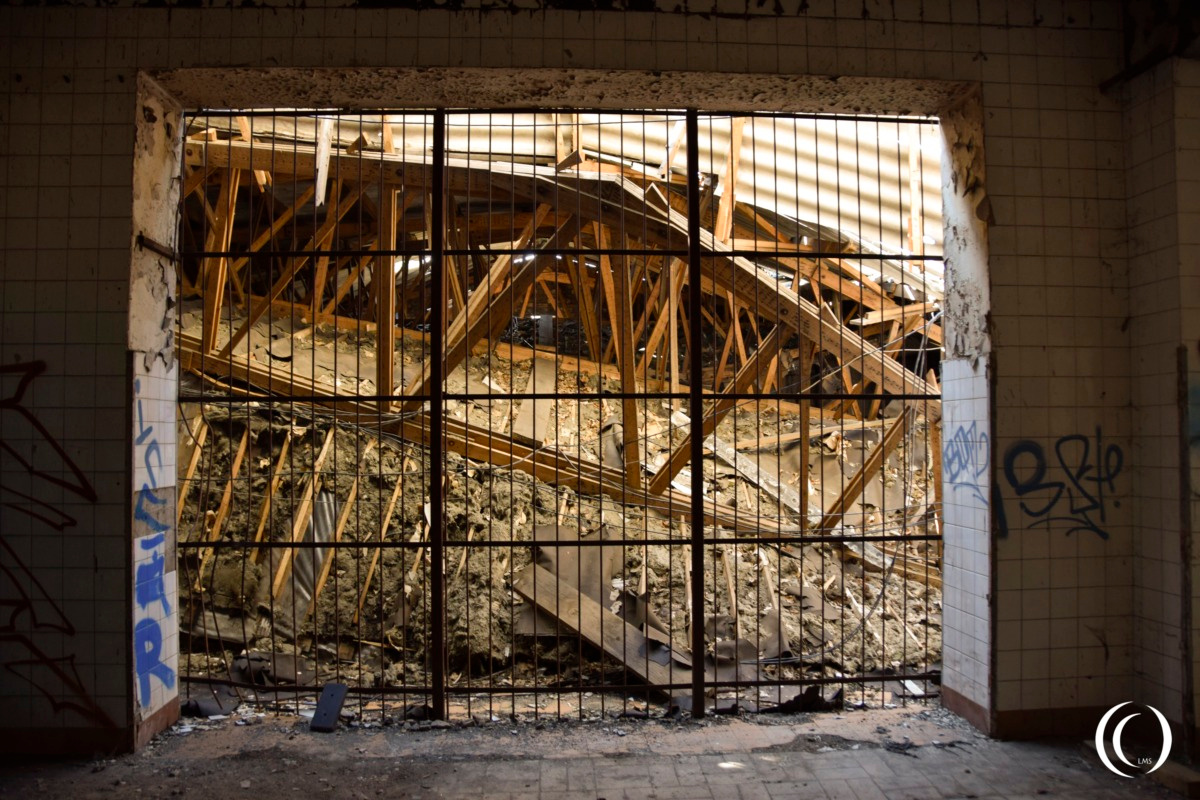
Initially, around 80 prisoners were assigned to the bakery. They worked long shifts mixing dough, operating industrial ovens, loading bread, and transporting supplies. As demand increased, the bakery expanded its production capacity with additional ovens and equipment. By the later years of the war, it was producing more than 40,000 loaves of bread per day, supplying camps such as Ravensbrück, Groß-Rosen, and Mittelbau-Dora. Despite producing large quantities of food, the prisoners themselves received inadequate rations and often suffered from severe hunger and exhaustion.
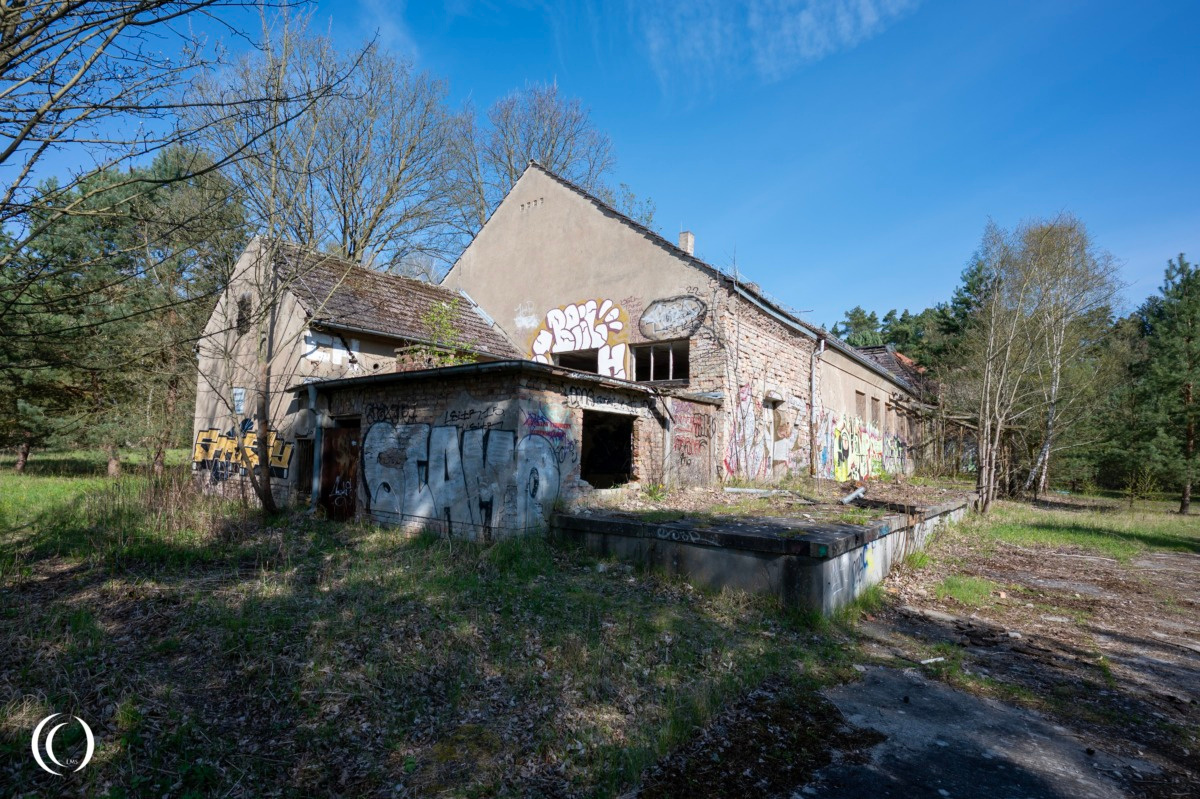
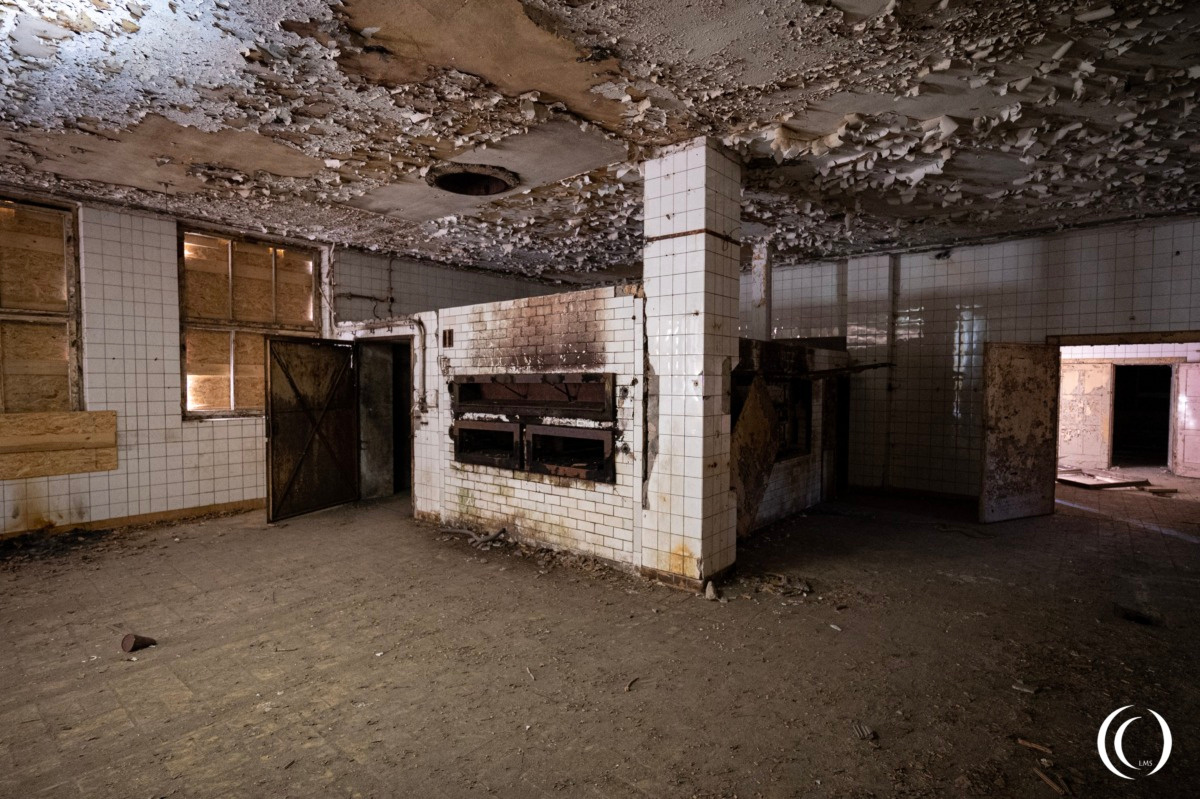
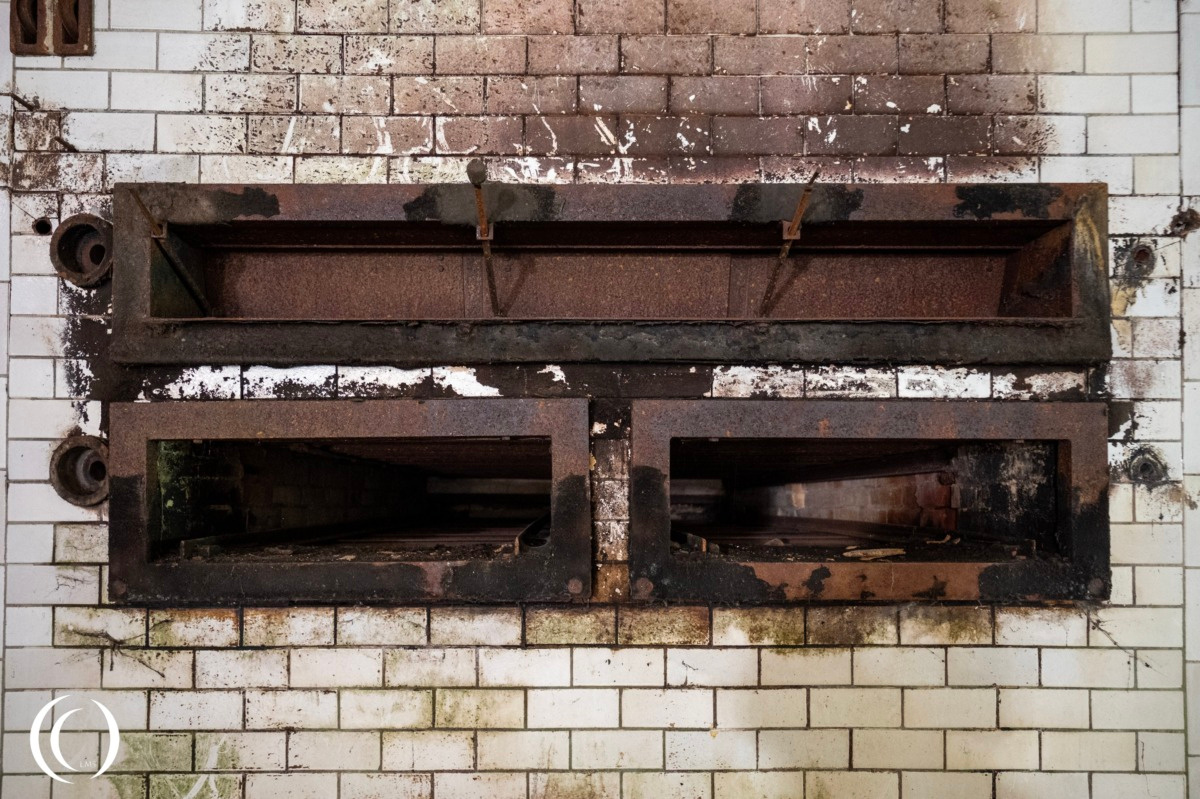
At first, workers marched daily from the main Sachsenhausen camp to the bakery. Later, many were housed in the nearby Klinkerwerk satellite camp, reducing travel time but not improving their harsh living conditions. The Klinkerwerk camp had one of the highest mortality rates within the Sachsenhausen system. Prisoners endured physical abuse, overcrowding, disease, and dangerous work assignments, with many dying from starvation, illness, overwork, or execution.
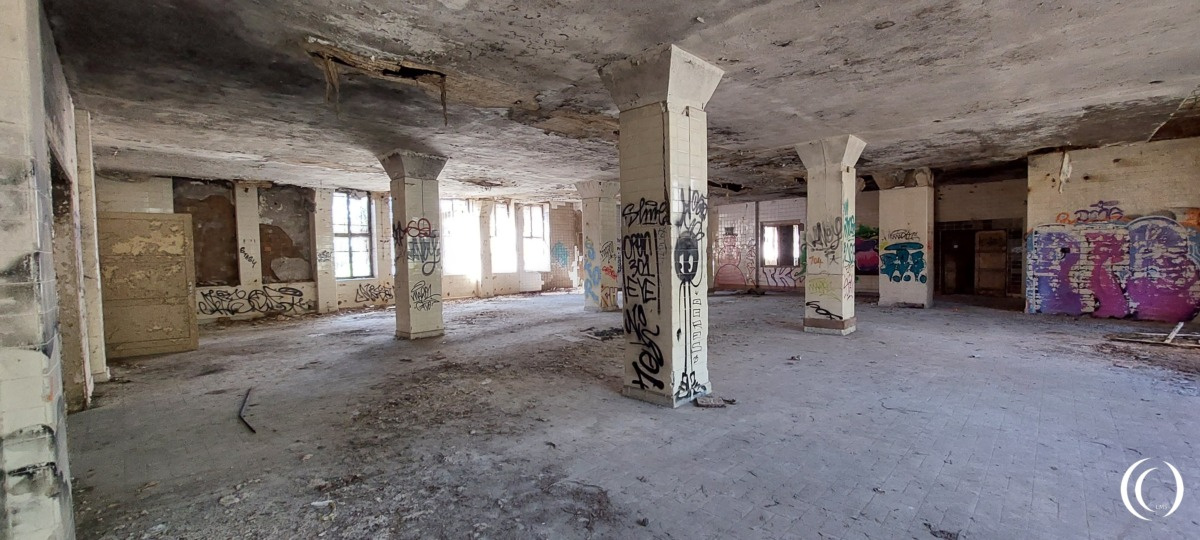
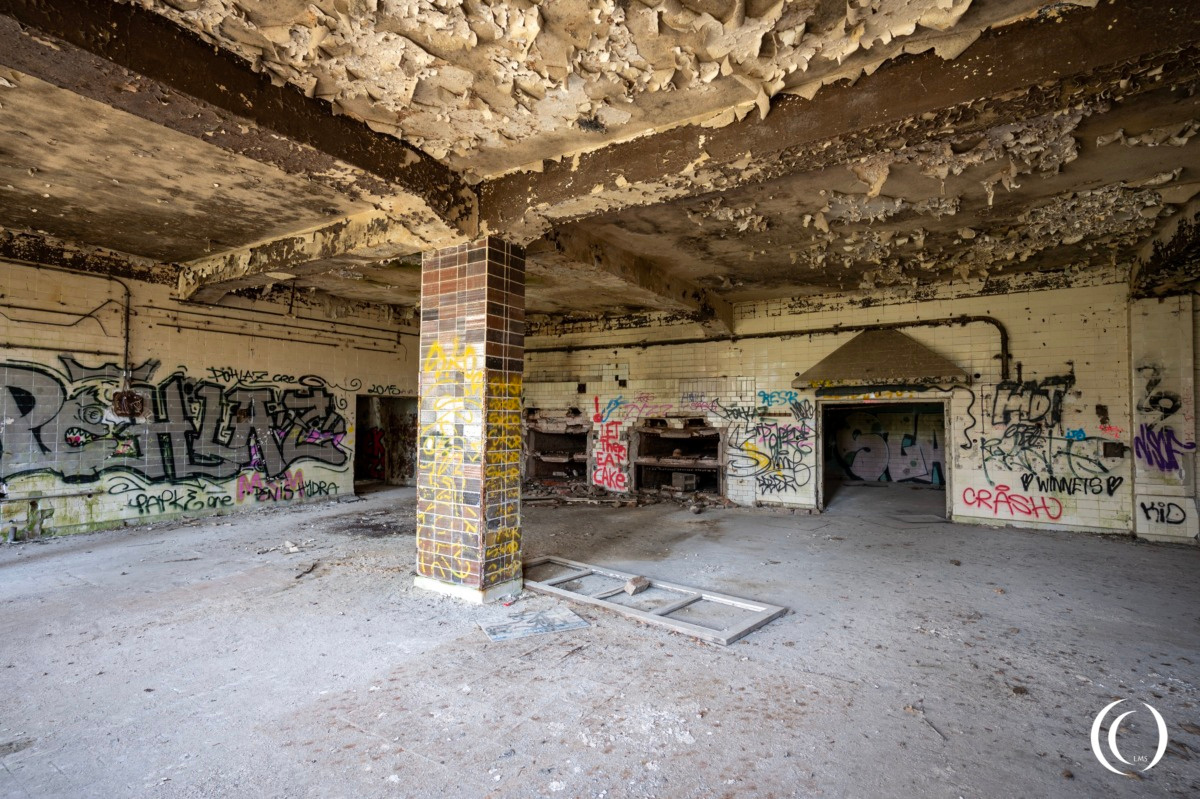
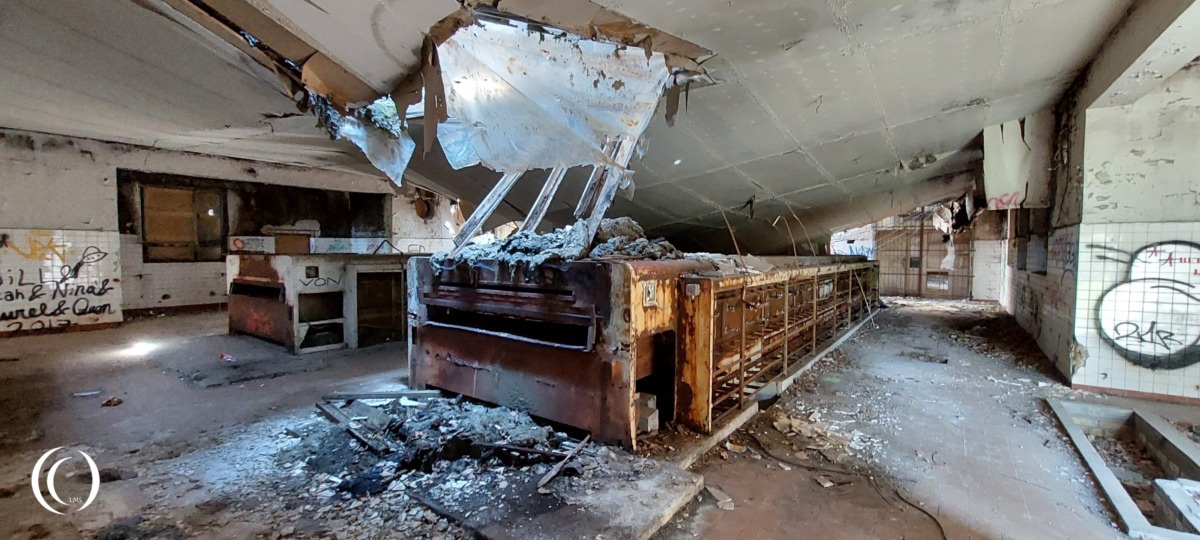
The Klinkerwerk complex was originally established to manufacture bricks for monumental Nazi construction projects but later shifted toward wartime production, including work related to the German armaments industry. The bakery remained an essential support facility throughout this period.
In April 1945, Allied bombing damaged the Klinkerwerk area shortly before the liberation of Sachsenhausen.
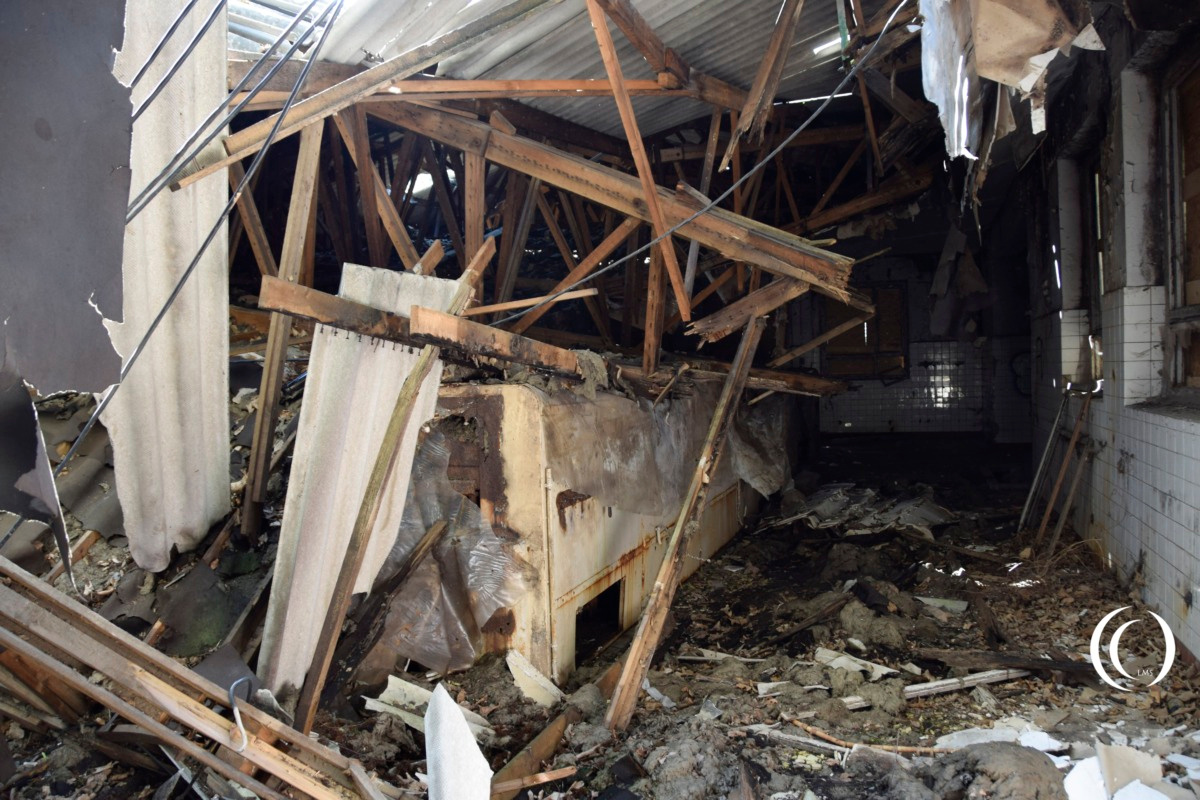
Visit
It is safer to view the site from a distance rather than going inside. The buildings are in a very poor and dangerous state of repair. There is extensive rot; you can see holes in the floors and ceilings, the plaster is peeling, and walls and ceilings are collapsing. The site is not part of the Sachsenhausen Concentration Camp memorial. The interiors contain many hazardous substances, such as asbestos. Please enjoy our photos and leave the site exactly as it is.
Sources
- sachsenhausen-sbg.de
- Wikipedia
- gedenkstaettenforum.de
