What is the Moselstellung?
The Moselstellung (“Moselle Position”) was a major German defensive fortification system constructed between 1900 and 1916 along the Moselle River valley, centered on the fortified city or Fortress of Metz and the city of Thionville in Alsace-Lorraine, then part of the German Empire. It formed a key component of Germany’s western defensive strategy after the Franco-Prussian War of 1870–1871, annexing Alsace-Lorraine in 1871. Germany fortified the region to protect the industrial Ruhr region from a French offensive and secure key rail lines through Lorraine. Their goal was to establish a strong western defensive shield.
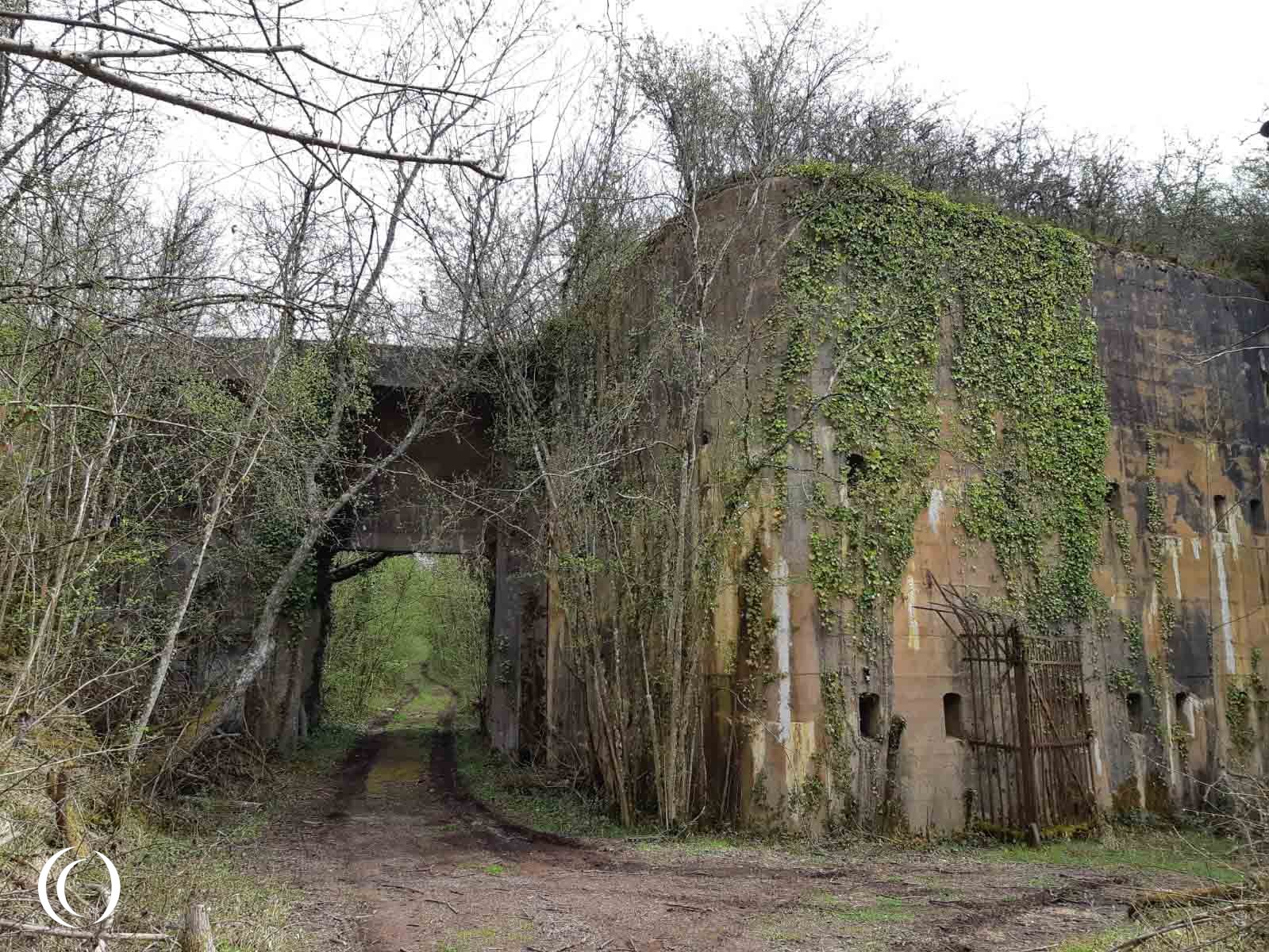
Rather than a continuous wall, the Moselstellung consisted of a dispersed network of modern detached forts, artillery batteries, infantry positions, and observation posts positioned on dominant high ground between Metz and Thionville. This layout reflected advances in military engineering: instead of concentrating defenses in a single enceinte, forts were spread out to reduce vulnerability to heavy artillery and to create overlapping fields of fire.
The system incorporated reinforced concrete construction, armored gun turrets, underground galleries, and protected ammunition storage. Major fortified groups included installations such as Fort de Guentrange and the fortified belt surrounding Metz. The forts were designed to protect strategic rail corridors and shield the industrial Ruhr region from a potential French offensive.
During World War I, the Moselstellung fulfilled a deterrent function; it was never subjected to a major French assault. After the war, the region returned to France, and French military planners studied the German fortifications carefully. The dispersed fort concept and use of armored artillery strongly influenced the later Maginot Line. Most, not all, Maginot Line fortresses point their guns one way unlike the German fortresses who use retractable, armored turrets. Therefore the French could re-use the German fortresses for their own gain, they just had to swivel the guns around.
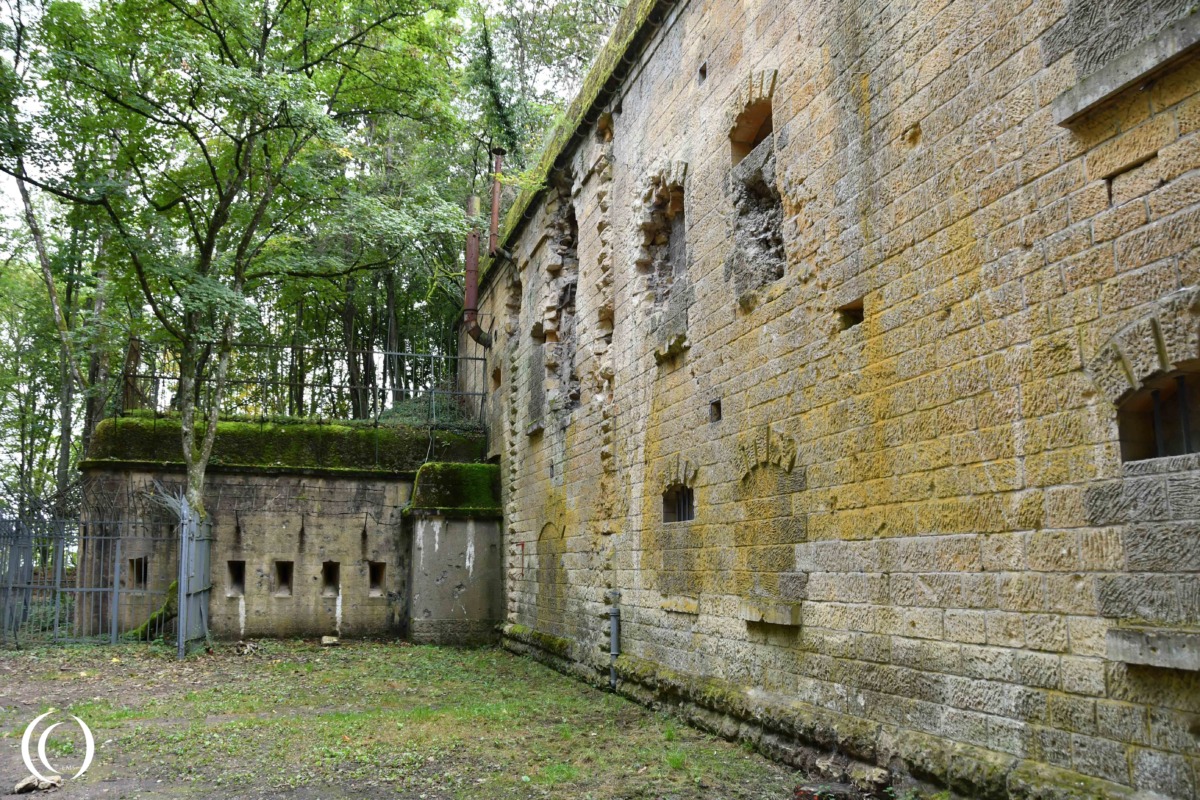
After the Battle for France in 1940 the region returned to Germany again. In 1944, after the invasion of the Allied forces on the Normandy beaches, many of the former Moselstellung forts were reoccupied by German forces and fought hard against advancing U.S. troops during the Battle of Metz. Their robust construction once again proved tactically significant, slowing the advance of General Patton’s Third Army in Lorraine. Today, the Moselstellung is recognized as a pivotal step in the evolution of twentieth-century fortress design.
Major forts included:
– Fort de Guentrange
– Fort Prinz Regent Luitpold – renamed by the French to Groupe Fortifié de l’Yser – Group Fortification Yser
– Fort de Koenigsmacker
– Feste Kronprinz – renamed by the French to Fort Driant
These forts were constructed with reinforced concrete, armored turrets, and dispersed layouts—design features that greatly influenced later fortification systems.
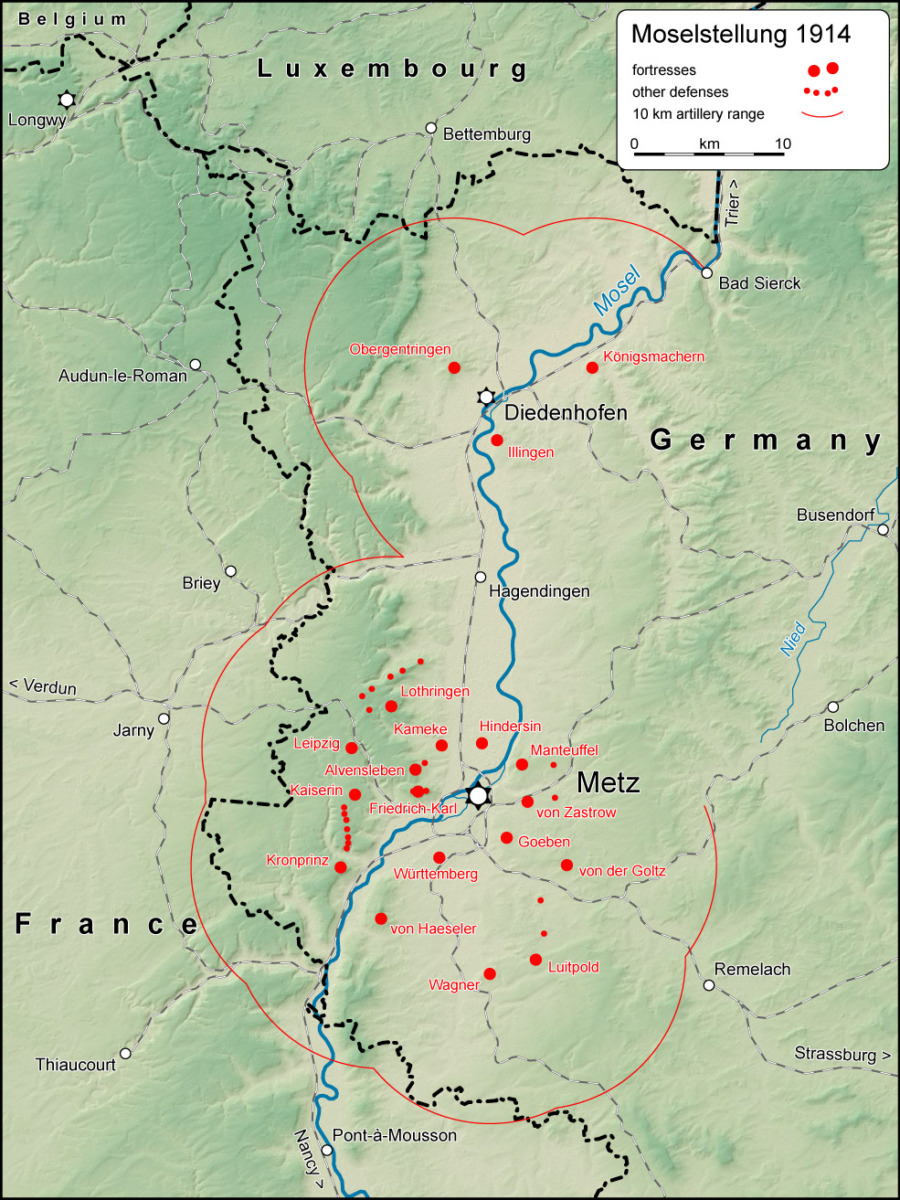
Battle for the Moselstellung
In late 1944, as Allied forces advanced across France after the Normandy breakout, the German defensive fortress system along the Moselle (Moselstellung) around Metz and Thionville (Germ. Diedenhofen) became a focal point of intense fighting. Originally built by the German Empire after the Franco‑Prussian War (1870–71), this network of forts — including positions like Fort Driant, Fort Jeanne d’Arc, Fort de Guentrange, and Fort d’Illange — formed a powerful fortified belt designed to control the Moselle valley and withstand artillery and infantry assaults.
After the breakout from Normandy, U.S. Third Army under George S. Patton advanced rapidly across France but stalled in Lorraine due to supply shortages, autumn rains, and stiff resistance. In September–November 1944, German forces reoccupied the Moselstellung forts to anchor a defensive line covering key Moselle crossings and rail corridors. General George S. Patton, moved toward Metz as part of the larger Lorraine Campaign. The city and its fortress line were held by determined German forces, who used the Moselstellung to delay the Allied advance toward the German border.
The confrontation is most commonly referred to as the Battle of Metz (27 September – 13 December 1944). American troops found the old forts extremely difficult to take; several, such as Fort Driant, repelled initial assaults and inflicted heavy losses. Though decades old, it proved tactically formidable. German defenders exploited the thick concrete structures, underground galleries, and interlocking fields of fire to frustrate frontal attacks.
The Moselstellung’s integration into the fortress belts meant that U.S. forces often had to encircle and reduce individual forts one at a time, rather than bypass them easily. Progress was slow; bridges across the Moselle were seized in mid‑September, and it wasn’t until November 1944 that the defenders were largely overcome. American divisions attacked fortified groups one by one in deliberate operations that combined heavy artillery, direct-fire tank destroyers, engineers, and infantry assaults, a short summary:
- Fort Driant (southwest of Metz): costly September assault that stalled in close combat.
- Fort Koenigsmacker (north of Metz): reduced in November after systematic isolation and bombardment.
- Groupe Fortifié de l’Yser (former Feste Prinz Regent Luitpold): part of the northern defensive ring resisting U.S. advances.
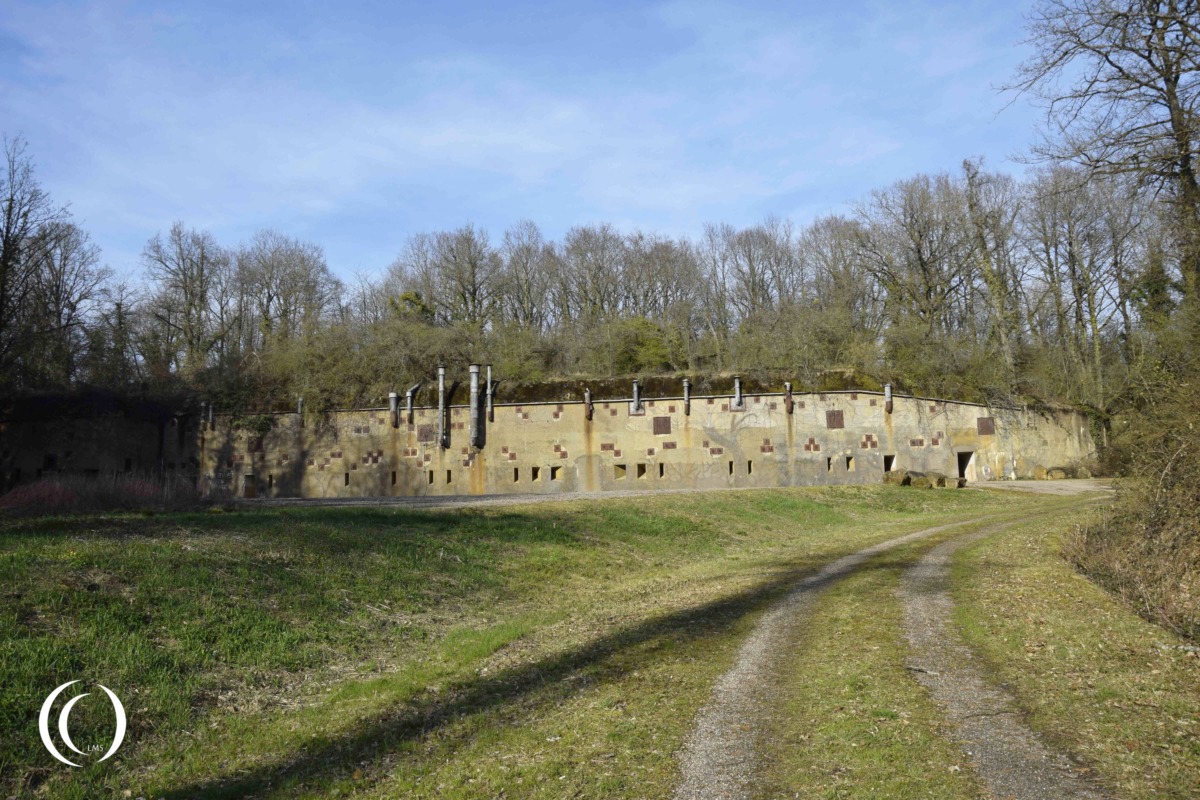
The forts’ thick concrete, dispersed batteries, armored cupolas, and deep galleries blunted bombardment and enabled counterattacks through protected passages. U.S. tactics evolved from rushed assaults to siege-style reduction: isolate, suppress, breach, and clear. Although the battle delayed Patton’s plans, it ultimately ended in Allied victory, with Metz and its fortifications falling after bitter fighting. The engagement highlighted how even outdated fort systems could still pose significant obstacles when skillfully defended, and it underscored the challenges of assaulting fixed defenses in the late stages of World War II.
The Allied forces called this sequence of battles “The Lorraine Campaign,” with the Battle of Metz being a significant operation during the fight for the Mosselestellung. The French cities of Metz and Nancy, along with the defensive forts within the region, were the objectives. Immediately afterwards, Patton turned 90 degrees to support the Battle of the Bulge and the battles, the fight on the Siegfried Line followed, with Patton eventually crossing the Rhine River in March 1945 near Oppenheim in Germany.
Battle for Metz (September–November 1944)
The Battle for Metz was a major World War II engagement between the U.S. Third Army and German forces defending the fortified city of Metz in northeastern France. Part of the Lorraine Campaign, it took place from September to November 1944 and became one of the most difficult operations for General George S. Patton’s forces.
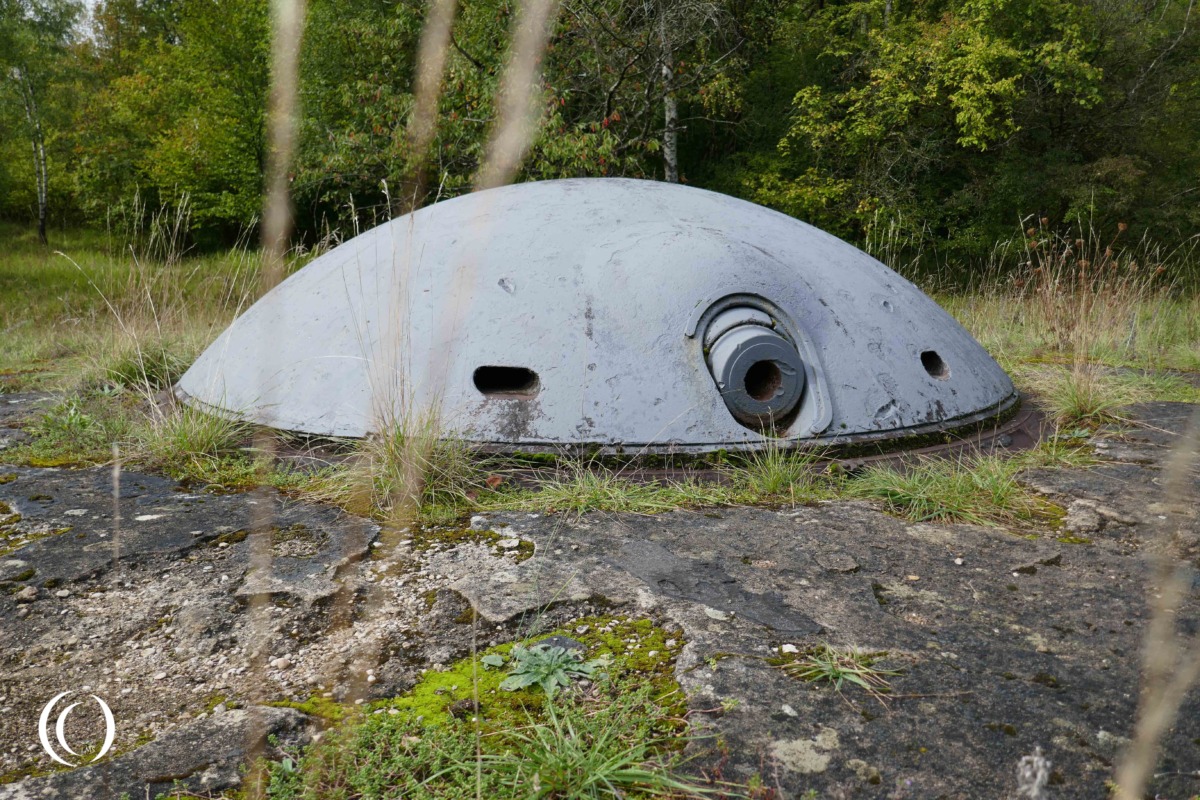
After the breakout from Normandy, the U.S. Third Army advanced rapidly across France, but by early September, progress slowed due to poor weather, extended supply lines, and determined German resistance. Metz was heavily fortified, with a network of pre–World War I German forts known as the Moselstellung. These forts, including Fort Driant, Fort Koenigsmacker, and the Groupe Fortifié de l’Yser, were reinforced with concrete, armored turrets, underground galleries, and dispersed batteries, making them highly resistant to artillery and air attack. German forces, under General Otto von Knobelsdorff, used the forts effectively as strongpoints to delay and bleed the American advance.
Initial U.S. assaults in late September, such as the attack on Fort Driant, were costly and largely unsuccessful, revealing the difficulty of reducing such fortifications quickly. By October, American forces adapted siege-style tactics, combining heavy artillery bombardments, tank destroyer fire, engineer demolitions, and coordinated infantry assaults. The goal was to isolate each fort, suppress defensive fire, breach key positions, and force surrender.
By mid-to-late November 1944, systematic attacks and encirclement forced the German garrisons to surrender or withdraw, allowing U.S. forces to secure Metz. The battle delayed the Third Army’s advance into Germany for nearly two months and highlighted the continued tactical effectiveness of well-designed fortifications, even decades after construction. Metz remained a vivid example of how static defenses could impose significant operational costs in modern mechanized warfare.
Battle for Fort Driant (September–October 1944)
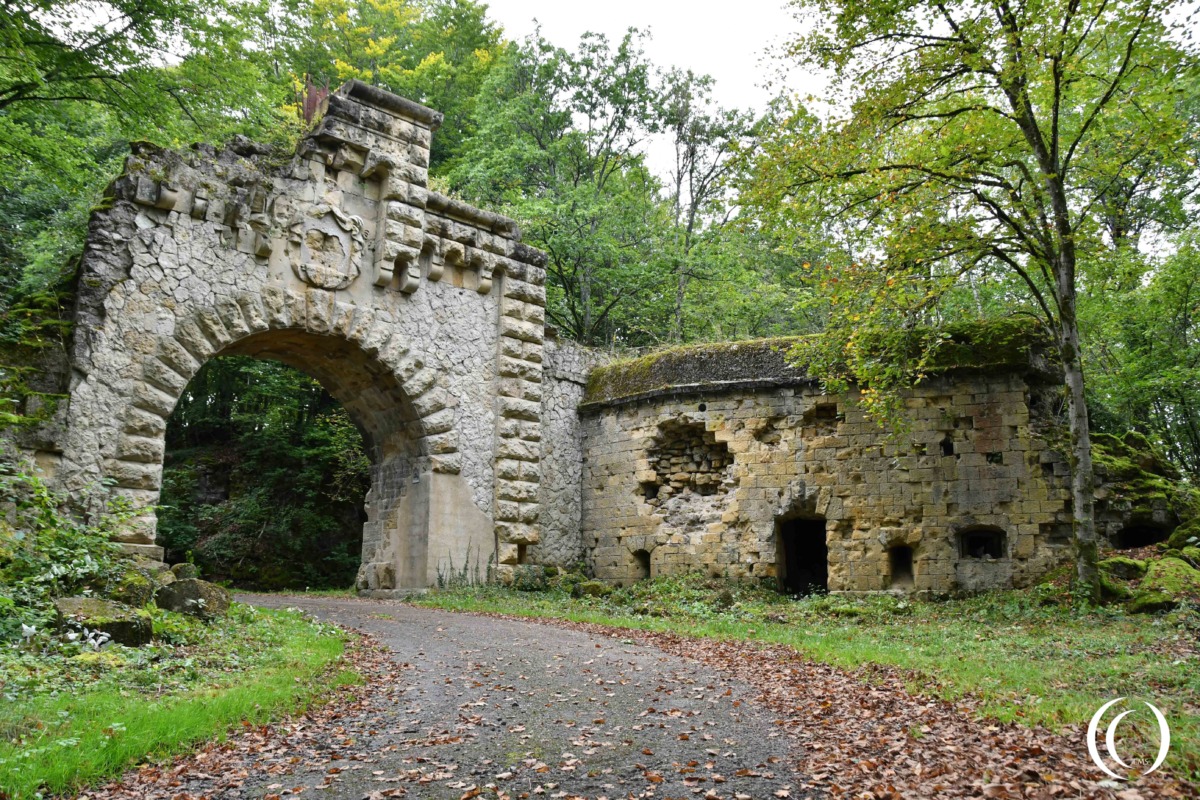
The Battle for Fort Driant was one of the most difficult engagements faced by U.S. forces during the Battle of Metz in World War II. Fort Driant, located southwest of Metz, formed part of the outer defensive ring of the Fortress of Metz. Originally constructed by Germany before World War I as part of the Moselstellung, the fort was built of reinforced concrete with armored turrets, deep underground galleries, and dispersed combat positions.
In September 1944, General George S. Patton’s U.S. Third Army reached the Moselle River during its rapid advance across France. Expecting weakened resistance, American commanders ordered assaults on the Metz fortifications to secure river crossings and maintain momentum. Fort Driant became a primary objective.
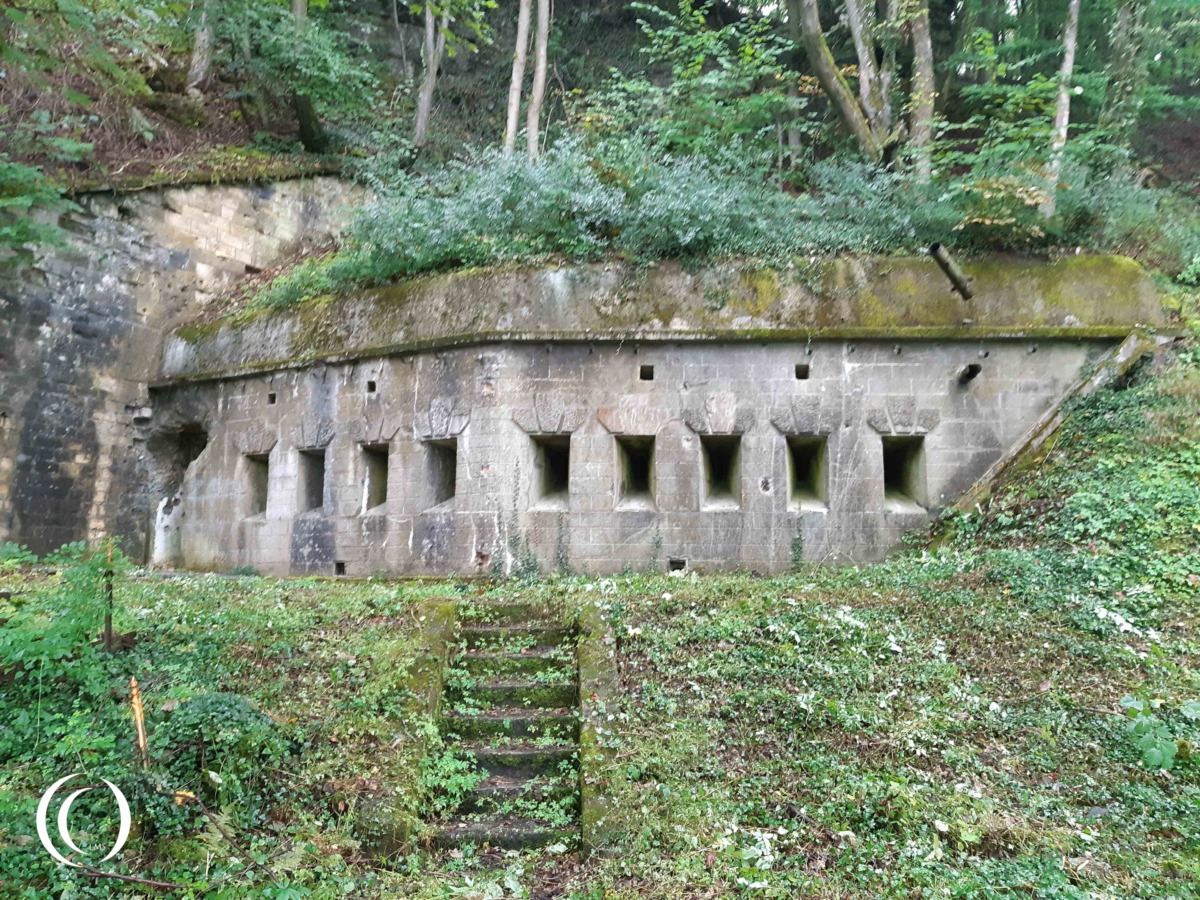
The main attack began on September 27, led by elements of the U.S. 5th Infantry Division. American forces encountered thick concrete structures largely impervious to standard artillery fire, extensive minefields, and well-camouflaged machine-gun positions. Persistent rain turned the battlefield into mud, hampering movement and logistics. U.S. troops managed to penetrate parts of the outer defenses but struggled to clear the underground galleries, where German defenders maneuvered and counterattacked effectively.
After nearly two weeks of intense fighting and mounting casualties, the Americans withdrew in early October. The fort remained in German hands until November 1944, when broader U.S. offensives forced the collapse of the Metz defensive line. The battle highlighted the continued tactical strength of modern fortifications against direct assault.
