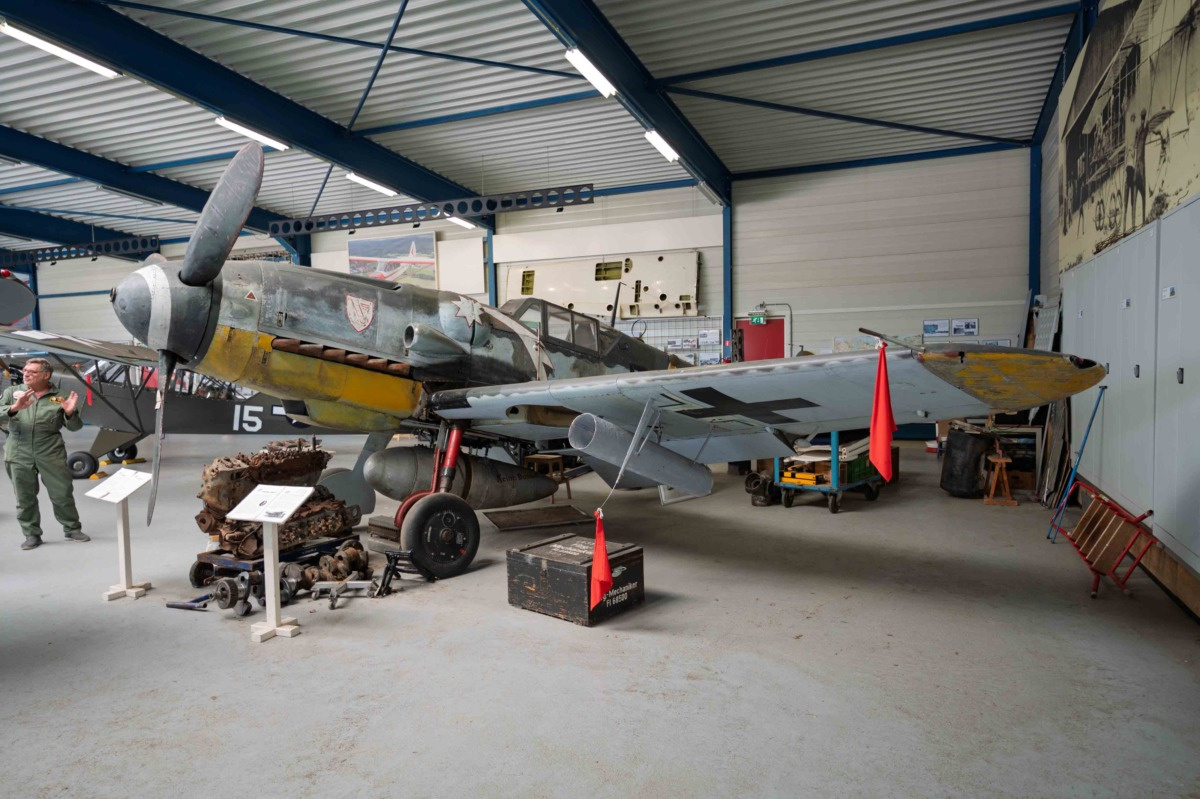
preface on the Bf 109 G-5
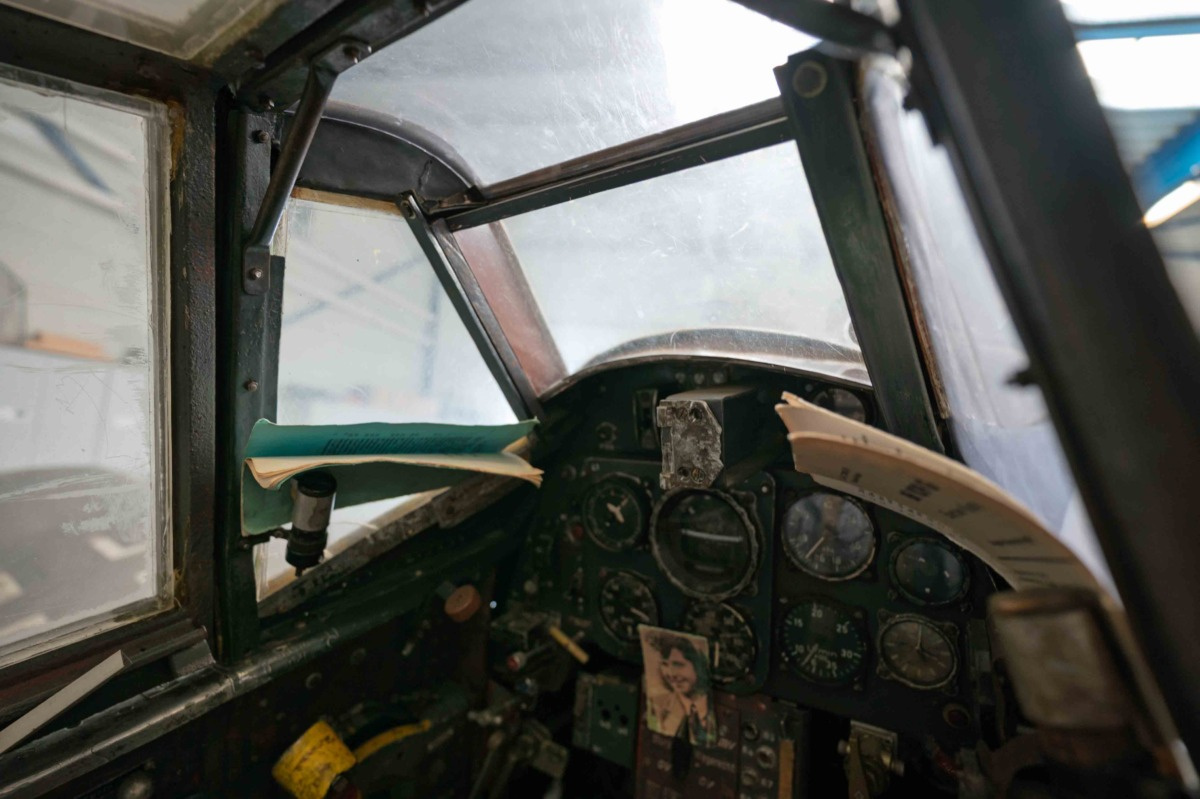
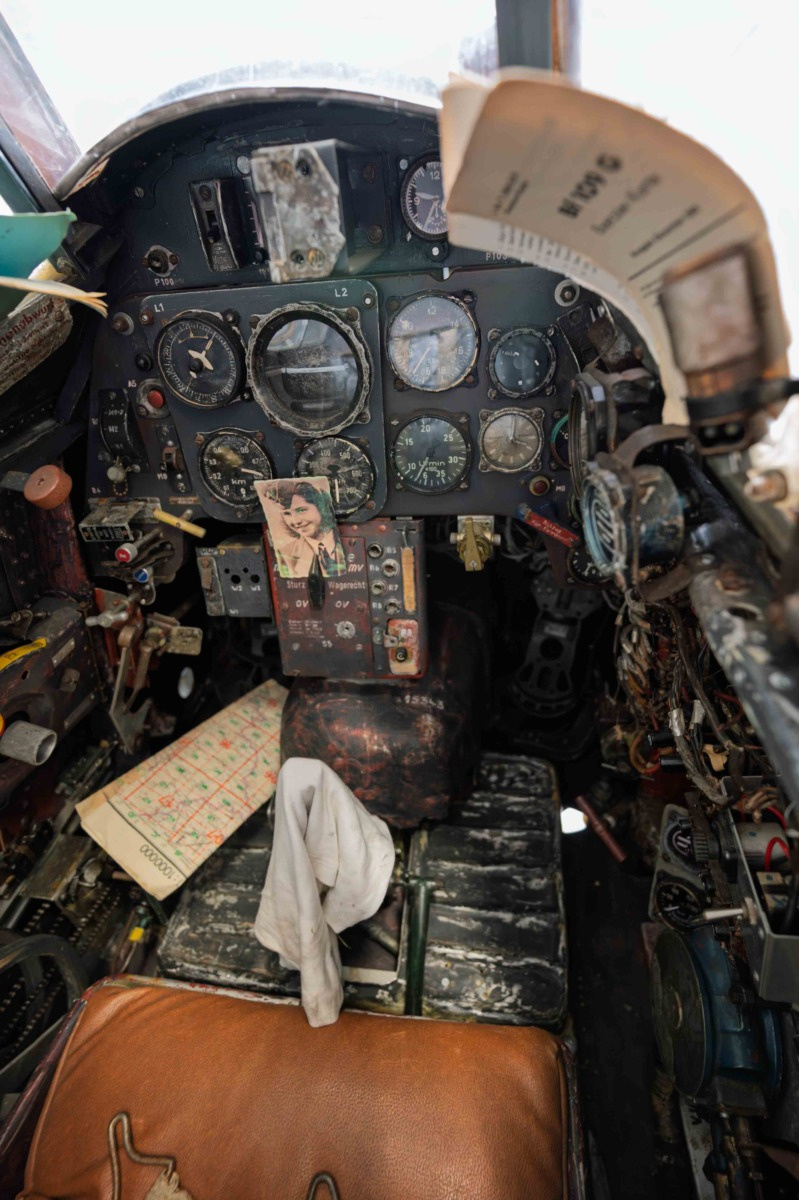
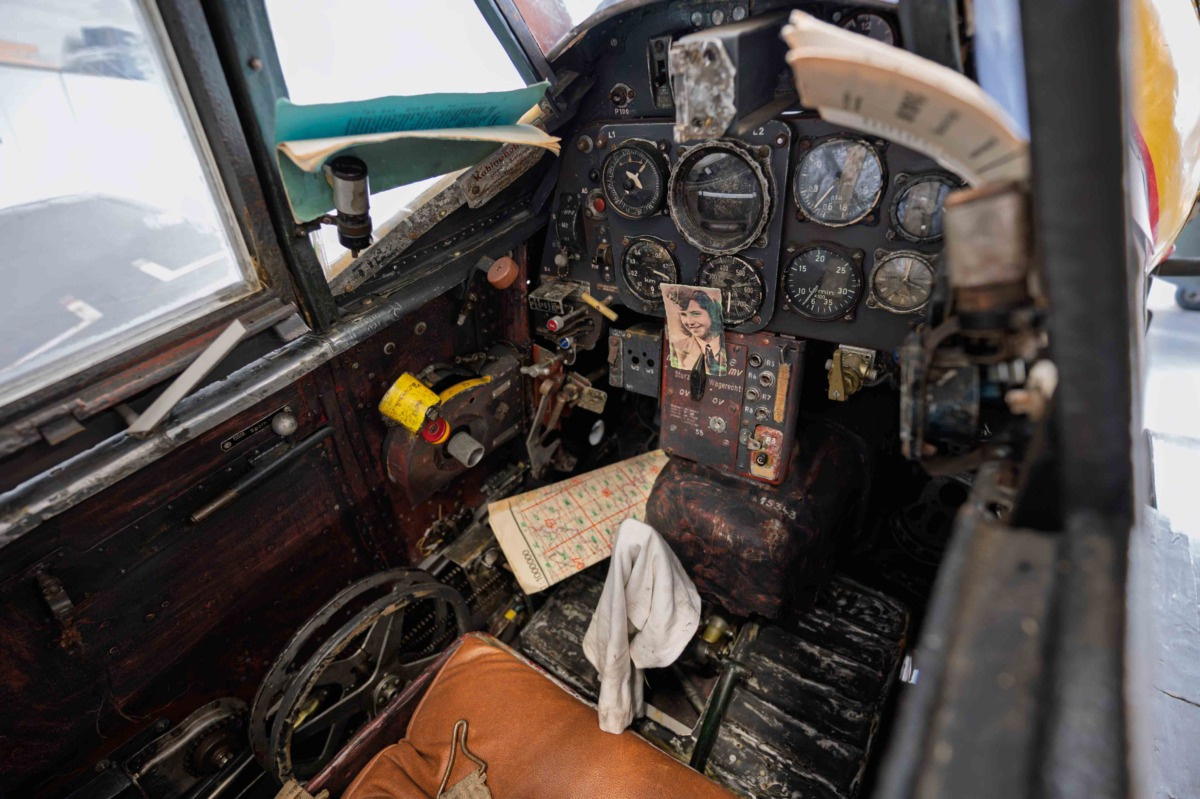
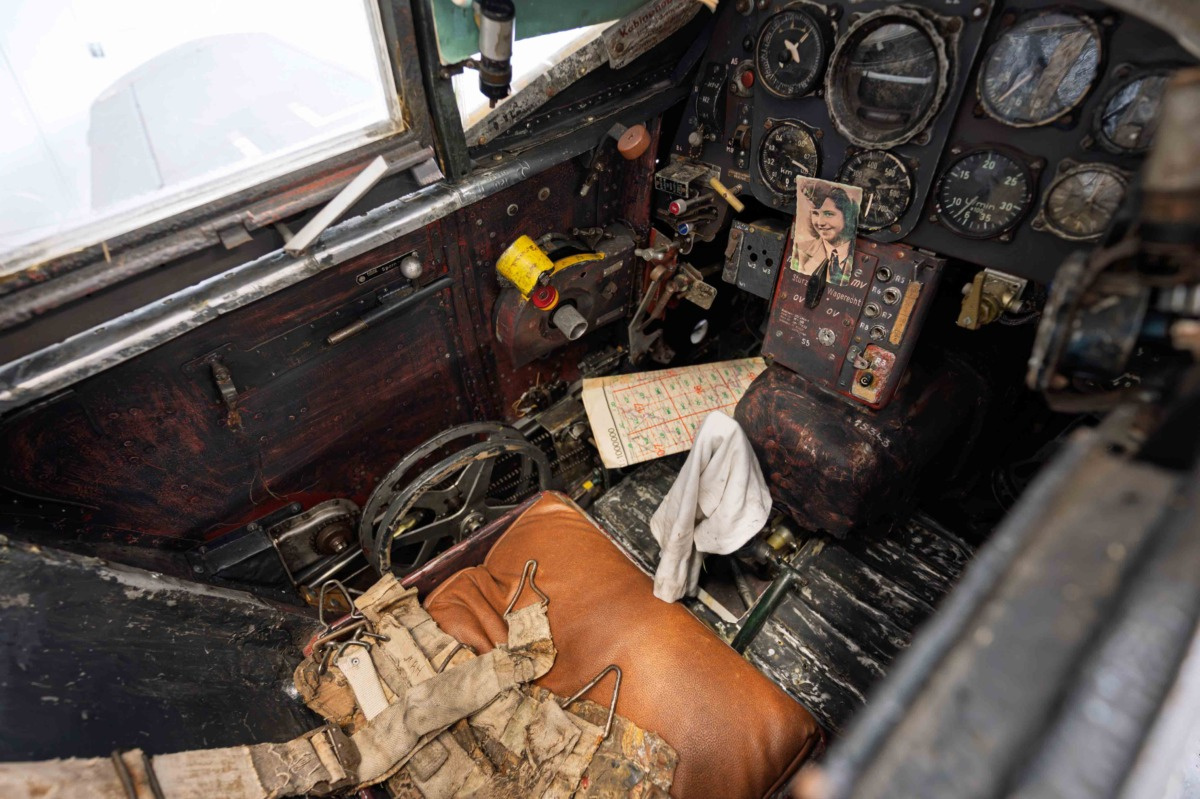
The Messerschmitt Bf 109 G-5 was a high-altitude variant of Germany’s iconic World War II fighter, developed as part of the “Gustav” series of the Bf 109 line. Introduced in mid-1943, the G-5 was nearly identical to the G-6 but featured a pressurized cockpit to improve pilot performance at high altitudes—an advantage during interception missions against Allied bombers.
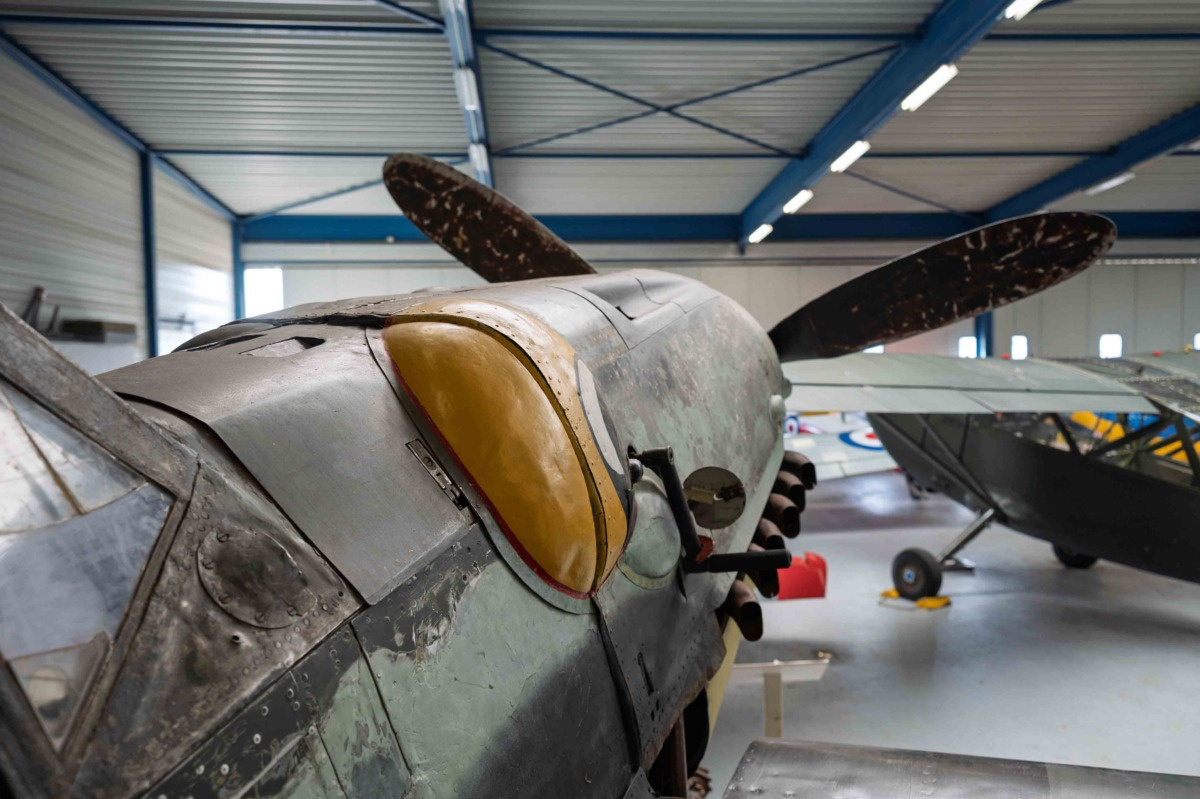
Powered by the Daimler-Benz DB 605A engine, the G-5 could reach speeds of over 640 km/h (398 mph) and was heavily armed, typically carrying a 20 mm MG 151/20 cannon firing through the propeller hub, and two 13 mm MG 131 machine guns above the engine. Some variants could also carry underwing cannons or bombs for ground attack and even rocket launchers.
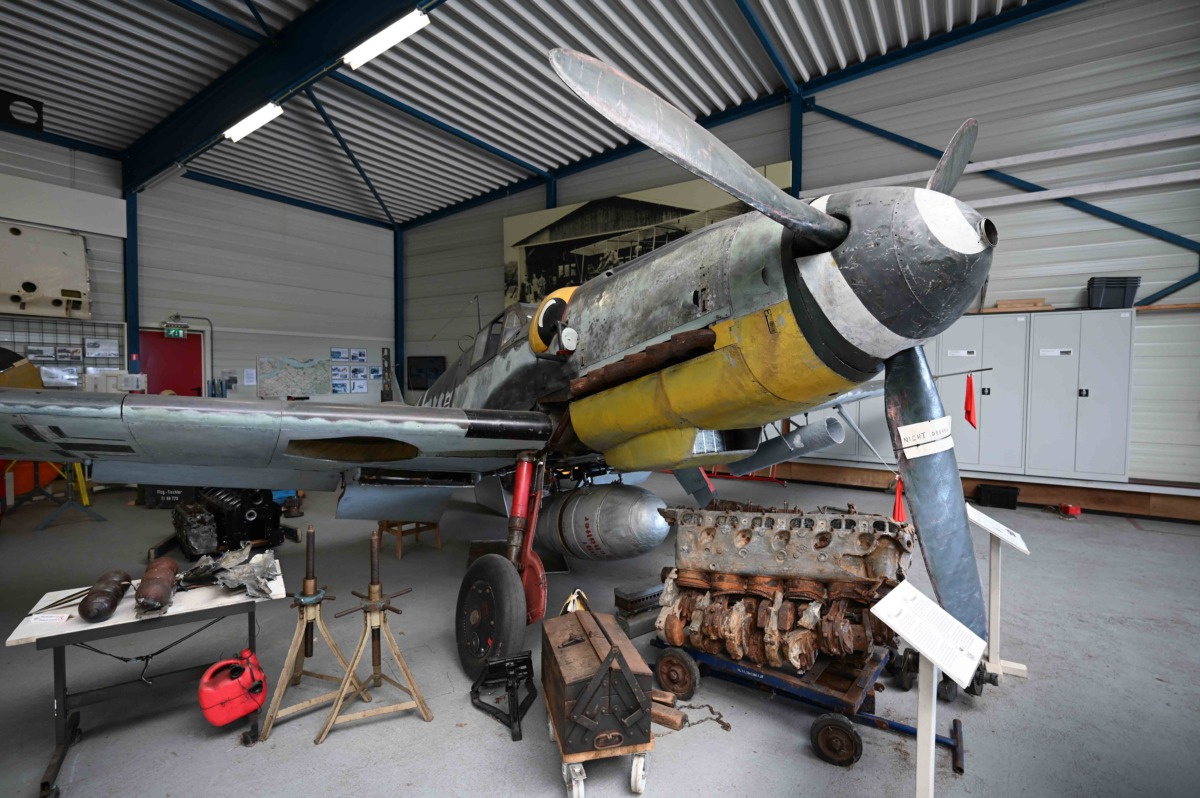
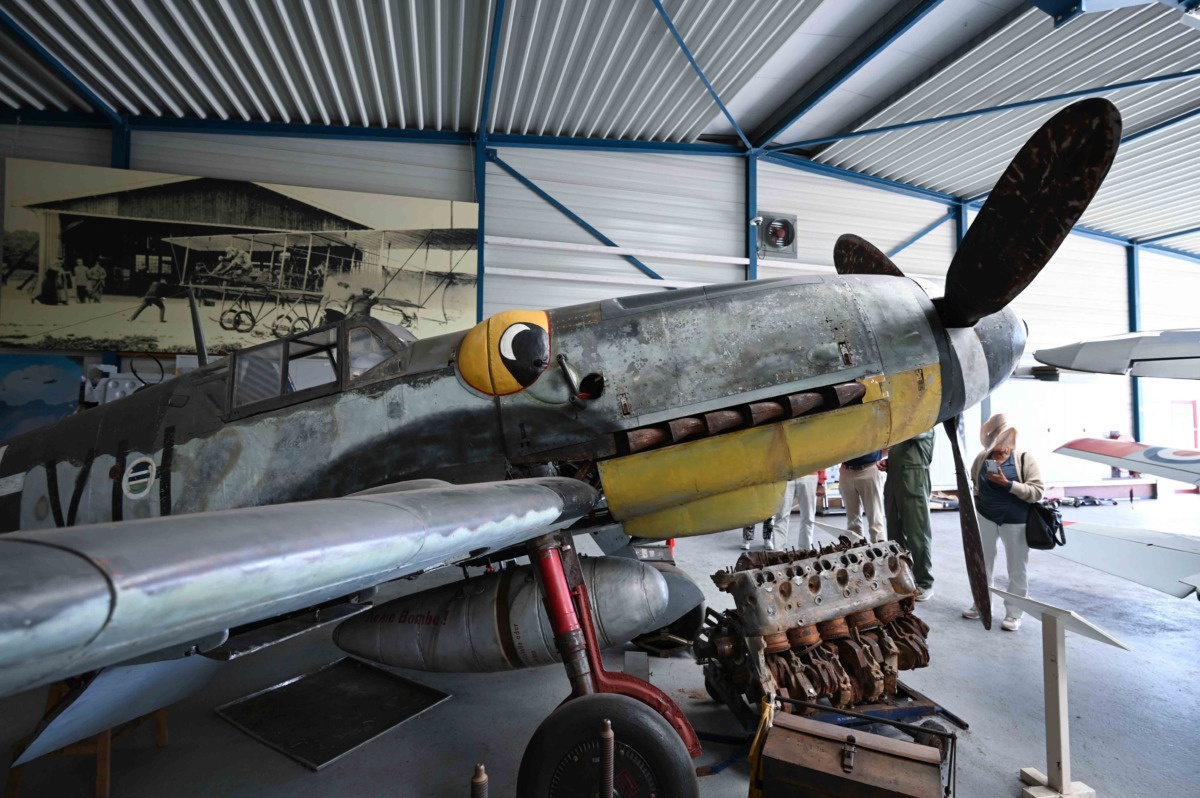
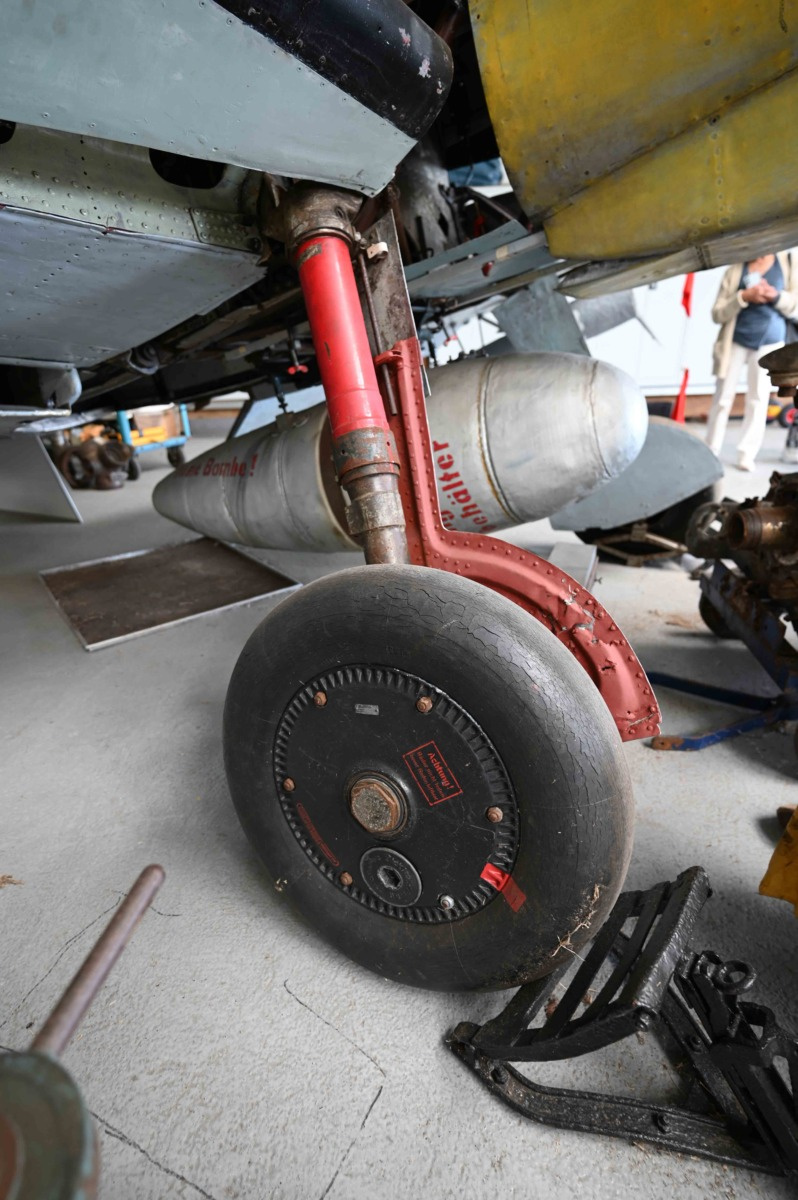
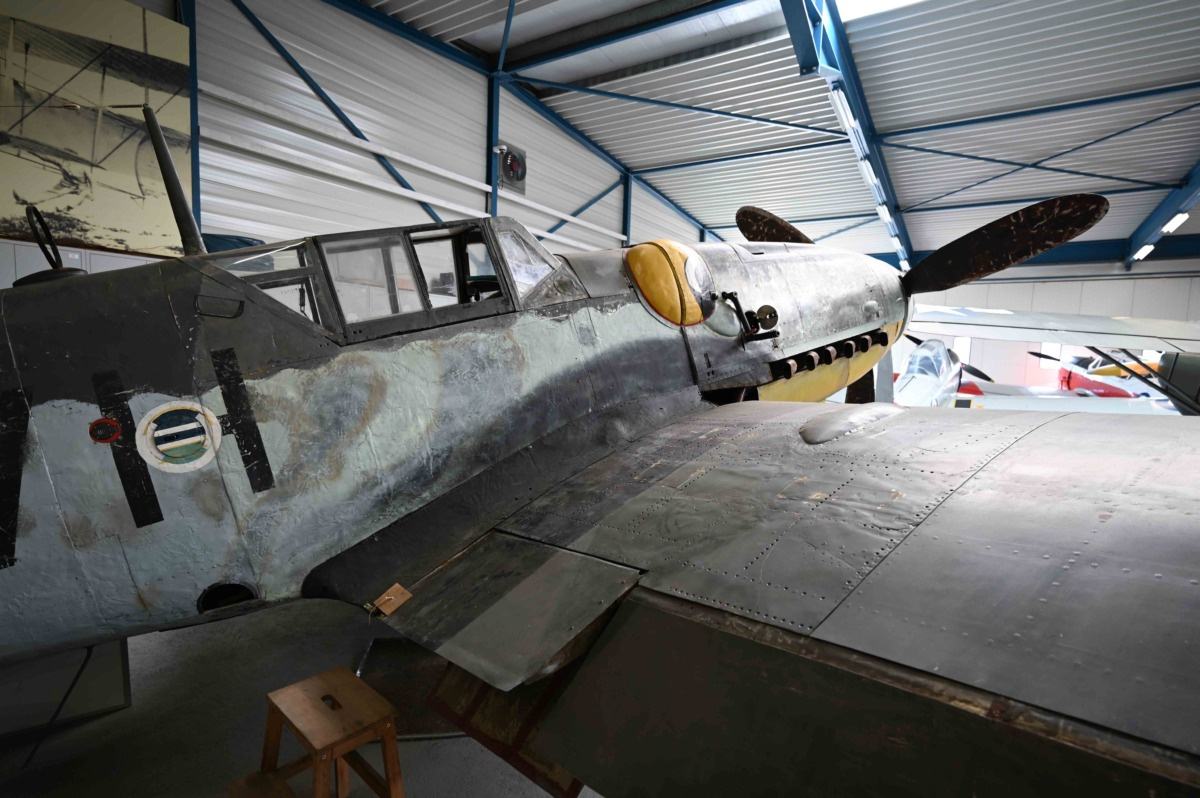
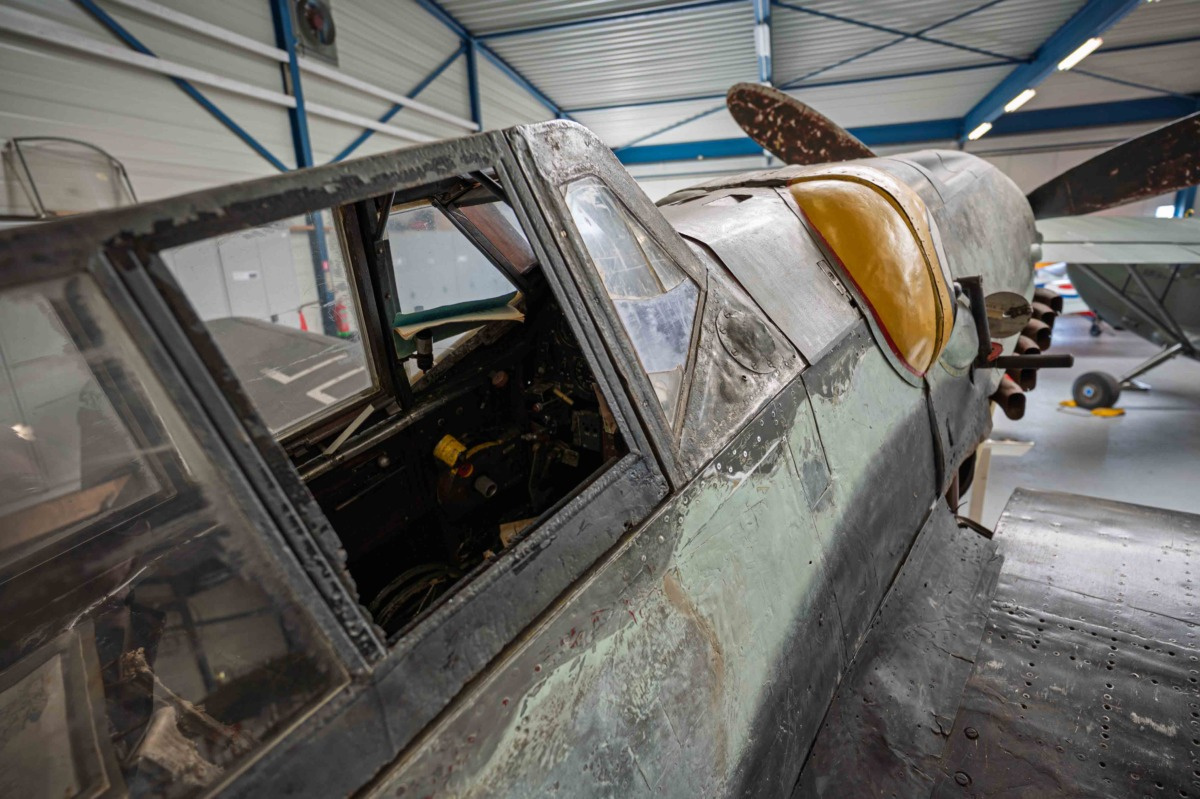
The addition of the pressurized cockpit required structural modifications, such as a more robust canopy and changes to cabin sealing. However, these features added weight and complexity, limiting production. Fewer than 500 G-5s were built, as most production shifted to the simpler, non-pressurized Bf 109 G-6. Although not produced in large numbers, the G-5 reflects the Luftwaffe’s efforts to adapt the aging Bf 109 design to meet evolving combat needs, particularly against high-flying American bomber formations over occupied Europe.
Bf 109 or Me 109
The Reichsluftfahrtministerium (RLM), the German Reich Aviation Ministry, was established by Nazi Germany in 1933 and breathed new life into German motorized aviation. Willy Messerschmitt worked with the Bayerische Flugzeugwerke (BFW) during these years and had developed the Bf 108 aircraft. Further improvement and development by Willy Messerschmitt led to the Bf 109 in 1936 and won the RLM single seat fighter contest which was set up to encourage the aircraft industry towards modern, fast fighters.
Willy Messerschmitt bought many shares of the BFW and became chairman of the factory in 1938. At this moment he changed the names of the aircraft toward Me instead of Bf. This is why Allied and some Germans called the Bf 109 – Me 109 during the war.
The RLM did not accept the name change as the aircraft was developed before 1938, aircraft developed after 1938 use the Me prefix.
Both prefixes are acceptable but if you are looking at it from an official production and historical standpoint the Bf 109 designation is strictly most accurate.
Technical Specifications Bf 109 G-5
Manufacturer: Erla Maschinenwerk GmbH in Leipzig
Role: Fighter (high-altitude interceptor)
Crew: 1 pilot
First flight of G-series: Early 1942
Number built of the G-5 variant: Approx. 475
Length: 9.02 m (29 ft 7 in)
Wingspan: 9.92 m (32 ft 6 in)
Height: 2.60 m (8 ft 6 in)
Wing area: 16.05 m² (172.75 ft²)
Empty weight: 2,730 kg (6,019 lb)
Loaded weight: 3,400 kg (7,495 lb)
Powerplant:
Engine: Daimler-Benz DB 605A-1
Type: 12-cylinder, liquid-cooled, inverted V-piston engine
Power output: 1,475 PS (1,455 hp / 1,085 kW)
Supercharger: Single-stage, variable-speed centrifugal type
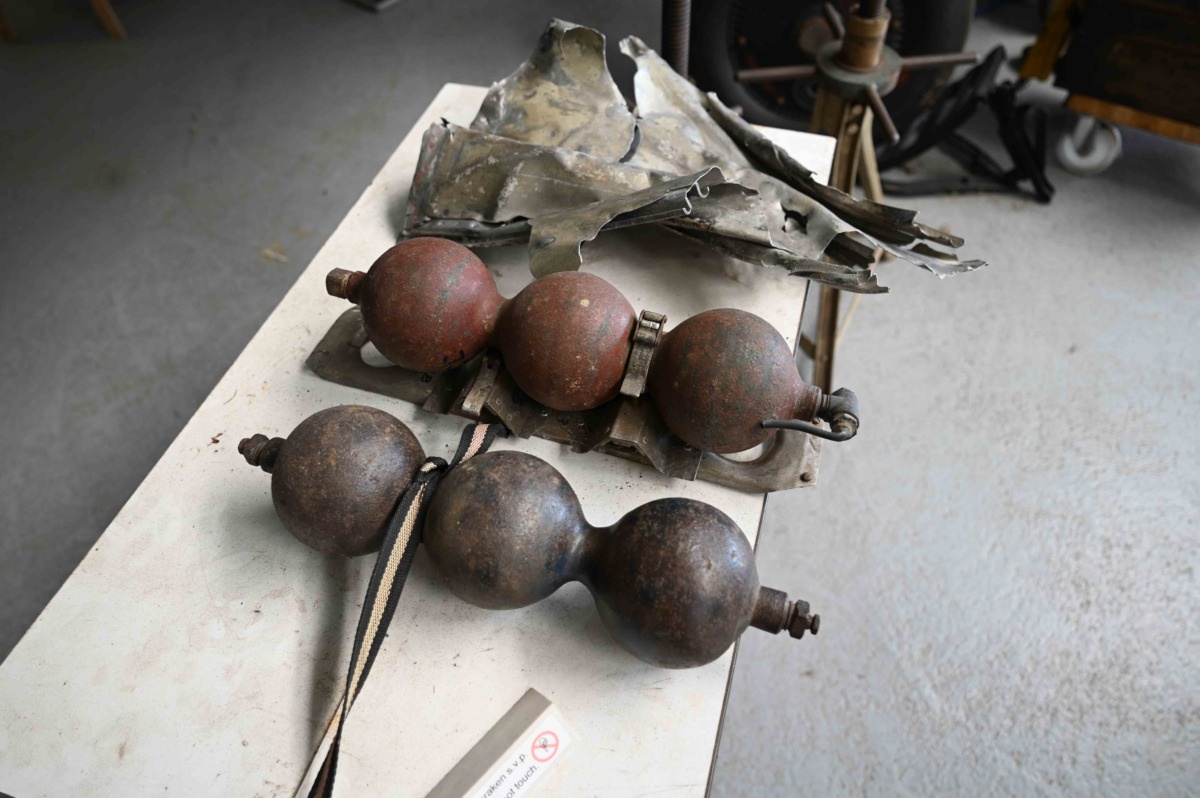
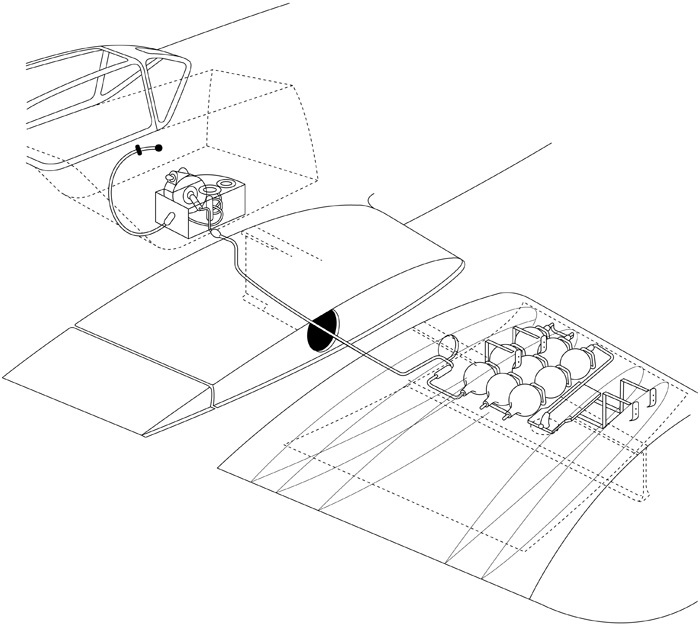
Boost: Optional GM-1 nitrous oxide system for high-altitude power increase
Performance:
Maximum speed: ~640 km/h (398 mph) at 6,500 m (21,325 ft)
Service ceiling: 12,000 m (39,370 ft)
Range: 850 km (528 mi) with a single drop tank
Rate of climb: 17 m/s (3,350 ft/min)
Armament:
1 × 20 mm MG 151/20 cannon (firing through the propeller hub – Motorkanone)
2 × 13 mm MG 131 machine guns (mounted above the engine)
Optional underwing:
2 × 20 mm MG 151/20 gondola cannons (Rüstsatz VI)
1 × 250 kg or 500 kg bomb for fighter-bomber missions (Jabo roles)
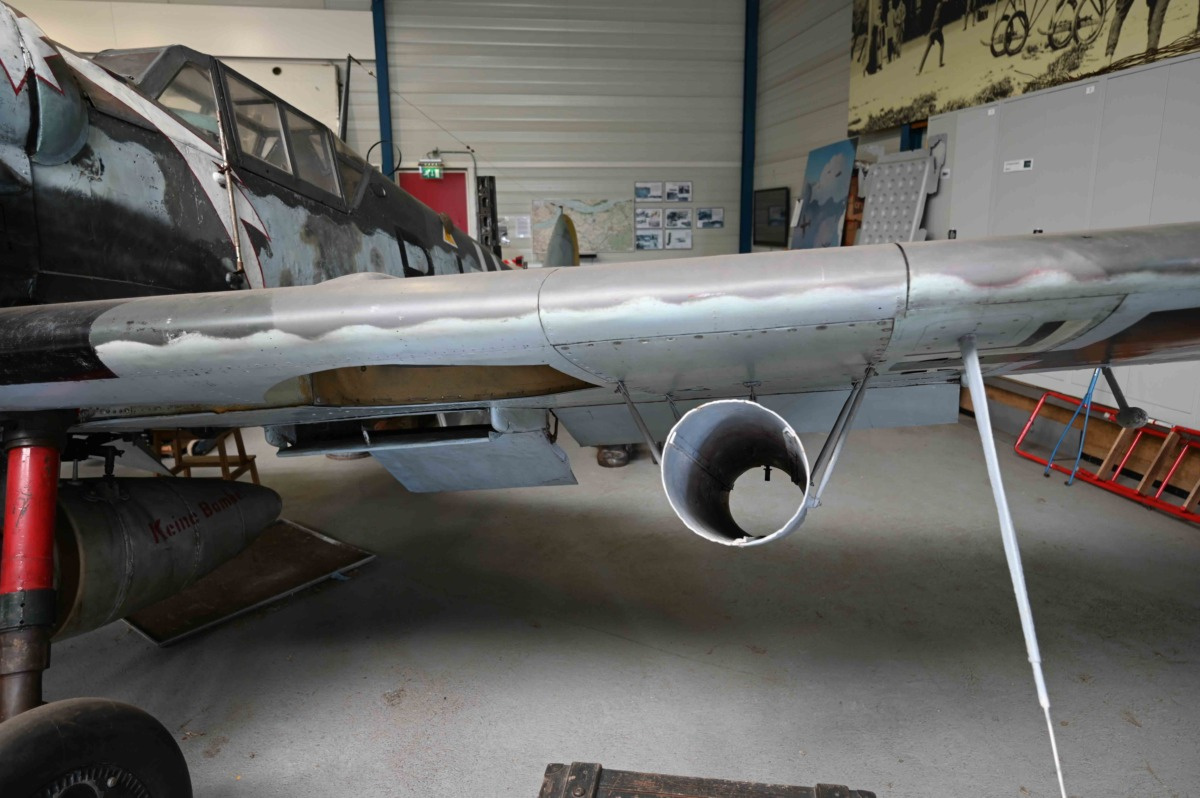
2 x BR 21 (21 cm Wurf-Granate 21 rocket launcher)
Special Features (G-5-specific):
Pressurized cockpit (to improve high-altitude pilot performance)
Modified canopy and sealing systems
Heated windshield and oxygen system
Often fitted with GM-1 nitrous oxide injection for improved engine power at altitude
The Bf 109 G-5 was a specialized variant intended to counter high-flying Allied bombers. While production was limited compared to other “Gustav” types, it represents the Luftwaffe’s shift toward specialized fighter roles late in the war.
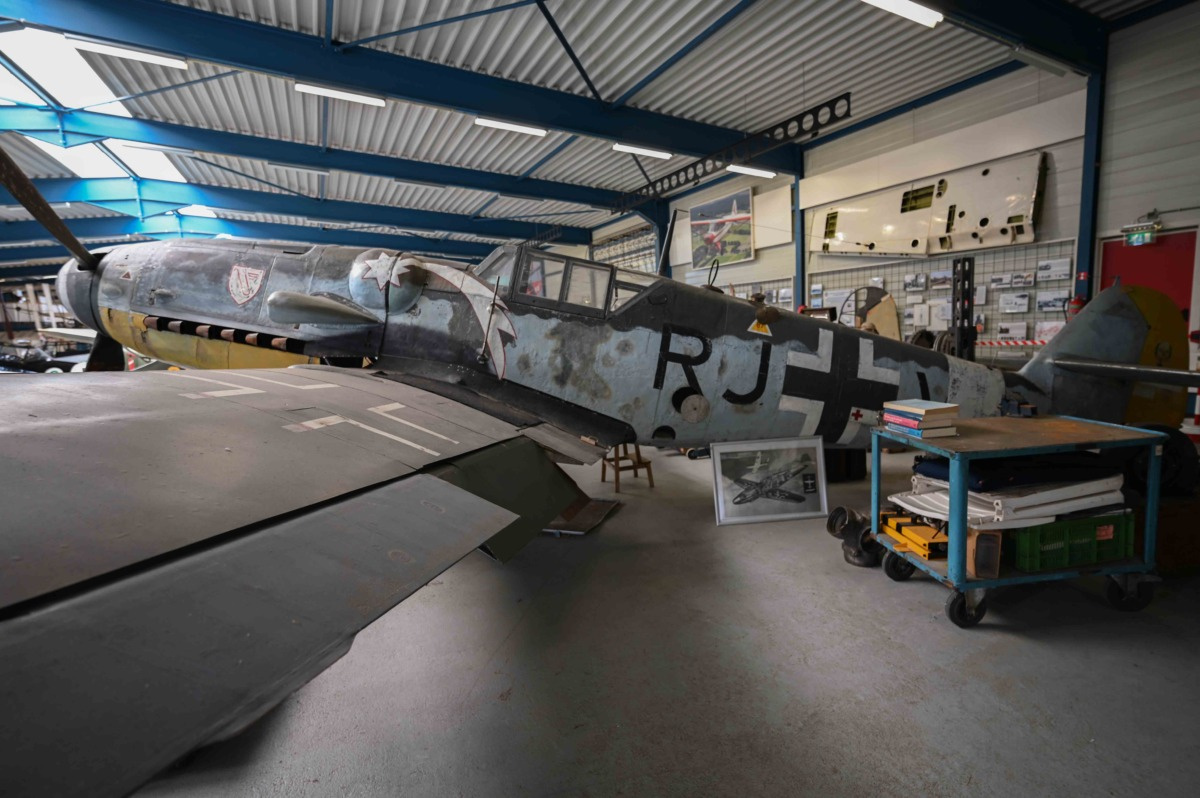
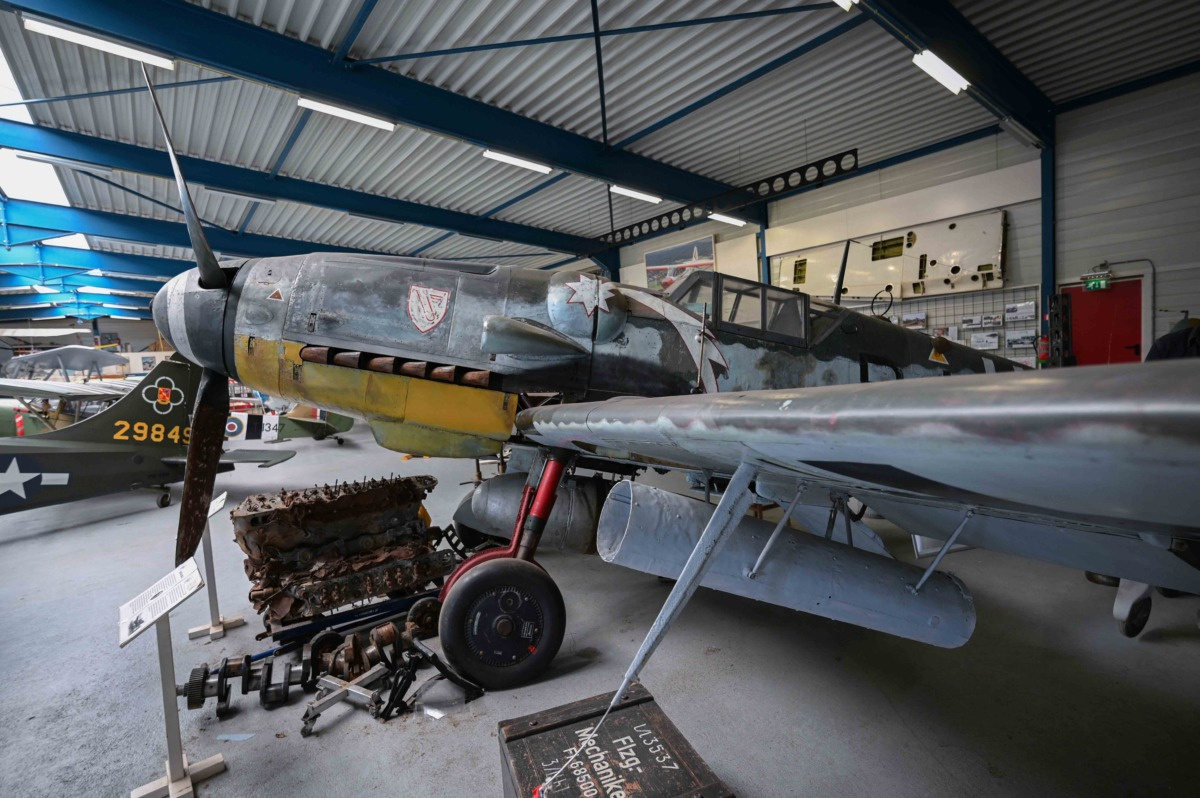
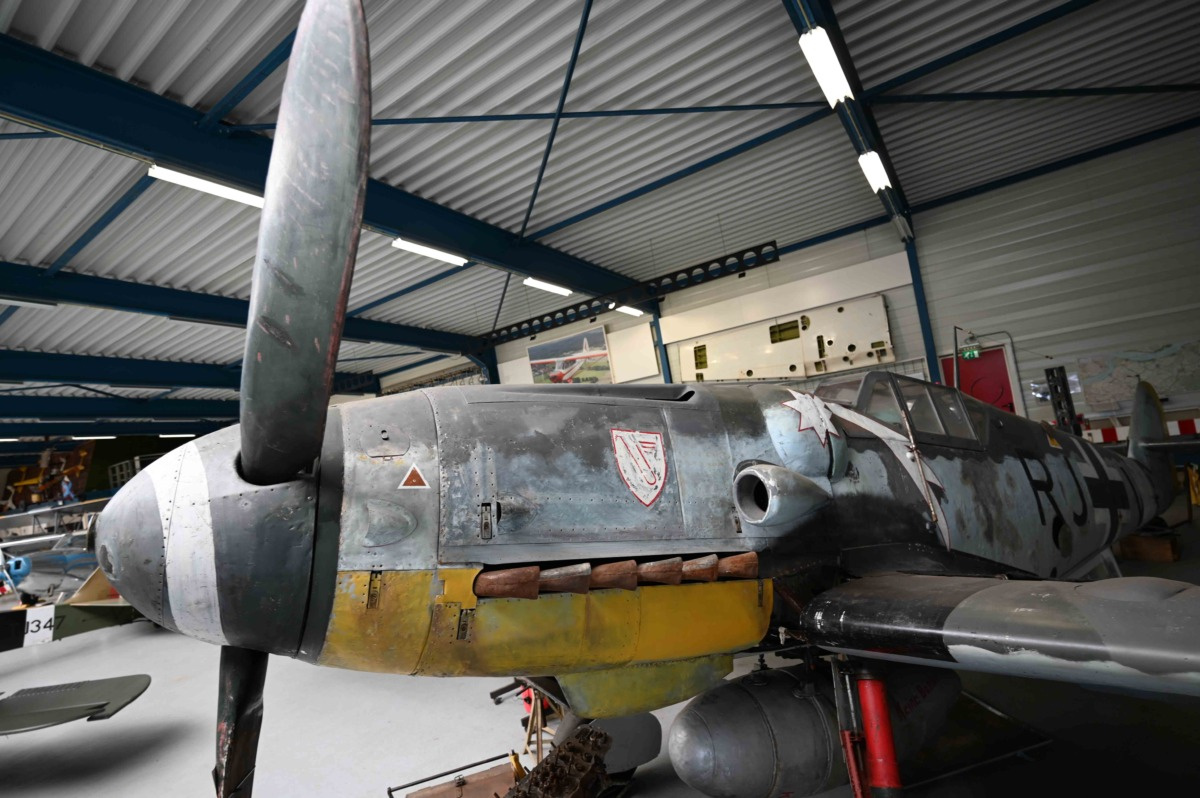
History of the Bf 109 G-5 Black 11
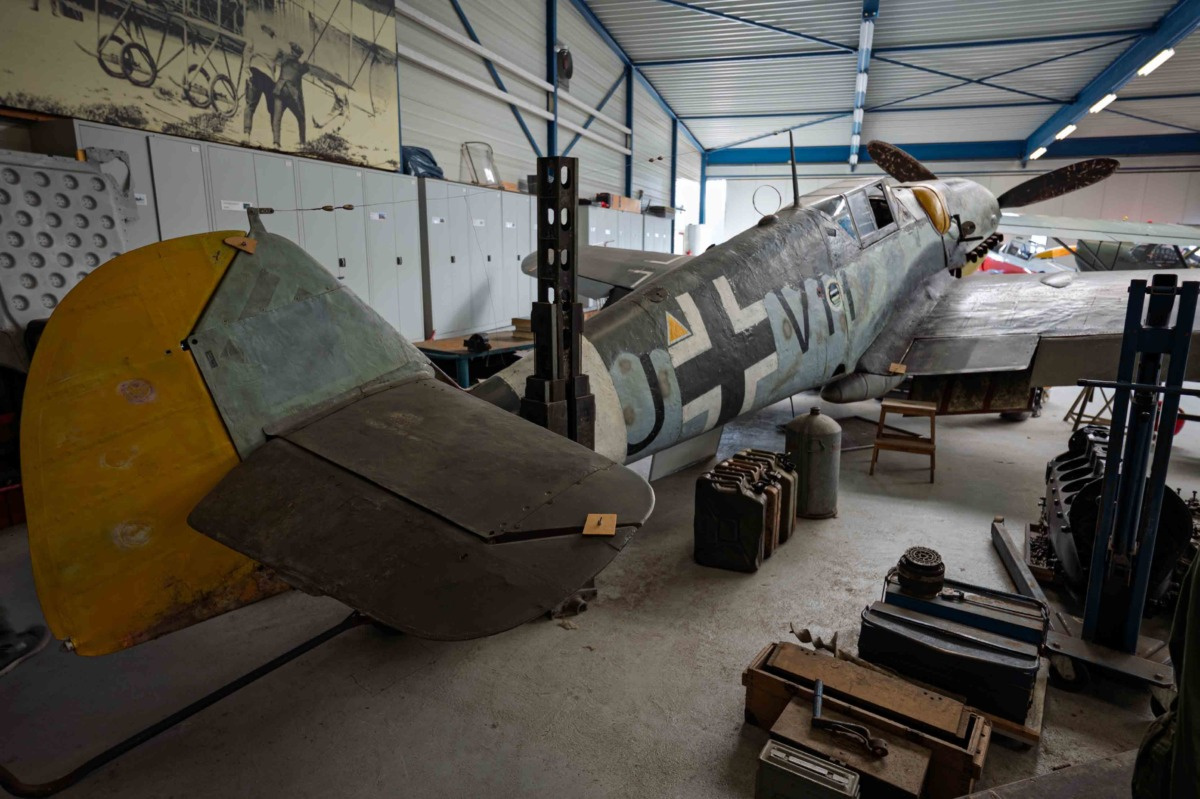
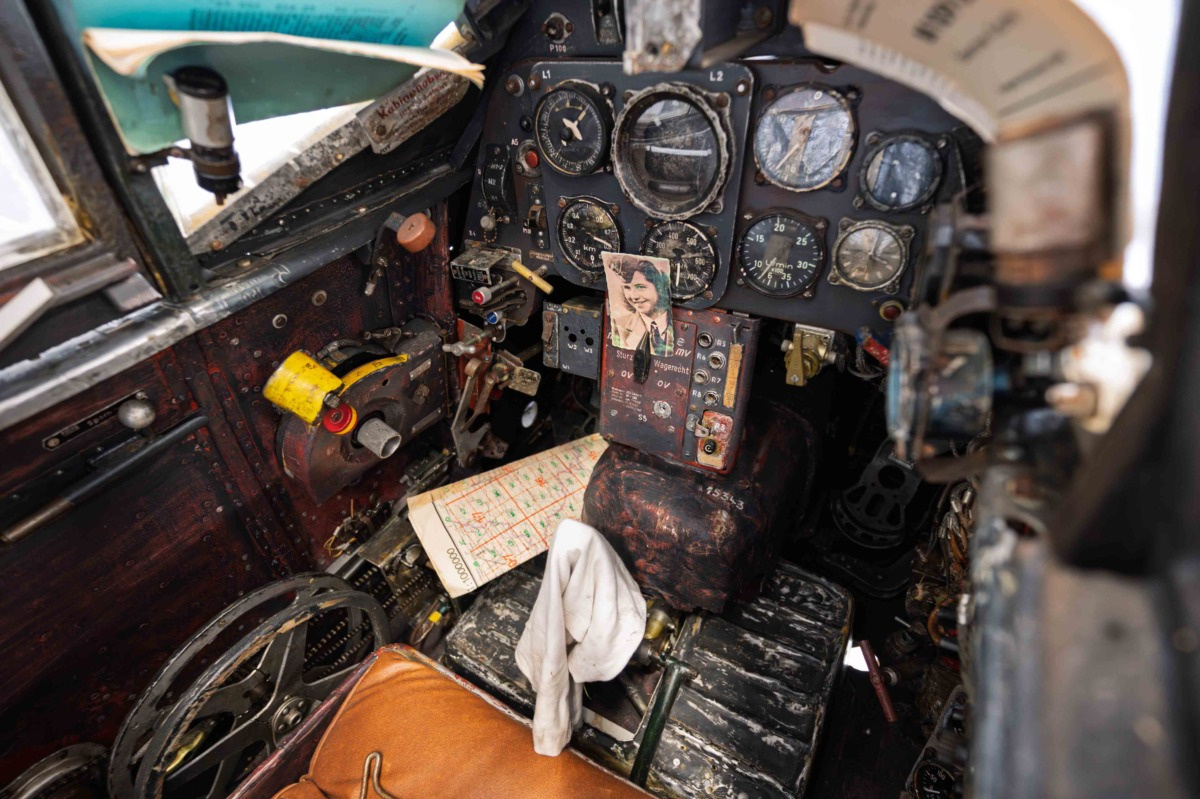
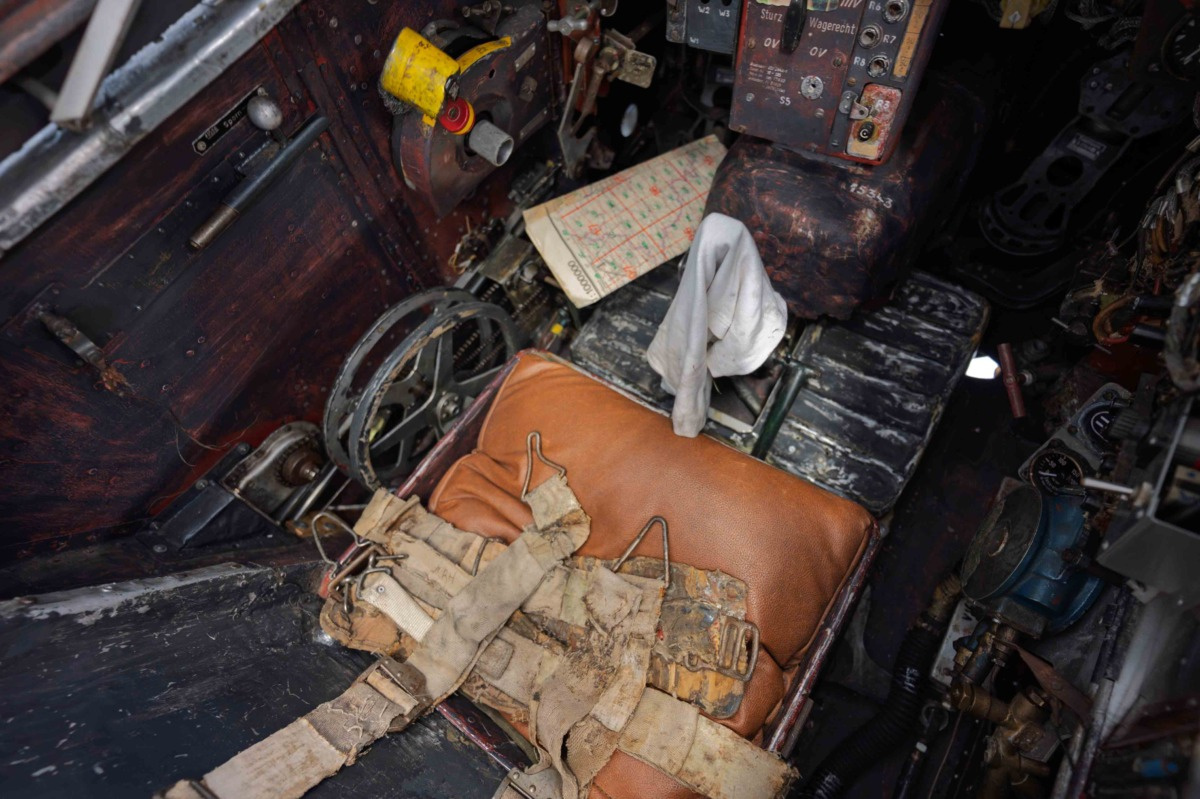
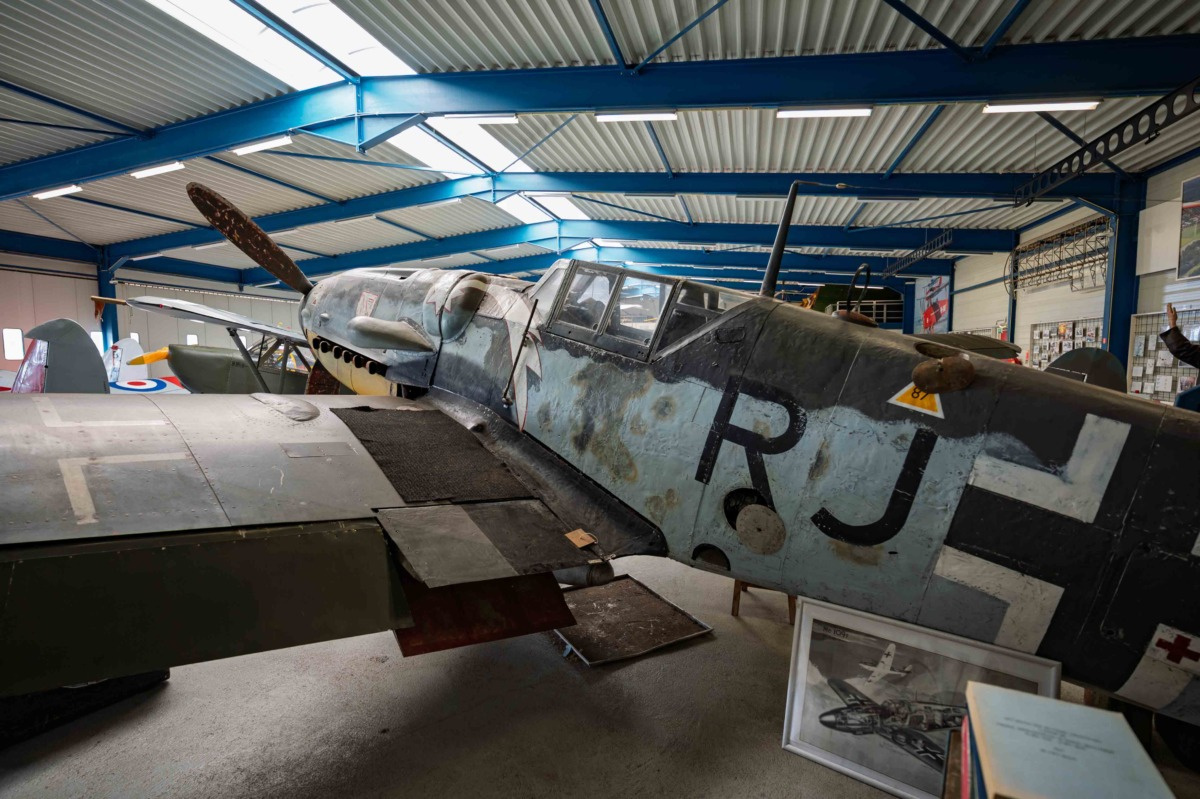
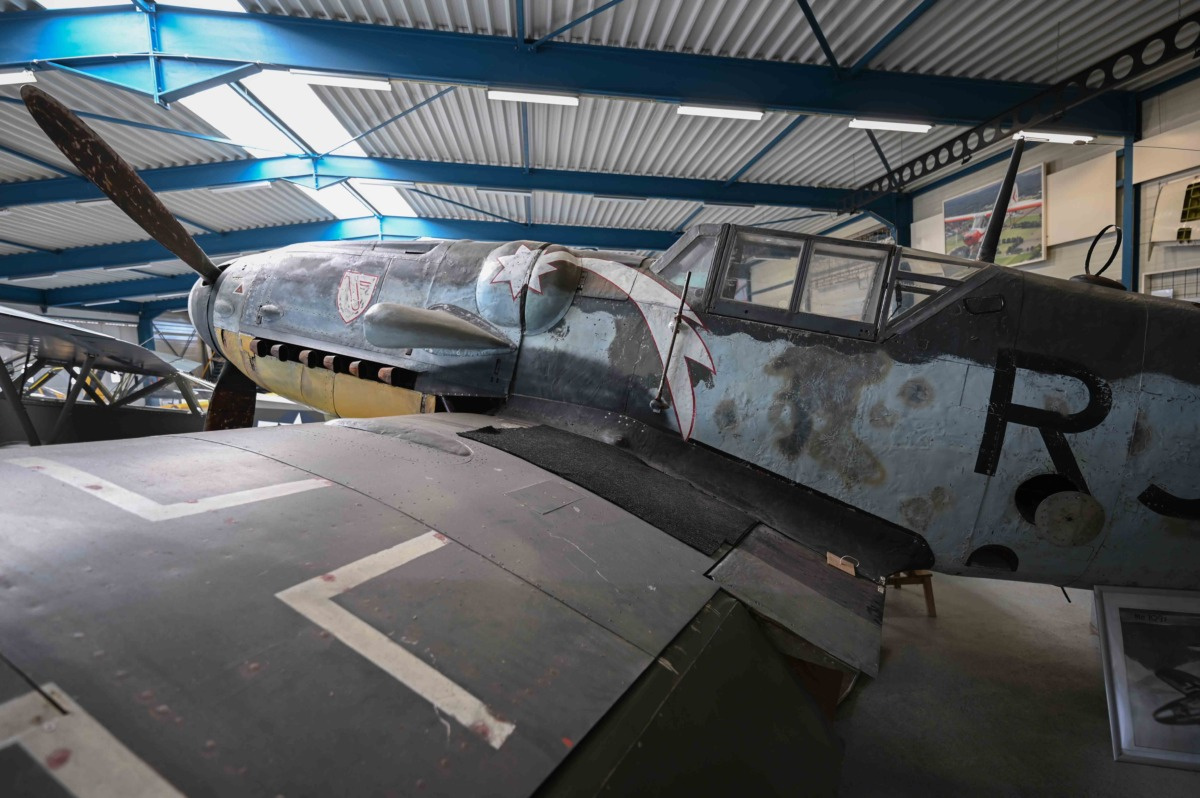
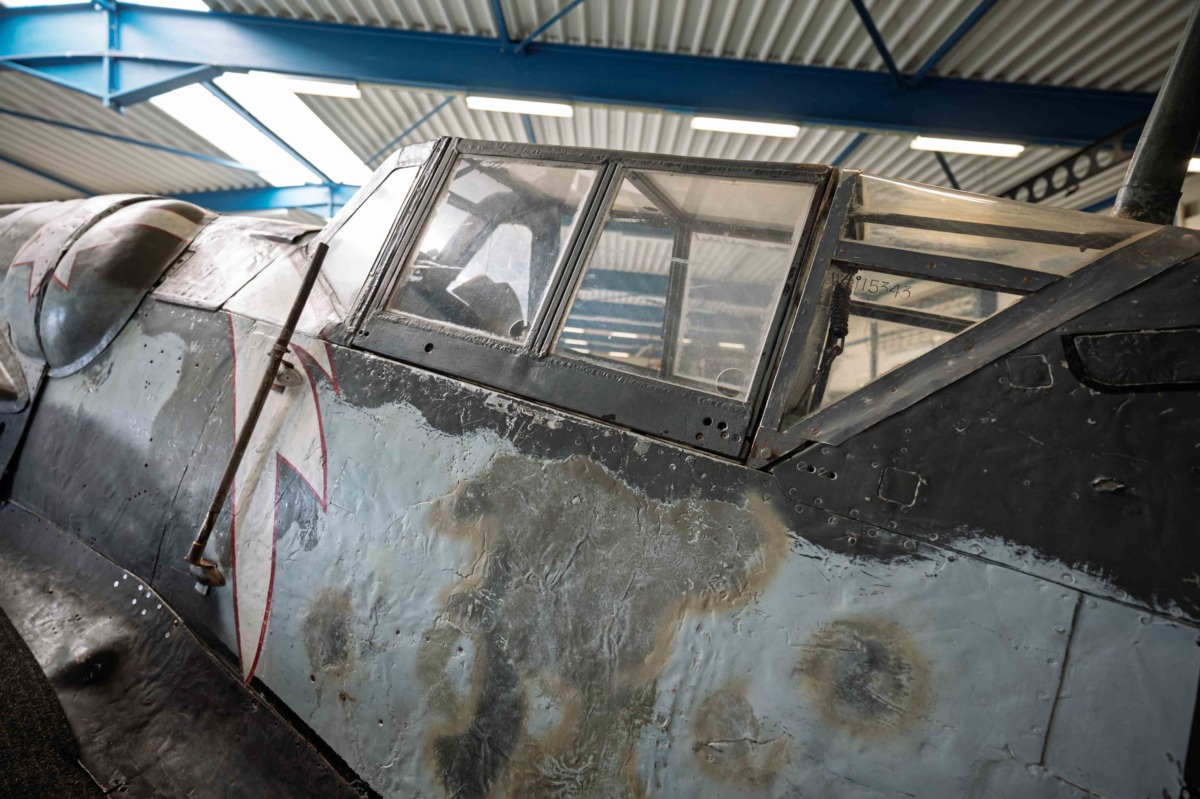
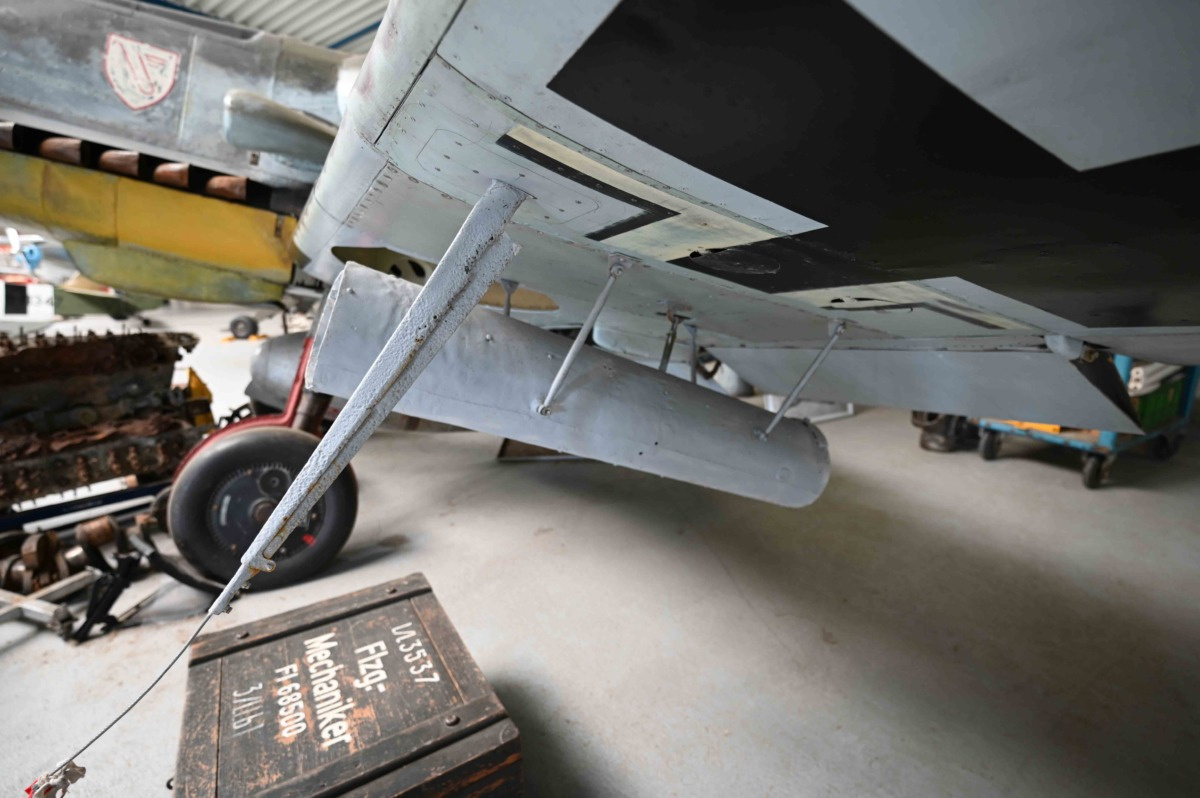
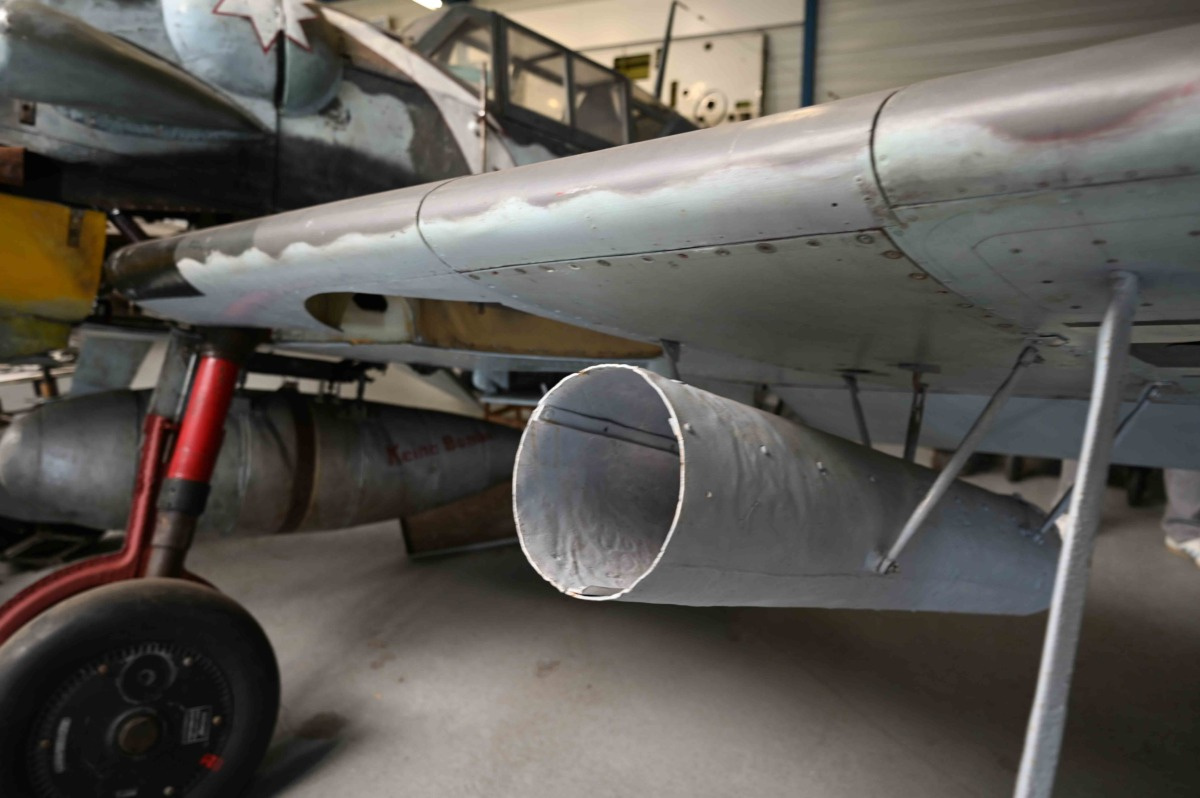
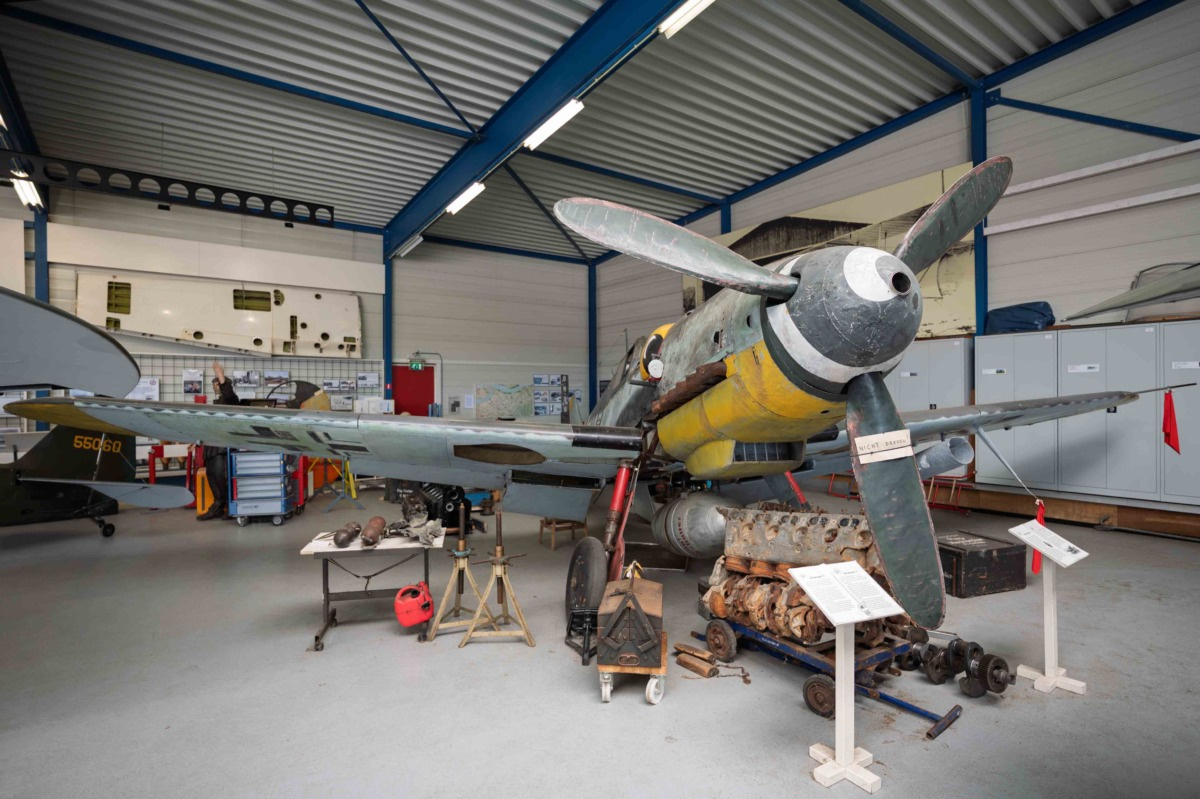
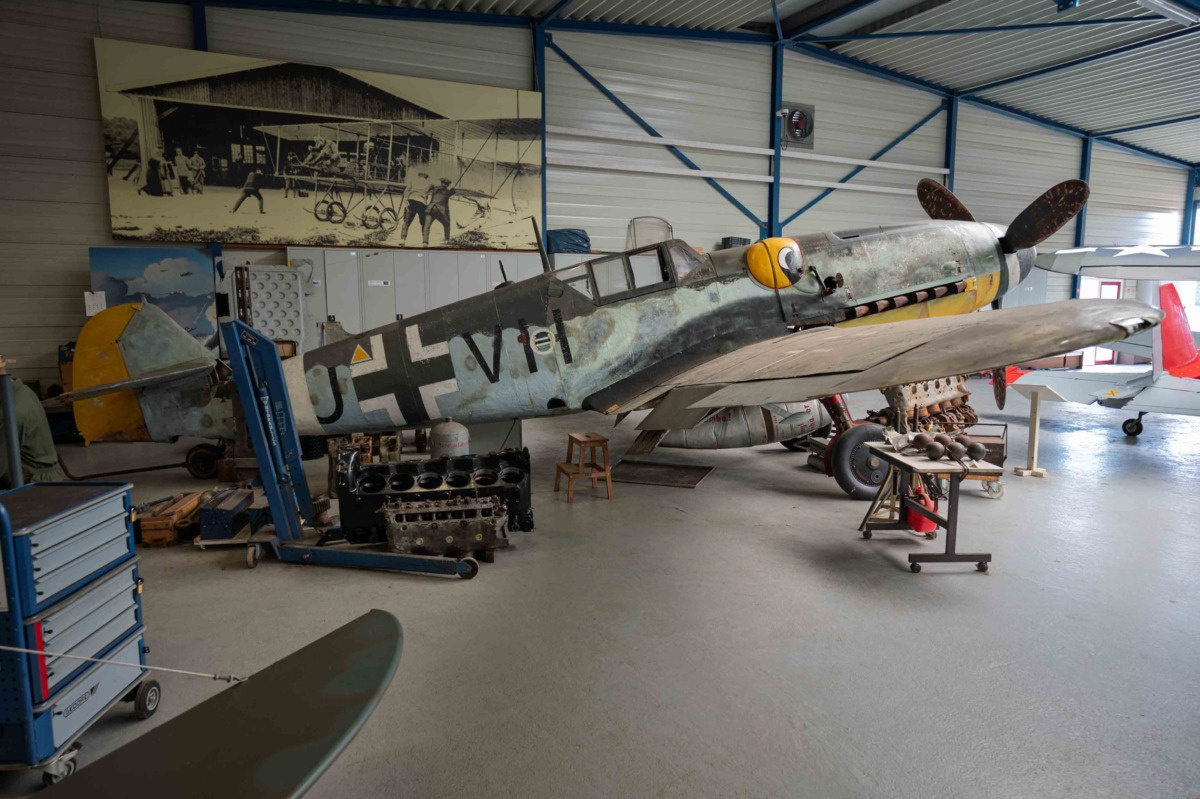
The Messerschmitt Bf 109G-5, serial number Wnr. 15343 and registration RJ+VH, is one of the rare surviving examples of the G-5 variant of Germany’s most famous World War II fighter aircraft. It was built in 1943 by Erla, a major aircraft manufacturer in Leipzig, as part of the G-series which featured improvements in engine performance and cockpit pressurization (a key feature in the G-5 subvariant).
This particular aircraft was assigned to 5. Staffel of Jagdgeschwader 3 (JG 3), a fighter wing of the German Luftwaffe. It was marked with the tactical number “Black 11”. On December 4, 1943, while flying a mission from Schiphol Airfield in the Netherlands, the aircraft was engaged by American fighters. It was shot down near the Dutch town of Breda by a P-47 Thunderbolt of the 487th Fighter Squadron, part of the US Army Air Forces.
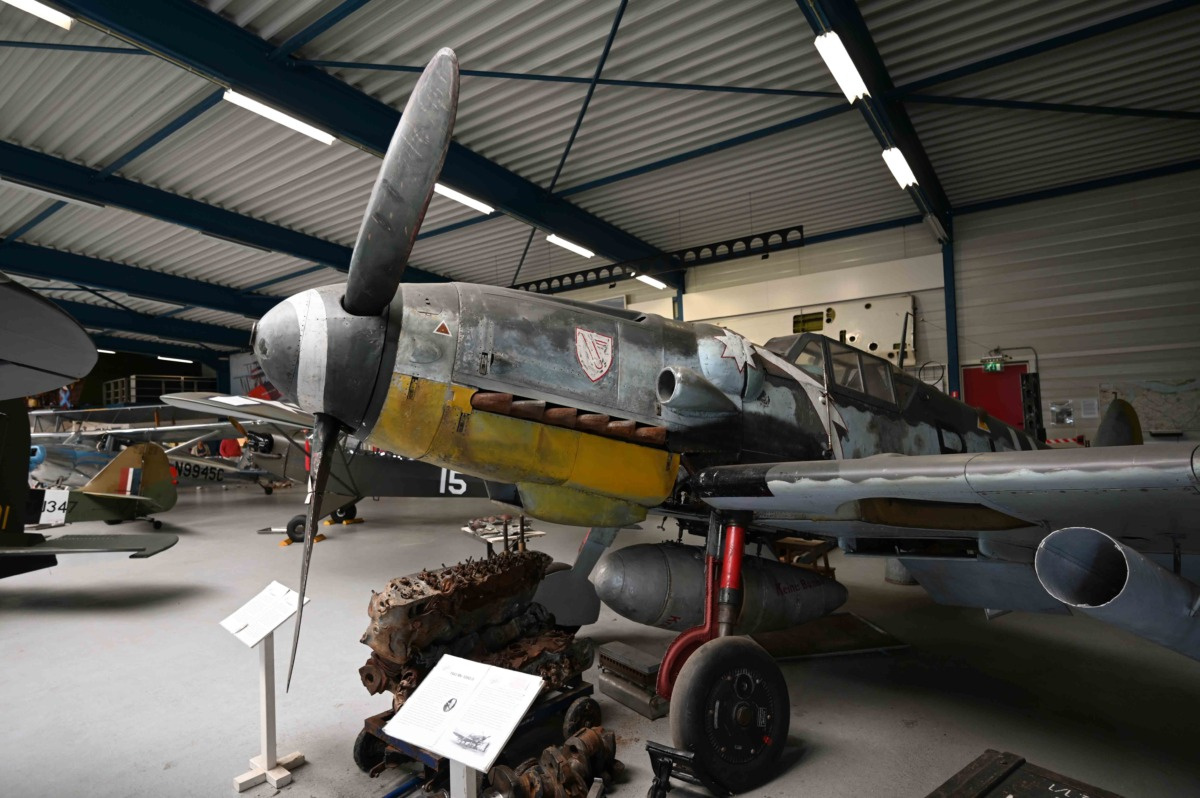
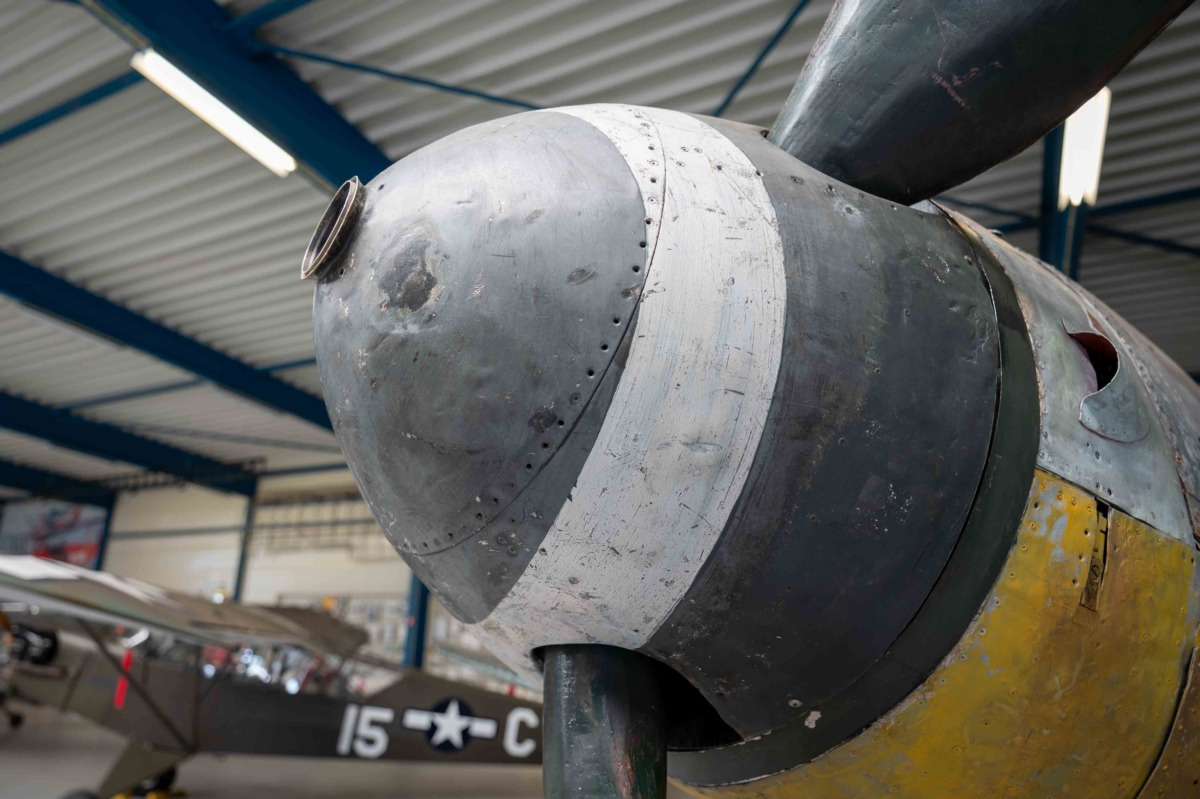
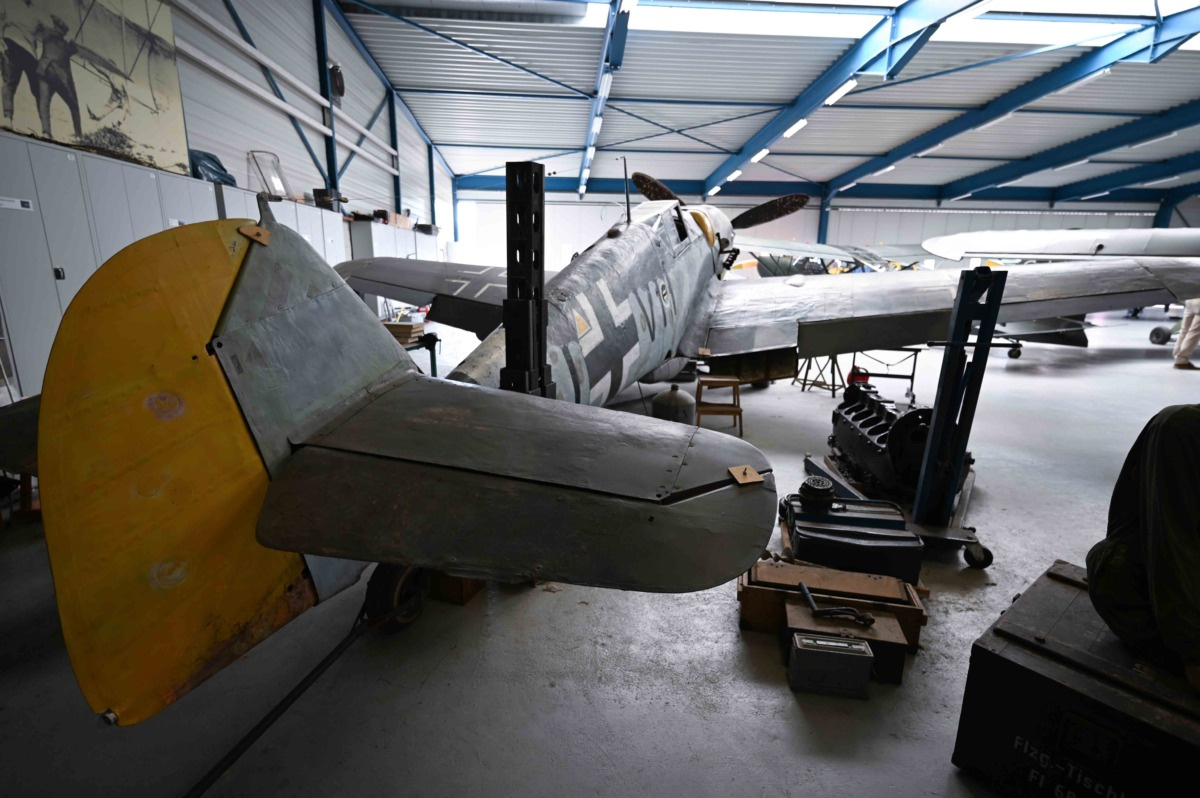
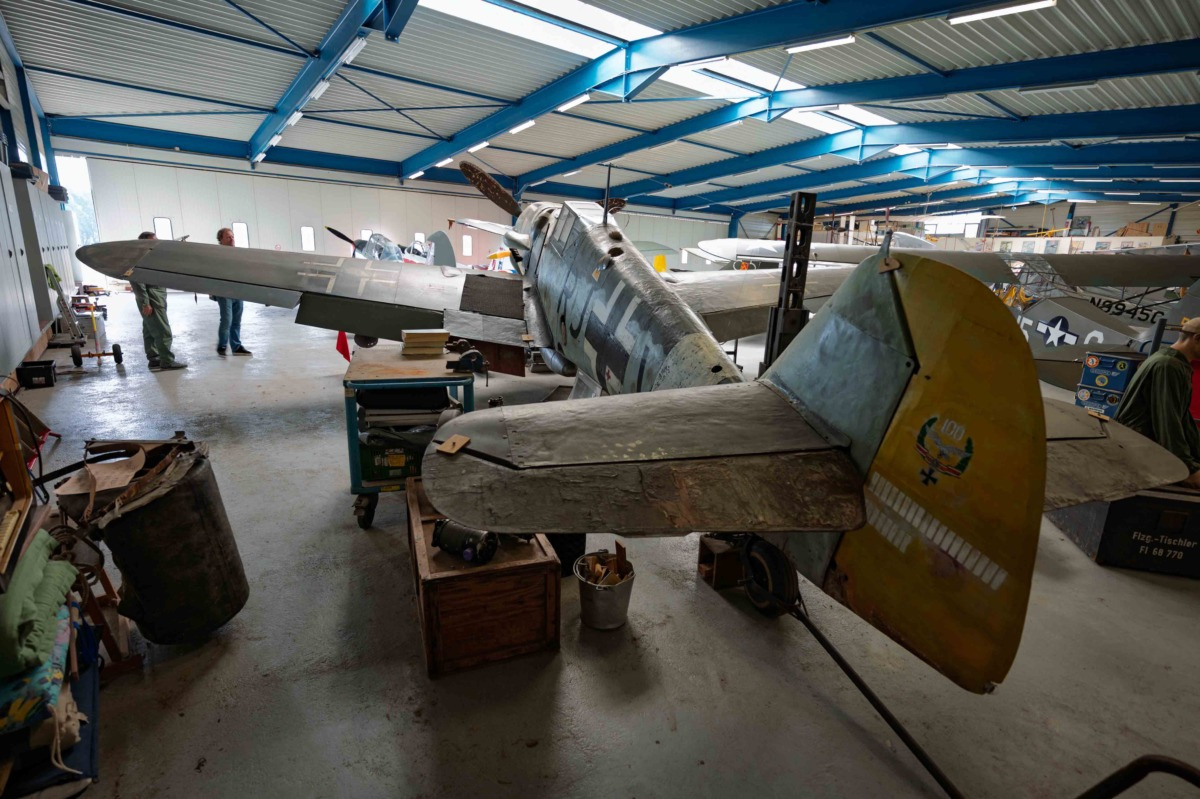
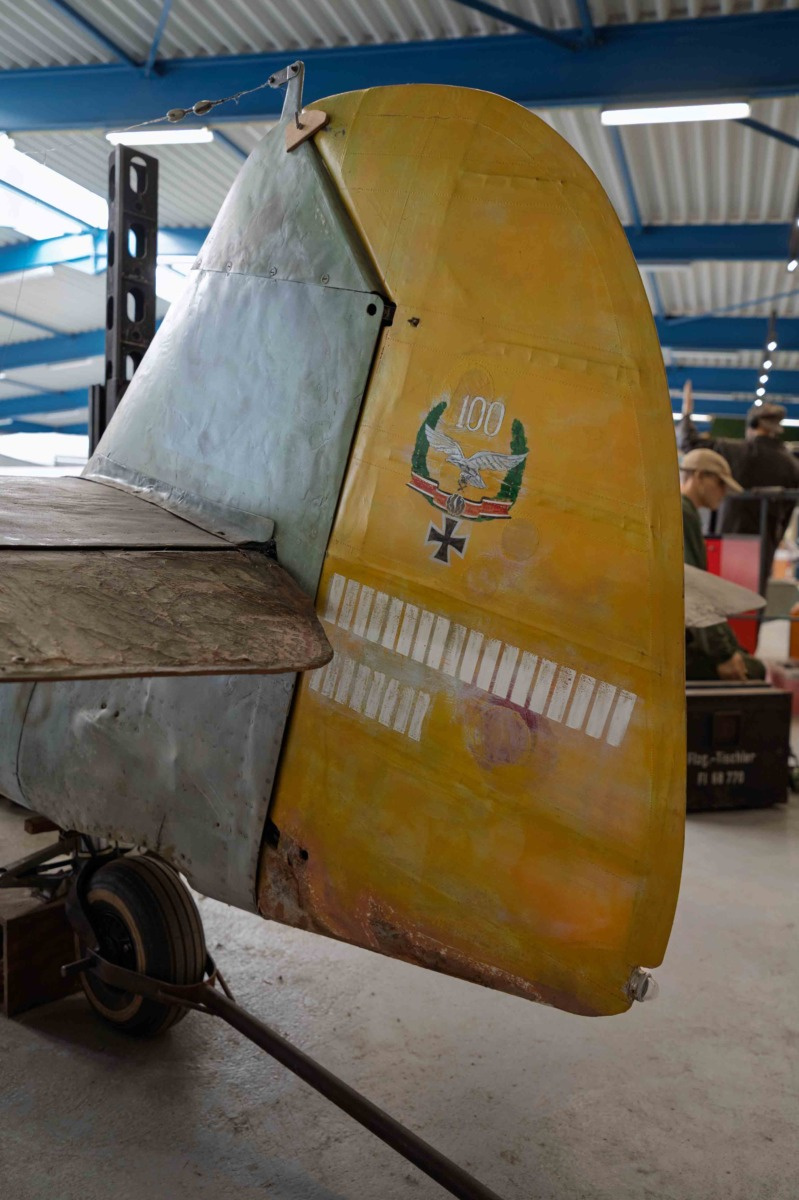
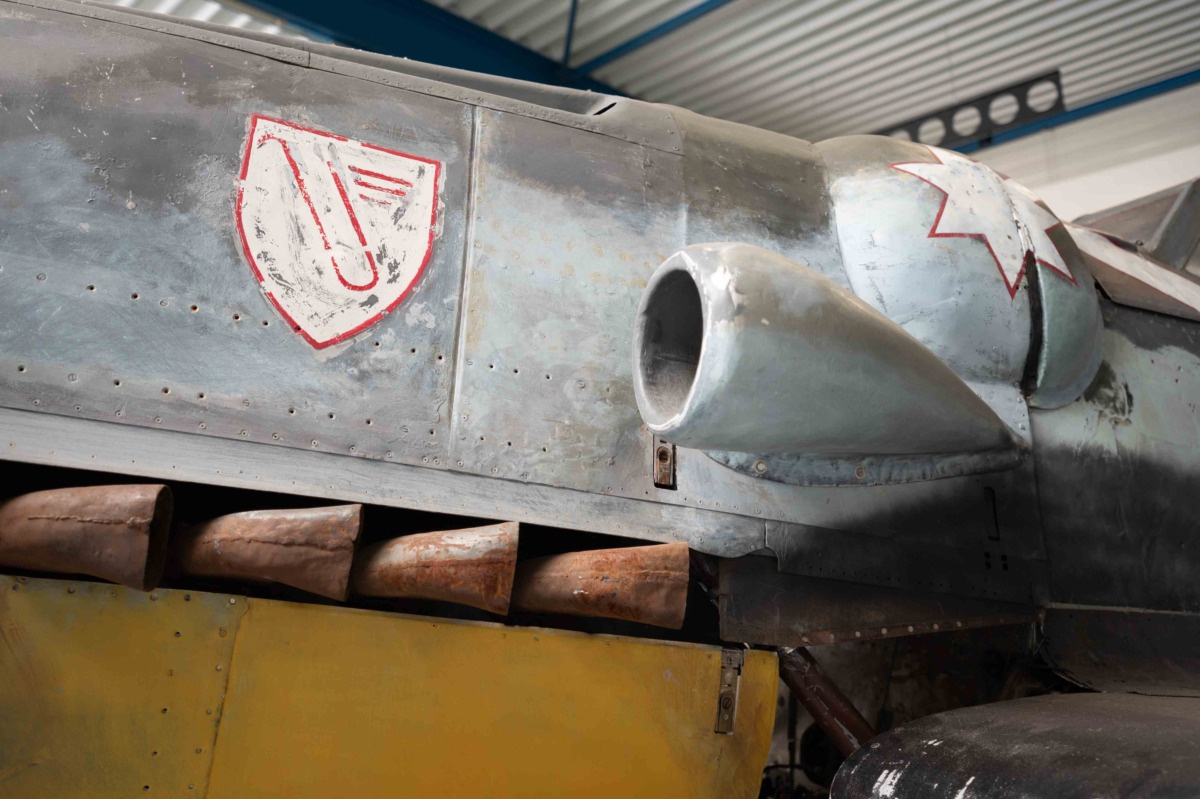
The German pilot, Kurt Sorssdorf, survived by bailing out of the aircraft. He landed safely, but the aircraft itself crashed near a farm. The wreck was only partially visible after the crash—only the tail fin stuck out of the ground. The tail was cut off by the Germans and buried with the aircraft to conceal it or clear the area. The wreck remained buried for the remainder of the war. Decades later, the wreckage of Bf 109G-5 Wnr. 15343 was recovered and eventually came into the hands of Dutch aviation restorer Jan van Huuksloot in the 1990s. A meticulous restoration process began, involving both the recovery of original parts and the creation of new components to faithfully reconstruct the aircraft to its wartime configuration keeping its original paint mostly. Except for the left side of the fuselage, a “star trail,” worn by 7./JG 3, was painted and on the right side of the fuselage, the “eye,” the mark of 9./JG 3, was painted on the bulge.
This Messerschmitt Bf 109 G-5 is the only surviving high altitude variant today.
Luftwaffe pilot Uffz. Kurt Sossdorf
Kurt Sossdorf (Soßdorf) was born on 20 July 1922 and was ranked Uffz, Unteroffizier, a junior non-commissioned officer in the Luftwaffe (Military number 68454/232). He was with the 5./JG-3 Udet stationed at Volkel in December 1943. Kurt Sossdorf was shot down on 4 December, 1943 in his Bf 109G-5, with Werknummer 15343 marked Black 11, during aerial combat with a P-47 at Zuidermeer Holland, NW of Hoorn. Kurt, 21 years old, bailed safely. This fuselage is restored and is in place at a restaurant at the Seppe Airport, between Breda and Roosendaal, Netherlands. Later that same day Kurt Sossdorf lost a second Bf 109, Wk 15943 also marked with a Black 11, at Bleiswijk Holland due to an unknown cause; again he bailed safely. Kurt Sossdorf has one known aerial victory, his first and only was a United Stated B-17 at Ratzlingen, East of Wolfsburg in Germany, on 29 April, 1944.
Jagdgeschwader 3 “Udet”

JG 3 or Jagdgeschwader 3 was a Luftwaffe fighter wing of World War II Jagdgeschwader 3 is known by the honorific name “Udet,”. Generaloberst Ernst Udet was a German Luftwaffe Flying Ace active throughout most of World War I and World War Two II and the JG 3 was named after him. JG 3 was established in 1939, the unit initially flew the Messerschmitt Bf 109 and later transitioned to the Focke-Wulf Fw 190. JG 3 participated in major campaigns, including the invasions of Poland and France, the Battle of Britain, extensive operations on the Eastern Front, and the air defense of Germany against Allied bombers. The wing produced several highly credited fighter pilots, but it also suffered severe losses as Allied numerical and technological superiority increased. By the final years of the war, shortages of fuel, trained pilots, and aircraft significantly reduced JG 3’s effectiveness and operational capability.

A fantastic report, with great photographs. Once again, you have excelled in your research and dedication to provide very interesting historical articles for us to read. Long may it continue. Thank you.
Thank you so much for your kind words, they are greatly appreciated Mark.