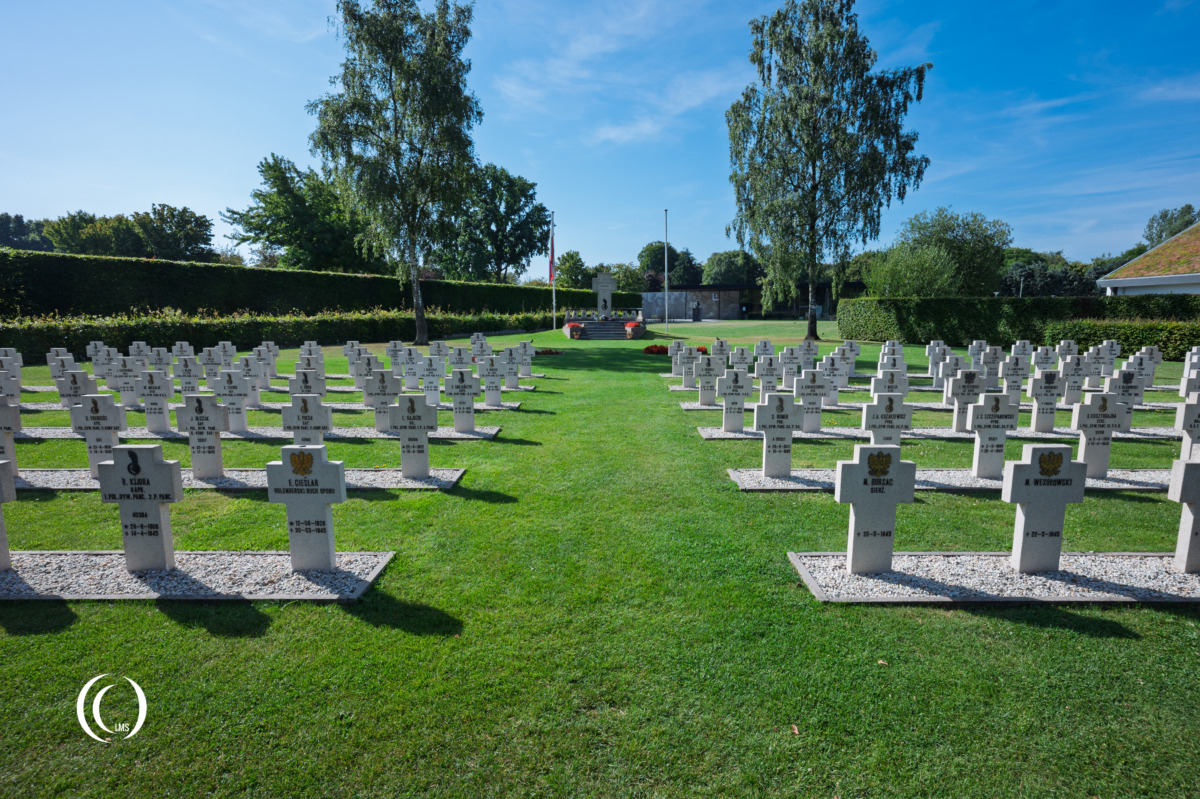
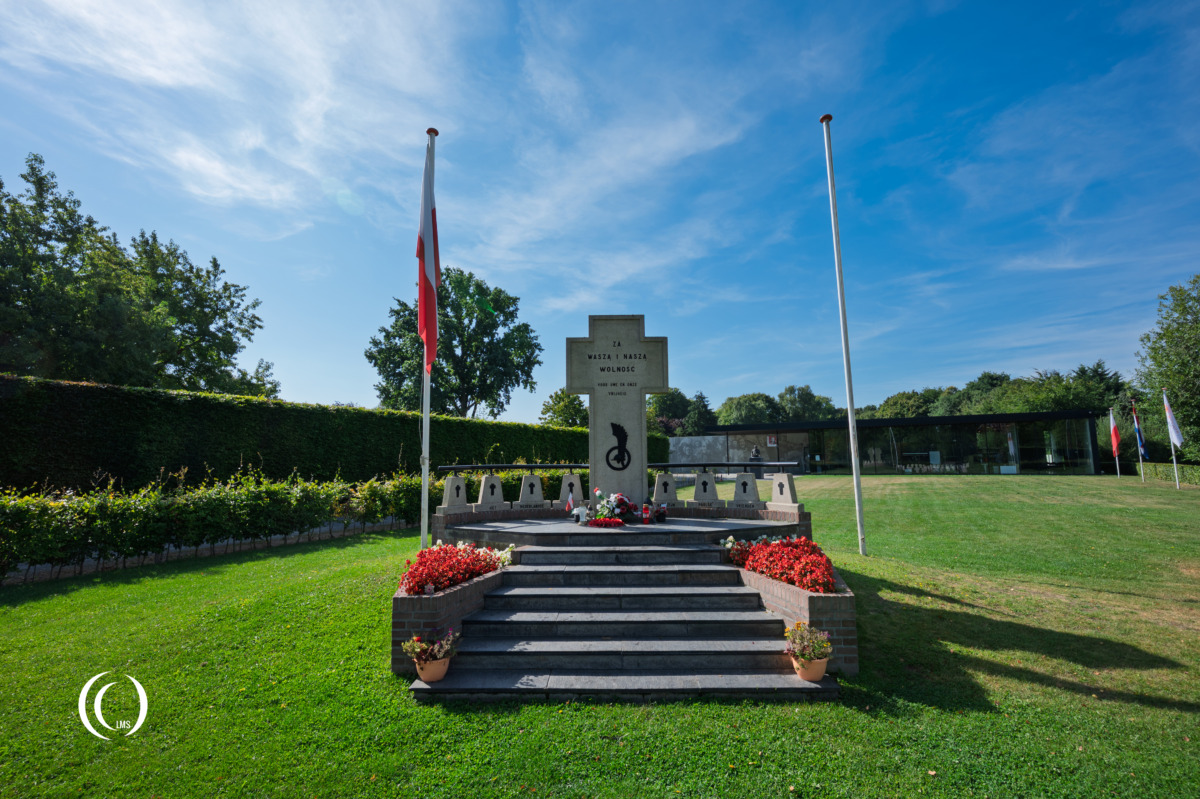
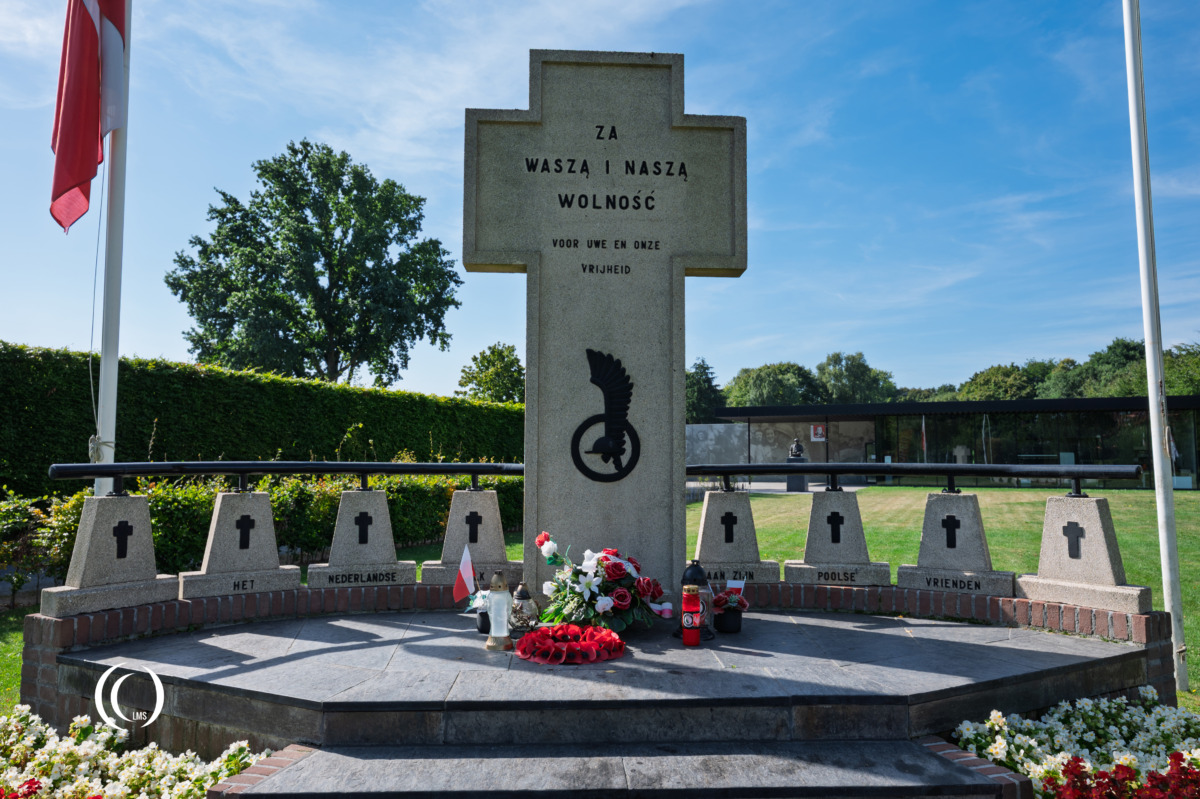
The Polish Military Cemetery and Honorary Field in Breda is the final resting place of 161 Polish soldiers who died in the Netherlands during World War II. It was opened on the 24th of June 1963 and is the largest Polish War Cemetery on Dutch soil. These soldiers belonged to the remnants of the Polish land and air forces that, after September 1939 during the occupation of Poland by Nazi Germany together with the Soviet Union, joined the Allied Forces to continue fighting in France and later the liberation of Western Europe from England. In total 500 Polish soldiers are buried in the Netherlands.
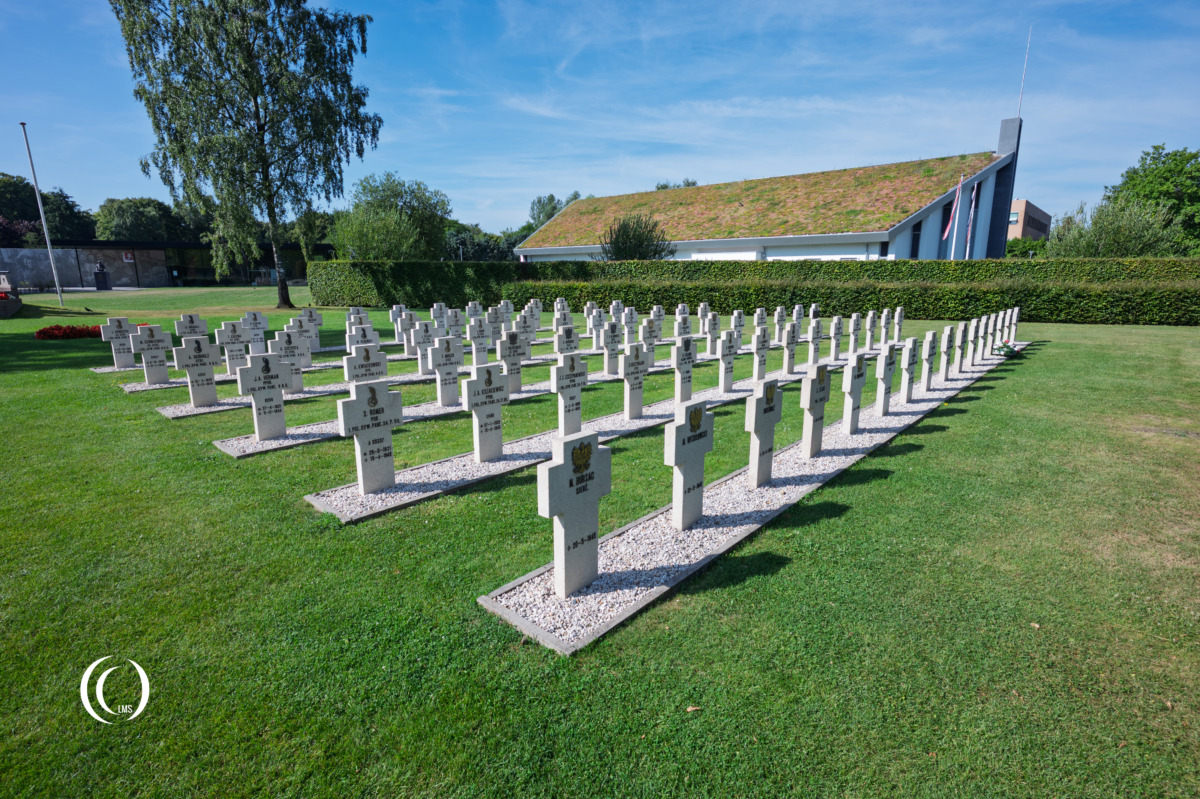
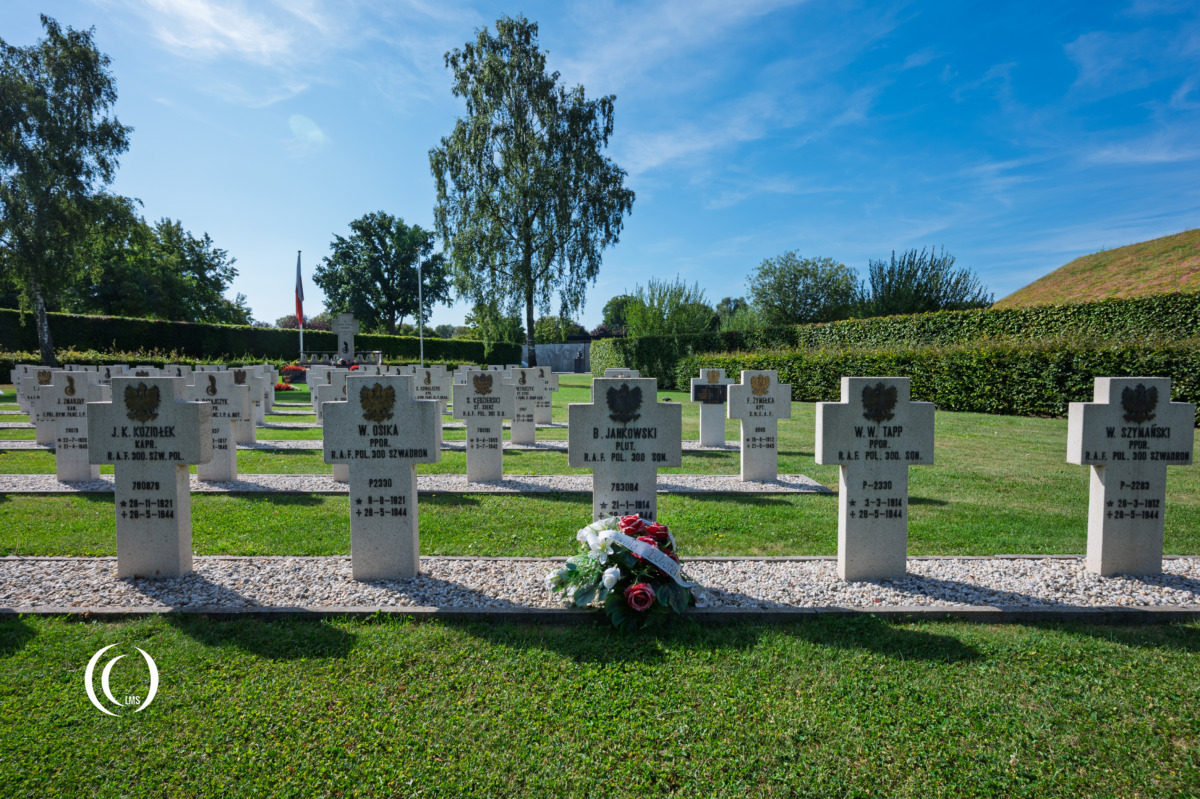
1st Polish Armored Division
Most of the soldiers resting here belonged to the 1st Polish Armored Division under General Stanisław Maczek, who took part in the liberation of large parts of the Netherlands, Belgium, and France. Many of them fell during the liberation of Breda on the 29th of October and the subsequent push towards the town of Moerdijk and the bridgehead across the channel of Hollands diep. General Maczek himself, who survived the war, was also interred here on December 23rd 1994 according to his wishes.
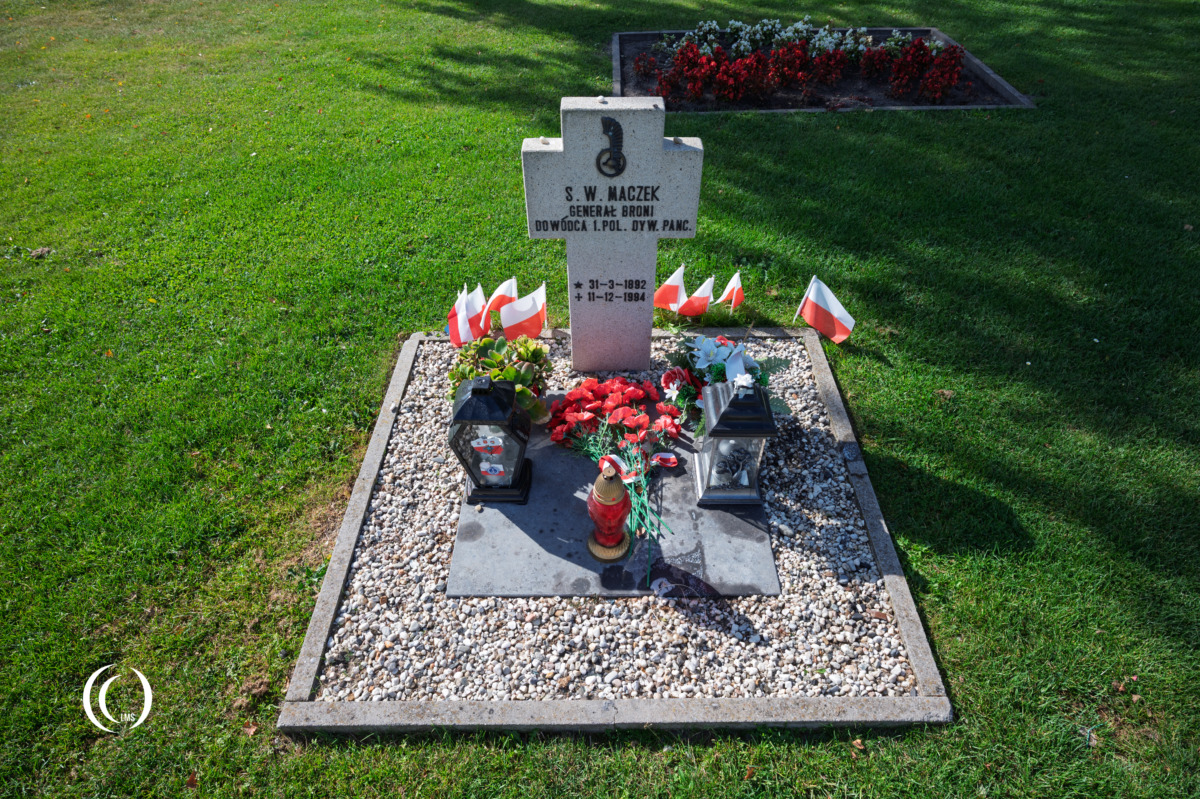
RAF Polish 300 Squadron
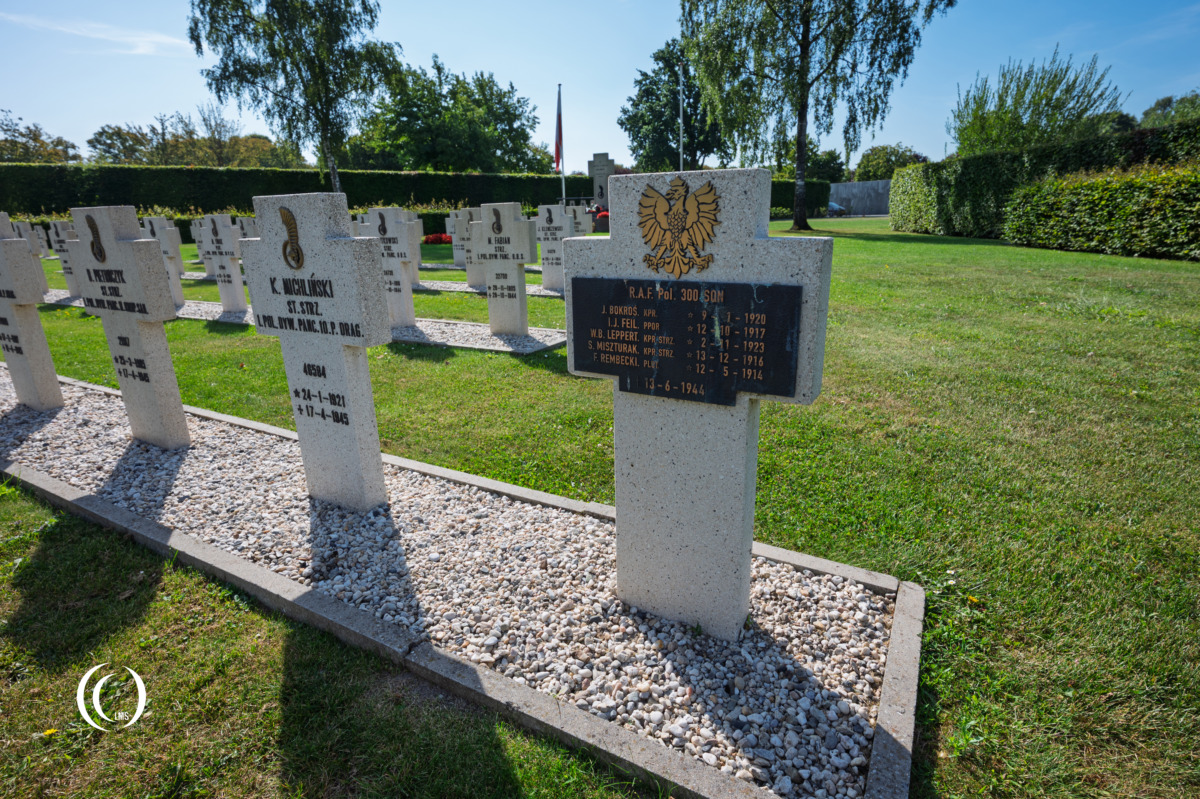
In 2005, five soldiers were reburied here. They were five crew members of an Avro Lancaster Mk. III bomber from the Polish 300 Squadron. The bomber was shot down on 13 June 1944 coming back from a mission in Germany. The wreckage of the aircraft was discovered in 1998 just off the coast near Wijdenes, the Netherlands.
Edward CieŚlar
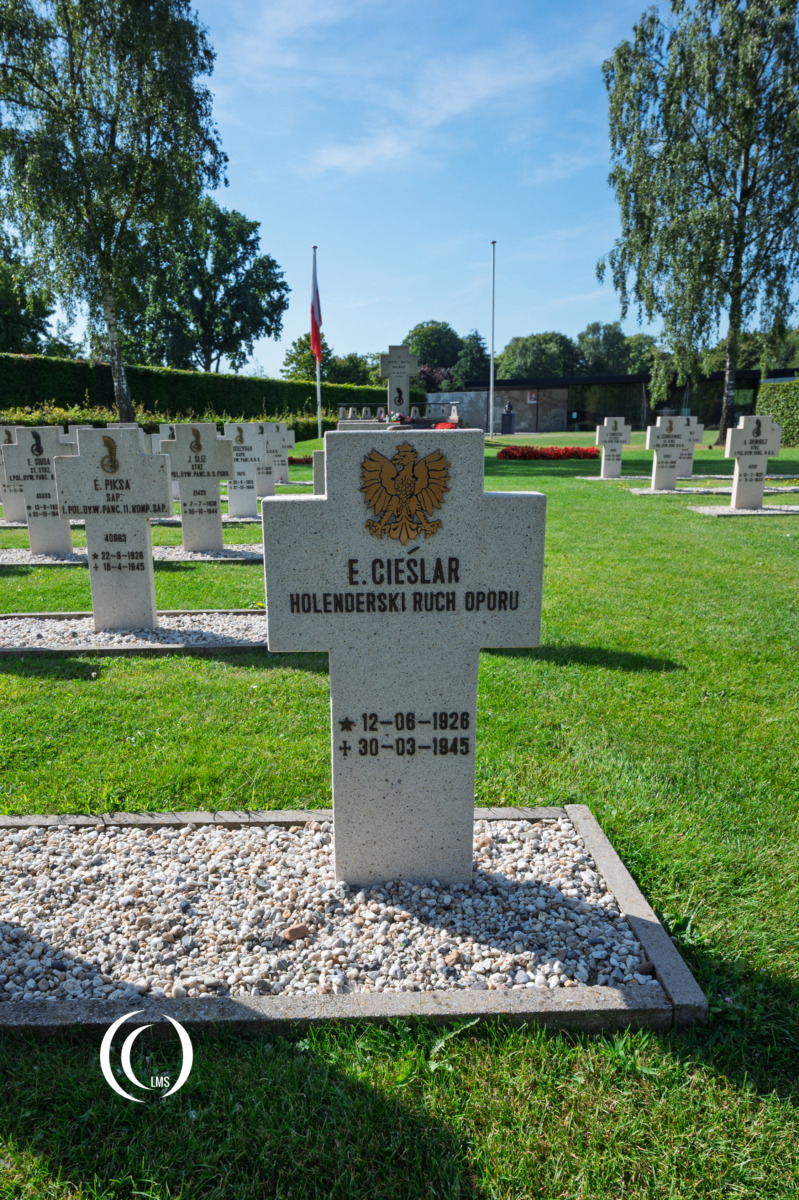
Edward was forced to join the German Army, but deserted while being stationed in The Netherlands in 1944. Initially joining the Dutch resistance, he was later shot when caught hiding at a Dutch farm in Zieuwent. He was buried in an anonymous grave in Ruurlo until 2012.
Source: Oorlogsgravenstichting.nl
Buried under alias
Several dozen soldiers were buried here under an alias. Some headstones show both the alias and the real family name nowadays.
While Poland was occupied by the Nazis, Polish men and boys (like Edward Cieslar) were forced to join the German Army to make up for the losses as the war progressed. Many of them chose to surrender or desert and join the Allied Forces. To protect their families who had remained, these soldiers used alias names. The information sign of the Dutch War Graves Foundation lists the real names together with the aliases used:
Right Side
From front to back
| Row | Grave | Family Name | Alias |
|---|---|---|---|
| 3 | 2 | Alfons Kwiatkowski | A Jaranowski |
| 3 | 8 | Franciszek Mosler | F Kowalski |
| 4 | 3 | Mieczysław Stuwe | M Ciesielski |
| 5 | 3 | Bernard Szczepański | B Dondalski |
| 5 | 9 | Kazimierz Ebertowski | K Machnikowski |
| 6 | 1 | Jan Chwistek | J Brak |
| 6 | 3 | Gustaw Kantor | G Sikora |
| 6 | 5 | Stanisław Sieroński | S Sokół |
| 6 | 7 | Jan Olma | J Strzyżykowski |
| 6 | 9 | Jan Stańko | J Kobielus |
Left Side
From front to back
| Row | Grave | Family Name | Alias |
|---|---|---|---|
| 3 | 3 | Edmund Siuda | E Borek |
| 3 | 4 | Konrad Trybus | K Heliosz |
| 3 | 6 | Stanisław Kott | S Kornaś |
| 4 | 5 | Paweł Lanc | P Smuda |
| 4 | 6 | Julian Major | J Morawski |
| 4 | 7 | Jan Szczepański | J Karszyński |
| 4 | 8 | Konrad Gross | K Tomaszewski |
| 4 | 10 | Józef Nichnerowicz | J Jakubowski |
| 4 | 11 | Paweł Nagorski | P Kreja |
| 5 | 2 | Stanisław Jagła | Z Tatarowicz |
| 5 | 5 | Jerzy Smolik | J Chmielewski |
| 5 | 7 | Zenon Niklas | Z Armatowski |
| 6 | 1 | Jan Mik | J Słuplanek |
| 6 | 5 | Jan Heldt | J Rajski |
| 6 | 8 | Antoni Dudek | A Jankowski |
| 6 | 9 | Paweł Krzykala | P Żukowski |
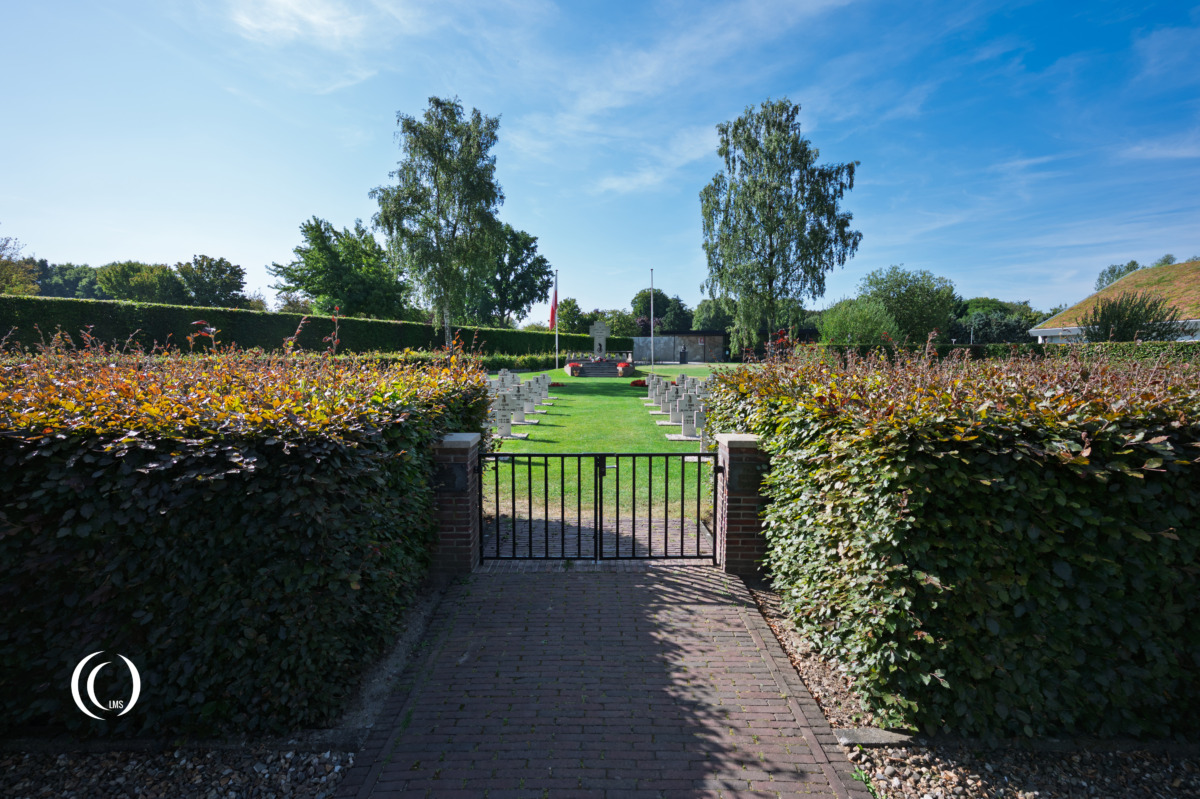
Visit
You can visit the cemetery freely during the daytime.
On the other side of the entrance of the cemetery is the Maczek Memorial, which honours the Polish contribution to the liberation of the Netherlands. It provides historical information, commemorates the soldiers’ sacrifices, and serves as a place of remembrance for past and future generations.
