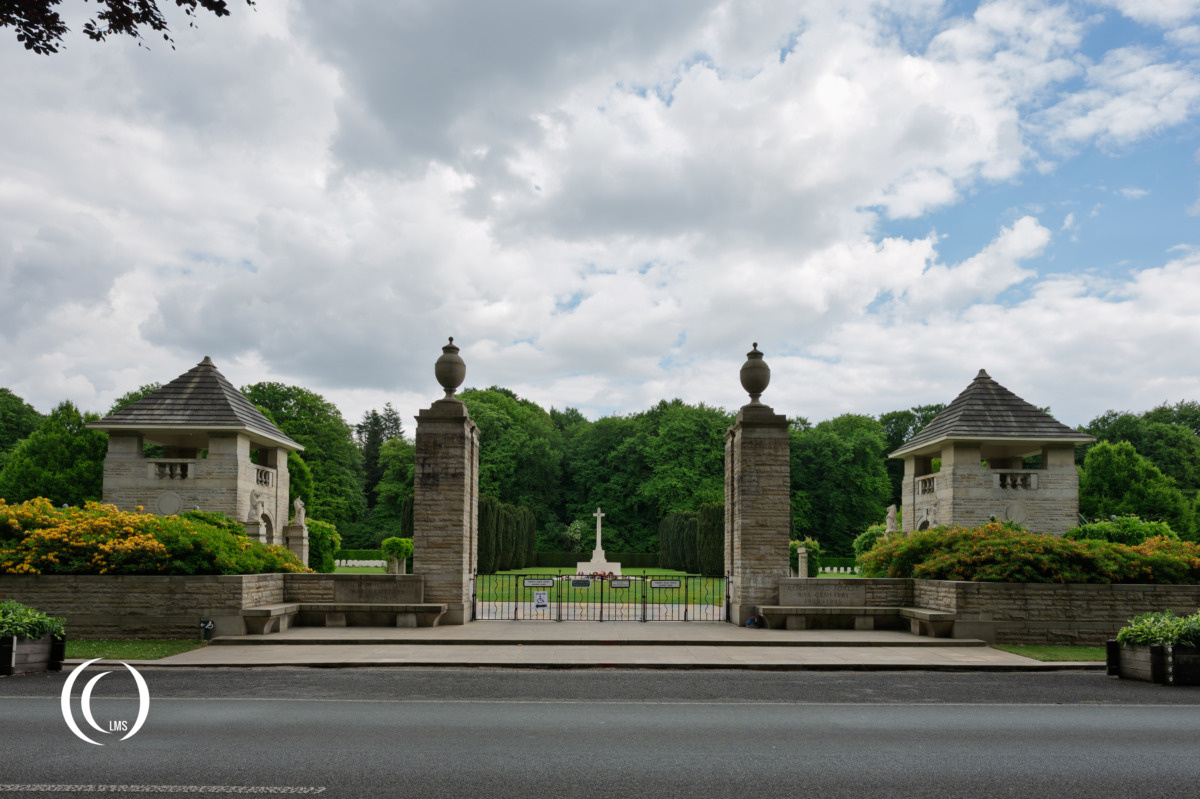
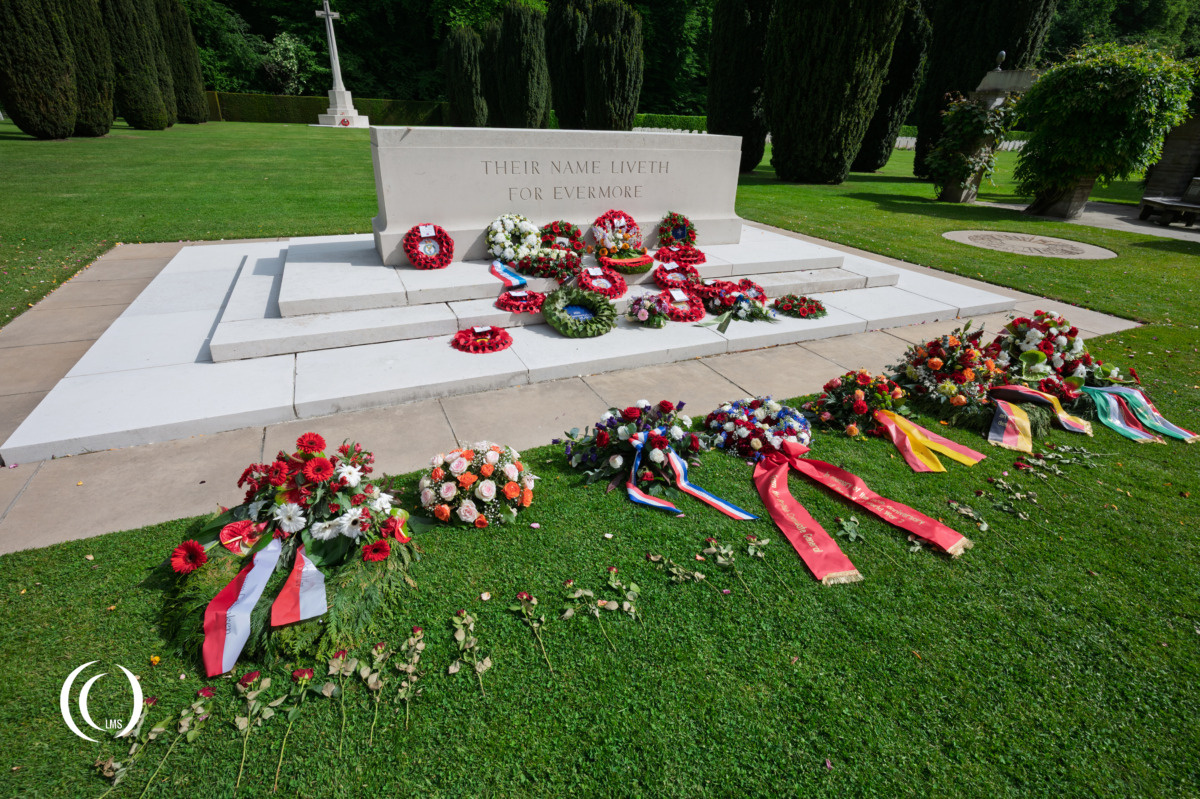
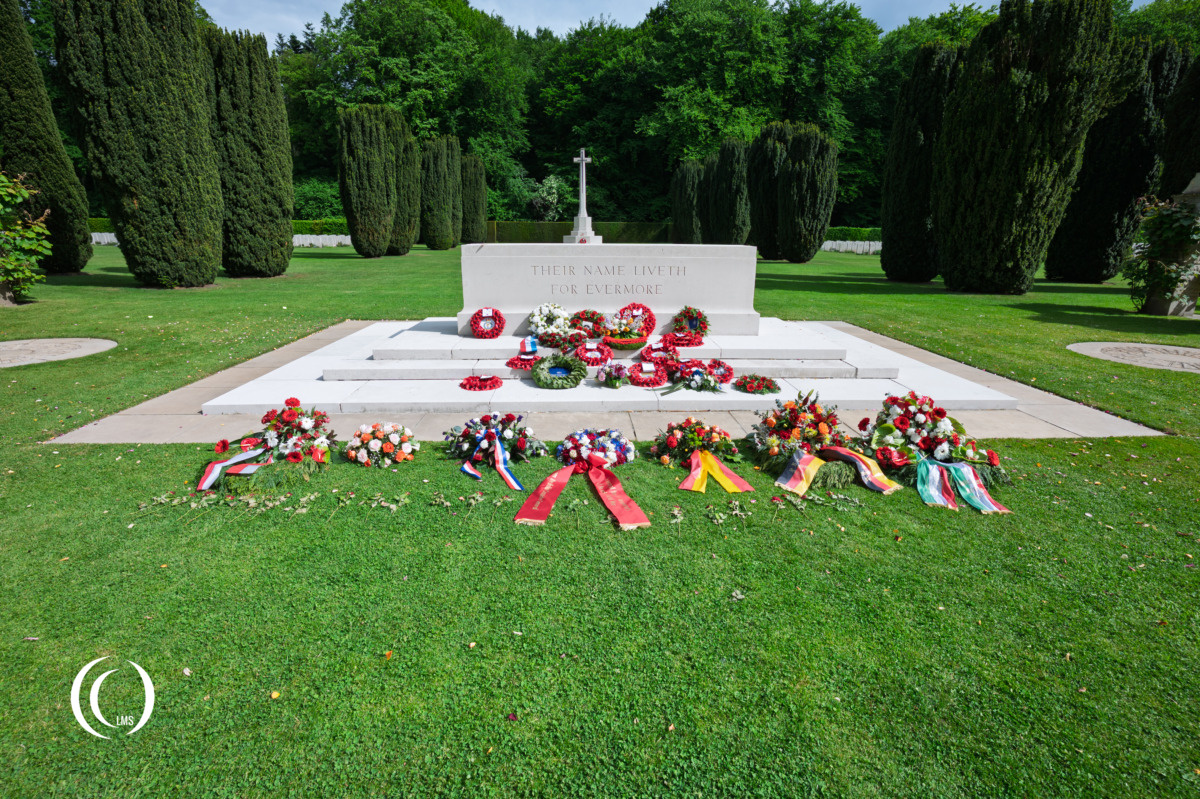
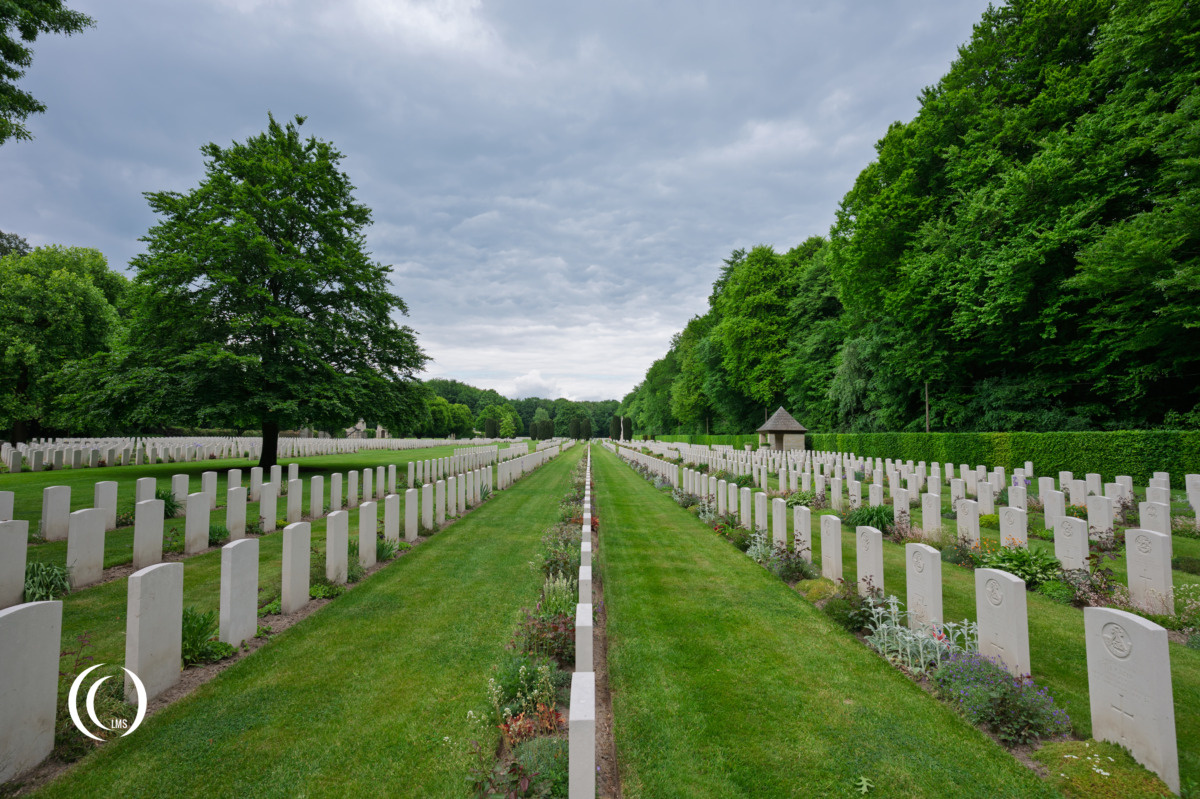
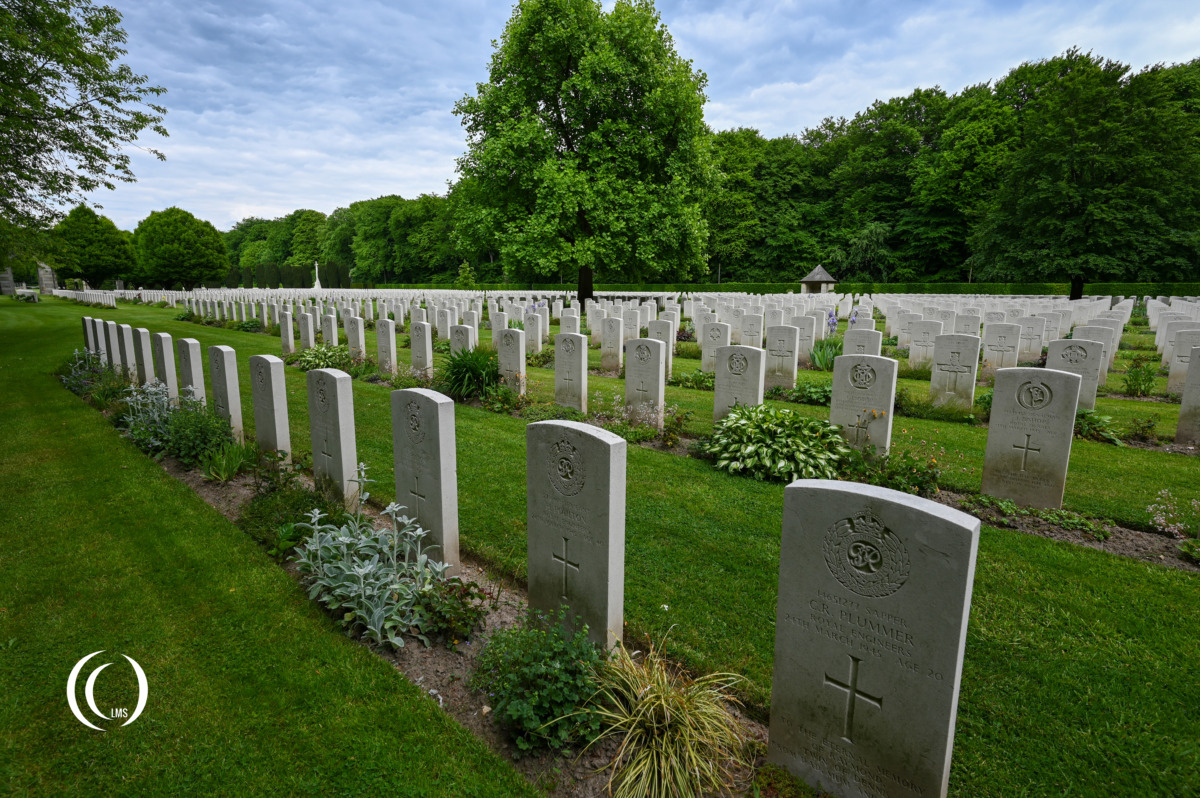
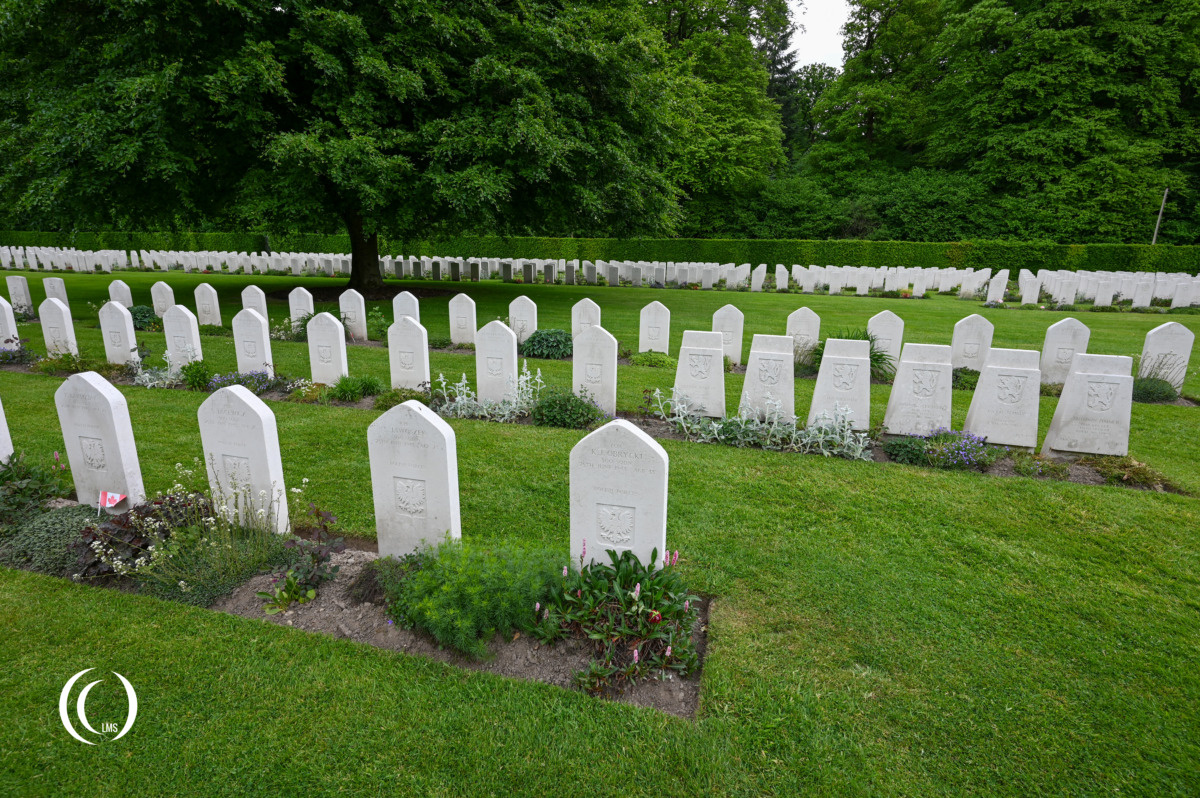
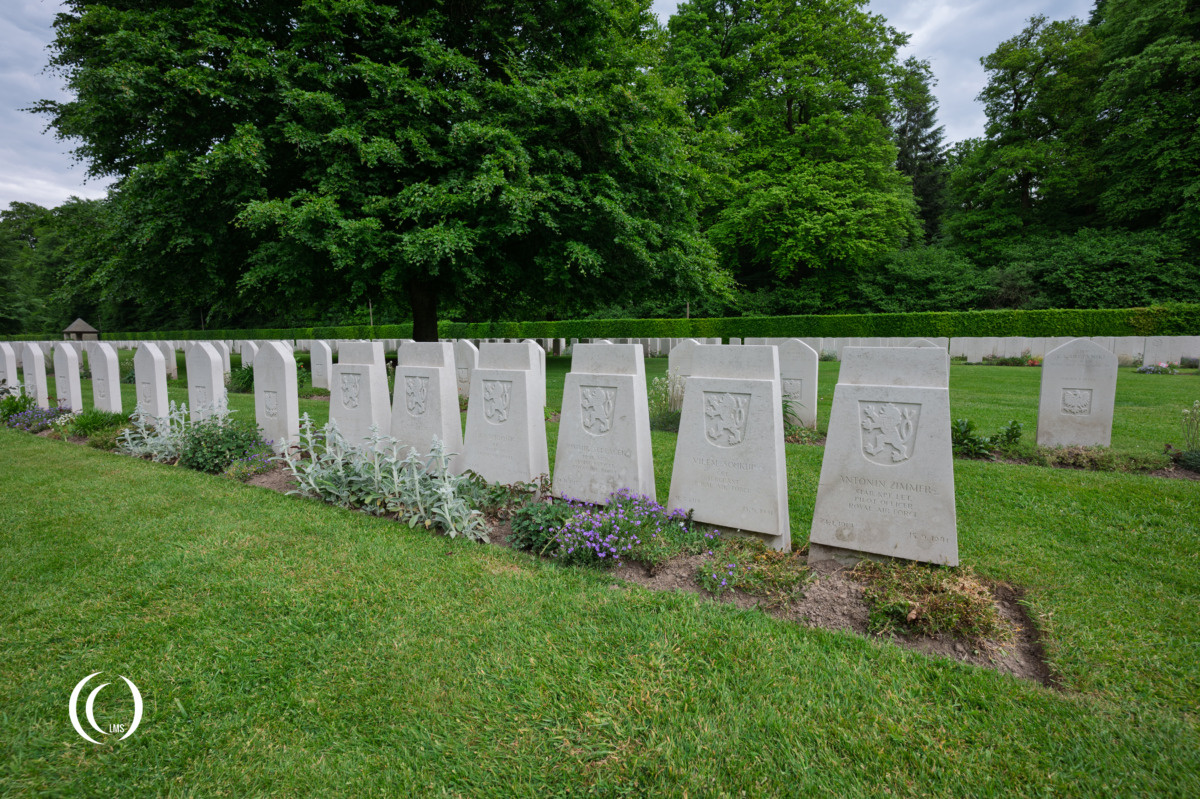
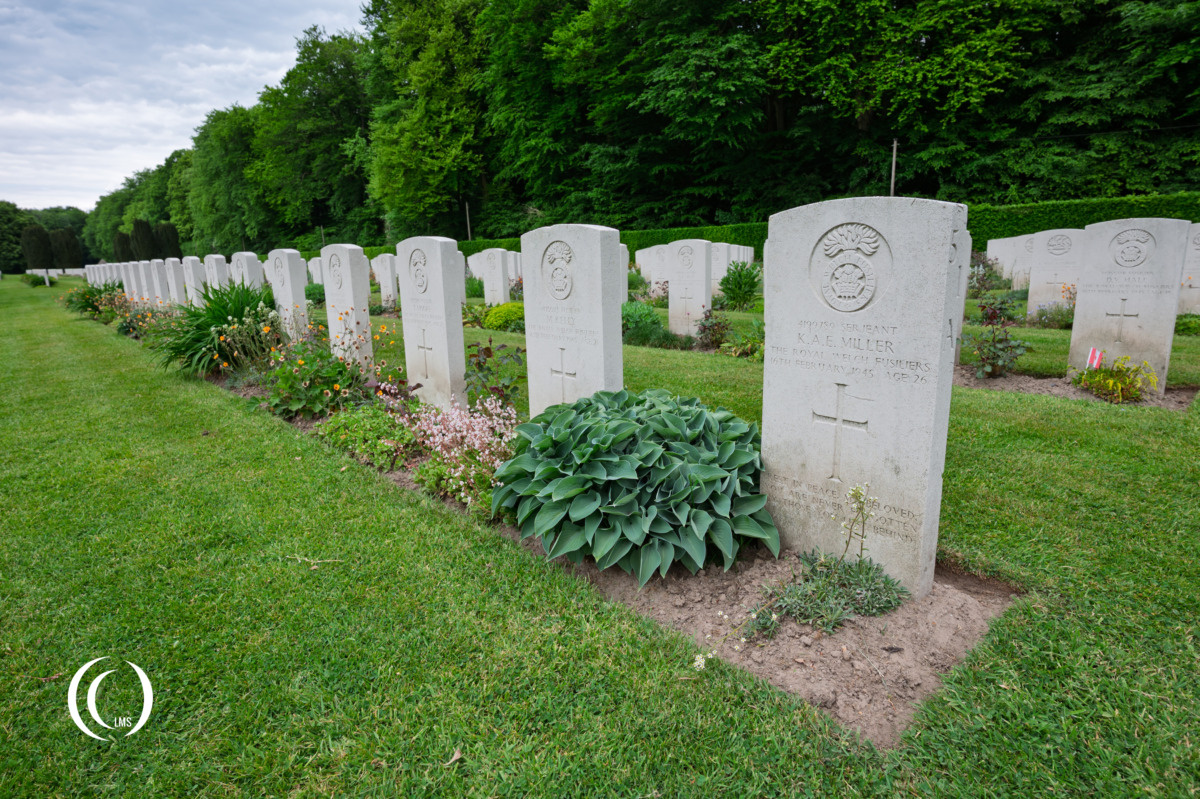
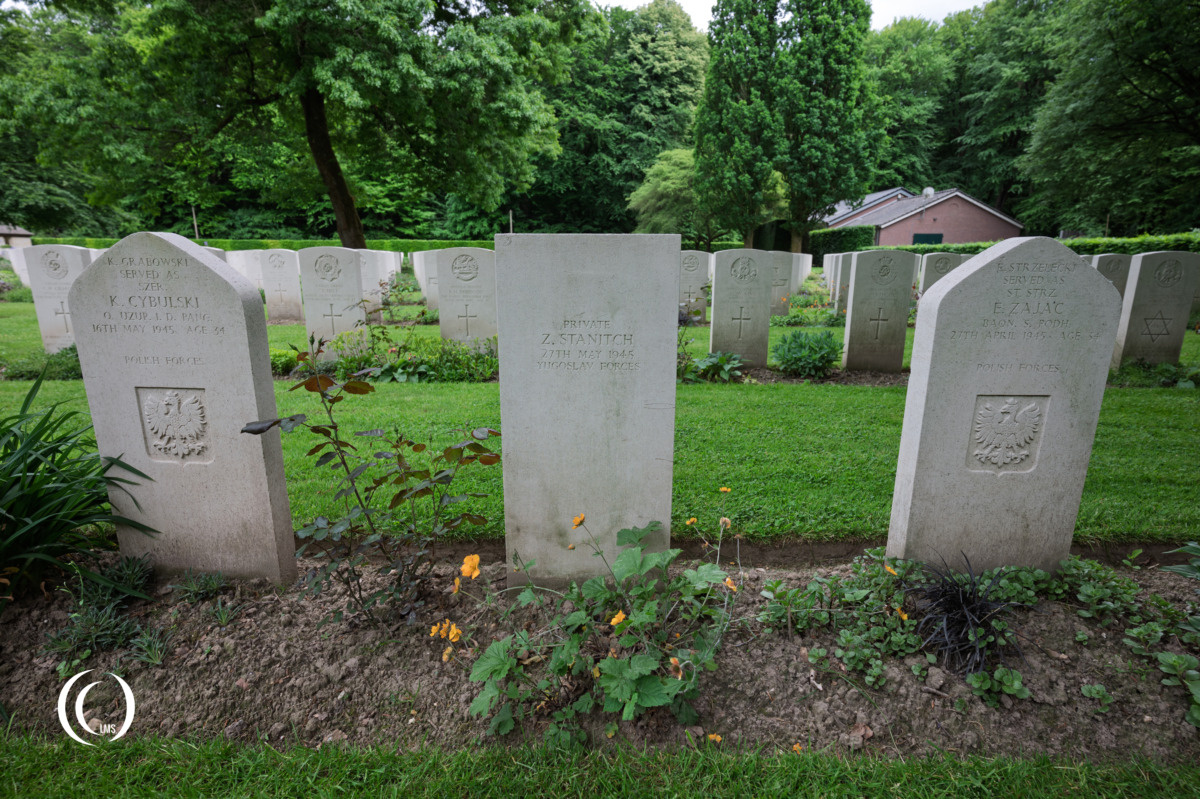
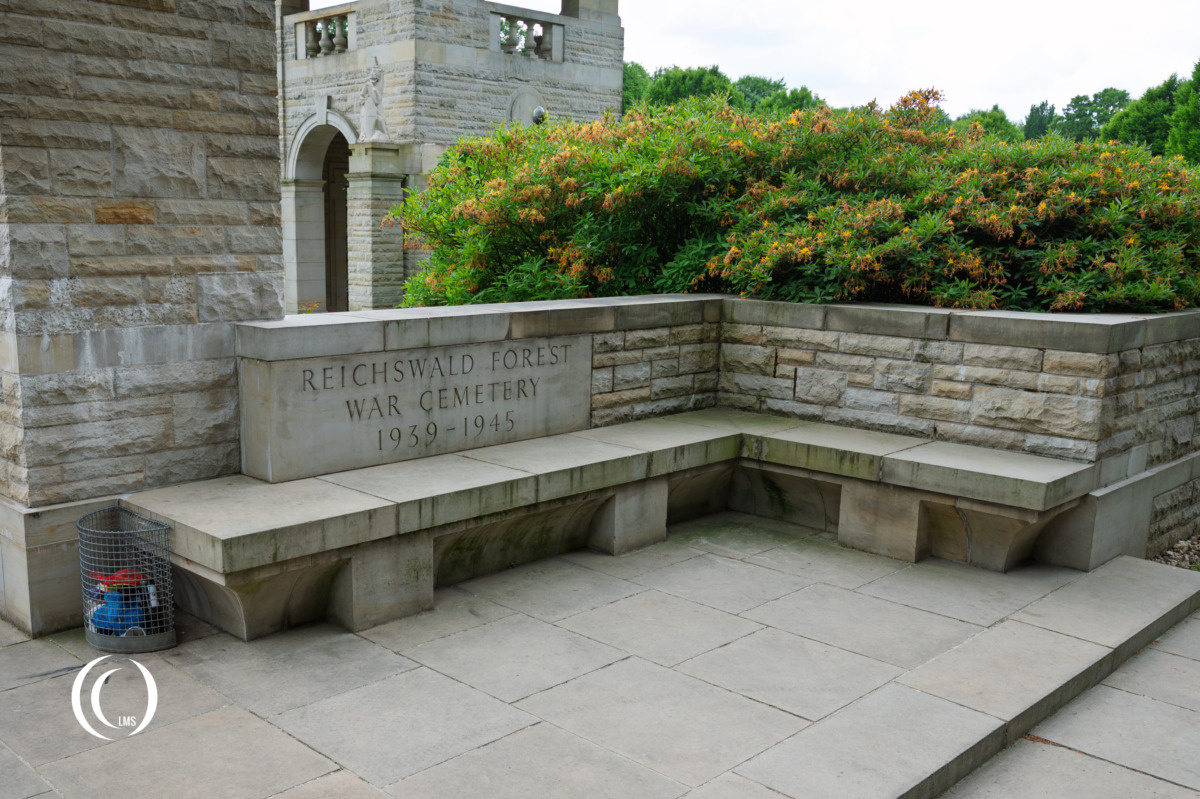
With over 7,600 burials, the Reichswald Forest War Cemetery is the largest military cemetery of the Commonwealth in Germany. Most of the fallen are British soldiers, but more than 1200 are from other nationalities like Canada, Australia, New Zealand and Poland.
History
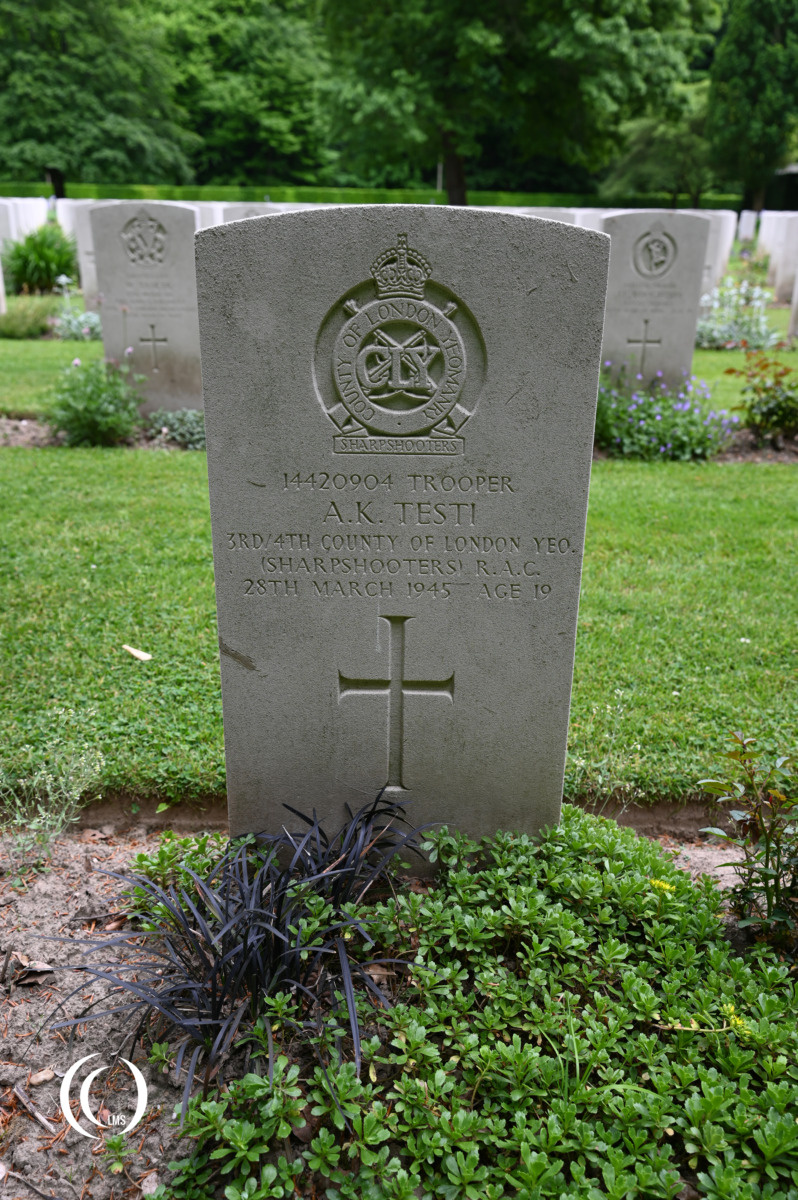
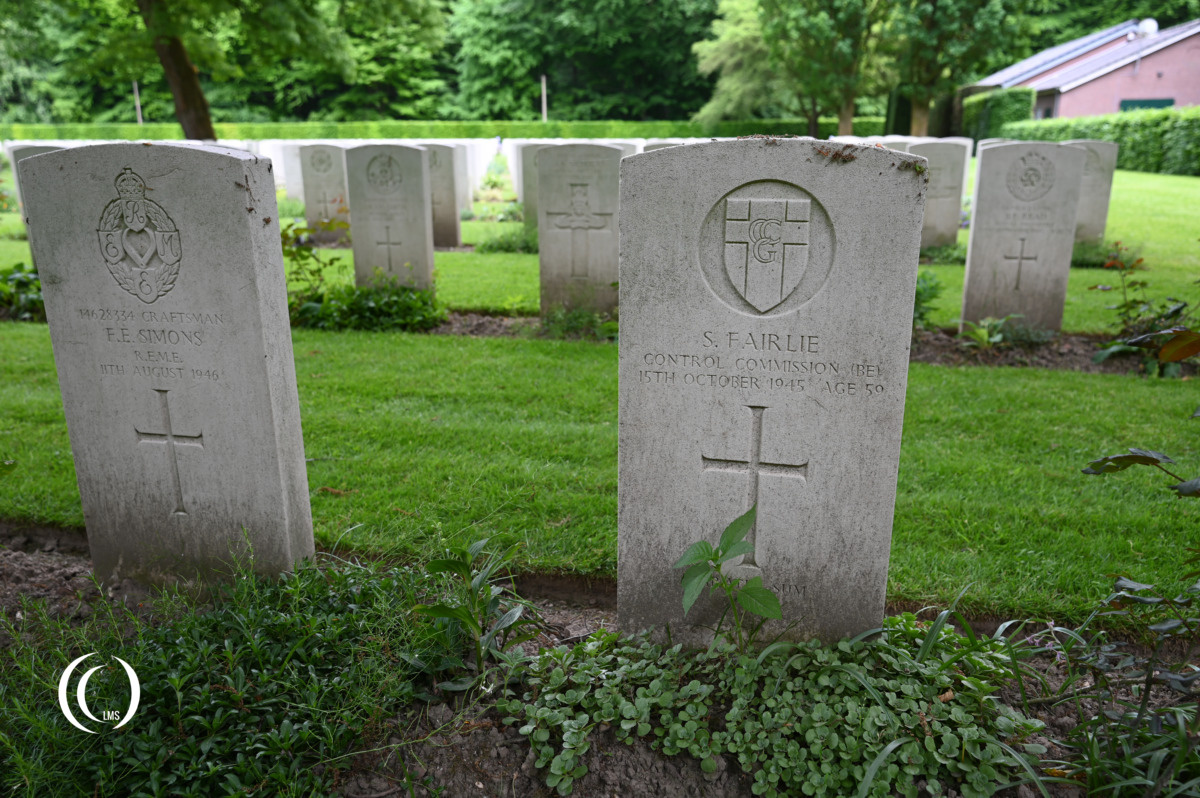
The military cemetery was created shortly after World War Two and designed by Philip Hepworth to inter thousands of casualties. Fallen Allied soldiers from all over western Germany were gathered here and reburied. The fallen came from all branches of the Armed Forces, including 18 members of the Navy, 3,665 from the Army, 3,986 from the Air Force, 2 members of the Control Authority, and 1 other person whose unit affiliation is unknown. Of those whose nationality is known, they came from:
United Kingdom: 6,431
Canada: 706
Australia: 328
New Zealand: 127
South Africa: 1
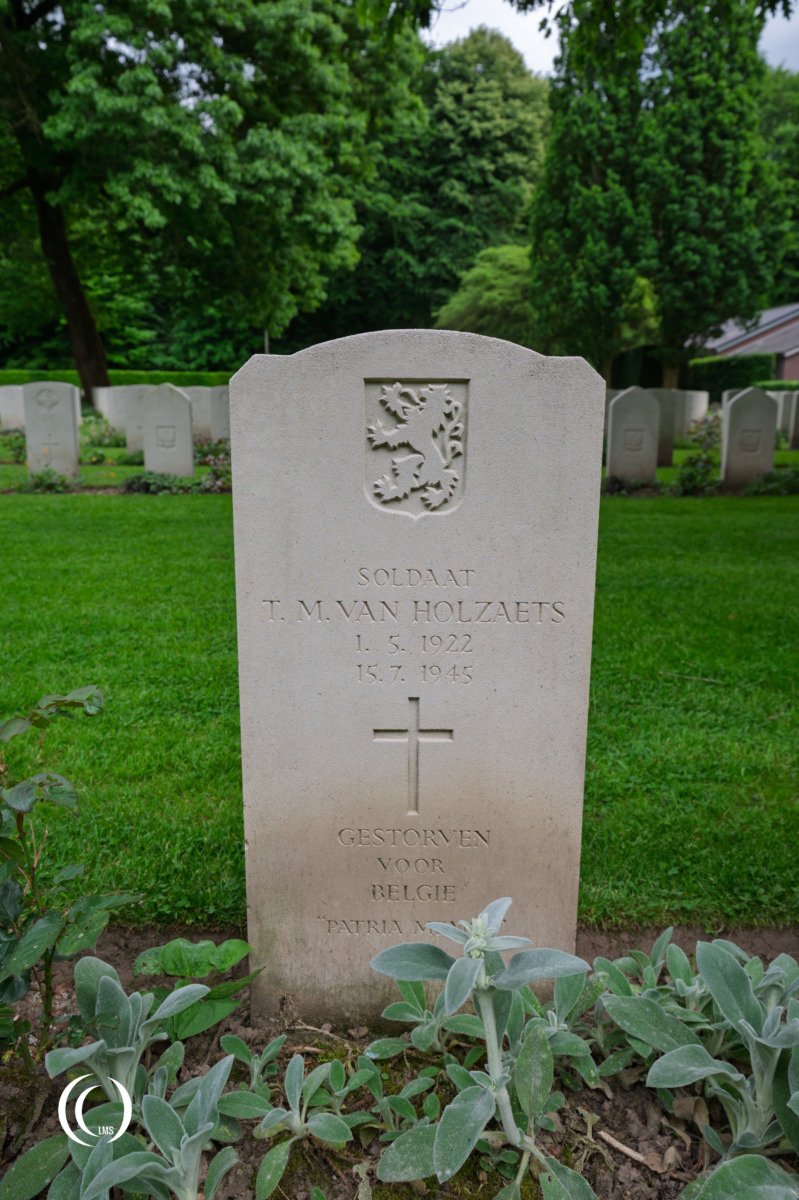
Belgium: 1
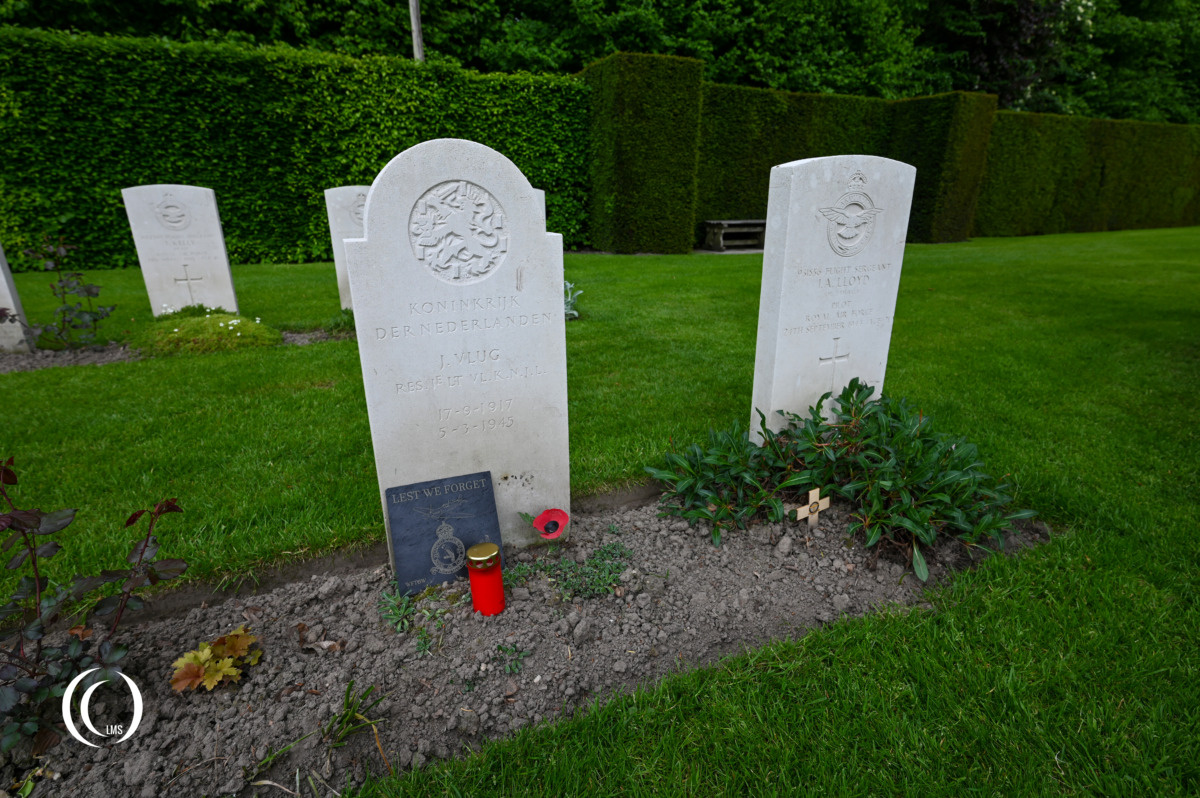
Netherlands: 1
Poland: 73
Czech: 6
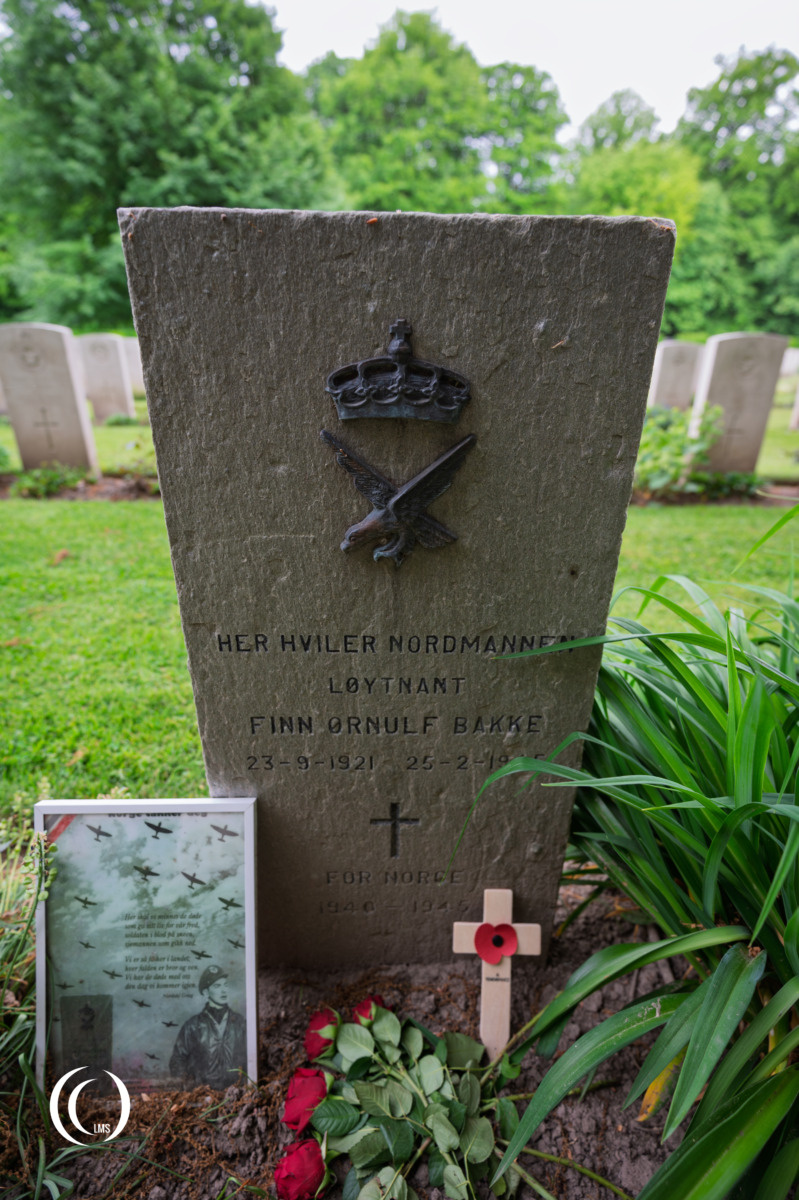
Norway: 1
United States of America: 1
Yugoslavia: 1
In 1948, the district administrator of Kleve announced that all Allied soldiers who had died within the district had been properly transferred to the new war cemetery.
The Air War over Germany
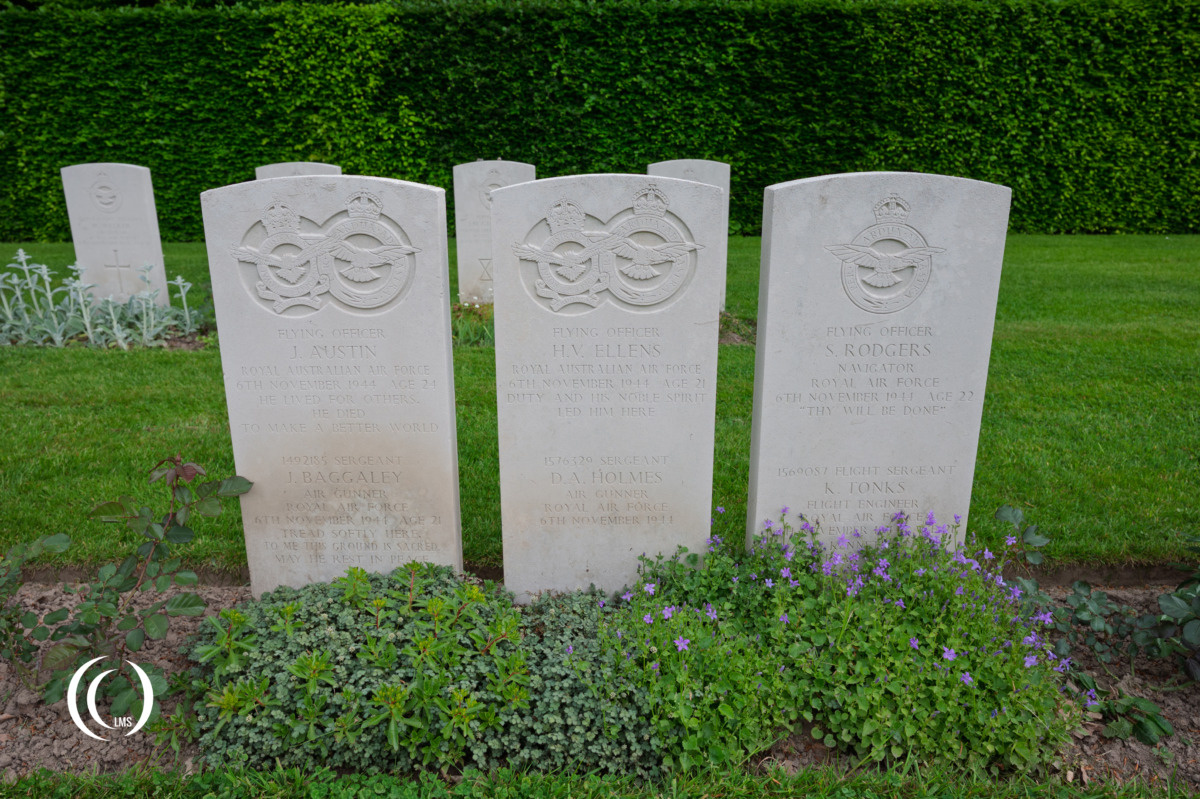
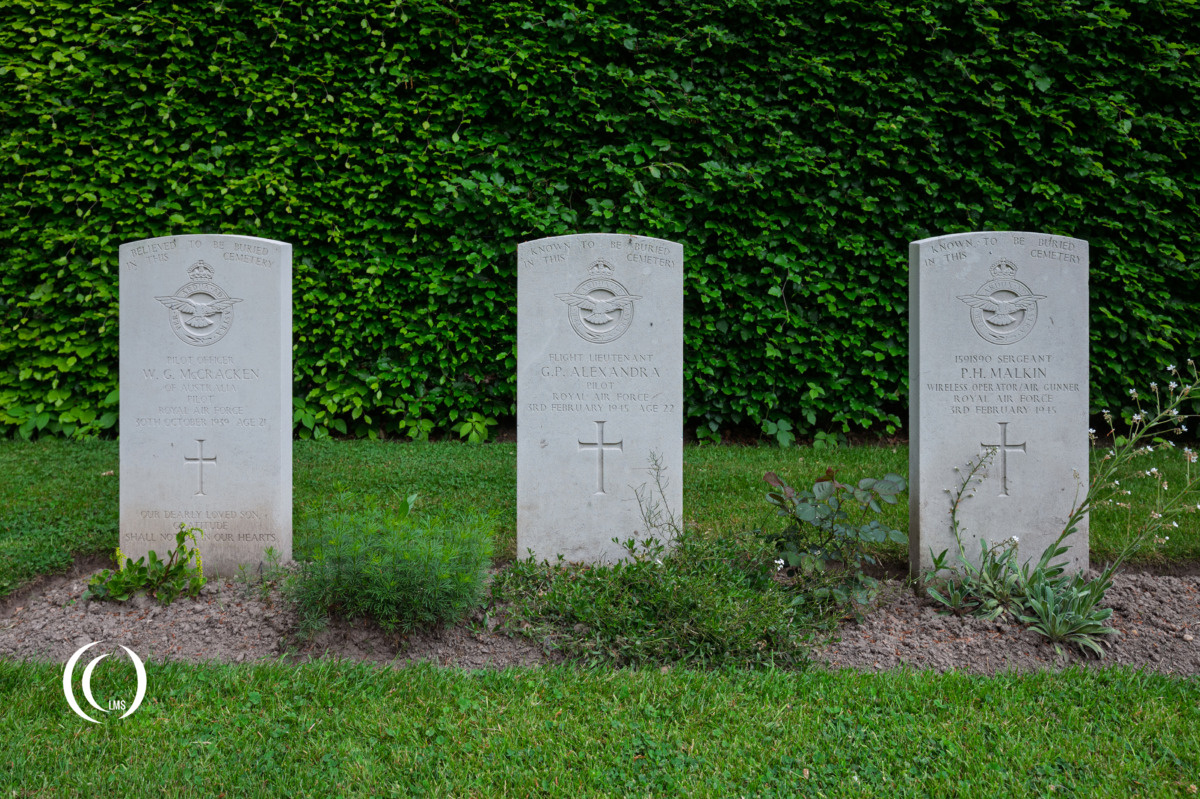
The largest number of fallen are aircrew members of the RAF, including 706 Canadians, of whom many died during flying missions over Germany between 1940 and 1944. Others lost their lives flying support missions during the advance into Germany later in the war.
The cemetery also has special memorials to commemorate certain airmen.
Dambusters
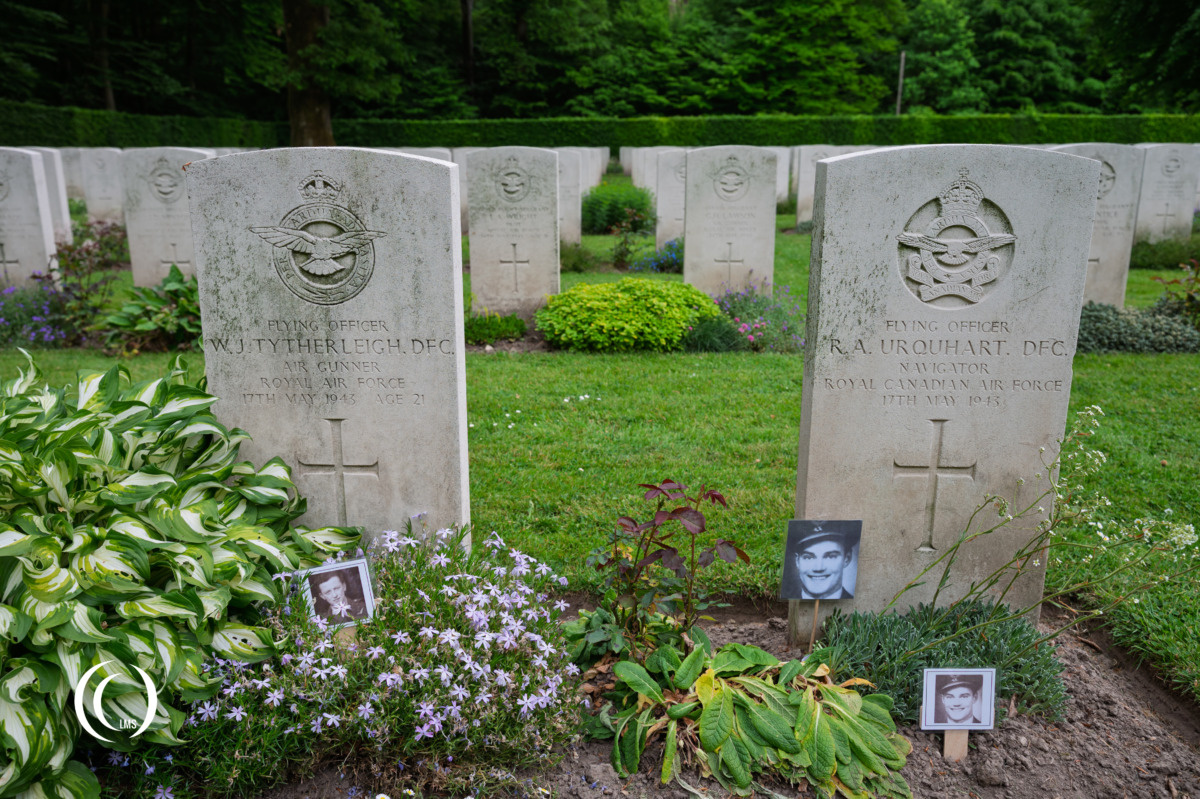
William John Tytherleigh and Robert Urquhart were part of the same aircrew of a Lancaster bomber during the Dams Raid targeting the Eder Dam. The plane was damaged during the drop and was shot down on its way home at the Dutch-German border near Emmerich by FlaK. Both men were awarded the DFC posthumously.
Battle of the Reichswald
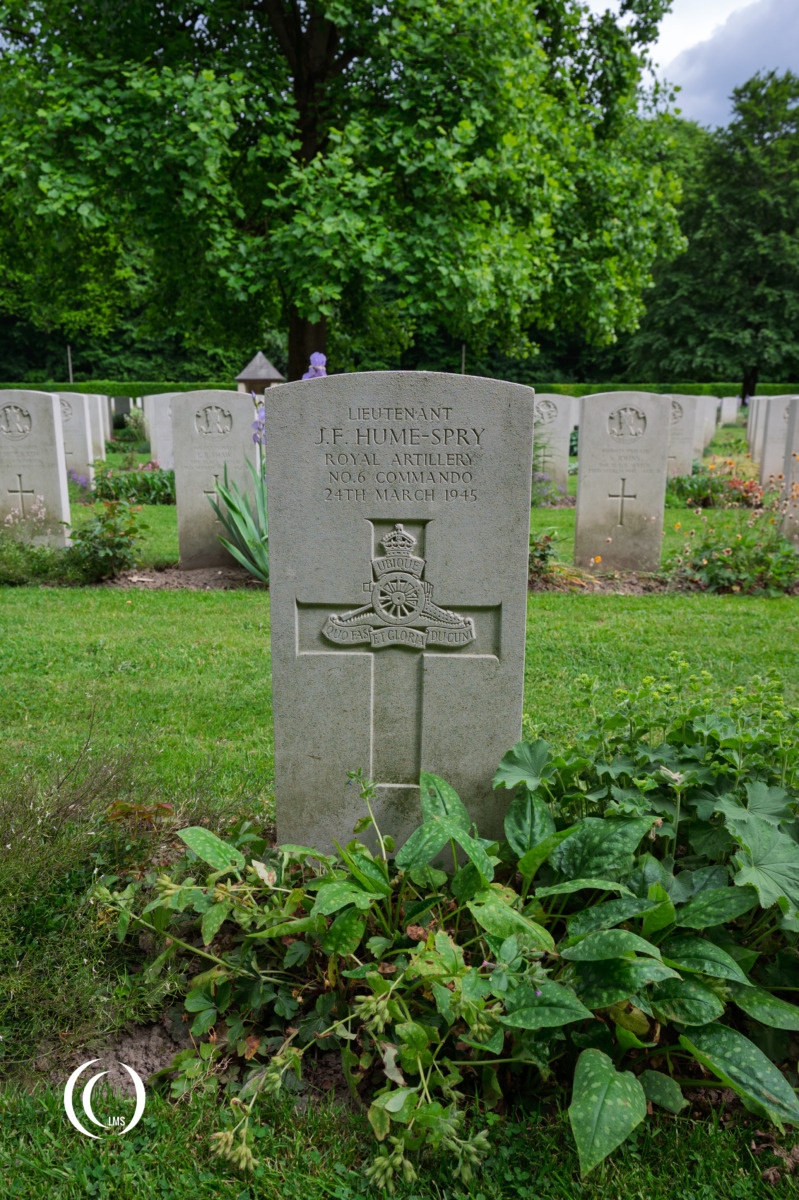
The cemetery is inextricably linked to the Battle of the Reichswald, a pivotal component of Operation Veritable, which took place in February and March 1945.
As Allied forces aimed to clear the area west of the Rhine, they had to penetrate the dense, heavily fortified terrain of the Reichswald forest. The German defenders utilized the thick woodland and established defensive positions to obstruct the Allied advance. The battle was characterized by appalling weather conditions, including deep mud and heavy rain, which turned the forest into a quagmire. This environmental factor, combined with intense German artillery and machine-gun fire, resulted in heavy casualties for the advancing British and Canadian forces.
Rhine crossings
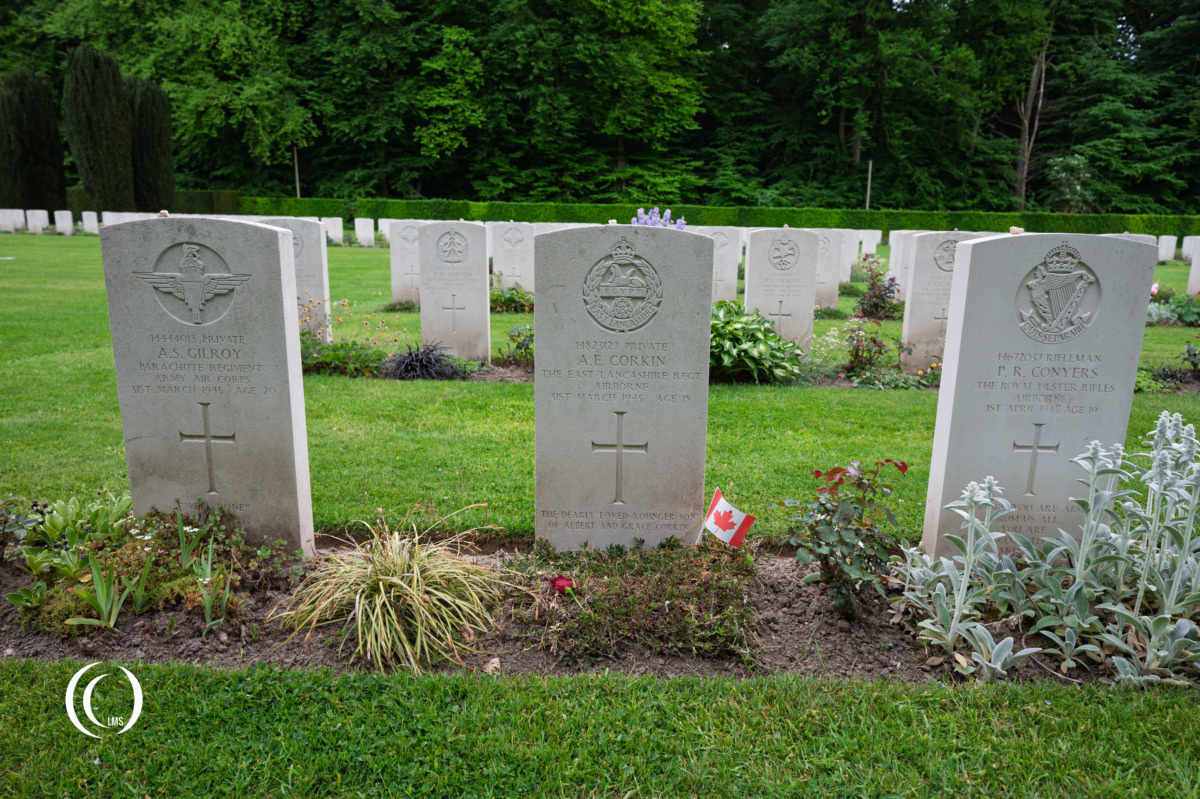
Other casualties died during the Battle of the Rhine. Among them are members of the airborne forces whose bodies were brought from Hamminkeln, where landings were made by the 6th Airborne Division from bases in England during Operation Plunder.
Unknown fallen
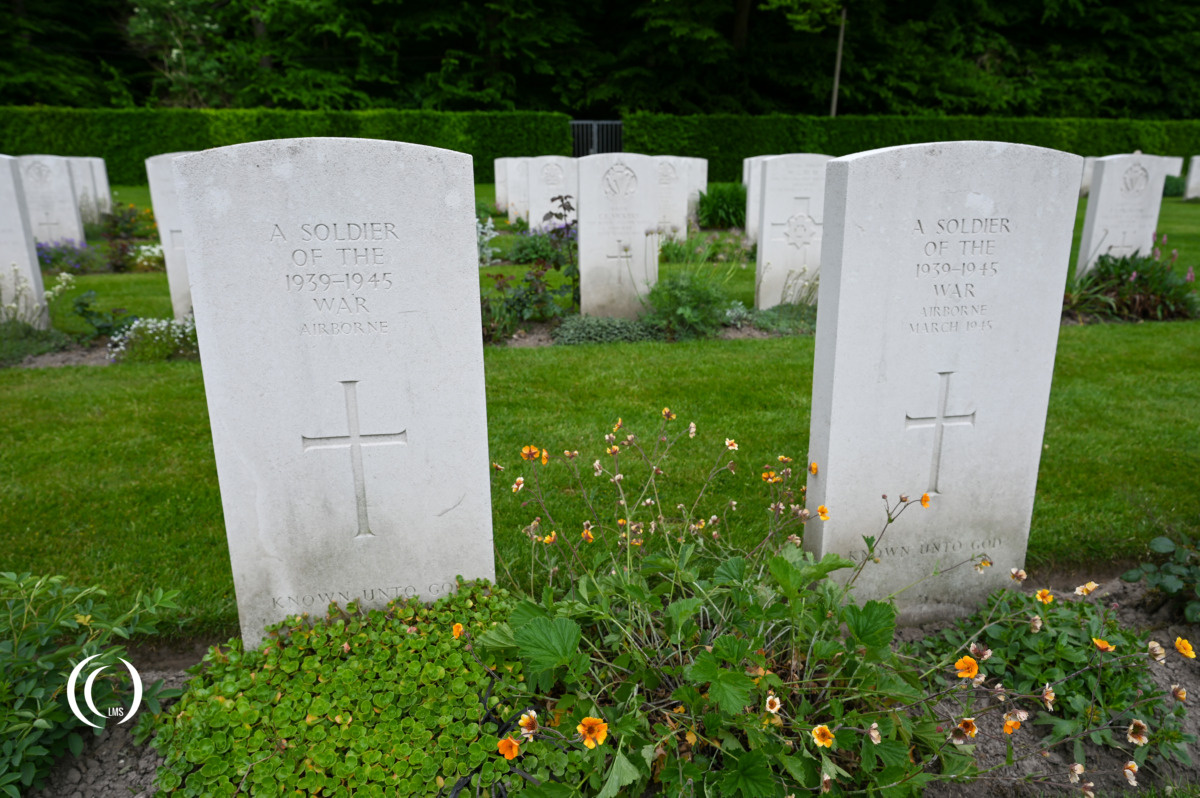
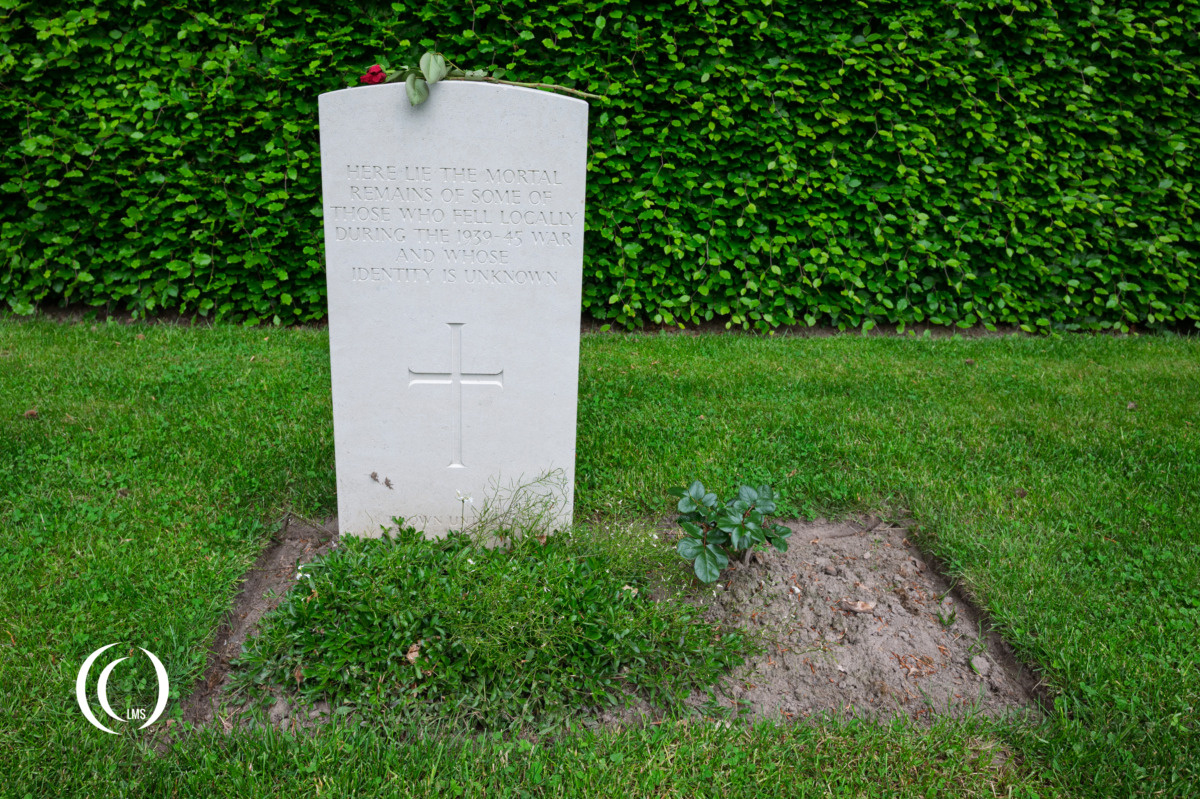
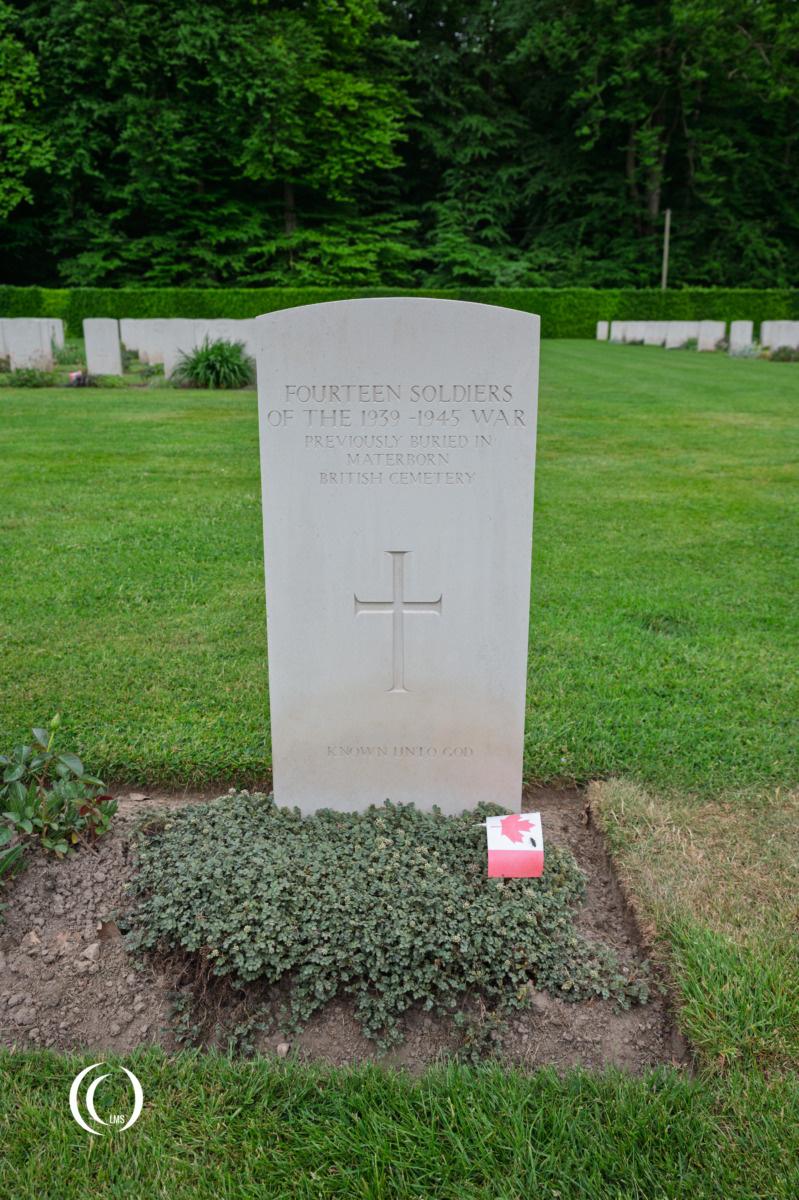
176 of the burials on the cemetery remain unidentified.
Visit
You can visit the cemetery freely during the daytime. The cemetery is located along the road between Kleve and the Dutch border. A carpark is opposite the cemetery.
Sources
- wikipedia.org
- cwgc.org
- dambustersblog.com
