Joséphine Baker (1906–1975) was an American-born dancer, singer, and actress who became one of the most celebrated performers in France. Rising to fame in 1920s Paris, she was known for her charisma, innovative performances, and role in challenging racial barriers in Europe. Beyond the stage, she became a committed humanitarian and civil rights advocate.
World War Two
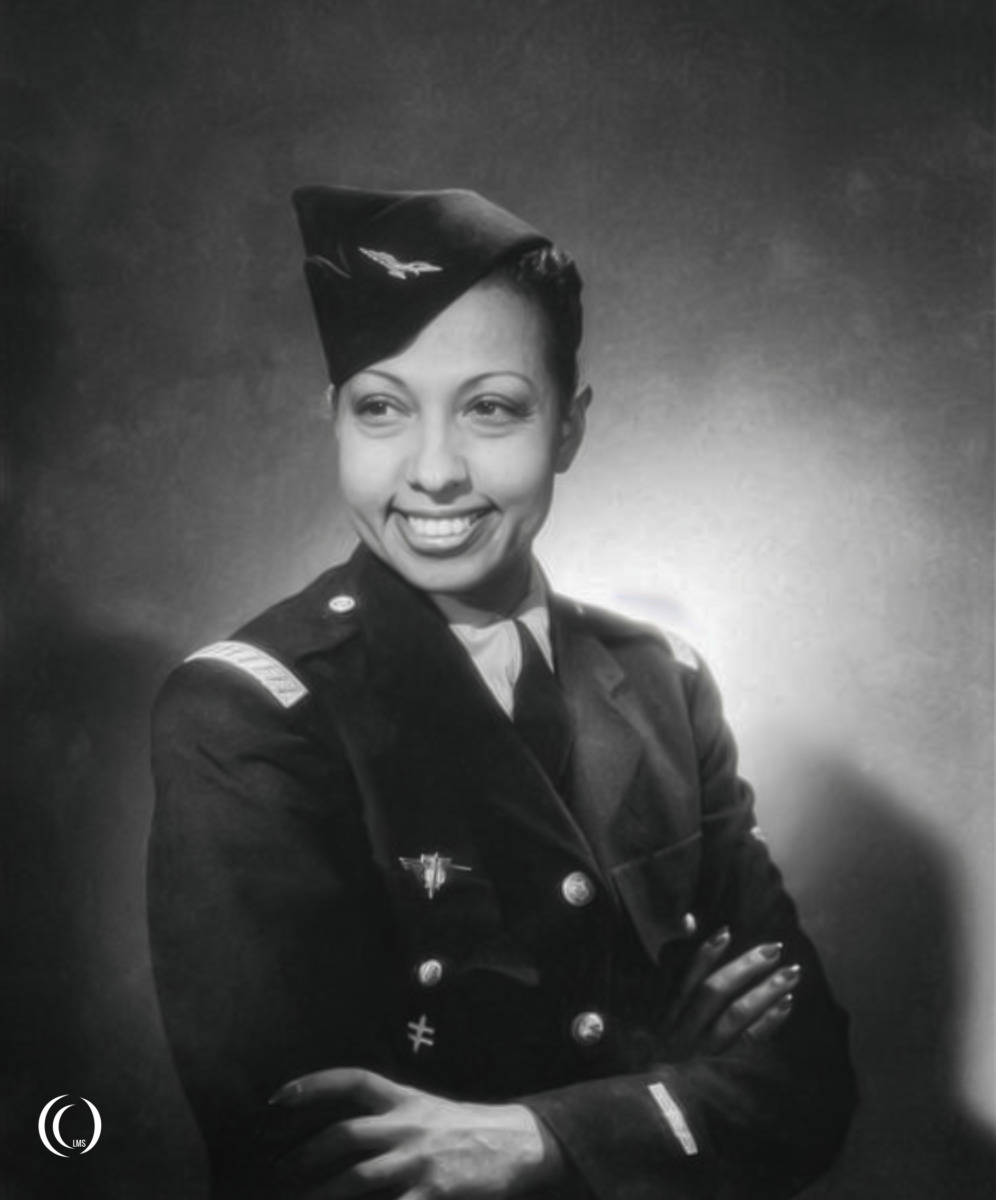
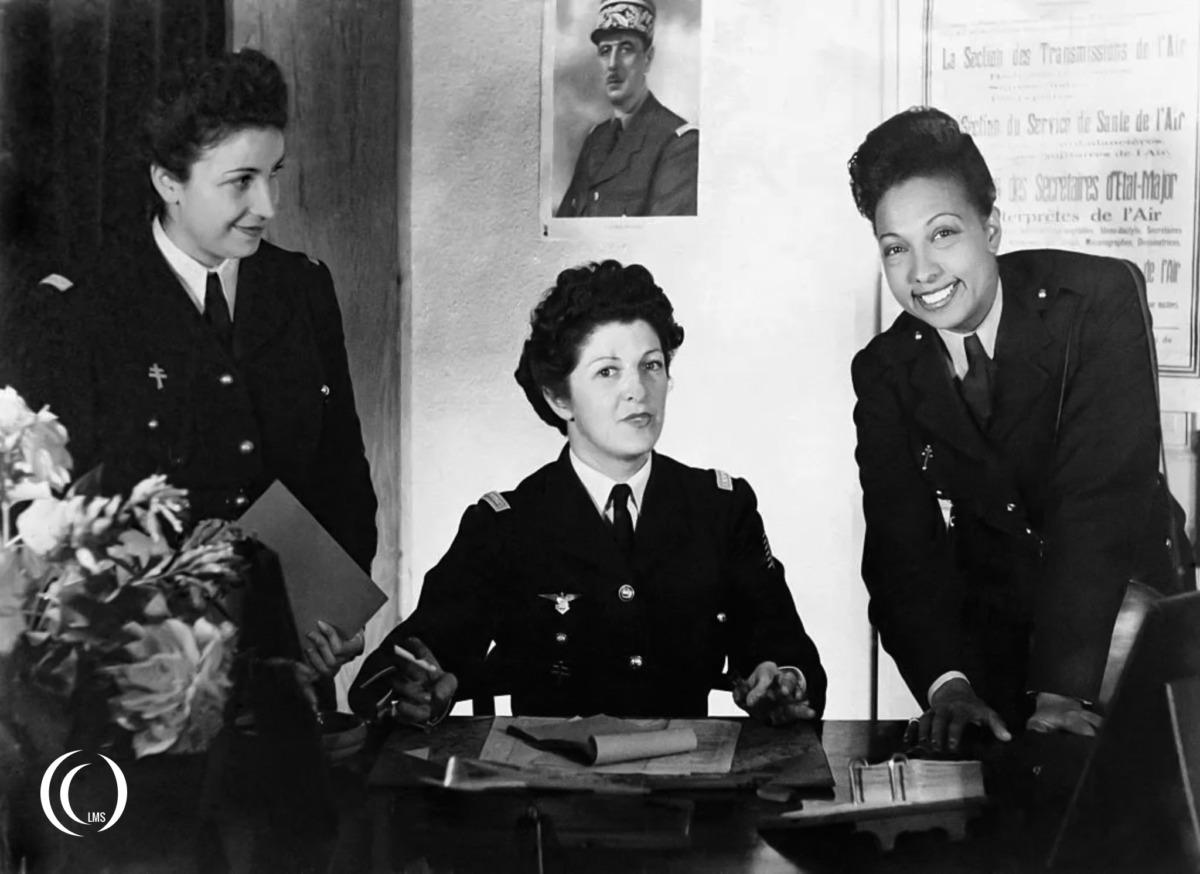
Even before the outbreak of World War Two, Baker played a remarkable role as a spy for the French Military Intelligence agency called the “Deuxième Bureau”. Using her celebrity status as cover, she gathered intelligence from high-ranking officials at social events and transported secret messages. She also worked with the Free French Forces, supporting troops and aiding the war effort. On May 23, 1944, Joséphine Baker was officially enlisted in Algiers for the duration of the war in the Air Force of the Free French Forces, becoming a Second Lieutenant, first-class editor, at the rank of propaganda officer. She worked with General de Gaulle at the Lycée Fromentin in Algiers.
For her bravery, she was awarded several honors, including the Croix de Guerre and the Legion of Honour.
A hero of the nation
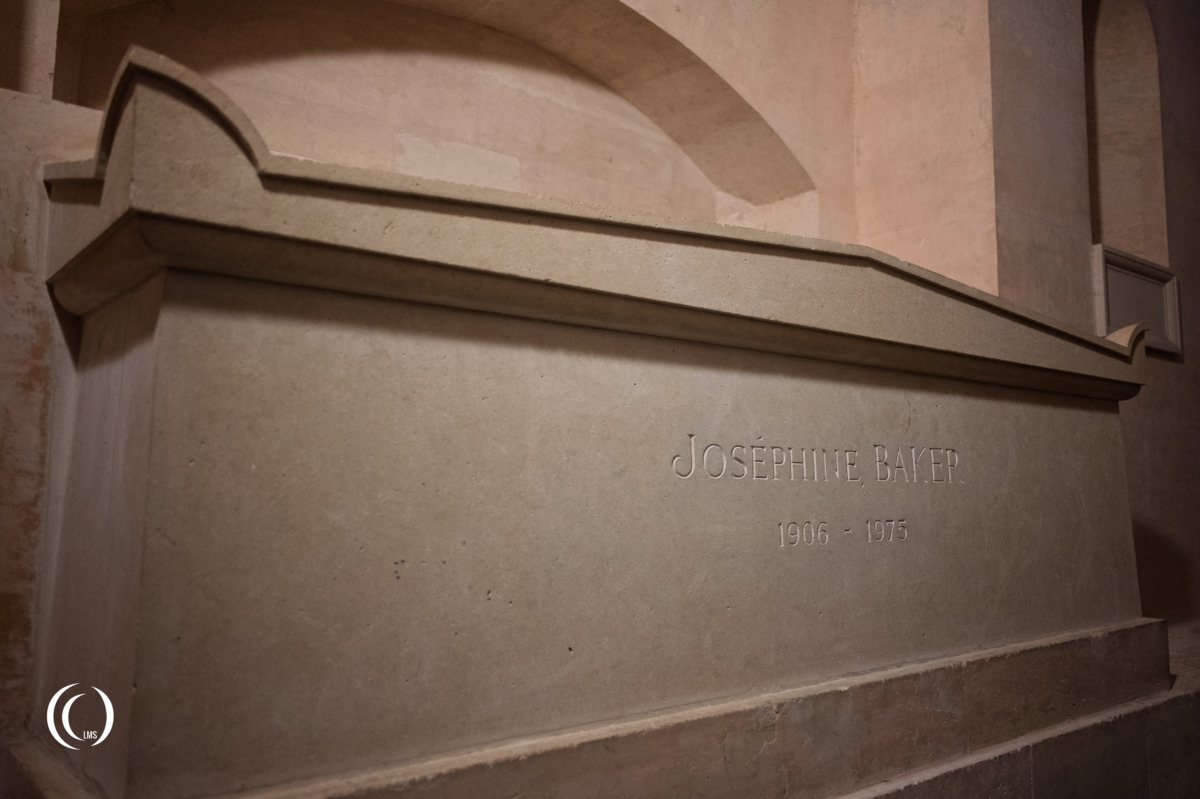
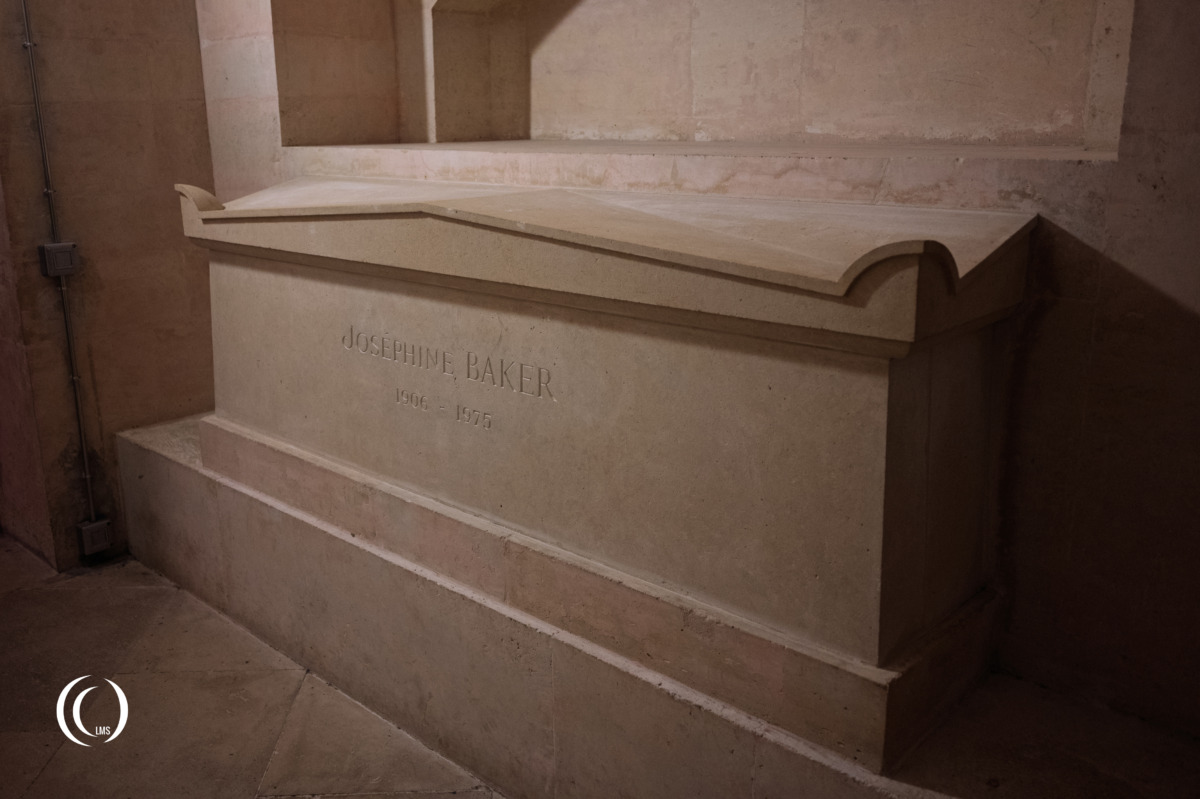
In recognition of both her artistic legacy and her wartime courage, Baker was posthumously honored in 2021 with a symbolic induction into the Panthéon in Paris. She became the first Black woman to receive this distinction, symbolizing her lasting impact on French culture, history, and the ideals of liberty and equality.
Although her grave remains in Monaco, a casket containing soil from various locations where she lived, including St. Louis, Paris, the South of France and Monaco, was interred in the Panthéon.
Visit
You can visit the cenotaph of Joséphine Baker at the Panthéon in Paris, France.
