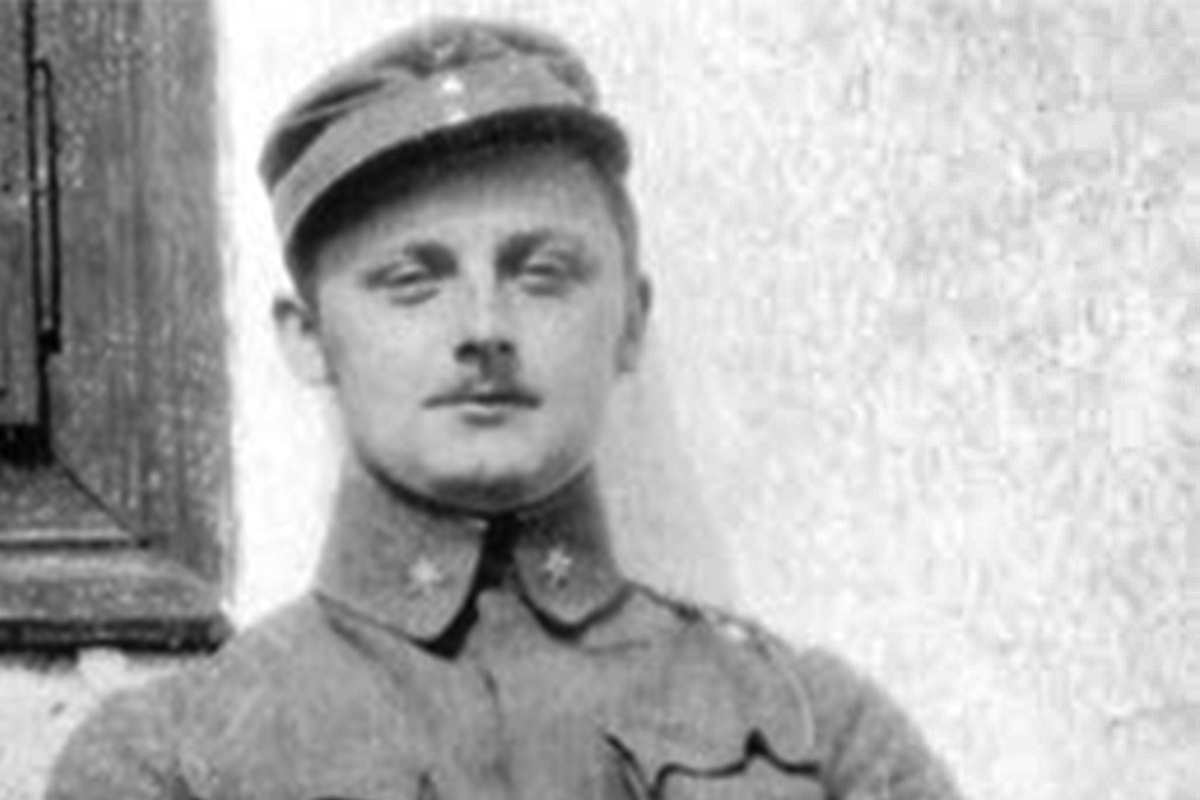
The Austrian Herbert Wilhelm Josef Gratzy was born on 3 May 1893 in Laibach, then part of Austria-Hungary and now known as Ljubljana, Slovenia. He pursued a military career during a period of considerable political and technological change in Central Europe, serving in the Austro-Hungarian military during the First World War.
Gratzy’s career connected the military traditions of Austria-Hungary with the emerging airborne training programmes of the late 1930s. His published work and parachuting activities form part of the early history of military parachuting in Central Europe.
First World War Service
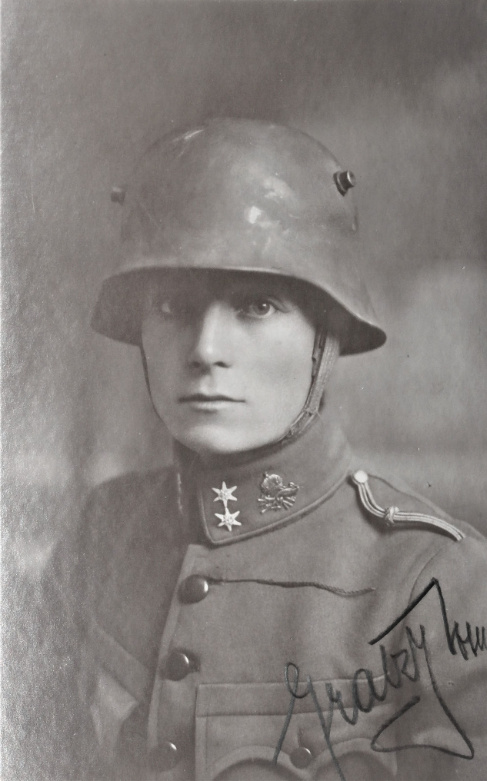
During the First World War (1914–1918), Gratzy served in the Austro-Hungarian Army. The empire fought on several fronts, including against Russia in Galicia and against Italy following Italy’s entry into the war in 1915. Military service during this period demanded adaptability as the conflict evolved from mobile operations into prolonged trench warfare. Following the dissolution of Austria-Hungary in 1918, he continued his military career in the Austrian armed forces.
Career in Parachuting
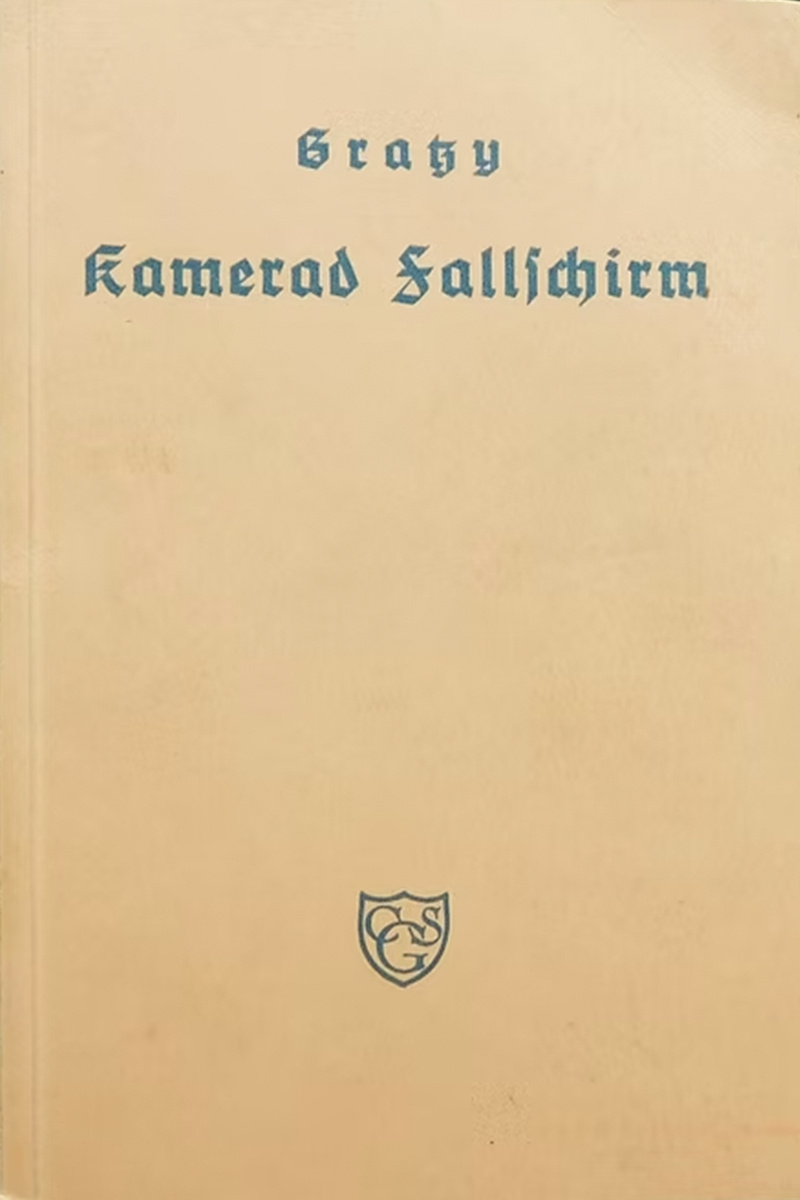
During the interwar years, Gratzy became involved in the development of parachuting. In 1936, he established the Austrian parachuting group Fallschirmspringergruppe Wien Nr. 71. He also published Kamerad Fallschirm in 1937, an instructional work devoted to parachuting and its practical applications. His activities reflected the growing military interest in airborne operations and the use of parachutes for training and deployment.
After Austria’s annexation by Nazi Germany in 1938, Gratzy continued his service in the German armed forces. In November 1939, he became commander of the parachute school at Wittstock, Germany and became part of Fallschirmjäger-Division Erdmann named after General Erdmann.
Generalleutnant Wolfgang Erdmann (1898–1946) was a German Luftwaffe officer born on 13 November 1898 in Königsberg, East Prussia. He began his military career in 1916, serving in First World War artillery units. After the war, he continued in the Reichswehr and later transferred to the Luftwaffe in 1937. During the Second World War, he held senior staff and command positions, including leadership of the 18th Luftwaffe Field Division and the 7th Parachute Division. He was awarded the Knight’s Cross of the Iron Cross in February 1945. Erdmann died in British captivity on 5 September 1946.
Herbert Grazy’s fatal Accident
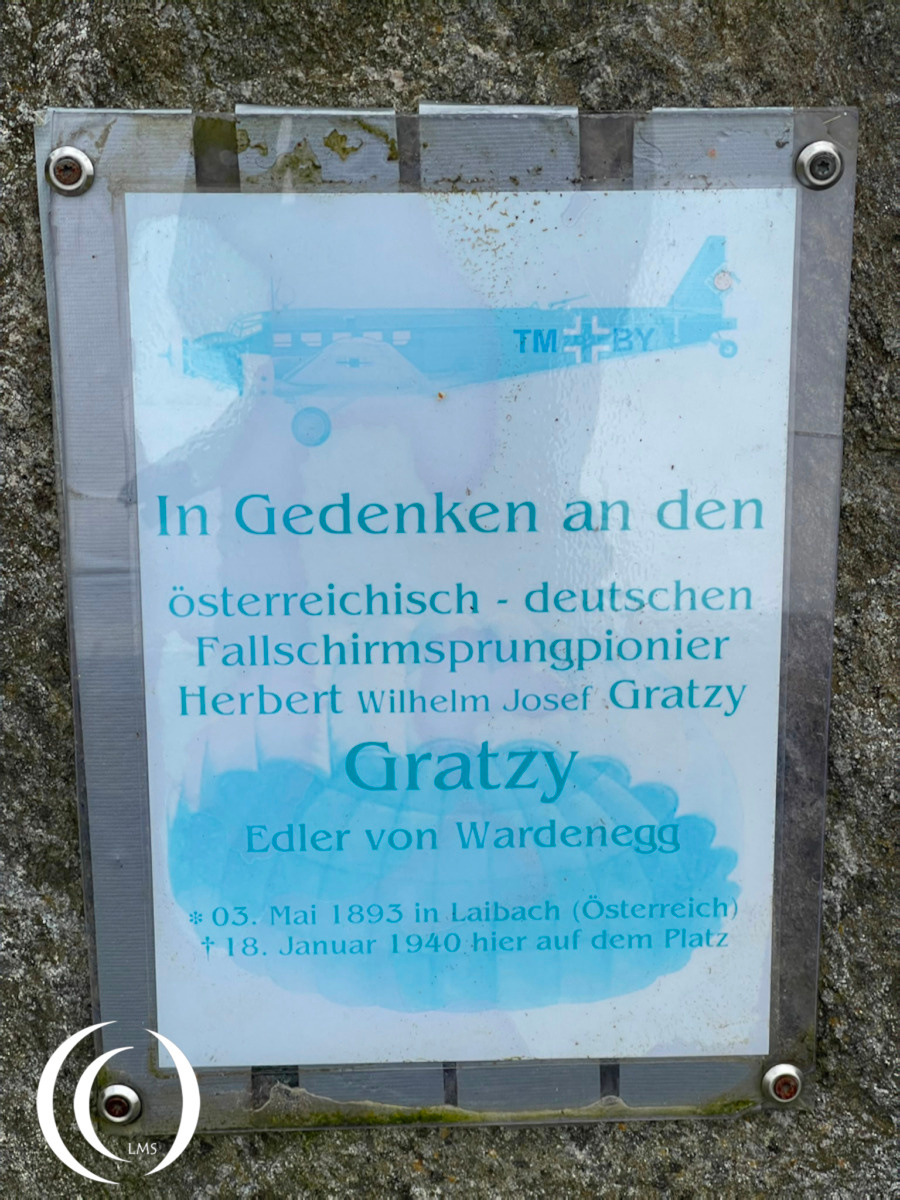
On 18 January 1940, Gratzy died during a parachute test jump at Wittstock, aged 46. Historical accounts attribute the accident to the parachute opening at an insufficient altitude. Extremely cold conditions reportedly contributed to an altitude-reading error, leaving insufficient time for a safe descent.
Military Career
Full name: Herbert Wilhelm Josef Gratzy
Born 3 May 1893 Laibach, Austria (now Slovenia) – Died 18 January 1940 Wittstock, Germany
Birthplace: Laibach, then Austria-Hungary, now Ljubljana, Slovenia.
Military career: Served in the Austro-Hungarian Army during the First World War and later in the Austrian Bundesheer.
Later rank: Oberstleutnant (lieutenant colonel) in the German Wehrmacht.
Final appointment: Commander of the parachute school at Wittstock, Germany.
Visit
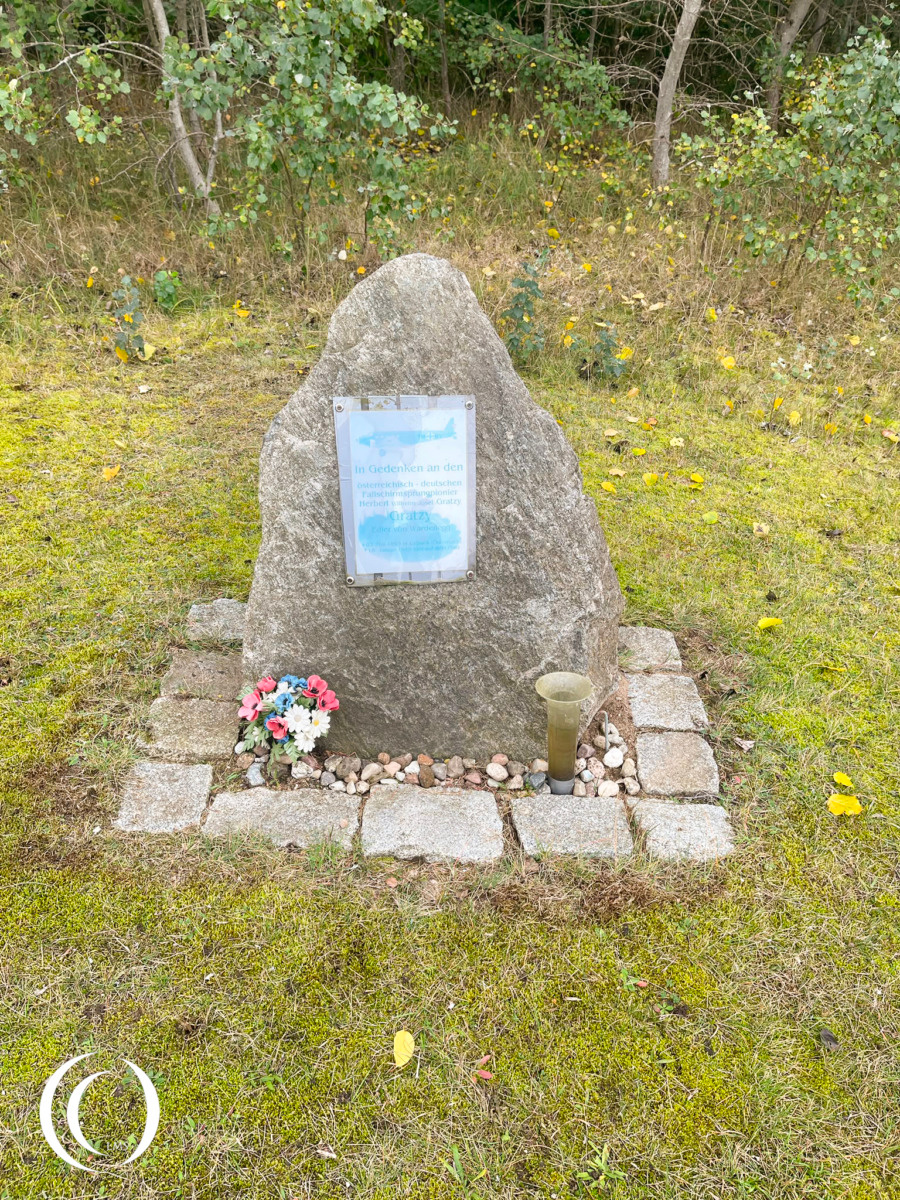
A small memorial can be viewed near the hangars of the parachute school in Wittstock/Dosse. It is located at the former Fliegerhorst Wittstock.
Sources
- Lexikon der Wehrmacht
- Cavellerie.at
- The Luftwaffe, 1933-45 – ww2.dk
- Kamerad Fallschirm. Ein Leitfaden für jeden, der mit Fallschirmen zu tun hat – Gratzy, Herbert 1937
- kometmilitaria.com
