Fallschirmjägerschule der Luftwaffe
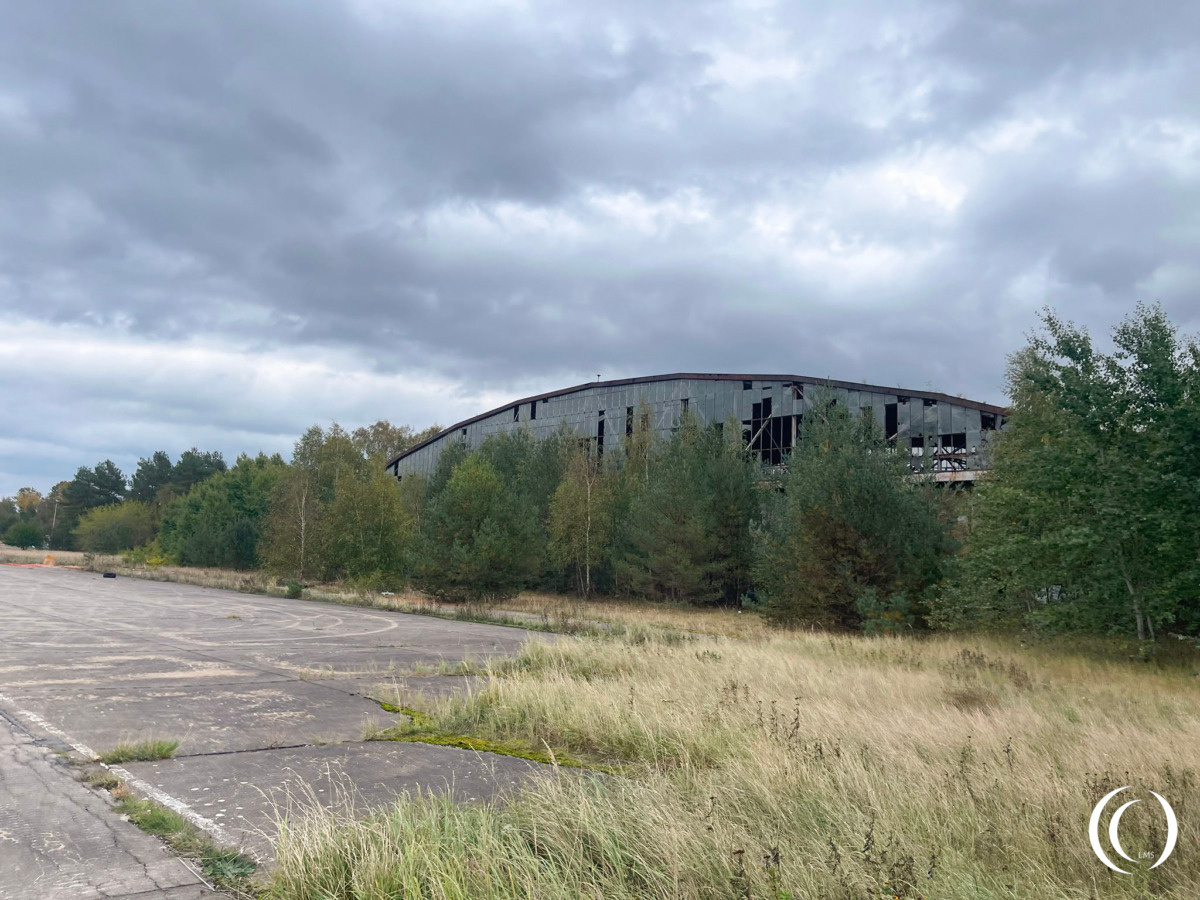
Flugplatz Alt Daber in German or the Old Daber Airfield was a German military airfield during the Second World War, located near Wittstock in Brandenburg near the Baltic Sea coast in the German region of Pomerania, now part of north-eastern Germany. The airfield was associated with the German Luftwaffe, which used airfields throughout the region for military aviation, training and operational support. Its location in northern Germany was strategically important because the Baltic coast and the approaches to Germany were significant areas for military operations.
The site initially began as a glider airfield in 1934s with runways consisting of compacted grass. It was developed into a military airfield and paratrooper training centre in 1938-1940 for the German Fallschirmjaegers. It was subsequently developed for military purposes by the German Luftwaffe. During the Second World War, the airfield supported flying and training activities from 1942. The actual development into a paratrooper school took place between 1938 and 1940, with training commencing in 1939. Paratrooper School 2, Paratrooper Replacement Battalion 3 (from 1941), and Paratrooper Reinforcement Battalion 4 (from 1941) were stationed here. Paratrooper training continued until 1944.
German Heinkel He 111 and Junker Ju 52 aircraft from Kampfgeschwader 4 „General Wever“ used the airfield for military glider-towing training. In the autumn of 1944, the first operational units arrived in Wittstock, such as IV./JG 301 from early February 1945 and 1./NJG 100, and carried out missions from there against Soviet troops between 11 March and 29 April 1945.
Its location in northern Germany made it useful for military aviation operations. In 1944-1945 Operational Luftwaffe units arrived, including night fighters operating against advancing Soviet forces.
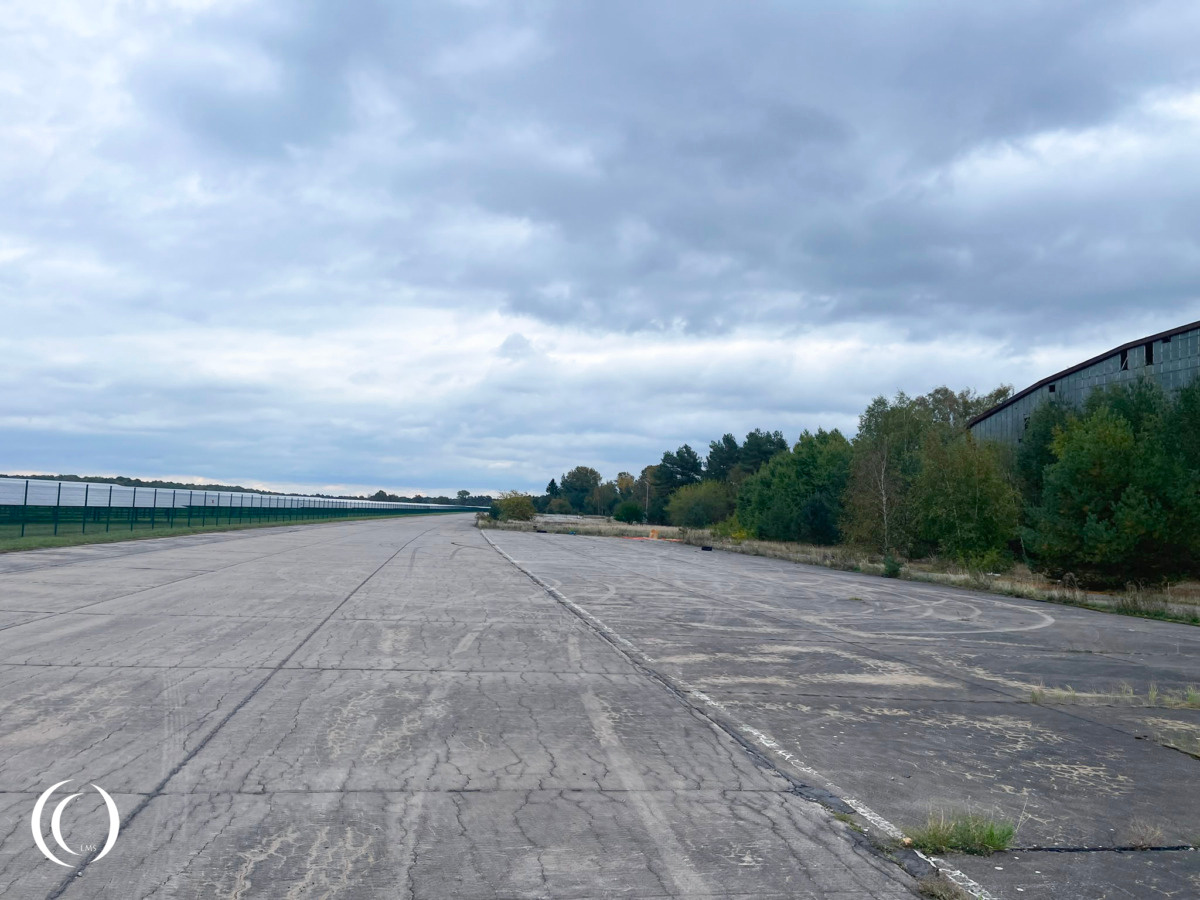
As the war progressed and the Red Army advanced into Germany, the airfield became part of the wider military landscape of the final battles in Europe. Soviet forces took control of the area on the third of May 1945, following Germany’s defeat. Between 1945 and 1944 Soviet air force units used the base during the Cold War. During the Cold War, the Soviet Air Force expanded the base and used it as a fighter-aircraft station. In 1961, the 33rd Fighter Aviation Regiment was assigned to the airfield. The Soviets lengthened the runway and established supporting facilities, including radar and air-defence installations. These developments reflected the strategic importance of East Germany within the Warsaw Pact’s military system. Finally on 20 June 1994 the airfield was abandoned and handed back to German authorities ending six decades of military aviation use.
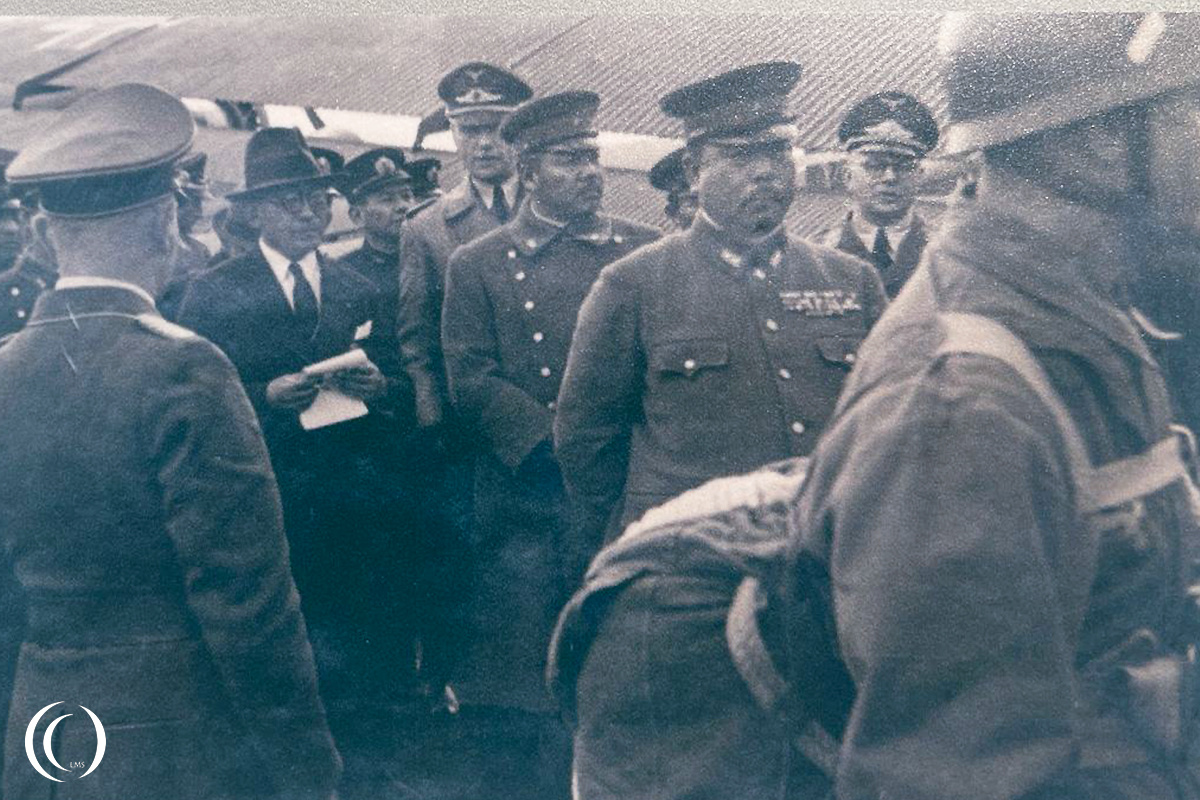
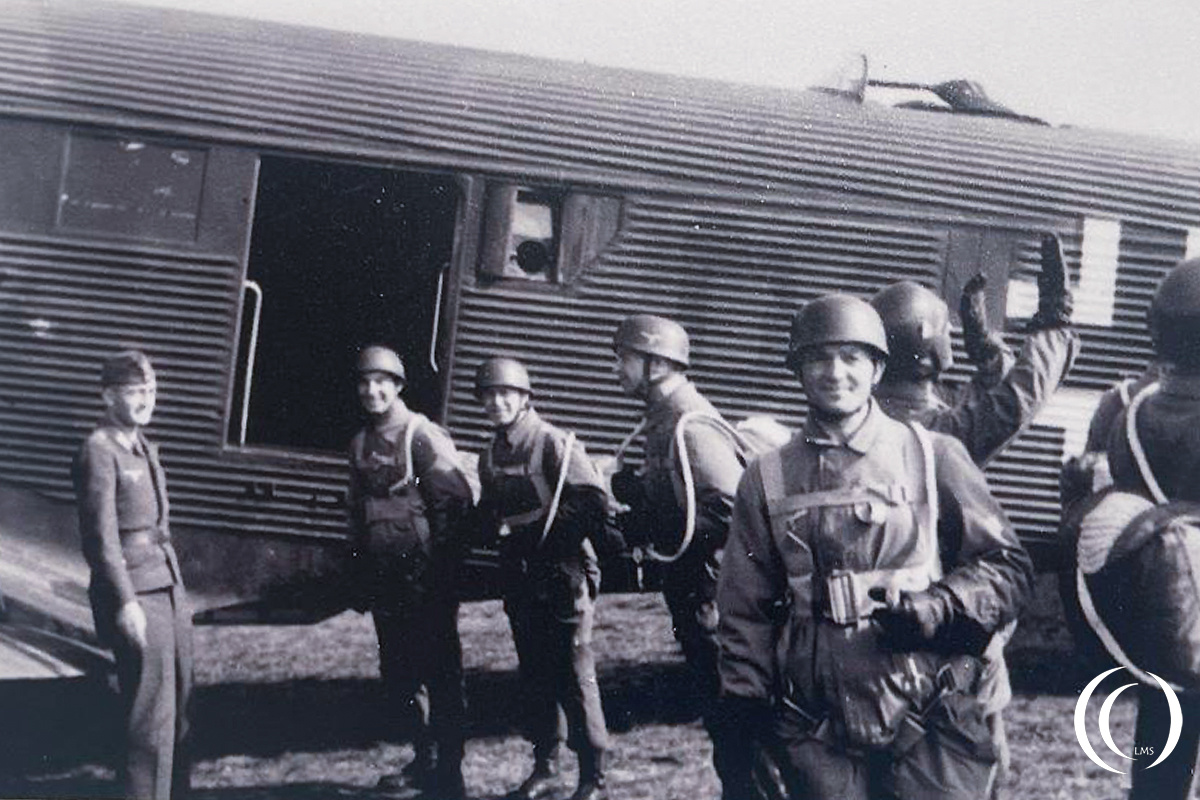
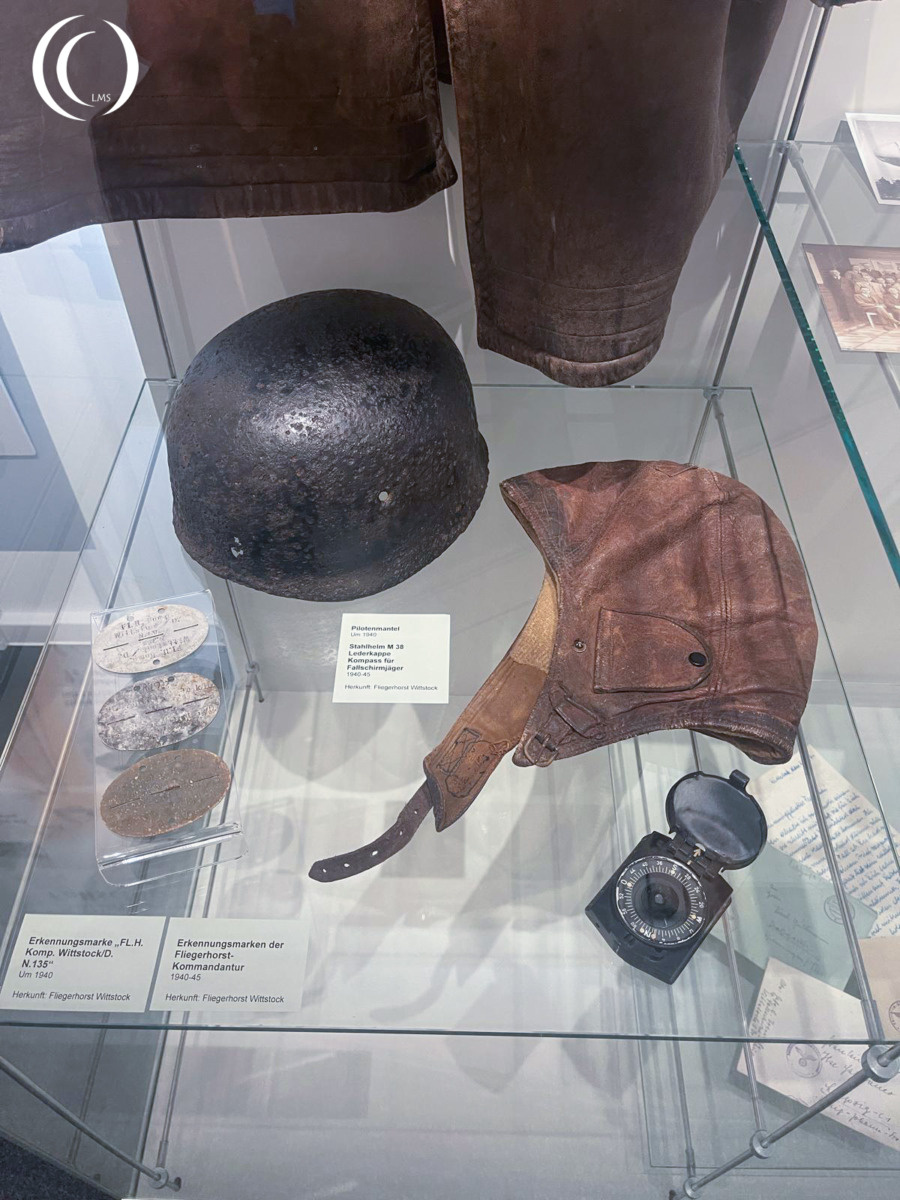
After closure, parts of the site were used for motorsport and music events, while vegetation gradually reclaimed sections of the abandoned military complex.
Surveys of the site and the functional buildings (command center, hangars, garages, accommodation with sanitary facilities, and cultural and sports halls) in the 1990s revealed that the Wehrmacht had established an underground cinema at the airfield, capable of seating 200 people. Pilots stationed there could thus watch newsreels or entertainment films.
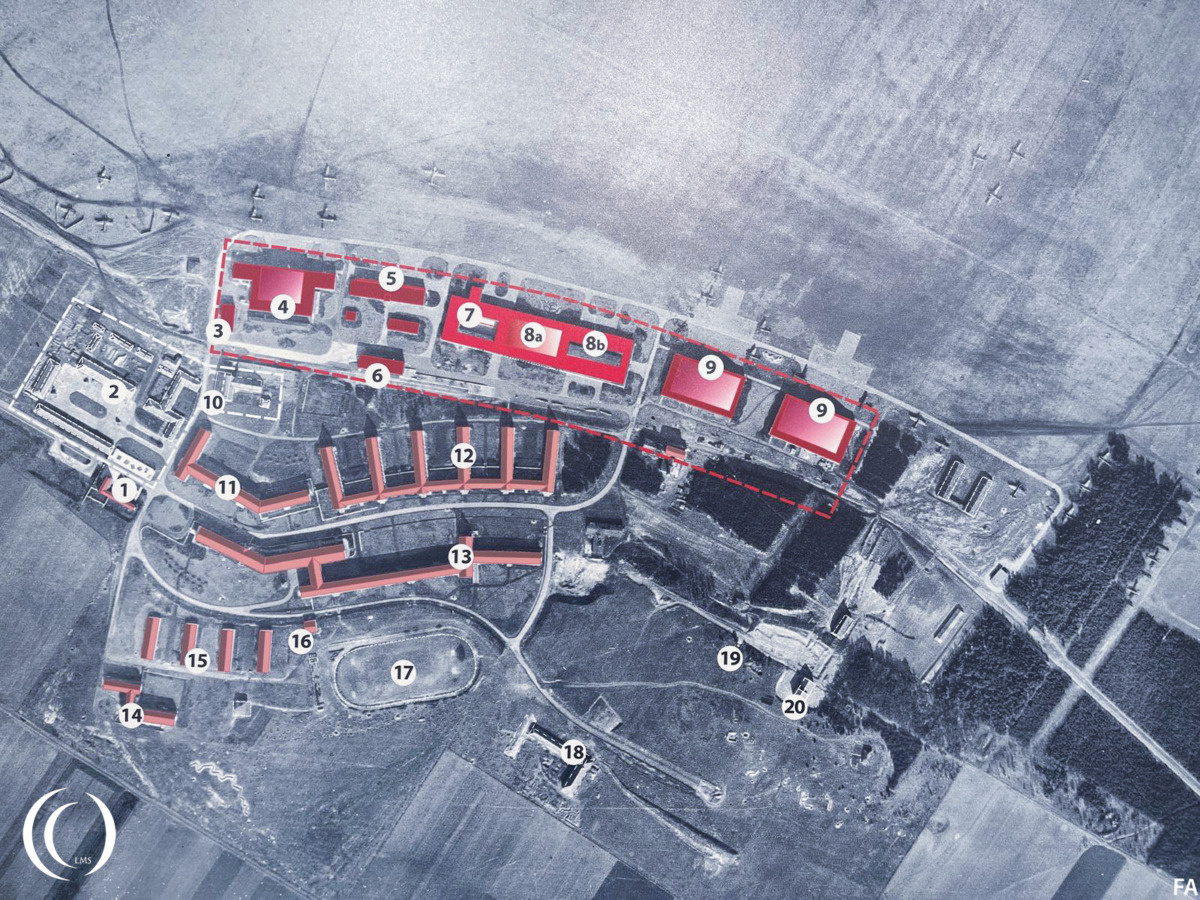
1. Guardhouse
2. Vehicle garages, with parade ground, construction management office and post office
3. Gas protection facility (presumed)
4. Maintenance hangar
5. Fire station
6. Storage hangar at the railway siding (“railway station”)
7. Flight control centre, with weather station
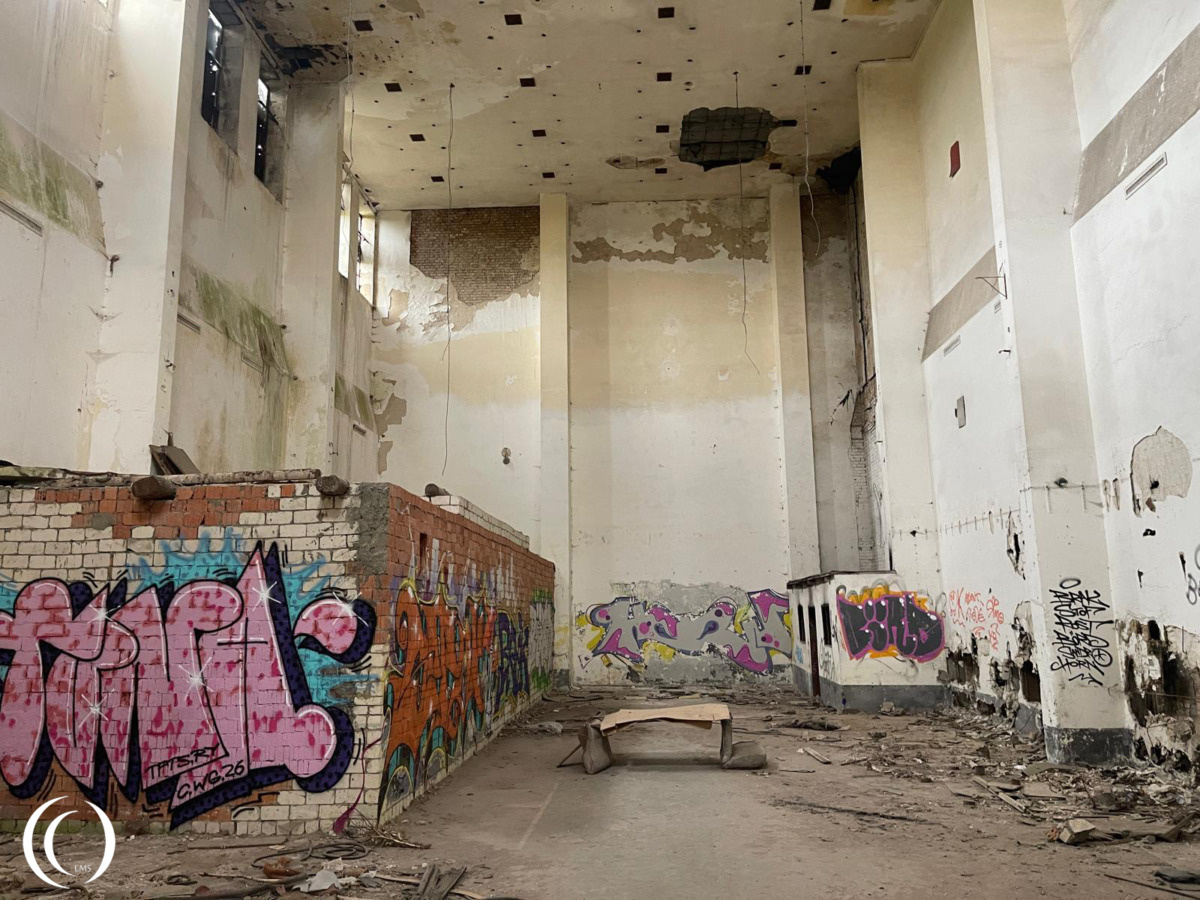
8a. Training hall, with an underground cinema beneath it
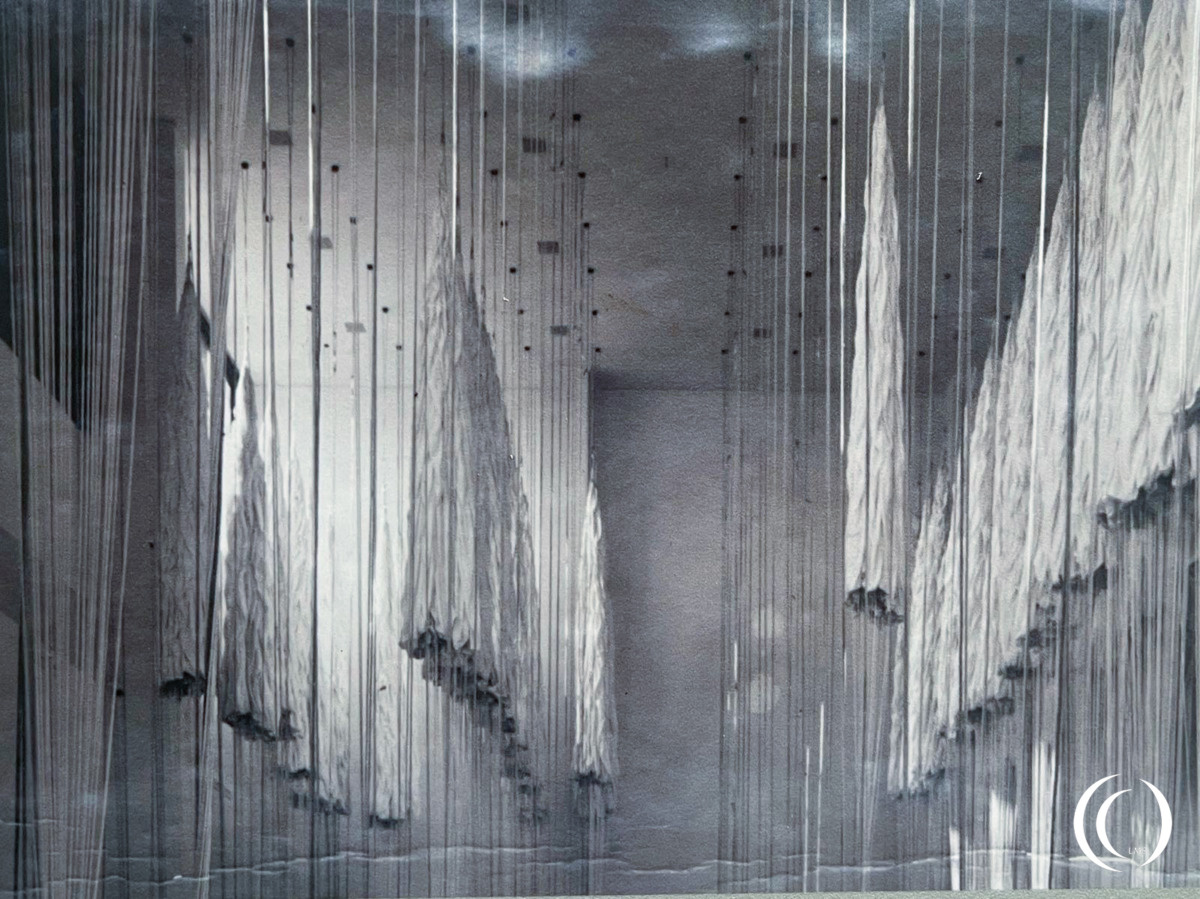
8b. Parachute drying rooms and parachute packing hall
9. Hangars 1 and 2
10. Heating plant
11. Horst Company (a military company named after Horst)
12. Student Companies 1–3 (paratrooper trainees)
13. Multi-purpose building, with accommodation, dining and recreational facilities
14. Medical station / infirmary
15. Barracks for the trainee companies
16. Liaison office
17. Sports field
18. Officers’ mess (not completed)
19. Grave of the first commandant, Herbert Gratzy
20. Waterworks
Visit
The site is open to visitors but is not maintained. Watch where you walk and be alert to the risk of collapse.
Sources:
* Wikipedia
* Stefan Büttner: Rote Plätze – Russische Militärflugplätze Deutschland 1945–1994
* Bert H. Kondruss: Flugplätze in Deutschland
* Wolfgang Dierich: Die Verbände der Luftwaffe 1935–1945
* Digitalcosmonaut.com: flugplatz-alt-daber-wittstock-dosse
