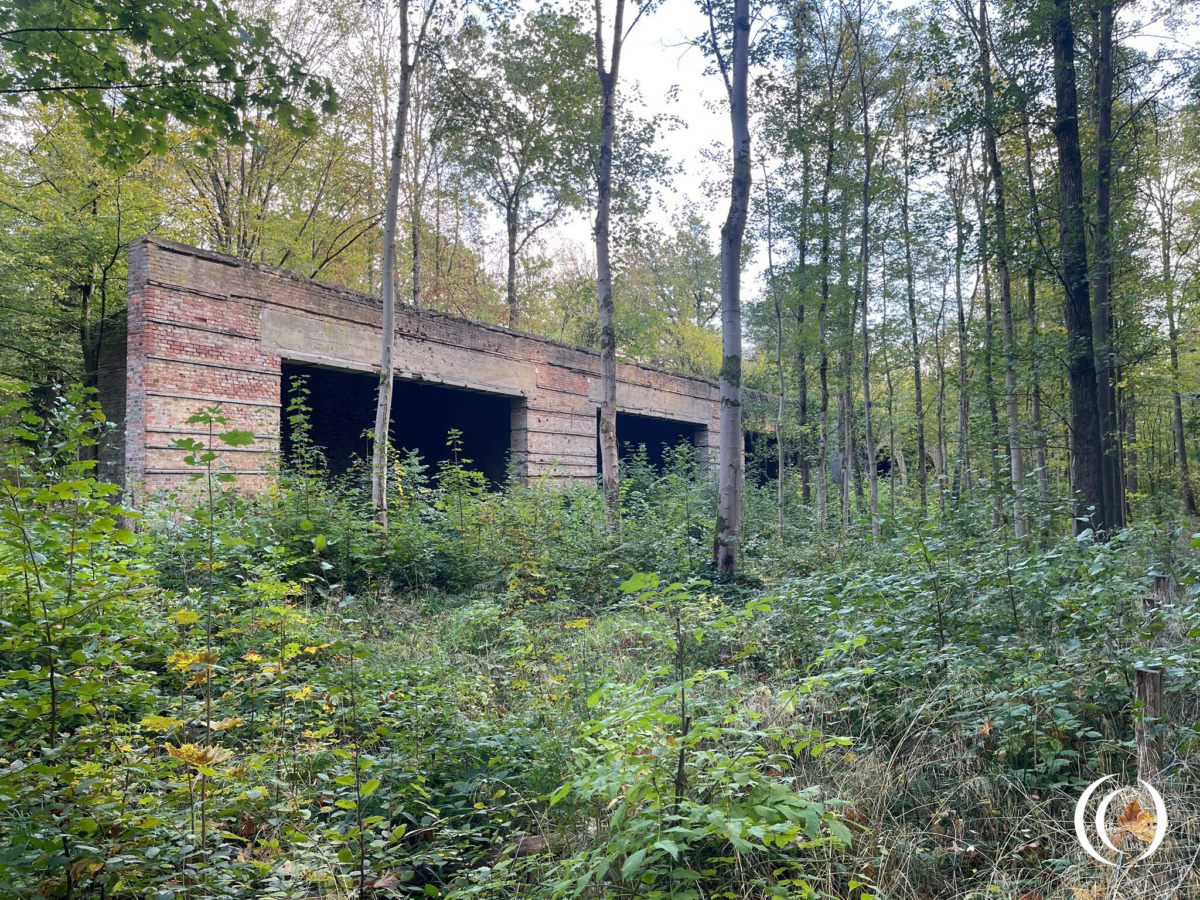
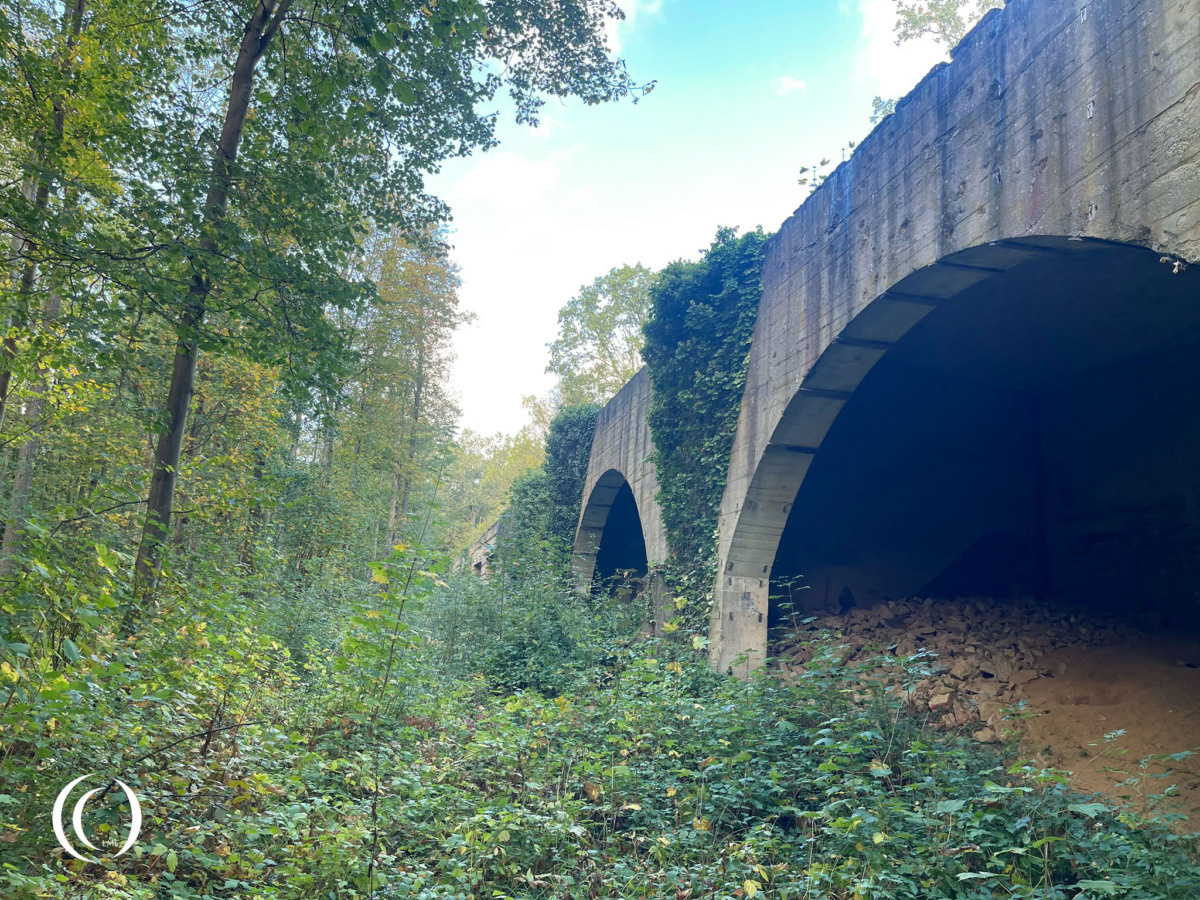
The Schießstand Buchhorst (Eng. Buchhorst Military Shooting Range), is located in a wooded area near Riddagshausen, east of Braunschweig in Lower Saxony, Germany. Established in 1876 for the Braunschweig garrison, it served as a military training facility where soldiers practised marksmanship. Over the years, the range was expanded and eventually included eleven firing lanes with brick and concrete bullet traps.
The facility remained in use during the German Empire, the First World War and the interwar period. During the 1930s, under the Nazi regime, the site underwent further development as Germany expanded its military forces.
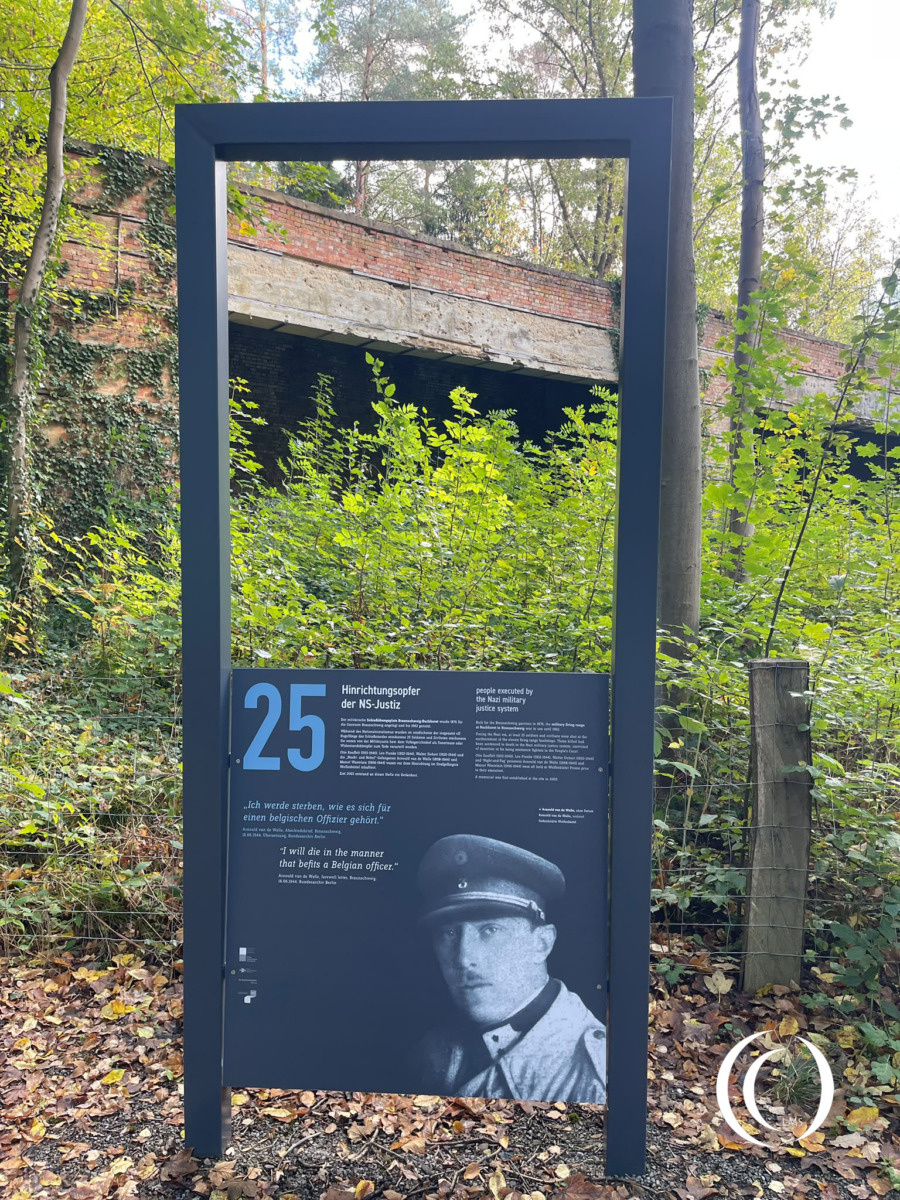
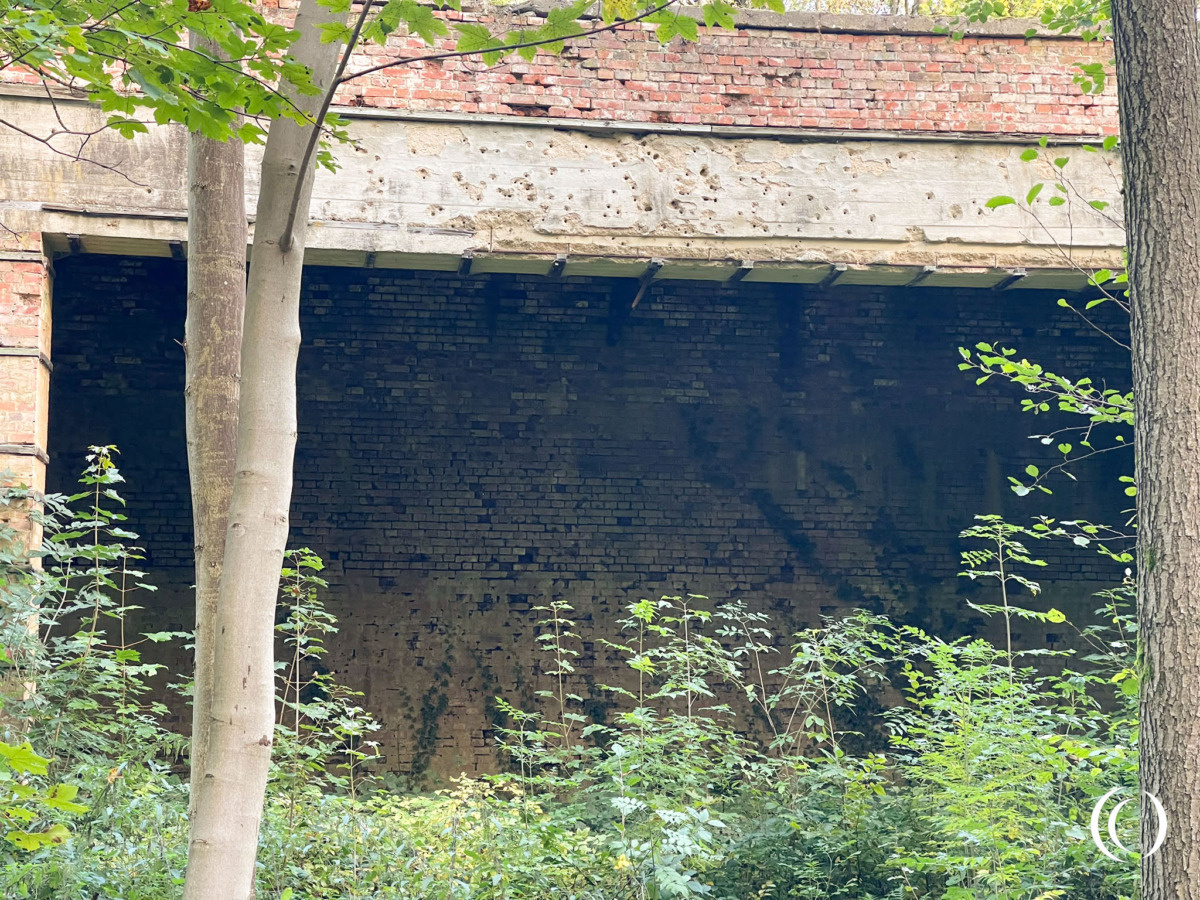
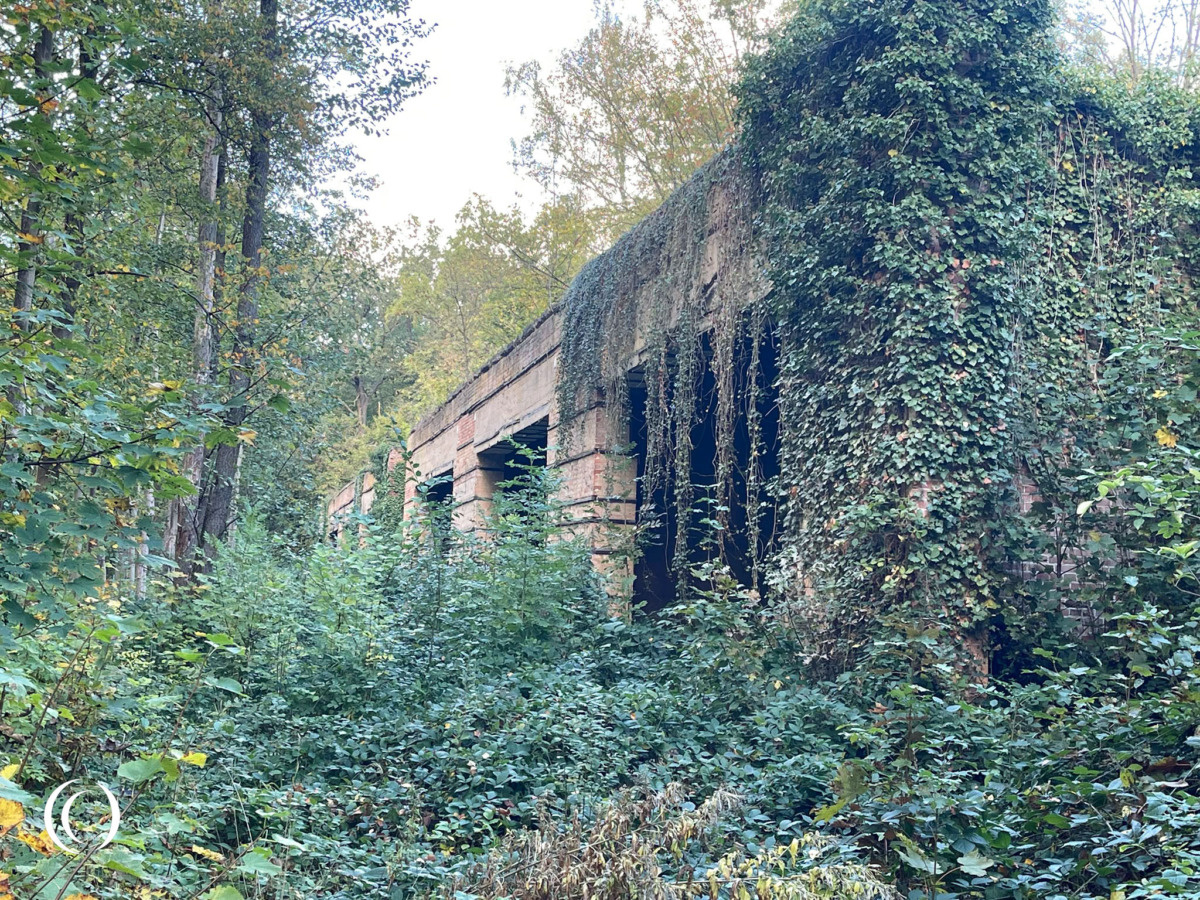
The darkest chapter in Buchhorst’s history occurred during the Second World War. Between 1940 and 1945, the Wehrmacht used part of the shooting range as an execution site, the northernmost of the eleven surviving bullet catchers at the shooting range. Soldiers sentenced to death by Nazi military courts and the People’s Court were shot there. The victims included deserters, resistance members and other individuals accused of undermining the Nazi regime. Foreign prisoners were also among those executed. Otto Kauffelt (1915–1940), Leo Pionke (1922–1933), and Walter Siebert (1920–1944), as well as the Belgian “Night and Fog” (Nacht und Nebel) prisoners Arnould van de Walle (1898–1944) and Marcel Wastelain (1906–1944), were imprisoned at Wolfenbüttel Penitentiary prior to their execution in the Buchhorst forest near Braunschweig.
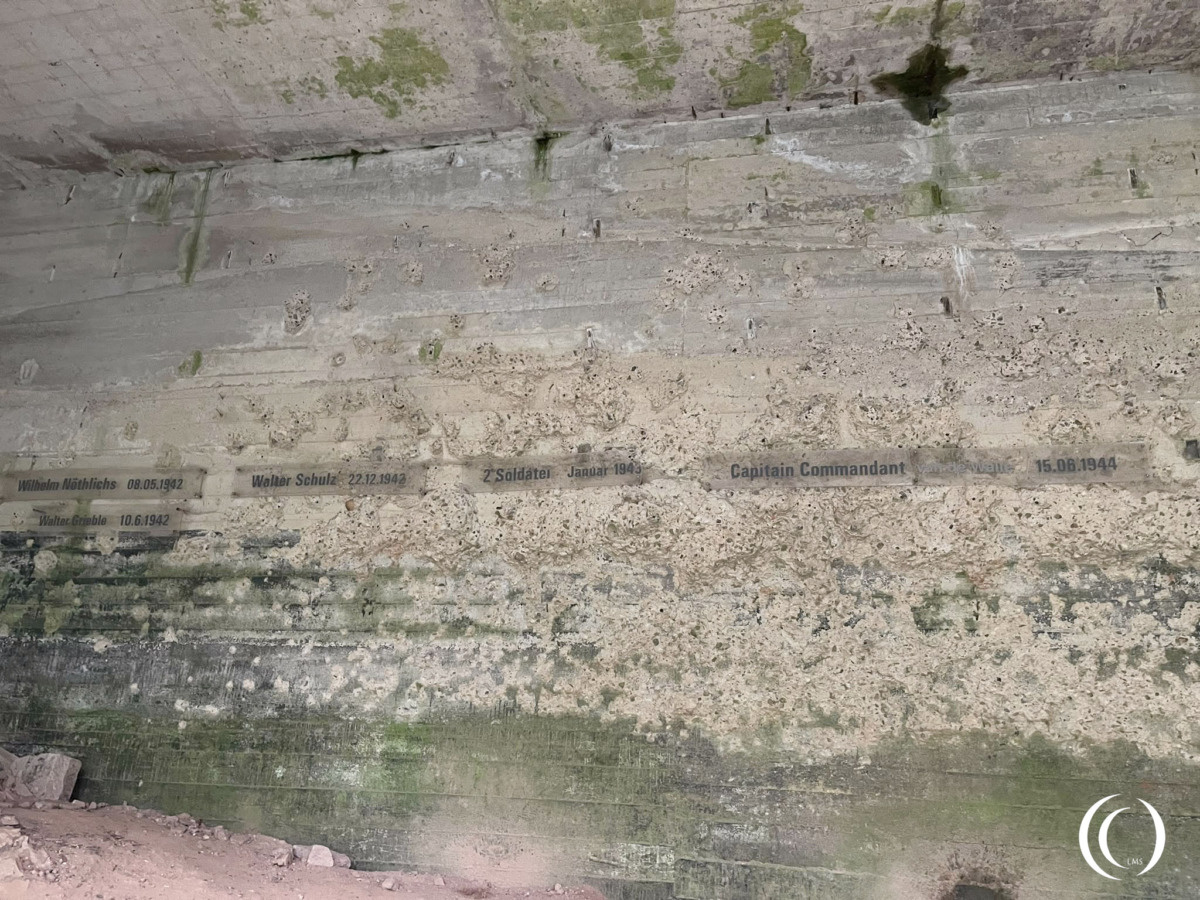
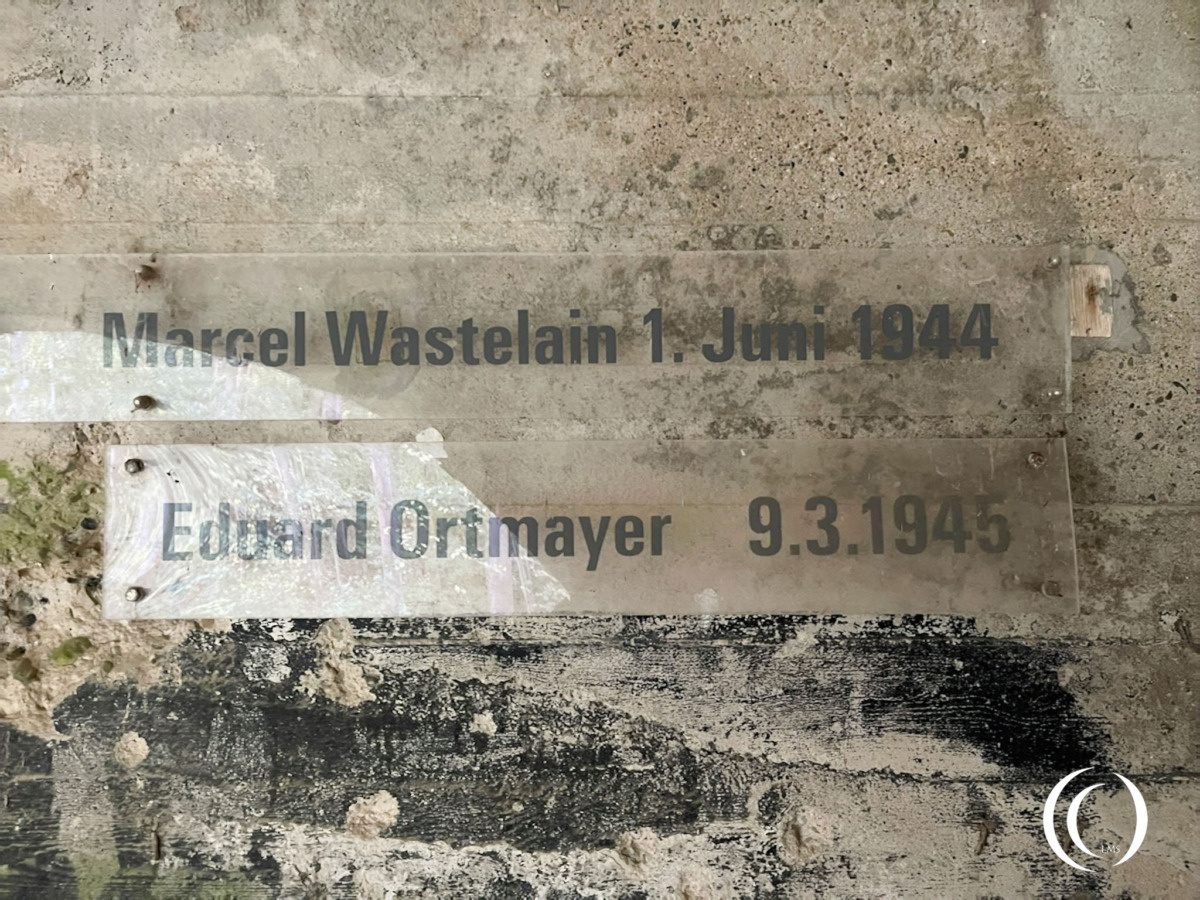
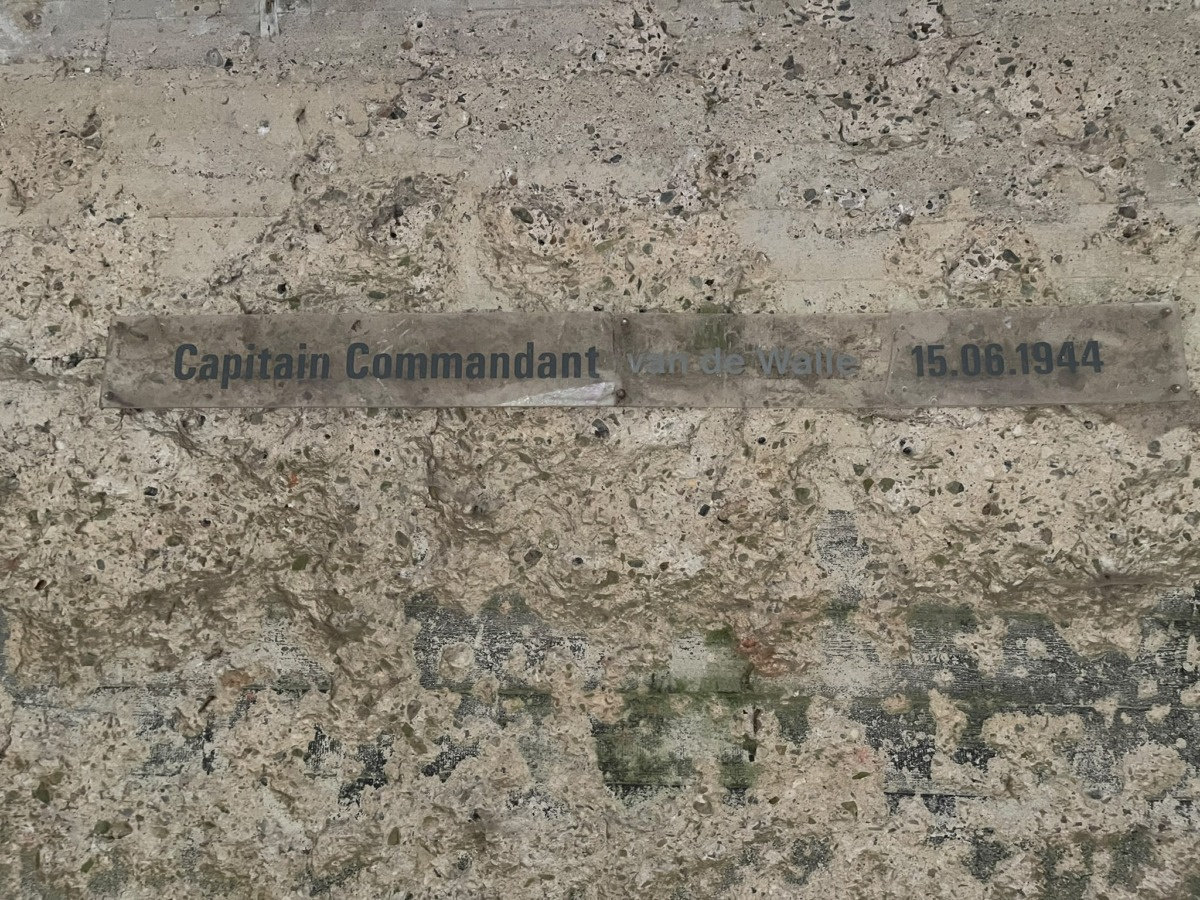
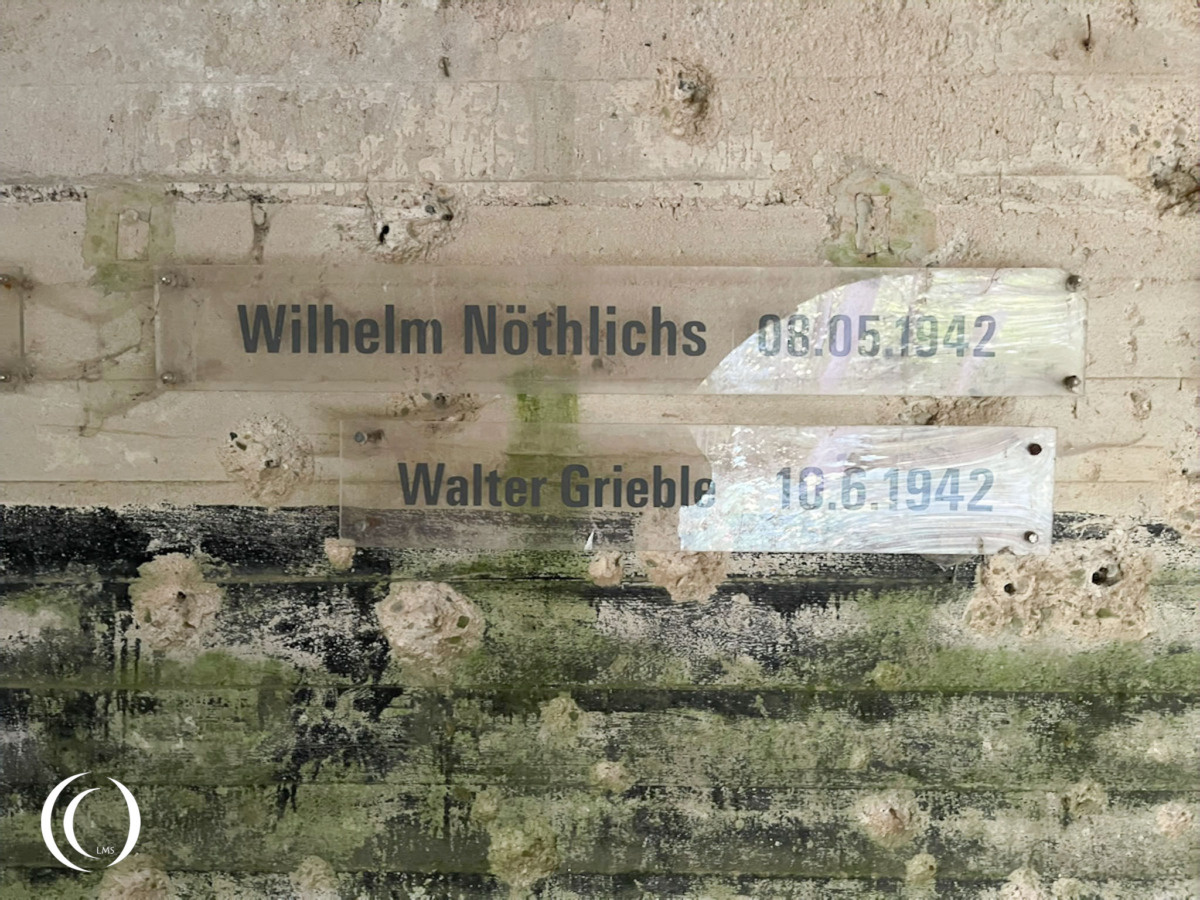
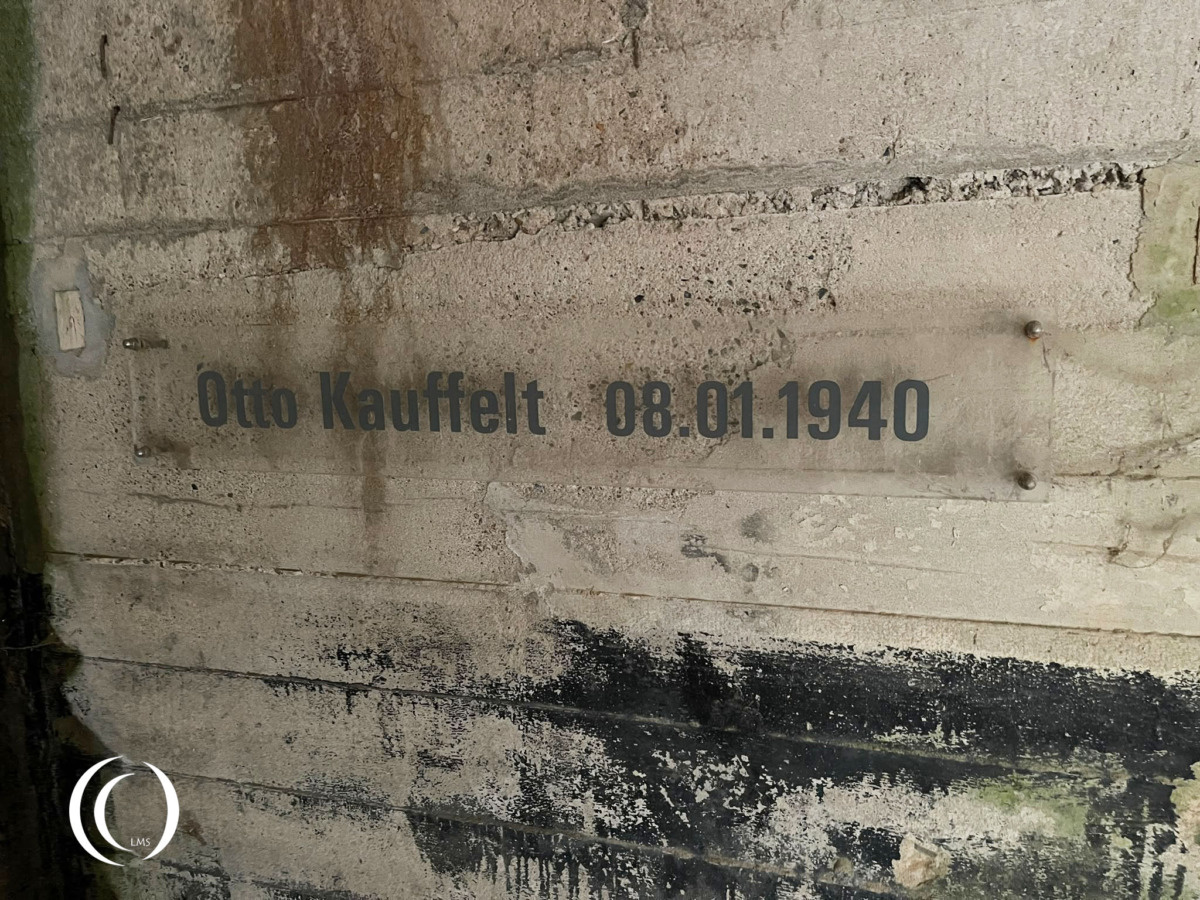
The exact number of victims remains uncertain because many records were destroyed toward the end of the war. Historical accounts identify at least 25 or 26 soldiers and civilians who were shot at the site. Their deaths illustrate the brutality of the Nazi military justice system, which imposed severe punishments for desertion, disobedience and resistance.
After Germany’s defeat in 1945, the shooting range continued to serve military and security forces. The police, the Bundeswehr and the Federal Border Guard reportedly used the facility until 1962, when its use as a shooting range ended. In November 2003, a memorial was established at the former site to commemorate the victims. Information panels and memorial plaques document its history, while an information stele added in 2022 provides further historical context.
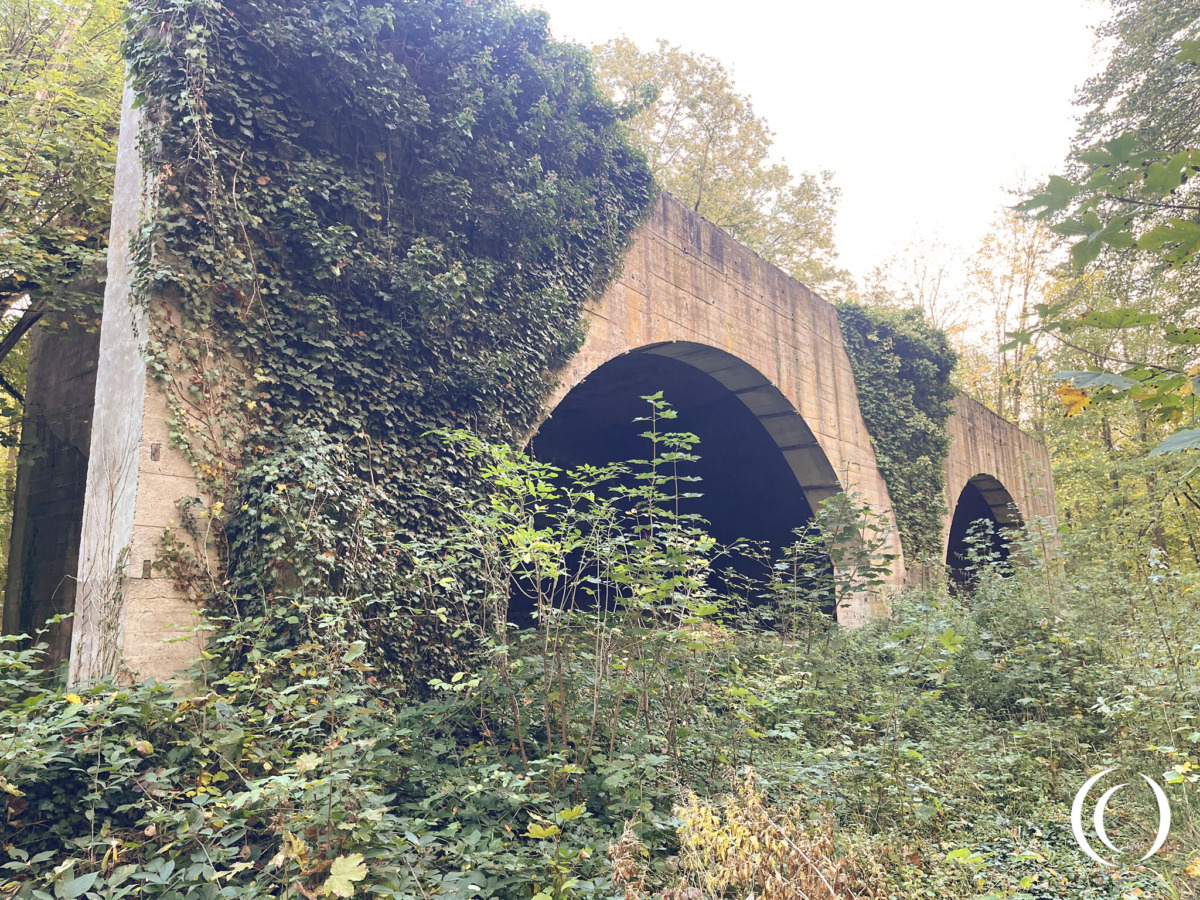
All photos by Phil Wood
Visit
The memorial site is free to visit.
Sources
- gedenkstaette-wolfenbuettel
- braunschweig.de
- Bundeszentrale für politische bildung
- Wikimedia Commons
