Hermann Göring’s Hunting Estate
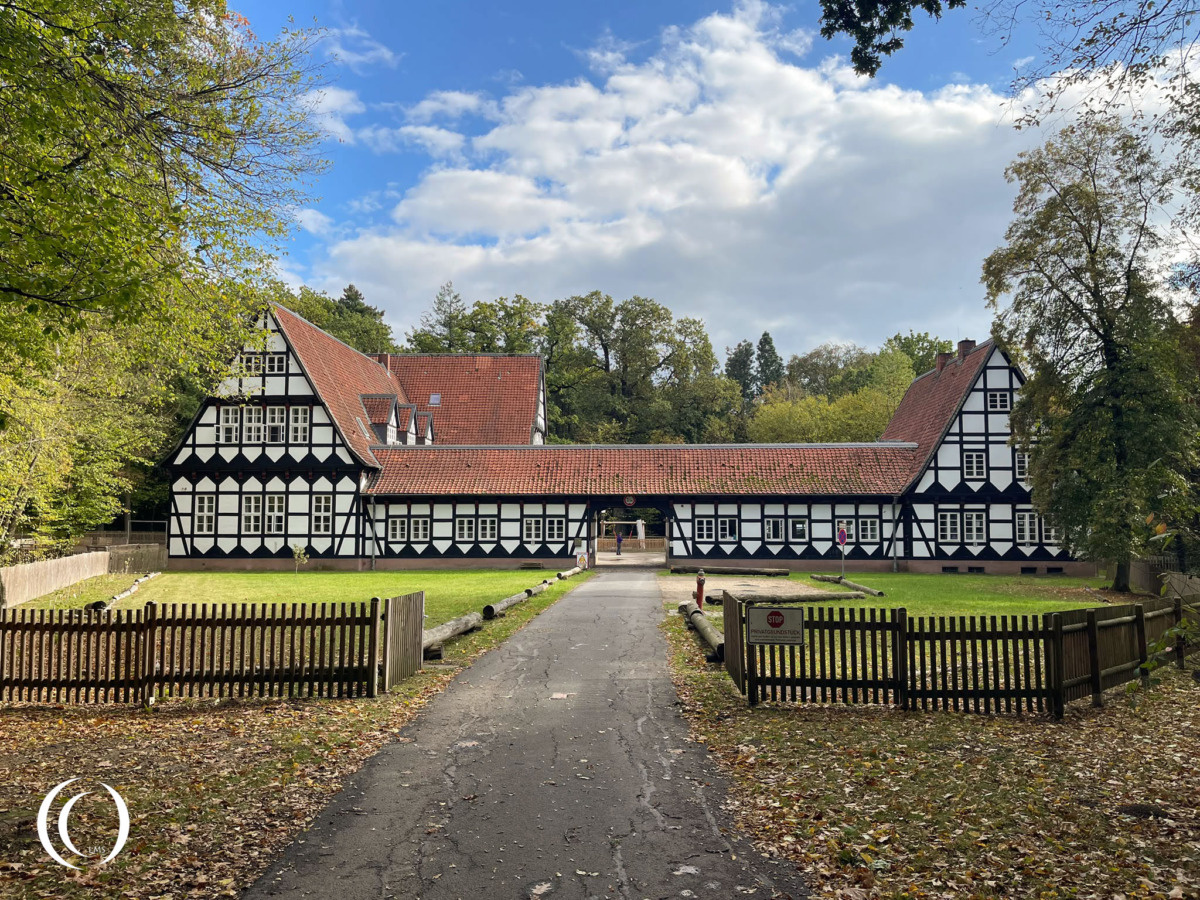
The Reichsjägerhof Hermann Göring was a Nazi-era hunting estate established in the Buchhorst woodland near Riddagshausen, east of Braunschweig, Germany. It served as a centre for official hunting events, forestry administration and gatherings of Nazi hunting officials.
Imperial Hunting Master and Imperial Forestry Master
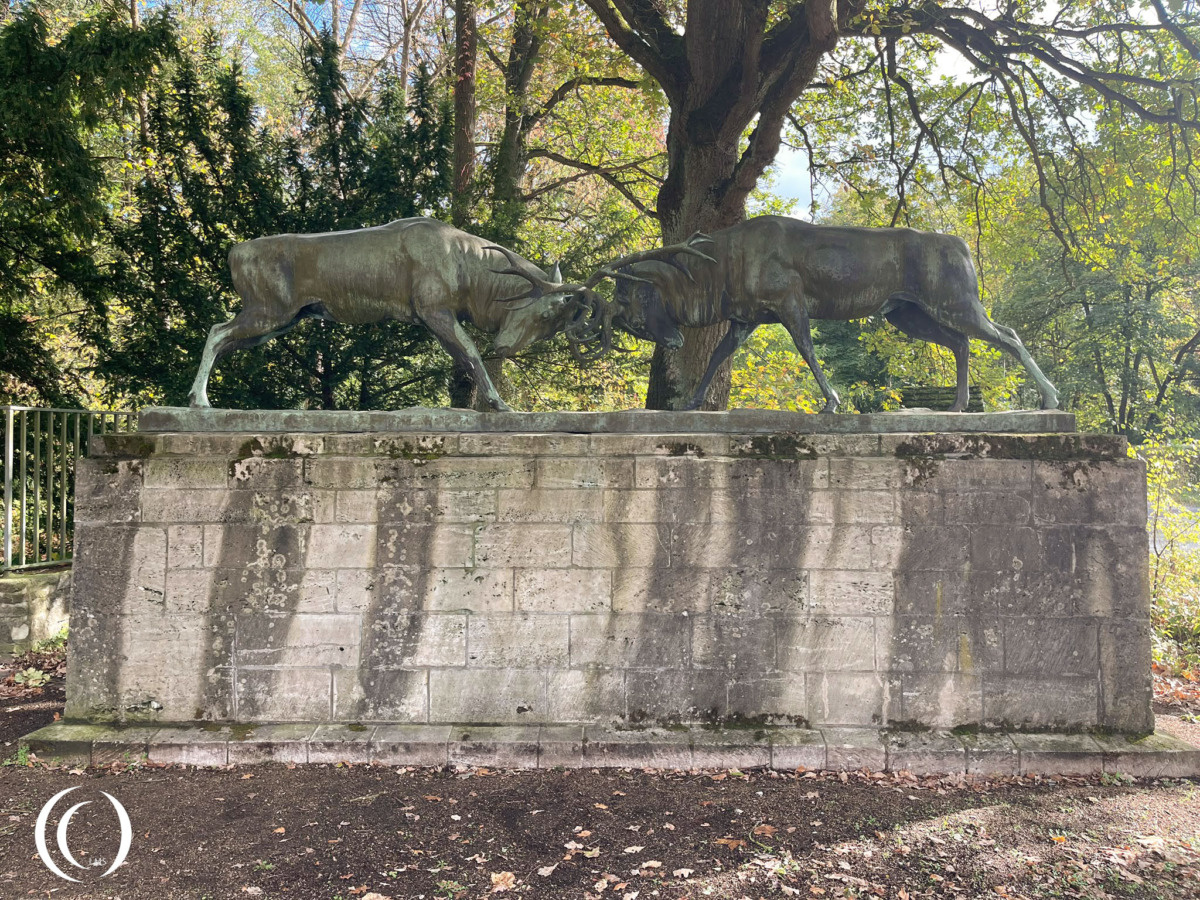
In 1934, Göring became Imperial Hunting Master, Imperial Forestry Master – Reichsjägermeister und Reichsforstmeister, and Supreme Commissioner for Nature Conservation. In the former role, he implemented the Reich Hunting Law of July 3, 1934 (which remains essentially in force today). In many photographs, he can be seen wearing a lapel pin on his clothing (for example, on his lapel or tie knot), the “Imperial Hunting Master’s Pin” (a gold pin studded with precious stones). To indulge his passion for hunting, he had his two country estates built in the middle of the forest – Carinhall in the Schorfheide from 1933 and the Reich Hunting Lodge Rominten in the Rominter Heide in 1936. He promoted the selective breeding of the aurochs and tarpan.
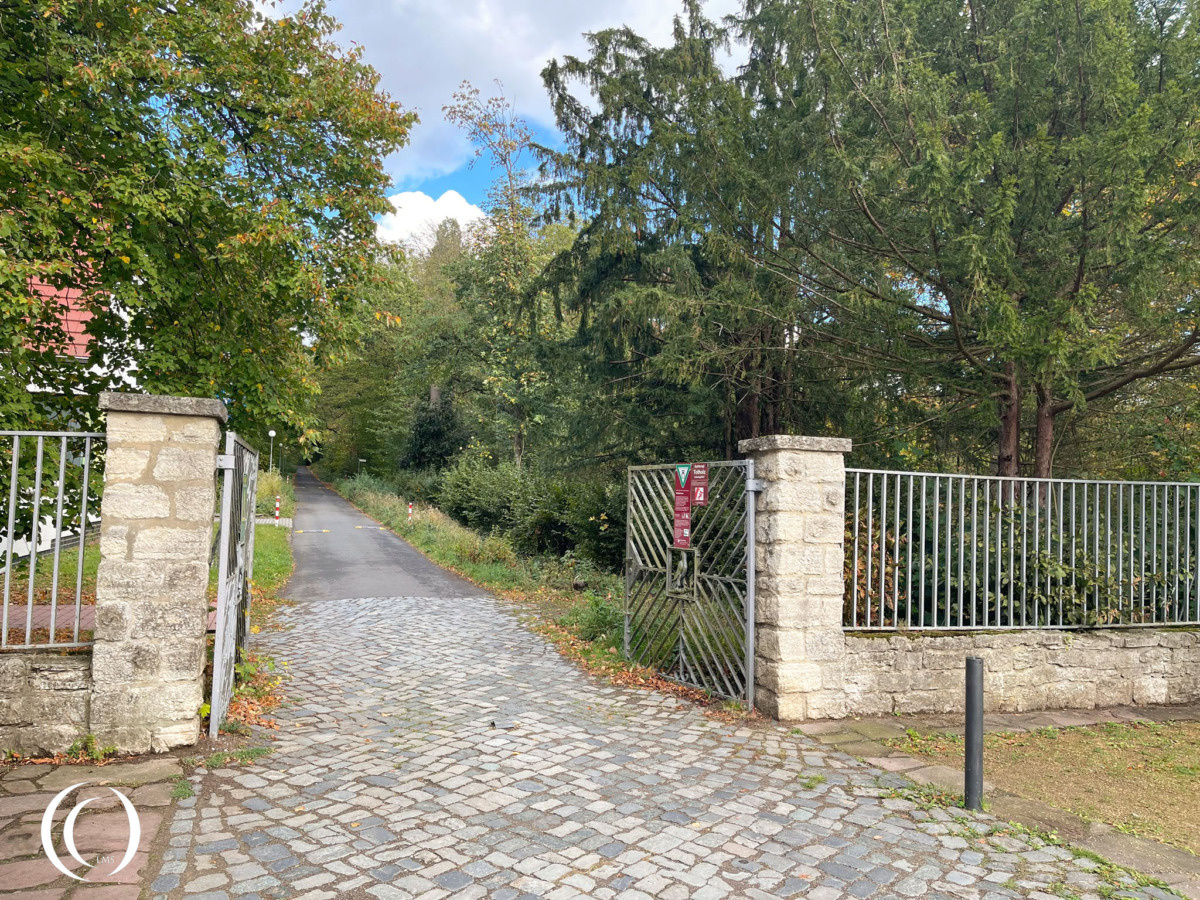
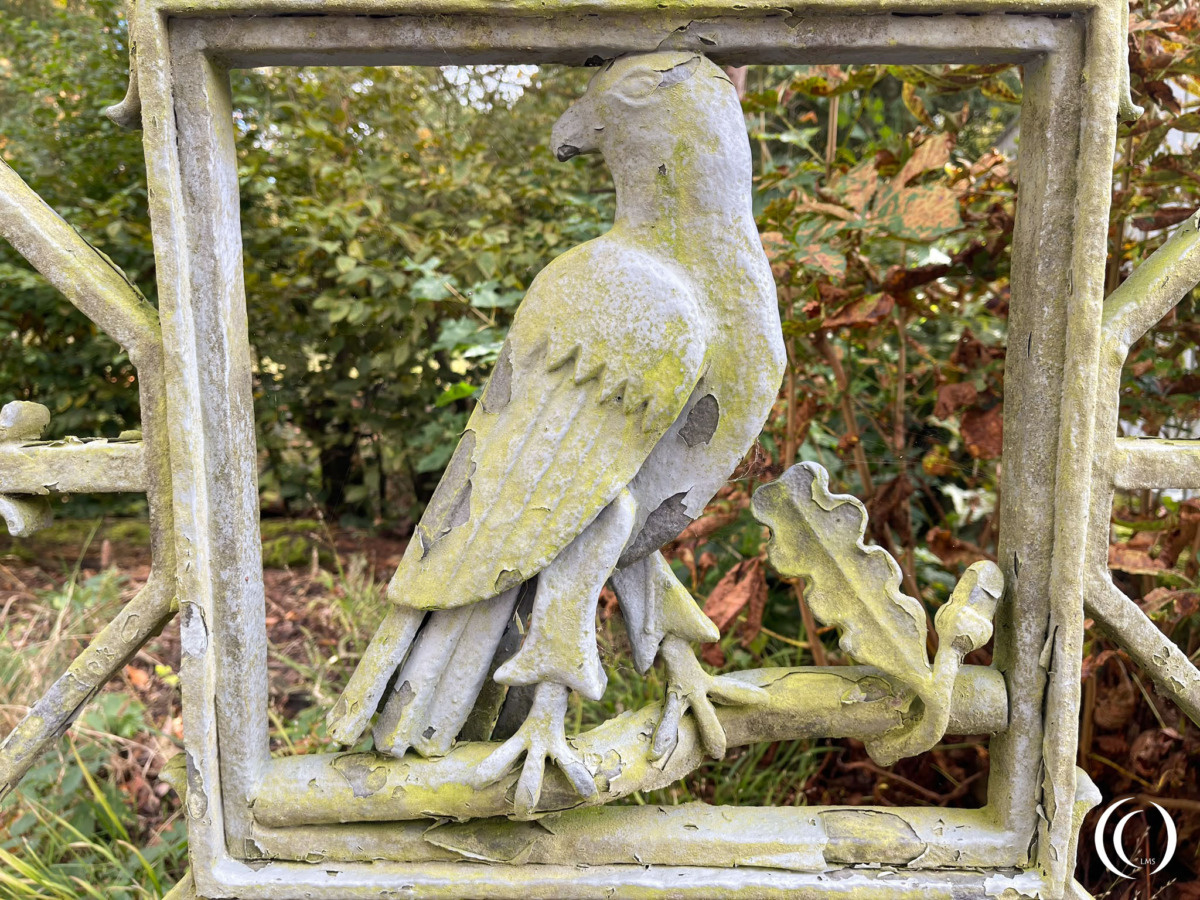
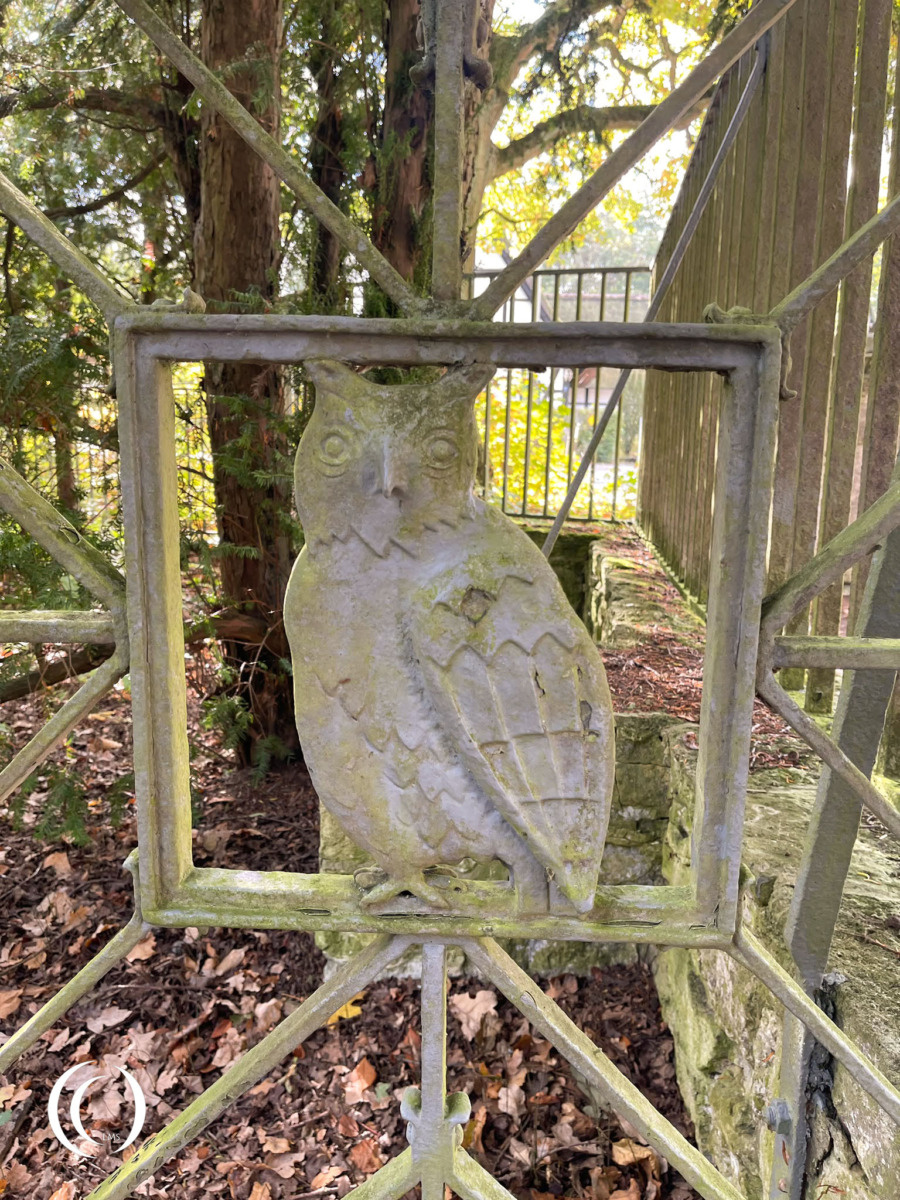
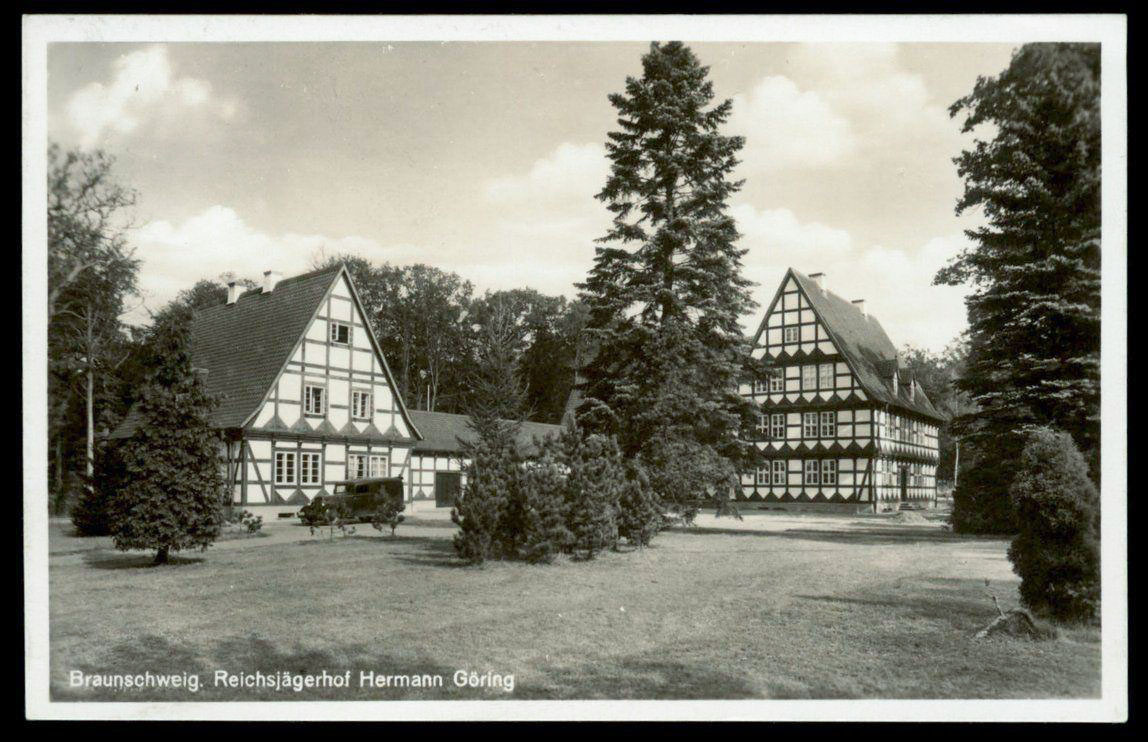
Under the direction of Reichsjägermeister Hermann Göring, a “Reichsjägerhof” hunting lodge and preserve were built near Braunschweig where Hermann Göring and foreign dignitaries went hunting in 1938. The outside of the buildings remain today essentially unchanged.
History
Construction began in 1934 under the initiative of Dietrich Klagges, the Nazi prime minister of the Free State of Brunswick, and Friedrich Alpers, his minister of justice and finance. They hoped to strengthen their political connections with the Nazi leadership by appealing to Hermann Göring’s passion for hunting.
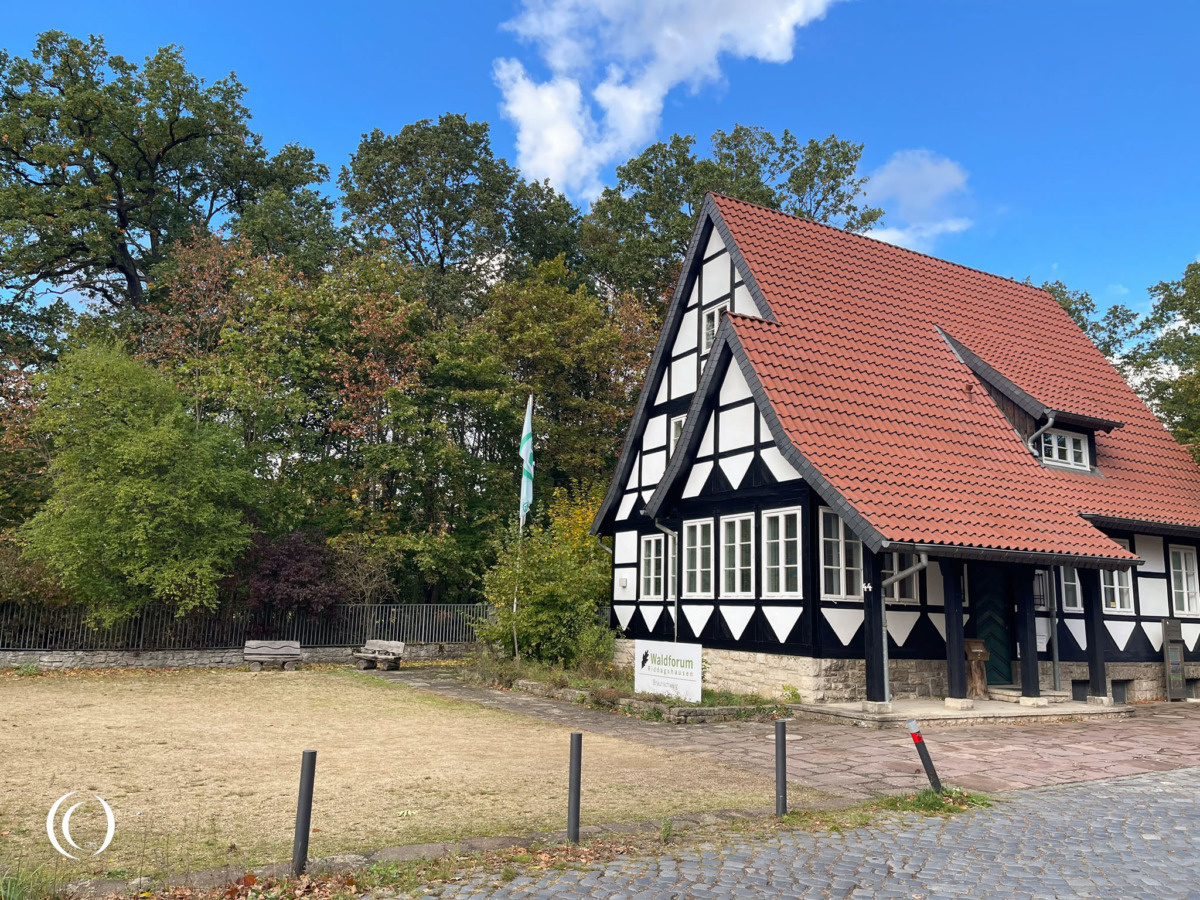
The estate officially opened on 5 May 1935, when Klagges presented it to Göring as a personal gift associated with his marriage to actress Emmy Sonnemann. Göring was then one of the most powerful figures in Nazi Germany and held the title of Reich Hunting Master. In his acceptance speech, Göring created the name “Reichsjägerhof”. The complex included a main building constructed in traditional northern German half-timbered style, administrative and meeting rooms, accommodation, service buildings, a pheasant-breeding facility and a falconry centre. The surrounding landscape incorporated parts of the Riddagshausen ponds and the Buchhorst woodland.
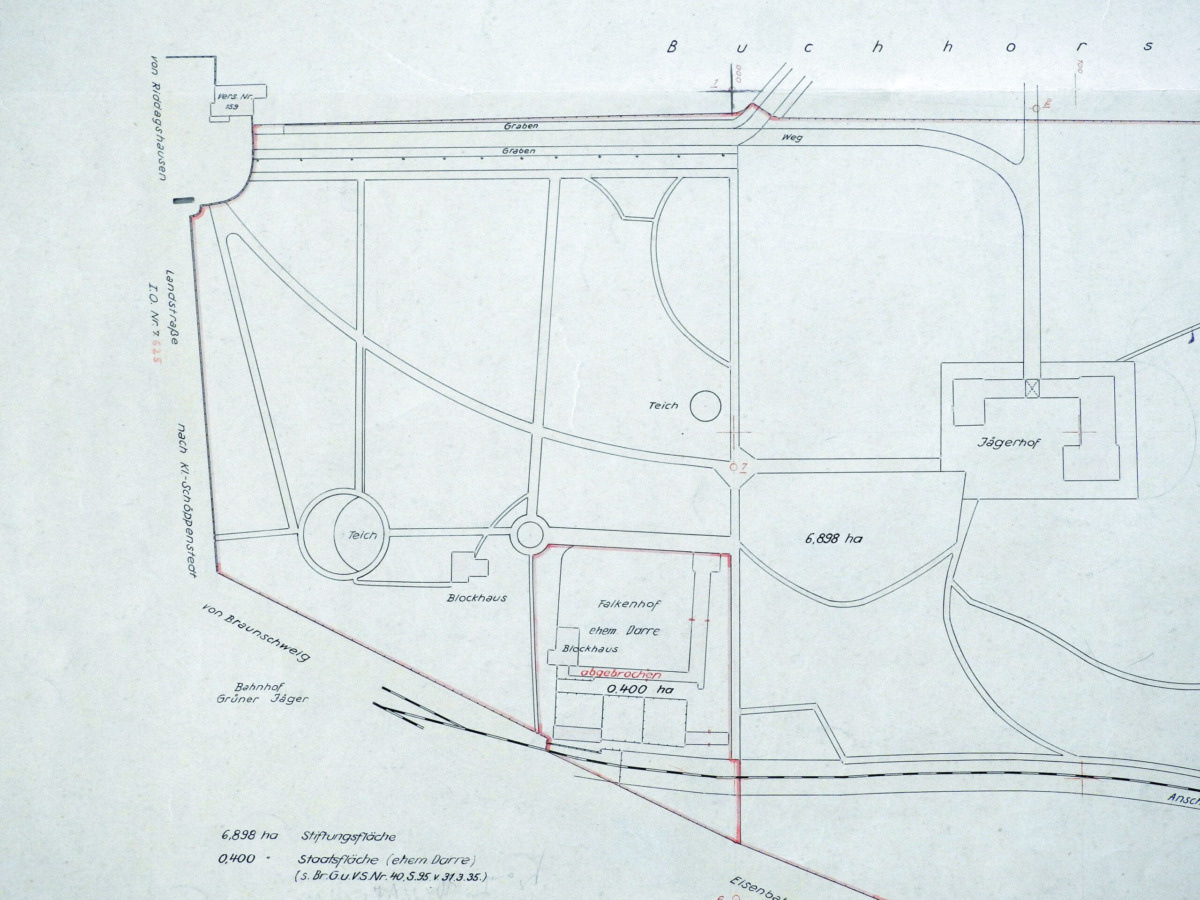
The estate hosted official hunting events, including state hunts attended by foreign diplomats. Goering stayed there twice on state hunts for foreign diplomats: on November 4, 1935 and November 1938. It also served as a centre for coordinating hunting administration under the Nazi regime. Goering stayed there twice on state hunts for foreign diplomats: on November 4, 1935 and November 1938.
Another, and last, Reichsjägerhof was built in 1936 in the Rominter Heide, in northeastern East Prussia.
After Germany’s surrender in 1945
Following Germany’s defeat in the Second World War, the Hermann Göring Foundation was renamed the Jägerhof Foundation. It was dissolved in 1955, and its properties passed to the City of Braunschweig. Today, the historic site forms part of the wider landscape around the Riddagshausen nature reserve and Buchhorst woodland. The estate is a reminder of how Nazi officials used hunting, forestry and prestigious rural properties to reinforce their political power.
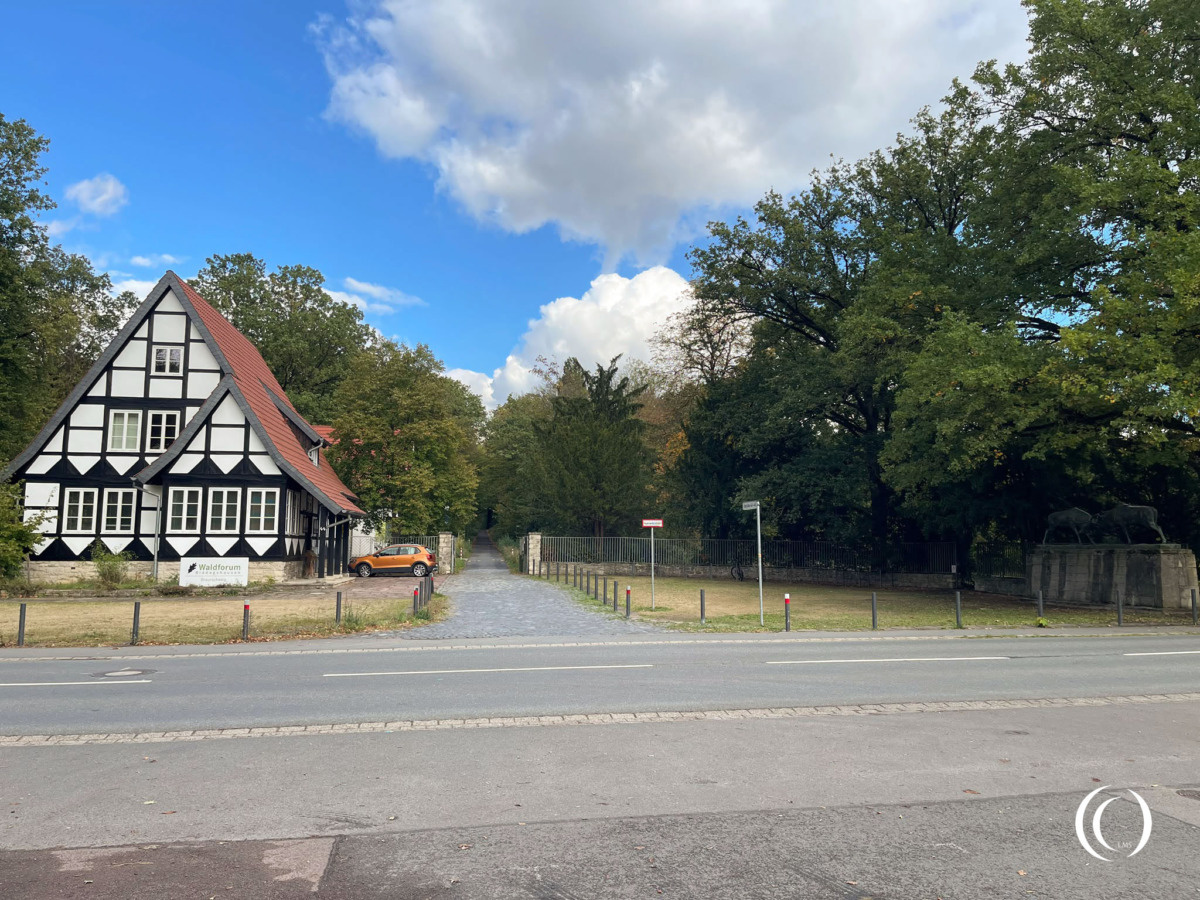
All photos by Phil Wood
Visit
Today the place is named: Jägerhof Riddagshausen. Today (2026) it is occupied by people with disabilities and cannot be viewed.
Sources
- Wikipedia
- Riddagshausen | Stadt Braunschweig
- histbrun.hypotheses.org
- Lower Saxony State Archives
