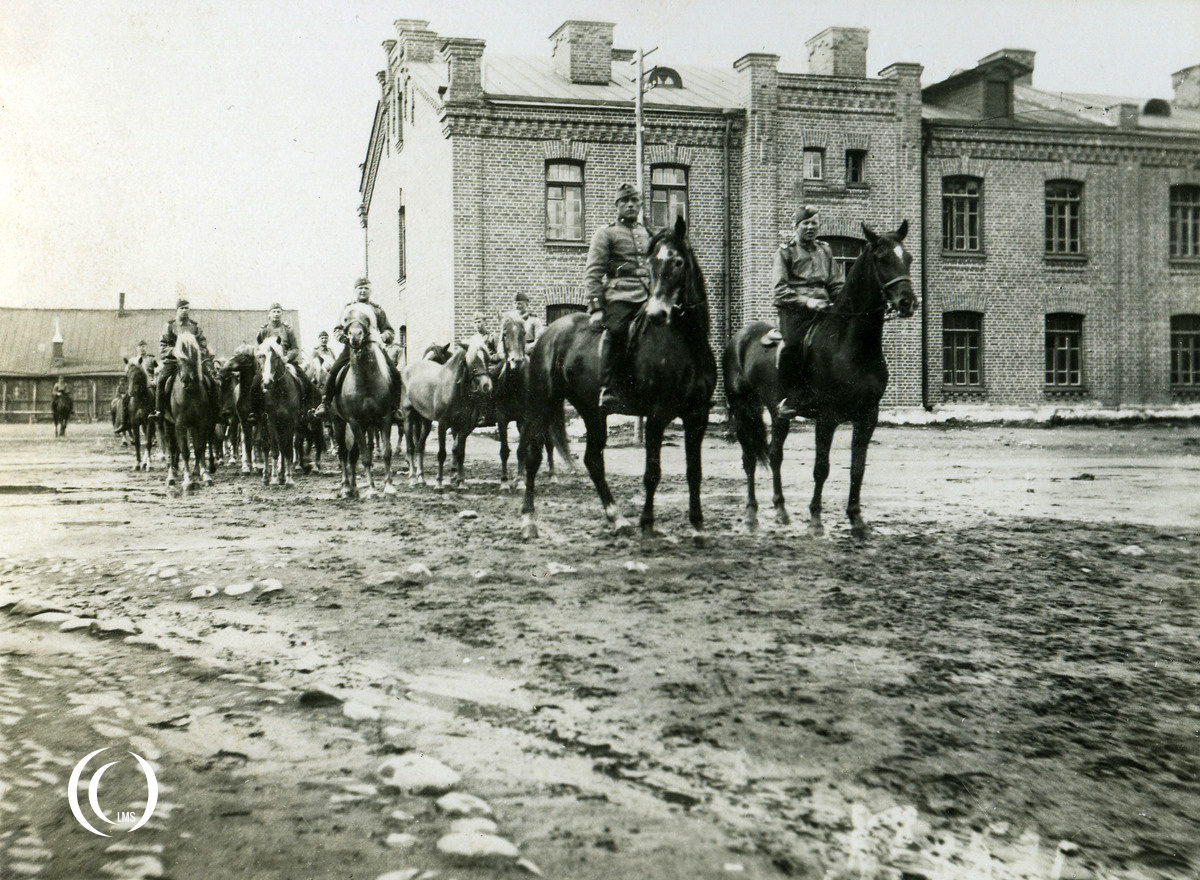
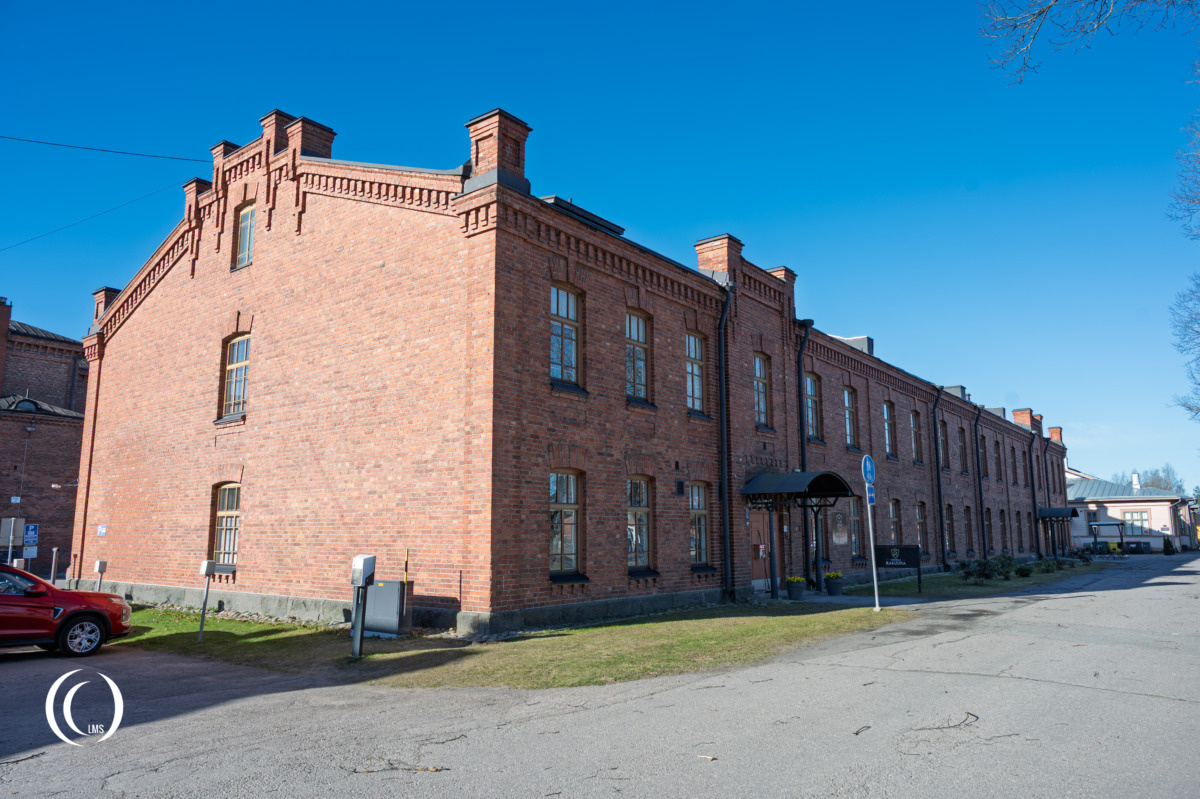
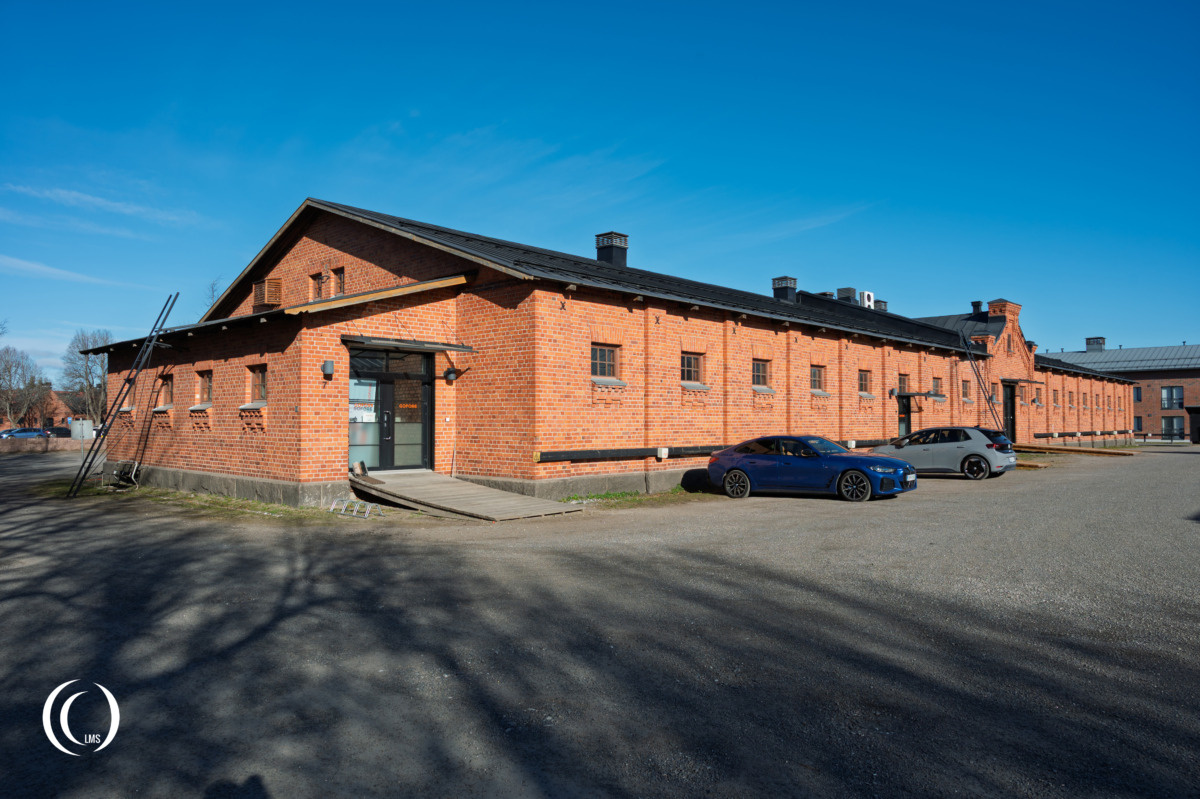
The Dragoon Hill (Finnish: Rakuunamäki) area was originally built on land belonging to the City of Lappeenranta between 1889 and 1893, for the Finnish Dragoon Regiment (Finnish: Suomen Rakuunarykmentti), a Finnish conscript cavalry unit established in Lappeenranta in 1889. These quite modern facilities and bulldings were built for six squadrons and 800 horses. Colonel Theodor Schauman was the unit’s commander until its disbandment in 1901 as a consequence of Russification.
Home to the Cavalry Brigade
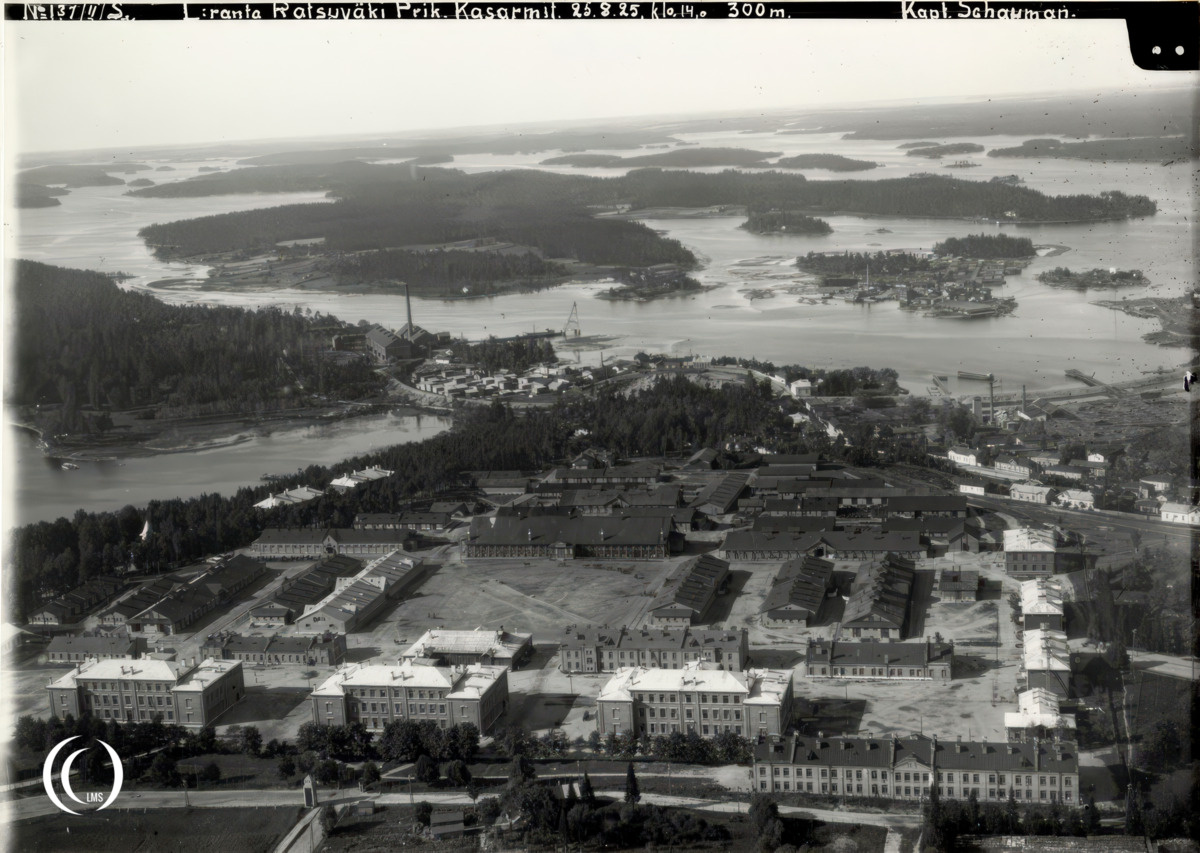
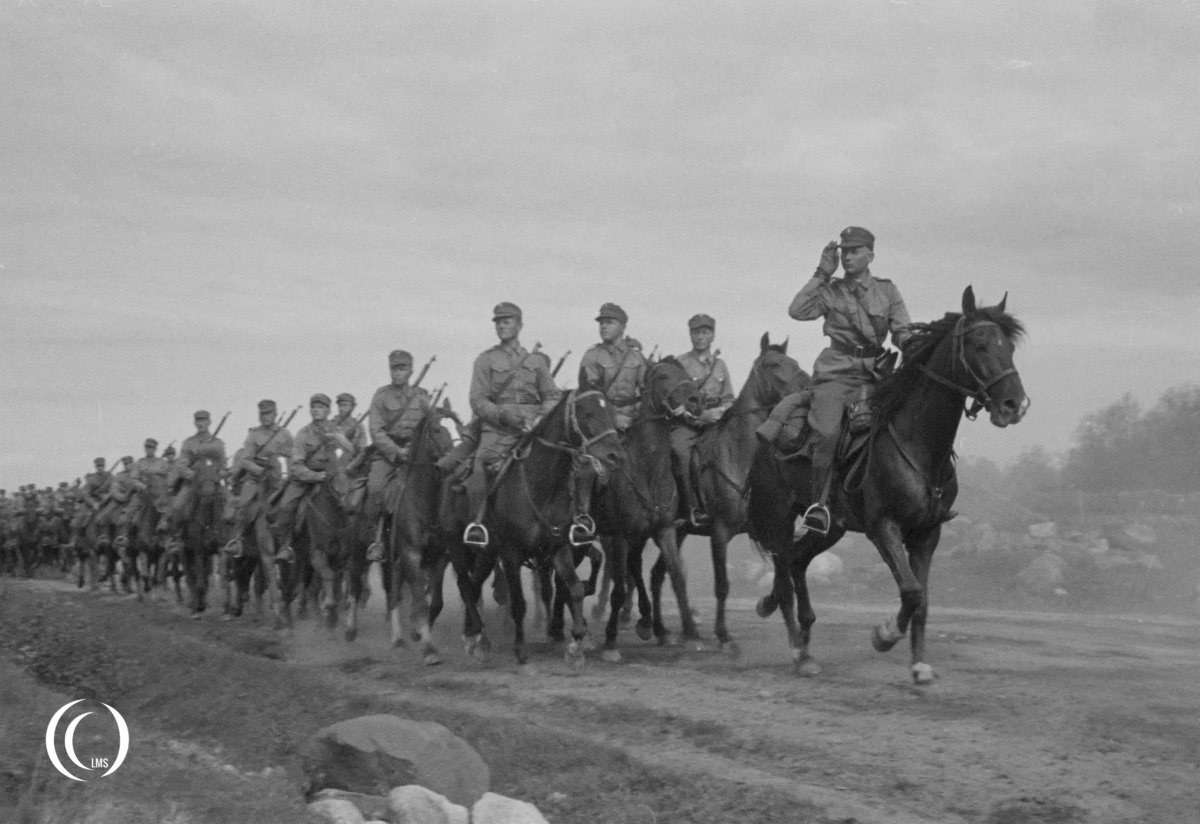
The golden age of Dragoon Hill was in the 1920s and 1930s, when the area was home to the Cavalry Brigade, which was established in 1921 in Lappeenranta and formed by the Uusimaa Dragoon Regiment (Uudenmaan Rakuunarykmentti, URR) and the Häme Cavalry Regiment (Hämeen Ratsurykmentti, HRR). At that time, around 3,000 people worked in the area, and all services, such as a shop, a daycare and a cinema, were located in the garrison area.
World War Two
Both the Häme Cavalry Regiment (HRR) and the Uusimaa Dragoon Regiment (URR) came into action during the Winter War (November 1939 – March 1940) and the Continuation War (June 1941 – September 1944) against the Soviet Red Army and even against its former German ally, after Finland signed an armistice with the Soviet Union in September 1944.
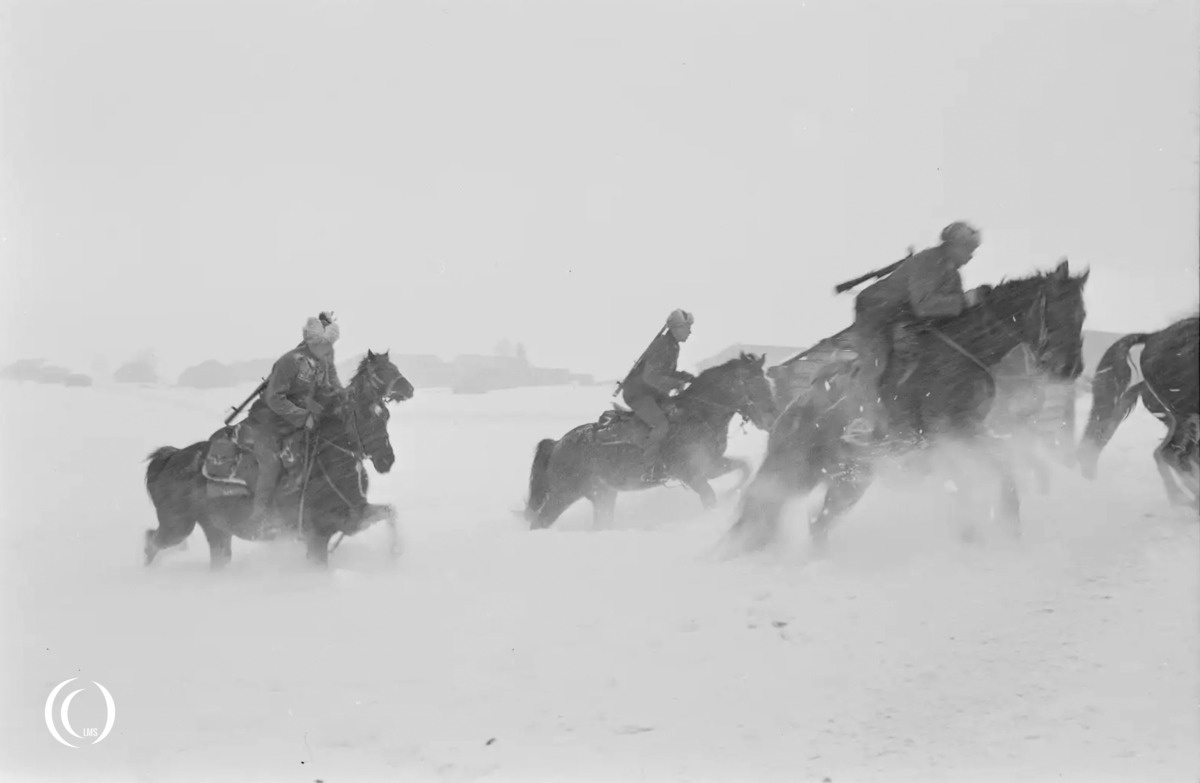
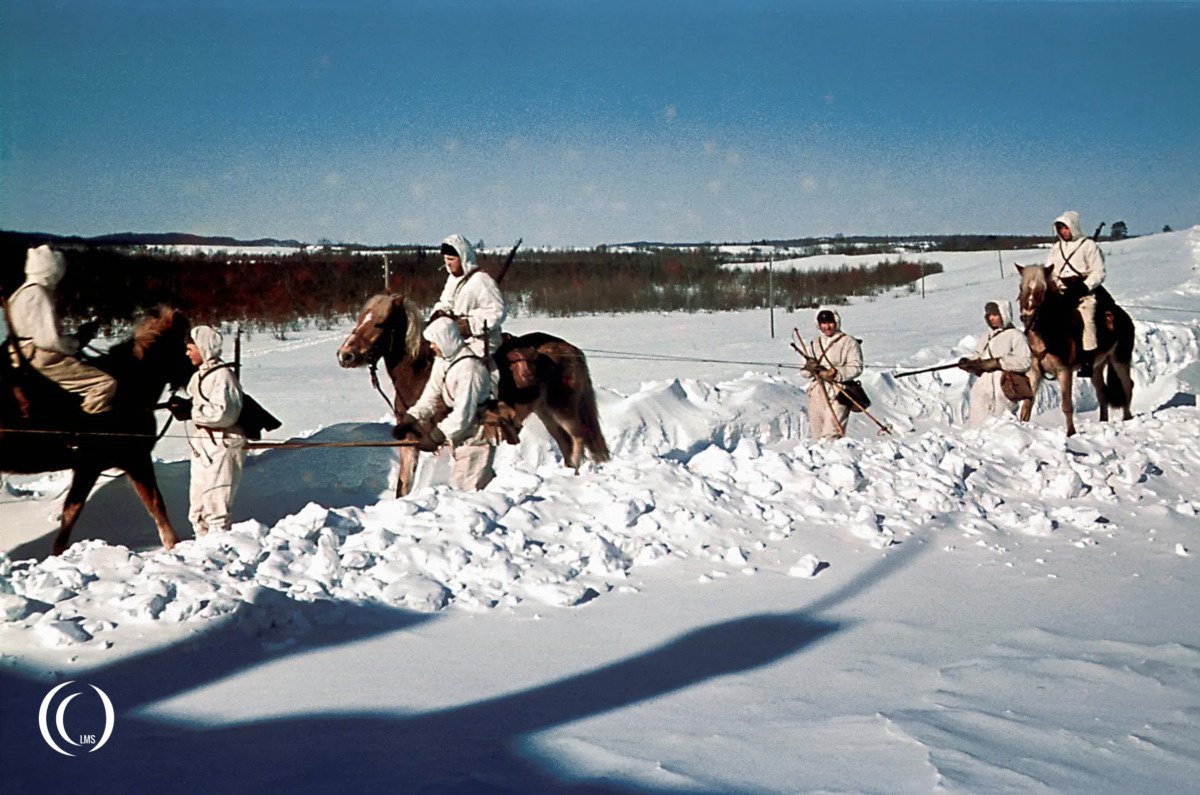
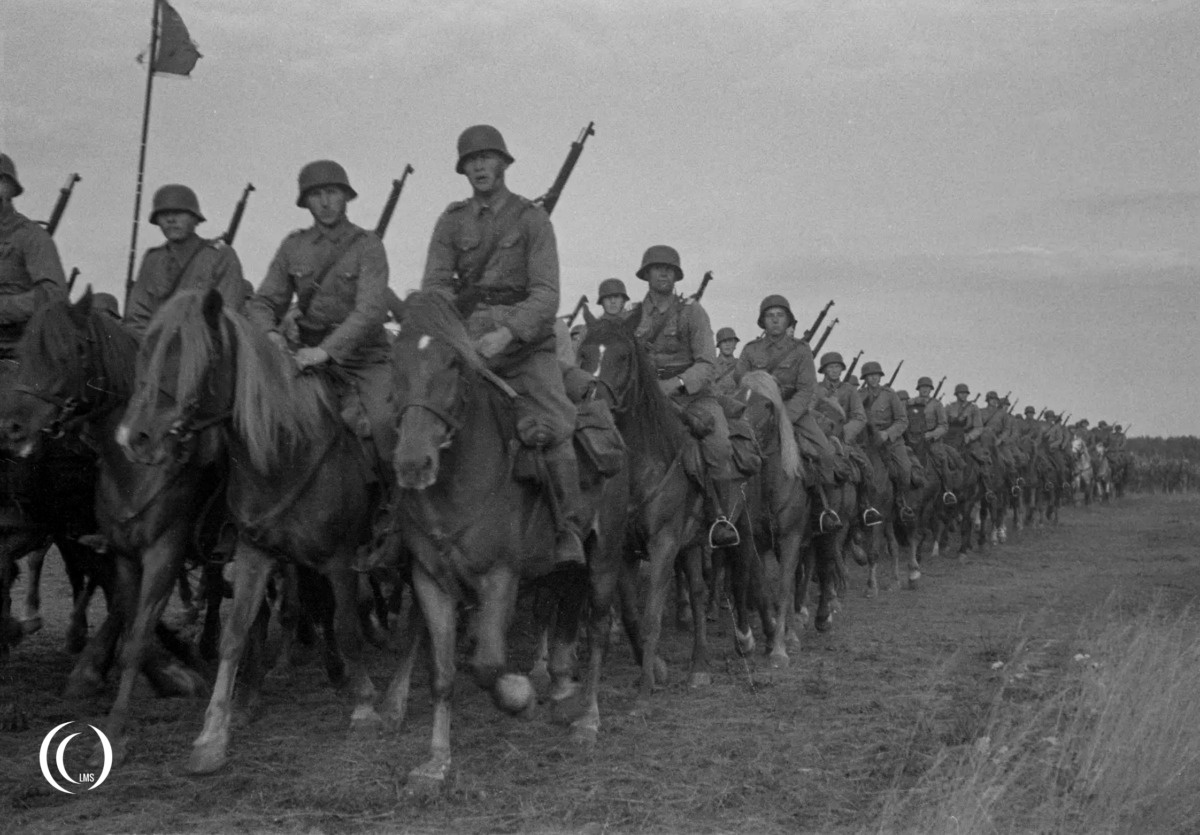
Although the cavalrymen were trained to use their swords (issued until 1941) and firearms from the back of a horse during the pre-war years, the regiments operated as mounted infantry as the war progressed, which meant that they used their horses for mobility but dismounted before the battle.
Post War
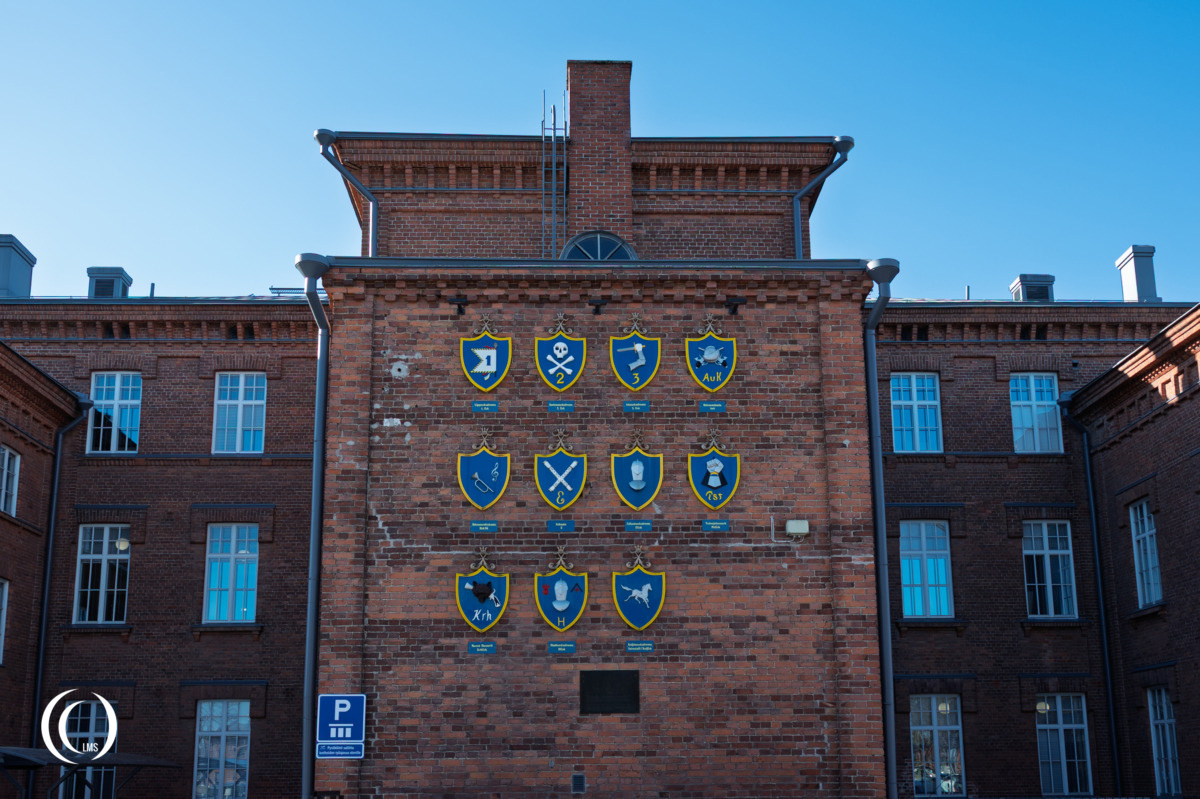
After the war, the area was home to the Uusimaa Dragoon Battalion (Uudenmaan Rakuunapataljoona), the Karelian Artillery Regiment (Karjalan Tykistörykmentti), the Officers Academy (Päällystöopisto), the National Defence Institute (Maanpuolustusopisto) and the Army Academy (Maasotakoulu). Although horses were abandoned in 1947, the dragoon was kept as a military rank. The Dragoon Squadron detachment was disbanded in 2016, when the operations ended in Lappeenranta.
Notable members and residents
Marshal Carl Gustaf Mannerheim (1867-1951)
When Finland became independent in late 1917 and the Finnish Civil War broke out in February 1918, the Uusimaa Dragoon Regiment was re-established. Carl Gustaf Mannerheim, who by then was Commander-in-Chief of the White forces, was appointed their Honorary Commander. The dragoons played a key role in the fighting and took a prominent part in the great victory parade in Helsinki on 16 May 1918.
During the Second World War, including the Winter War and the Continuation War, the regiment remained active in combat under his command.
Adolf Ehrenrooth (1905-2004)
General Adolf Ehrnrooth (1905–2004) was one of Finland’s most distinguished military commanders of the Second World War. Ehrnrooth entered cadet school in 1922 and served with the Uusimaa Dragoon Regiment (Uudenmaan Rakuunarykmentti, URR) until he was accepted at the Swedish Army Riding and Horse-Driving School at Strömsholm Palace in Sweden in 1928.
Ehrnrooth later transferred to infantry command and became best known for commanding the 7th Infantry Division during the Continuation War.
Väinö Lahja Richard Valve (1895-1995)
Although not a member of both regiments himself, General Väinö Valve (born Väinö Vähätupa) was born here at Dragoon Hill, because his father, Matti Vähätupa, worked as farrier in the 20th Finnish Dragoon Regiment, then still part of the Imperial Russian Army.
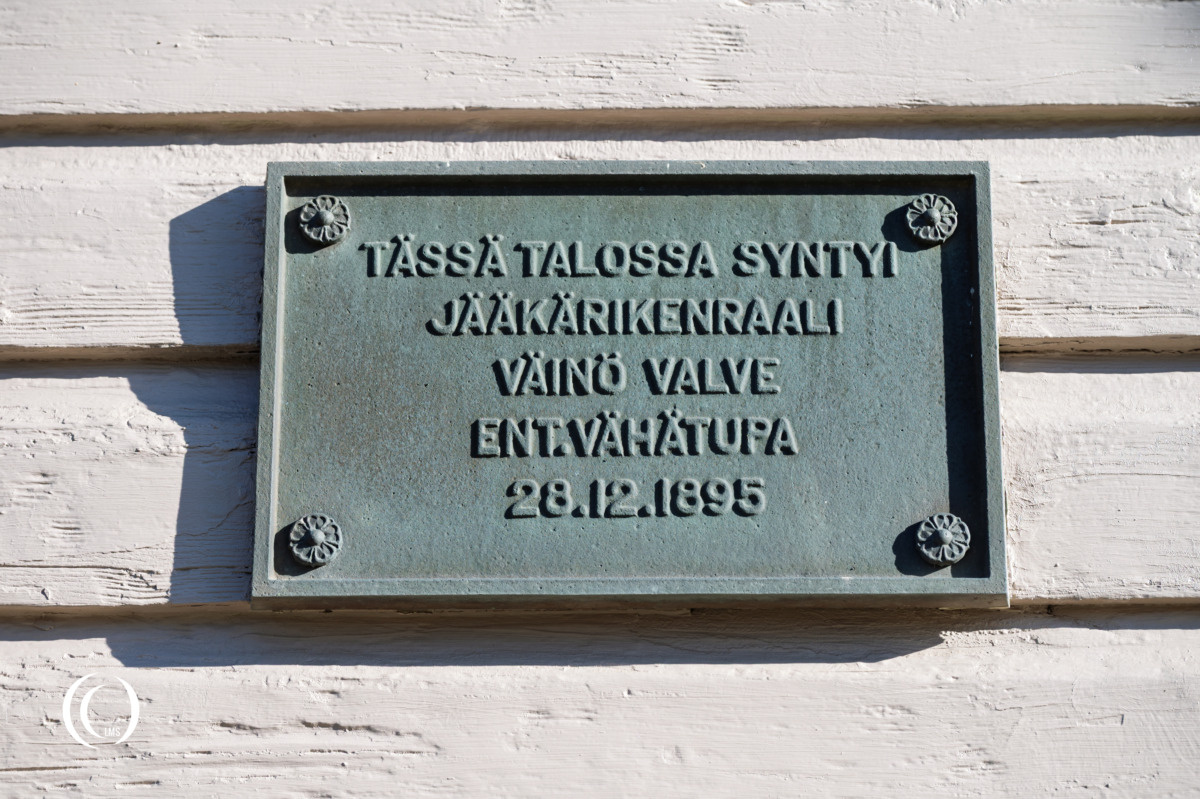
In 1916 he decided to join the Jäger Movement and was trained in Germany as a Finnish volunteer of the 27th Jaeger Battalion. During the Finnish Civil War he fought as an artillery officer in the battles of Tampere and Viipuri. After the civil war, Valve became commander of coastal artillery in 1924.
During World War Two, Valve successfully reformed and led the Finnish Navy in cooperation with the German Kriegsmarine. He was promoted General in 1992 and died in 1995 as the last member of the 27th Jaeger Battalion.
Visit
Today Dragoon Hill is one of the best preserved barracks in Europe that was built specifically for cavalry. You can visit the area freely, as it is open to visitors.
Sources
- lappeenrannanmuseot.finna.fi
- lappeenranta.fi
- jaegerplatoon.net
- mannerheim.fi
- wikipedia.com
