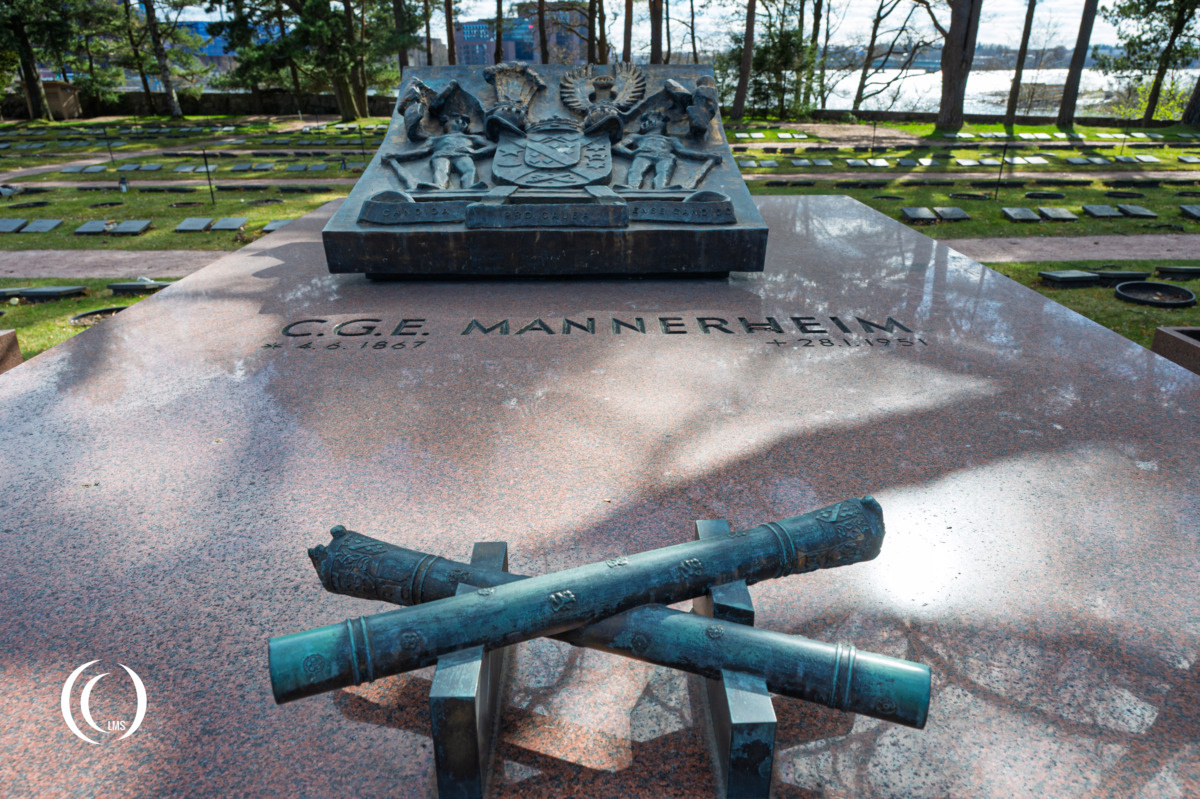
Carl Gustaf Emil Mannerheim was born on 4 June 1867 into a Swedish-speaking Finnish aristocratic family. At the time, Finland was an autonomous Grand Duchy within the Russian Empire, and Mannerheim began his military career in the Imperial Russian Army. He served for more than thirty years and gained considerable experience as a cavalry officer, including service during the Russo-Japanese War and the First World War. When the Russian Empire collapsed during the Revolution of 1917, Mannerheim returned to Finland, where he would soon become one of the central figures in the country’s struggle for independence.
Following the Finnish Civil War of 1918, Mannerheim emerged as one of Finland’s most important military leaders. Although his political career was often controversial and he spent periods away from public life, his military experience made him the natural choice to lead Finland’s armed forces when war threatened the country once again in 1939.
The Winter War
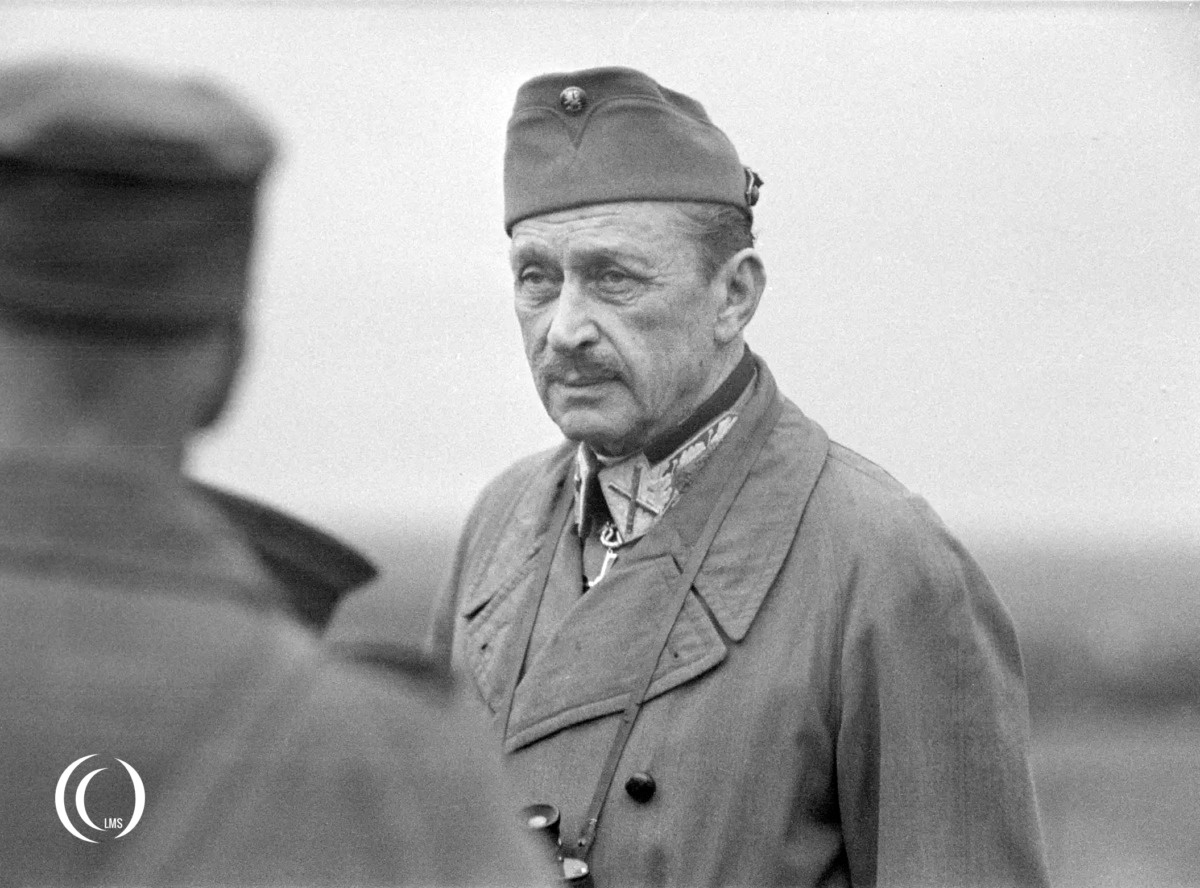
On 30 November 1939, the Soviet Union invaded Finland, beginning the Winter War. Mannerheim, then 72 years old, was appointed Commander-in-Chief of the Finnish Defence Forces. Finland faced overwhelming odds: the Soviet Union possessed vastly superior numbers of men, tanks, artillery and aircraft.
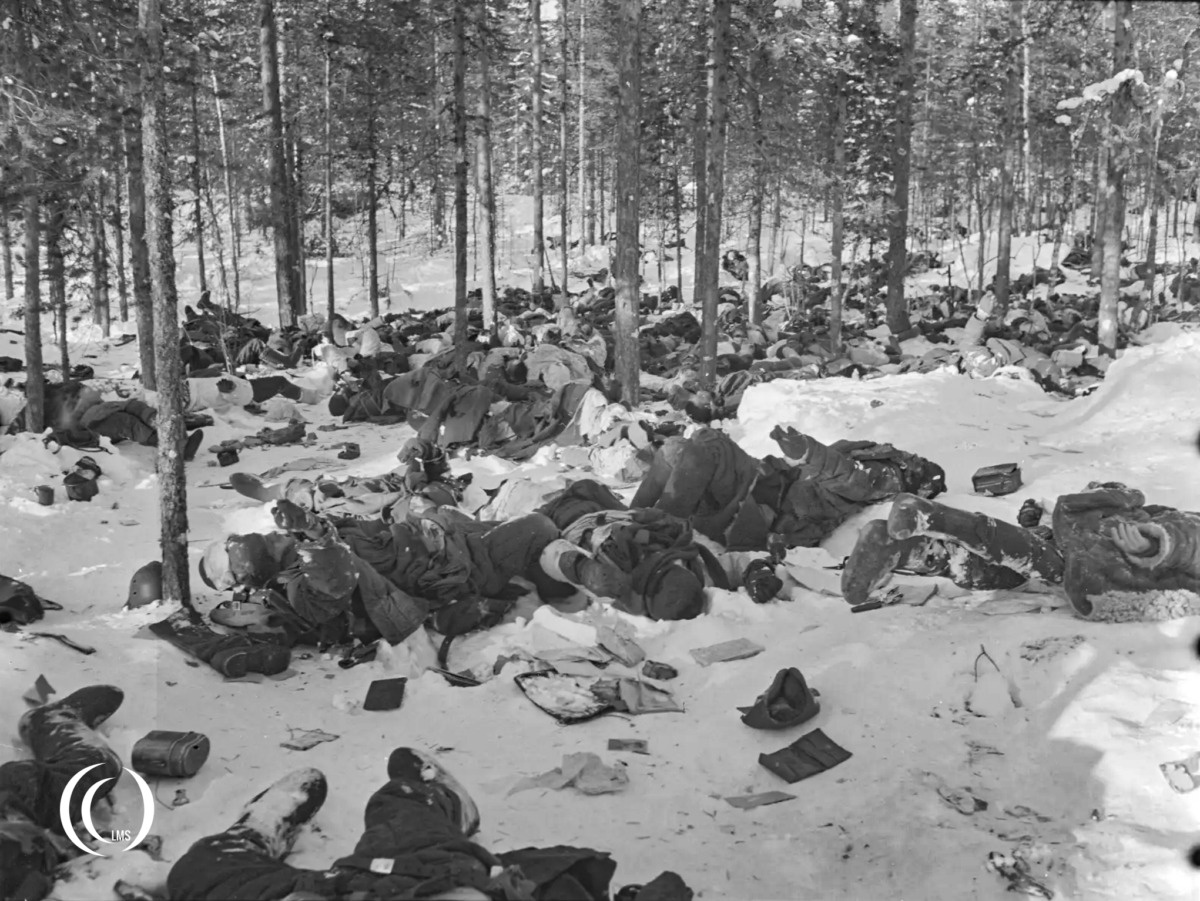
Under Mannerheim’s command, however, the Finnish Army offered unexpectedly fierce resistance. Finnish troops used their knowledge of the difficult terrain, mobility on skis and highly effective small-unit tactics to inflict heavy losses on the Red Army. The defensive line across the Karelian Isthmus became known as the Mannerheim Line, although its construction and development had involved many people over several decades.
The Moscow Peace Treaty
Despite Finland’s military successes, the numerical superiority of the Soviet Union eventually became impossible to overcome. After a renewed Soviet offensive in early 1940, Finland was forced to accept the Moscow Peace Treaty in March. The country retained its independence but was compelled to surrender significant territory.
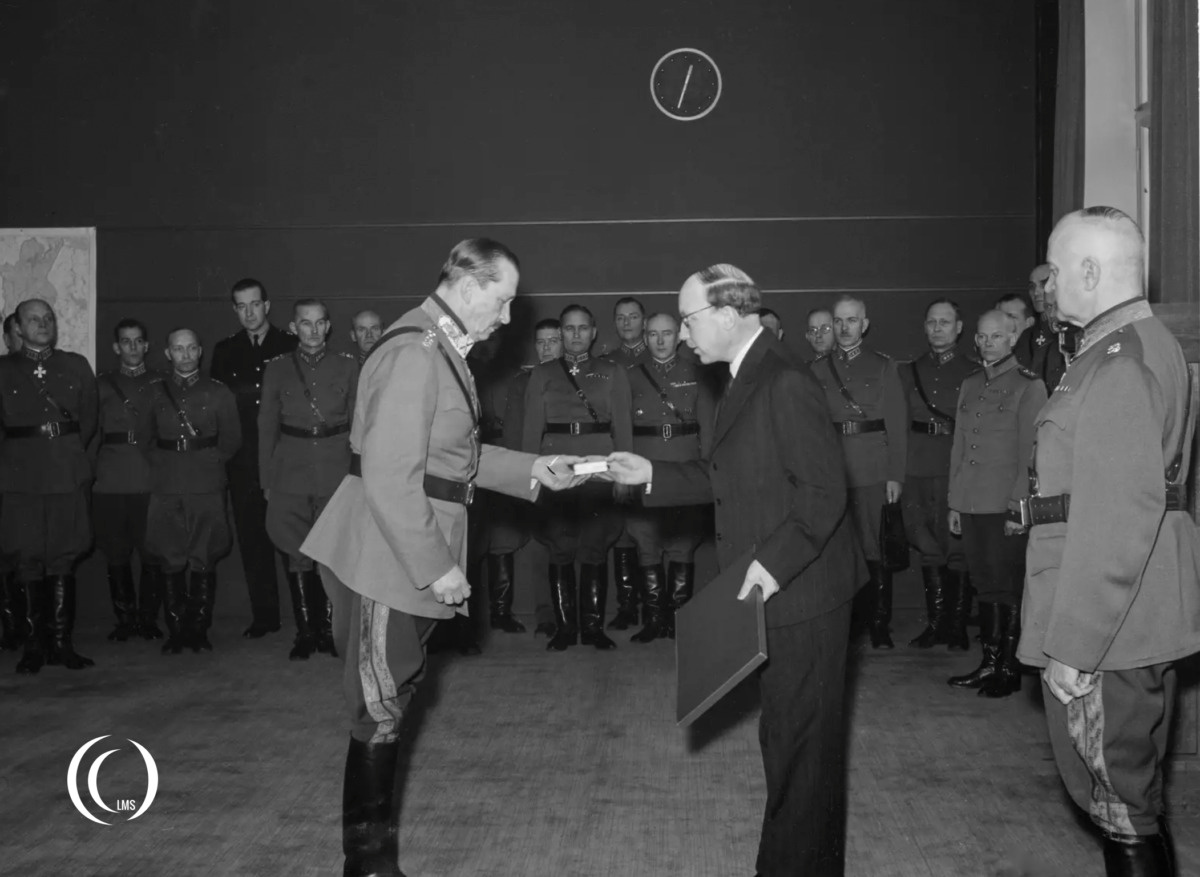
The Winter War transformed Mannerheim into a national symbol. His leadership during the conflict earned him immense respect both within Finland and abroad. The war also demonstrated that Finland could resist a much larger opponent, even if it could not defeat one entirely on its own.
The Continuation War
The loss of Finnish territory and the continued threat posed by the Soviet Union shaped Finland’s policies in the years that followed. When Germany invaded the Soviet Union in June 1941, Finland entered a new conflict against the Soviet Union, known in Finland as the Continuation War.
Mannerheim once again became Commander-in-Chief. Finland fought alongside German forces in a military sense, although the relationship between the two countries was complex. Finland was not formally integrated into the German command structure and pursued its own military and political objectives. The Finnish leadership primarily sought to regain the territories lost in the Winter War and to secure the country’s independence.
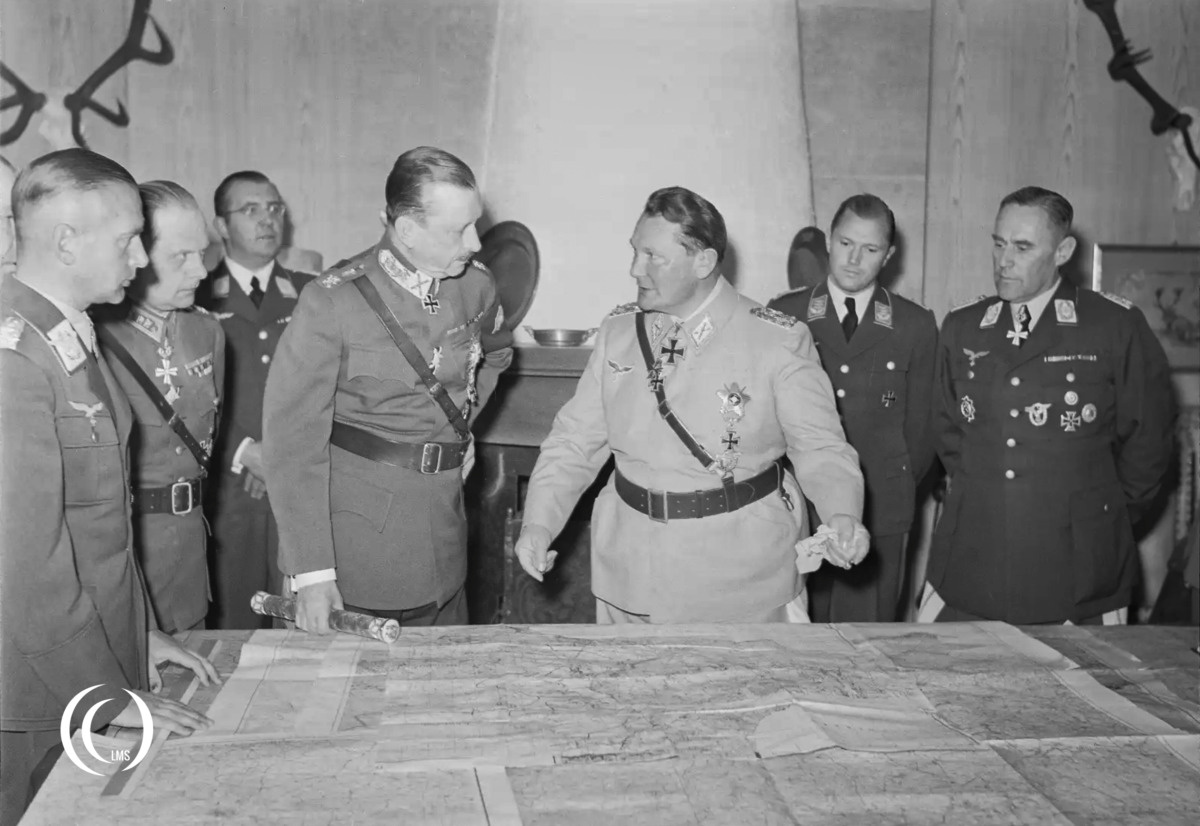
Finnish forces successfully recaptured much of the territory lost in 1940 and advanced into Soviet territory in East Karelia. However, Mannerheim remained cautious about becoming too closely involved in Germany’s wider war aims. Finland did not participate in the assault on Leningrad, despite German pressure, and Finnish forces generally did not attempt to storm the city.
Cooperation with Germany
The relationship with Germany nevertheless became increasingly important as the war continued. German military support and supplies were essential to Finland’s ability to continue fighting the Soviet Union. Mannerheim had to balance the benefits of German assistance against the danger that Finland might become politically and militarily dependent on Nazi Germany.
One of the most famous episodes of this relationship occurred in June 1942, when Adolf Hitler made a surprise visit to Finland to celebrate Mannerheim’s 75th birthday. Mannerheim was reportedly uncomfortable with the visit and avoided turning it into a major public celebration by receiving Hitler on his personal train instead of his headquarters in Mikkeli or the Finnish capital, Helsinki, as he did not want the visit to appear to be an official state visit.
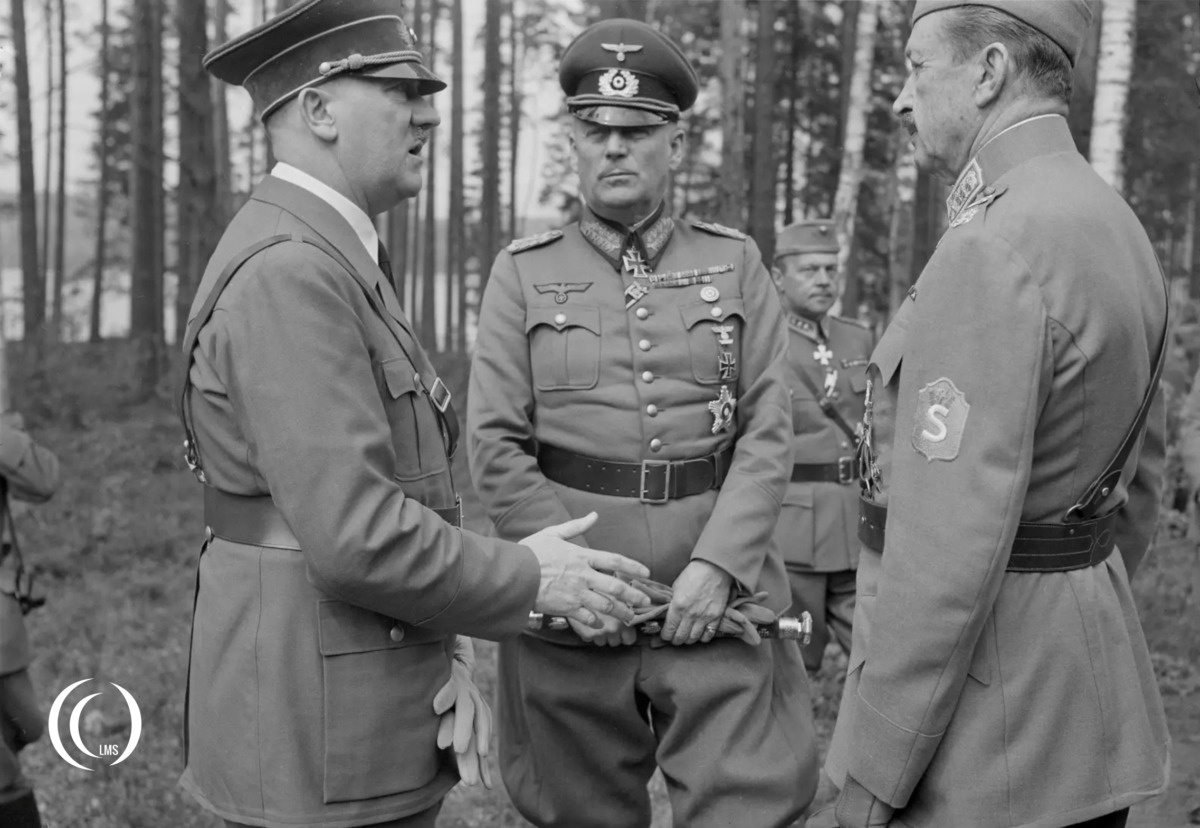
During the visit, a secretly recorded conversation captured Hitler speaking informally about the difficulties of the war against the Soviet Union.
The Soviet Offensive of 1944
By 1944, the strategic situation had changed dramatically. Germany was losing the war, and the Soviet Union had recovered from the disasters of 1941. In June 1944, the Red Army launched a massive offensive against Finnish positions on the Karelian Isthmus.
Once again, Mannerheim faced one of the greatest challenges of his military career. Finnish forces were forced to retreat from several positions, including the important city of Viipuri. However, the Finnish Army succeeded in reorganising its defences and halted the Soviet advance during the major battles of Tali-Ihantala, Vuosalmi and the Bay of Viipuri.
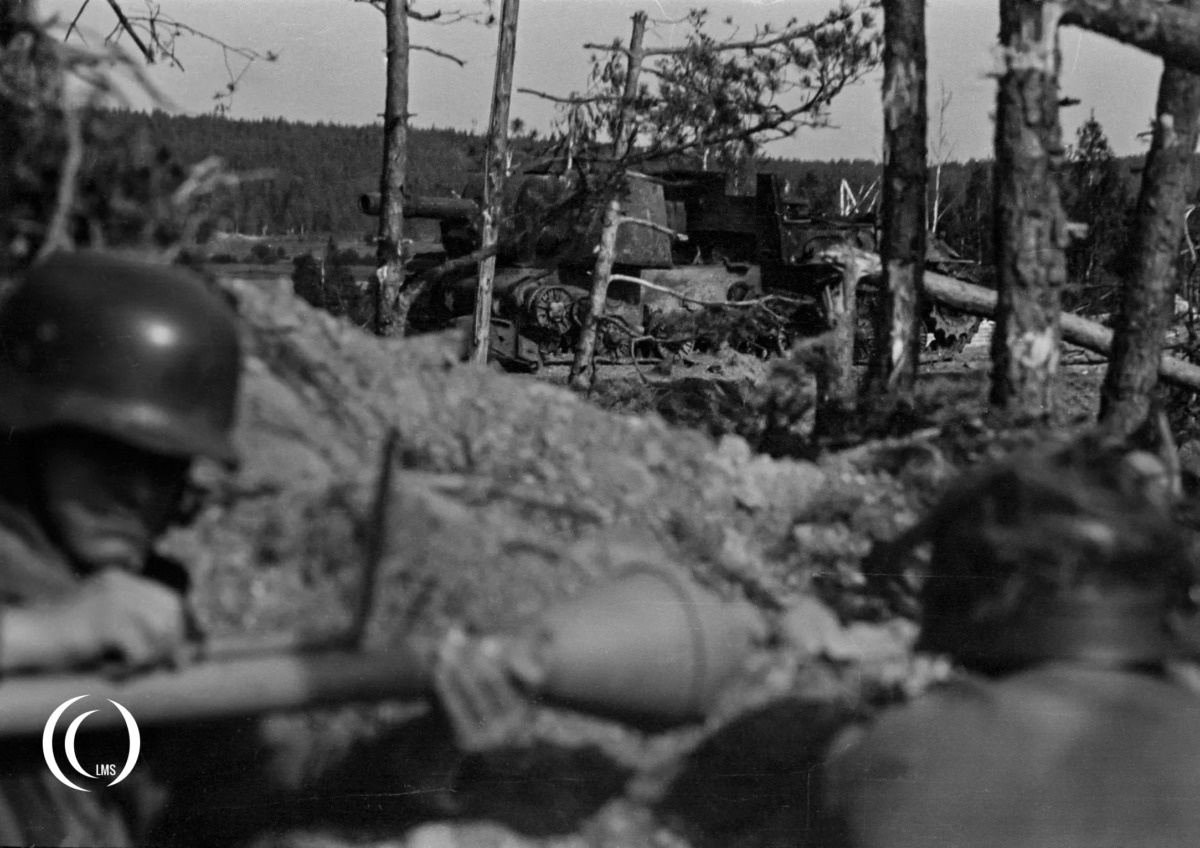
These battles were among the largest ever fought in the Nordic countries. The Finnish defensive success, supported by German military assistance, helped convince the Soviet leadership that the conquest of Finland would be costly and unnecessary. Finland was ultimately able to negotiate an armistice rather than suffer unconditional occupation.
President and the End of the War
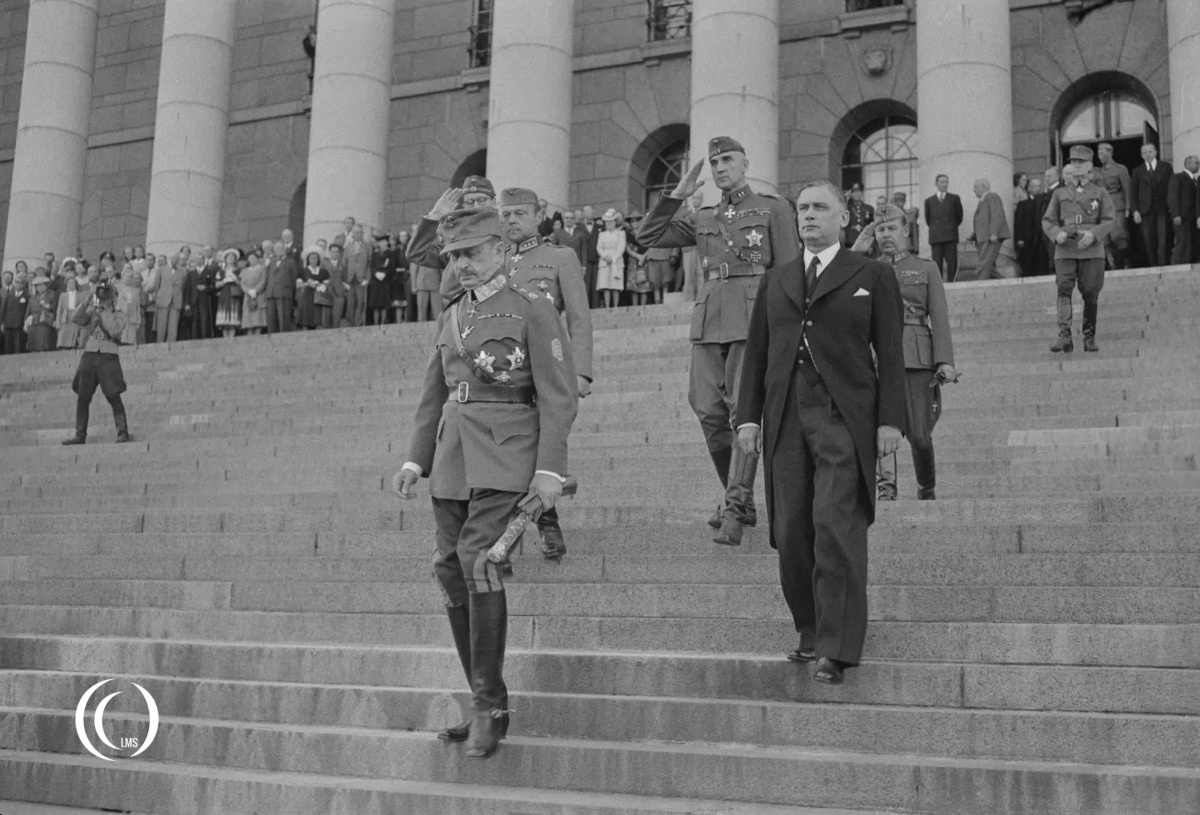
In August 1944, Mannerheim was elected President of Finland. His prestige and reputation made him one of the few figures capable of leading the country through the final stages of the war.
Finland signed an armistice with the Soviet Union in September 1944. One of its conditions required Finland to remove German forces from Finnish territory. This led to the Lapland War, in which Finnish troops fought against their former German allies in northern Finland.
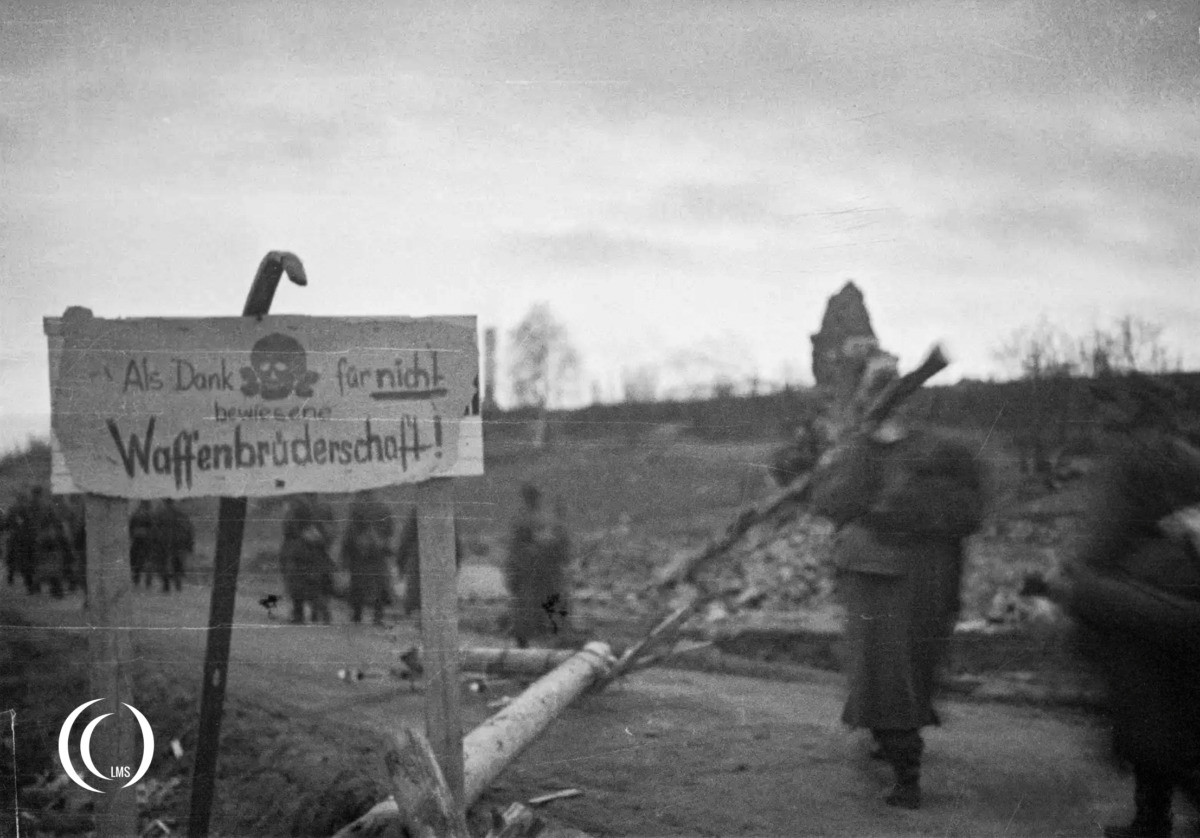
Mannerheim’s government faced the difficult task of implementing the armistice while maintaining Finnish independence and political stability. Finland was required to pay substantial reparations and make territorial concessions, but unlike many Eastern European countries, it was not occupied by the Soviet Union and did not become a communist satellite state.
Death
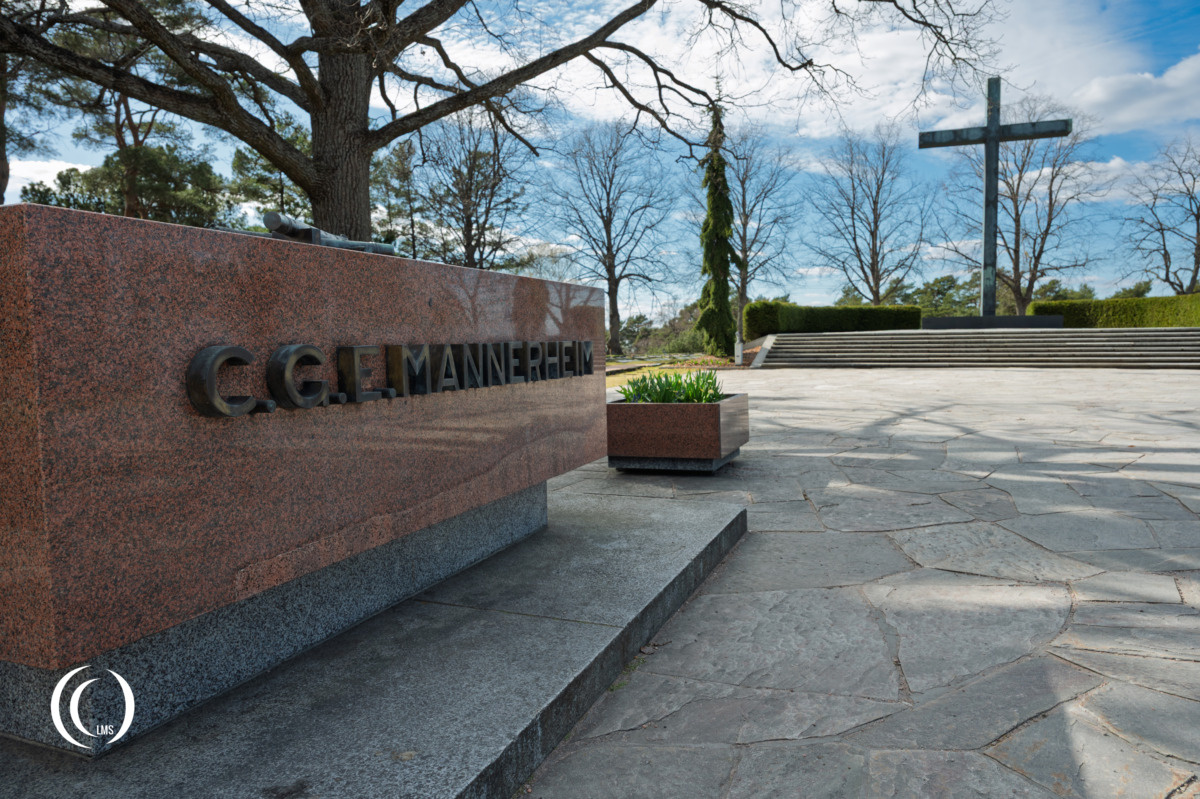
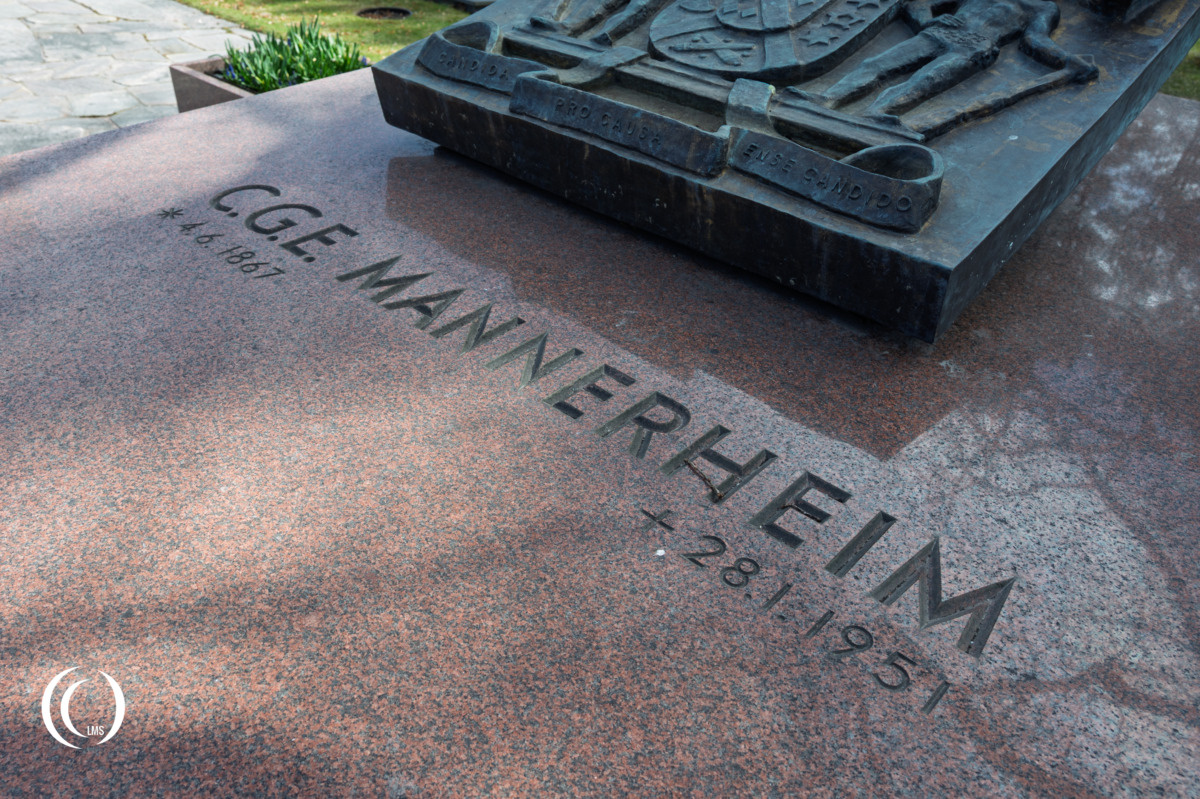
Mannerheim resigned from presidency in 1946 because of declining health. He spent the last years of his life in the care of the Valmont Sanatorium in Montreux, Switzerland, writing his memoirs. Mannerheim died on 27 January 1951 (28 January Finnish time), in the Cantonal Hospital in Lausanne, Switzerland, after suffering from a serious peptic ulcer case.
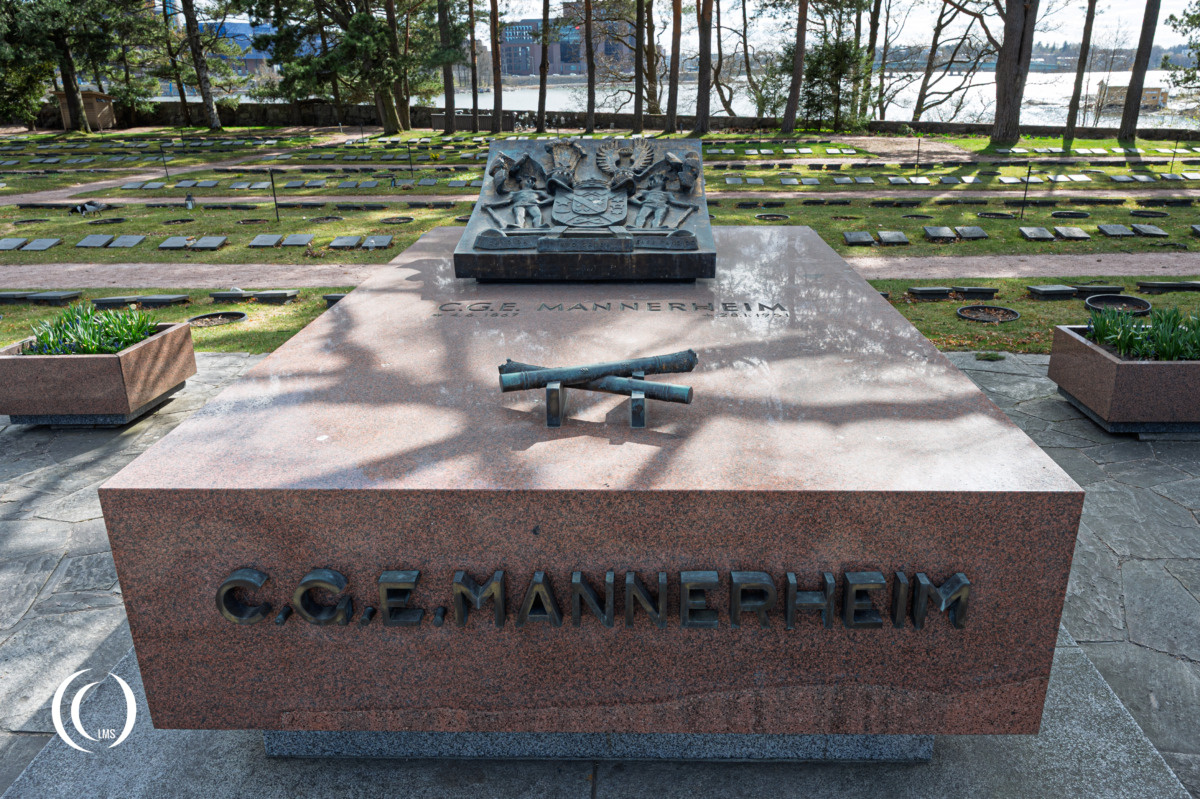
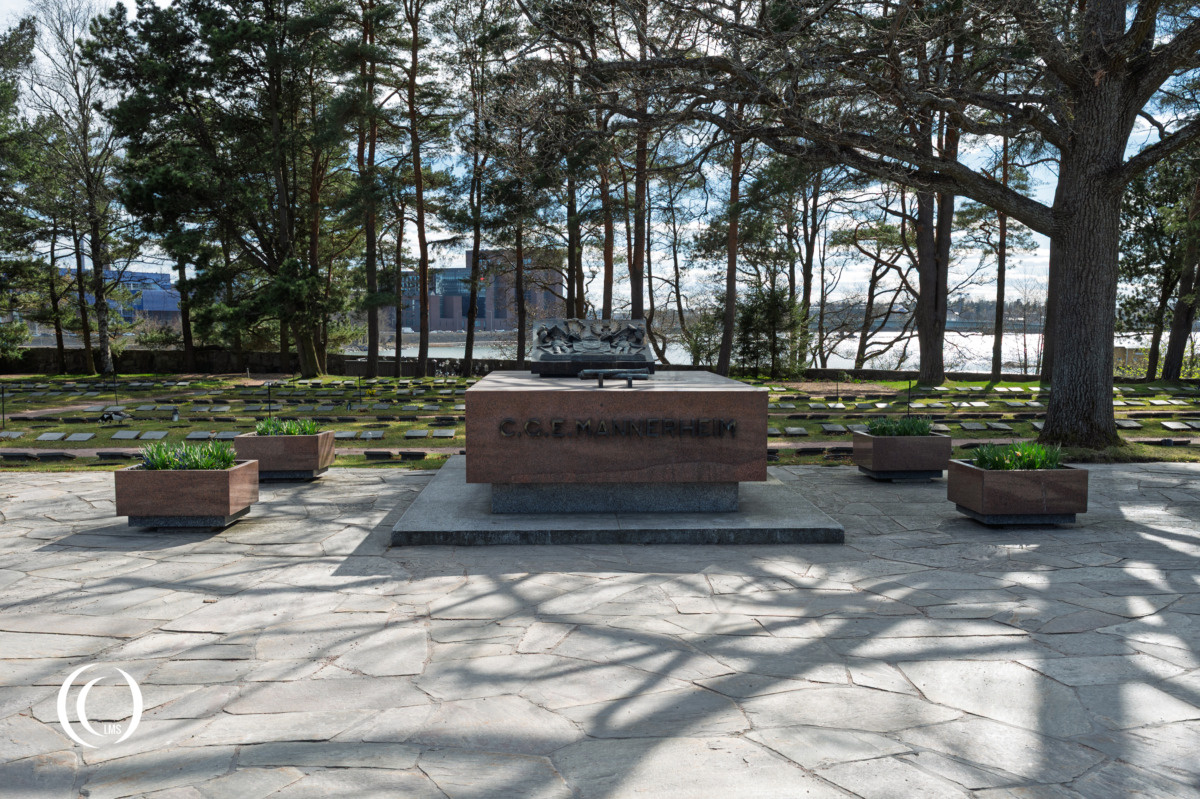
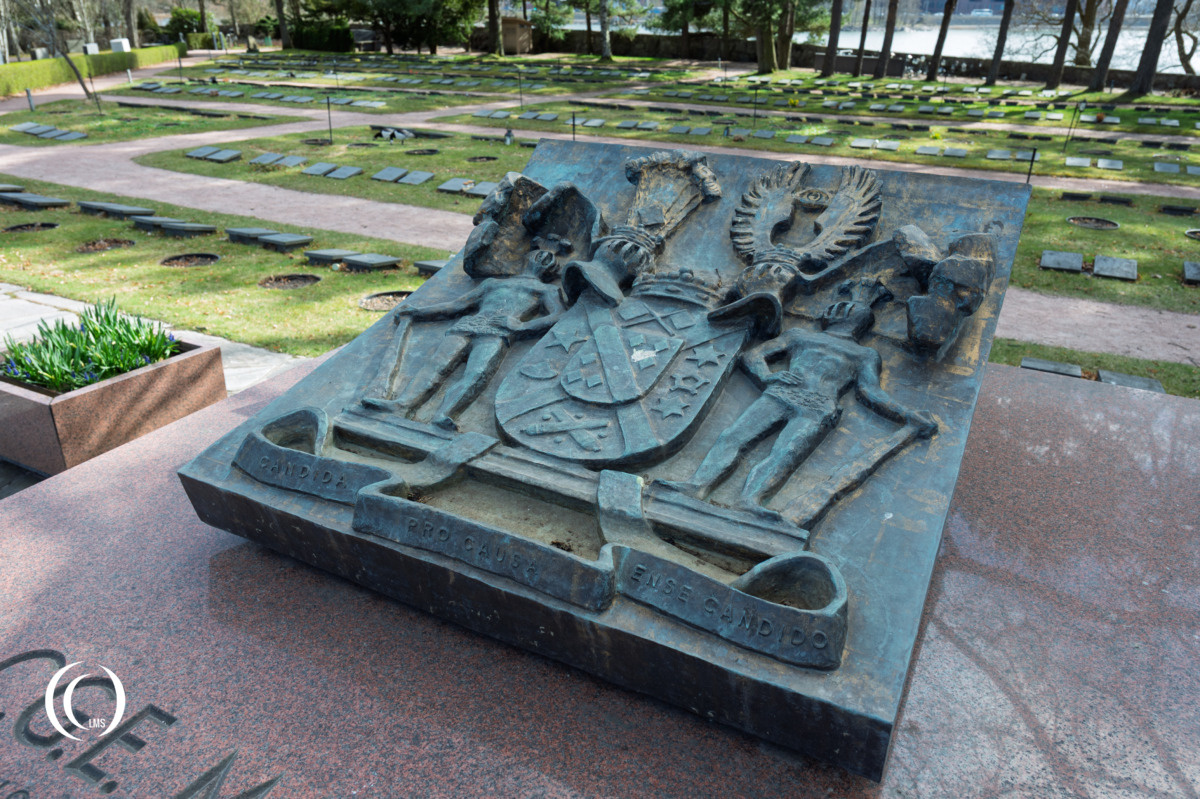
He was buried on February 4th 1951 at the Hietaniemi Cemetery in Helsinki in a state funeral with full military honours.
Legacy
Carl Gustaf Mannerheim remains one of the most significant and debated figures in Finnish history. His career was shaped by the dramatic events of the twentieth century: the collapse of the Russian Empire, the Finnish Civil War and two wars against the Soviet Union.
During the Second World War, Mannerheim’s greatest achievement was arguably not the defeat of an enemy but the preservation of Finland as an independent state. He led a small nation through conflicts against a vastly more powerful neighbour and navigated the dangerous political relationship with Nazi Germany without allowing Finland to become completely subordinate to German control.
Mannerheim was not without controversy. Finland’s cooperation with Germany and its occupation of parts of Soviet territory remain subjects of historical debate. Nevertheless, his leadership during the Winter War and the Continuation War is widely regarded as crucial to Finland’s survival.
For many Finns, Marshal Mannerheim remains the symbol of national resistance and independence. His military career and political leadership helped shape the course of Finnish history during the Second World War and ensured that Finland emerged from the conflict battered and diminished, but still sovereign.
Visit
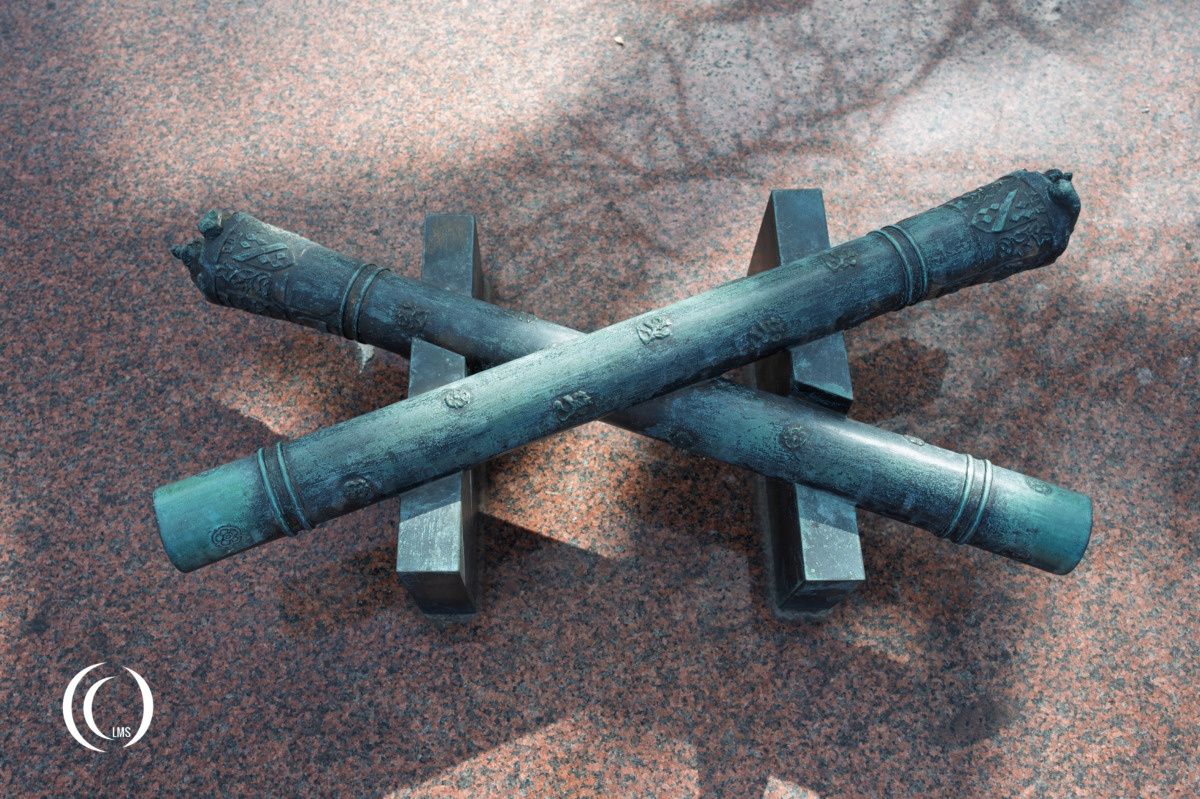
You can visit the grave of Field Marshal Carl Gustaf Mannerheim at the Military War Cemetery section of Hietaniemi Cemetery in Helsinki, Finland.
