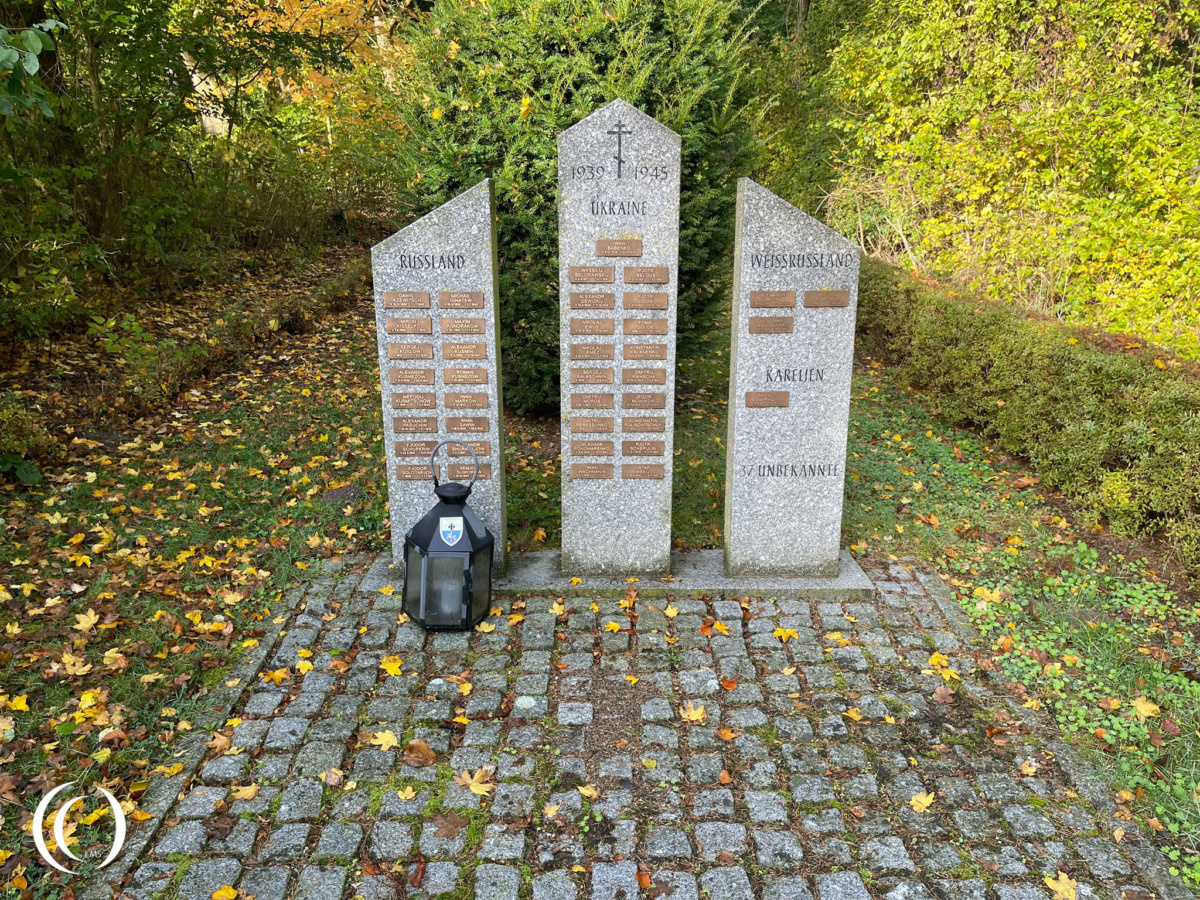
Forced laborers cemetery – Kriegsgräberstätte Heiningen
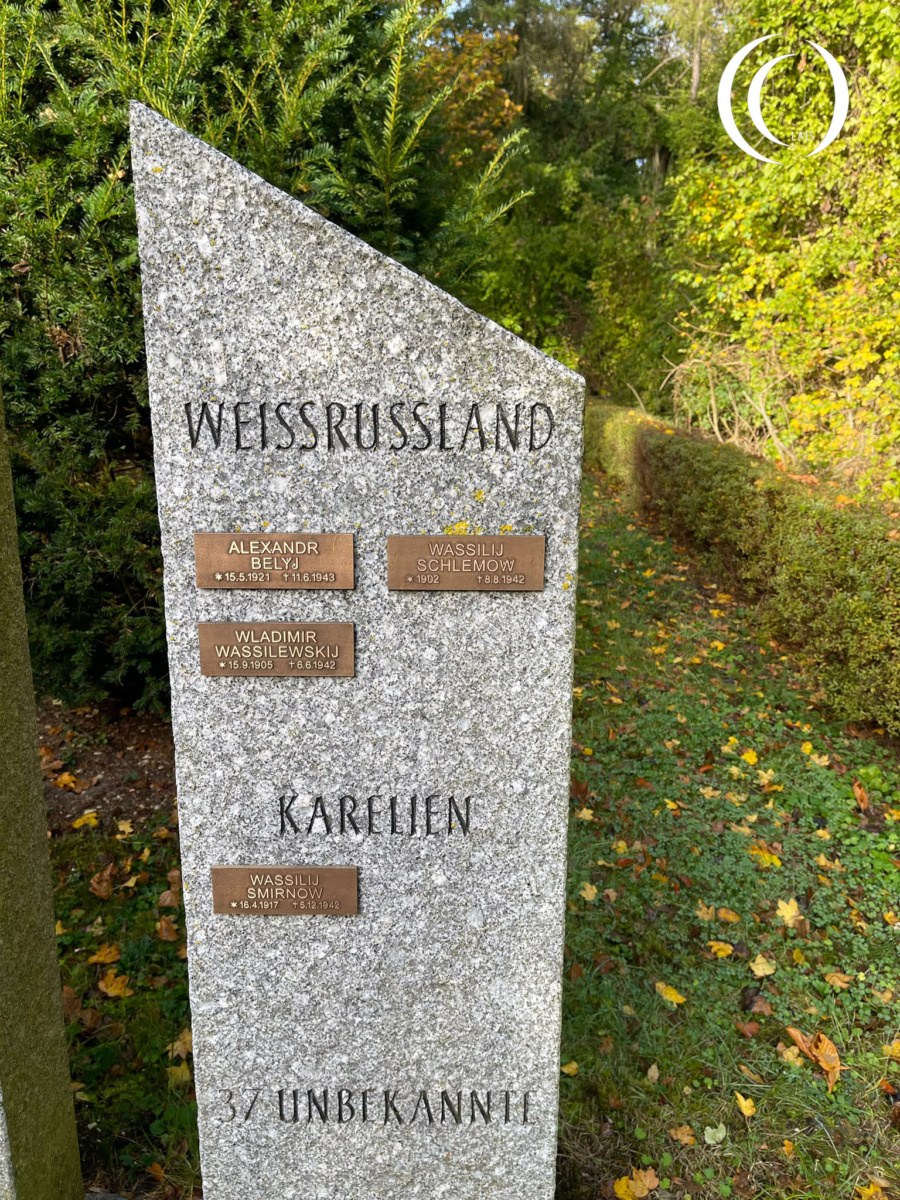
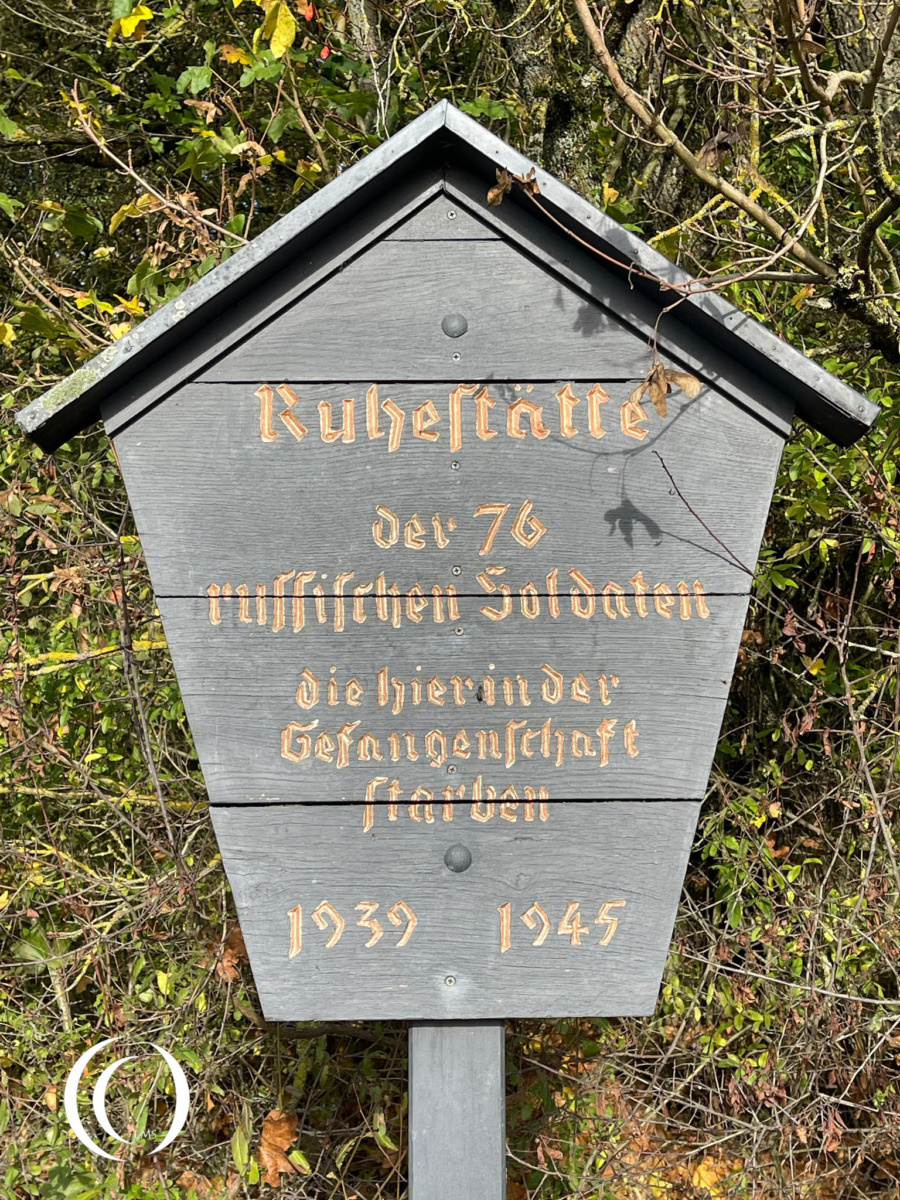
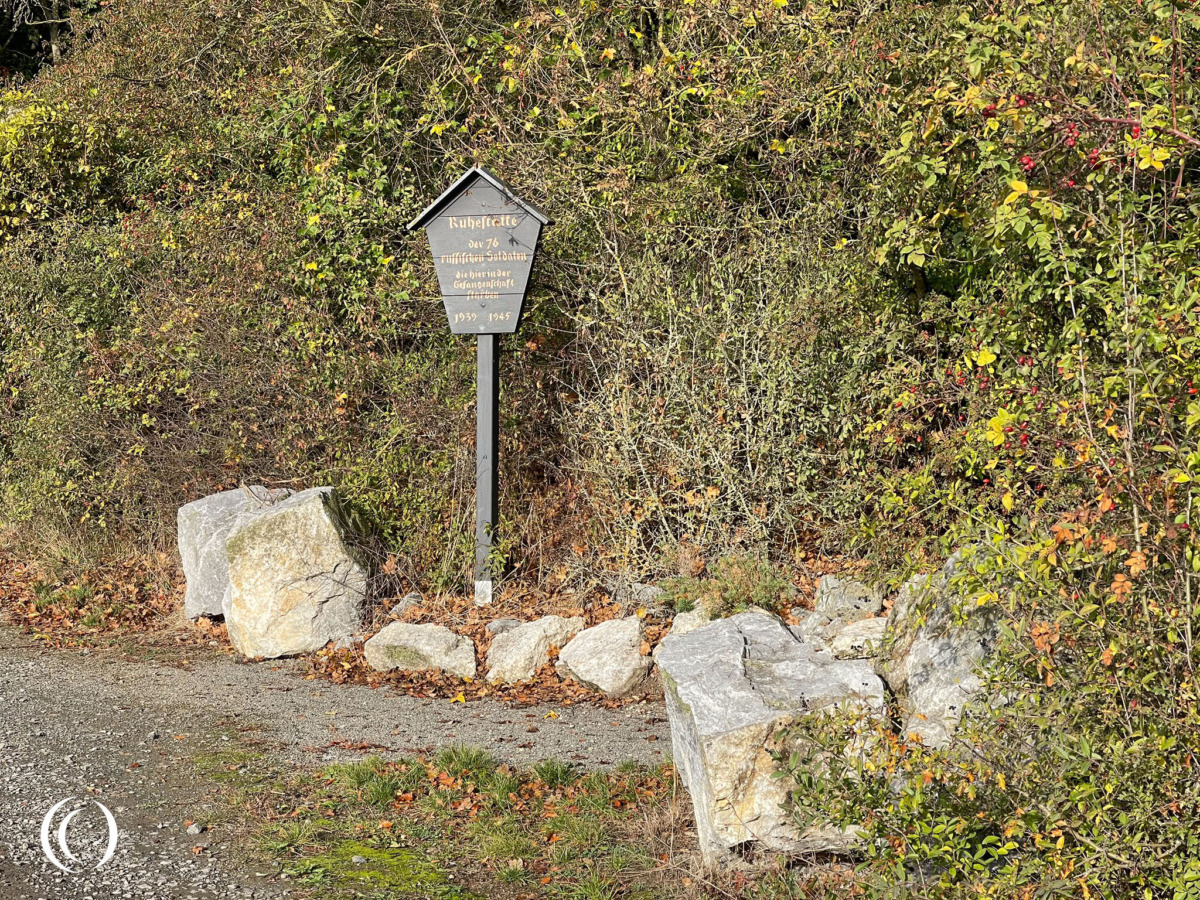
This war cemetery is the final resting place of 76 Soviet prisoners of war from World War 2. Men from Labor Camp 16 (Heiningen) who were forced to perform labor at the “Reichswerke Hermann Göring” in Salzgitter and died from exhaustion, illness, and malnutrition. Only in recent years has this site, which had been “forgotten” for decades, been given a dignified layout, and an effort to identify the individuals buried here initiated. To date, 39 names have been identified and displayed on three stelae erected at the site in 2012; research into the identities of the others is ongoing. The Wolfenbüttel Reservists’ Association has maintained the site since 2009.
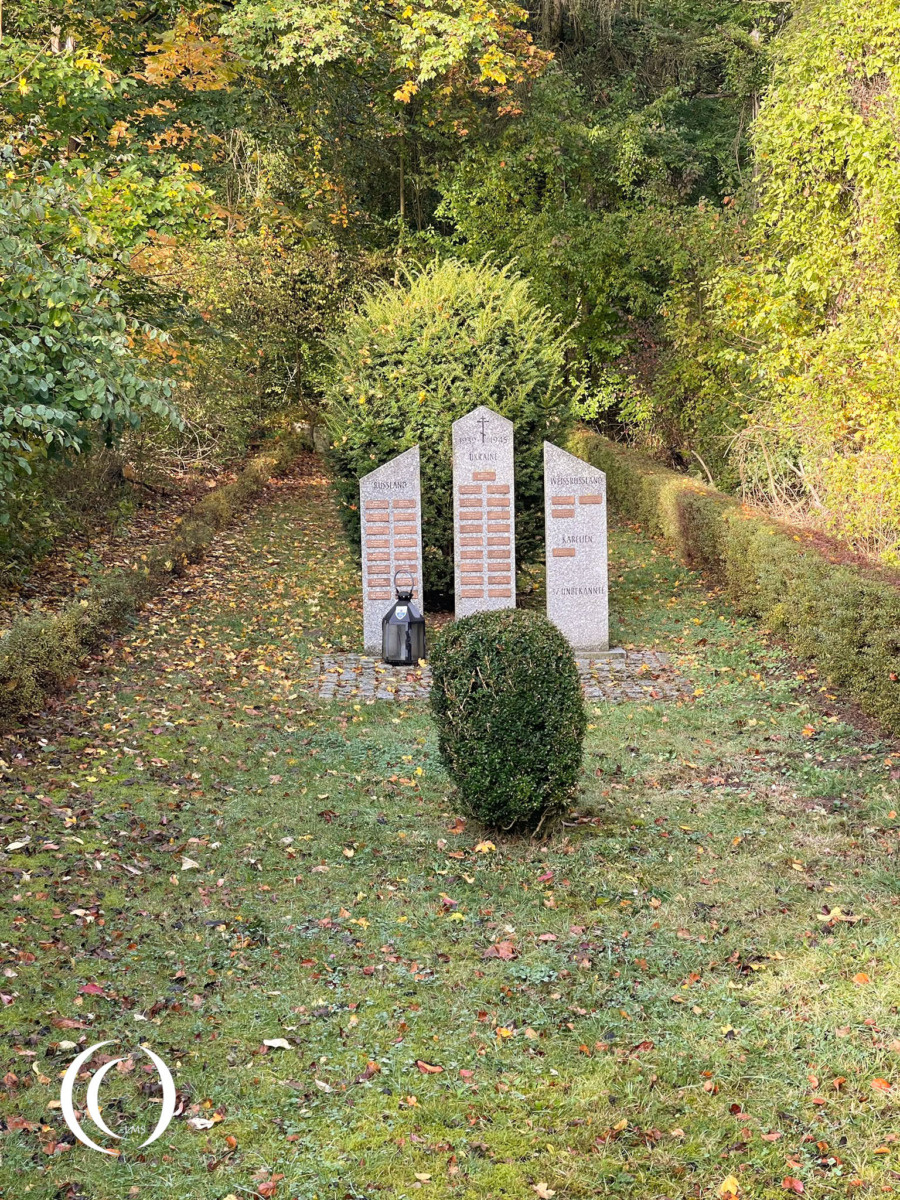
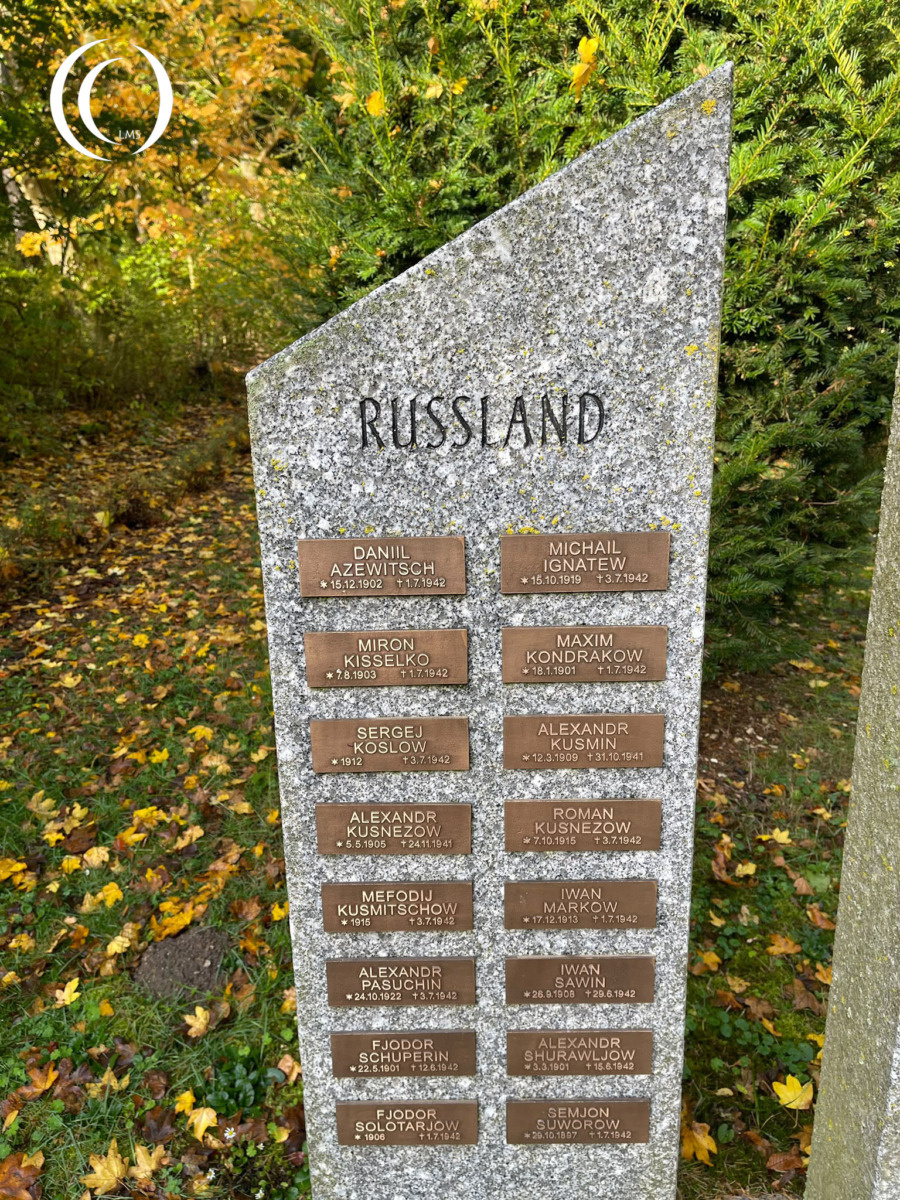
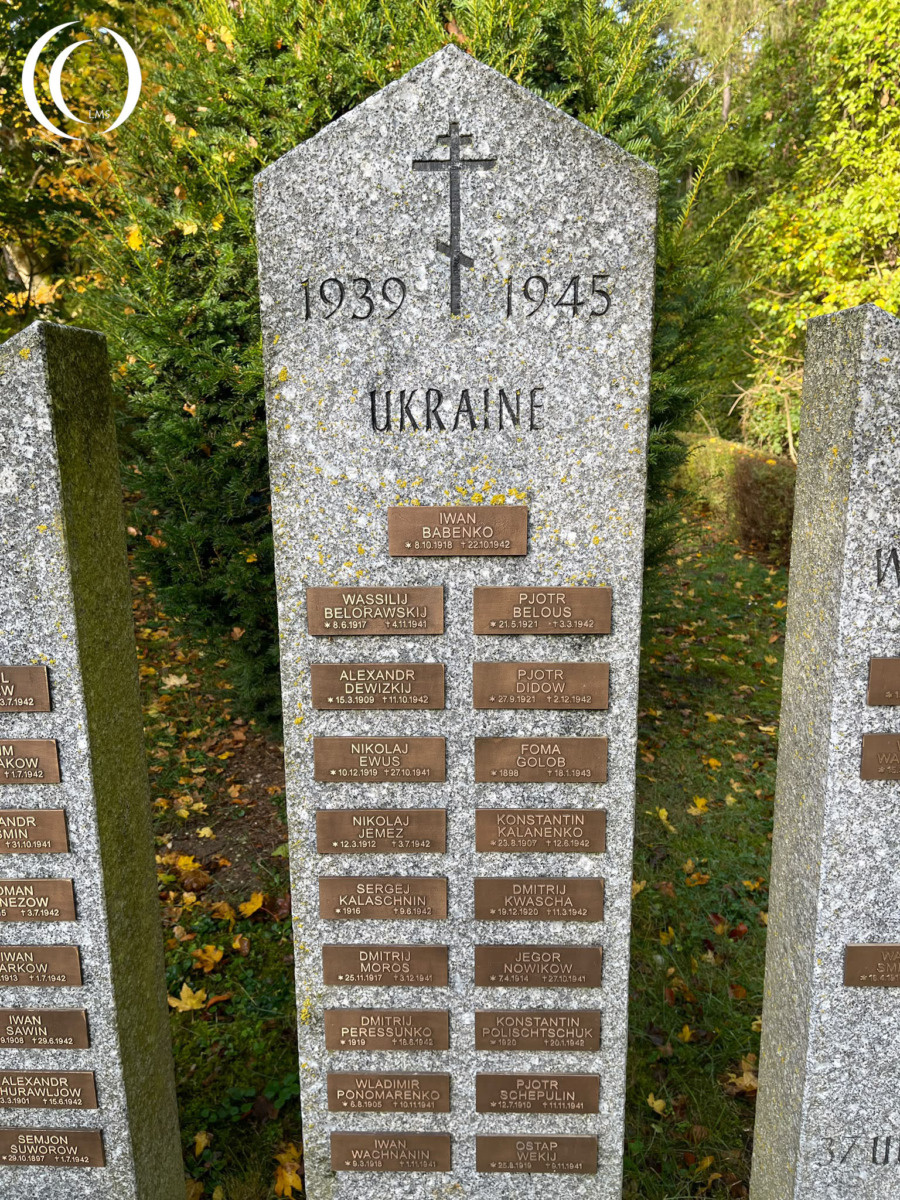
Labour Camp 16 in Heiningen, Germany
Forced-labor barrack camp 16, “Barackenlager 16”, was built as a Reichswerkelager for the water supply department (Betrieb Wasserversorgung). Labour Camp 16 in Heiningen was associated with forced labour during the Nazi period and the Second World War. Inmates held in Lager 16 were forced to perform grueling hard labor.
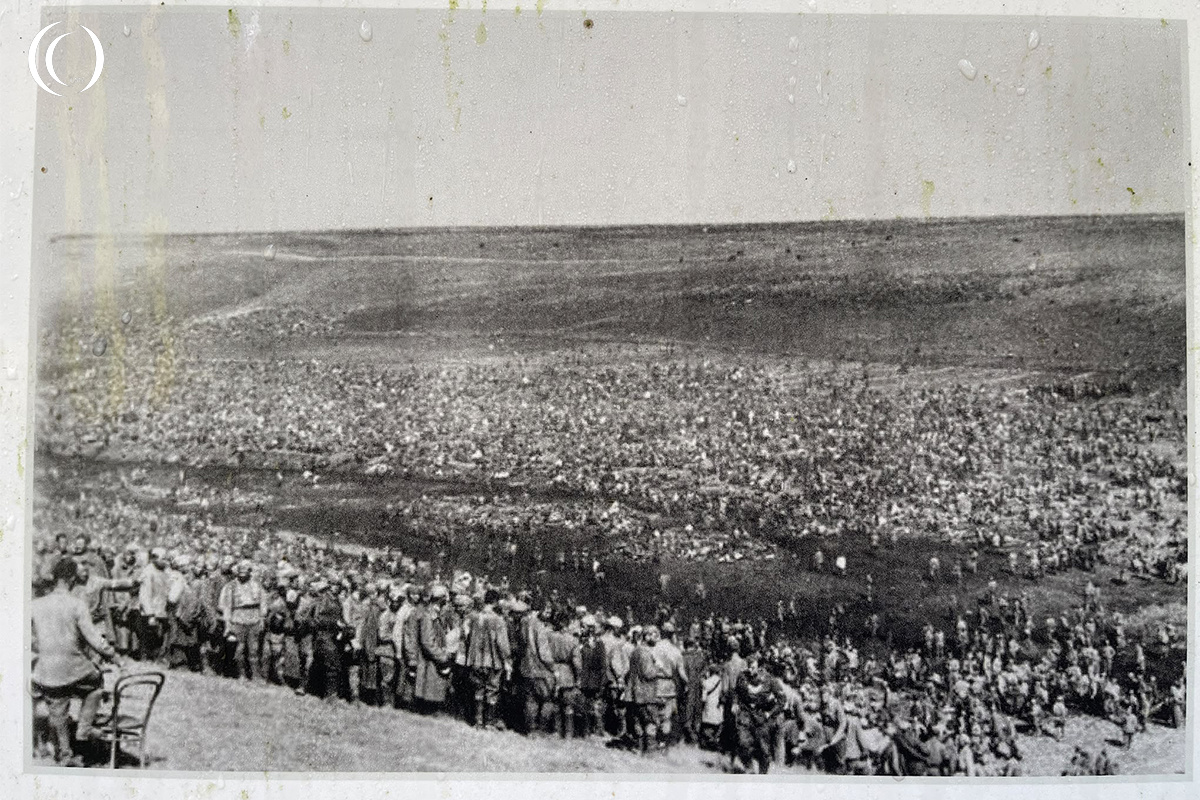
The camp was originally established around 1938–1939 to house workers involved in constructing a water supply system for the Reichswerke Hermann Göring, a major industrial complex near Salzgitter. It was originally designed to accommodate about 600 people. In the spring of 1941, capacity was reduced to approximately 485–490 places. Soviet prisoners of war were held here from early 1942 and were forced to work for the German war industry. Conditions in the camp were harsh. Prisoners suffered from malnutrition, disease, exhausting physical labour, and inadequate living conditions. Many died from extreme overwork, malnutrition, and disease.
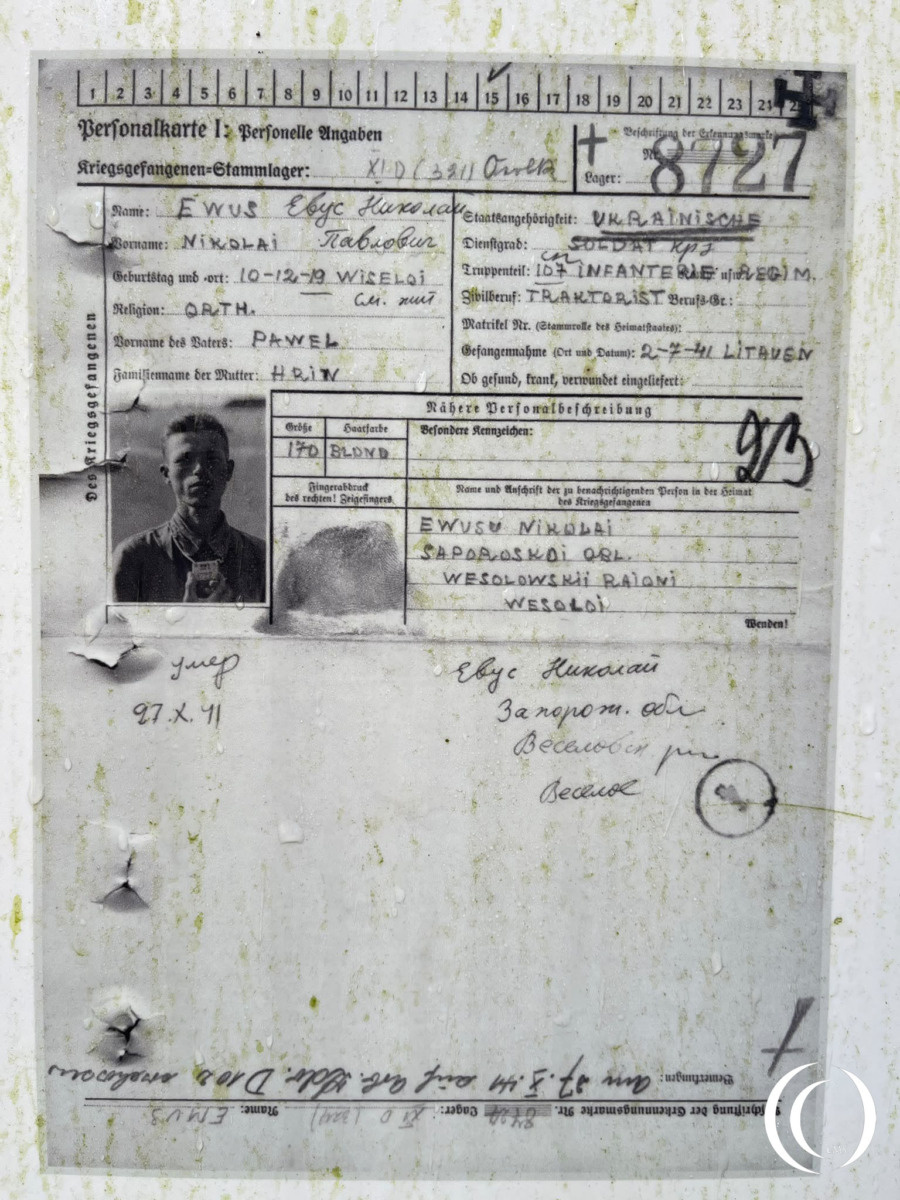
After the war, the camp’s barracks were reportedly used to accommodate displaced people, including Polish displaced persons.
Reichswerke Hermann Göring
The Reichswerke Hermann Göring was a major German state-owned industrial group established in 1937 under Nazi rule. Named after Hermann Göring, one of Adolf Hitler’s leading officials, it was created to increase Germany’s production of iron and steel and reduce dependence on imported raw materials.
The industrial complex near Salzgitter became a major centre of armaments production during the Second World War. Its operations relied increasingly on forced labour, including foreign civilian workers, prisoners of war, and concentration camp prisoners. Nearby camps, including Labour Camp 16 in Heiningen, were connected to the wider system of wartime industrial labour.
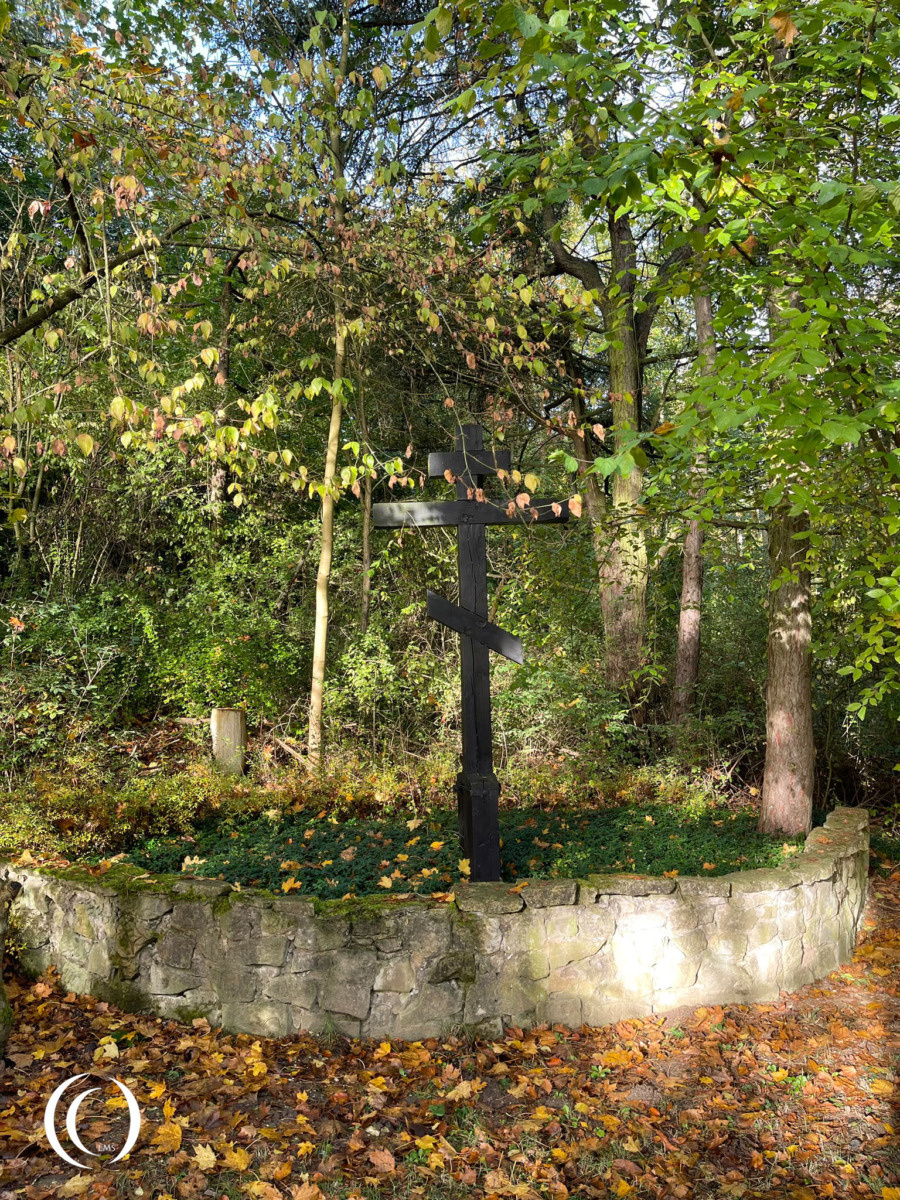
All photos by Phil Wood
Visit
Sources
- Kriegsgraeberstaetten.volksbund.de
- Volksbund.de
- Wikipedia
