After World War One Germany was not allowed to produce or operate offensive weapons under the terms of the Treaty of Versailles. But driven by the country’s wish to rearm, the development and testing of weaponry was secretly shifted to foreign countries willing to participate. For the development of tanks, aircraft and submarines, project collaborations were undertaken with the Soviet-Union, Spain and Finland.
Finnish-German collaboration
The earliest Finnish-German collaborations for the development of naval vessels started in the 1920s, through the NV Ingenieurskantoor voor Scheepsbouw (short IvS), which was a Dutch front-company established in the Netherlands in 1922 by the Deutsche Schiff- und Maschinenbau AG, a joint-venture of German shipbuilding companies AG Vulcan Stettin, Krupp Germaniawerft in Kiel and AG Weser (Bremen). This engineering company served to maintain and develop the know-how for German naval vessels and circumvent the limitations set by the Treaty of Versailles.
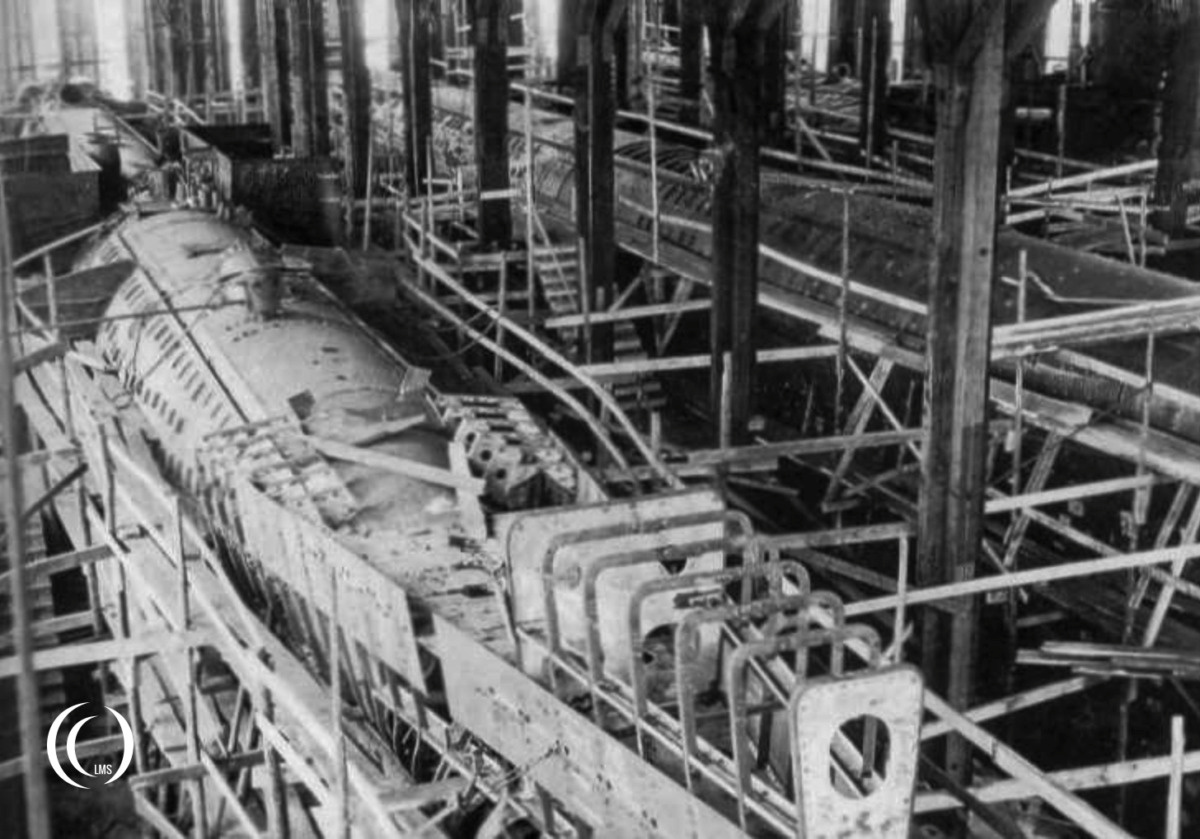
In 1927 this lead to the construction of three Finnish Vetehinen-class submarines at the Crichton-Vulcan shipyard in Turku, Finland. The design of the (493 tonnes surfaced, 716 tonnes submerged) submarines was based on the German Type UB III submarine used in World War I. The submarines named the Vetehinen, the Iku-Turso and the Vesihiisi were commissioned in 1930 (the latter in 1931) and served as an important step in the design of the German Type VII U-boats.
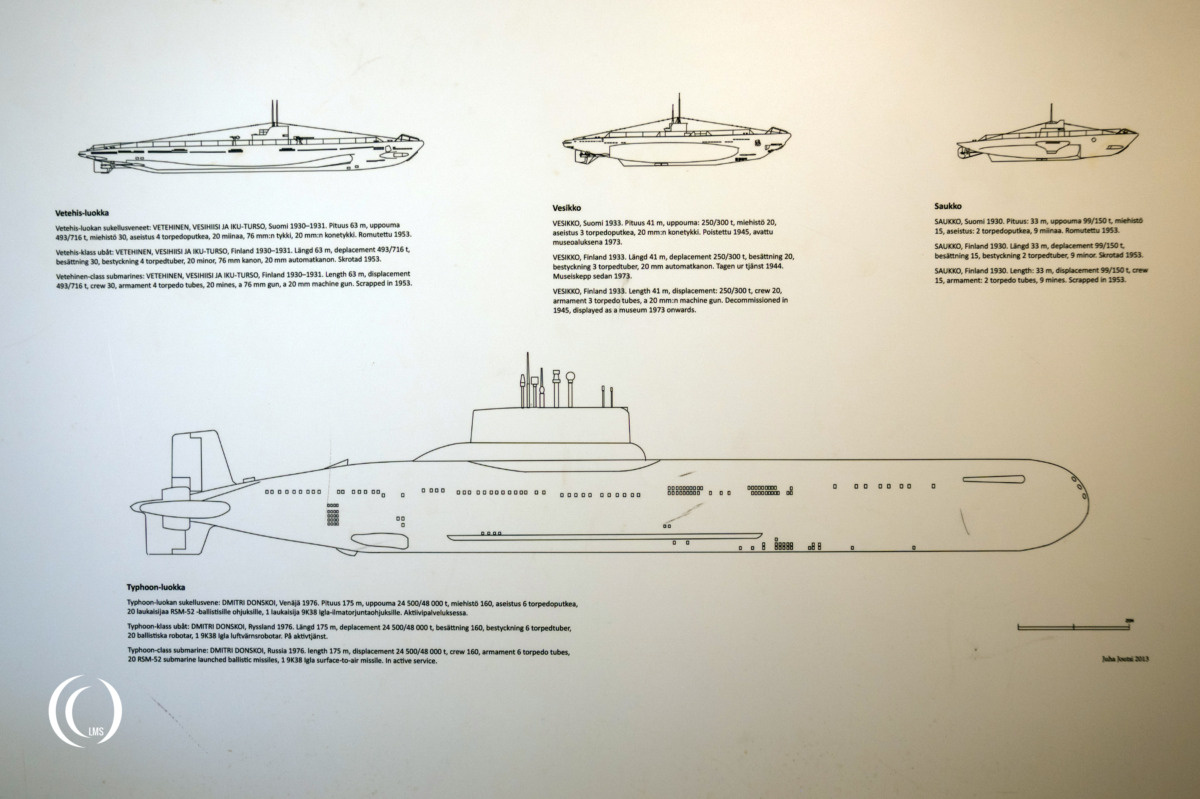
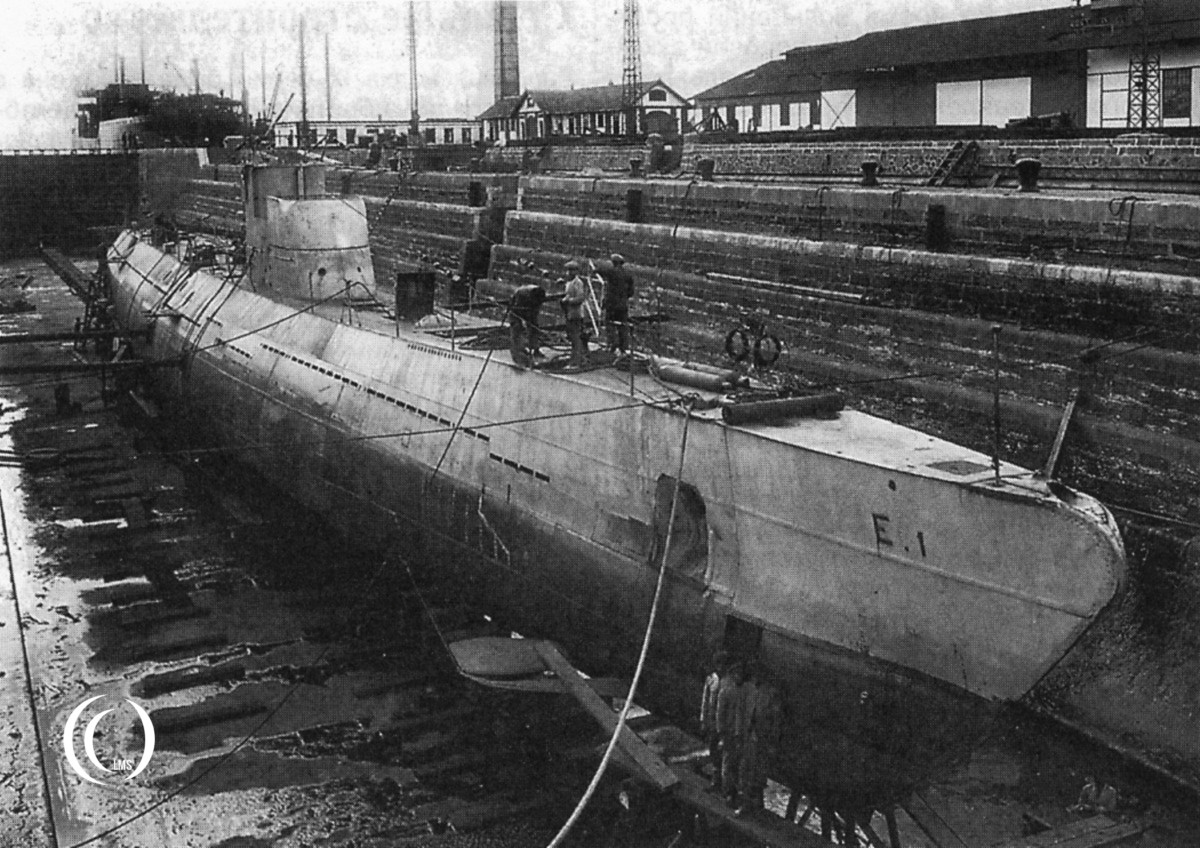
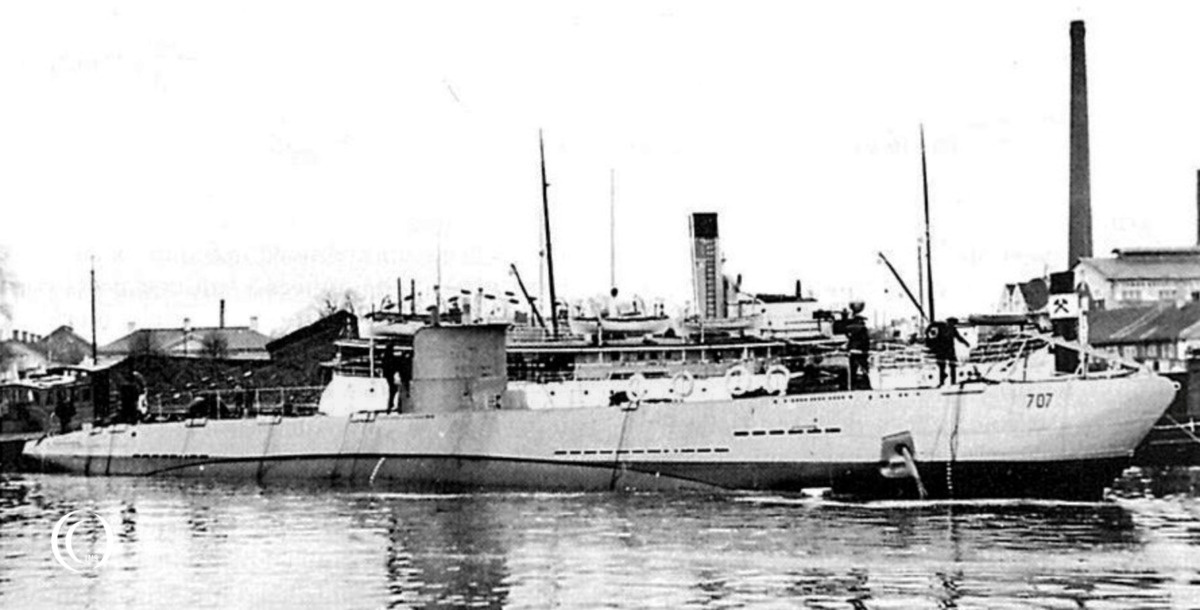
For the rearmament of the German Navy, the Reichsmarine (after 1935 the “Kriegsmarine“) wanted to develop a modern submarine arm with standards far surpassing the submarine types of WWI. To do this, the IvS designed two completely new submarine prototypes, which resulted in the construction of the E-1 at the Echevarrieta y Larrinaga shipyard in Cádiz, Spain and the CV 707 at the Crichton-Vulcan yard in Turku, Finland. While the larger E-1 (650 tonnes, 72.38 meters) would form the base prototype for the German Type IA oceangoing U-boat, the CV 707 (250/300 tonnes, 40.90 meters) would form the prototype for their coastal submarine Type II U-boats.
Design
The design of CV 707 was very advanced for its time. Instead of riveting, its pressure hull was completely welded together electrically, significantly increasing its water pressure resistance to a maximum depth of over twice that of WWI versions and decreasing the chances for oil leakages. As a bonus, the welding also speeded up the construction process.
While most of its predecessors were designed as surface ships that could submerge temporarily, CV 707’s hull was more streamlined, reducing underwater drag and making submerged operation more practical and quiet. In case of an attack, it could also perform a crash dive much faster than many WWI boats thanks to its improved ballast systems, balanced internal layout and more efficient venting arrangements. The submarine also had more effective sensors and weapons.
Construction
In October 1930, the Finnish-German collaboration agreed to construct the new German coastal submarine prototype at the docks of the Crichton-Vulcan company in Turku. Designated CV 707 (its yard-number), she was laid down in March 1931 and launched in May 1933 for an extensive testing period by the Germans until she was commissioned on the 30th of April 1934. After the Finnish Government officially acquired the submarine in January 1936, it joined the Finnish Navy under the name “Vesikko” in April of that year.
Technical data
- Dimensions
40.9 x 4.1 x 4.2 metres - Displacement
254 tons (surfaced) / 303 tons (submerged) - Crew
16 to 20 persons (usually two officers, two chief petty officers, eight petty officers and six sailors) - Depth rating
100 meters (test depth 150 m) - Hull thickness
13 mm - Diving speed
45 seconds to 9.3 metres - Maximum speed
13 / 8 knots (24 km/h surfaced & 15 km /h submerged) - Range
1,500 nautical miles/10 knots – 150 hours (surfaced)
50 nautical miles/4 knots – 13 hours (submerged) - Weapons
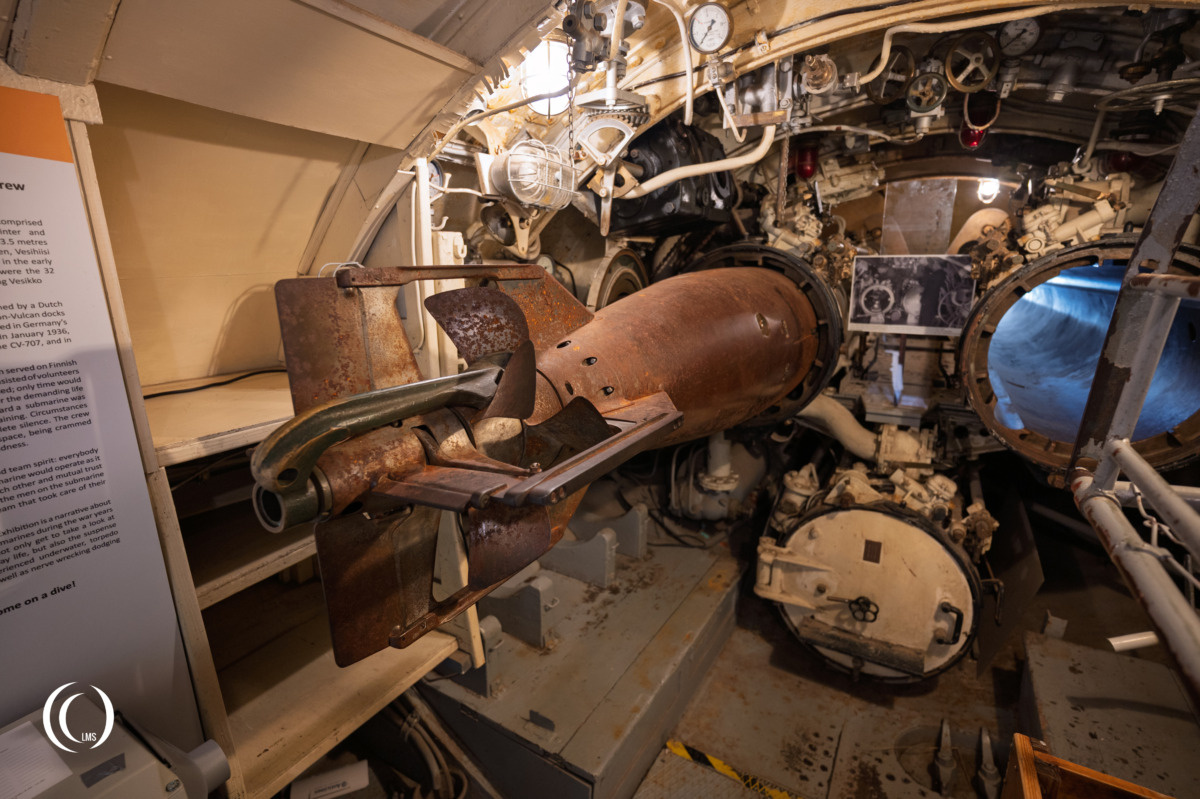
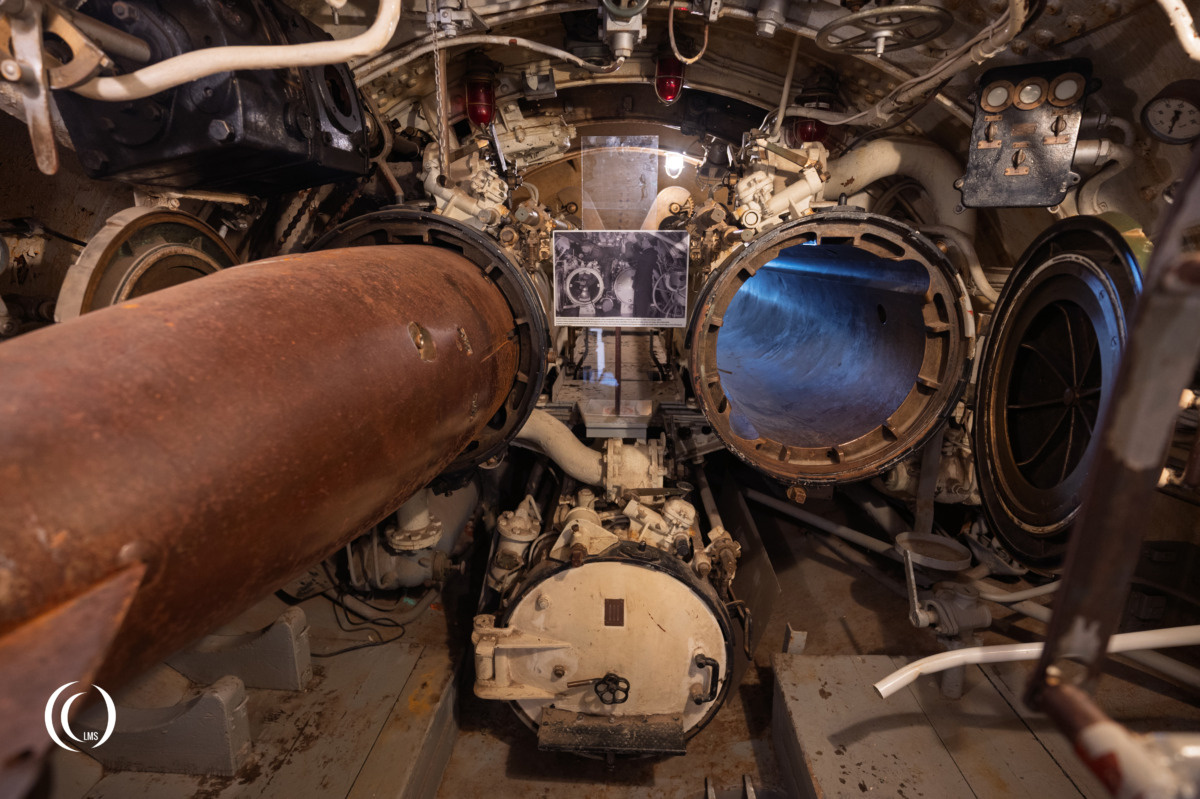
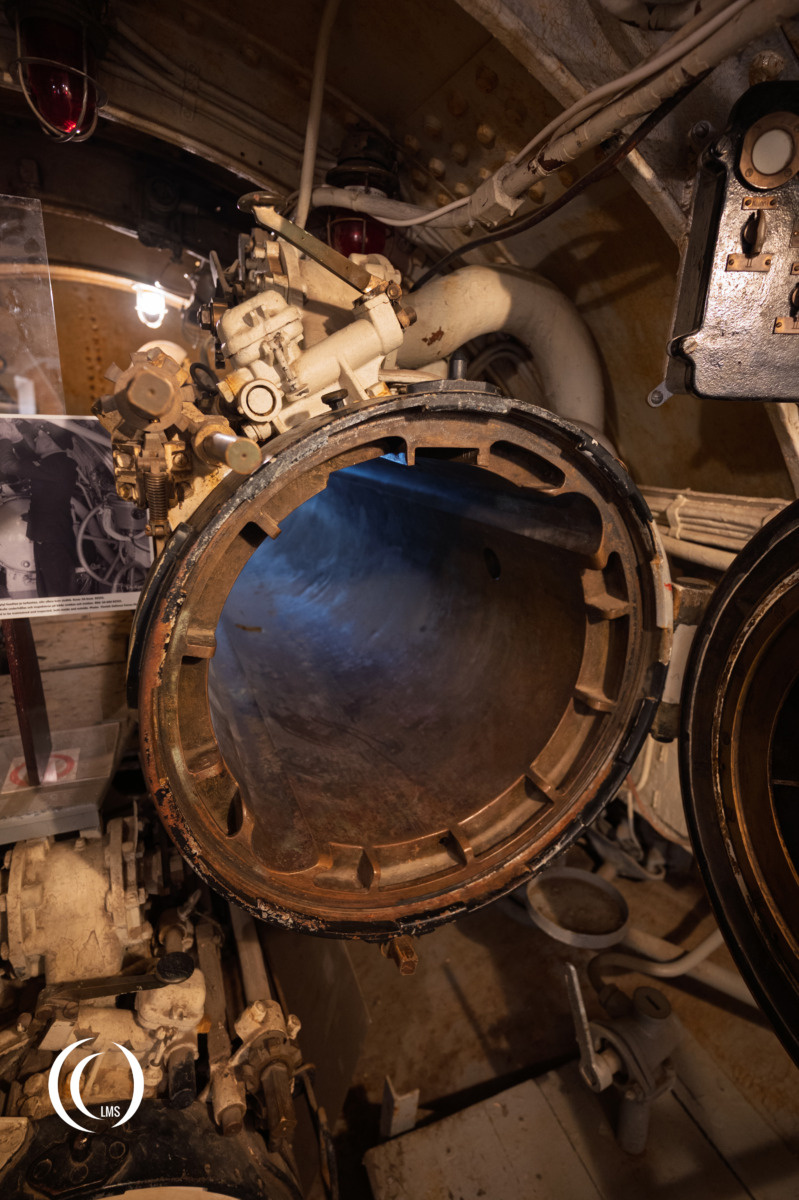
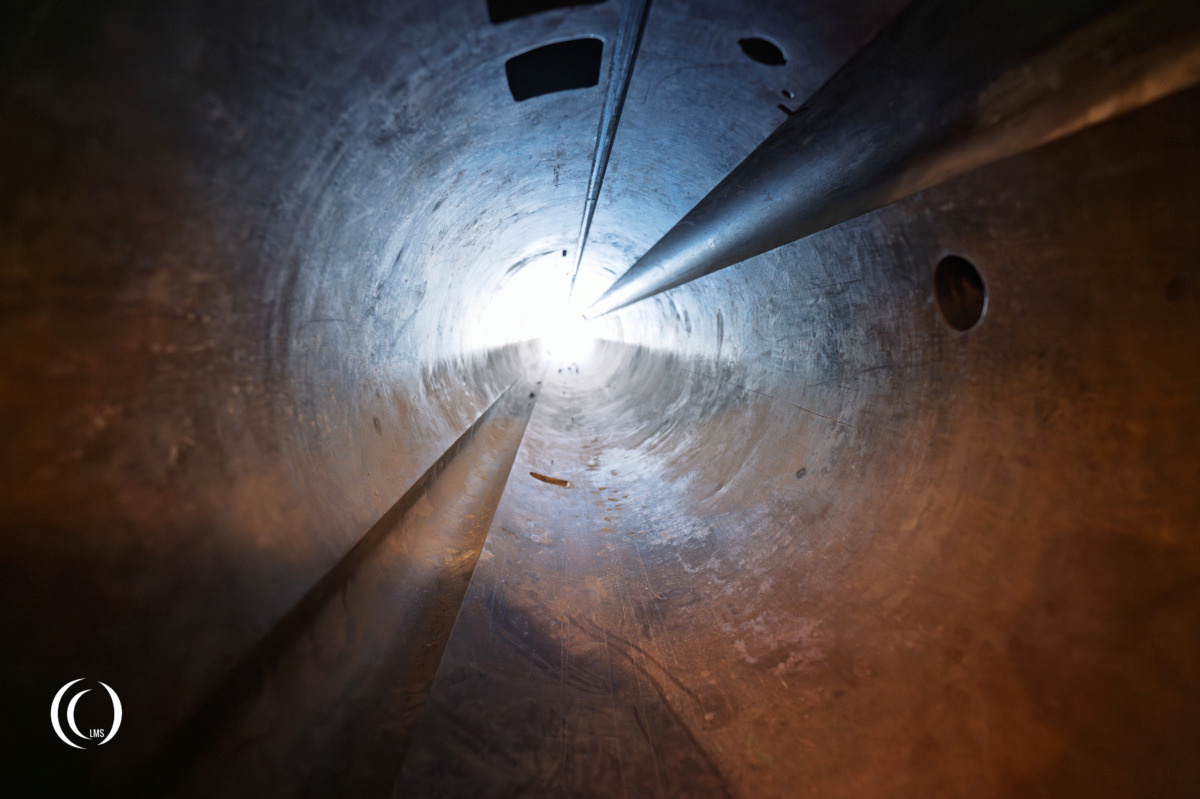
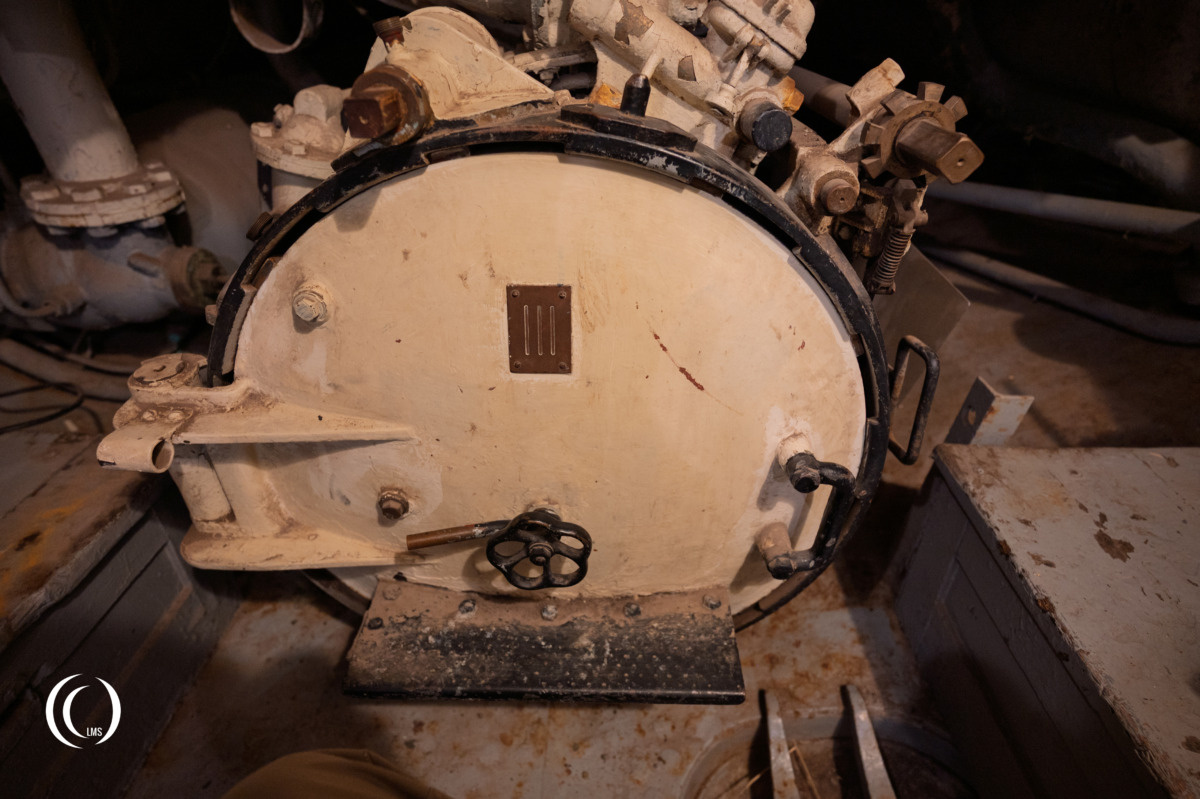
3 x 53.3 cm (21 inch) torpedo tubes in the bow
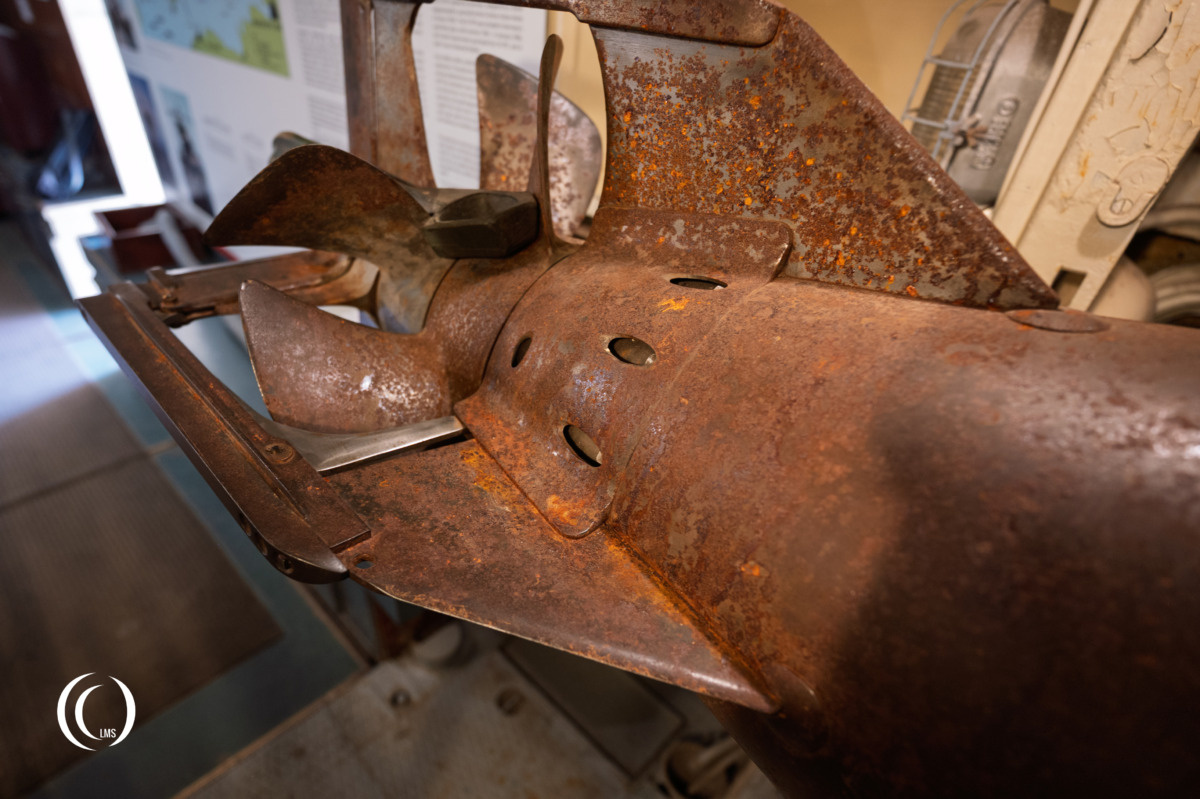
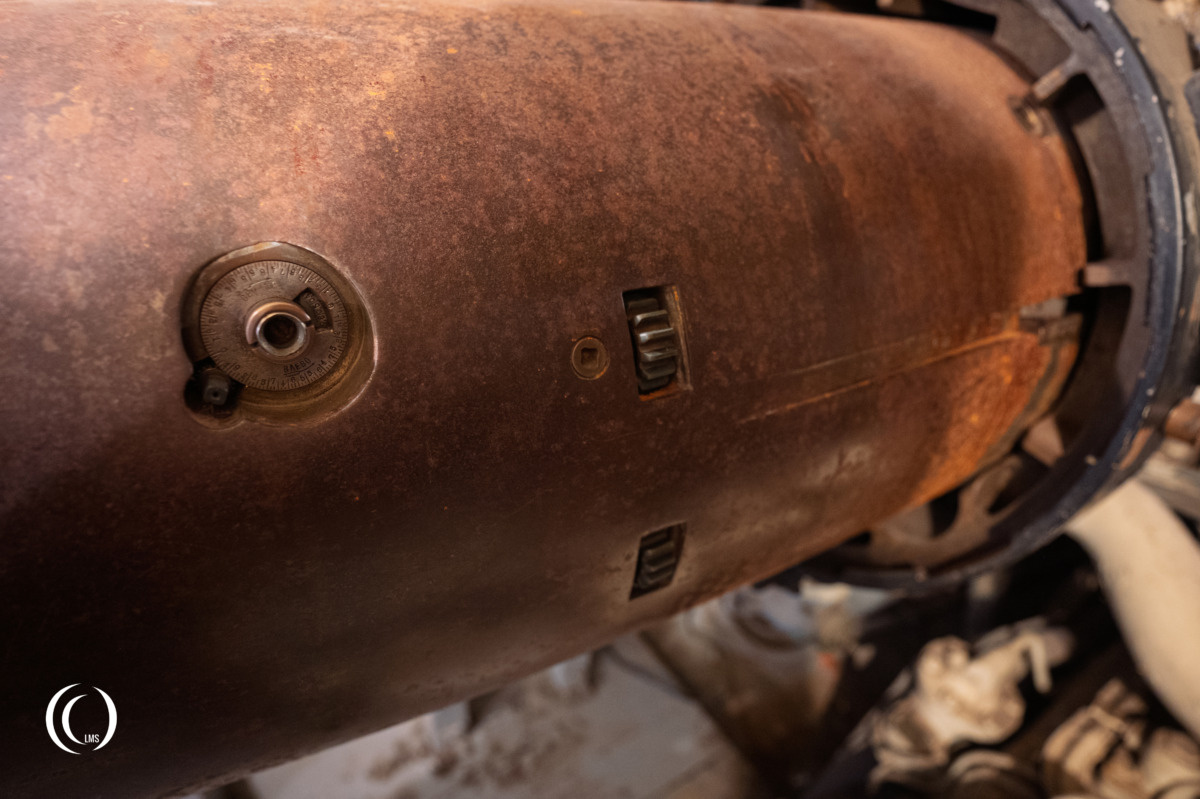
5 x 53 cm Whitehead T / 33 torpedoes (1,500 kg each)
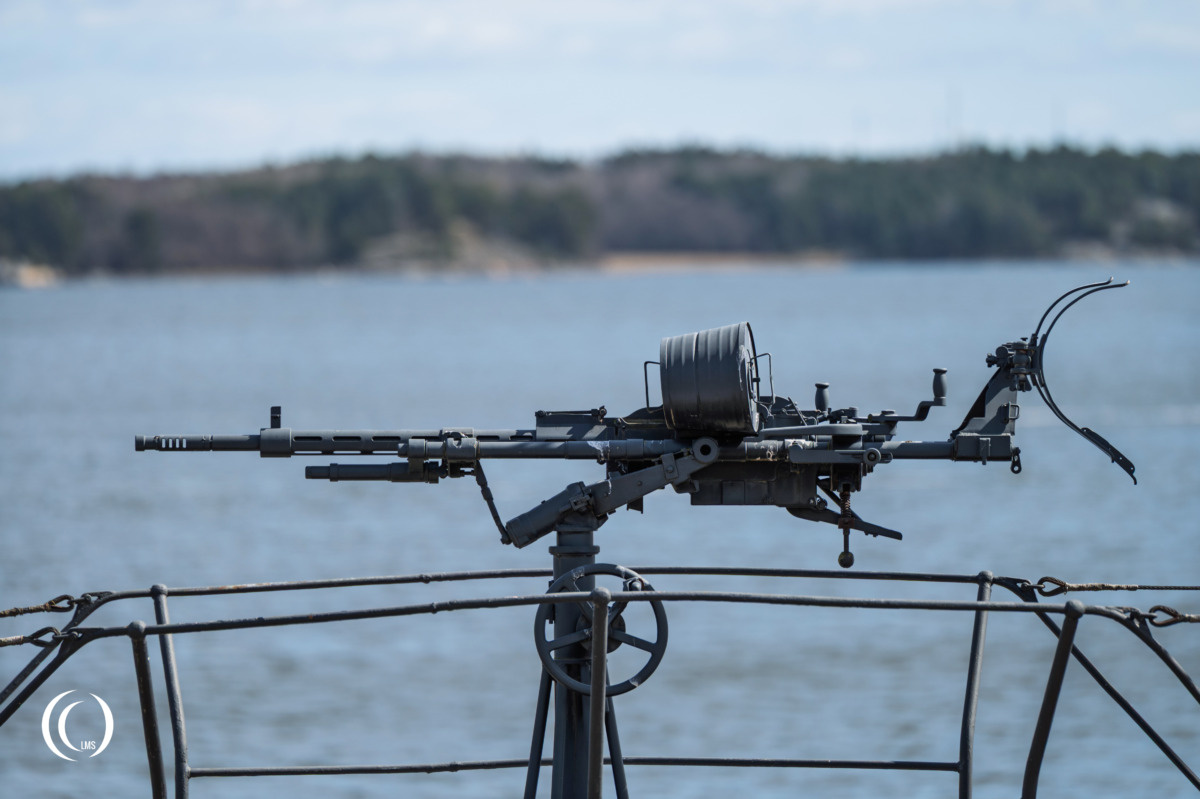
1 x 20 mm (0.79 in)/60 Madsen AA deck gun (added in 1940) located on the deck in front of conning tower
1 x 7.62 mm anti-aircraft machine gun located at the bridge - Engines
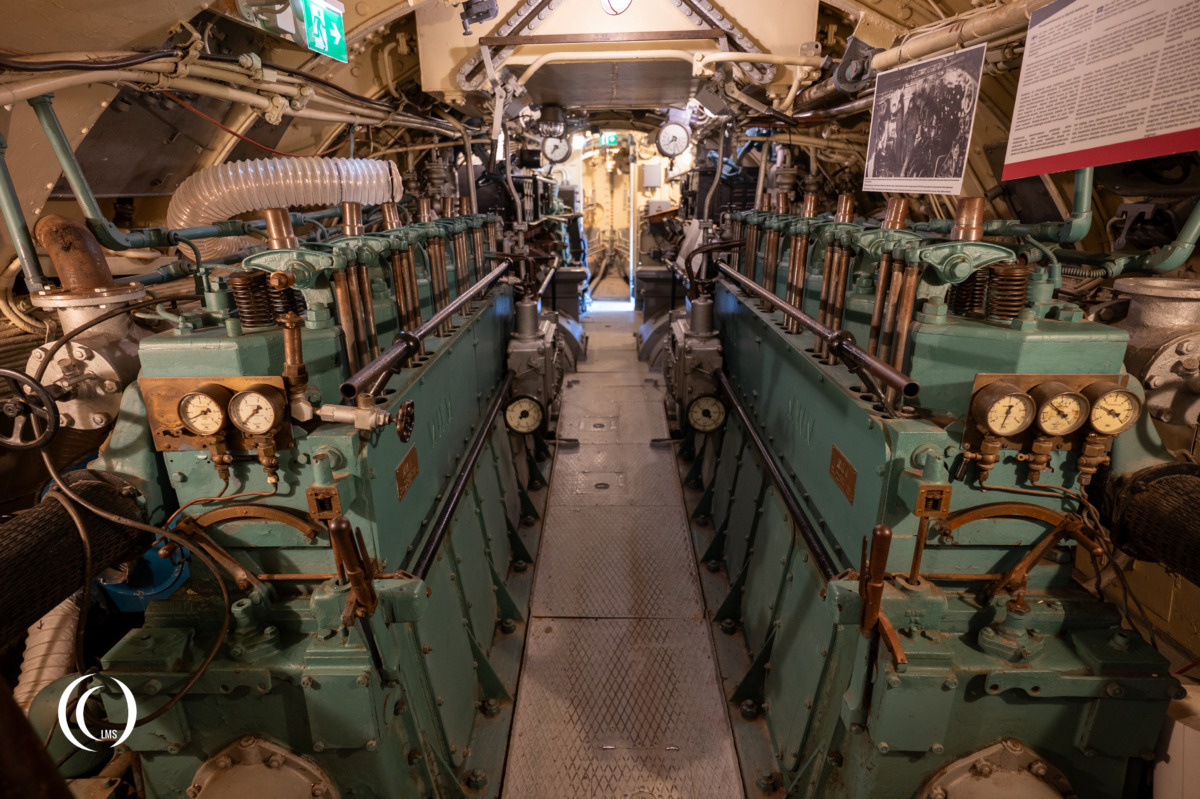
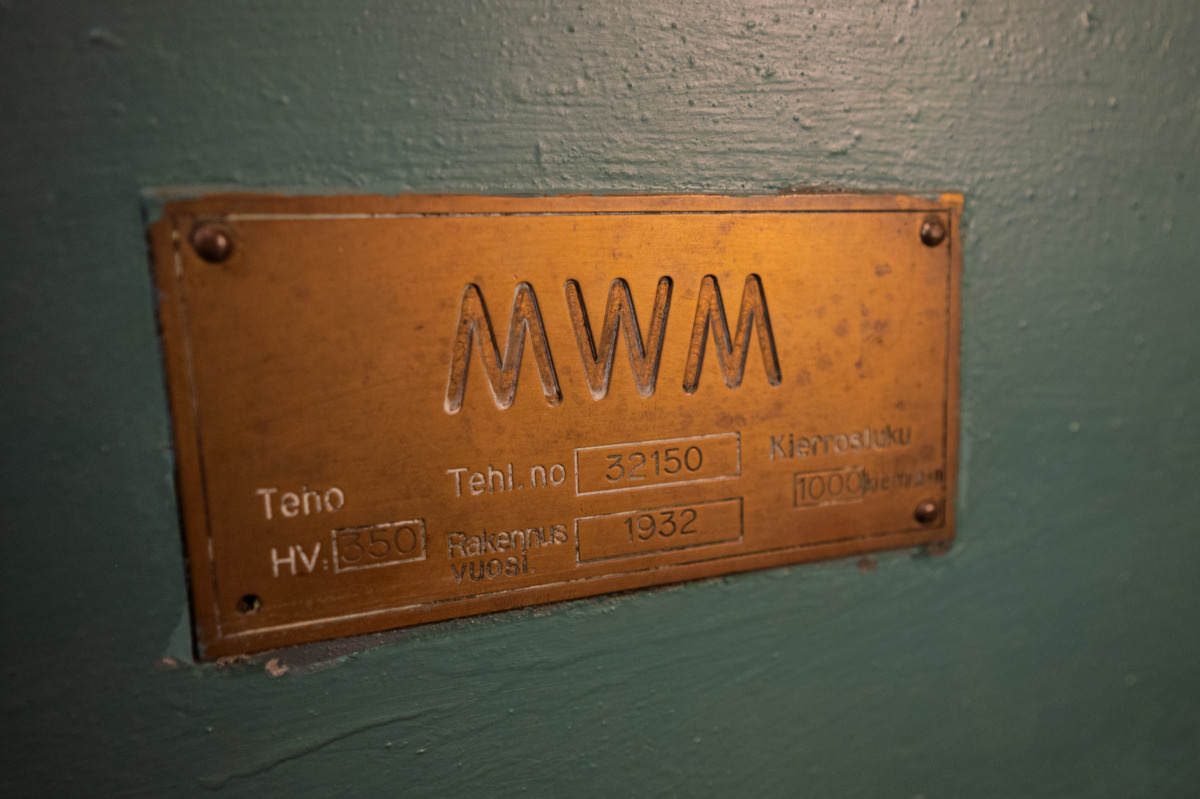
2 x 350 hp MWM (Motoren-Werke-Mannheim) diesel engines
2 x 180 hp Siemens electric motors - Sensors
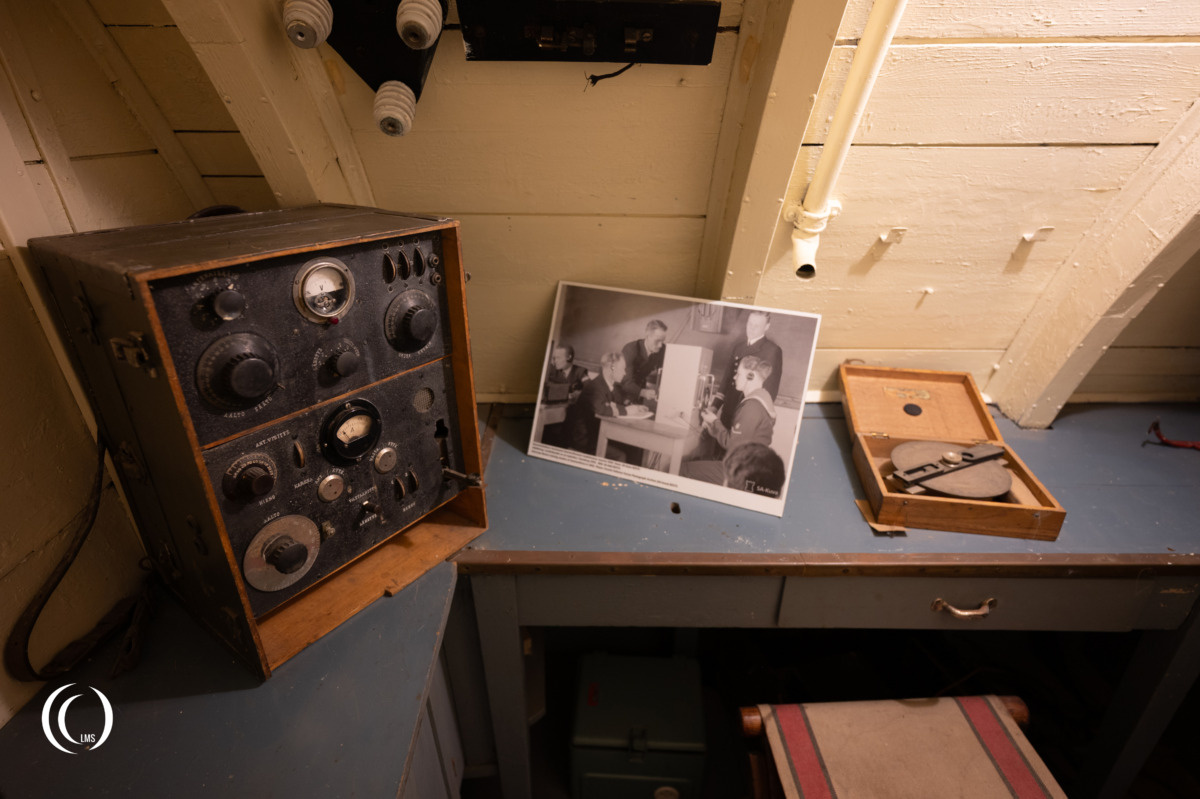
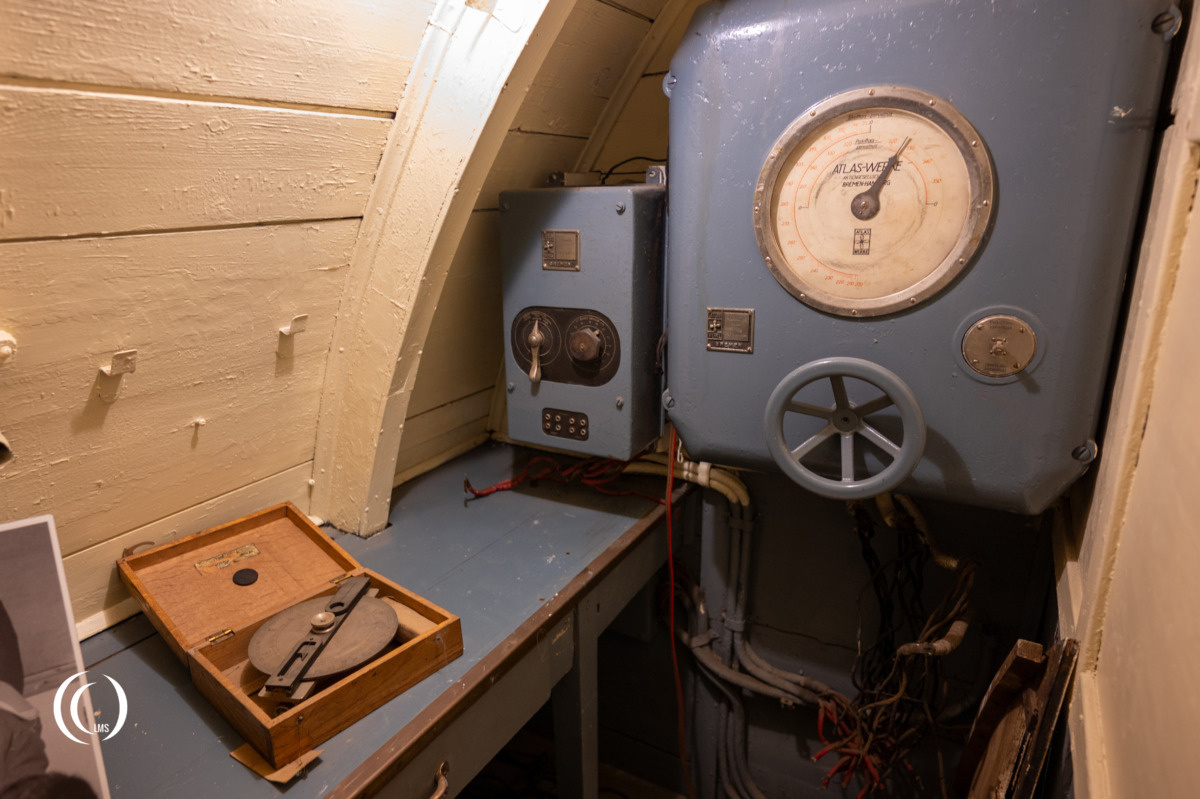
2 x 6 Atlas Werke hydrophone, Gruppenhorchgerät (GHG) - Communication
Telefunken Spez 7 22 S, 72 3 S short- and long-wave radio
M 1257 p-12–14 Navy radio
Type IIA prototype
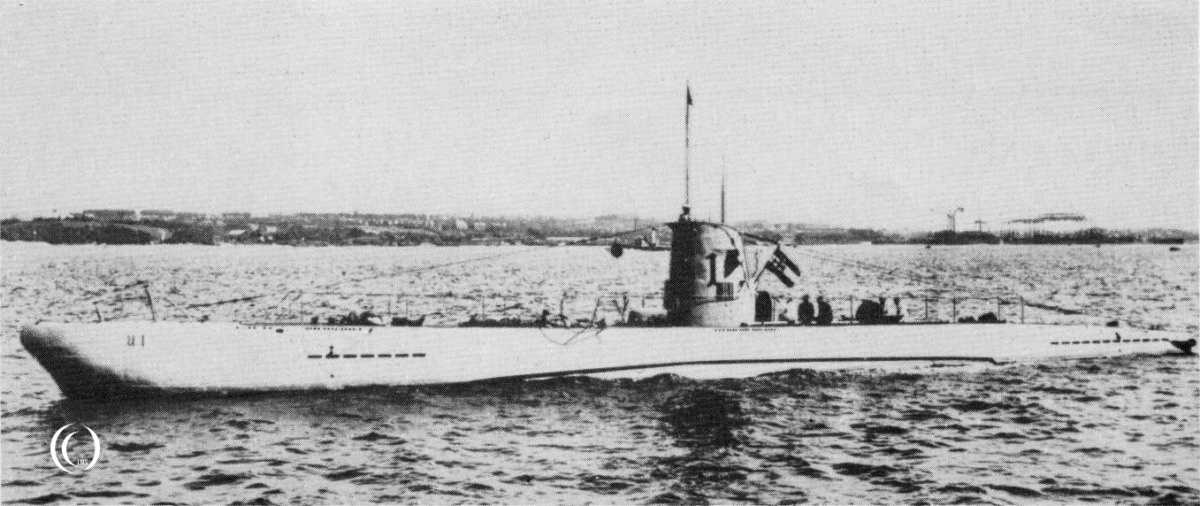
The German Navy was impressed by the build and performance of Vesikko. Six almost identical U-boats named U-1 to U-6 were ordered by the Kriegsmarine under the Type IIA designation on February 2nd 1935 and constructed at the shipyard of Deutsche Werke Kiel AG in Germany. The U-boats were commissioned between June and September of the same year. They would remain the only Type IIA versions built. Between 1935 and 1941 a further 44 modified Type II U-boat versions would be built; twenty Type IIB , eight Type IIC and sixteen Type IID.
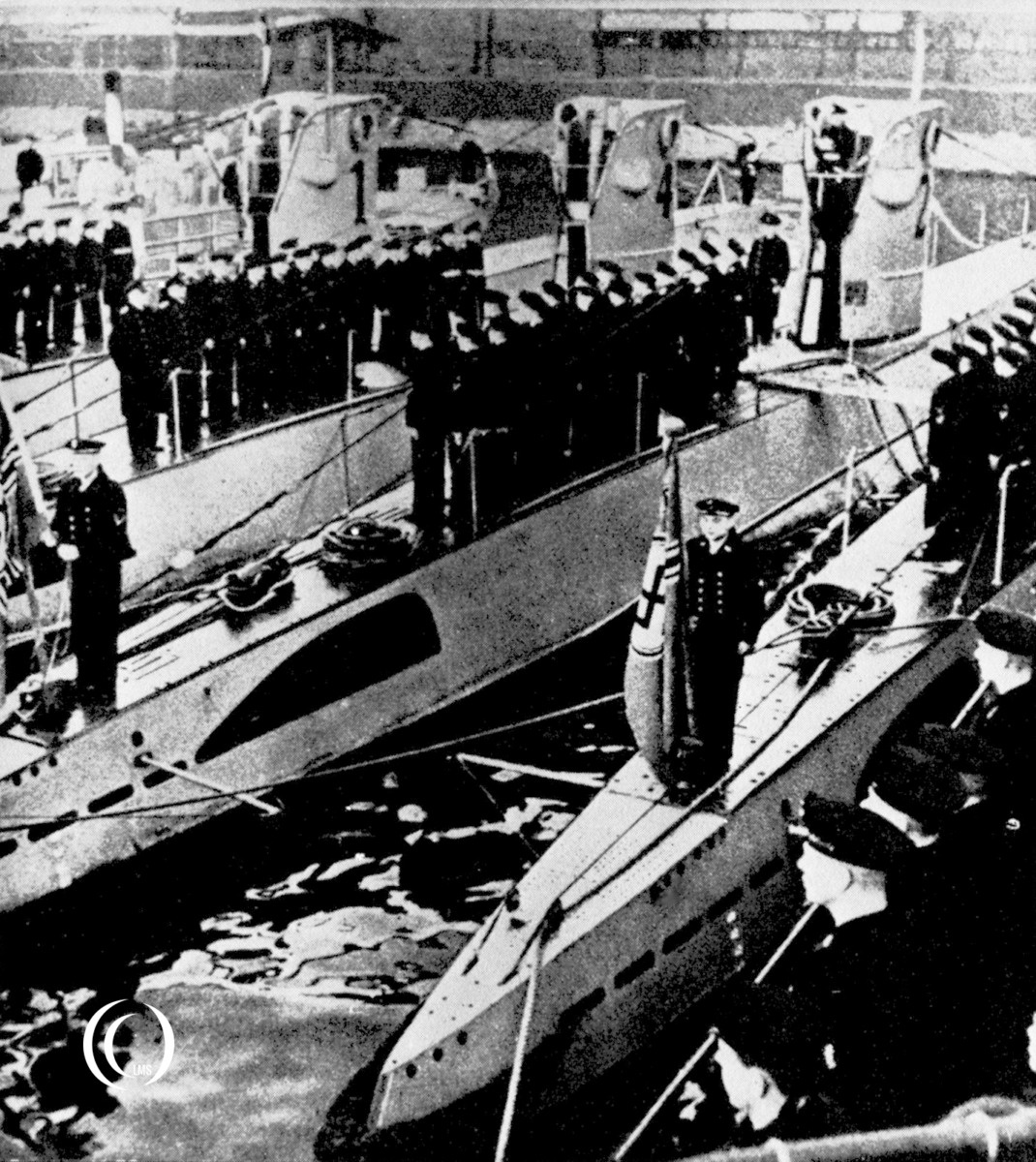
Together with three newer Type IIB vessels, designated U-7, U-8 and U-9, the six Type IIA submarines formed the first operational U-boat flotilla of the new Kriegsmarine named the “Weddigen Flotilla” on 28 September 1935, with Karl Dönitz as its flotilla commander. U-1 to U-6 all saw active service during World War Two. The surviving Type IIA U-boats were decommissioned in August 1944.
Interbellum
Before the outbreak of World War Two the Vesikko was stationed at the Suomenlinna shipyard and mainly used for military exercises and training purposes of the Finnish Navy.
Winter War
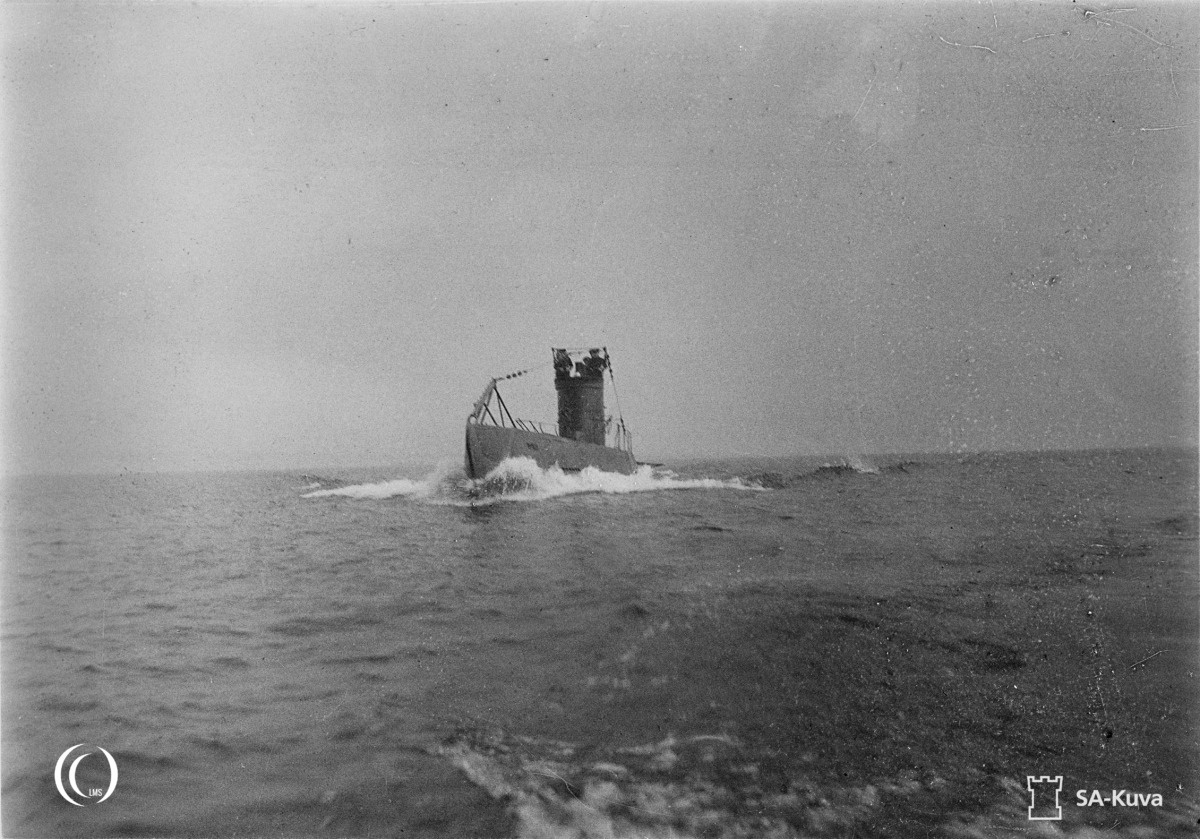
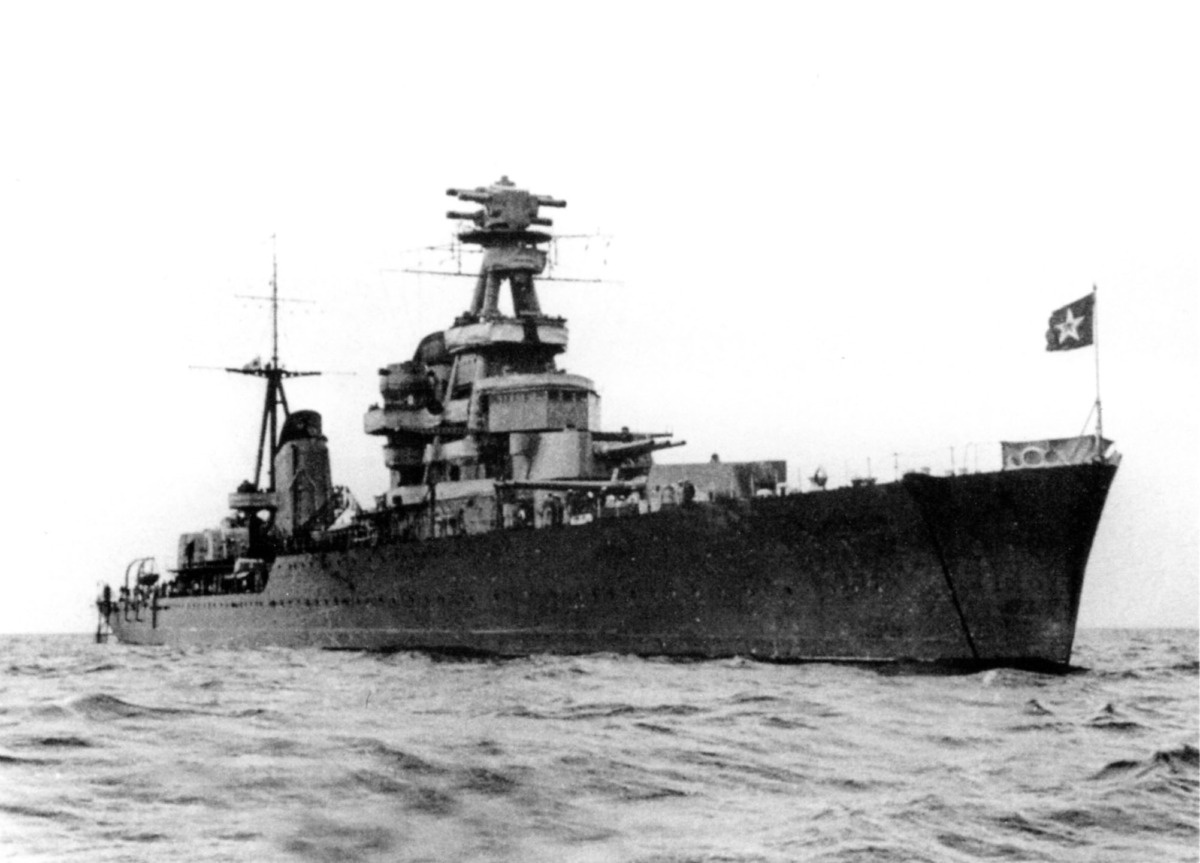
During the Soviet invasion of Finland between 30 November 1939 and 13 March 1940, known in Finland as “The Winter War”, Vesikko was deployed between 1 and 4 December together with the Vetehinen-class submarine Vesihiisi to intercept and engage the Soviet light-cruiser Kirov and its escorts in the Hanko region. Although Vesikko sighted the cruiser it was unable to attack as the ship and the Soviet destroyers Stremitelny and Smetlivy were engaged in a firefight with the coastal artillery battery on the Finnish island of Russarö. The ships withdrew after Stremitelny and Kirov were hit, killing 17 men and wounding 30 on the latter.
Mid-December Soviet battleships Oktyabrskaya Revolyutsiya and Marat (formerly named Petropavlovsk) attacked the Finnish Saarenpää fort at Koivisto in support of a major Soviet offensive on the Karelian Isthmus. Vesikko was send out and reached the area two days later but failed to encounter the ships and eventually had to turn back when freezing weather conditions turned too cold to safely operate the vessel.
Continuation War
After Nazi Germany invaded the Soviet Union on June 22 1941 with Operation Barbarossa during World War Two, Finland declared war on the Soviets three days later. This conflict is known in Finland as the Continuation War.
Vesikko was ordered to patrol in the eastern Gulf of Finland. On the 3rd of July its commanding officer detected a grey transportation ship going east at 12:50 pm through the periscope just south of Sommers. It was the 3,500 ton Soviet cargo ship Vyborg, on its way to Vyborg from Tallinn via Gogland. This former German cargo ship named Cairo of the Norddeutscher Lloyd was sold to the USSR in 1940 and renamed Vyborg.
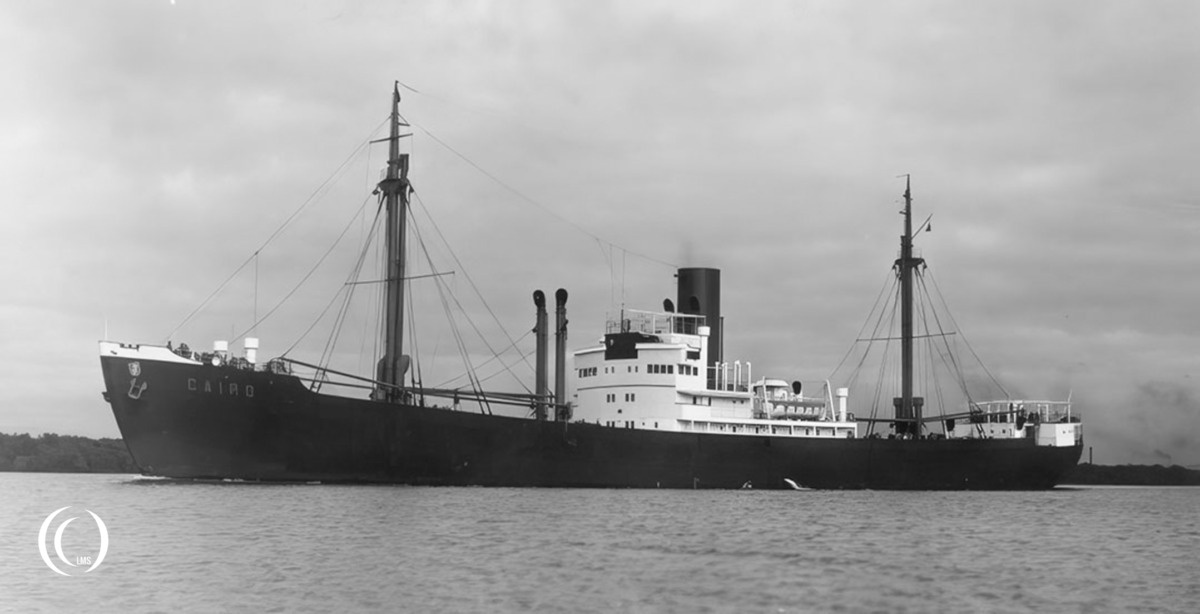
At 13:25 Vesikko fired a torpedo and hit the vessel in the stern, causing it to stop and tilt to the right. Vesikko fired a second torpedo which failed to hit the target. Three MO-class anti-submarine ships arrived at the scene and started to hunt Vesikko with depth charges, which she managed to evade. At 14:15 Vyborg sunk to the bottom of the Baltic Sea, while its full crew was rescued by the aiding ships.
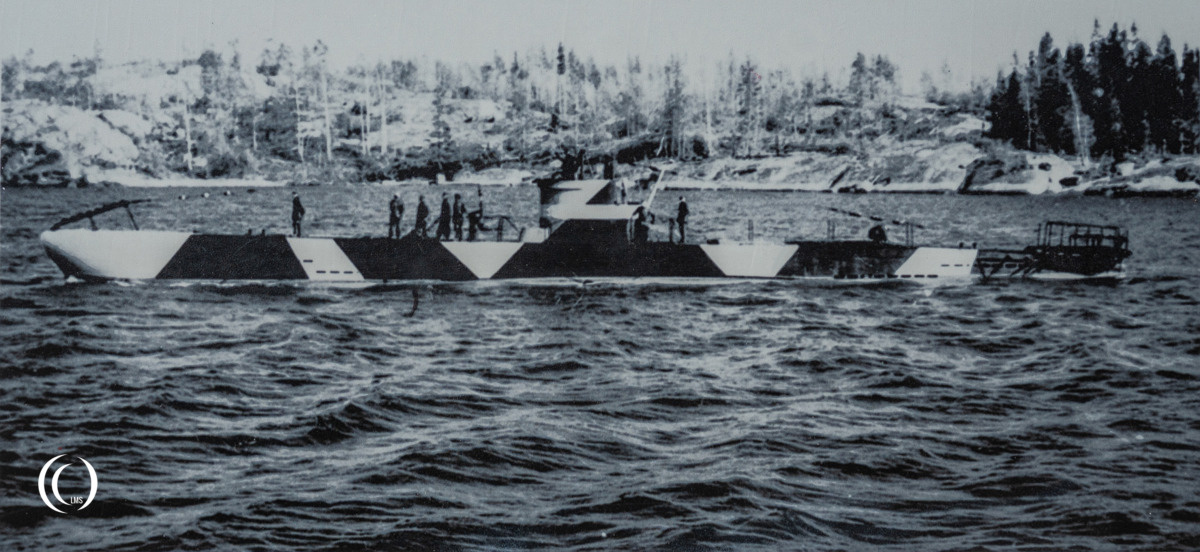
The sinking of the Vyborg would remain her only victory during WWII. Vesikko continued to patrol Finnish waters and protect transport shipping until the end of the conflict in September 1944. She was decommissioned as a military submarine on December 15th 1944.
Post WWII
After World War Two Finland was banned from having submarines under the Paris Peace Treaty of 1947, so it sold all of its submarines to a Belgian scrapyard in the 1950s. All apart from Vesikko, as the Finnish Government hoped for a small chance that the terms and conditions would soon be alleviated and the submarine could be saved as a possible training vessel for the Navy.
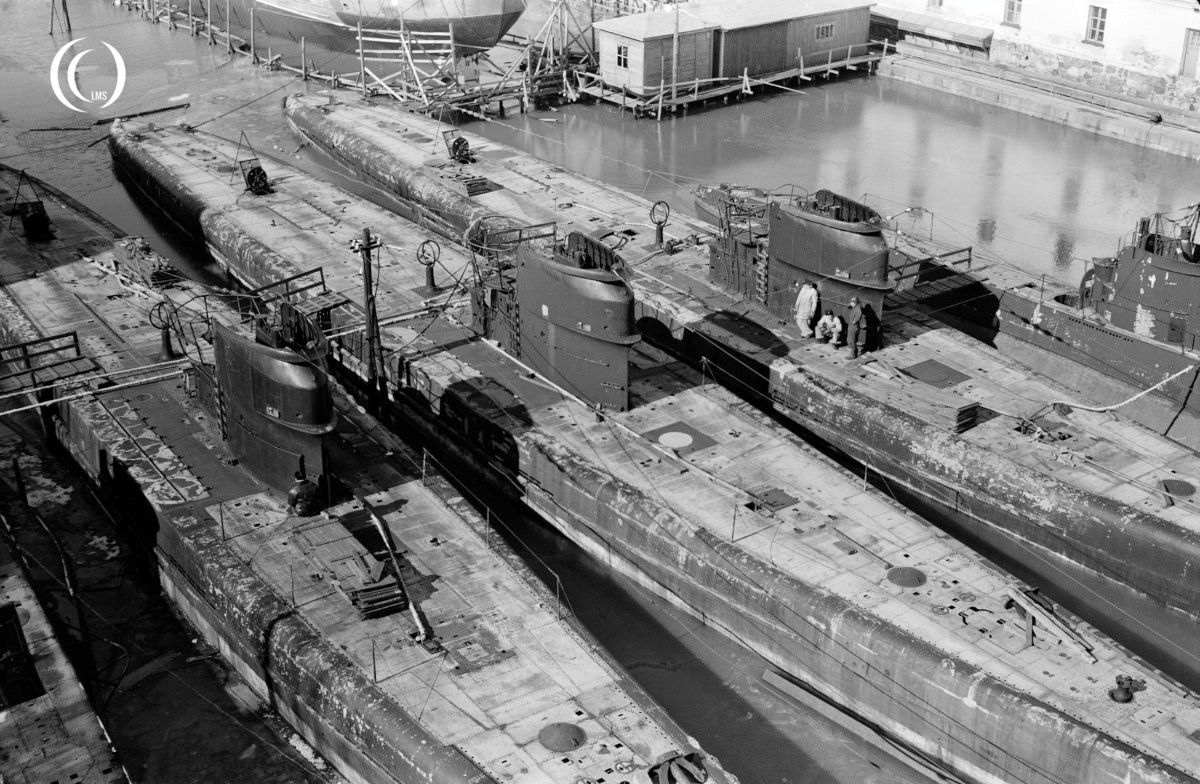
Vesikko was moved to the Valmet shipyard in Katajanokka, awaiting her fate. But when in 1959 the terms of the treaty were still in place and complaints of the shipyard about the now deteriorating submarine hampering the work in the dock grew stronger, the Finnish Navy decided to put her up for sale. But losing the legacy of Vesikko as a last remnant of Finlands submarine arm raised a heated debate. Fortunately the Institute of Military History intervened and in a combined effort with all Finnish submarine veterans in 1962 prevented the sale. Backed by the financial support of the Valmet and Wärtsilä marine companies, Vesikko was cut into five pieces and transferred to the Military Museum of Finland in Suomenlinna for restoration.
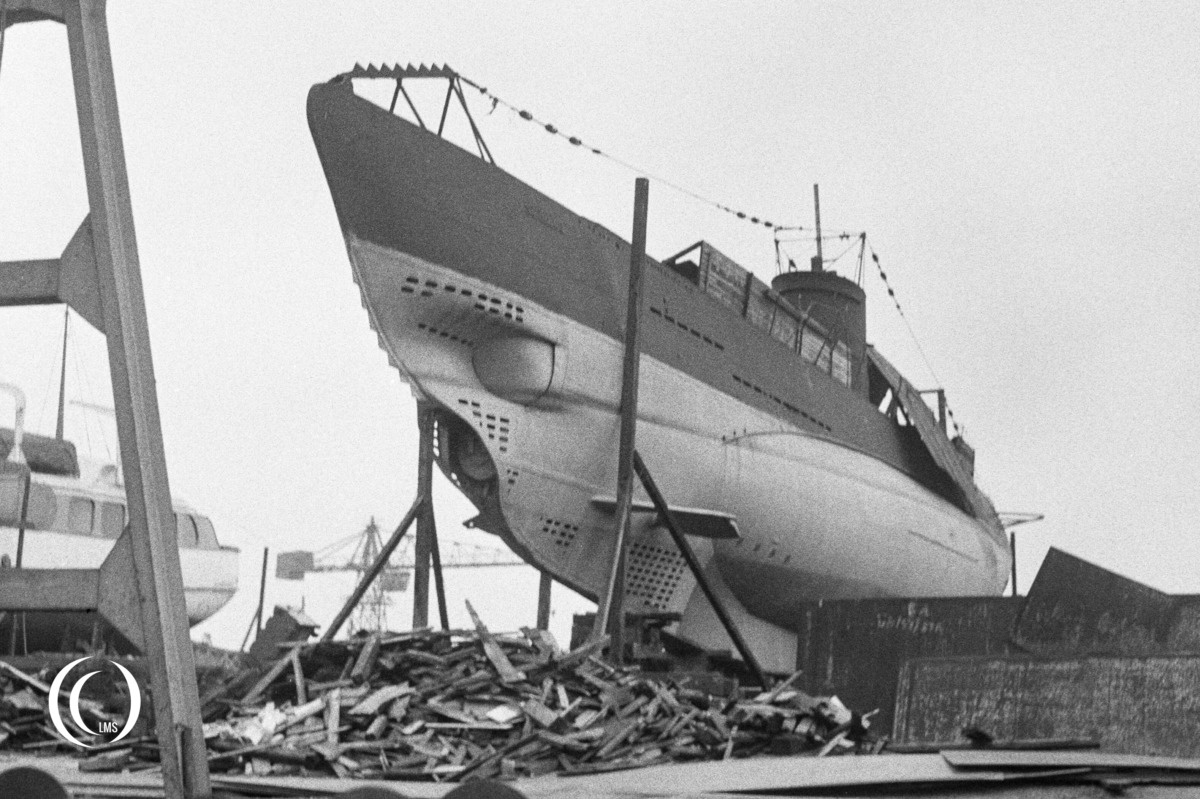
Museum
Thanks to generous donations and the hard work of volunteers, Vesikko was opened to the public as a museum submarine on July 9th 1973 during the Finnish Navy’s annual anniversary celebrations. Further restoration work continued far into the 1980s with the conning tower and the replacement of the wooden upper deck. Vesikko’s exterior was fully painted for the 250th anniversary celebrations of Suomenlinna in spring 1998.
As the submarine is located outside in the harsh Finnish climate, the Vesikko demands a never ending cycle of maintenance work.
Exterior
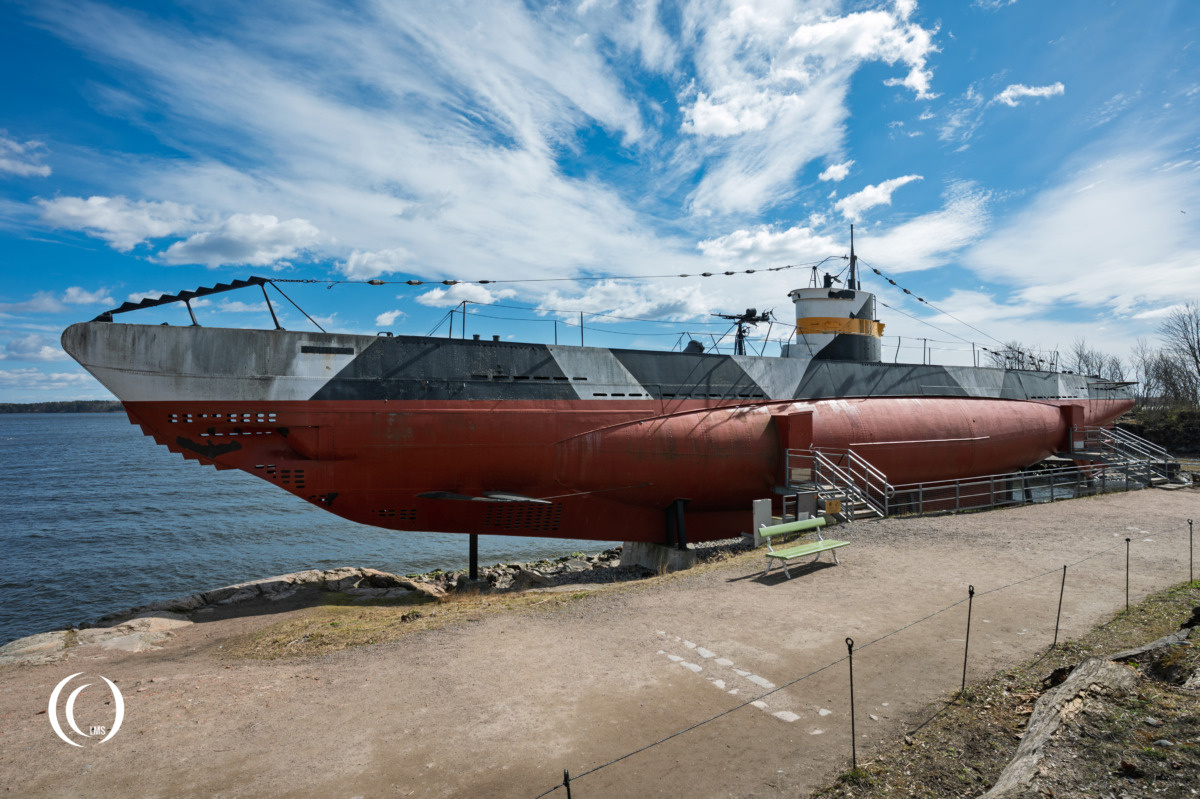
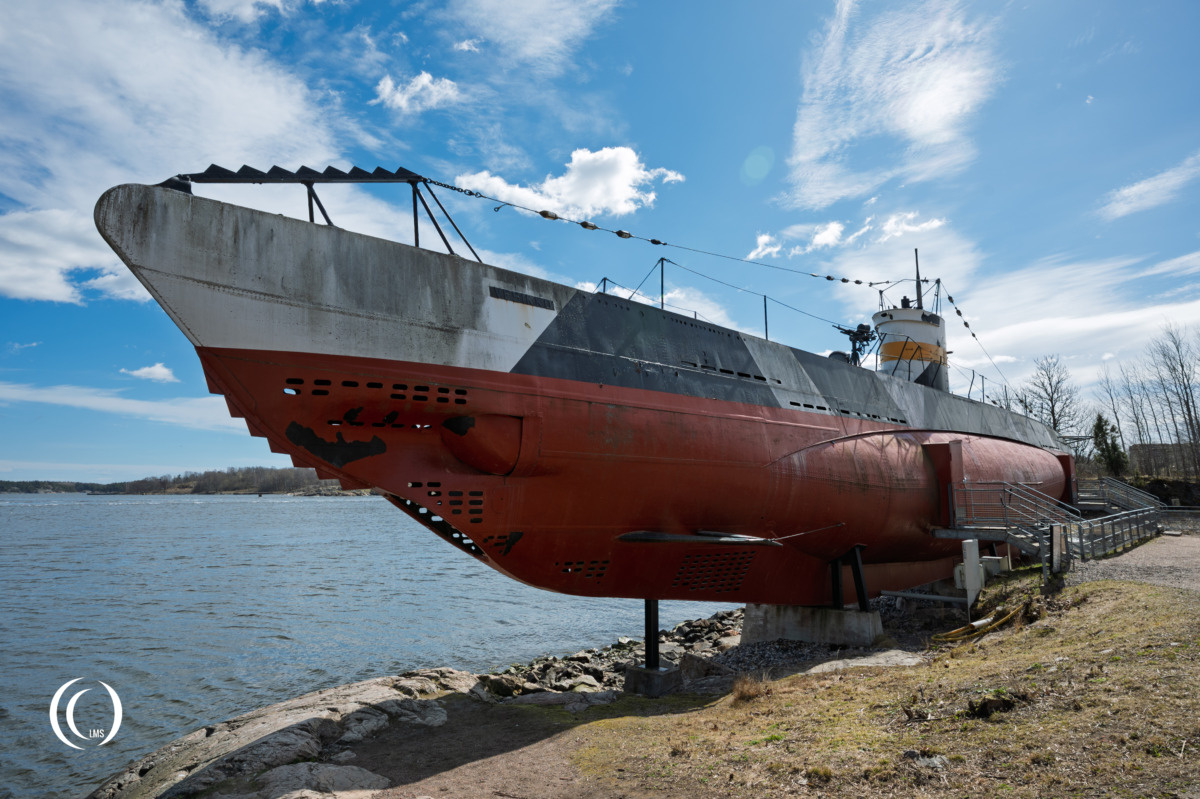
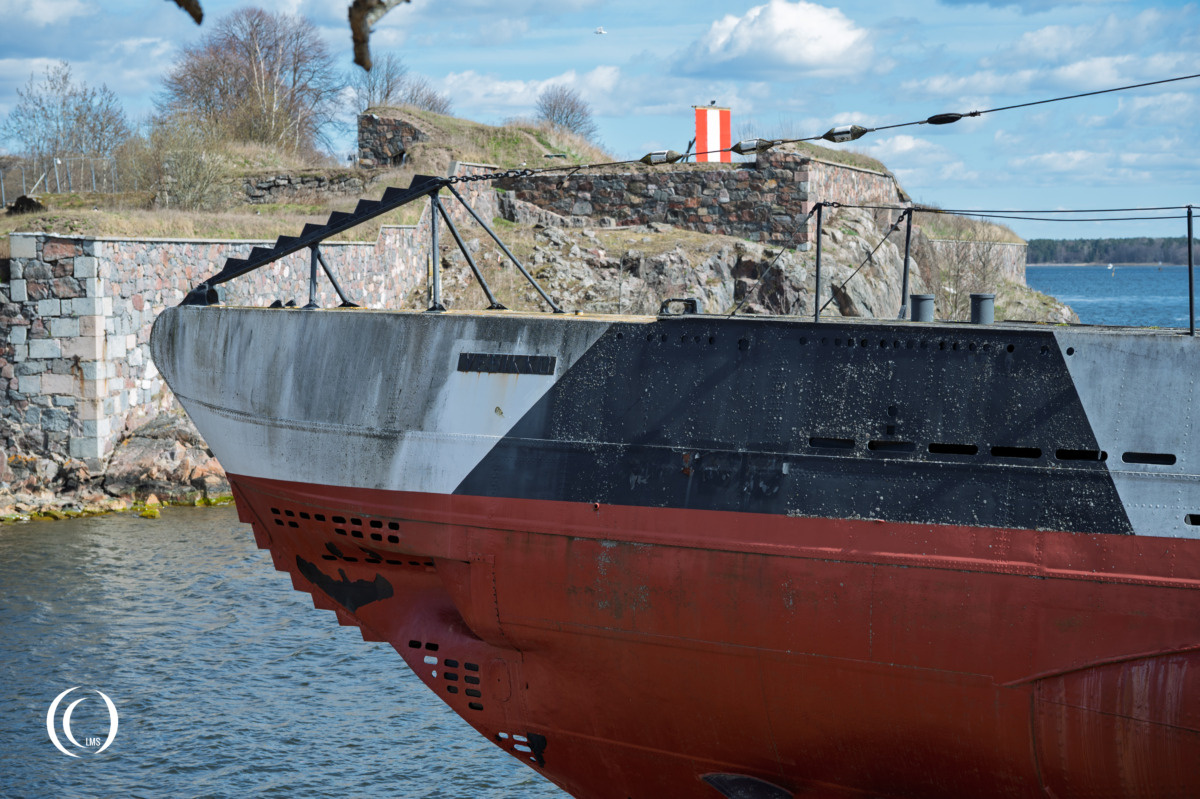
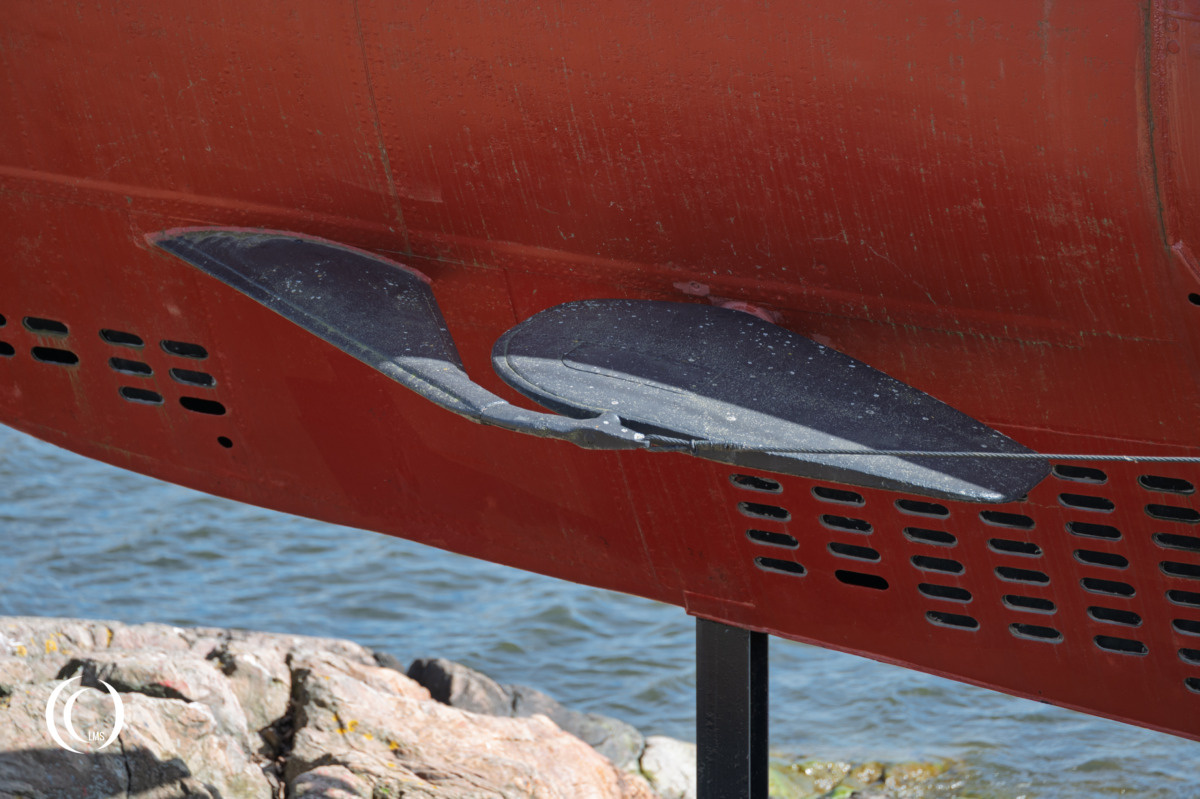
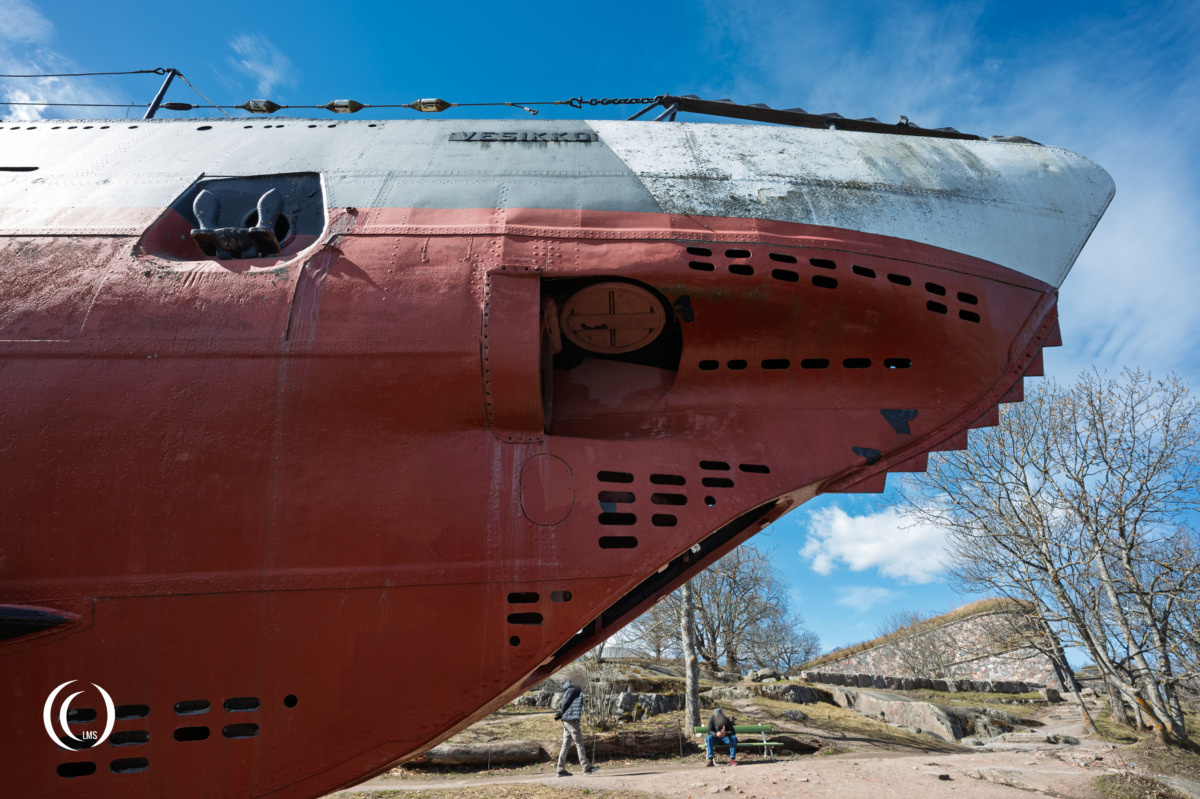
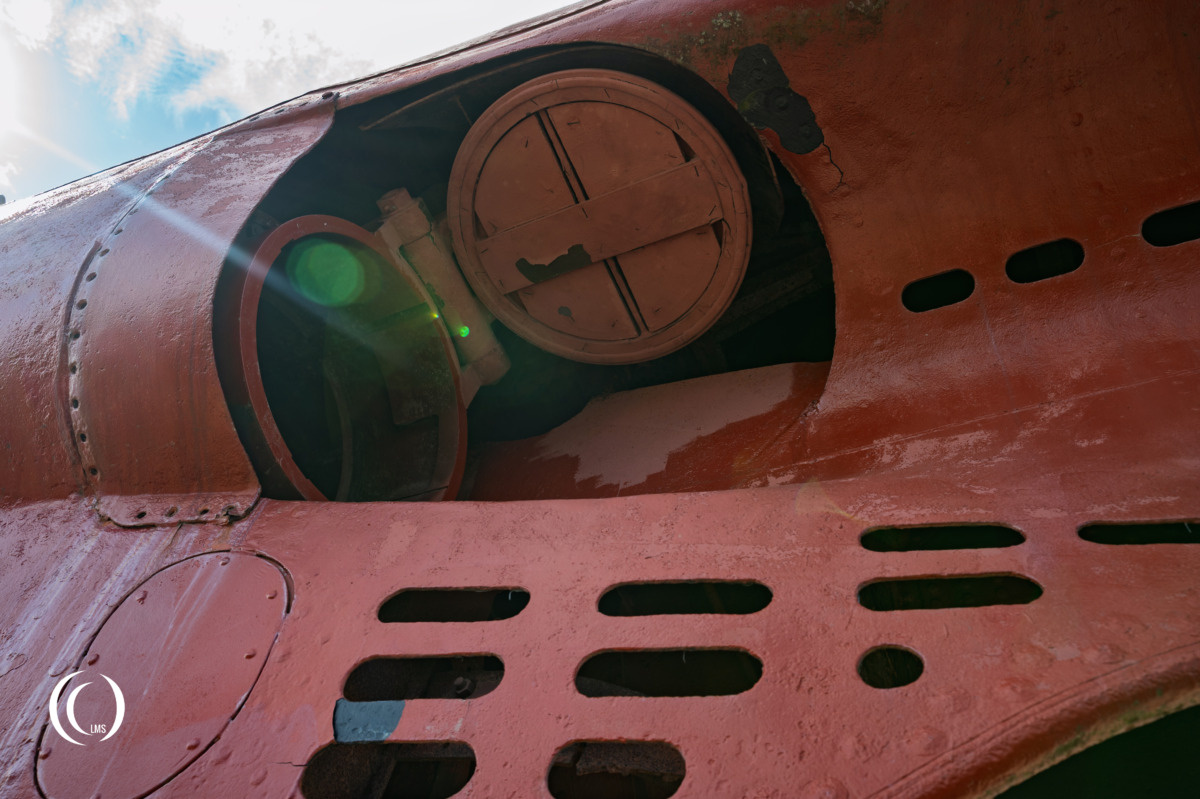
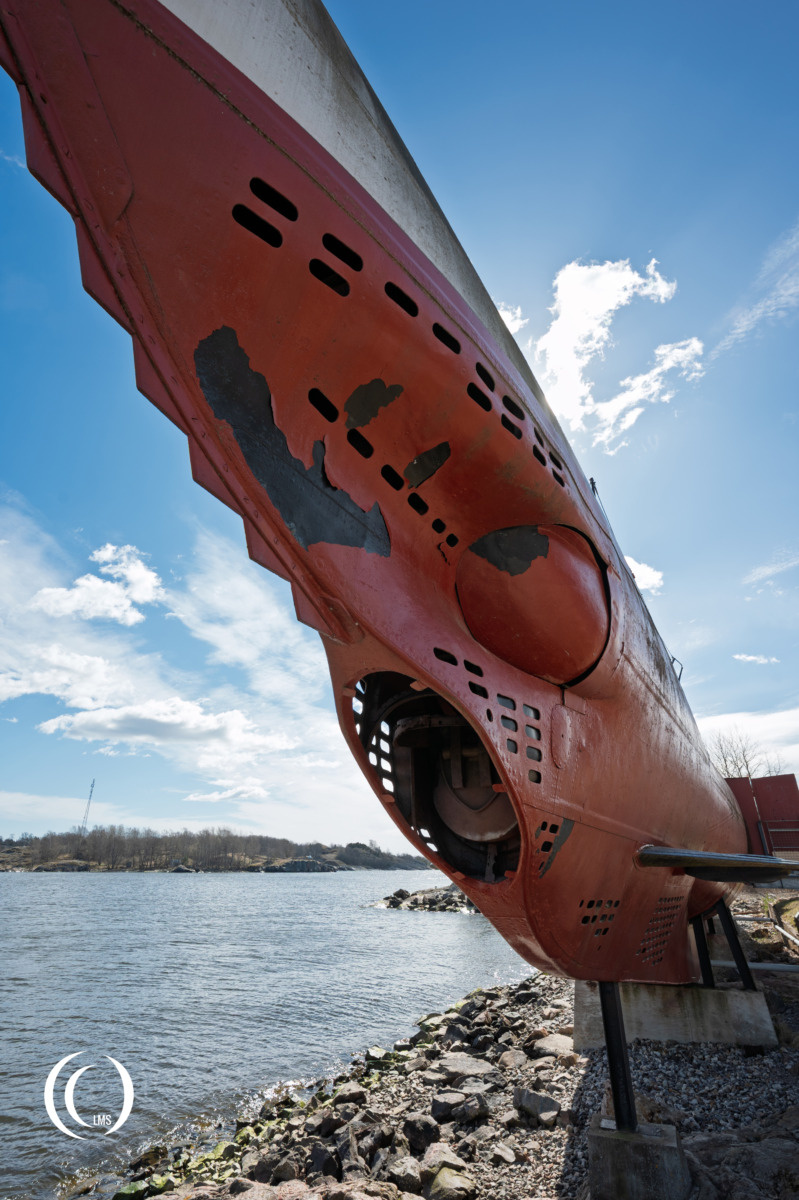
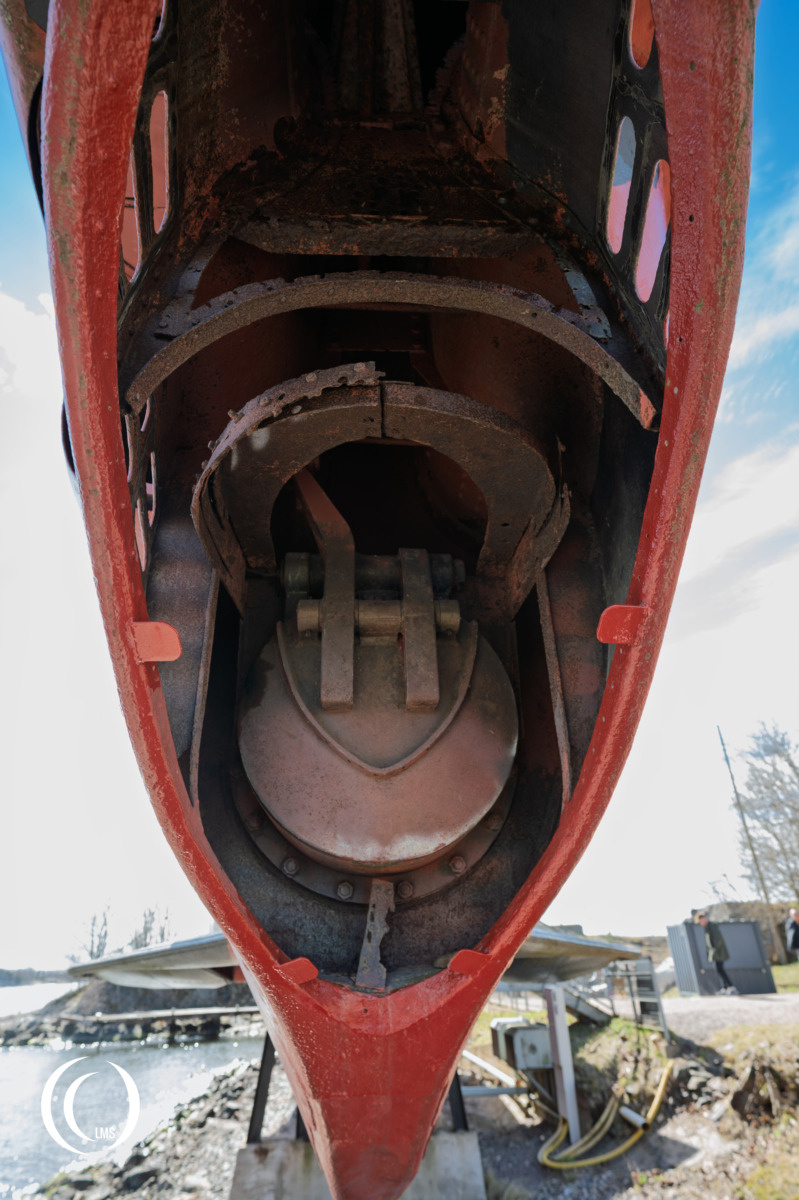
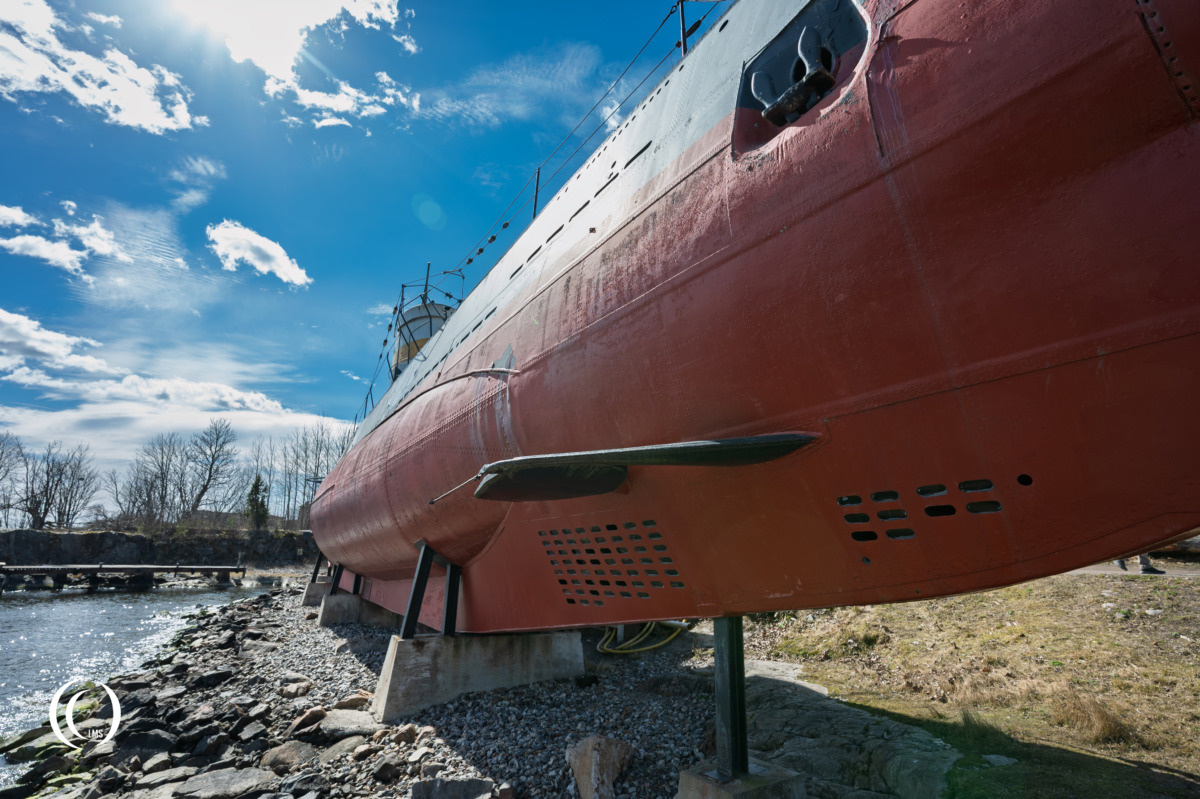
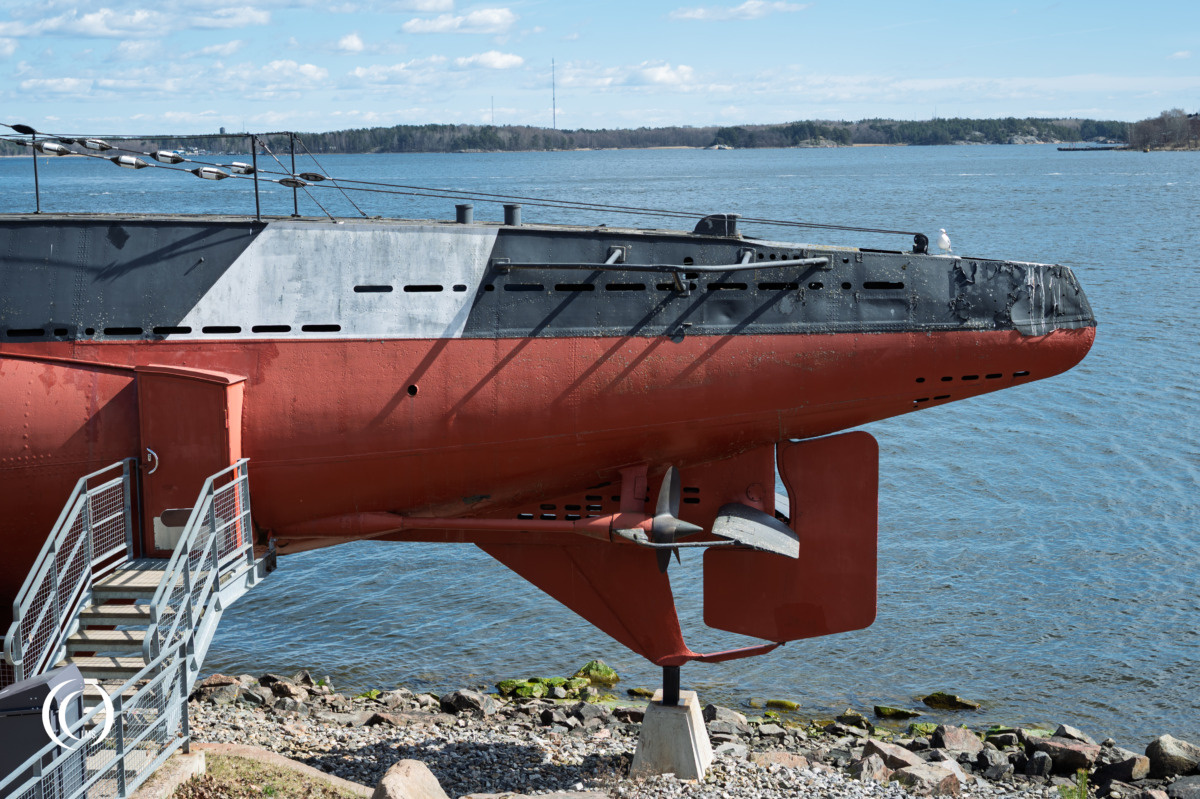
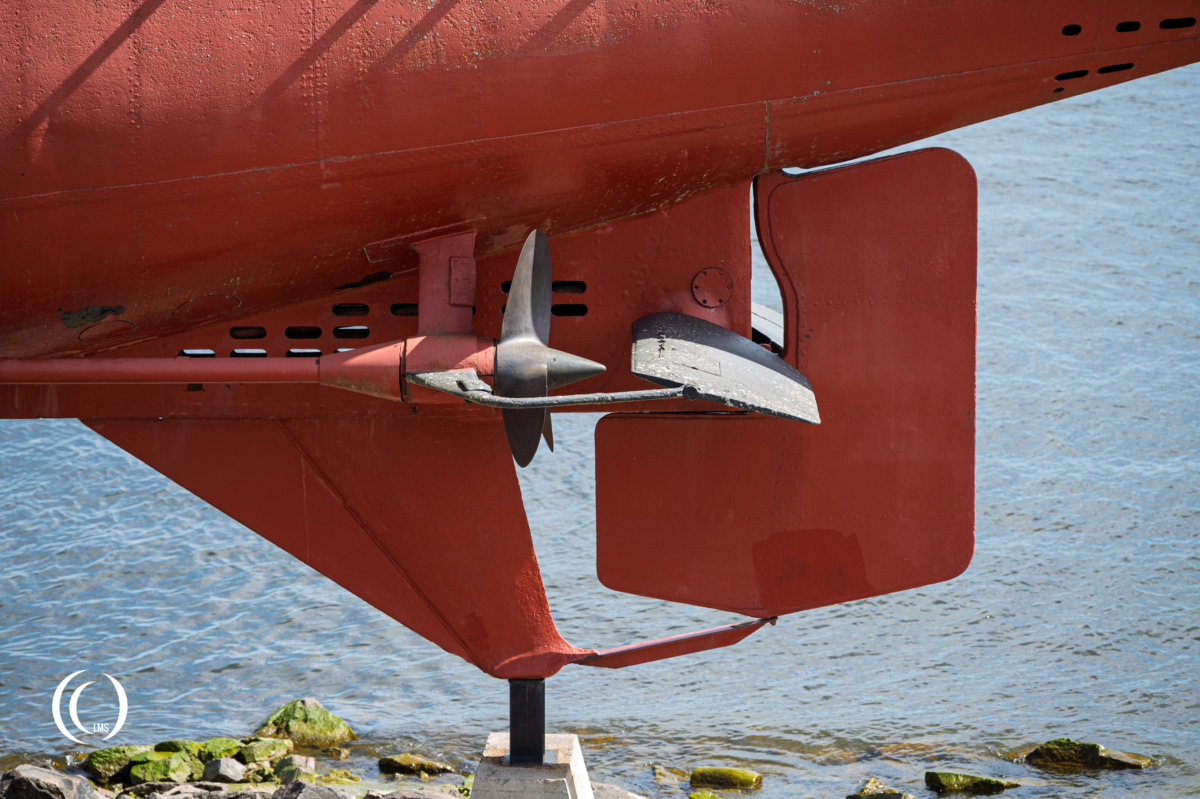
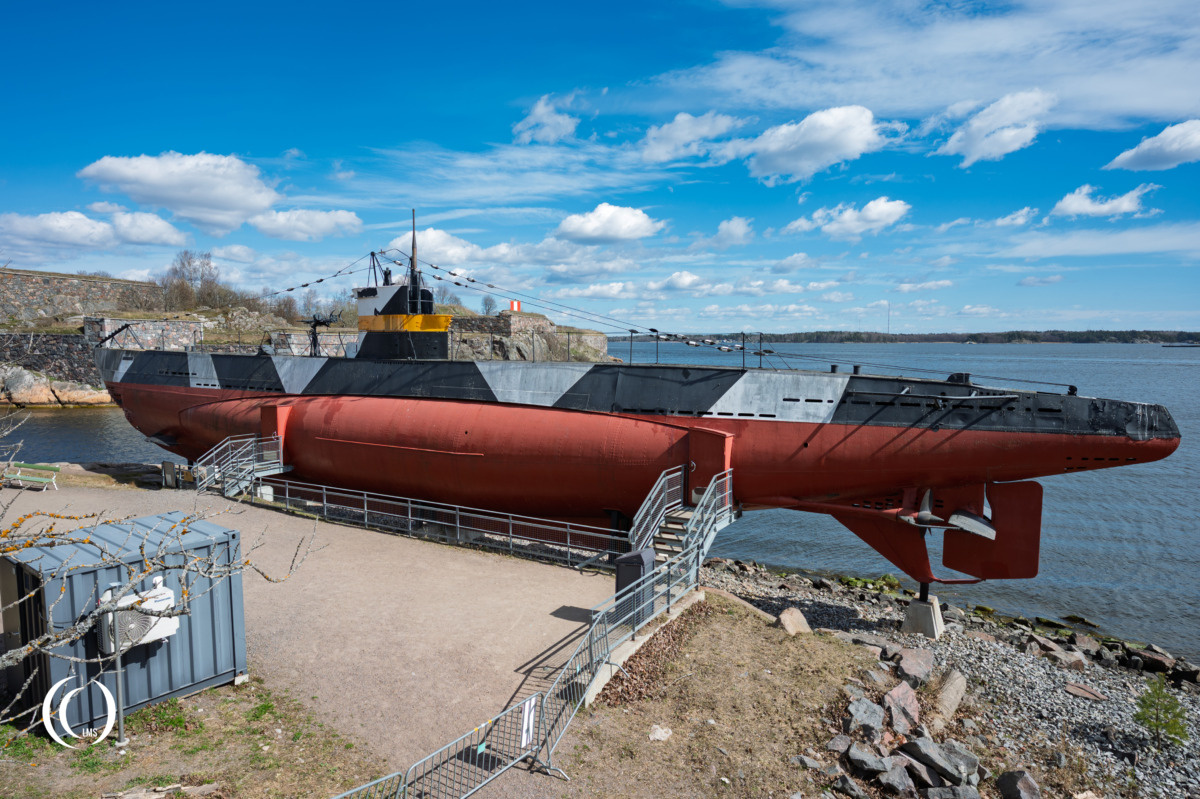
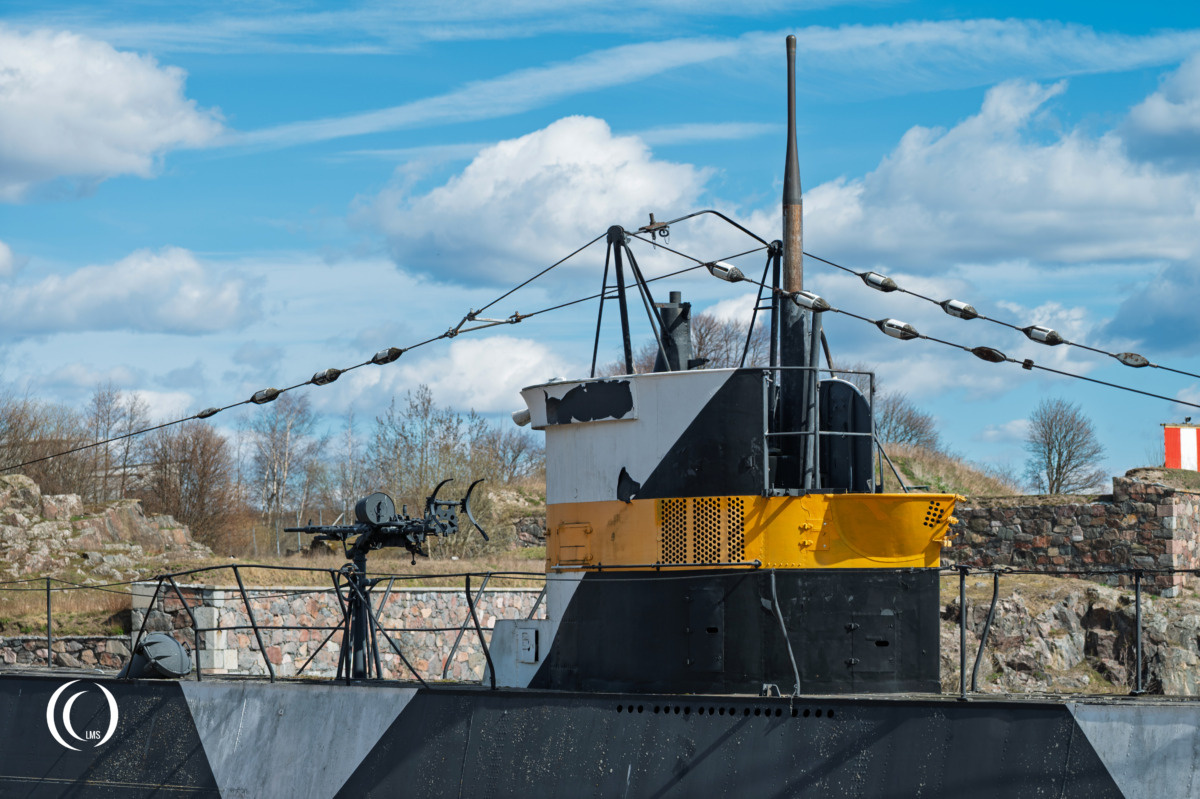
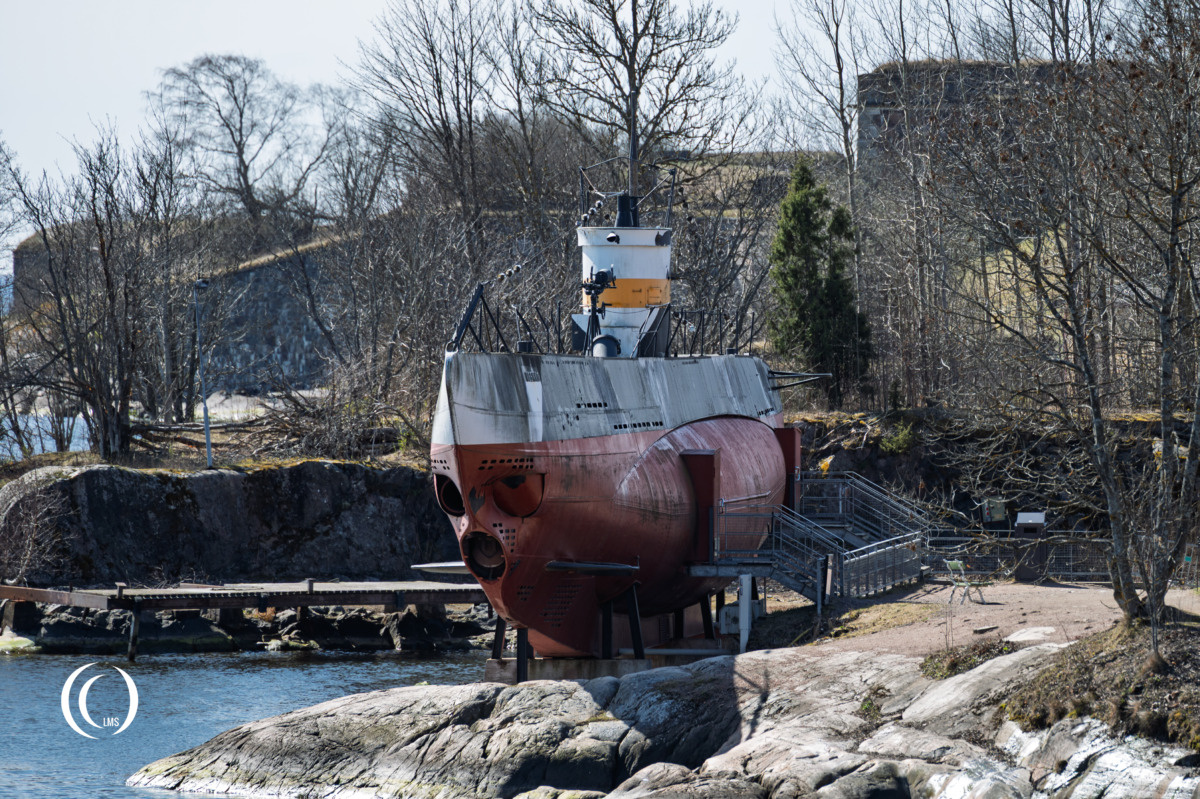
Today Vesikko is on display wearing her World War Two paint scheme including the yellow band on the conning tower indicating it belonged to the Axis forces on the Eastern front. A nice detail is the 20 mm Madsen anti-aircraft deck gun, which was originally installed in 1940. Two doors have been added on her port side to enable visitors to enter and experience the submarine’s interior.
Interior
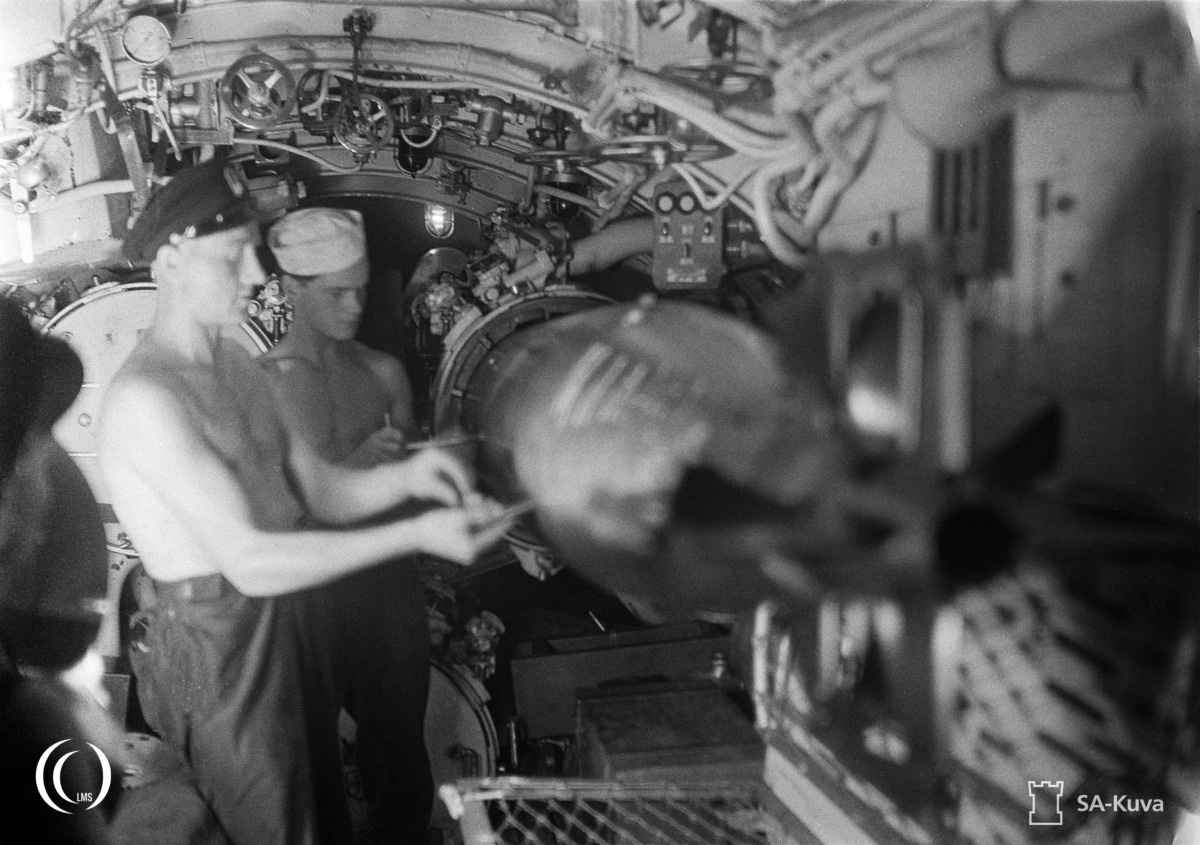
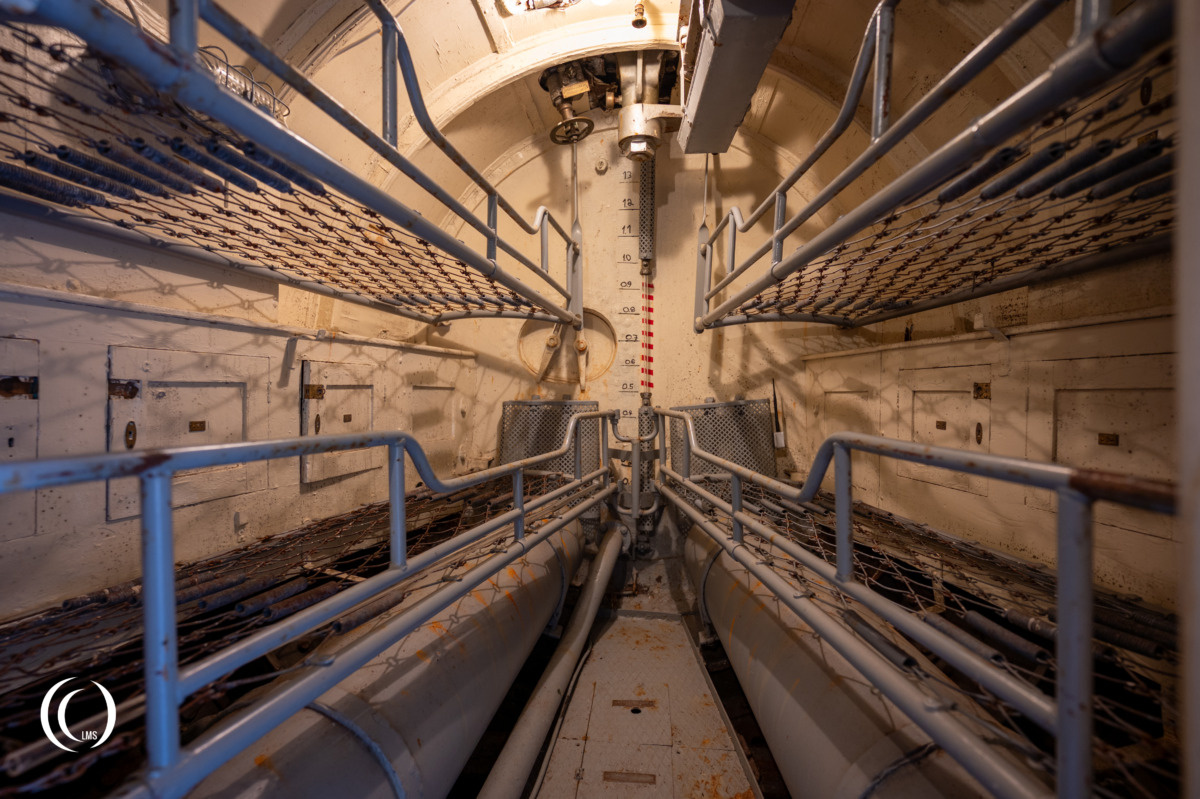
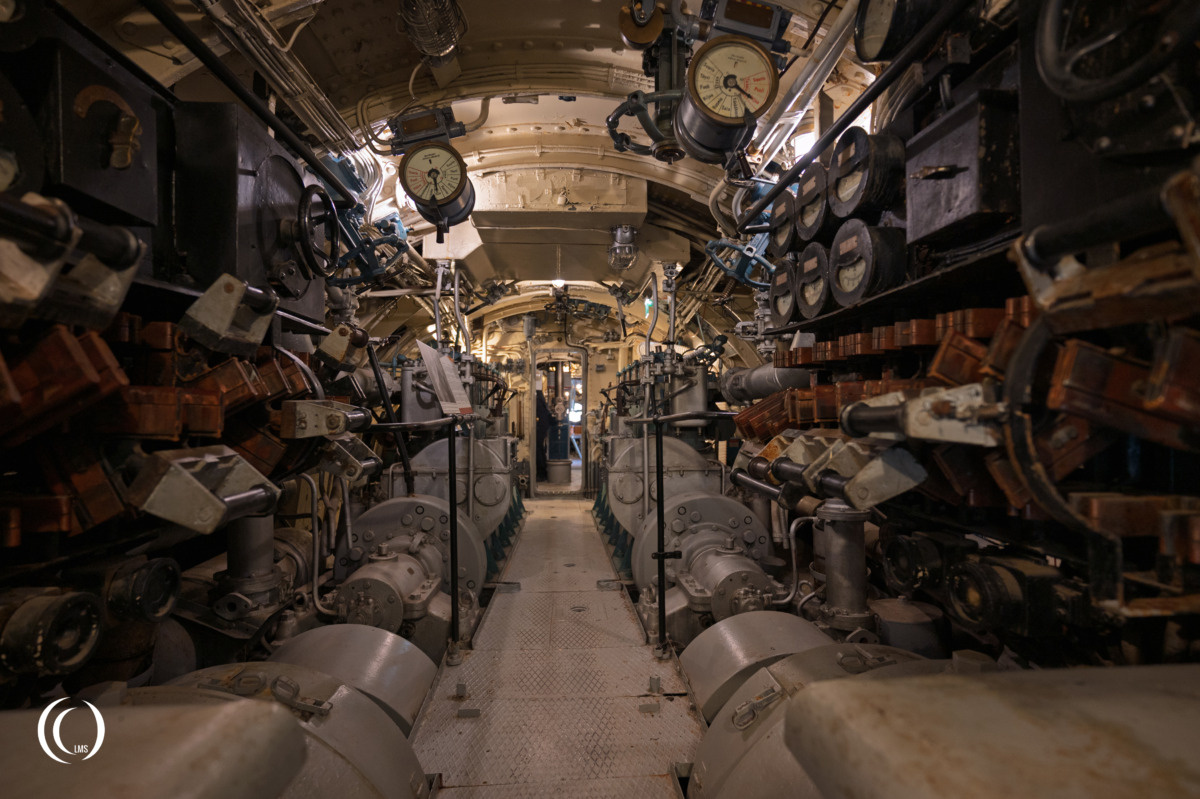
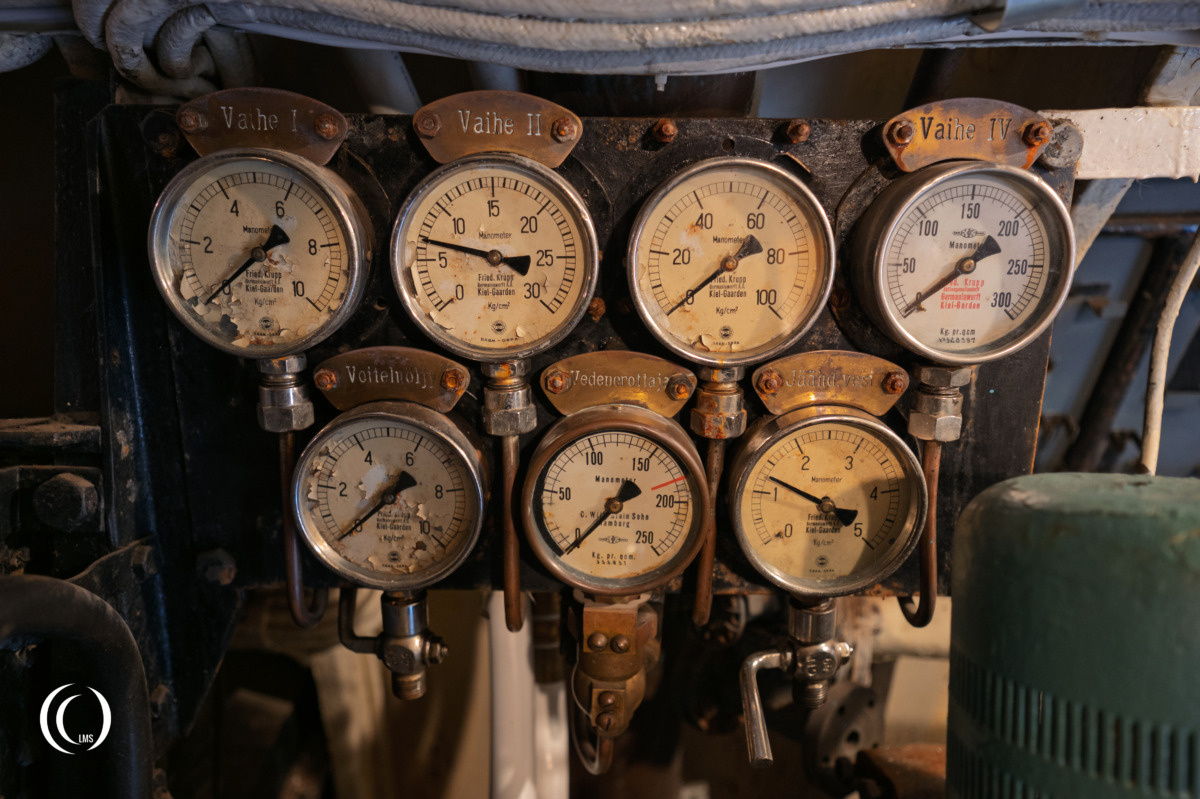
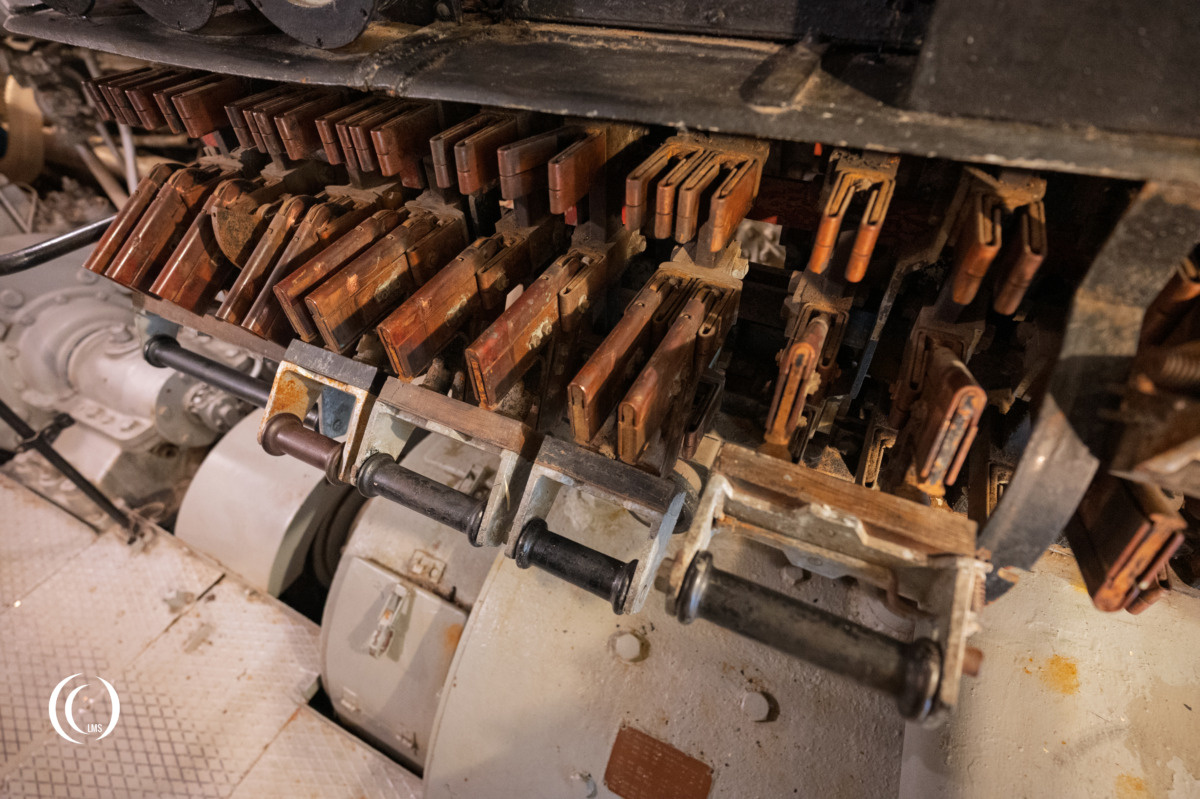
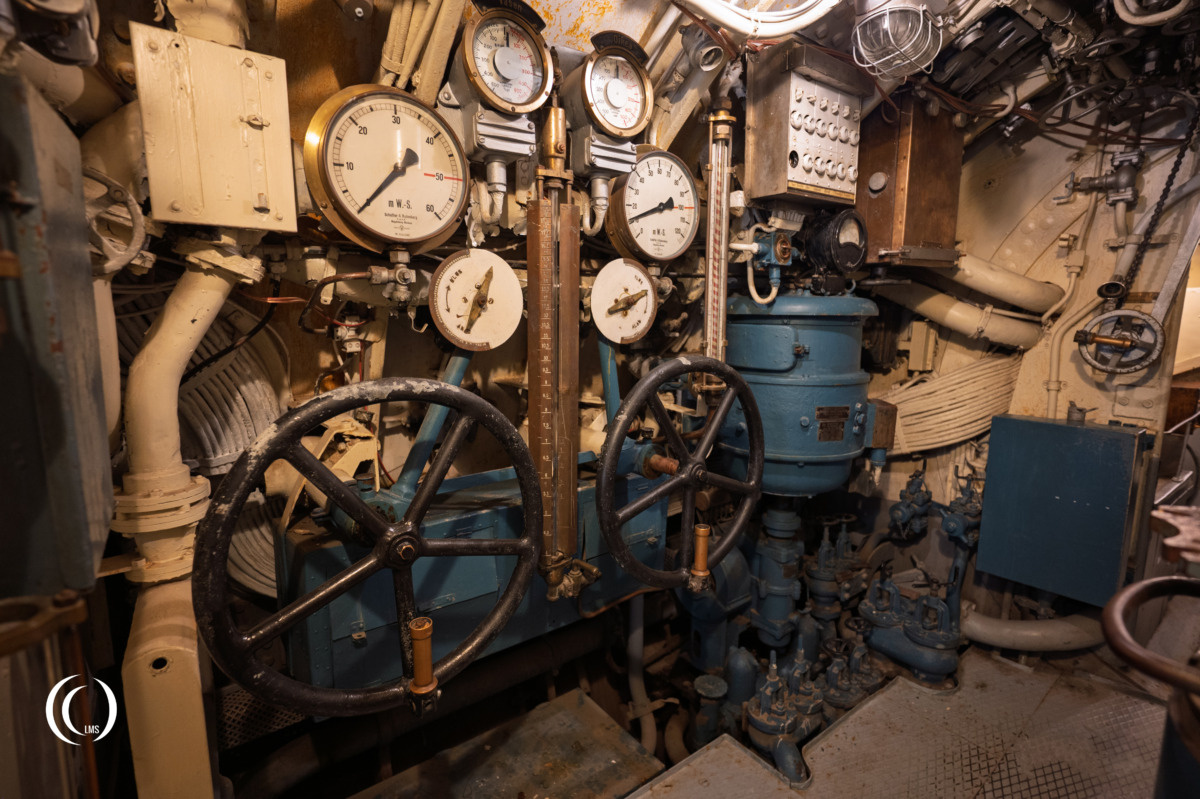
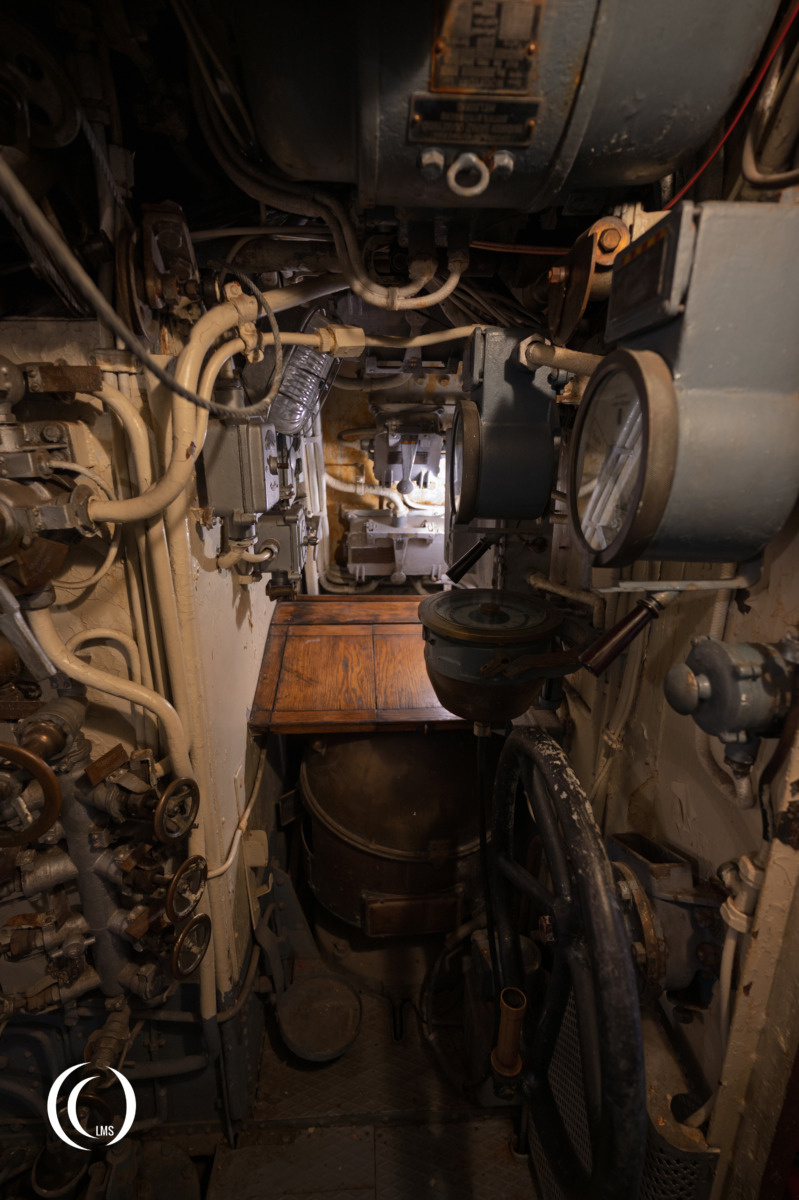
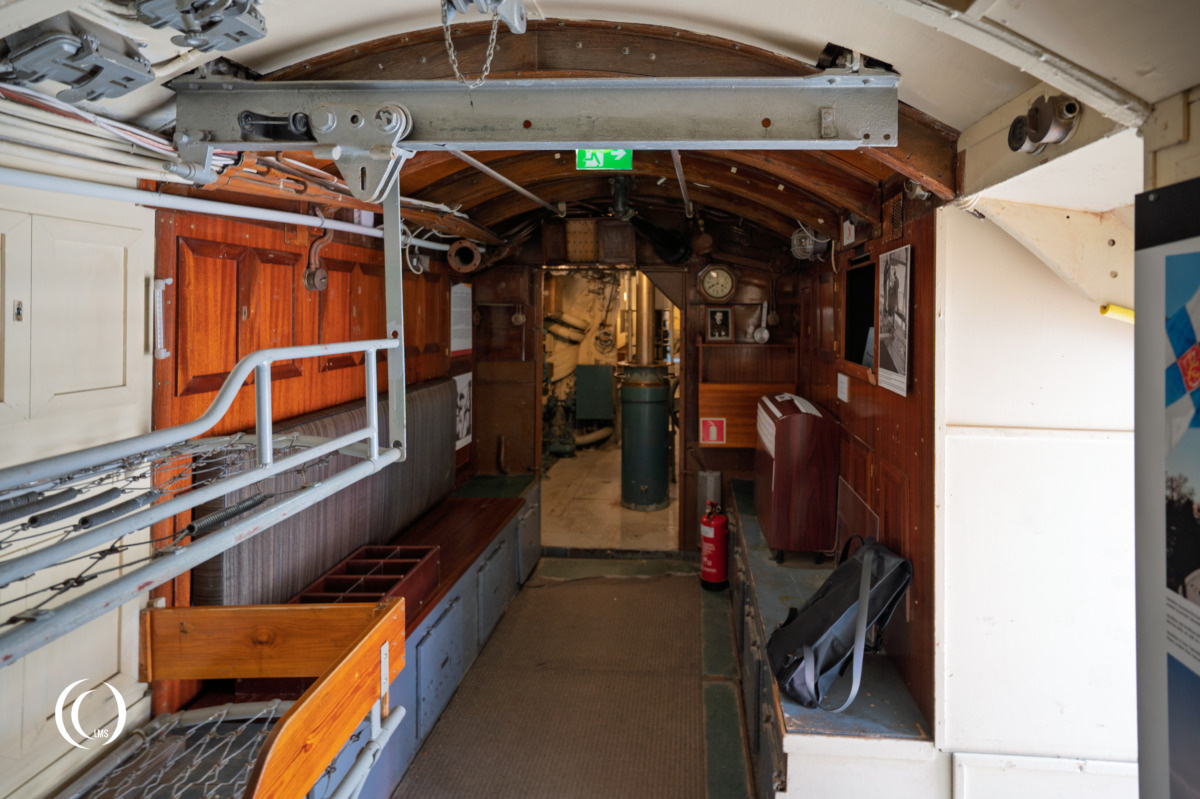
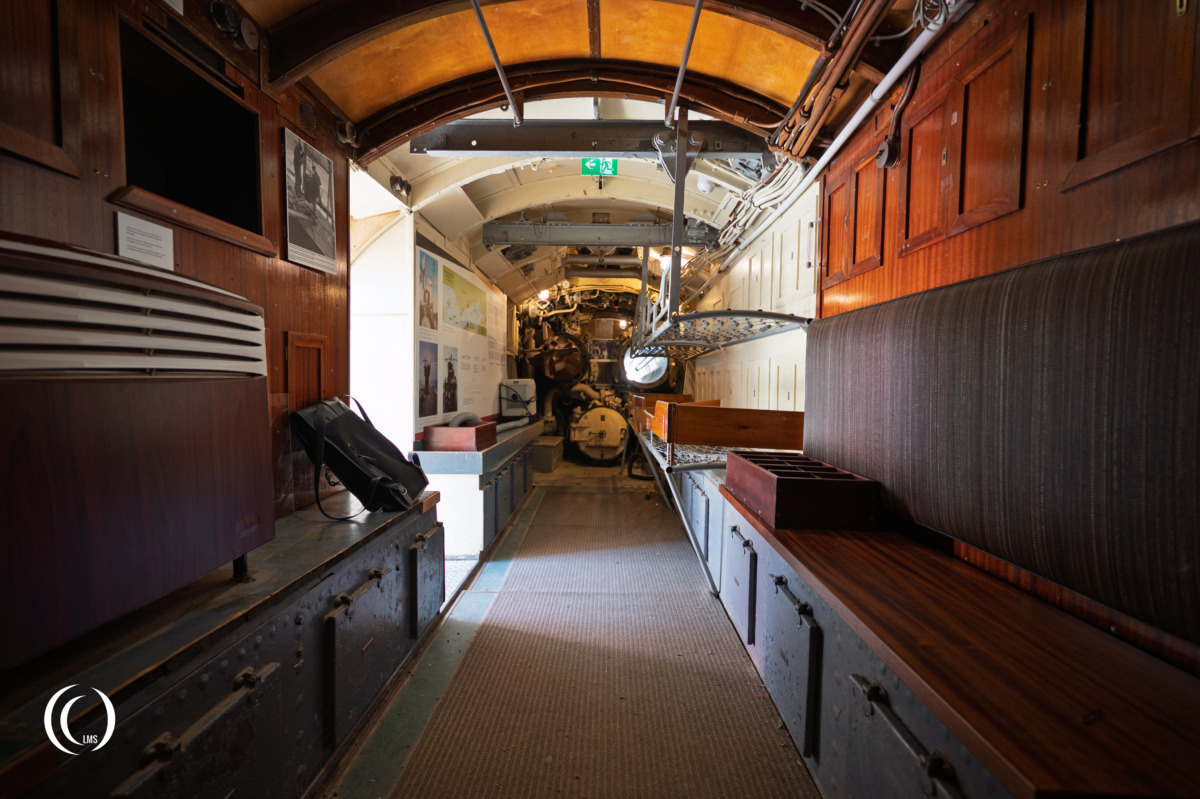
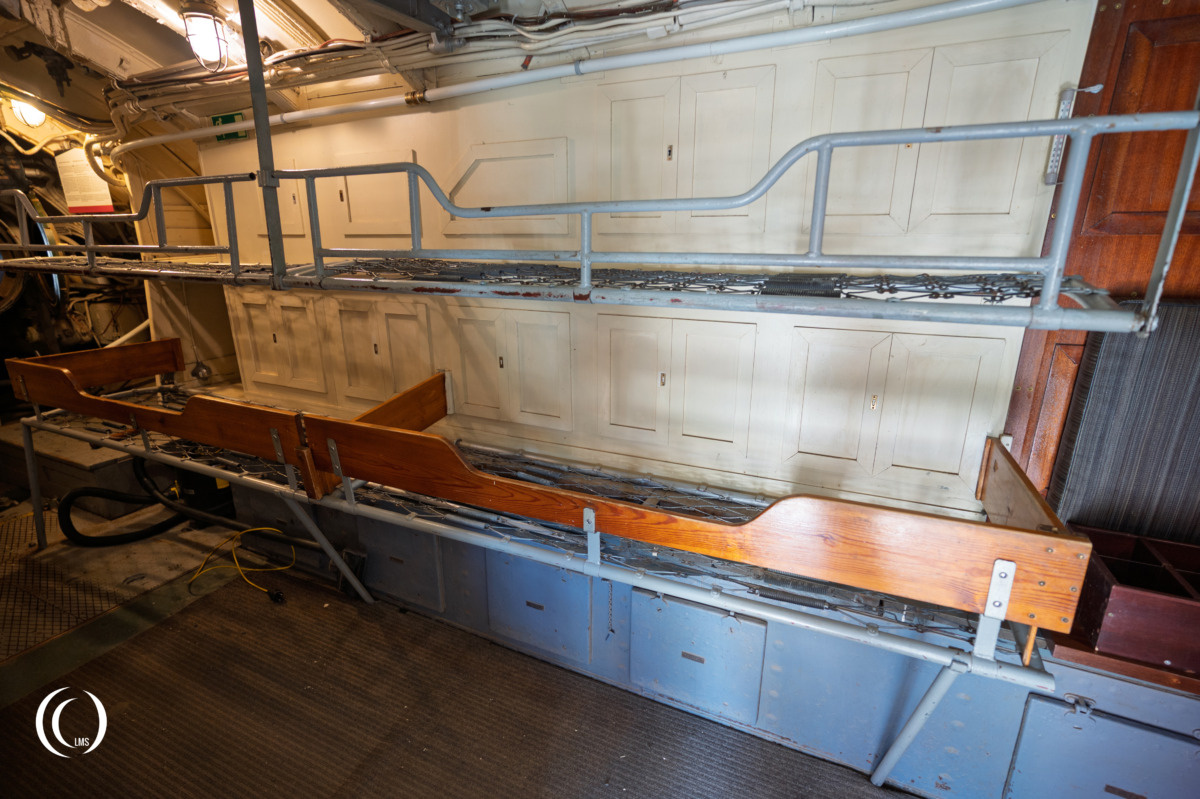
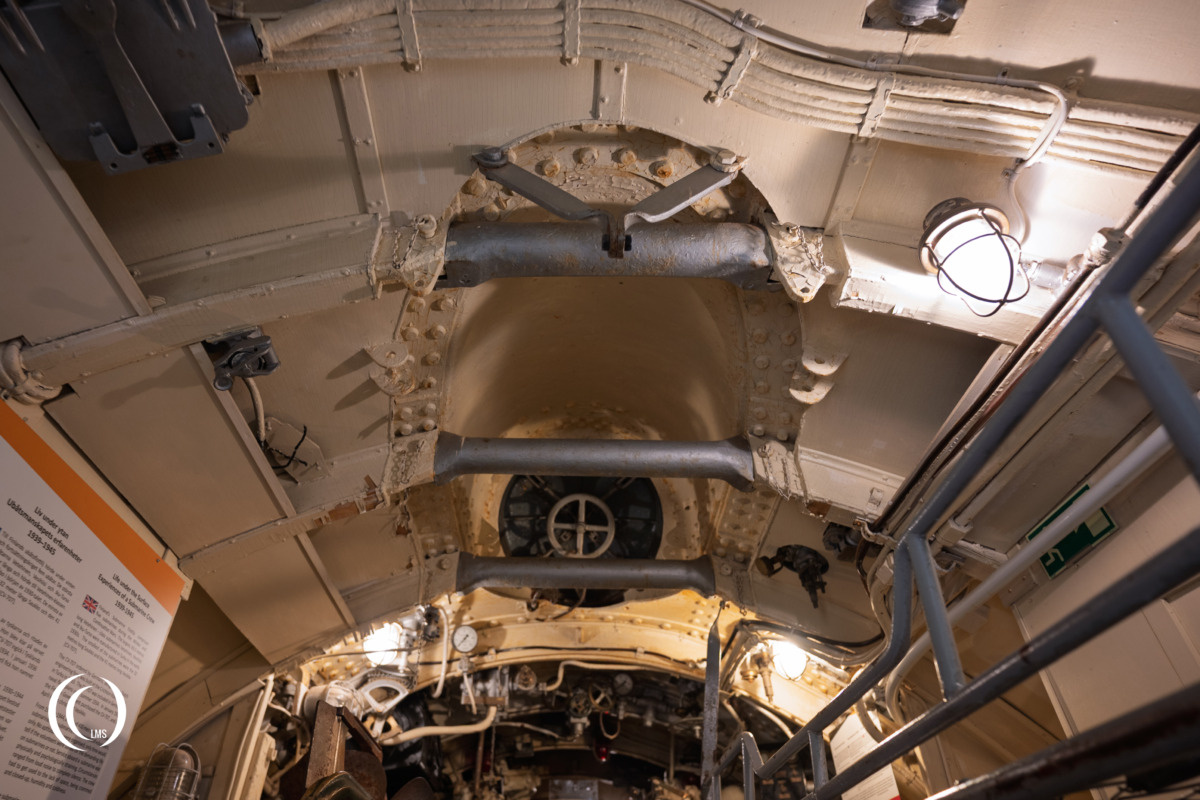
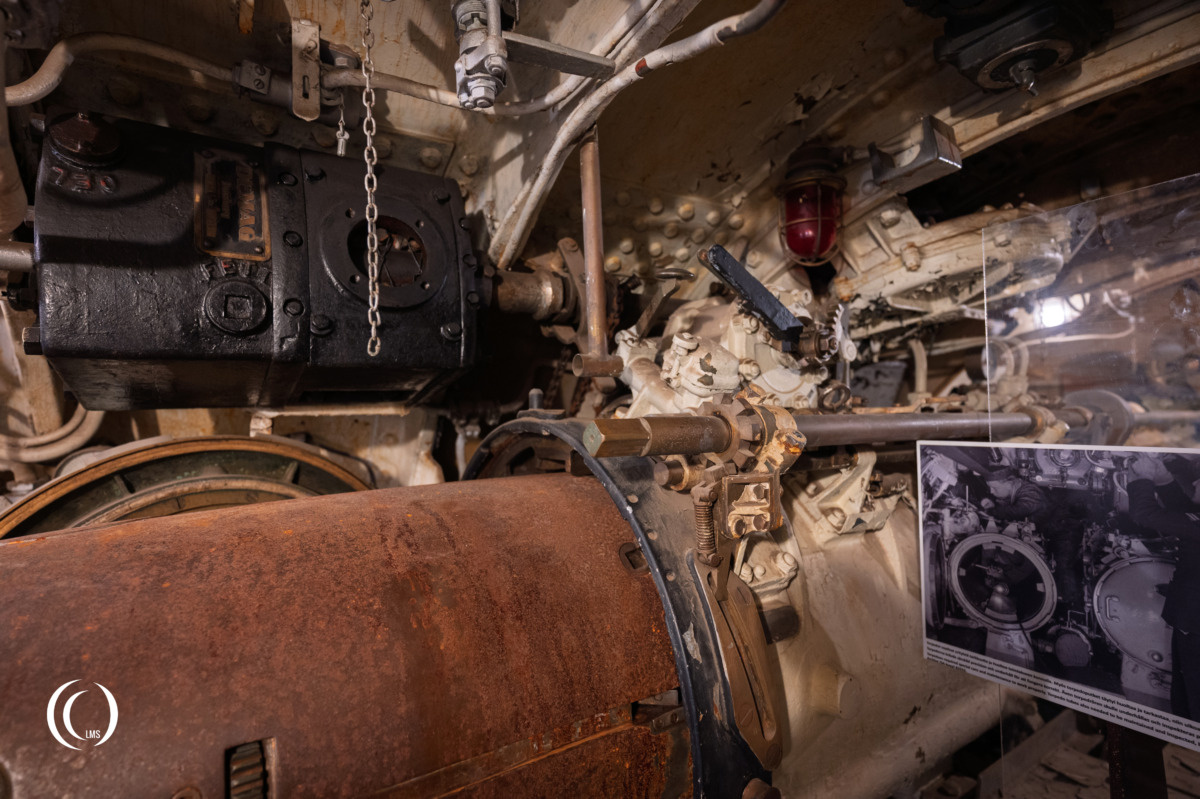
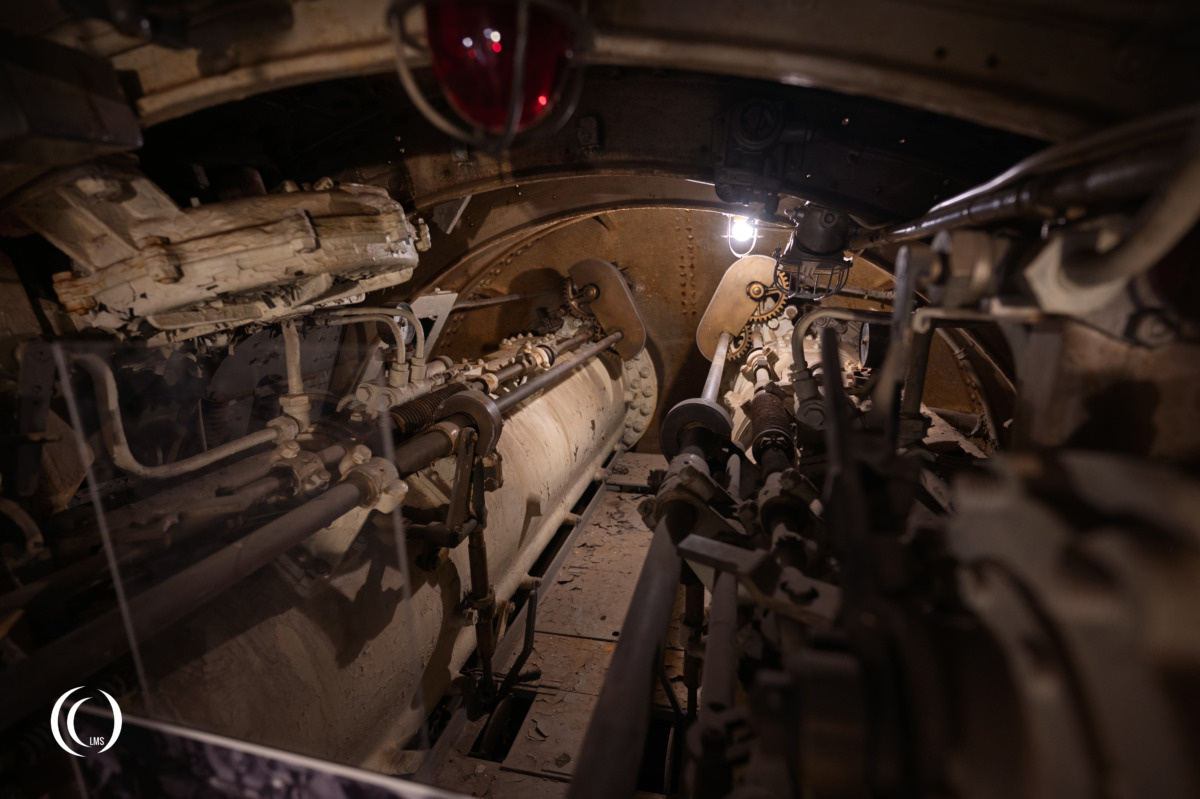
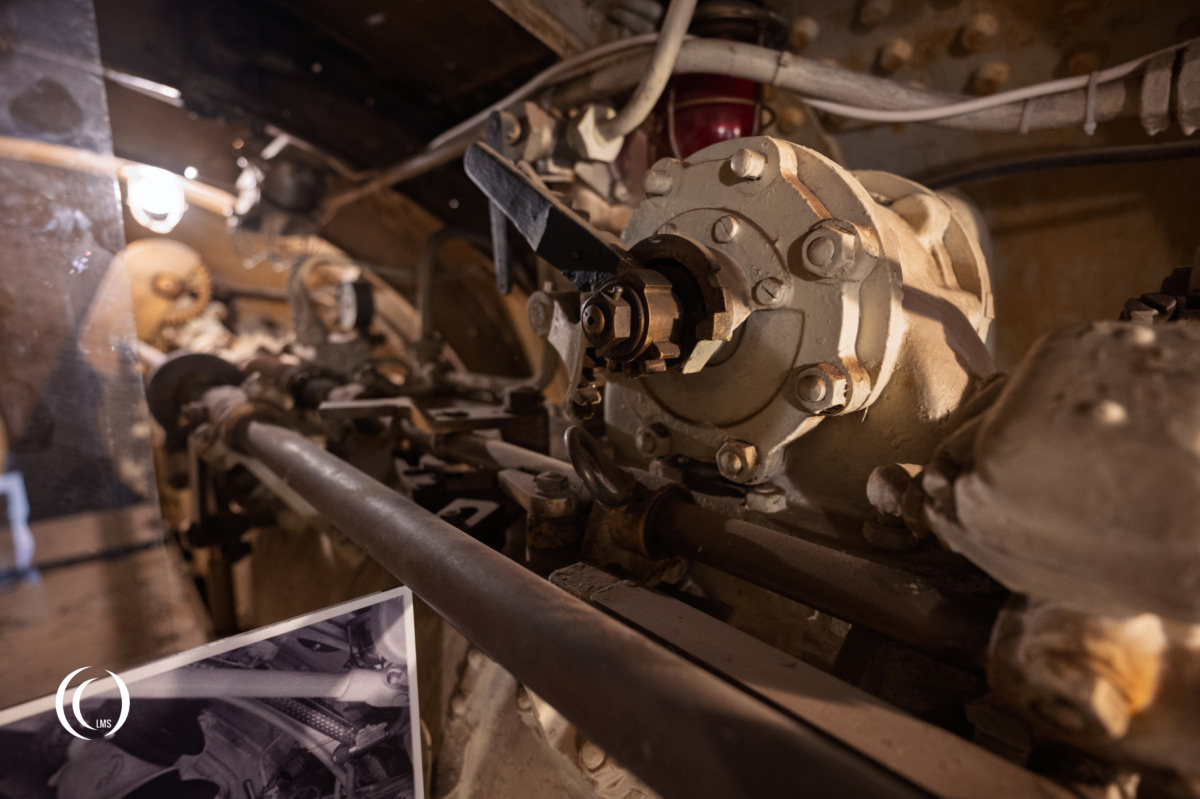
At the start of the restoration of Vesikko, much of her equipment and components were missing because it had either been reassigned, auctioned or vandalised during her time in the dry dock at Valmet shipyard. This made the restoration process a time-consuming and arduous task.
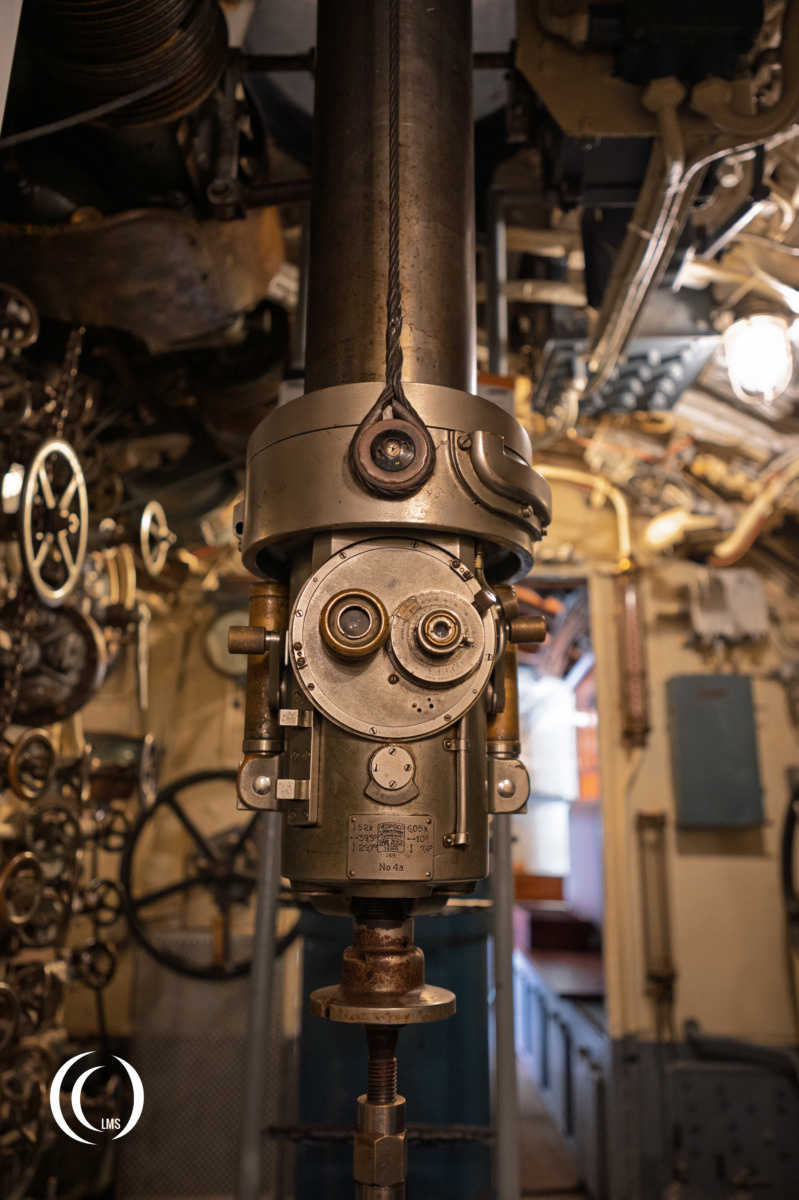
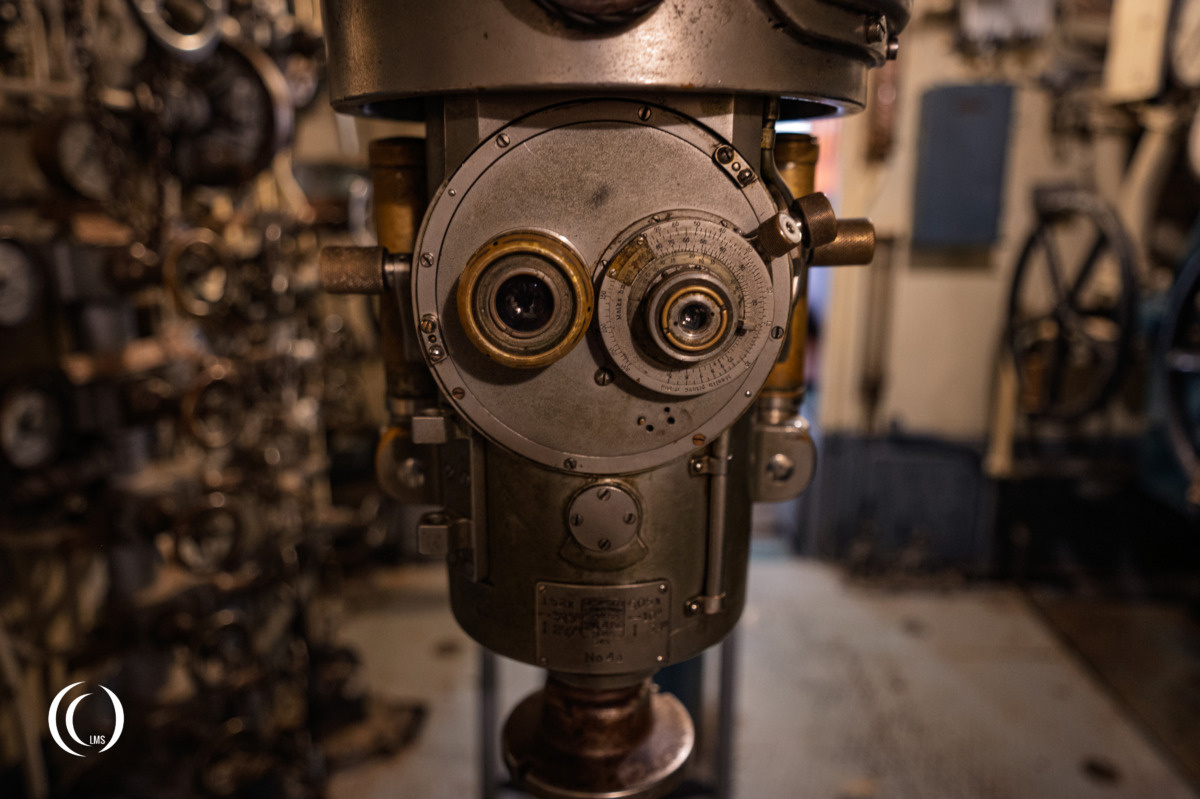
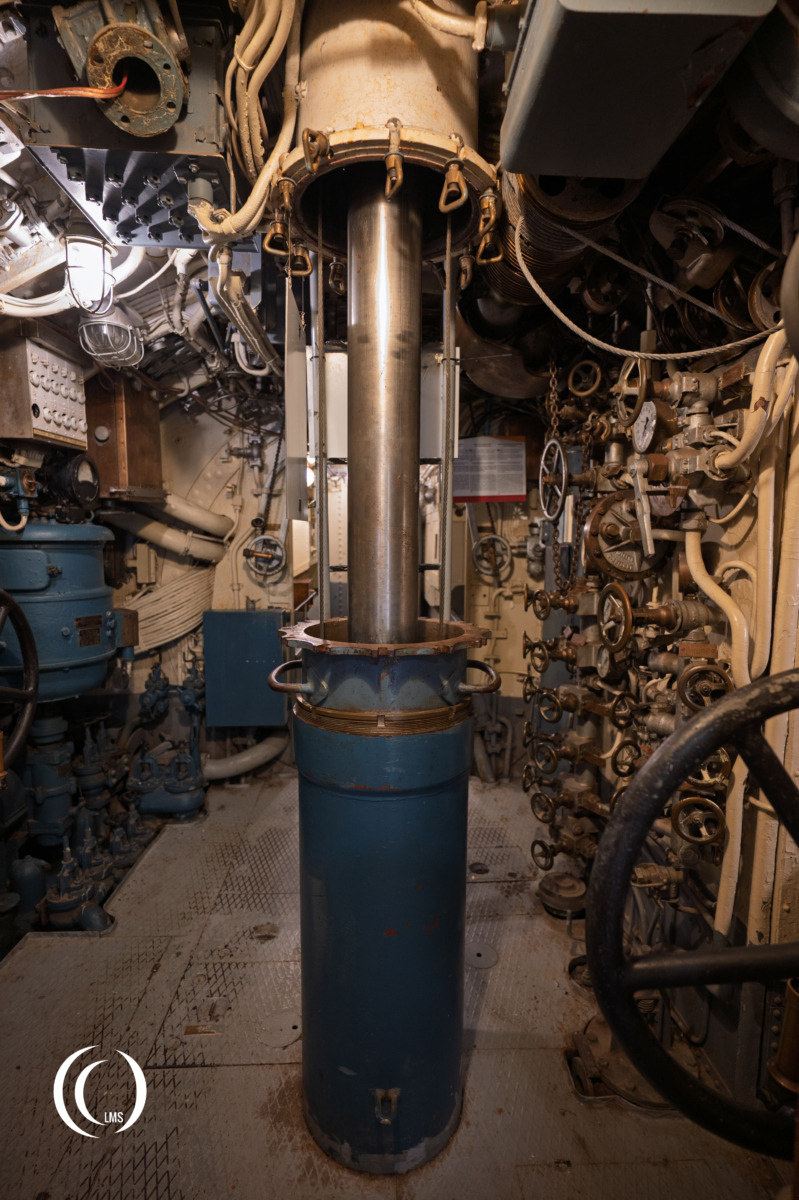
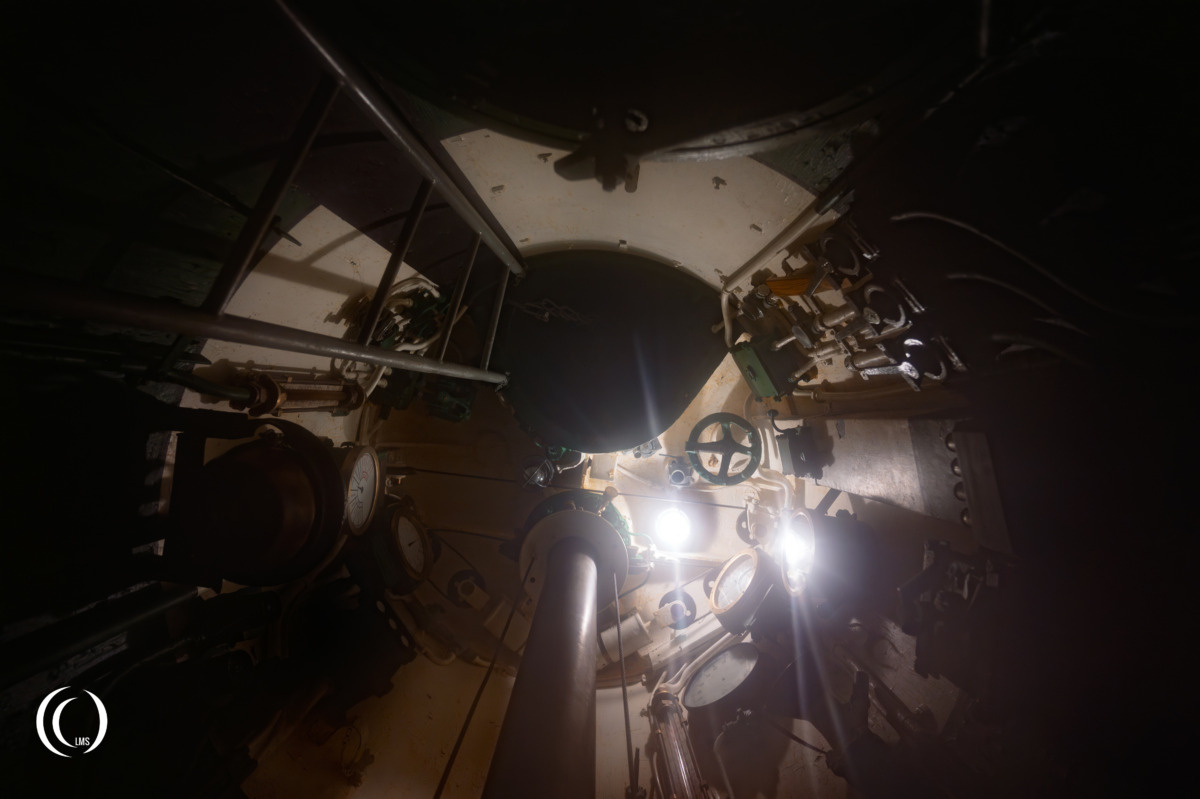
Walkthrough video
Visit
You can visit submarine Vesikko in Helsinki, Finland, on the Suomenlinna Isle, where it is part of the Military Museum exhibition. The submarine interior is opened from May to September. Please check ahead for opening hours on the museum website and the ferry timetable.
Sources
- Submarine Vesikko (Translation of Military Museum publication 2/1999 | AAC Global Oy 2017) – ISBN (pdf) 978-951-25-3231-5
- German U-boat Losses During World War II: Details of Destruction | Axel Niestle | Frontline Books – ISBN 9-781-39908-283-9
- Memoirs: Ten Years and Twenty Days | Karl Dönitz | Cassel – ISBN 9-780-30435-686-7
- sotamuseo.fi (Finnish Military Museum)
- finna.fi (Archive)
- Wikipedia & WikiMedia Commons
- naval-encyclopedia.com
