Cemetery background
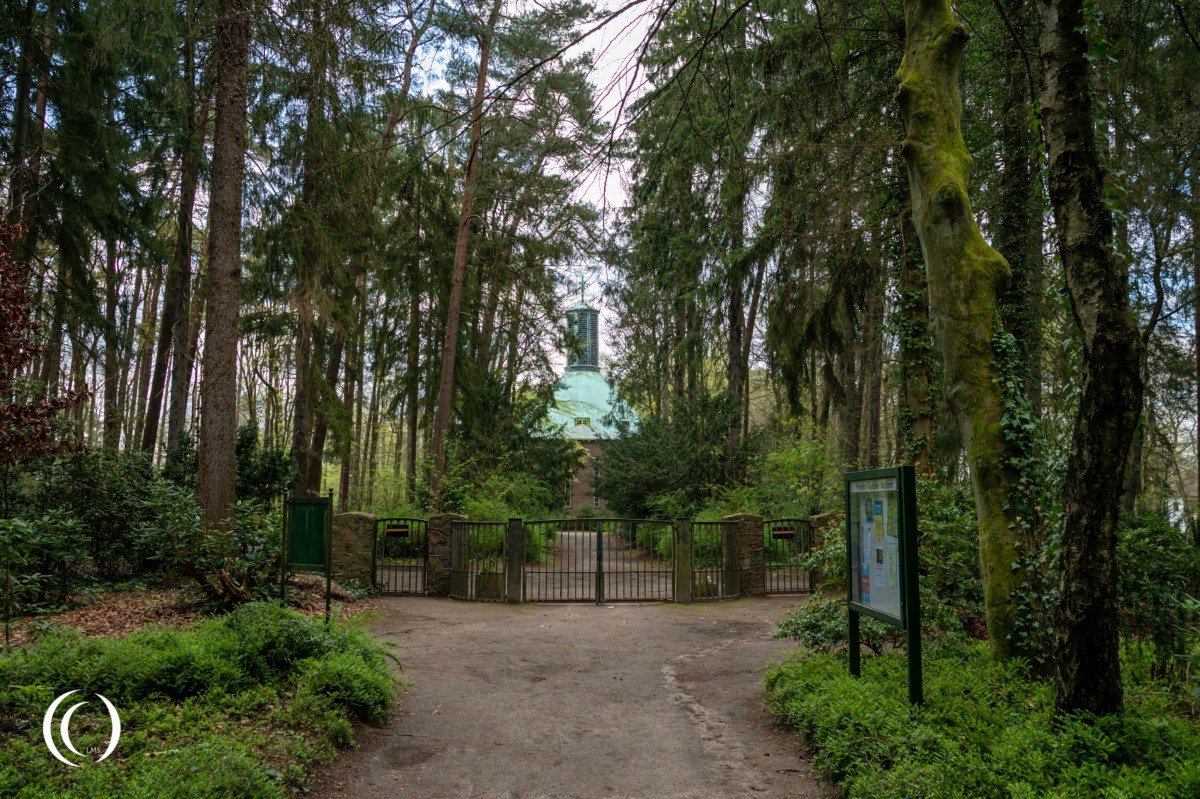
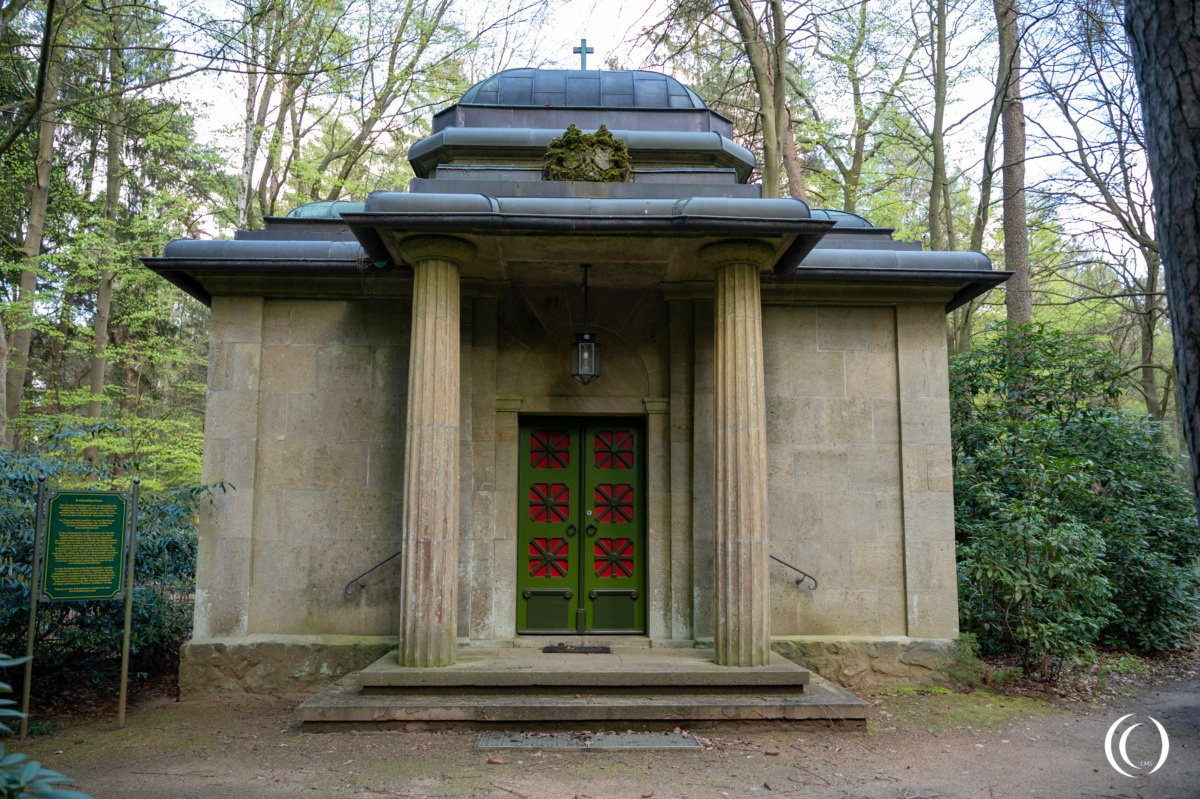
Waldfriedhof Aumühle-Wohltorf is a historic woodland cemetery located in the Sachsenwald area east of Hamburg. Waldfriedhof literally means Forest Cemetery. It was established in 1911 as a forest burial ground for the communities of Aumühle and Wohltorf. Designed to preserve the natural character of the surrounding woodland, the cemetery features graves placed among mature trees, creating a quiet and park-like atmosphere.
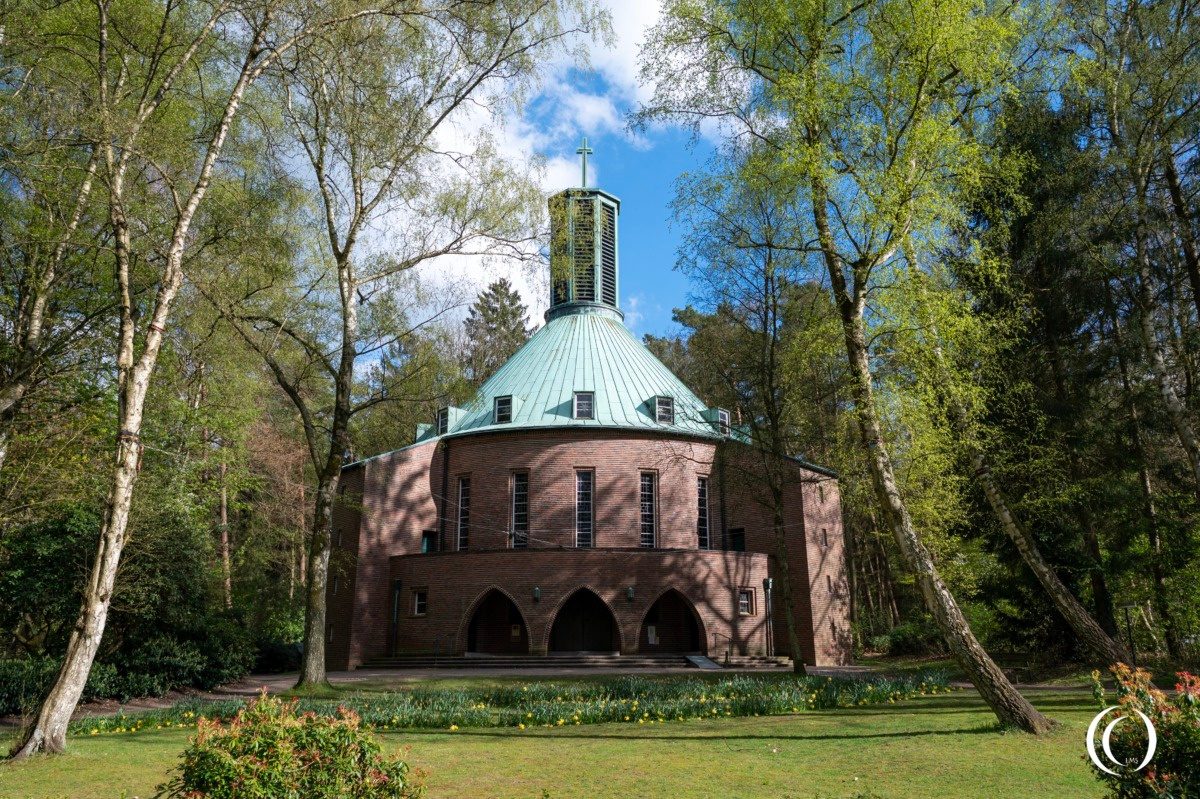
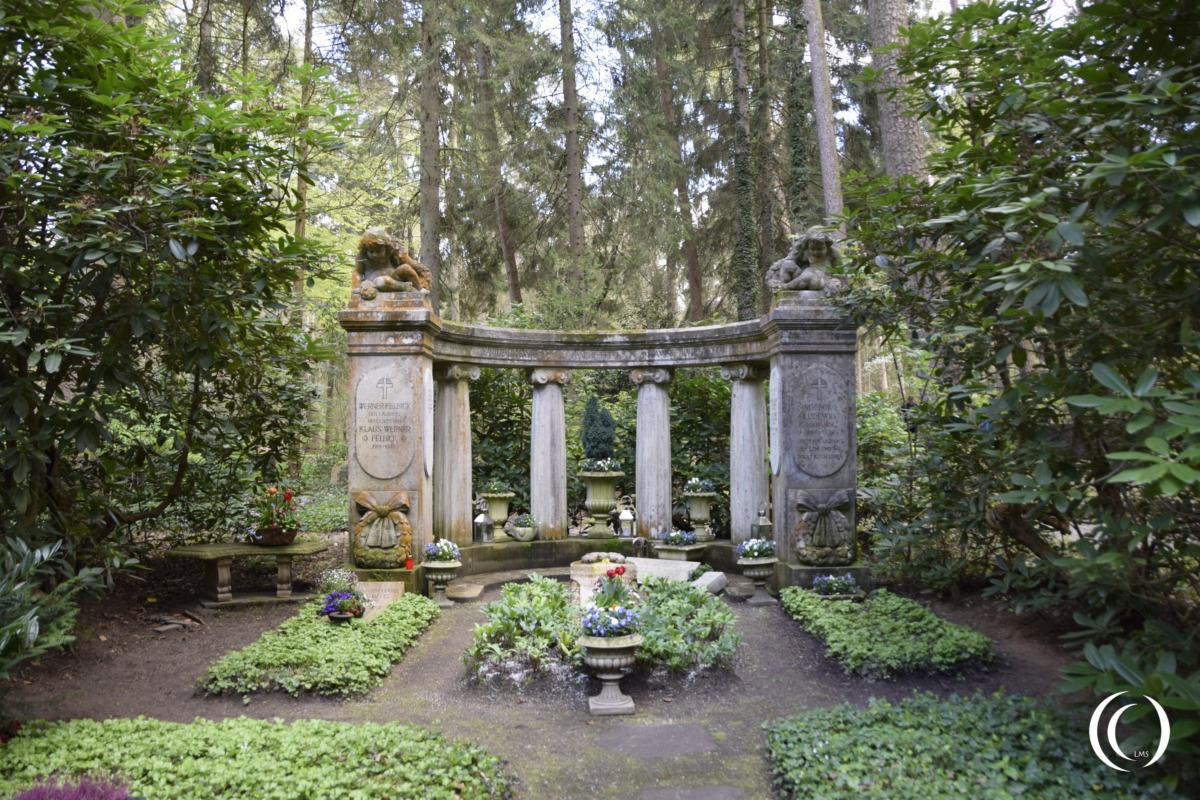
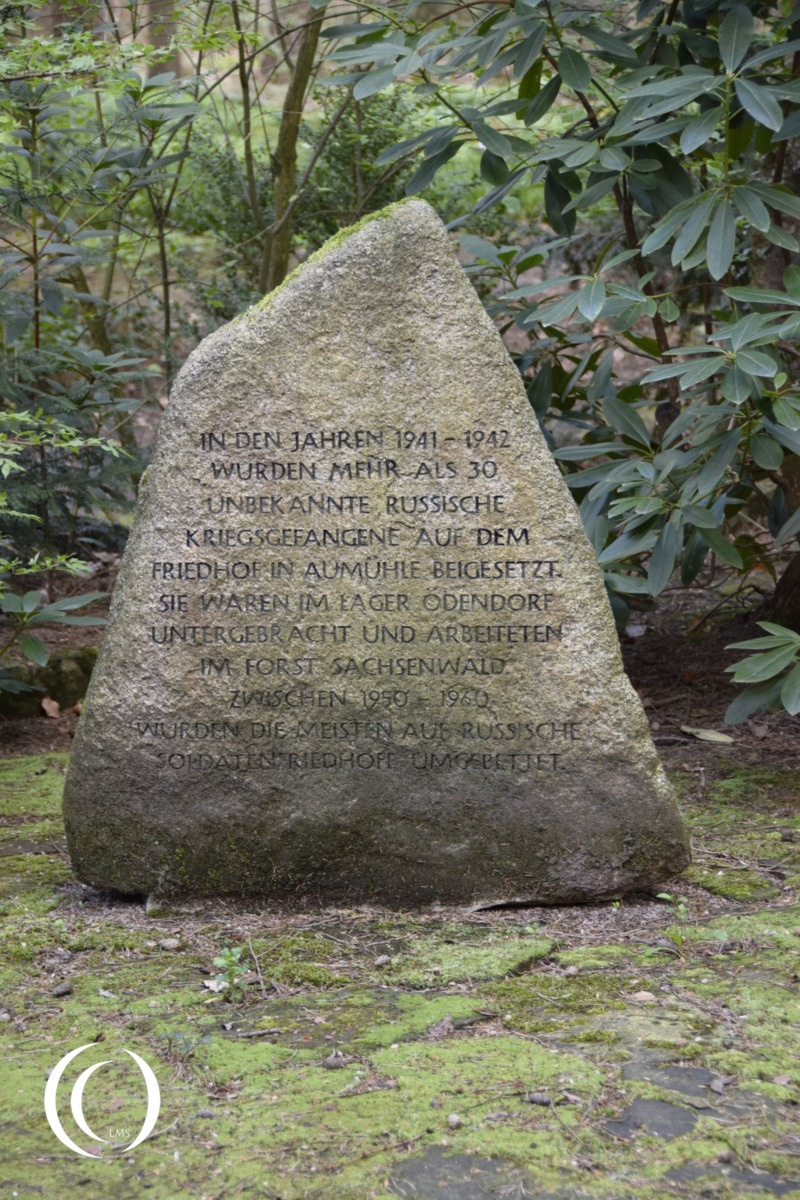
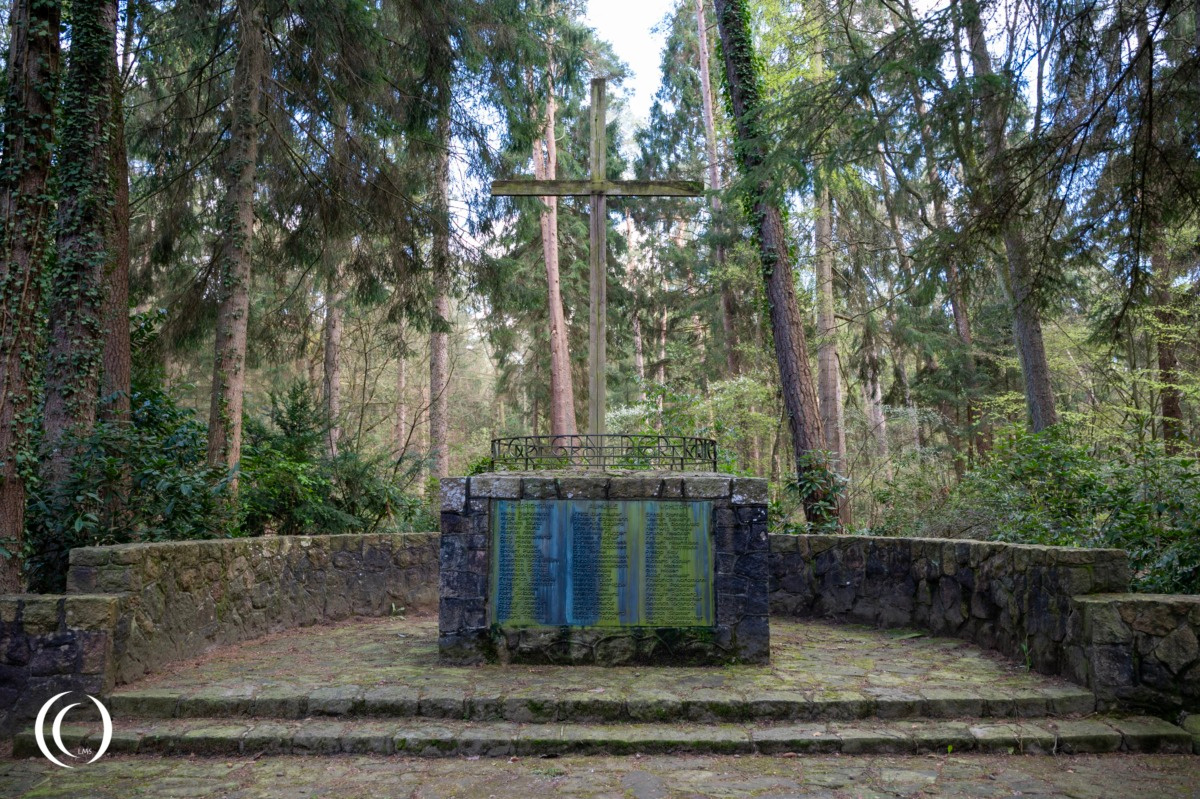
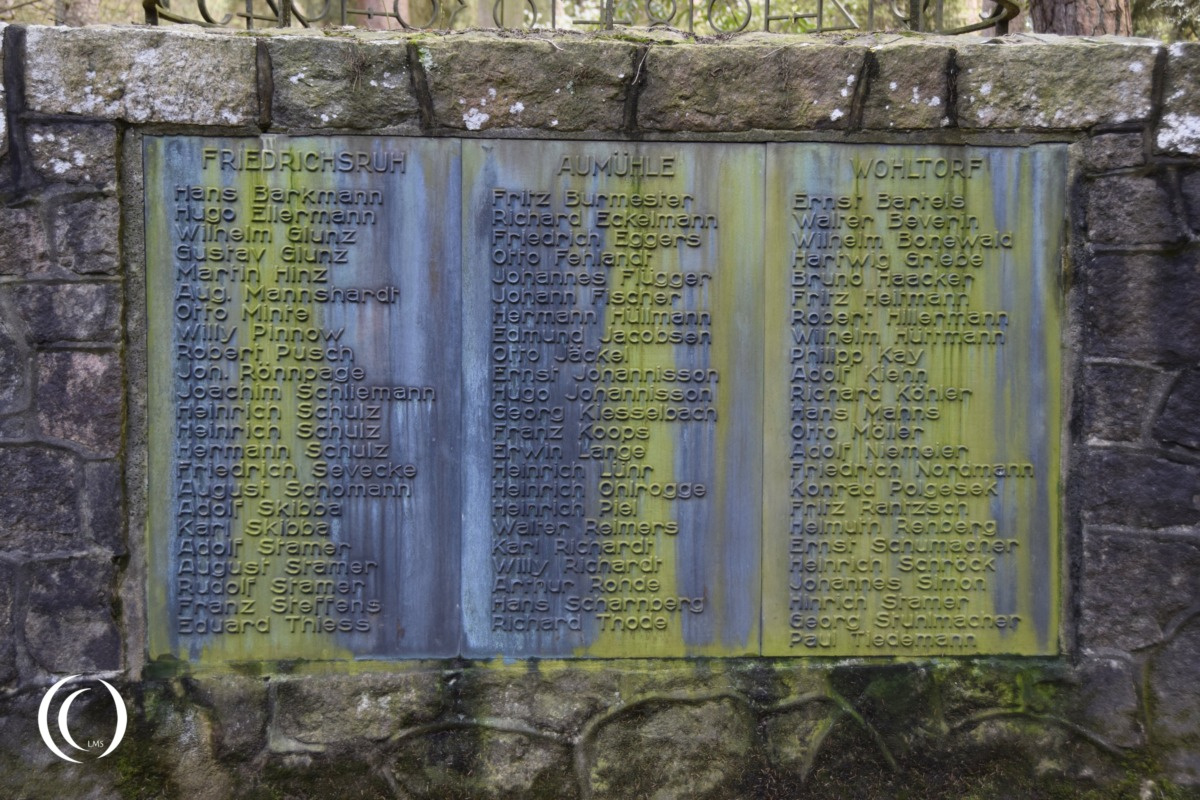
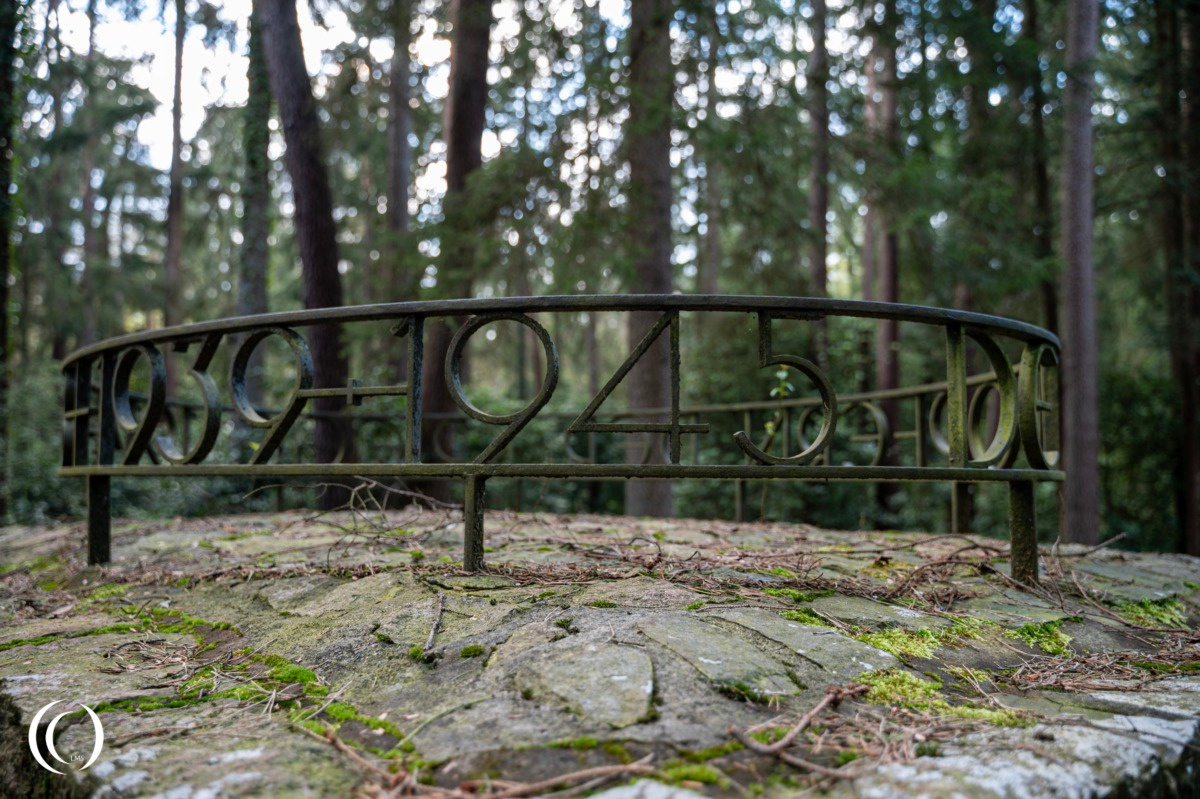
The cemetery has been expanded over the decades and contains many historic graves, family burial sites, and memorials. It includes remembrance sites connected with the two world wars, including a memorial for war victims and graves of foreign prisoners of war who died during the Second World War period.
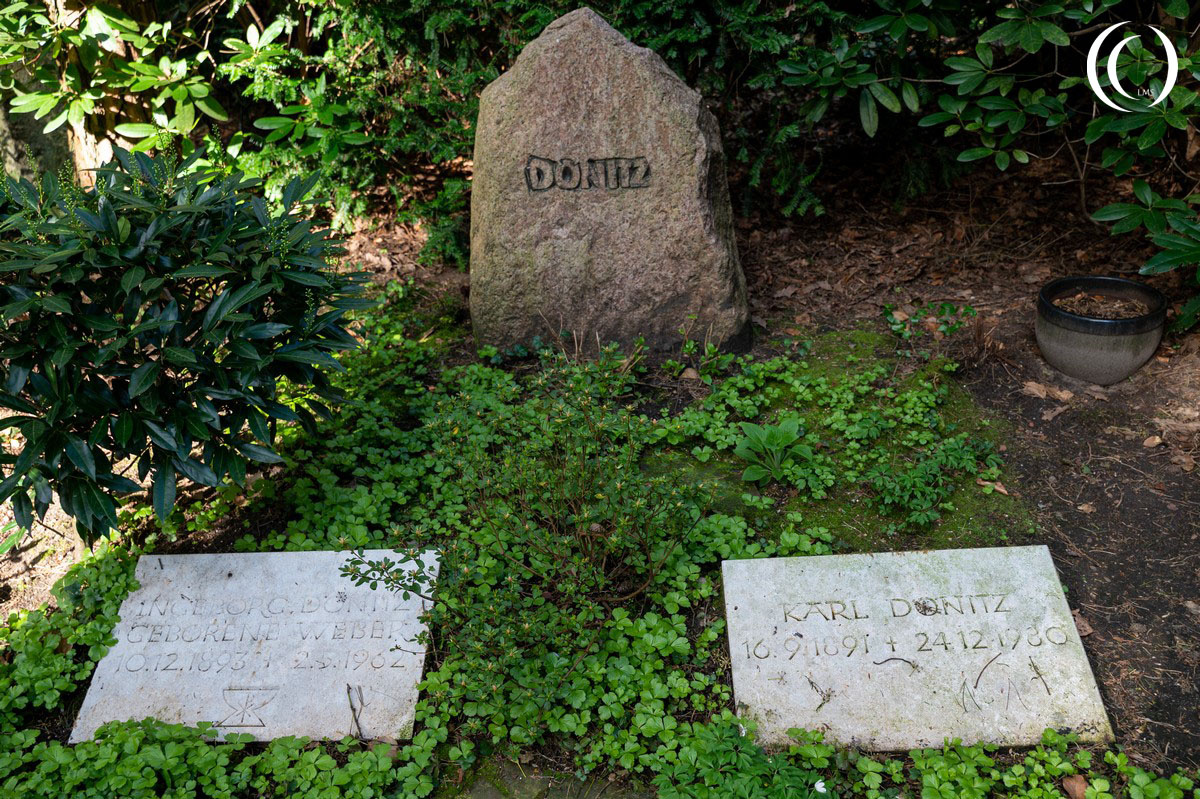
One of the most notable burials is that of Karl Dönitz, commander-in-chief of the German Navy and briefly head of state of Nazi Germany in 1945. The cemetery also contains other graves connected with regional and German history. More information on the grave of Grand Admiral Karl Dönitz in this link.
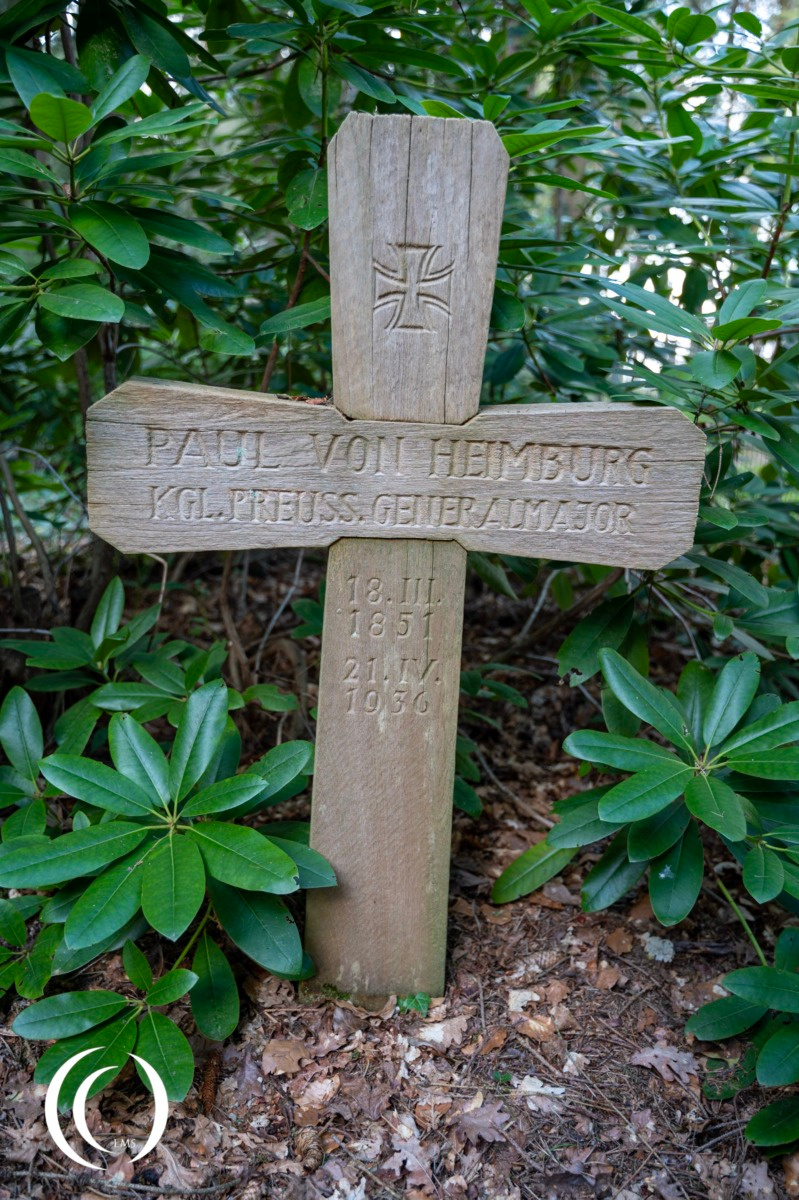
Generalmajor Paul von Heimburg
Paul von Heimburg was a Prussian Army officer who served during the late nineteenth century and World War I. Born on 18 March 1851 in Jever, he entered the Prussian Army in 1870 and took part in the Franco-Prussian War (1870–1871). After the war, he continued his military career, serving in a variety of infantry assignments and gradually advancing through the ranks because of his experience and leadership.
During World War I, von Heimburg commanded Reserve Infantry Regiment No. 213, which served on the Western Front. Later in the war, he was appointed commander of a prisoner-of-war camp at Worms, where he supervised the administration and security of captured enemy soldiers. His long and distinguished military service earned him promotion to the rank of Generalmajor (Major General) before his retirement in 1918.
Paul von Heimburg died on 8 May 1920. He was also the father of Heino von Heimburg and Erik von Heimburg, both of whom later pursued military careers in Germany.
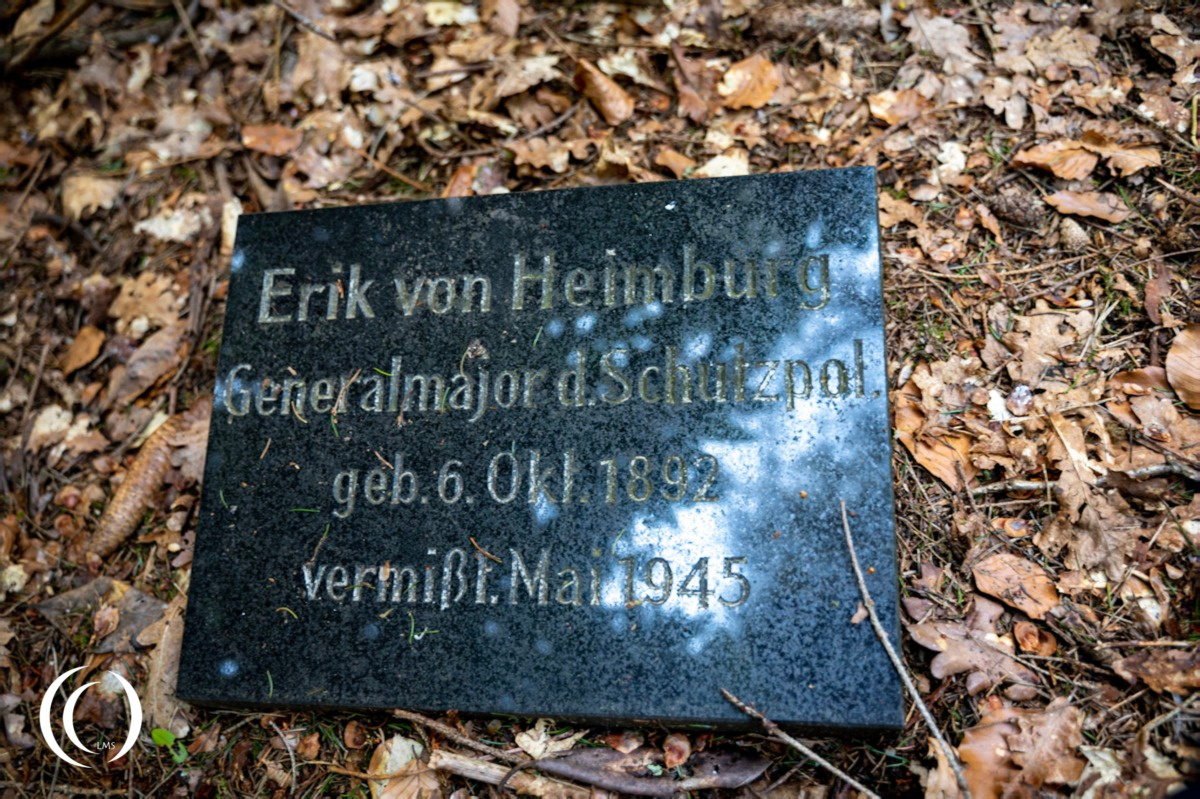
Generalmajor Erik von Heimburg
Erik von Heimburg was a German police officer and senior SS commander during the Nazi era. Born on 6 October 1892 in Karlsruhe, he served in the German Army during World War I before joining the police service. He became a member of the Nazi Party in 1937 and the SS in 1939. In 1942, he was promoted to SS-Brigadeführer and Generalmajor der Polizei, a senior rank in the Order Police (Ordnungspolizei).
During World War II, von Heimburg commanded police forces in Kharkiv, Minsk, and later Copenhagen, where German security units were involved in anti-partisan operations, occupation duties, and the persecution of civilians. He also served as commander of the Schutzpolizei in Berlin during the final months of the war.
After Germany’s defeat in 1945, Soviet authorities arrested him and charged him with responsibility for war crimes committed in occupied Belarus. A Soviet military tribunal sentenced him to death on 8 March 1946. His appeal was rejected, and he was executed by firing squad near Minsk on 14 May 1946. His career illustrates the close involvement of Nazi police leadership in the occupation and repression of Eastern Europe.
NOTE: The headstone indicates that Erik von Heimburg was reported missing in May 1945. Sources state that this is incorrect; instead, he was arrested in May 1945 and killed on May 14th, 1946.
Viceadmiral Heino von Heimburg
Heino von Heimburg was a German naval officer who gained distinction as a U-boat commander during World War I and later became a Vizeadmiral (Vice Admiral) in the German Navy. Born on 24 October 1889 in Hanover, he was the son of Paul von Heimburg. He joined the Imperial German Navy in 1907 and trained as a submarine officer. During World War I, he commanded several U-boats, including UB-14 and UC-22, successfully sinking numerous Allied merchant and naval vessels. For his achievements, he received the prestigious Pour le Mérite in 1917.
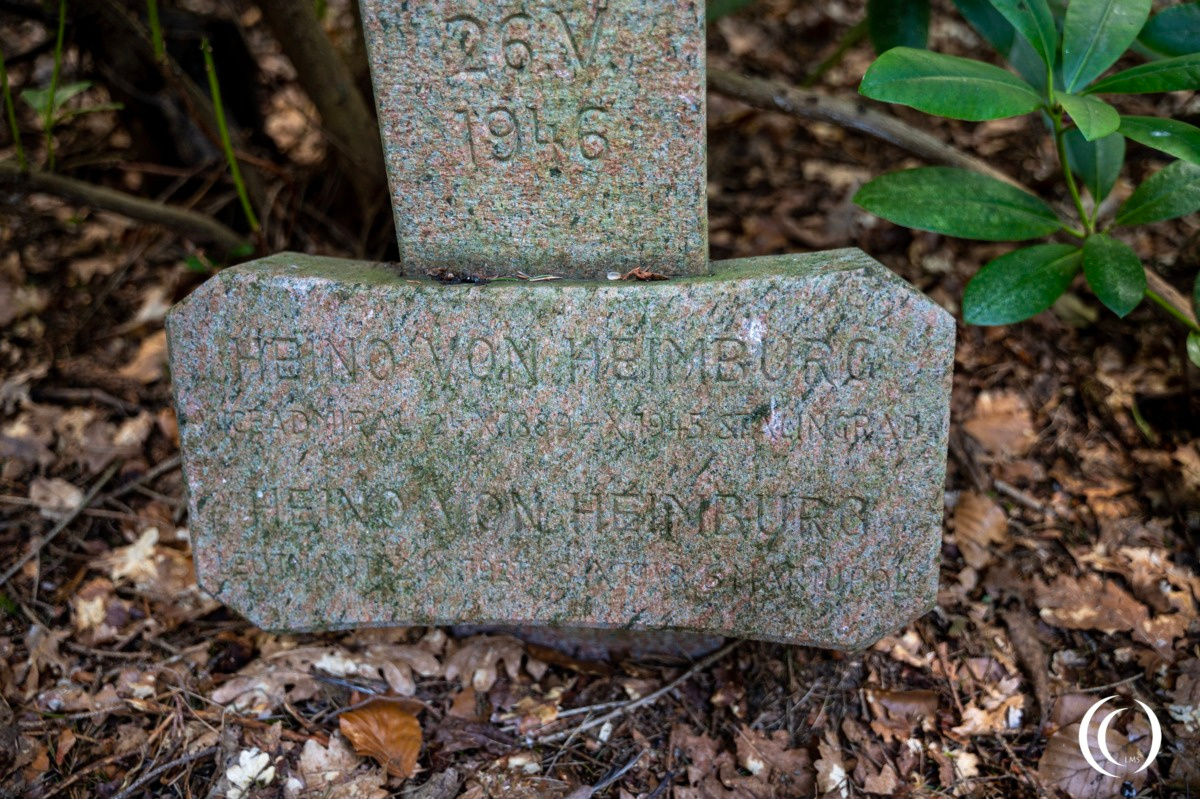
After the war, Heimburg remained in the Reichsmarine and later the Kriegsmarine, rising steadily through the ranks. During World War II, he served mainly in administrative and judicial positions, including as a judge at the Reich Military Court and later at the People’s Court (Volksgerichtshof). In March 1945, he was captured by Soviet forces and died in a Soviet prisoner-of-war camp near Stalingrad in October 1945. His career reflects both notable naval service and involvement in the institutions of Nazi Germany.
Kapitän Wilhelm Müller-Arnecke – U-boat Commander
Wilhelm Müller-Arnecke was a German naval officer who served in the Kriegsmarine during World War II. He was born on 30 October 1910 in Bremen, Germany and began his maritime career before joining the German Navy. During the war, he became a submarine officer and commanded the U-boat U-19 from November 1939 to January 1940.
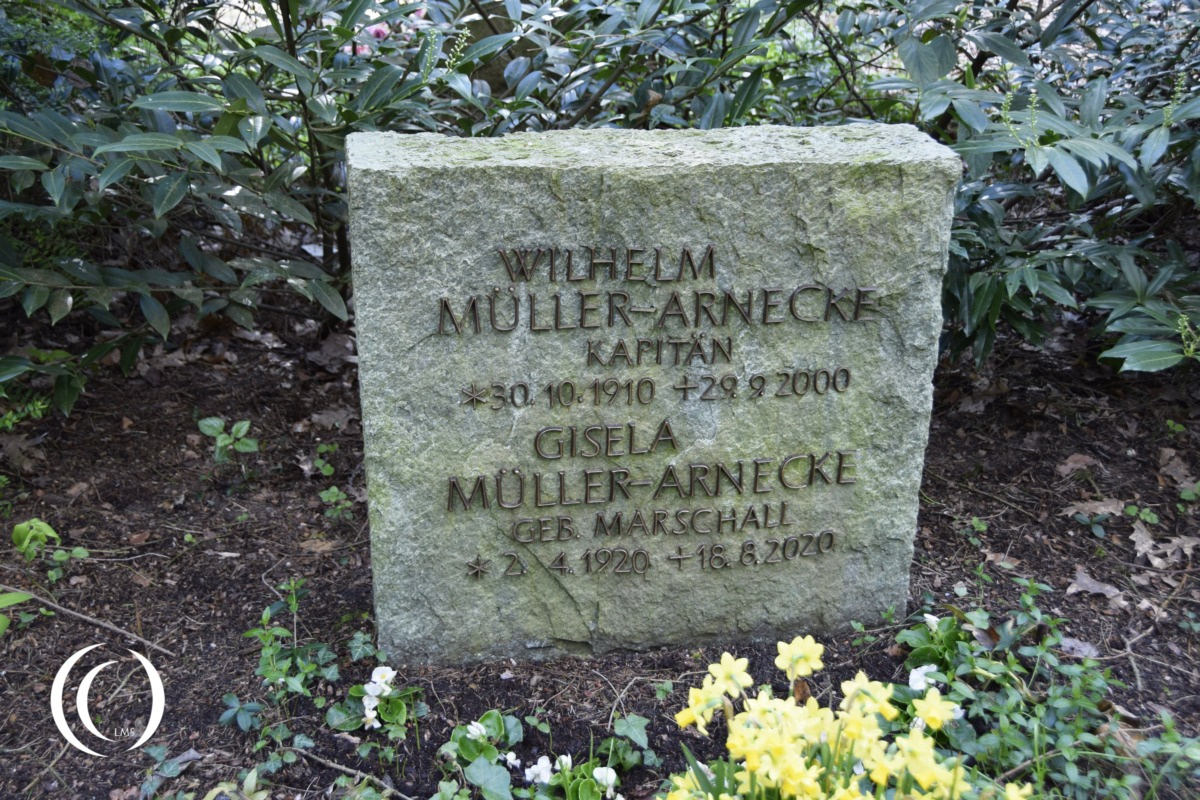
During his command of U-19, Müller-Arnecke carried out patrol operations in the North Sea and achieved one confirmed sinking of an Allied merchant vessel. After leaving frontline submarine command, he served in various staff and training roles within the German U-boat organization. He was promoted to Korvettenkapitän (Lieutenant Commander) on 1 September 1943.
After Germany’s defeat in 1945, Müller-Arnecke returned to civilian life. He died on 29 September 2000 in Fleckeby, Schleswig-Holstein. His career is primarily remembered for his early wartime U-boat service and his later administrative roles in the Kriegsmarine.
U-19 German submarineType IIB
German submarineU-19 (1936) was a German Type IIB U-boat that served in the Kriegsmarine during World War II. It was built by the Germaniawerft shipyard in Kiel and commissioned on 16 January 1936. The submarine was one of the smaller coastal U-boats used for training and operations in European waters.
At the beginning of World War II, U-19 conducted patrols in the North Sea under several commanders, including Wilhelm Müller-Arnecke, who commanded it from November 1939 to January 1940. During the war, U-19 completed numerous patrols and sank several Allied vessels, mainly merchant ships.
In 1940, U-19 was transferred to training duties and later operated with the 22nd U-boat Flotilla as a training submarine. In 1944, as Soviet forces advanced, the submarine was scuttled at Pillau (now Baltiysk, Russia) on 1 May 1945 to prevent its capture. The crew survived the scuttling. U-19 represents the early generation of German coastal submarines used in the opening years of the Battle of the Atlantic.
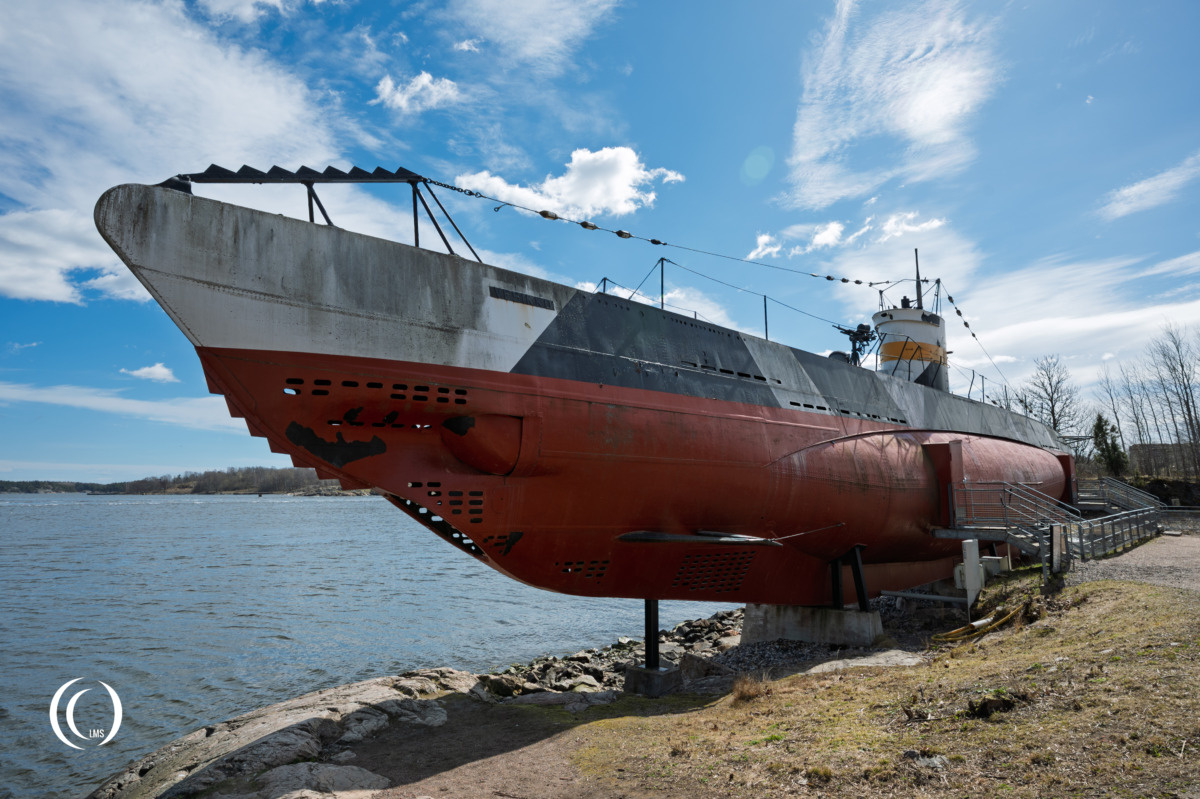
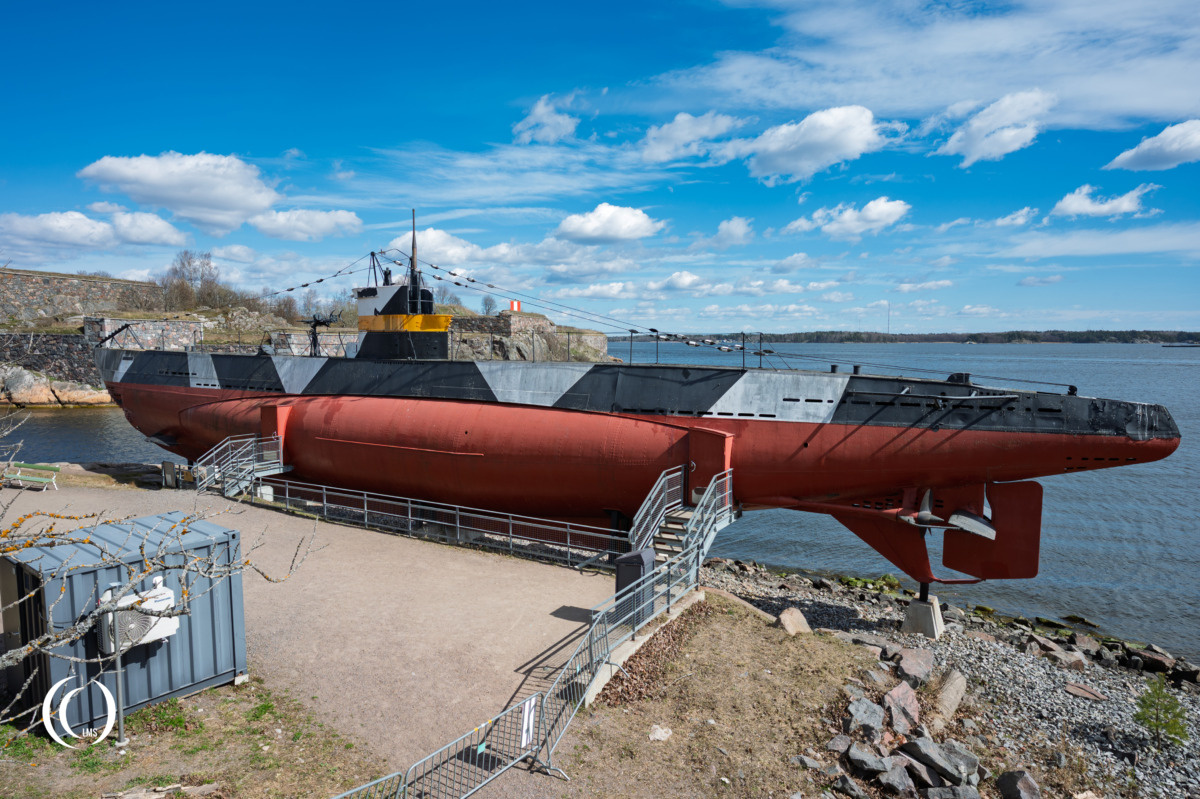
The Type II U-boat was designed as a coastal U-boat. The submarine was modeled after the CV-707 submarine, which was designed by the Dutch front company NV Ingenieurskantoor voor Scheepsbouw Den Haag as a prototype for the German Type II U-boats before WWII. The last surviving CV-707 (Type IIA) submarine is the Vessiko in Helsinki . The Type IIB was a further development of this vessel; there are no surviving examples of this model.
Herbert Singer
Herbert Singer was a German Army officer during World War II. He was born on 9 August 1919 in Uszballen (near Stallupönen, East Prussia), a region that is now part of Kaliningrad Oblast, Russia. Singer served as an infantry officer in the Wehrmacht and fought mainly on the Eastern Front during the Second World War.
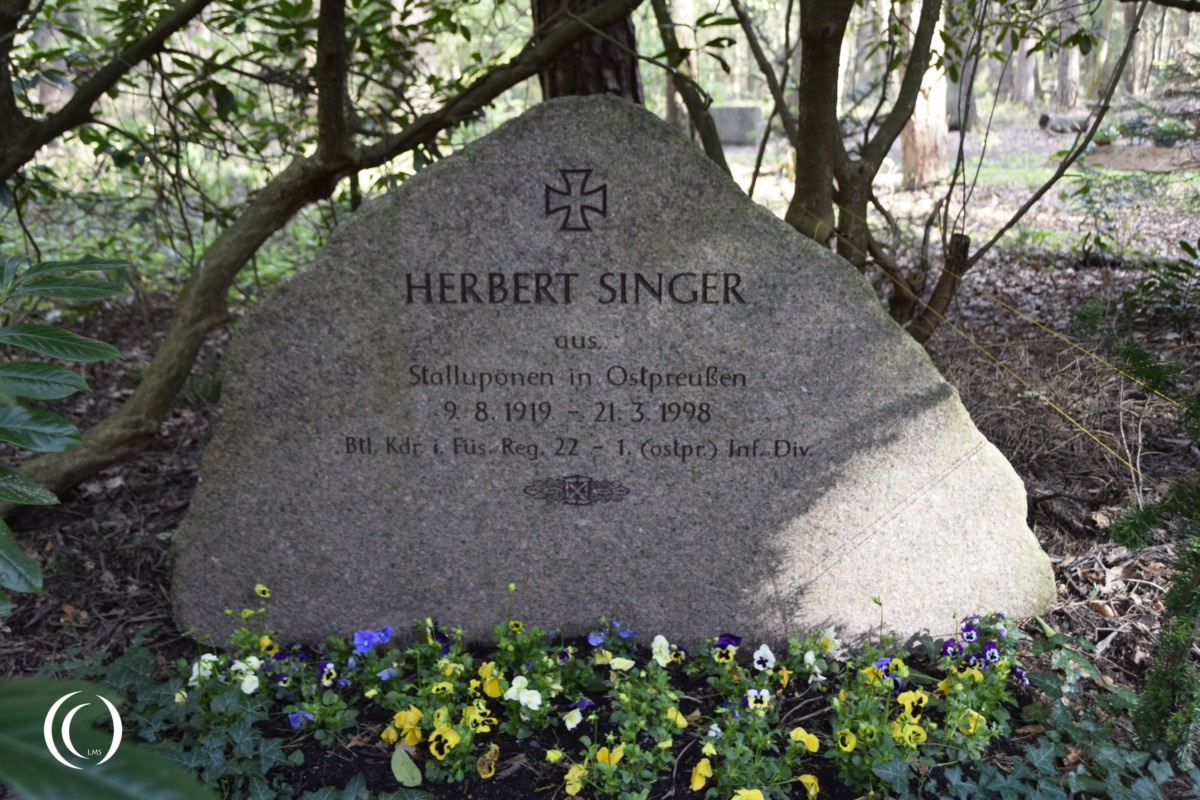
During his military career, he served with the 22nd Infantry Regiment and later with the Füsilier Regiment 22 of the 1st Infantry Division. He received several German military decorations, including the Iron Cross 2nd Class, Iron Cross 1st Class, and the German Cross in Gold. In the final period of the war, he was awarded the Knight’s Cross of the Iron Cross for his service in combat.
After 1945, Singer was held as a prisoner of war and later returned to civilian life in West Germany. He worked in business and management positions after the war. Herbert Singer died on 21 March 1998 in Hamburg.
Visit
The cemetery is open during daytime hours.
Sources
- Kriegsgraeberstaetten.volksbund.de
- Wikipedia
- uboat.net
- https://hamburg-ns-dabeigewesene.de/item/630–eric-von-heimburg
