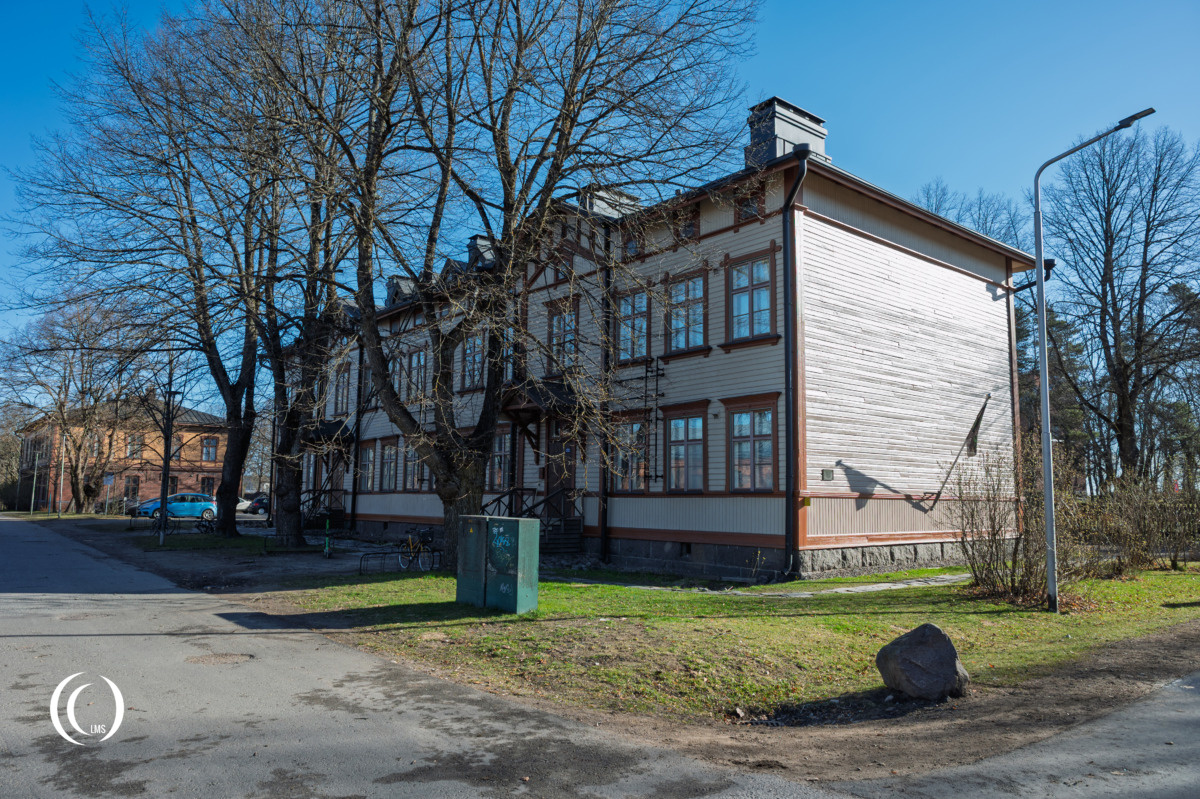
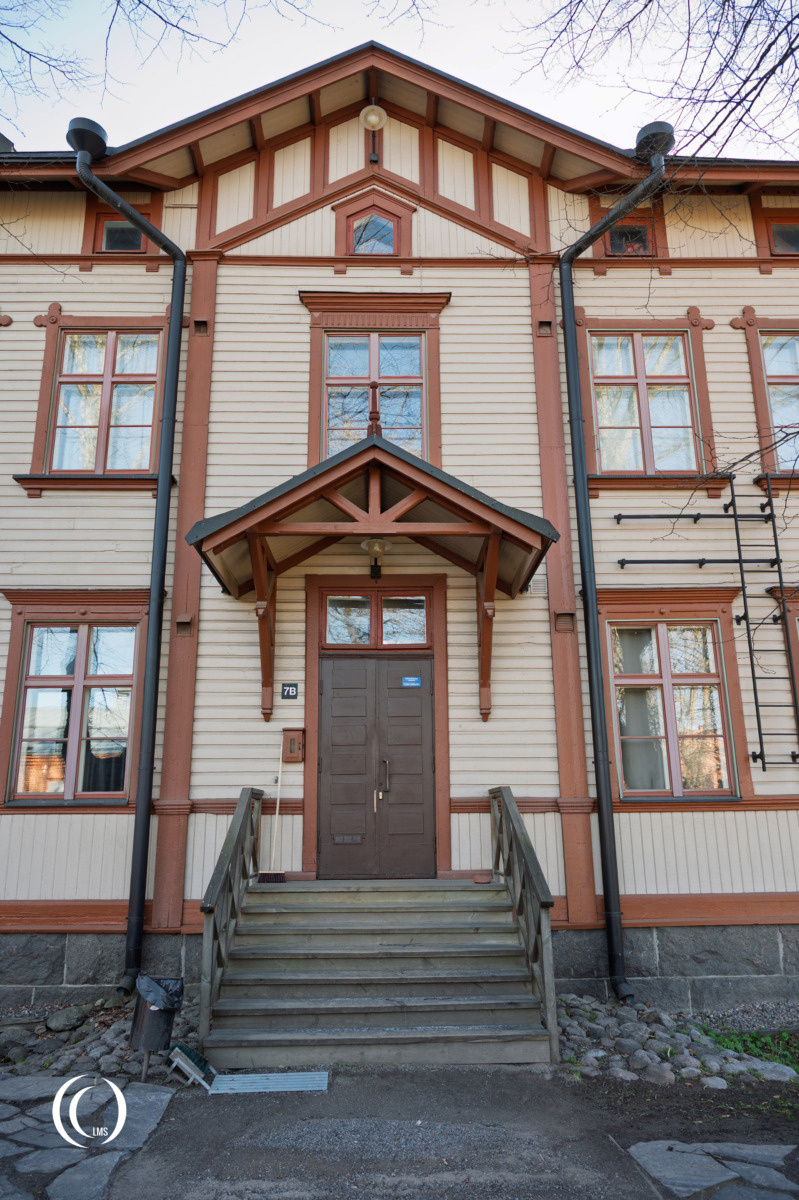
Väinö Lahja Richard Valve (1895–1995) was a Finnish military officer and naval commander who played a central role in Finland’s naval defence during the Second World War. Born in this apartment building at Dragoon Hill (Rakuunamäki) in Lappeenranta on 28 December 1895, he became one of the most influential figures in the development of the Finnish Navy.
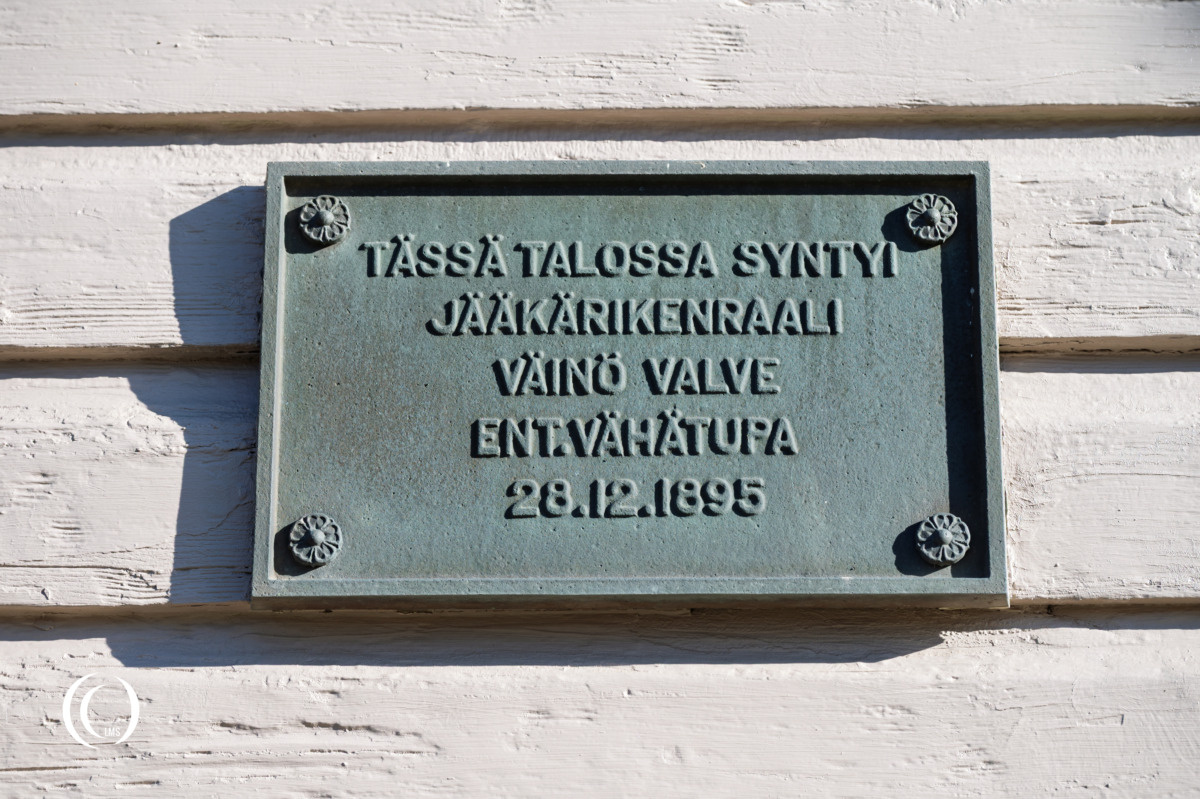
Valve (born Väinö Vähätupa) grew up here because his father worked as a farrier in the 20th Finnish Dragoon Regiment, then still part of the Imperial Russian Army.
27th Jaeger Battalion
Valve began his military career in 1916, when he joined the Finnish Jaeger Movement and travelled to Germany for military training with the Royal Prussian Jäger Battalion 27. He returned to Finland in February 1918 and fought in the Finnish Civil War as an artillery officer. During the following years, he rose rapidly through the military ranks, specialising in coastal artillery and naval defence.
Commander of the Navy
In 1933, Valve was appointed Commander of the Finnish Navy, a position he held throughout the Second World War until 1946. During the Winter War (1939–1940), Finland’s coastal artillery played an important role in defending the coastline and resisting Soviet naval operations. Valve had also advocated modernising Finland’s naval forces, although the outbreak of war prevented many planned developments from being implemented.
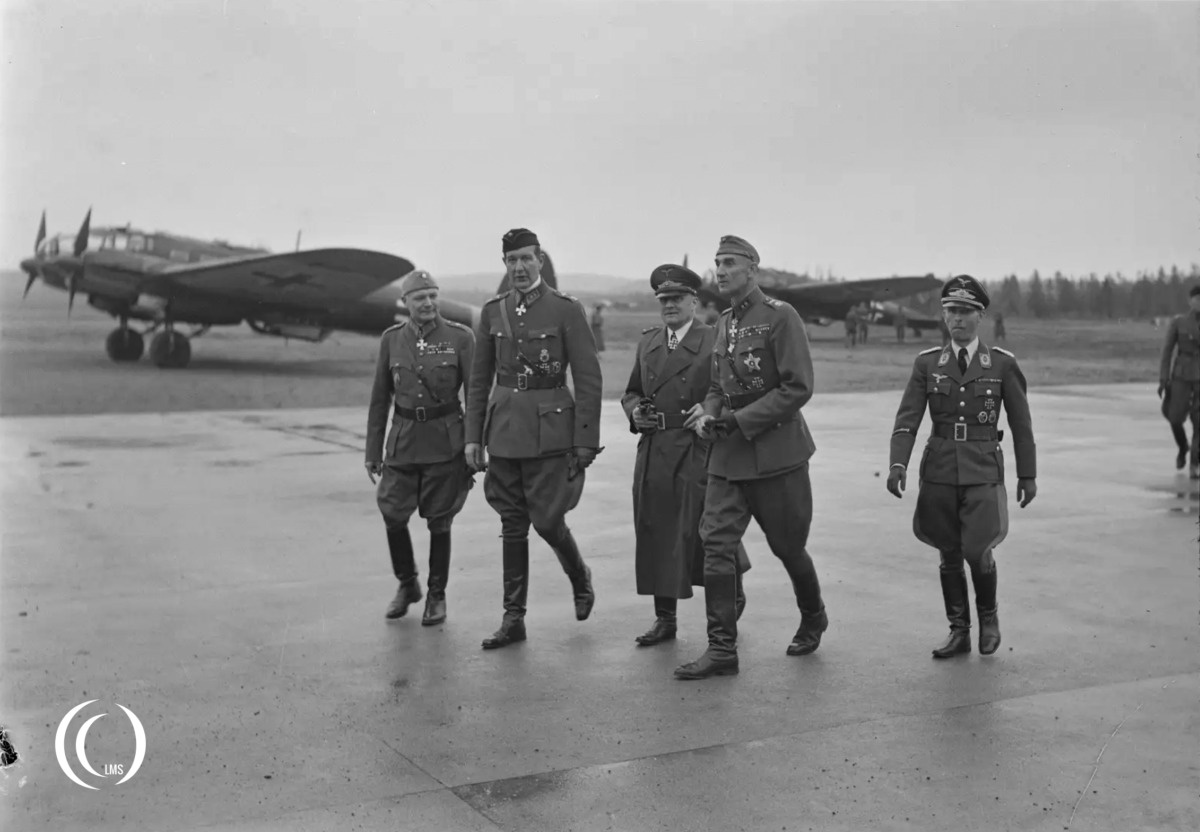
During the Continuation War (1941–1944), Valve oversaw Finnish naval operations and cooperation with the German Kriegsmarine. Together, Finnish and German forces sought to contain the Soviet Baltic Fleet in the eastern Gulf of Finland. Following Finland’s armistice with the Soviet Union in September 1944, the strategic situation changed dramatically. Finnish forces were now required to expel German troops from the country. The Finnish Navy participated in the opening operations of the Lapland War, including Operation Tanne Ost on the island of Suursaari.
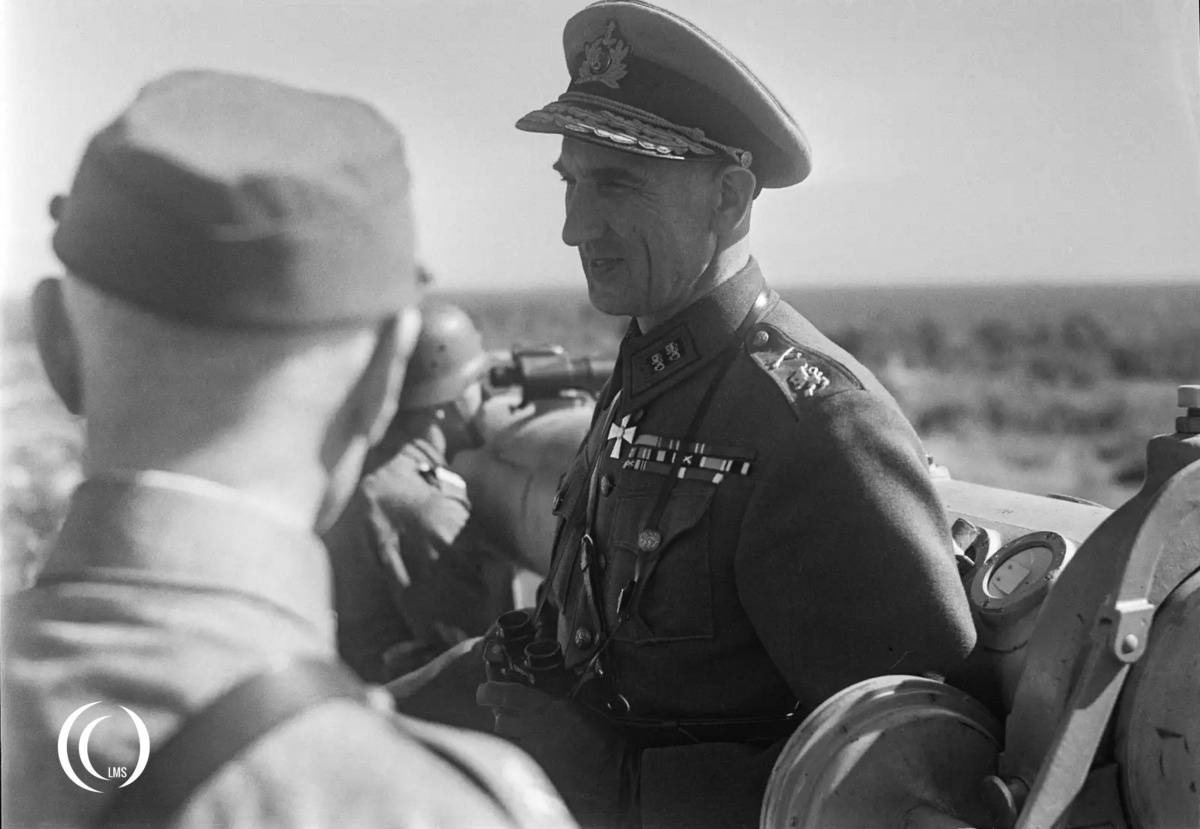
From December 1944 to April 1945, Valve also served as Finland’s Minister of Defence. He left active military service in 1946 and subsequently pursued a career in banking.
The last Jaeger
Valve died in Helsinki on 11 March 1995, aged 99. Remembered as the last surviving Finnish Jaeger (Jääkäri), he witnessed Finland’s transformation from an autonomous grand duchy into an independent nation that fought to preserve its sovereignty during the Second World War.
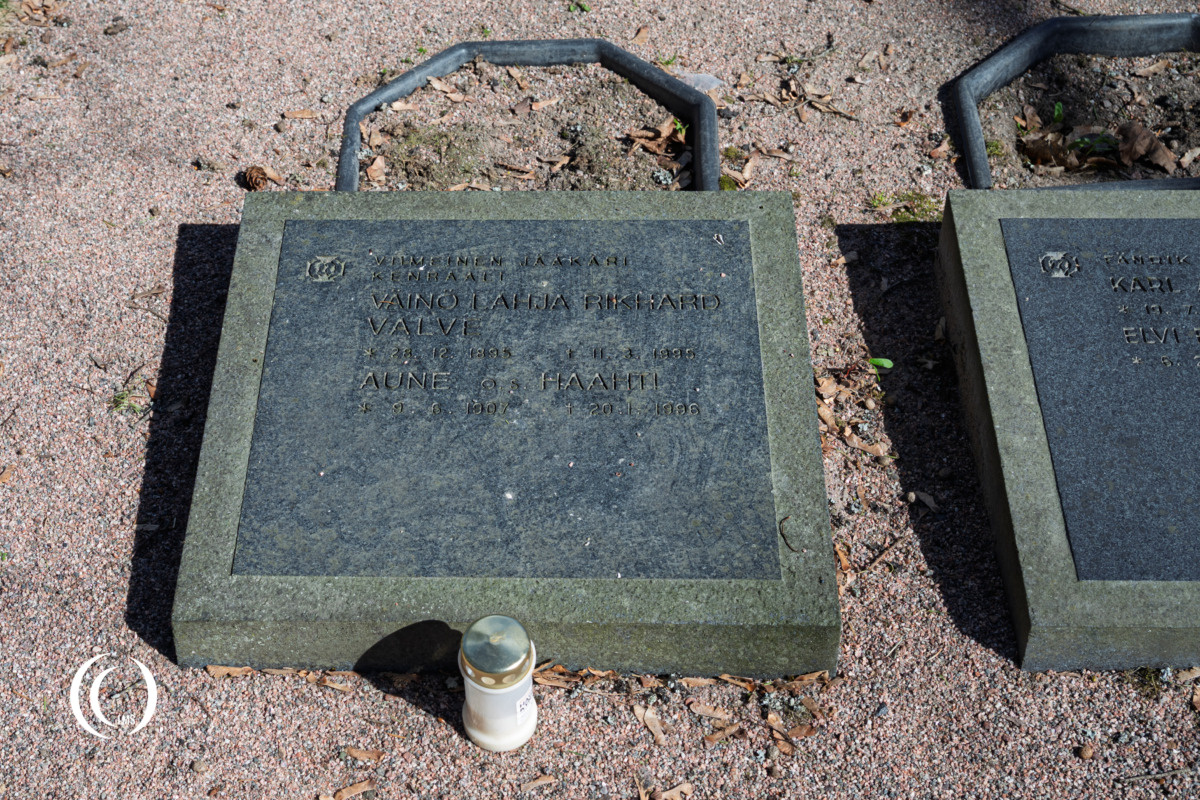
He was buried at the Cemetery of the Finnish Guard, the final resting place for members of the Finnish Guard and the Naval Battalion and part of Hietaniemi Cemetery in Helsinki.
Visit
You can visit the building on the outside on the Väinö Valve street or in Finnish Väinö Valveen katu at Rakuunamäki or Dragoon Hill in Lappeenranta. Today the building houses student apartments.
