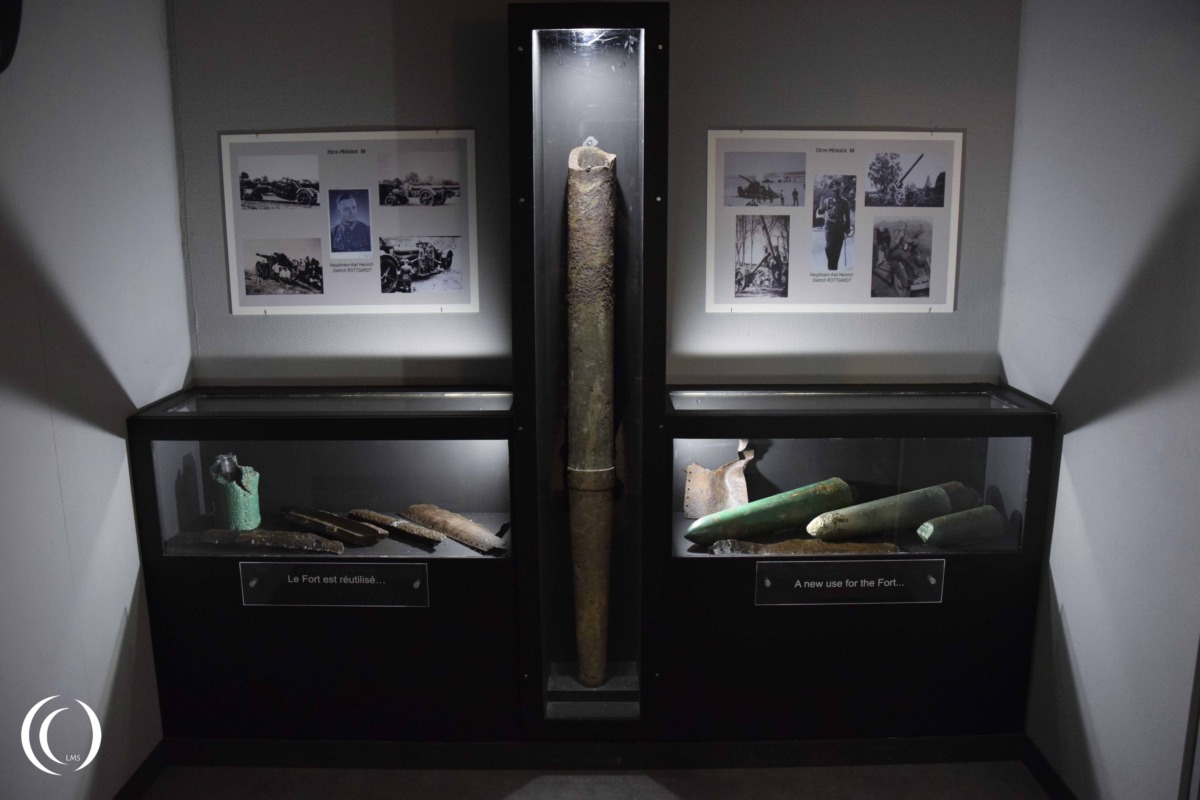
Röchling shells were a type of specialized bunker-penetrating artillery projectile developed by Germany during World War II. They were designed to destroy heavily reinforced fortifications, such as concrete bunkers and underground structures that were difficult to damage with conventional artillery shells.
The shells were named after the German industrial company Röchling Group, which helped develop them. During the war, the Röchling Group was also involved in the manufacture of other weapons, such as the V3 Hochdrukpumpe, a special cannon to bombard London. The design of these Röchling bunker buster shells concept focused on maximizing penetration rather than explosive power. German engineer August Cönders created the projectile with the goal of punching through very thick reinforced concrete before detonating inside the structure.
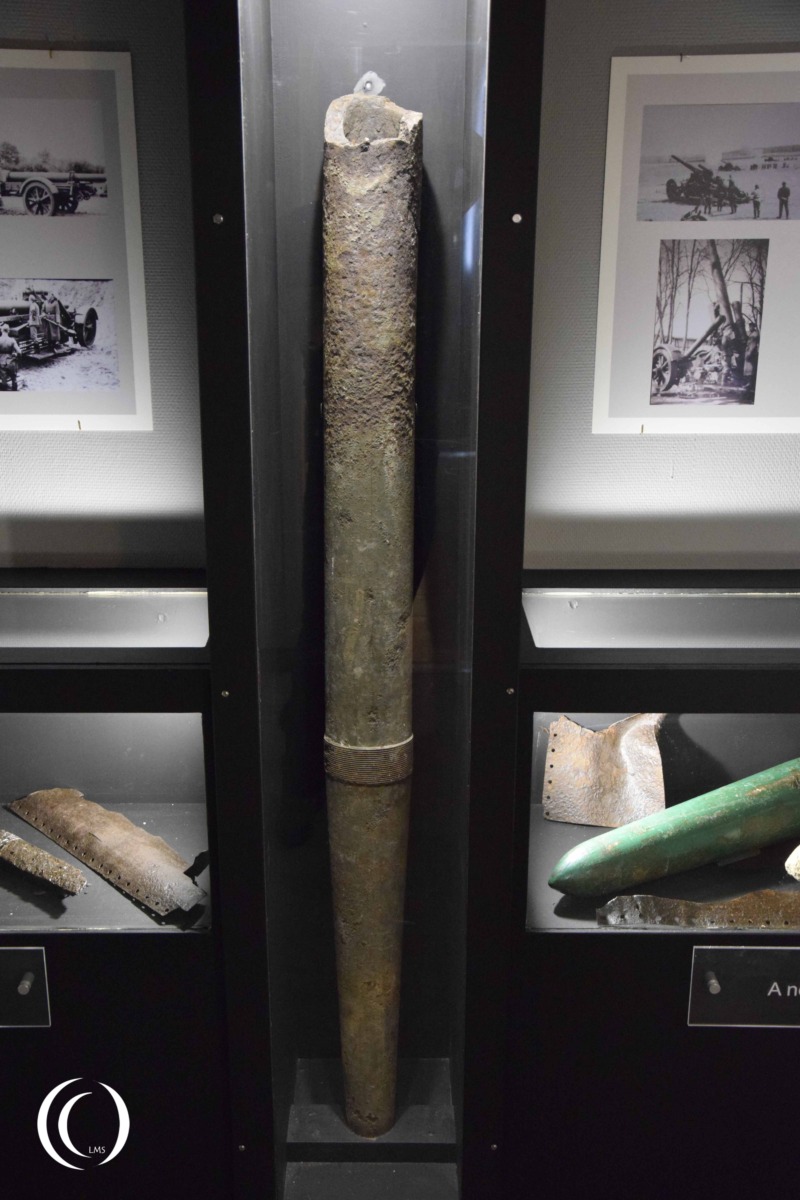
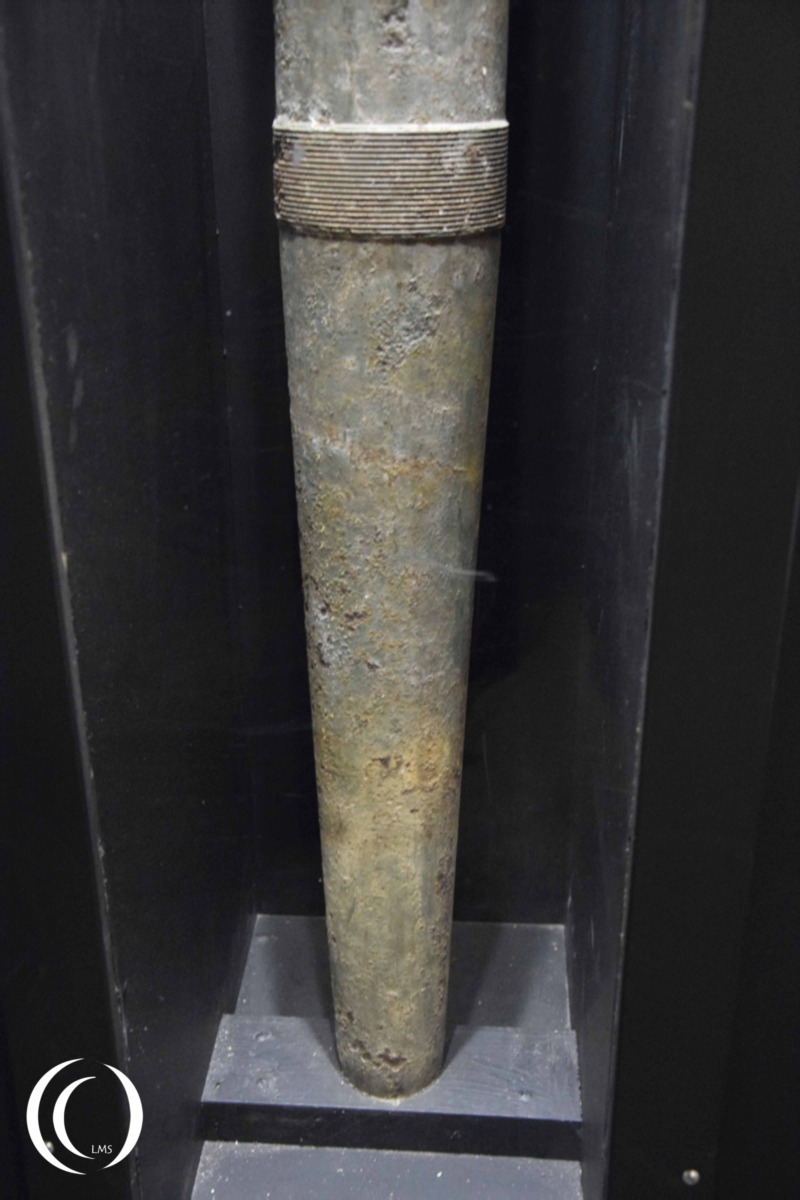
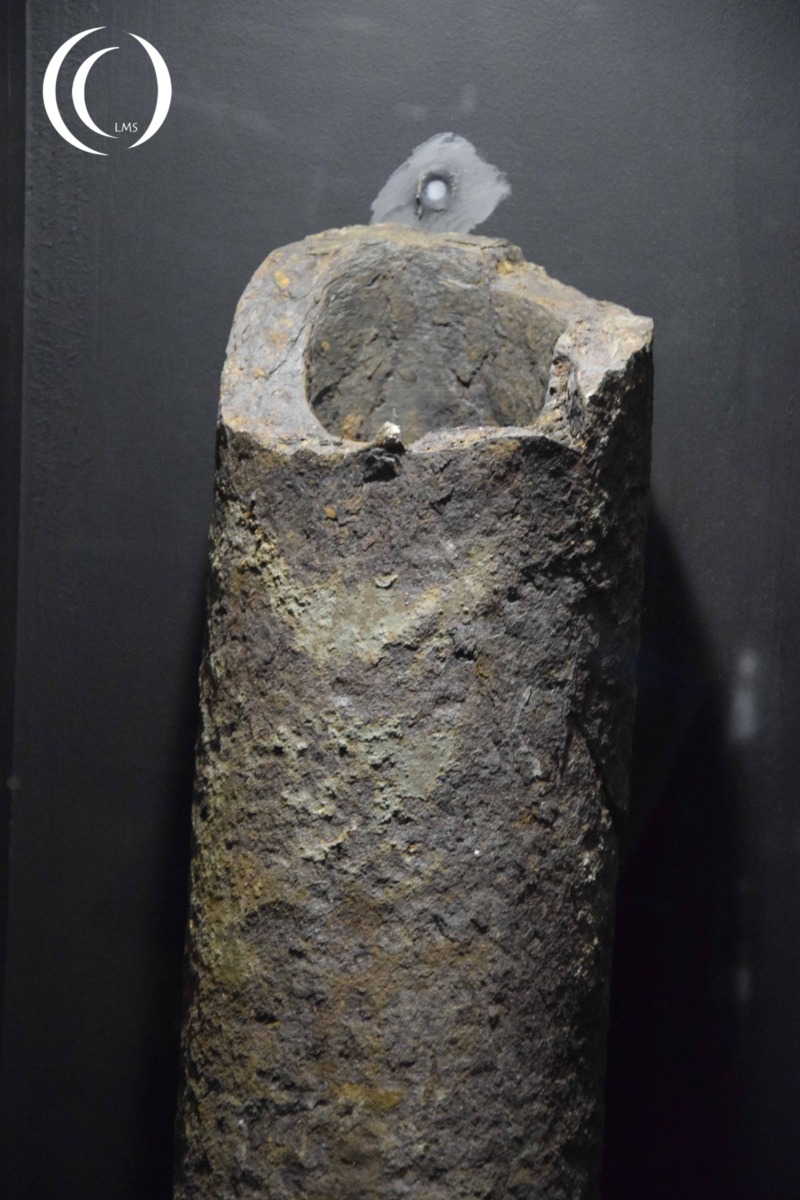
Röchling shells had a distinctive shape. Instead of being short and wide like typical artillery shells, they were long, narrow, and dart-like. This design increased their sectional density, meaning the weight of the projectile was concentrated over a smaller impact area. As a result, the shell could drive deeper into concrete when it struck a target.
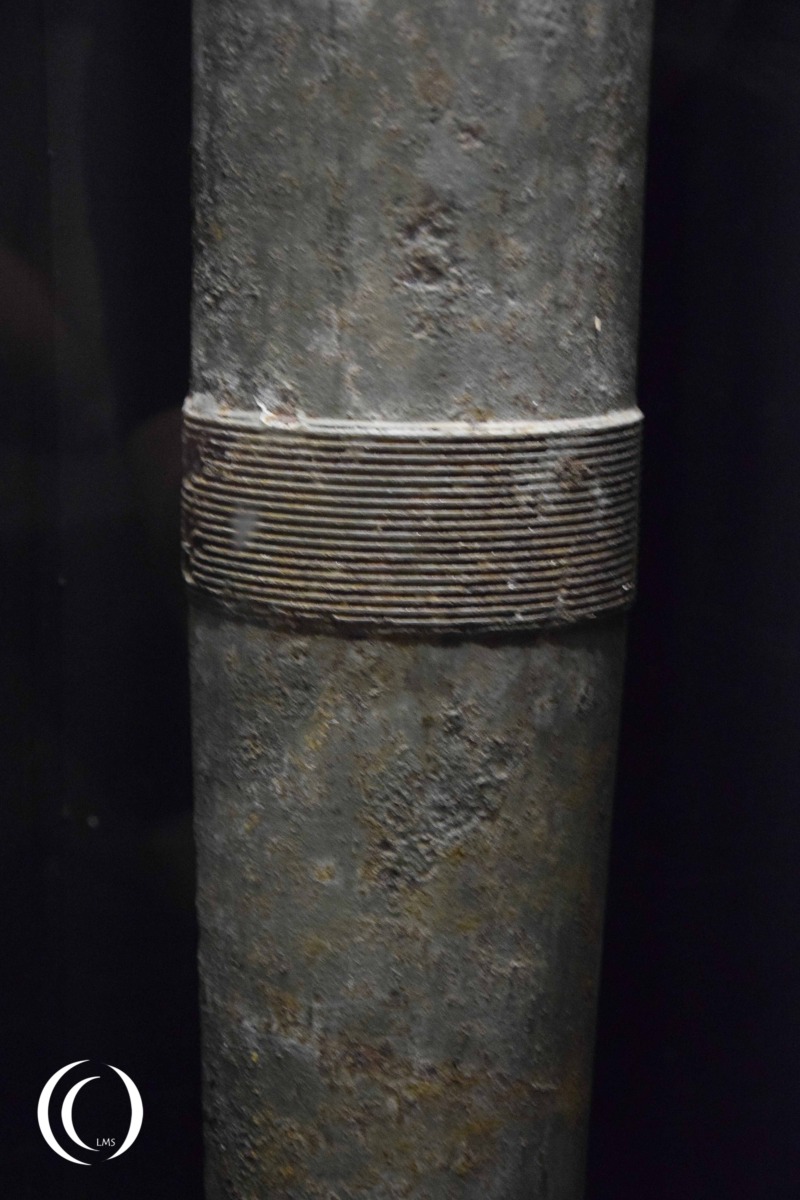
The projectile was sub-caliber, meaning it was smaller than the gun barrel. A guiding device or flange allowed it to be fired from larger artillery guns and helped stabilize it during launch. After leaving the barrel, parts of the guiding structure separated, allowing the thin projectile to continue toward the target. The shell was also equipped with a delayed fuze, so it would explode only after penetrating deep into the target structure.
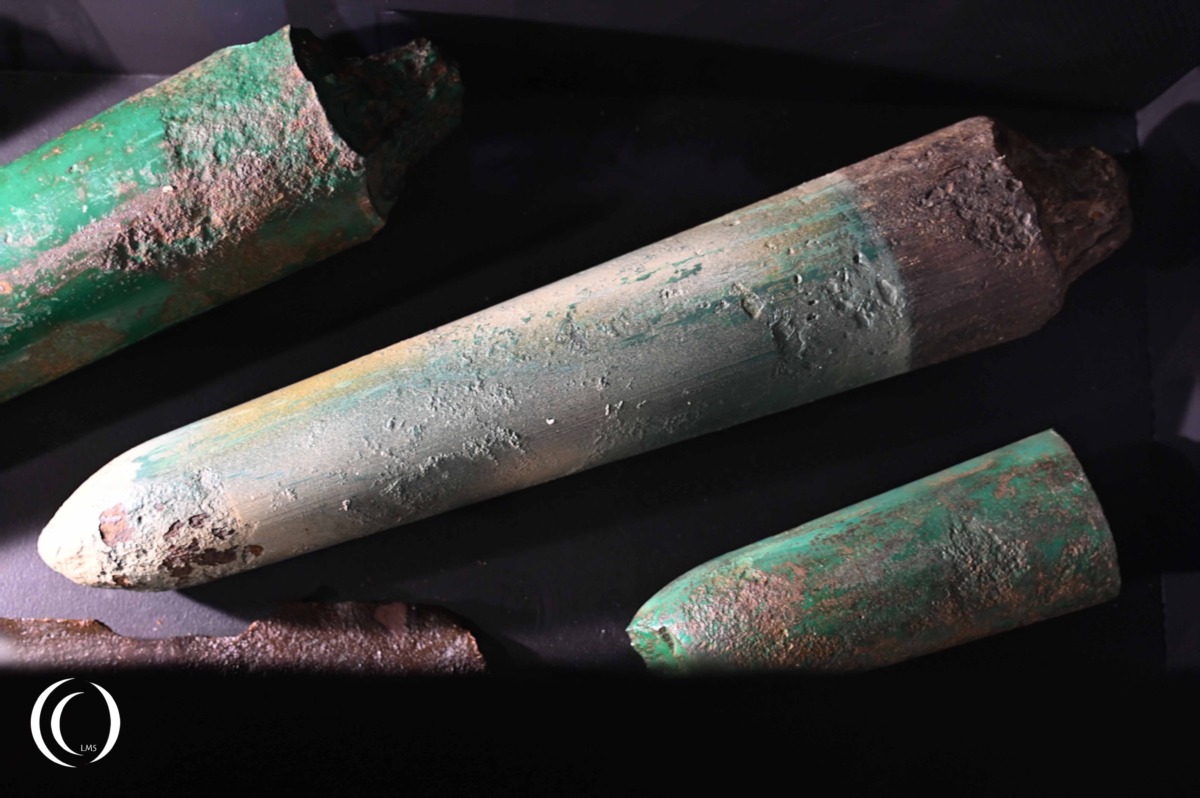
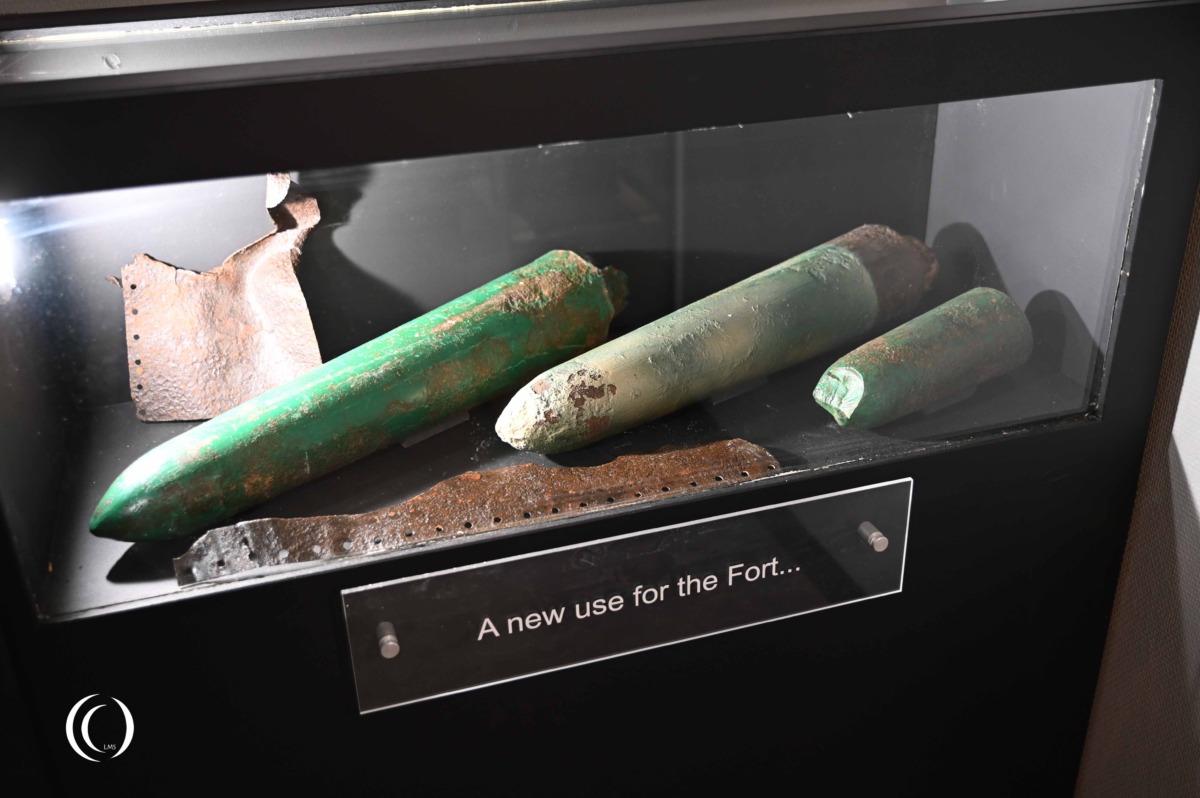
Röchling shells were mainly intended for use with heavy artillery pieces such as the 21 cm Mörser 18 heavy mortar. Tests suggested that the projectile could penetrate several meters of reinforced concrete, making it potentially effective against fortified defensive lines.
Despite their impressive theoretical performance, Röchling shells were rarely used in combat. During 1942 and 1943 the Röchling shells were tested at the Hillersleben test facility in Germany, used on Fort de Barrice and Fort d’Aubin-Neufchâteau both in Belium. On fortresses of Hůrka, Hanička and Dobrošov in the Czech Republic, the Austrian Gosslër wall at the Toplitzsee and on Fort Maxim Gorky, near Sevastopol in Russia. Their long shape and relatively low velocity caused poor accuracy, especially at longer ranges. In addition, they required large artillery pieces and careful aiming, limiting their practical usefulness on the battlefield.
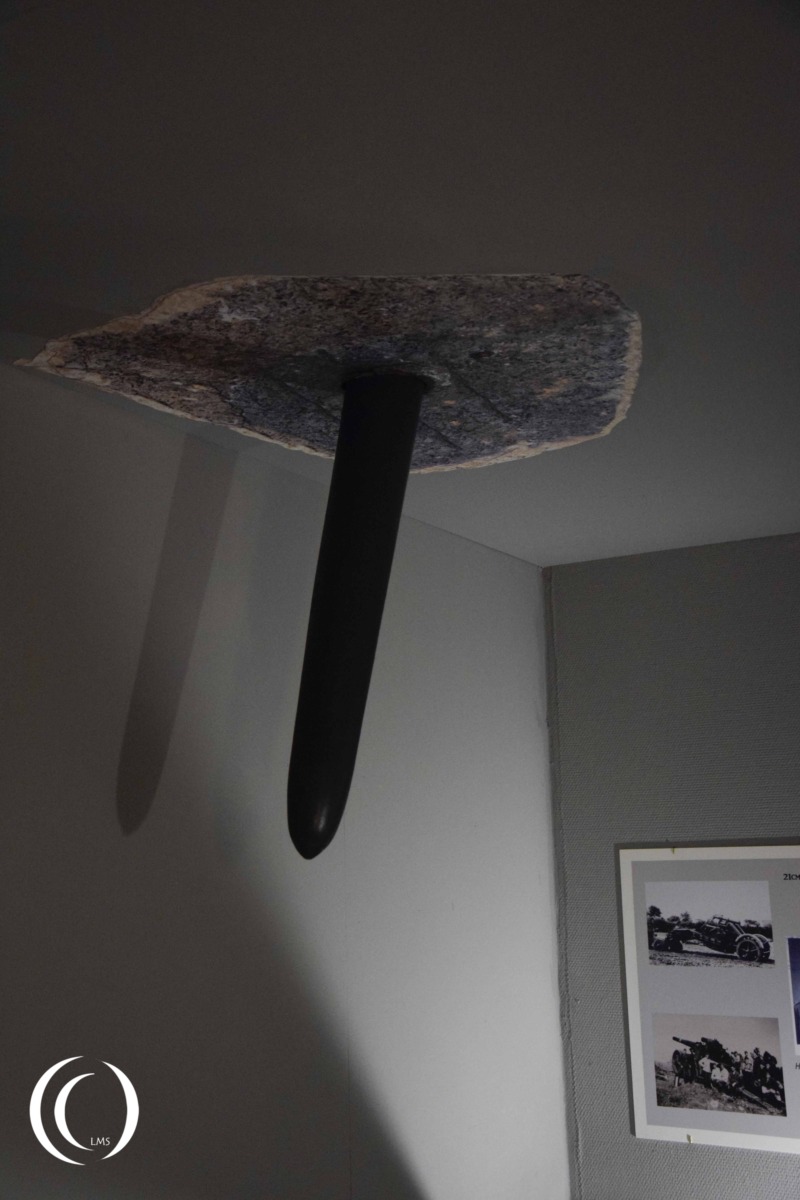
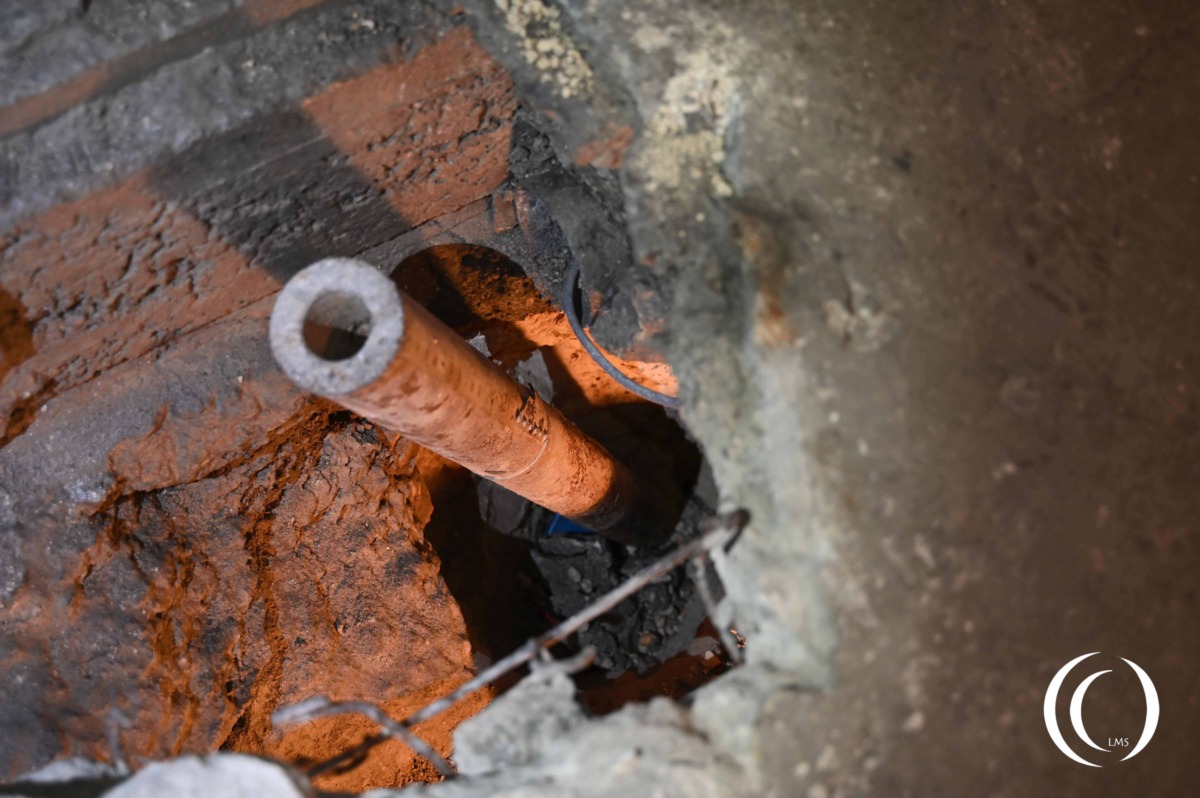
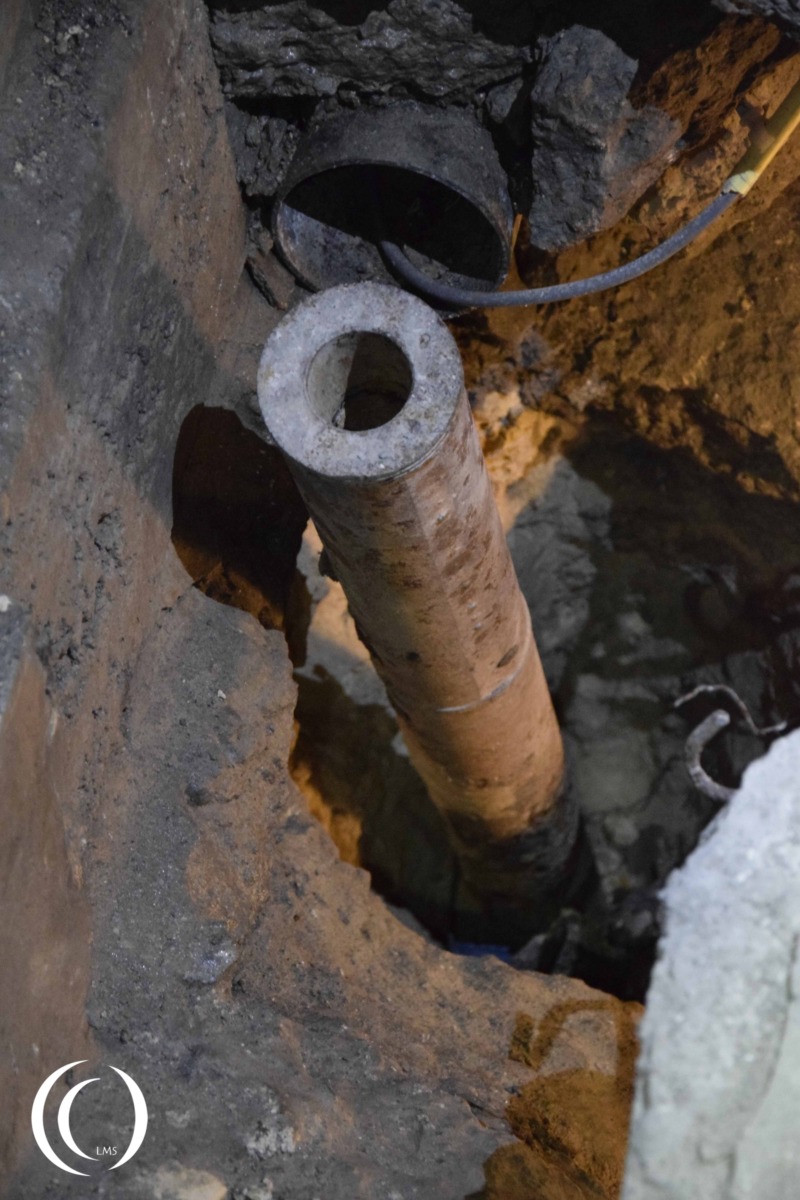
In total, several thousand Röchling shells were produced, but only a small number were actually fired. Today they are remembered as an unusual and experimental attempt to create extremely powerful bunker-penetrating artillery during World War II.