Atlantic wall at Étretat
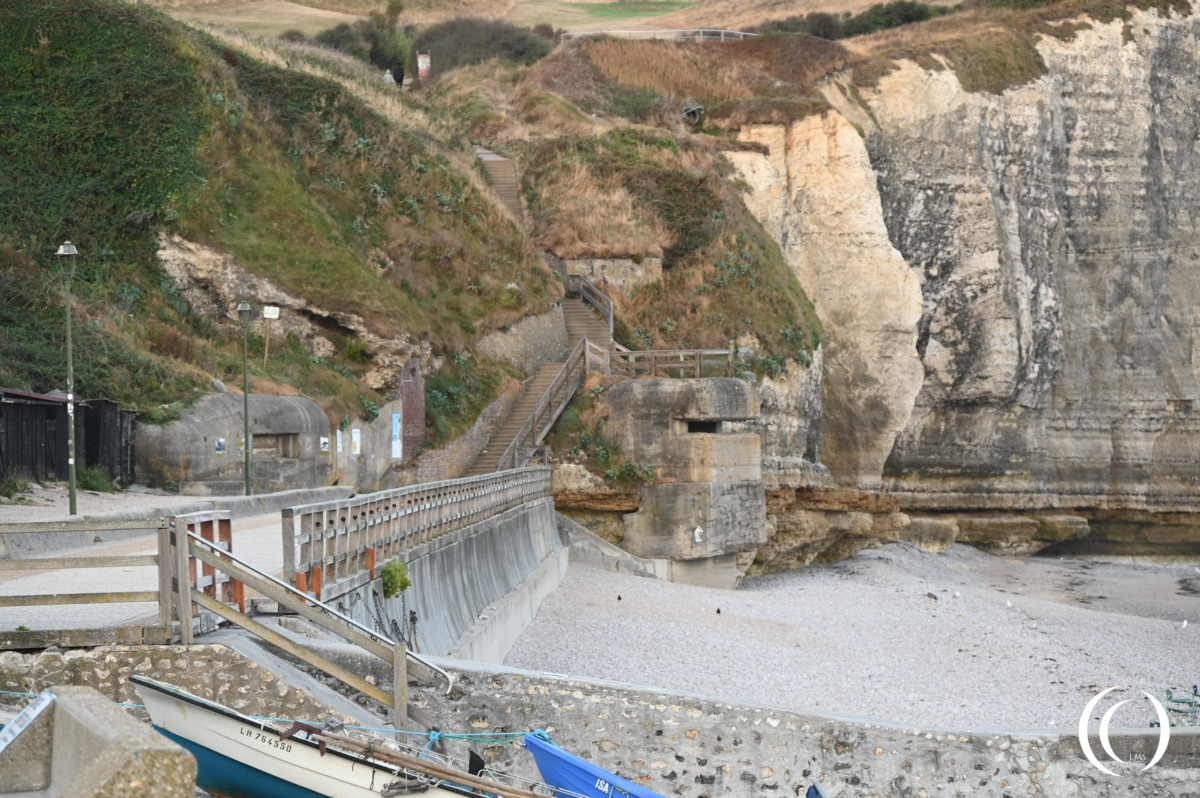
The ET 06 bunkers at Étretat, Normandy, are part of the German coastal defenses constructed during the Second World War. They formed part of the Atlantic Wall, an extensive system of fortifications built along the coast of Western Europe to defend against a possible Allied invasion. Étretat was strategically important because of its position on the English Channel and its high cliffs, which provided excellent observation points.
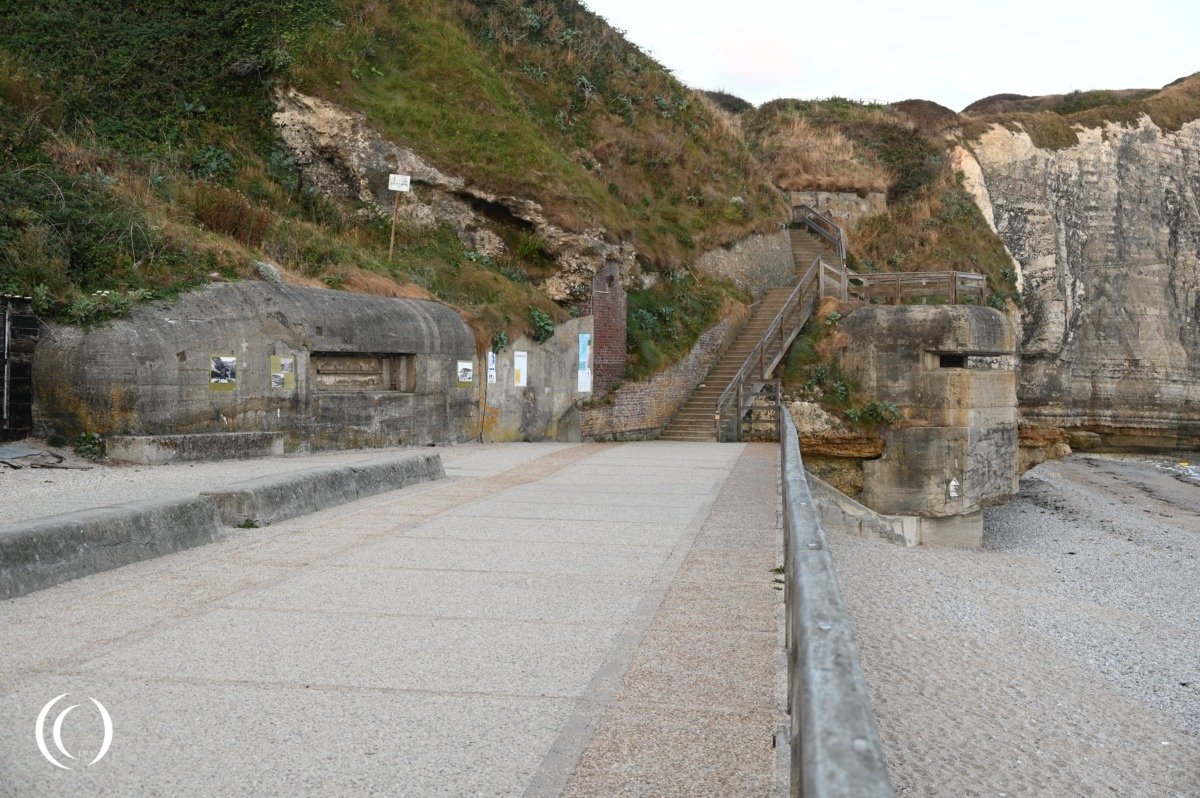
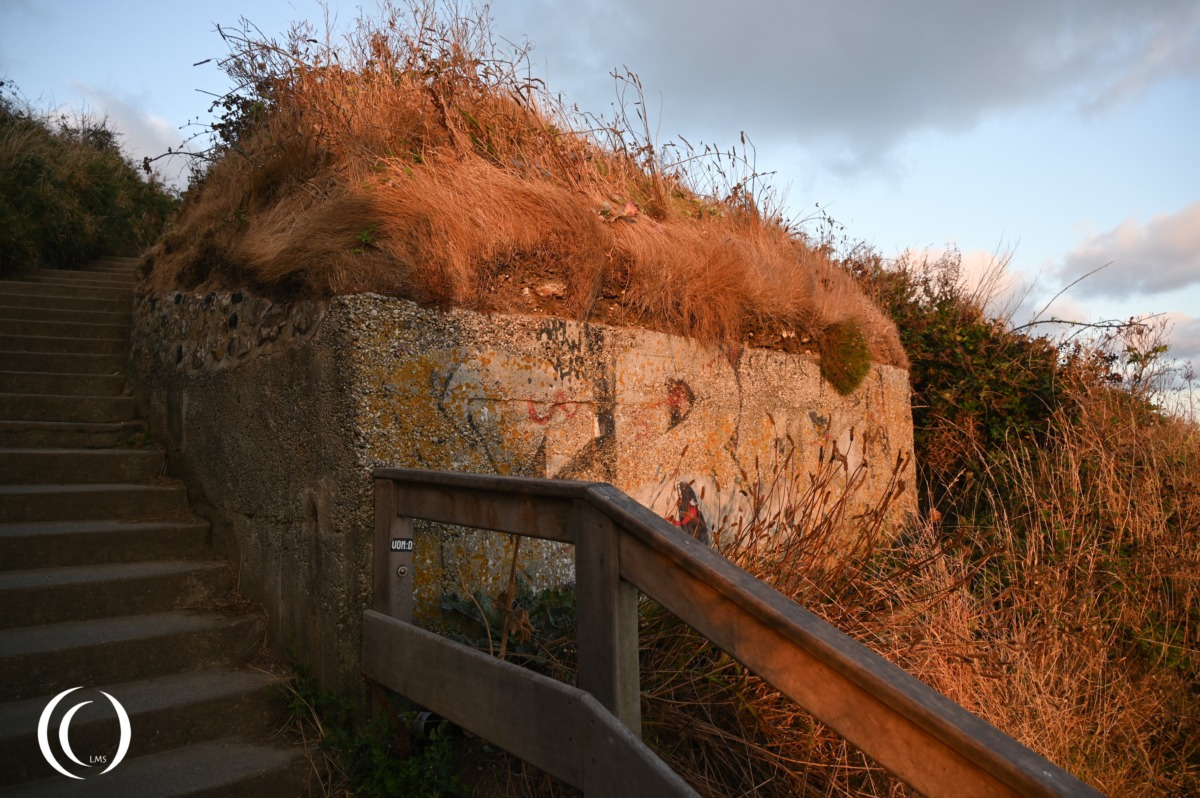
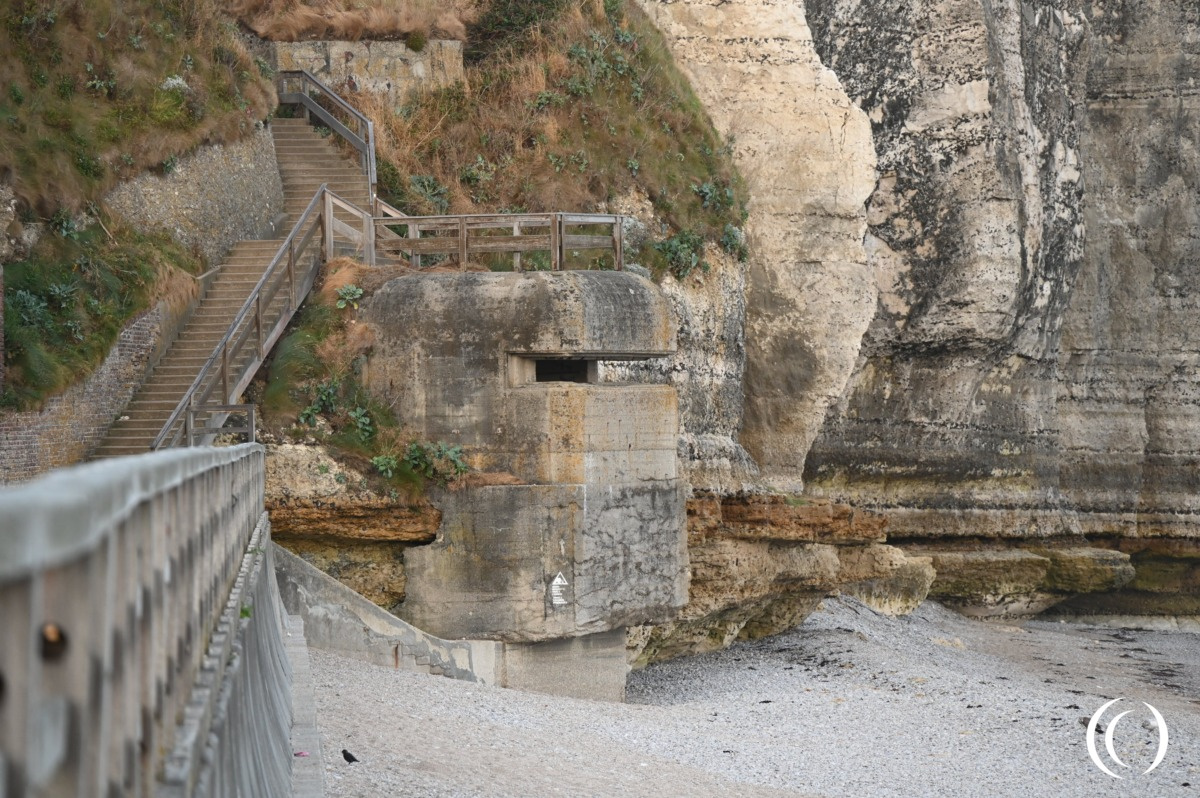
The bunkers were constructed mainly from reinforced concrete and were designed to withstand attacks while providing protection for soldiers, weapons, ammunition, and observation equipment. From their positions near the cliffs, German troops could monitor activity along the coastline and at sea. The structures were connected to other defensive positions, creating a network of military installations around the area.
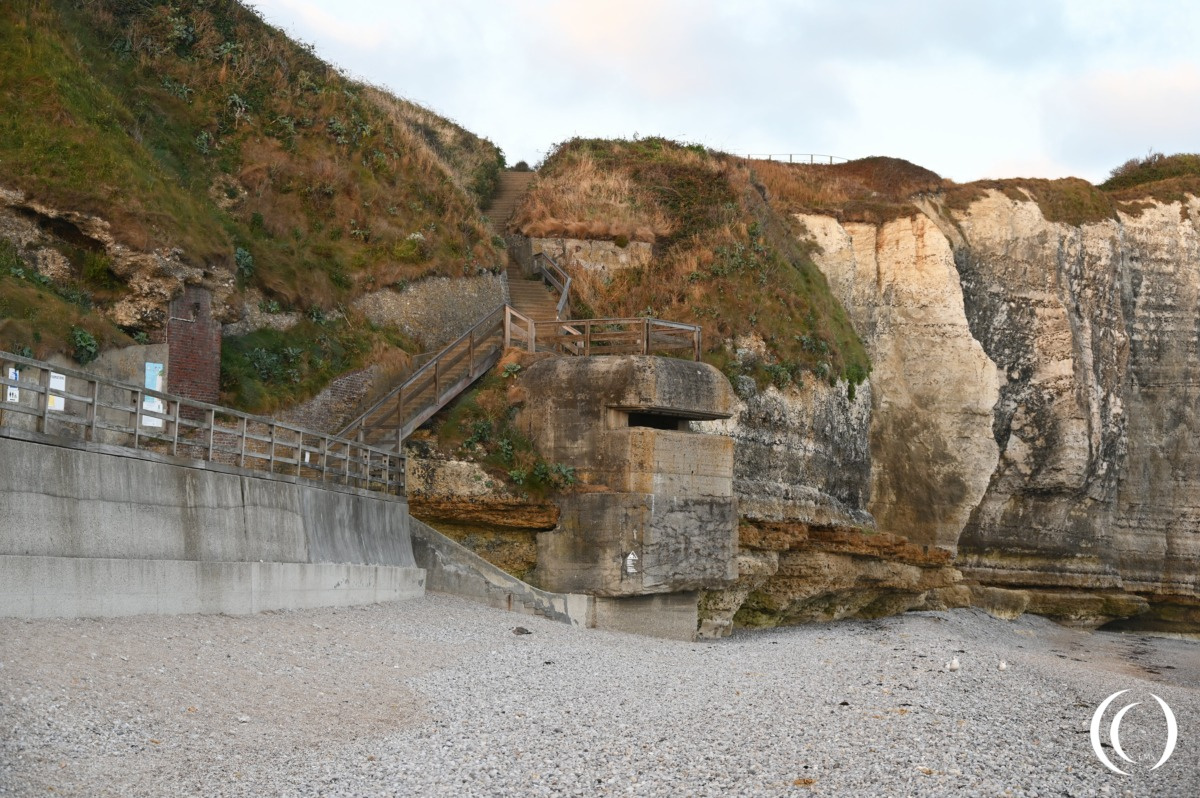
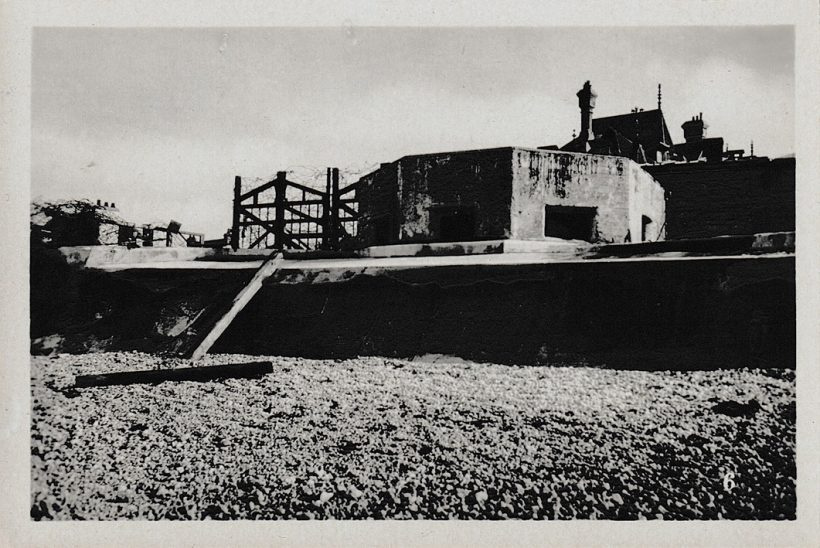
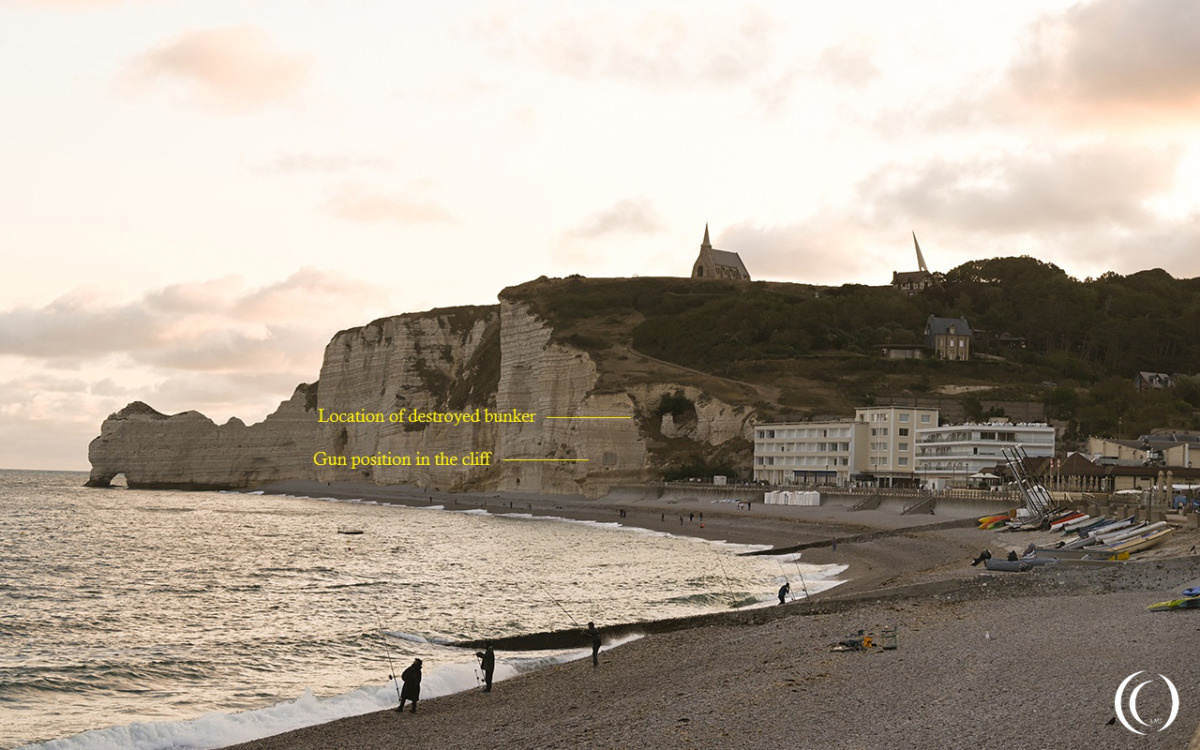
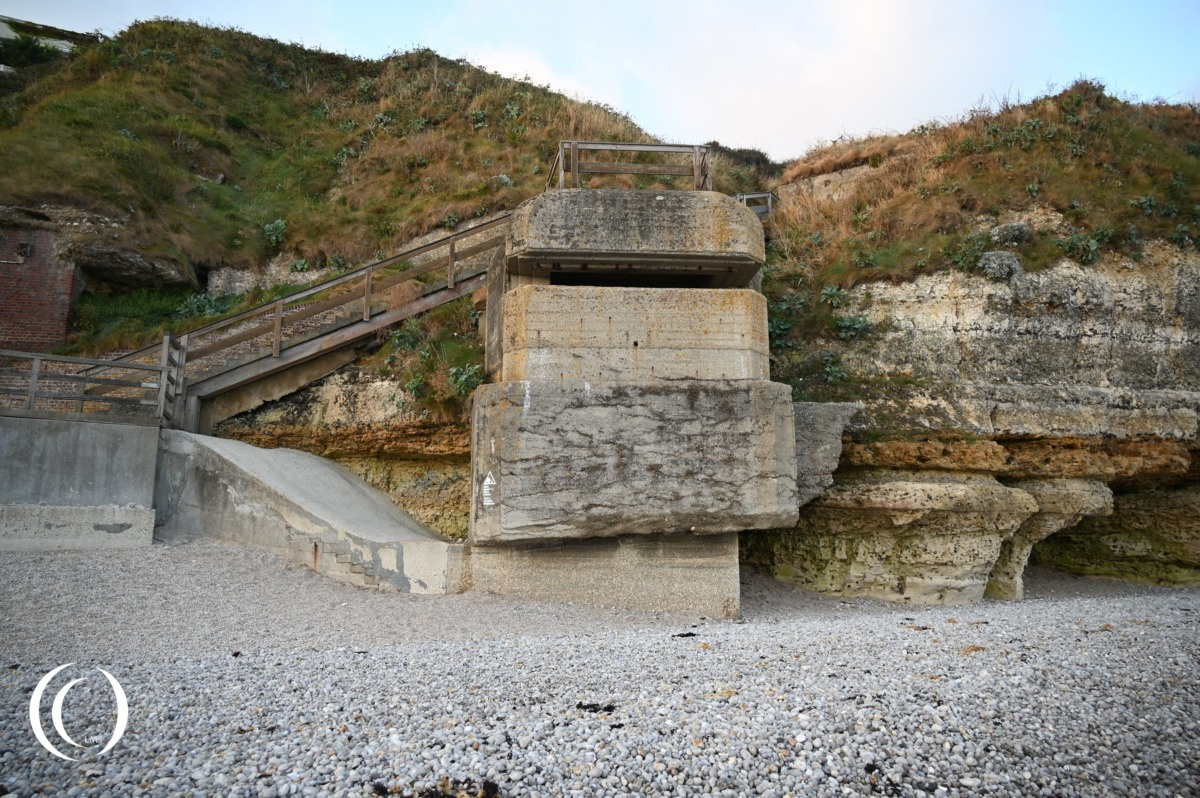
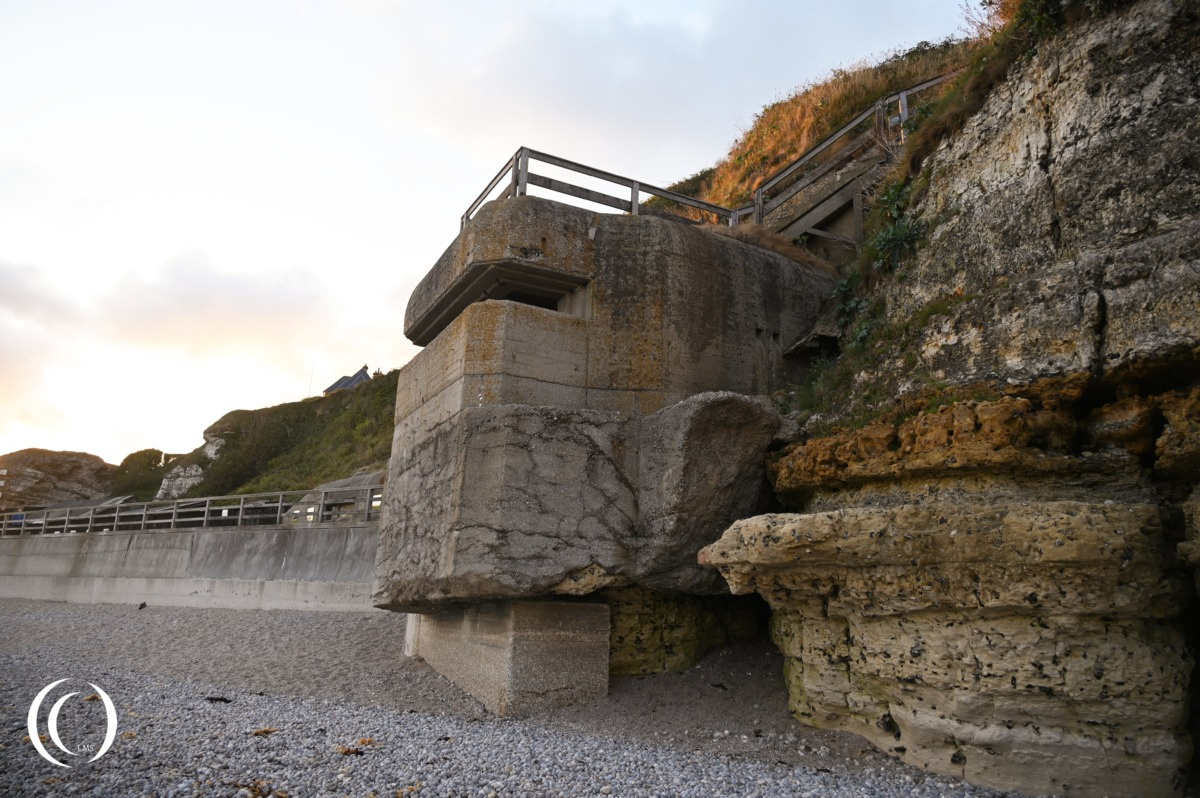
Stützpunkt E06 in Étretat consisted of one 612, a Vf for a gun, a Vf for observation, a Vf for a machine gun and a Pak stand. The latter is built in the cliff, sealed off and not accessible.
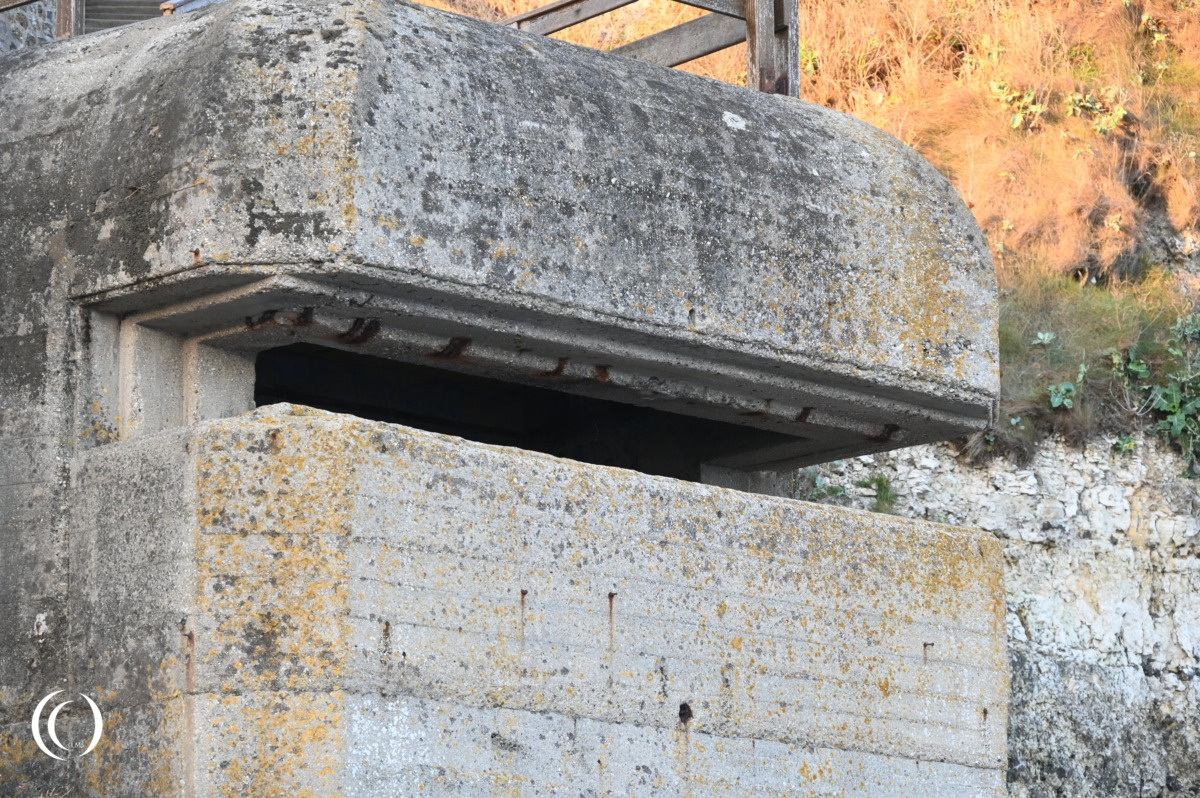
The 612 serves as a observation point for tourists and is hardly visible, the machine gun stand is barely visible and situated just above the observation bunker (Schnabbelstand).
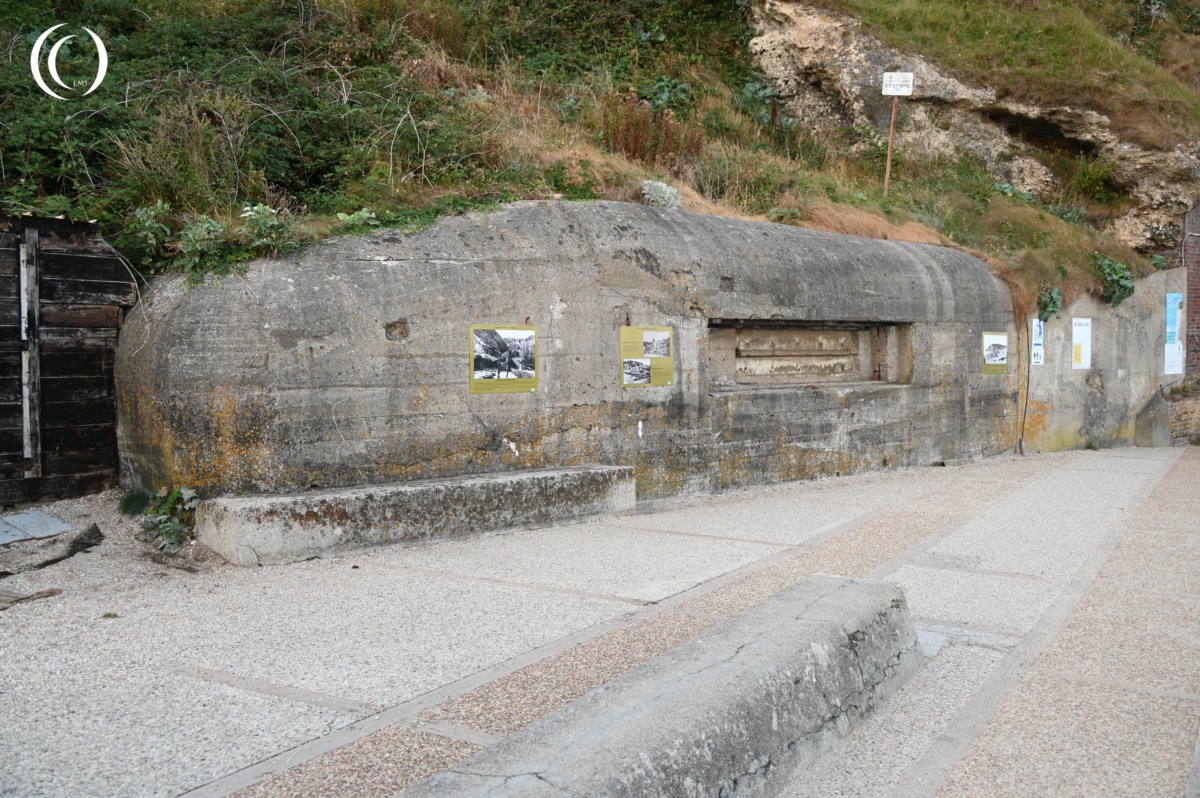
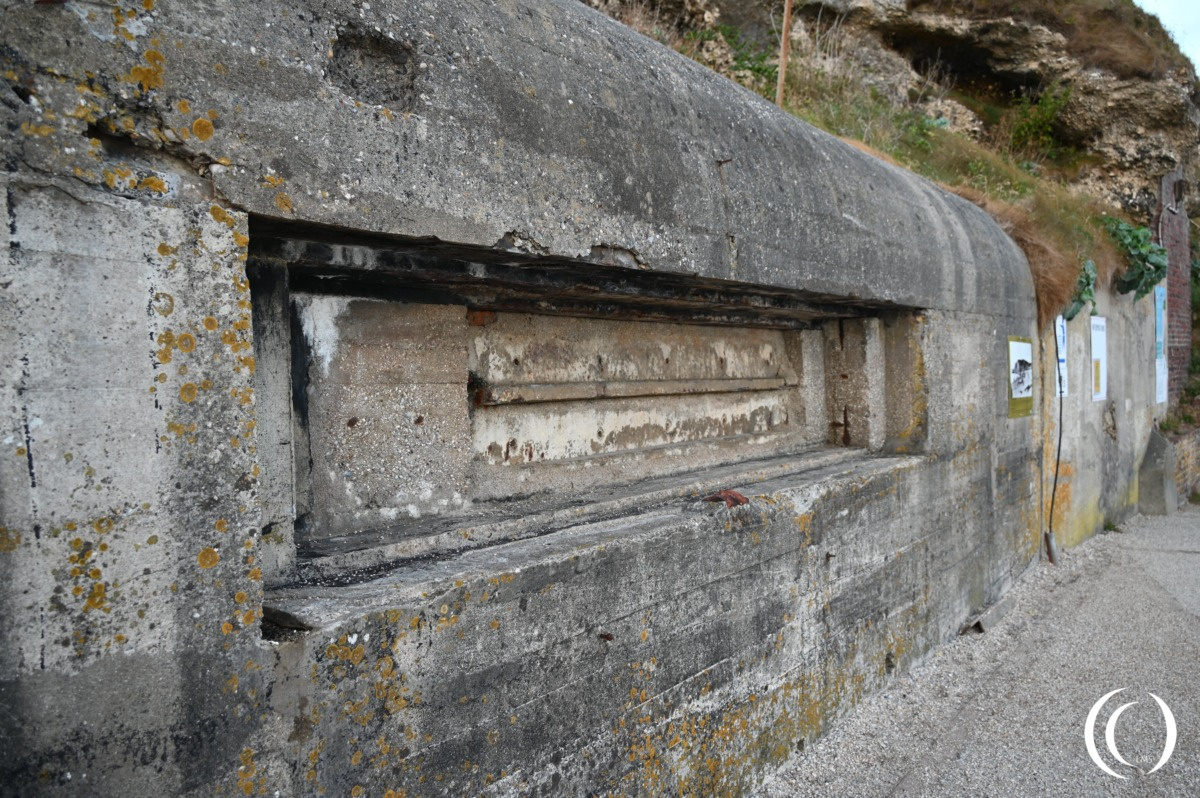
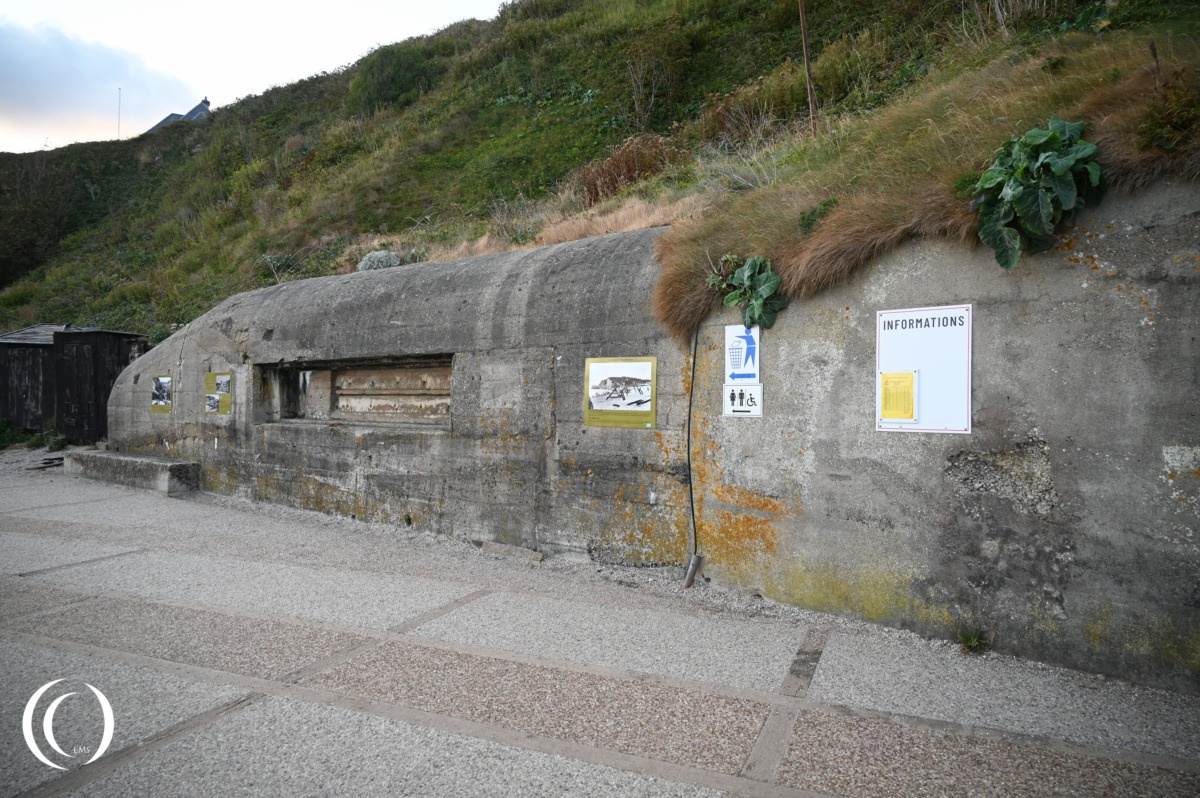
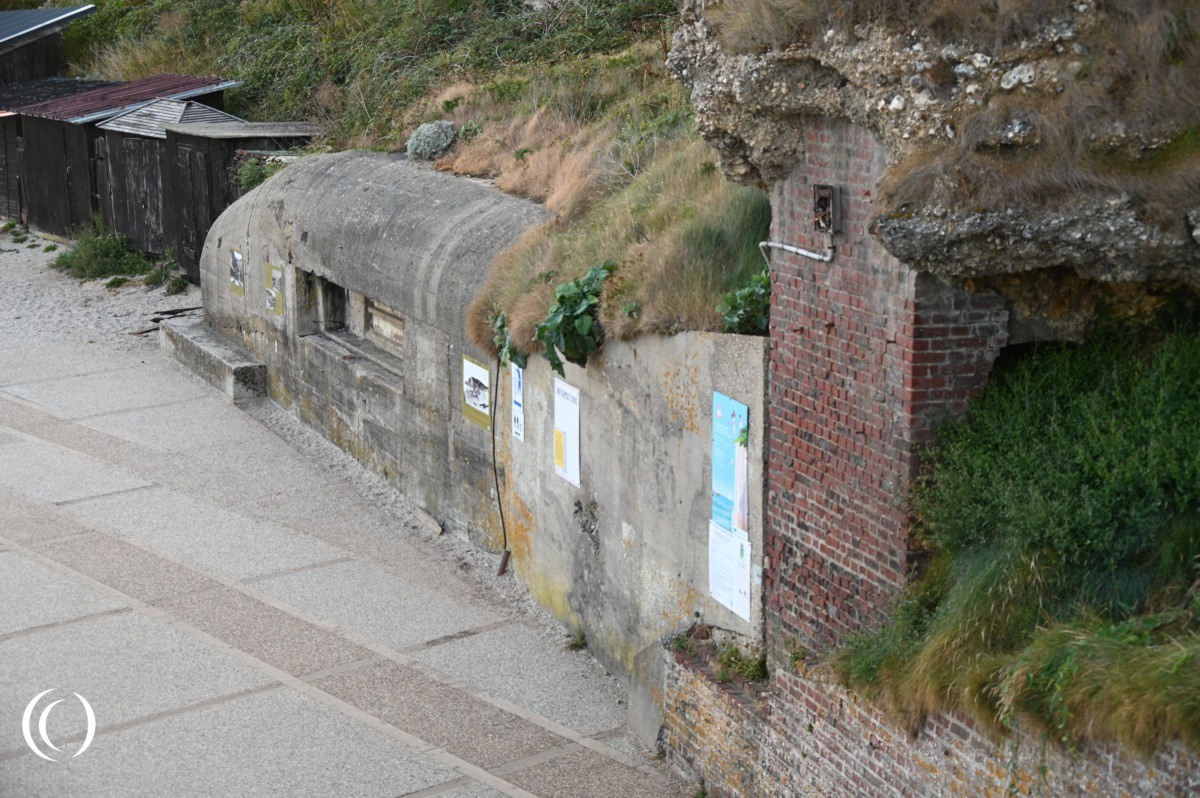
The Type 612 was a flanking gun bunker designed for both 7.5 cm and 10.5 cm guns. Measuring 9 by 9 meters, the bunker featured two ammunition storage rooms in addition to the gun chamber; these rooms could hold approximately 500 shells. A Schnabelstand: “Beak Stand” or “Nose Post” gets its name from its distinct architectural profile: a heavy concrete observation roof that extended outward over a cliff edge, dune, or trench like a bird’s beak.
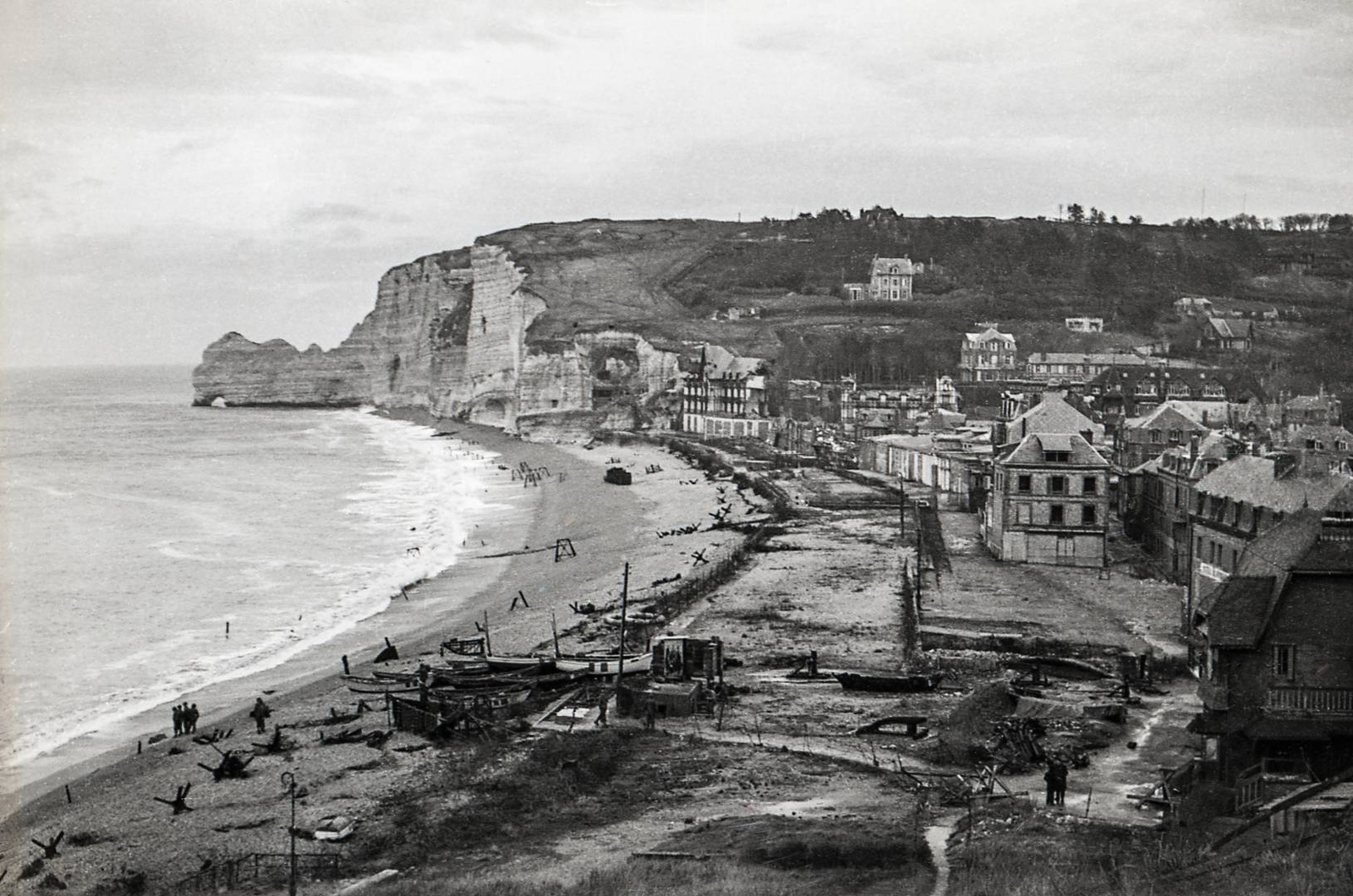
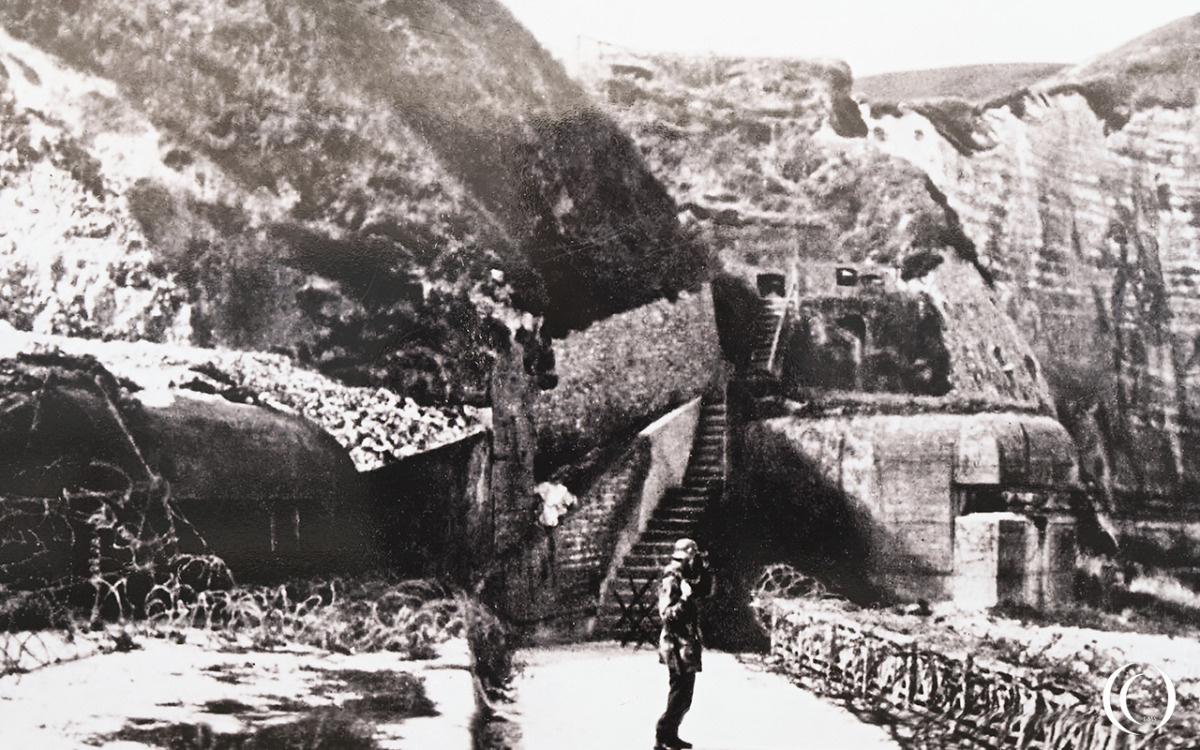
The photo above was taken by Eli Adalman, an American soldier and avid amateur photographer. Various coastal defenses are visible on the Étretat beach, and the promenade is filled with barbed-wire obstacles. The photograph shows more bunkers and gun emplacements than are visible today. The cliff opposite the promenade featured a gun emplacement carved into the rock face and a large bunker situated in the curve—an area where now only a wall remains, showing what looks like the site of a landslide.
Camp Pall Mall – cigarette camp
“Cigarette camps” were temporary Allied military camps established in France and other parts of Europe during the Second World War. Many were created after the D-Day landings in June 1944 to support the movement of Allied troops. They were named after popular cigarette brands, including Lucky Strike, Pall Mall, Chesterfield, and Philip Morris. These camps served as transit and staging areas where soldiers could rest, receive supplies, organize equipment, and prepare for deployment to other locations. Some also provided medical and logistical services. The camps were an important part of the Allied supply and transportation system during the liberation of Western Europe.
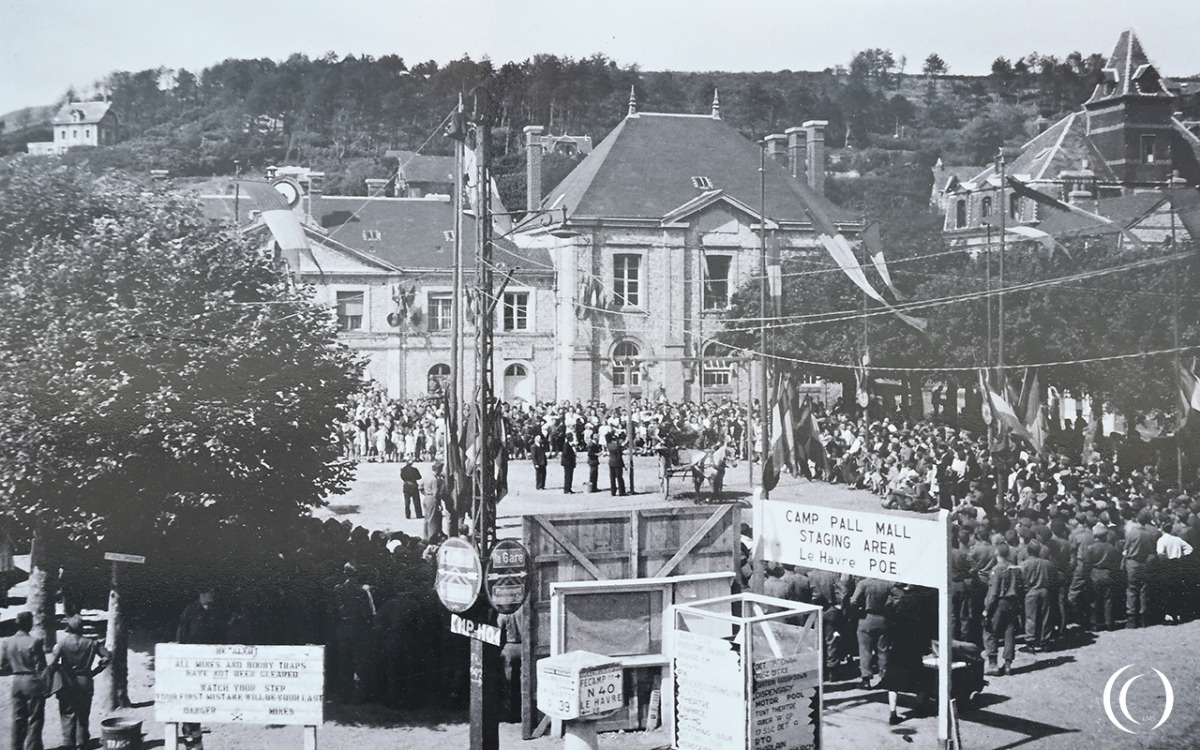
The camps were named after cigarette brands so the eaves dropping enemy would be unaware of the location of the camps and after hearing the radio traffic would think that cigarettes were being discussed. Secondly, troops heading into battle wouldn’t mind staying at a place where cigarettes must be plentiful and troops about to depart for combat would be somehow comforted in places with familiar names of cities back home. Names were used like Camp New York, Camp Atlanta, Camp Baltimore, Camp Pall Mall, Camp Phillip Morris and Camp Pittsburgh.
Some examples of the cigarette camps;
Camp Wings, with a capacity of 2,250 men, was situated near the Blaville Aerodrome.
Camp Home Run with 2,000 men at Sanvic.
Camp Pall Mall for 7,700 men at Étretat.
Camp Herbert Tareyton with 16,400 men in the Forest of Montgeon.
Camp Philip Morris held 35,000 men at Gainneville.
Camp Lucky Strikec for 58,000 men between Cany and Saint-Valery.
Camp Old Gold for 35,000 men at Ourville.
Camp Twenty Grand for 20,000 men at Duclair (west of Rouen).
Visit
The bunkers and information panels can be found on the promenade, a short walk wil take you on top of the observation bunker and the 612.
sources:
- bunkersite.com
- bunkerpictures
- fr.wikipedia.org
- macfilos.com
- historum.com
- etretat.carnetsdepolycarpe.com
