History
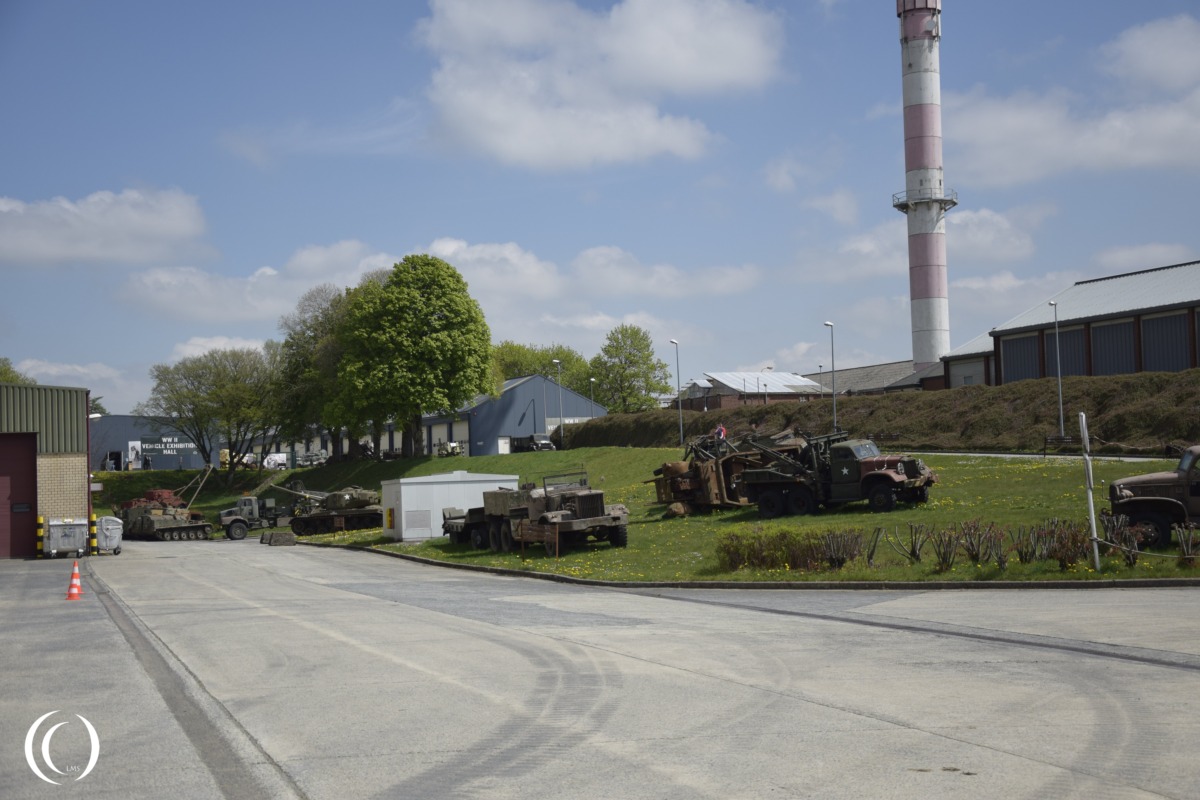
Bastogne Barracks is one of the most historically significant military sites in Belgium, closely associated with the dramatic events of the Battle of the Bulge during the winter of 1944–1945. Located on the northeastern edge of Bastogne, the barracks has served multiple military roles across nearly a century and today stands as a key site of remembrance and interpretation of World War II.
The barracks were constructed between 1935 and 1936 for the Belgian Army and were originally known as Quartier Sous-Lieutenant Heintz. Built during a period when Belgium was modernizing its defenses, the complex was designed to house infantry and support units. At the time, Bastogne itself was a quiet Ardennes town with limited strategic importance, but its location at a crossroads of major roads would soon make it crucial.
When Germany invaded Belgium in May 1940, the barracks were quickly overtaken during the rapid collapse of Belgian resistance. For most of the German occupation, the site was used for logistical and administrative purposes. Its true historical importance, however, emerged late in the war during the German Ardennes Offensive, better known as the Battle of the Bulge.
In December 1944, German forces launched a massive surprise attack through the Ardennes, aiming to split Allied lines and capture the port of Antwerp. Bastogne became a primary objective because seven major roads converged there. American forces, including the 101st Airborne Division, rushed to defend the town despite being under-strength and poorly equipped for winter warfare. During the siege of Bastogne, the barracks became the headquarters of the 101st Airborne Division. Brigadier General Anthony C. McAuliffe, acting division commander, coordinated the defense from within its walls. On December 22, 1944, German forces delivered a formal demand for surrender to the Americans at the barracks. McAuliffe’s famous one-word response — “NUTS!” — was issued here, quickly becoming one of the most iconic moments of Allied defiance in World War II.
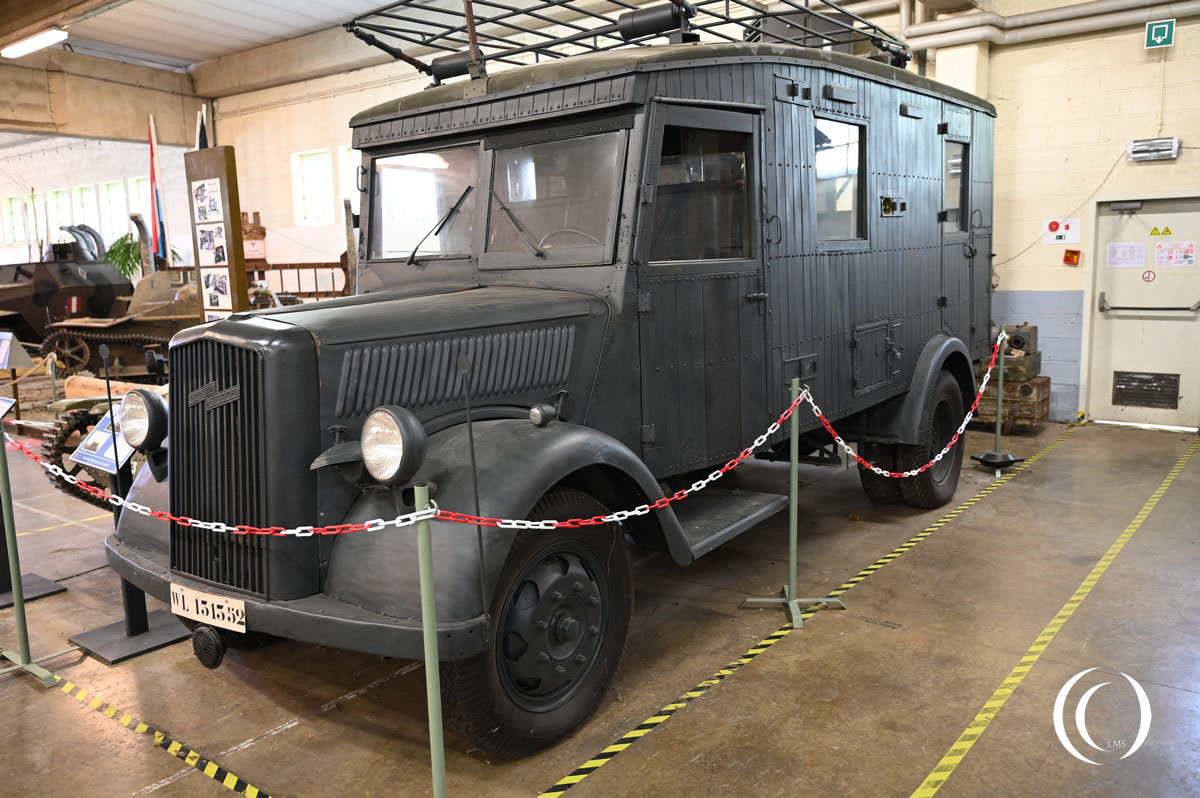
For several days, Bastogne was completely surrounded. The barracks operated under constant threat of artillery fire, shortages of food and medical supplies, and freezing temperatures. Despite these hardships, the American defense held until General George S. Patton’s Third Army broke through the German lines on December 26, relieving the town and turning the tide of the battle.

Today
After the war, Bastogne Barracks returned to Belgian military use and later evolved into a center for vehicle storage, maintenance, and restoration. Over time, its historical importance was increasingly recognized. Today, the site is managed by the War Heritage Institute and functions as a World War II interpretation center and military museum.
Visitors to Bastogne Barracks can explore original buildings, extensive collections of armored vehicles and artillery, and exhibitions explaining mechanized warfare and the Battle of the Bulge. More than a museum, the barracks stands as a symbol of resilience and leadership under extreme pressure, preserving the memory of one of the defining moments of the Second World War in Europe.
WWII Vehicle Exhibition Hall
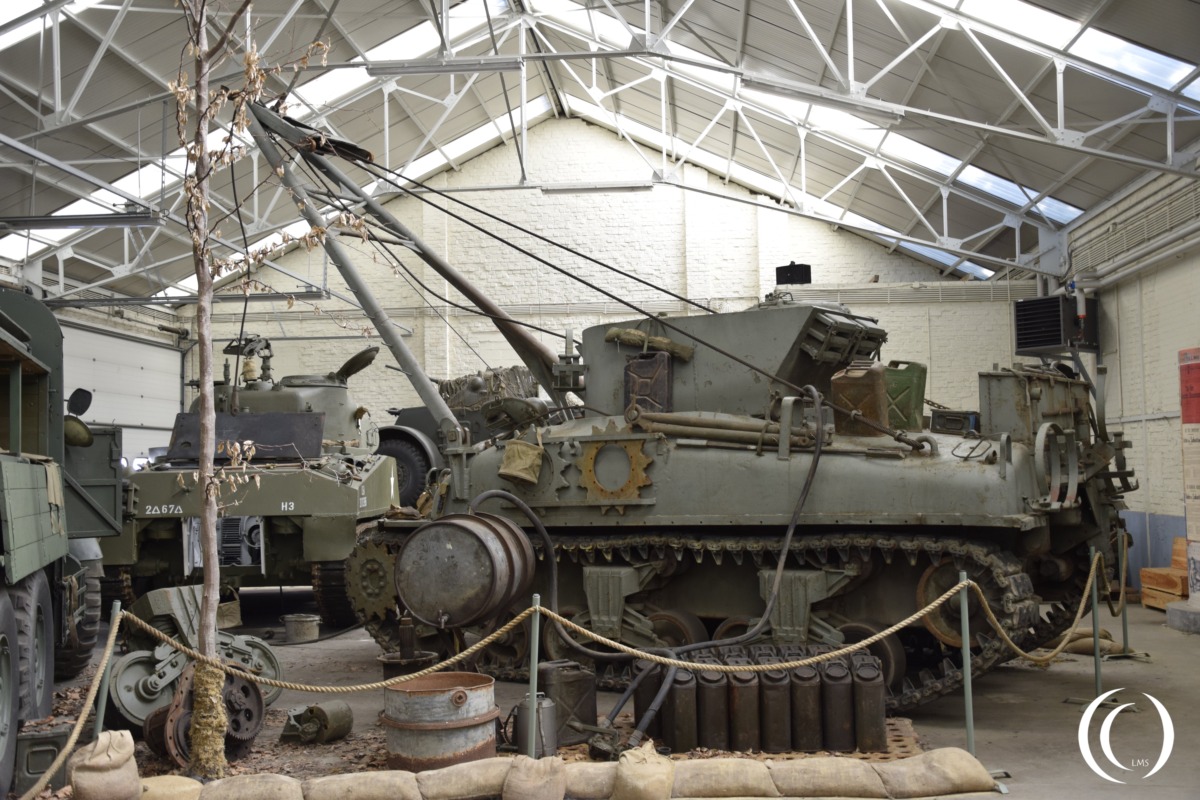
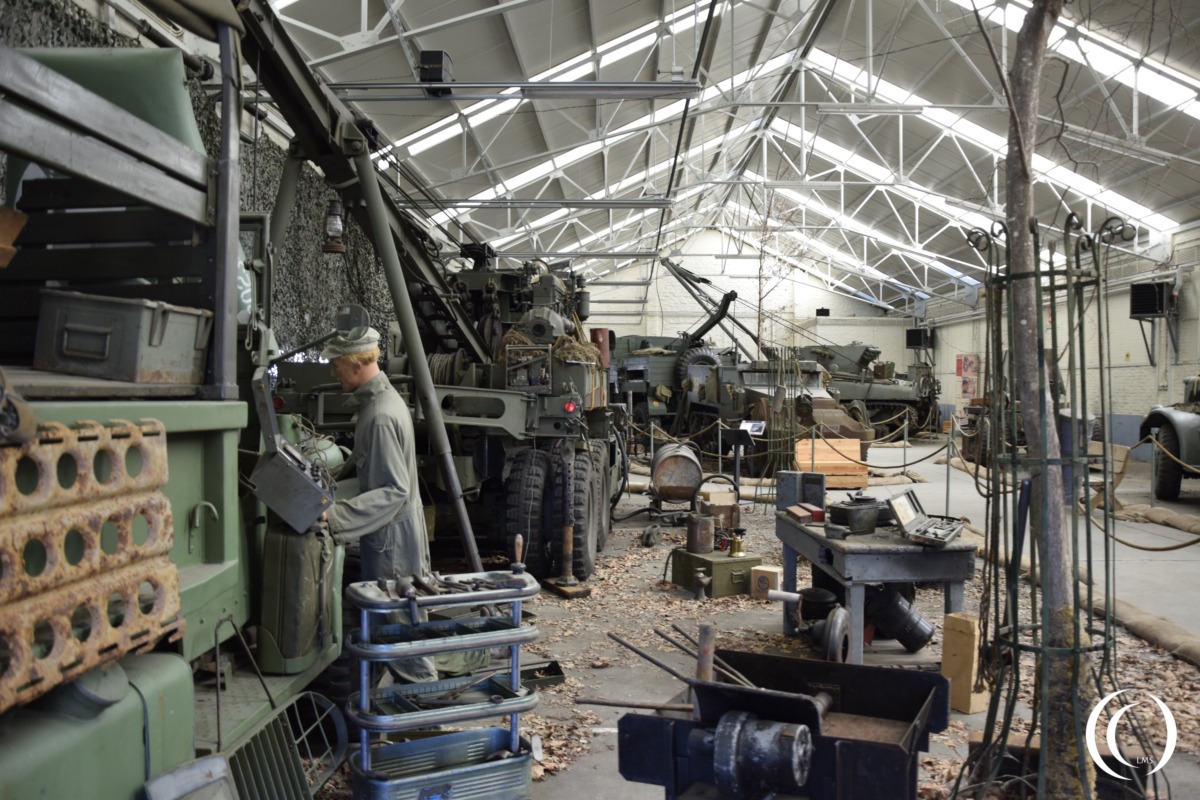
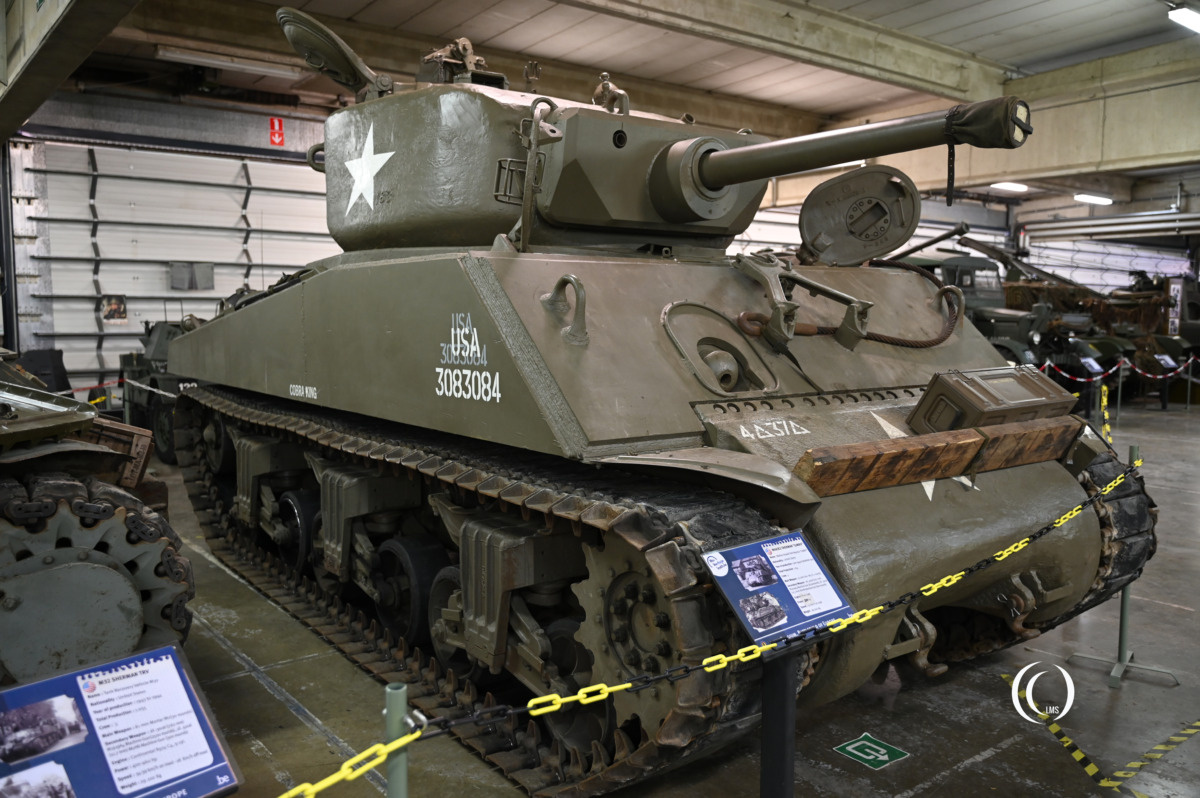
Besides the commanders location Bastogne Barracks hosts a massive World War Two tanks and vehicles collection. They try to restore and maintain the vehicles in running condition. The collection ranges from the Russian ISU-152, a Panzer IV ausf. J and the famous Stug to the American, English and French tanks and artillery. A visit is free of charge, but they do have special visiting hours, check the website if you would like to visit this part of the barracks.
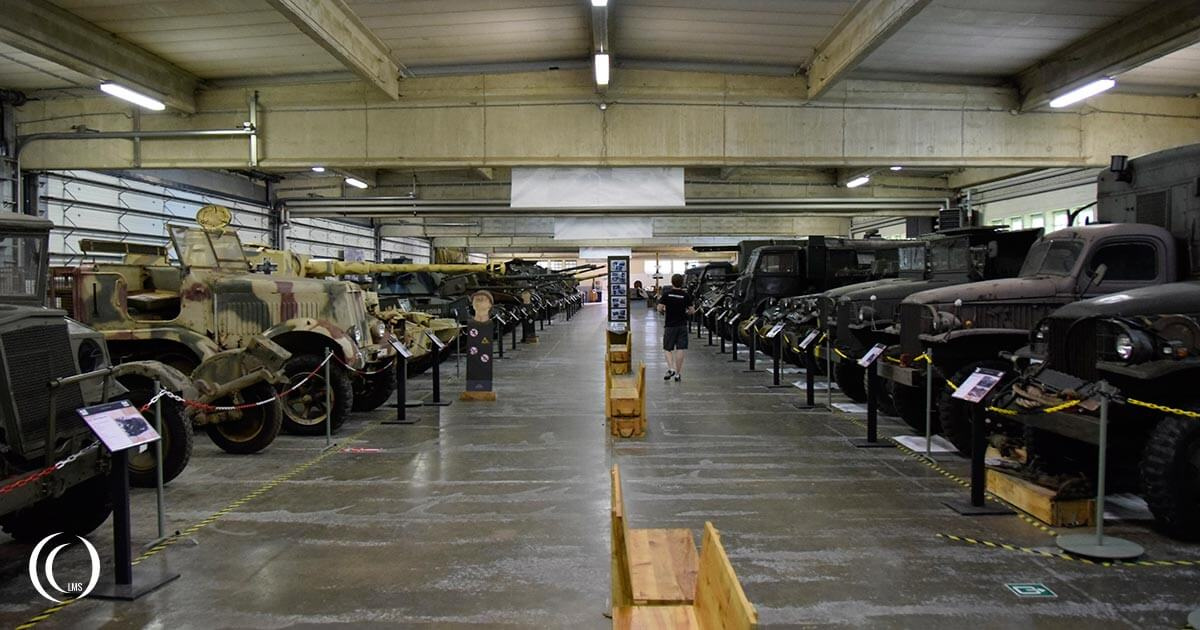
Vehicle Restoration Center
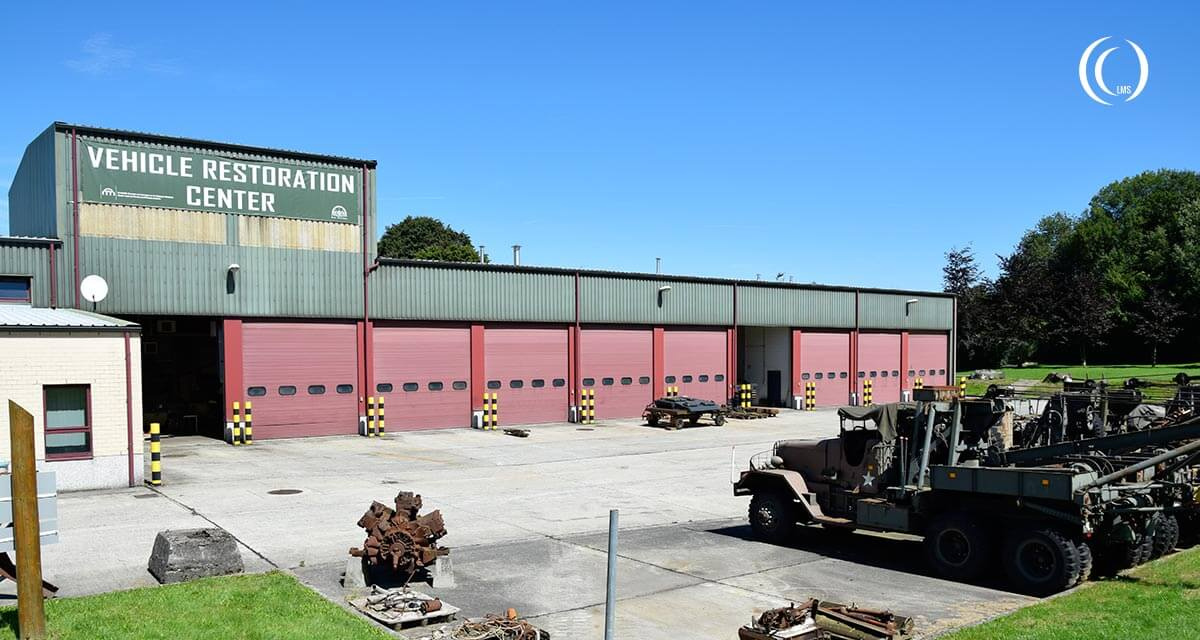
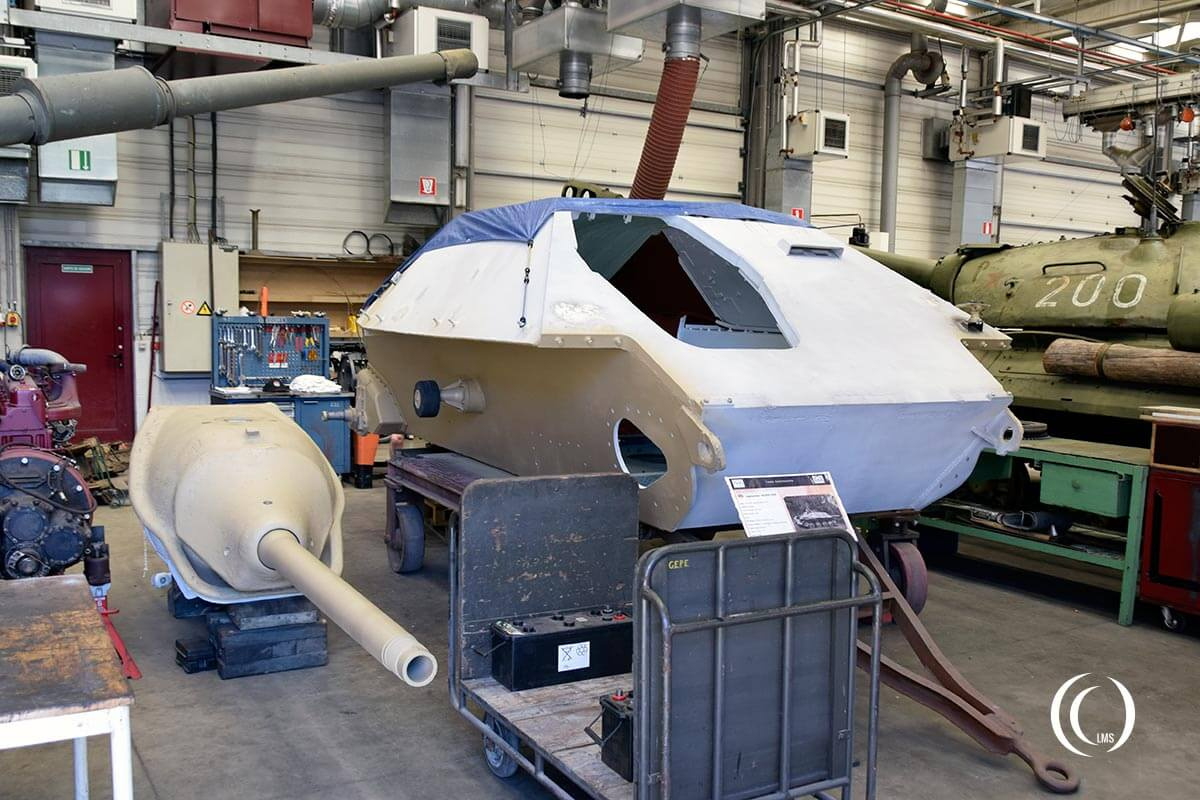
As stated above the organisation restores tanks and vehicles in their full glory. On our tour we had the chance to visit the Vehicle Restoration Center where all the hard work is done, trying to put them together piece by piece. They were then working on a Stug III ausf. F/8, a G13 Hetzer Jagdpanzer and a Russian IS-3 Heavy Tank (see pics below from 2016).


For more information on guided tours and opening hours visit this section of the Royal Museum of the Armed Forces Belgium website.

Wederom een geweldige bijdrage . Vol interesse gelezen.