Development of the Browning M2
The M2 .50 Caliber Water-Cooled Anti-Aircraft Gun was an early variant of the famous Browning M2 heavy machine gun, developed in the early 1920s for air defense use by the U.S. Army and Navy. The development of the Browning M2 heavy machine gun began during the final years of World War I and was driven by the U.S. military’s need for a more powerful automatic weapon capable of engaging aircraft, light vehicles, and fortified positions.
In 1917, General John J. Pershing requested a heavy machine gun with much greater range and power than the .30-06 weapons then in service, specifically to counter aircraft and armored targets. In response, firearms designer John Moses Browning scaled up his successful .30-caliber machine gun design. This led to the creation of a new cartridge, the .50 BMG (12.7×99 mm), providing significantly increased velocity and penetration. (BMG – Browning Machine Gun).
Early prototypes appeared in 1918, but the end of the war delayed full adoption. Throughout the early 1920s, Browning and U.S. Army engineers refined the weapon, improving reliability, cooling, and mounting options. In 1921, the gun was standardized as the Browning Machine Gun, Caliber .50, M2, initially in a water-cooled version for anti-aircraft use.
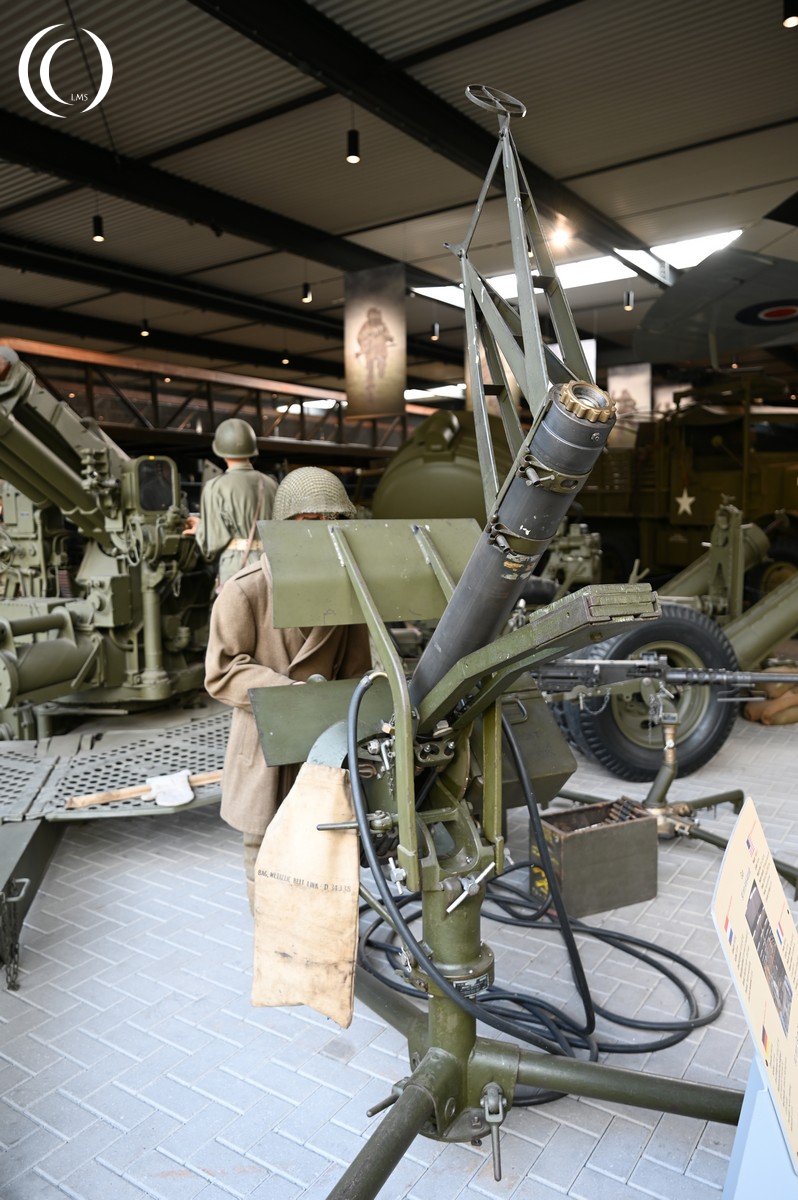
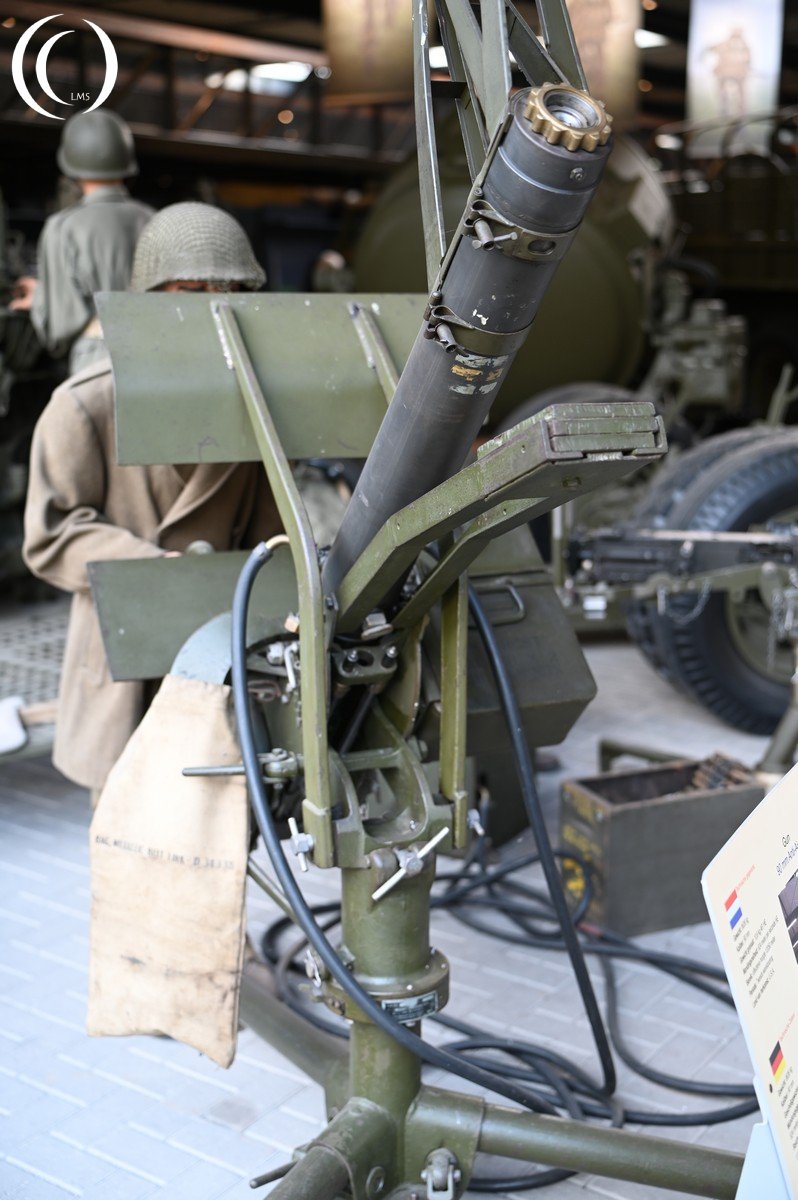
In 1933, Colt manufactured several prototype Browning machine guns, the M1921A1 and M1921E2. Working with Navy specifications, Colt started manufacturing the M2 in 1933. Together with other manufacturers like FN Herstal (Fabrique Nationale), General Dynamics, U.S. Ordnance and Ohio Ordnance Works Inc. the M2 was produced throughout the war in different variants and set-ups.
Further improvements produced the air-cooled M2HB (Heavy Barrel) in 1938, which became the most common variant. Its robust design, long range, and versatility made it suitable for ground, vehicle, naval, and aircraft use. The M2 proved extremely effective in World War II and has remained in service—continuously upgraded—for over a century, making it one of the most enduring weapons in military history.
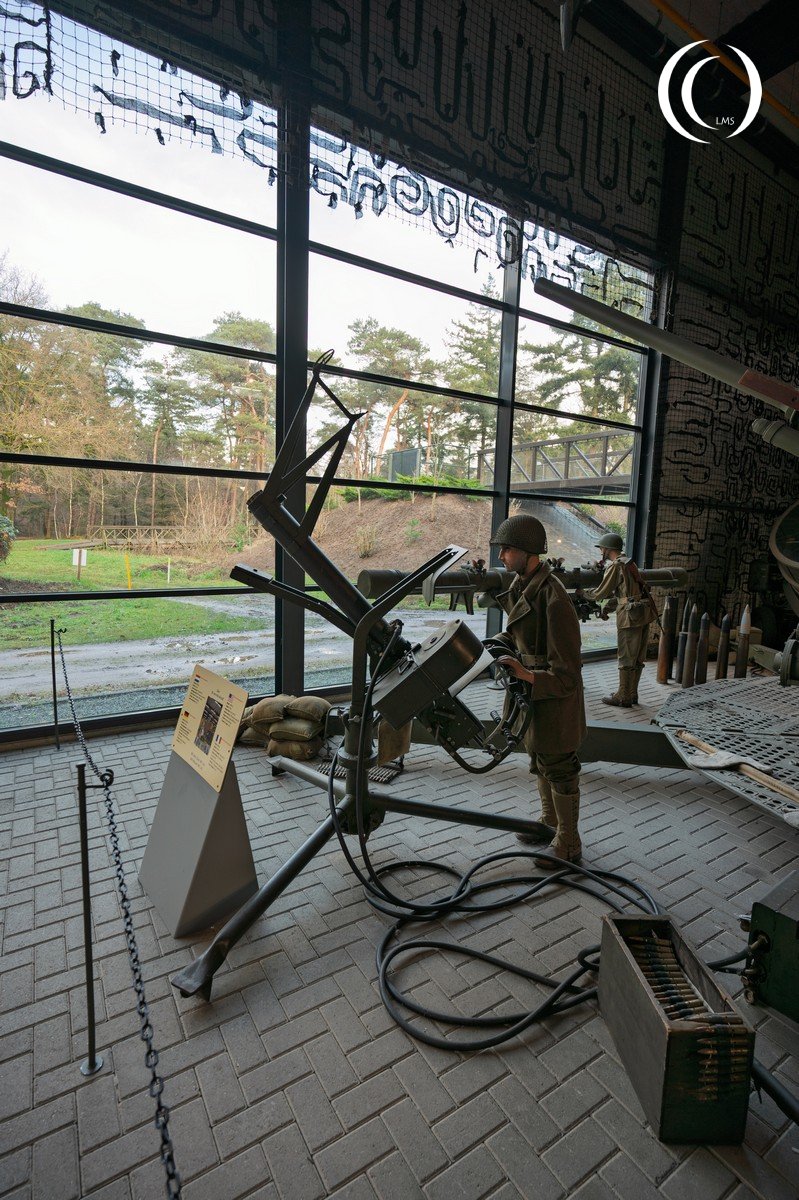
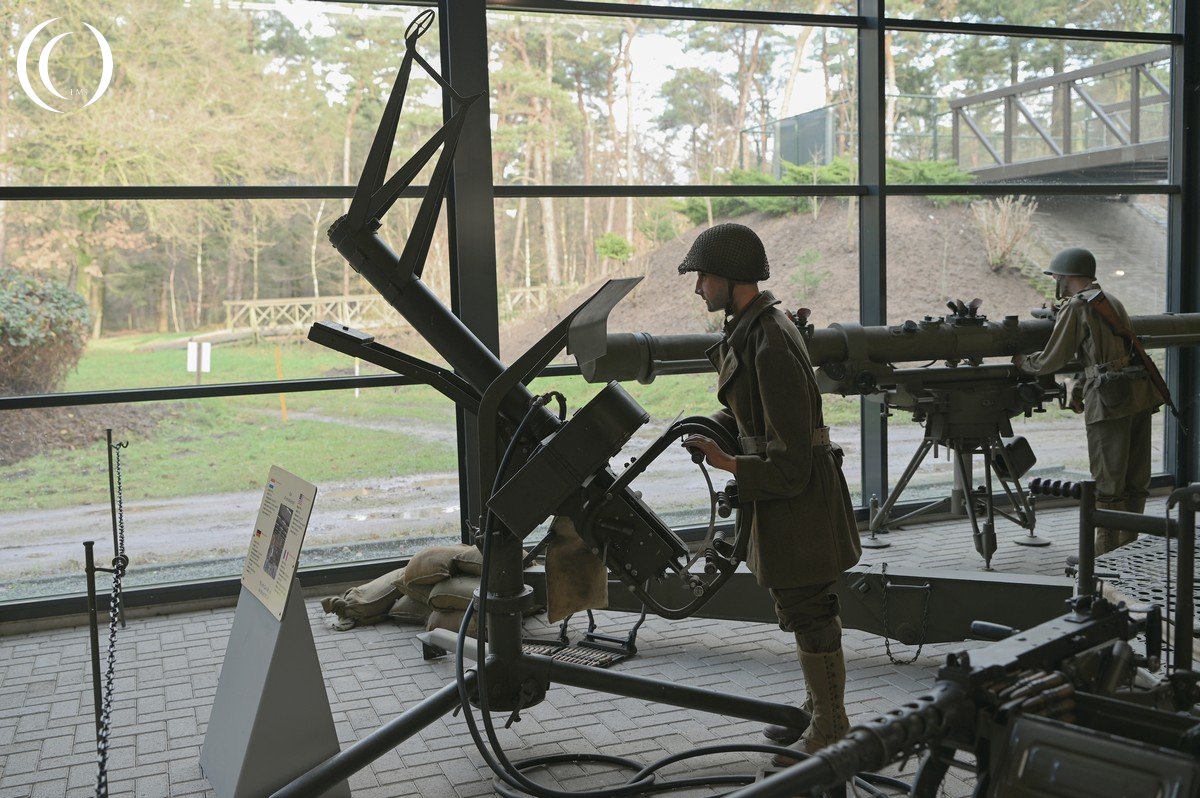
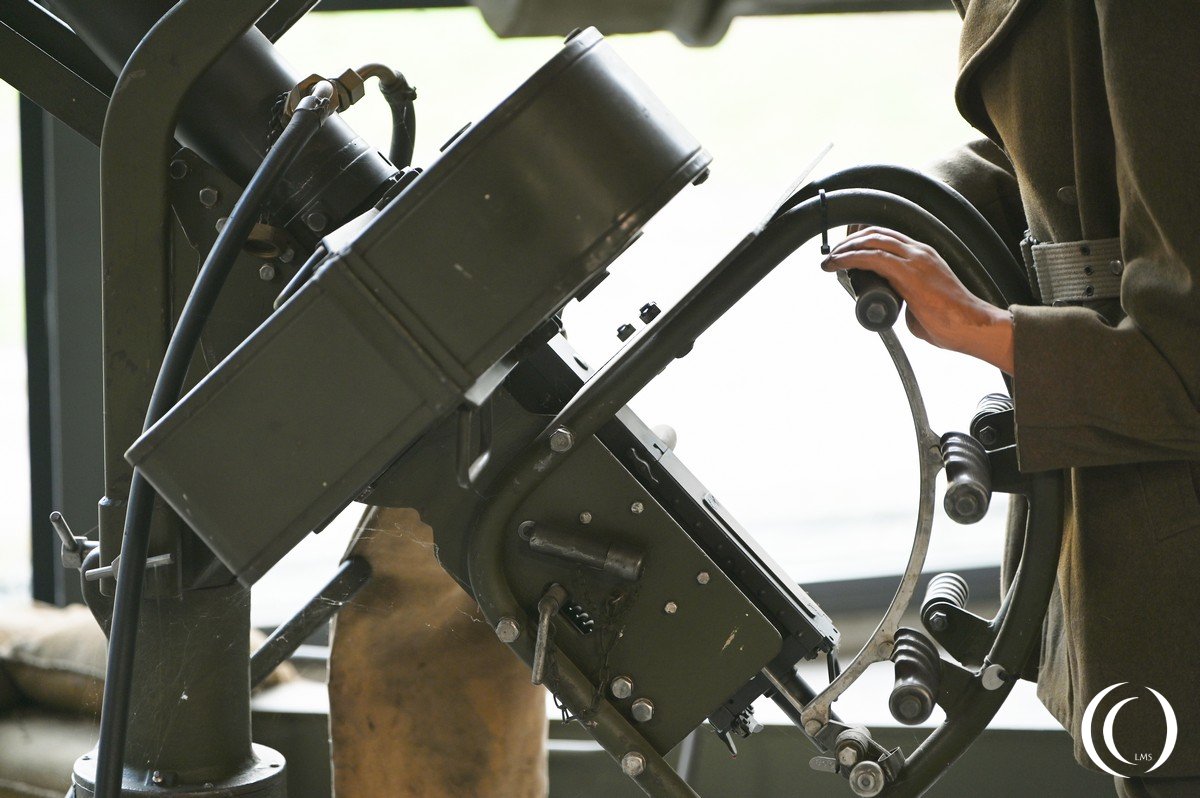
The Browning M2 .50 Caliber Water-Cooled Anti-Aircraft Gun
This version was officially designated the Browning Machine Gun, Caliber .50, M2 (Water-Cooled). It was designed primarily to engage low-flying aircraft, which had emerged as a serious threat during and after World War I. To sustain prolonged firing at high rates—essential for anti-aircraft defense—the gun used a water jacket around the barrel, similar to earlier machine guns like the Browning M1917. The weapon fired the powerful .50 BMG (12.7×99 mm) cartridge, which offered excellent range, velocity, and destructive effect against aircraft structures. Mounted on anti-aircraft tripods or pedestal mounts, the water-cooled M2 could deliver sustained fire without overheating, a key advantage in static defensive roles such as airfields, ports, and ships.
Despite its effectiveness, the water-cooled M2 had drawbacks. The system was heavy, complex, and less mobile, requiring water, hoses, and additional maintenance. As aircraft became faster and military doctrine shifted toward more mobile air defenses, these limitations became more apparent.
By the late 1930s, the water-cooled version was largely replaced in anti-aircraft roles by the more effective Oerlikon 20 mm cannon in fixed positions (Navy and defensive roles) and superseded in the U.S. Army by the air-cooled M2HB (Heavy Barrel), which was lighter, simpler, and more versatile while retaining the same firepower. The M2HB became the standard and remains in service today
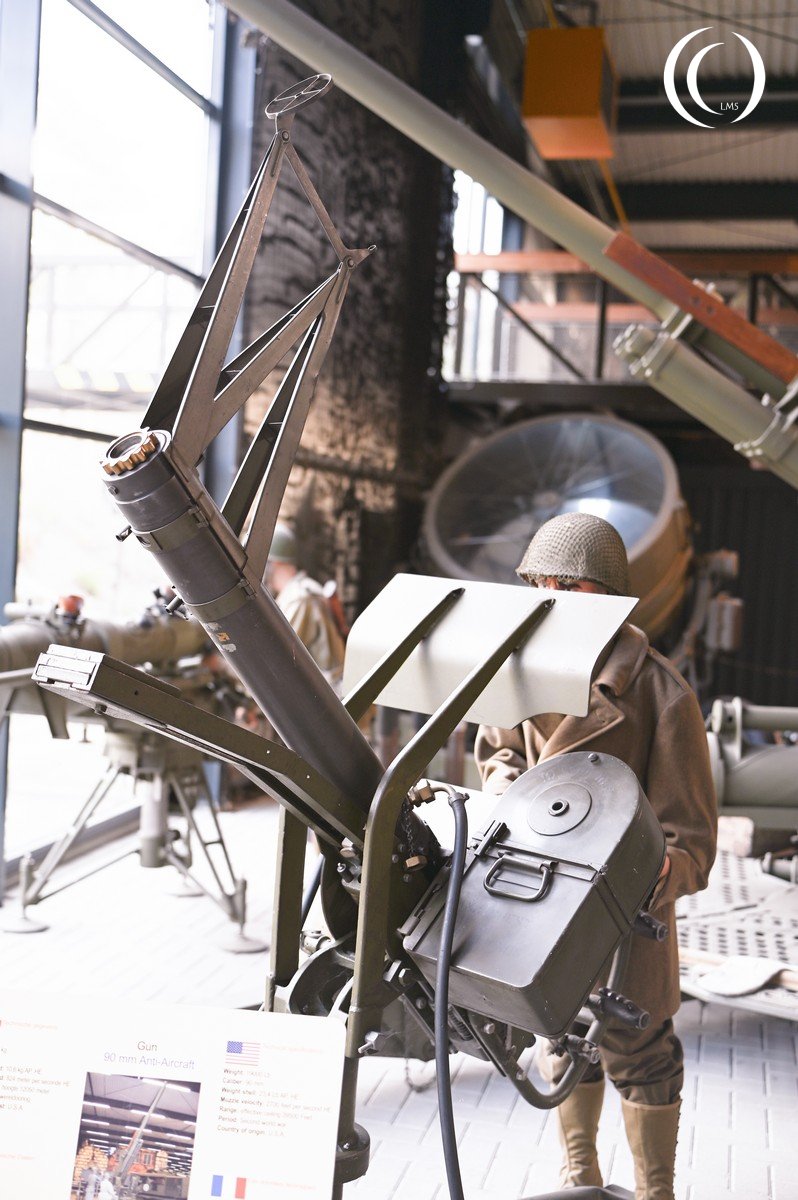
Specifications
Manufacturer: Colt (and other manufacturers)
Production: 1918 – 1933
Type: Heavy machine gun
Country of Origin: USA
Caliber: 12.7mm
Cartridge: .50 BMG (12.7x99mm NATO)
Weight: 78.9 lbs (35.8 kg) without water
Length: 55.9 in (142 cm)
Barrel length: 36 in (91.4 cm)
Capacity: belt-fed
Rate of fire: 500-650 rpm
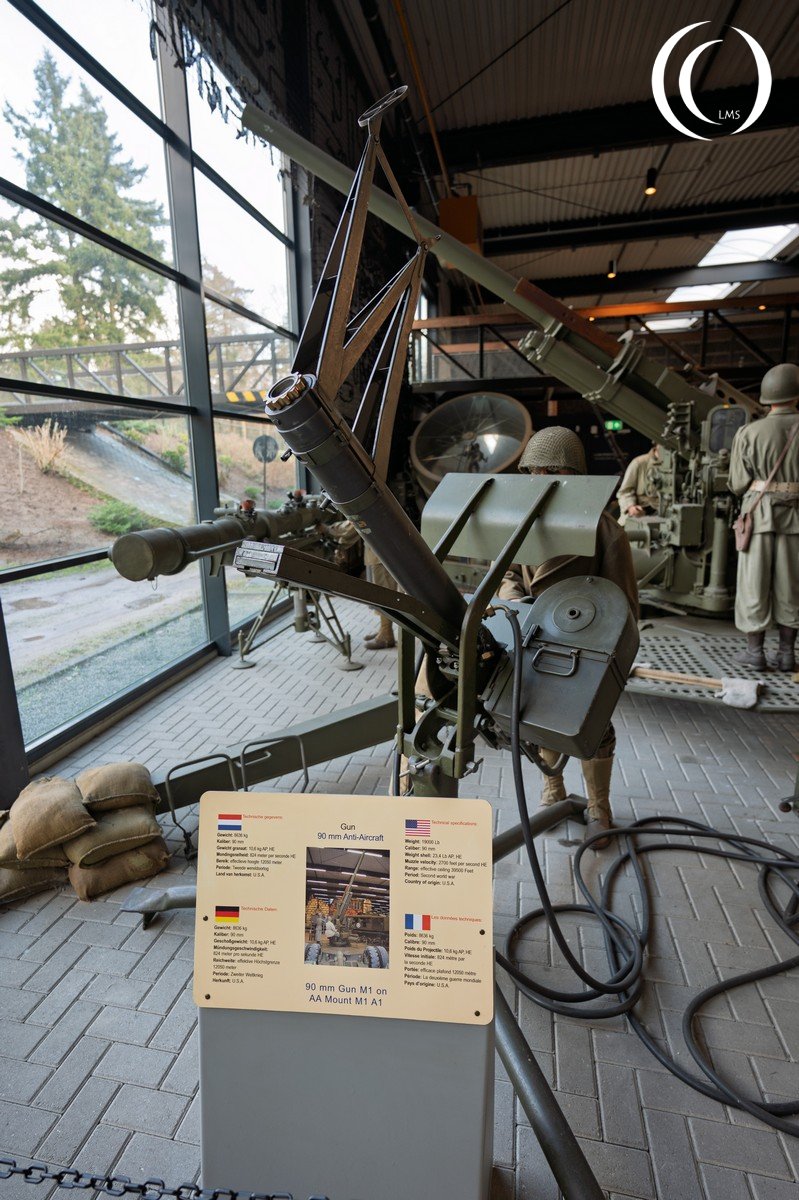
As an anti-aircraft gun on the ground. The original water-cooled version of the M2 was used on a tall AA tripod or vehicle-mounted anti-aircraft weapon on a pedestal mount. In later variants, twin and quadruple M2HB Brownings were used, such as the M45 Quadmount (aka “meat chopper”) used on the US M16 half-track carrier. Twin or quad-mount .50 M2 guns normally used alternating left-hand and right-hand feed.
