SAS – Special Air Service
Special Air Service (SAS) was an elite British special forces unit established during World War II. The Special Air Service (SAS) was formed during World War II in 1941 by David Stirling. It began as a small British commando force created to carry out surprise raids behind enemy lines against German and Italian forces in North Africa. The SAS specialized in sabotage, reconnaissance, and guerrilla warfare, often attacking enemy airfields and destroying aircraft, fuel depots, communication systems and supplies using surprise attacks. Their tactics relied on speed, secrecy, and careful planning, the SAS often operating in small groups with highly trained soldiers deep in the desert.
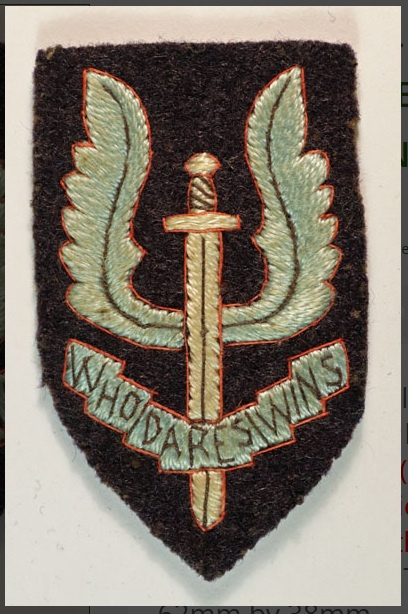
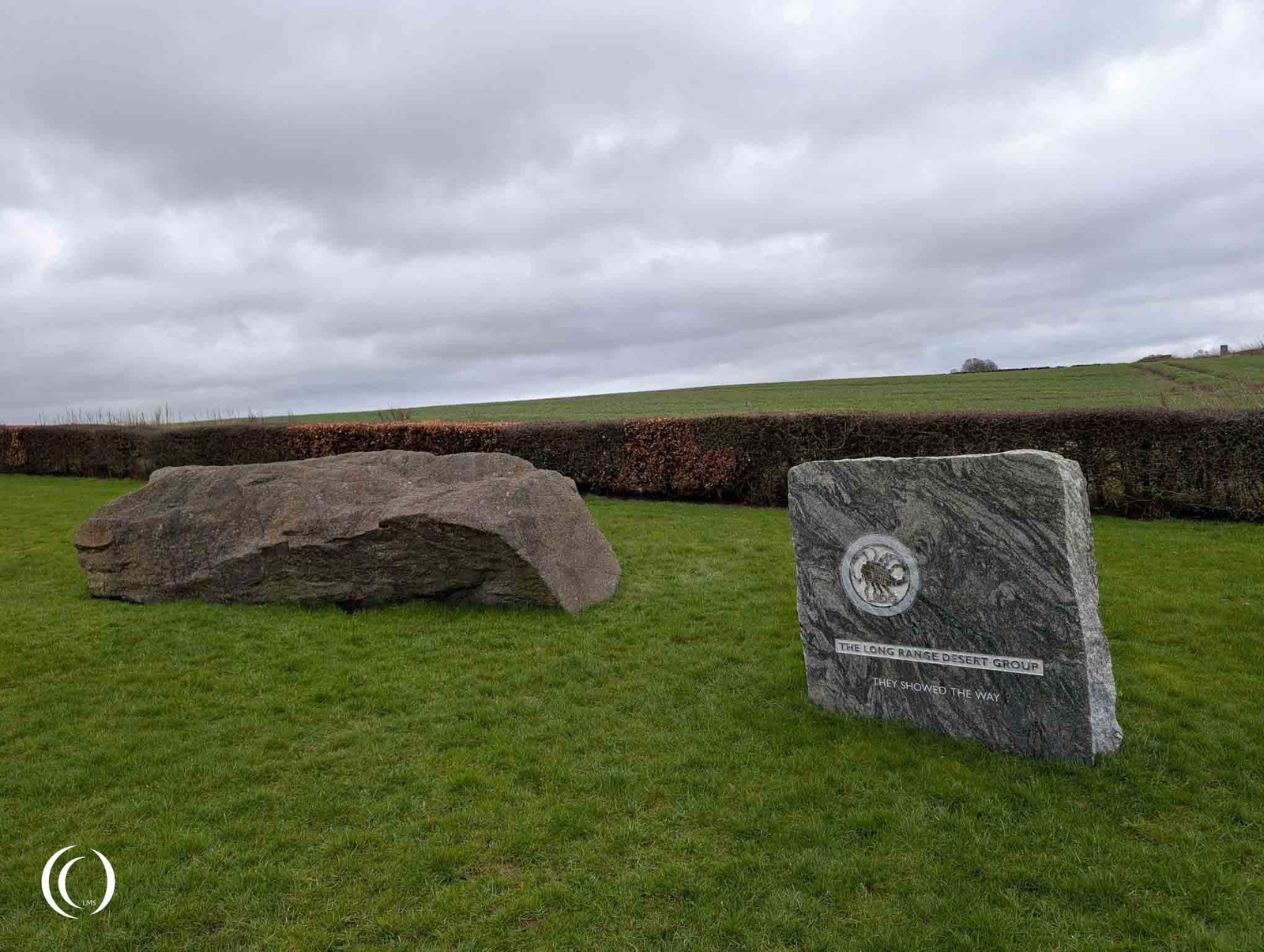
Working closely with the Long Range Desert Group, the SAS used jeeps and parachute missions to strike targets deep in enemy territory. Their success caused major disruption to German and Italian forces. Later in the war, the SAS operated in Europe, supporting resistance movements and gathering intelligence before the Allied invasion of France.
The SAS became famous for its toughness, secrecy, and innovative tactics. Soldiers were trained to survive harsh conditions and complete dangerous missions with limited support. Later in the war, the SAS expanded operations into Europe, helping resistance groups and preparing for the Allied invasion of occupied territories.
The regiment’s motto, “Who Dares Wins,” reflected its fearless approach. The SAS greatly influenced modern special forces around the world and remains one of the most respected military units in history.
David Stirling
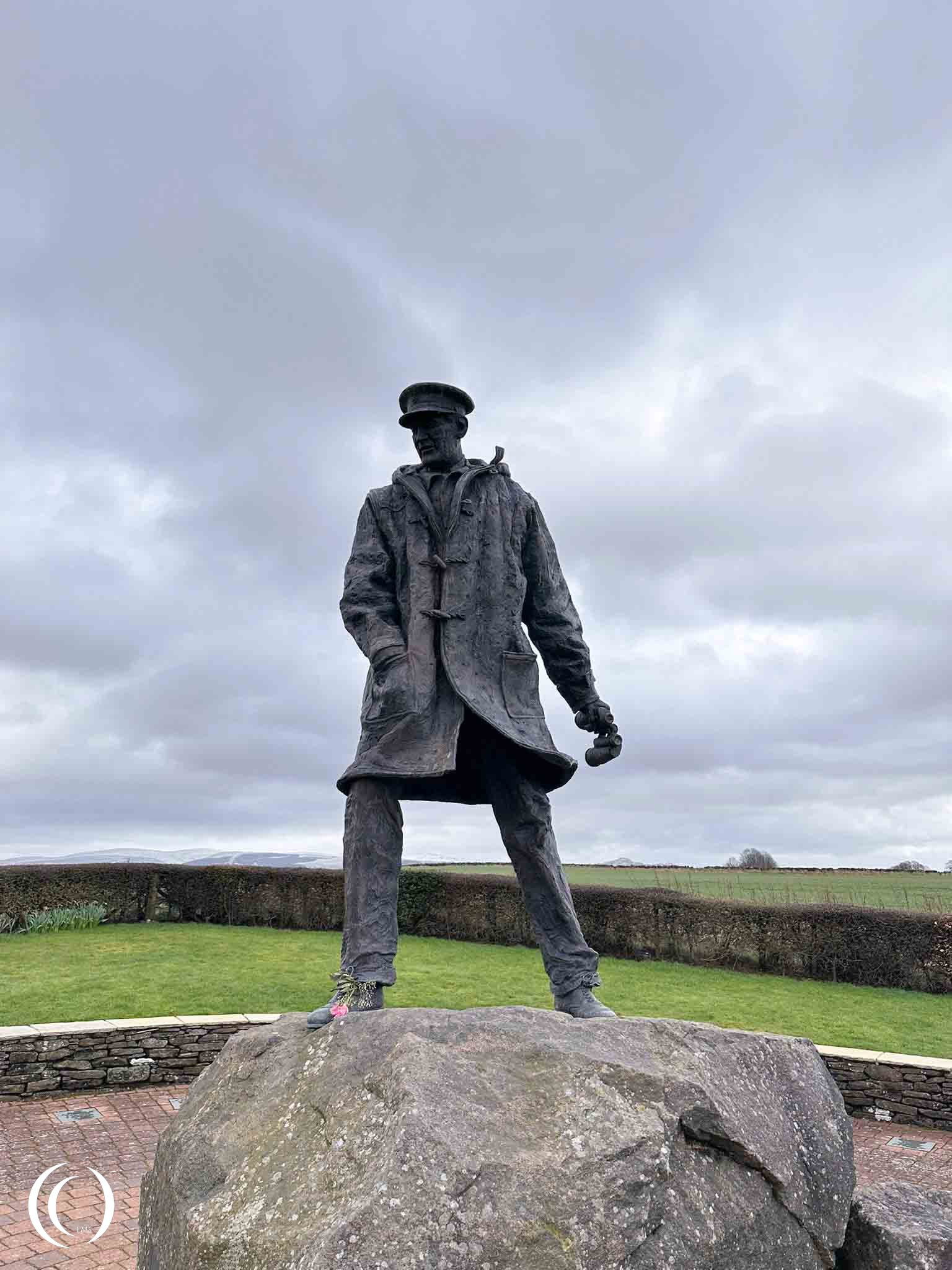
David Stirling was a Scottish army officer best known for founding the Special Air Service (SAS) during World War II. Born on November 15, 1915, in Scotland, Stirling originally planned to become an artist and mountaineer before joining the British Army. During the war in North Africa, he realized that small, highly trained units could carry out surprise attacks more effectively than large conventional forces.
In 1941, Stirling created the SAS, a special forces unit designed to conduct raids behind enemy lines. The group became famous for destroying enemy aircraft, sabotaging supply routes, and gathering intelligence. Their daring operations against German and Italian forces earned them a strong reputation. Stirling’s leadership style emphasized courage, independence, and creativity, qualities that later became central to special forces around the world.
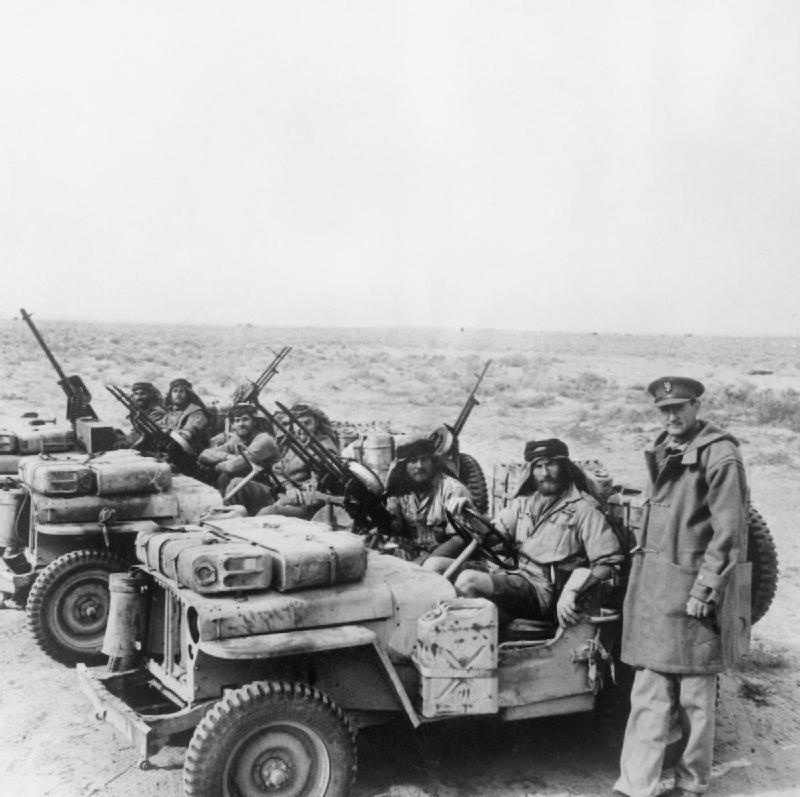
The Germans nicknamed him the “Phantom Major” because of his ability to evade capture for so long. However, he was eventually captured in 1943 and spent the rest of the war as a prisoner and ended up in Colditz Castle. His brother, Bill Stirling, and Paddy Mayne took control of the SAS during his capture. Paddy Mayne was a fearless Northern Irish soldier, founding member of the SAS, celebrated for audacious World War II raids, exceptional leadership, and becoming one of Britain’s most decorated military commanders.
After the war, Stirling remained involved in military and business activities. He died in 1990, leaving a lasting influence on modern special operations forces.
The Stirling Family
David Stirling came from the aristocratic Stirling family and had several notable relatives. His older brother was William (Bill) Stirling, who also served in wartime intelligence and special operations (SOE, 62 commando and 2nd SAS).
His best-known cousin was Simon Fraser, 15th Lord Lovat, a famous British commando leader during World War II who worked closely with the SAS and commanded troops during the Normandy landings and his younger brother Simon Fraser – Sir Hugh Fraser of Lovat, SAS member and commander of the Secret Army.
Both his cousins were involved in the creation, training and commanding of special forces, SAS and Commando units (4th commando and 1st Special Service Brigade).
The Stirling family was closely linked with military service, and many members were involved in British military and political life. David Stirling’s family background and connections helped shape his leadership style and his creation of the SAS, which became one of the world’s most influential special forces organizations.
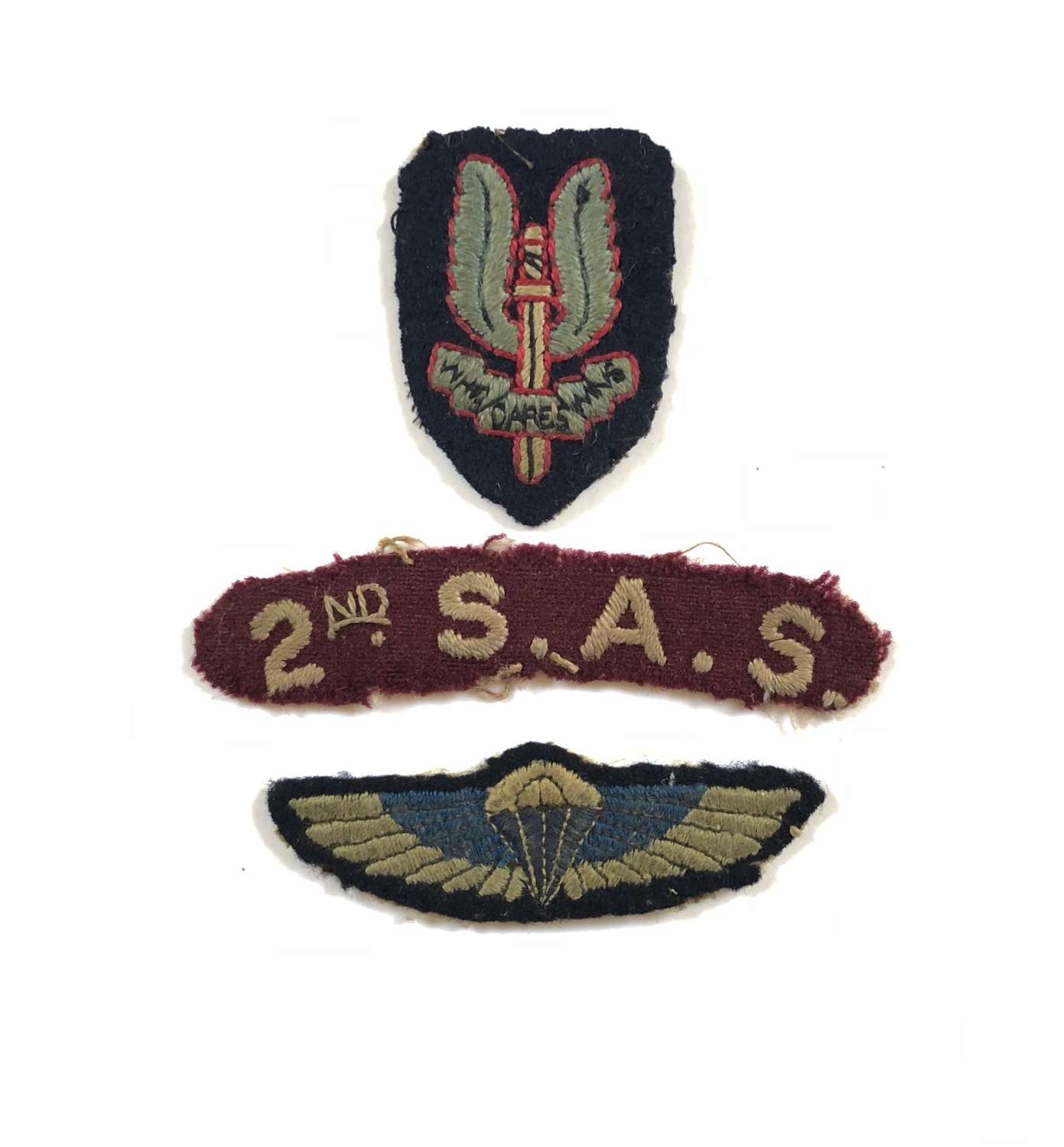
SAS operations
One of the most daring raids carried out by the Special Air Service during World War II was the attack on the German airfields at Sidi Haneish in Egypt in July 1942. Led by David Stirling and Paddy Mayne, a small group of SAS soldiers drove heavily armed jeeps directly onto the airfield at night. Instead of sneaking in on foot, they used speed and surprise, racing across the runway while firing machine guns and throwing explosives into parked aircraft.
In only a few minutes, the SAS destroyed around 40 German aircraft and escaped back into the desert with minimal losses. The raid badly damaged Axis air power in North Africa and showed how small special forces units could strike deep behind enemy lines with devastating effect.
Another famous SAS mission was Operation Bulbasket in France in 1944, where SAS teams sabotaged railways and attacked German movements before the Normandy invasion. However, the Sidi Haneish raid is often considered the classic SAS operation because it perfectly demonstrated their tactics of mobility, surprise, and aggressive action.
The success of these raids helped establish the SAS as one of the world’s most respected special operations forces.
Visit
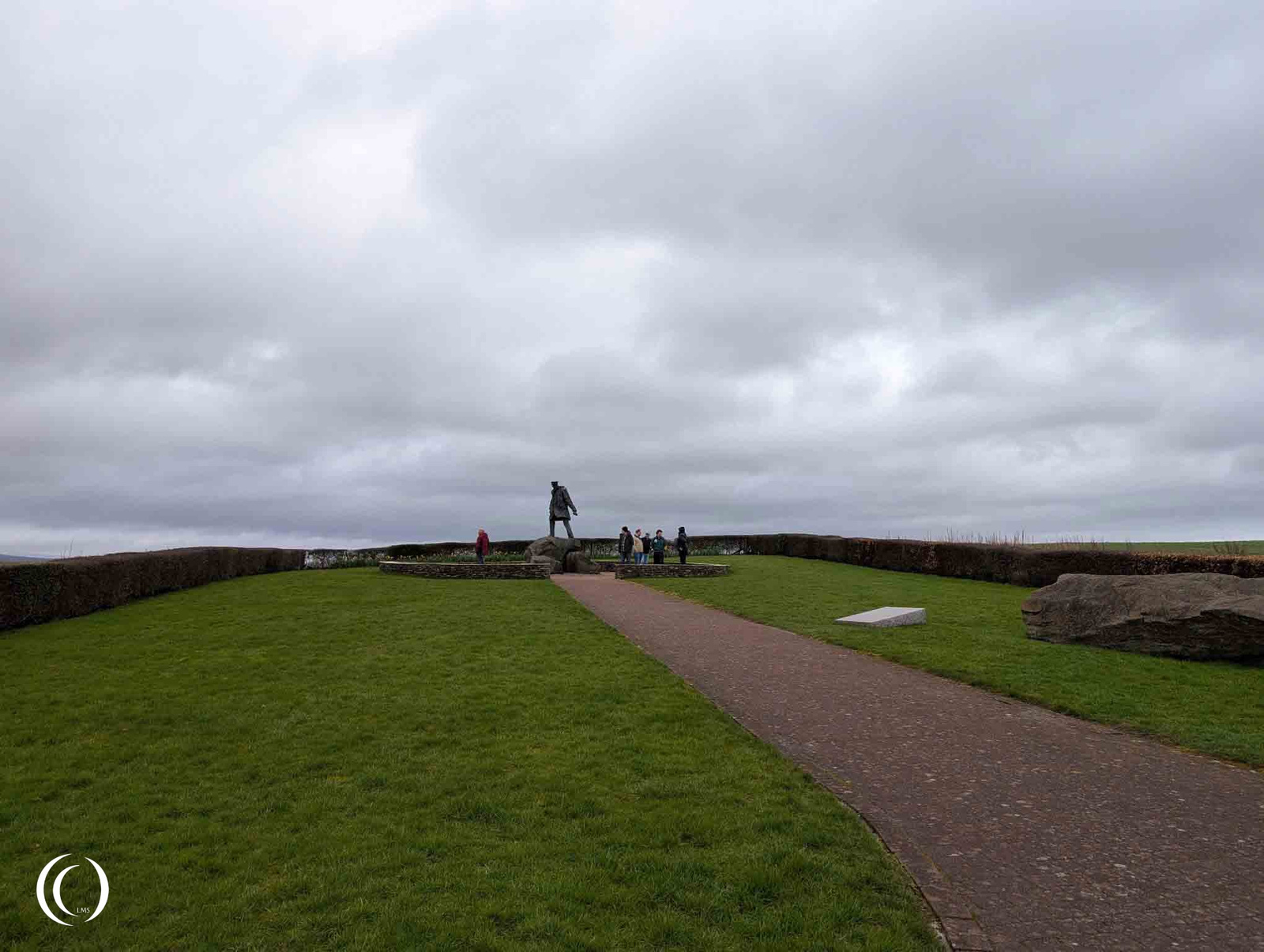
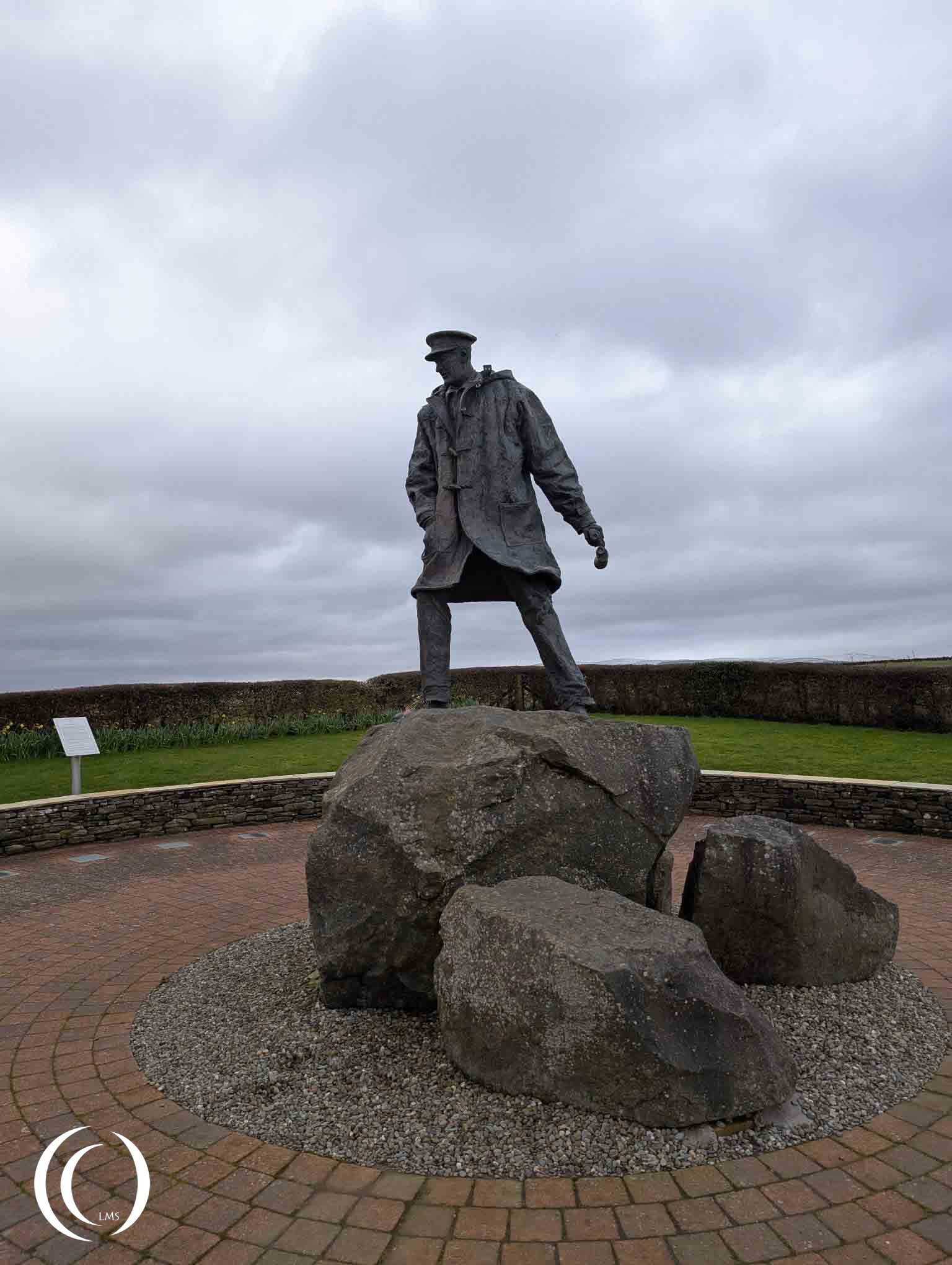
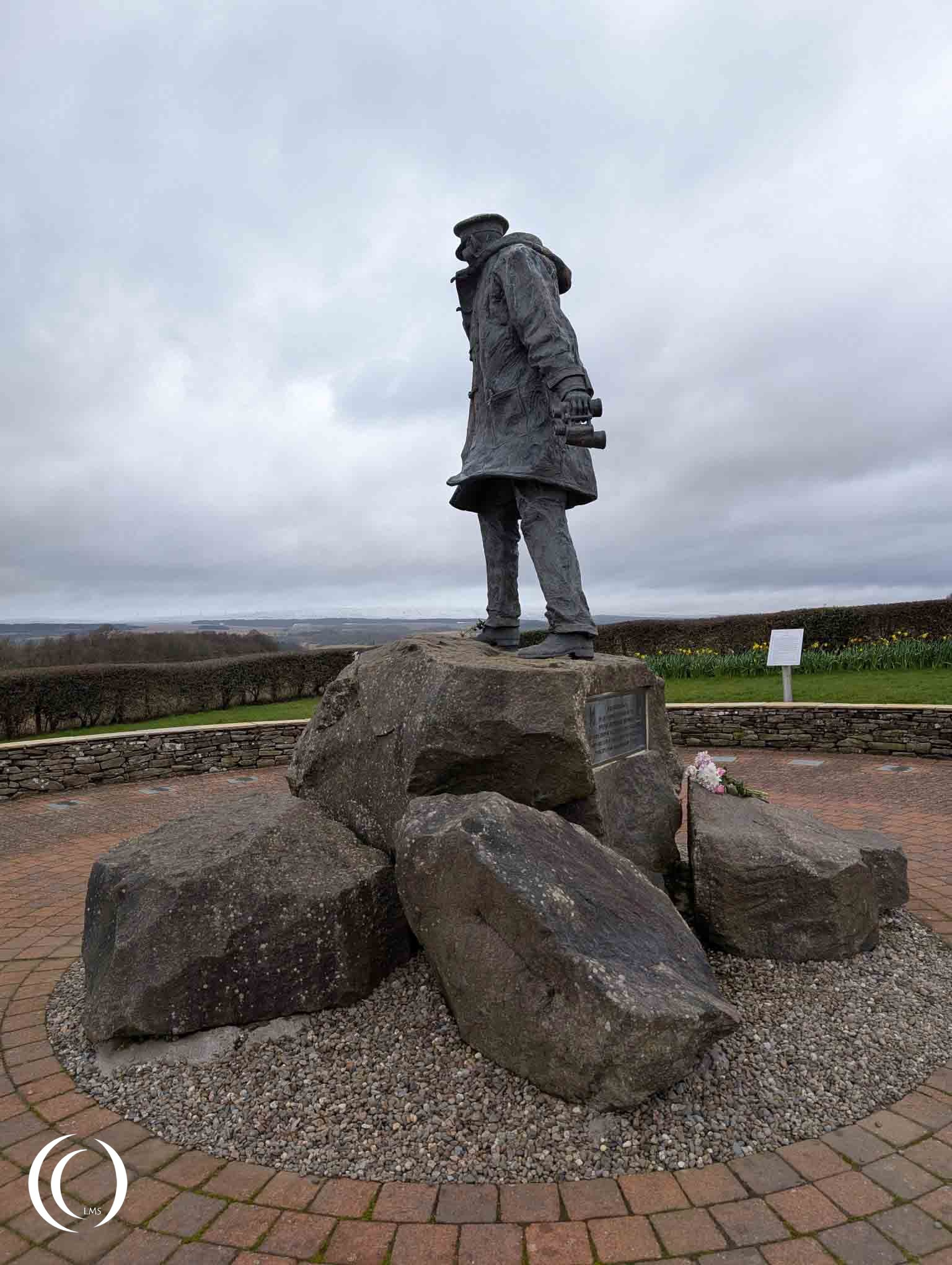
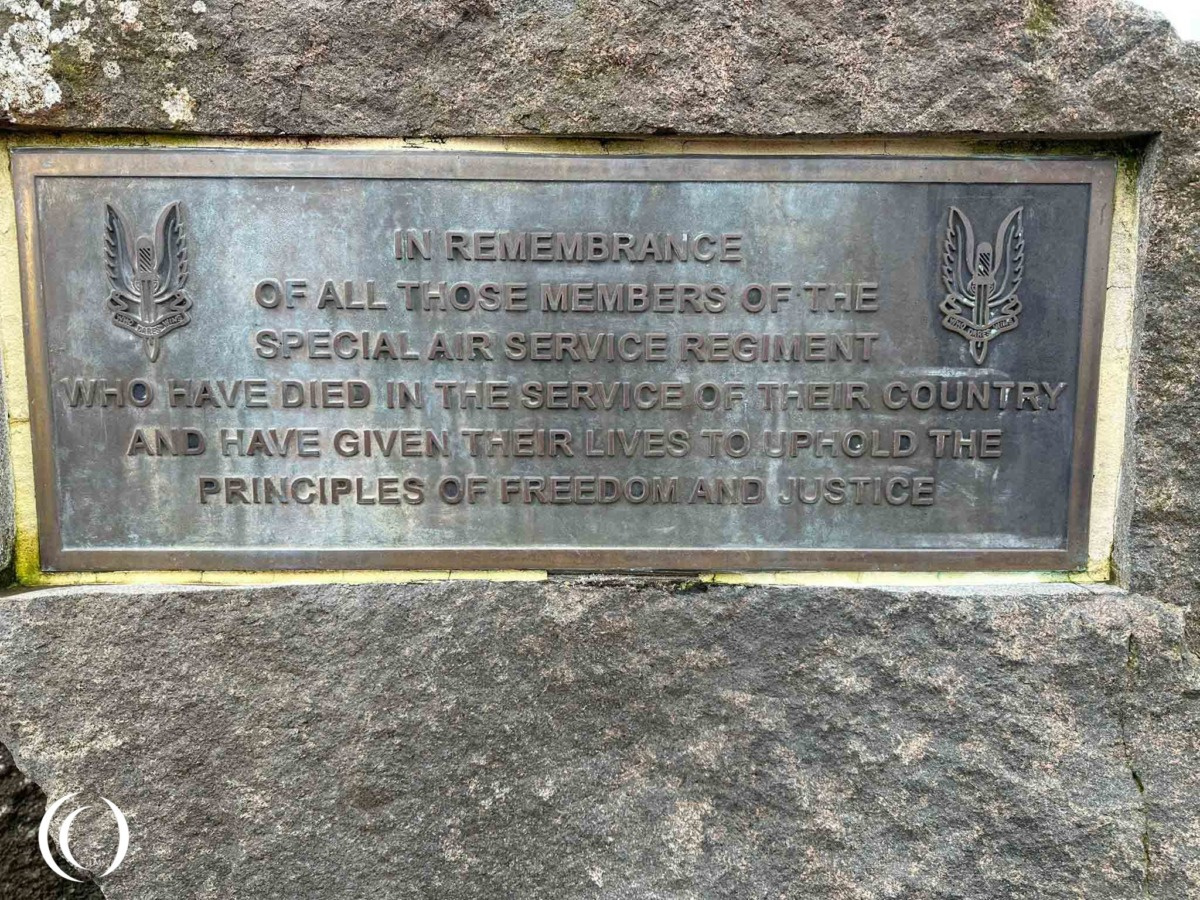
The statue of Sir David Stirling can be found at the roadside on the B824 between Bridge of Allan and Doune in the United Kingdom.
