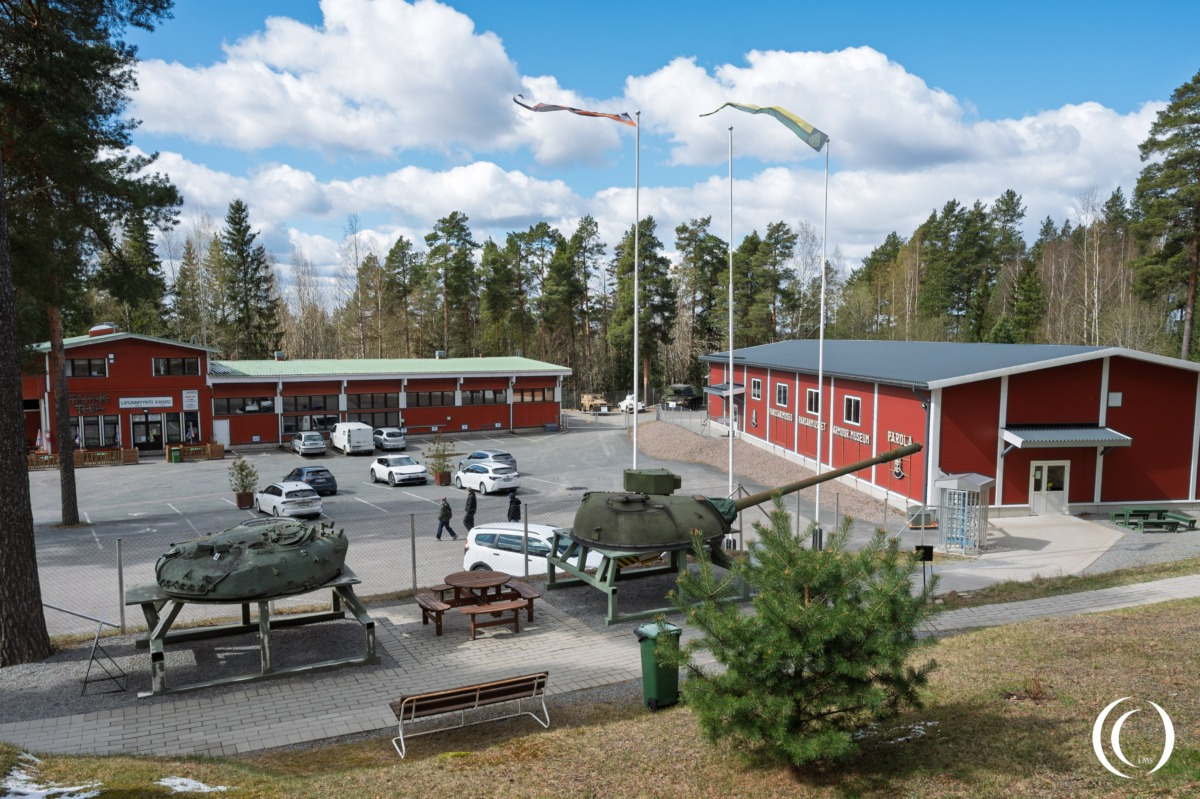
The Parola Tank Museum is Finland’s premier military vehicle museum and one of the most important armored warfare collections in Northern Europe. Located in the town of Parola, about 100 kilometres north of Helsinki, the museum displays tanks, armored vehicles, anti-tank weapons, and military equipment used by Finland from World War I to the modern era.
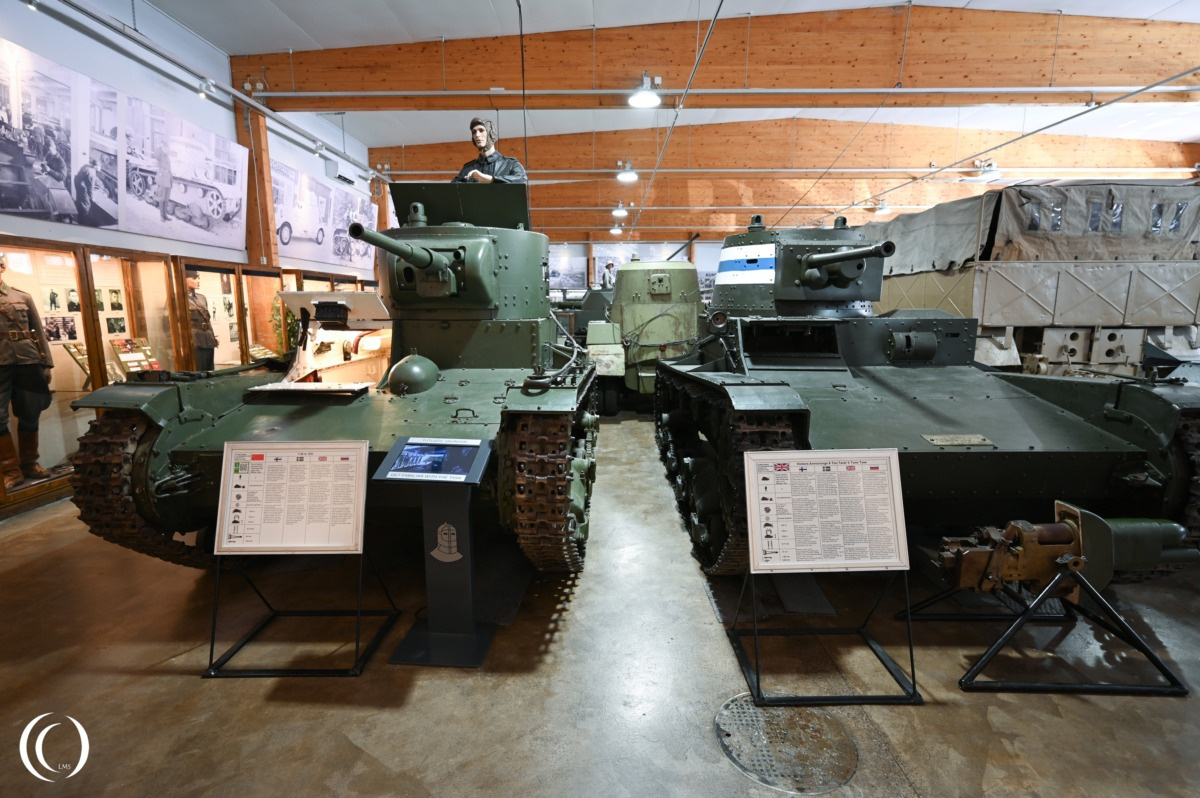
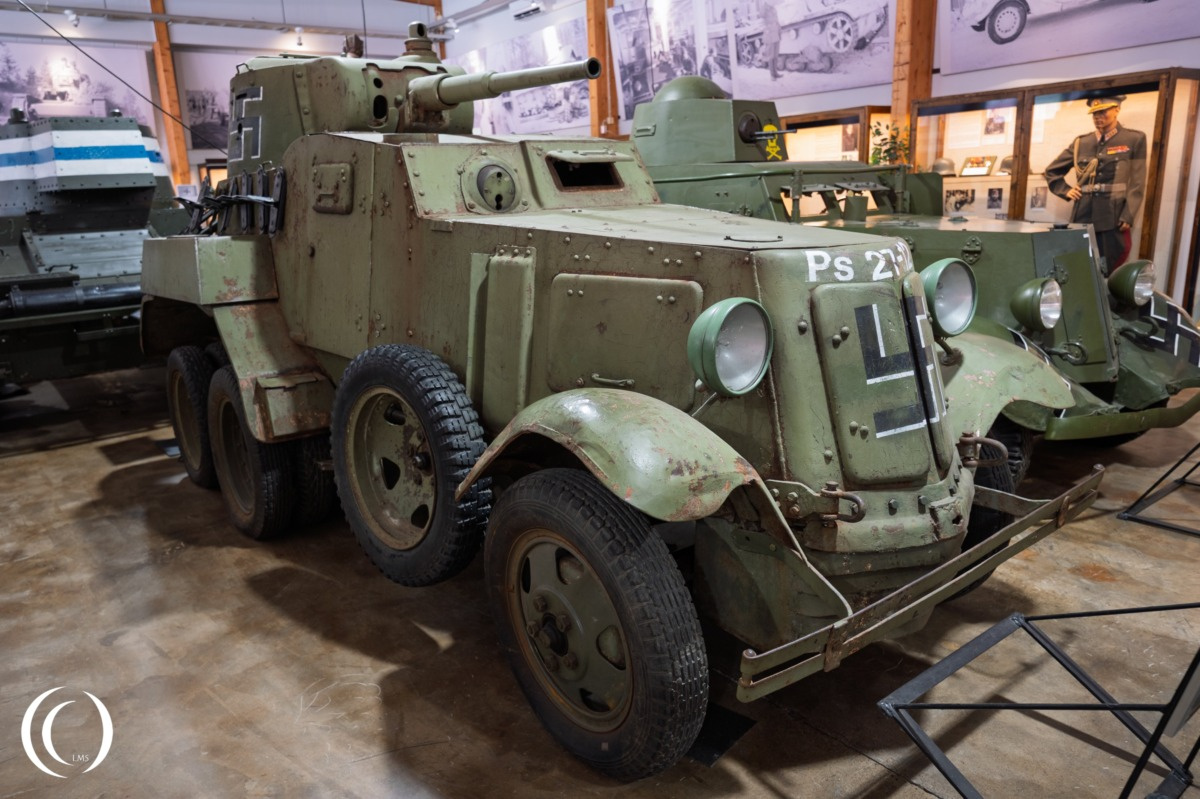
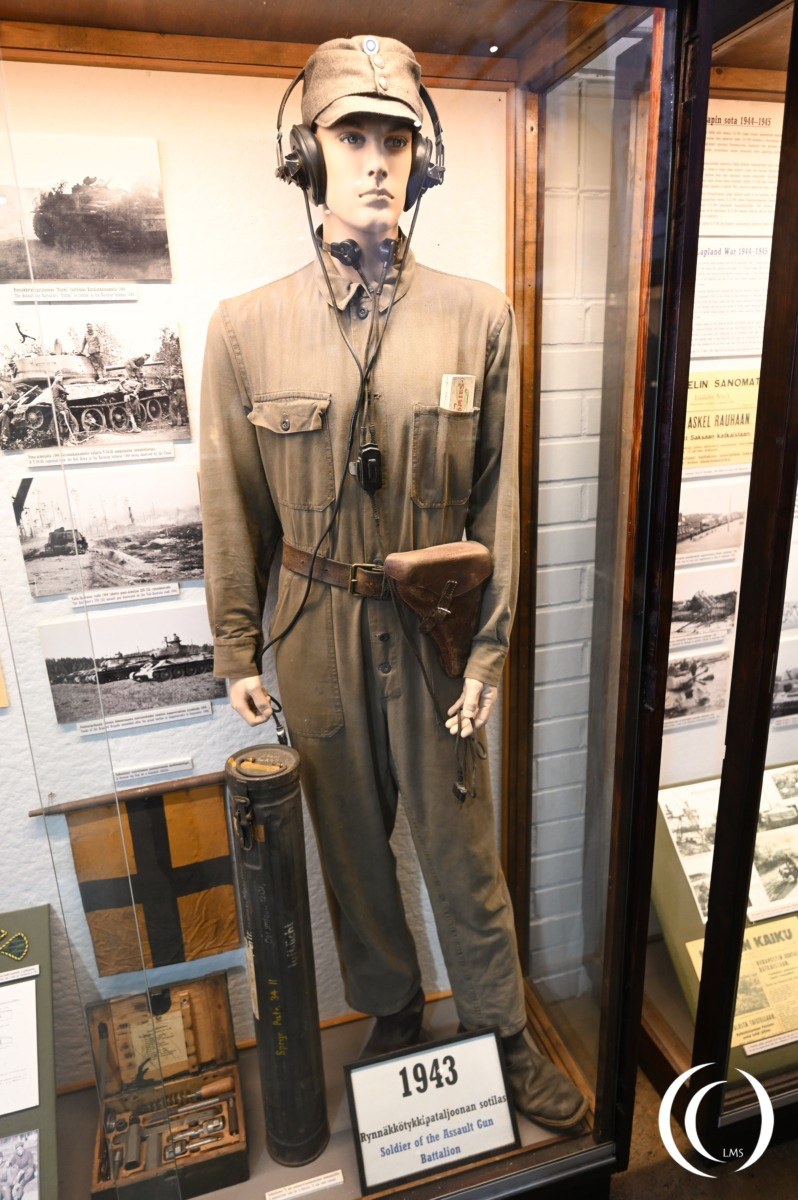
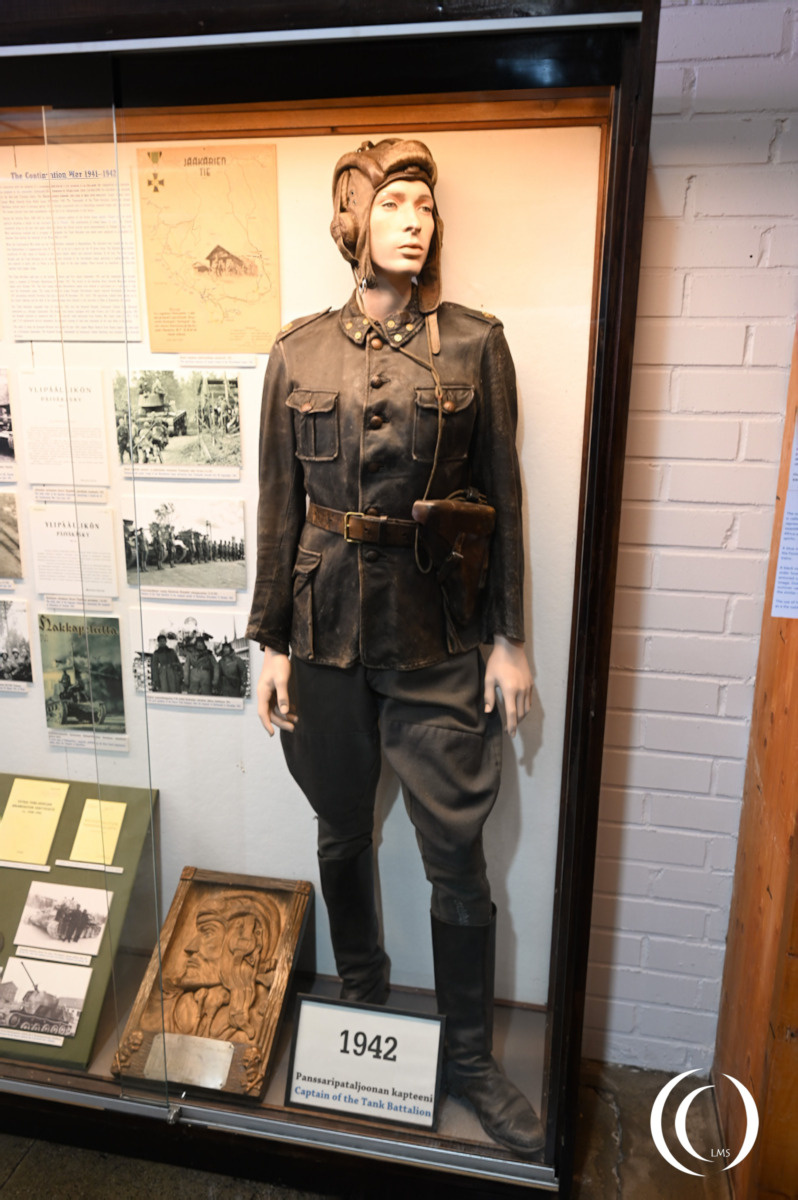
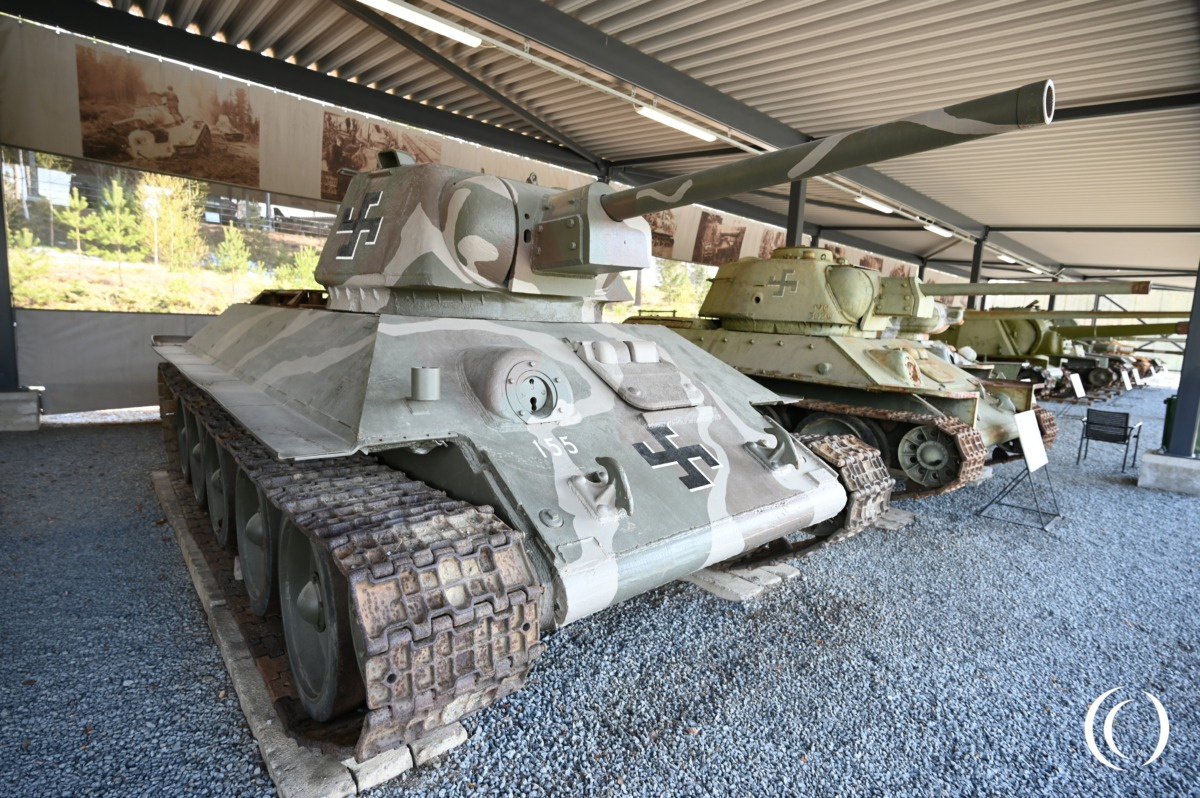
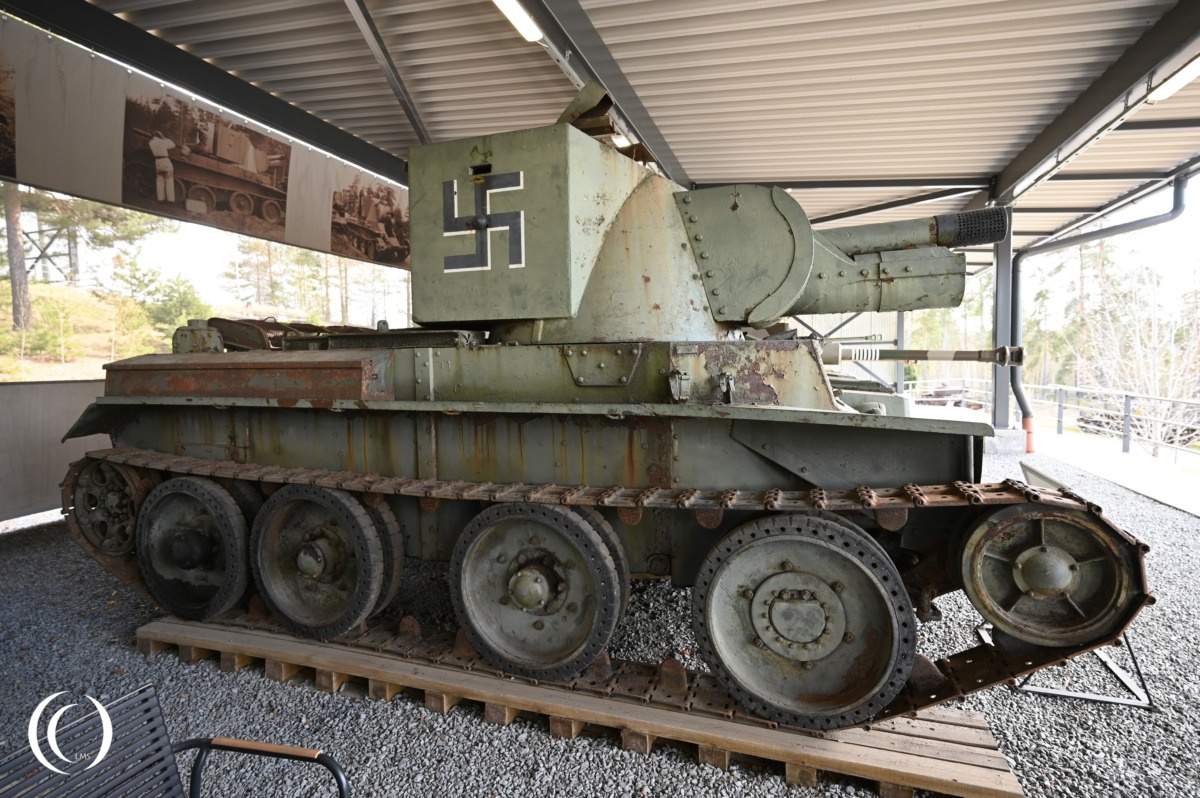
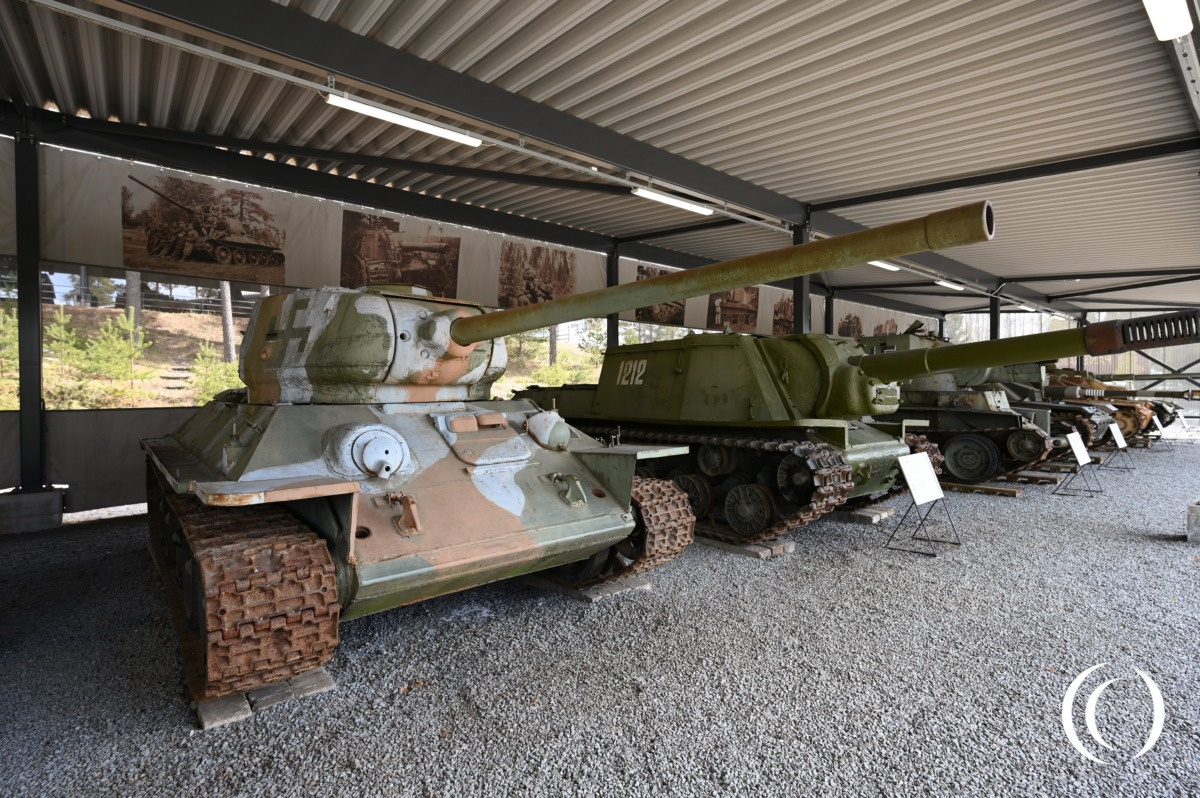
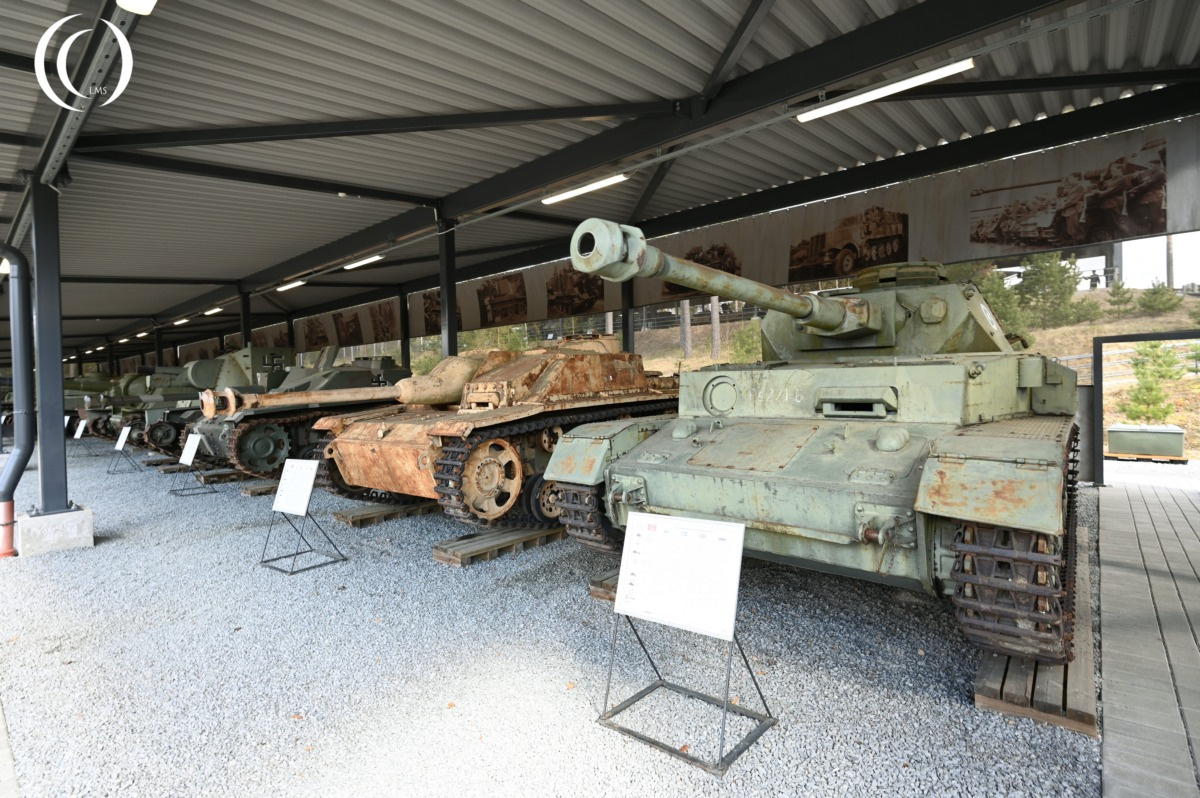
The museum is especially famous for its rare World War II collection. Visitors can see Soviet, German, and Finnish armored vehicles that fought during the Winter War and Continuation War. Highlights include the Soviet T-34, British Vickers tanks purchased by Finland before World War II, German StuG III assault guns, and one of the few surviving Soviet T-50 light tanks in the world. Many vehicles are fully restored and displayed both indoors and outdoors. Exhibits explain Finland’s difficult military history, including battles against the Soviet Union and the role of armored forces in defending the country. Uniforms, wartime photographs, artillery pieces, and personal equipment provide additional historical context.
The museum is popular with military historians, photographers, and vehicle enthusiasts. During special summer events, some historic tanks are demonstrated in motion, creating a vivid experience of twentieth-century armored warfare history.
History of the Parola Tank Museum
The Parola Tank Museum was established on 18 June 1961 to preserve the armored fighting vehicles and anti-tank weapons used by the Finnish Army. Located near the Finnish Armoured Brigade training grounds in Parola, the museum developed into Finland’s main center for armored warfare history.
Its collection reflects Finland’s unique military history during the Winter War and Continuation War against the Soviet Union. Because Finland relied heavily on captured Soviet equipment and limited foreign purchases, the museum contains an unusual mixture of Soviet, German, British, Swedish, and Finnish vehicles.
The museum originally opened with only 19 tanks and 12 anti-tank guns, but expanded steadily over the decades. Today it includes rare vehicles such as the Finnish BT-42 assault gun, Soviet T-50 light tank, German StuG III assault gun, Panzer IV, T-34s, KV heavy tanks, and modern Finnish Leopard tanks.
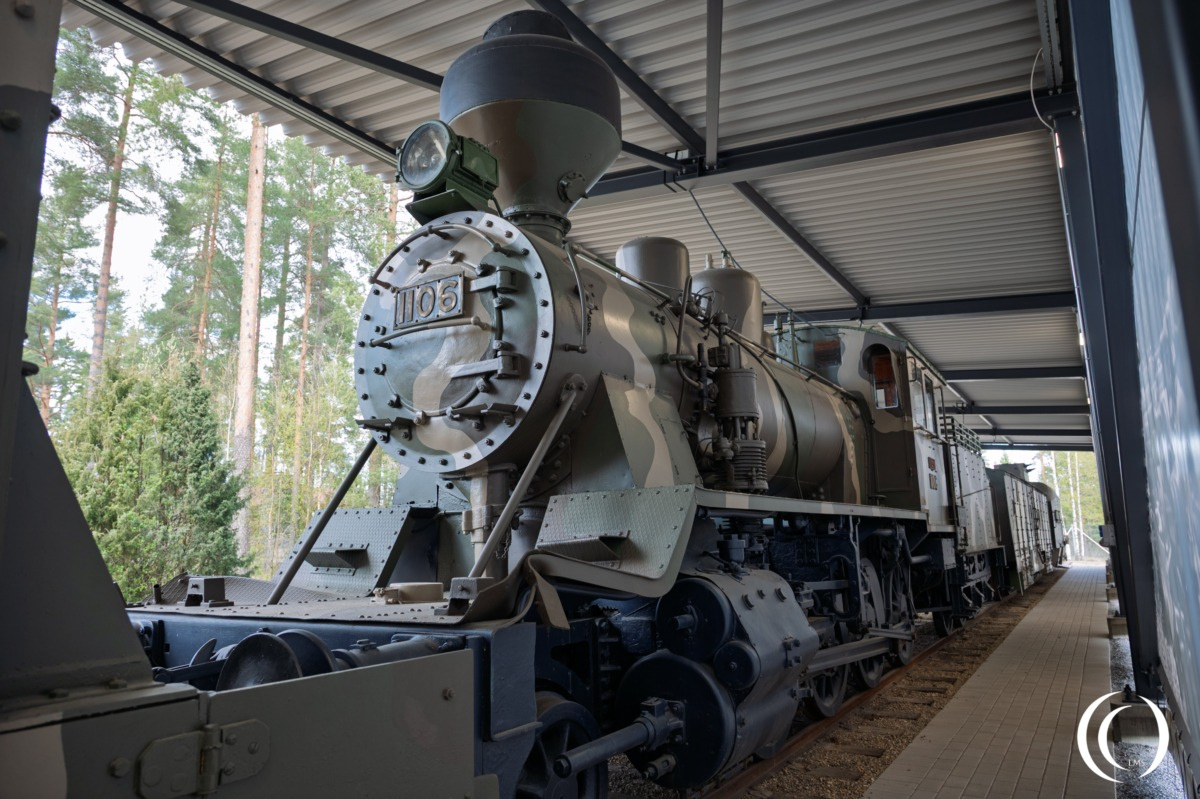
One of its most famous exhibits is a restored World War II armored train. The museum also preserves vehicles in operational condition for demonstrations, military events, and Finnish war films. Enthusiasts particularly value Parola because several tanks displayed there are extremely rare surviving examples worldwide.
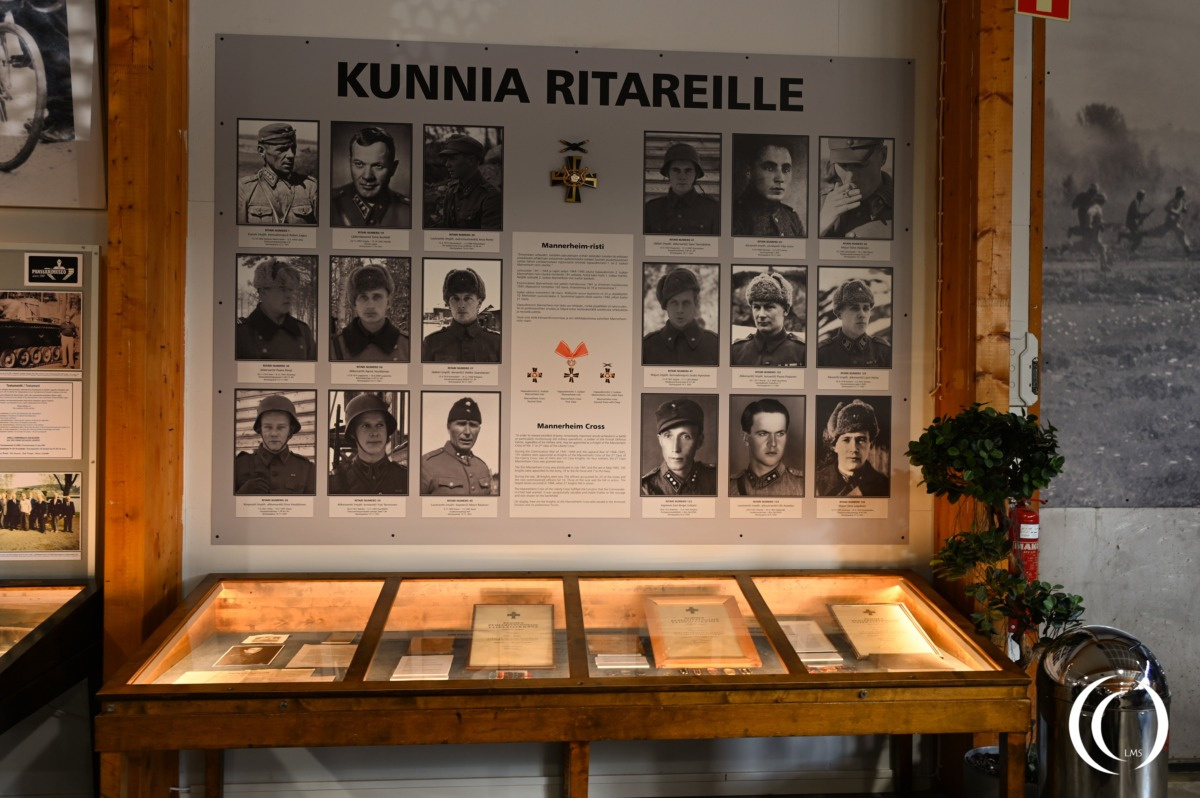
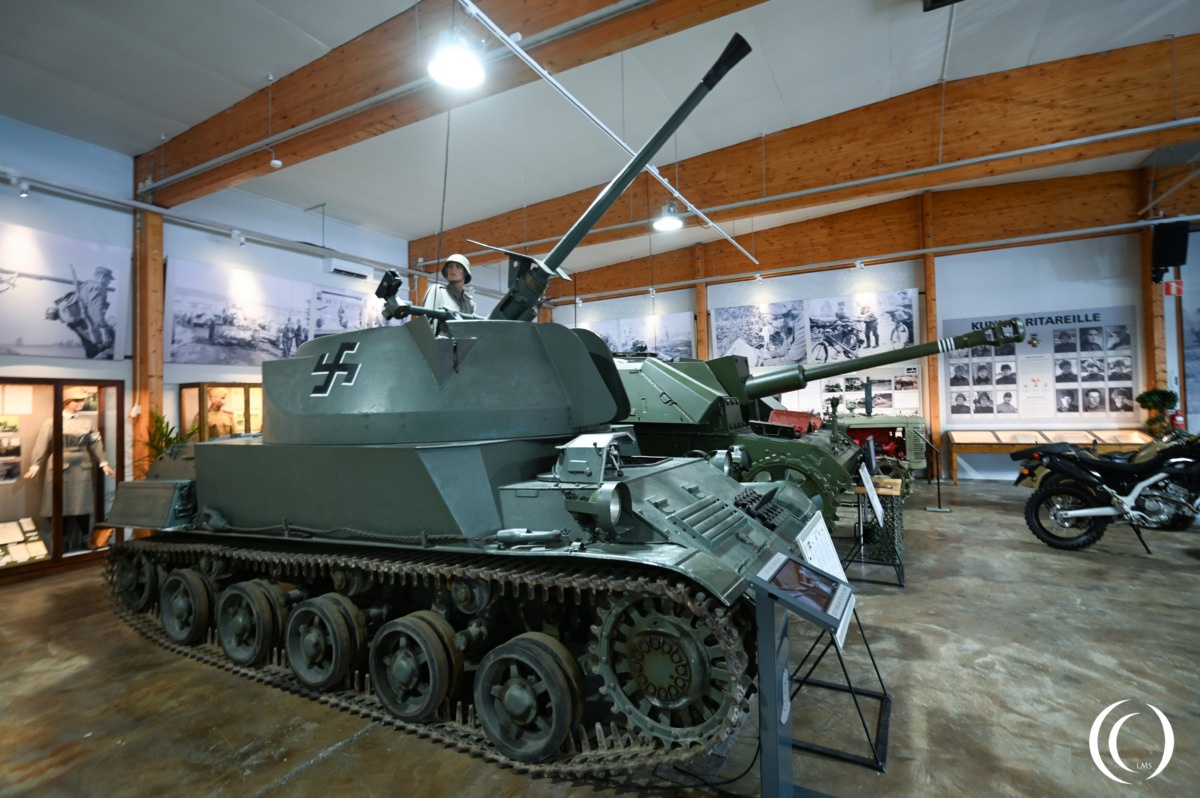
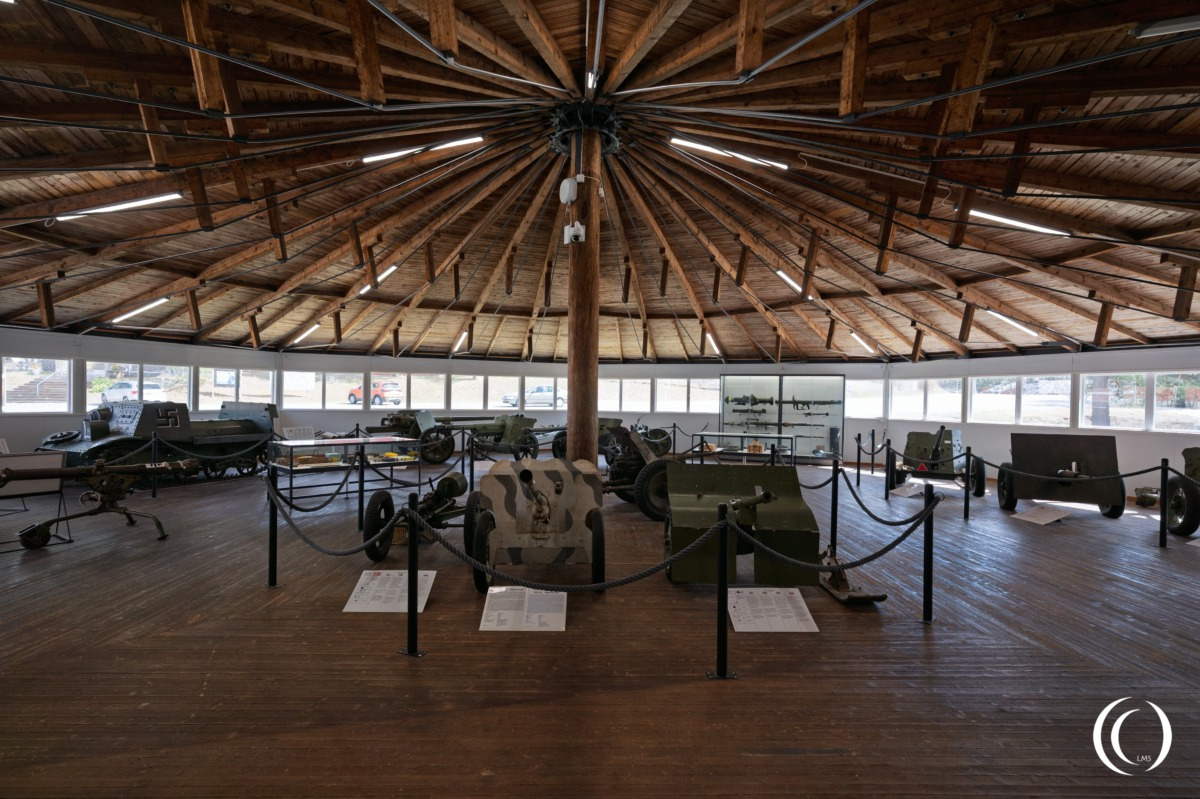
Parola Tank Museum During World War two
Parola played an important military role during World War II as a major training and garrison area for the Finnish Army. Located near Hämeenlinna, it was home to armored and artillery units that trained there before deployment to the fronts of the Winter War and the Continuation War.
As Finland expanded its armored forces, Parola became a key center for tank training, maintenance, and organization. Finnish crews trained on a diverse collection of vehicles, including British Vickers tanks, captured Soviet tanks, and later German-supplied armored vehicles. The area contained barracks, workshops, storage facilities, and training grounds that supported Finland’s wartime military operations. Although Parola was not the site of major combat, it was strategically important because it supplied trained personnel and equipment to frontline units. Many tanks and armored vehicles that later fought in battles such as Battle of Tali-Ihantala passed through Parola for training or maintenance.
After the war, Parola remained an important military center and eventually became the home of the renowned Parola Tank Museum, which preserves many of the vehicles and artifacts connected to Finland’s wartime armored forces.
Visit
The museum can be visited all year round. Recurring events are held, such as starting the tank engines. Check the museum’s website for current opening times and upcoming events. Please allow for extra crowds on special days; parking near the museum is free and there is a small cafeteria where you can get something to eat and drink.
During events, there is a car park a short distance away near an adjacent military base. A free bus takes you to the museum and back to the car park on these special days (Info 2026).
