Heliodor Laskowski Artillery Battery No. 31 (XXXI)
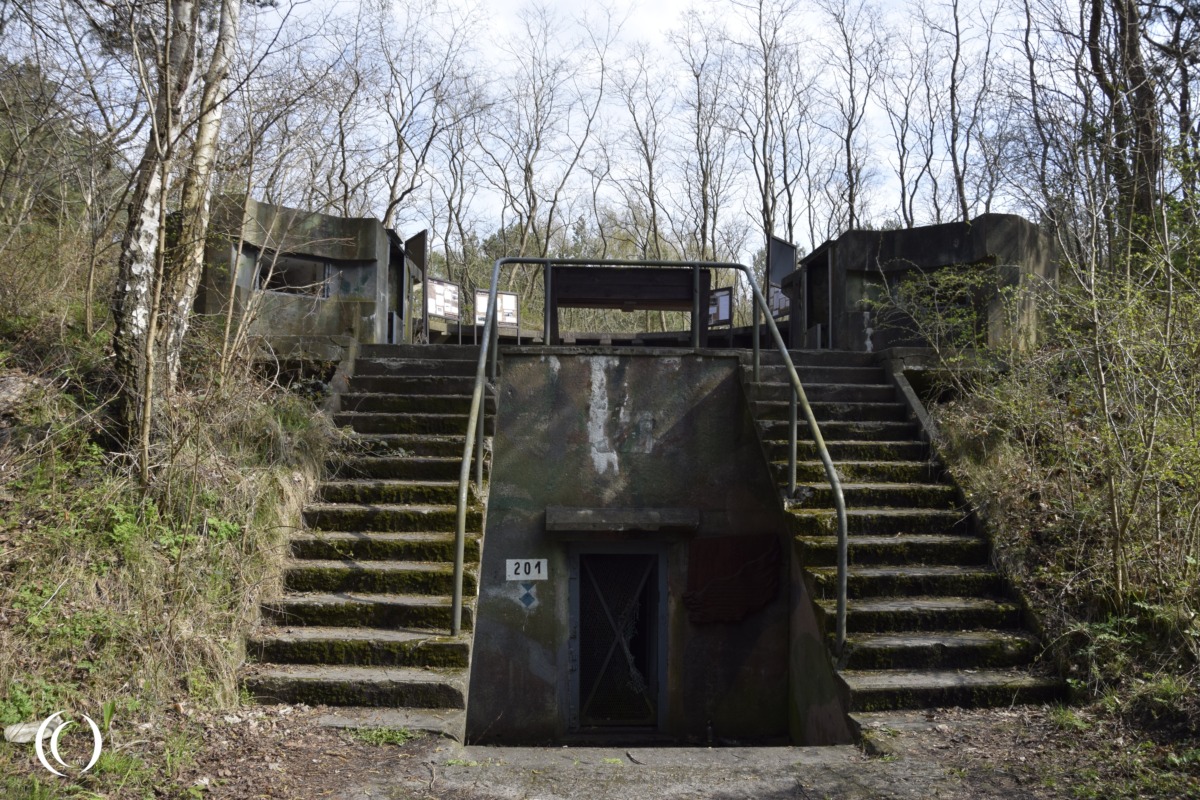
In the Hel Fortified Area you will find Heliodor Laskowski’s Artillery Battery No. 31 (XXXI). Officially called Bateria artylerii nr 31 (XXXI) im. Heliodora Laskowskiego is one of the most important coastal batteries on the Hel Peninsula (Poland) in the run-up to and during World War II. It was part of the Polish coastal defence network before WWII and in 1939 in the Hel Fortified Area (Polish: Rejon Umocniony Hel).
History
The coastal artillery battery was built between 1934–1935 by the Polish Navy and was operational from 1935 until 1939 (Polish defenses). After capitulating it fell into German hands and was active from 1939 until 1945 under German occupation. The Polish garrison had around 2 officers and 160 sailors in peacetime which expanded to 230 personnel during the 1939 defensive campaign. The gun battery was named for Heliodor Laskowski, naval artillery specialist and initiator of the battery’s creation. He died in 1936.
Battery Role & Armament
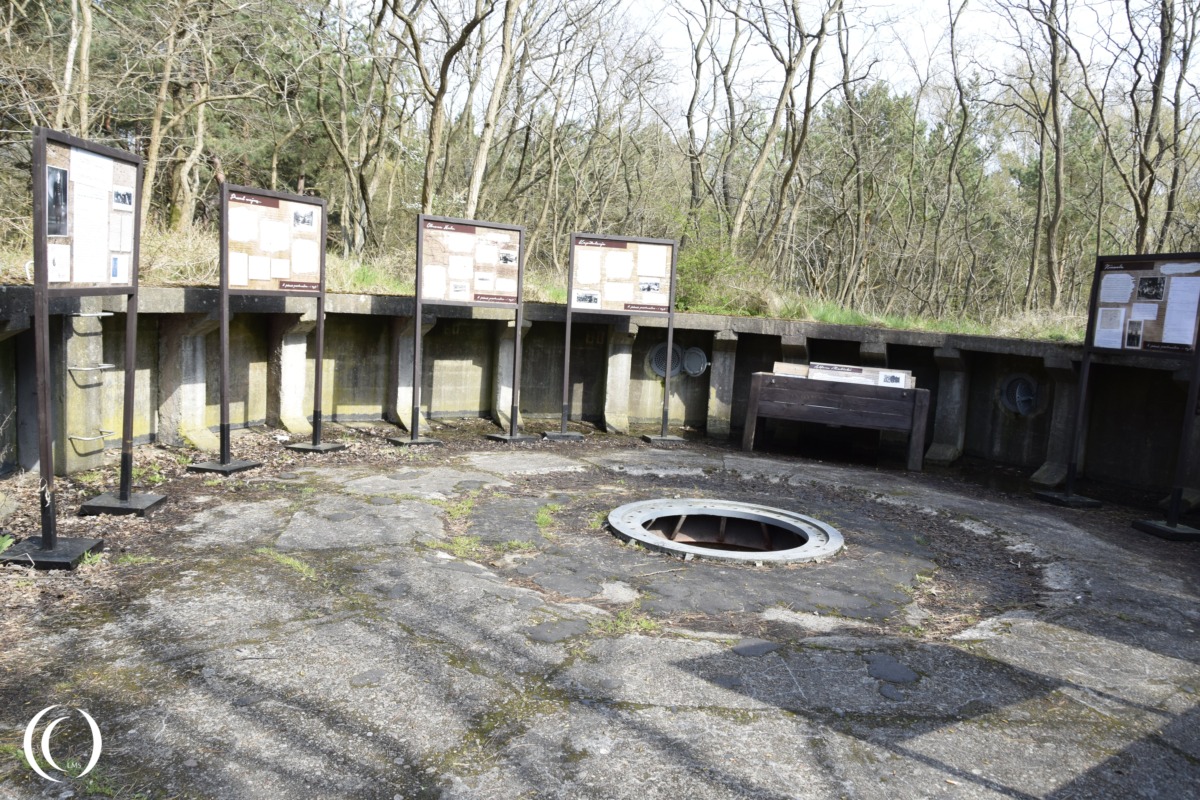
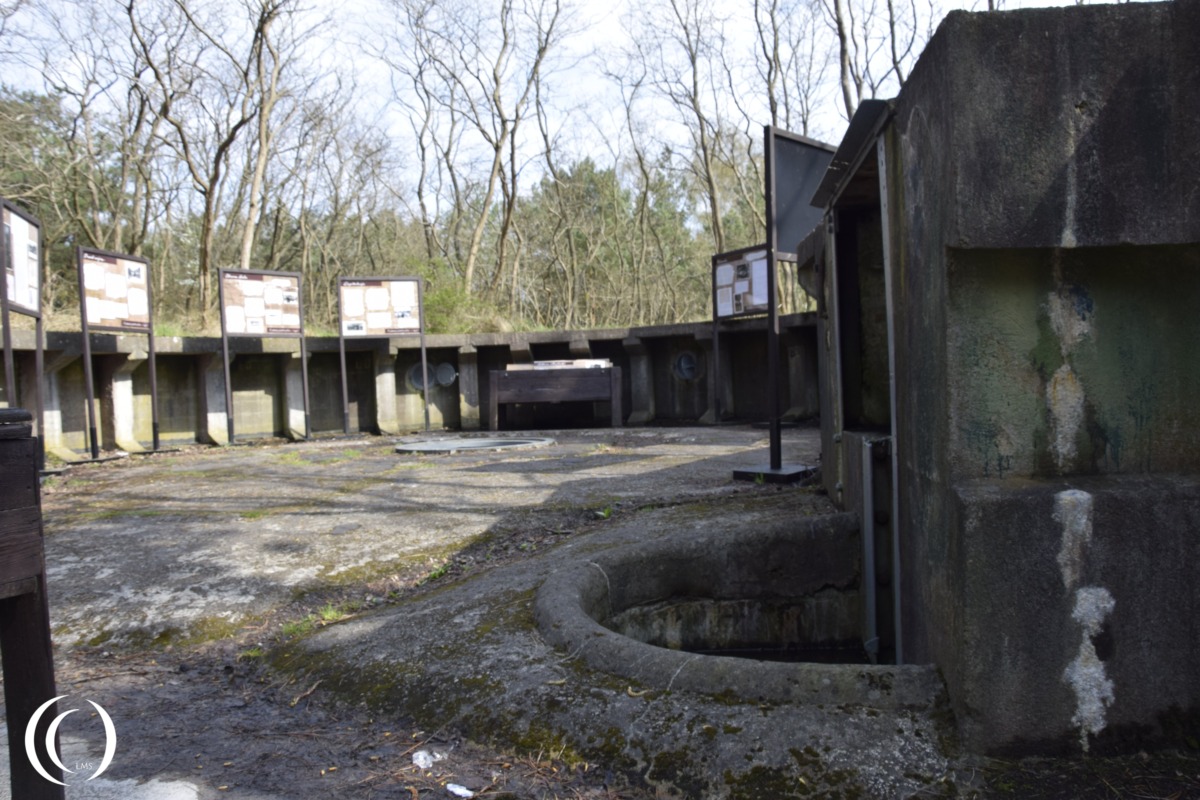
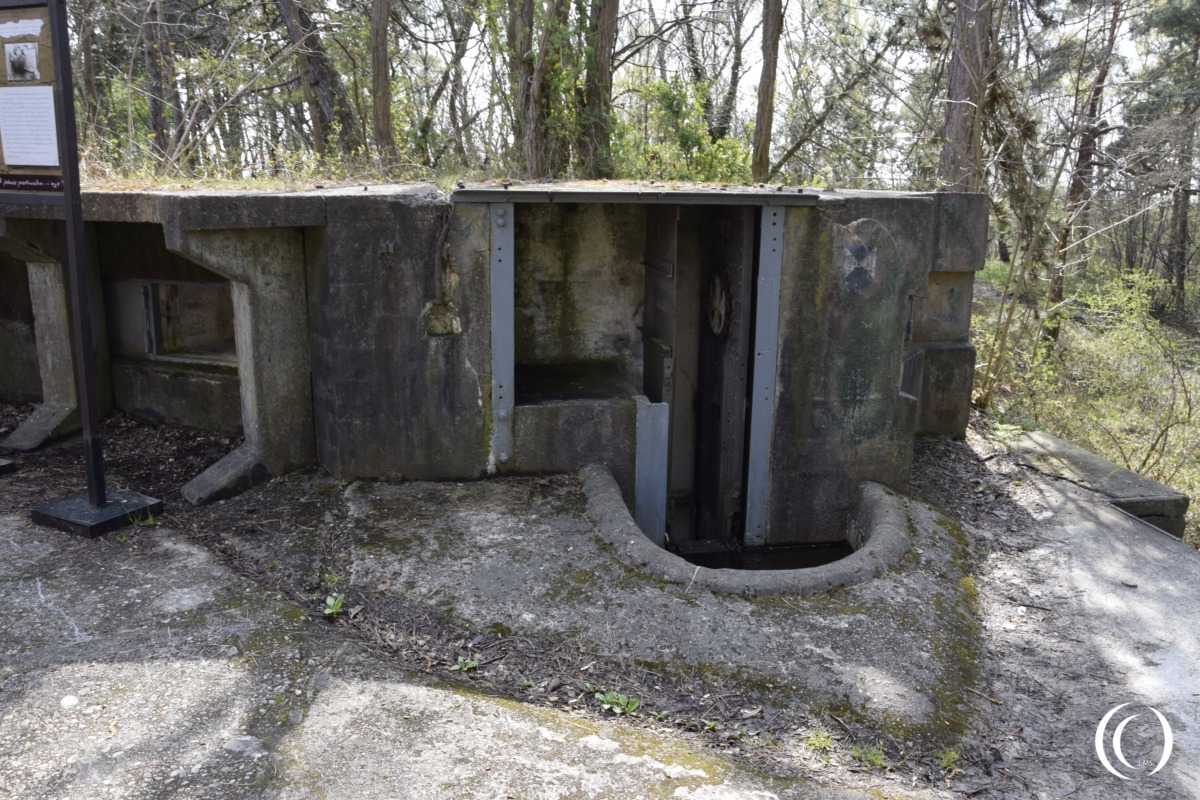
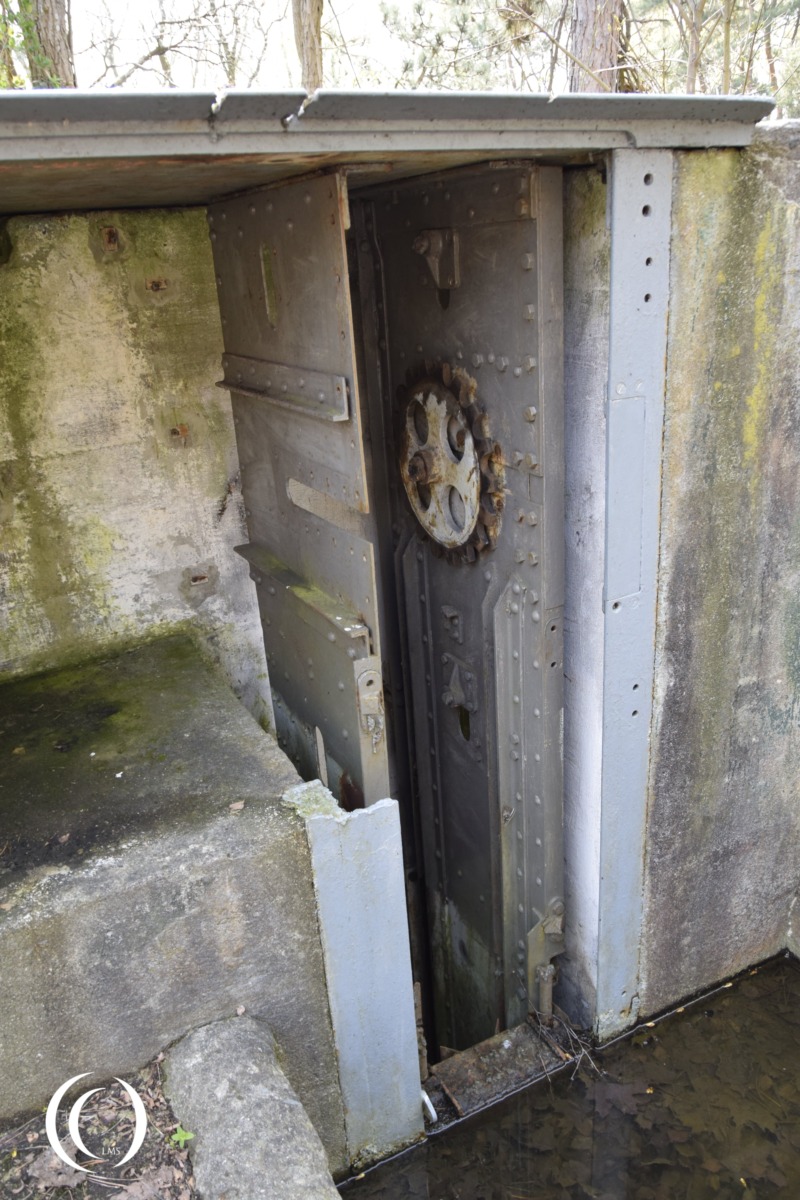
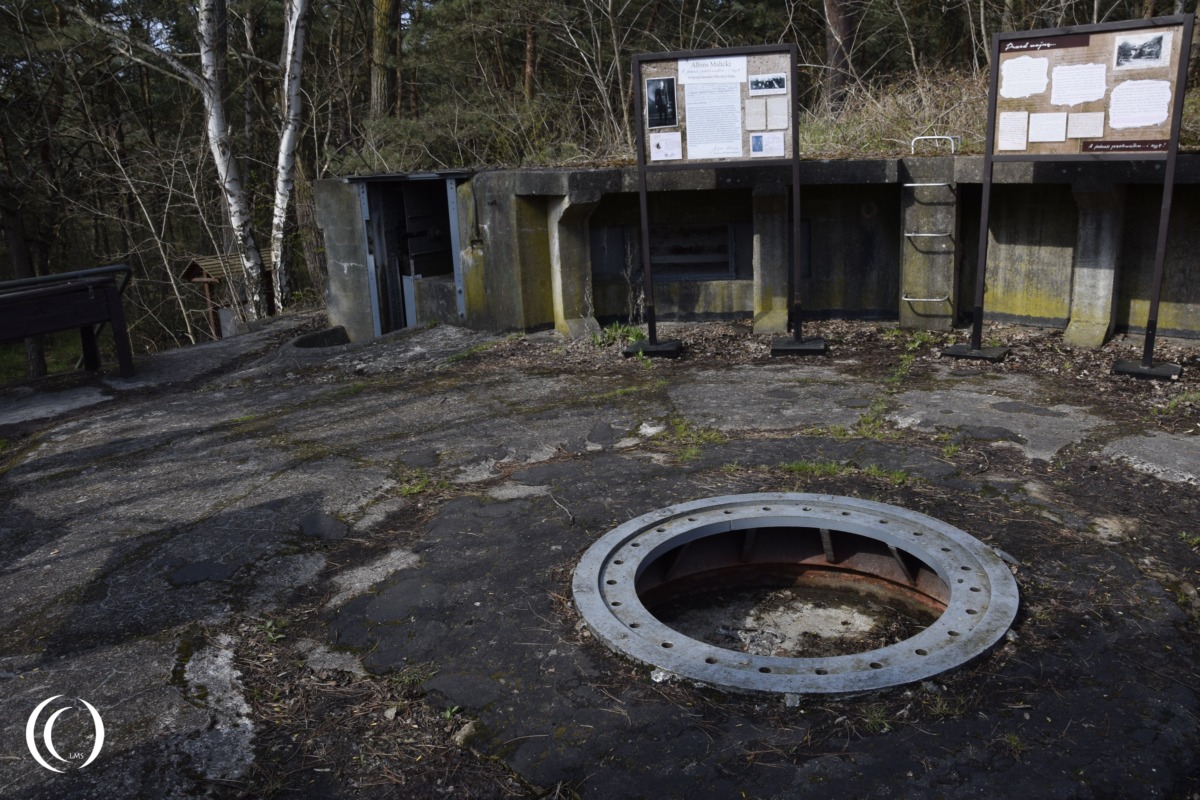
The battery was a four-gun coastal artillery installation positioned at the headland (cyplu) of the Hel Peninsula, giving it wide fields of fire on the Baltic Sea and Gdańsk Bay. It consisted of four reinforced concrete gun emplacements, each equipped with a 152.4 mm Bofors wz. 35 gun, four powerful medium-calibre naval artillery for coastal defence. The layout included ammunition magazines and crew shelters under the emplacements, they were concealment in forested terrain with camouflage nets.
During the German invasion of Poland starting on 1 September 1939, especially the Battle of Hel, Battery No. 31 played a critical defensive role. It was the strongest coastal battery in pre-war Poland and one of the key elements holding off German naval and ground forces. The battery engaged German warships, including duels with the Schleswig-Holstein and Schlesien, scoring hits and keeping enemy forces at bay. The position continued firing during the 32-day defence of Hel, longer than the defence of Warsaw or Modlin, despite limited ammunition and increasing pressure. There were casualties and damage when heavy German shells hit the battery’s positions, but it remained operational throughout much of the campaign.
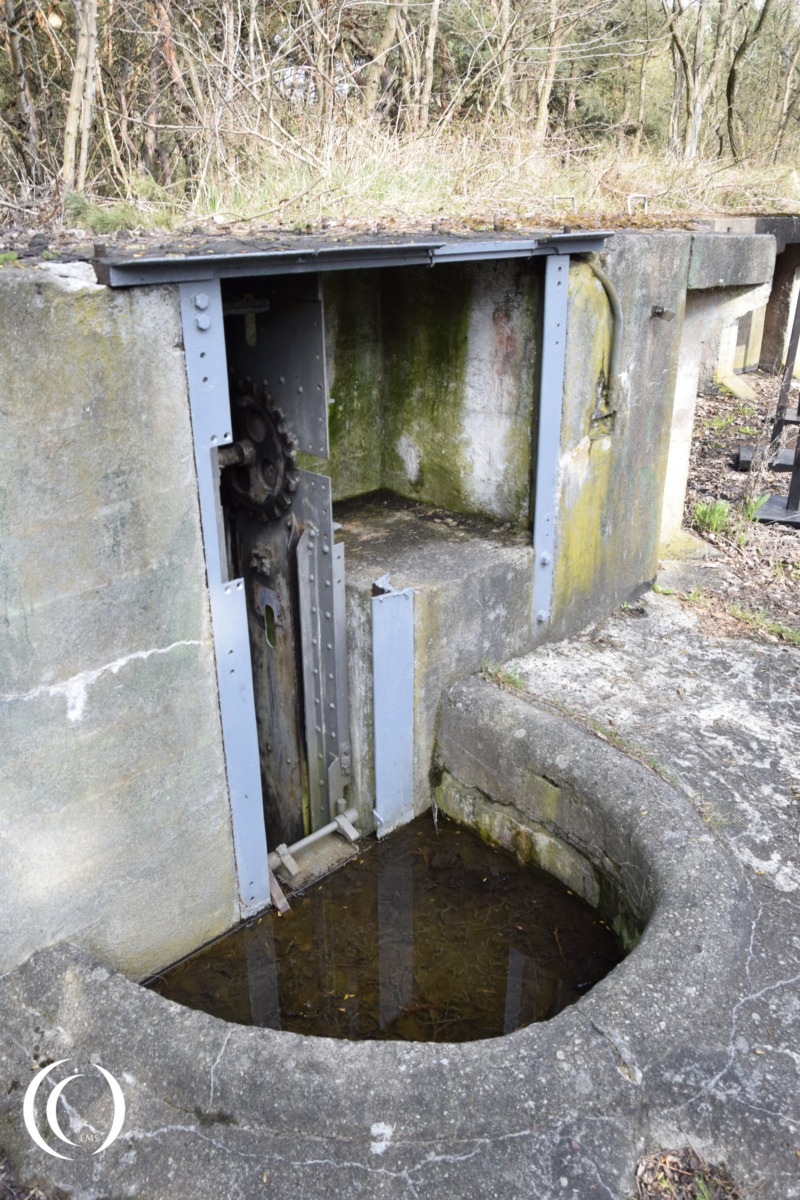
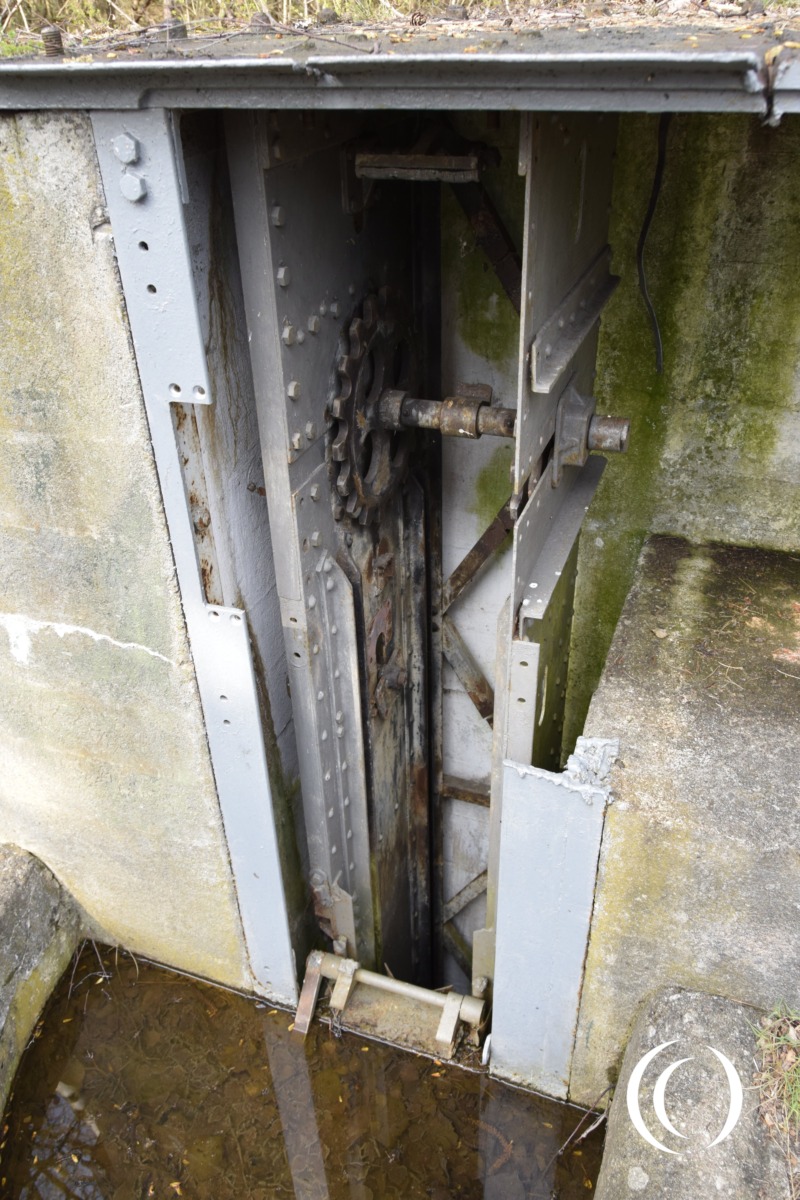
After 1945, the battery’s gun positions were reused by the Polish coastal artillery under the new 13th Independent Coastal Artillery Squadron (13 BAS); they were re-armed with Soviet B-13 130 mm guns until coastal artillery was phased out in the 1970s. One of the original guns and post-war guns remains preserved and is reinstalled in 2023 as part of the Muzeum Obrony Wybrzeża (Coastal Defence Museum).
152.4 mm Armata nadbrzeżna Bofors wz. 35
The 152.4 mm Bofors wz. 35 (Armata nadbrzeżna Bofors wz. 35 kal. 152,4 mm) was a heavy coastal defense gun developed by the Swedish company Bofors and used by the Polish Army in the lead-up to World War II. It was a coastal defense gun (armata nadbrzeżna) designed to combat ships. The gun was developed by Bofors in Sweden in the 1930s and adopted by Poland in 1935. The guns were installed to defend the Polish coastline, specifically for the defense of the naval base in Hel. The guns were in service from 1935 to 1939, and in some cases after 1945 until approximately 1954. A total of eight guns were ordered, but the outbreak of war affected delivery and only four guns were delivered to Poland before the 1939 war
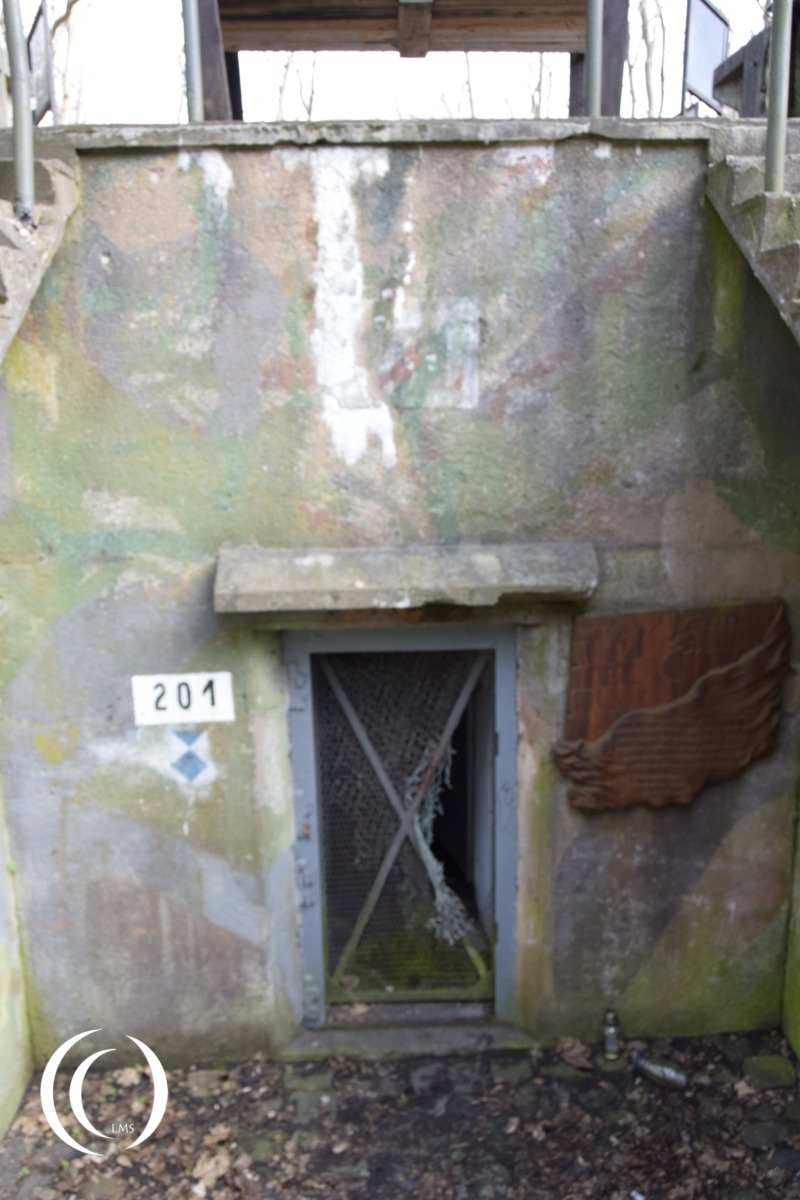
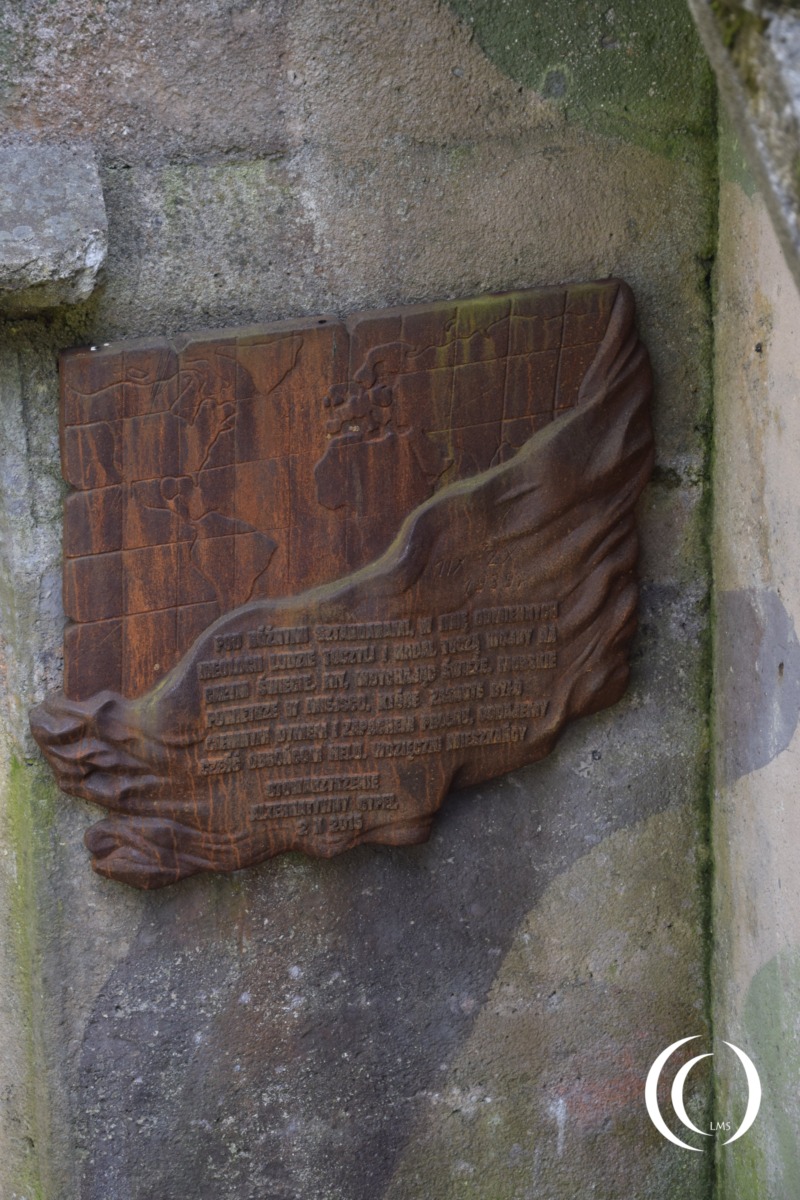
Installed on pedestal mounts within reinforced concrete emplacements these guns with an operational purpose of coastal defense, were designed for long-range engagement of naval vessels. The 152.4 mm (6-inch) Bofors wz. 35 coastal gun, used by Poland to defend the Hel Peninsula in 1939, had a maximum firing range of approximately 26,000 meters (roughly 28,400 yards). The 152.4 mm kalibre guns could fire 8 rounds per minute.
Next to the large bofors gun the battery used 75mm Schneider guns with an firing range of about 9,500 m (10,389 yds) to 11 km 11,000 m (12,000 yd) depending on the model.
Hel in German Hands
After the Hel Peninsula fell into German hands the Kriegsmarine strengthened the peninsula even more with extra gun positions and radar. A Wurzburg Riese was built, a new fire control tower and three huge gun emplacements named Battery Schleswig-Holstein. Three 40.6 cm SK C/34 guns strengthened the Island for a short while, before the guns were transported to the Atlantic wall in France and placed in Battery Lindeman on the English Channel. The Wurzburg Riese position was used as the foundation for an observation tower after the removal of the radar itself.
The Germans used Hel’s naval base to train U-Boat crews. In the aftermath of the war the German forces in the village Hel on the peninsula were the last to surrender in Poland on the 14th of May 1945, six days after the capitulation of Germany.
Which is pretty particular, for the last of the Polish forces surrendered on the Hel Peninsula at the start of the war for Poland, and the last of the Germans surrendered on the peninsula in the last days of the second World War. It seems no one wants to give up Hel.
Visit
Just drive to the town of Hel, the batteries are mostly outdoors. We got a ride from some nice Polish locals in a golf cart. A service from a local hotel. The Hel peninsula has great beaches and lovely nature. Besides these batteries there are museums and other WW2 sites to visit.

Fantastic article, as always. Ive been to a few locations that you have recommended. Thankyou. Happy new year
Thank you sir
Weer een geweldig artikel! Interessant.
Dank je wel Alex