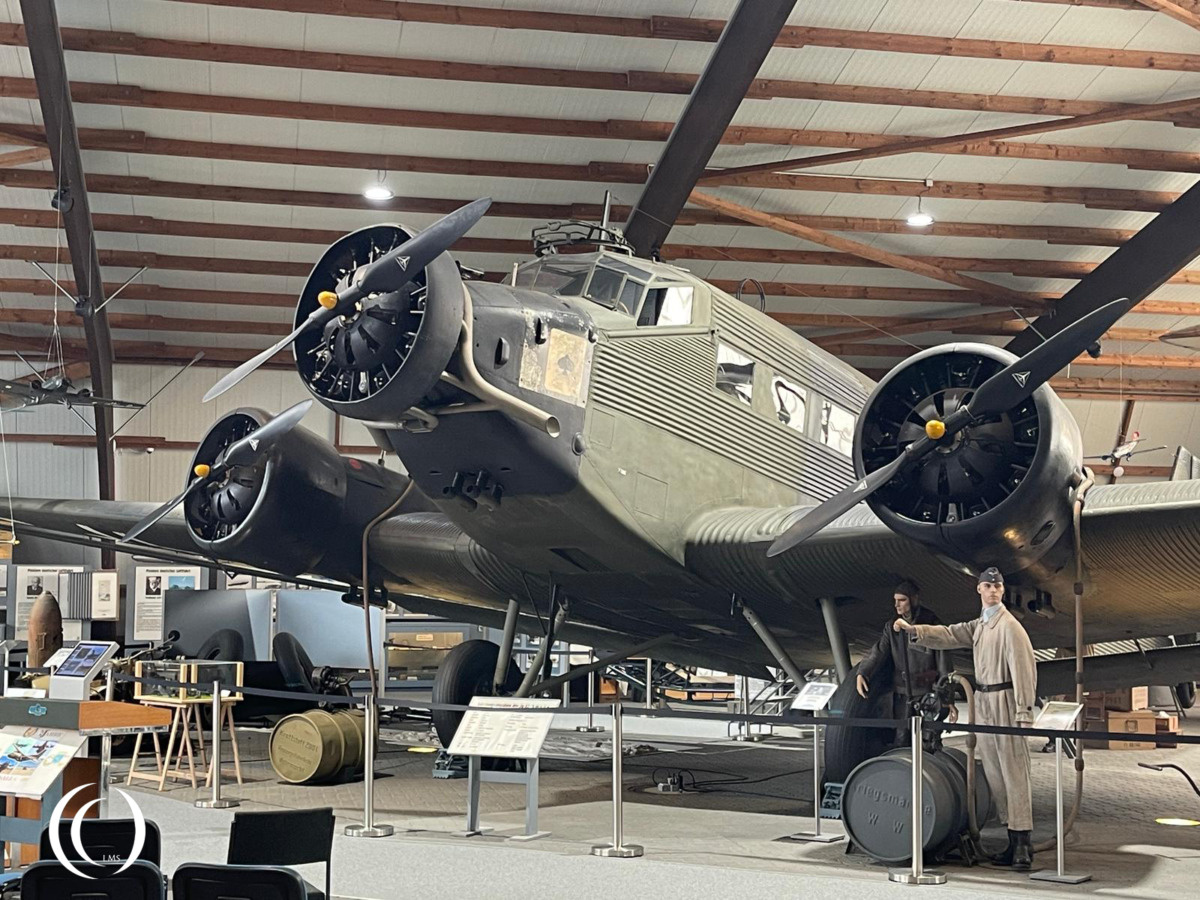
The JU52-Halle (Eng. Hangar) is an aviation museum located at Wunstorf Air Base in Lower Saxony, Germany. The museum preserves and presents the history of German military air transport and the development of Wunstorf as an important military airfield. Just before World War Two the lands were reconstituted by the National Socialist government in 1935 and converted into Fliegerhorst Wunstorf (Eng. air base Wunstorf). It is run by the Traditionsgemeinschaft Lufttransport Wunstorf e.V.
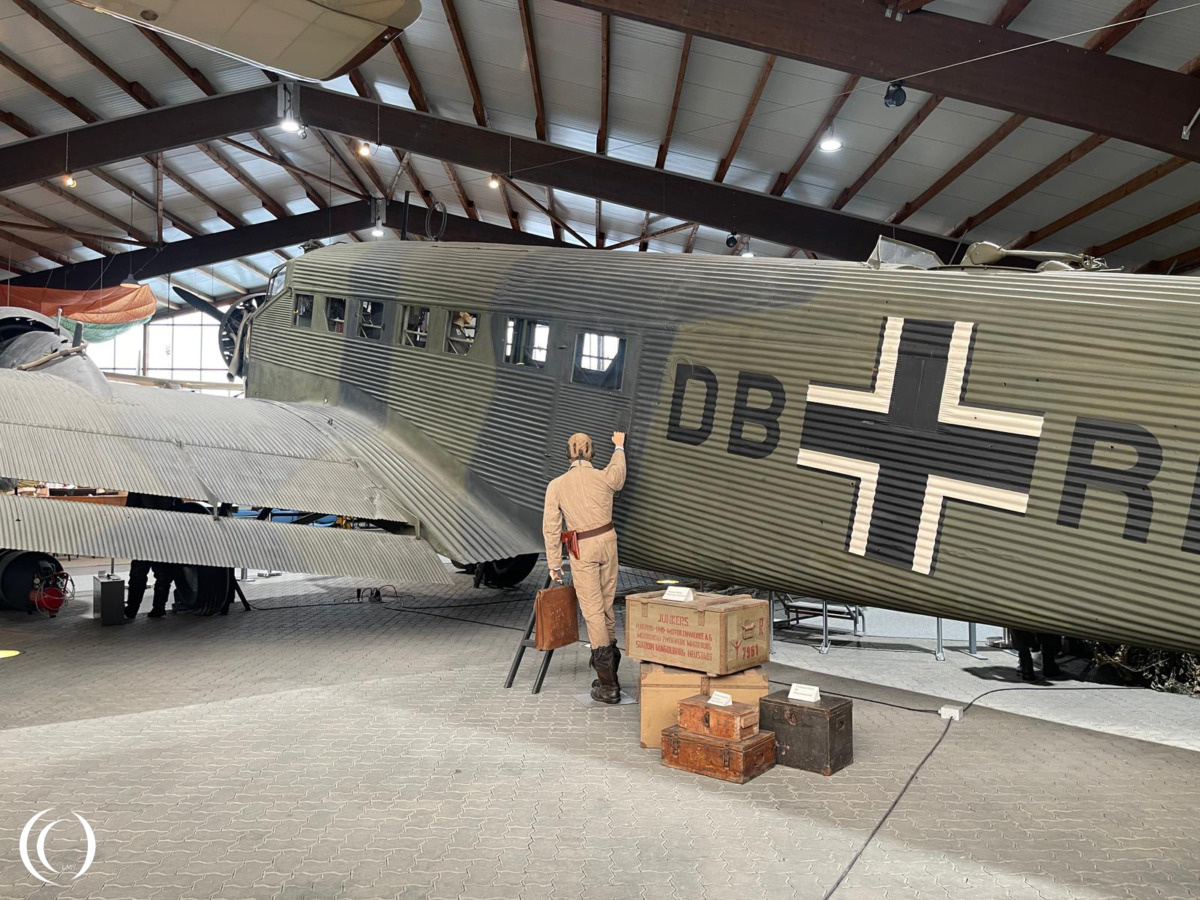
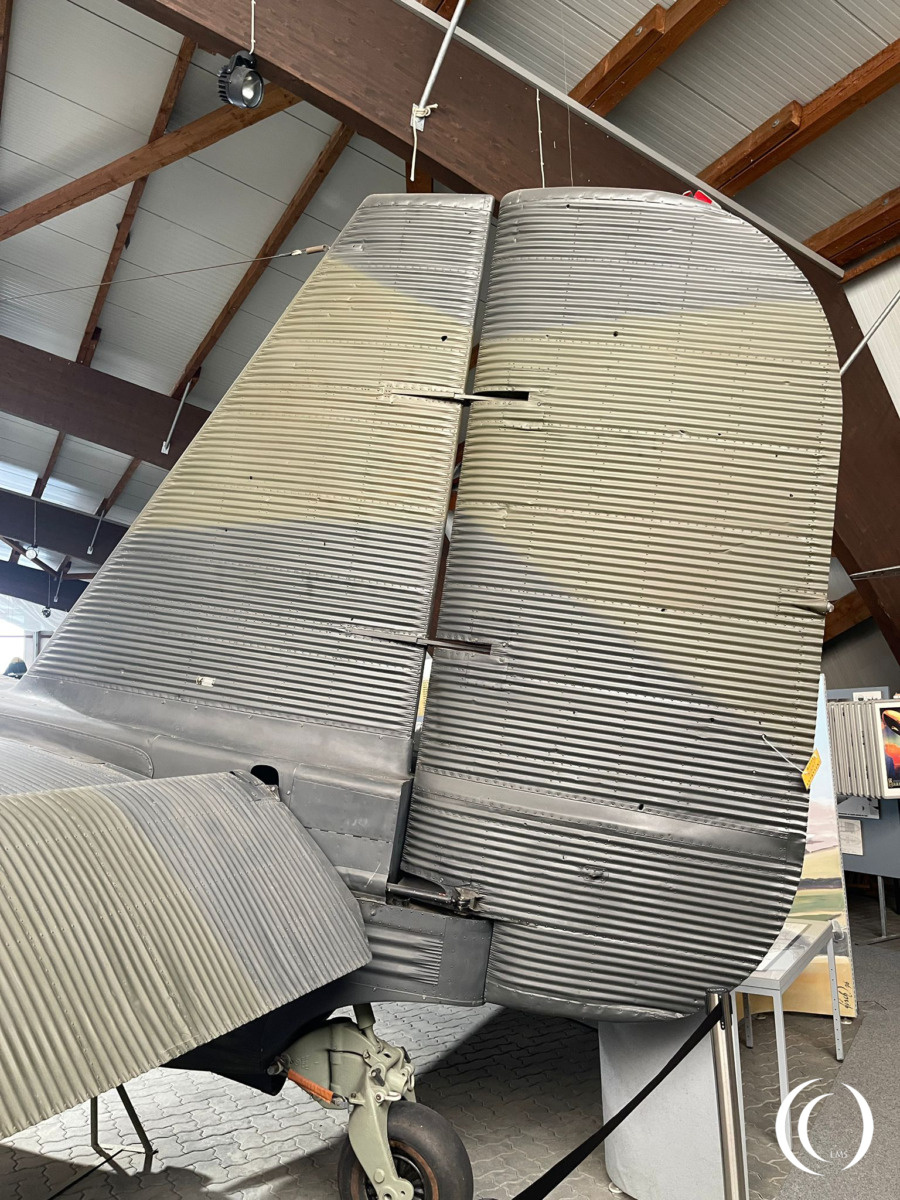
The museum’s main attraction is a Junkers Ju 52/3m g4e, one of Germany’s most famous transport aircraft. The aircraft was recovered from Lake Hartvikvann in Norway in 1986, after spending more than 40 years underwater. It was carefully restored and is now displayed inside the museum. The collection also contains several other significant aircraft, including a Noratlas N 2501, C-160 Transall, Dornier Do 28, Piaggio P.149, UH-1D helicopter, Mi-8 helicopter, and a DFS 230 cargo glider. Exhibits include aircraft components, models, photographs and historical information.
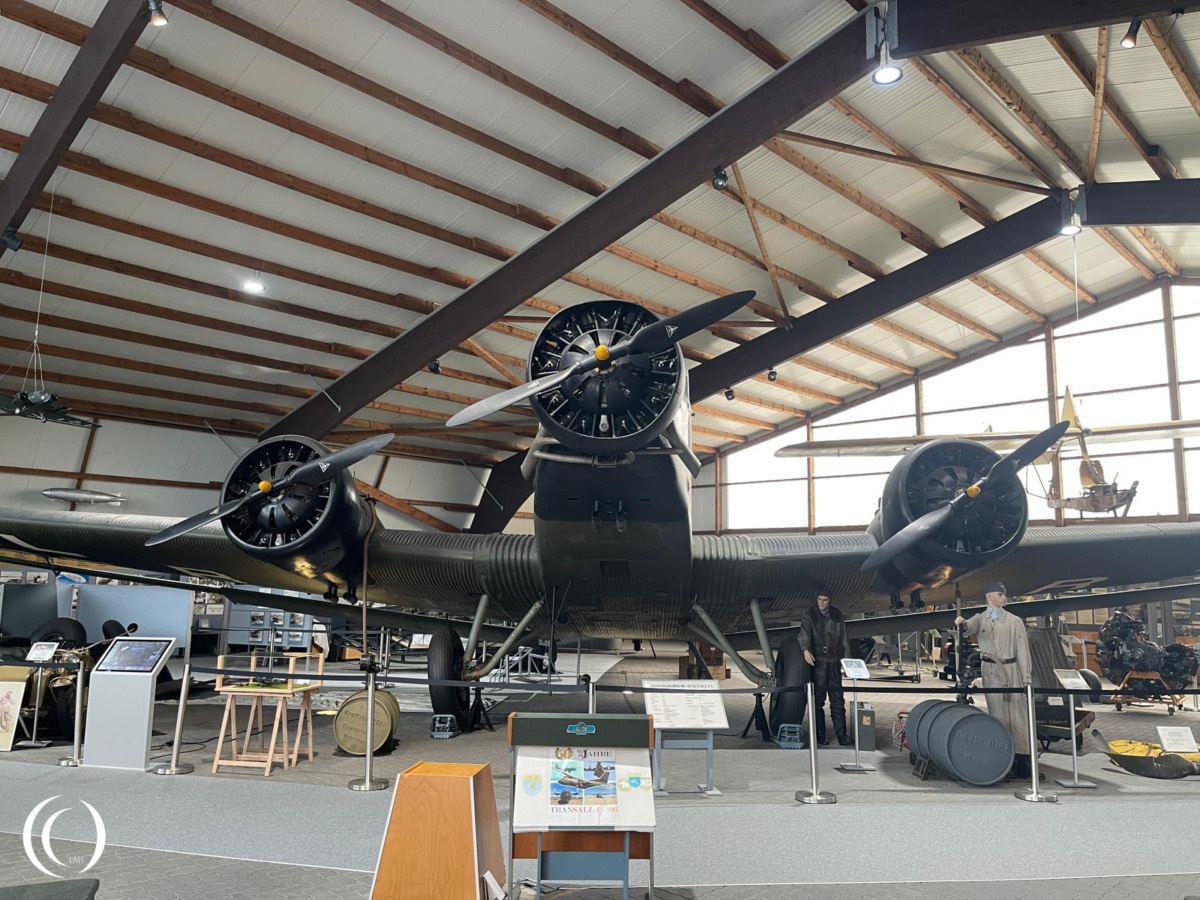
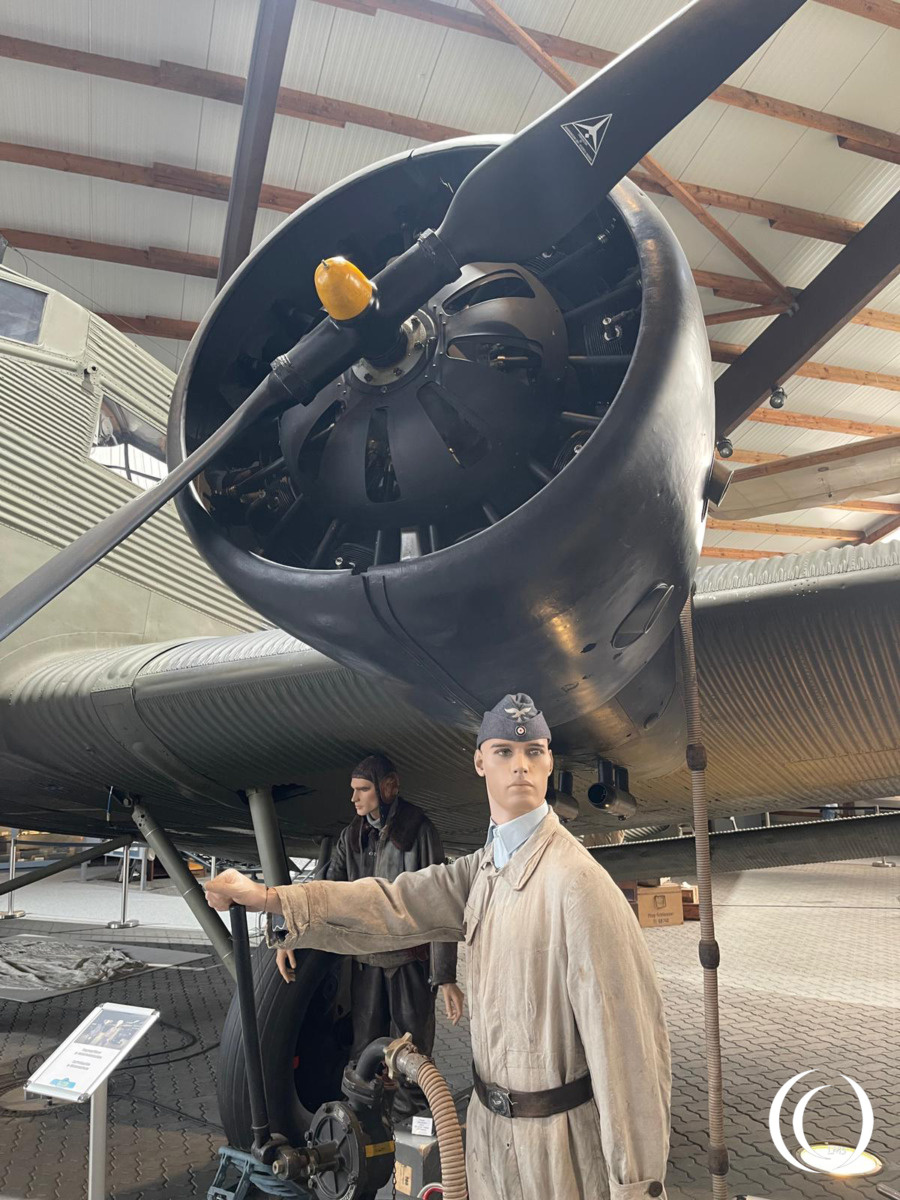
The museum provides visitors with an opportunity to learn about the technology, crews and operations involved in military air transport. Its collection also demonstrates how transport aircraft evolved from the 1930s to the Cold War period.
On April 11, 2013, the Ju-52 Museum, the Laatzen-Hanover Aviation Museum with Aeronauticum in Nordholz and the Bückeburg Helicopter Museum joined forces to form the “Working Group of Lower Saxon Aviation Museums.”
Fliegerhorst Wunstorf
Fliegerhorst Wunstorf was established as a Luftwaffe airfield in 1936 and became an important German military aviation base during the Second World War. It was used by various Luftwaffe units, multiple Kampfgeschwaders, Jagdgeschaders like the Condor Legion. The airfield operated aircraft including the Junkers Ju 52, which was one of the Luftwaffe’s principal transport aircraft. Wunstorf’s location made it useful for moving personnel, equipment and supplies to different areas of the German military front. Transport aircraft based there also supported airborne operations and other military activities.
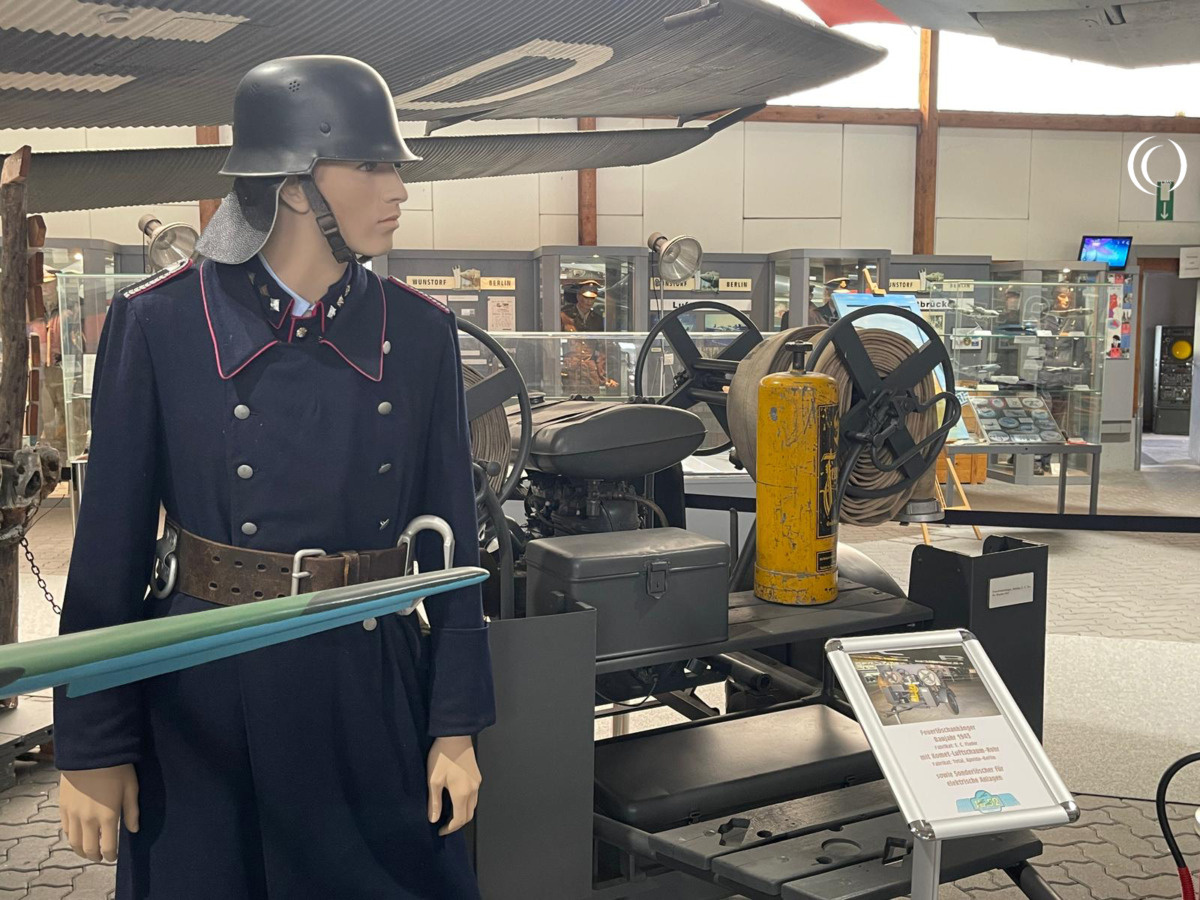
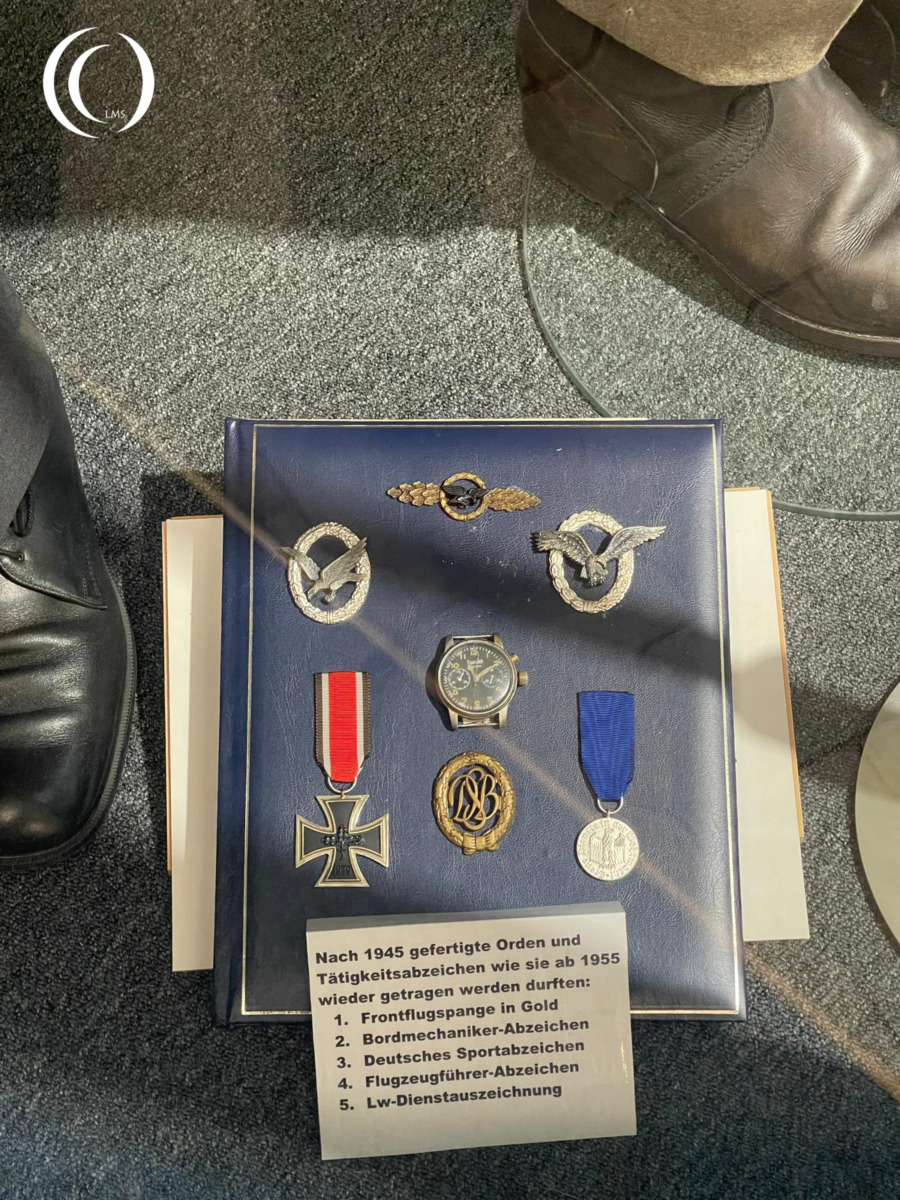
The base contained runways, aircraft maintenance facilities, hangars, barracks and other military infrastructure. As Allied bombing intensified during the later years of the war, German airfields became increasingly vulnerable to Allied air attacks. In April 1945, advancing Allied forces reached the Wunstorf area. The Luftwaffe presence at the airfield ended as Germany collapsed, and the site was subsequently taken over by the British RAF.
Visit
Parking is nearby and free, check out the museum opening times before your visit.
