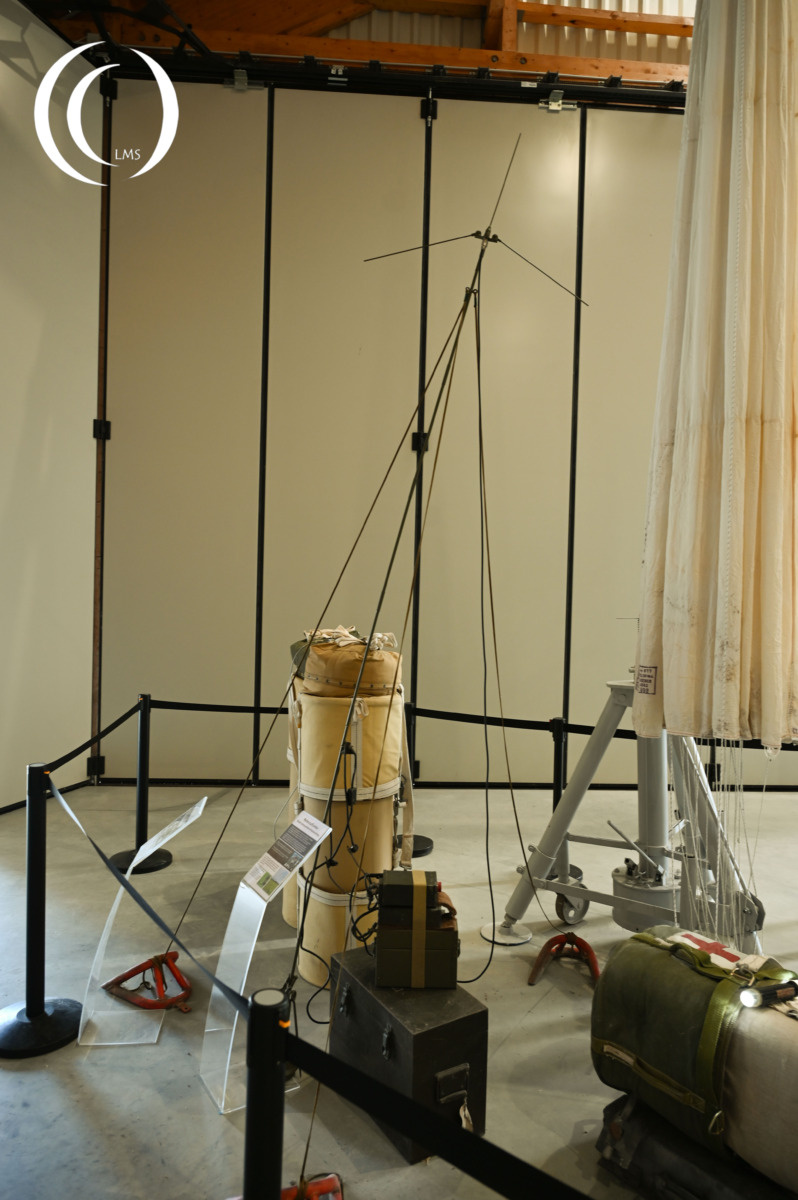
The Rebecca/Eureka system was a British-developed radio navigation aid used during the Second World War to help Allied aircraft locate drop zones accurately, particularly at night and in poor visibility. It played an important role in airborne operations and in supplying resistance groups in German-occupied Europe. The system was developed by scientists Robert Hanbury Brown and John William Sutton Pringle at the Telecommunications Research Establishment in Britain.
The equipment consisted of two parts. Rebecca was the airborne transmitter-receiver installed in an aircraft, while Eureka was a portable ground-based transponder beacon. When the aircraft transmitted a radio pulse, the Eureka unit received it and automatically transmitted a response on a different frequency. Rebecca received this response and displayed information that enabled the aircraft crew to determine the beacon’s approximate distance and direction.
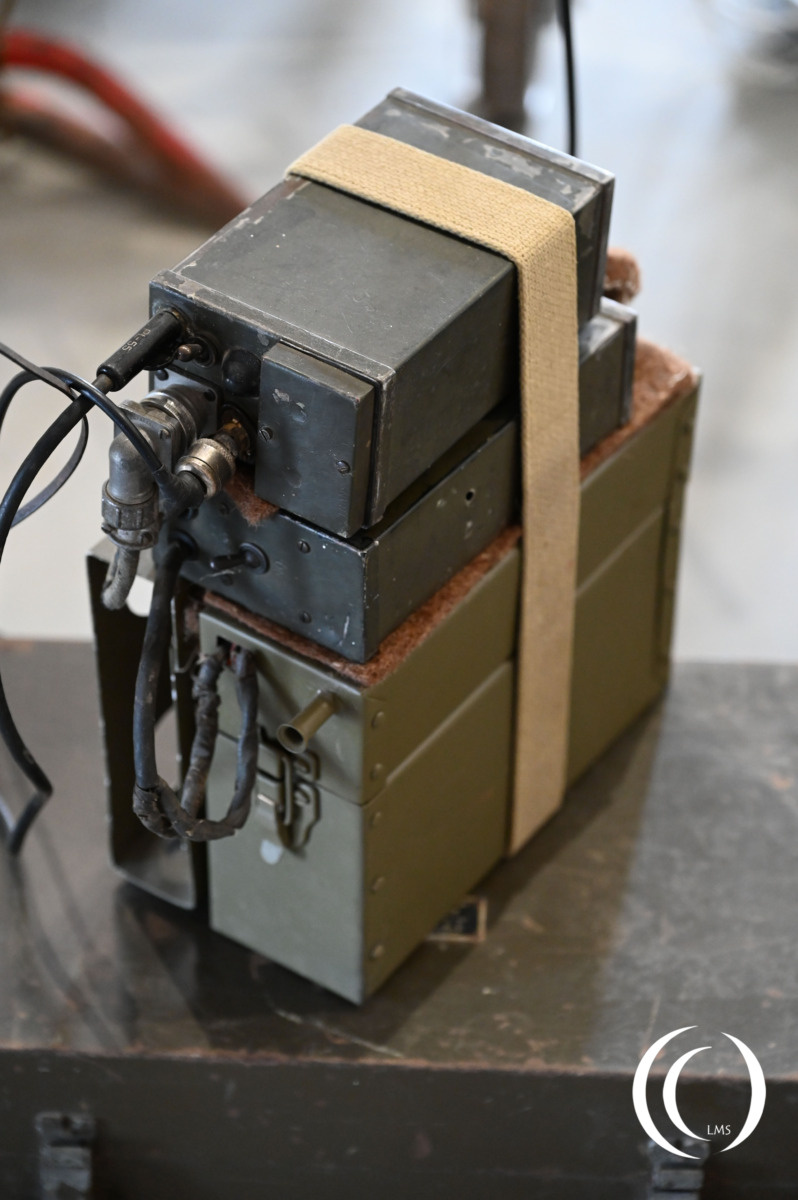
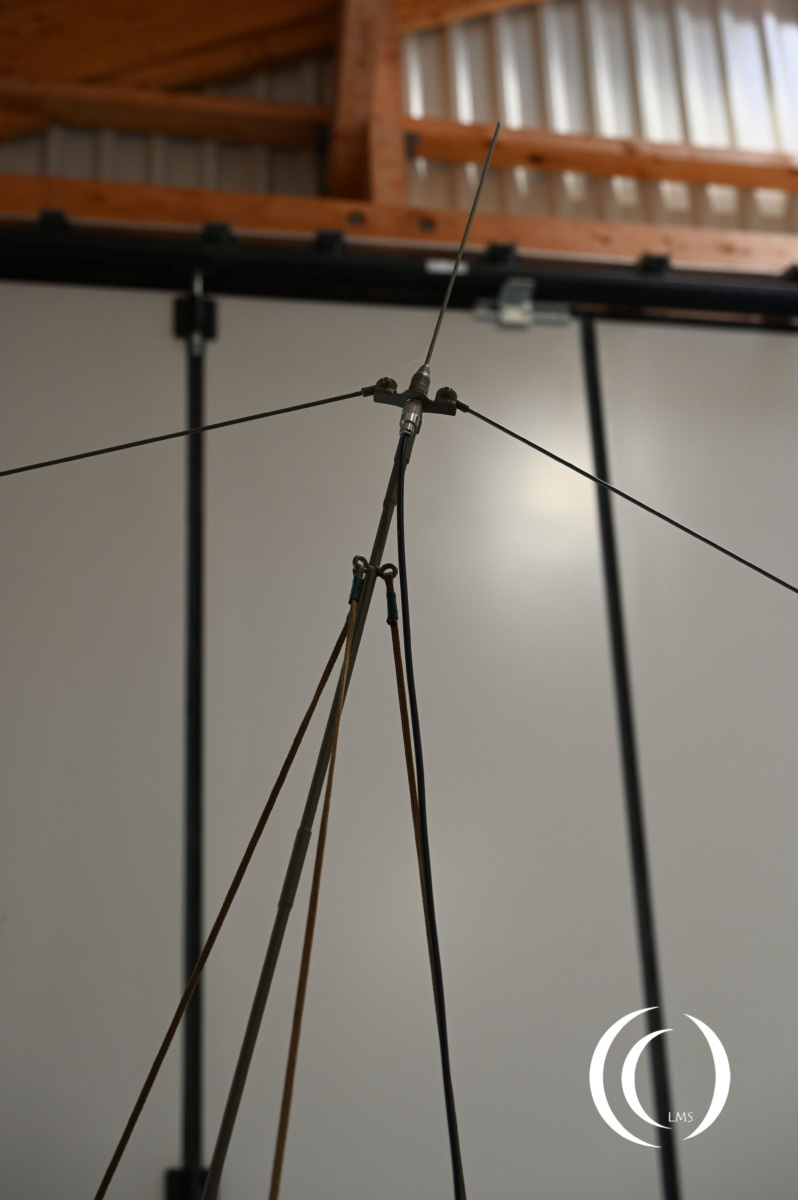
Eureka beacons could be delivered to resistance groups or carried by specially trained airborne pathfinders, who positioned them near designated landing or supply-drop zones. Aircraft equipped with Rebecca could then home in on the beacon, helping crews deliver paratroopers, weapons, ammunition, food and other essential supplies. The system was used by Allied forces in Italy in 1943 and during the Normandy airborne landings on D-Day, 6 June 1944. Upgrades and further developments of the device by the United States took place throughout the war.
Despite its advantages, Rebecca/Eureka had limitations. Its effectiveness decreased at very short range, and inaccurate positioning of the beacon or premature release could cause troops and supplies to land away from their intended destinations. Visual markers and other navigation methods therefore remained important.
Overall, Rebecca/Eureka represented a significant advance in wartime navigation, improving the accuracy and coordination of Allied airborne and clandestine supply operations.
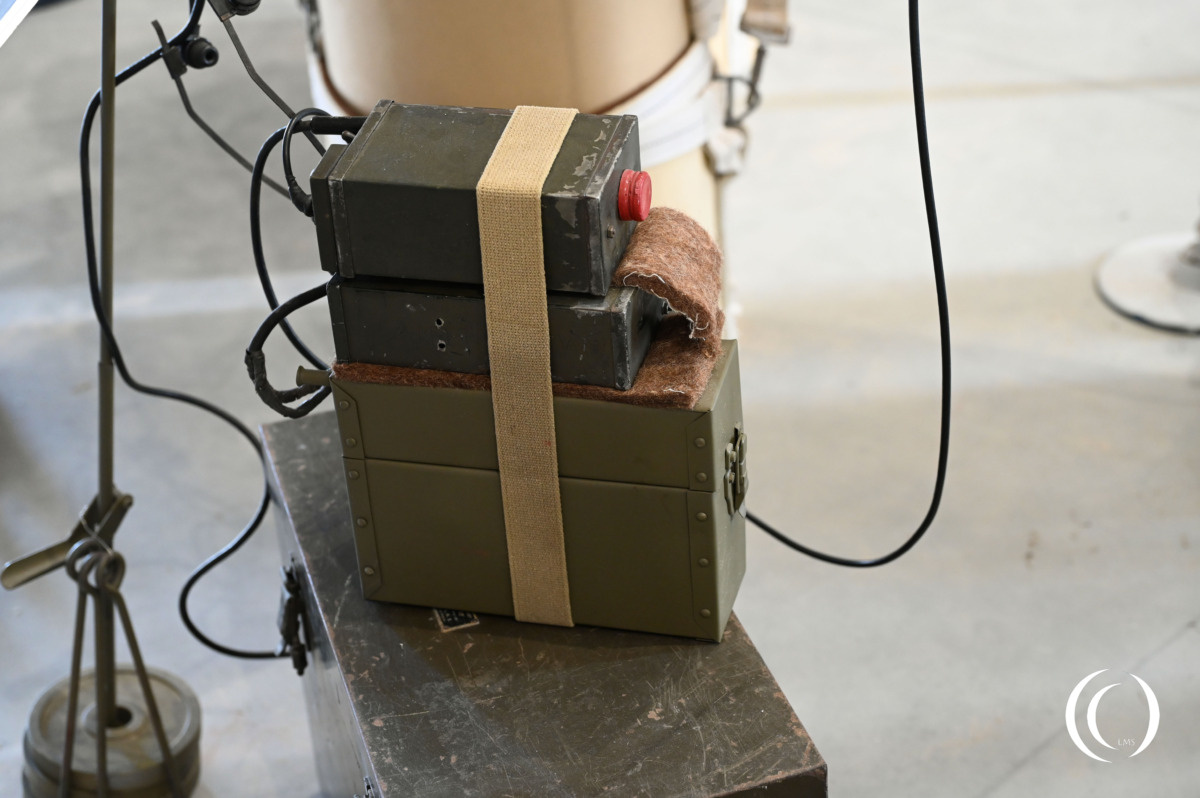
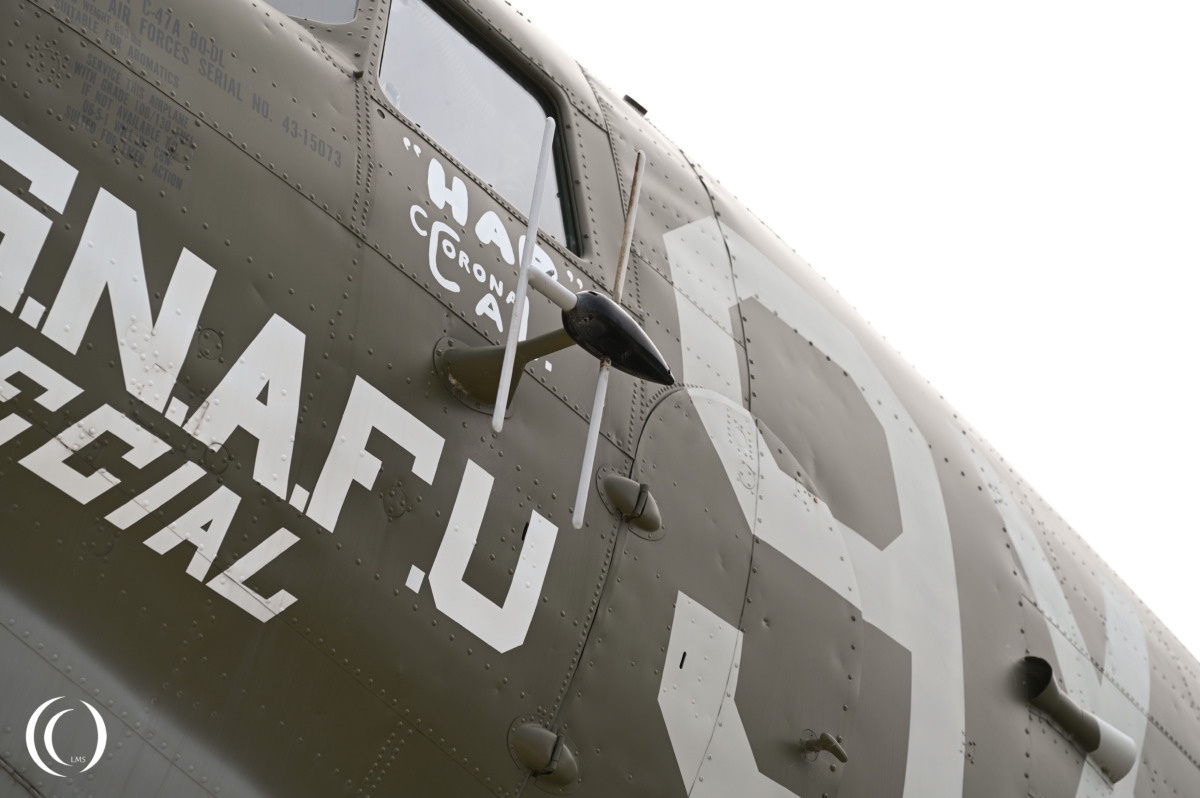
Rebecca AN-148 Antenna
The C-47 Skytrain used two AN-148 Antennas during the Normandy Invasion. One AN-148 was mounted on each side of the cockpit
just below the pilot’s window. The AN-148 Antenna was used to receive the Eureka radio signal sent by the Pathfinders that
landed just prior to the main Airborne landing. This signal was received by the Rebecca system mounted on board the C-47 Skytrain.
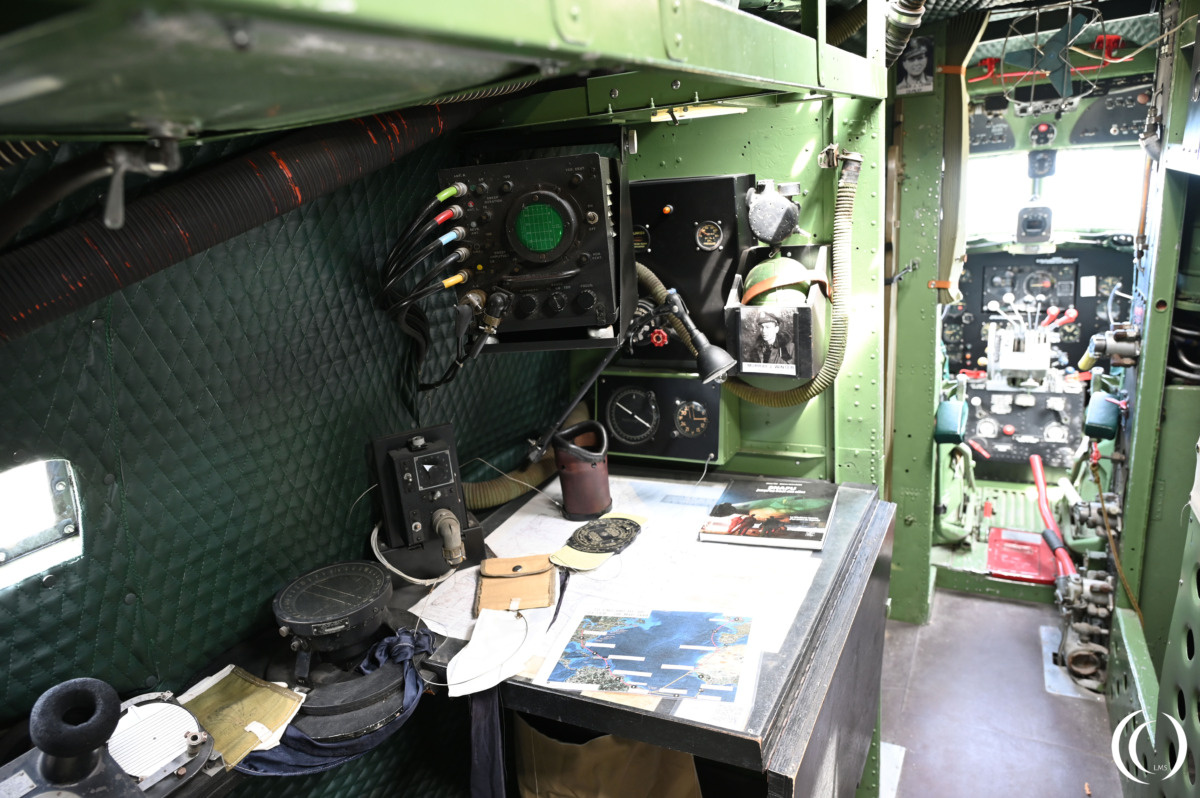
The photo above shows the radar Interrogator, BC-929-A, AN/APN-2 Rebecca Mk IIA used by the navigator to locate the dropzone selected by the Pathfinders who used the Eureka portable ground-based transponder beacon to guide the aircraft.
Sources
- histru.bournemouth.ac.uk
- awm.gov.au
- airandspace.si.edu
- amcmuseum.org
- dafhistory.af.mil
