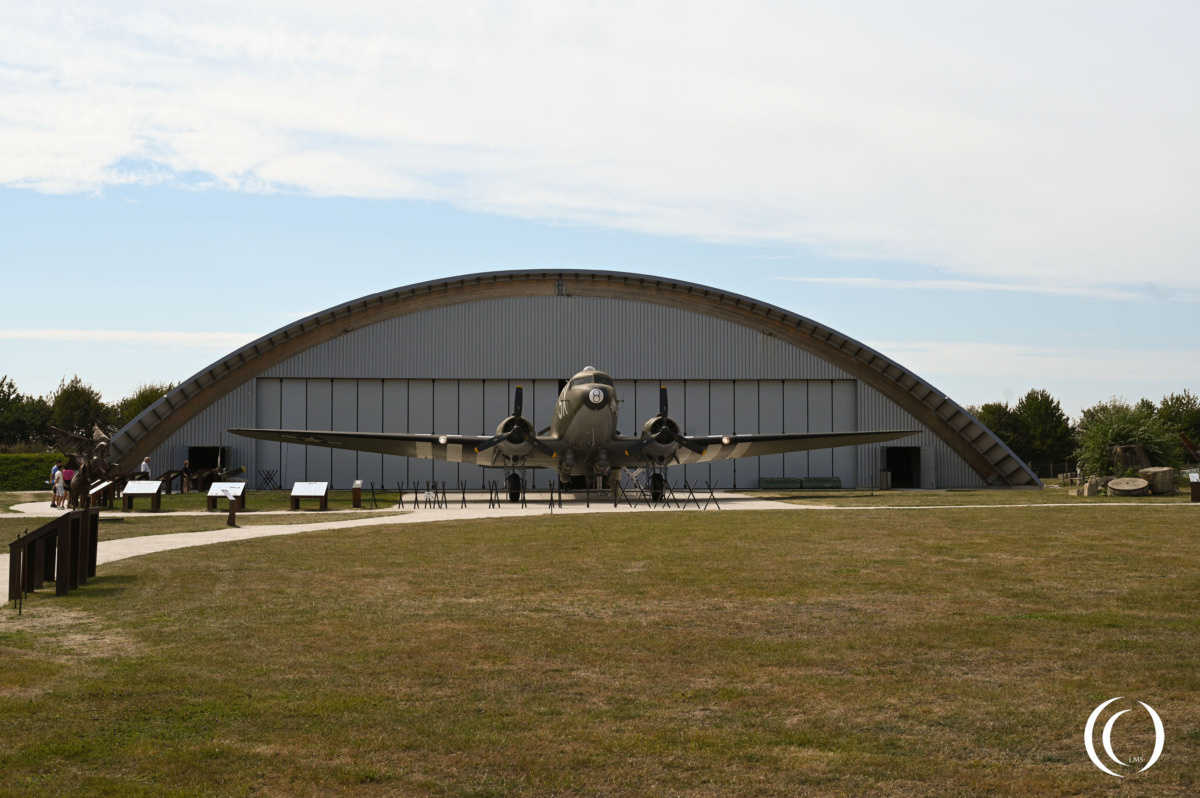
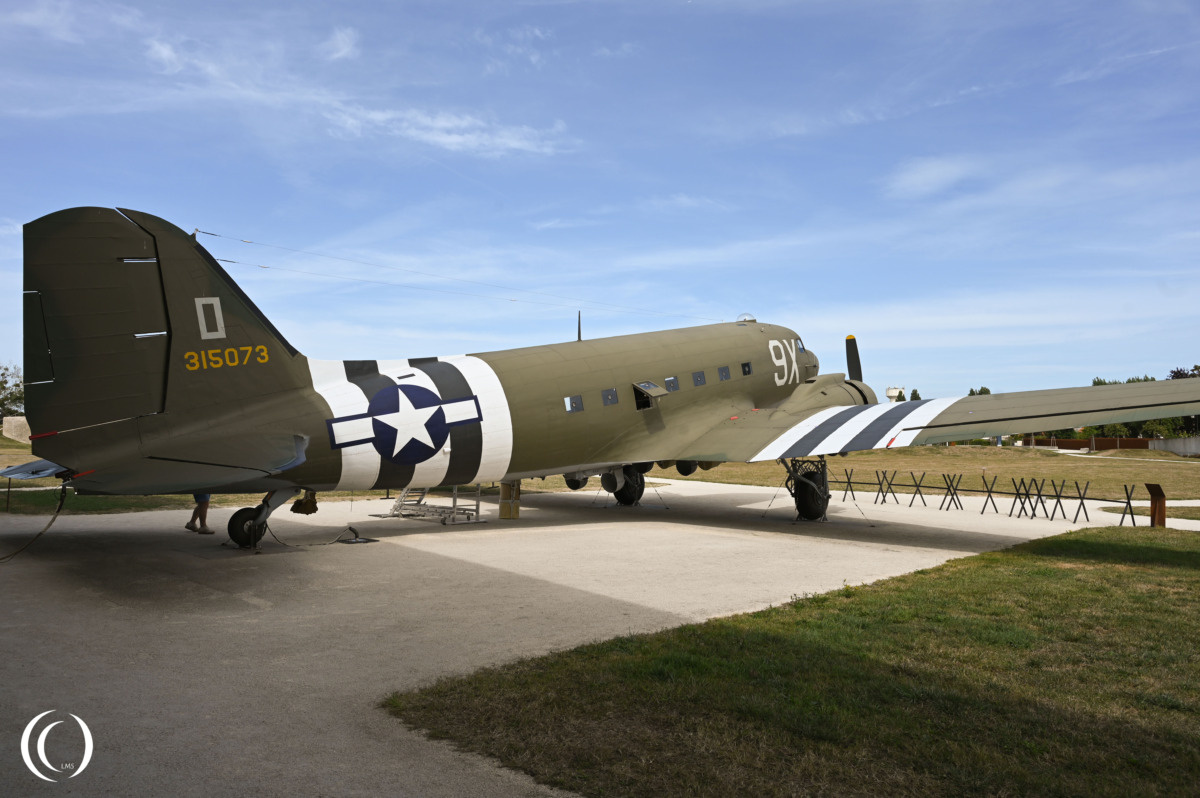
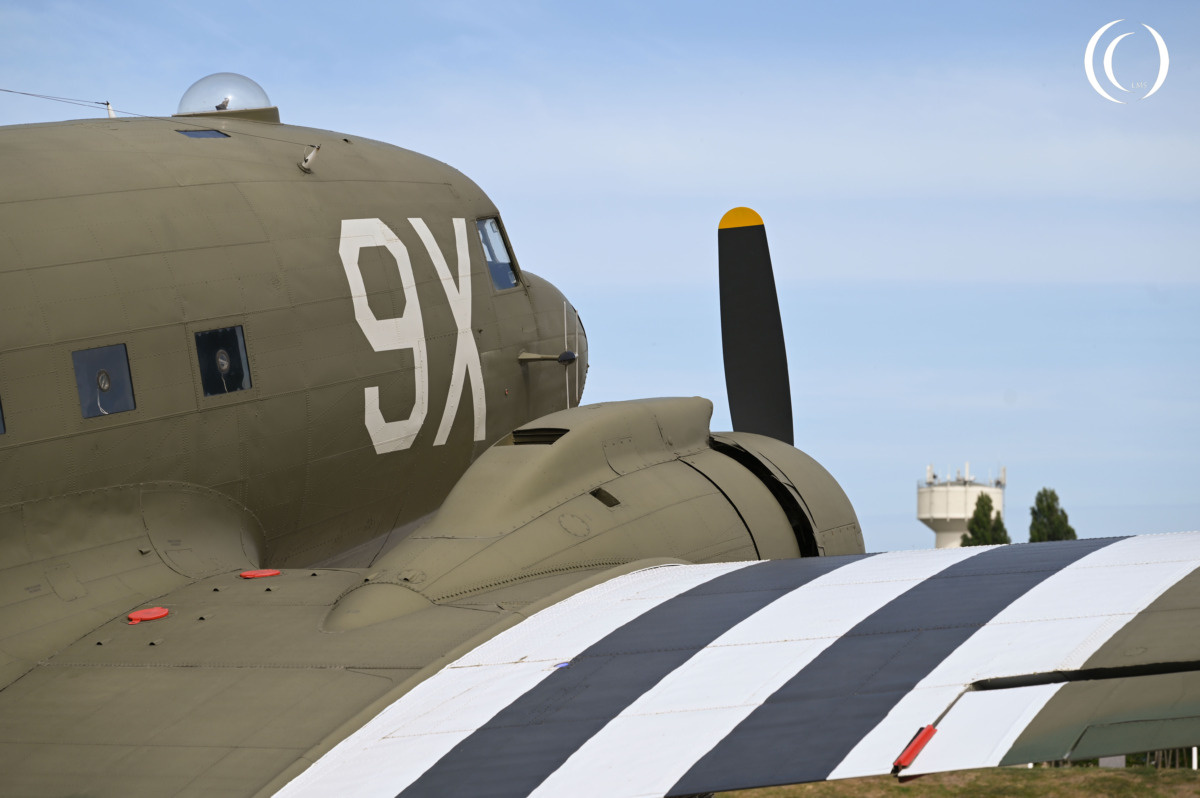
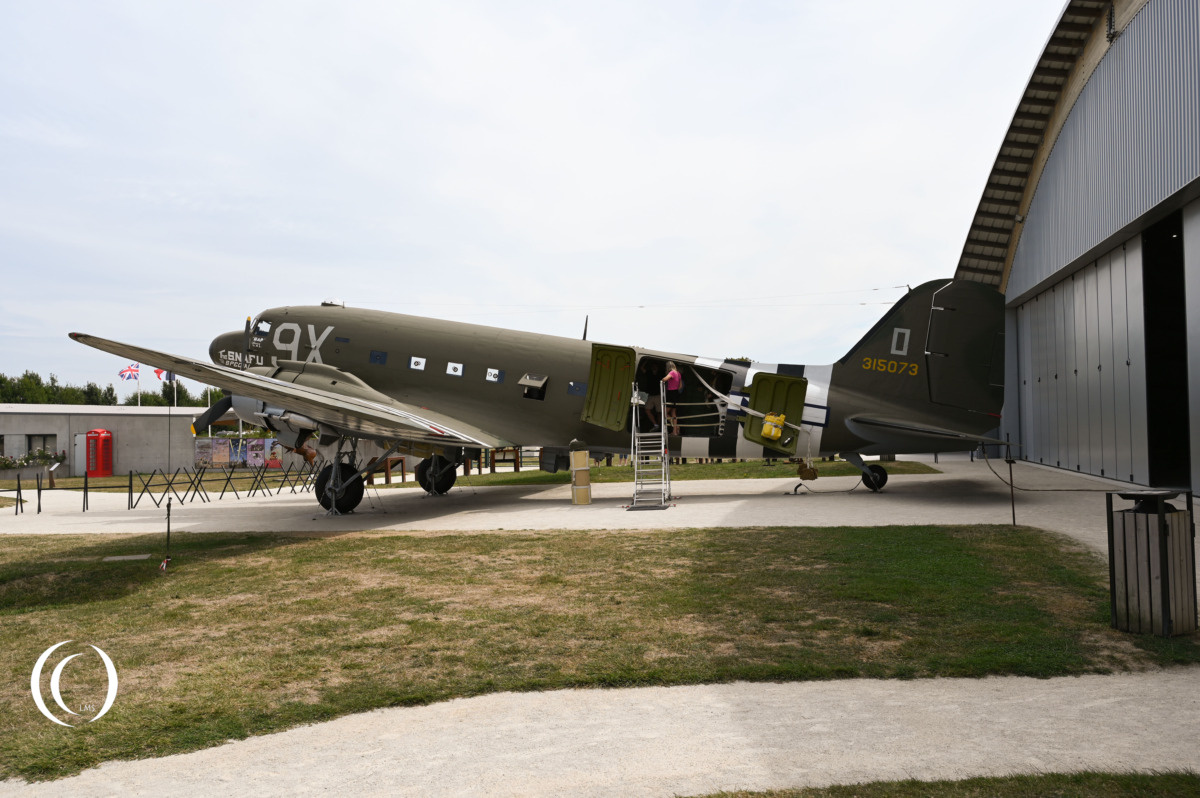
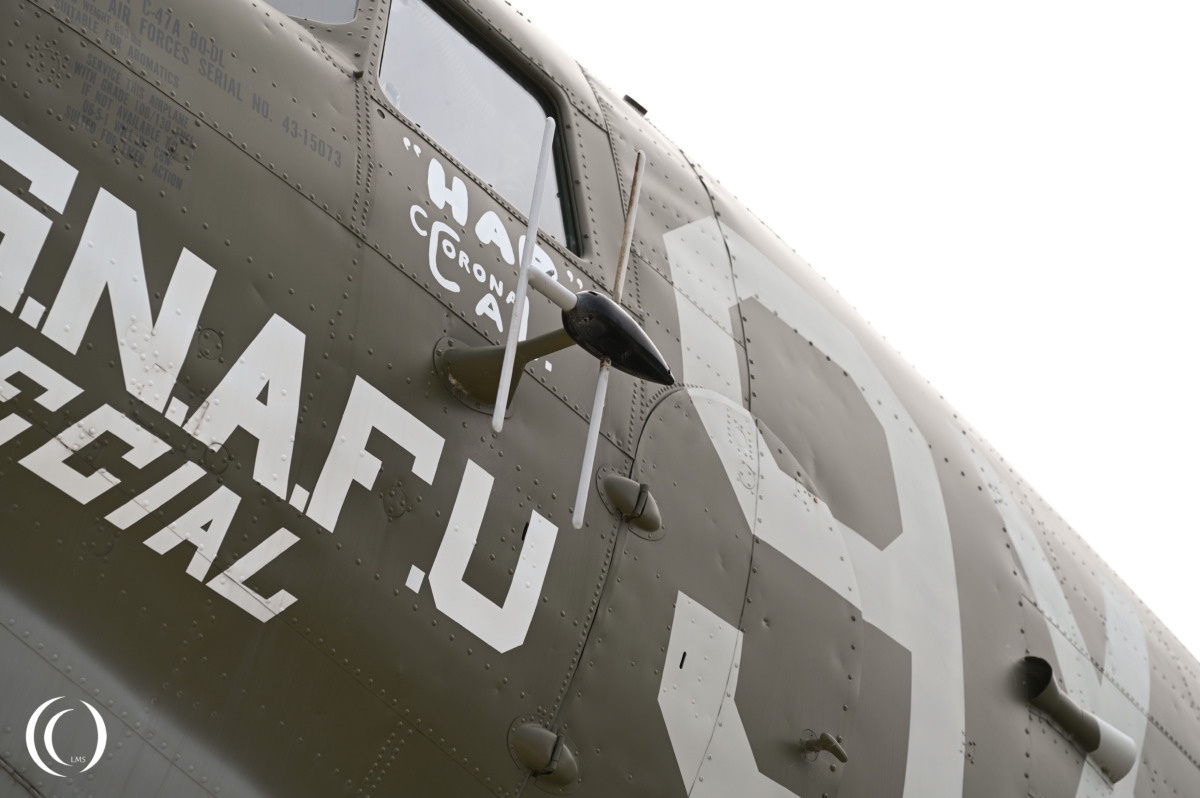
The Douglas C-47A-80-DL Skytrain with serial number: 43-15073, and construction number 19539, was built in Long Beach, California, and delivered on 29 january 1944. She was assigned to the 8th US Army Air Force on 29 February 1944, at the beginning of May 1944, to the 9th US Army Air Force in the 95th Troop Carrier Squadron (Squadron code 9X) of the 440th Troop Carrier Group and later 441st Troop Carrier Group based at Exeter. It uniquely participated in every major Allied airborne operation on the European Western Front. She dropped 101st Airborne paratroopers on D-Day (June 6, 1944), and flew missions during Operation Dragoon, Market Garden (Nijmegen), and the Battle of the Bulge, sustaining flak damage along the way.
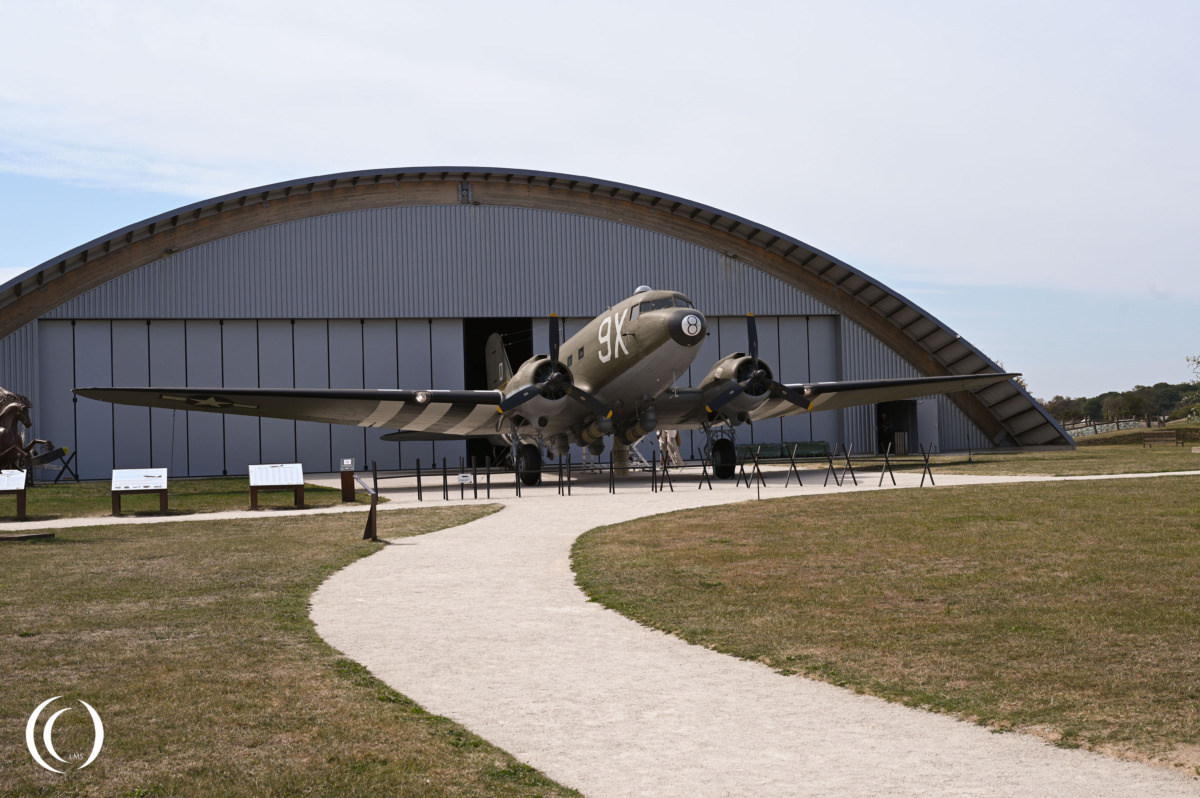
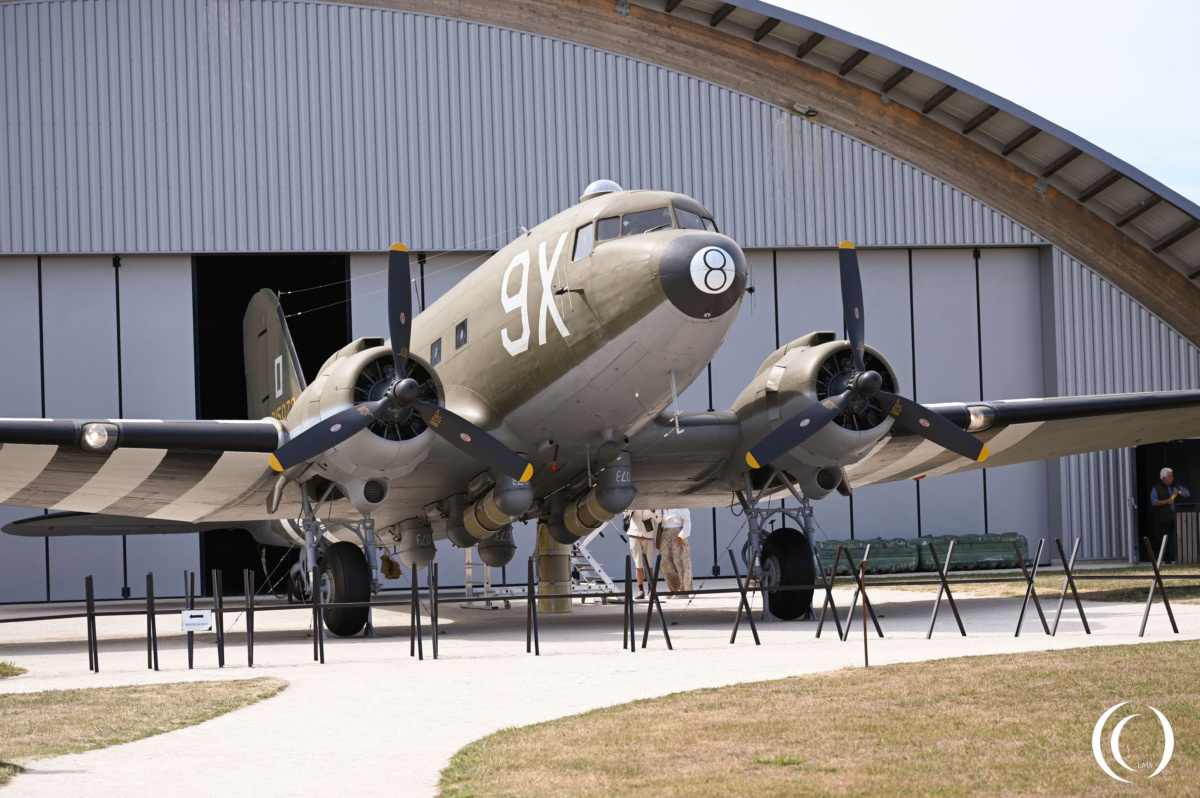
Technical Specifications:
C-47A-80-DL Skytrain with serial number 43-15073 and construction number c/n 19539
Characteristics of the designation:
C-47A: Indicates a military transport version equipped with a 24-volt electrical system (as opposed to the 12-volt system found in the earlier C-47).
80-DL: Denotes the production site and the manufacturer’s block/type number; “DL” stands for the Douglas Aircraft Company factory in Long Beach, California.
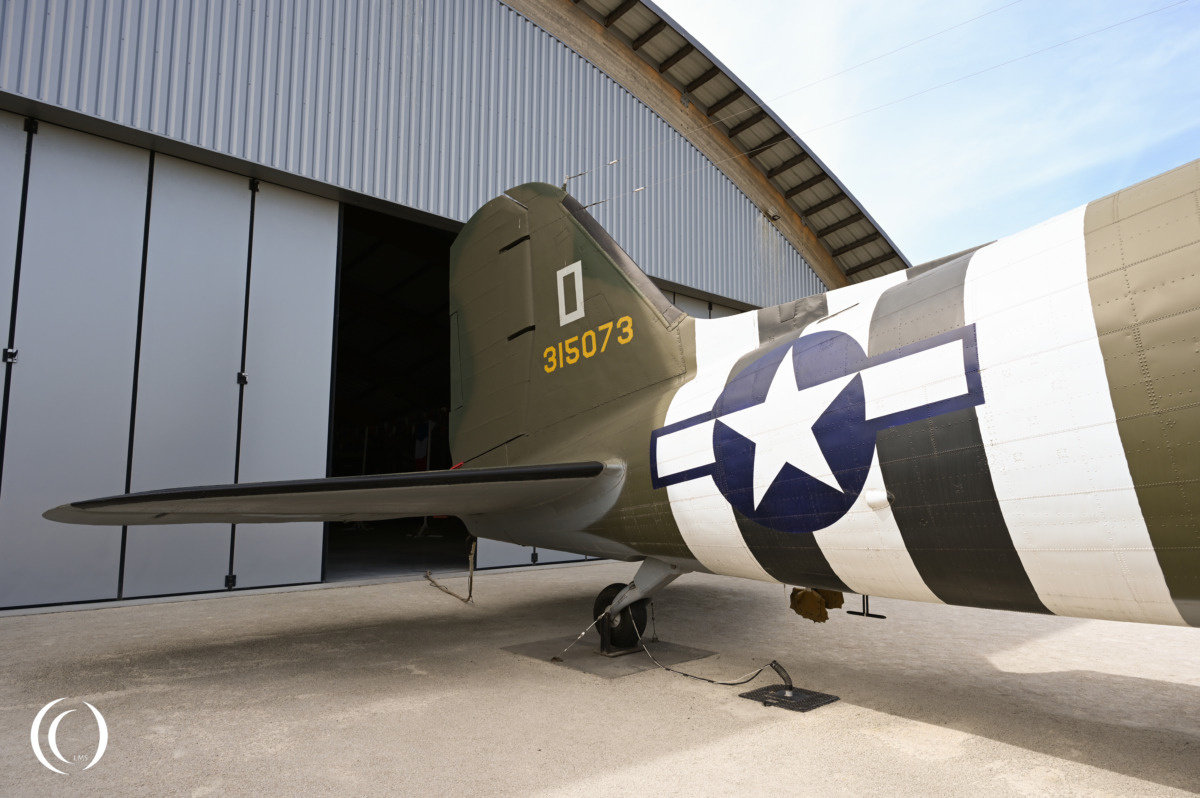
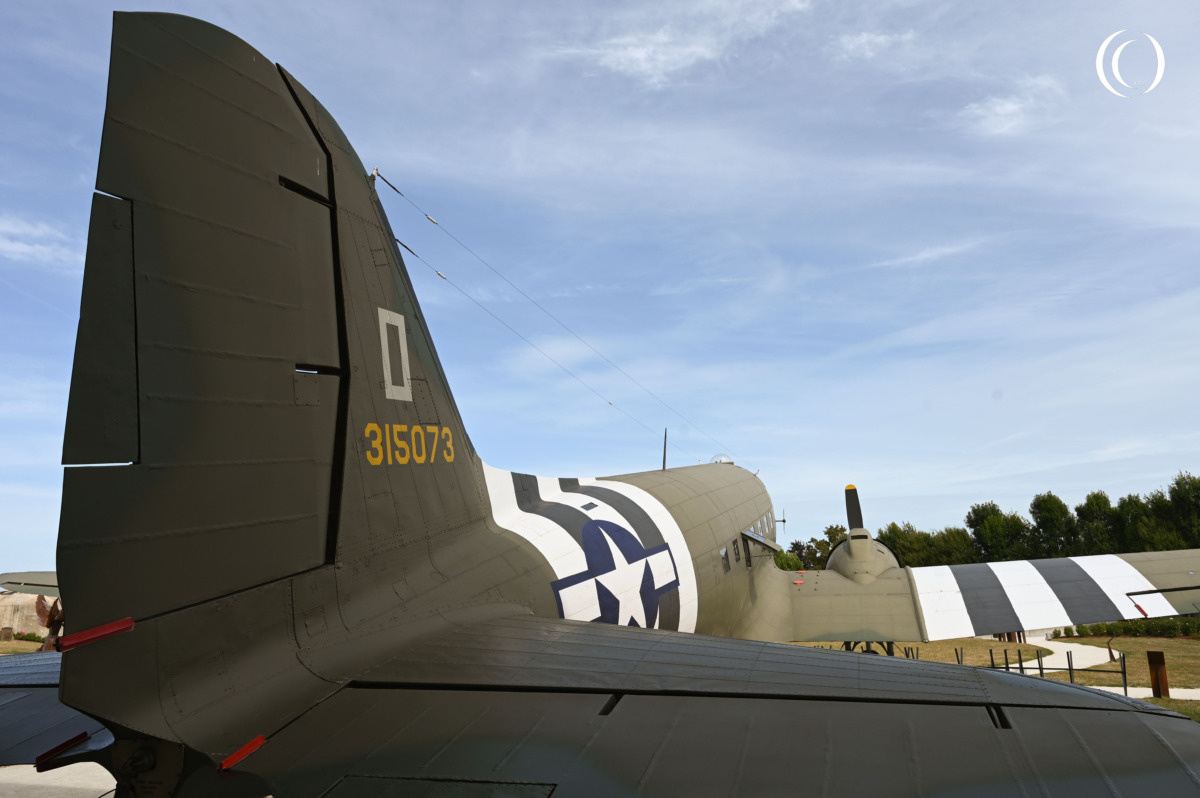
Registration / Serial: 43-15073
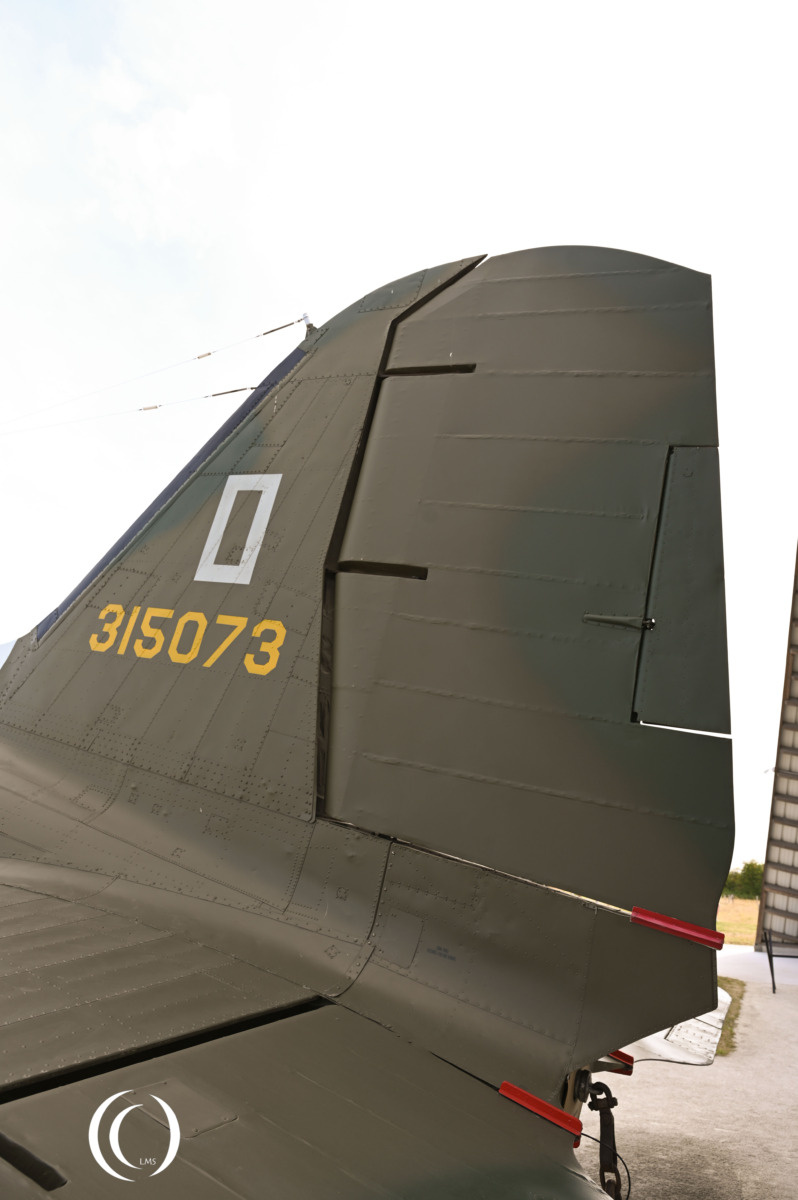
Alternate Serial: 315073
Military Code: 9X-D
Aircraft Original Type: Douglas DC-3 – Aircraft Generic Type: Douglas DC-3 (C-47 Skytrain/Dakota)
Aircraft Version: Douglas C-47A Skytrain
C/n (msn): 19539
Operator Titles: USA – Air Force
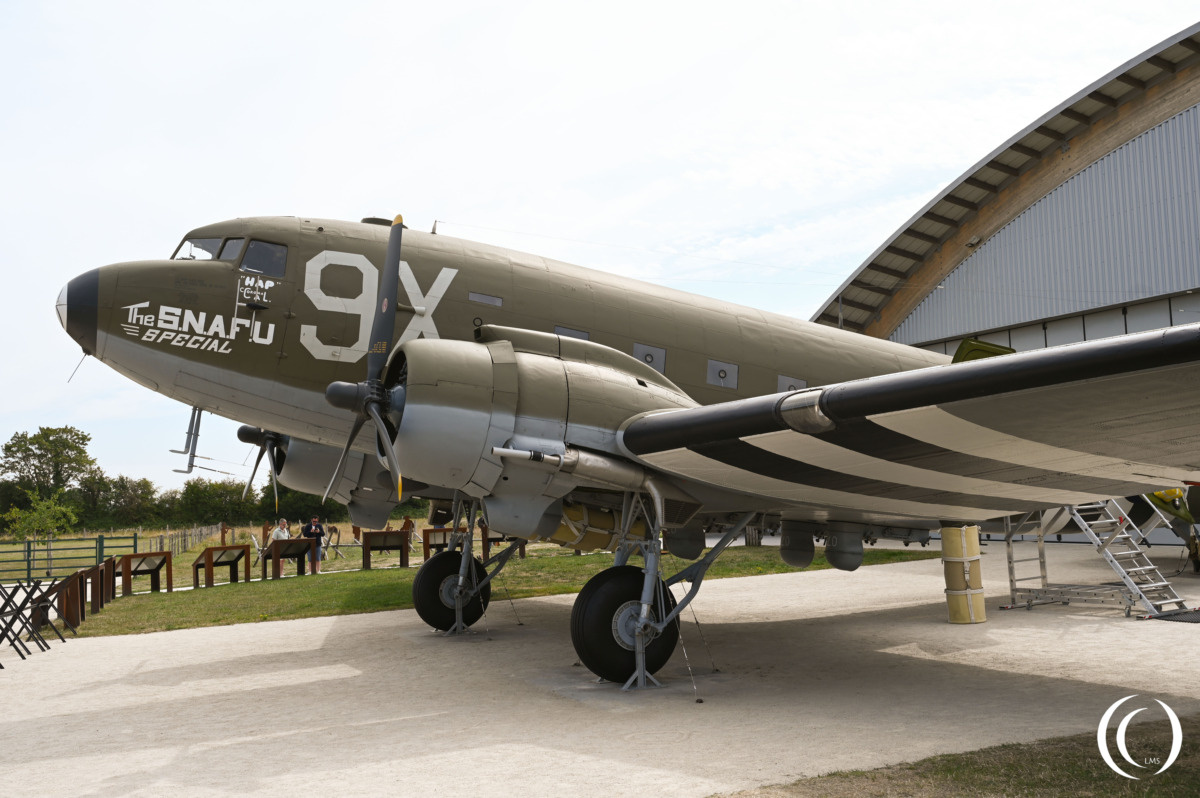
Aircraft Name: The SNAFU Special
Delivery Date: January 29, 1944 (Built at the Douglas factory in Long Beach, California)
Initial Assignment: Dispatched to Europe in early 1944; originally assigned to the 8th Air Force before transferring in May 1944 to the 9th U.S. Army Air Force, 440th Troop Carrier Group, 95th Troop Carrier Squadron (Squadron Code: 9X-D) based in Exeter, England.
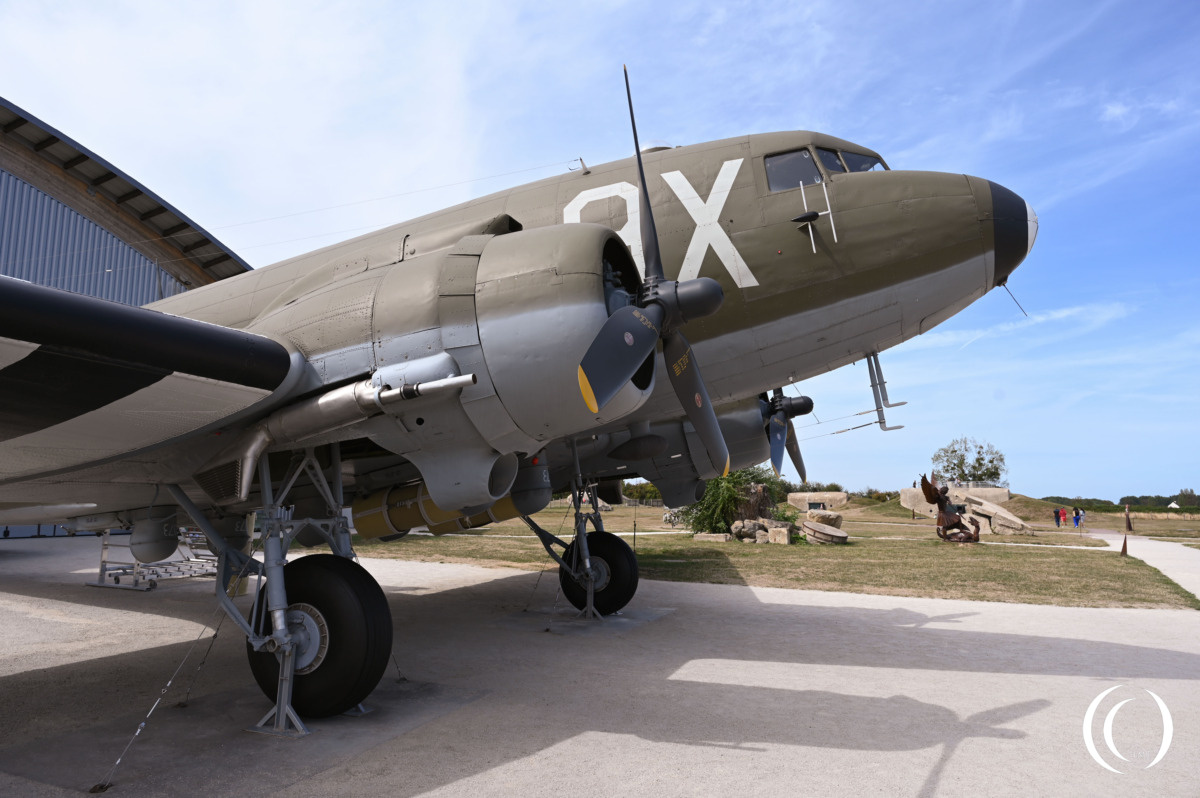
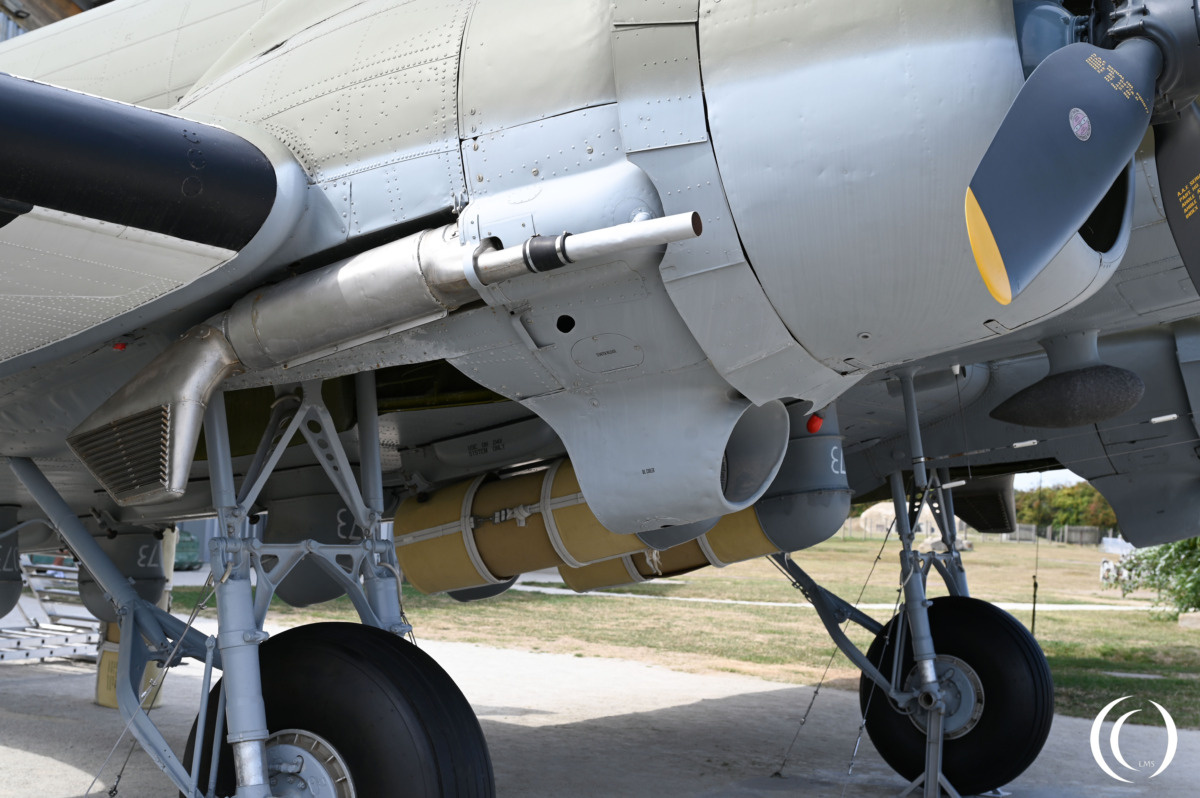
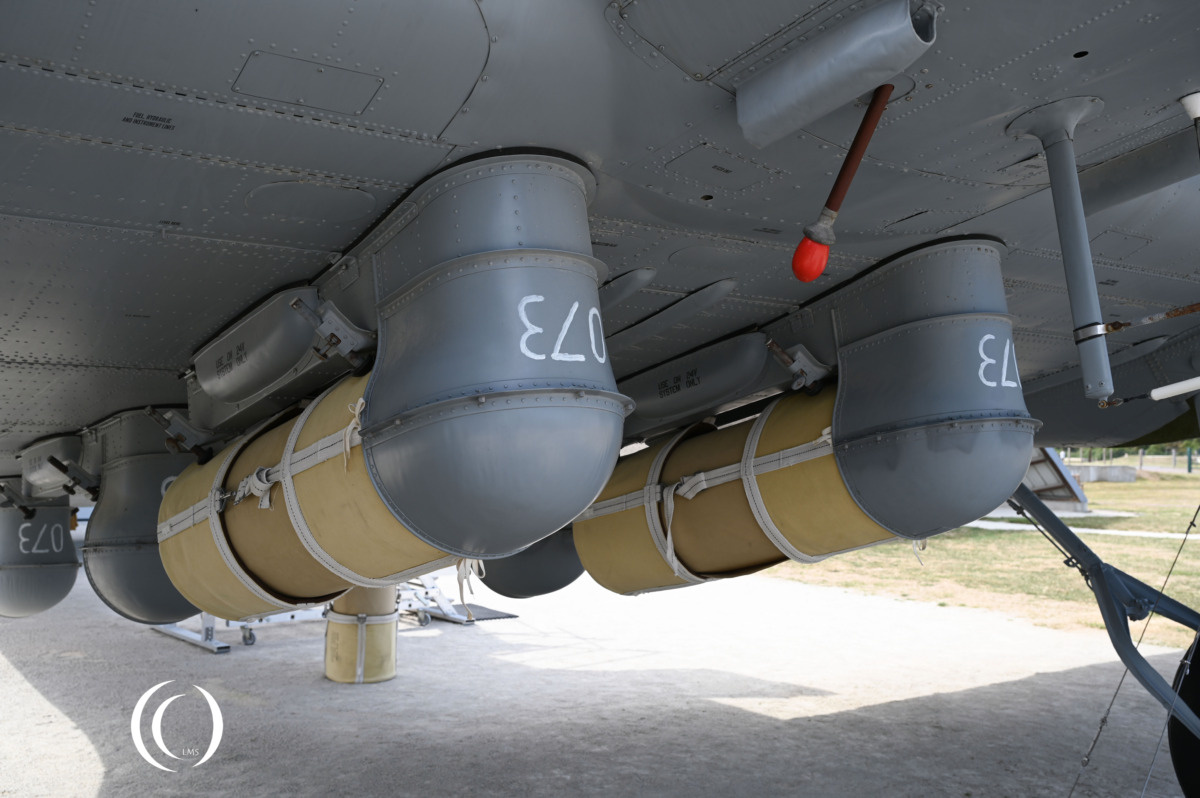
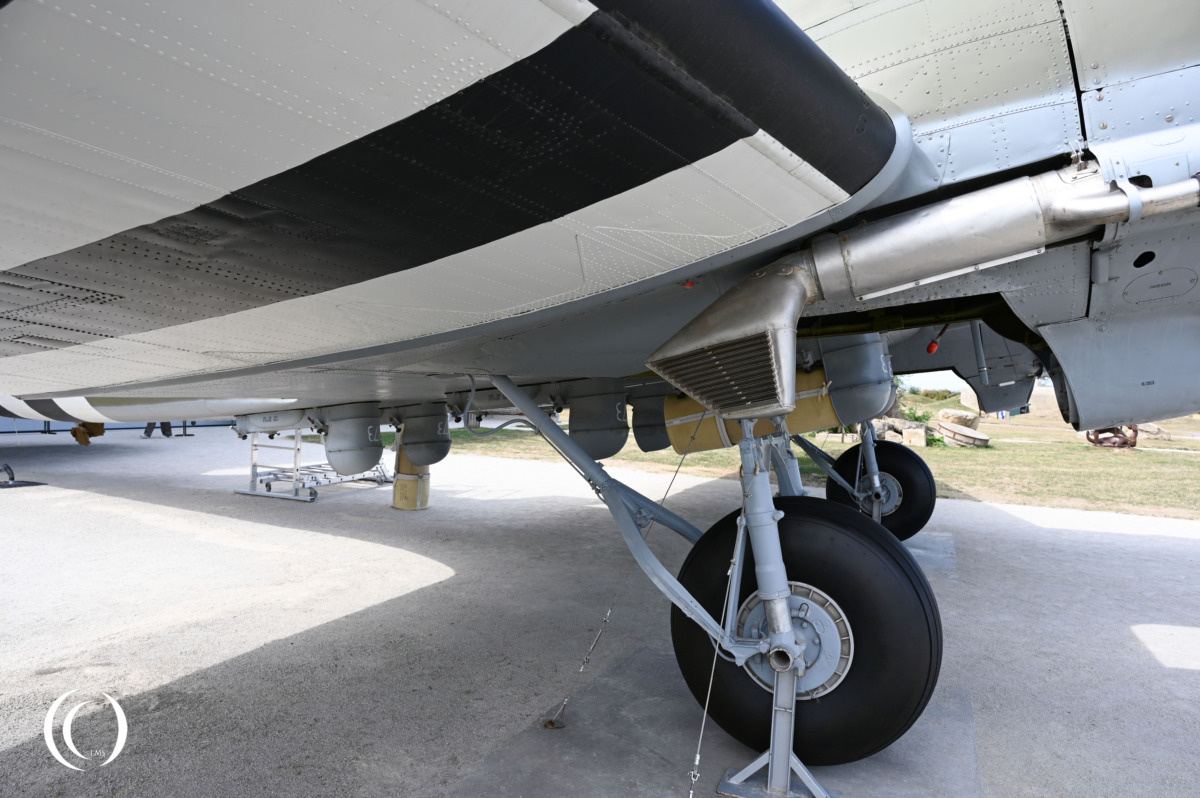
The SNAFU SPECIAL
SNAFU Situation Normal All Fucked Upp.
Pardon my French but the abbreviation from WW2 was widely used by U.S. military men, a sarcastic slang acronym to address a badly confused, muddled, or chaotic situation, an error, or a major glitch. Ironically it implies that severe disorder, confusion, or disaster is the standard, expected state of affairs. The term originated as United States Marine Corps and military slang around 1941 to 1943. The Crew of this specific C-47A Skytrain named their aircraft the “S.N.A.F.U. Special” during the war. As is customary with an abbreviation, the word is written on the C-47A Skytrain with dots between the letters with Squadron Code: 9X-D
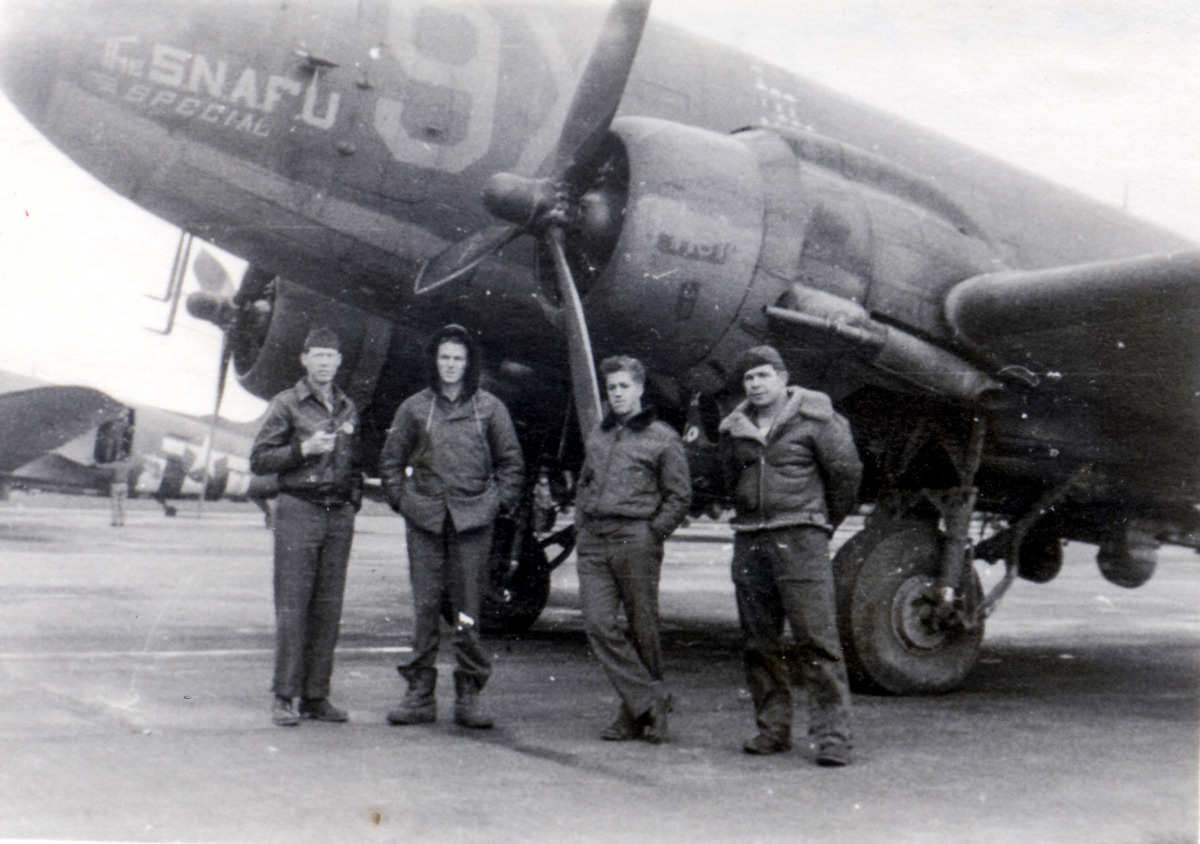
C-47A SNAFU Special ON D-Day
Mission Albany was the air operation for the 101st airborne, for the 82nd it was named Mission Boston during D-Day, Operation Overlord. The C-47A with Construction Number (c/n): 19539 was dispatched to Europe in early 1944; originally assigned to the 8th Air Force before transferring in May 1944 to the 9th U.S. Army Air Force, 440th Troop Carrier Group, 95th Troop Carrier Squadron (Squadron Code: 9X-D) based in Exeter, England.
D-Day, mission Albany, started for SNAFU from the Merryfield airstrip in the village of Ilton near Ilminster (United Kingdom), for the 441st Troop Carrier Group with 90 Douglas C-47 Skytrains from different airstripes in the Exeter region. Merryfield airfield was known as USAAF Station AAF-464. The 441st carried units of the 101st Airborne Division into Normandy. The C-47A SNAFU was the lead plane in the second V-formation in the second wave of the 45 planes.
Her crew during the the night of June 5 to 6 were:
Pilot : 2nd Lieutenant James P. Harper
Co-pilot : 2nd Lieutenant Luther J. Lizanna
Navigator : 2nd Lieutenant Murray J. Winter
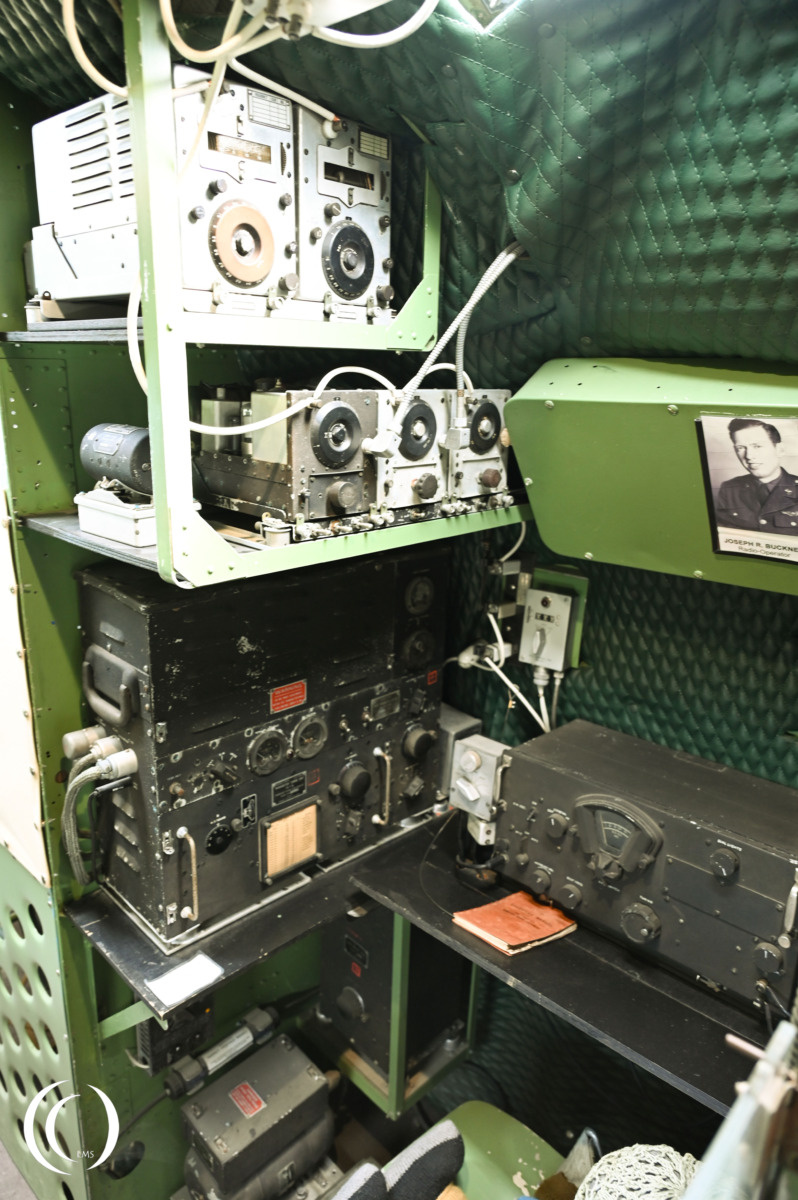
Radio-operator : Sergeant Joseph R. Buckner
Crew-chief : Staff-Sergeant Howard F. Lindlse
The flight plan with the designated drop zone D, Located south of Vierville and east of Angoville-au-Plain / north and east of Carentan, carried the second 2nd Battalion 501st Parachute Infantry Regiment together with C/326th, 1st and 3rd platoon, Airborne Engineer Battalion and Det. 326th Airborne Medical Company. During take off corridors, marked by appropriate Troop Carrier navigational aids, had to be followed at specific altitudes, predetermined flight speed and exact timing to allow each aircraft to find its place in the formation of 821 C-47s during the preparation to fly on Normandy and its drop zones for the 101st and 82nd Airborne Divisions.
The first aircraft took off around 23:50 on 5 June 1944 in the U.K. In groups of nine aircraft in V-formation they crossed the English coast at 00:37 near Portland. The French coast was reached at 01:27, the drop zone was reached at 01:37.
One Skytrain did not make it back to Merryfield, it was hit by German Flak. The SNAFU Special came home with battle damage, a hole in the center of the fuselage going straight through the belly, flooring and top. Another hit was seen in the left wing.
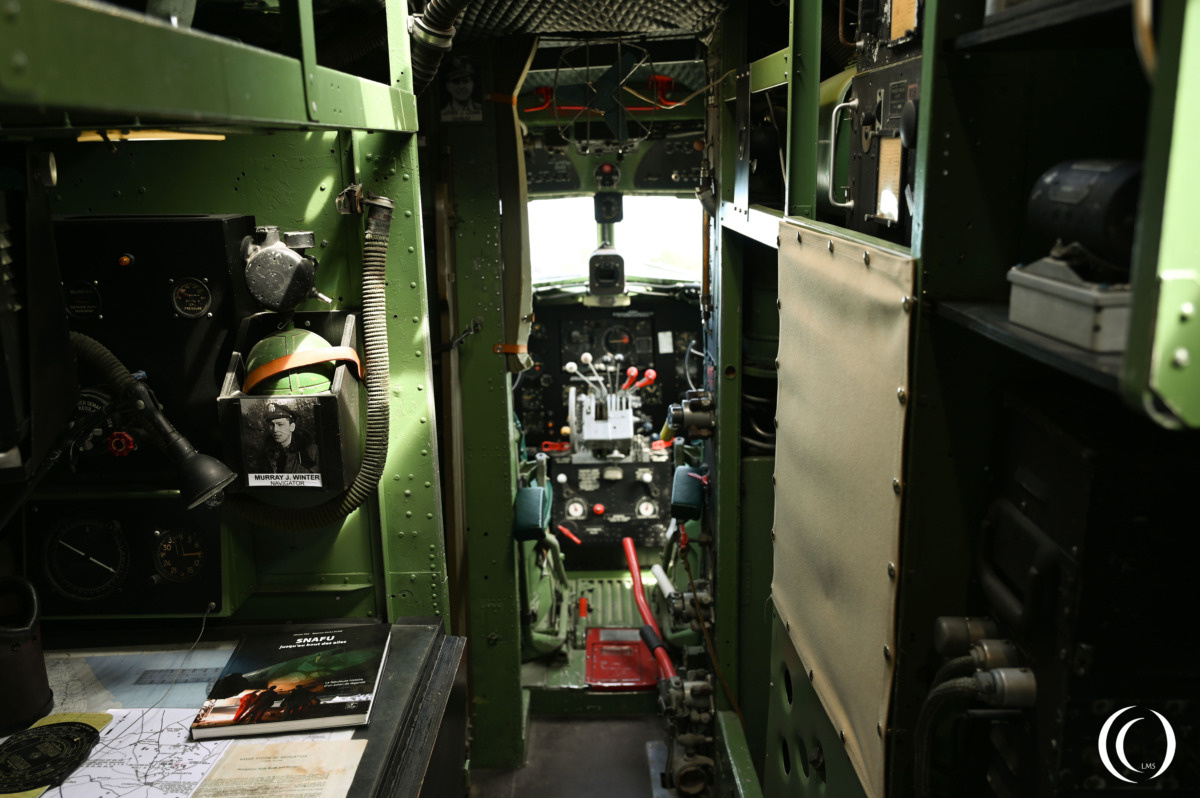
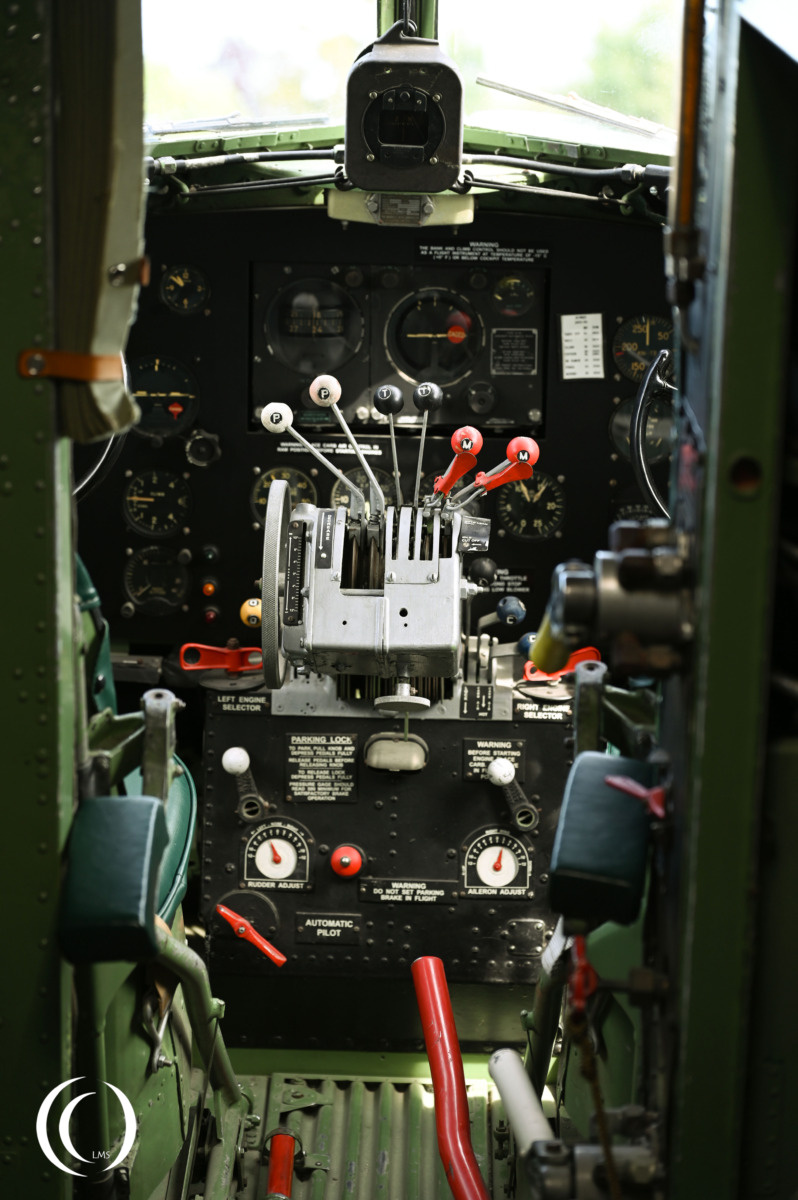
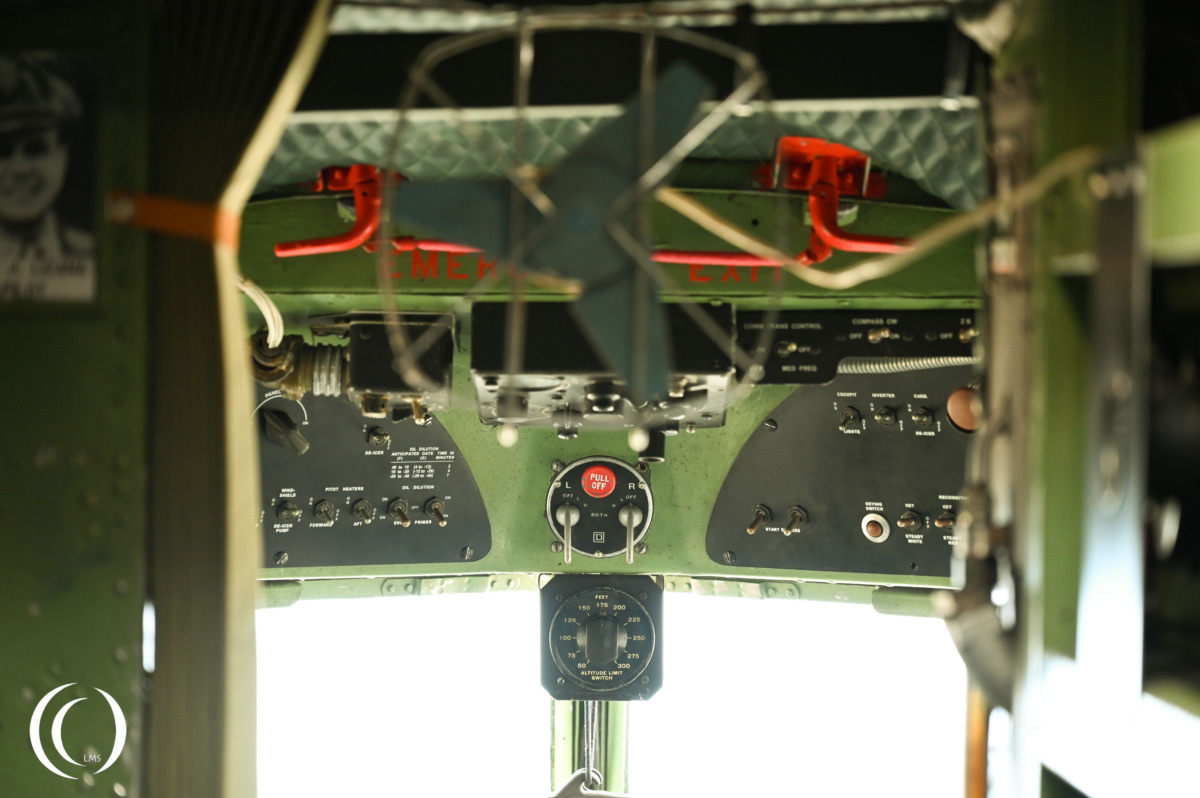
C47-A Snafu special World War II Combat History
The aircraft served as both a paratrooper transport and a glider tug, accumulating extensive combat damage while surviving the war:
Operation Neptune / Overlord (D-Day)
Date: June 5–6, 1944
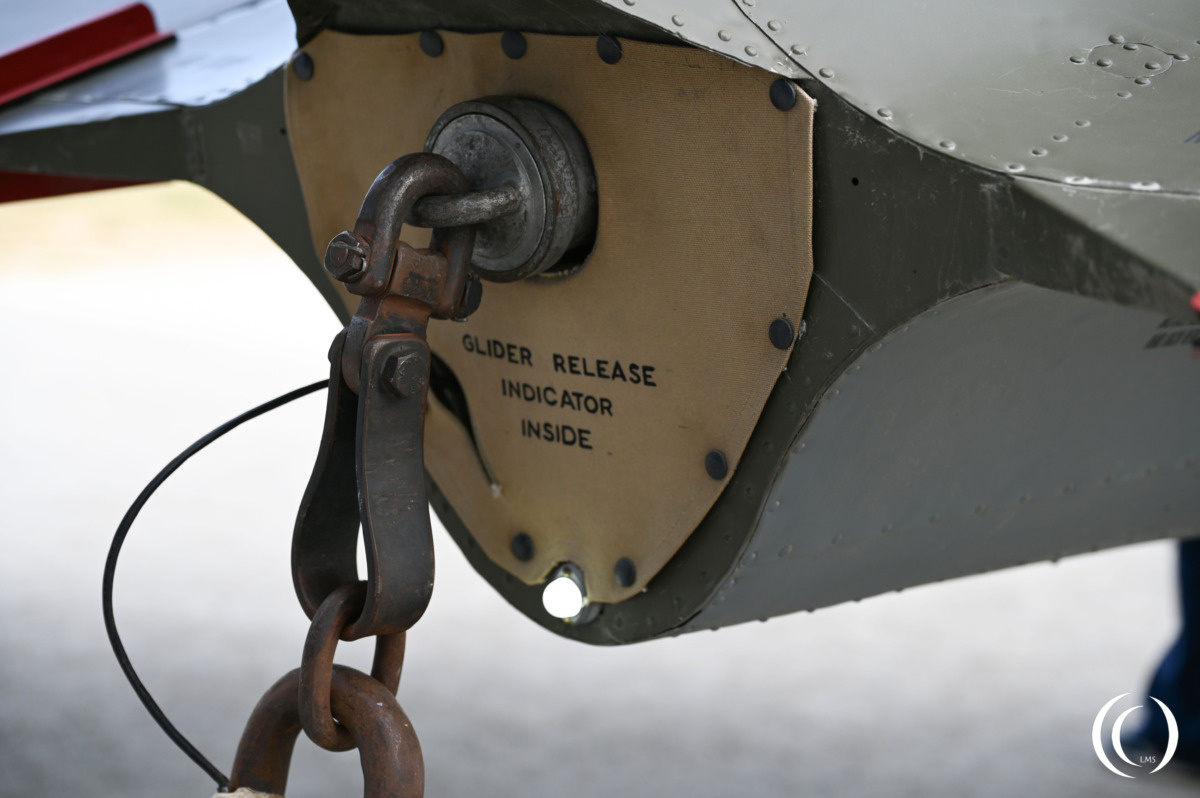
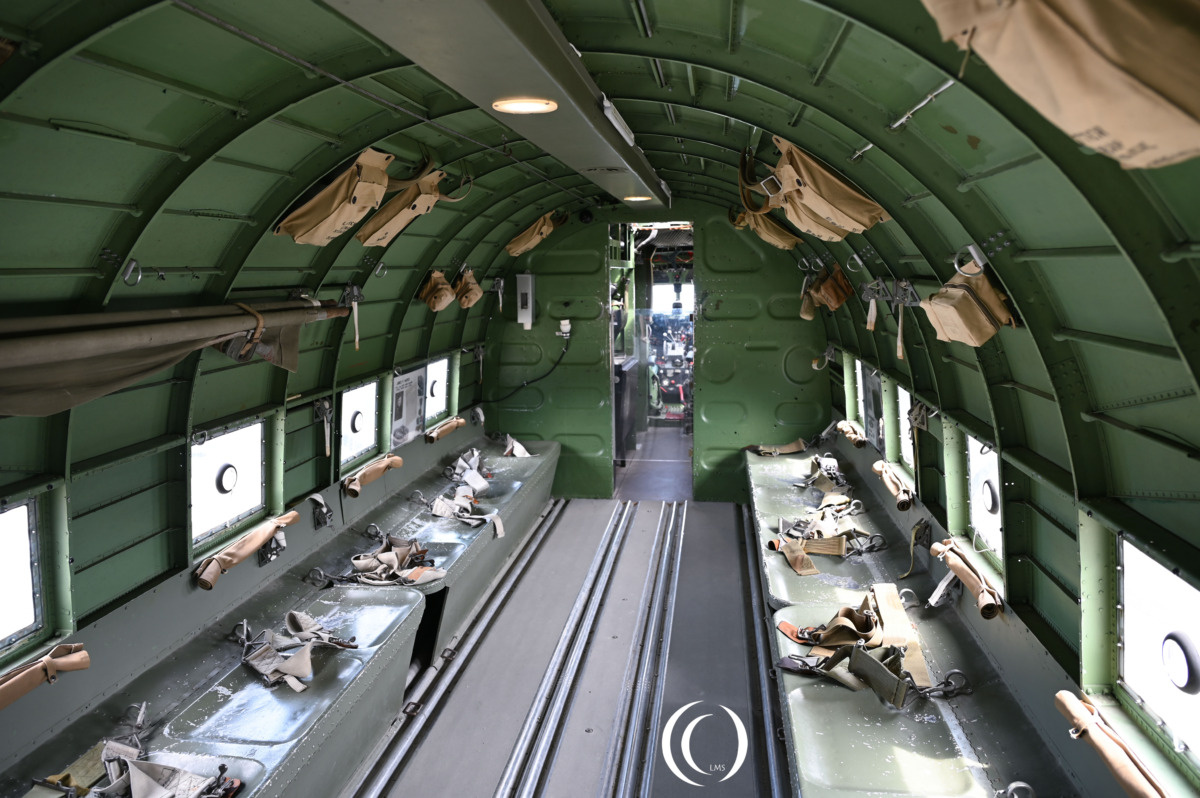
Temporarily staged at Merryfield (Chalk #88). Dropped 18 paratroopers of the 101st Airborne Division (501st PIR) south of Sainte-Mère-Église. Returned to base at 03:00 with .30 caliber flak holes through the fuselage and left wing.
Operation Dragoon
Date: August 15, 1944
Supported the Allied amphibious and airborne invasion of Southern France (Provence).
Operation Market Garden
Date: September 1944
Towed gliders and dropped paratroopers from the 82nd Airborne Division near Nijmegen, Netherlands to secure vital river crossings.
Operation Repulse (Battle of the Bulge)
Date: December 27, 1944
Flew hazardous, low-altitude cargo and glider-towing missions into the besieged perimeter of Bastogne to resupply trapped American forces.
Operation Varsity
Date: March 24, 1945
Participated in the largest single-day airborne operation in history, towing gliders across the Rhine River into Germany.
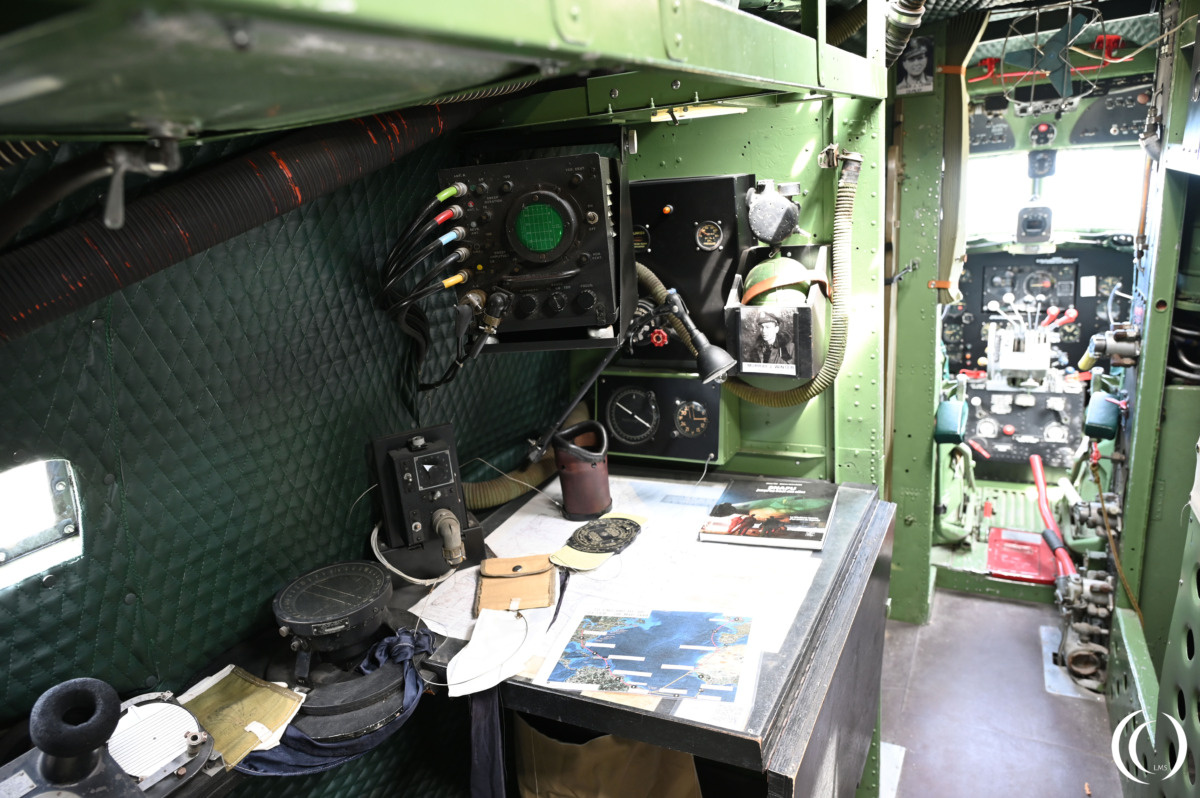
Post-War Service & Career of the C-47A SNAFU (1945–2006)
Following the surrender of Germany, the aircraft changed hands across Europe, transitioning through civil and military capacities: The C-47A became a civilian Airliner from 1946 to 1960. It was sold as military surplus and converted into a commercial airliner for Czechoslovakian Airlines (ČSA).
In 1960 to 1973 tha aircraft was acquired by France for military transport duties before it was transported to the Yugoslavian Military Air Force where it served from 1973 until 2007 with serial number 71248. It was eventually relocated to the Rajlovac airfield near Sarajevo to serve as a static instructional trainer. During the Balkan Conflicts of the 1990s, the abandoned airframe was heavily damaged by machine-gun fire but managed to survive.
In 2007, the Merville Dakota Association discovered the bullet-riddled derelict airframe in Bosnia and Herzegovina. Through a dedicated repatriation project named “Saving C-47 #43-15073,” the aircraft was disassembled, transported to Normandy, and painstakingly restored to its exact June 1944 camouflage and invasion stripe configuration.
On December 13, 2013, the French National Council of Historical Monuments officially classified “The SNAFU Special” as a Historical Monument, making it only the second WWII aircraft in French history to receive this prestigious heritage protection.
Visit
The Snafu Special is part of the museum Merville Battery in France. It is on static display and she is completely restored in her 1944 configuration.
Sources
- 6juin1944.com
- the-snafu-special.com
- airhistory.net
- normandy1944.info
- americanarchive.iwm.org.uk
