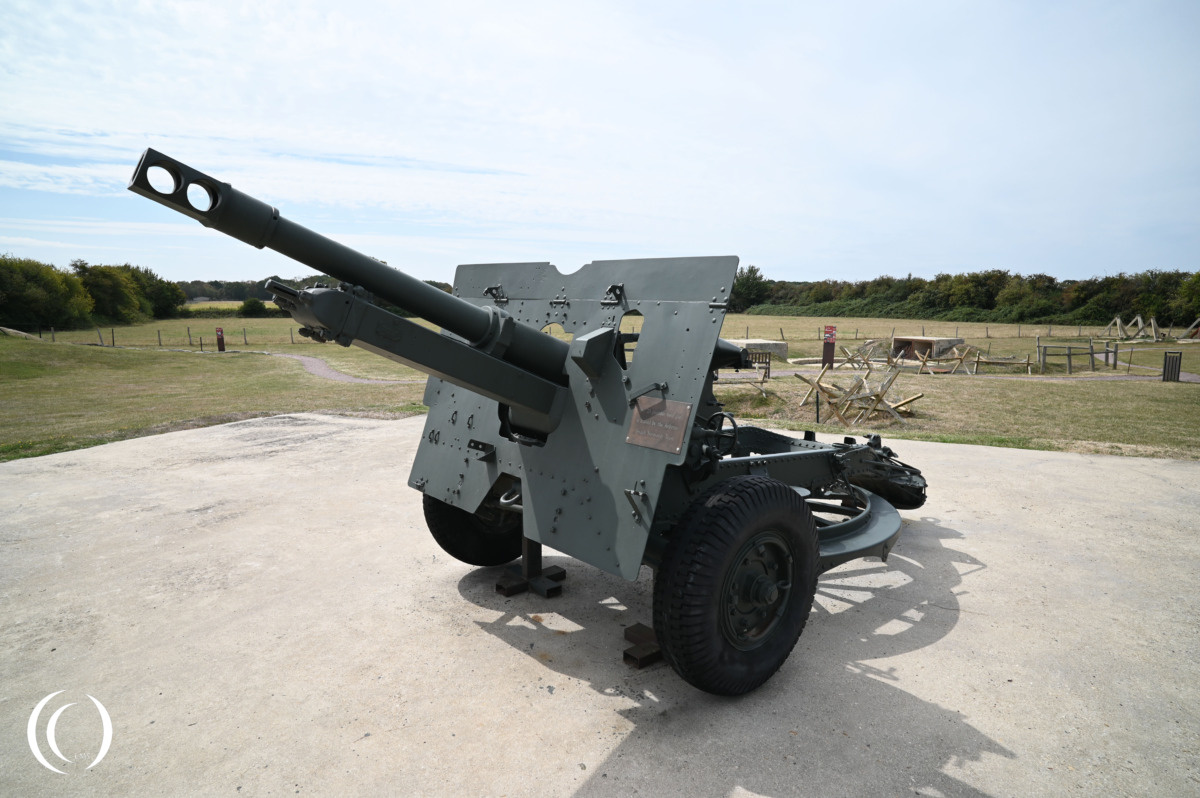
History and development
Officially designated the Ordnance Quick Firing 25-pounder, it combined the roles of a field gun and a howitzer. The Ordnance QF 25-pounder was one of the most important British artillery weapons of the Second World War. Developed during the 1930s, it was intended to replace the First World War-era 18-pounder field gun and 4.5-inch howitzer with a single, more versatile weapon. It entered British service in 1938 and became the standard field artillery piece of British and Commonwealth forces.
The 25-pounder saw extensive service in France in 1940, North Africa, Italy, north-western Europe and the Far East. After 1945, it remained in service with several countries and was used during the Korean War and numerous post-war conflicts. Its longevity reflected its reliability, mobility and adaptability. Other designations of the Ordnance QF 25-pounder were; 25-pounder or 25-pdr (25 pdr).
Operational use
The gun’s primary role was indirect fire against enemy infantry, machine-gun positions, artillery batteries, supply concentrations and defensive fortifications. Forward observers identified targets and communicated with artillery command posts, which coordinated firing between individual guns and entire batteries.
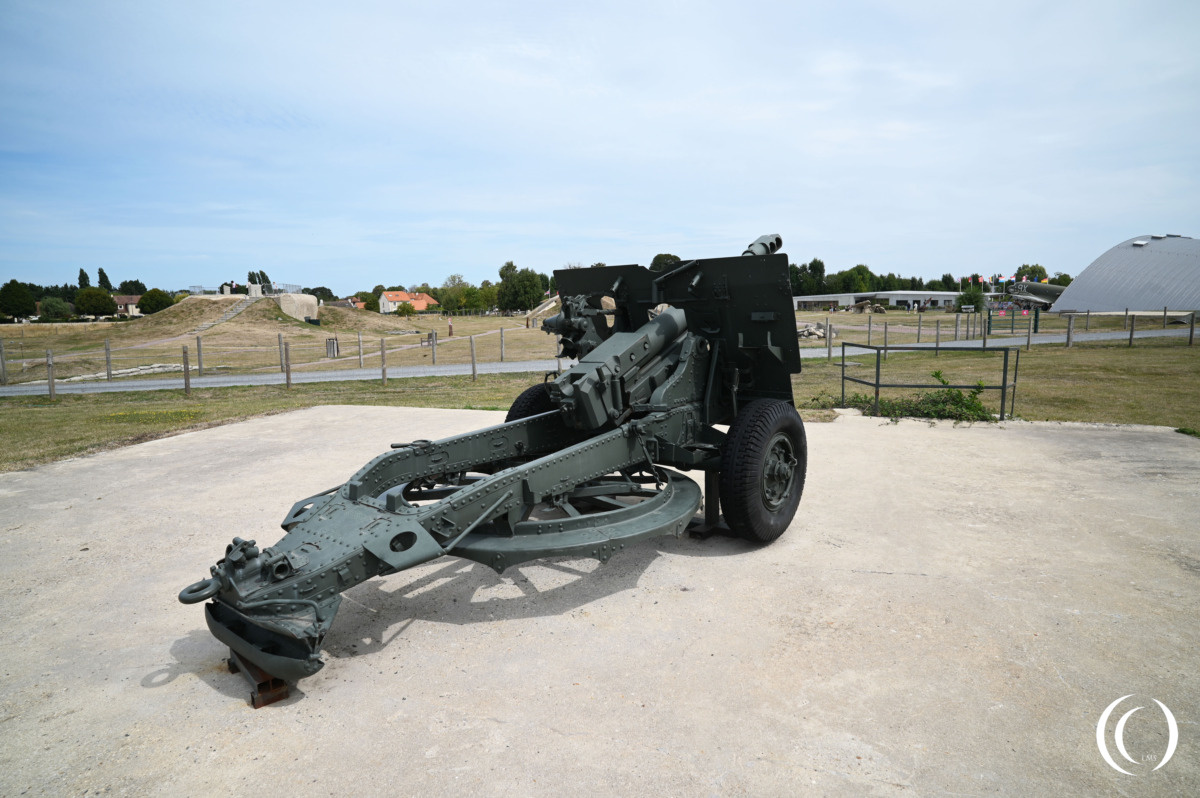
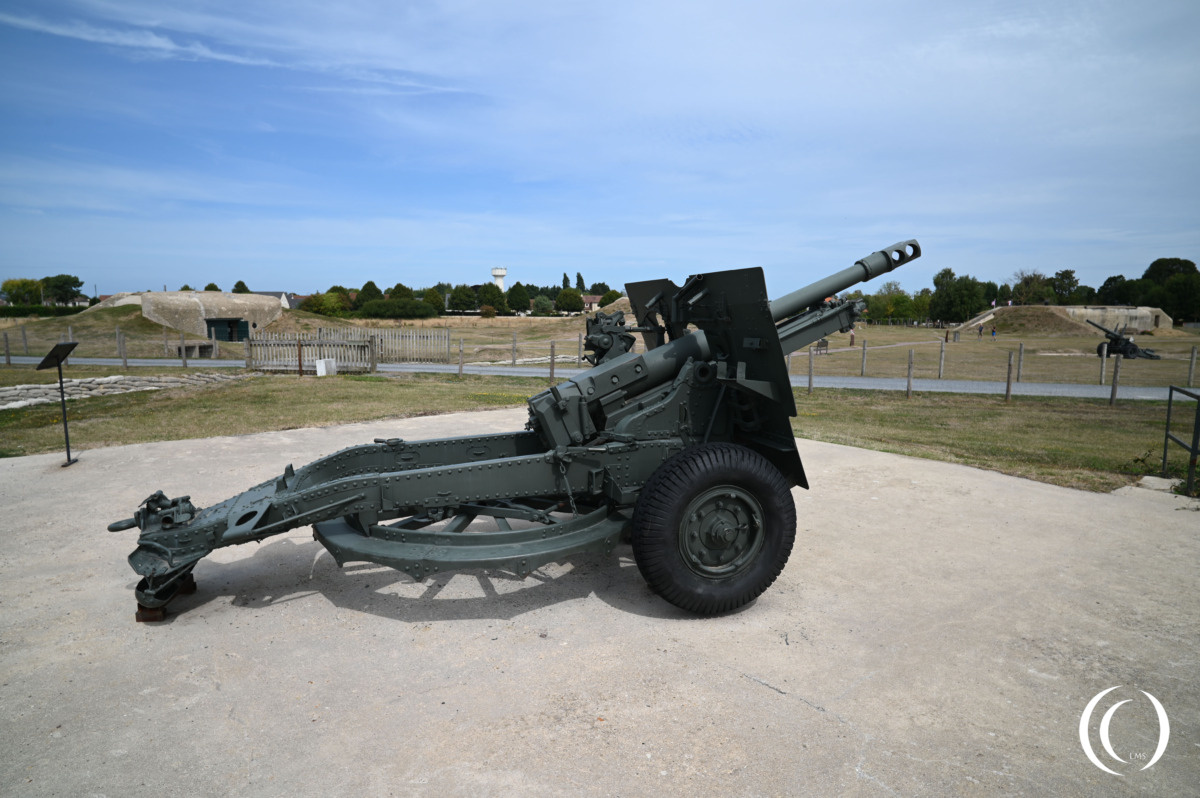
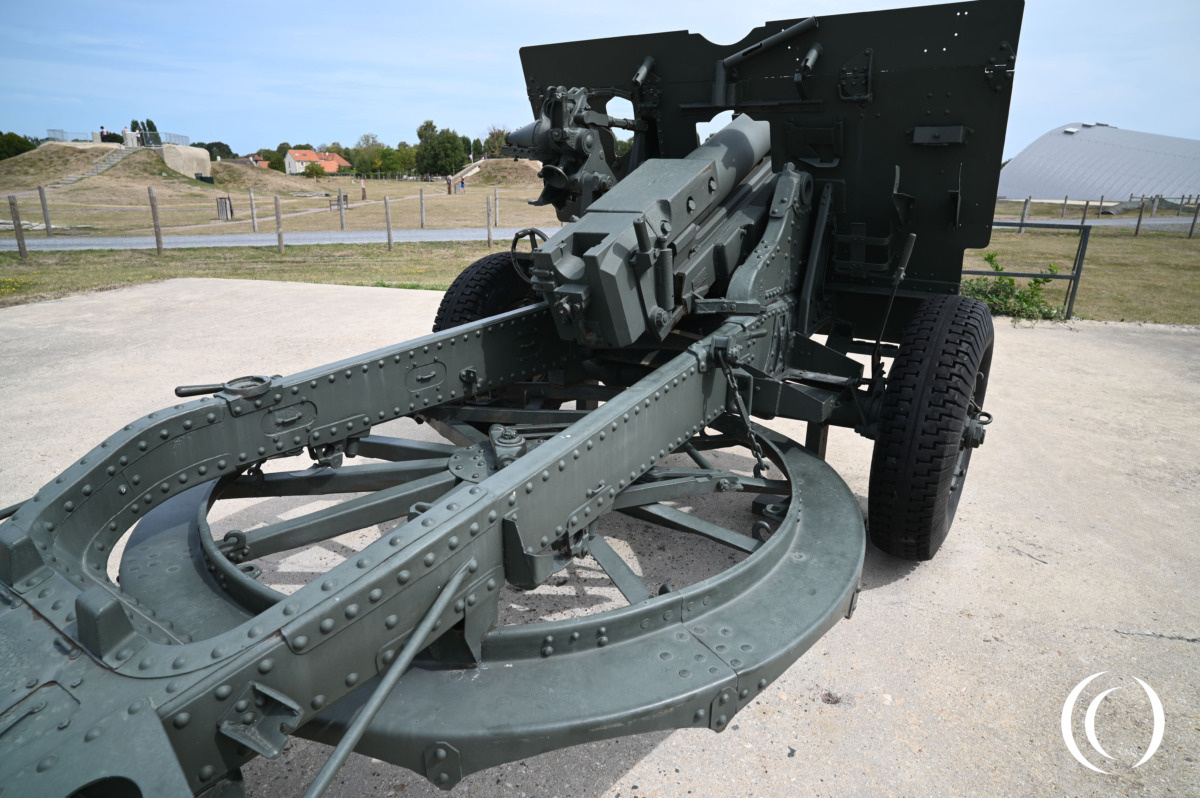
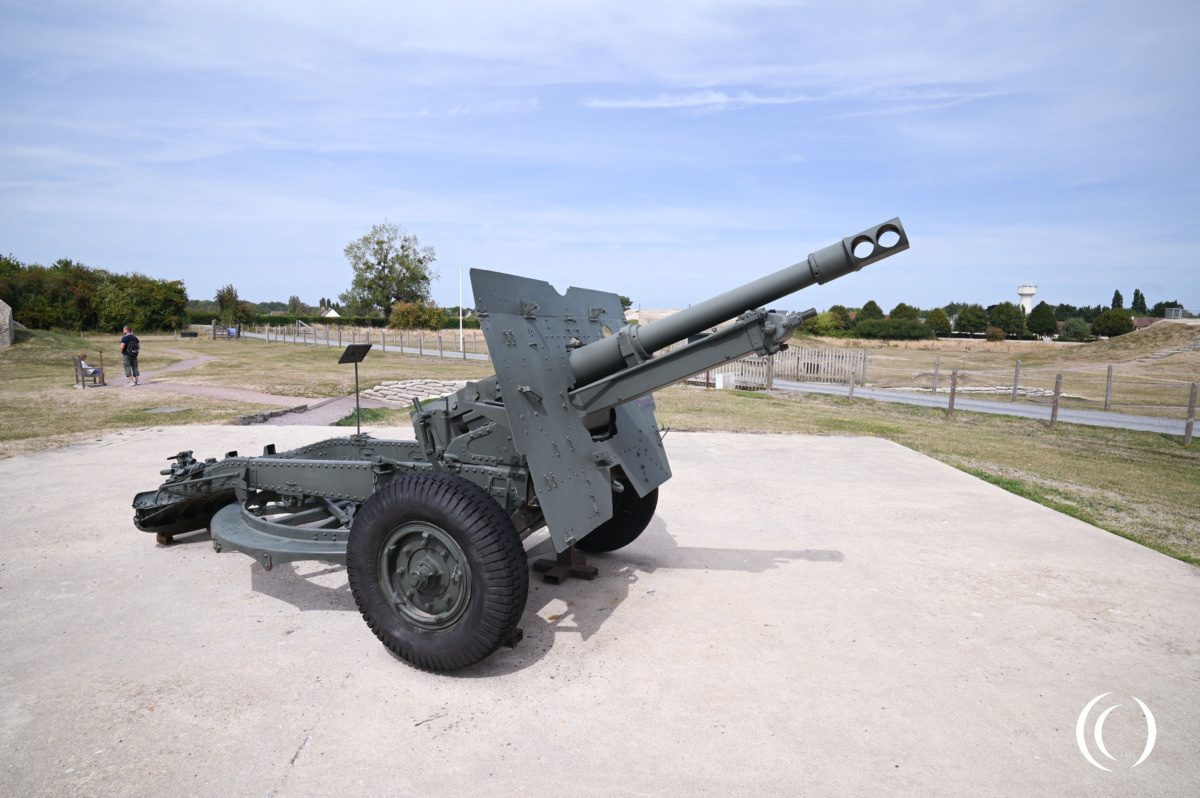
A typical British field battery operated several guns, supported by ammunition vehicles, communications personnel and observation teams. The weapon was normally towed by a Field Artillery Tractor, such as the Morris C8. Its circular firing platform allowed the carriage to traverse through a wide horizontal arc without requiring the crew to reposition the wheels continuously. This improved responsiveness when targets appeared in different directions.
In North Africa, the 25-pounder proved particularly effective across open desert terrain. During the campaigns in Italy and north-western Europe, it supported infantry advances, defensive operations and preparatory bombardments. It could also engage visible targets by direct fire when necessary, including armoured vehicles at relatively short range.
Technical specifications
The 25-pounder had a calibre of 87.6 mm, equivalent to approximately 3.45 inches. Its standard high-explosive projectile weighed 25 pounds, or approximately 11.3 kilograms. The complete weapon weighed approximately 1.8 tonnes in its usual travelling configuration, although exact weights varied by model and equipment. A trained crew generally consisted of six personnel. Under favourable conditions, the gun could sustain a brief firing rate of approximately six to eight rounds per minute.
The gun used a vertical sliding-block breech and a recoil system consisting of a hydraulic buffer and recuperator. Depending on the mark and carriage, its elevation extended to approximately 45 degrees, while the carriage itself provided limited horizontal traverse. The firing platform substantially increased its effective traverse. The principal wartime variants included the Mk I and Mk II guns, with the latter becoming the standard configuration on the purpose-built Mk I carriage. Subsequent modifications improved operation and high-angle firing capability.
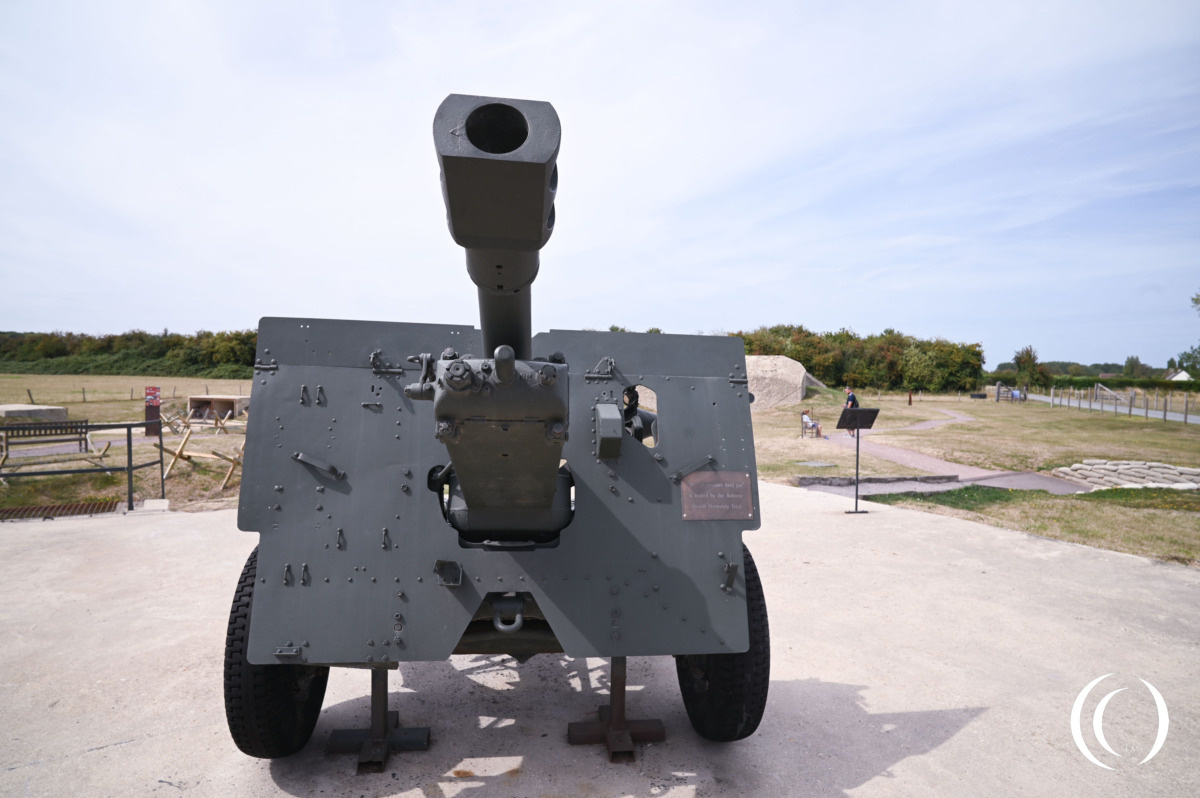
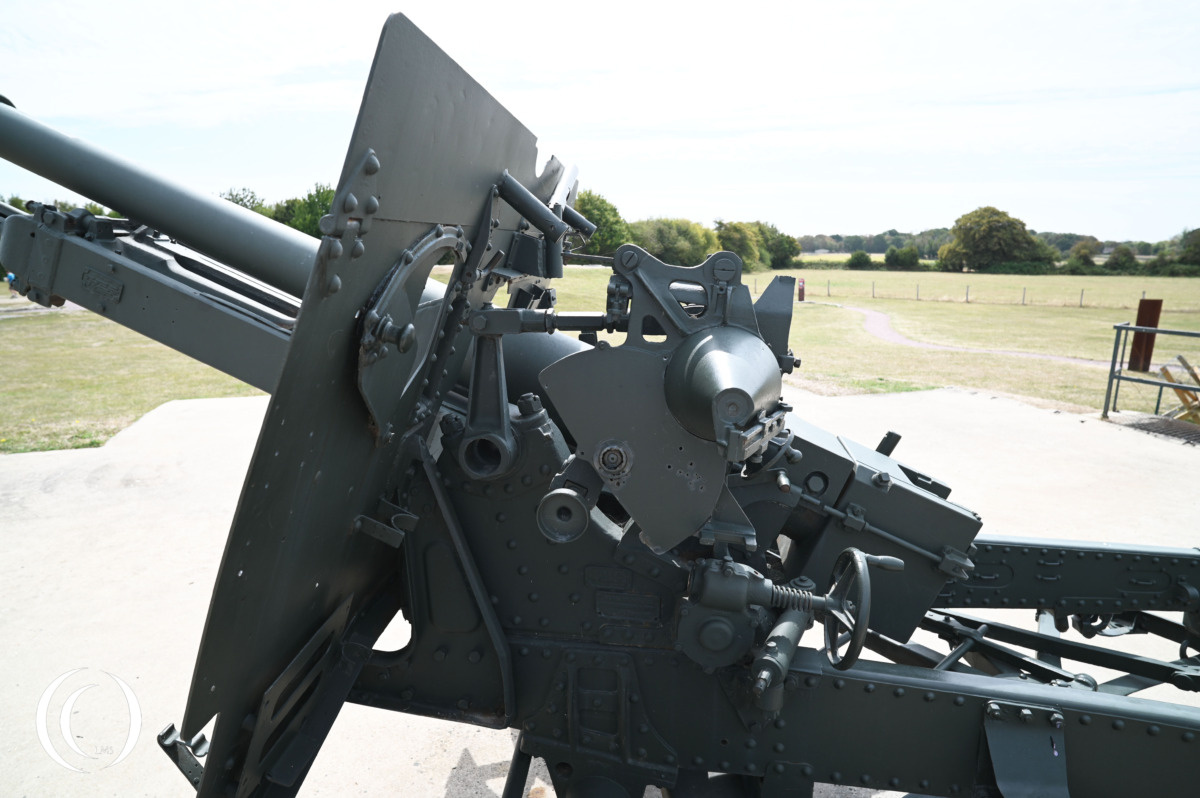
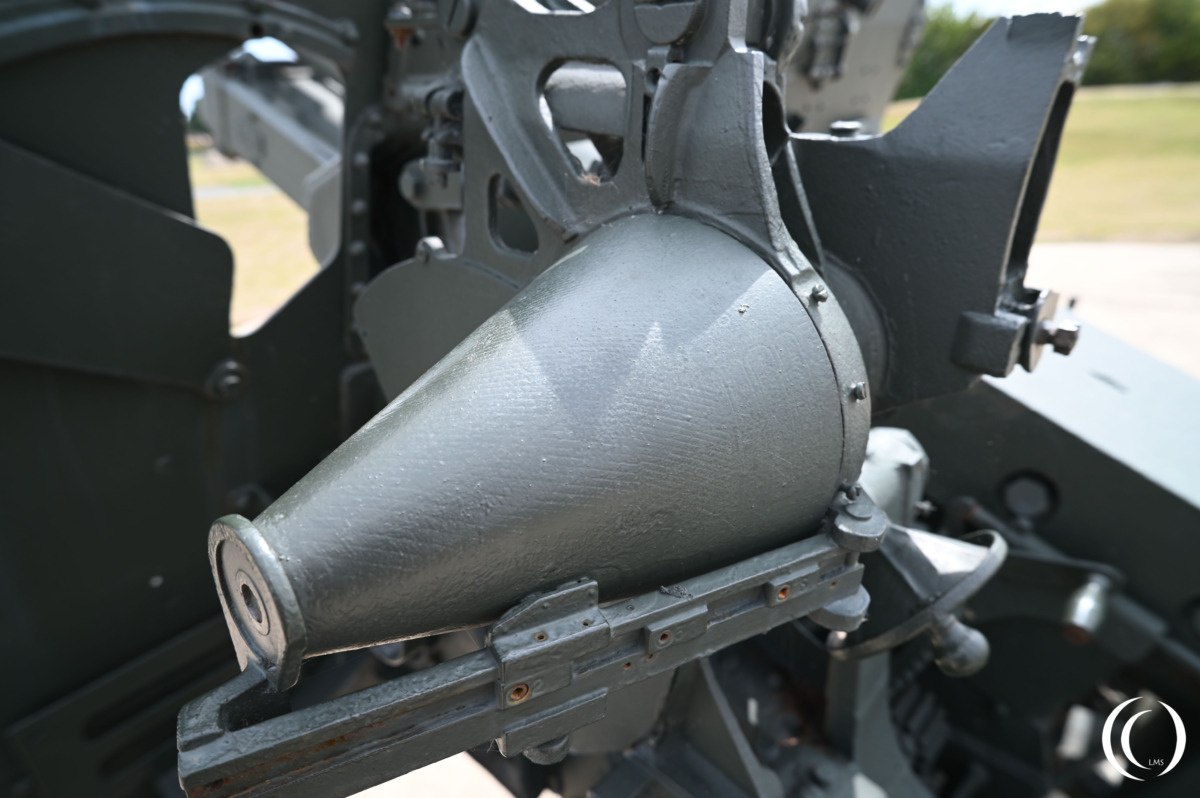
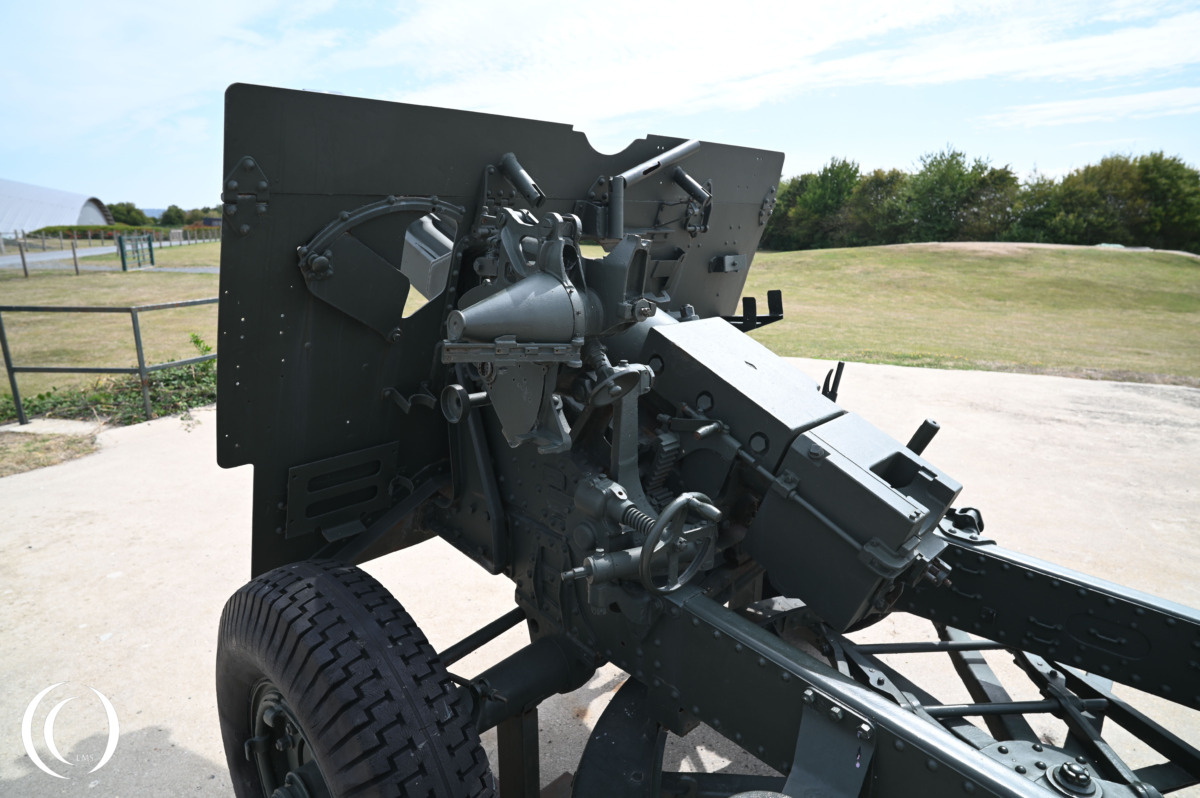
Different shells and cartridges
The 25-pounder used separate-loading ammunition, meaning the projectile and propellant cartridge were loaded independently. This arrangement gave artillery crews considerable flexibility in selecting ammunition for different tactical purposes. High-explosive shells were the standard ammunition. Their explosive filling generated blast and fragmentation, making them effective against infantry, field fortifications, gun positions and other battlefield targets.
Smoke shells produced smoke screens to conceal troop movements, obscure enemy observation or mark targets. Illumination shells helped reveal positions and terrain during night operations. Armour-piercing projectiles were also available for direct-fire use against armoured vehicles, although the 25-pounder was not primarily an anti-tank weapon. Specialist ammunition, including chemical and leaflet-carrying projectiles, existed in certain service contexts.
The propellant was contained in brass cartridge cases and cloth bags. Traditionally, the propellant bags were identified by red, white and blue colours. Different permitted charge combinations provided different ballistic performance and trajectories. A separate Super cartridge was available for compatible guns, offering greater performance than the standard arrangements. The choice of projectile and propellant depended on the target, the required trajectory and the particular gun’s authorised ammunition configuration.
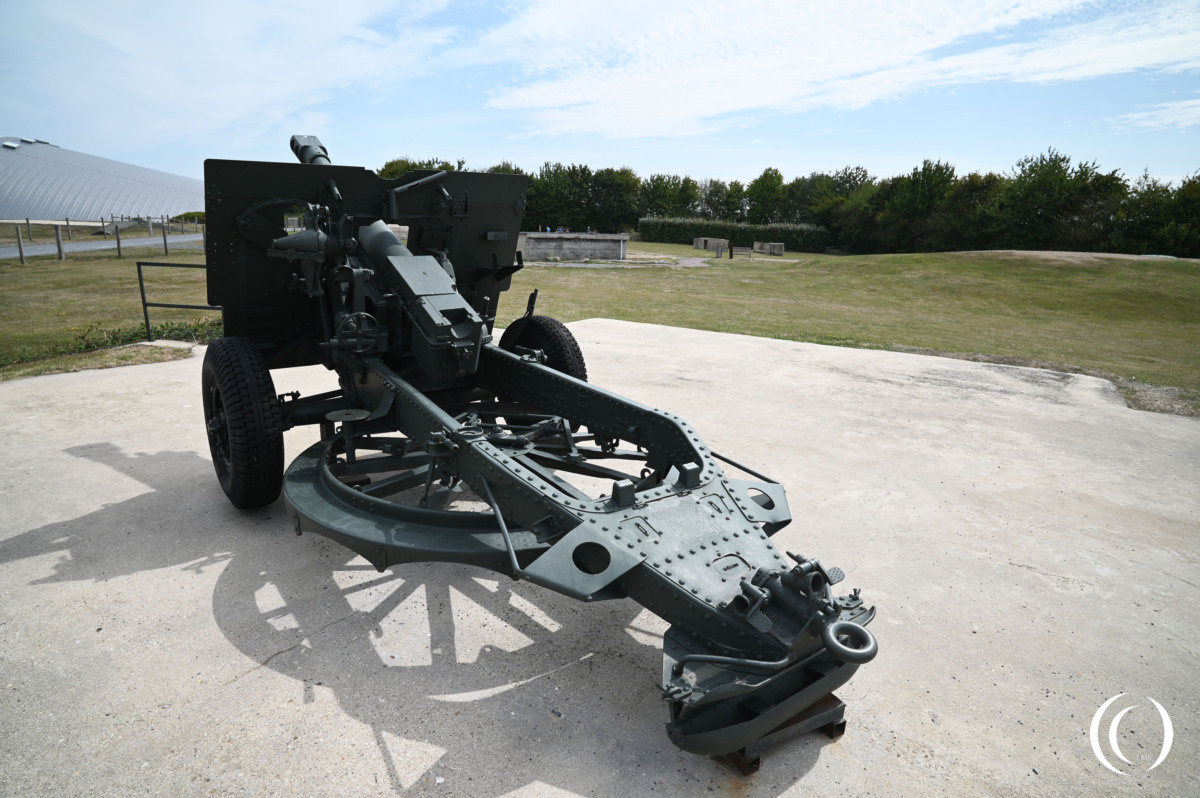
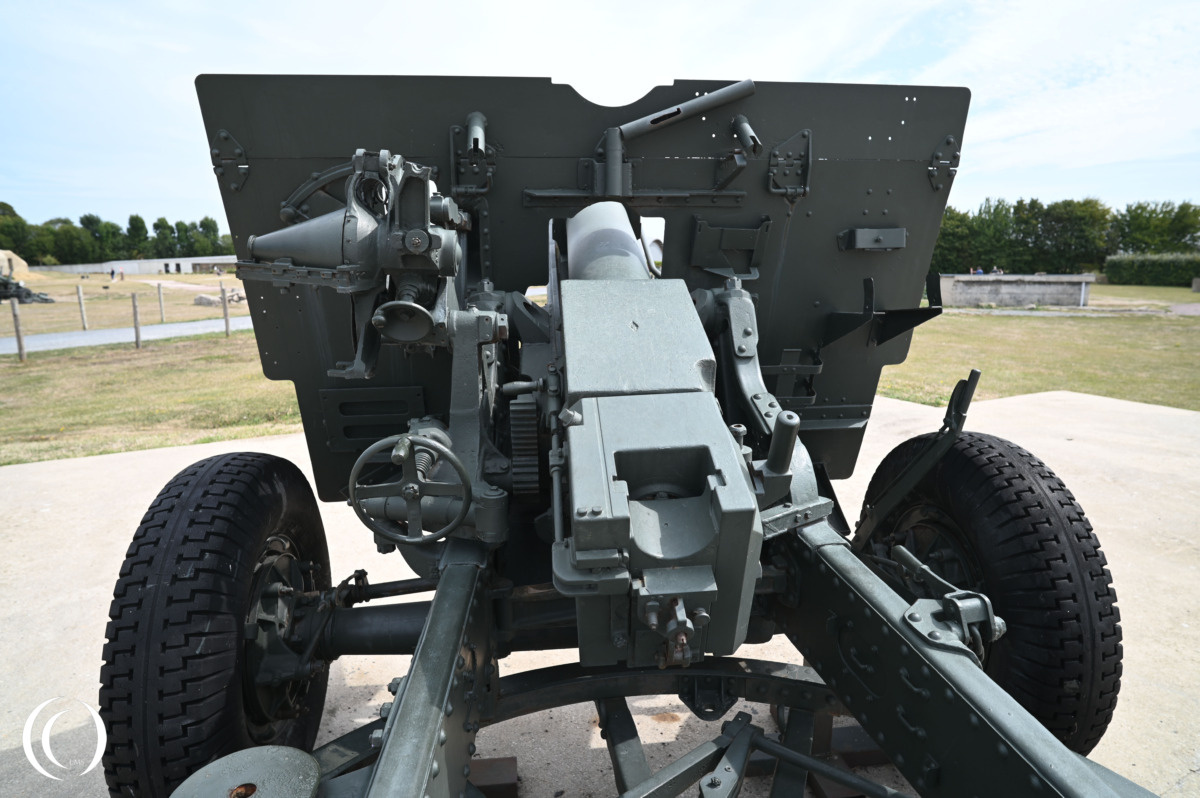
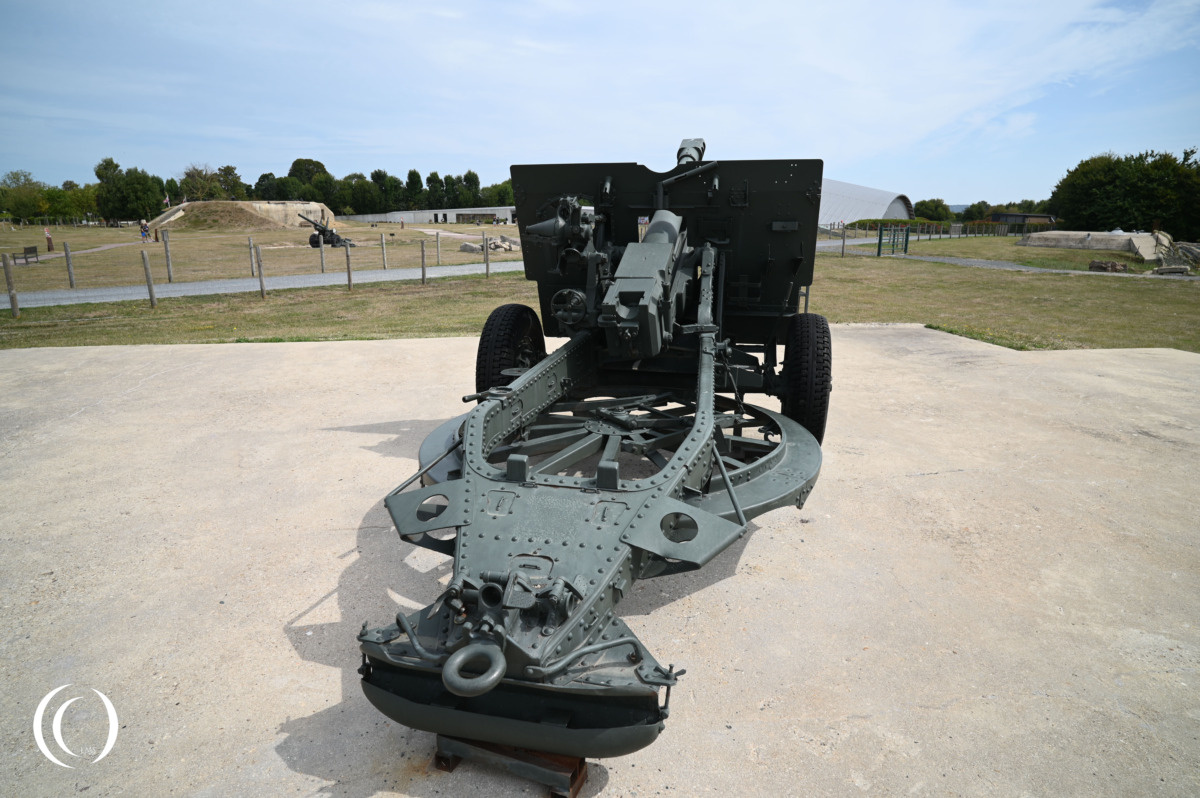
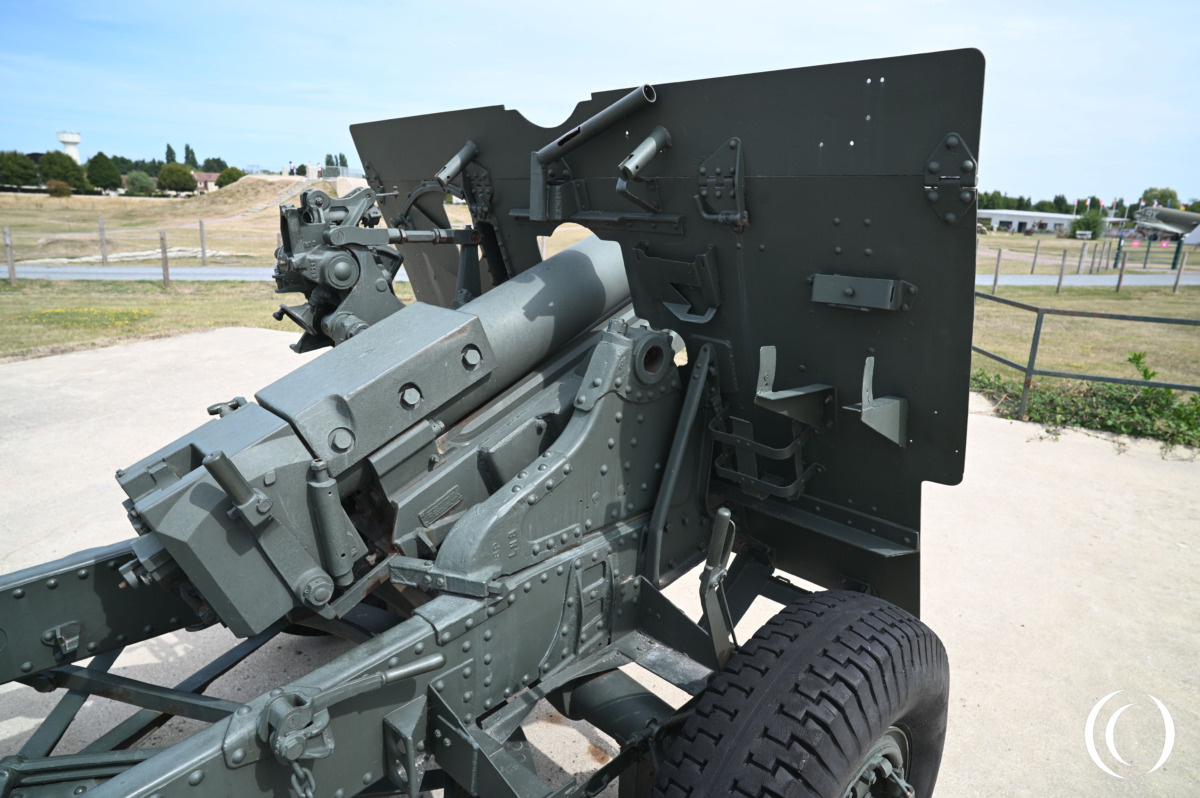
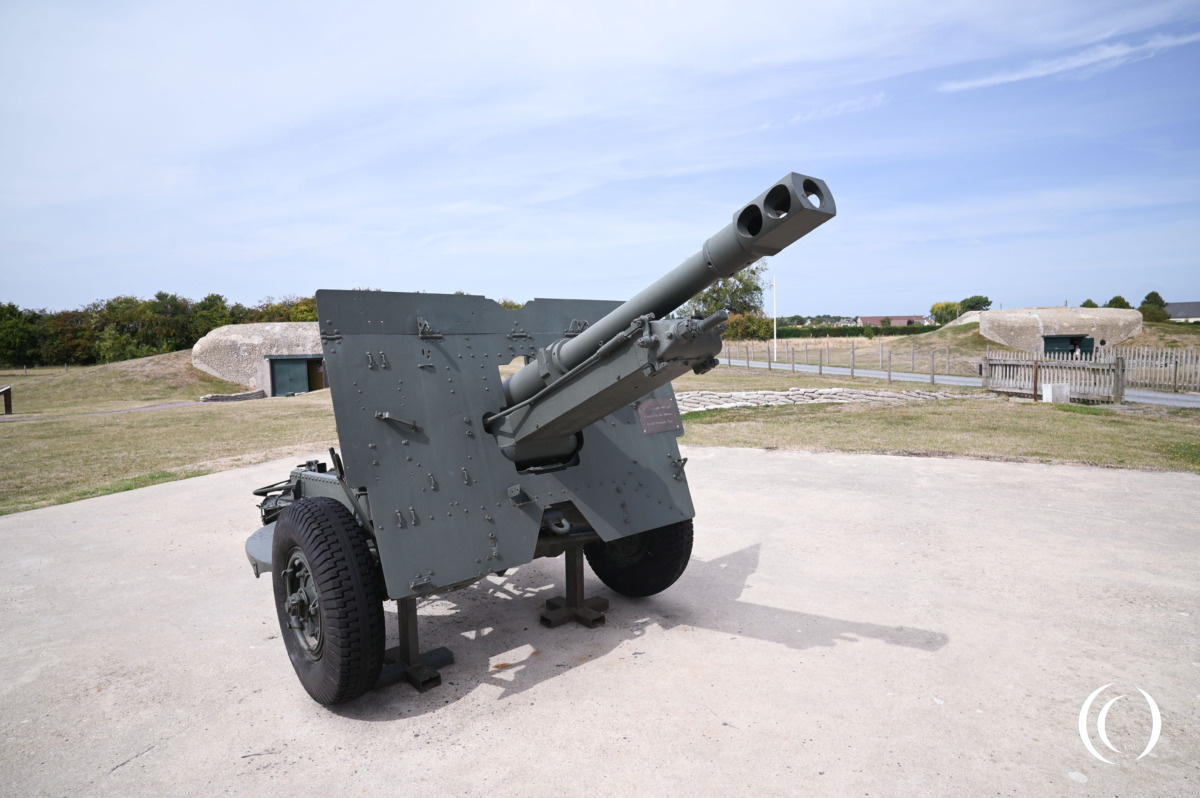
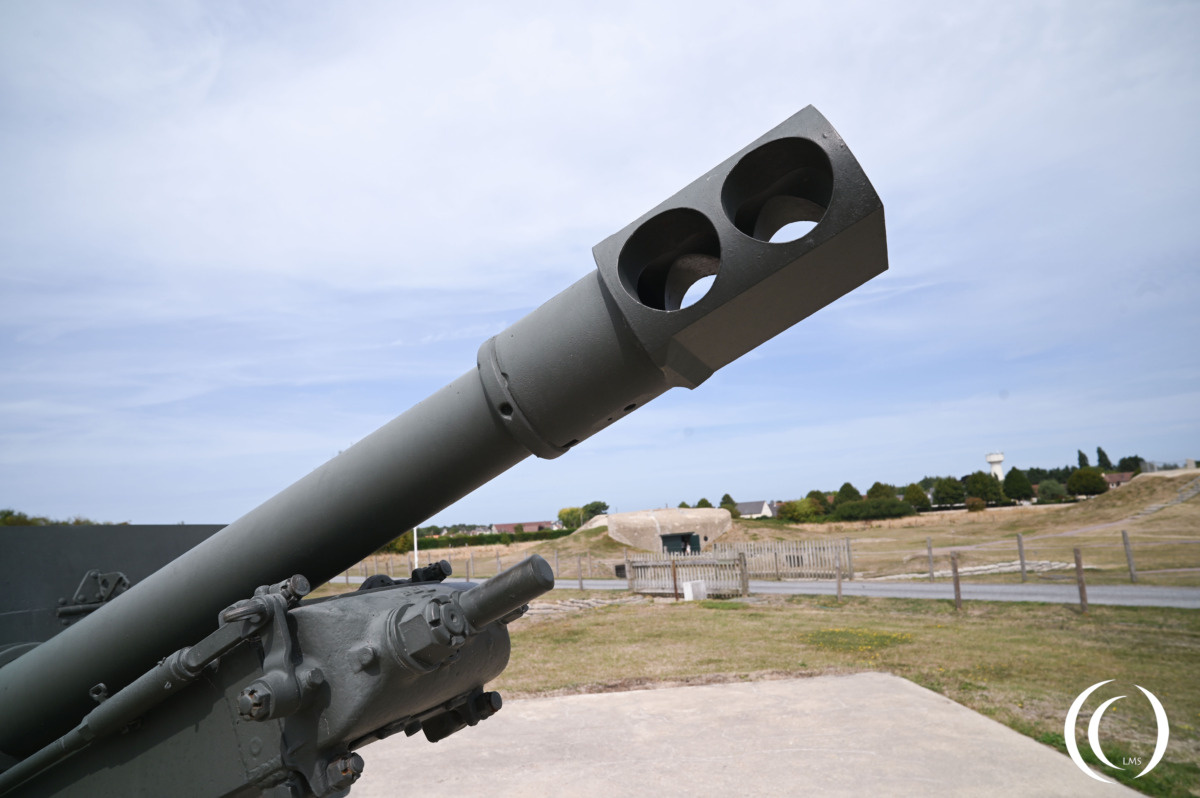
The Ordnance QF 25-pounder in the photos was seen at the Merville Gun Battery in France in 2026.